Malaria remains one of the most common mosquito-borne diseases in India. Every year, thousands of people are affected, especially during the monsoon season. Understanding how malaria spreads is the first step toward prevention and early diagnosis.
In busy urban regions like Mumbai, where population density and stagnant water can increase mosquito breeding, awareness becomes even more important. This guide explains the complete malaria transmission cycle, the role of mosquitoes, symptoms to watch for, and when to get tested.
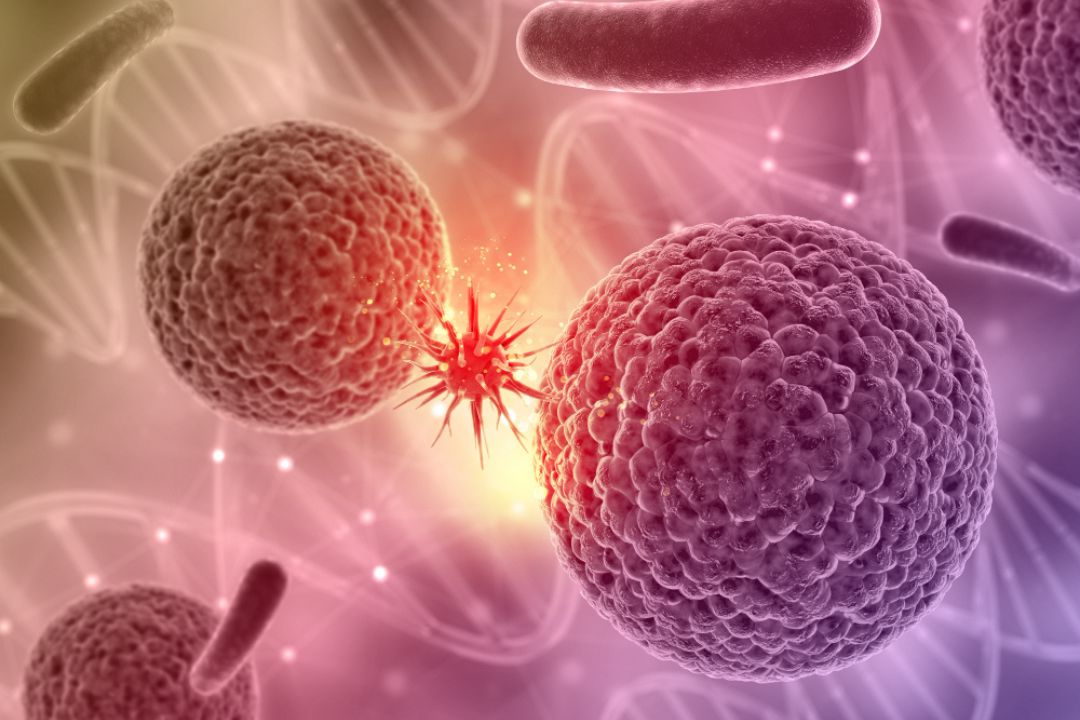
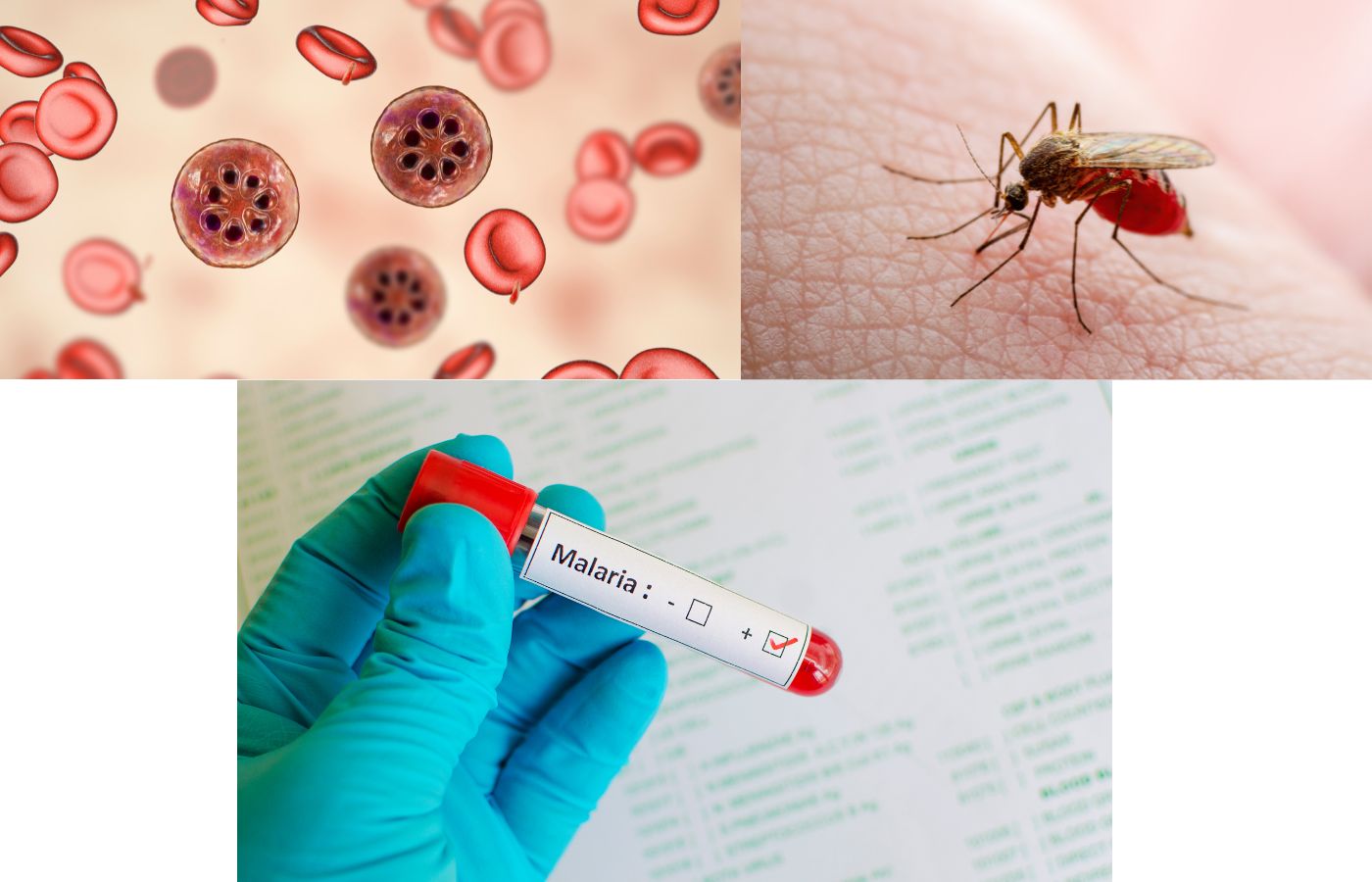
Malaria is a serious infectious disease caused by Plasmodium parasites. It spreads to humans through the bite of an infected female Anopheles mosquito.
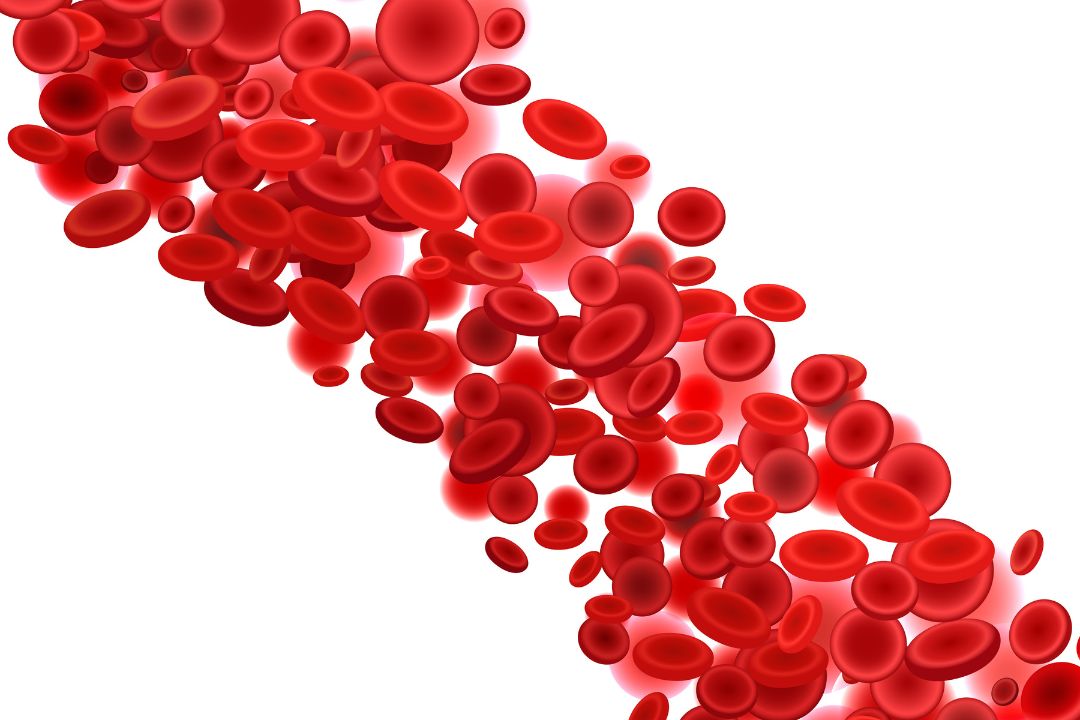
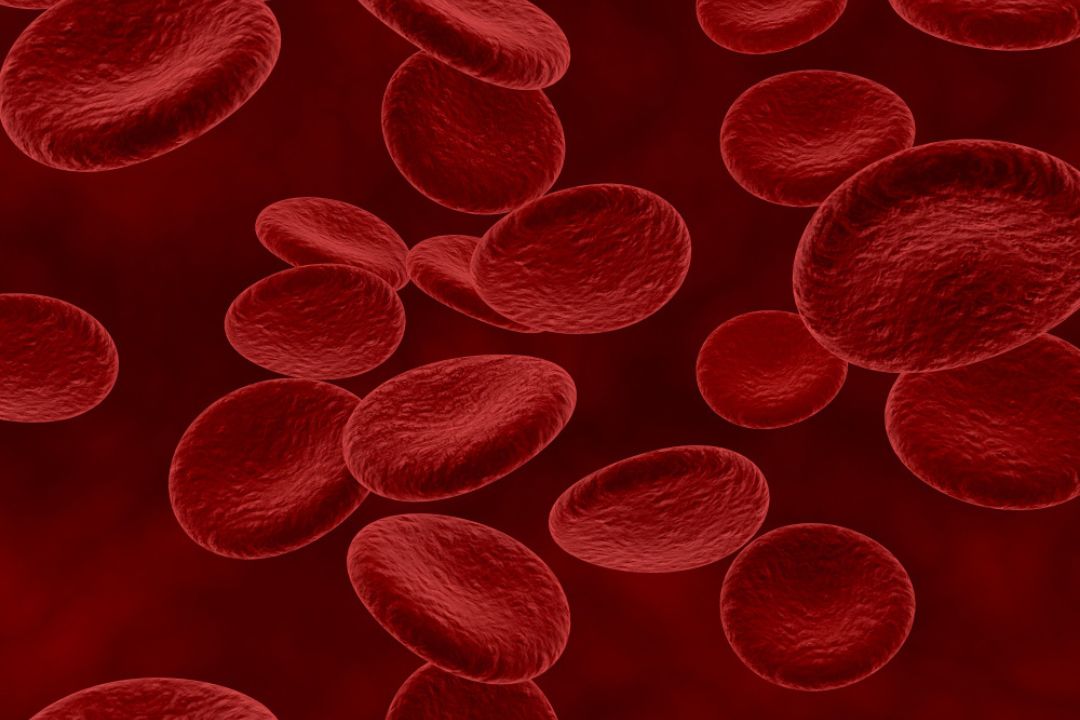
Once inside the body, the parasite multiplies in the liver and then infects red blood cells. Without timely treatment, malaria can become severe and life-threatening.
In metropolitan areas such as Mumbai, seasonal outbreaks are often reported during and after heavy rains.
Malaria does not spread directly from person to person through casual contact. It mainly spreads through mosquito bites.
Visit Now :- https://www.diagnopein.com
This is the primary reason why mosquito control is crucial in cities like Mumbai, where environmental conditions may support mosquito breeding.
Mosquitoes are the main carriers of malaria parasites. However, not all mosquitoes spread malaria.
These mosquitoes require blood meals to develop their eggs. When they bite an infected person, they pick up the parasite and later transmit it to another person.
Key facts:
In densely populated areas such as Mumbai, construction sites, water storage containers, and clogged drains can become breeding grounds.
Large cities create conditions that can support mosquito growth if preventive steps are ignored.
Book Now :-https://www.diagnopein.com/book-test/Mumbai
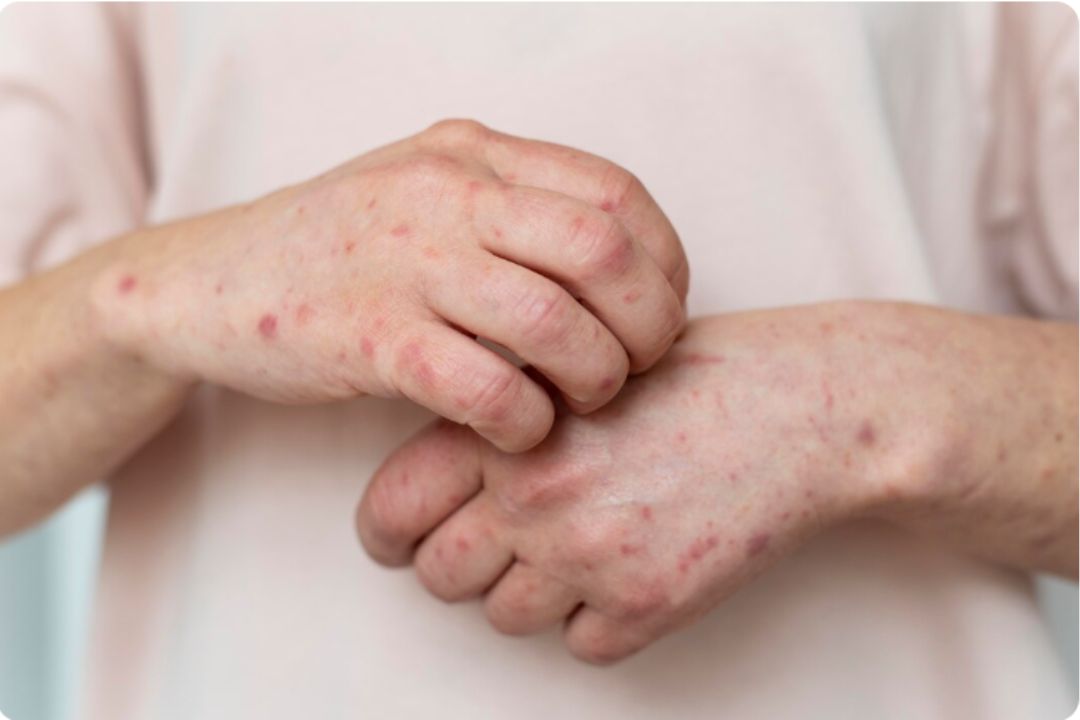
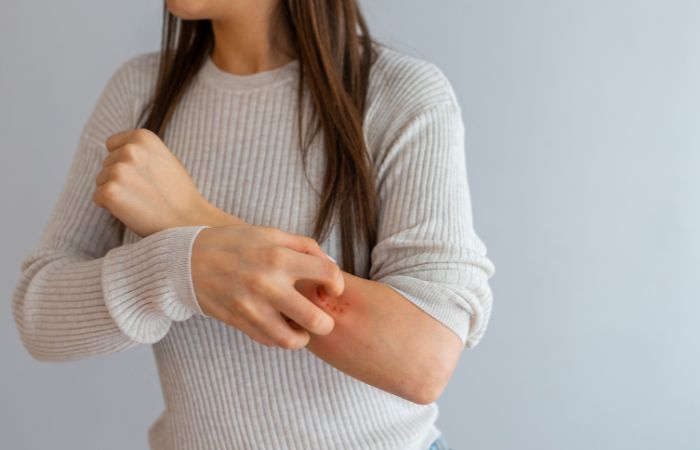
Recognizing symptoms early can prevent complications. Symptoms usually appear 7 to 15 days after an infected mosquito bite.
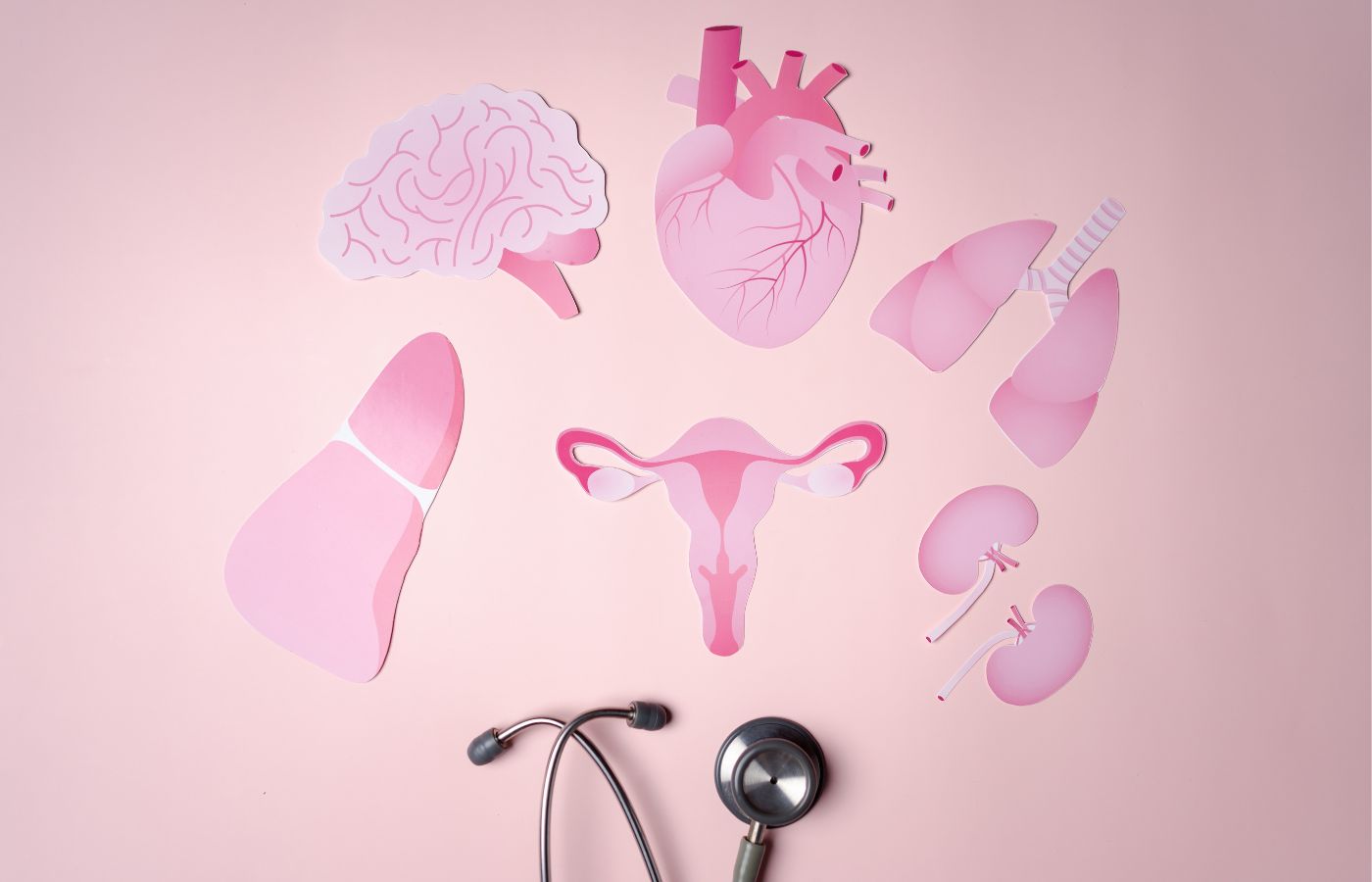
In severe cases, malaria can affect the brain, lungs, or kidneys.
If you notice these malaria symptoms in Mumbai, doctors usually recommend immediate testing.
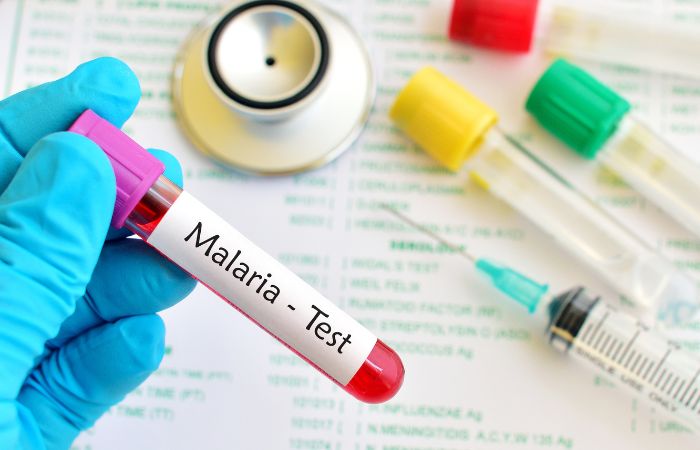
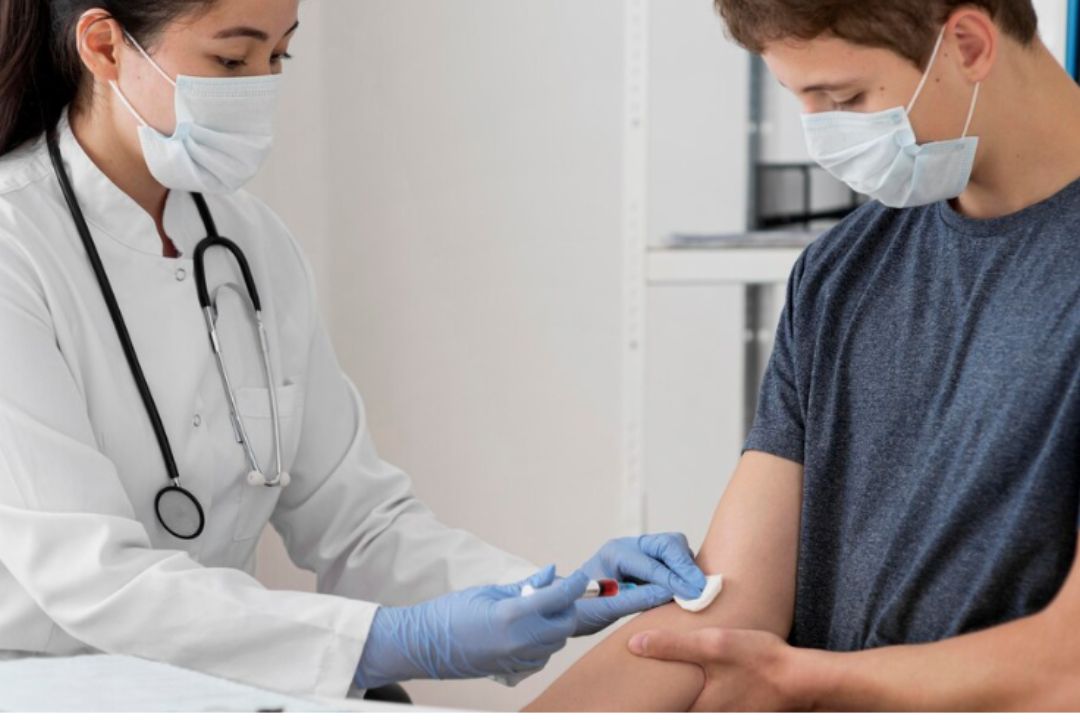
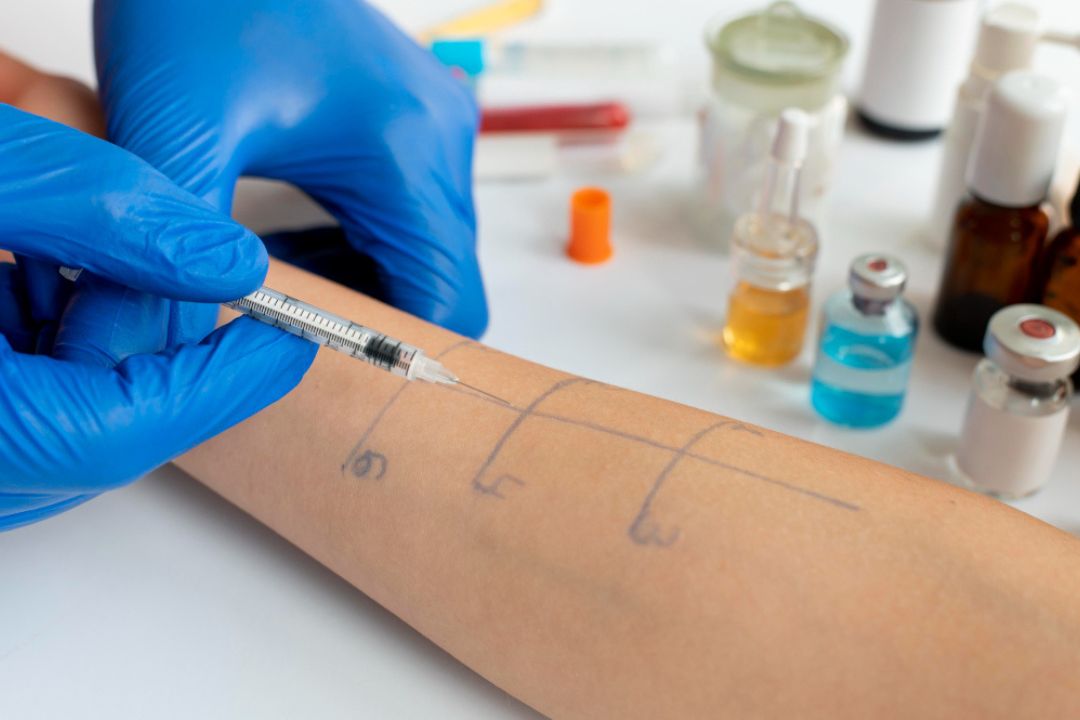
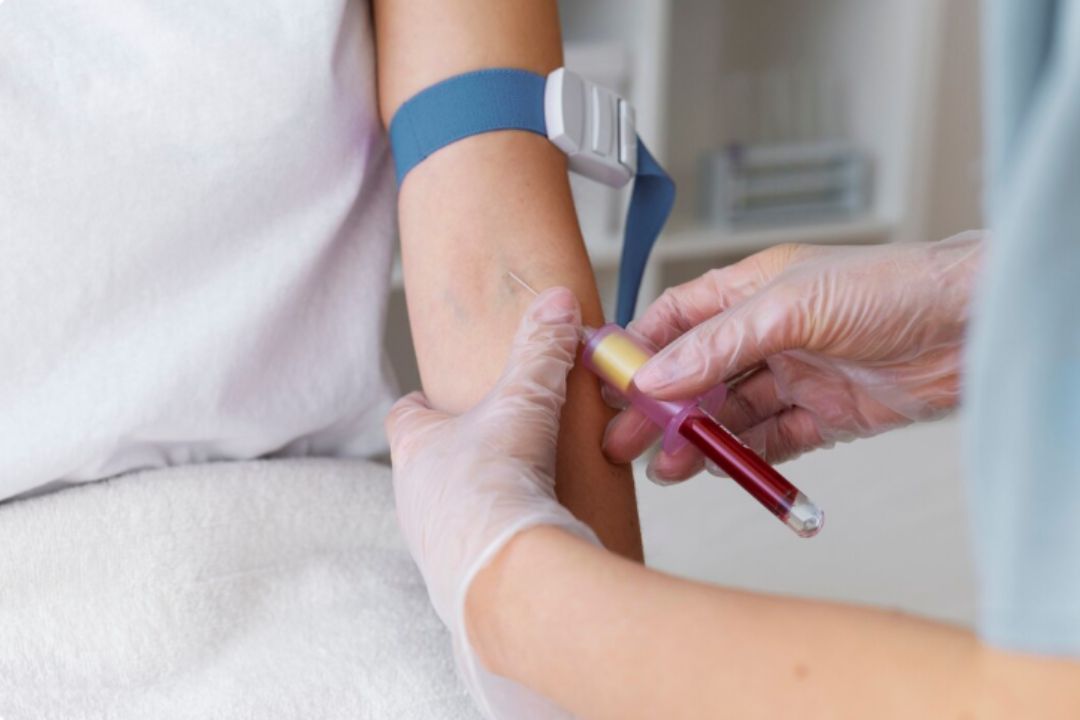
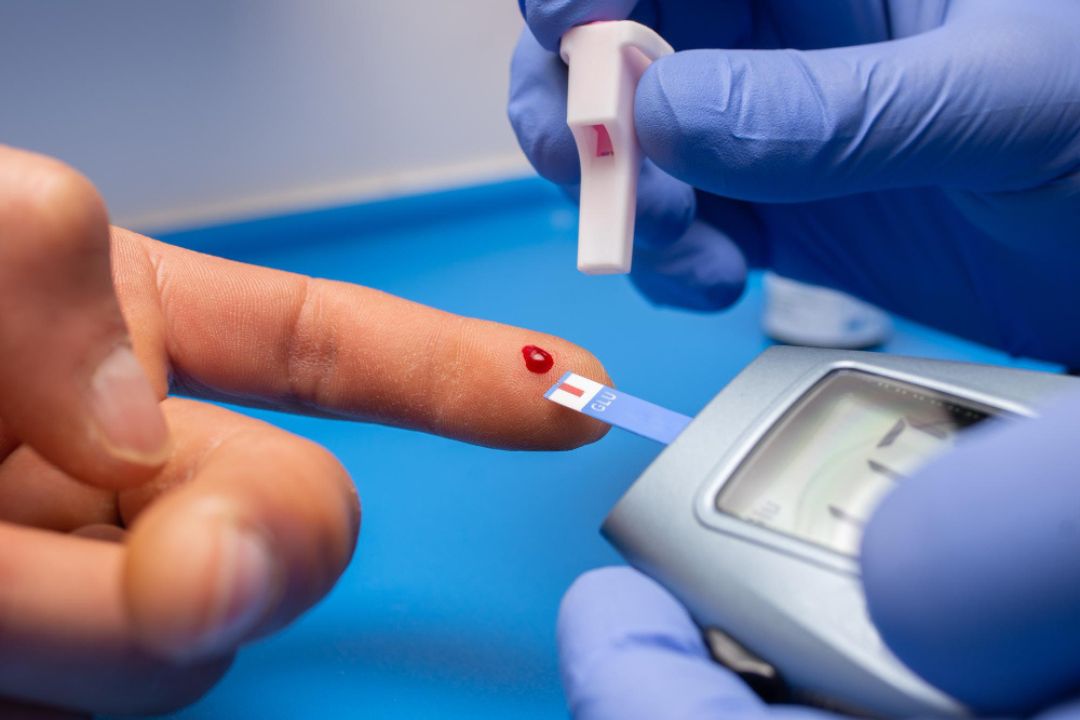
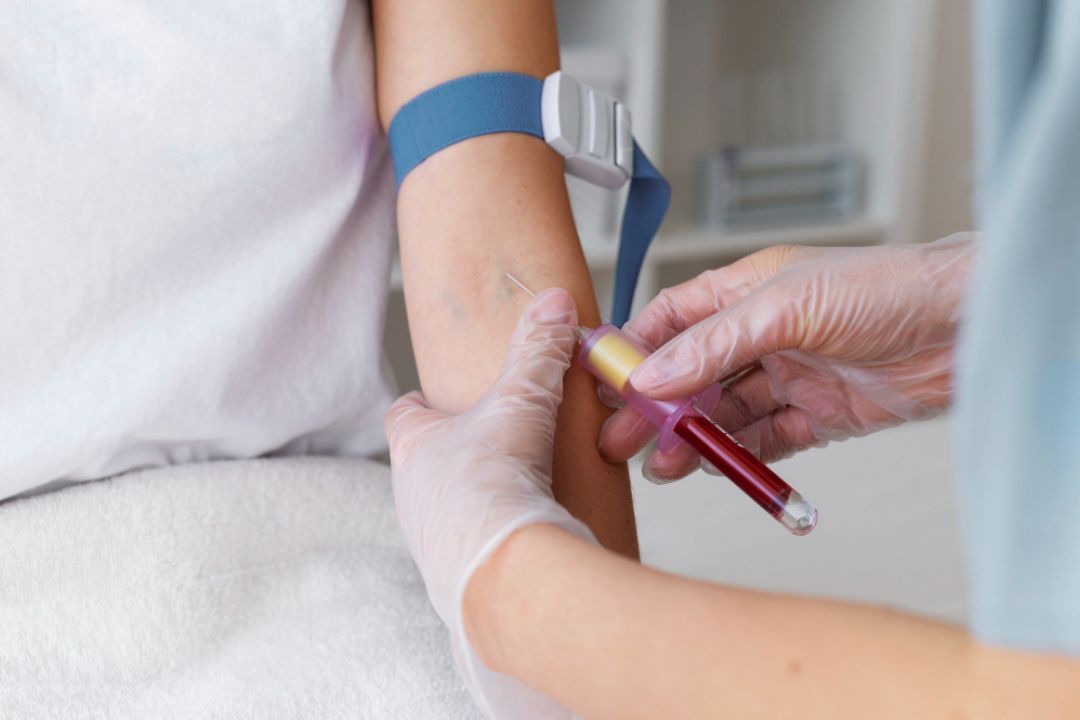
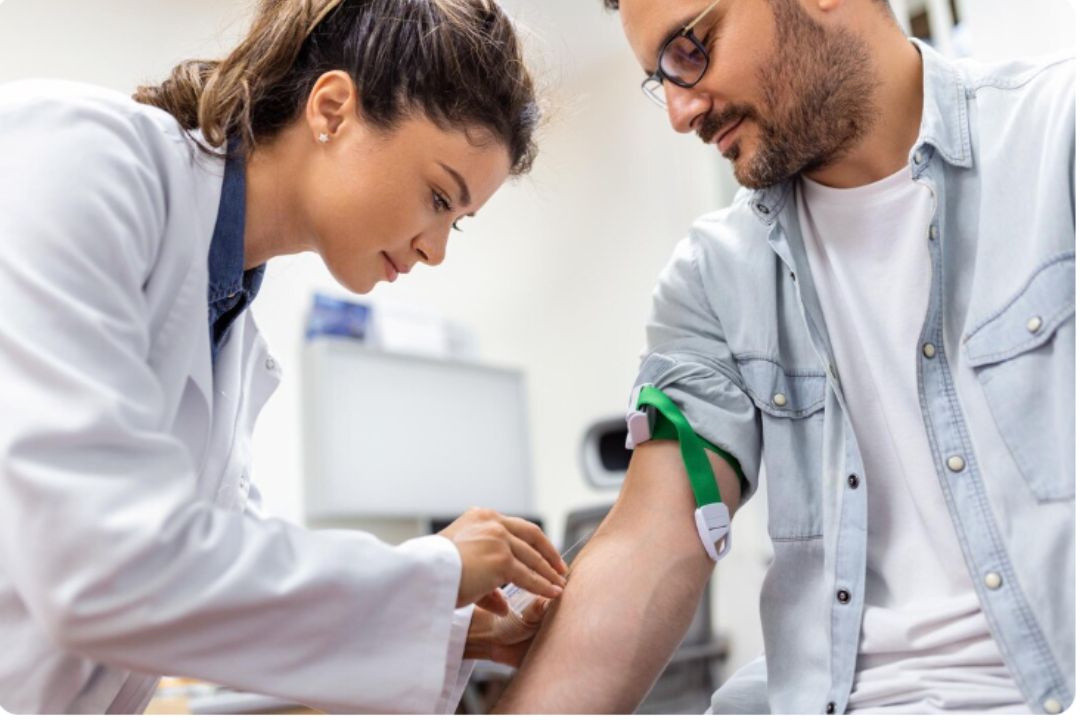
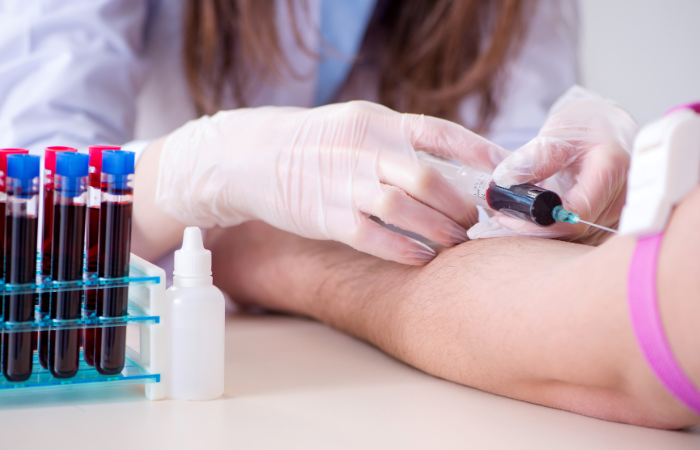
Early diagnosis is critical for effective treatment. If symptoms appear, doctors may advise a malaria test in Mumbaiat a trusted diagnostic center.
Timely testing in Mumbai helps doctors start treatment quickly and prevents complications.
Some individuals are more vulnerable to malaria infection.
If you fall into these categories, preventive measures become even more important.
Prevention mainly focuses on avoiding mosquito bites and controlling breeding.
Book Now :-https://www.diagnopein.com/book-test/Mumbai
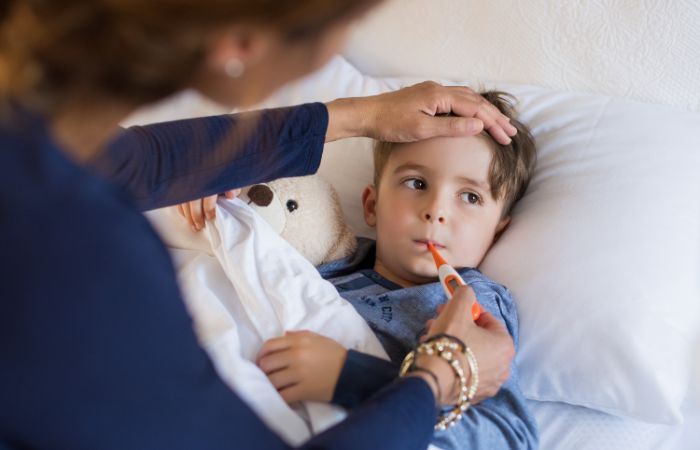
Many people ignore early fever, assuming it is viral. However, malaria requires specific treatment.
If you experience fever in Mumbai during mosquito season, doctors usually suggest prompt testing.
Cost is often a concern for families. The good news is that many diagnostic centers now offer affordable malaria testing Mumbai with quick reporting.
Book Now :-https://www.diagnopein.com/book-test/Mumbai
Do not delay medical consultation if you notice warning signs.
Prompt evaluation in Mumbai can prevent complications and speed up recovery.









.jpg "diabetes")

.jpg "pcos lifestyle")














.jpg "FSH Test")


.jpg "urine potassium in hypokalemia")









.jpg "How to Prevent Hepatitis")
.jpg "Acute-Phase Reactants")
.jpg "Anemia: Causes")

.jpg "Manage Cirrhosis")
.jpg "Types of Tuberculosis")
.png "Tested for Multiple Myeloma")

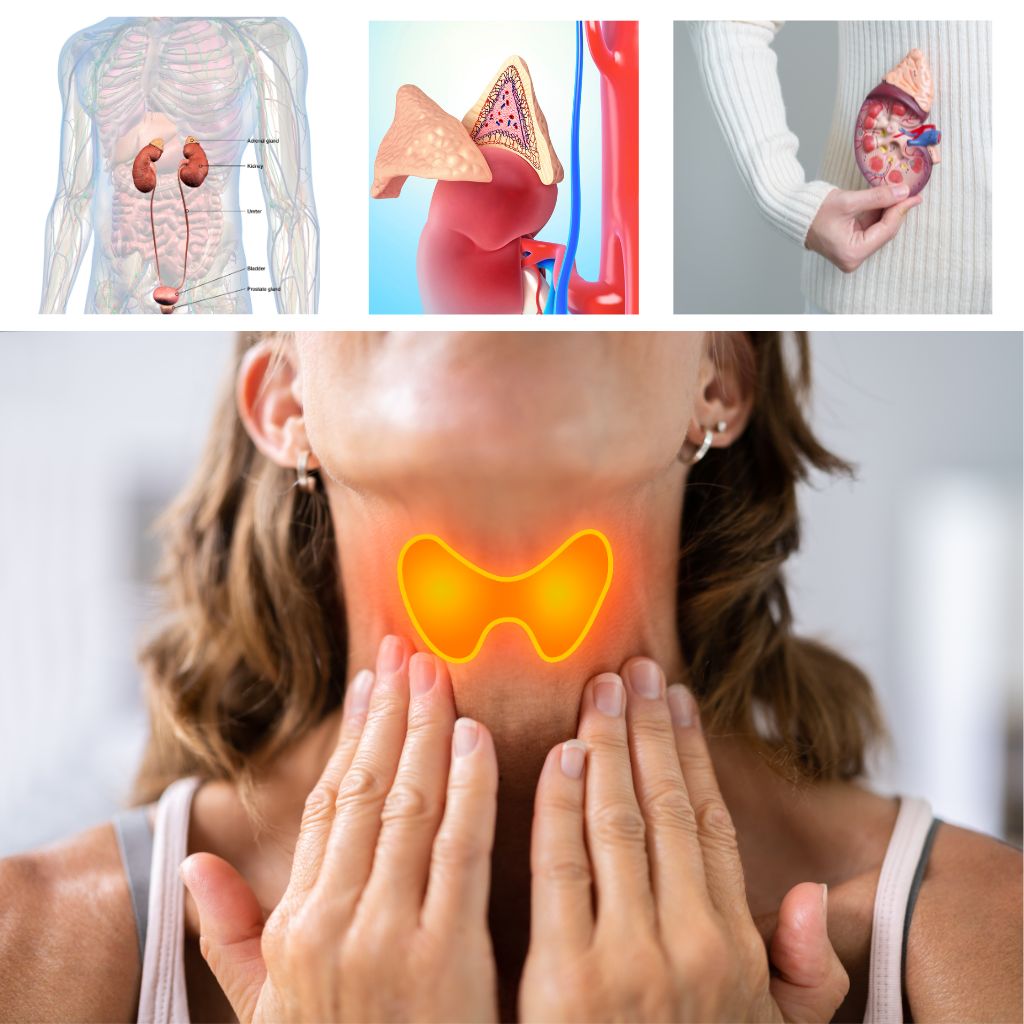

 (1).jpg "Urine Cortisol Test at Diagnopein")
 (1).jpg "Aldolase & its role")
 (1).jpg "Beta-Thalassemia Major at Diagnopein")
.jpg "Typhoid treatment")
 (1).jpg "Kidney Stones Demystified")
 (1).jpg "Blood infection signs & diagnosis")
 (1).jpg "From HIV to AIDS")

.jpg "Multiple Myeloma")
 (1).jpg "Know about Chikungunya Fever")
.jpg "Diagnopein Stands Out")



 disorders.jpg "gastrointestinal (GI) disorders")


.jpg "symptoms of Chikungunya & How is Chikungunya diagnosed?")
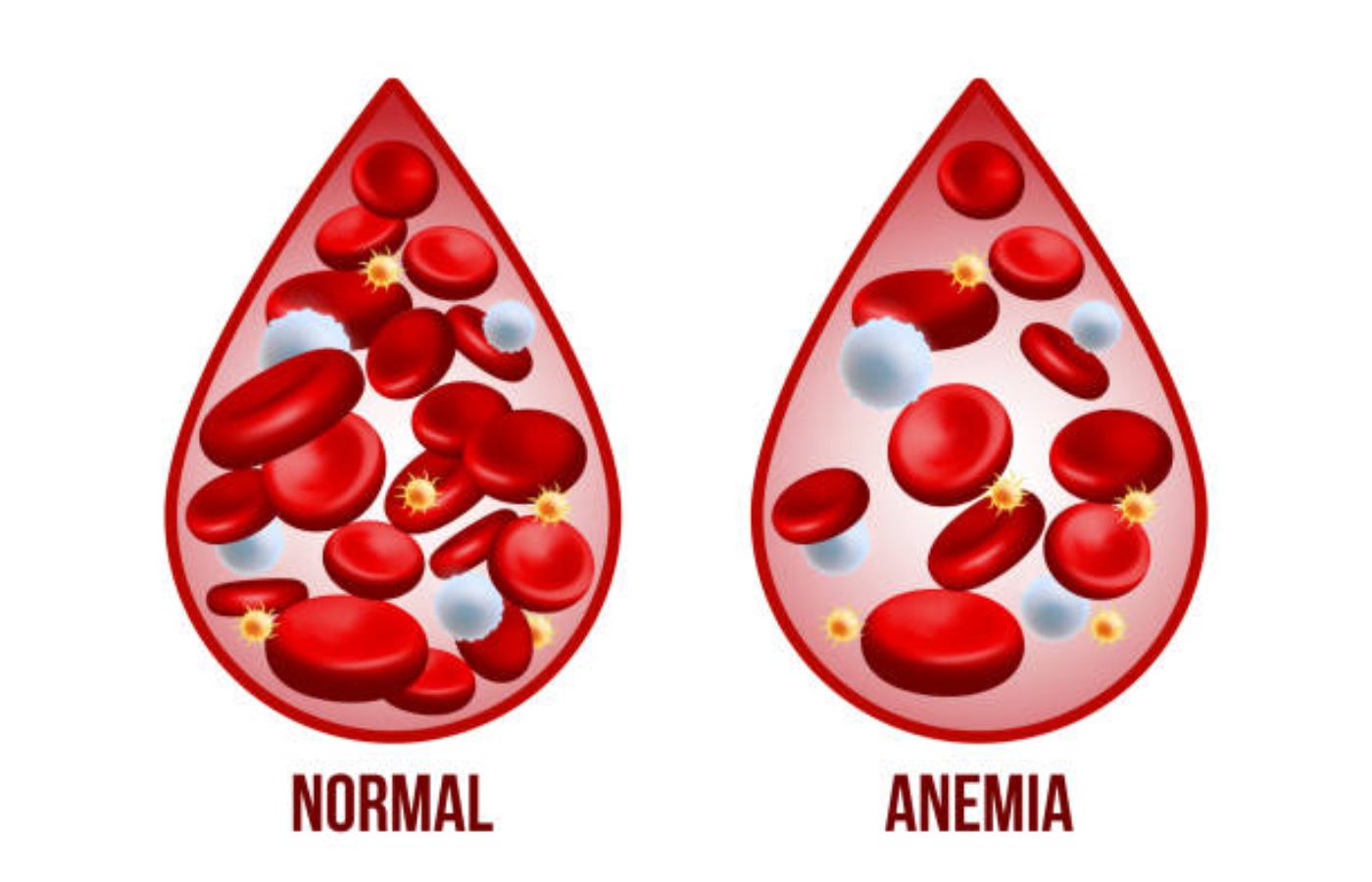

.jpg "COMMON PATHALOGICAL BLOOD TESTS")
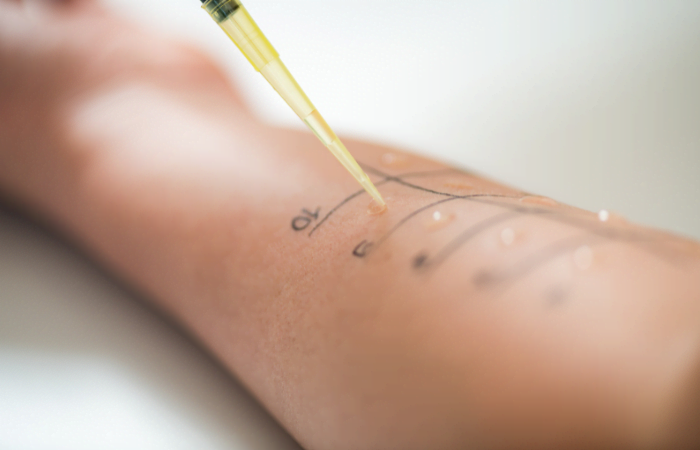
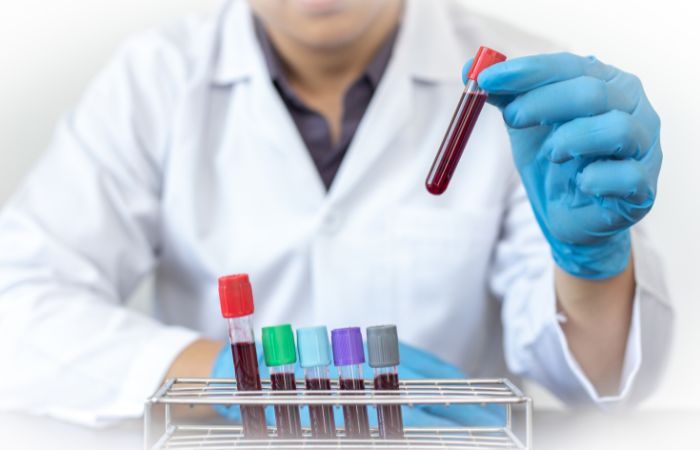
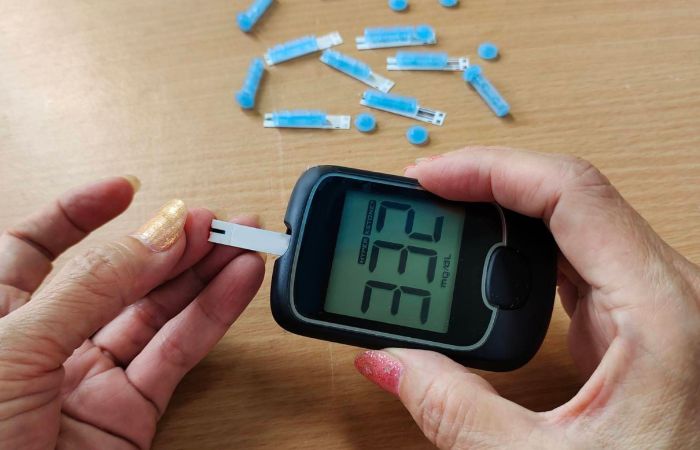








.png "how to manage diabetes")