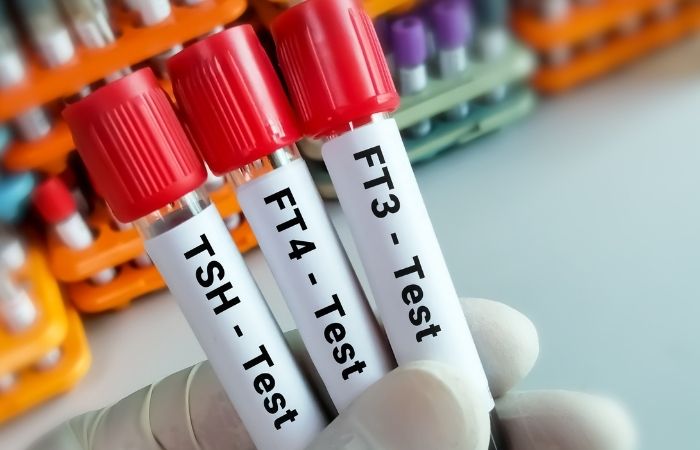
.jpg "urine potassium in hypokalemia")
Feeling weak, fatigued, or experiencing muscle cramps? Your doctor might check your blood and discover hypokalemia – a condition marked by low levels of potassium in your blood. But here’s the crucial puzzle: finding low blood potassium is just the beginning. The real diagnostic challenge is answering why it’s low. Is your body not getting enough potassium, or is it losing too much? This is where the diagnostic importance of urine potassium becomes absolutely vital.
Imagine your body as a bathtub. Blood potassium is the water level in the tub. Hypokalemia means the water level is low. The urine potassium test tells us if the drain is open (your kidneys are wasting potassium) or if the tap is simply turned off (not enough dietary intake).
When blood potassium is low, healthy kidneys should conserve it, excreting very little into the urine. If your urine test shows high potassium despite low blood levels, it signals that your kidneys are the source of the problem. This simple distinction guides doctors toward the correct cause, whether it’s:
Kidney-related losses: Like diuretic use, certain kidney diseases, or high aldosterone levels.
Gastrointestinal losses: Such as chronic diarrhea or vomiting (where urine potassium would typically be low as kidneys try to conserve).
Targeted Treatment: Is the solution potassium supplements or a medication change? The urine test directs the right therapy.
Underlying Disease Detection: It can uncover hidden conditions like Conn’s syndrome (primary aldosteronism) or renal tubular acidosis.
Prevents Recurrence: By treating the root cause, not just the symptom, future episodes of hypokalemia can be prevented.
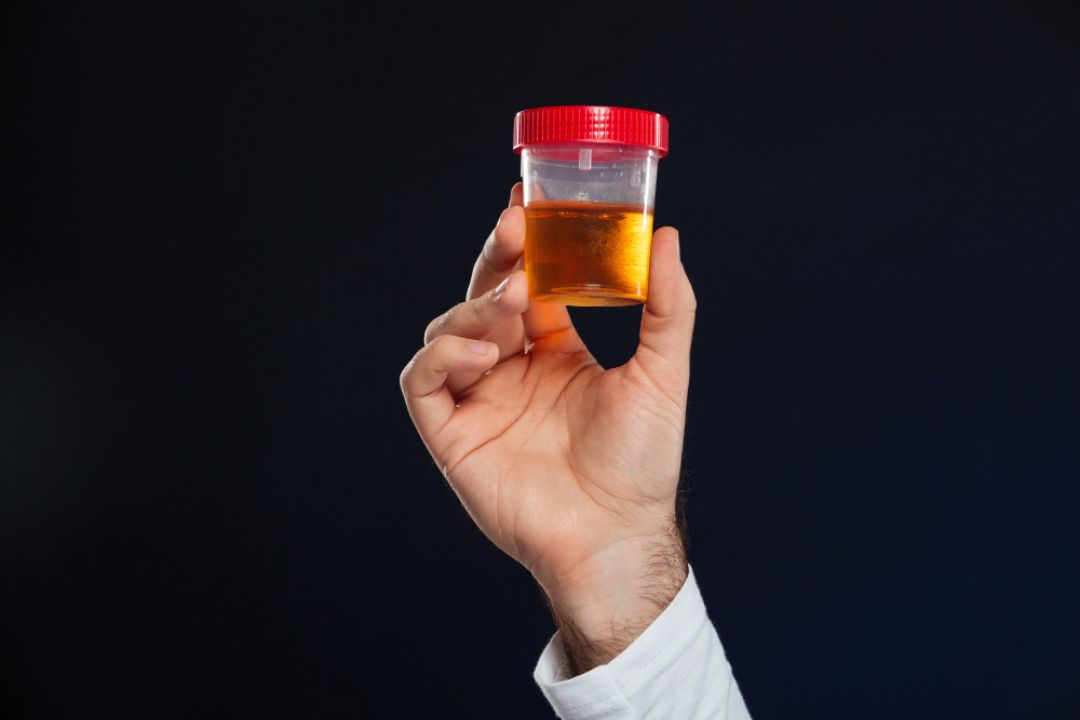
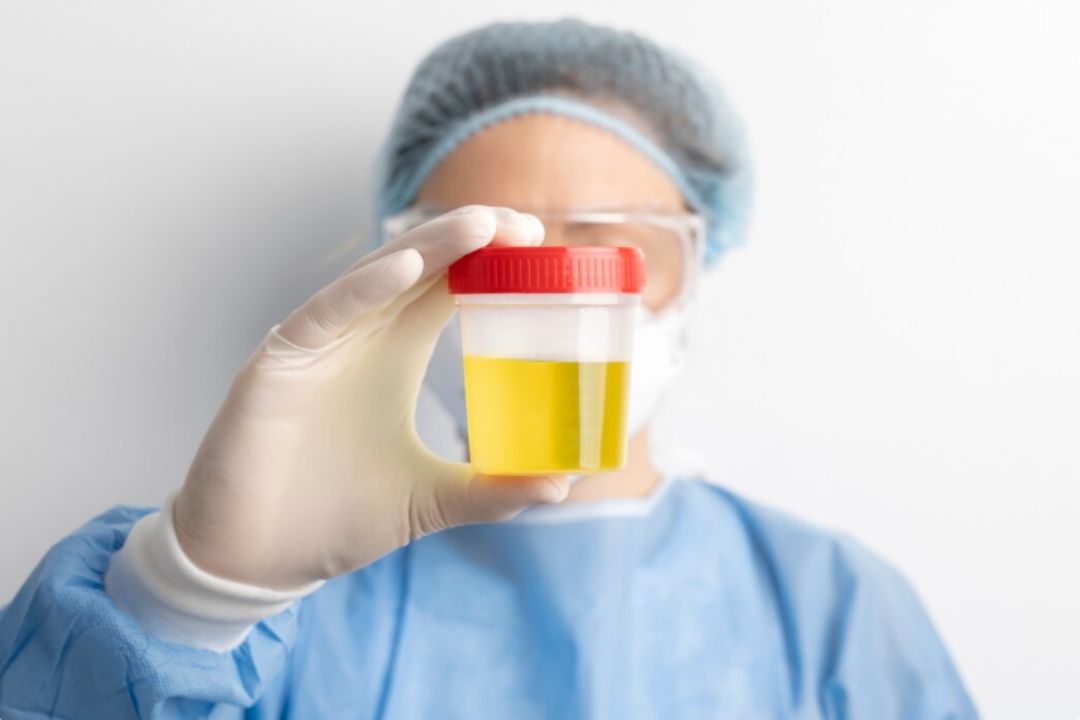
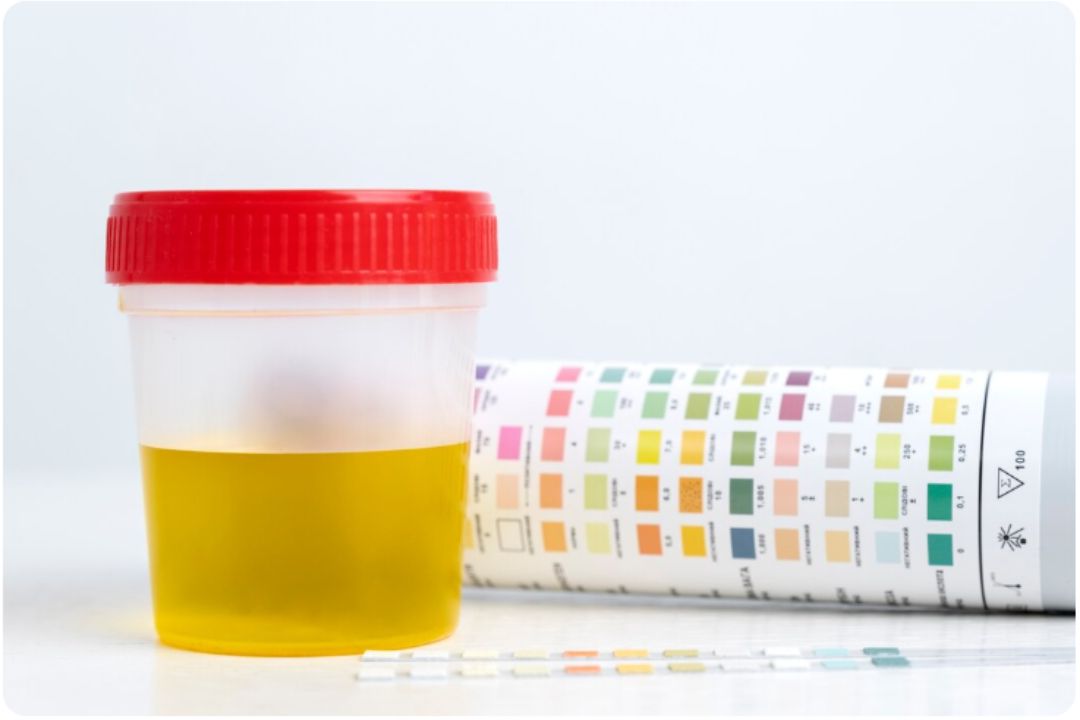
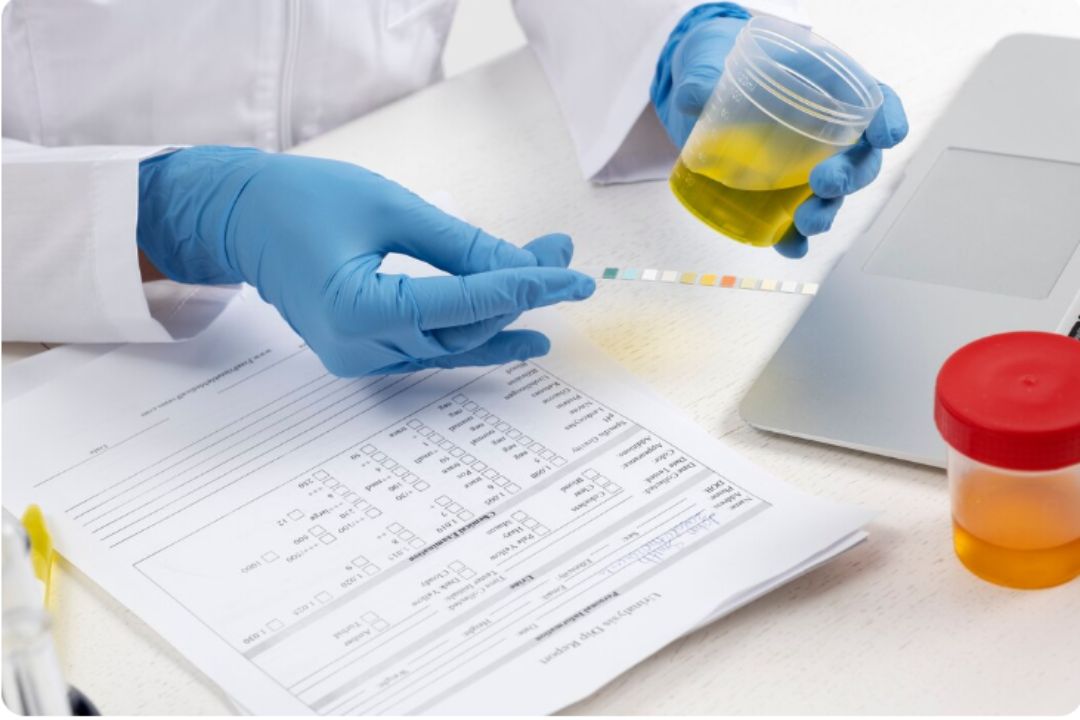
Traditionally, a 24-hour urine collection is the gold standard but can be inconvenient. Modern diagnostics now offer random urine potassium/creatinine ratios from a single sample, providing similar insights with much greater patient comfort and faster results.
At-home diagnostic kits and seamless lab integrations have also revolutionized this process. While costs vary, investing in the right test first (often just a bit more than a standard blood test) saves money long-term by avoiding misdiagnosis and ineffective treatments.
Diagnosing hypokalemia without checking urine potassium is like trying to fix a leak without finding its source. Understanding the urine potassium normal range and how your result compares is critical for an accurate diagnosis and effective treatment plan.
At Diagnopein, we transform complex diagnostics into a clear, comfortable, and patient-centric experience. We don’t just perform tests; we provide answers.
Expert-Guided Testing: We help you and your doctor choose the right test—like the crucial urine potassium assessment—to solve your health puzzle.
Seamless & Comfortable Service: From at-home collection kits to hassle-free lab visits, we prioritize your convenience.
Clarity and Accuracy: We ensure precise testing against established benchmarks (like the normal level of potassium in urine) and deliver results with clear, actionable explanations.
Integrated Care: We bridge the gap between testing and treatment, empowering you with information to discuss confidently with your healthcare provider.




















.jpg "diabetes")



.jpg "pcos lifestyle")





















.jpg "FSH Test")
















.jpg "How to Prevent Hepatitis")
.jpg "Acute-Phase Reactants")
.jpg "Anemia: Causes")

.jpg "Manage Cirrhosis")
.jpg "Types of Tuberculosis")
.png "Tested for Multiple Myeloma")

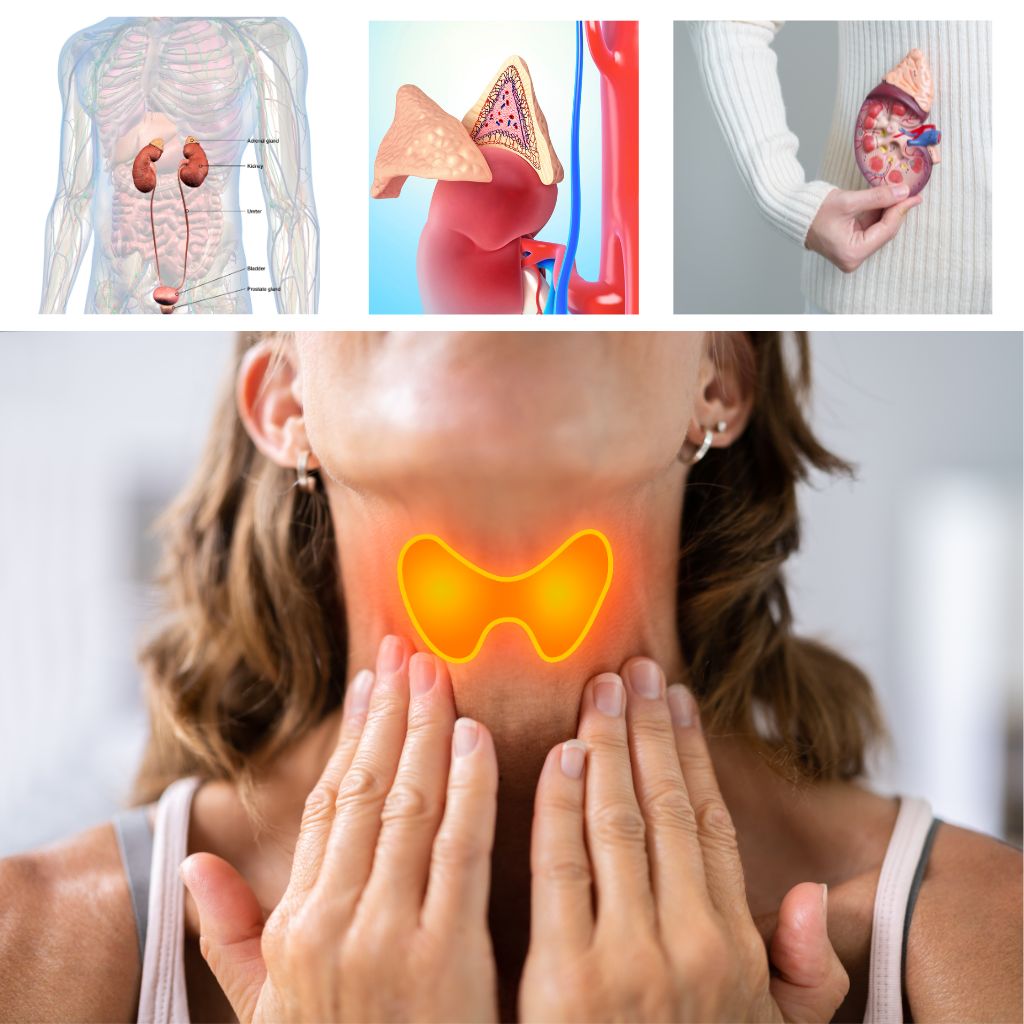

 (1).jpg "Urine Cortisol Test at Diagnopein")
 (1).jpg "Aldolase & its role")
 (1).jpg "Beta-Thalassemia Major at Diagnopein")
.jpg "Typhoid treatment")
 (1).jpg "Kidney Stones Demystified")
 (1).jpg "Blood infection signs & diagnosis")
 (1).jpg "From HIV to AIDS")

.jpg "Multiple Myeloma")
 (1).jpg "Know about Chikungunya Fever")
.jpg "Diagnopein Stands Out")
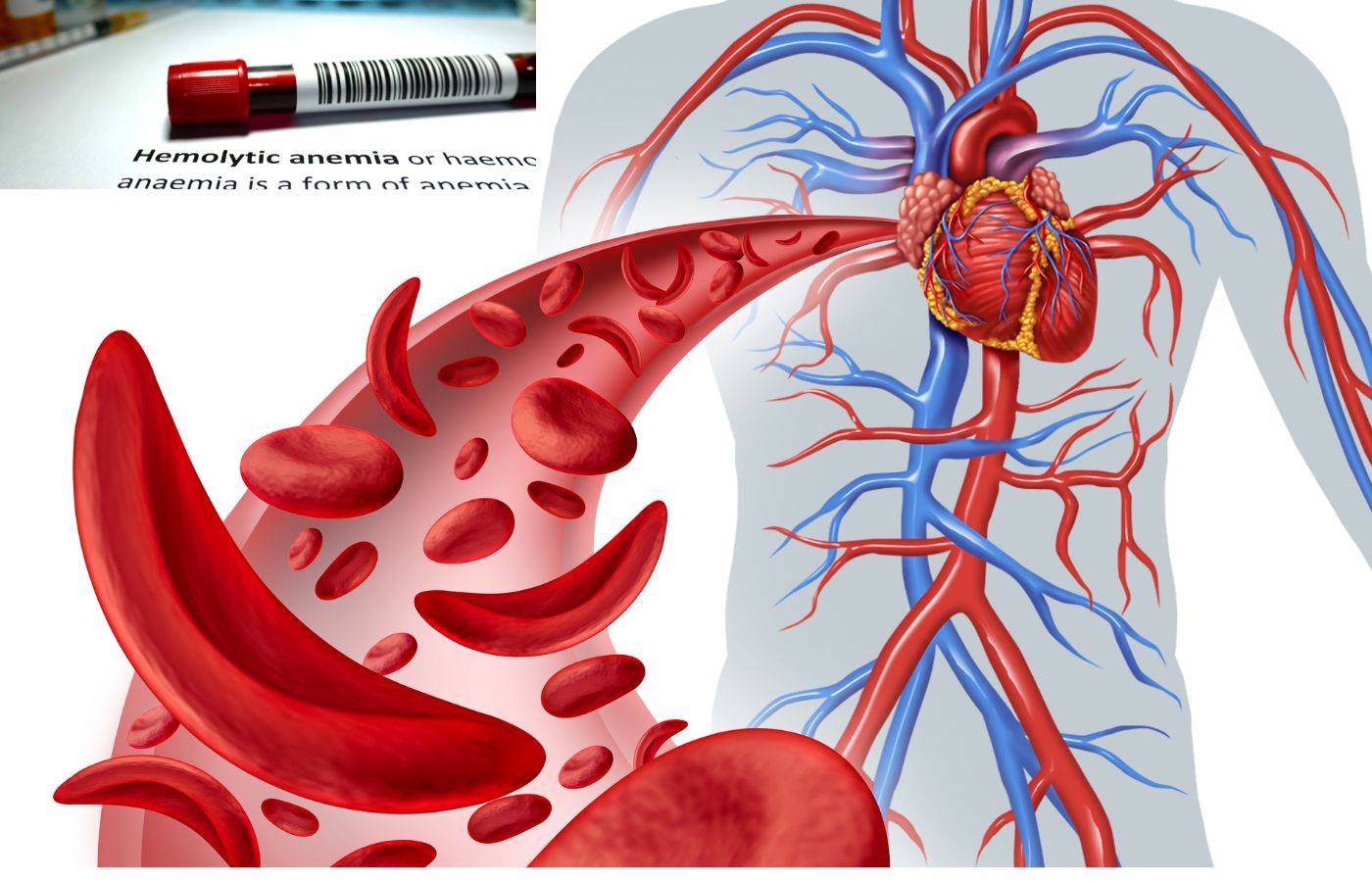






 disorders.jpg "gastrointestinal (GI) disorders")






.jpg "symptoms of Chikungunya & How is Chikungunya diagnosed?")


.jpg "COMMON PATHALOGICAL BLOOD TESTS")












.png "how to manage diabetes")