Feeling constantly fatigued, experiencing unexplained weight changes, or struggling with mood swings? These vague symptoms often point to one small but mighty gland: the thyroid. Often, the first step to uncovering a thyroid issue is a simple blood test called a TSH test. But what is TSH, and why is this test so crucial for your health?
What is TSH in a blood test? TSH stands for Thyroid-Stimulating Hormone. It's not produced by your thyroid, but by your pituitary gland in the brain. Think of TSH as a "messenger hormone." Its job is to travel through your bloodstream to your thyroid gland and signal it to produce its own hormones: thyroxine (T4) and triiodothyronine (T3). These thyroid hormones are vital—they regulate your metabolism, energy, body temperature, heart rate, and much more.
The relationship is a delicate feedback loop:
If thyroid hormone levels are too low, your pituitary gland releases more TSH to shout at the thyroid: "Make more hormones!"
If thyroid hormone levels are too high, the pituitary releases less TSH, effectively telling the thyroid to slow down.
Early Detection: Thyroid disorders (like hypothyroidism and hyperthyroidism) develop slowly. A TSH test can identify a problem long before severe symptoms appear, allowing for early intervention.
Symptom Investigation: It provides objective data for symptoms like fatigue, weight gain, hair loss, anxiety, or irregular heartbeats, moving you from guesswork to a clear diagnosis.
Treatment Monitoring: If you're on thyroid medication (like levothyroxine), regular TSH testing ensures your dosage is correct and your thyroid levels are optimal.
Sometimes, a TSH test is just the beginning. Your doctor might order additional tests for a complete picture:
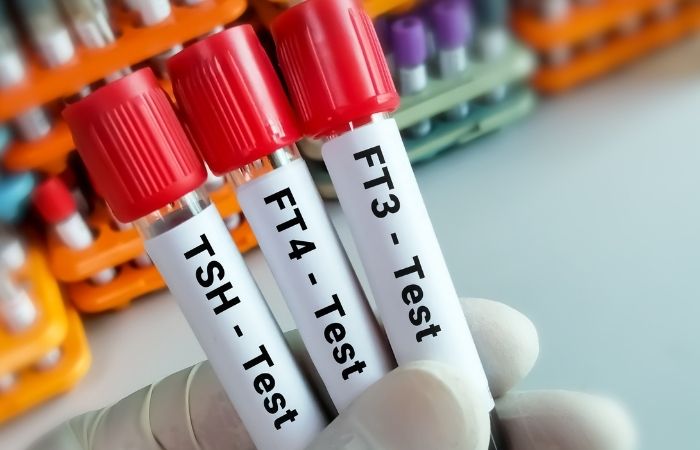
Free T4 & Free T3: Measure the actual thyroid hormones in your blood.
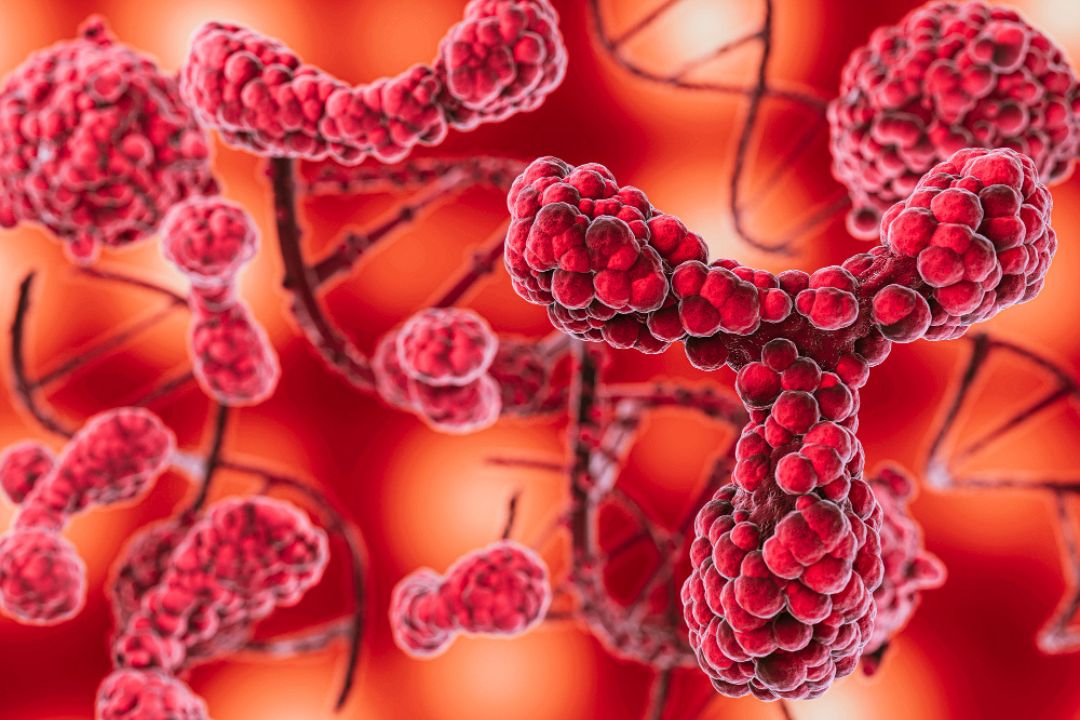
TSH Receptor Antibody (TRAb) Test: This is key for diagnosing Graves' disease, a common cause of hyperthyroidism. While the TSH receptor antibody test normal range is typically <1.75 IU/L, a positive result helps confirm an autoimmune condition. Diagnopein's comprehensive thyroid panels often include these markers, giving you a fuller diagnostic story.
Getting a thyroid test used to mean doctor's referrals, lab queues, and multiple bills. Today, services like Diagnopein have revolutionized this process. Here’s how we compare:
| Aspect | Traditional Lab Route | With Diagnopein |
|---|---|---|
| Convenience | Doctor's appointment required for a requisition. | Order online directly. No prescription needed for our self-administered tests. |
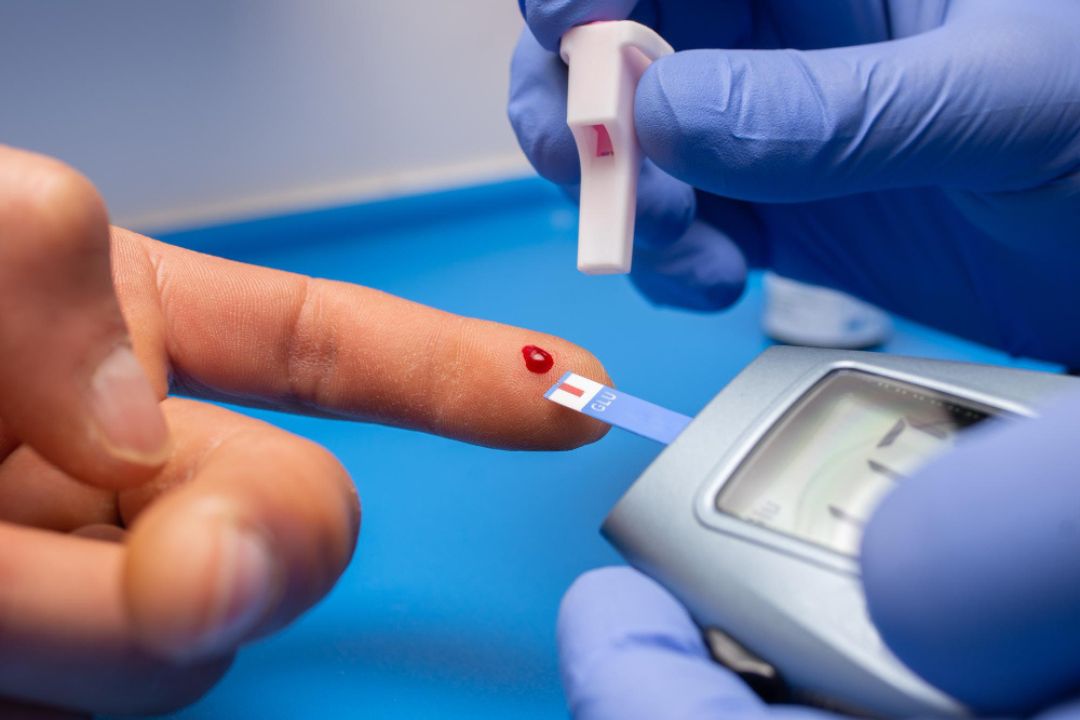
| Comfort & Privacy | Travel to a clinic, wait in a public lab. | Test from the comfort of home. Our kits include everything for a simple finger-prick blood sample. |
| Cost & Transparency | Hidden fees, separate bills from doctor and lab. | Clear, upfront pricing. You pay one all-inclusive fee for the test kit and lab analysis. |
| Process & Speed | Time-consuming multi-step process. | Streamlined: Kit delivered, sample mailed back, secure digital results in days. |
| Comprehensiveness | Often only TSH unless you advocate for more. | Choose from focused tests (like TSH only) or full panels that include T3, T4, and antibodies. |
Understanding what TSH is and the importance of the TSH test is the first step in proactive health management. Whether you're experiencing symptoms, have a family history of thyroid disease, or simply want a baseline, monitoring your thyroid function is a wise choice.
Diagnopein removes the traditional barriers to this essential care. We provide a direct-to-consumer lab testing model that prioritizes your convenience, privacy, and clarity. Why navigate a complex healthcare system when you can get accurate, clinically-relevant insights delivered securely to your device?
Choose Diagnopein for accessible, affordable, and actionable health insights. We empower you with the information you need to start a informed conversation with your healthcare provider, putting you in control of your wellness journey from the very first step.



















.jpg "diabetes")


.jpg "pcos lifestyle")




















.jpg "FSH Test")






.jpg "urine potassium in hypokalemia")











.jpg "How to Prevent Hepatitis")
.jpg "Acute-Phase Reactants")
.jpg "Anemia: Causes")

.jpg "Manage Cirrhosis")
.jpg "Types of Tuberculosis")
.png "Tested for Multiple Myeloma")


 (1).jpg "Urine Cortisol Test at Diagnopein")
 (1).jpg "Aldolase & its role")
 (1).jpg "Beta-Thalassemia Major at Diagnopein")
.jpg "Typhoid treatment")
 (1).jpg "Kidney Stones Demystified")
 (1).jpg "Blood infection signs & diagnosis")
 (1).jpg "From HIV to AIDS")


.jpg "Multiple Myeloma")
 (1).jpg "Know about Chikungunya Fever")
.jpg "Diagnopein Stands Out")






 disorders.jpg "gastrointestinal (GI) disorders")






.jpg "symptoms of Chikungunya & How is Chikungunya diagnosed?")


.jpg "COMMON PATHALOGICAL BLOOD TESTS")














.png "how to manage diabetes")