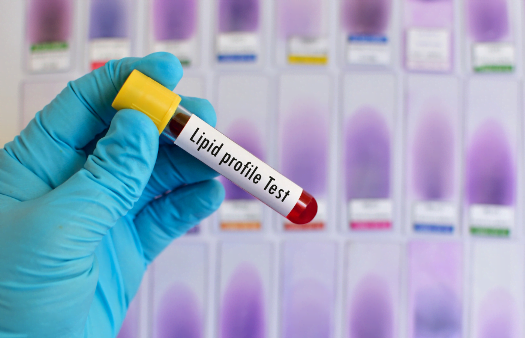
In today’s fast-paced world, monitoring your health proactively is more important than ever. One of the most critical metrics of your well-being is your blood sugar level. But how do you know if yours is normal? The fasting glucose test is the gold standard for screening and monitoring blood sugar levels. This guide will walk you through everything you need to know about this essential test.
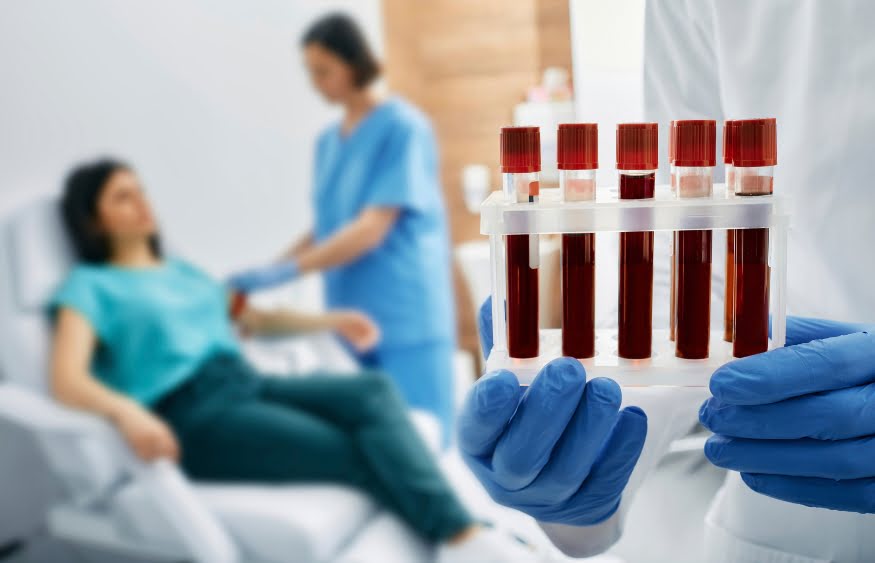
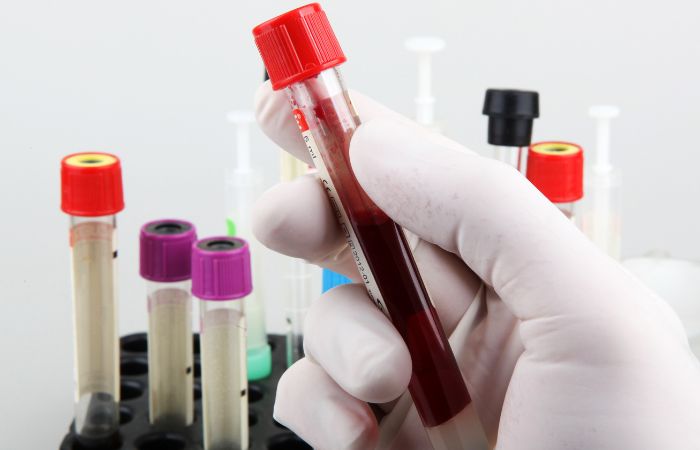
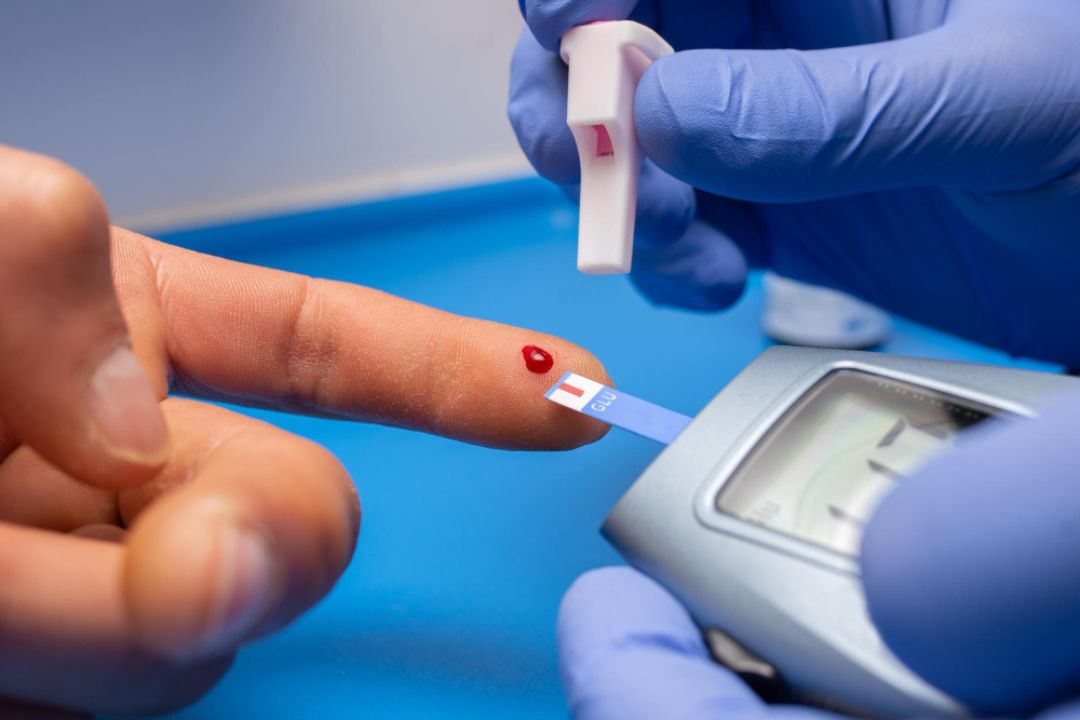
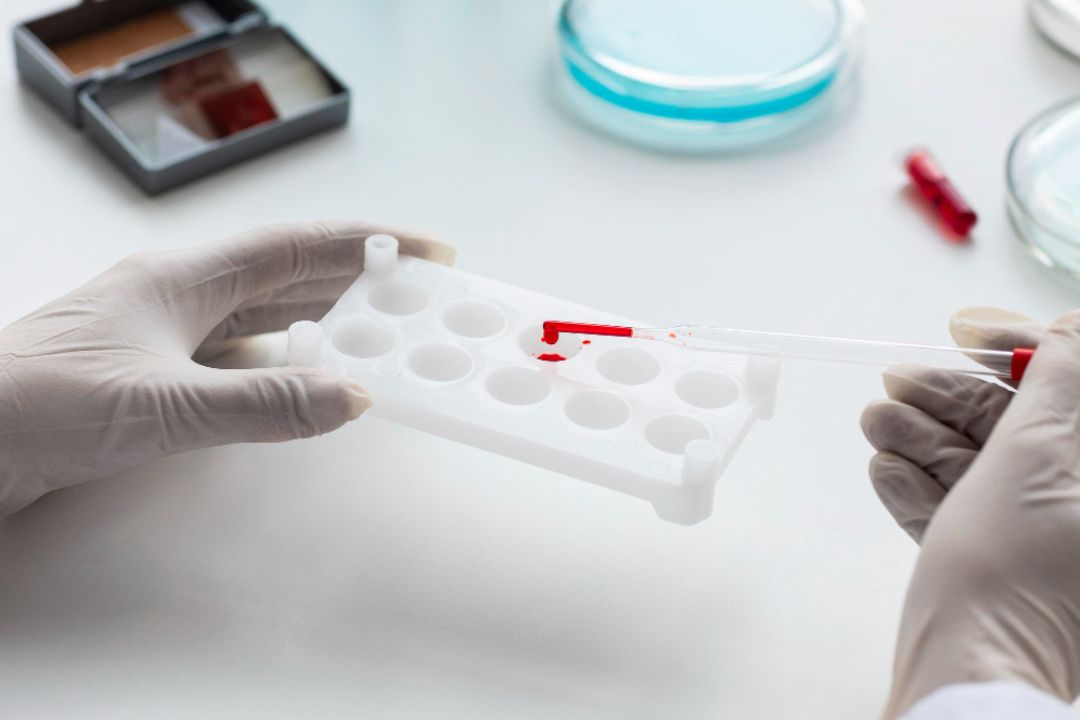
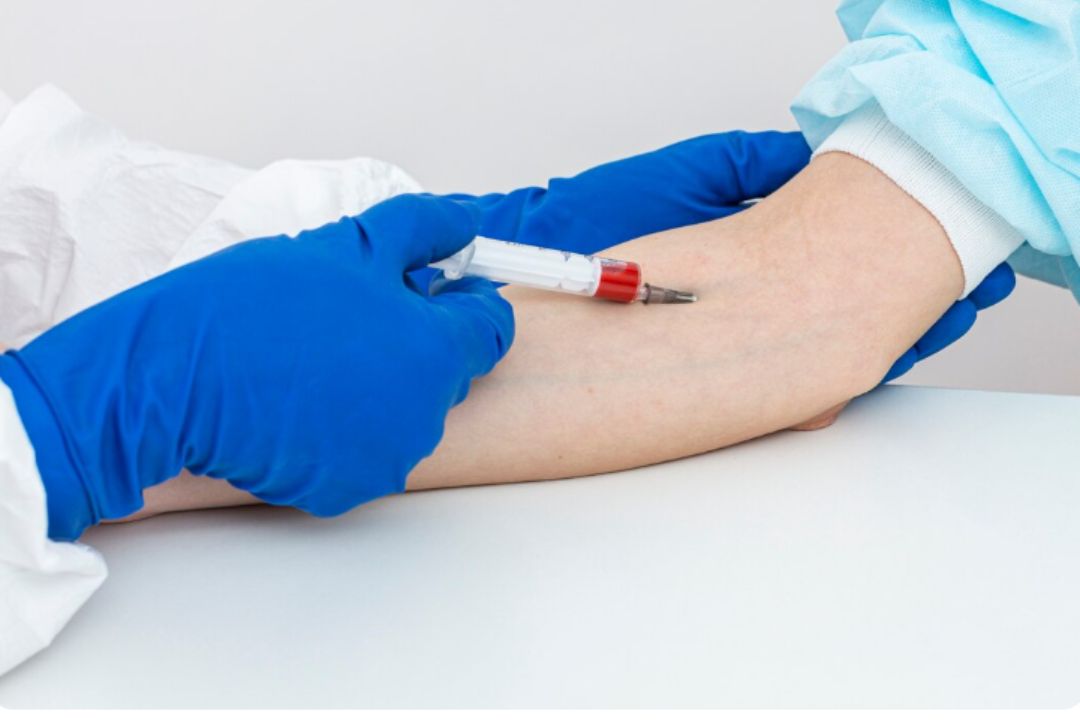
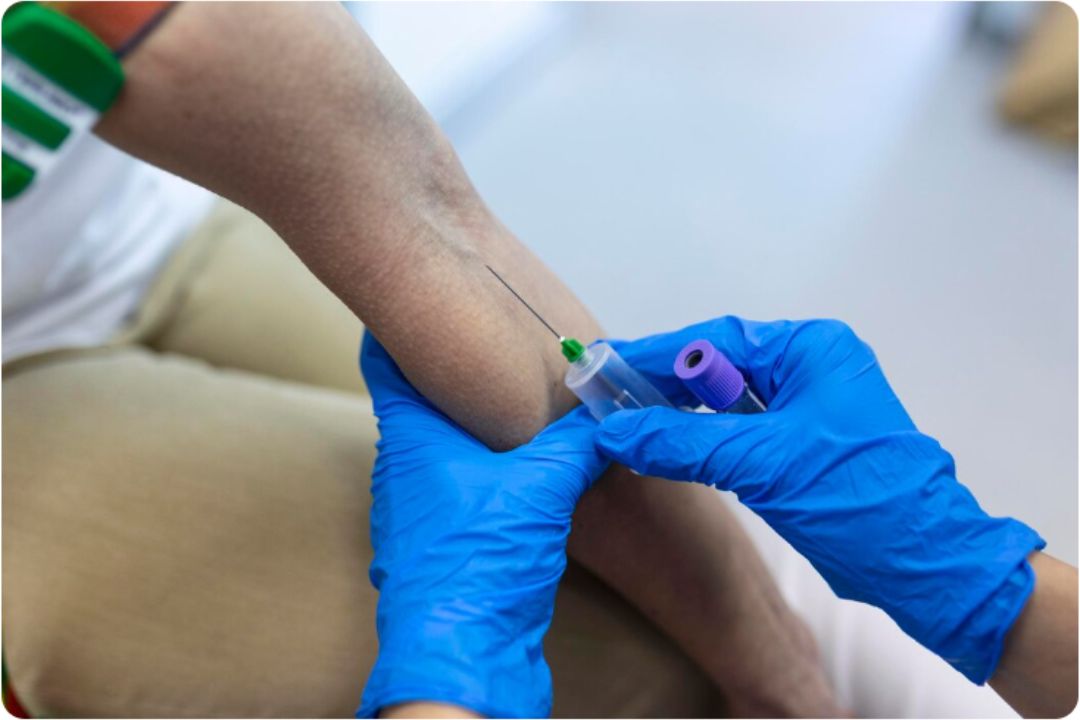
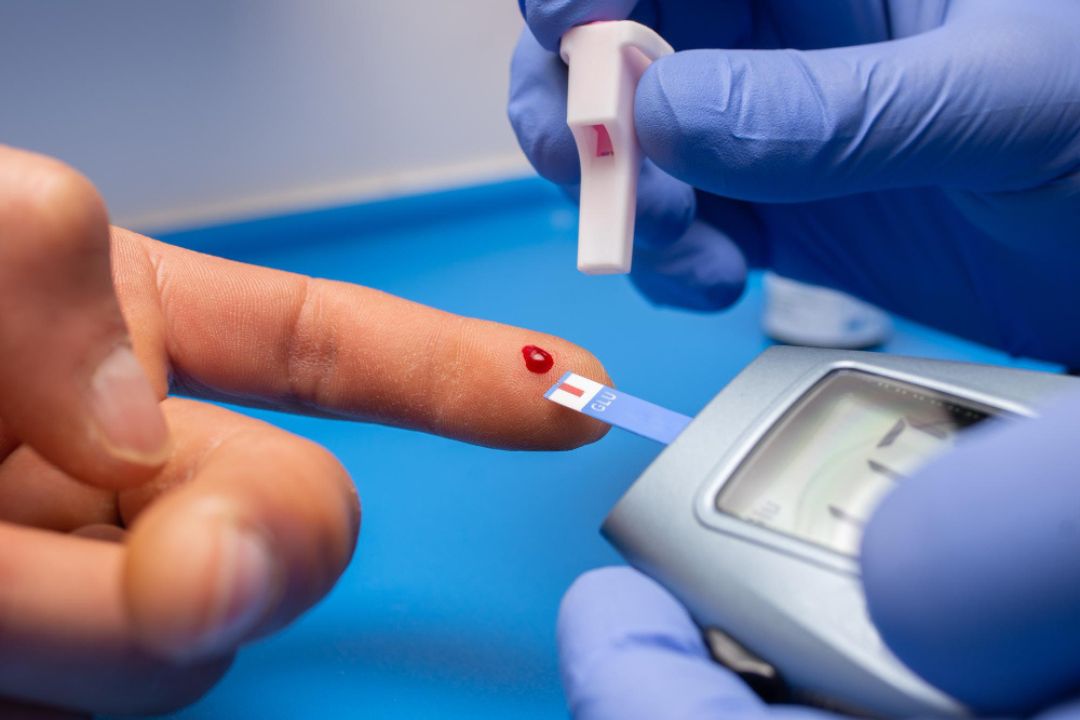
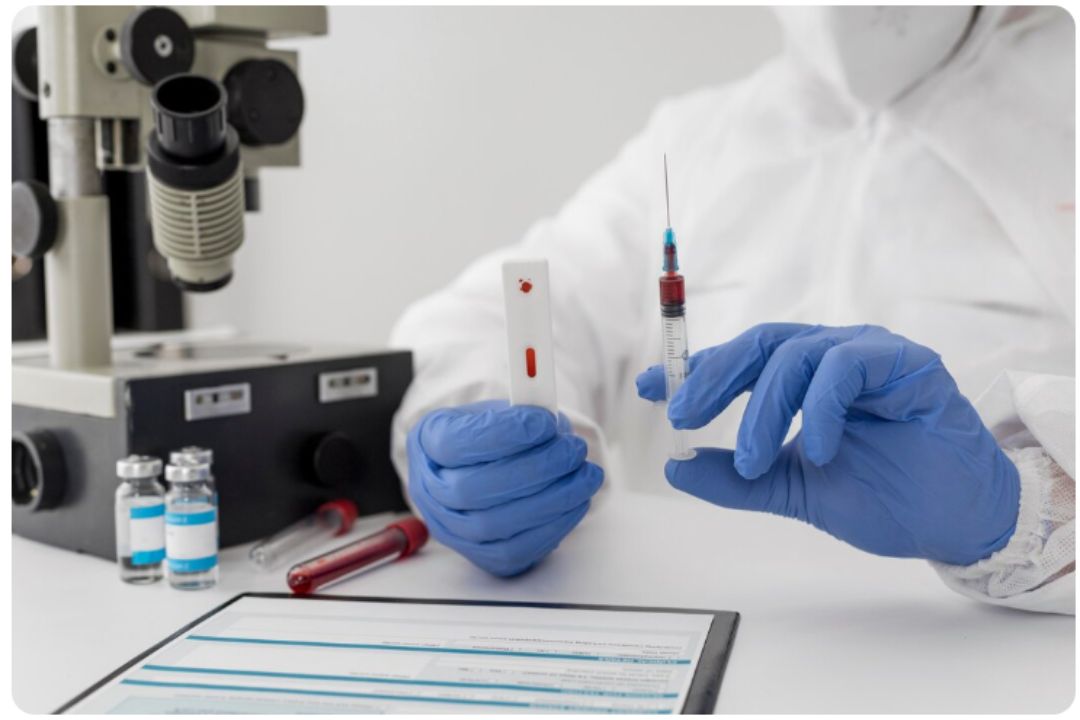
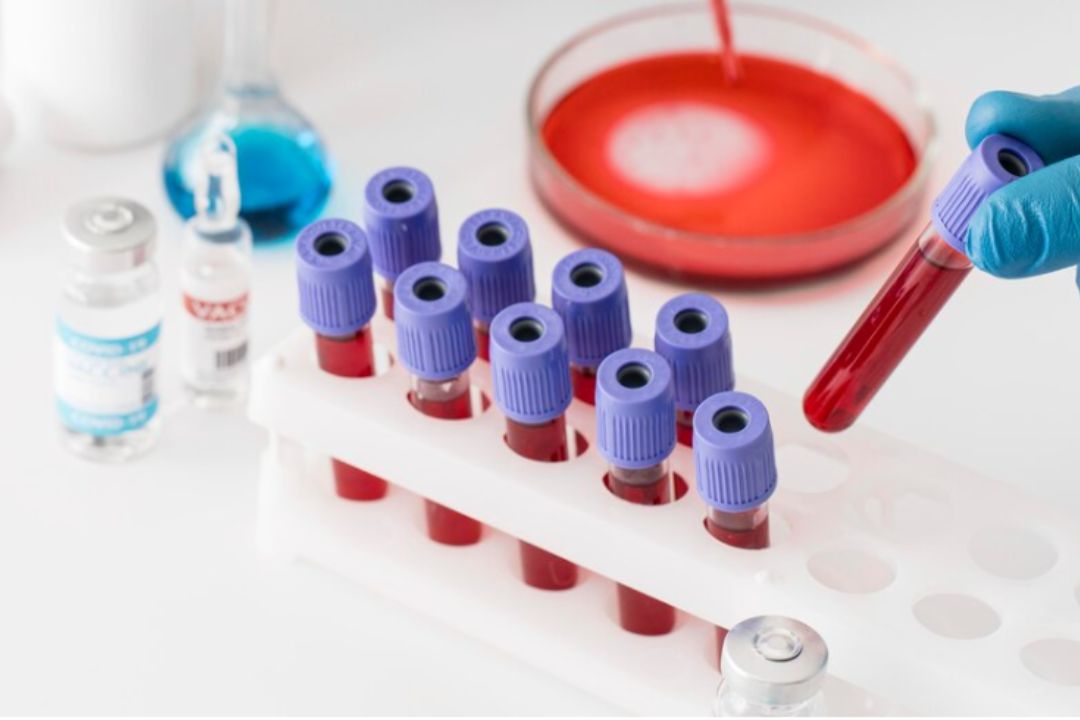
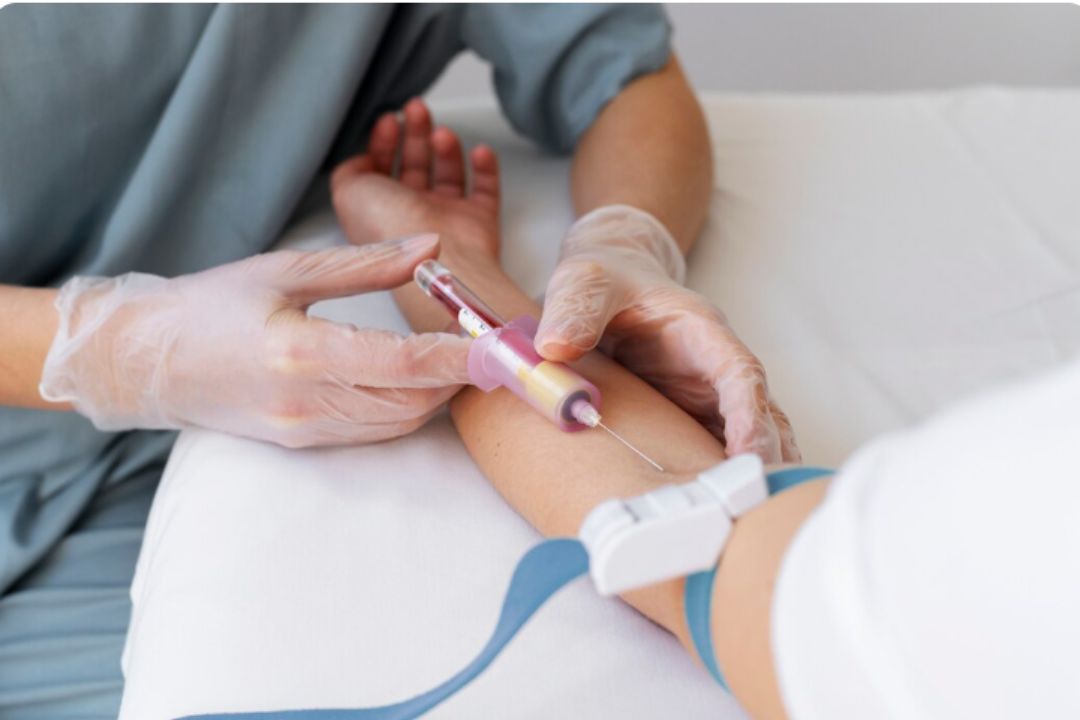
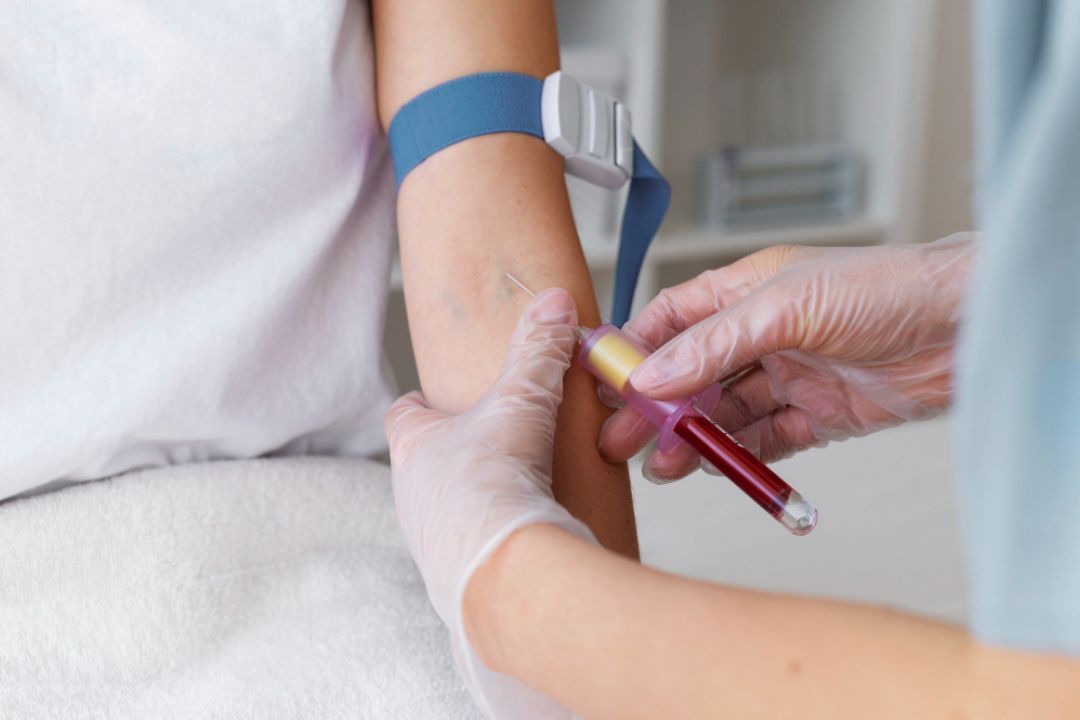
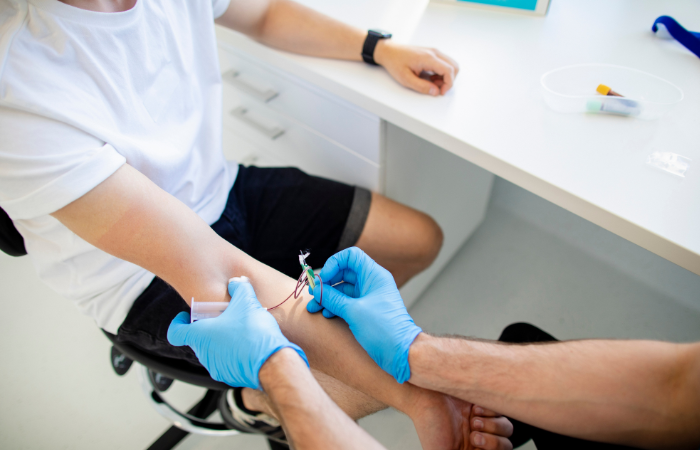
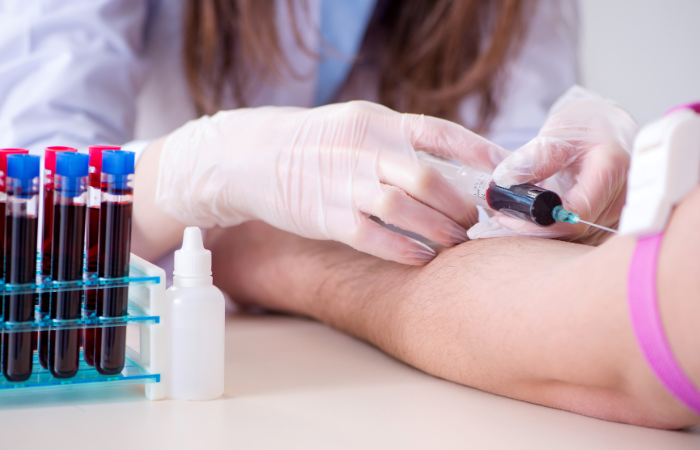
A fasting blood glucose test is a simple blood draw performed after you have fasted (not eaten or drunk anything except water) for at least 8-12 hours. It measures the amount of glucose, or sugar, in your blood at that single point in time. This test is a primary tool for diagnosing conditions like prediabetes and diabetes mellitus.
Why is Fasting Required? Fasting provides a baseline reading, eliminating the influence of recent food intake. This gives a clear picture of how your body manages glucose without the immediate spike from a meal.
Early Detection: It can identify prediabetes—a condition where blood sugar is higher than normal but not yet diabetic—allowing for early lifestyle interventions to prevent Type 2 diabetes.
Diabetes Diagnosis & Management: It is a key diagnostic criterion for diabetes. For those already diagnosed, regular blood test for fasting glucose helps monitor how well their management plan (diet, exercise, medication) is working.
Overall Health Insight: Abnormal glucose levels can be a risk factor for heart disease, kidney damage, and nerve problems. Keeping it in check is vital for long-term health.
Simple & Quick: The test itself takes only a few minutes and is a routine procedure.
While the fasting glucose test is fundamental, it's often part of a broader assessment:
HbA1c Test: Measures your average blood sugar over the past 2-3 months. It doesn’t require fasting but is used alongside the fasting test for a complete picture.
Oral Glucose Tolerance Test (OGTT): More comprehensive, involving a fasting test, then drinking a sugary liquid, followed by multiple blood draws over two hours. It’s more sensitive for diagnosing gestational diabetes.
For most routine screenings, the fasting blood glucose test is the efficient and effective first step.
The cost of a fasting glucose test can vary depending on your location, lab, and insurance coverage. Generally, it is an affordable and widely accessible screening test. Many health campaigns and clinics offer it at a minimal cost or even for free during awareness drives. Investing in this test is a small price for the significant benefit of early detection and prevention of costly chronic diseases.
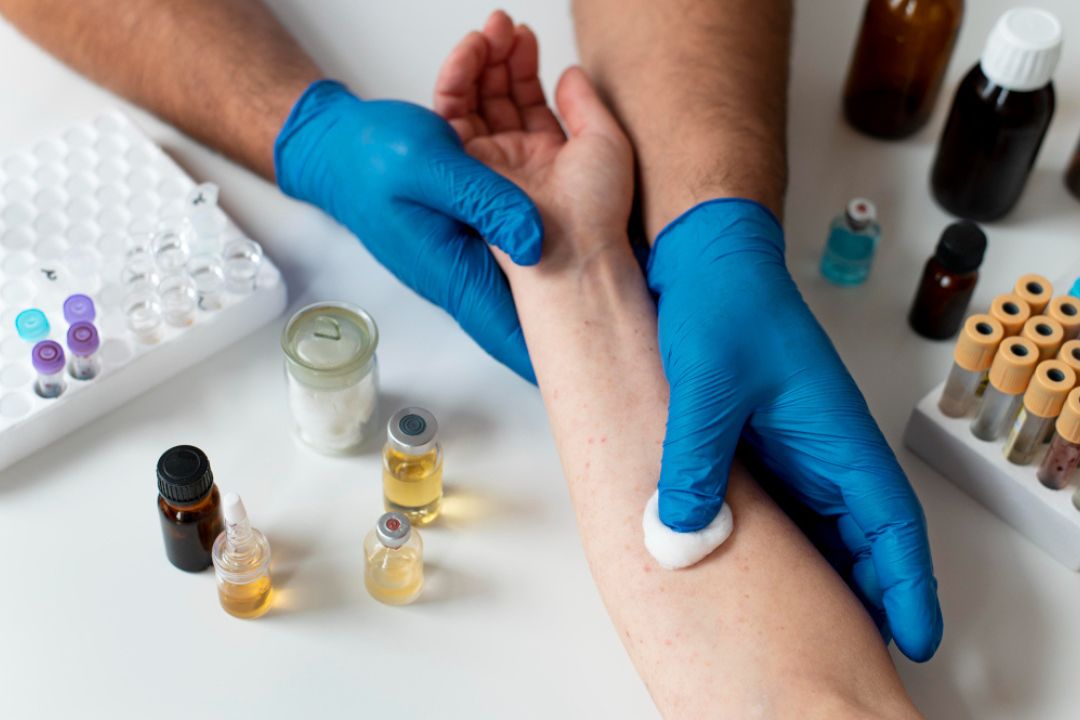
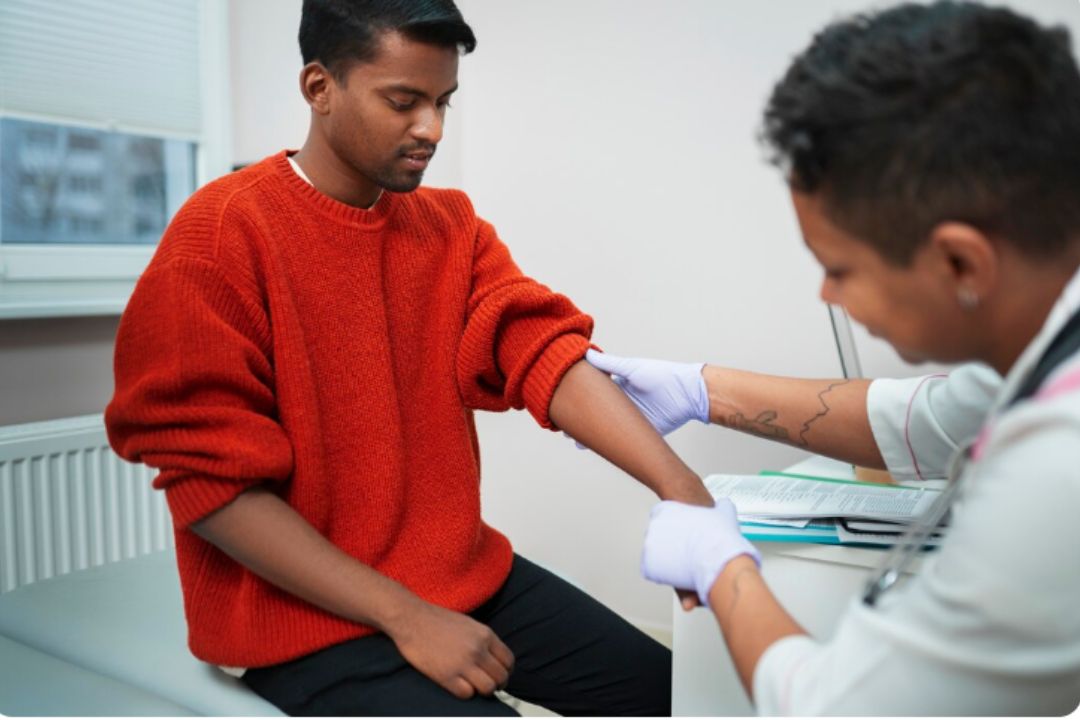
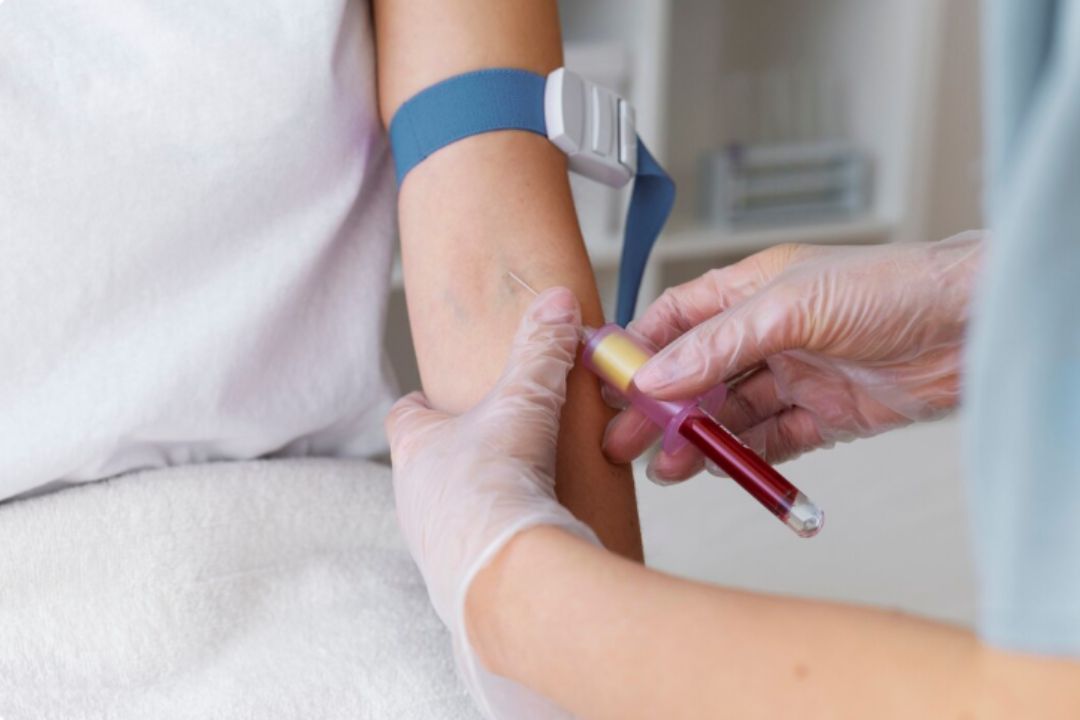
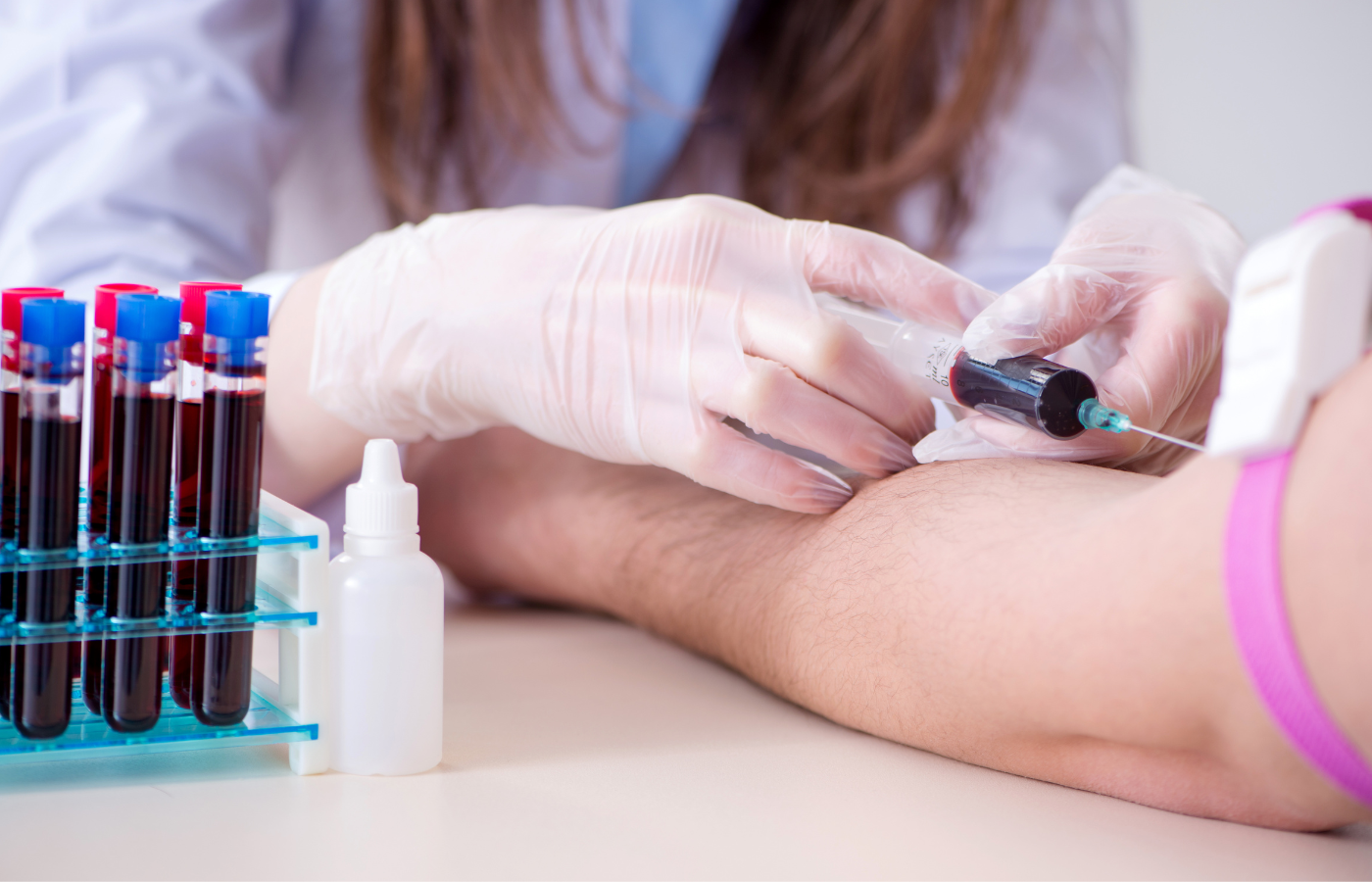
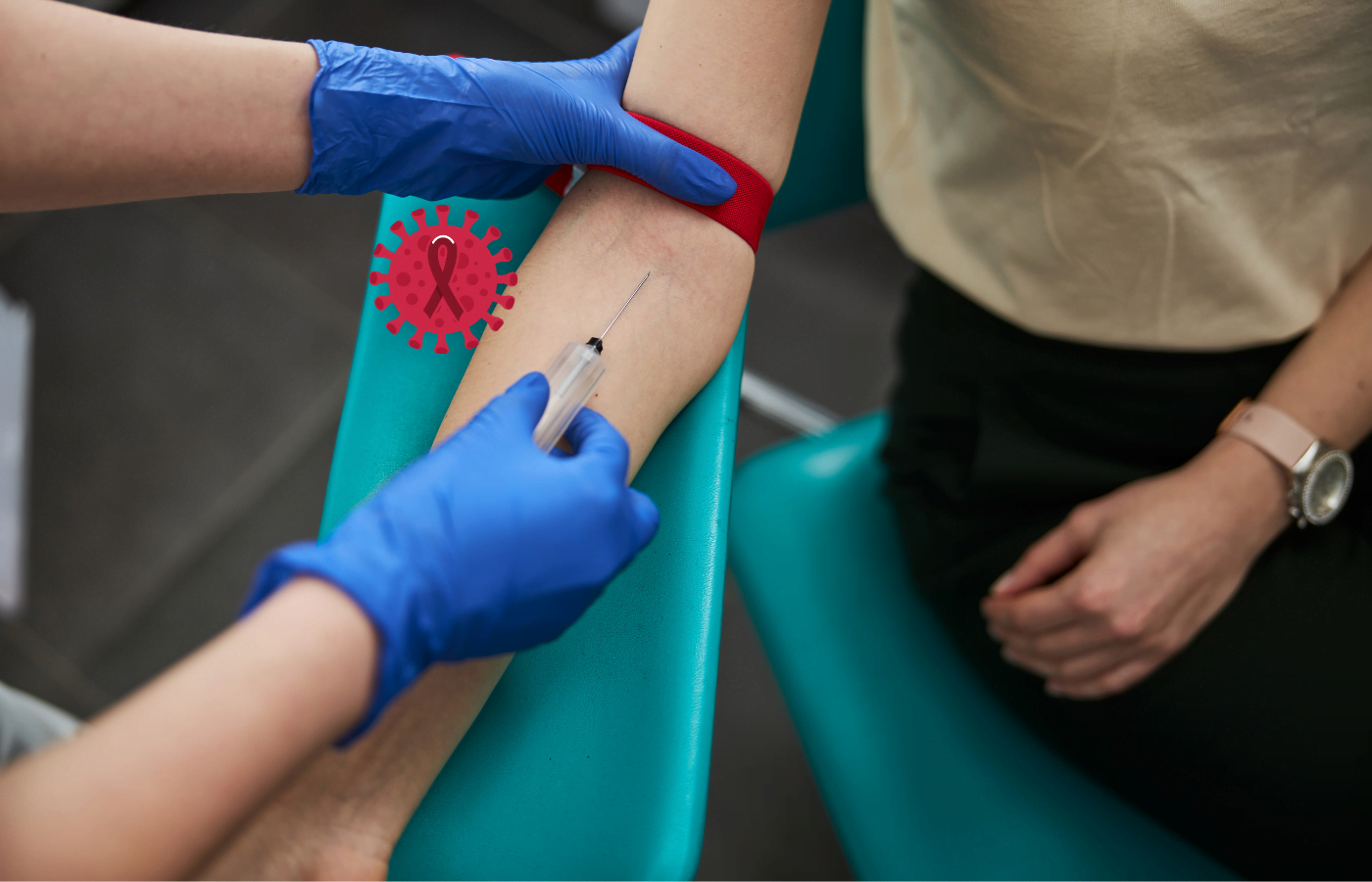
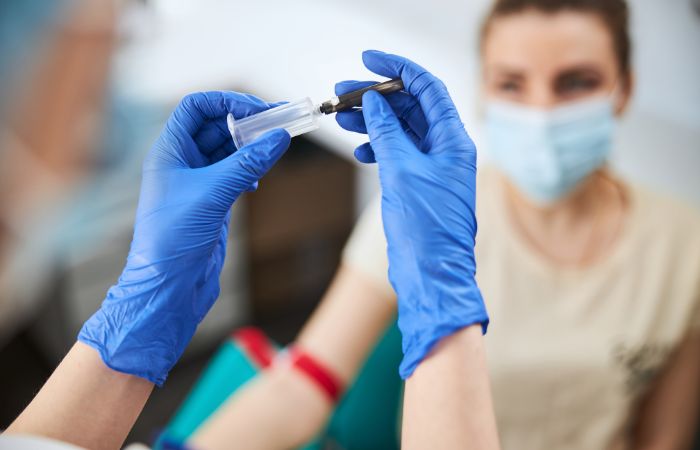
We understand that blood tests can cause anxiety for some. The good news is that the fasting glucose test is a standard venipuncture (blood draw from a vein) performed by a skilled phlebotomist, causing only minimal, brief discomfort.
At Diagnopein, we transform this essential health check into a seamless and reassuring experience.
Accuracy & Reliability: We use state-of-the-art technology and follow stringent protocols to ensure your glucose fasting results are precise and dependable.
Patient Comfort: Our certified professionals are experts in making your blood draw as quick and comfortable as possible in a calming environment.
Speed & Convenience: With multiple collection centers and efficient processes, we ensure minimal waiting times and rapid delivery of your reports.
Comprehensive Care: We don’t just give you a number. Our reports are clear, and we can guide you on the next steps—whether your results are normal, indicate prediabetes, or require further diabetic care.
Affordable Transparency: We offer competitive, transparent pricing for our fasting blood glucose test with no hidden charges.
Not knowing your blood sugar status is a risk you don't need to take. Whether you have risk factors like a family history, obesity, or high blood pressure, or are simply embarking on a proactive health journey, the fasting glucose test is a powerful first step.
Understanding your numbers empowers you to make informed decisions about your diet, lifestyle, and overall health. A normal result provides peace of mind, while an abnormal one is a crucial early warning that can change the course of your health trajectory.























.jpg "diabetes")



.jpg "pcos lifestyle")





























.jpg "FSH Test")






.jpg "urine potassium in hypokalemia")
















.jpg "How to Prevent Hepatitis")

.jpg "Acute-Phase Reactants")
.jpg "Anemia: Causes")

.jpg "Manage Cirrhosis")
.jpg "Types of Tuberculosis")
.png "Tested for Multiple Myeloma")



 (1).jpg "Urine Cortisol Test at Diagnopein")
 (1).jpg "Aldolase & its role")
 (1).jpg "Beta-Thalassemia Major at Diagnopein")
.jpg "Typhoid treatment")
 (1).jpg "Kidney Stones Demystified")
 (1).jpg "Blood infection signs & diagnosis")
 (1).jpg "From HIV to AIDS")

.jpg "Multiple Myeloma")
 (1).jpg "Know about Chikungunya Fever")
.jpg "Diagnopein Stands Out")










 disorders.jpg "gastrointestinal (GI) disorders")






.jpg "symptoms of Chikungunya & How is Chikungunya diagnosed?")

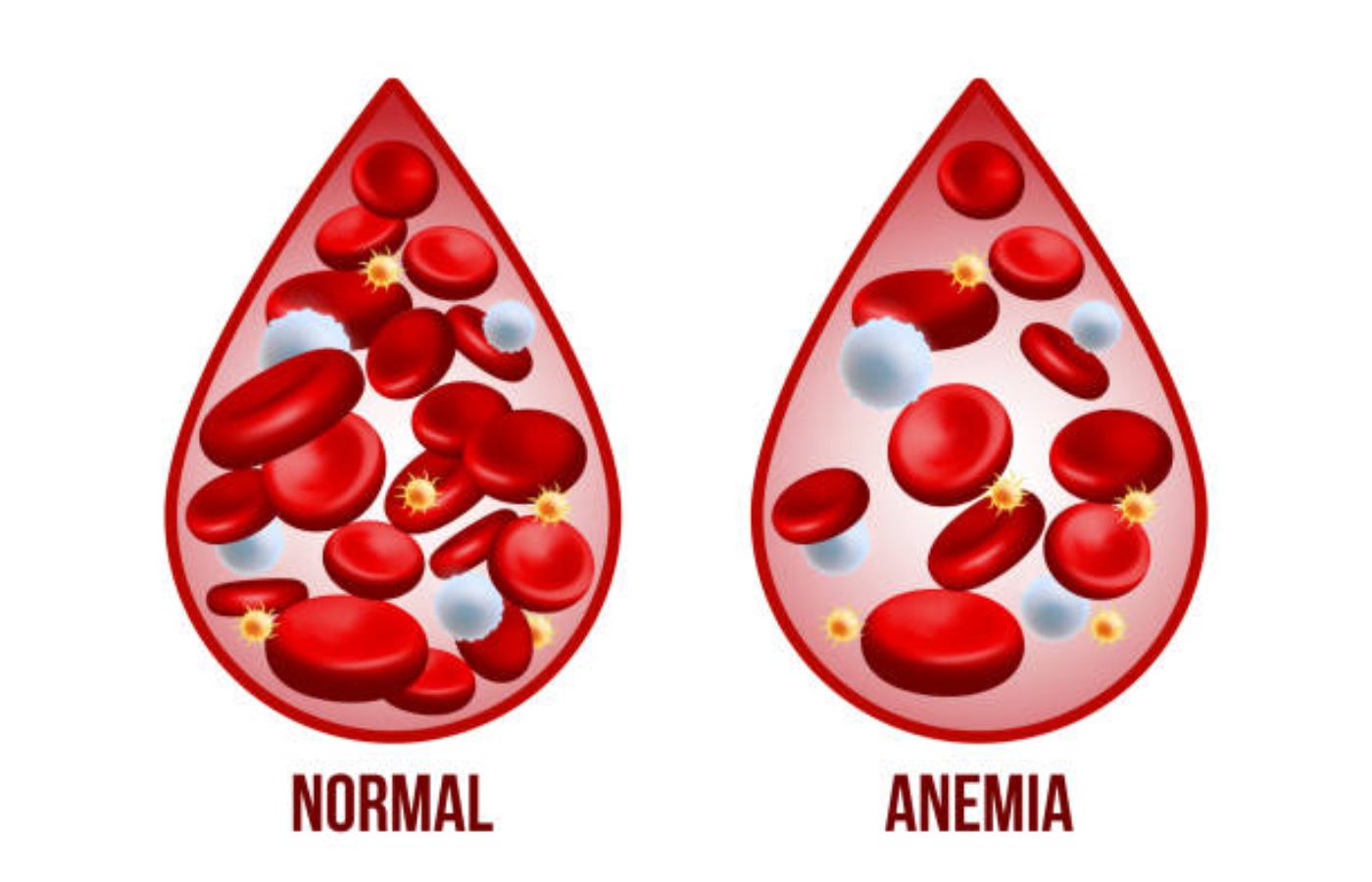

.jpg "COMMON PATHALOGICAL BLOOD TESTS")


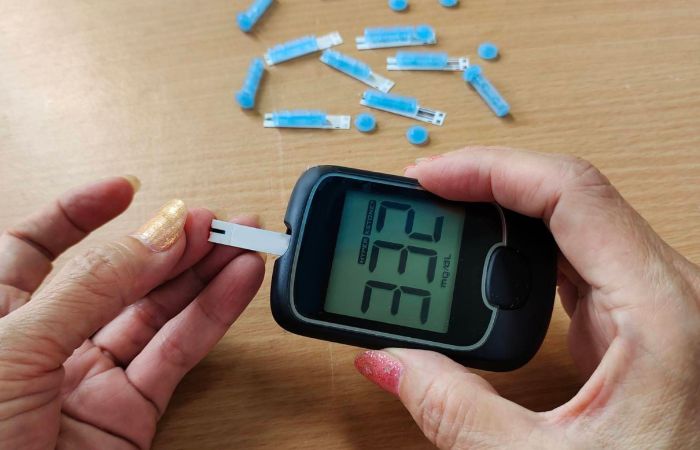

















.png "how to manage diabetes")