
Alzheimer’s disease is a progressive neurodegenerative disorder and the most common cause of dementia. It gradually impairs memory, thinking, and behavior, ultimately affecting a person’s ability to carry out daily tasks. Understanding Alzheimer’s disease, its root causes of Alzheimer’s, and recognizing the early signs of Alzheimer’s are crucial steps for families navigating this challenging journey.
What is Alzheimer’s Disease? (The Meaning)
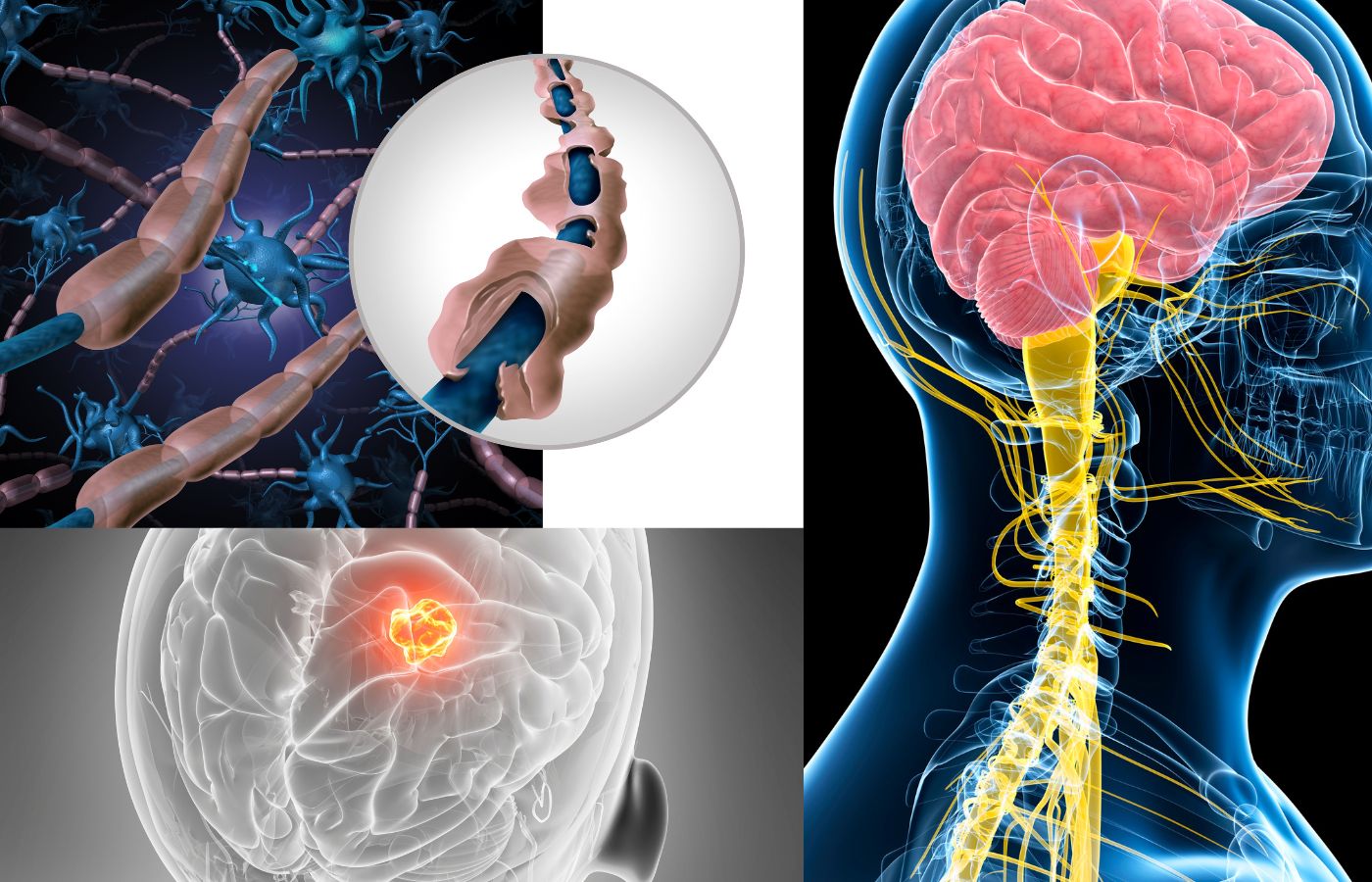
Alzheimer’s is not normal aging. It is a specific brain disease characterized by the buildup of abnormal protein deposits—amyloid plaques and tau tangles—that disrupt communication between brain cells and cause them to die. This leads to the persistent decline in cognitive and functional abilities we recognize as dementia.
Key Causes and Risk Factors
While the exact cause of Alzheimer’s remains complex, research points to a combination of factors:
Age: The single greatest risk factor; most individuals are 65+.
Genetics: Family history and specific genes (like APOE-e4) can increase risk.
Lifestyle & Heart Health: Conditions like hypertension, diabetes, obesity, and smoking elevate risk.
Head Trauma: A history of significant head injury may be linked.
Early Signs of Alzheimer’s Every Family Should Know
Recognizing early symptoms of Alzheimer’s allows for timely intervention. Look beyond simple forgetfulness for persistent patterns:
Memory Loss Disrupting Daily Life: Forgetting recently learned information, important dates, or repeatedly asking the same questions.
Challenges in Planning or Problem-Solving: Difficulty following familiar recipes, managing bills, or concentrating.
Confusion with Time or Place: Losing track of dates, seasons, or getting lost in familiar places.
Withdrawal from Social or Work Activities: Pulling away from hobbies, social events, or work projects.
Changes in Mood and Personality: Becoming confused, suspicious, depressed, fearful, or anxious.
The Critical Benefit of Early Alzheimer’s Diagnosis
Pursuing an early Alzheimer’s diagnosis is one of the most powerful steps a family can take. Its benefits are profound:
Access to Treatment: Current medications and therapies are most effective in early stages, helping manage symptoms and potentially slow progression.
Planning for the Future: It allows the person with Alzheimer’s to participate in legal, financial, and care decisions.
Risk Reduction: Families can implement heart-healthy lifestyles that may benefit brain health.
Support & Resources: Early diagnosis connects families to Alzheimer’s support groups, education, and clinical trials, reducing isolation and stress.
The Cost of Diagnosis and Care: Financial and Emotional
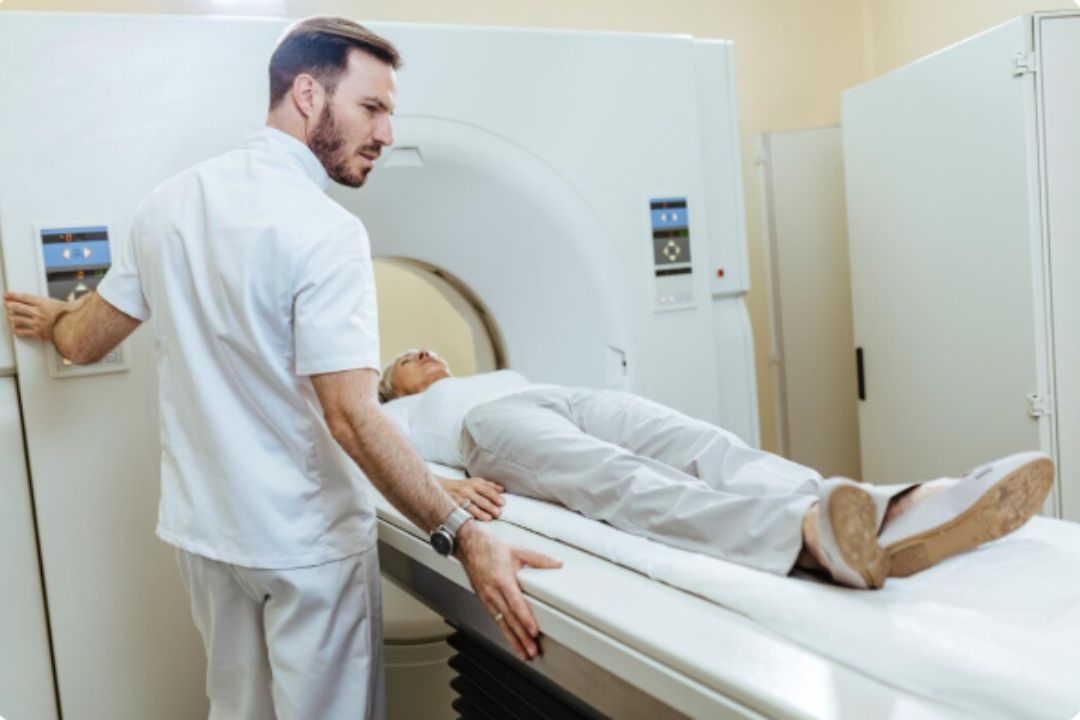
Alzheimer’s diagnosis costs involve consultations, cognitive tests, brain imaging (MRI/PET scans), and sometimes spinal fluid tests. These can be financially taxing. However, the greater, long-term cost of Alzheimer’s care is staggering—encompassing home modifications, medications, safety equipment, and potentially assisted living or nursing home care. The emotional cost to families is immense, often leading to caregiver burnout, depression, and family strain.
Strategies for Family Comfort and Support
Creating comfort in Alzheimer’s care is paramount. Focus on:
A Safe, Structured Environment: Maintain routines and simplify the living space.
Effective Communication: Use simple sentences, maintain eye contact, and practice patience.
Managing Behaviors: Redirect attention during agitation; understand unmet needs behind behaviors.
Self-Care for Caregivers: Utilizing dementia care resources and Alzheimer’s family support services is not a luxury—it’s essential for sustaining care.
Conclusion: The Imperative of Timely Diagnosis
In conclusion, Alzheimer’s disease presents a daunting path for patients and families. Yet, knowledge is power. By understanding the causes of Alzheimer’s, vigilantly noting the early signs of Alzheimer’s, and proactively seeking a professional Alzheimer’s diagnosis, families can reclaim a measure of control. The benefit of early Alzheimer’s diagnosis cannot be overstated—it is the key that unlocks medical management, future planning, and crucial support for families. While the journey is undeniably difficult, an early and accurate diagnosis of Alzheimer’s provides the clearest roadmap for navigating it with dignity, preparedness, and love.
Why Choose This Guide? This comprehensive resource consolidates essential medical information with actionable family caregiver strategies, emphasizing both the clinical and human sides of Alzheimer’s. It’s designed to empower you with knowledge for the road ahead






















.jpg "diabetes")




.jpg "pcos lifestyle")








































.jpg "FSH Test")









.jpg "urine potassium in hypokalemia")

























.jpg "How to Prevent Hepatitis")
.jpg "Acute-Phase Reactants")
.jpg "Anemia: Causes")

.jpg "Manage Cirrhosis")

.jpg "Types of Tuberculosis")
.png "Tested for Multiple Myeloma")


 (1).jpg "Urine Cortisol Test at Diagnopein")
 (1).jpg "Aldolase & its role")
 (1).jpg "Beta-Thalassemia Major at Diagnopein")
.jpg "Typhoid treatment")
 (1).jpg "Kidney Stones Demystified")
 (1).jpg "Blood infection signs & diagnosis")
 (1).jpg "From HIV to AIDS")


.jpg "Multiple Myeloma")
 (1).jpg "Know about Chikungunya Fever")
.jpg "Diagnopein Stands Out")
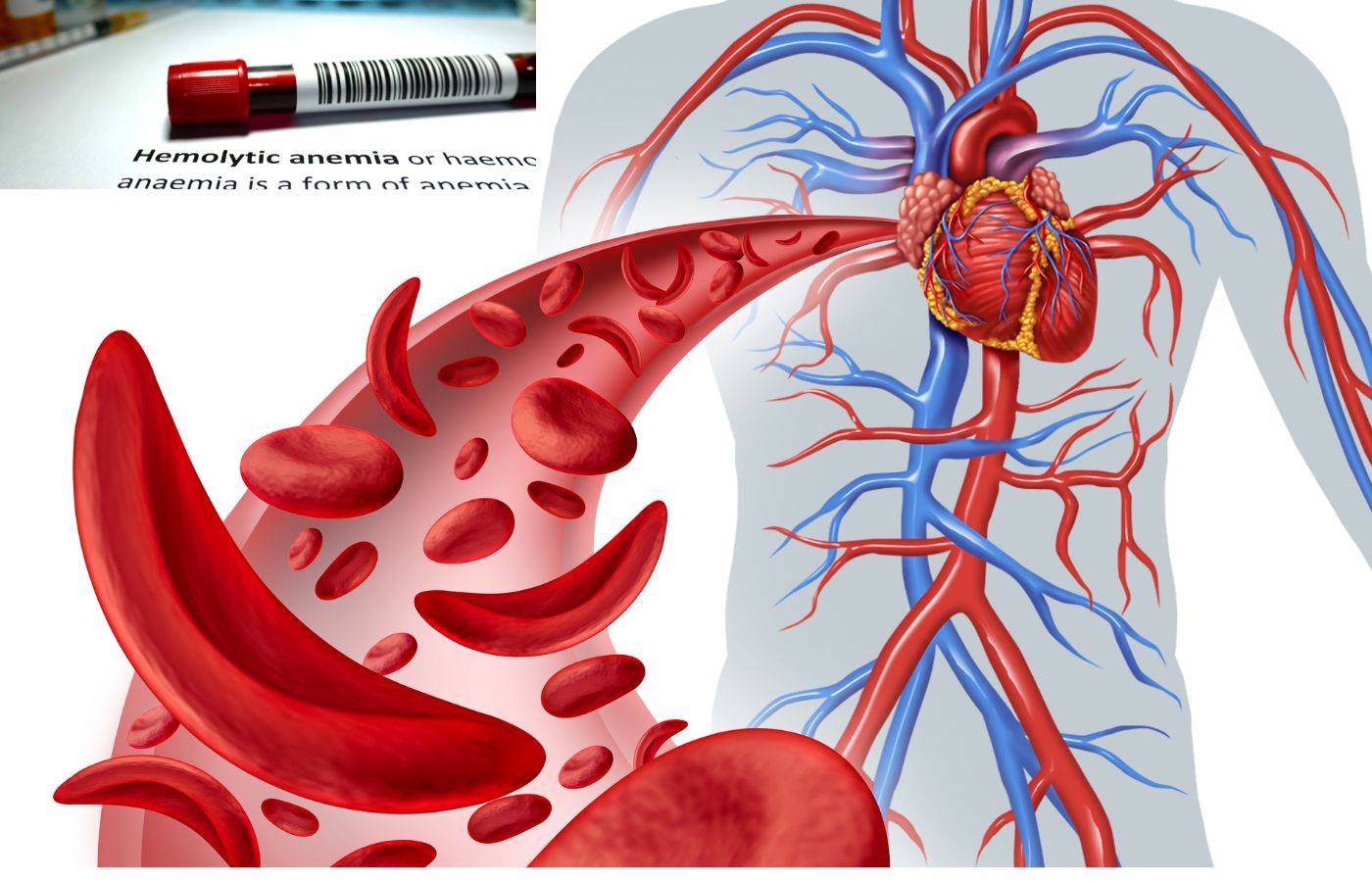
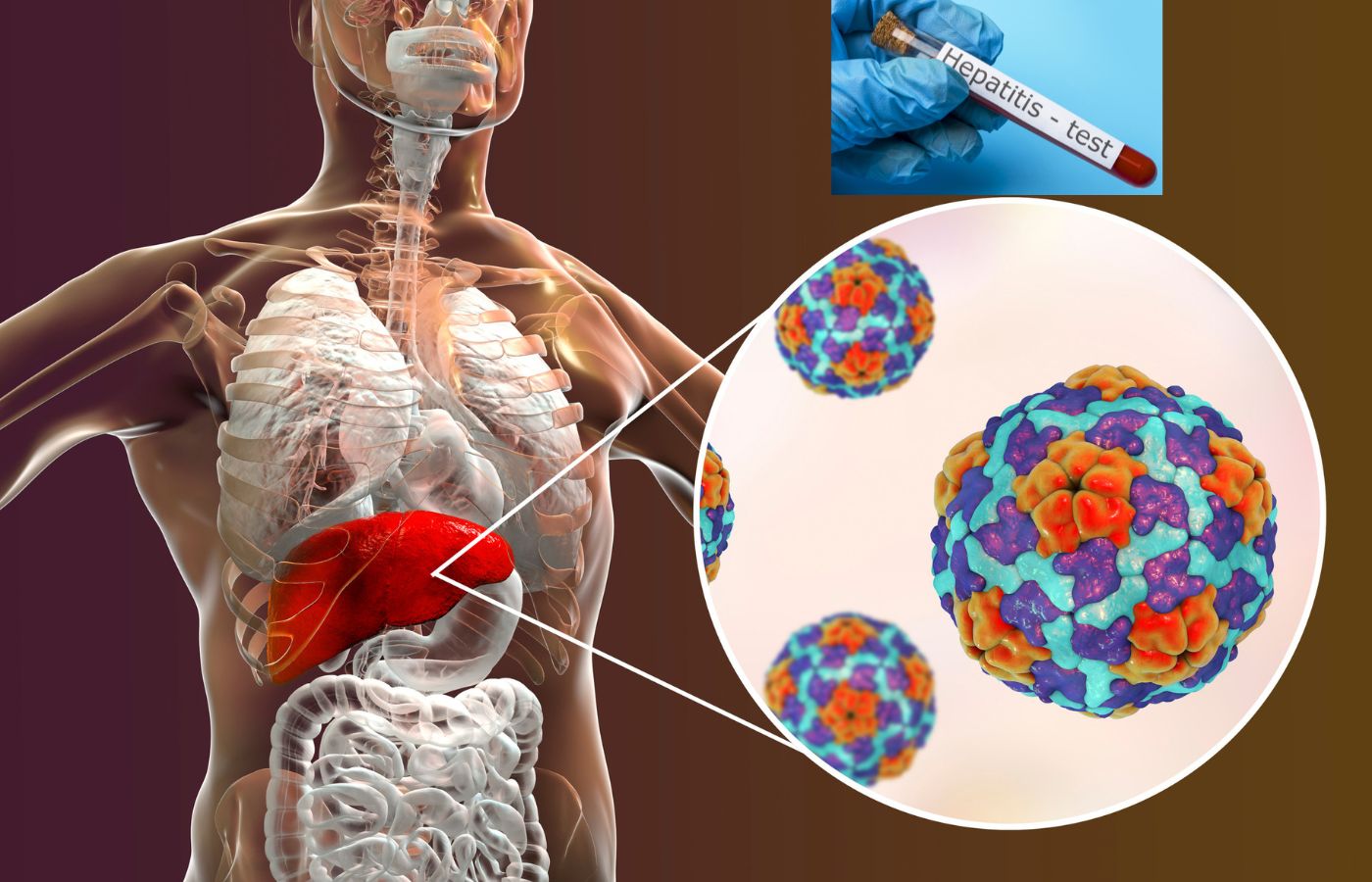

















 disorders.jpg "gastrointestinal (GI) disorders")








.jpg "symptoms of Chikungunya & How is Chikungunya diagnosed?")


.jpg "COMMON PATHALOGICAL BLOOD TESTS")




























.png "how to manage diabetes")