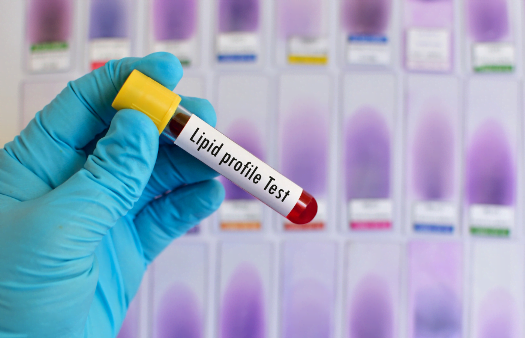
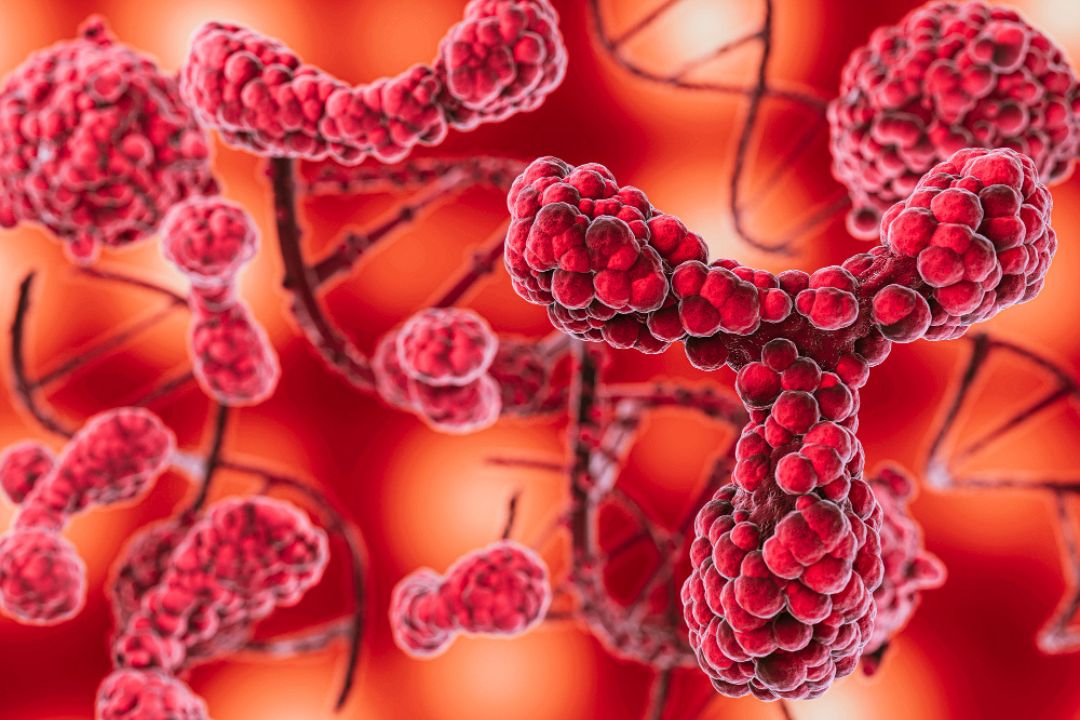
Antiphospholipid Syndrome (APS), also called Hughes syndrome, is a chronic condition in which the body produces abnormal antibodies called antiphospholipid antibodies. These antibodies increase the risk of blood clots in arteries and veins.
Visit Now: https://www.diagnopein.com
Phospholipids are fats that help make up cell membranes. In APS, the immune system targets these phospholipids, triggering clotting problems throughout the body.
The exact cause of APS is not fully understood, but common triggers include:
? Autoimmune conditions like lupus
? Genetic predisposition
? Infections (viral or bacterial)
? Certain medications
? Idiopathic (unknown causes)
Book Now: https://www.diagnopein.com/book-test/Pune
APS may occur independently or alongside other autoimmune diseases.
APS affects blood flow and can lead to symptoms such as:
Stroke symptoms – sudden weakness, slurred speech
Recurrent miscarriage
Stillbirth
Preeclampsia
Headaches or migraines
Skin changes (livedo reticularis)
Low platelets (thrombocytopenia)
These symptoms vary depending on where clots form in the body.
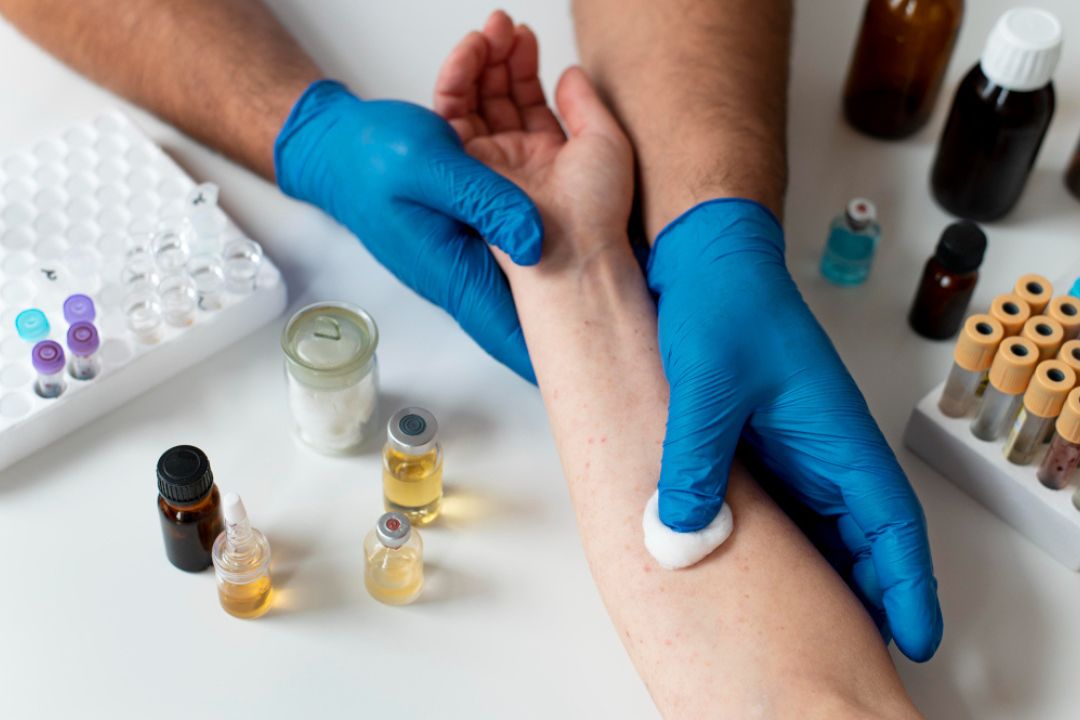
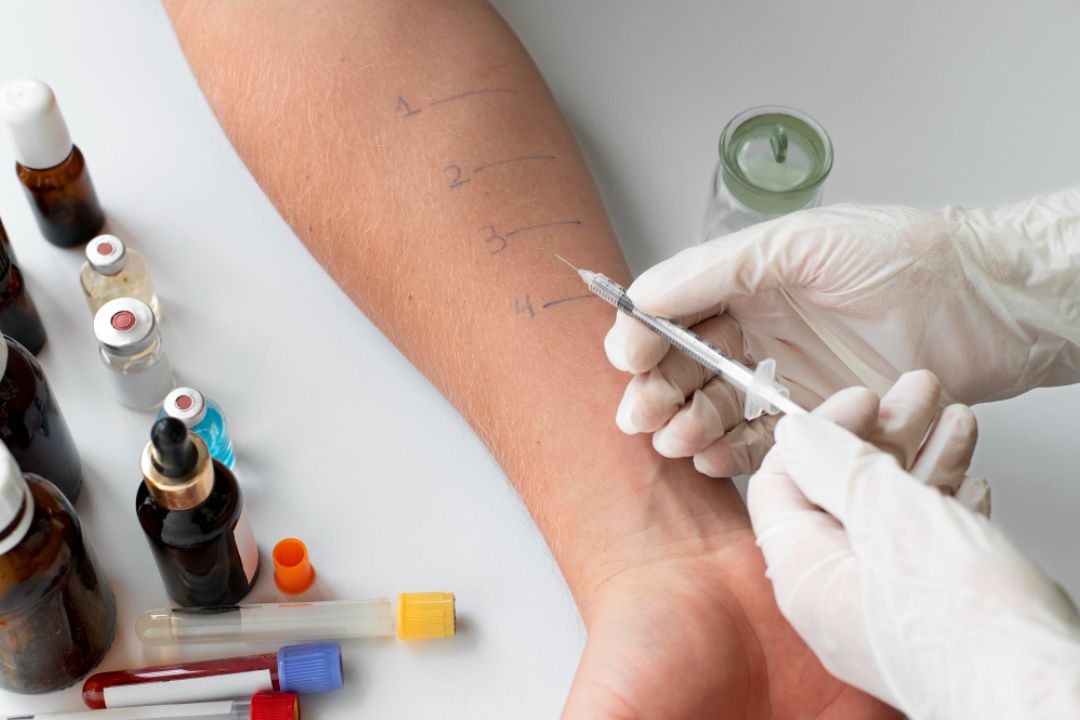
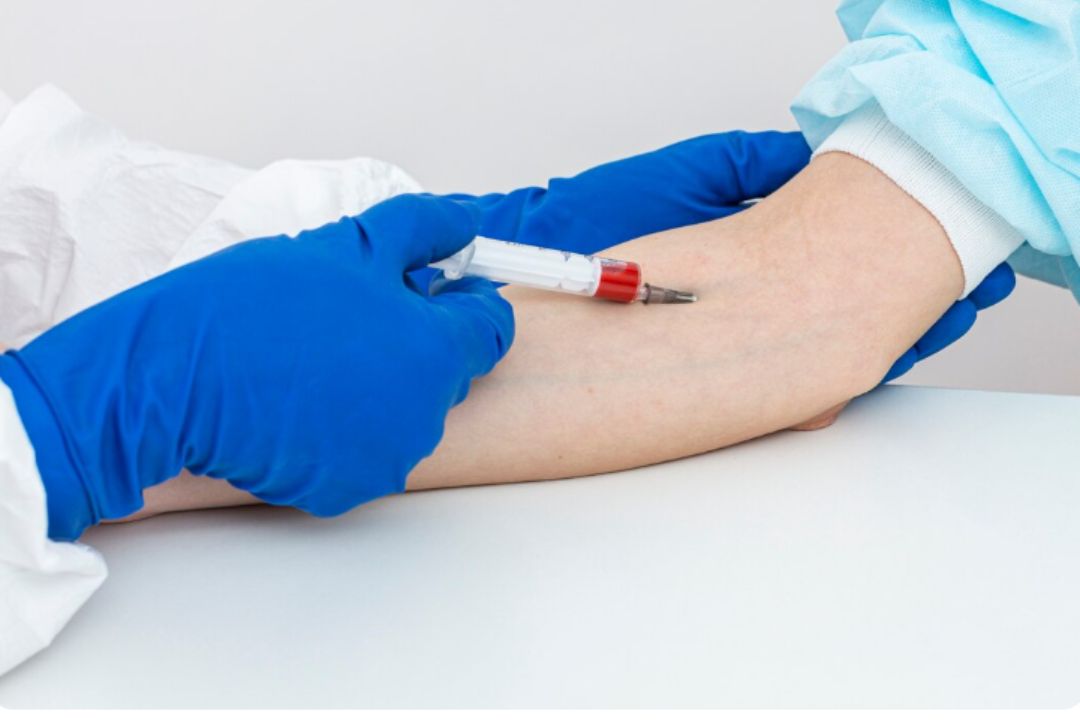
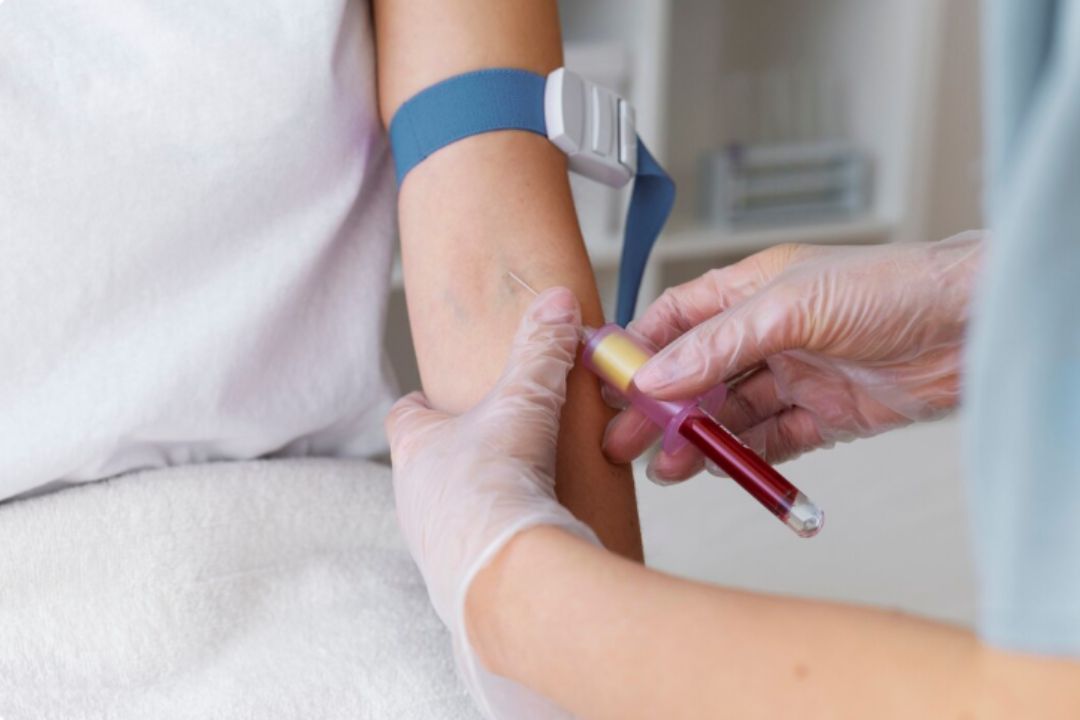
Doctors check for antiphospholipid antibodies such as:
Lupus anticoagulant (LA)
Anticardiolipin antibodies (aCL)
Anti-β2 glycoprotein I antibodies (anti-β2GPI)
These antibodies must be positive on two separate occasions at least 12 weeks apart for a confirmed diagnosis.
Doctors use established criteria to confirm APS.
APS increases the risk of dangerous clots, which can lead to:
| Body system | Possible APS effect |
|---|---|
| Brain | Stroke, memory issues |
| Heart | Heart attack, valve problems |
| Lungs | Pulmonary embolism |
| Legs | DVT |
| Pregnancy | Miscarriage, preeclampsia |
Prompt diagnosis and management are critical.
APS is treated to prevent clots and complications:
? Anticoagulant medication (blood thinners like warfarin or DOACs)
? Low-dose aspirin in some cases
? Monitoring during pregnancy
? Lifestyle adjustments (no smoking, healthy weight)
Treatment varies based on individual risk and history.
? Direct answer at the top (AI snippet favorite)
? Clear sections with unique clinical info
? Table for easy dataset extraction
? FAQ block optimized for featured snippets
? Avoids duplication with other pages



















.jpg "diabetes")



.jpg "pcos lifestyle")























.jpg "FSH Test")






.jpg "urine potassium in hypokalemia")
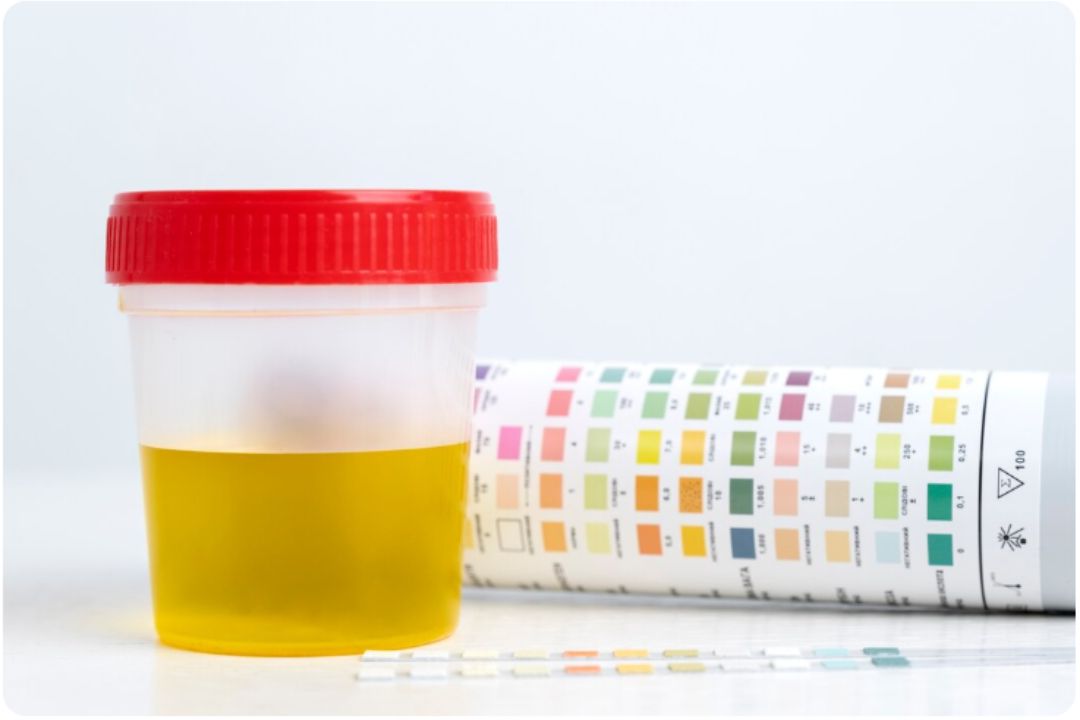



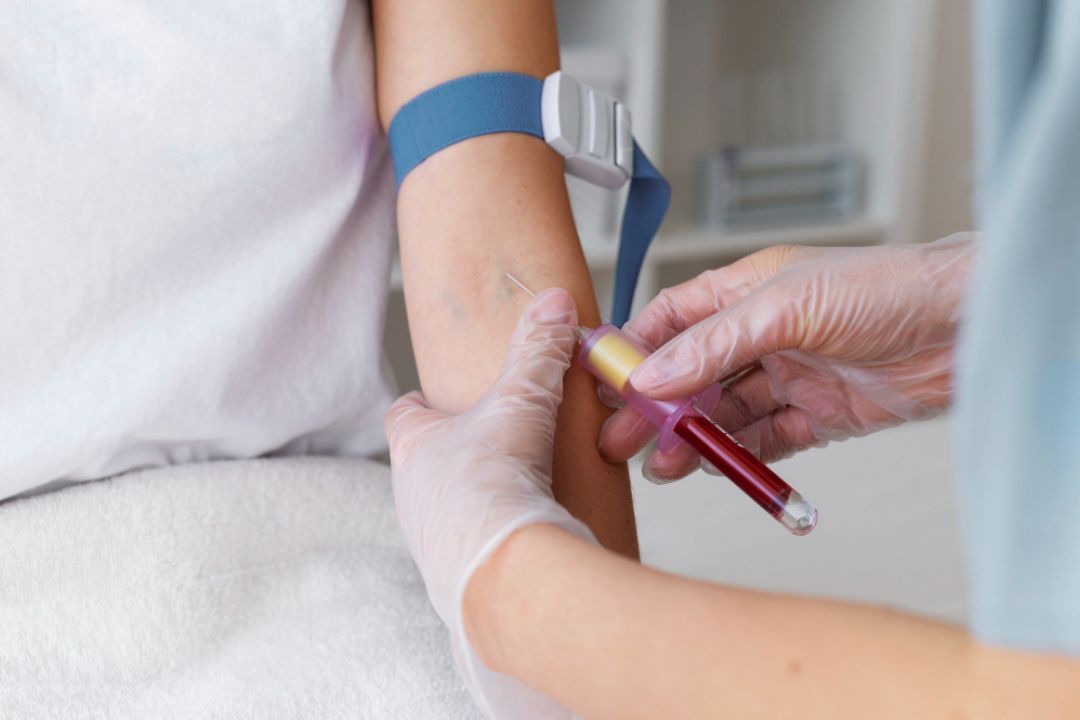


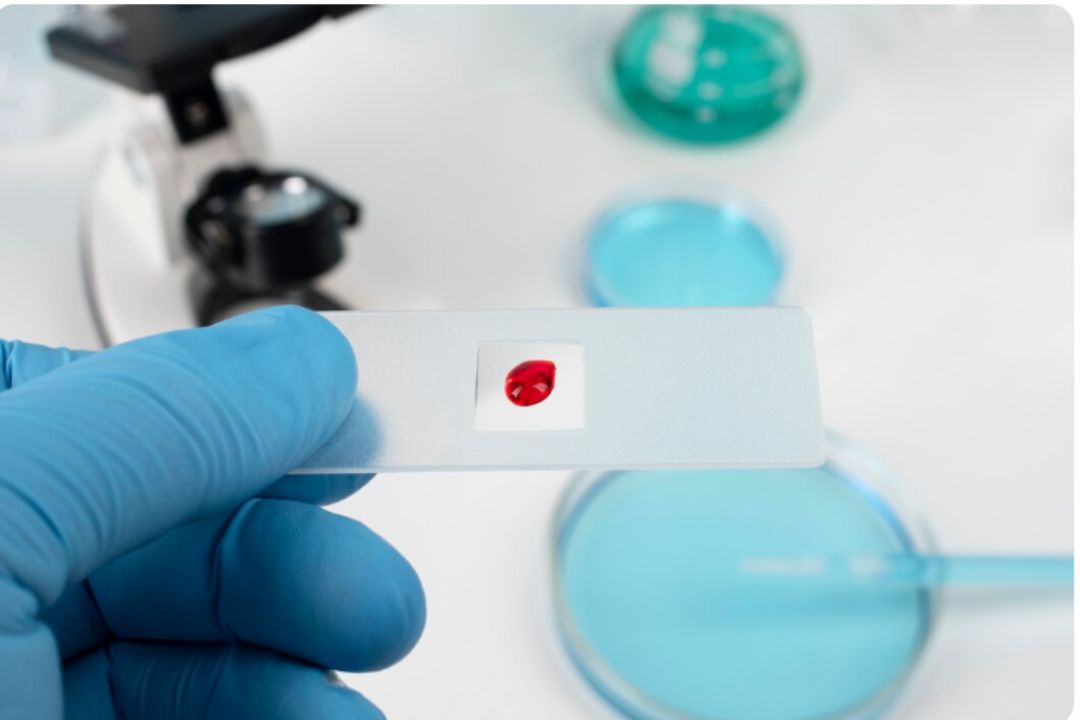


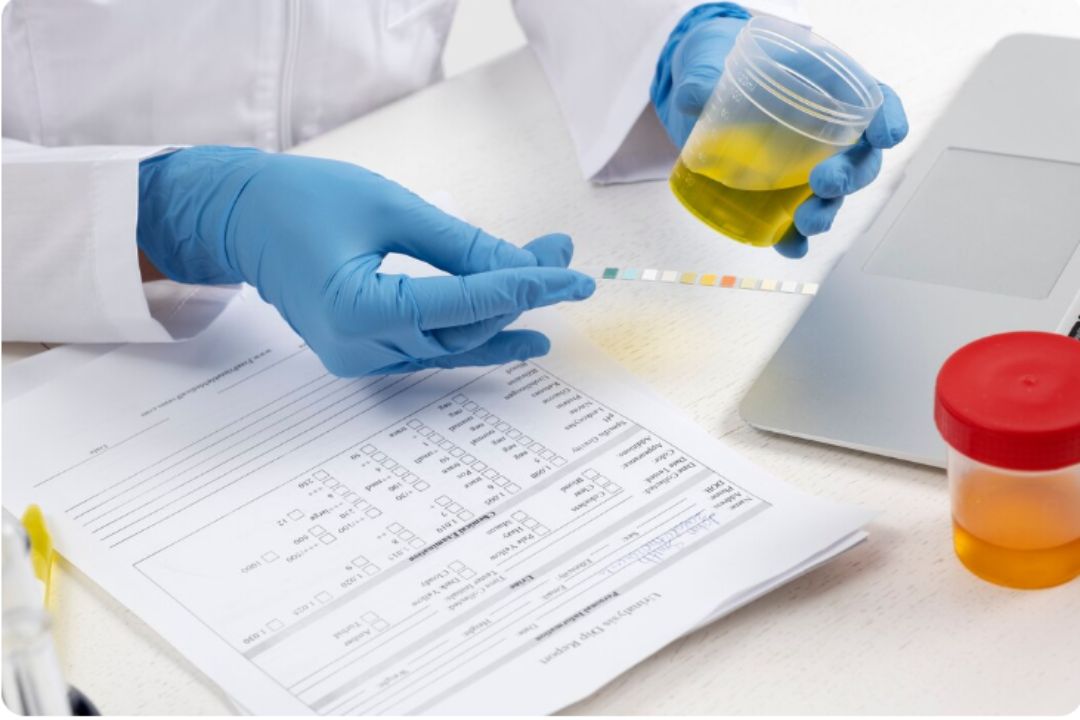









.jpg "How to Prevent Hepatitis")
.jpg "Acute-Phase Reactants")
.jpg "Anemia: Causes")

.jpg "Manage Cirrhosis")
.jpg "Types of Tuberculosis")
.png "Tested for Multiple Myeloma")


 (1).jpg "Urine Cortisol Test at Diagnopein")
 (1).jpg "Aldolase & its role")
 (1).jpg "Beta-Thalassemia Major at Diagnopein")
.jpg "Typhoid treatment")
 (1).jpg "Kidney Stones Demystified")
 (1).jpg "Blood infection signs & diagnosis")
 (1).jpg "From HIV to AIDS")

.jpg "Multiple Myeloma")
 (1).jpg "Know about Chikungunya Fever")
.jpg "Diagnopein Stands Out")







 disorders.jpg "gastrointestinal (GI) disorders")





.jpg "symptoms of Chikungunya & How is Chikungunya diagnosed?")
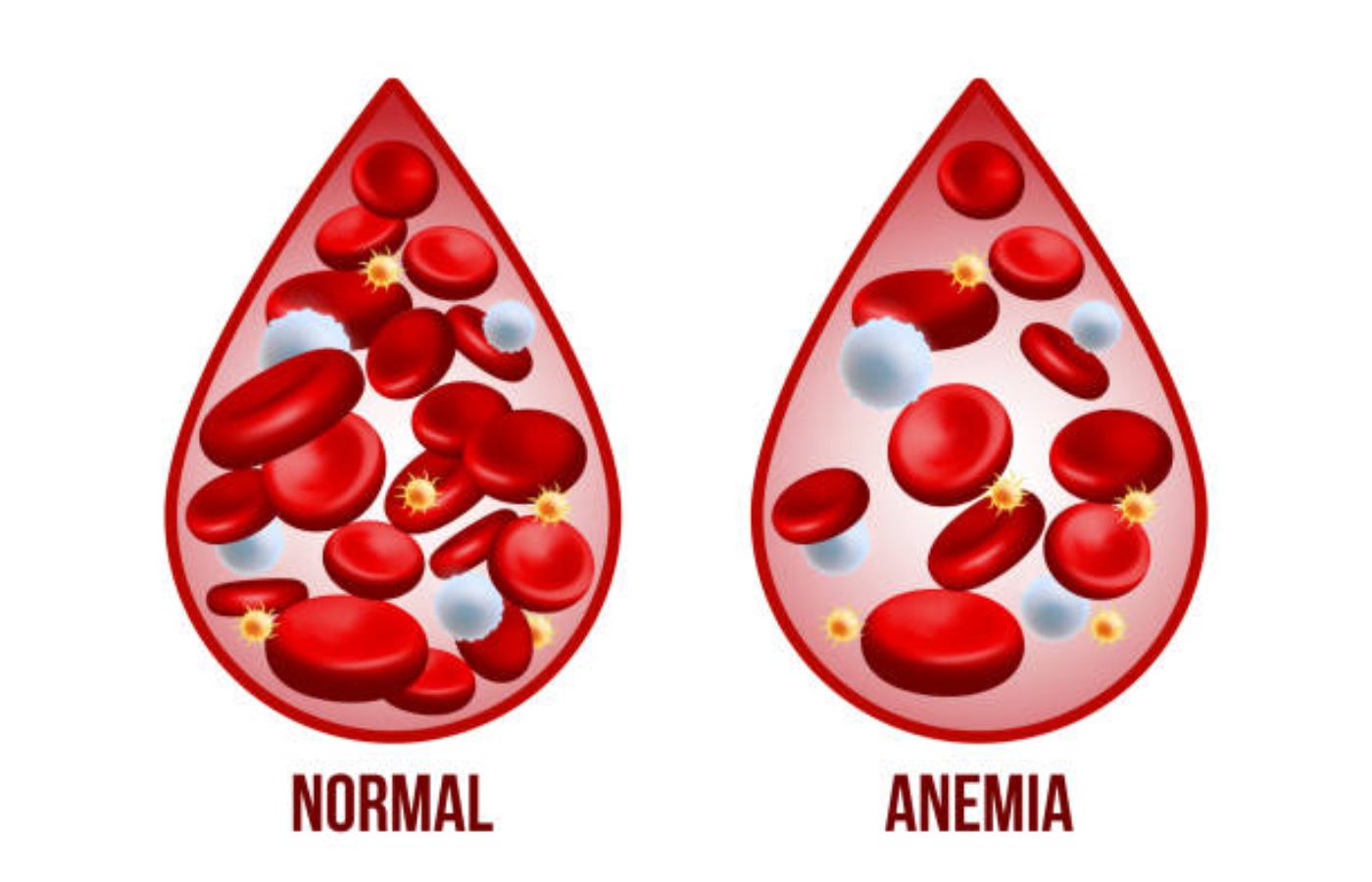

.jpg "COMMON PATHALOGICAL BLOOD TESTS")














.png "how to manage diabetes")