Vitamin D plays a crucial role in maintaining strong bones, a healthy immune system, and overall well-being. However, Vitamin D deficiency has become increasingly common due to indoor lifestyles, limited sun exposure, and dietary habits. Understanding its symptoms, causes, and solutions can help you take timely action and protect your health.
Vitamin D is a fat-soluble vitamin that helps the body absorb calcium and phosphorus. It supports bone strength, muscle function, nerve health, and immunity. Our body naturally produces Vitamin D when the skin is exposed to sunlight.
Vitamin D deficiency occurs when the body does not have enough Vitamin D to maintain healthy bodily functions. Low levels can affect bone density, immunity, and overall energy levels.
Symptoms may develop gradually and are often overlooked.
Persistent tiredness and lack of energy are common early signs of Vitamin D deficiency.
Vitamin D is essential for calcium absorption. Deficiency can cause bone pain, lower back discomfort, or joint weakness.
Low Vitamin D levels may weaken the immune system, leading to frequent colds, flu, or infections.
Muscle pain or weakness can occur due to inadequate Vitamin D levels.
Severe deficiency may contribute to hair thinning or hair loss.
Vitamin D is linked to brain function. Low levels may be associated with mood swings or symptoms of depression.
Several factors can contribute to low Vitamin D levels.
Spending most of the time indoors or using high SPF sunscreen constantly can reduce natural Vitamin D production.
A diet lacking in Vitamin D-rich foods such as fortified milk, eggs, fatty fish, and mushrooms can lead to deficiency.
Certain medical conditions affecting the liver, kidneys, or digestive system may interfere with Vitamin D absorption.
Excess body fat can reduce the availability of Vitamin D in the bloodstream.
Elderly individuals
People with darker skin tones
Individuals who stay indoors most of the time
Pregnant or breastfeeding women
People with chronic medical conditions
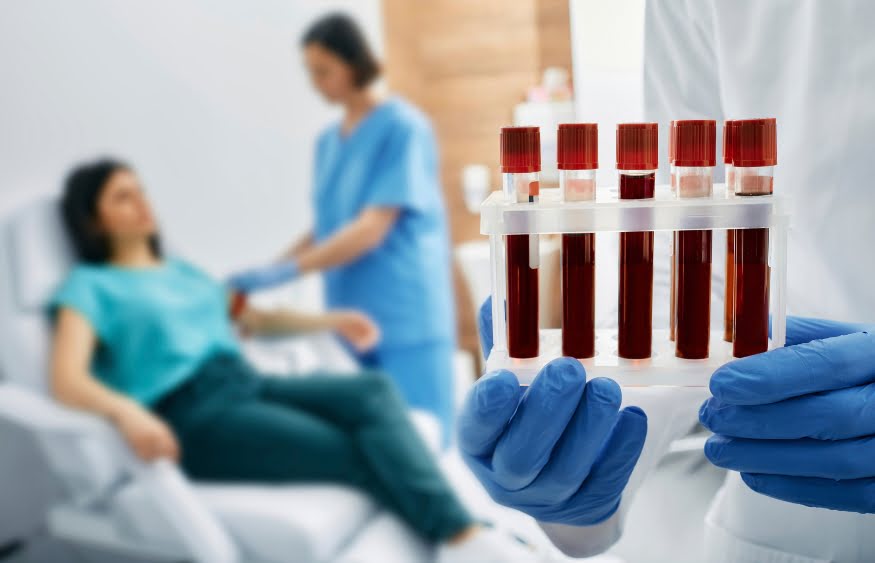
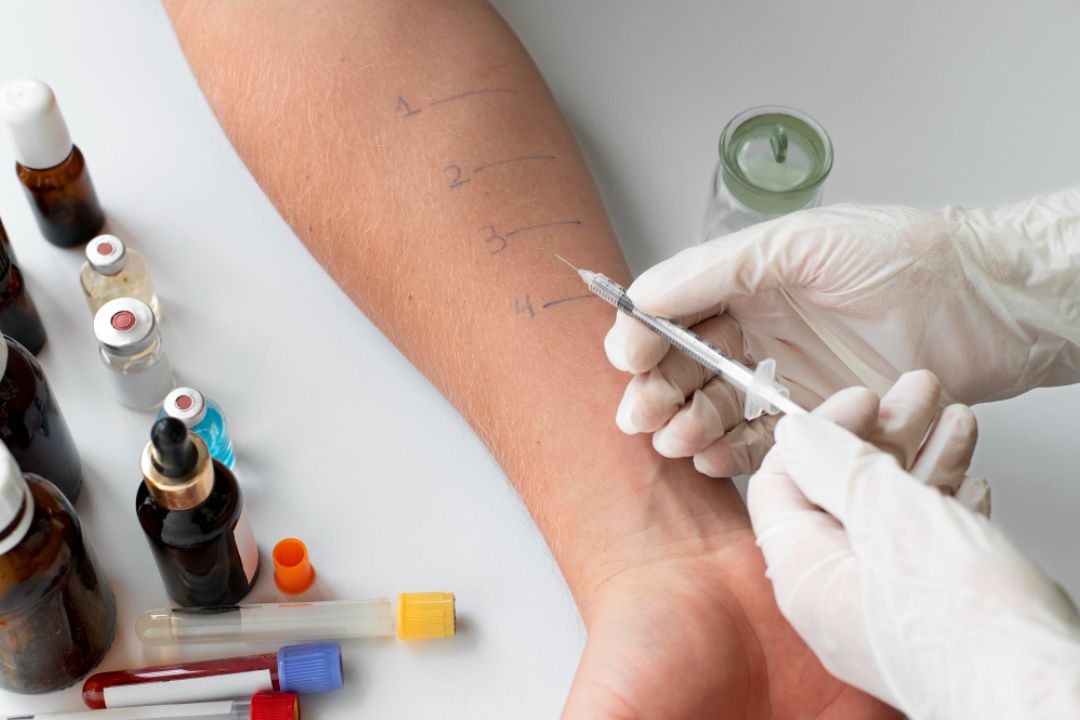
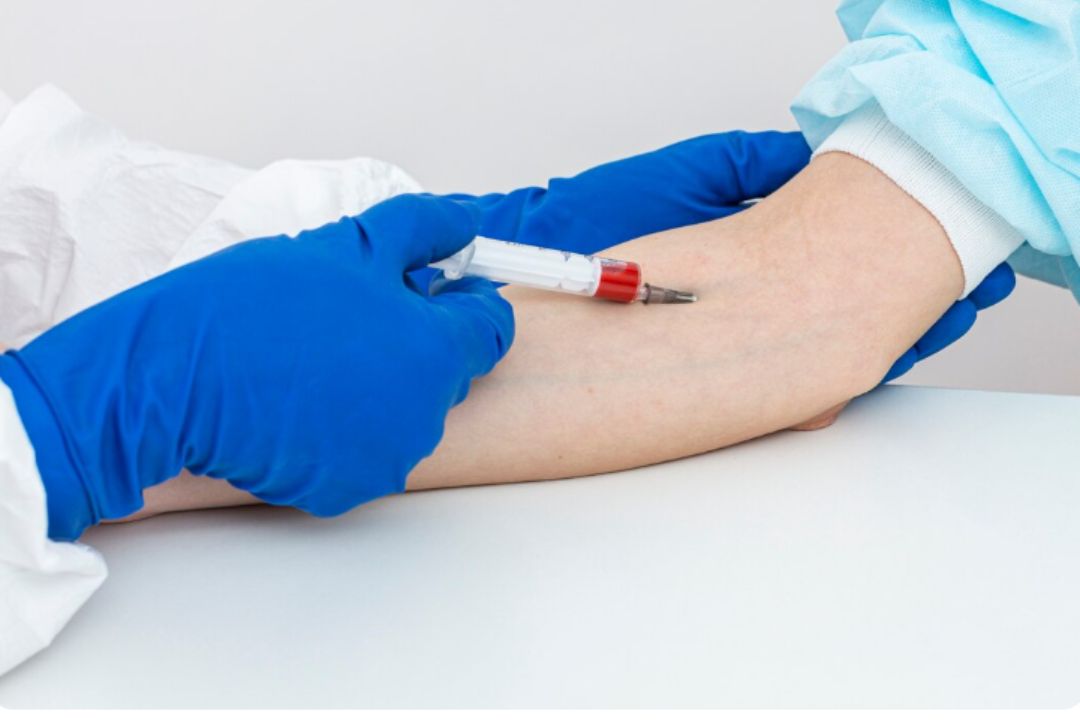
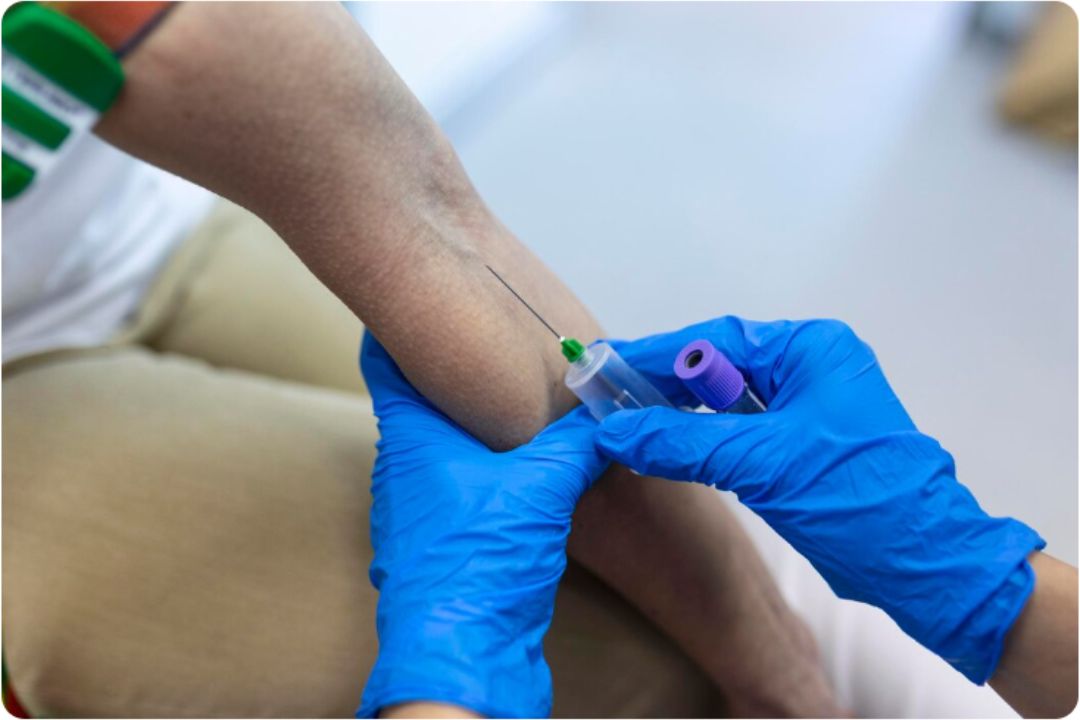
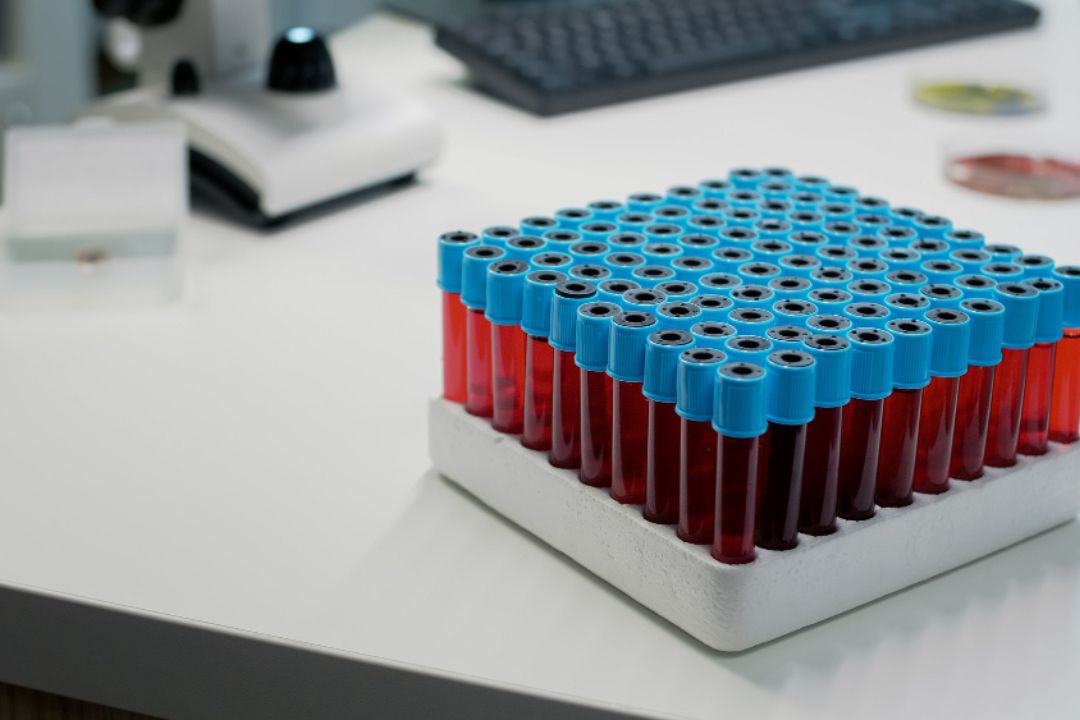
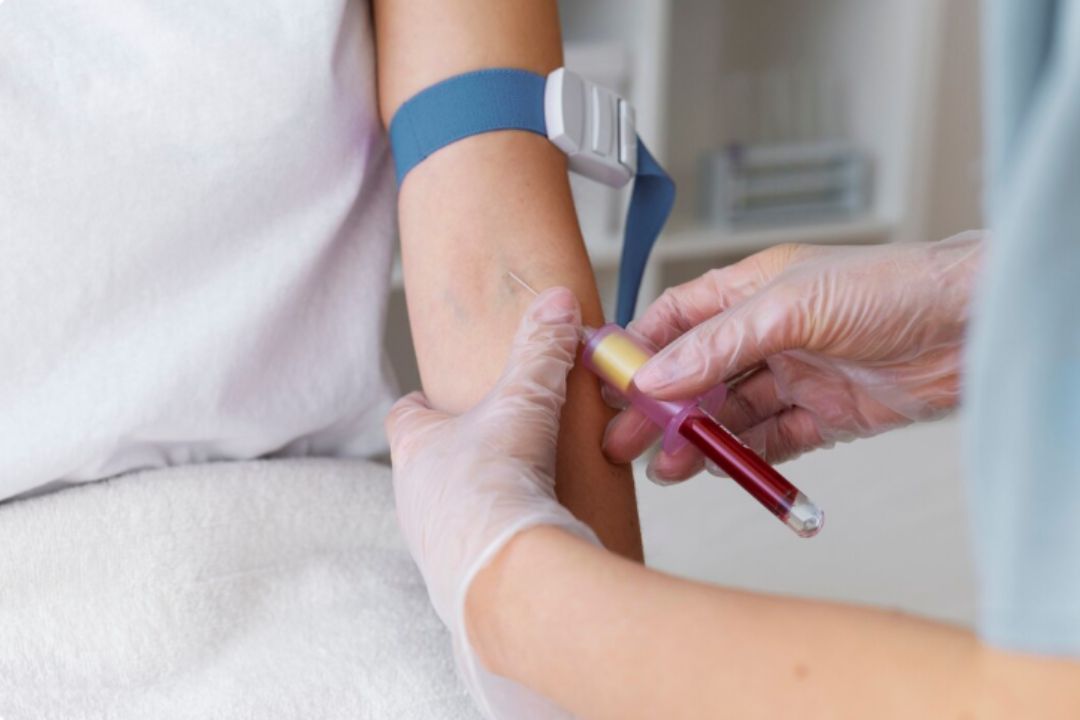
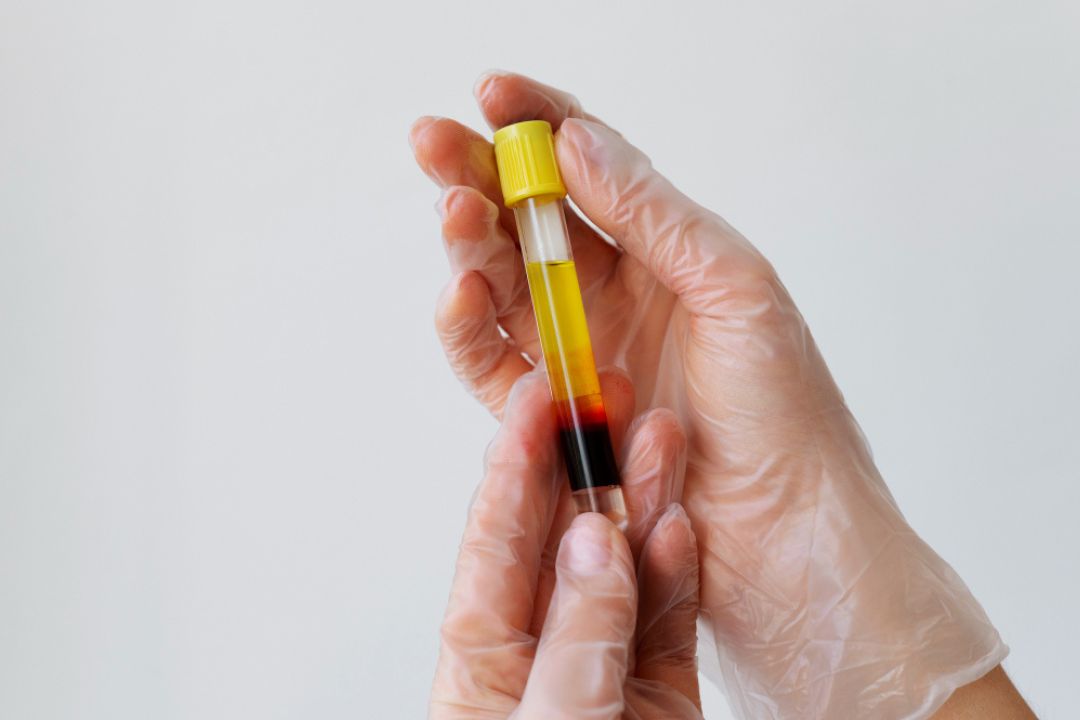
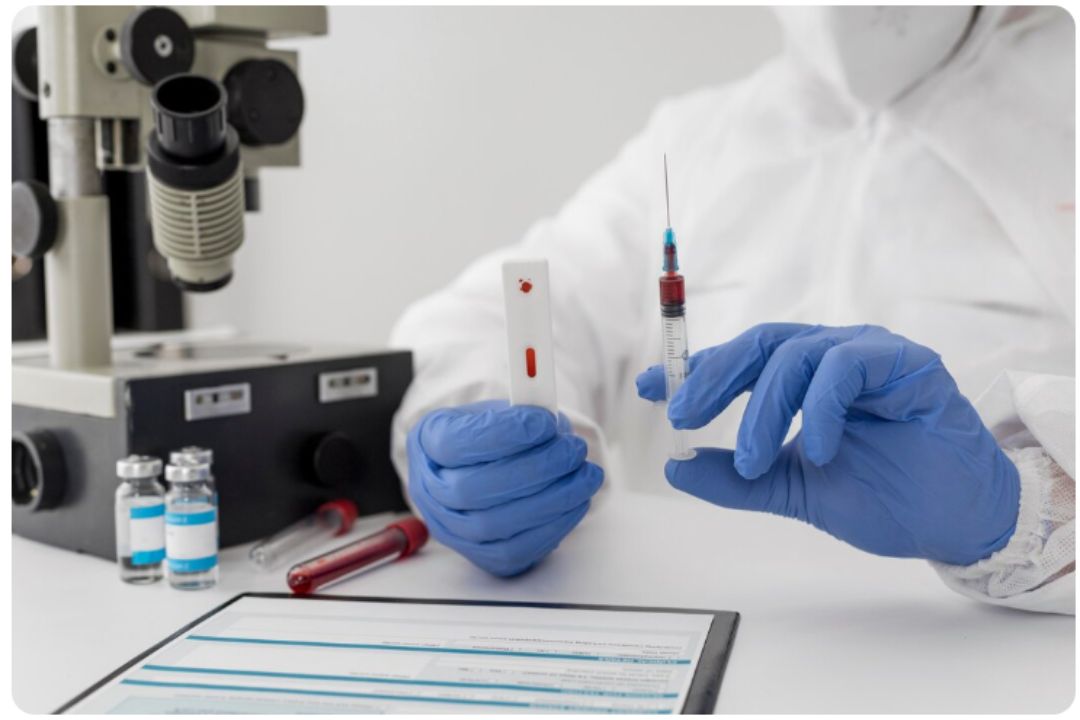
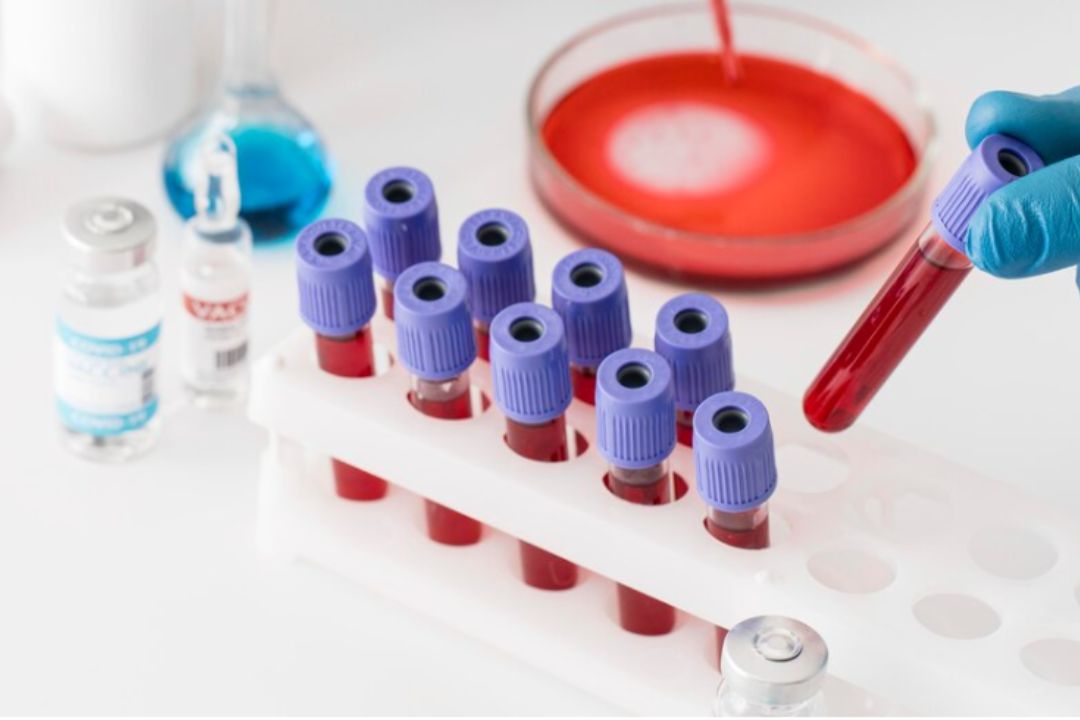
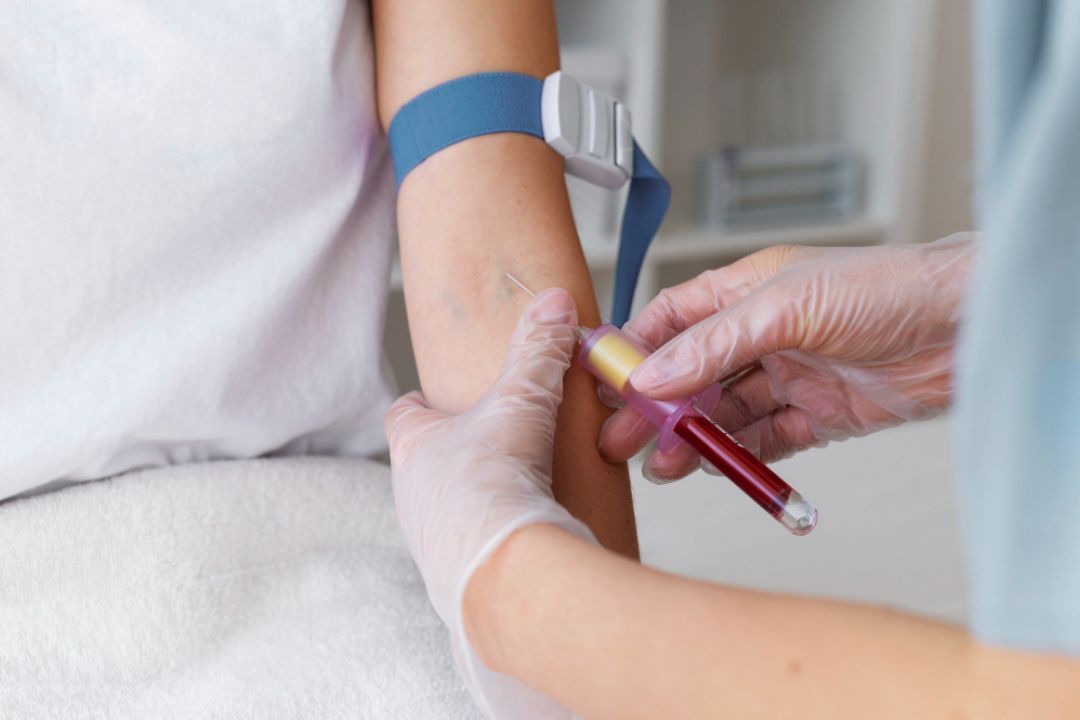
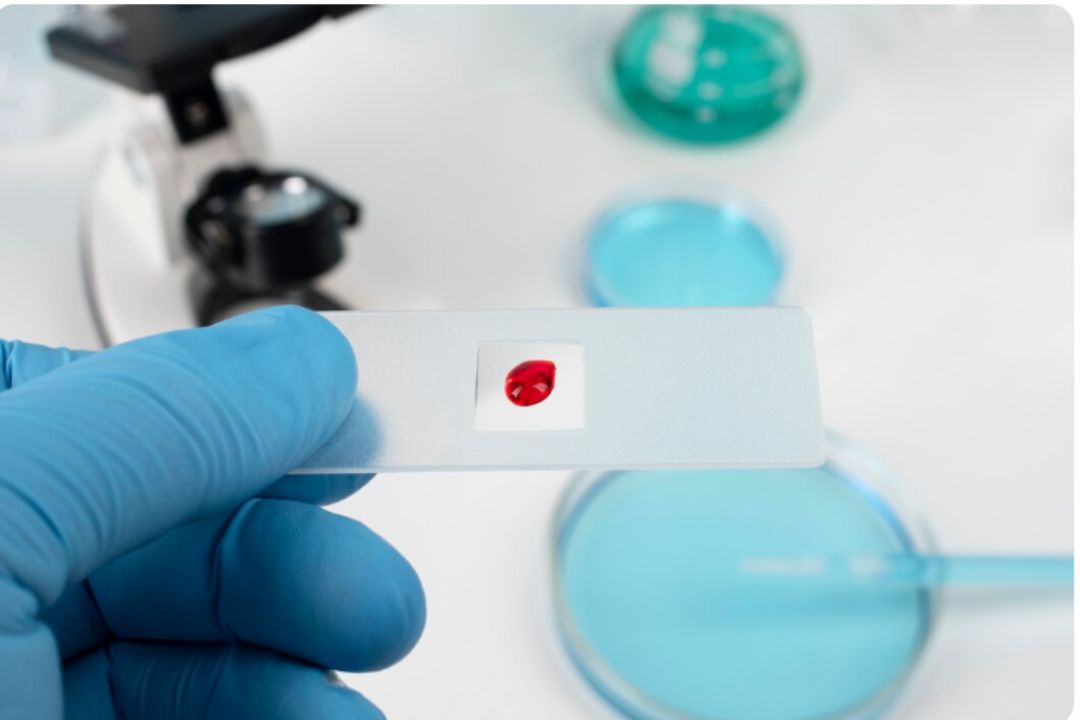
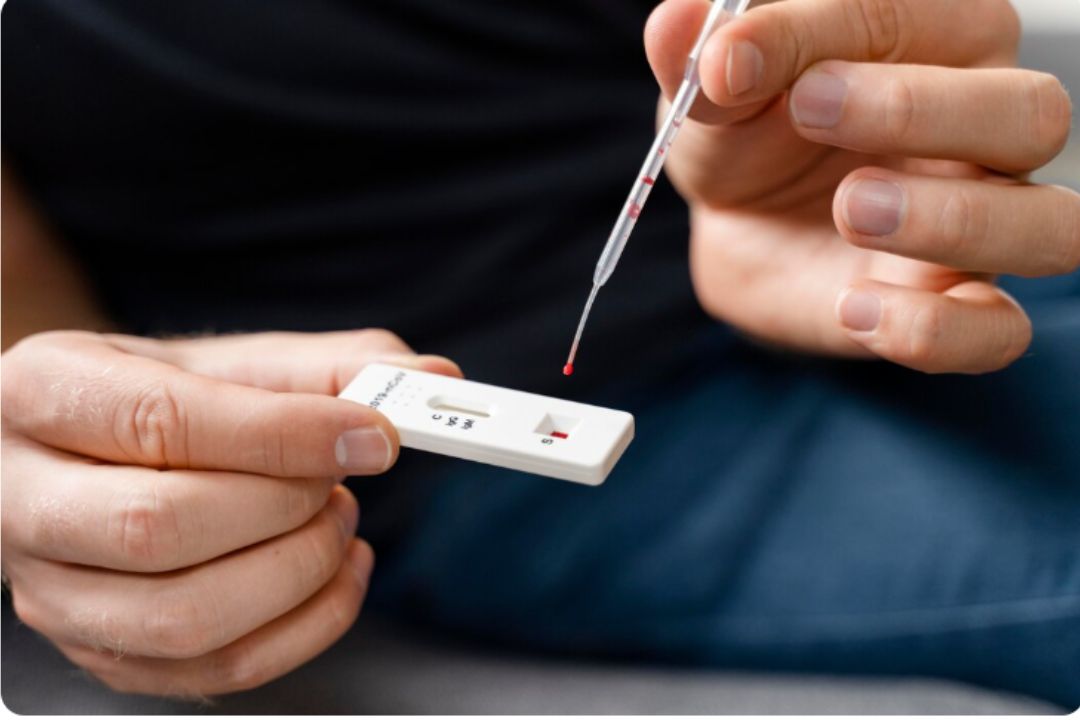
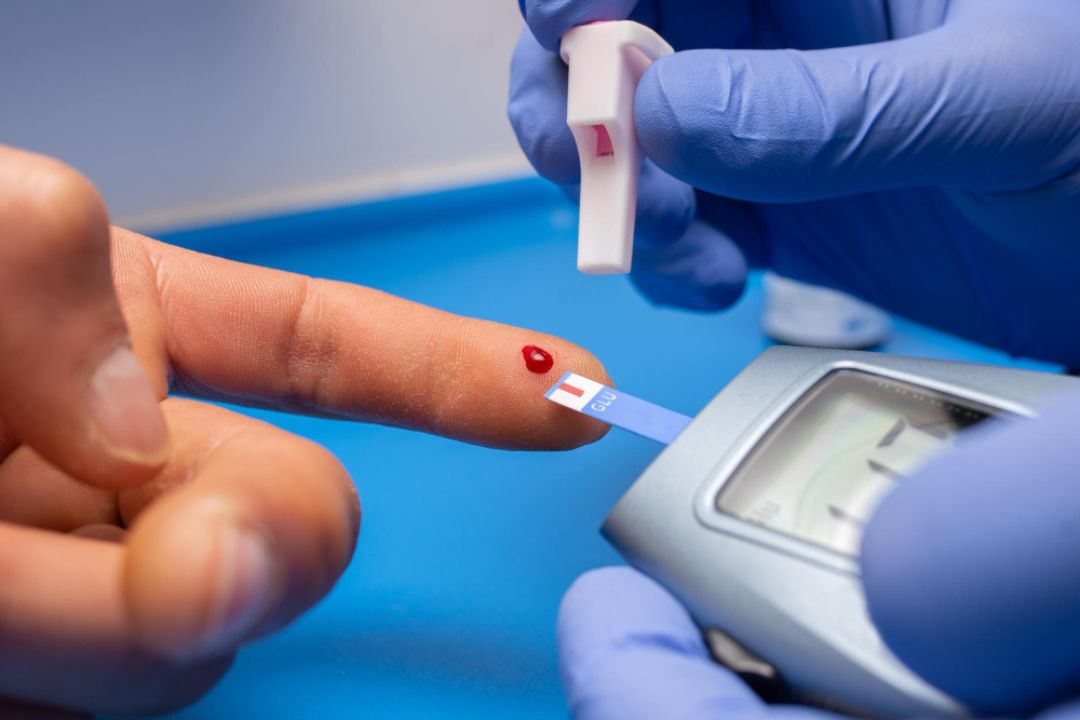
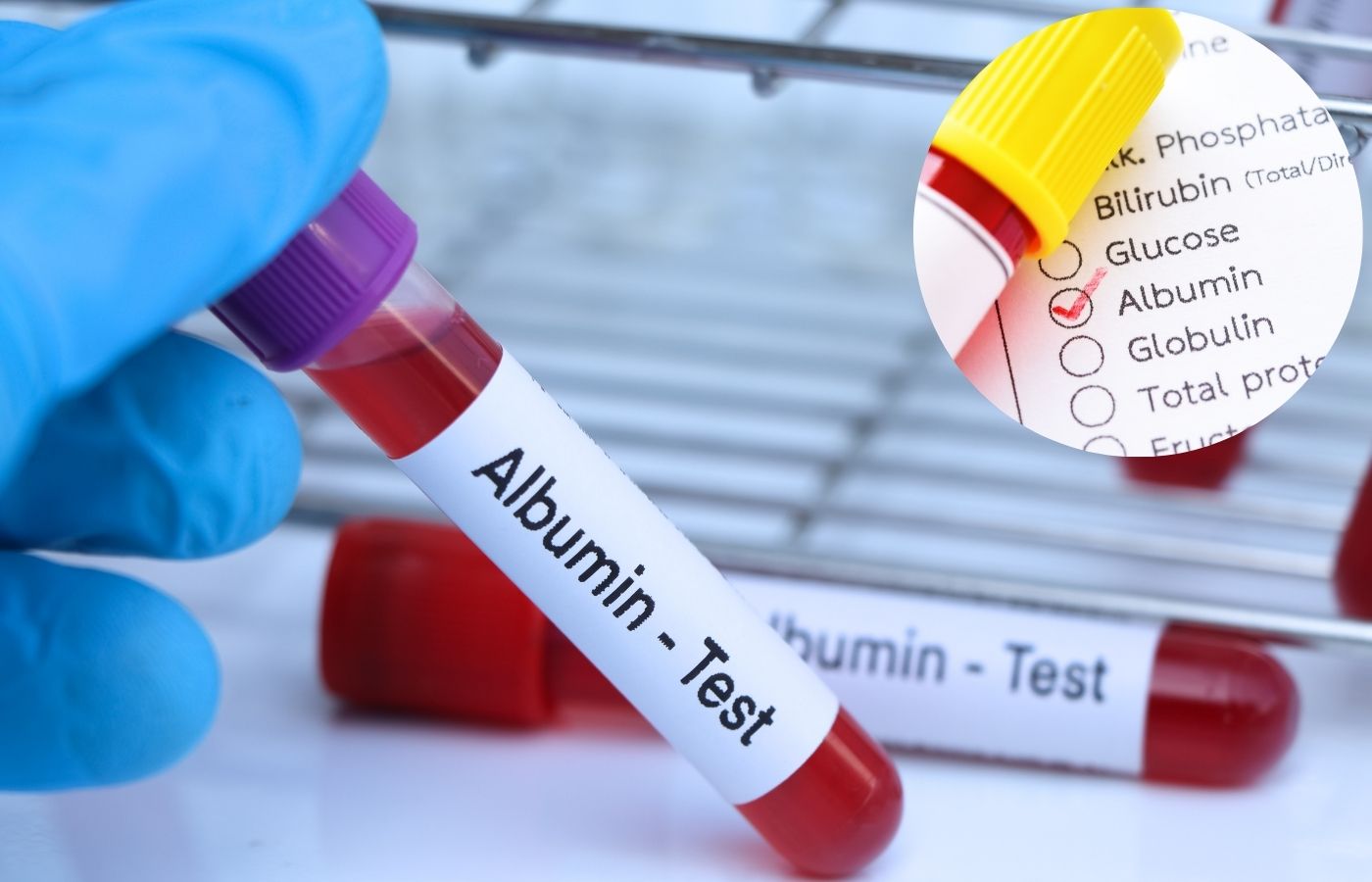
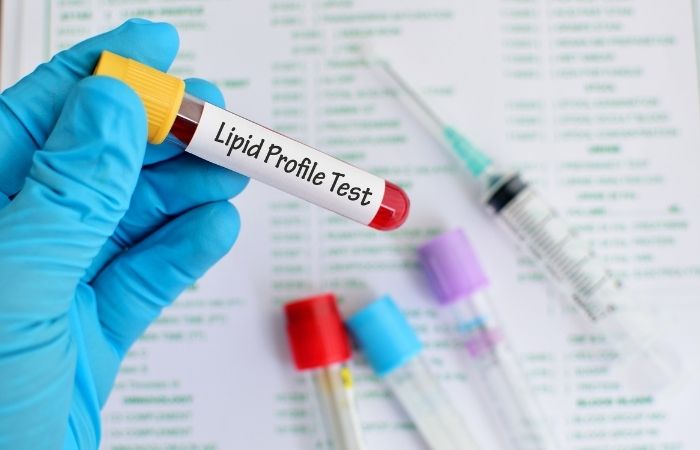
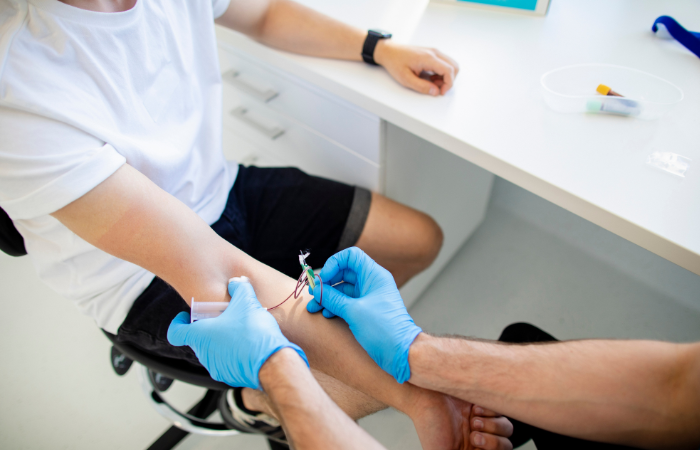
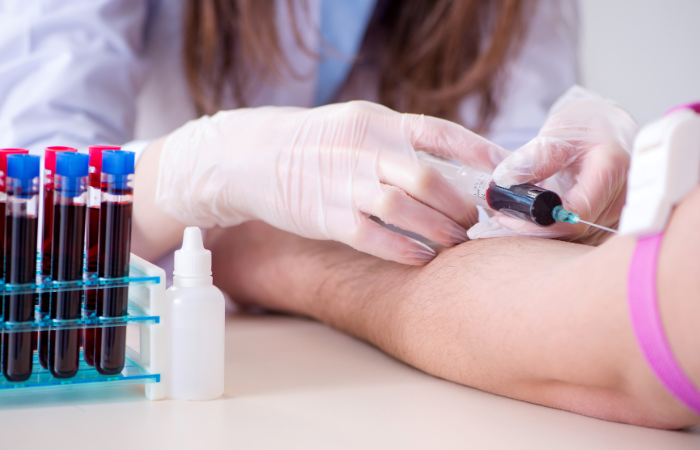
Doctors usually recommend a blood test called the 25-hydroxy Vitamin D test to measure Vitamin D levels. Based on the results, they determine whether supplementation is required.
Treatment depends on the severity of the deficiency.
Spending 15 to 30 minutes in sunlight several times a week can help improve Vitamin D levels.
Include Vitamin D-rich foods such as fortified dairy products, egg yolks, fatty fish, and mushrooms in your diet.
Doctors may prescribe Vitamin D3 supplements in appropriate doses to restore normal levels.
Periodic blood tests help ensure that Vitamin D levels remain within a healthy range.
Consult a healthcare professional if you experience persistent fatigue, bone pain, muscle weakness, or frequent infections. Early diagnosis and treatment can prevent complications such as osteoporosis or fractures.
Vitamin D deficiency is common but manageable with proper awareness and timely intervention. A balanced diet, adequate sunlight exposure, and medical guidance can help maintain healthy Vitamin D levels and support overall wellness. If you suspect deficiency, consult a medical professional for accurate diagnosis and appropriate treatment.























.jpg "diabetes")



.jpg "pcos lifestyle")

























.jpg "FSH Test")







.jpg "urine potassium in hypokalemia")

















.jpg "How to Prevent Hepatitis")

.jpg "Acute-Phase Reactants")
.jpg "Anemia: Causes")

.jpg "Manage Cirrhosis")

.jpg "Types of Tuberculosis")
.png "Tested for Multiple Myeloma")

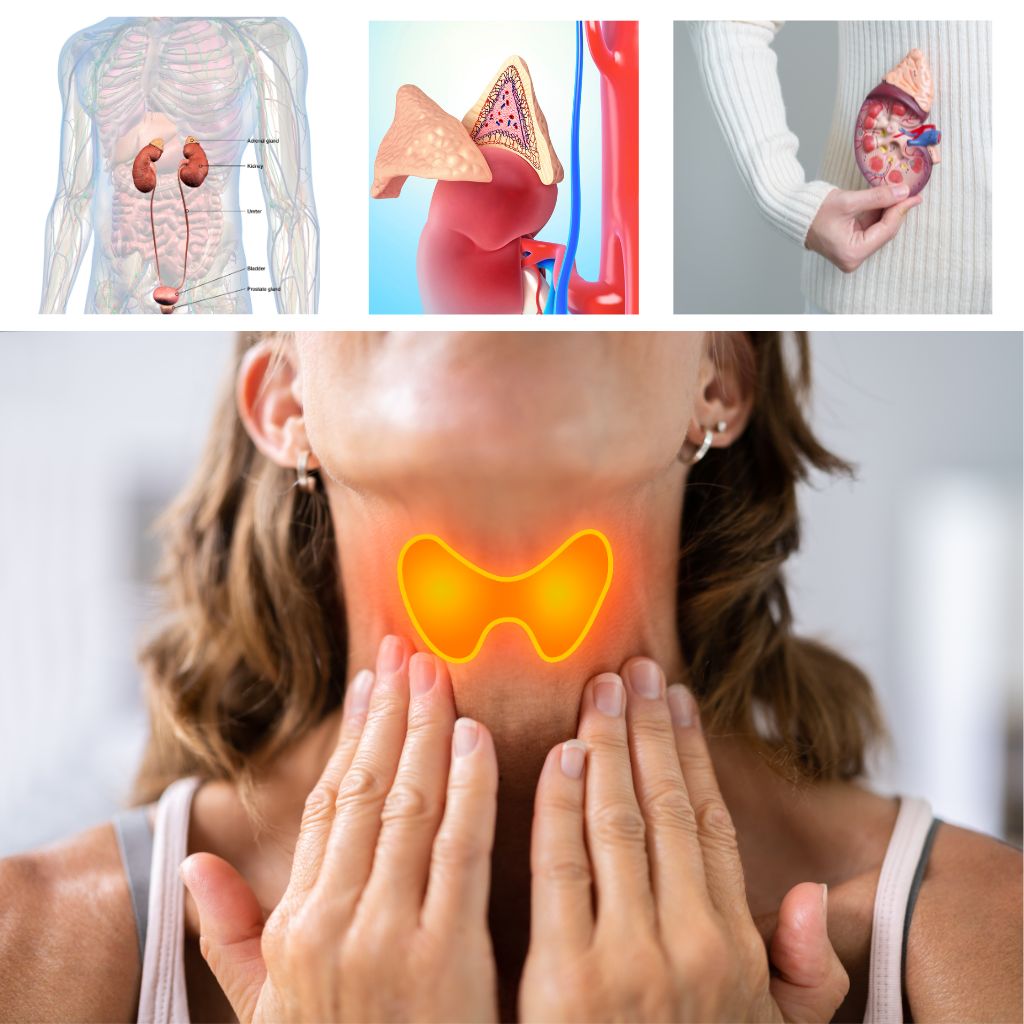

 (1).jpg "Urine Cortisol Test at Diagnopein")
 (1).jpg "Aldolase & its role")
 (1).jpg "Beta-Thalassemia Major at Diagnopein")
.jpg "Typhoid treatment")
 (1).jpg "Kidney Stones Demystified")
 (1).jpg "Blood infection signs & diagnosis")
 (1).jpg "From HIV to AIDS")


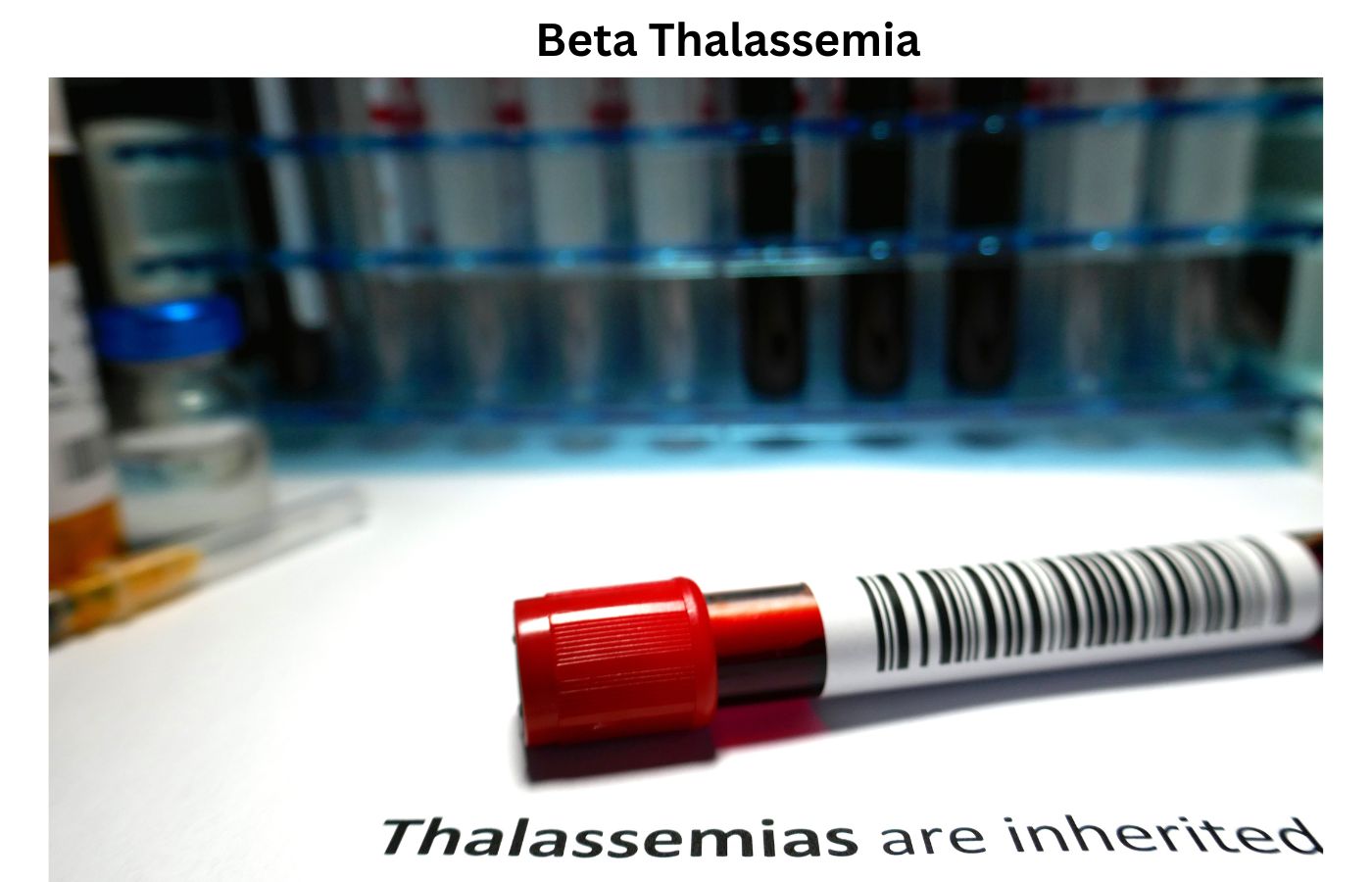
.jpg "Multiple Myeloma")
 (1).jpg "Know about Chikungunya Fever")
.jpg "Diagnopein Stands Out")
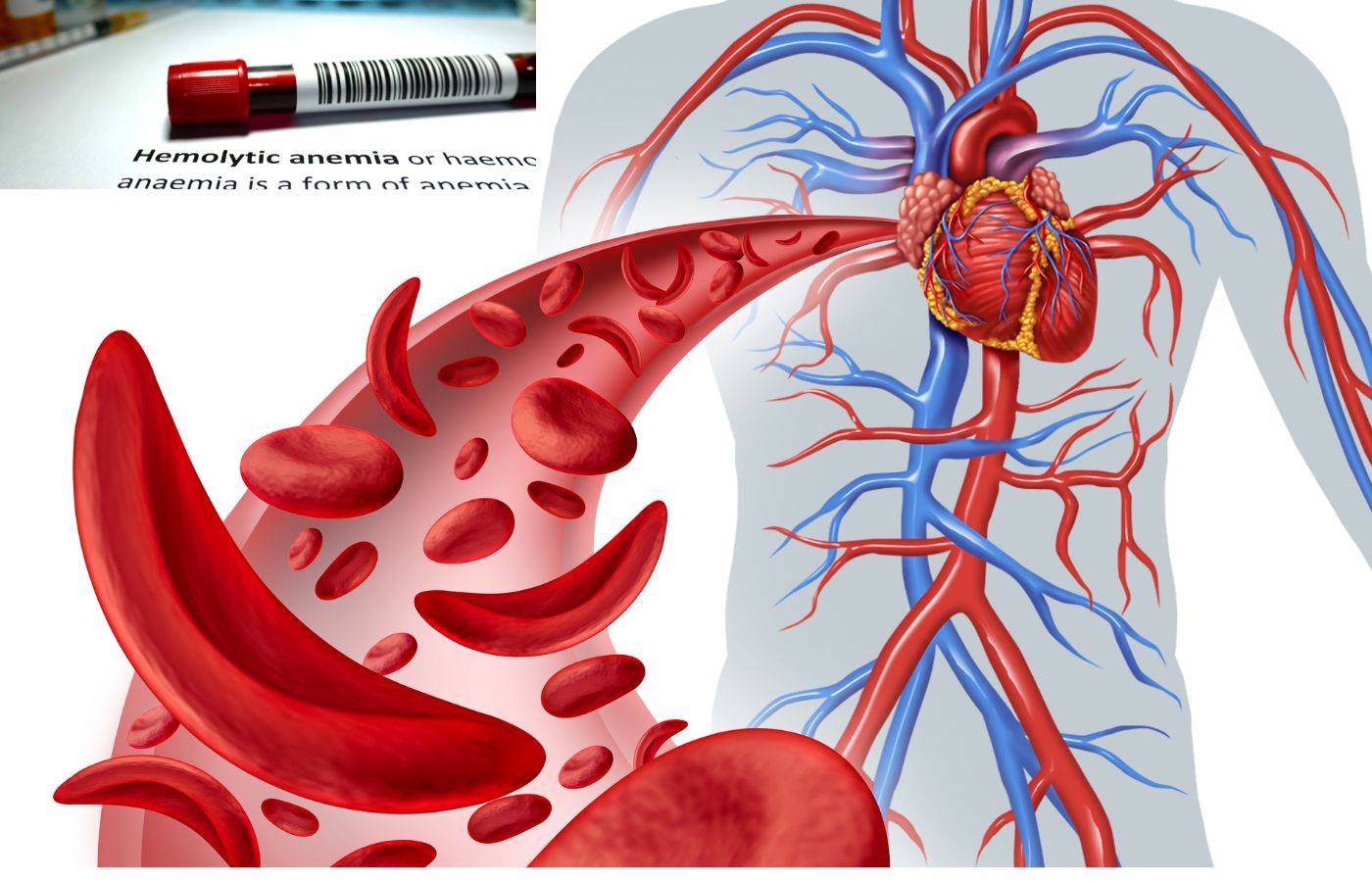

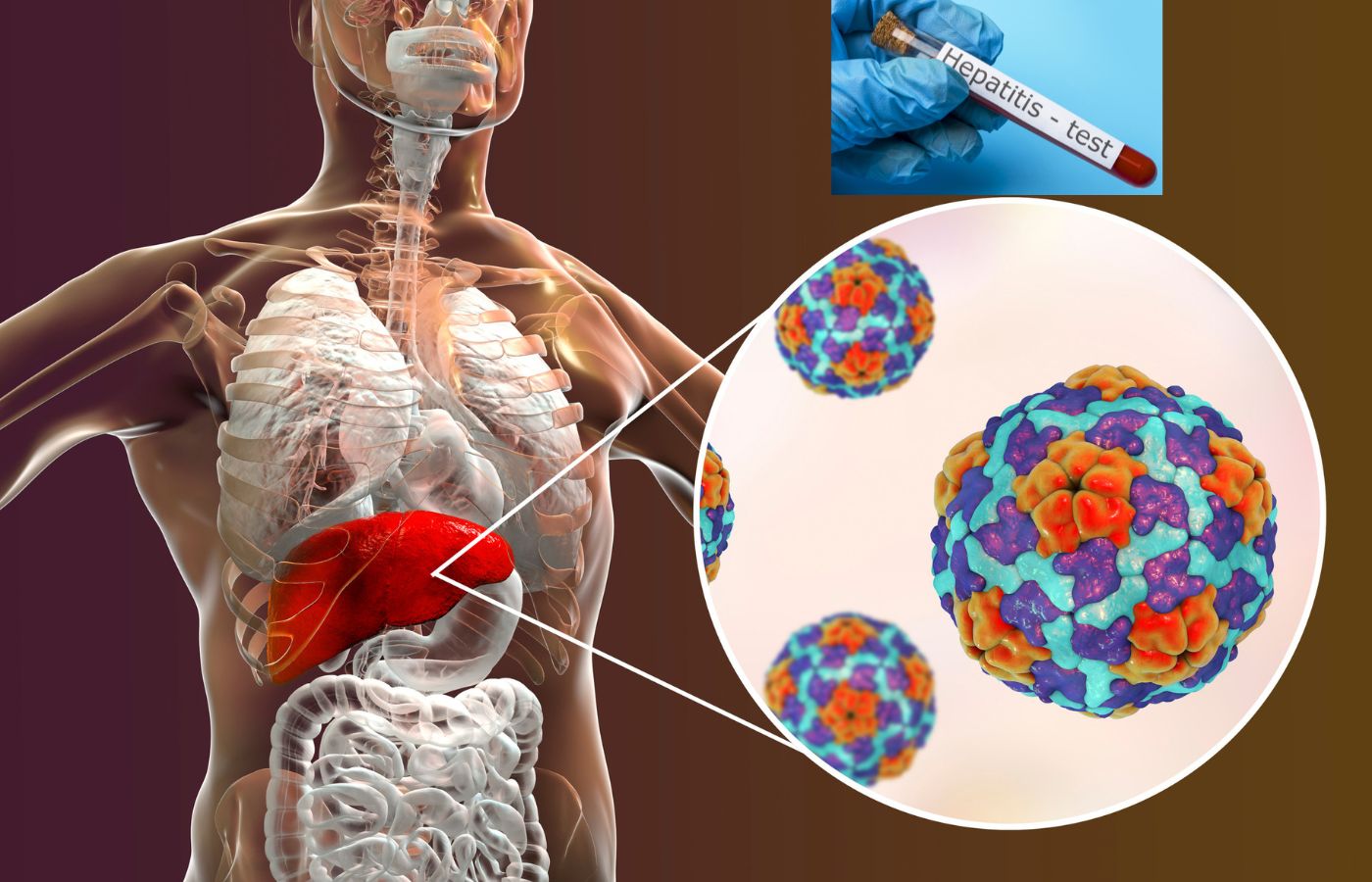








 disorders.jpg "gastrointestinal (GI) disorders")







.jpg "symptoms of Chikungunya & How is Chikungunya diagnosed?")


.jpg "COMMON PATHALOGICAL BLOOD TESTS")





















.png "how to manage diabetes")