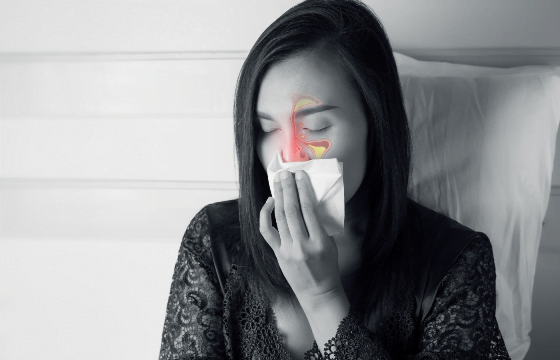
Allergies are becoming increasingly common in India due to pollution, changing lifestyles, and environmental triggers. While some allergies are mild, others can become serious if ignored. Recognizing early symptoms helps you seek timely medical care and avoid complications.
An allergy is your immune system’s overreaction to a substance that is usually harmless. These substances are called allergens and may include dust, pollen, certain foods, medications, pet dander, or insect stings.
When exposed to an allergen, your body releases chemicals like histamine, causing various physical symptoms.
Allergy symptoms can vary depending on the trigger and the severity of the reaction.
Visit Now: https://www.diagnopein.com/book-test/Pune
Frequent sneezing, nasal congestion, or a runny nose are common signs of allergic rhinitis. These symptoms are often triggered by dust, pollen, or pollution.
Redness, irritation, and watery eyes are typical in seasonal allergies. You may also experience swelling around the eyes.
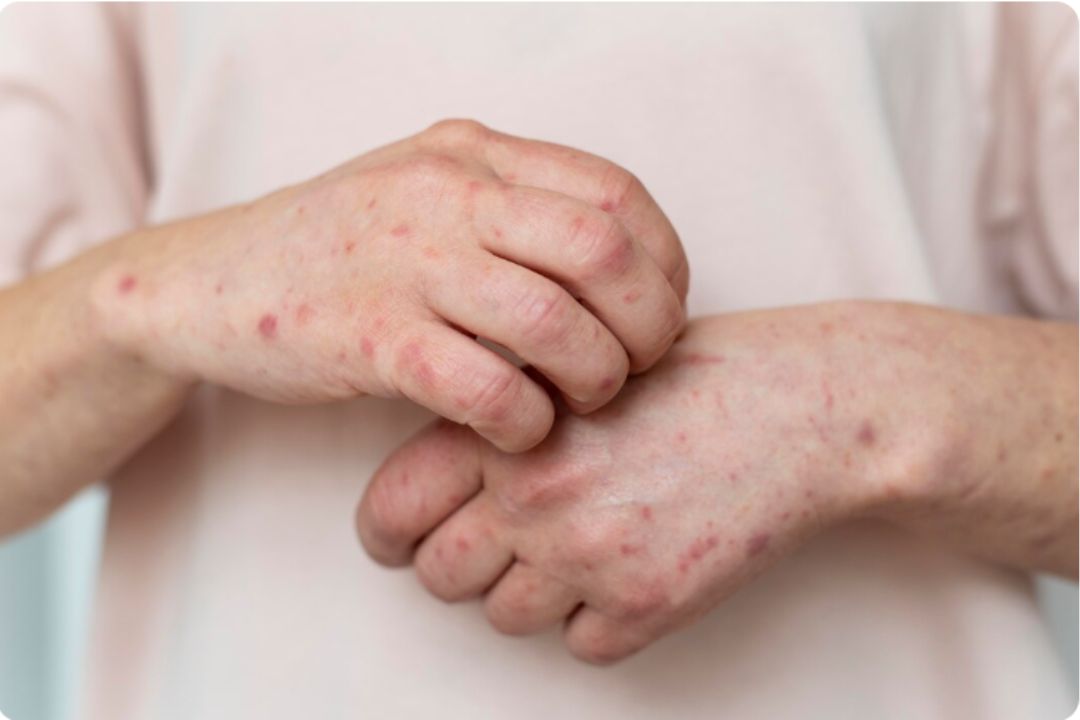
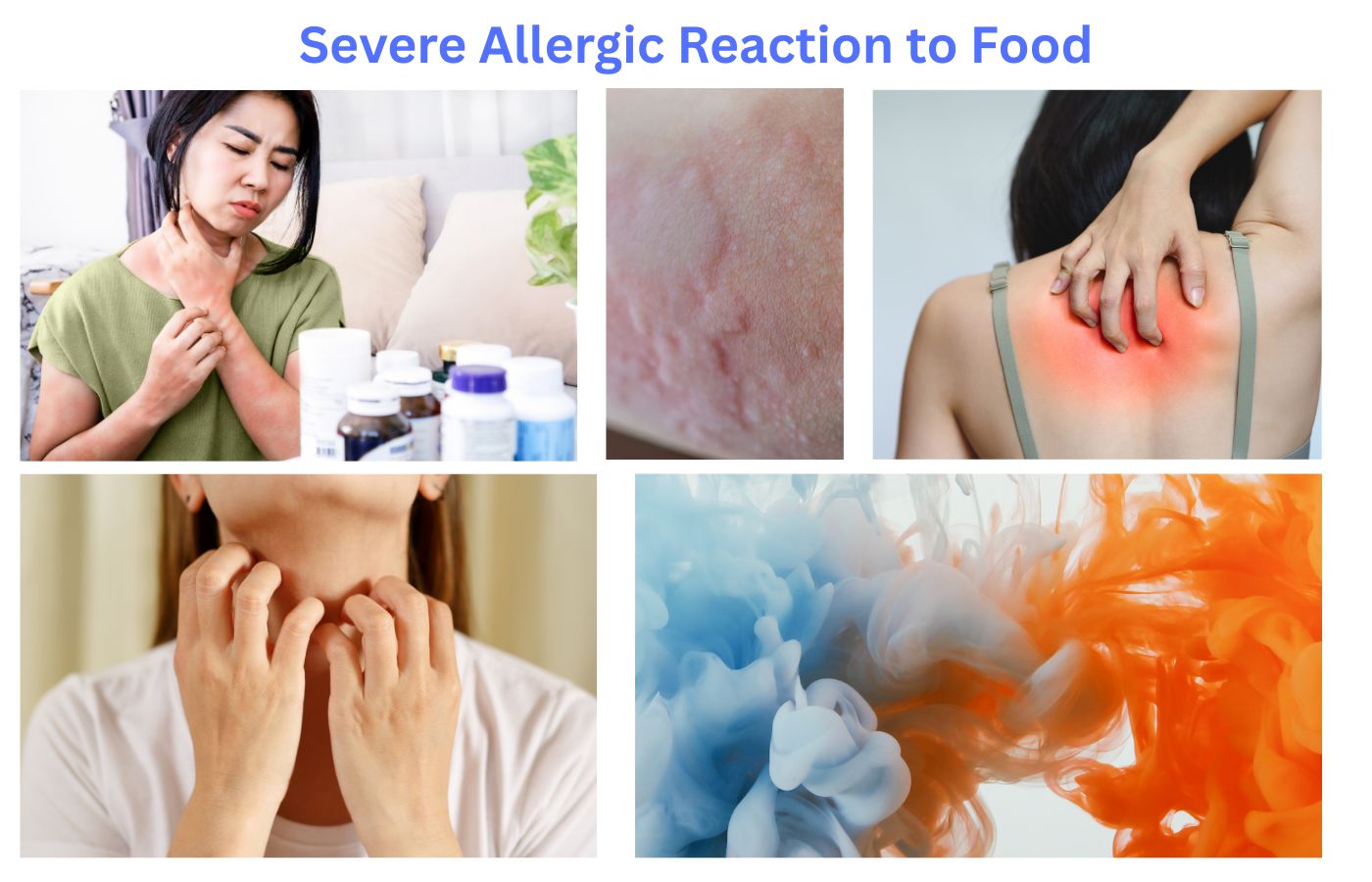
Allergic reactions can cause skin problems such as redness, itching, hives, or eczema. Some people may develop rashes after eating certain foods or using specific cosmetic products.
Sudden swelling, especially around the mouth or eyes, may indicate a stronger allergic reaction and should not be ignored.
Breathing difficulties, chest tightness, or wheezing may be linked to allergic asthma. Immediate medical attention is required if breathing becomes difficult.
Food allergies may cause nausea, vomiting, stomach pain, or diarrhea shortly after consuming the trigger food.
Some allergic reactions can become life-threatening. Seek emergency care if you notice:
Shortness of breath or choking sensation can signal a serious condition.
Swelling of the throat, tongue, or face may indicate anaphylaxis.
Dizziness, fainting, or weakness could be signs of a severe reaction.
You should consult a healthcare professional if:
Symptoms persist for several days
Over-the-counter medications do not help
Symptoms interfere with daily life
You experience repeated allergic reactions
Early diagnosis helps in identifying the exact trigger and preventing complications.
Doctors may recommend:
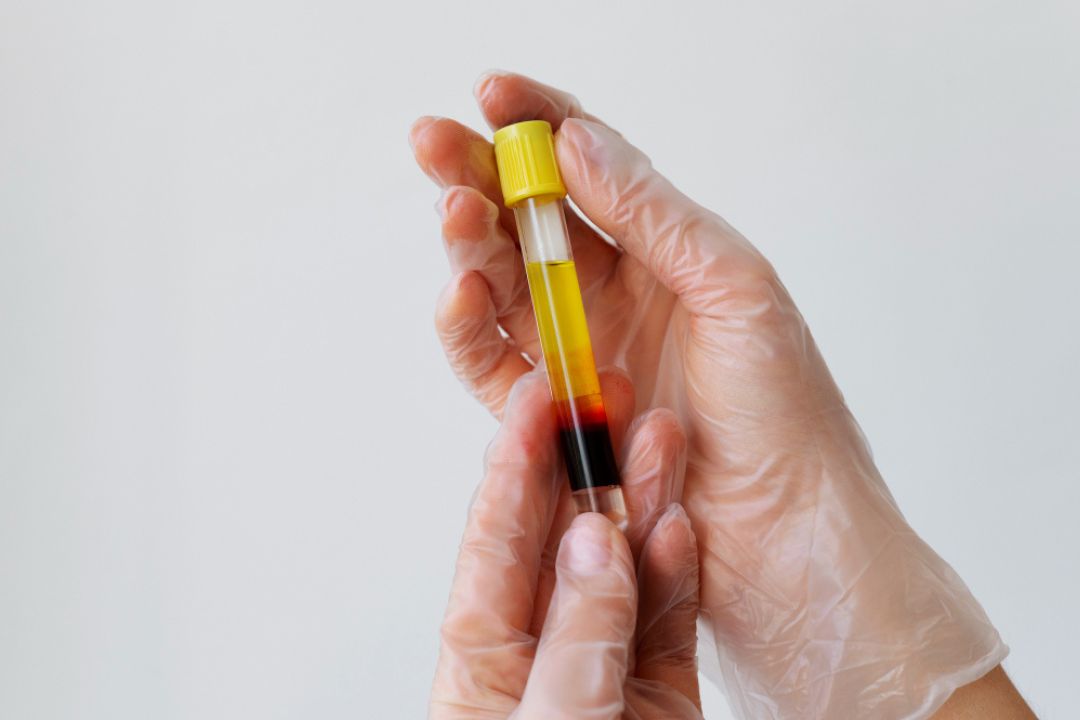
These tests measure specific antibodies in your blood.
Small amounts of allergens are placed on your skin to check reactions.
For suspected food allergies, certain foods are removed and reintroduced carefully.
Treatment depends on the severity and type of allergy.
The most effective way to manage allergies is avoiding known allergens.
Antihistamines, nasal sprays, and inhalers help control symptoms.
In some cases, doctors may suggest allergy shots to reduce sensitivity over time.
Allergies may seem minor at first, but ignoring symptoms can lead to serious complications. If you notice frequent sneezing, skin rashes, breathing problems, or swelling, consult a medical professional for proper evaluation. Early diagnosis and treatment can help you live comfortably and avoid severe allergic reactions.
























.jpg "diabetes")




.jpg "pcos lifestyle")



































.jpg "FSH Test")







.jpg "urine potassium in hypokalemia")























.jpg "How to Prevent Hepatitis")
.jpg "Acute-Phase Reactants")
.jpg "Anemia: Causes")

.jpg "Manage Cirrhosis")

.jpg "Types of Tuberculosis")
.png "Tested for Multiple Myeloma")

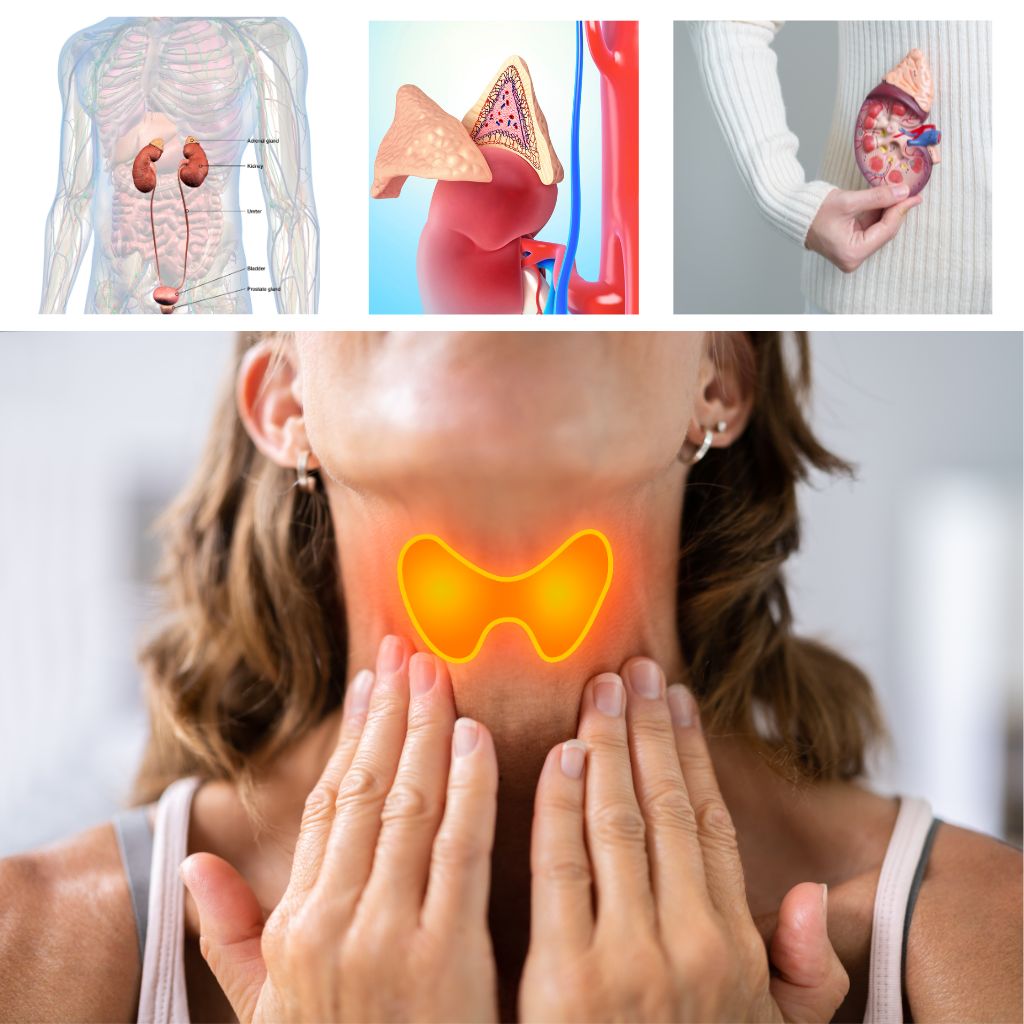

 (1).jpg "Urine Cortisol Test at Diagnopein")
 (1).jpg "Aldolase & its role")
 (1).jpg "Beta-Thalassemia Major at Diagnopein")
.jpg "Typhoid treatment")
 (1).jpg "Kidney Stones Demystified")
 (1).jpg "Blood infection signs & diagnosis")
 (1).jpg "From HIV to AIDS")

.jpg "Multiple Myeloma")
 (1).jpg "Know about Chikungunya Fever")
.jpg "Diagnopein Stands Out")
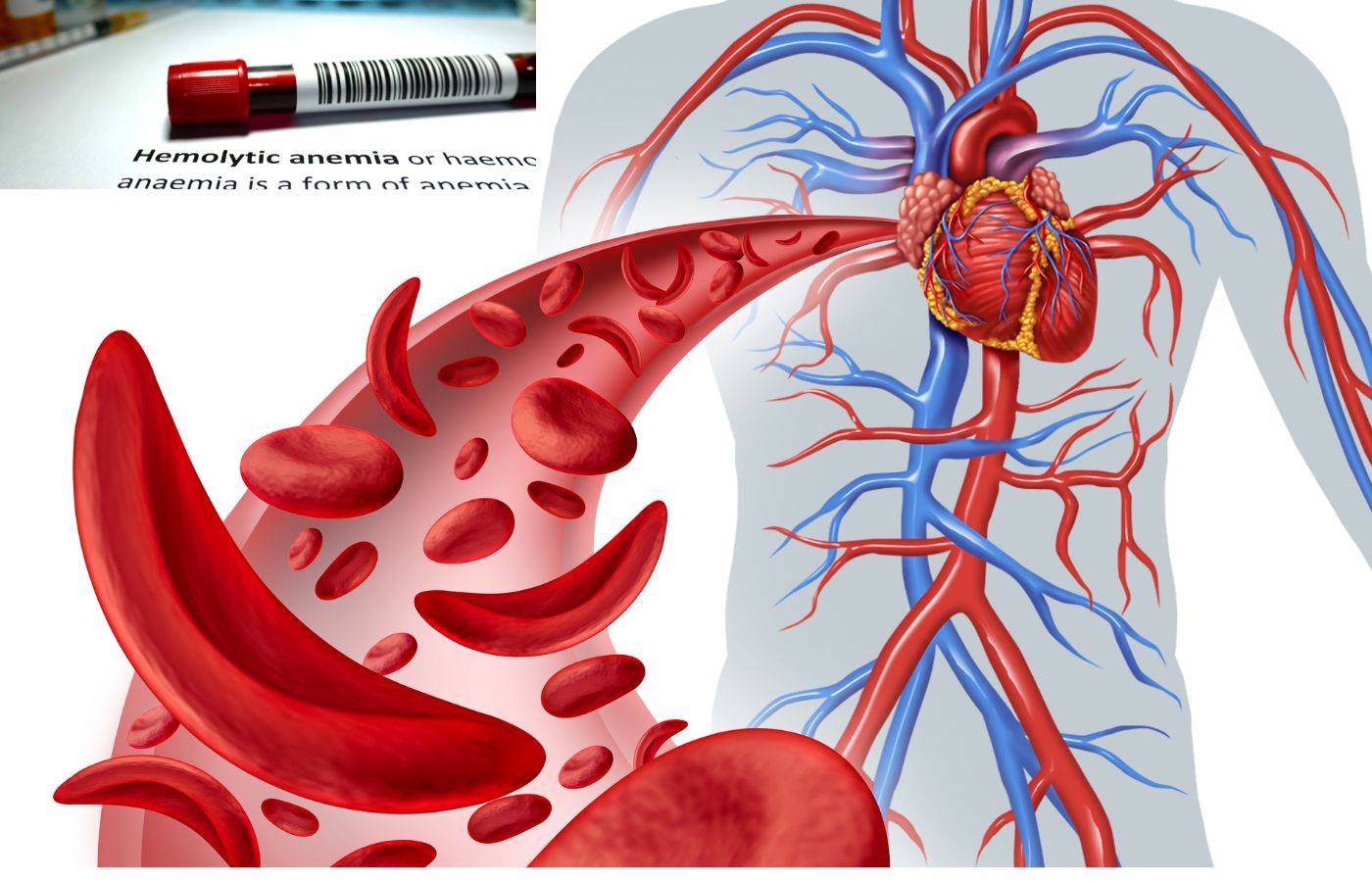











 disorders.jpg "gastrointestinal (GI) disorders")






.jpg "symptoms of Chikungunya & How is Chikungunya diagnosed?")

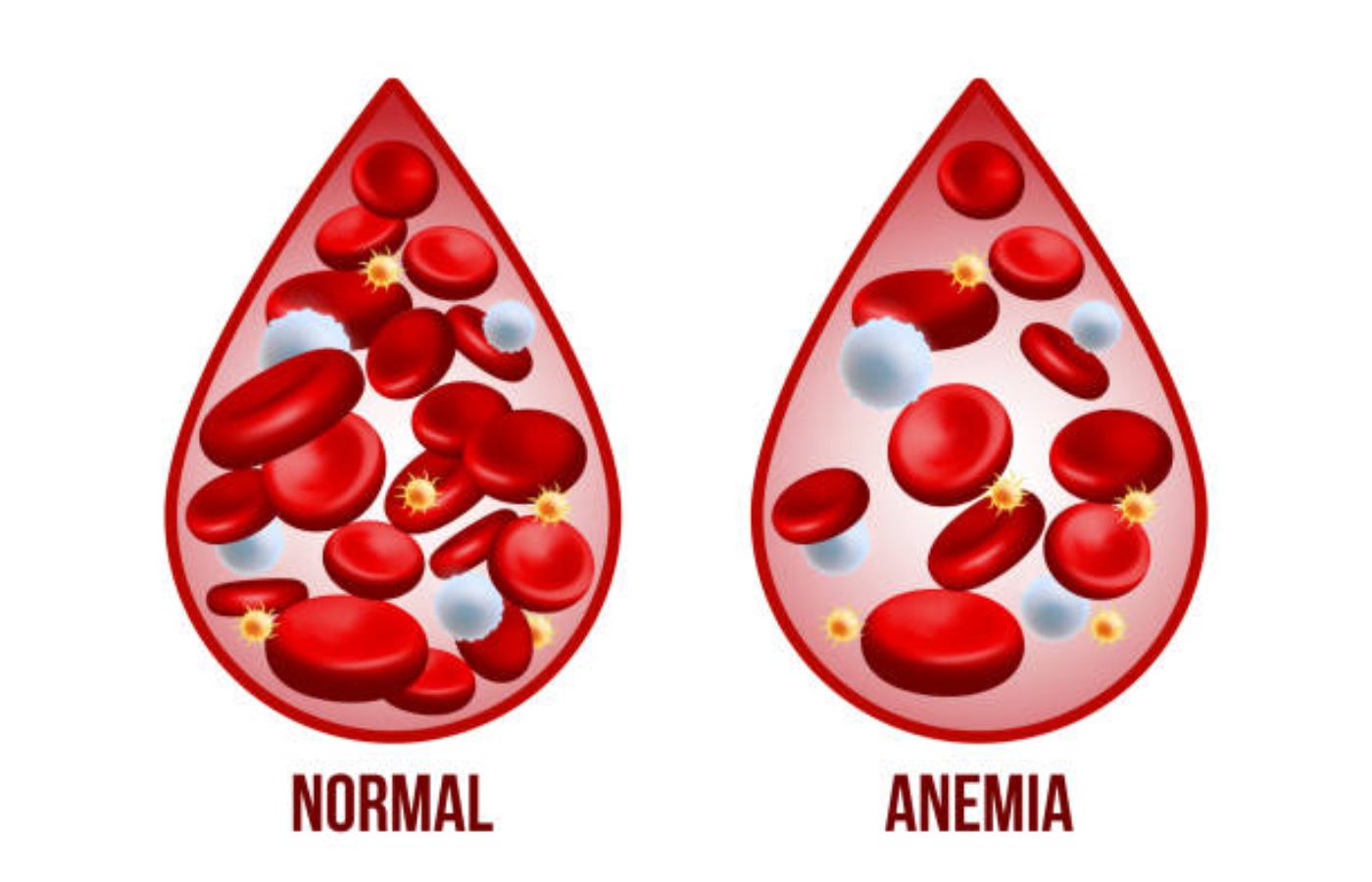

.jpg "COMMON PATHALOGICAL BLOOD TESTS")




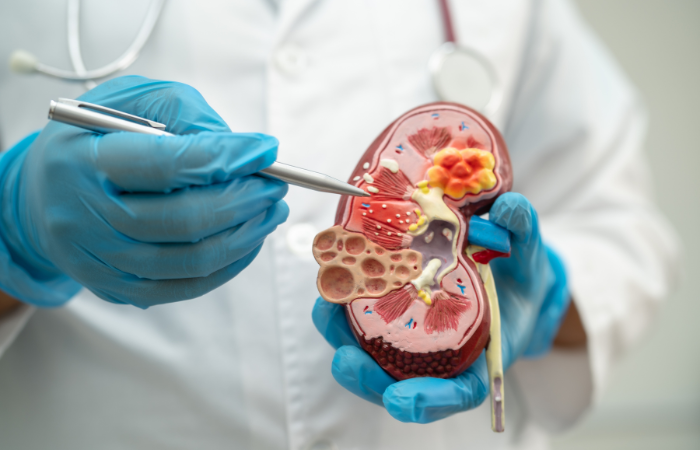





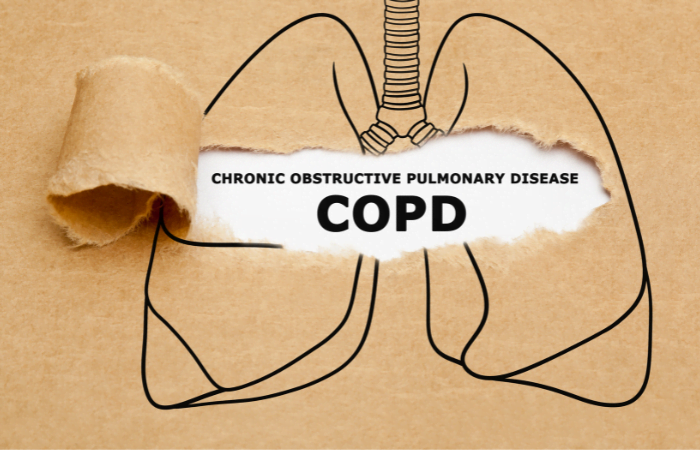

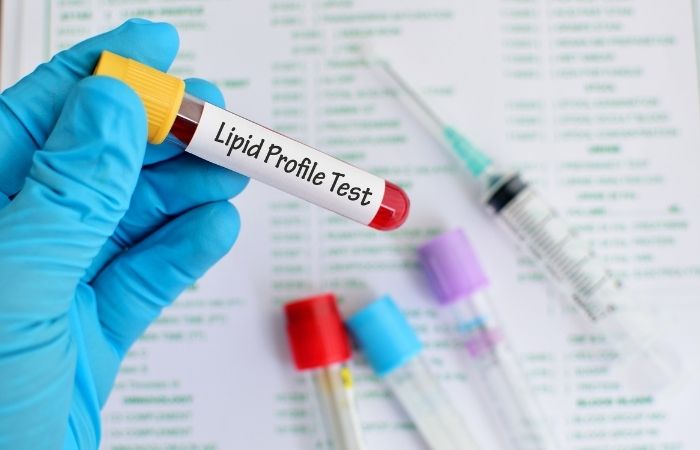












.png "how to manage diabetes")