Maintaining a consistent routine of brushing and flossing is the cornerstone of a healthy mouth. But have you ever wondered what truly happens if you stop brushing and flossing? The consequences are more severe and rapid than most people realize. This blog will walk you through the timeline of dental neglect, highlight the best oral hygiene practices to avoid it, and explain how Dignopein empowers you to take control of your oral health.
The consequences of neglect aren’t a distant threat; they begin within hours.
The First 24-72 Hours: When you stop brushing and flossing, bacteria in your mouth feast on food particles and begin forming plaque—a sticky, colorless biofilm. Within a day, this plaque adheres firmly to your teeth, particularly along the gumline and between teeth. Your breath may sour as bacteria release volatile sulfur compounds. By day three, the plaque thickens, and your gums might start to feel tender or look slightly puffy—the first whisper of gingivitis.
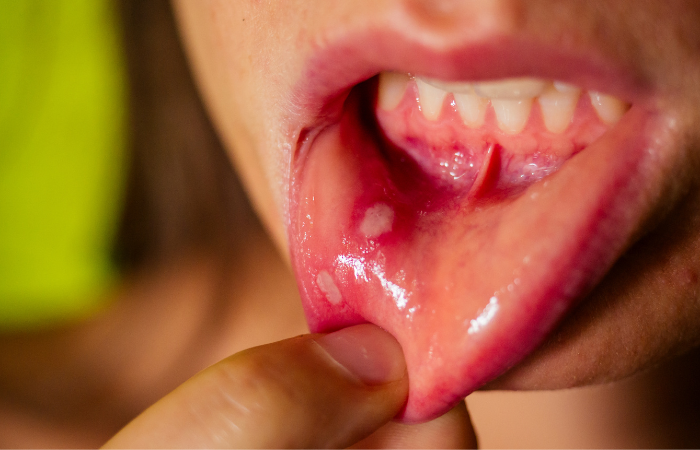
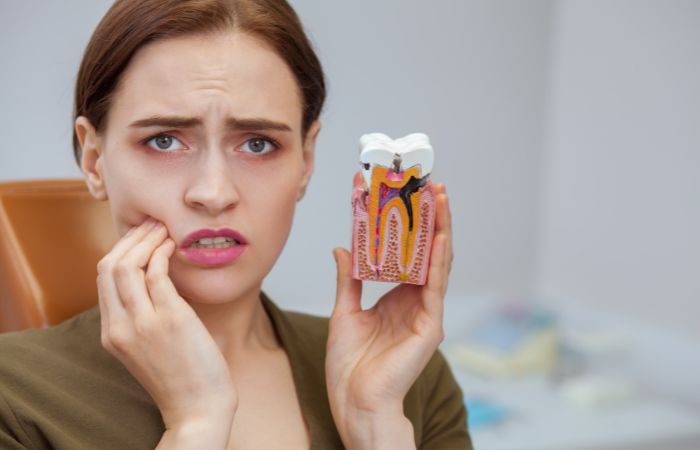
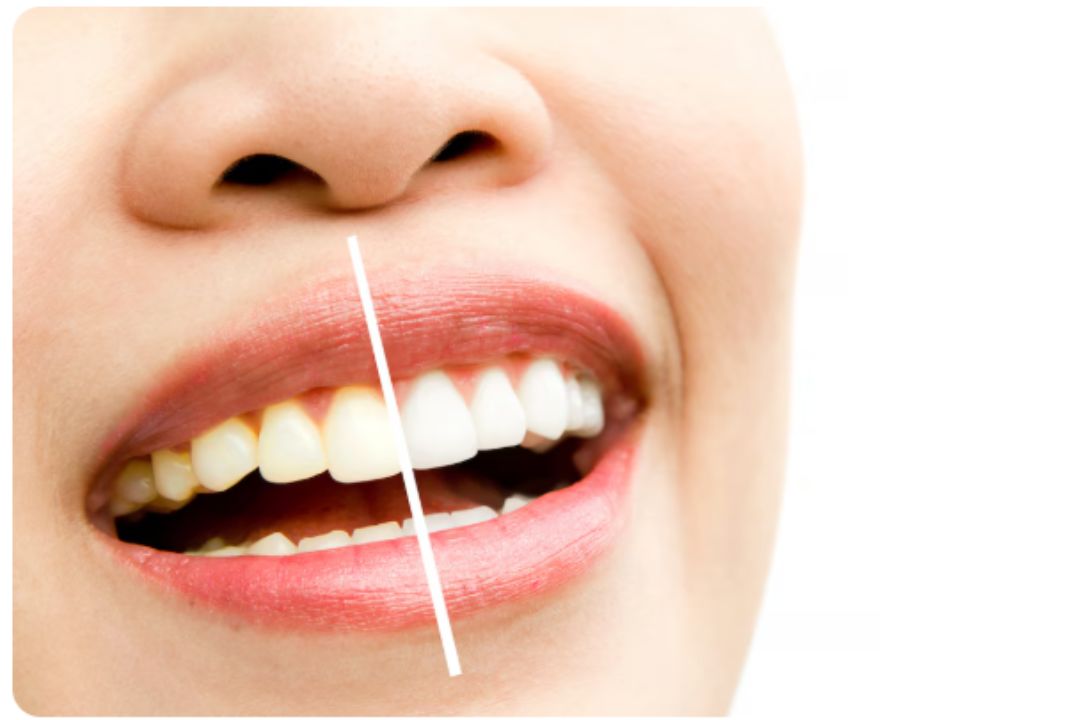
One Week to One Month: This is where the trouble solidifies, literally. Unremoved plaque absorbs minerals from saliva and calcifies into tartar (calculus), a hard, yellow-brown deposit that bonds to teeth like barnacles on a ship. Tartar cannot be removed by brushing; it requires professional intervention. The bacteria it harbors irritate the gums, causing classic gingivitis: redness, swelling, and bleeding during brushing. This inflammation is your body’s immune system fighting a losing battle. Cavities begin to form as bacteria produce acids that erode tooth enamel.
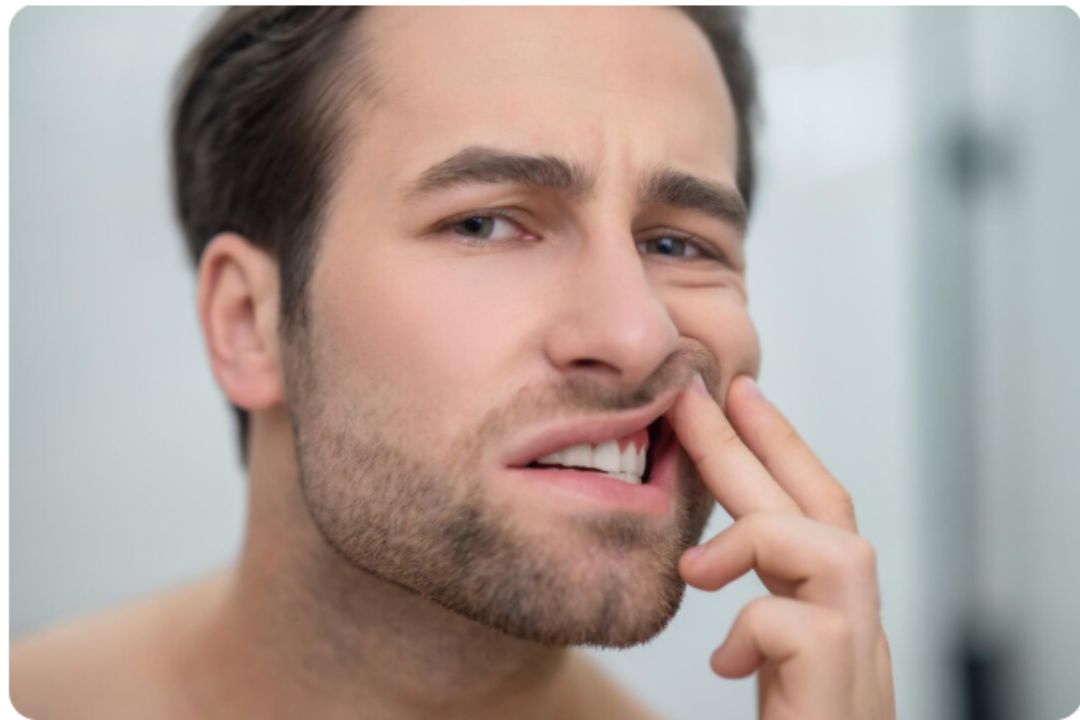
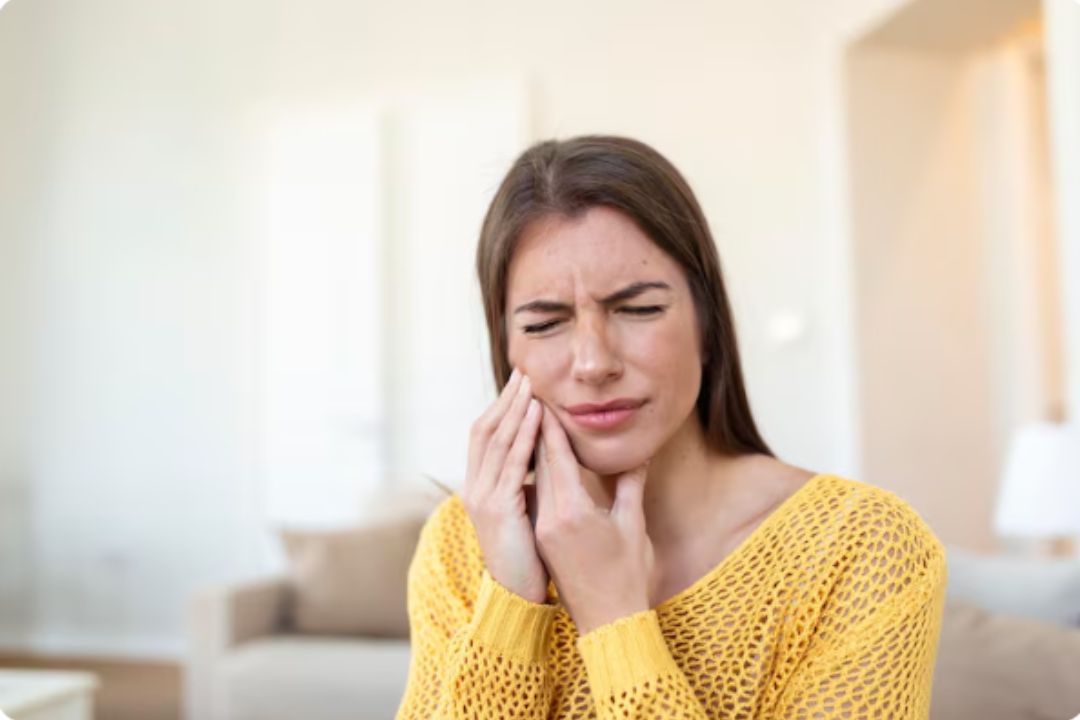
Beyond a Month: The inflammation graduates from your gums to the foundations of your teeth. This stage, periodontitis, sees toxins from bacteria destroying the bone and connective tissues that anchor teeth. Symptoms progress from bad breath and bleeding to gum recession, pus between teeth, significant sensitivity, and even loose teeth. The chronic inflammation floods your bloodstream with bacteria and inflammatory markers, which scientific research consistently links to heightened risks for cardiovascular disease, diabetes complications, respiratory infections, and adverse pregnancy outcomes.
Understanding this grim timeline highlights the profound benefit of consistent care. Adhering to Oral Hygiene Best Practices is an act of prevention that pays dividends across your entire life. It’s about preserving your natural smile, avoiding physical pain, and fostering deep-seated confidence. A healthy mouth is a gateway to a healthy body—it reduces systemic inflammatory load, supports metabolic health, and allows you to eat, speak, and socialize without discomfort or embarrassment. The daily four-minute routine is a small investment for autonomy over your long-term well-being.
Comfort: The Gentle Routine vs. The Painful Procedure
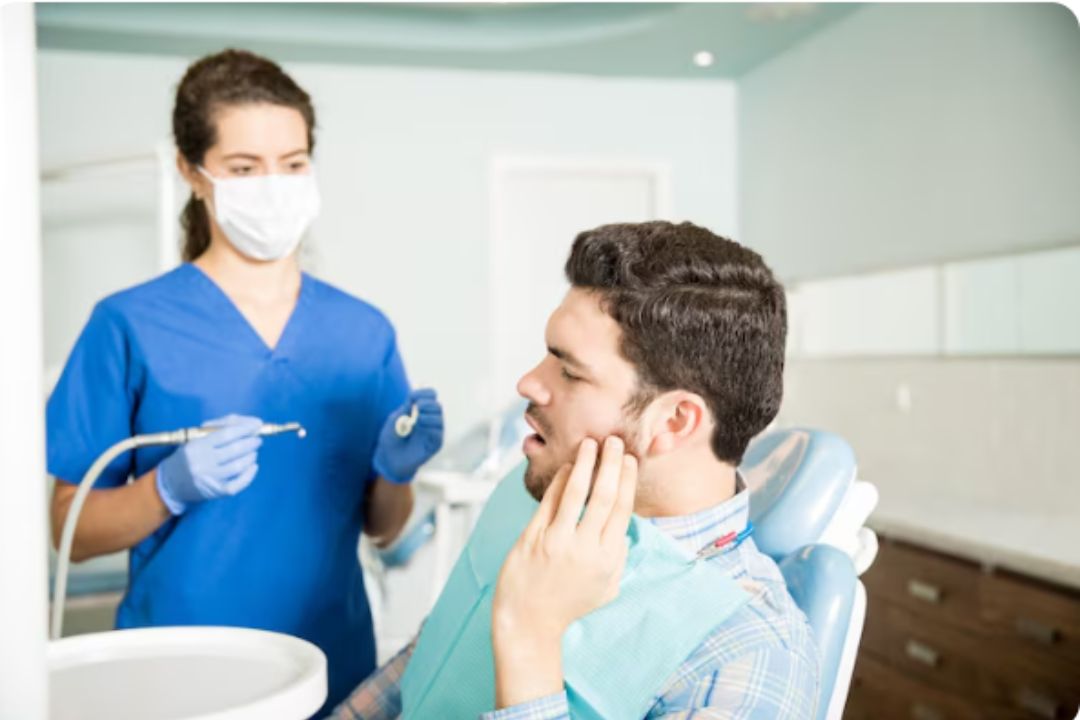
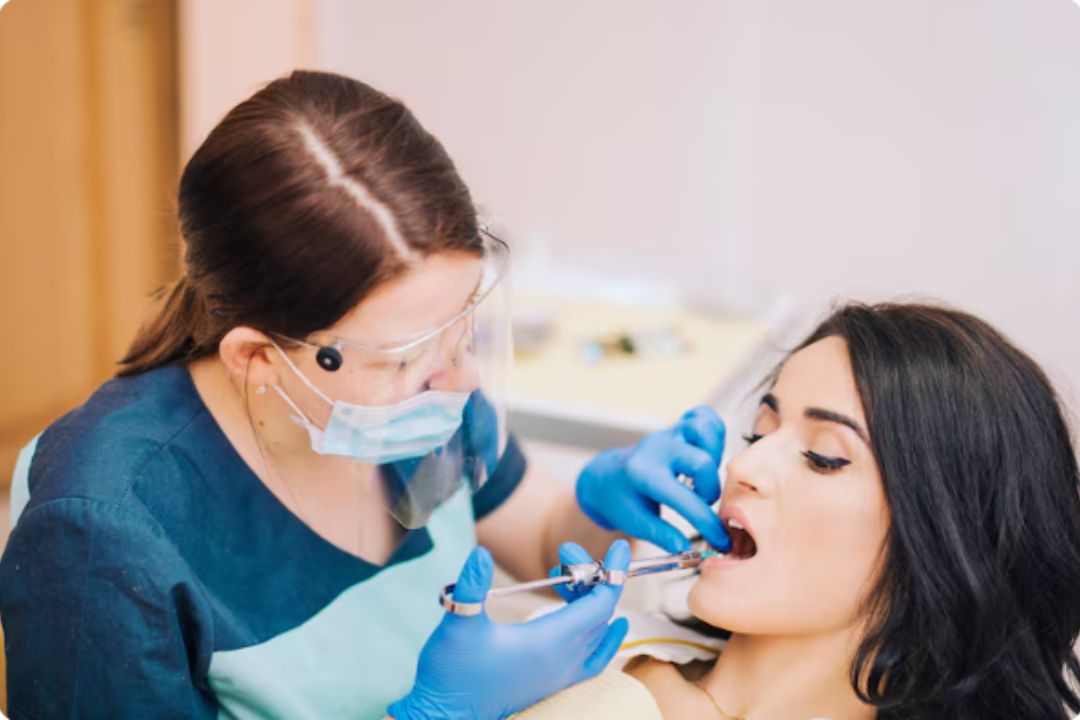
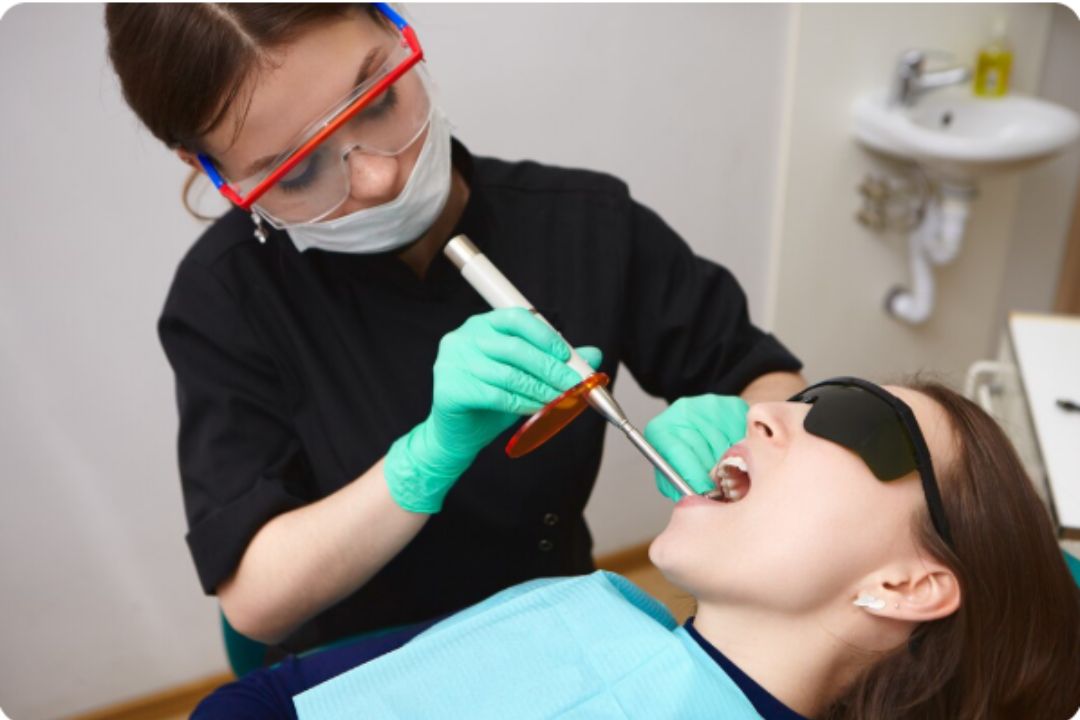
Modern tools have transformed Best Oral Hygiene into a comfortable, even enjoyable, experience. Contrast the gentle hum of an electric toothbrush, the refreshing stream of a water flosser, and the clean feel of a tongue scraper with the alternative: the sharp sting of a dental injection, the pressure of a deep cleaning, the ache of a root canal, or the profound discomfort of a tooth extraction. The minor daily “inconvenience” is a pale shadow compared to the physical and emotional discomfort of emergency dental care. True comfort lies in the security of a healthy mouth.
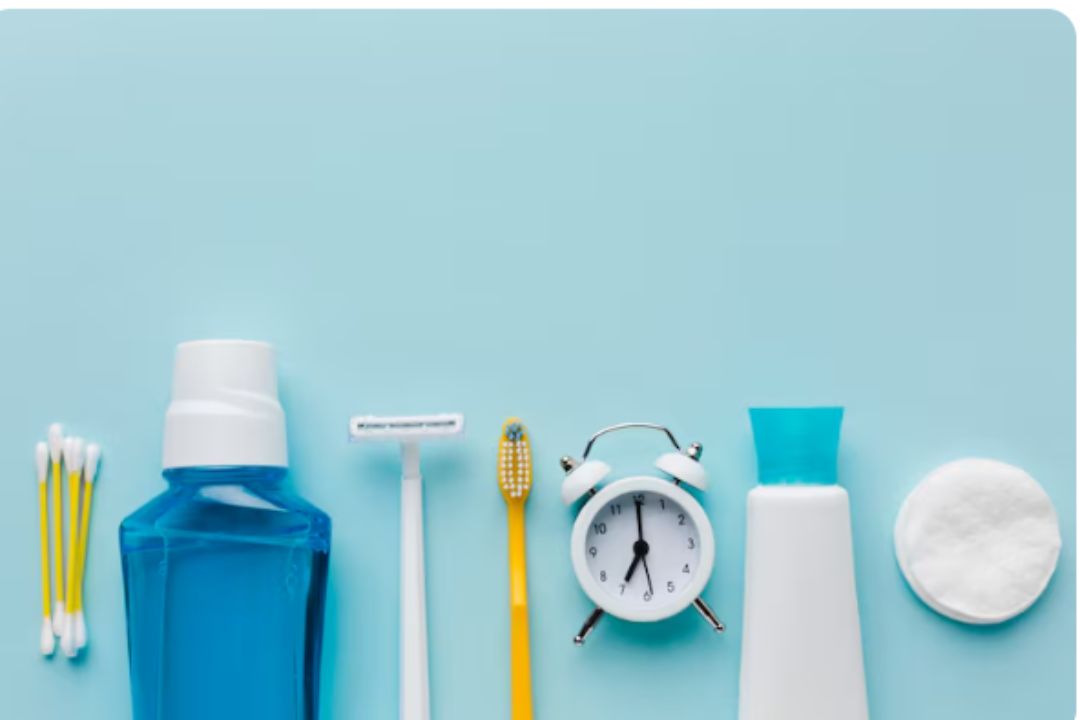
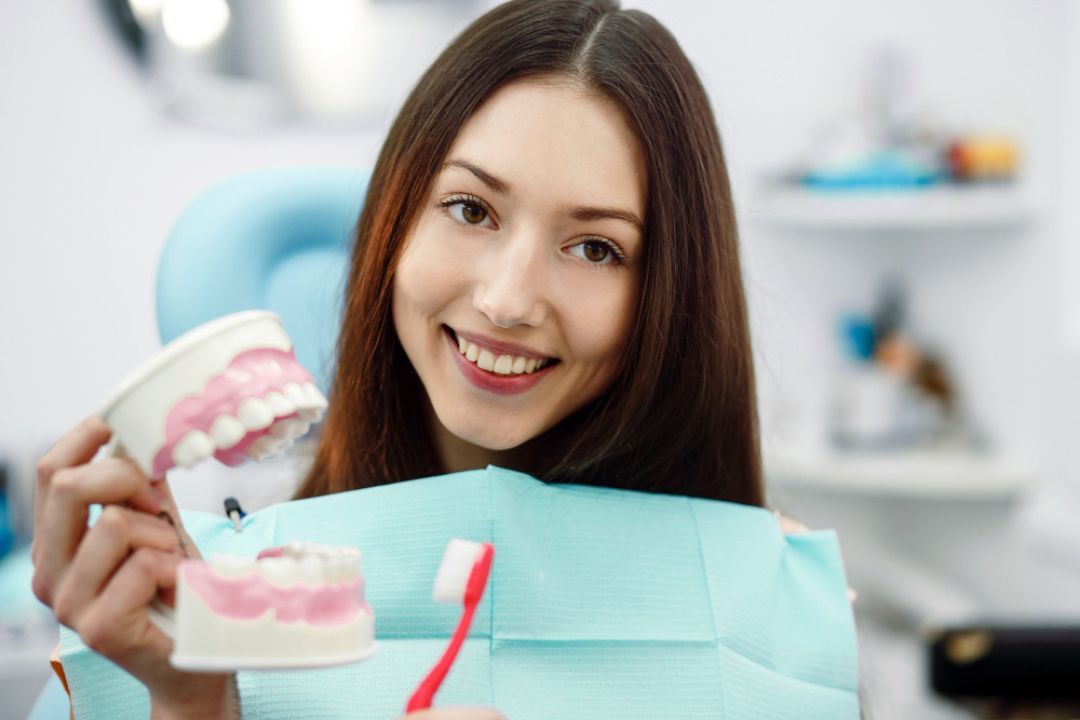
The answer to "what happens if you stop brushing and flossing" is clear: a predictable path toward decay, disease, and systemic health risks. But this knowledge is empowering—it’s the foundation for change. Reclaiming your oral health starts with reinstating non-negotiable oral hygiene best practices:
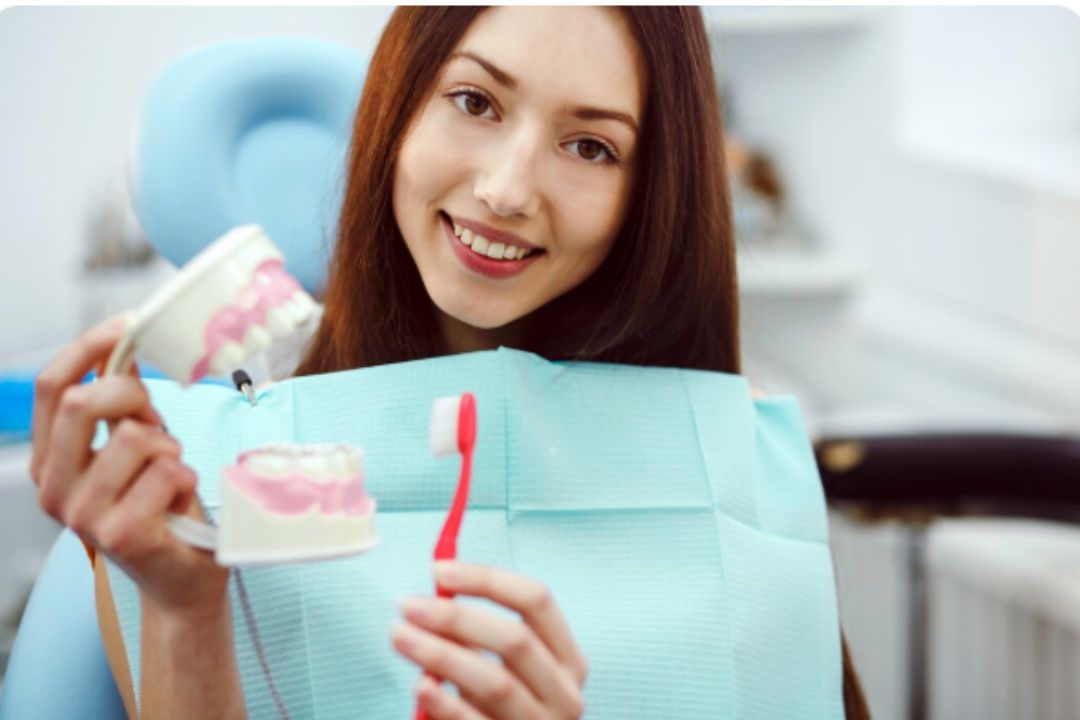
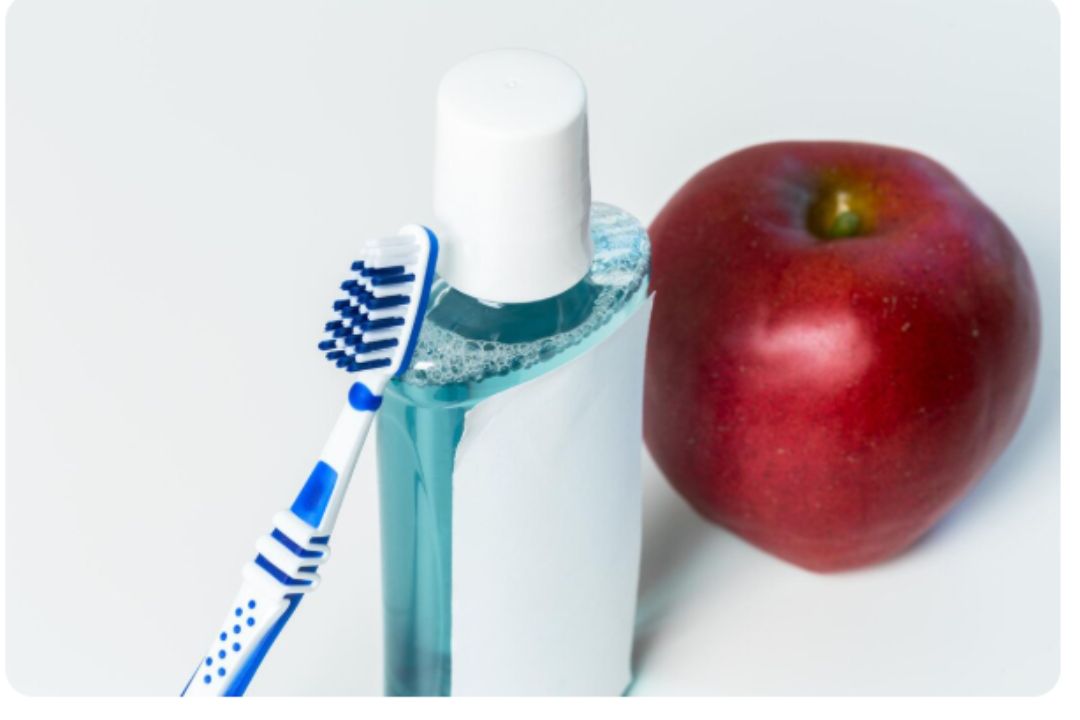
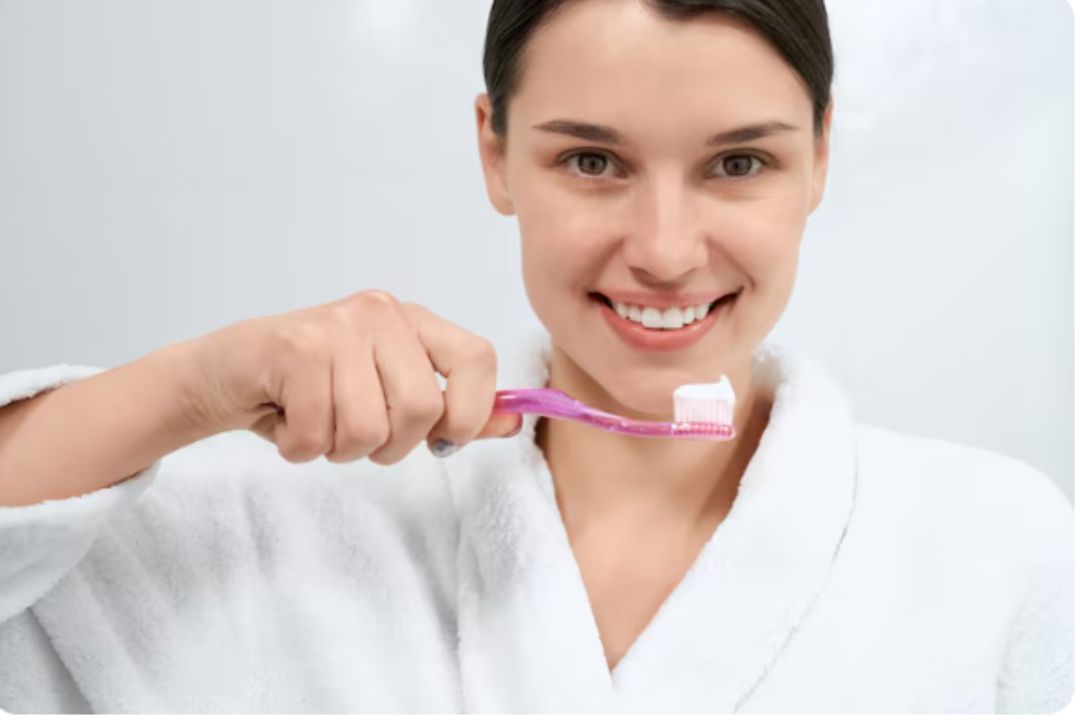
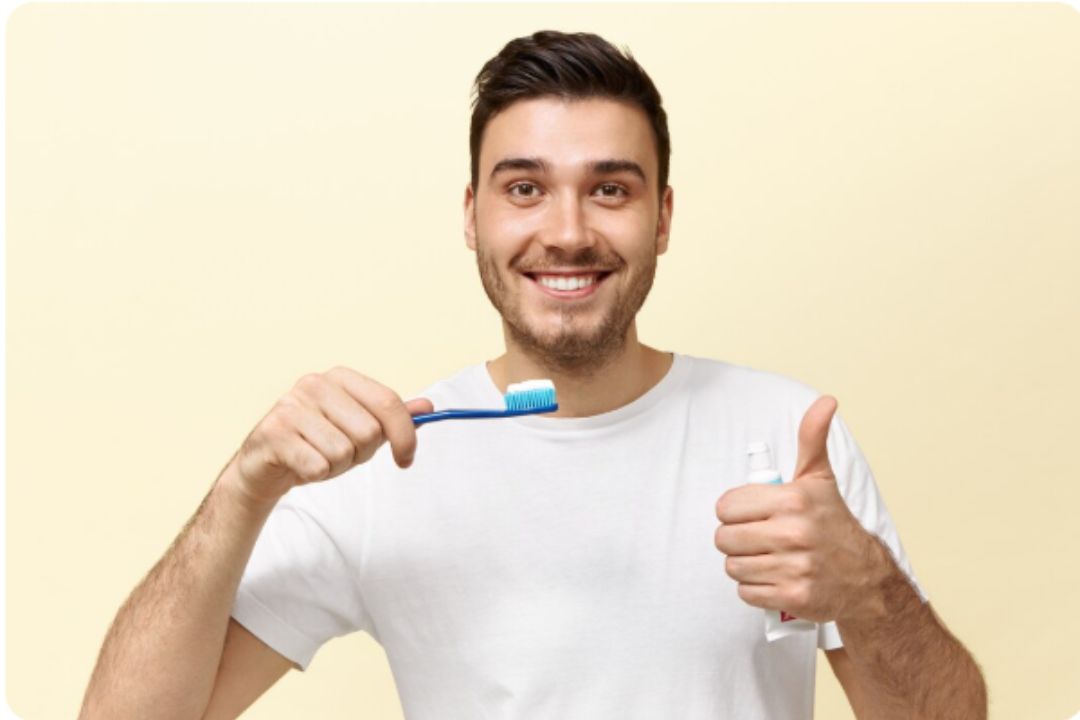
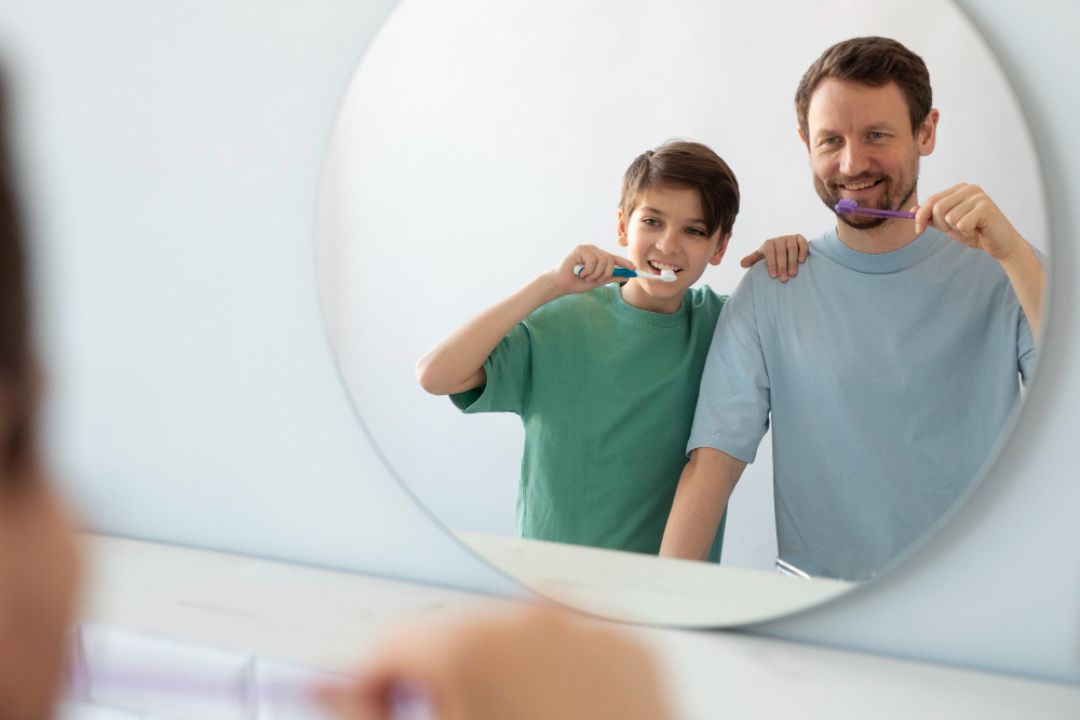
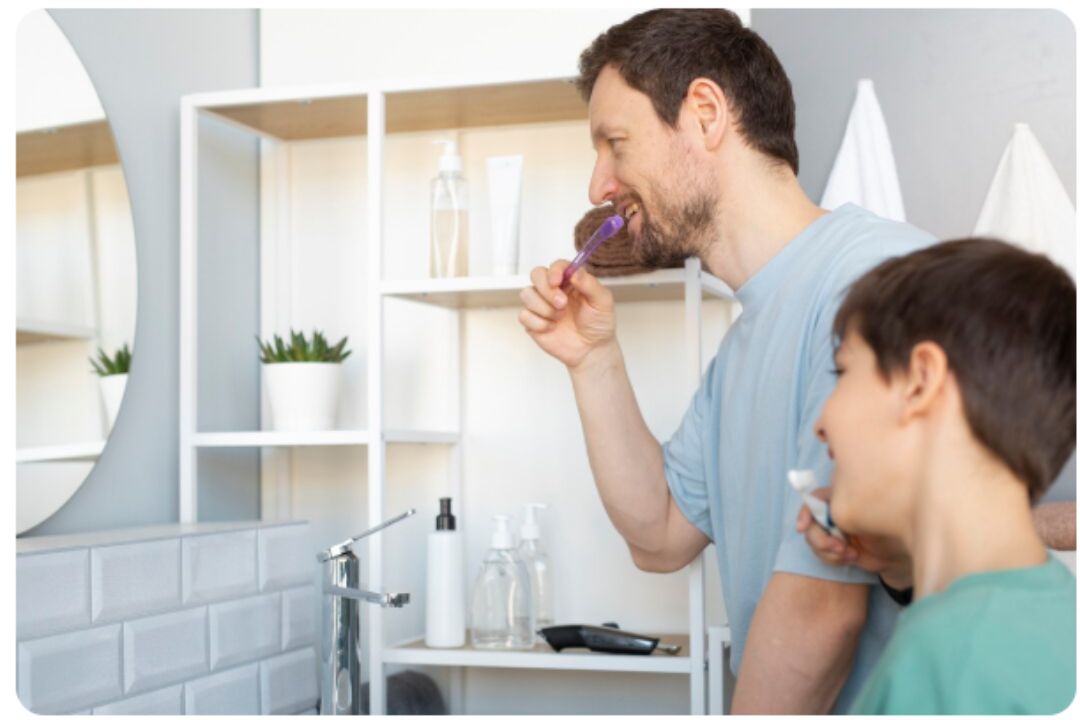
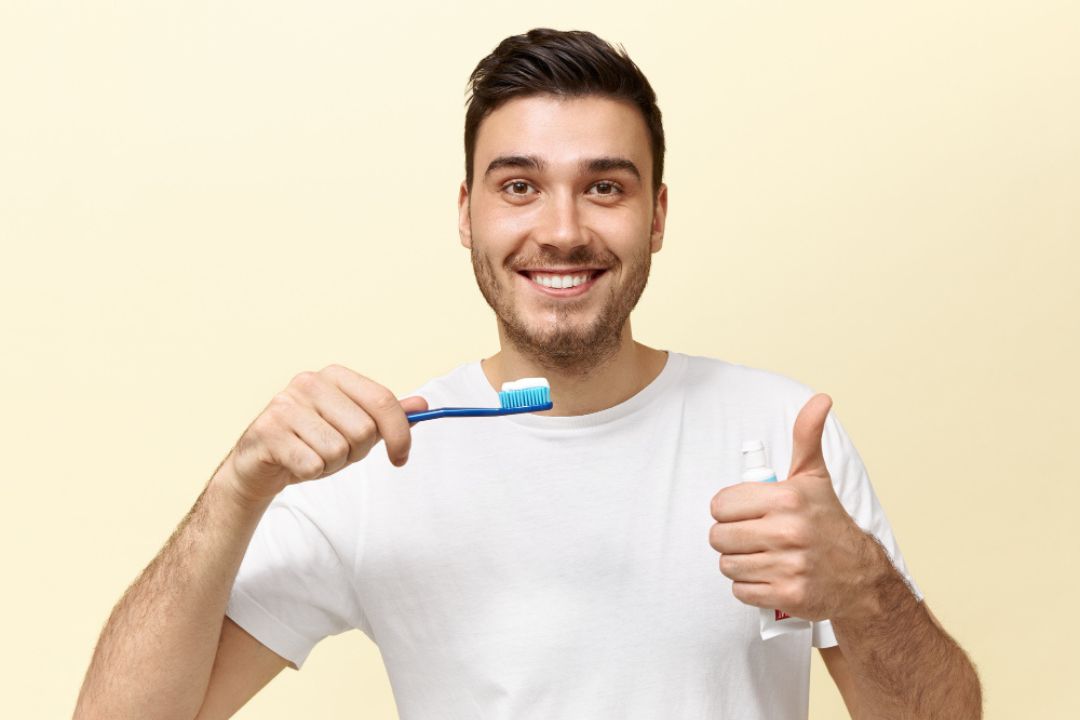
Brush twice daily for two minutes with a fluoride toothpaste.
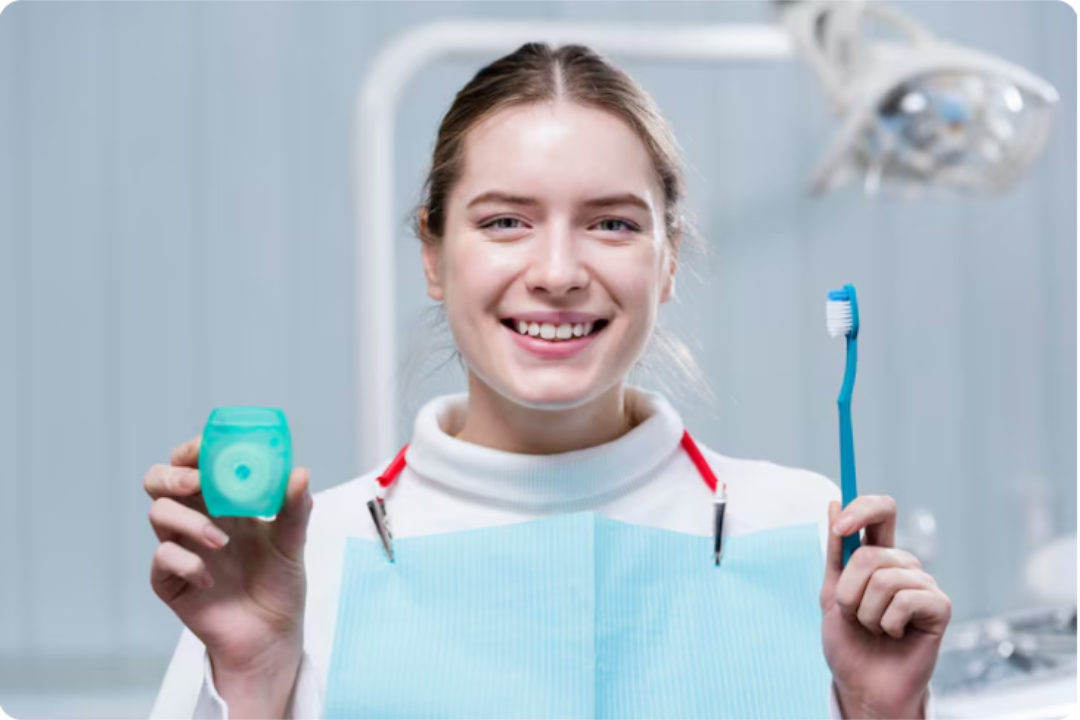
Floss thoroughly once a day to clean where brushes can't reach.
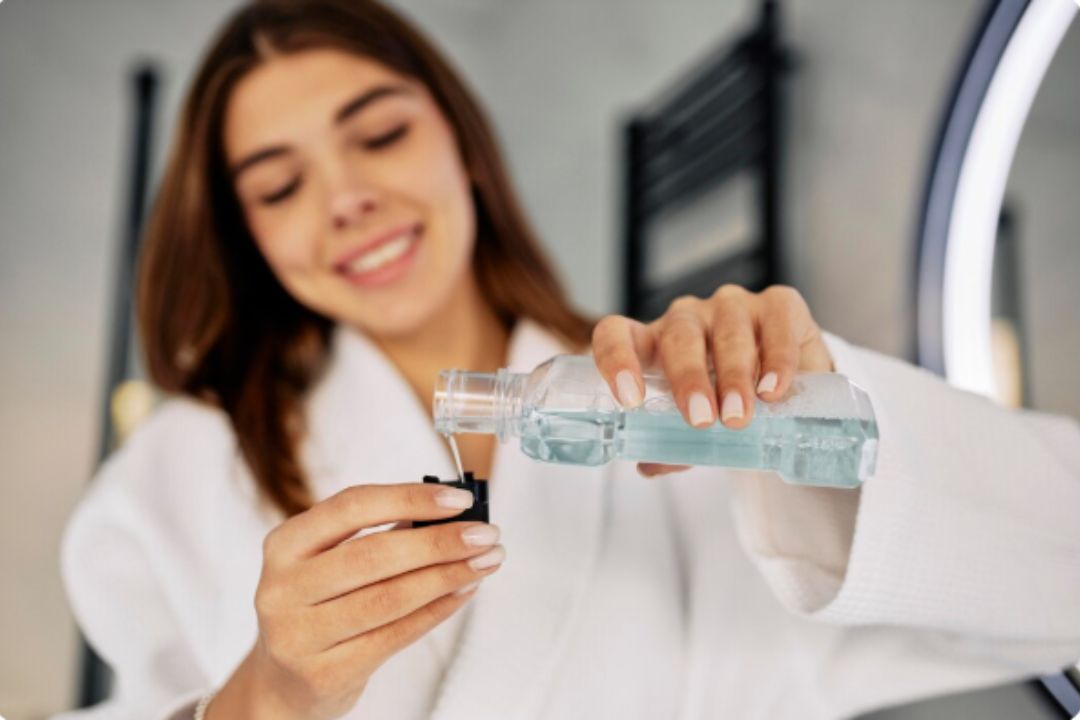
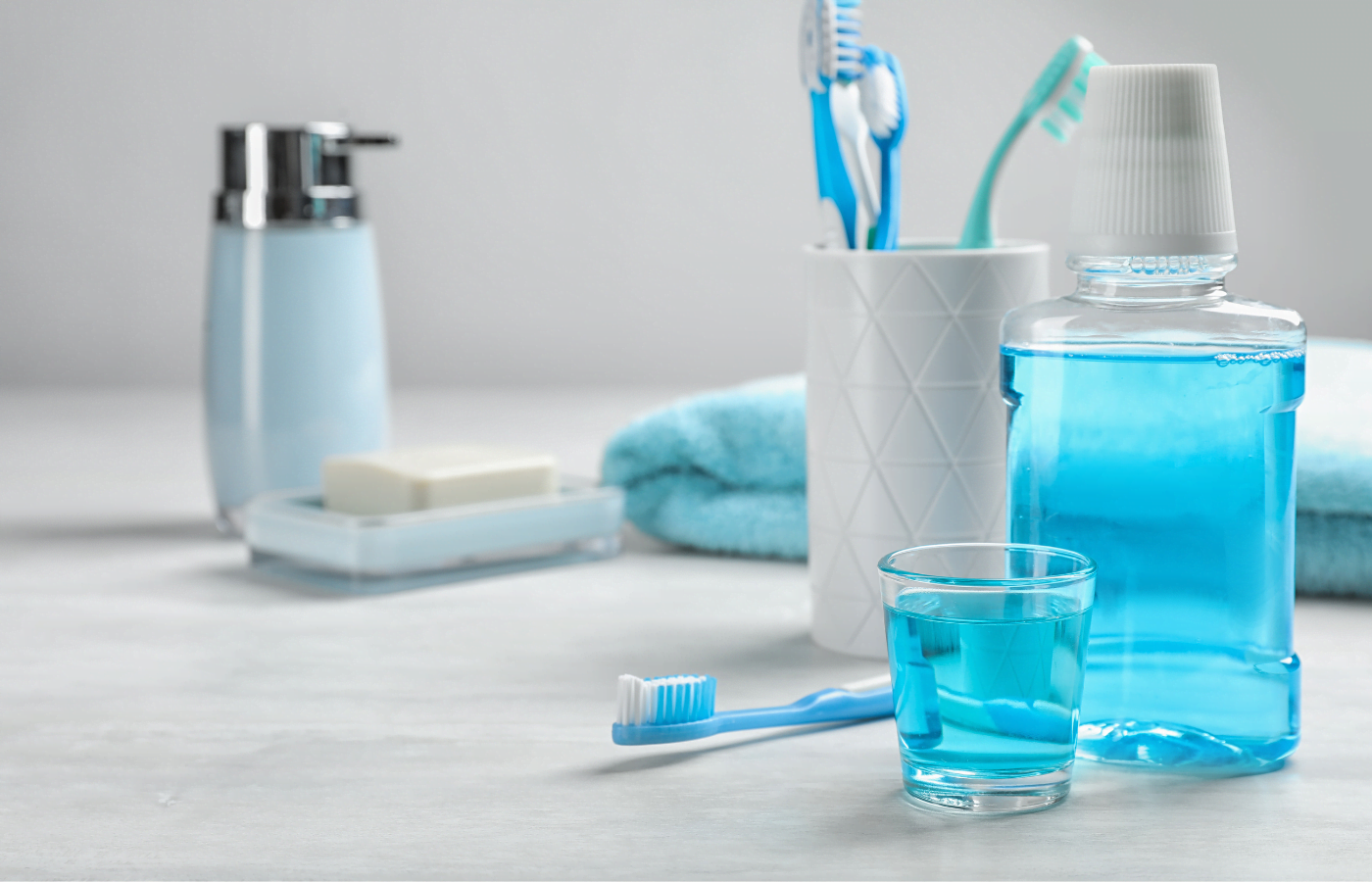
Rinse with an antimicrobial mouthwash if recommended.
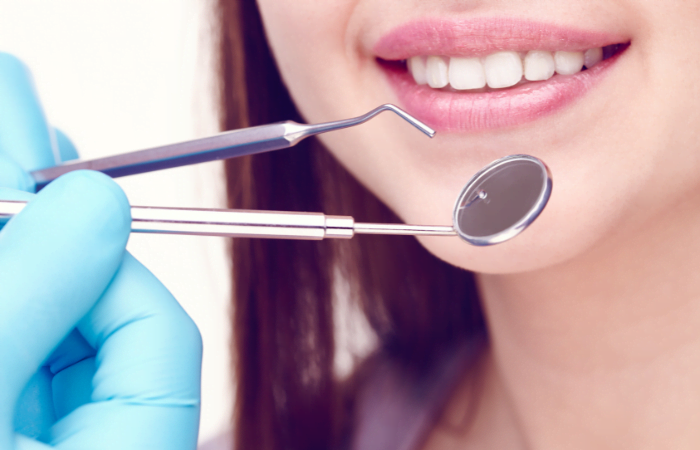
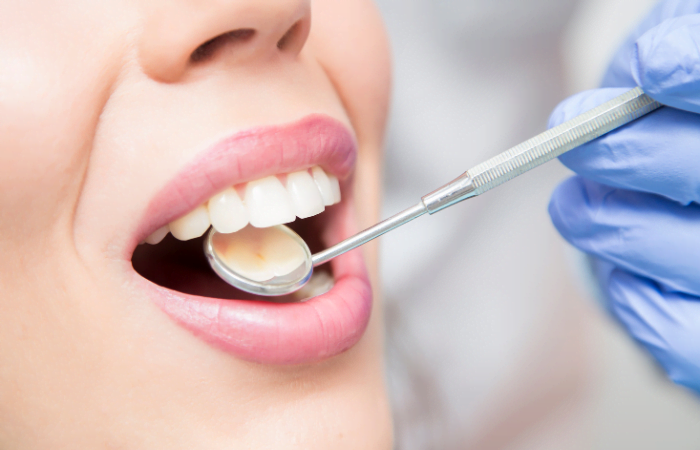
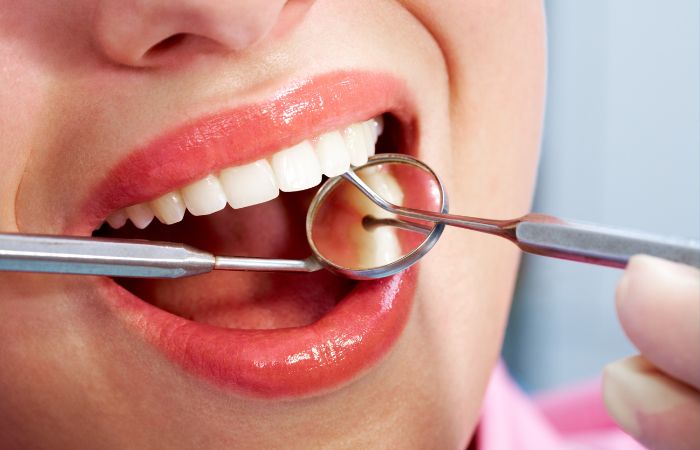
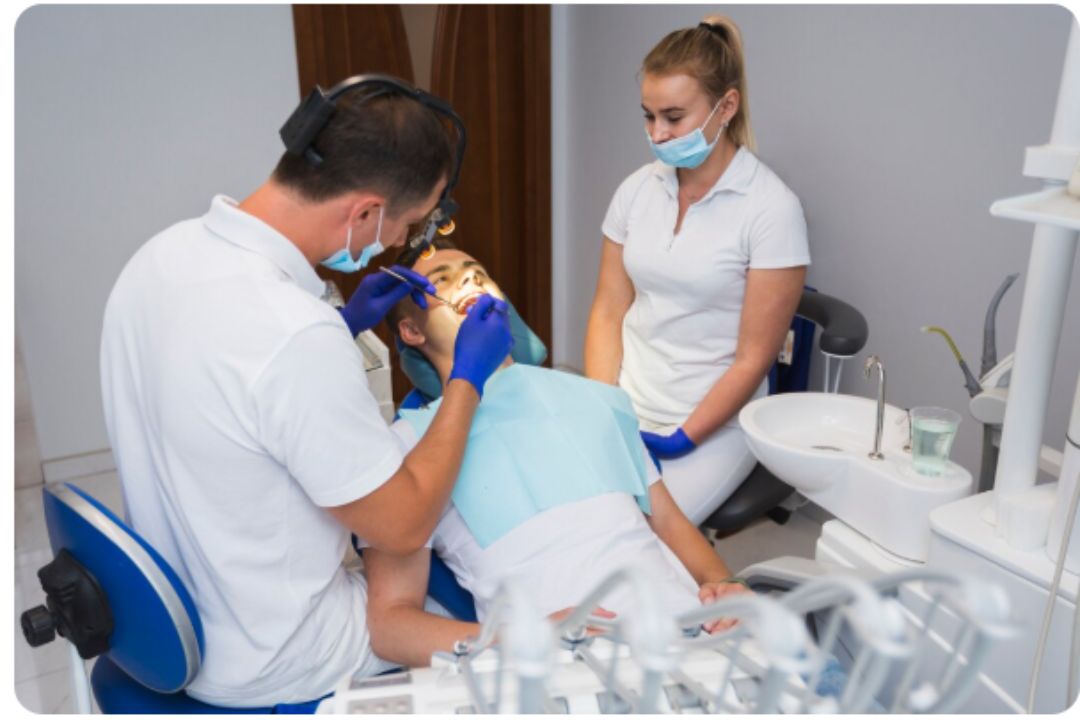
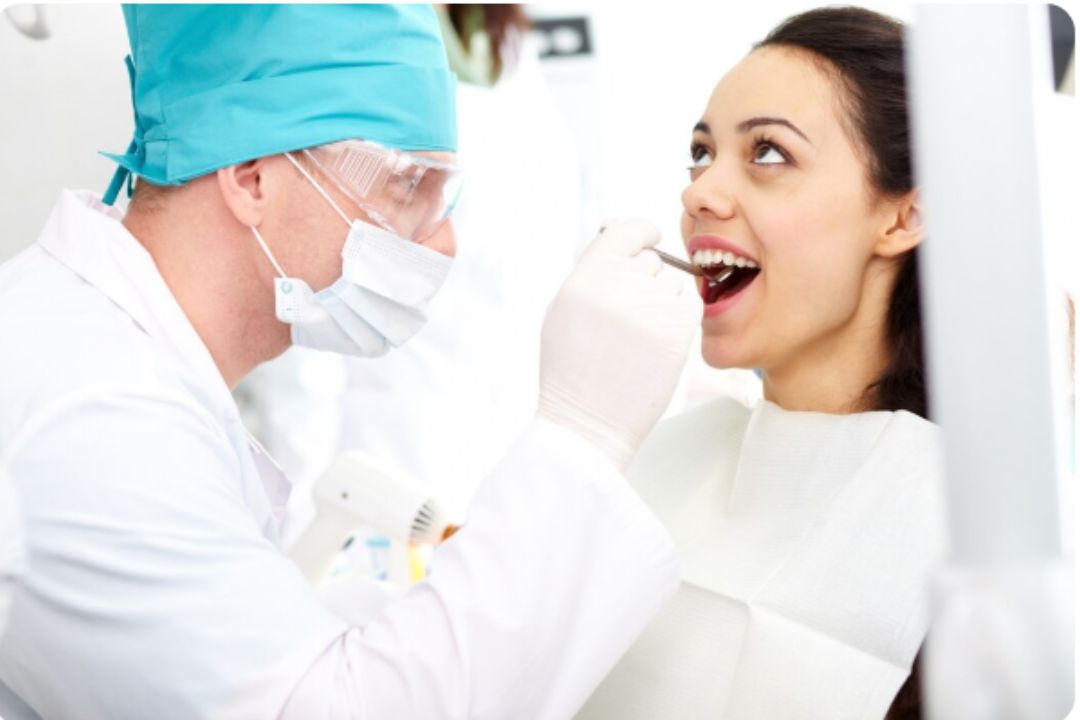
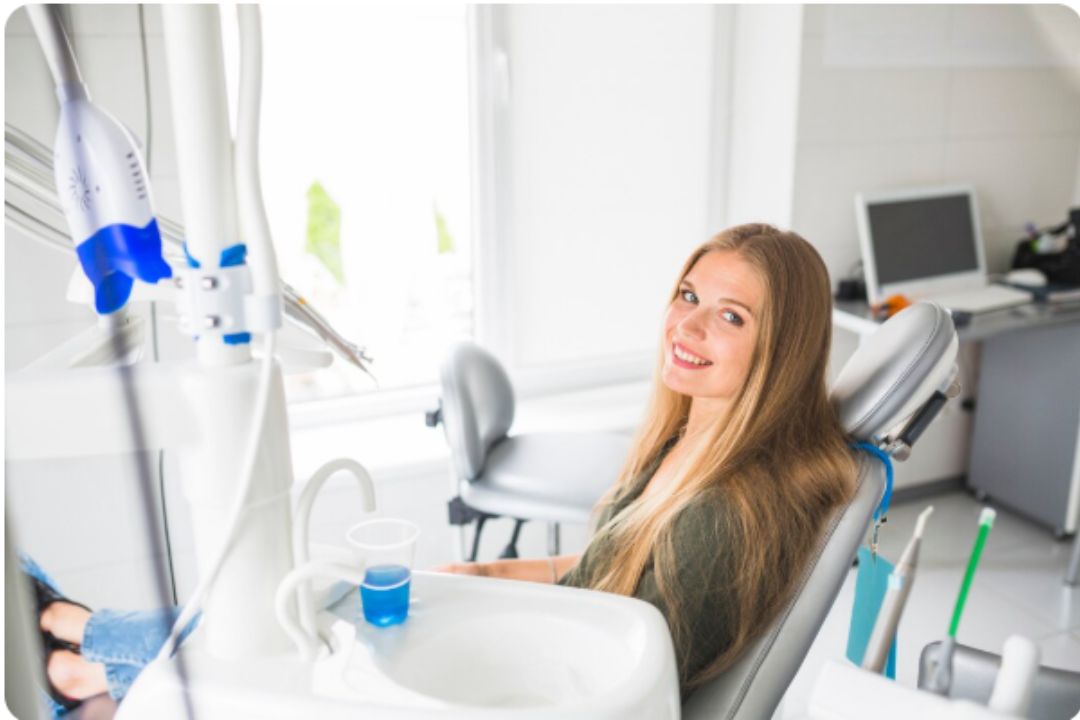
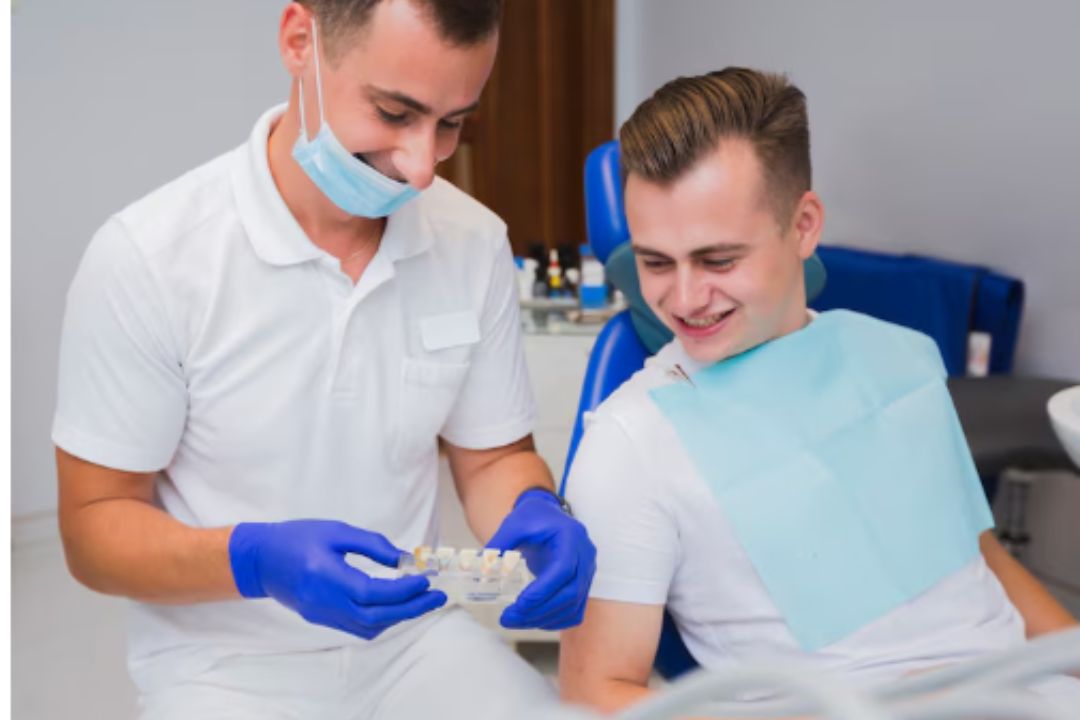
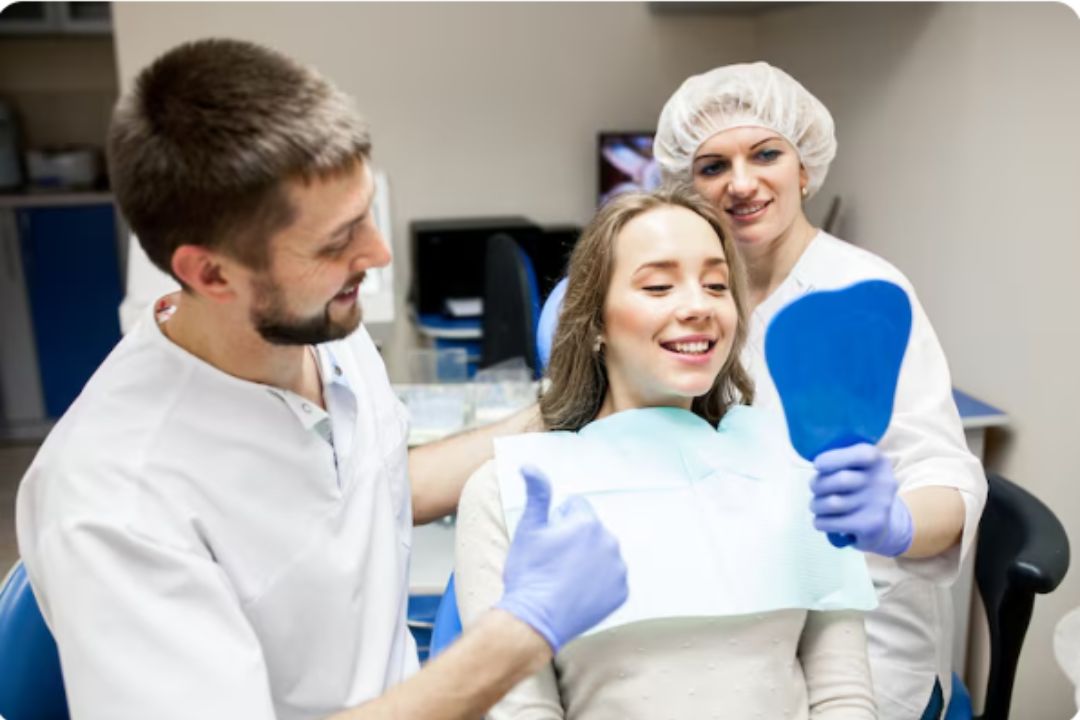
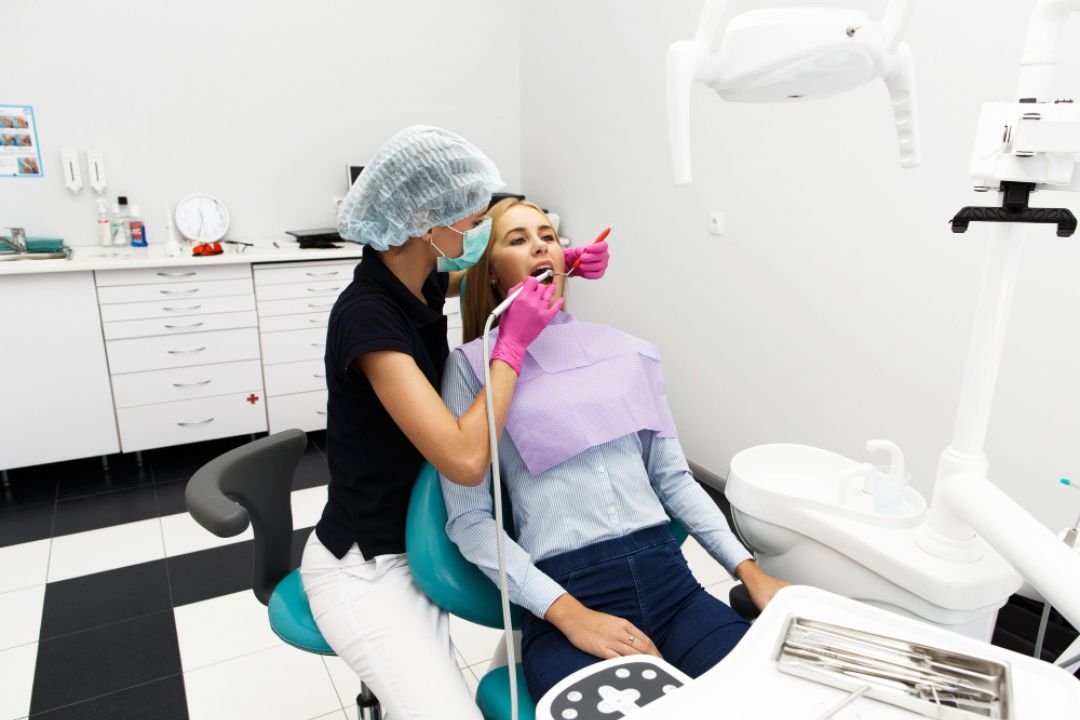
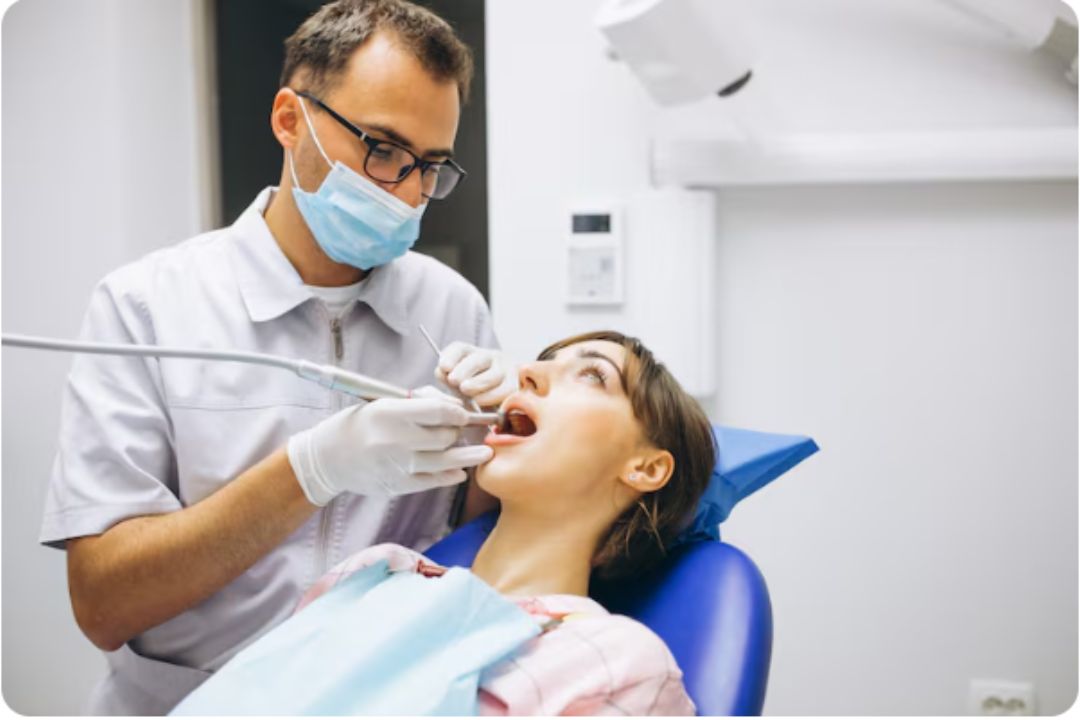
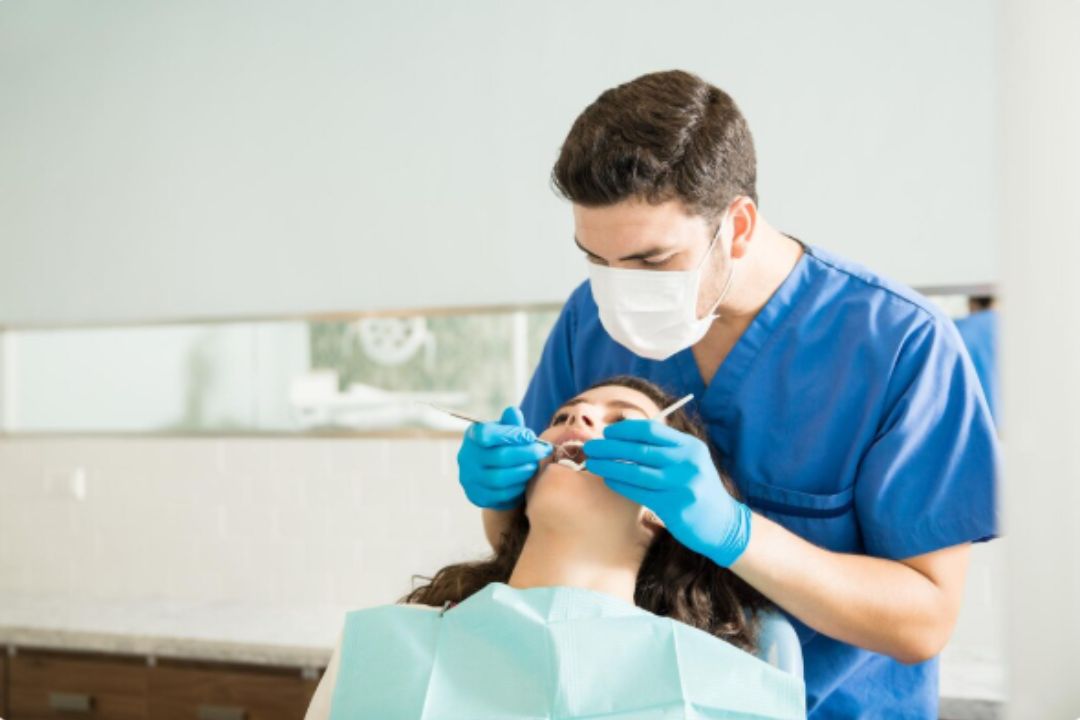
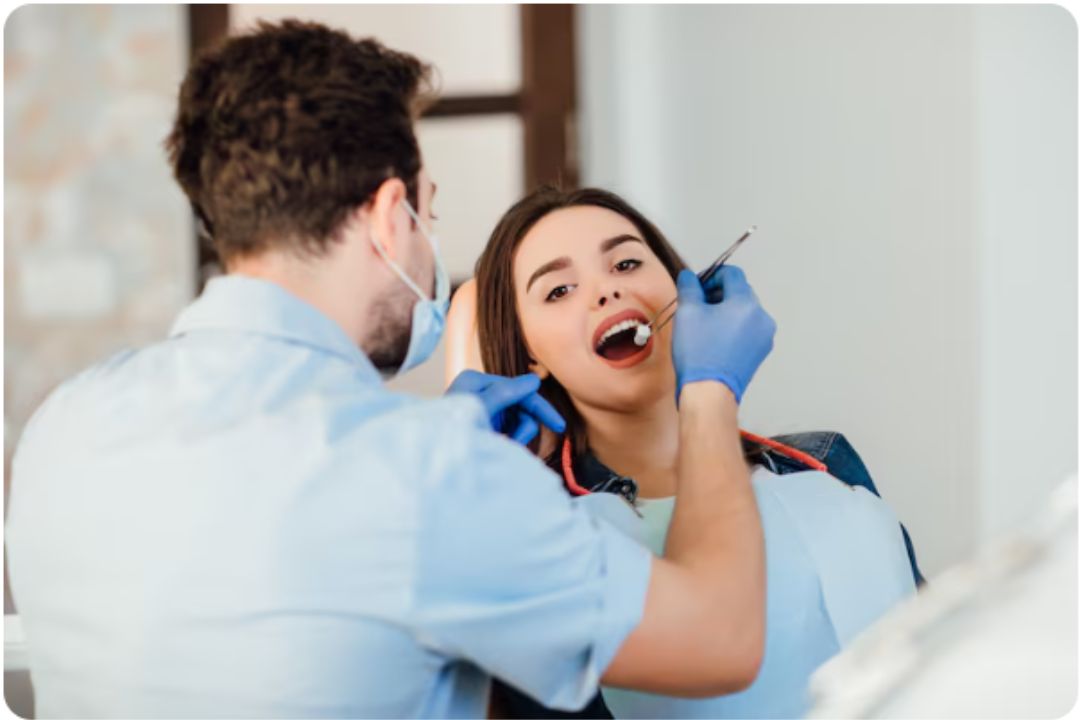
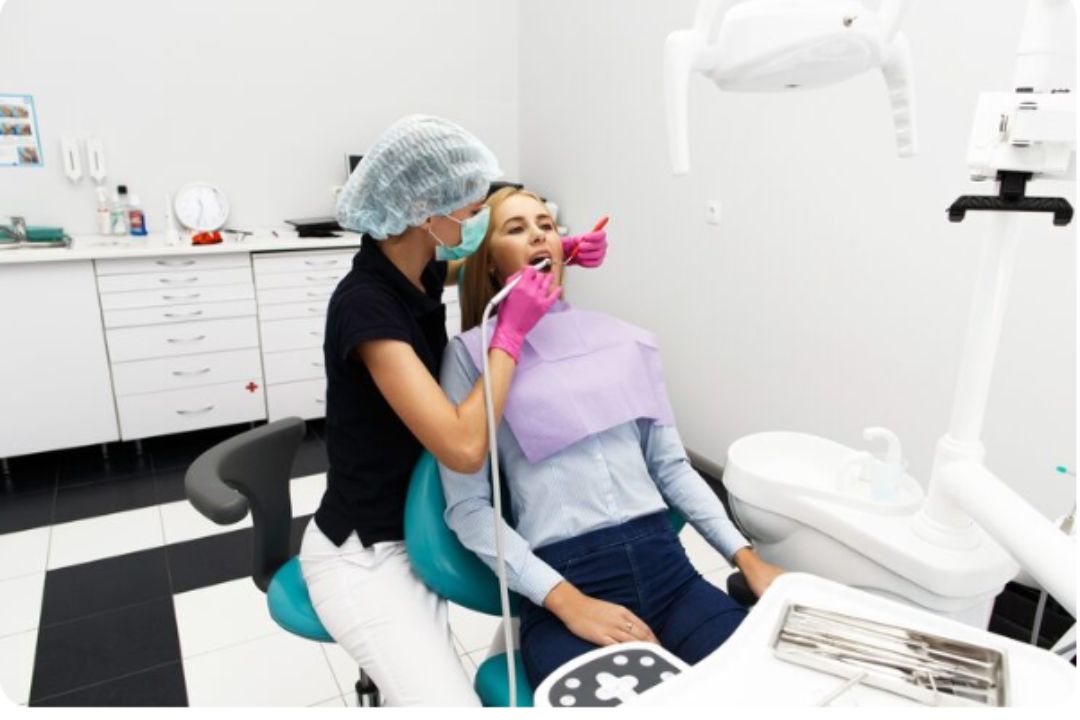
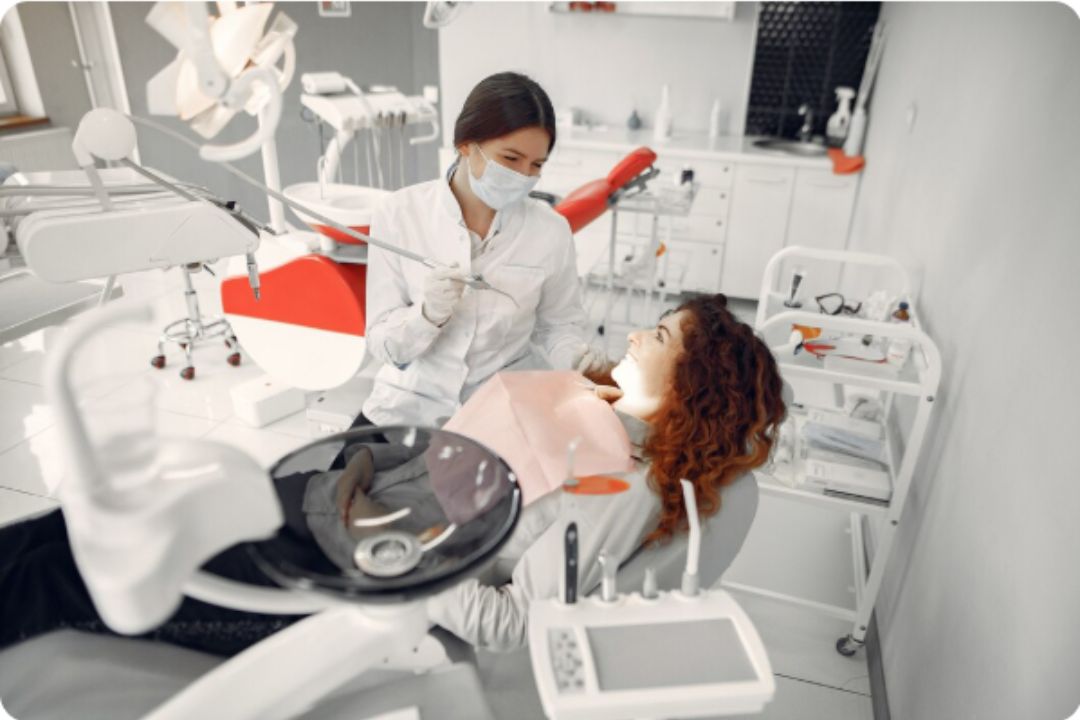
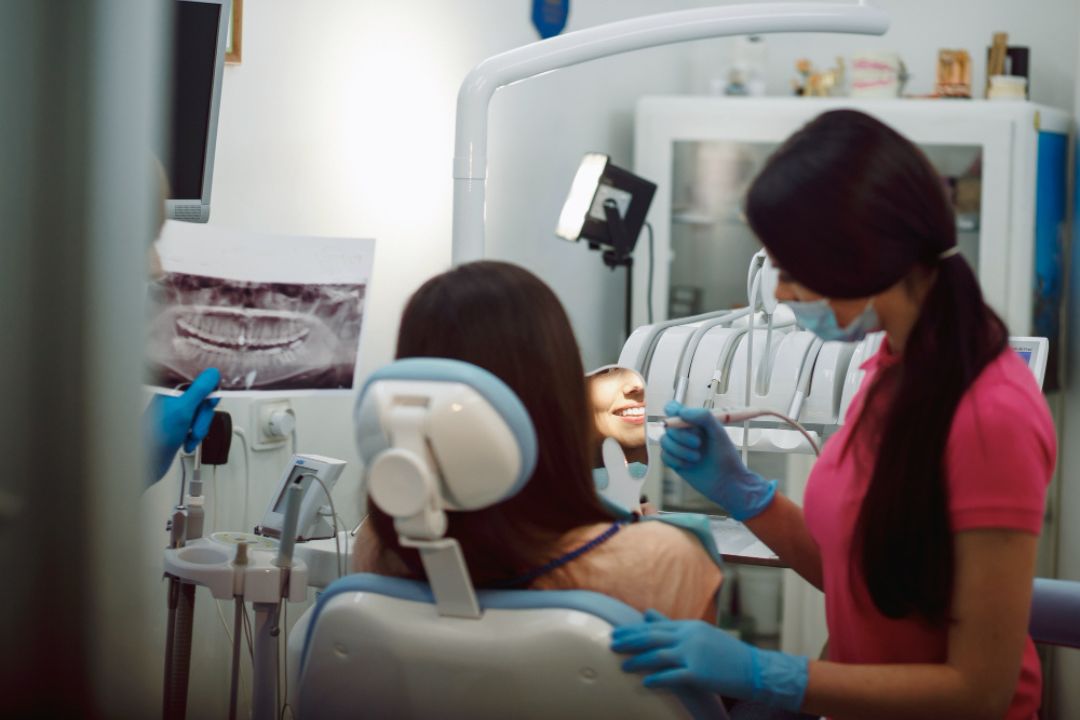
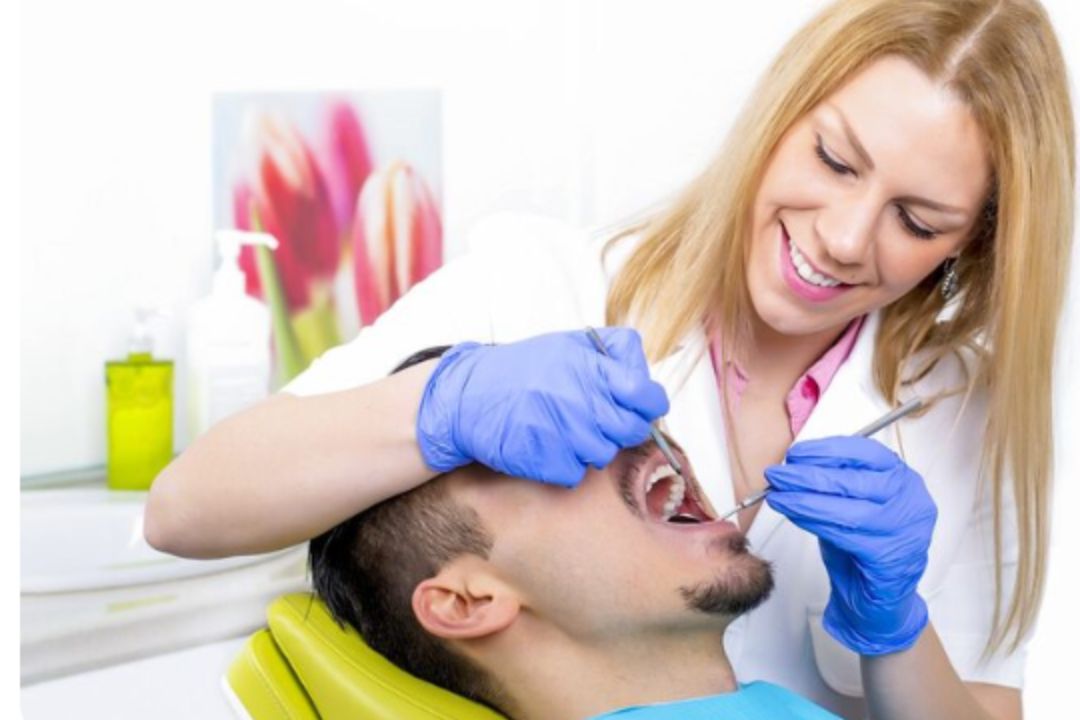
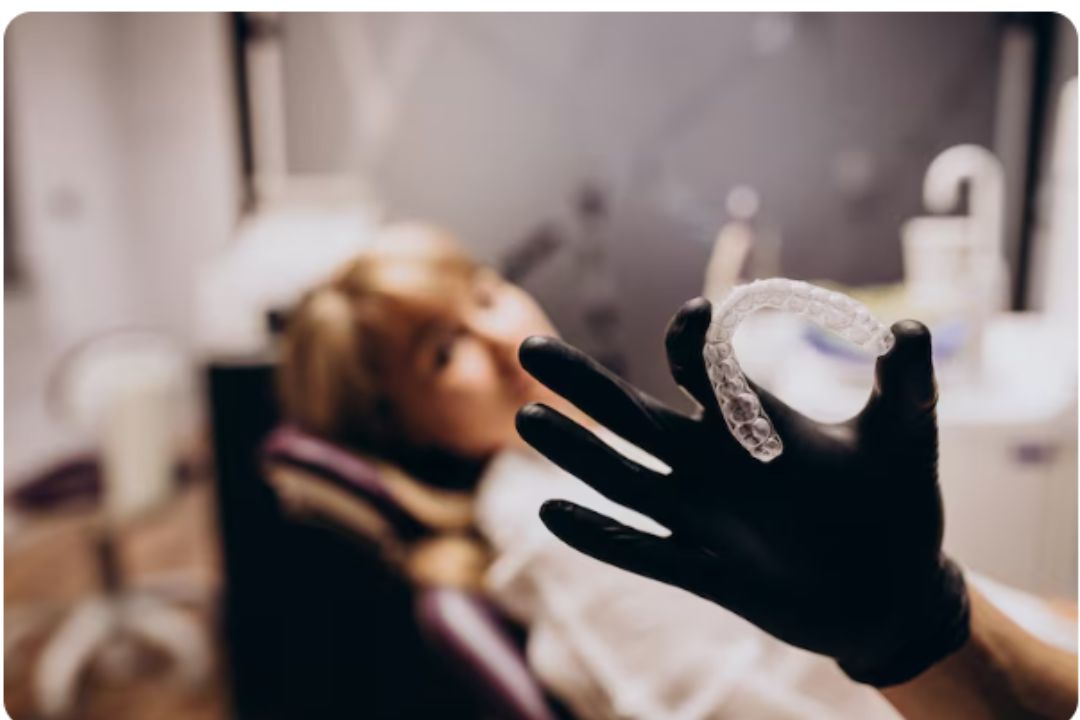
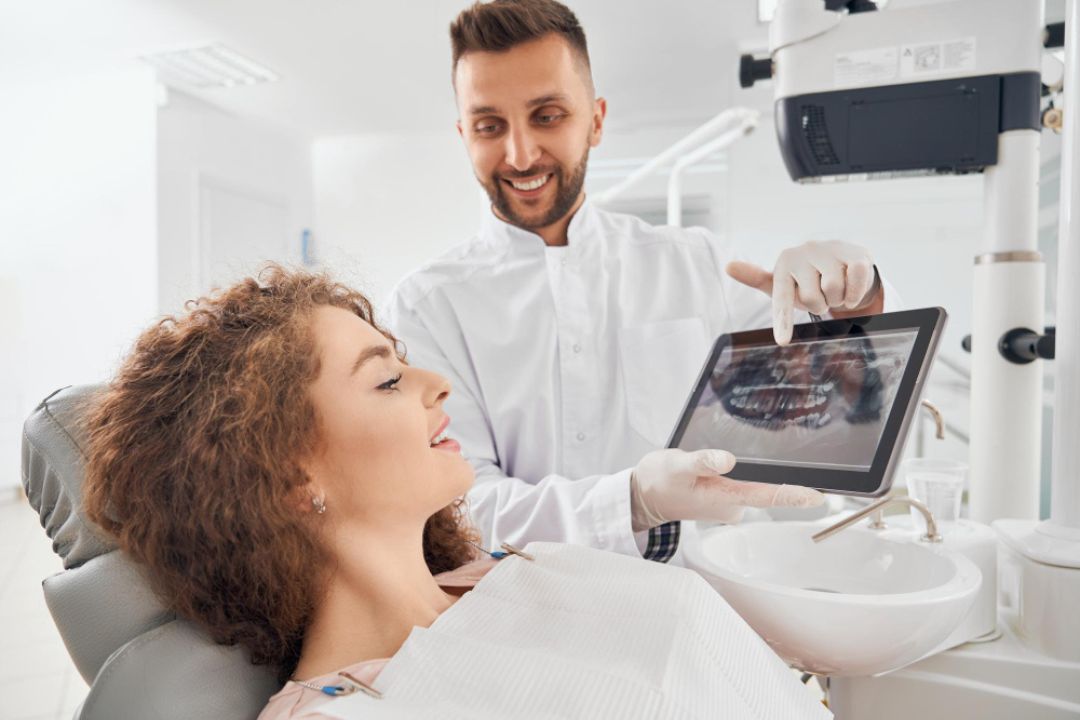
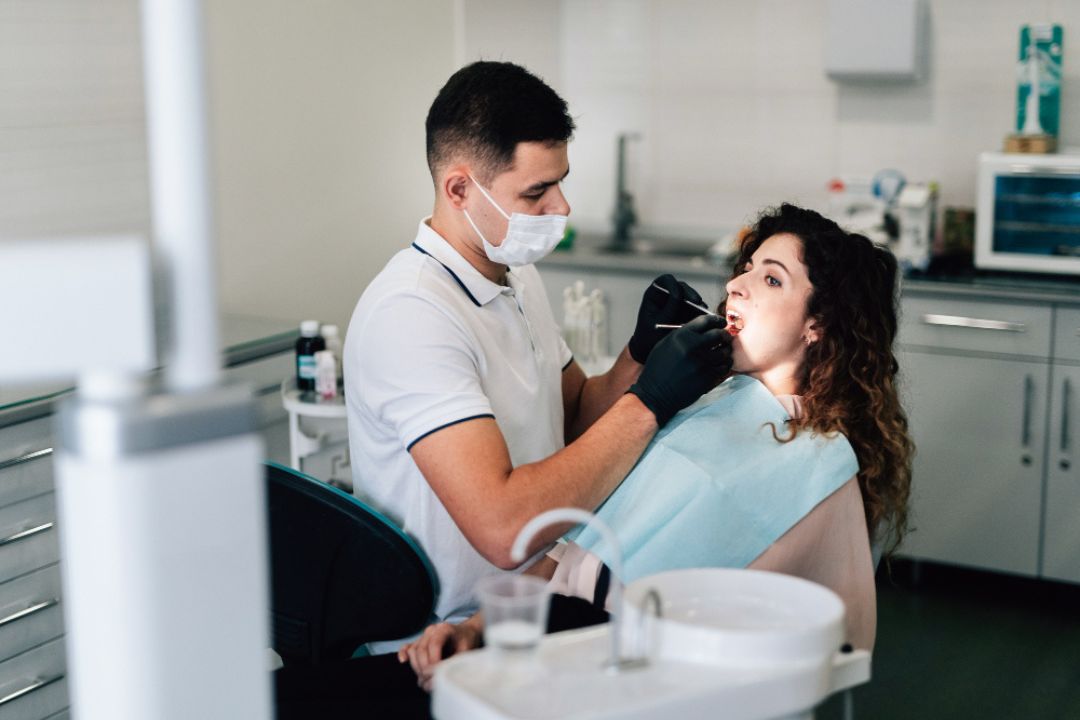
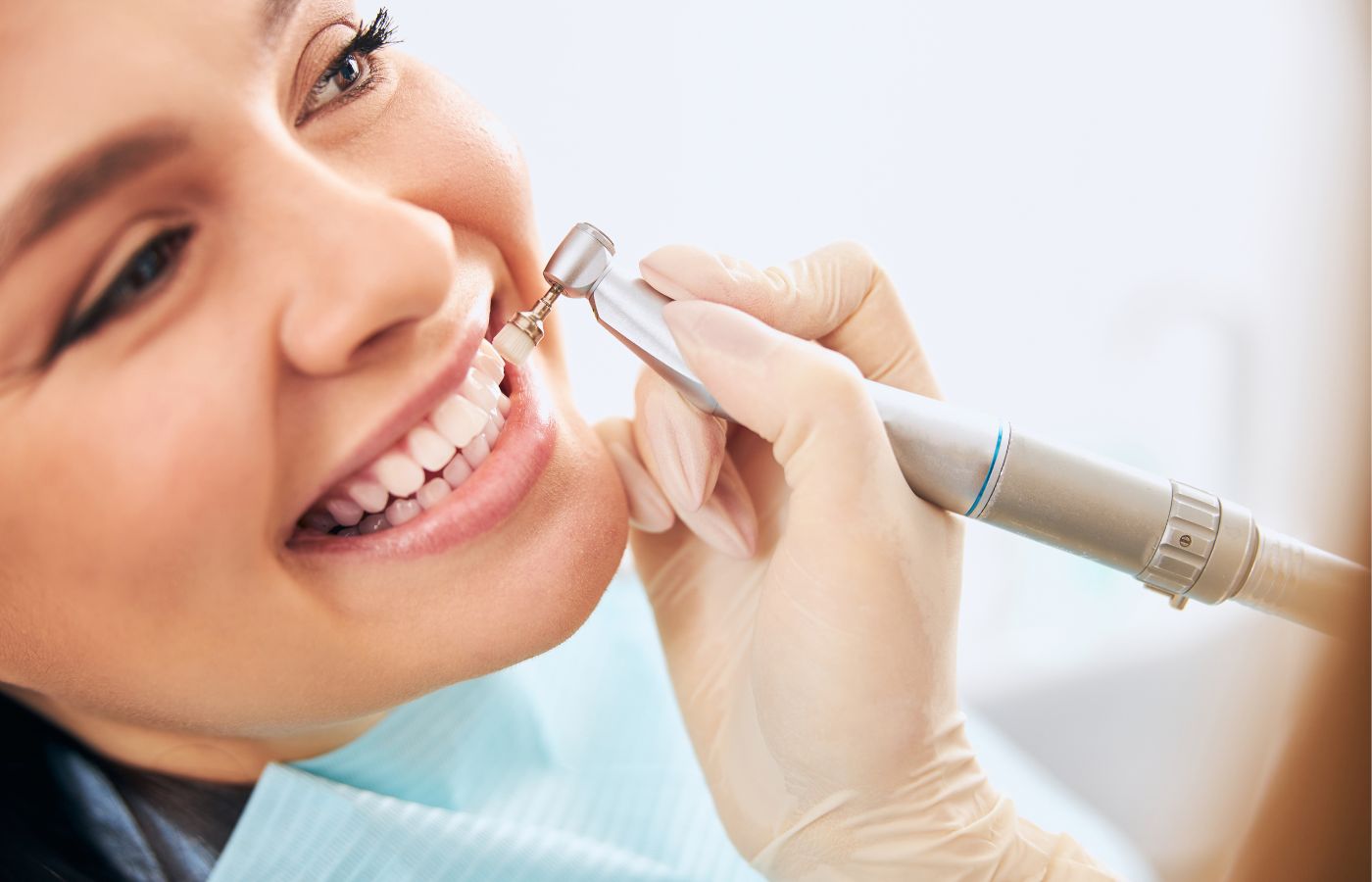
Visit your dentist for regular check-ups and professional cleanings.
In a world overflowing with conflicting health information, Dignopein stands as your clarifier and compass. We exist to bridge the gap between complex medical science and your daily life choices.
Empowerment Through Education: We don’t just list symptoms; we explain the why behind them. Understanding the "timeline of neglect" helps you connect today's actions with tomorrow's outcomes, making prevention personal and motivating.
Holistic Health Advocacy: At Dignopein, we see your oral health as an inseparable part of your total well-being. Our guidance is framed within the context of your whole body, emphasizing how best oral hygiene protects your heart, metabolic health, and more.
A Philosophy of Proactive Partnership: We believe you are the primary author of your health story. Dignopein provides the evidence-based toolkit and trustworthy knowledge so you can make informed decisions, moving from a passive patient to an empowered, proactive participant in your care.
Your Trusted Health Translator: Our content is meticulously crafted to be accurate, accessible, and actionable. When you read a Dignopein guide, you can be confident you’re receiving clear, reliable information to navigate your health journey.
Don't let a few missed moments dictate your health trajectory. The power to change course is in your hands—and your toothbrush. Partner with Dignopein to build the understanding that fuels lifelong wellness, starting with the profound impact of a truly healthy smile.










.jpg "dental checkups once or twice a year what best for your smile in mumbai")
.jpg "dentist approved oral care routine for healthy teeth and gums")
.jpg "top oral health mistakes most people make every day")
.jpg "best dental clinic in mumbai how to choose the right dentist")

.jpg "best oral hygiene habits for gum and tooth protection")





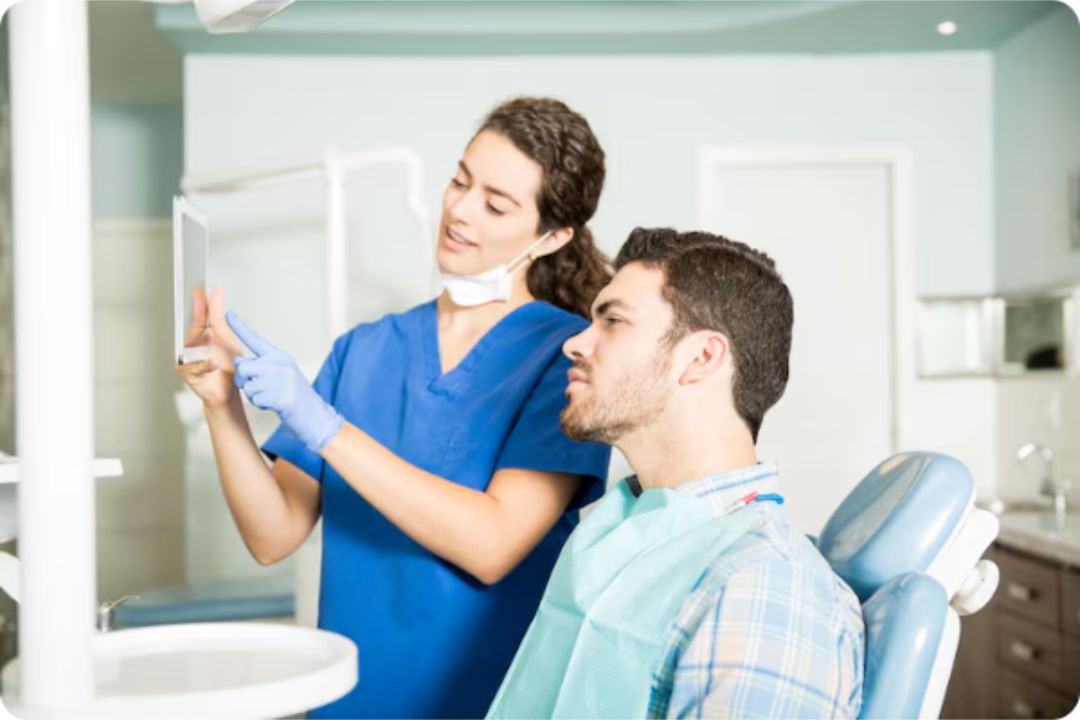
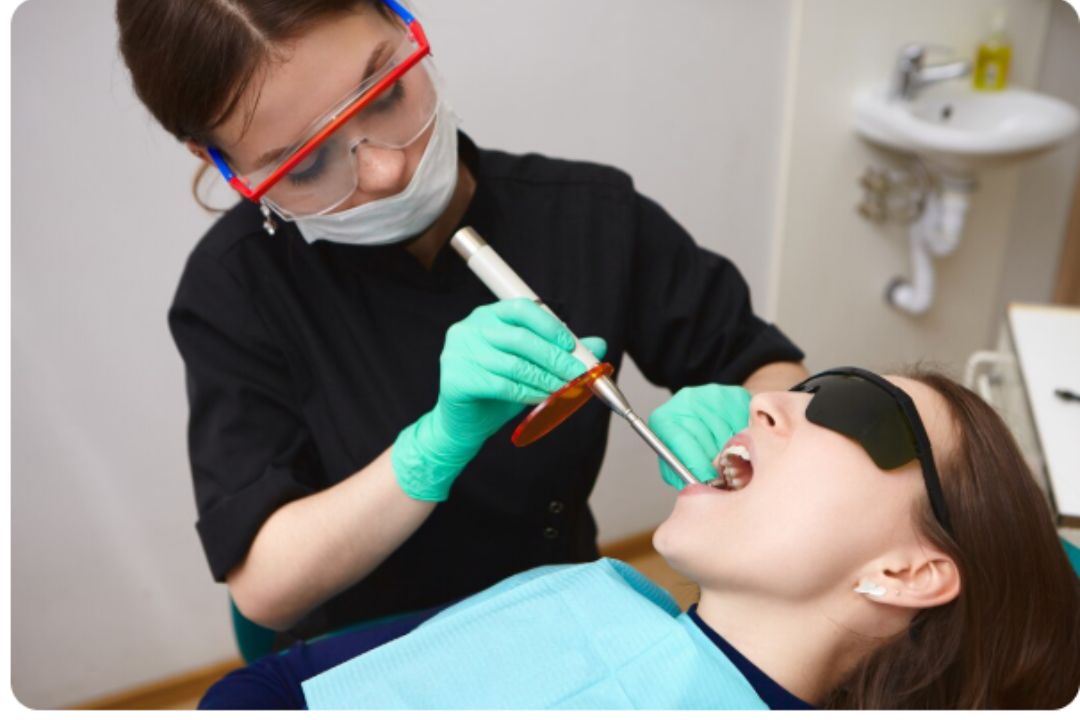
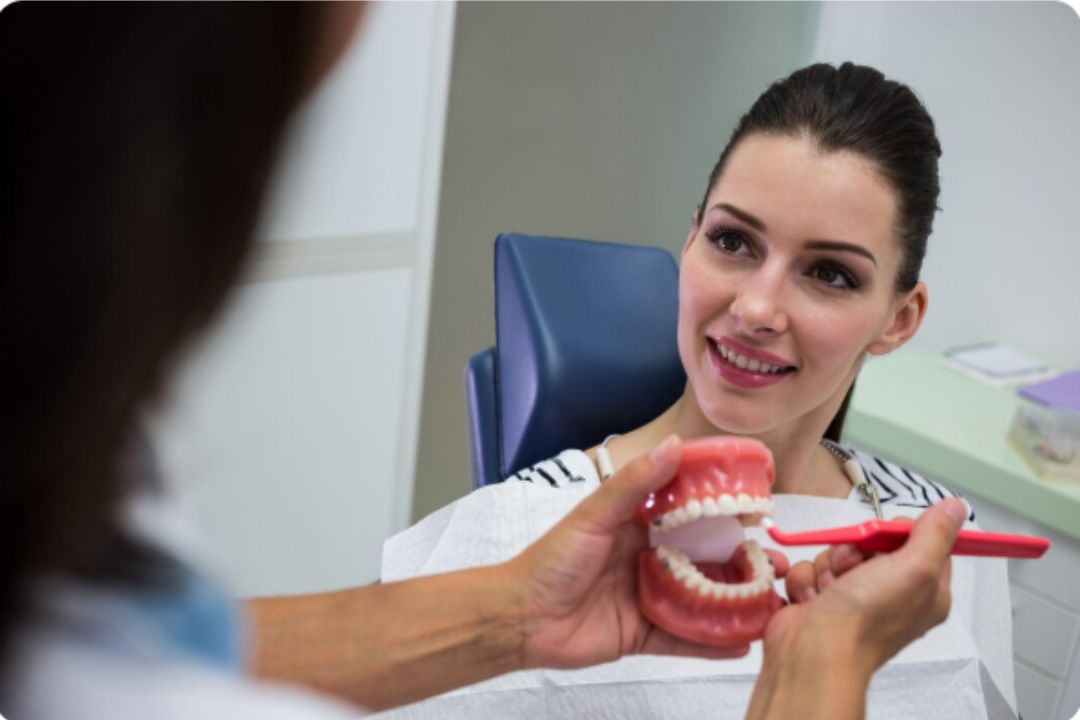
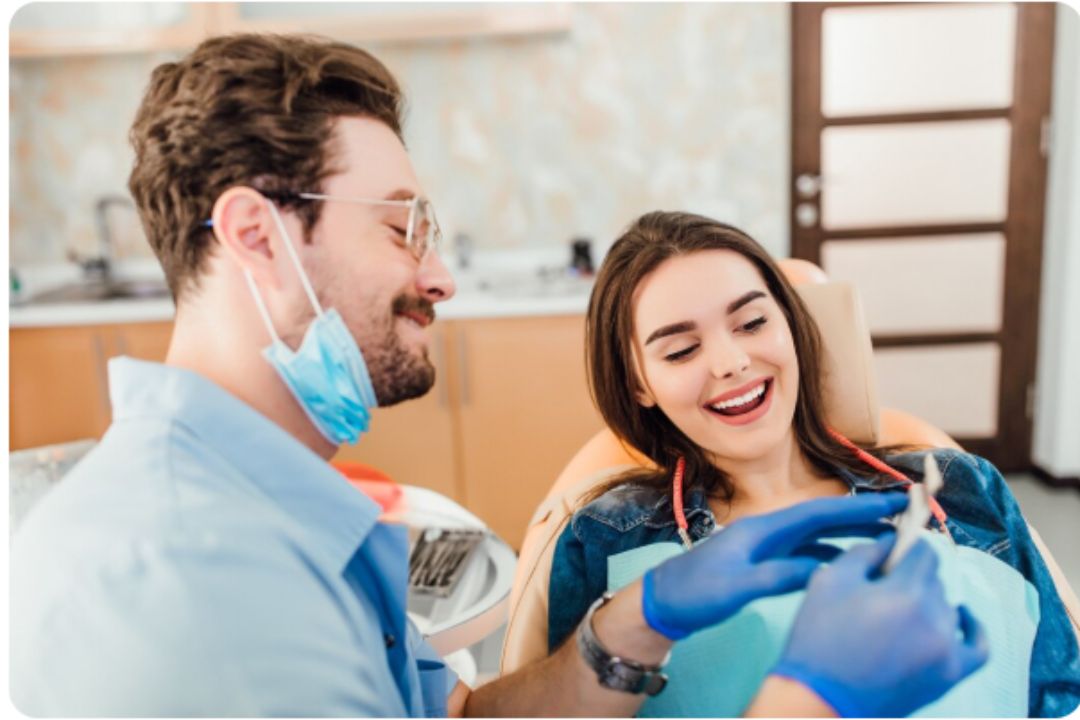


.jpg "oral health and hygiene")










.jpg "Impacts Your Dental Health")
.jpg "Oral Health and Mental Health")
.jpg "Dental Care for Seniors")
.jpg "Regular Dental Checkups Are More Important")
 (1).jpg "Oral Health and Systemic Diseases")
.jpg "Oral Healthcare and Major Diseases")

 (1).jpg "Free Dental Visit")



 (1).png "Common Dental problems")