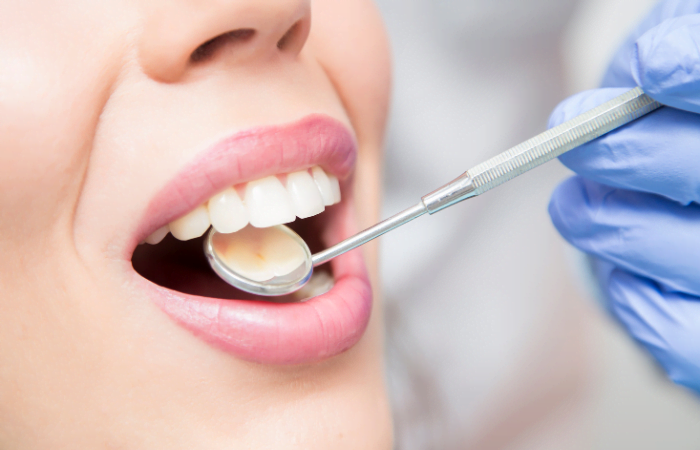
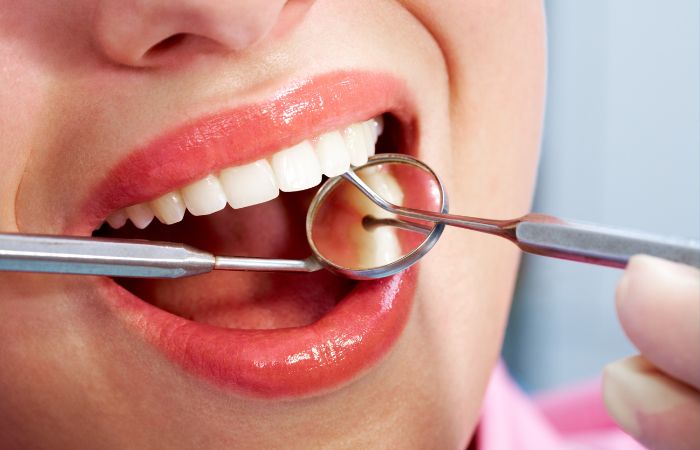
.jpg "top oral health mistakes most people make every day")
We all know the basics: brush twice a day, floss, and see the dentist. Yet, cavities and gum disease remain incredibly common. Why? Because the devil is in the details. Many of us are unknowingly sabotaging our smiles through well-established but incorrect routines. At the Diagnopein Oral Health Clinic, we believe knowledge is the first step to prevention. Let's dive into the most frequent oral health hygiene mistakes and transform your daily routine from potentially harmful to highly effective.
Oral health is often overlooked in daily self-care routines. Many people believe that brushing once a day or quickly rinsing with mouthwash is enough to maintain healthy teeth and gums. However, small daily mistakes can gradually lead to cavities, gum disease, enamel erosion, bad breath, and even systemic health problems. The truth is that good oral hygiene is not just about having a bright smile — it plays a critical role in overall health and confidence.
Below is a comprehensive look at the most common oral health mistakes people make every day, why they matter, and how to correct them.
Visit Now :- https://www.diagnopein.com
One of the most common misconceptions is that brushing harder means cleaning better. In reality, aggressive brushing can do more harm than good.
When you brush with too much force, especially using a hard-bristled toothbrush, you risk:
Wearing down tooth enamel
Causing gum recession
Increasing tooth sensitivity
Creating small grooves near the gum line
Enamel does not grow back once it is worn away. Over time, this damage can lead to serious sensitivity and even structural weakening of teeth.
Many people brush for less than one minute, even though dentists recommend brushing for at least two minutes, twice a day. When you rush through brushing, you miss key areas such as:
Back molars
Inner tooth surfaces
Gum lines
Incomplete brushing allows plaque to remain, which can harden into tartar and lead to cavities or gum disease.
Brushing alone cleans only about 60% of your tooth surfaces. The remaining 40% — the spaces between your teeth — are where food particles and plaque accumulate.
When flossing is neglected, it can result in:
Cavities between teeth
Gum inflammation (gingivitis)
Persistent bad breath
Periodontal disease
Many people skip flossing because they find it uncomfortable or time-consuming. However, the long-term consequences of avoiding it can be severe.
A worn-out toothbrush loses its effectiveness. Frayed bristles cannot properly clean teeth and may even irritate gums.
Dentists recommend replacing your toothbrush:
Every three months
After recovering from illness
When bristles become visibly worn
Continuing to use an old brush can allow bacteria buildup and reduce cleaning efficiency.
It may seem logical to brush right after meals, especially after consuming sugary or acidic foods. However, acidic foods and beverages (such as citrus fruits, soda, and coffee) temporarily soften tooth enamel.
Brushing during this softened state can cause enamel erosion.
Book Now :- https://www.diagnopein.com/dental-clinic/Mumbai
Your tongue harbors a significant amount of bacteria. If not cleaned properly, these bacteria contribute to:
Bad breath
Plaque buildup
Bacterial growth
Simply brushing teeth without cleaning the tongue leaves a major source of odor and bacteria untouched.
Mouthwash can be helpful, but it is not a substitute for brushing and flossing. Some people use mouthwash to mask bad breath while ignoring underlying dental problems.
Additionally, alcohol-based mouthwashes can dry out the mouth, which reduces saliva production. Saliva is essential for neutralizing acids and washing away food particles.
Hydration plays a key role in oral health. A dry mouth creates an ideal environment for bacteria to thrive.
Saliva helps:
Wash away food particles
Neutralize acids
Prevent tooth decay
Without sufficient water intake, you increase your risk of cavities and bad breath.
Sugar feeds harmful bacteria in your mouth. These bacteria produce acids that attack enamel and cause cavities.
Frequent snacking on sugary foods or sipping sweetened drinks exposes teeth to repeated acid attacks.
Common hidden sugar sources include:
Flavored yogurt
Energy drinks
Packaged juices
Processed snacks
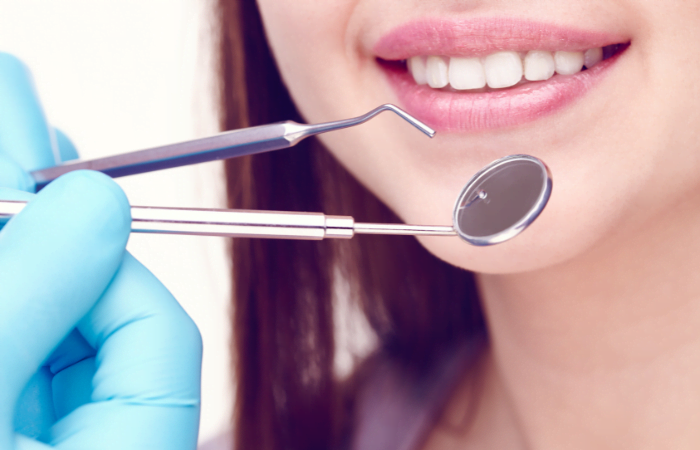
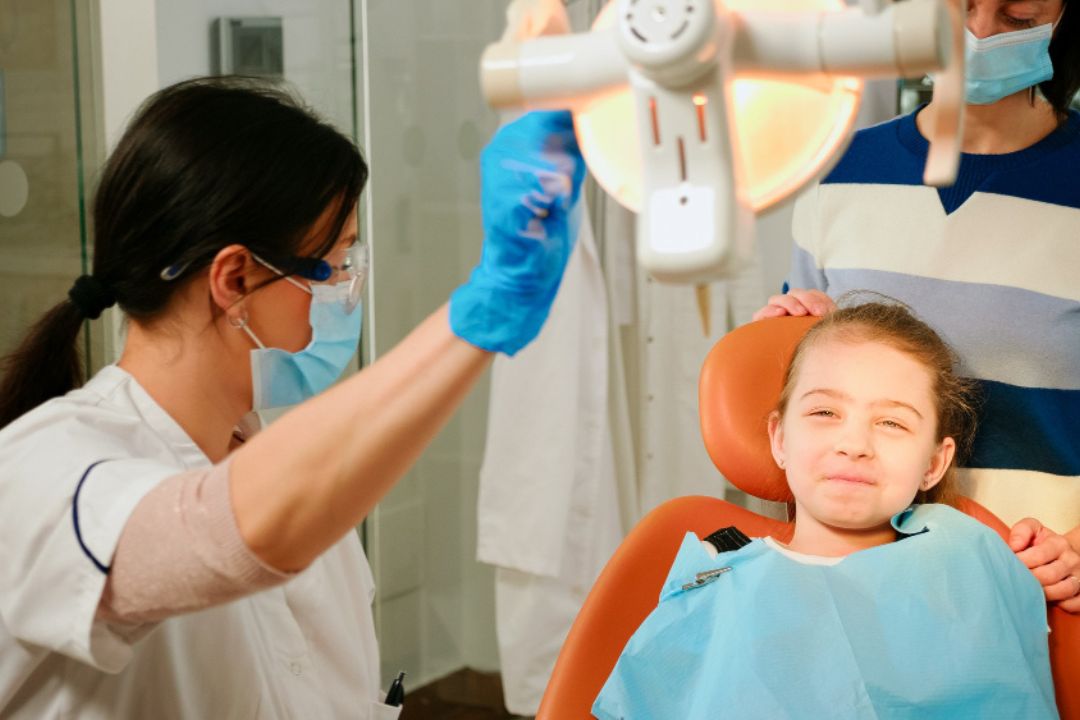
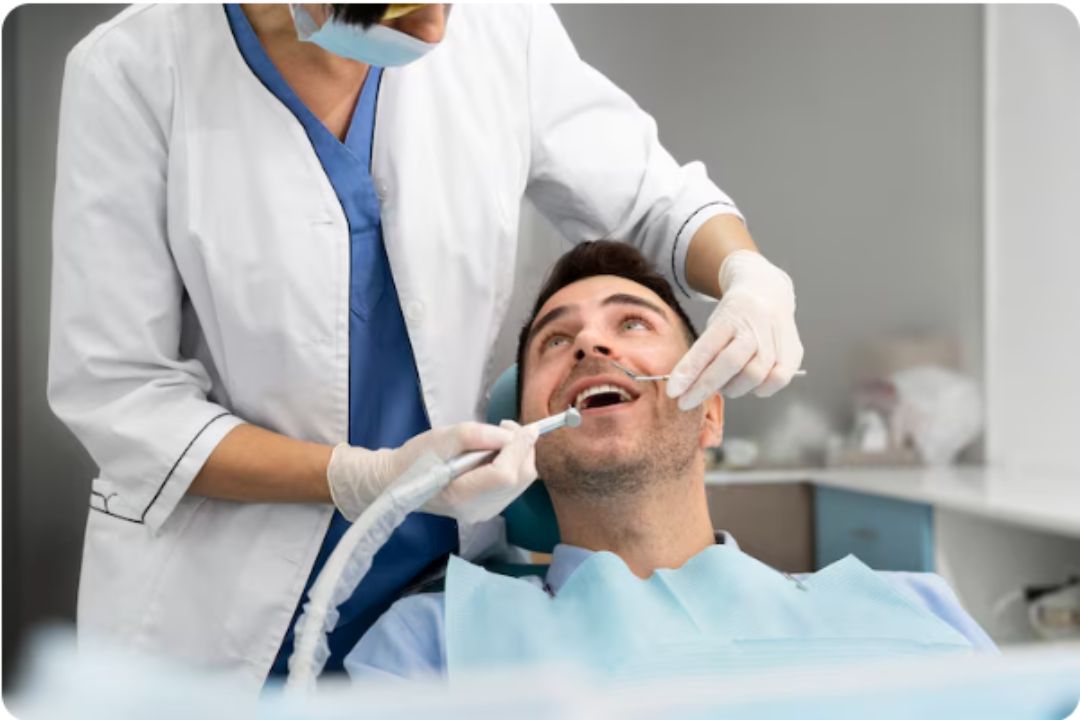
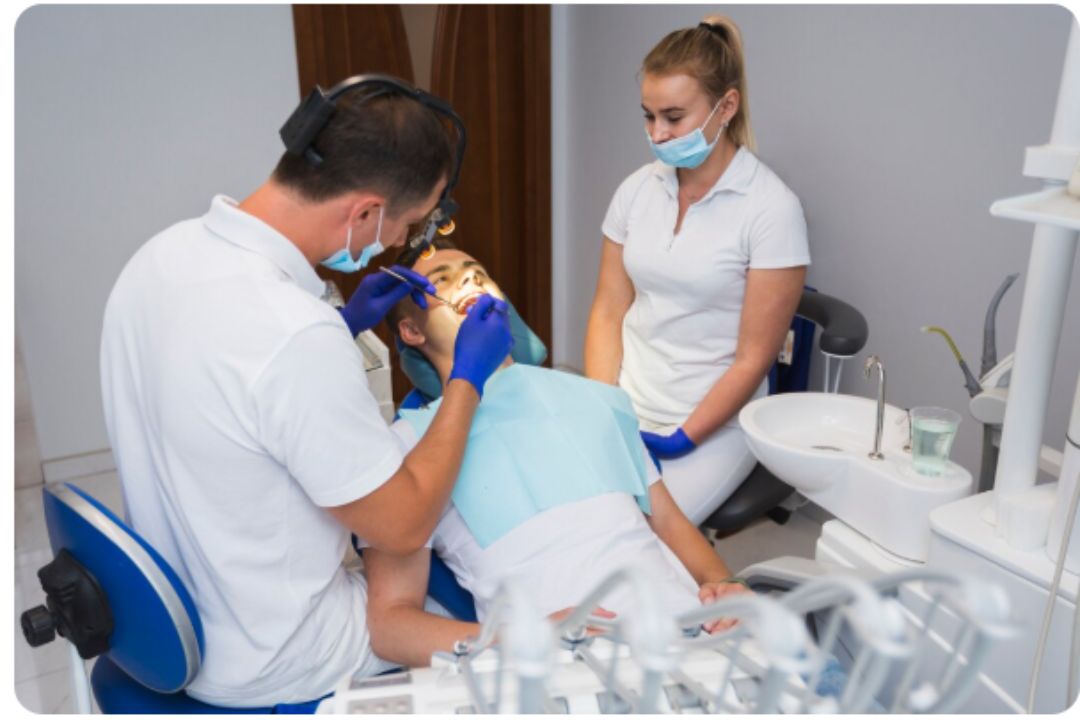
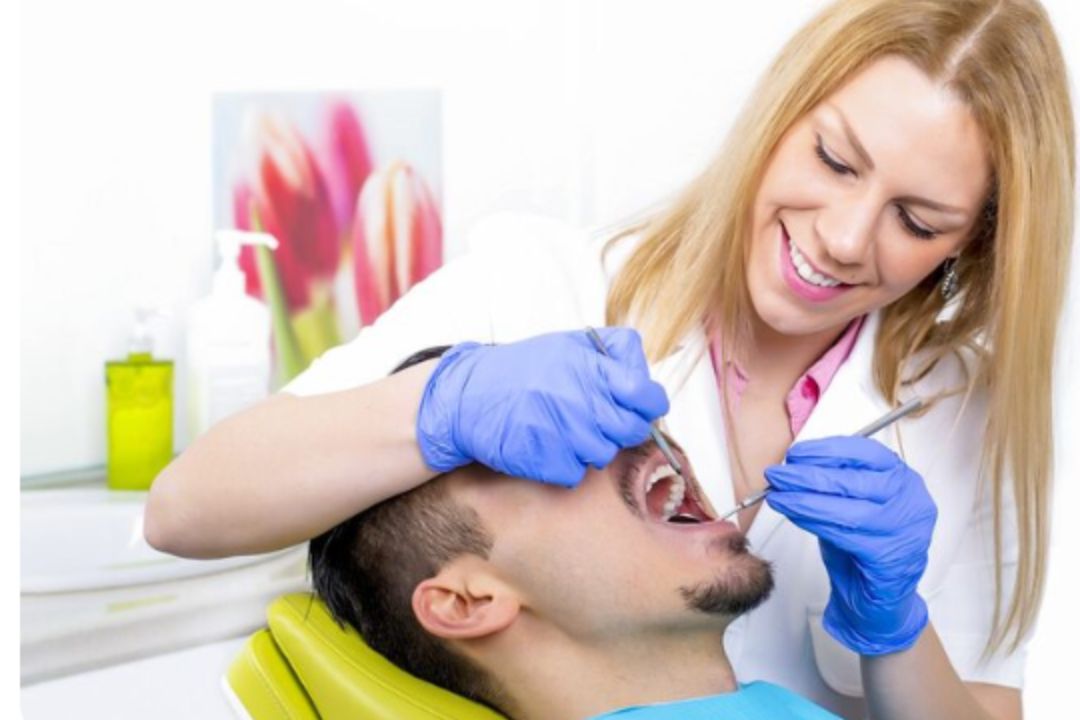
Many people visit the dentist only when they experience pain. However, dental issues often develop silently in their early stages.
Routine checkups help detect:
Early cavities
Gum disease
Oral cancer
Alignment issues
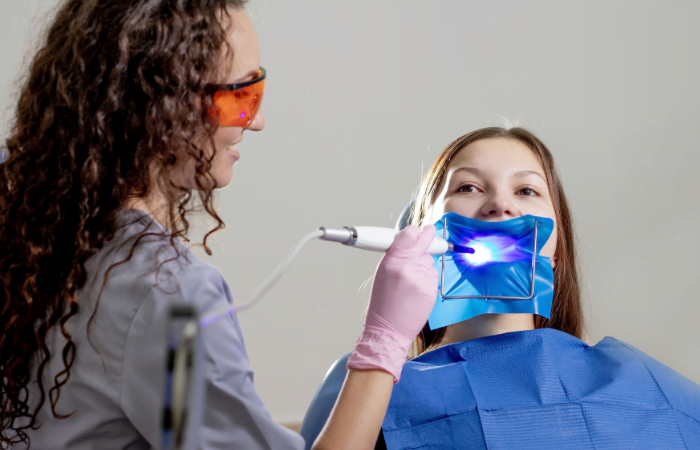
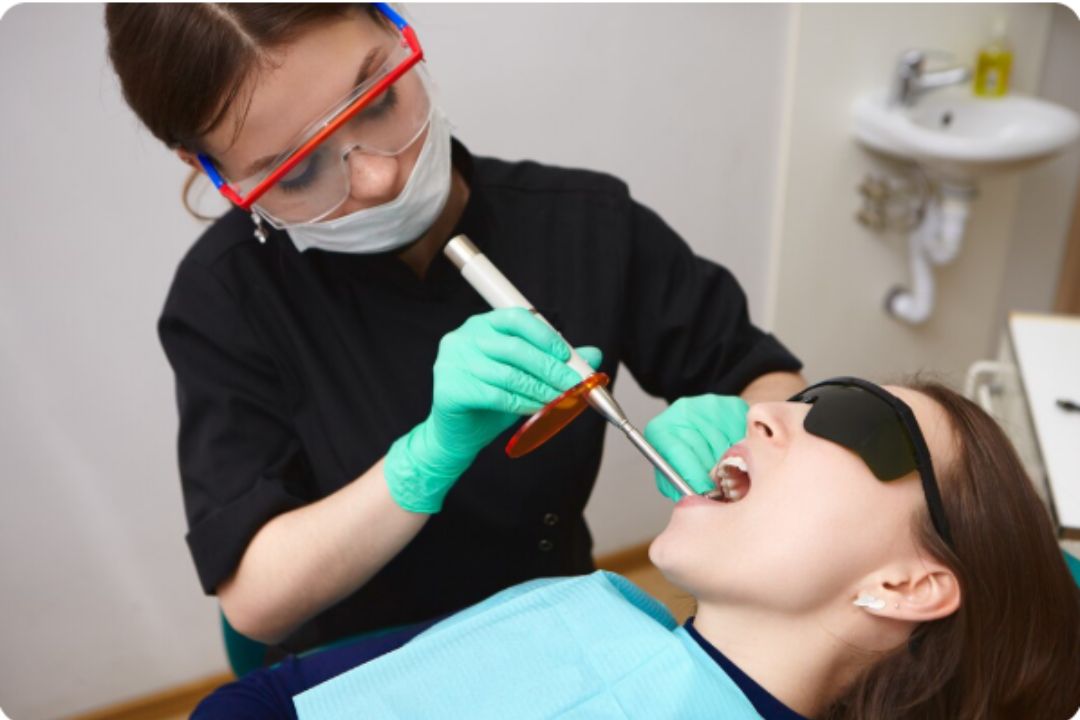
Professional cleanings also remove hardened tartar that cannot be eliminated by brushing alone.
Many individuals grind or clench their teeth, especially during sleep or stressful situations. Over time, this can cause:
Worn enamel
Jaw pain
Headaches
Cracked teeth
Stress is a major contributor to bruxism.
Opening packages, tearing tape, or cracking nuts with your teeth can cause serious damage.
Teeth are not designed to:
Open bottles
Tear plastic
Cut thread
Such habits increase the risk of chips, fractures, and enamel damage.
Many people focus only on teeth and forget that healthy gums are equally important. Bleeding gums are often dismissed as normal, but they are usually a sign of gingivitis.
Untreated gum disease can progress to periodontitis, which may lead to tooth loss.
Tobacco use significantly increases the risk of:
Gum disease
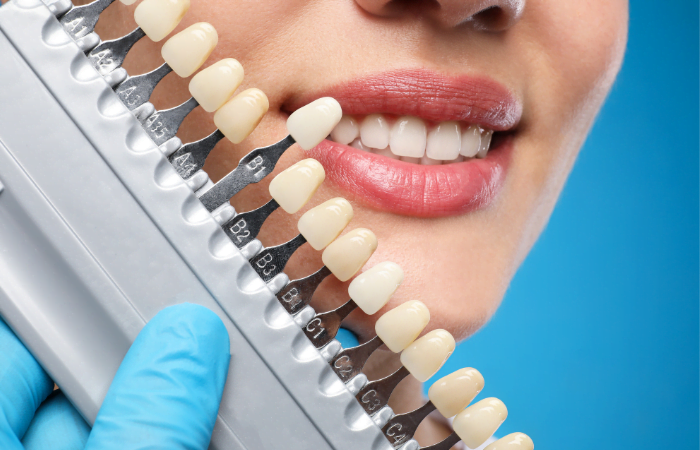
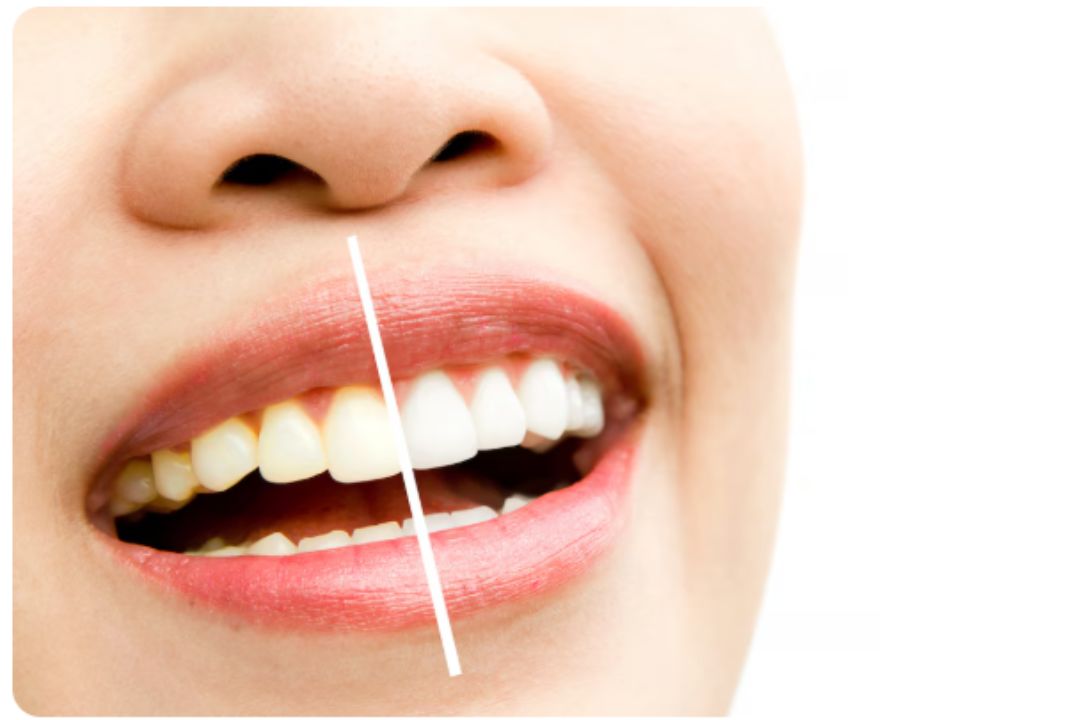
Tooth discoloration
Oral cancer
Delayed healing
Smoking reduces blood flow to the gums, making infections harder to detect and treat.
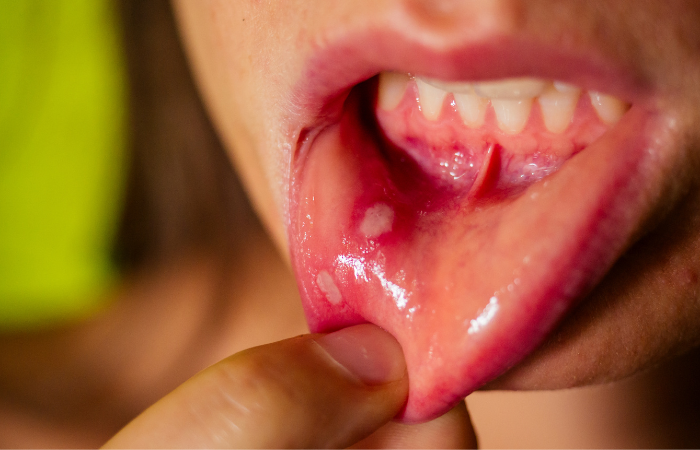
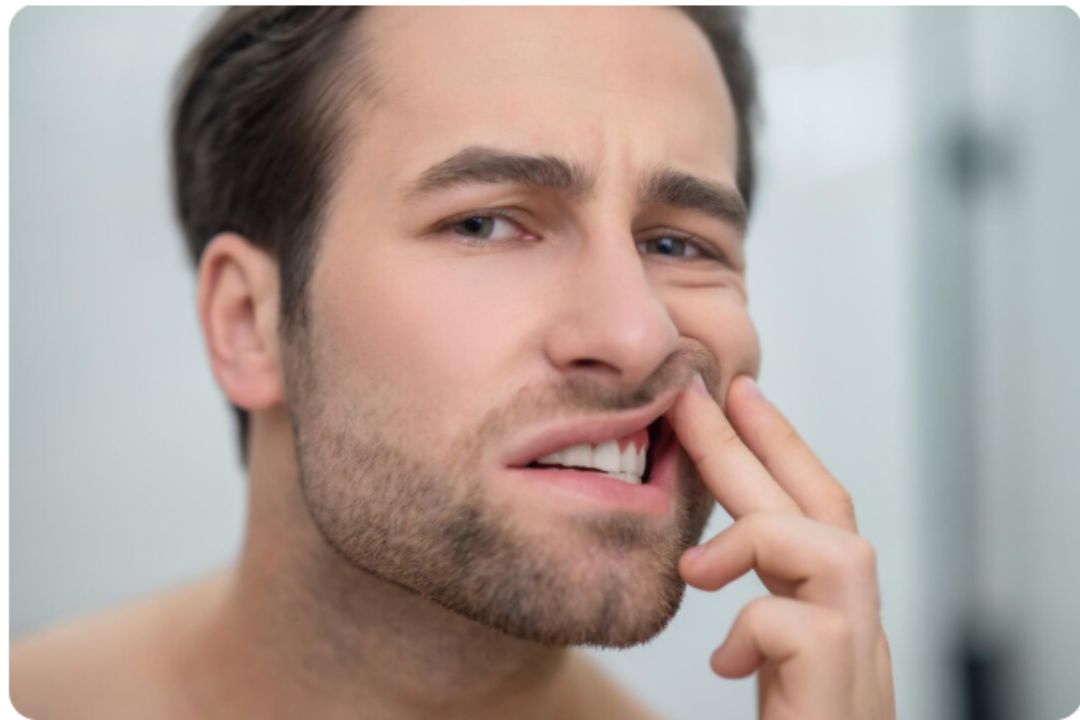
Symptoms such as sensitivity, bleeding gums, persistent bad breath, or mouth sores should not be ignored. Early detection can prevent serious complications.
Many dental issues are easier and less expensive to treat when caught early.
To avoid these common mistakes, follow a simple but effective routine:
Brush twice daily for two minutes with a soft-bristled brush.
Floss once a day.
Clean your tongue.
Use mouthwash as needed (not as a substitute).
Drink plenty of water.
Limit sugary snacks and beverages.
Visit your dentist regularly.
Book Your Appointment :- https://www.diagnopein.com/dental-clinic/Mumbai
Choosing the right source for health information — especially when it comes to oral care — matters more than ever. With so many blogs, guides, and self-help articles online, it can be confusing to know which ones are trustworthy and effective. That’s where Diagnopein stands out.
Diagnopein provides content that is informed by clinical knowledge and dental best practices. Their articles are written with guidance from dental professionals, ensuring that the information you read isn’t just common sense — it’s grounded in real health expertise.
Whether it’s tips on brushing techniques, common oral health mistakes, or lifestyle-based advice, Diagnopein aims for accuracy that you can trust.
Too often, medical or dental information is filled with jargon that’s hard to follow. Diagnopein avoids that trap by translating professional knowledge into simple, actionable tips you can apply daily.
Their posts explain why something matters — not just what to do — so you understand the reason behind each recommendation. This makes it easier to build and maintain healthy habits.
Diagnopein doesn’t just focus on one aspect of oral care — their guidance covers a wide range of topics, including:
Daily hygiene routines
Mistakes people make with brushing and flossing
Nutrition and its impact on dental health
Preventive care strategies
When to seek professional treatment
This broad, holistic approach helps readers improve their oral health from multiple angles.
Not everyone wants a long scientific paper — most people want useful advice they can really use. Diagnopein’s tone is friendly, relatable, and practical. Their content is written with real lifestyles in mind — for people with busy schedules, families, or simply wanting to improve their smile and health.
Instead of creating fear-based or superficial content, Diagnopein empowers readers. Their tips focus on positive habit building — like how to floss properly or when to replace your toothbrush — so readers see real, lasting improvements.
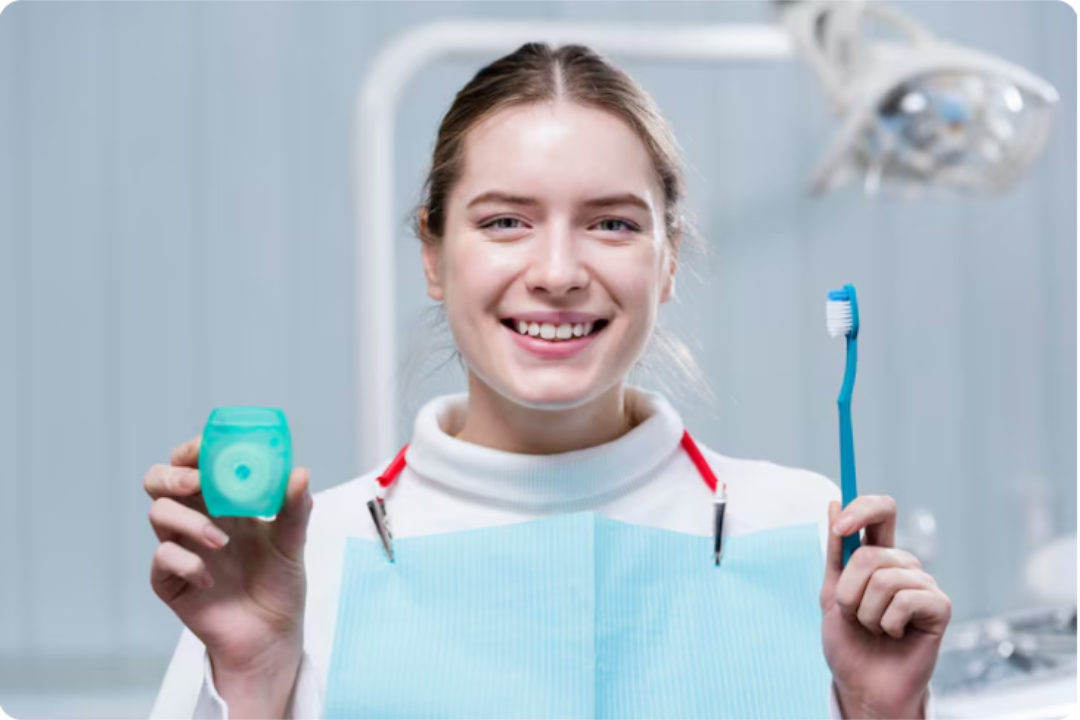











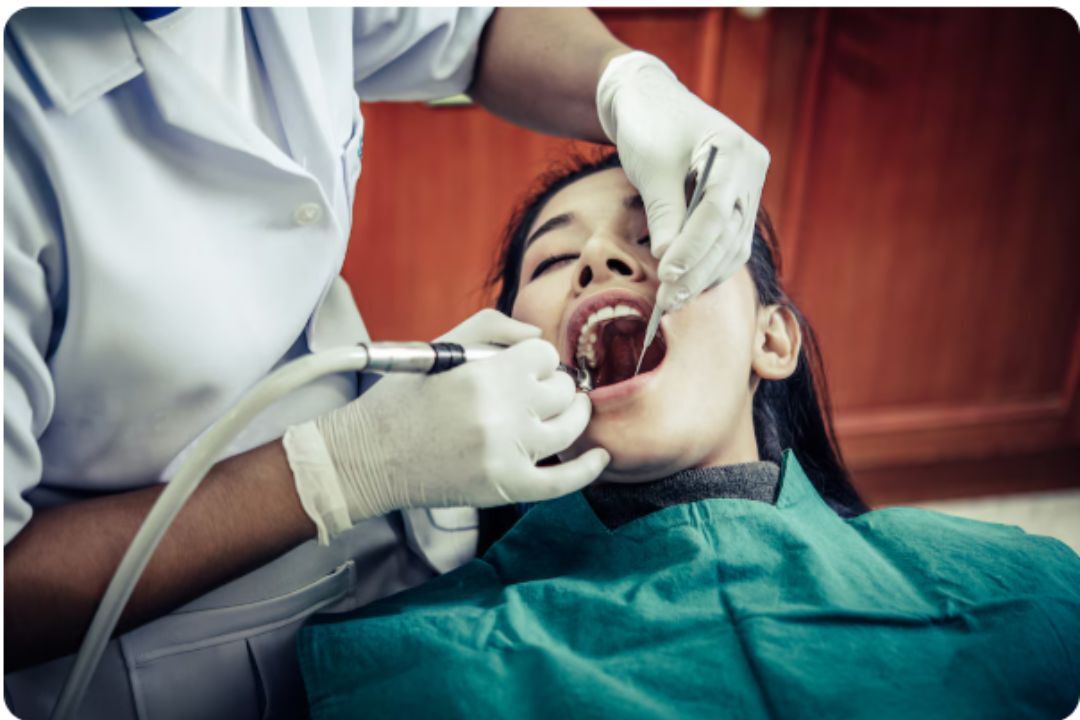
.jpg "dental checkups once or twice a year what best for your smile in mumbai")
.jpg "dentist approved oral care routine for healthy teeth and gums")
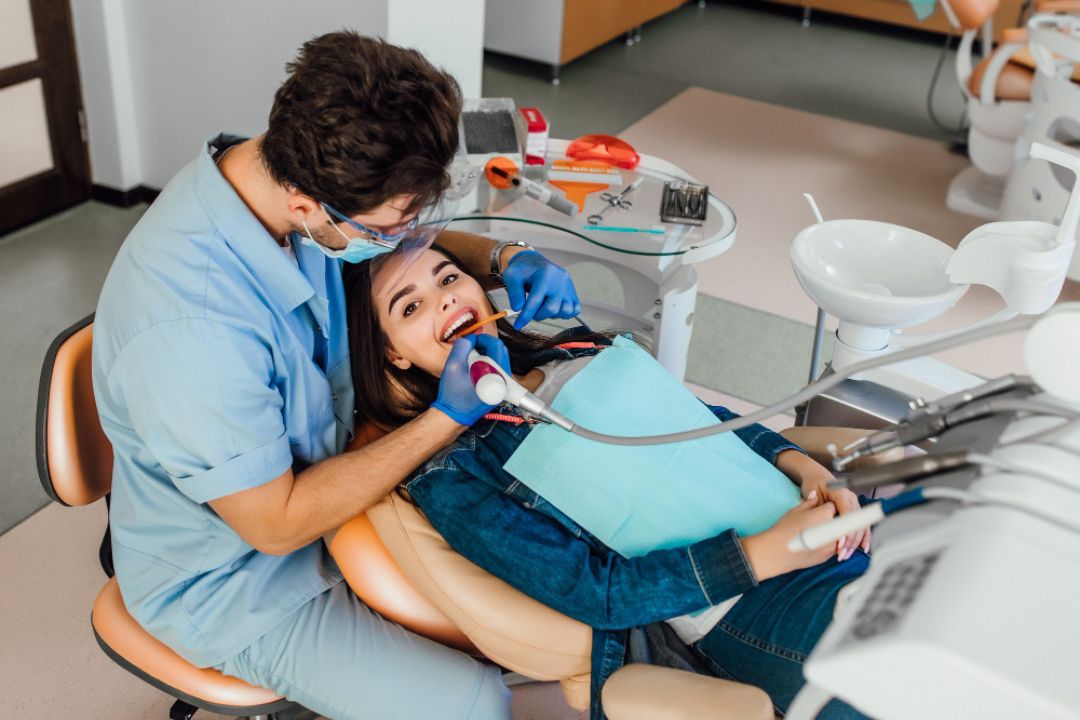
.jpg "best dental clinic in mumbai how to choose the right dentist")

.jpg "best oral hygiene habits for gum and tooth protection")





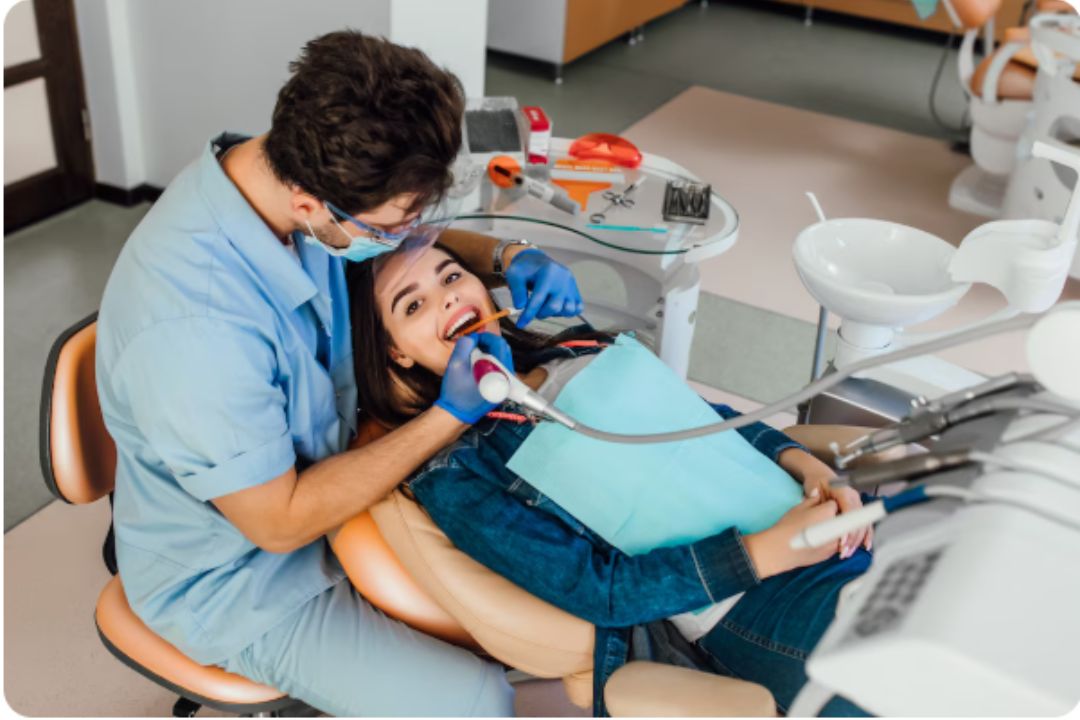
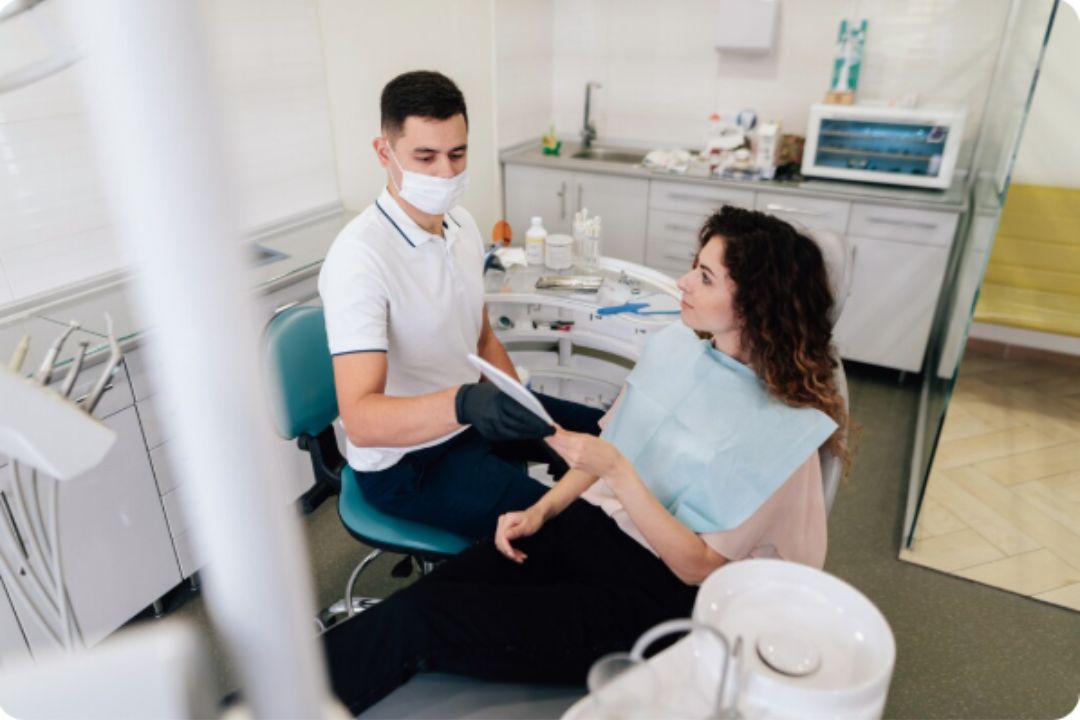

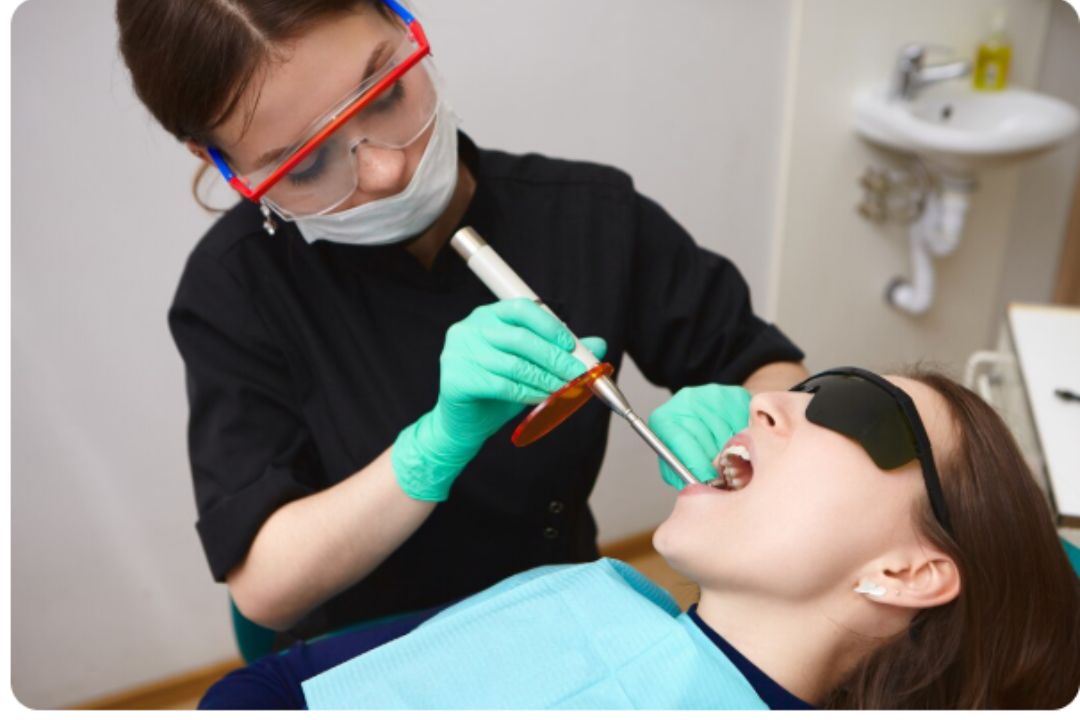
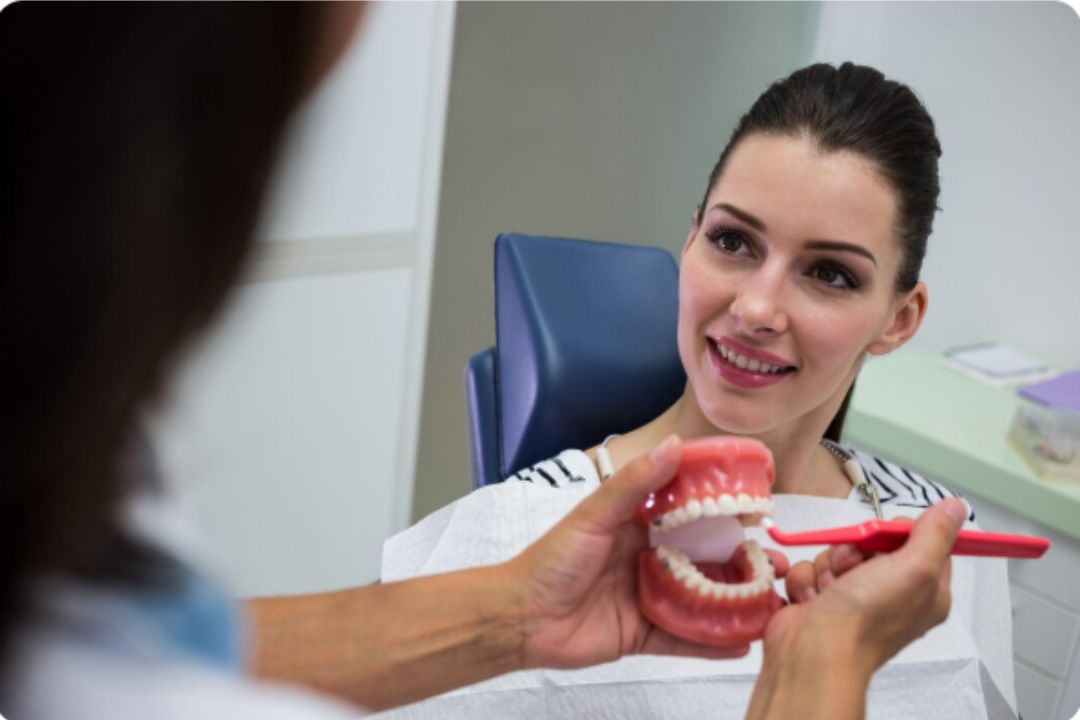


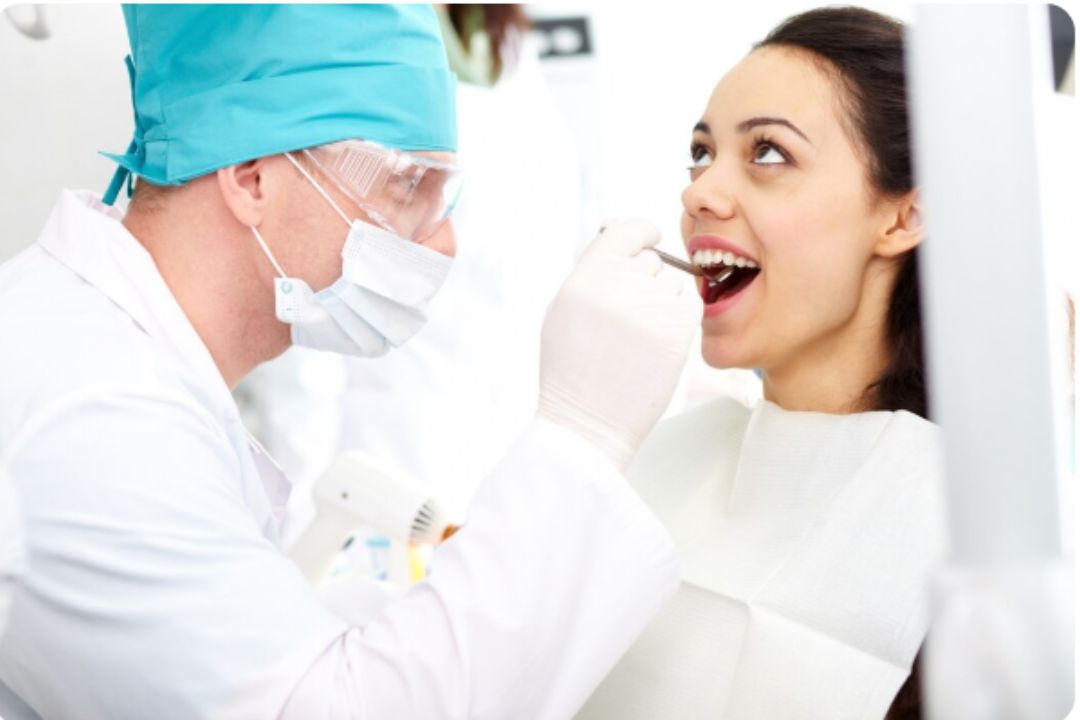
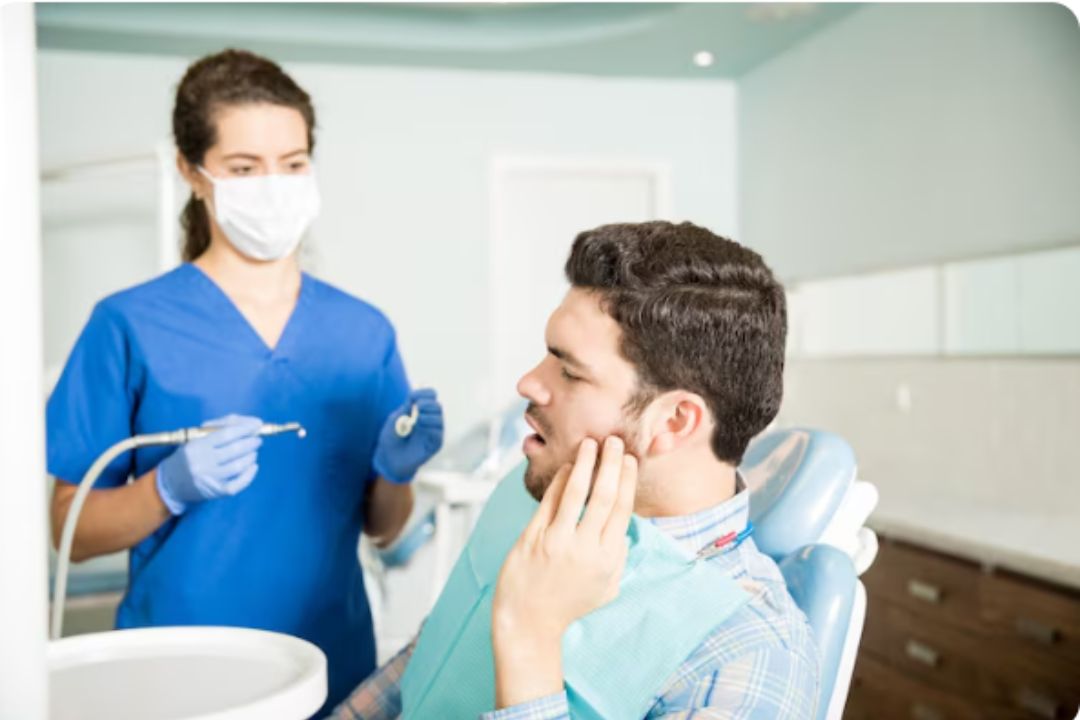

.jpg "oral health and hygiene")
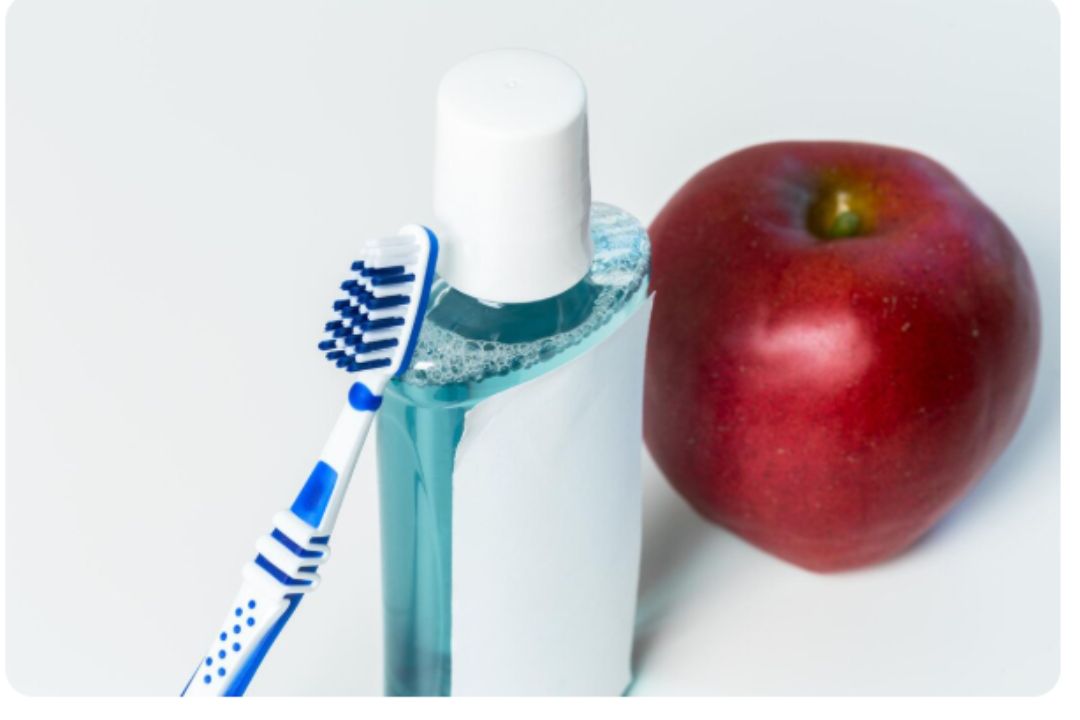

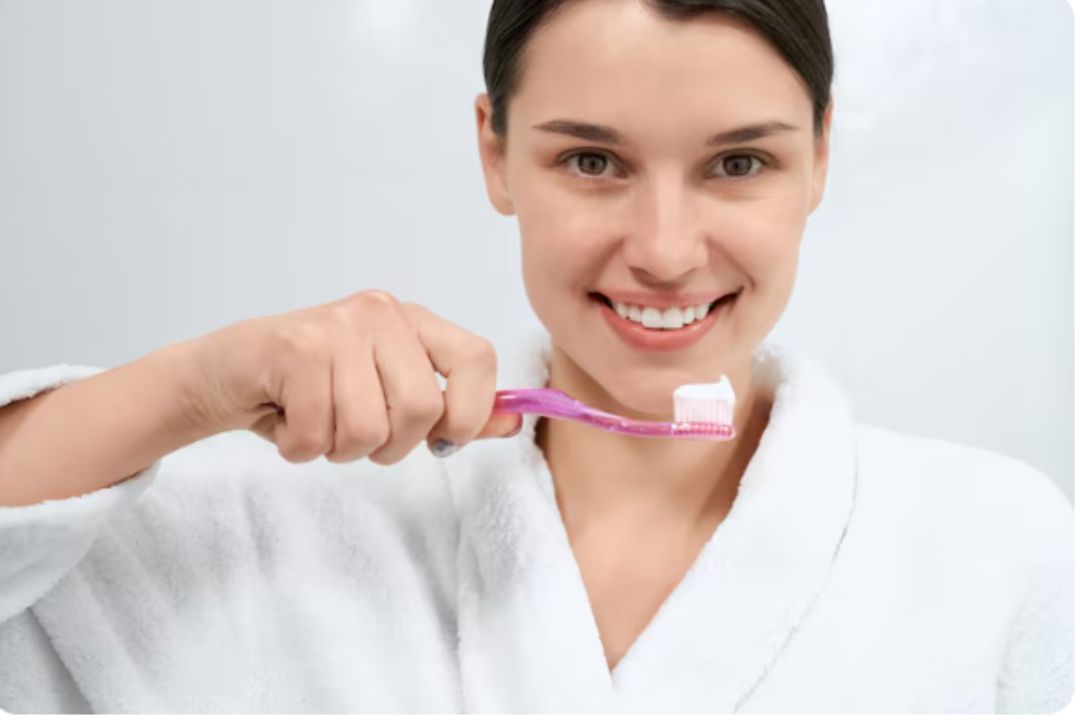

















.jpg "Impacts Your Dental Health")
.jpg "Oral Health and Mental Health")
.jpg "Dental Care for Seniors")
.jpg "Regular Dental Checkups Are More Important")
 (1).jpg "Oral Health and Systemic Diseases")
.jpg "Oral Healthcare and Major Diseases")

 (1).jpg "Free Dental Visit")



 (1).png "Common Dental problems")