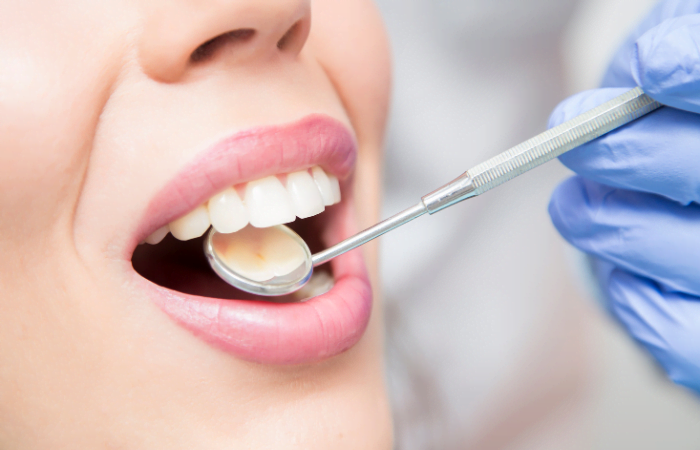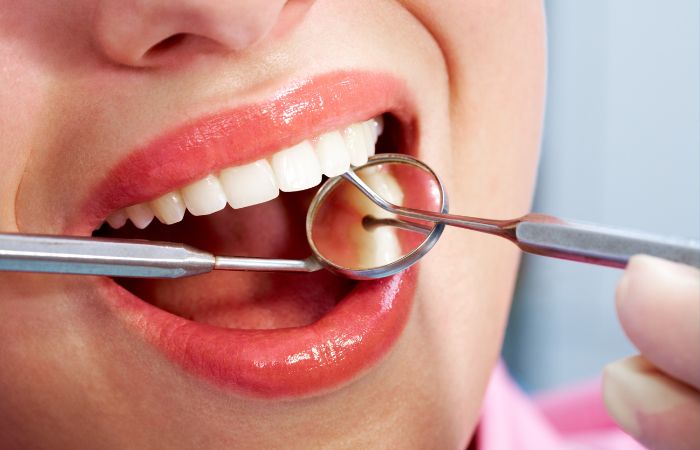
Good oral hygiene habits developed during childhood lay the foundation for a lifetime of healthy teeth and gums. School-going children are especially vulnerable to cavities, plaque buildup, and gum problems due to frequent snacking, sugary foods, and sometimes inconsistent brushing habits.
Visit Now: https://www.diagnopein.com/dental-clinic/Pune
As parents, guiding children toward proper dental care routines not only prevents tooth decay but also builds confidence, promotes overall health, and reduces future dental costs.
Children between the ages of 6 and 12 experience major dental changes. Baby teeth fall out, permanent teeth erupt, and jaw development continues. Poor oral hygiene during this stage can lead to
Visit Now: https://www.diagnopein.com/dental-clinic/Pune
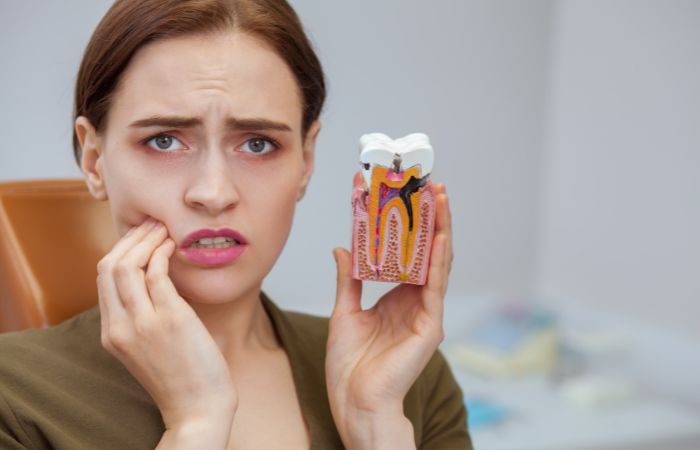
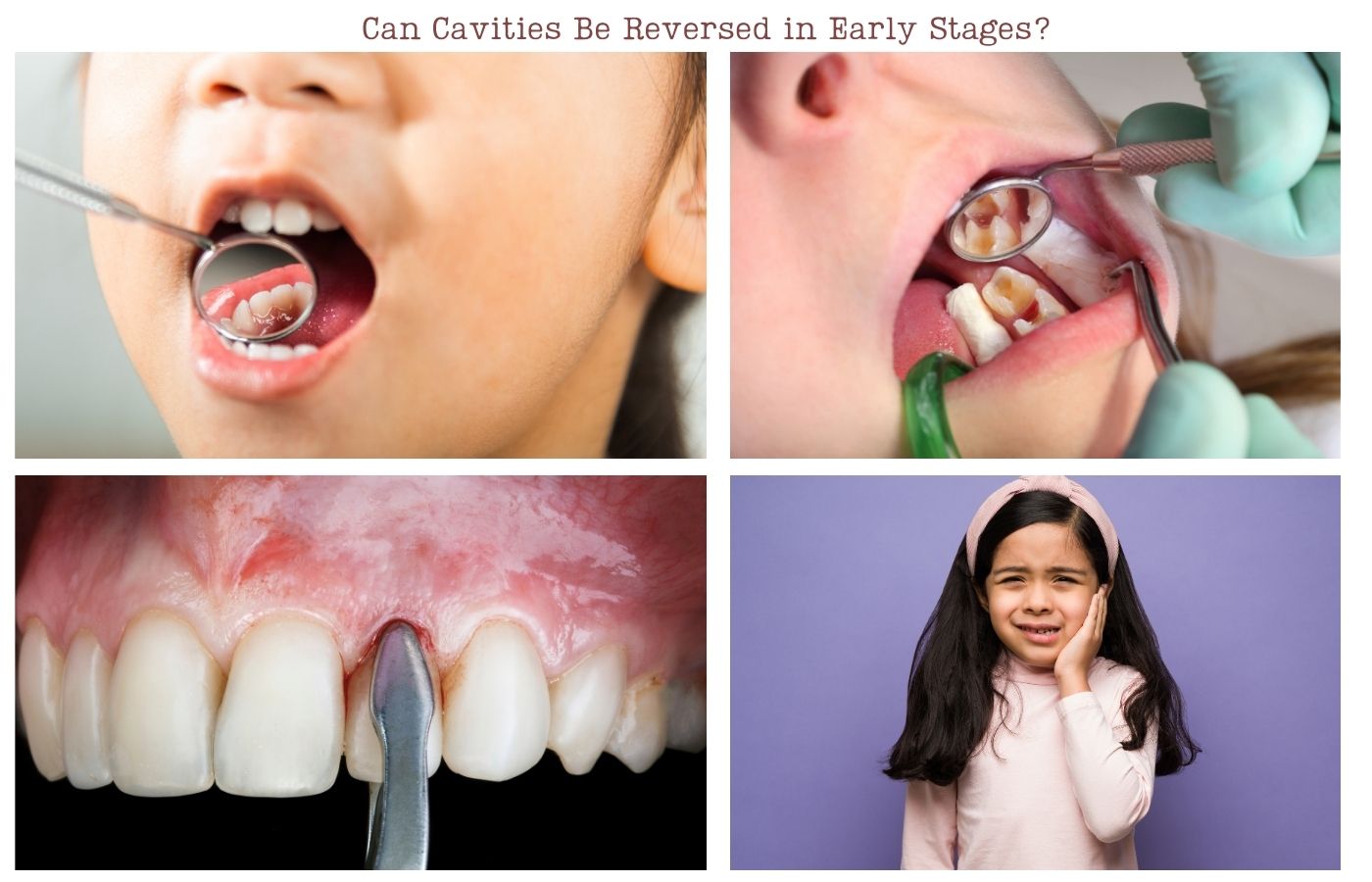
Cavities (dental caries)
Gum inflammation (gingivitis)
Bad breath
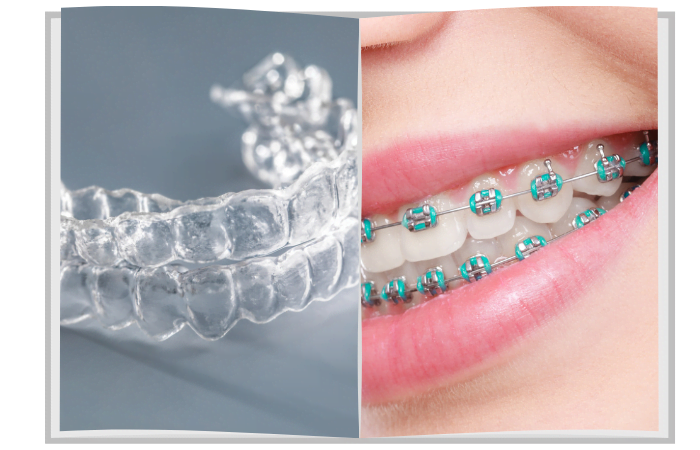
Misalignment complications
Pain and difficulty eating
Healthy teeth are also closely linked to overall well-being. Dental infections can affect nutrition, speech development, and even academic performance.
Brushing is the most important oral hygiene habit.
Children should brush:
Twice daily
Once in the morning
Once before bedtime
At least 2 minutes each time.
Soft-bristled toothbrush
Fluoride toothpaste (pea-sized amount for children over 6)
Hold the brush at a 45-degree angle.
Use gentle circular motions.
Clean front, back, and chewing surfaces.
Don’t forget the tongue.
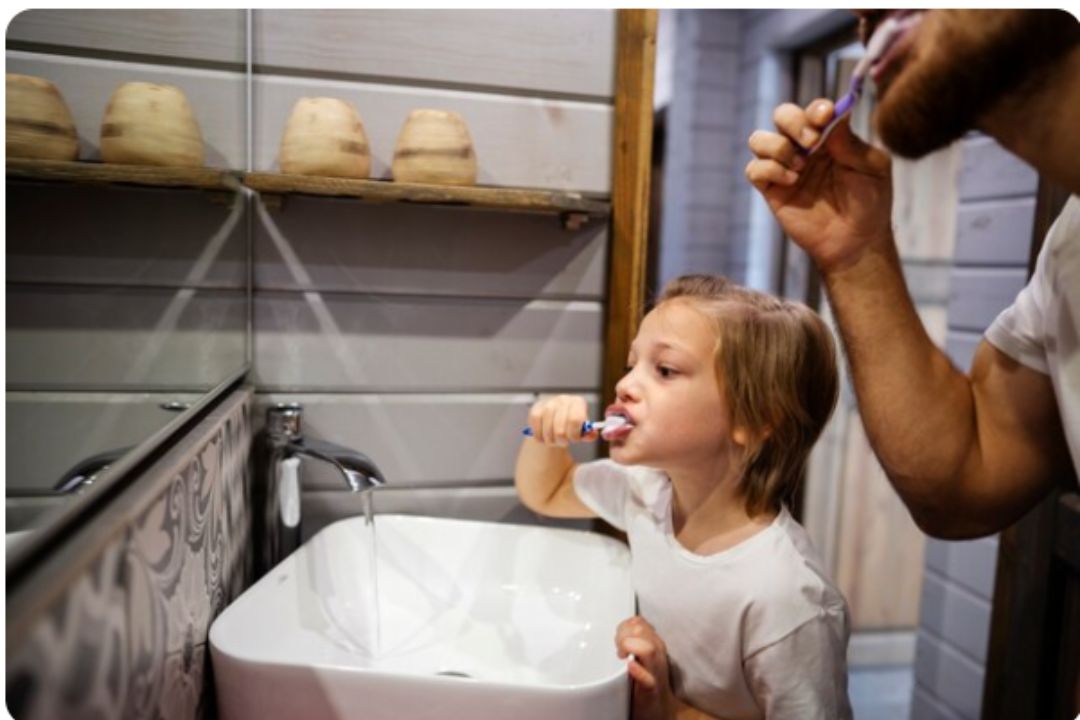
Parents should supervise brushing until the child develops proper technique, usually around age 8–9.
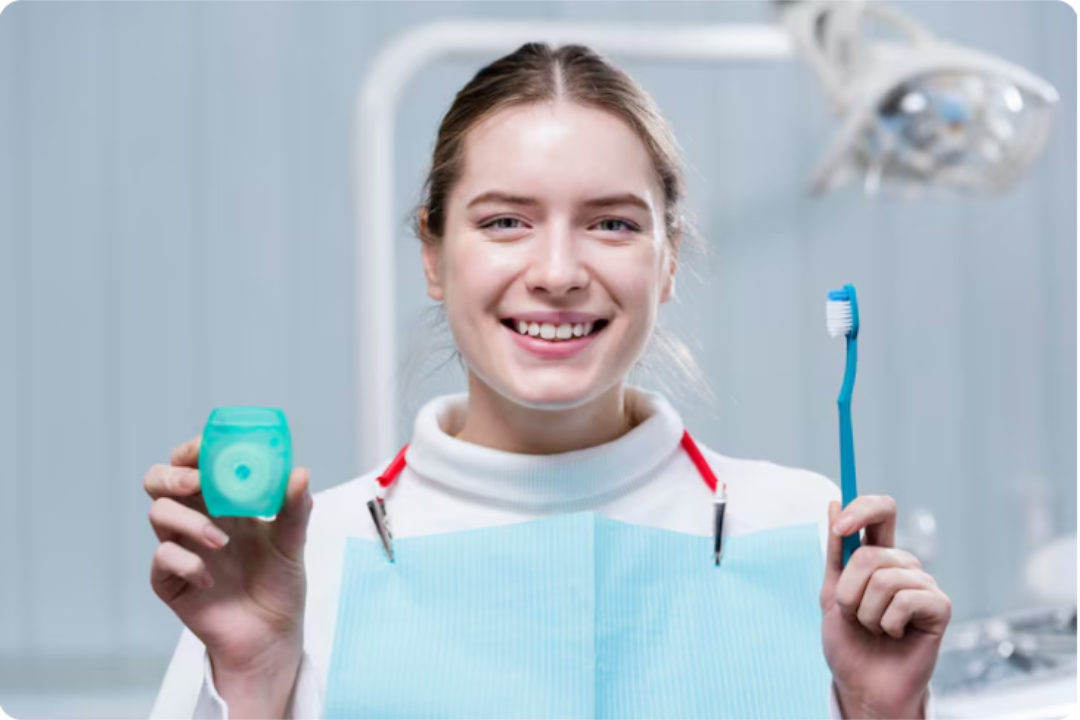
Brushing alone cannot clean between teeth.
Food particles and plaque often get trapped in tight spaces, leading to cavities between teeth — a very common issue in school-aged children.
As soon as two teeth touch each other.
At least once daily, preferably at night.
Flossing helps:
Prevent cavities between teeth
Reduce gum inflammation
Maintain fresh breath
Parents should assist younger children with flossing to avoid gum injury.
Children love sweets, but sugar feeds harmful bacteria in the mouth. These bacteria produce acids that weaken tooth enamel and cause cavities.
Chocolates
Sticky candies
Caramel
Sugary biscuits
Soft drinks
Packaged fruit juices
Fresh fruits
Nuts
Cheese
Yogurt
Water instead of soda
If your child eats sweets, encourage rinsing with water afterward.
Water plays a crucial role in oral health.
Book Now: https://www.diagnopein.com
Benefits:
Washes away food particles
Neutralizes acid in the mouth
Stimulates saliva production
Strengthens enamel (if fluoridated)
Encourage children to carry a water bottle to school and drink water after meals.
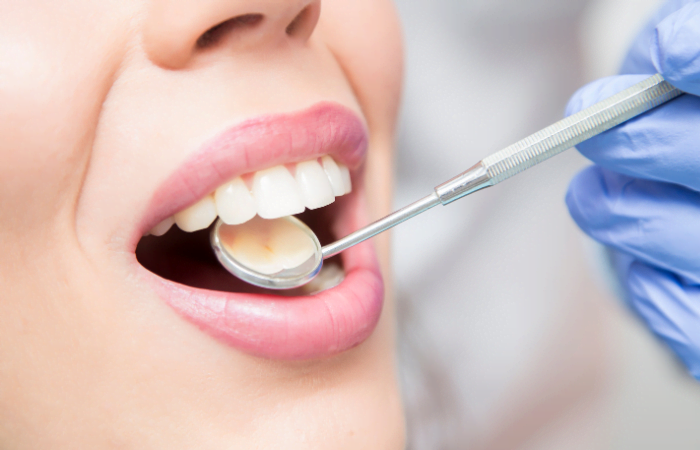
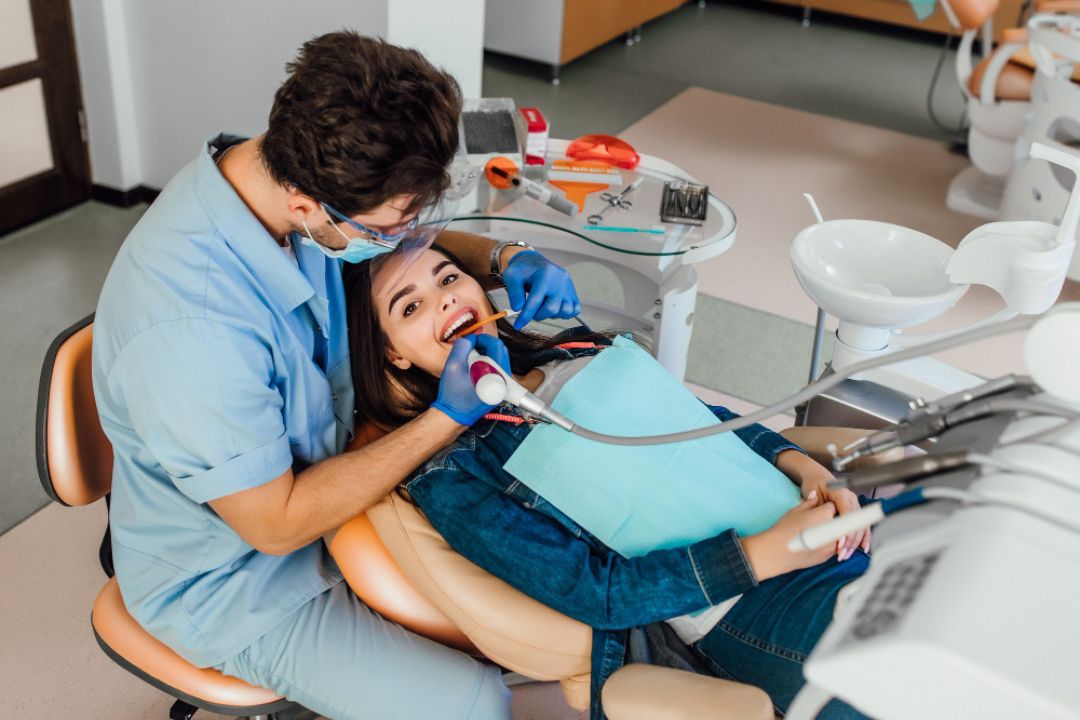
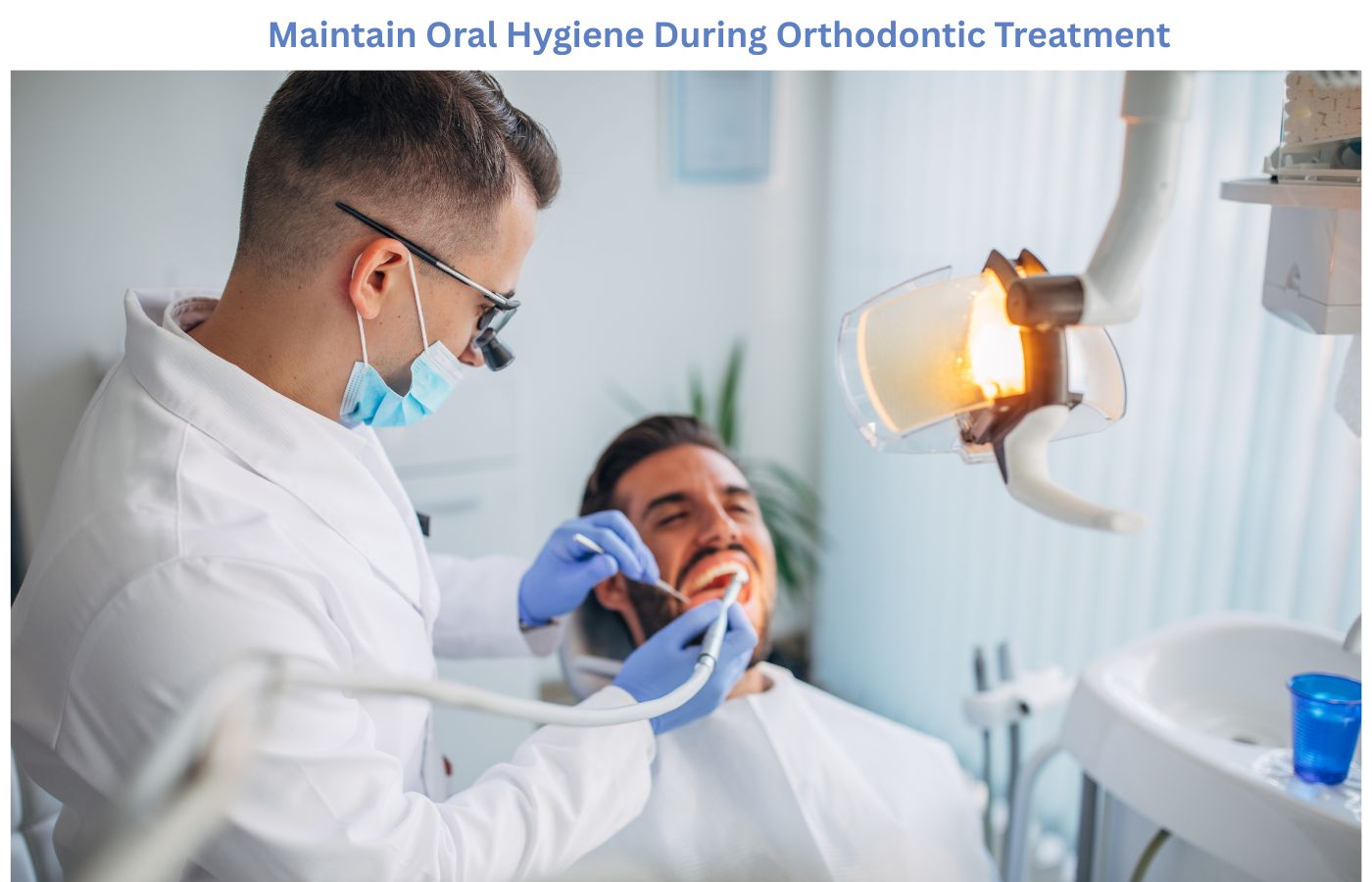
Routine dental visits help detect issues early.
Every 6 months
Regular dental check-ups:
Identify cavities early
Monitor tooth development
Detect alignment issues
Provide professional cleaning
Apply fluoride treatment if needed
Early detection prevents complex dental treatments later.
Old or frayed toothbrushes do not clean effectively.
Replace toothbrush:
Every 3 months
After illness (like flu or cold)
If bristles become worn out
Let children choose colorful brushes or cartoon-themed designs to make brushing fun.
School-going children actively participate in sports.
Accidental falls or impacts can lead to:
Broken teeth
Chipped enamel
Tooth loss
Using a mouthguard during contact sports like football, basketball, or skating protects teeth from injury.
Some children continue thumb sucking or nail biting beyond early childhood.
These habits can:
Misalign teeth
Affect jaw development
Introduce bacteria into the mouth
Encourage children gently to stop these habits early.
Strong teeth need proper nutrition.
Essential nutrients for oral health:
Calcium (milk, cheese, yogurt)
Vitamin D (sunlight, fortified foods)
Phosphorus (eggs, fish)
Vitamin C (citrus fruits)
Balanced nutrition strengthens enamel and supports gum health.
Children are more likely to follow routines if they enjoy them.
Tips for parents:
Use brushing apps with timers
Play a 2-minute song during brushing
Reward consistent brushing habits
Brush together as a family
Positive reinforcement works better than punishment.
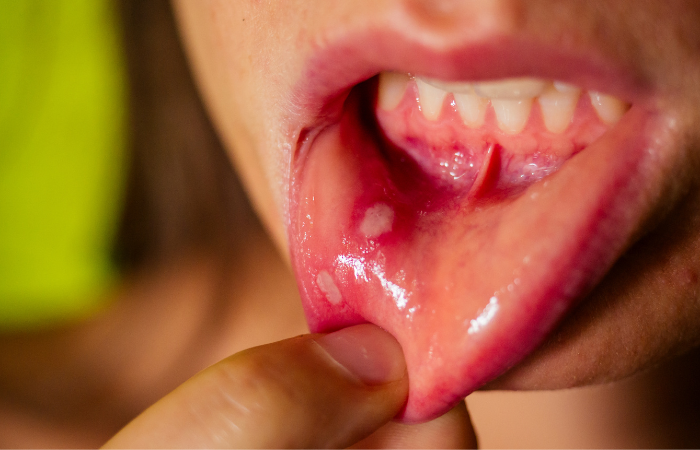
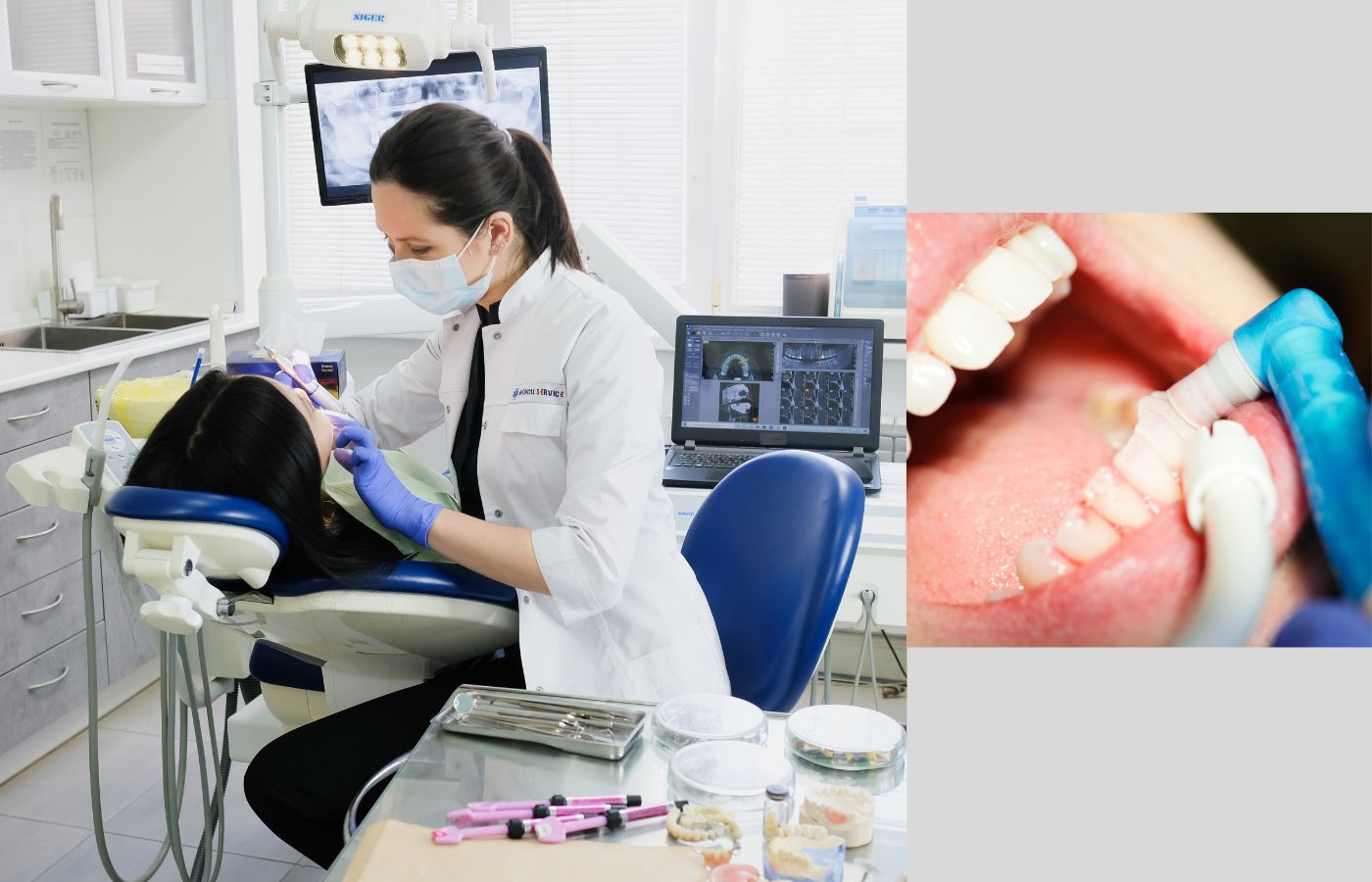
Understanding common issues helps parents stay alert.
Caused by plaque and sugar interaction.
Swollen or bleeding gums due to poor brushing.
Triggered by cold or hot foods.
May require orthodontic consultation.
If your child complains of tooth pain or bleeding gums, consult a dentist immediately.
Watch for:
Persistent bad breath
Tooth pain
Bleeding gums
Difficulty chewing
White or brown spots on teeth
Early intervention prevents complications.
Good oral hygiene habits must start early. School-going children are at a critical stage where permanent teeth are developing, and proper care ensures strong, healthy smiles for life
By encouraging regular brushing, flossing, healthy eating, dental visits, and protective measures during sports, parents can significantly reduce the risk of cavities and gum disease.
Consistency is key. Small daily habits lead to lifelong dental health.












.jpg "dental checkups once or twice a year what best for your smile in mumbai")
.jpg "dentist approved oral care routine for healthy teeth and gums")
.jpg "top oral health mistakes most people make every day")
.jpg "best dental clinic in mumbai how to choose the right dentist")

.jpg "best oral hygiene habits for gum and tooth protection")




















.jpg "oral health and hygiene")


































.jpg "Impacts Your Dental Health")
.jpg "Oral Health and Mental Health")
.jpg "Dental Care for Seniors")
.jpg "Regular Dental Checkups Are More Important")
 (1).jpg "Oral Health and Systemic Diseases")
.jpg "Oral Healthcare and Major Diseases")

 (1).jpg "Free Dental Visit")





 (1).png "Common Dental problems")