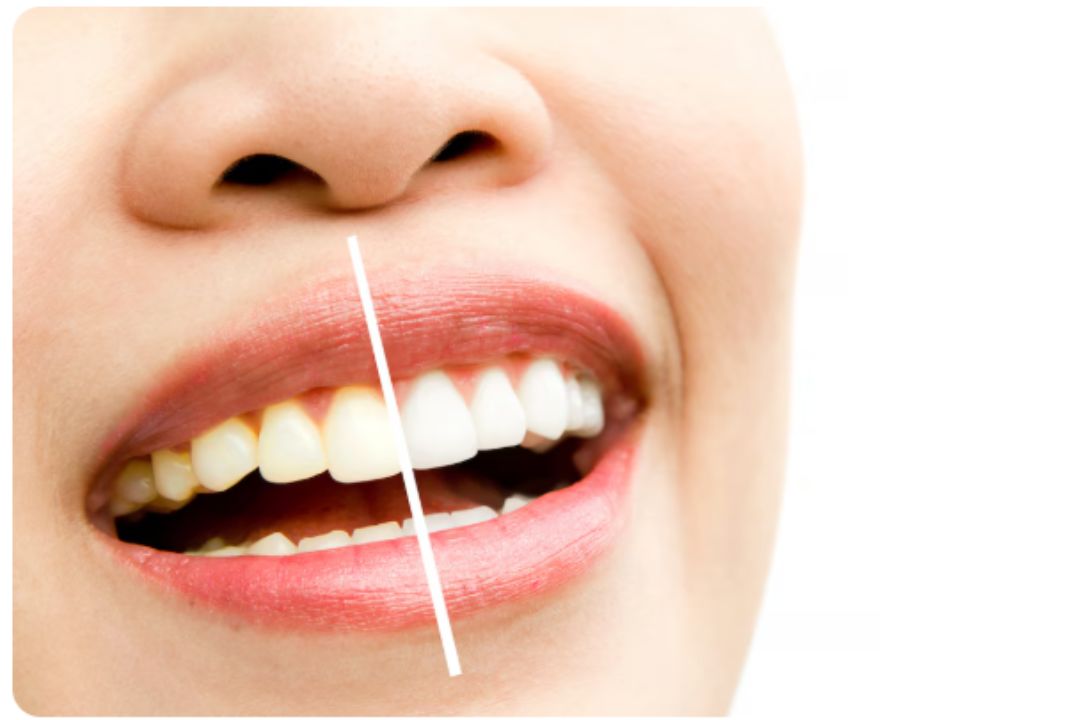
Maintaining good oral hygiene is essential not only for a bright smile but also for overall health. Poor oral care can lead to cavities, gum disease, bad breath, and even serious health conditions such as heart disease and diabetes. The good news? With a few simple daily habits and regular dental checkups, you can keep your teeth and gums healthy for life.
Visit Now: https://www.diagnopein.com/dental-clinic/Pune
In this comprehensive guide, we’ll explore effective tips for oral hygiene that will help you maintain strong teeth, fresh breath, and optimal oral health.
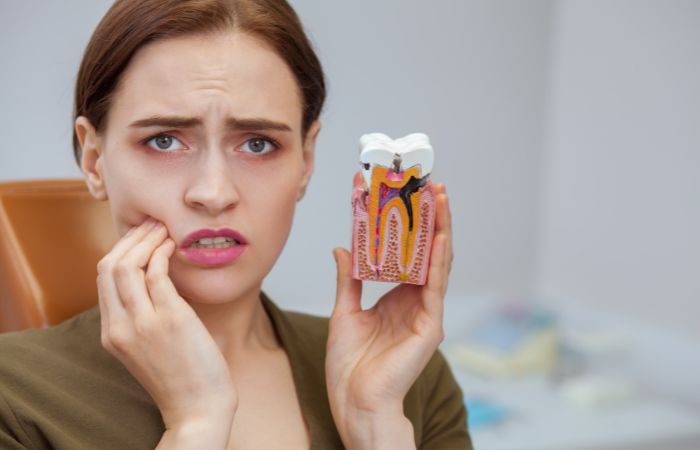
Your mouth is the entry point to your digestive and respiratory systems. When oral hygiene is neglected, bacteria multiply and form plaque, which can cause
Visit Now: https://www.diagnopein.com/dental-clinic/Pune
Tooth decay (cavities)
Gum disease (gingivitis and periodontitis)
Bad breath (halitosis)
Tooth loss
Increased risk of systemic diseases
Good oral hygiene prevents plaque buildup and protects both your teeth and overall health.
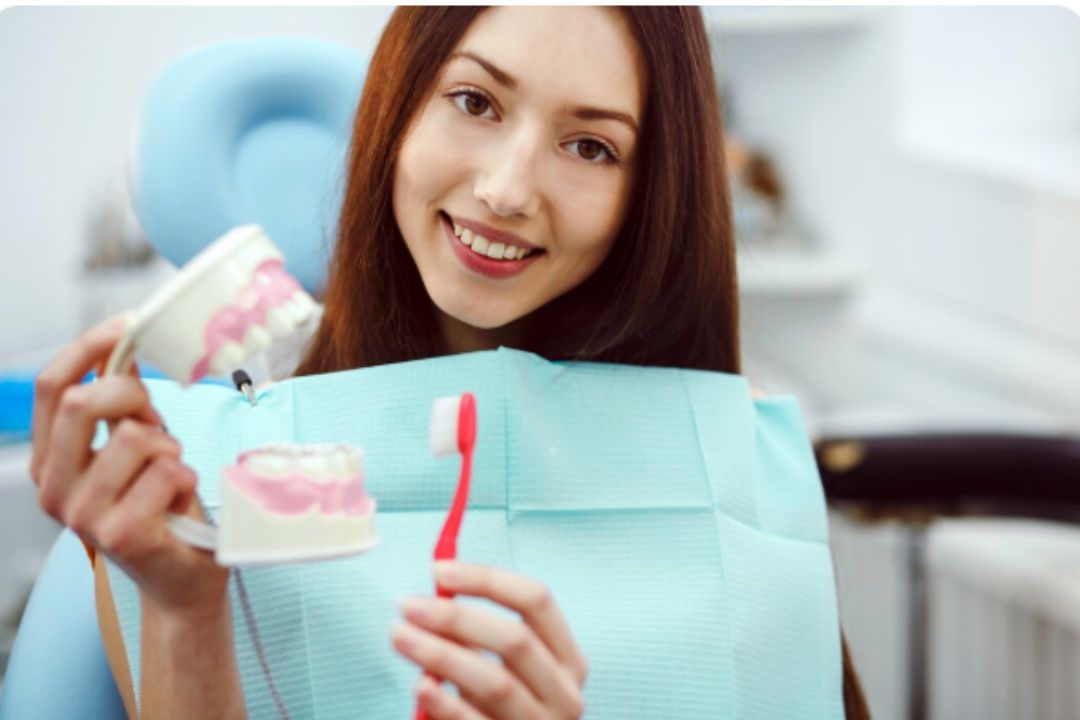
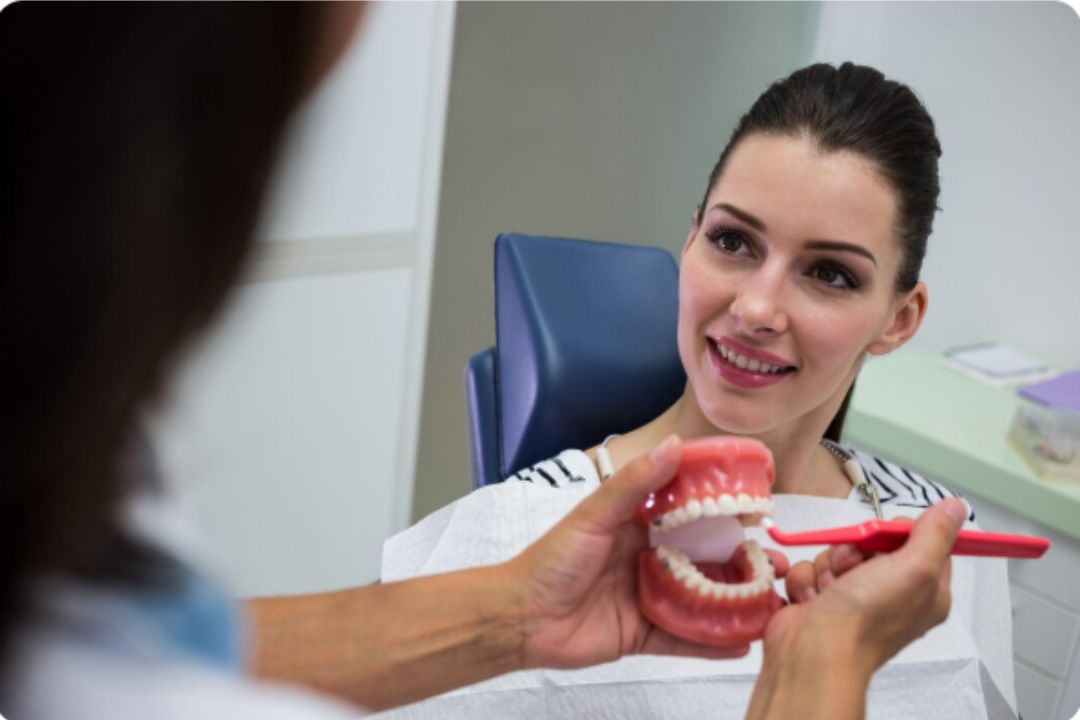
Brushing your teeth is the foundation of oral hygiene. However, many people brush incorrectly.
Brush at least twice daily (morning and before bed)
Use a soft-bristled toothbrush
Hold the brush at a 45-degree angle to your gums
Use gentle circular motions
Brush for at least 2 minutes
Don’t forget your tongue
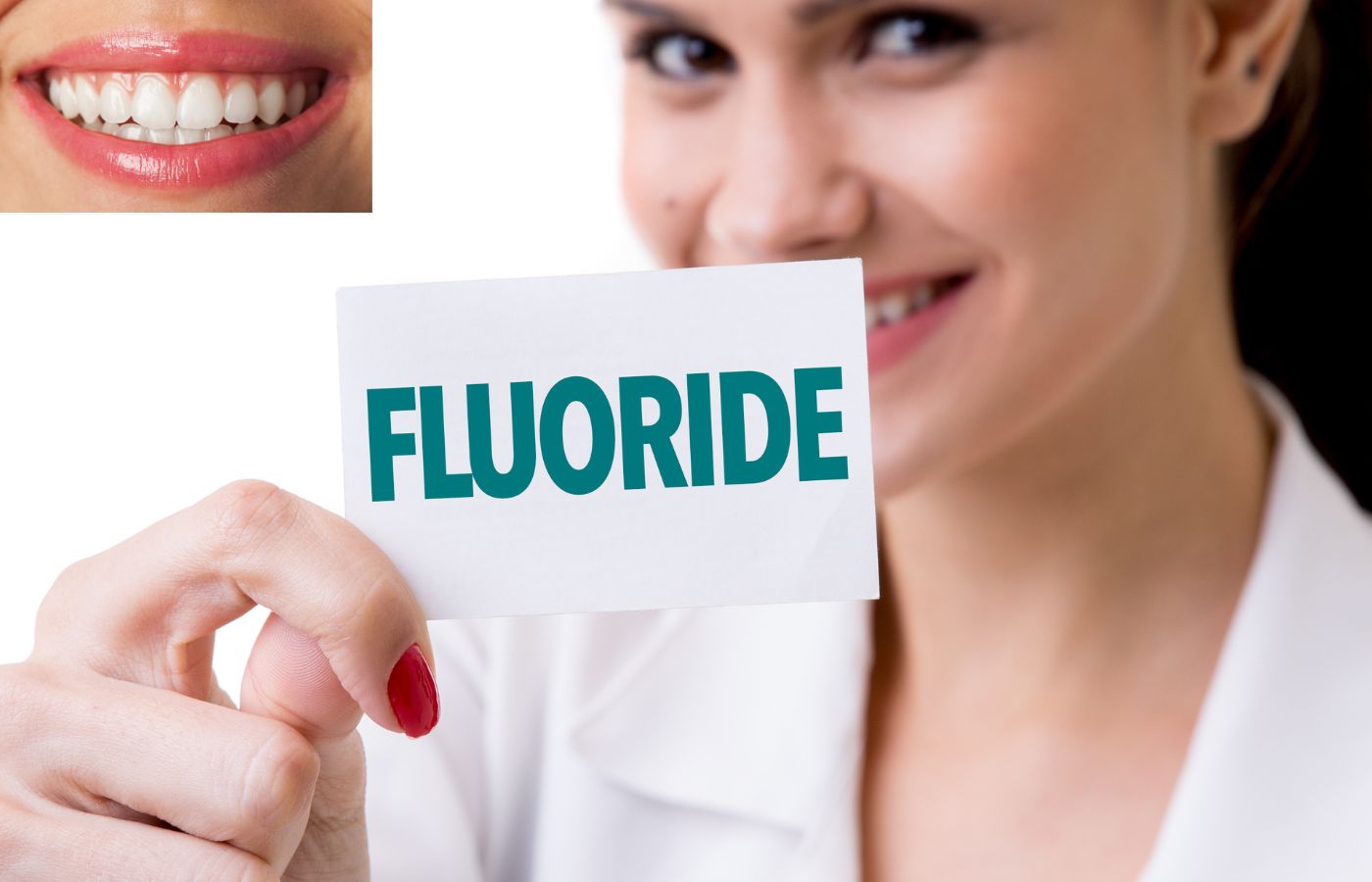
Use fluoride toothpaste. Fluoride strengthens enamel and prevents tooth decay.
Replace your toothbrush every 3–4 months or sooner if bristles are frayed.
Brushing alone removes about 60% of plaque. Flossing removes plaque and food particles from between teeth where your toothbrush can’t reach.
Prevents gum disease
Reduces bad breath
Protects against cavities between teeth
If traditional floss feels difficult, consider:
Floss picks
Water flossers
Interdental brushes
Floss at least once daily, preferably before bedtime.
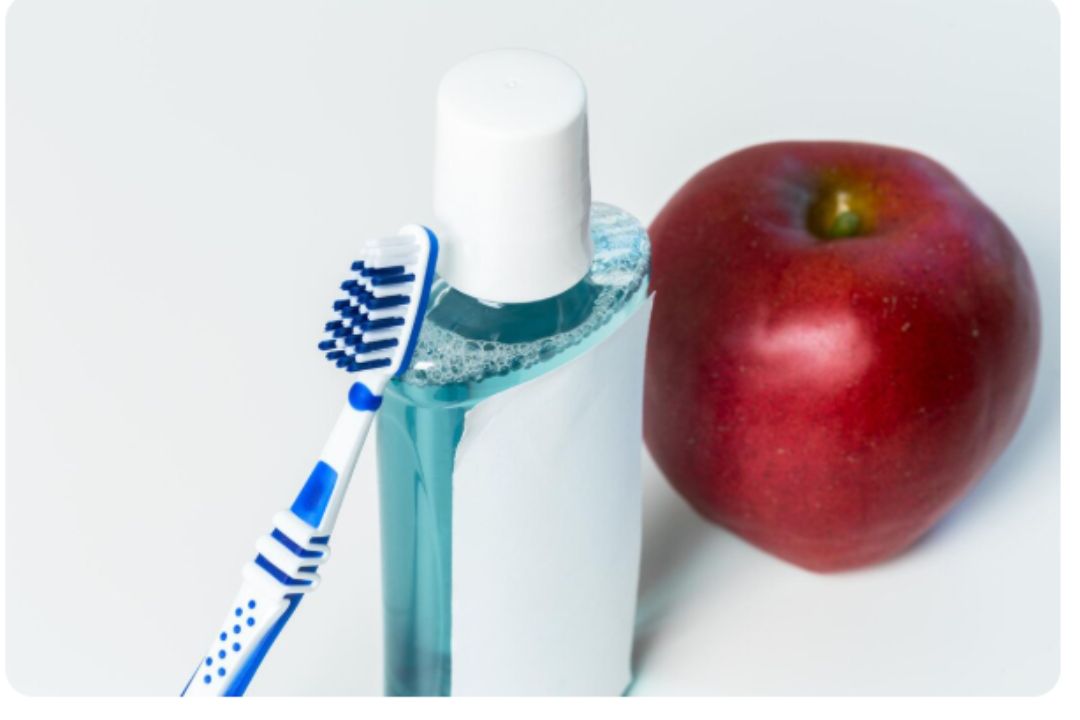
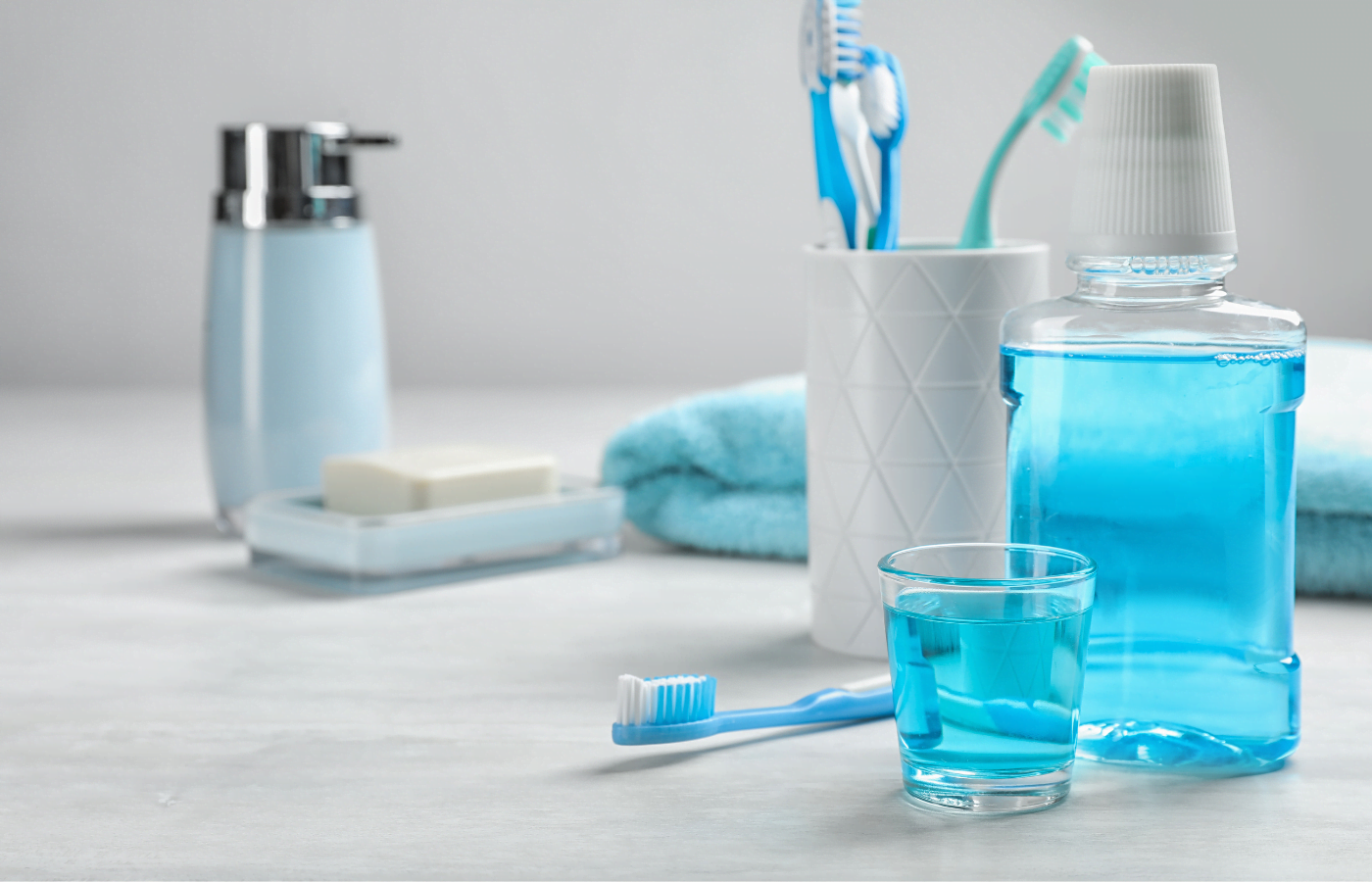
An antibacterial mouthwash helps:
Reduce plaque
Fight gum disease
Freshen breath
Strengthen enamel (if fluoride-based)
Mouthwash should not replace brushing or flossing but can be a helpful addition to your routine.
The tongue harbors bacteria that contribute to bad breath and plaque formation.
Use:
A tongue scraper
Or gently brush your tongue
Cleaning your tongue daily improves overall oral hygiene and breath freshness.
What you eat significantly affects your oral health.
Dairy products (milk, yogurt, cheese)
Leafy green vegetables
Nuts
Apples and crunchy fruits
Carrots
Water
Sugary snacks
Carbonated drinks
Sticky sweets
Processed foods
Excessive tea or coffee
Sugary and acidic foods feed harmful bacteria and erode enamel.
Drinking plenty of water:
Washes away food particles
Dilutes acids
Stimulates saliva production
Saliva is essential because it neutralizes acids and protects teeth from decay.
Smoking and tobacco use increase the risk of:
Gum disease
Oral cancer
Tooth staining
Bad breath
Delayed healing after dental procedures
Quitting tobacco significantly improves oral and overall health.
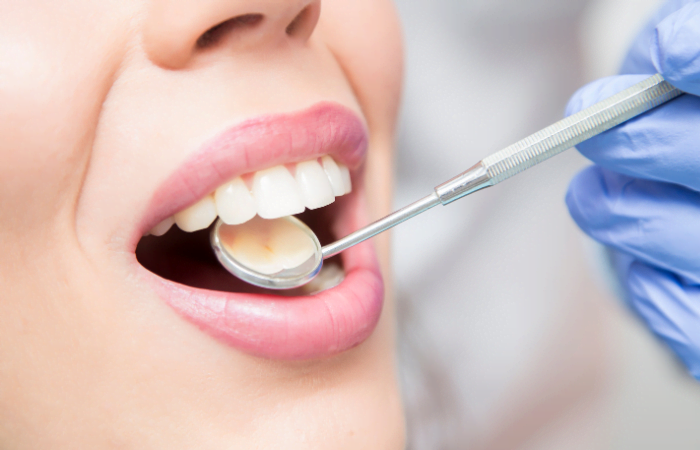
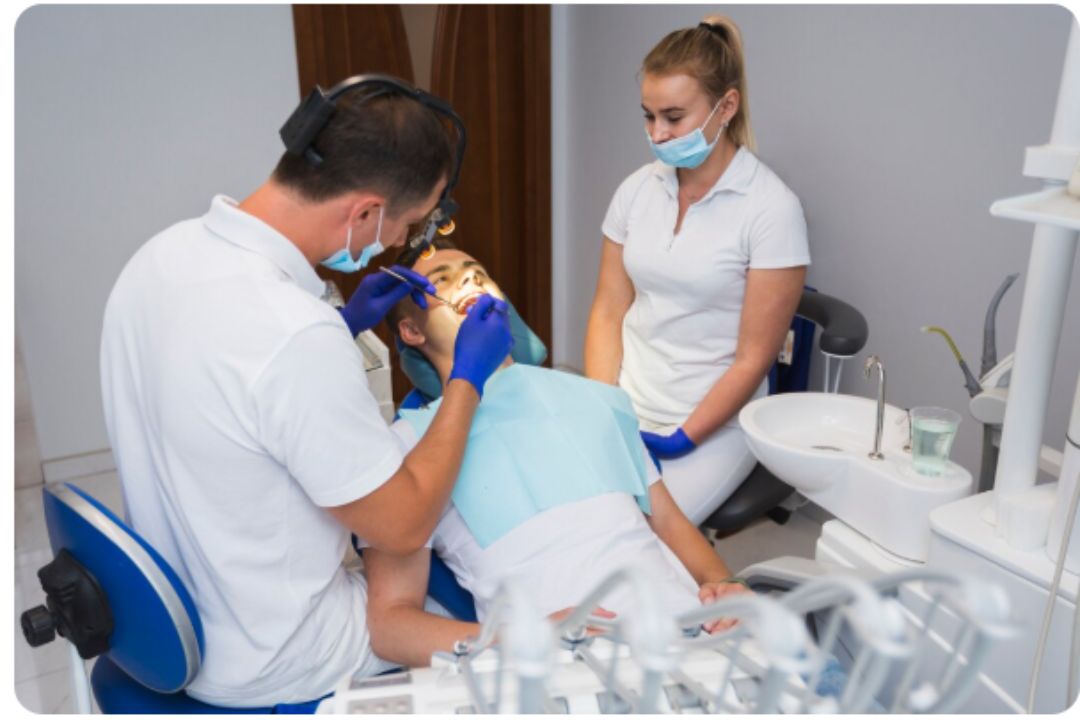
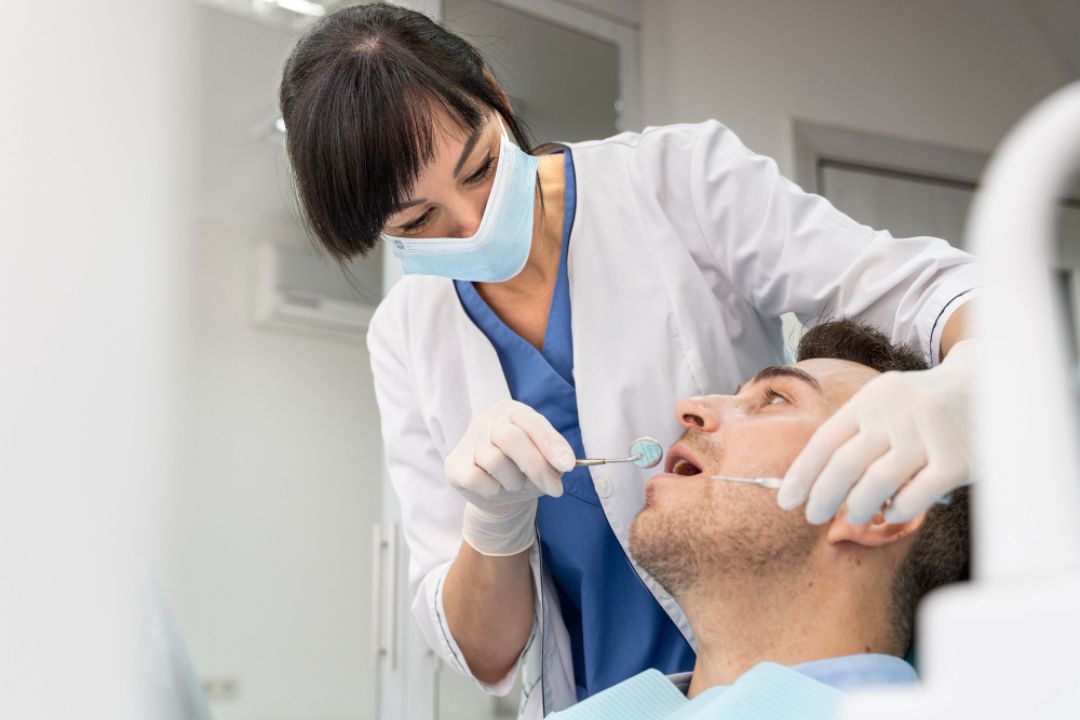
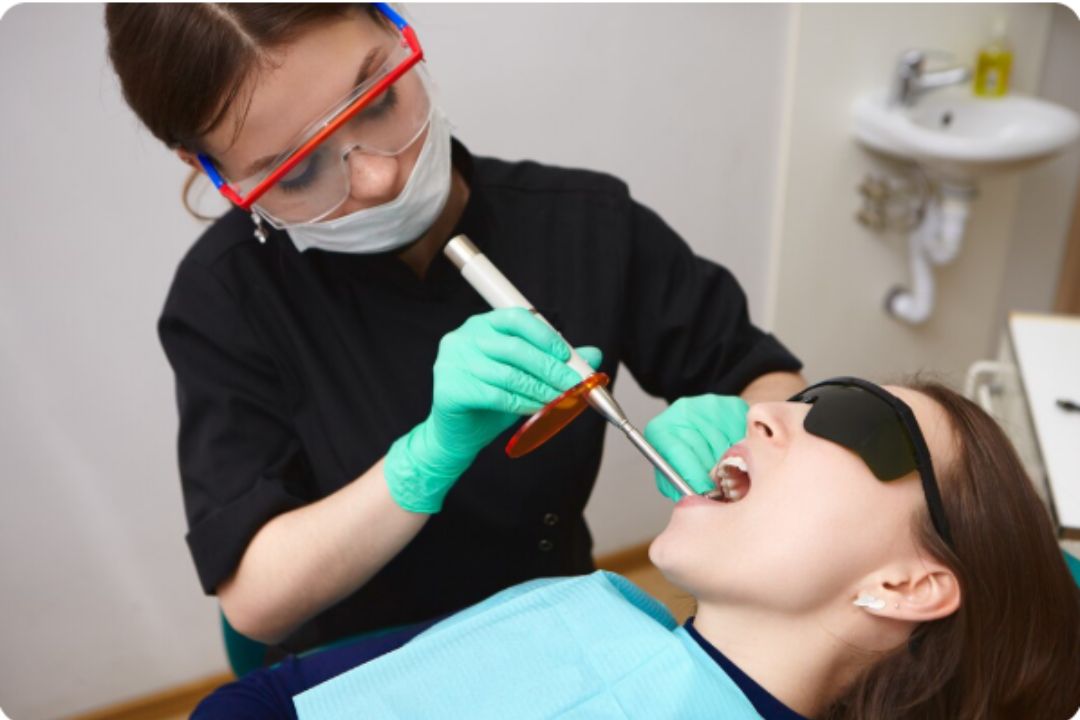
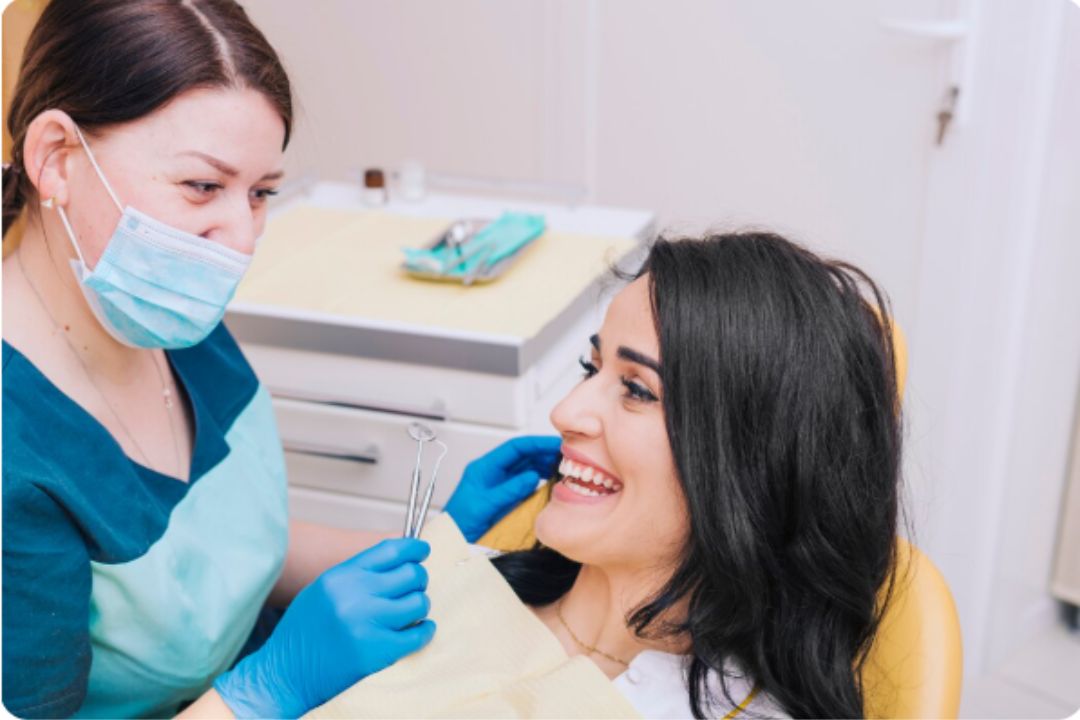
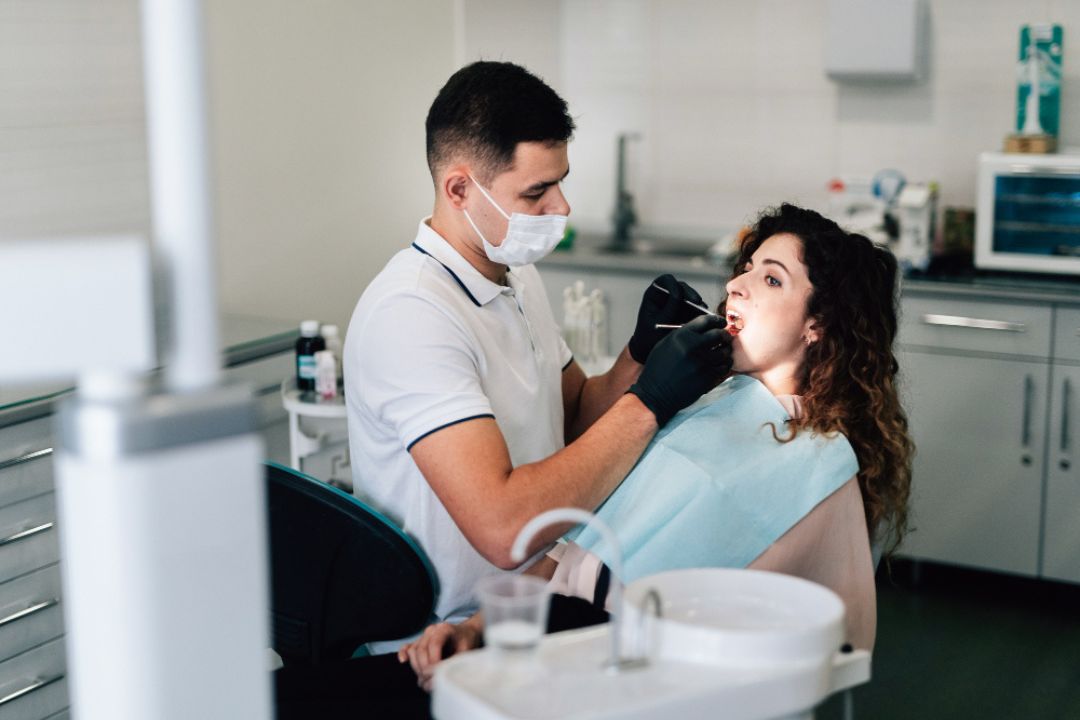
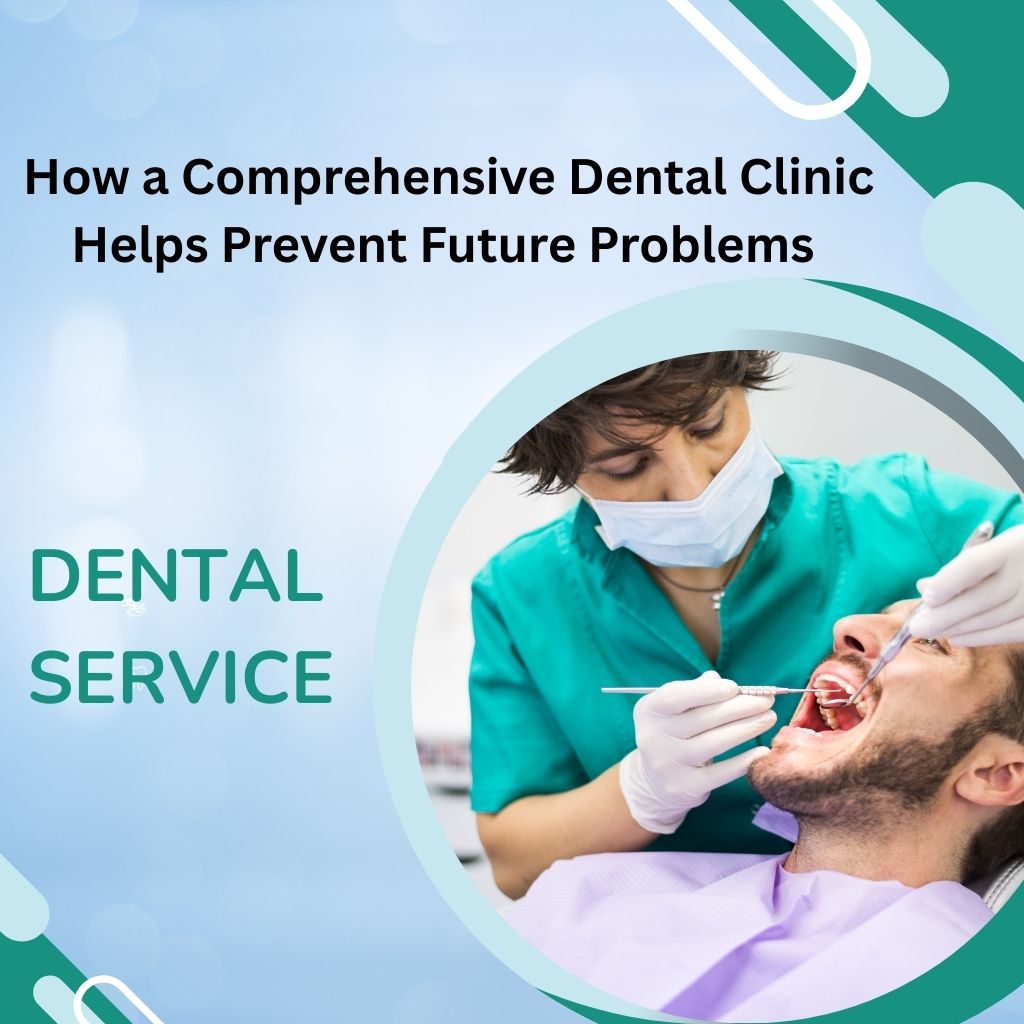
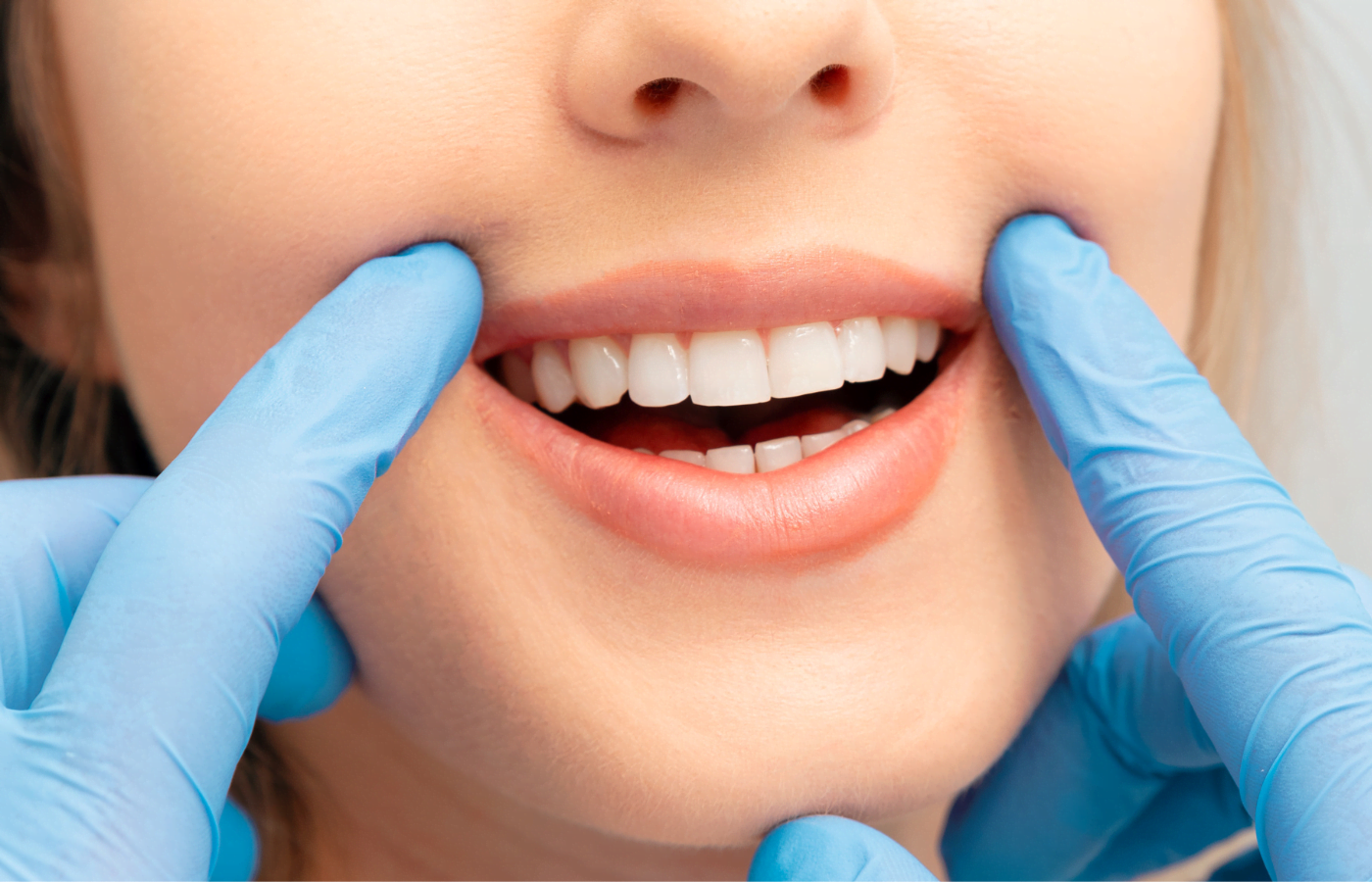
Even if you brush and floss perfectly, professional dental checkups are essential.
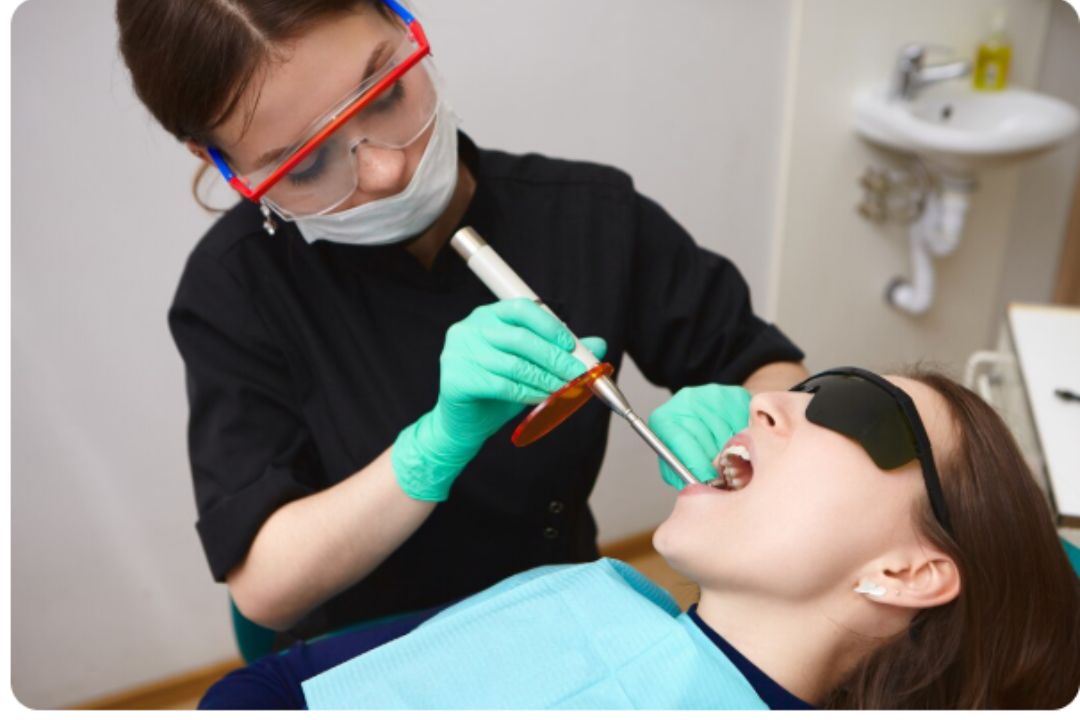
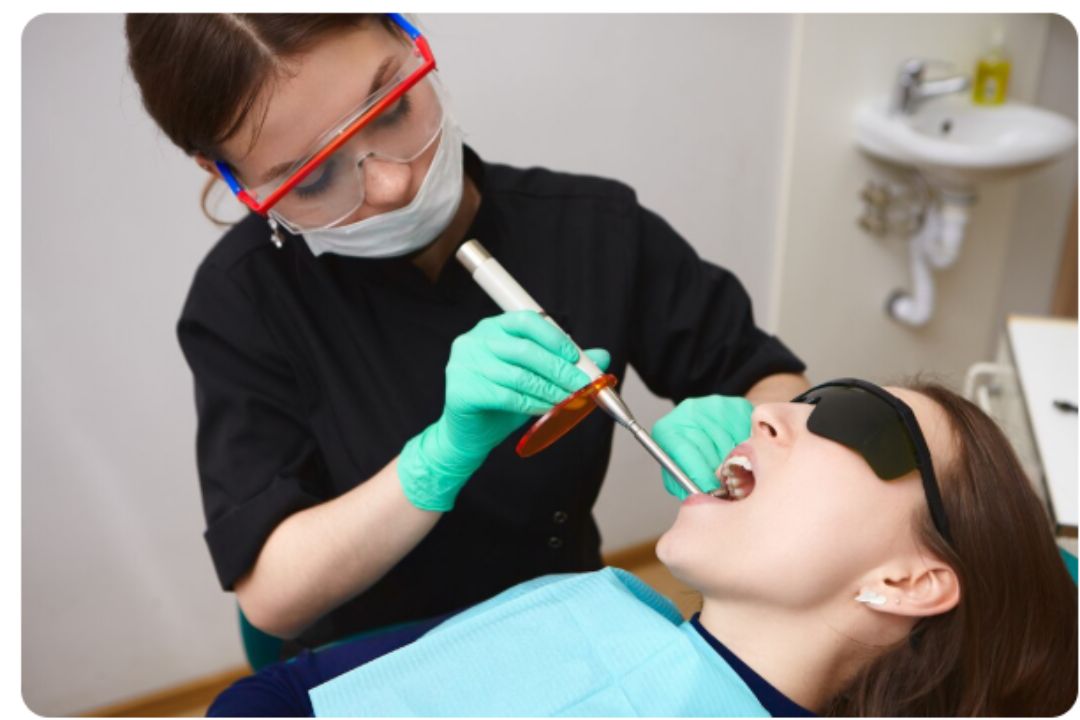
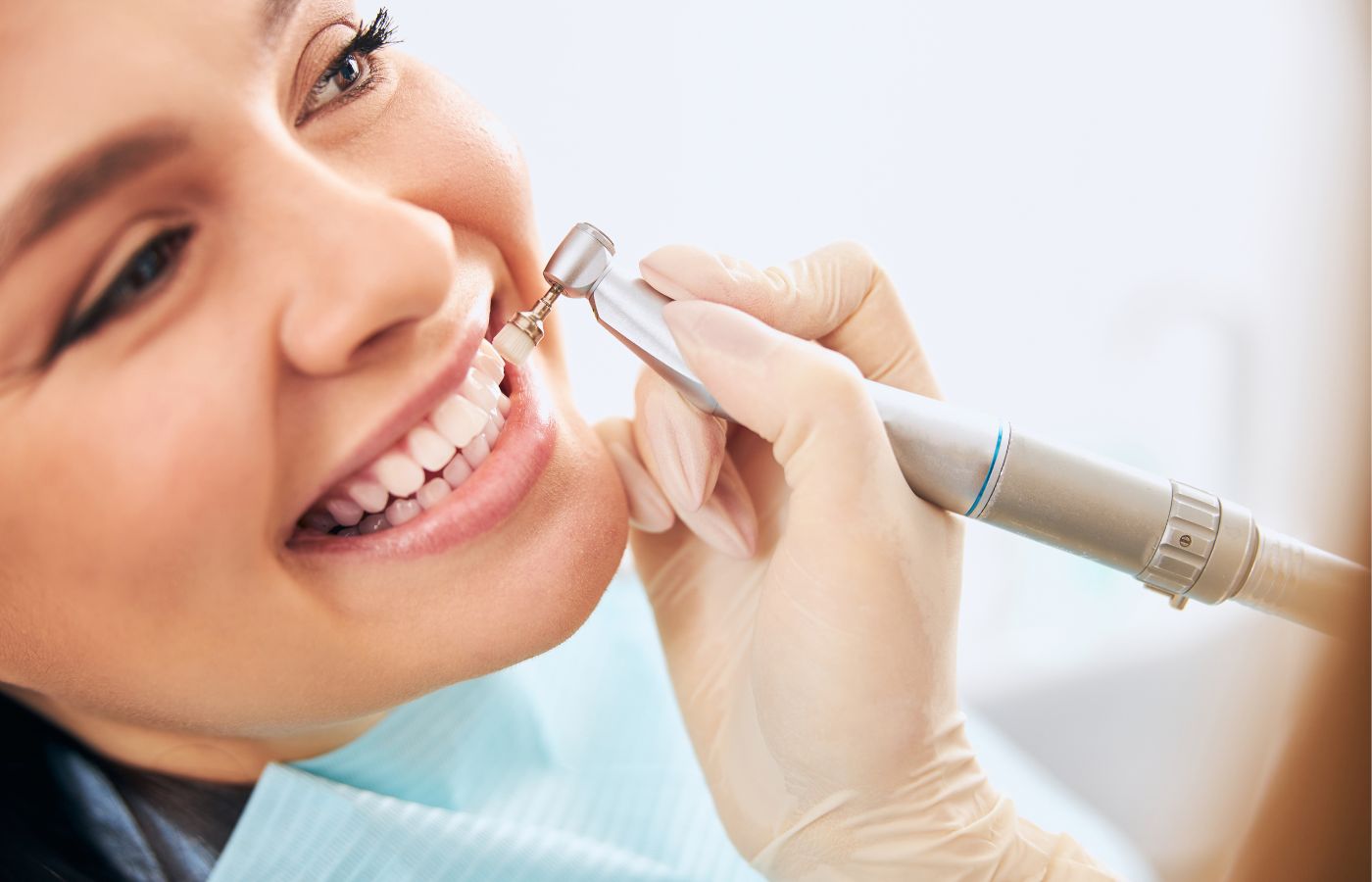
Professional cleaning (scaling) as advised
Regular visits help:
Detect cavities early
Prevent gum disease
Identify oral cancer signs
Remove hardened plaque (tartar)
Early treatment saves money and prevents major dental problems.
If you:
Play sports → Use a mouthguard
Grind teeth at night → Use a night guard
Have sensitive teeth → Use desensitizing toothpaste
Preventive protection helps avoid fractures and enamel damage.
Children should:
Start brushing as soon as the first tooth appears
Use a pea-sized amount of fluoride toothpaste (age 3+)
Avoid sleeping with milk bottles
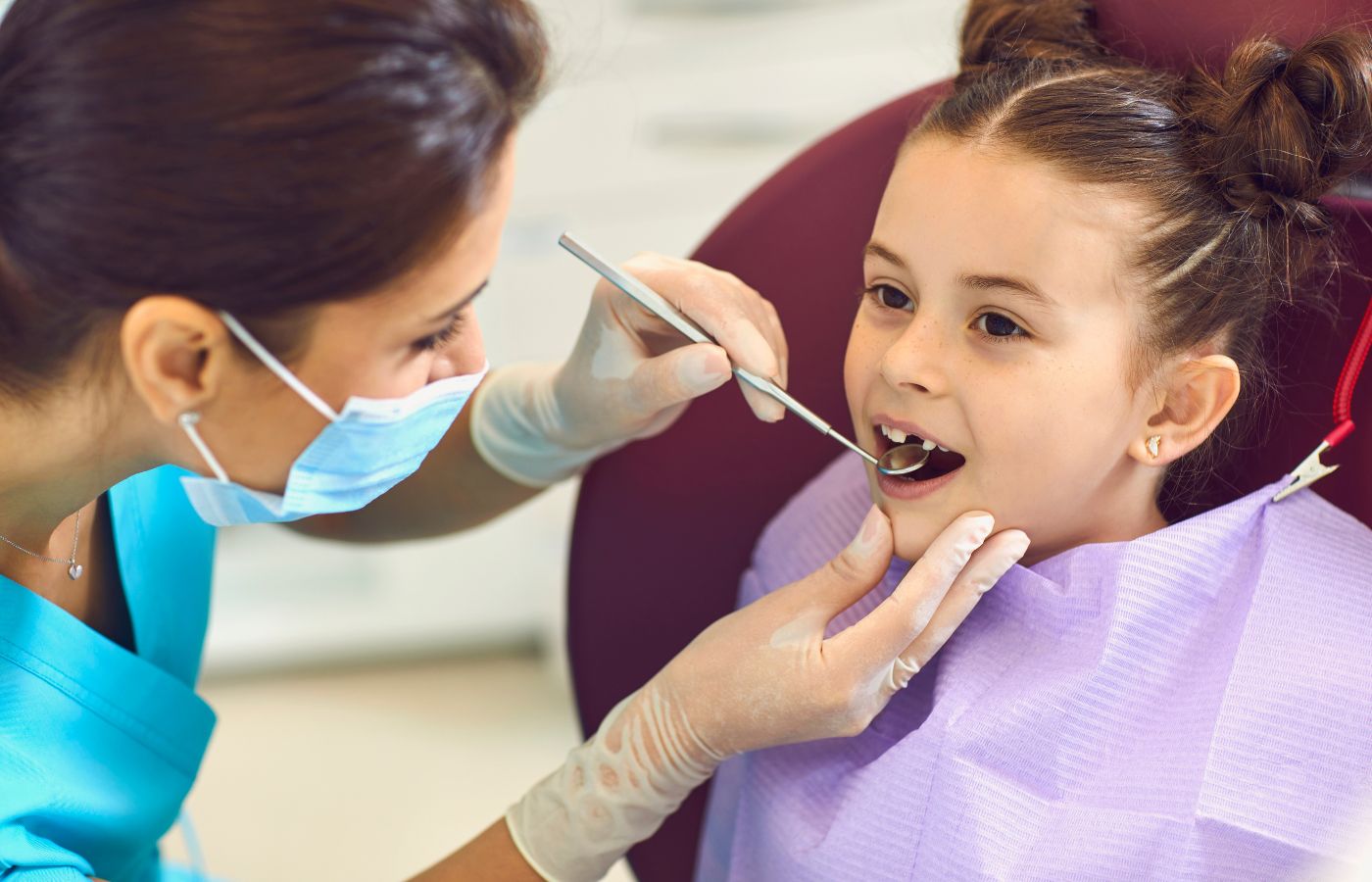
Visit a dentist by age 1
Early oral care prevents future dental complications.
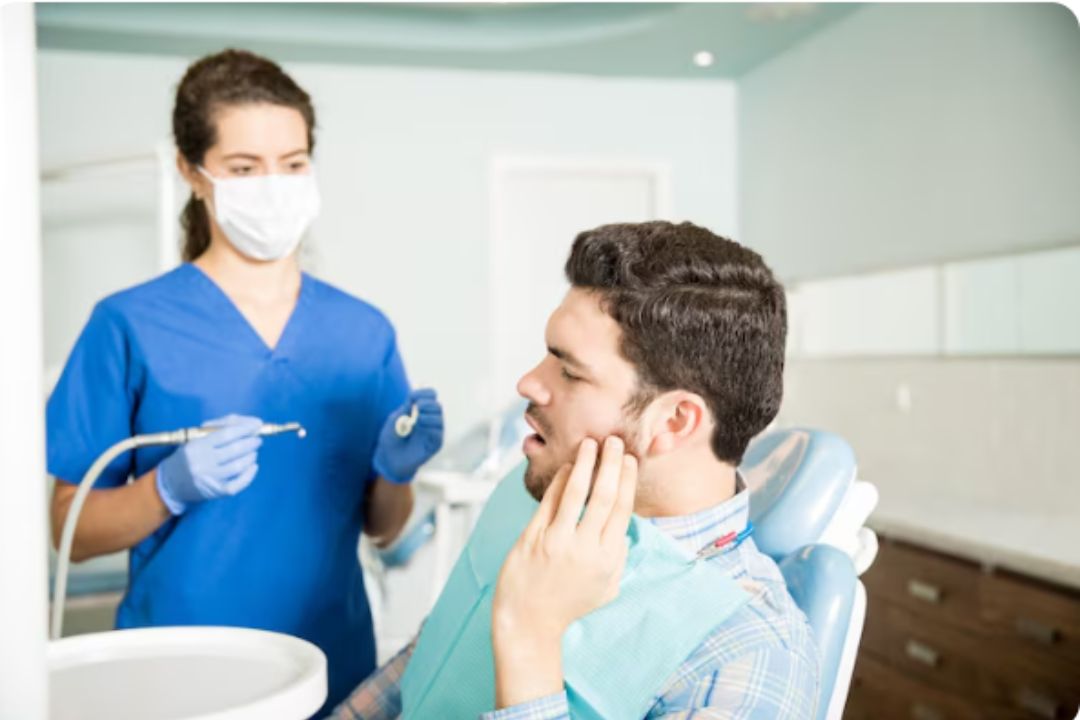
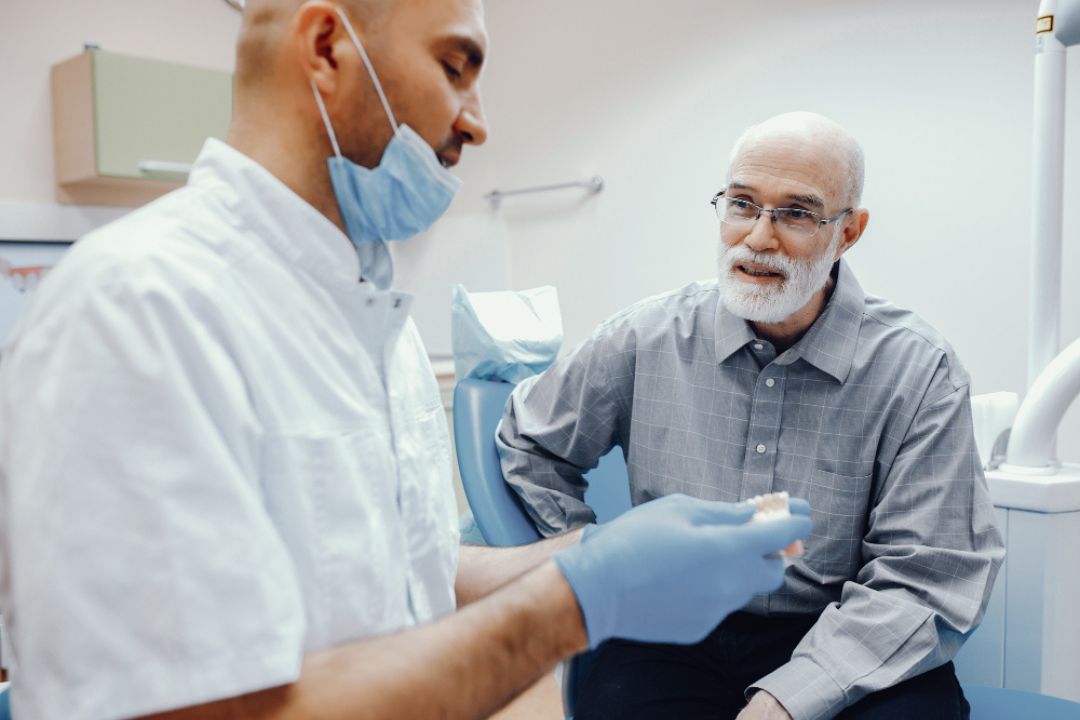
Consult a dentist if you experience:
Bleeding gums
Persistent bad breath
Tooth sensitivity
Loose teeth
Swollen or red gums
Pain while chewing
Ignoring these signs can lead to serious complications.
Brushing too hard
Skipping flossing
Not replacing toothbrush regularly
Using hard-bristled brushes
Rinsing immediately after fluoride toothpaste (wait 30 minutes)
Ignoring dental pain
Correcting these mistakes can drastically improve oral health.
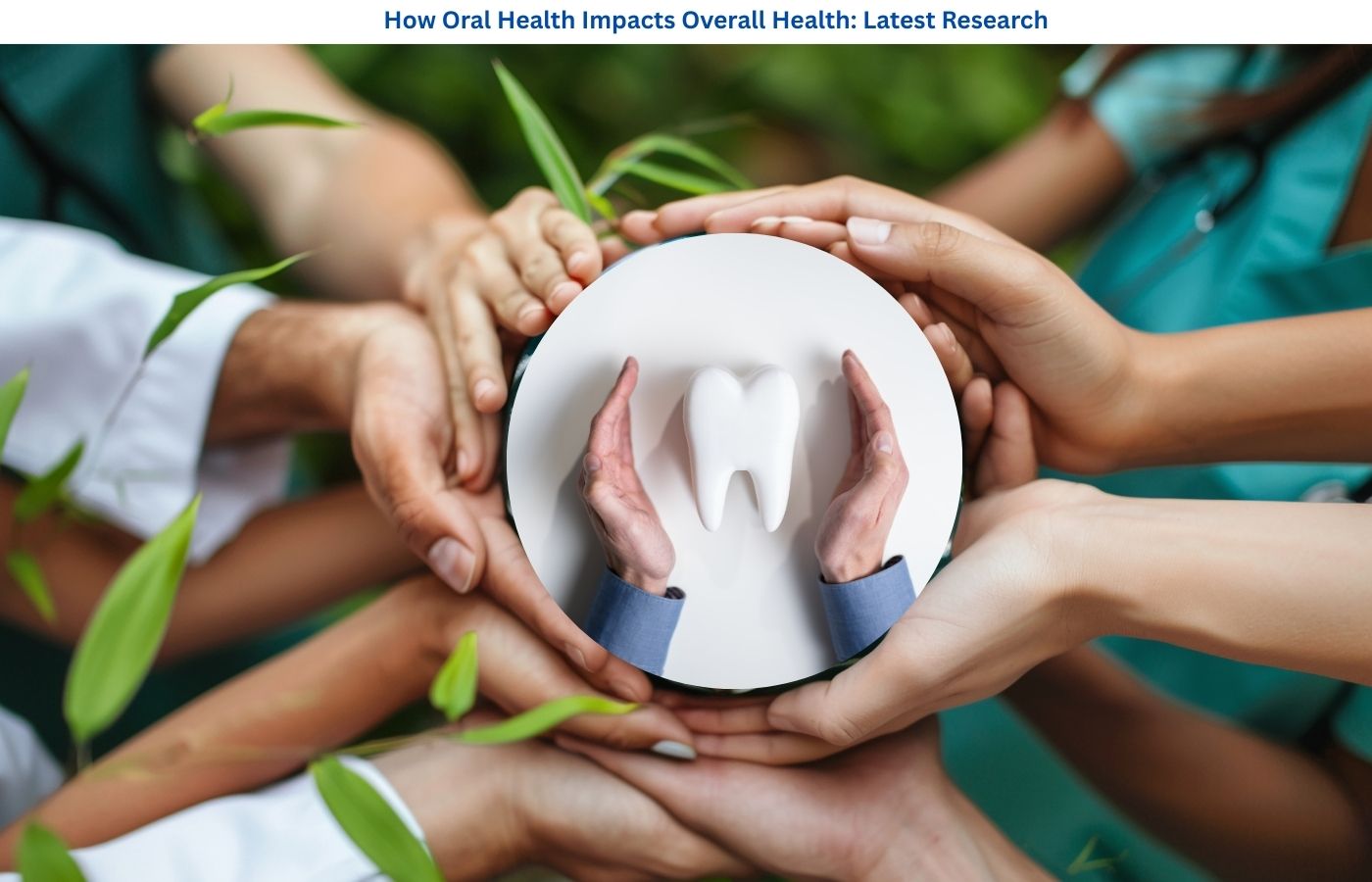
Research shows strong connections between oral health and systemic conditions such as:
Heart disease
Diabetes
Respiratory infections
Pregnancy complications
Maintaining oral hygiene is not just about appearance—it’s about protecting your whole body.
Morning:
? Brush
? Clean tongue
? Rinse
Night:
? Brush thoroughly
? Floss
? Mouthwash
Every 6 Months:
? Dental checkup
? Professional cleaning
Good oral hygiene is a lifelong commitment. With proper brushing, flossing, a balanced diet, and regular dental visits, you can prevent most Dental problems and enjoy a confident smile.
Remember, prevention is always better — and more affordable — than treatment.
If you are experiencing any dental concerns, consult a qualified dental professional for personalized care and guidance.













.jpg "dental checkups once or twice a year what best for your smile in mumbai")
.jpg "dentist approved oral care routine for healthy teeth and gums")
.jpg "top oral health mistakes most people make every day")

.jpg "best dental clinic in mumbai how to choose the right dentist")

.jpg "best oral hygiene habits for gum and tooth protection")





















.jpg "oral health and hygiene")

































.jpg "Impacts Your Dental Health")
.jpg "Oral Health and Mental Health")
.jpg "Dental Care for Seniors")
.jpg "Regular Dental Checkups Are More Important")
 (1).jpg "Oral Health and Systemic Diseases")
.jpg "Oral Healthcare and Major Diseases")

 (1).jpg "Free Dental Visit")




 (1).png "Common Dental problems")