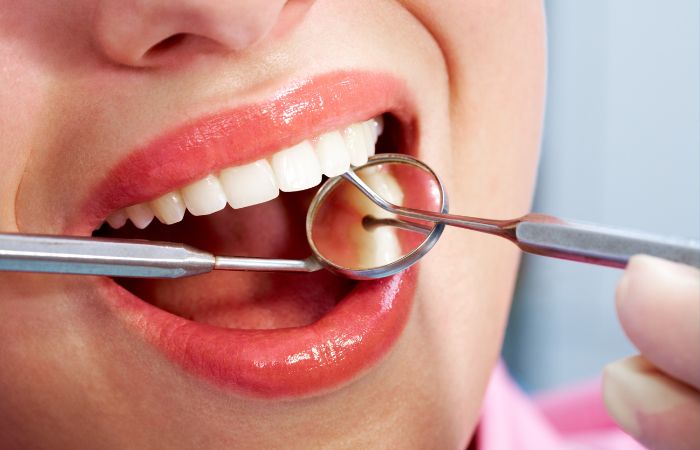
Maintaining oral health hygiene is crucial for overall well-being, and choosing the right toothpaste is a key part of your best oral hygiene routine. With so many options available, the debate between normal (conventional) and Ayurvedic (herbal) toothpastes is more relevant than ever. At Dignopein, we help you make informed decisions about your dental care. Let’s dive into the benefits, comparison, cost, comfort, and why Dignopein is your trusted guide.
Normal toothpaste is the traditional toothpaste most people use daily. It usually contains:
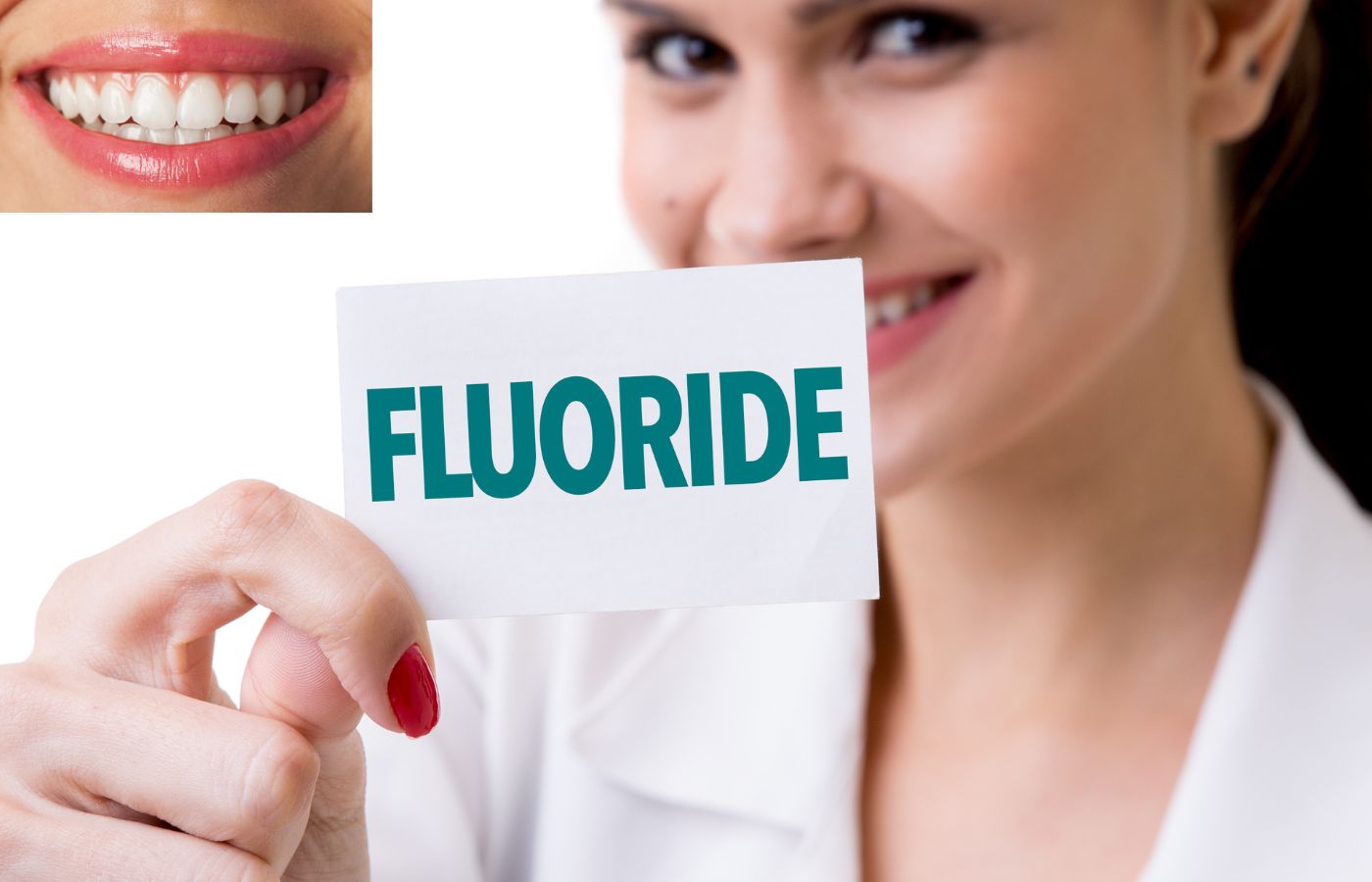
Fluoride for cavity prevention
Abrasives for removing plaque and stains
Flavoring agents for fresh breath
Detergents to create foam
Most normal toothpastes in Mumbai are widely available at local stores and online platforms. They are formulated to clean teeth efficiently and maintain oral hygiene.
Benefits of normal toothpaste include:
Stronger enamel due to fluoride
Effective plaque removal
Protection against tooth decay
Fresh and long-lasting breath
Ayurvedic toothpaste uses natural ingredients like:
Neem
Clove
Tulsi (Basil)
Licorice
Herbal extracts
These ingredients are believed to fight bacteria, reduce gum inflammation, and strengthen teeth naturally. Ayurvedic toothpaste is gaining popularity among people in Mumbai who prefer chemical-free oral care.
Benefits of Ayurvedic toothpaste include:
Natural anti-bacterial action
Gentle on gums
Reduced risk of chemical irritation
Fresh breath with herbal essence
| Feature | Normal Toothpaste | Ayurvedic Toothpaste |
|---|---|---|
| Main Ingredients | Fluoride, abrasives, detergents | Herbal extracts, natural oils |
| Chemical Content | Higher | Lower or none |
| Gum Protection | Moderate | Strong due to herbs |
| Availability | All stores in Mumbai | Specialty stores & online |
| Taste | Minty or flavored | Herbal, mild |
The choice between normal and Ayurvedic toothpaste depends on your needs and preferences.
Use normal toothpaste if you want:
Strong enamel protection
Quick plaque removal
Fluoride benefits
Use Ayurvedic toothpaste if you prefer:
Herbal, chemical-free oral care
Soothing effect on gums
Long-term natural protection
Many dental experts in Mumbai recommend alternating between both for balanced oral care.
Here are some common customer search terms in Mumbai related to toothpaste:
Best Ayurvedic toothpaste in Mumbai
Normal fluoride toothpaste Mumbai
Toothpaste for sensitive teeth Mumbai
Herbal toothpaste for gum care Mumbai
Ayurvedic vs normal toothpaste benefits Mumbai
Affordable toothpaste in Mumbai
Natural toothpaste for cavities Mumbai
Including these keywords in your daily search ensures you find the best options available in the city.
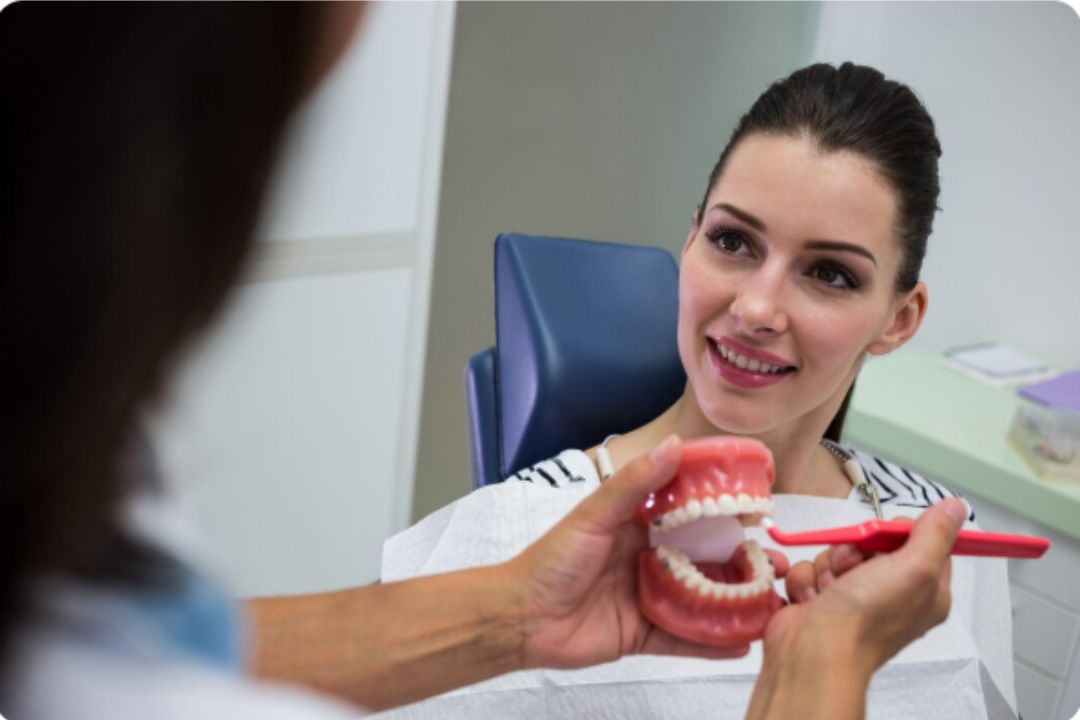
Regardless of normal or Ayurvedic toothpaste, proper brushing techniques are essential:
Use a soft-bristled toothbrush
Brush twice daily for 2 minutes
Use pea-sized toothpaste
Brush all surfaces of teeth and tongue
Replace toothbrush every 3 months
In Mumbai, many patients combine Ayurvedic toothpaste with fluoride-based normal toothpaste to maximize benefits.
Dentists in Mumbai often advise:
Use normal toothpaste if you have high cavity risk
Use Ayurvedic toothpaste if your gums are sensitive
Combine both for a balanced approach
Always brush correctly and floss regularly
Customer feedback in Mumbai shows increasing preference for Ayurvedic options, especially among those seeking chemical-free oral care.
Choosing between normal and Ayurvedic toothpaste depends on your oral health needs, lifestyle, and preferences. In Mumbai, both options are easily available and provide significant benefits.
Normal toothpaste is best for cavity prevention and strong enamel, while Ayurvedic toothpaste offers natural gum protection and chemical-free care. Combining both can give you the best of both worlds.
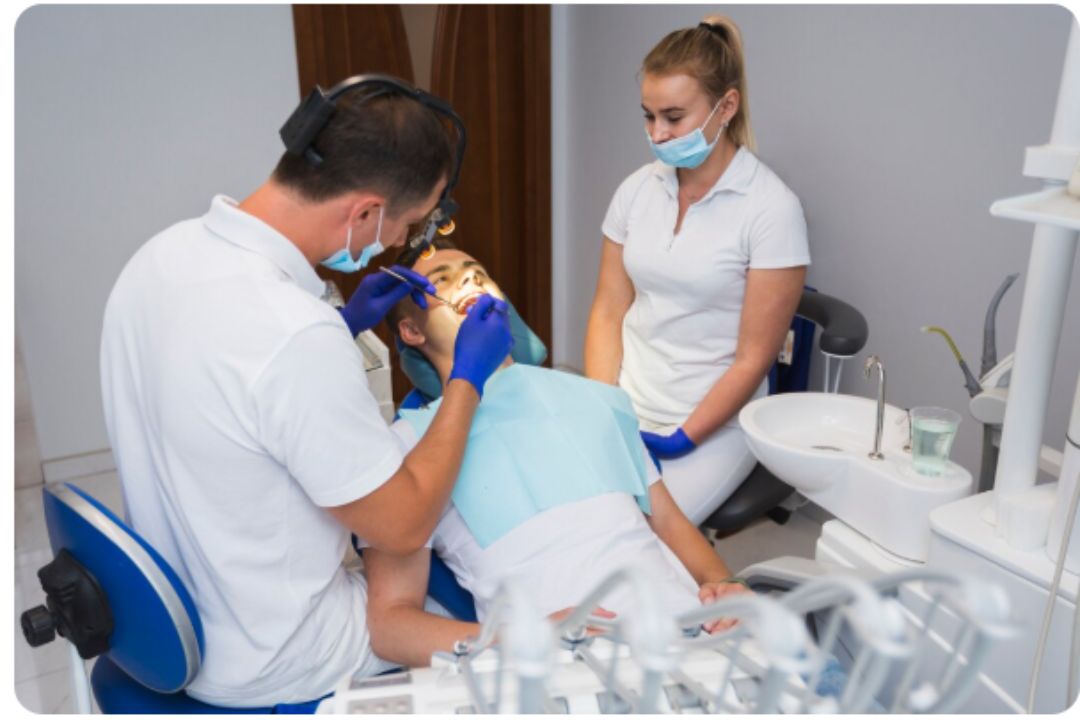
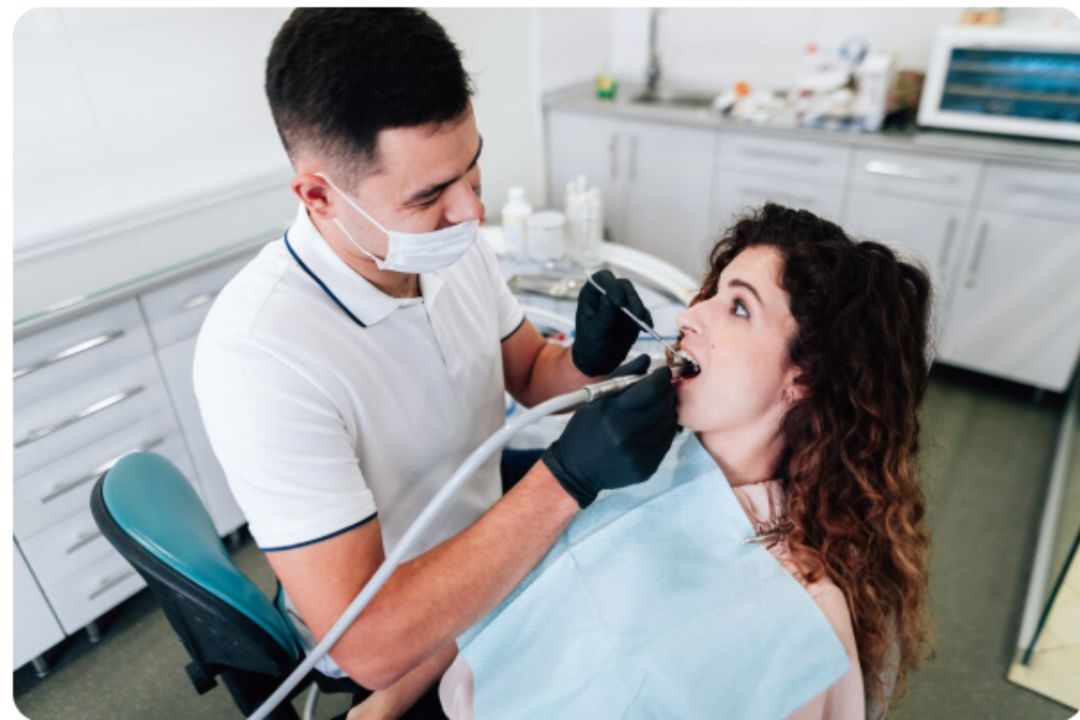
For those in Mumbai, it is advisable to consult a dentist to choose the most suitable toothpaste for long-term oral health. Proper brushing, flossing, and regular dental checkups remain essential regardless of the type of toothpaste you use.













.jpg "dental checkups once or twice a year what best for your smile in mumbai")
.jpg "dentist approved oral care routine for healthy teeth and gums")
.jpg "top oral health mistakes most people make every day")

.jpg "best dental clinic in mumbai how to choose the right dentist")

.jpg "best oral hygiene habits for gum and tooth protection")


























.jpg "oral health and hygiene")









































.jpg "Impacts Your Dental Health")
.jpg "Oral Health and Mental Health")
.jpg "Dental Care for Seniors")
.jpg "Regular Dental Checkups Are More Important")
 (1).jpg "Oral Health and Systemic Diseases")
.jpg "Oral Healthcare and Major Diseases")


 (1).jpg "Free Dental Visit")







 (1).png "Common Dental problems")