Asthma is a chronic respiratory condition that affects millions of people worldwide. While most people focus on breathing problems, asthma can also have a significant impact on oral health. The condition itself, along with asthma medications, may increase the risk of several dental issues.
Visit Now: https://www.diagnopein.com/dental-clinic/Mumbai
Understanding this connection helps you take better care of both your lungs and your smile.
Asthma is a long-term condition that causes inflammation and narrowing of the airways. This makes breathing difficult and can lead to symptoms such as wheezing, coughing, chest tightness, and shortness of breath.
Many asthma patients regularly use inhalers or other medications to control symptoms. These treatments are essential but may affect oral health if proper care is not taken.
Asthma can influence oral health in several ways. Both the disease and its treatment contribute to dental problems.
Many asthma medications can reduce saliva production. Saliva plays an important role in washing away food particles and neutralizing acids.
When saliva flow decreases, the mouth becomes dry, creating a favorable environment for bacteria growth.
Asthma patients often breathe through the mouth, especially during sleep or asthma attacks. Mouth breathing dries out oral tissues and increases the risk of dental problems.
Frequent use of inhalers, especially steroid inhalers, may change the oral environment. If the mouth is not rinsed after use, medication residue can remain in the mouth.
People with asthma may face several oral health issues.
Dry mouth is one of the most common problems. It can cause:
Bad breath
Difficulty swallowing
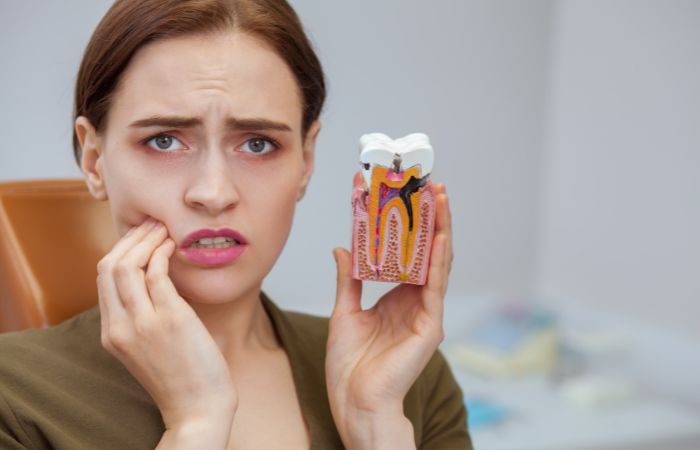
Increased tooth decay risk
Reduced saliva and medication residue can increase cavity risk. Bacteria thrive more easily in a dry mouth environment.
Asthma patients may have a higher chance of developing gingivitis and periodontitis, especially if oral hygiene is poor.
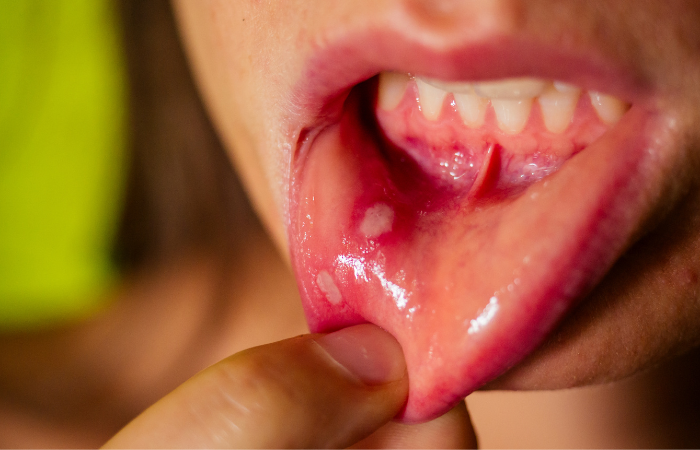
Steroid inhalers can sometimes lead to fungal infection in the mouth called oral thrush. It appears as white patches inside the mouth.
Some asthma medications are acidic and may gradually wear down tooth enamel.
Watch for these symptoms if you have asthma:
Persistent dry mouth
Bleeding gums
Tooth sensitivity
White patches in the mouth
Frequent bad breath
If you notice any of these, consult a dentist promptly.
Good oral care can significantly reduce risks.
Book More: https://www.diagnopein.com/dental-clinic/Mumbai
Always rinse your mouth with plain water after using your inhaler. This simple step removes medicine residue.
Drink plenty of water throughout the day to combat dry mouth.
Follow a strict routine:
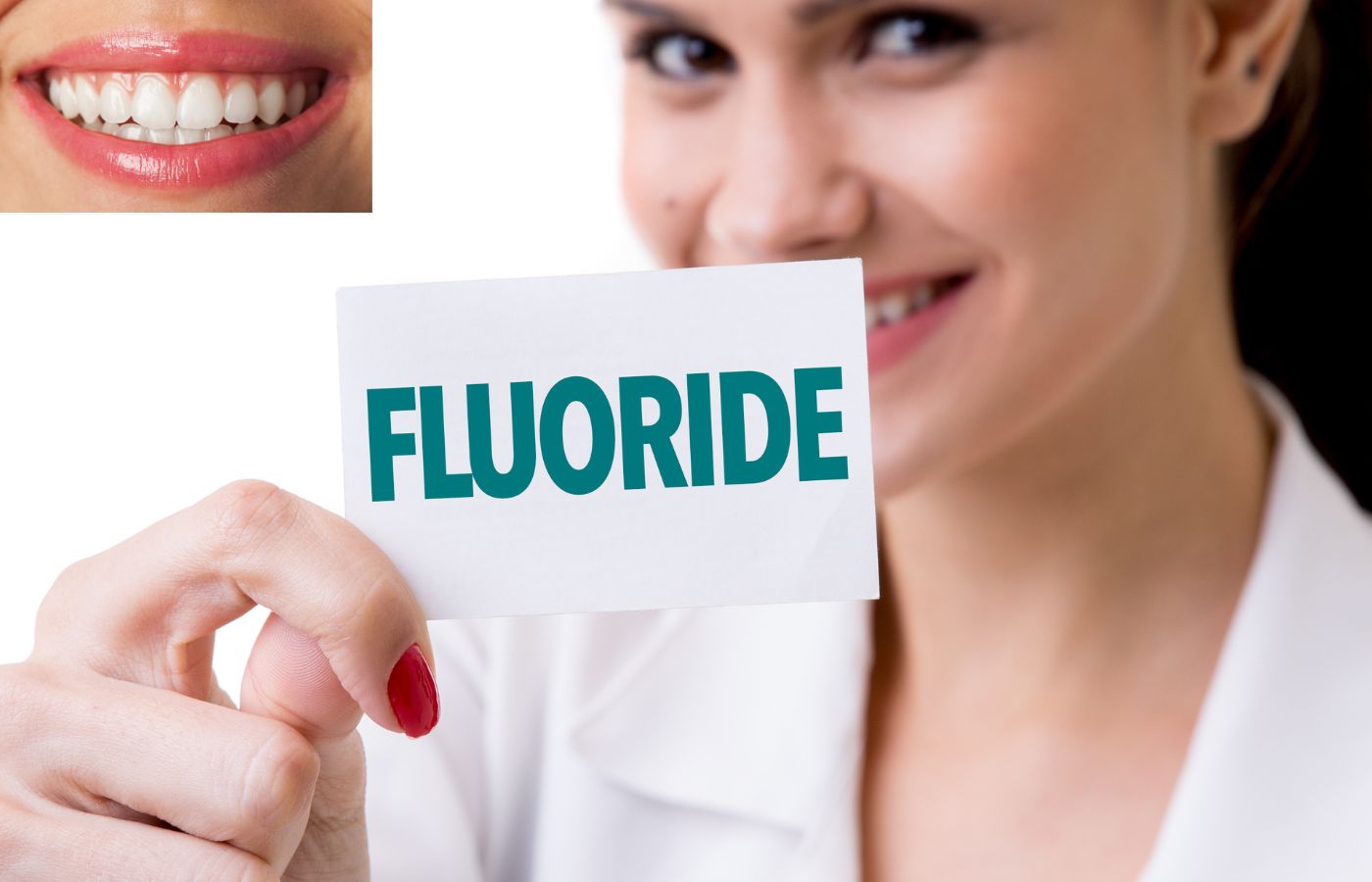
Brush twice daily with fluoride toothpaste
Floss once daily
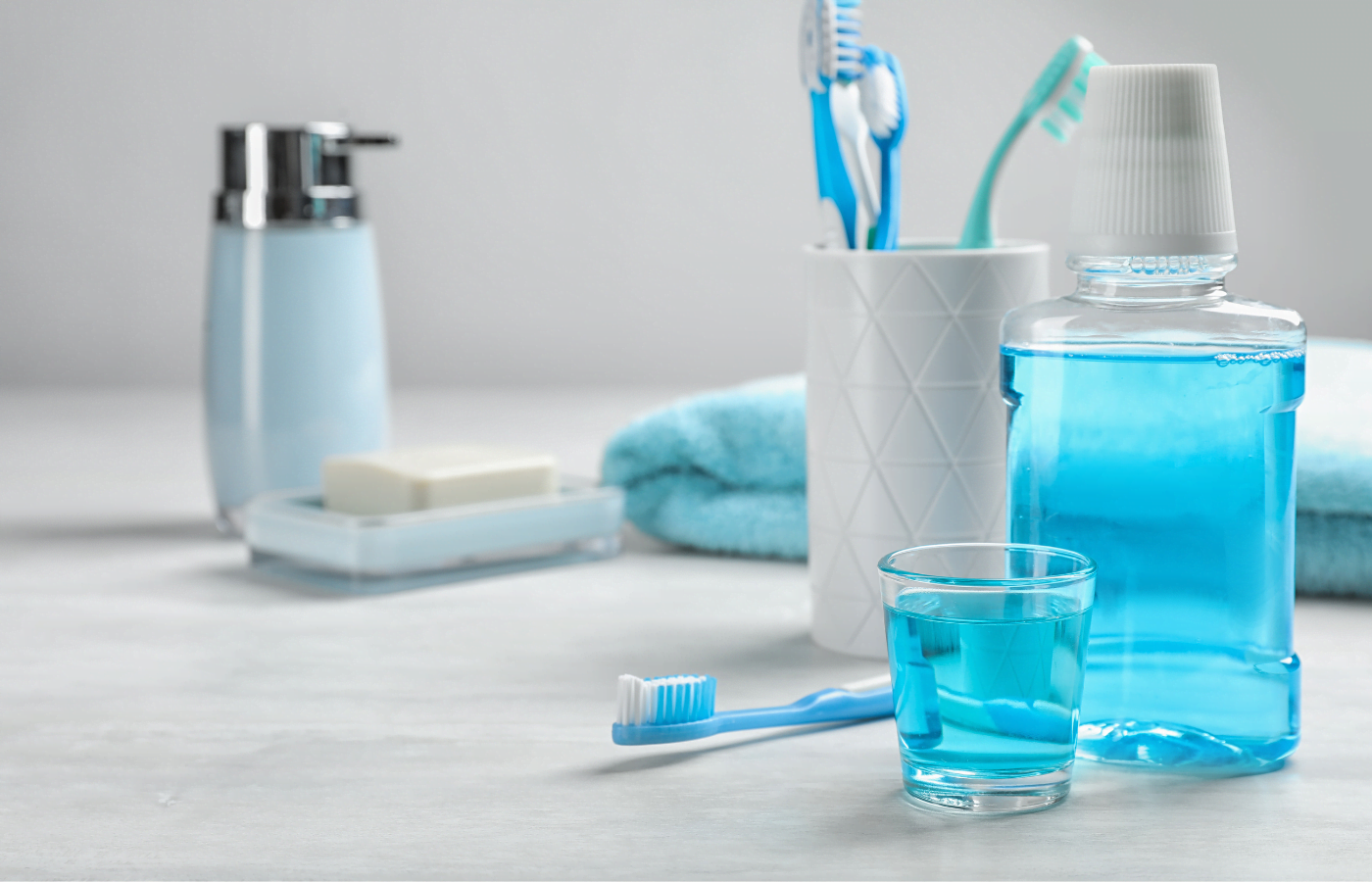
Use an alcohol-free mouthwash if recommended
If advised by your doctor, use a spacer device with inhalers. It reduces medicine deposition in the mouth.
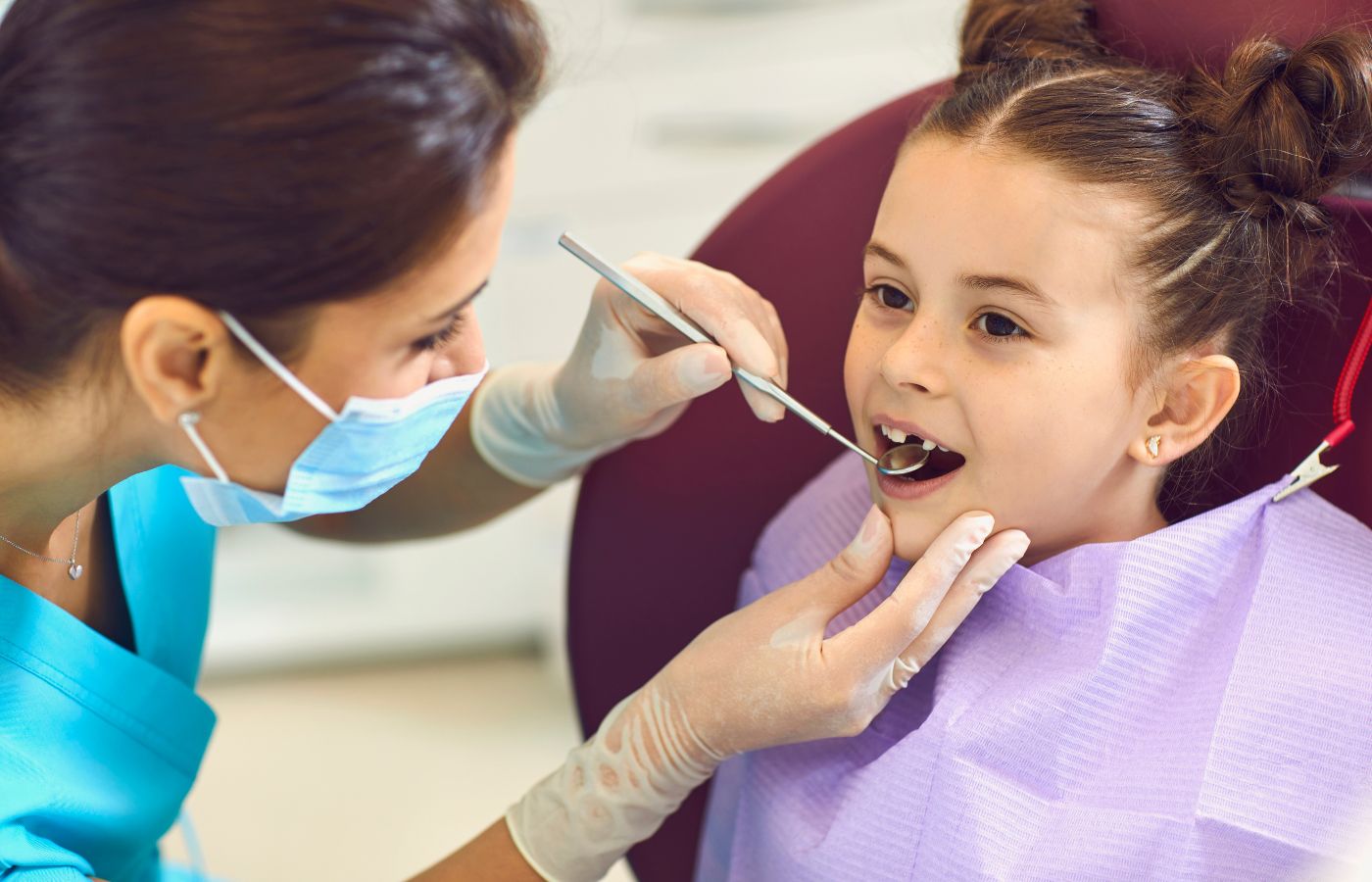
Visit your dentist every six months or as advised. Early detection prevents serious complications.
You should see a dentist if:
You frequently experience dry mouth
You notice gum bleeding
You develop mouth infections
You have recurring cavities
Regular dental visits are essential for asthma patients to maintain long-term oral health.
Asthma is primarily a respiratory condition, but its effects can extend to oral health. Dry mouth, tooth decay, gum disease, and oral infections are common risks. The good news is that with proper oral hygiene, regular dental visits, and simple habits like rinsing after inhaler use, these problems can be prevented.
Taking a proactive approach will help you protect both your breathing health and your smile.












.jpg "dental checkups once or twice a year what best for your smile in mumbai")
.jpg "dentist approved oral care routine for healthy teeth and gums")
.jpg "top oral health mistakes most people make every day")
.jpg "best dental clinic in mumbai how to choose the right dentist")

.jpg "best oral hygiene habits for gum and tooth protection")



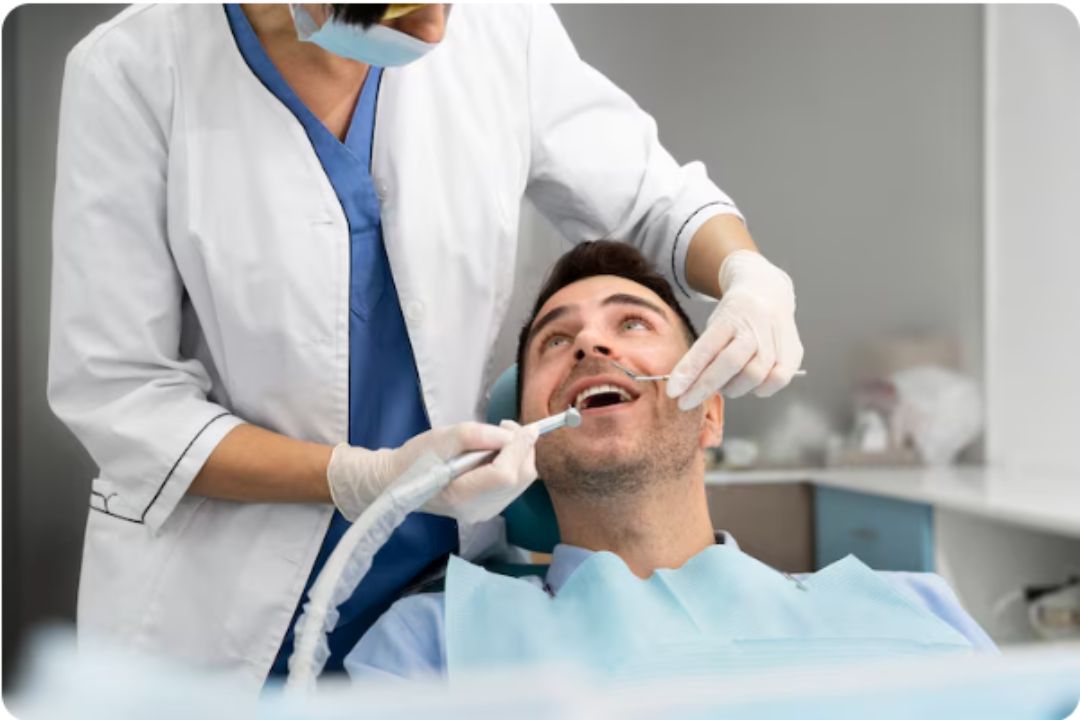
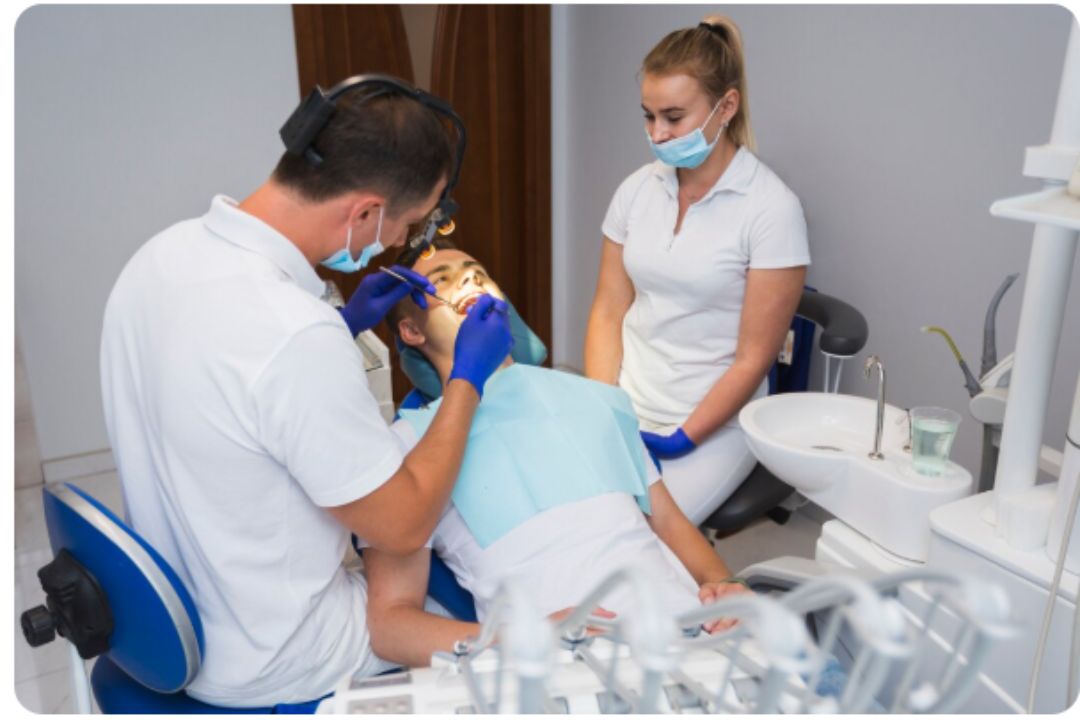







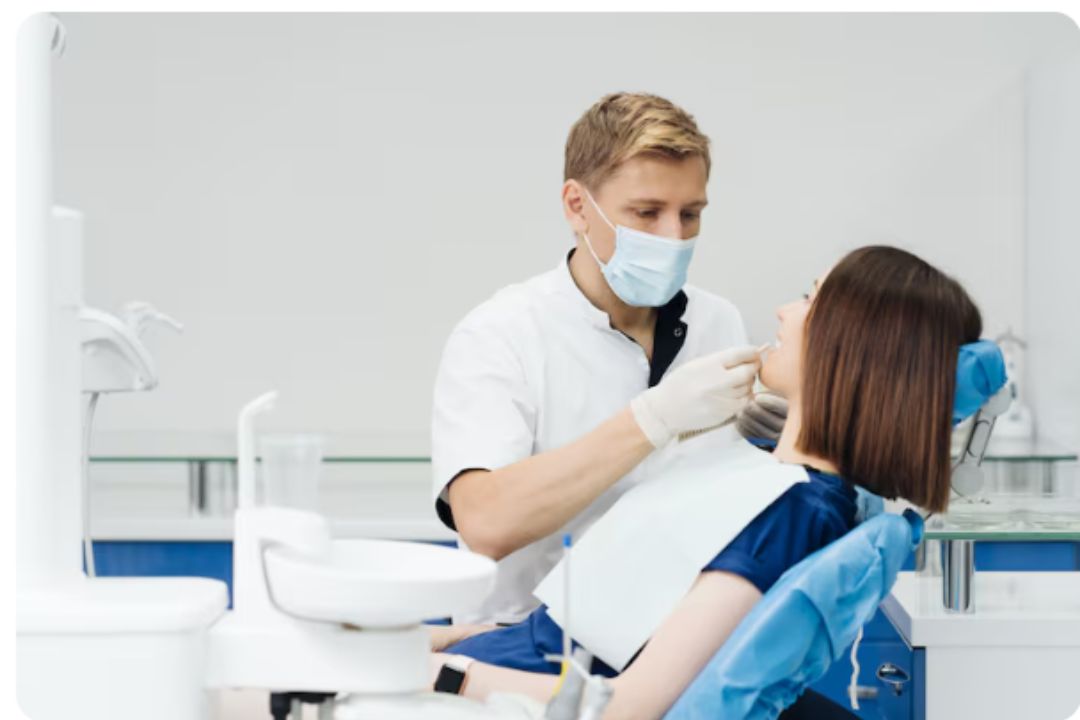
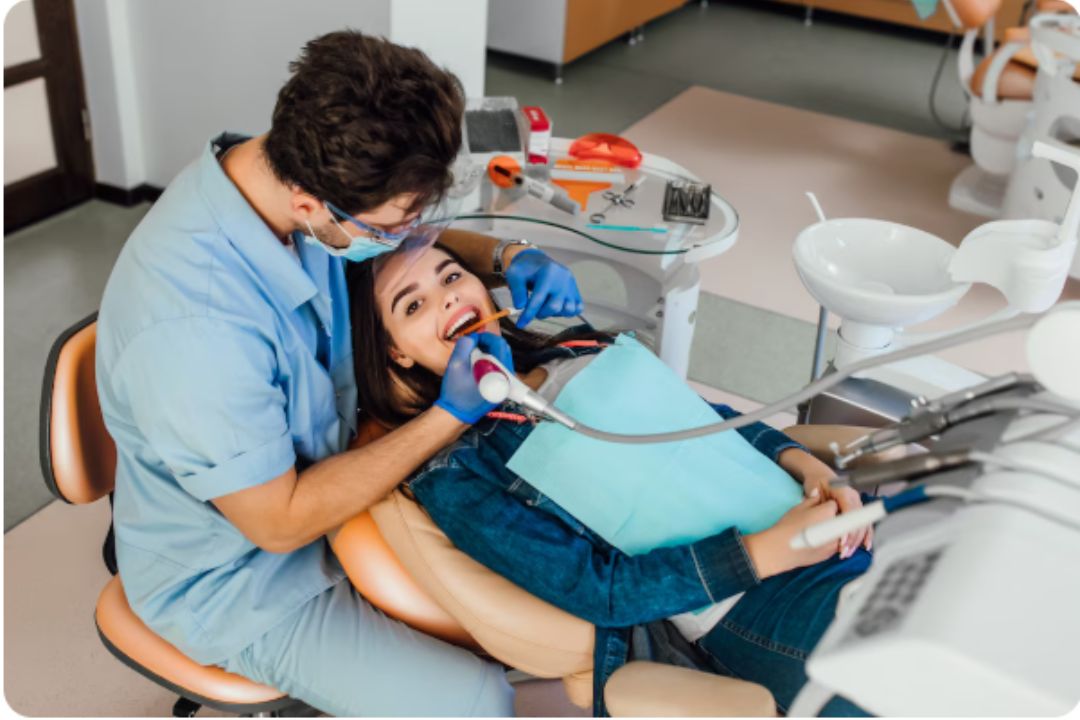





.jpg "oral health and hygiene")





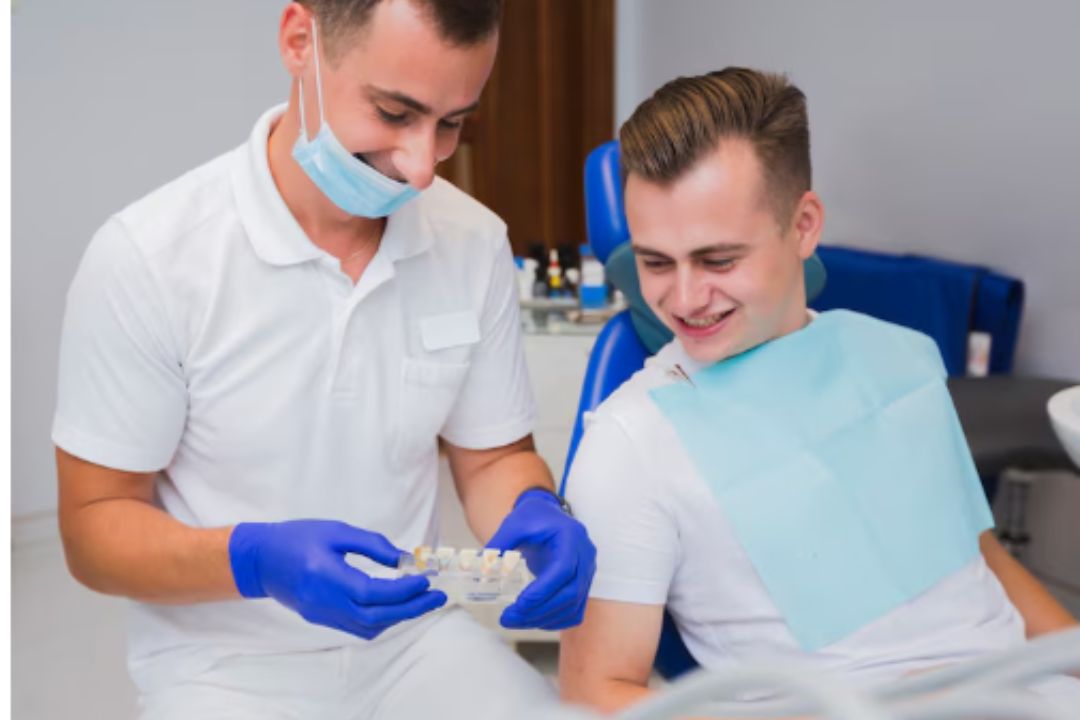

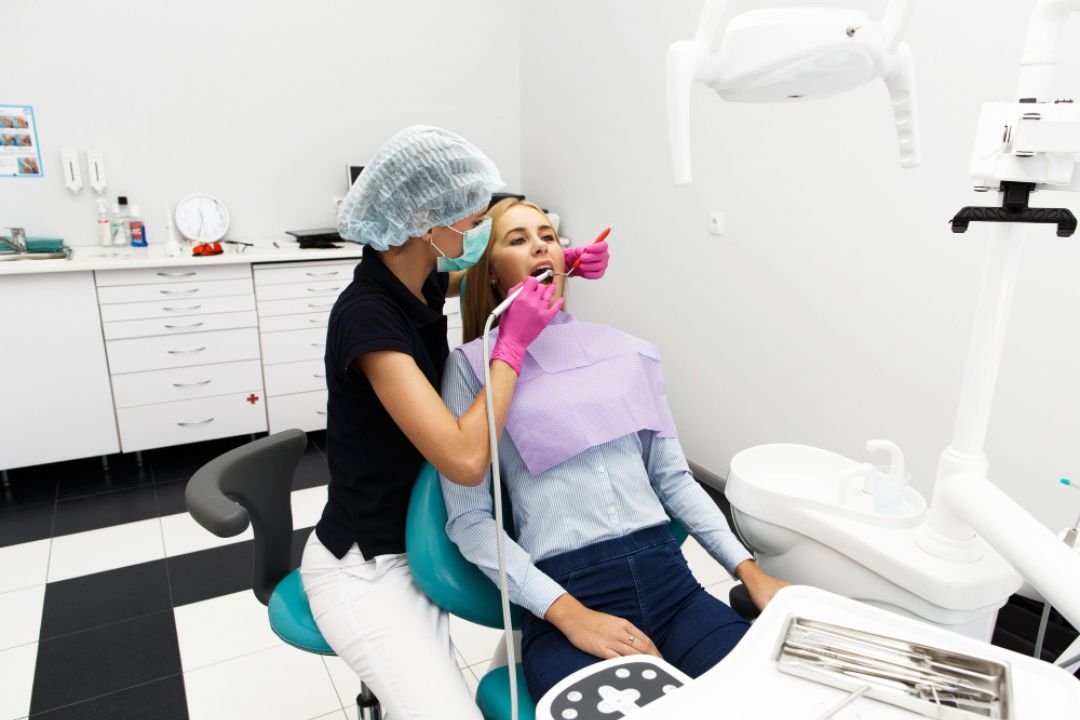
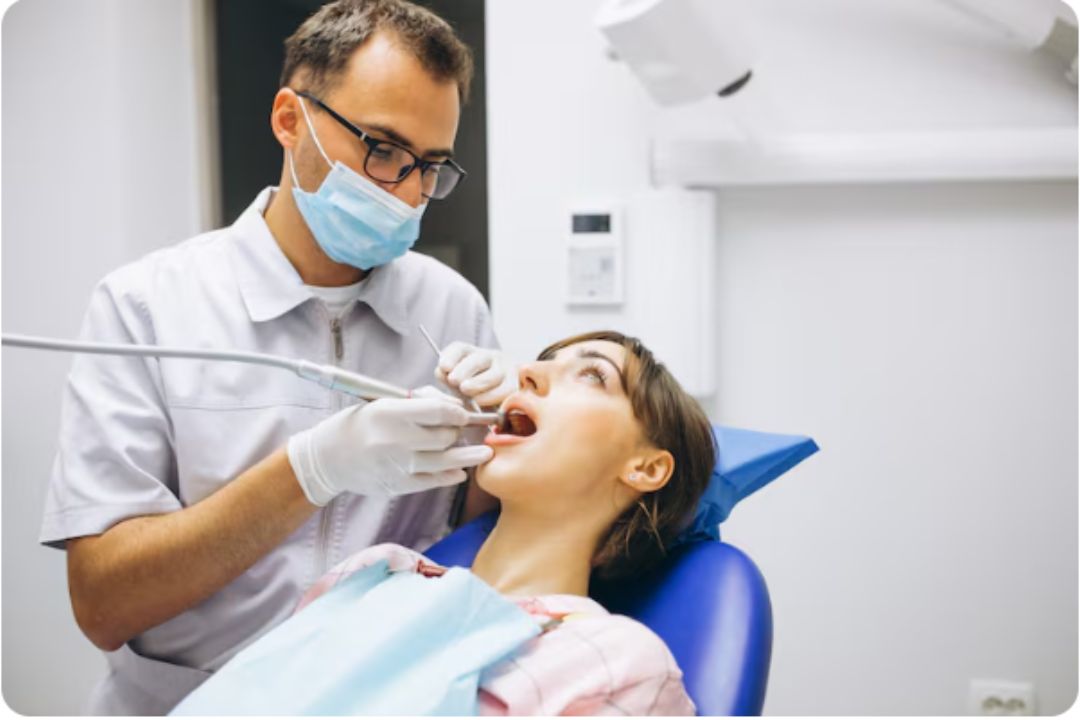
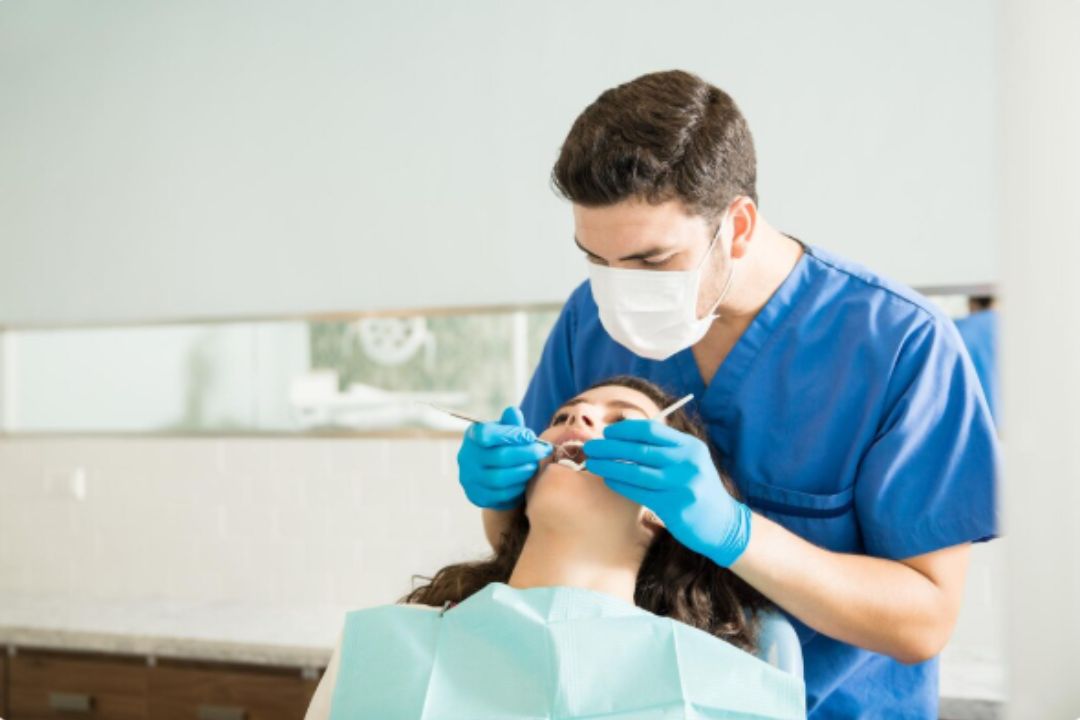
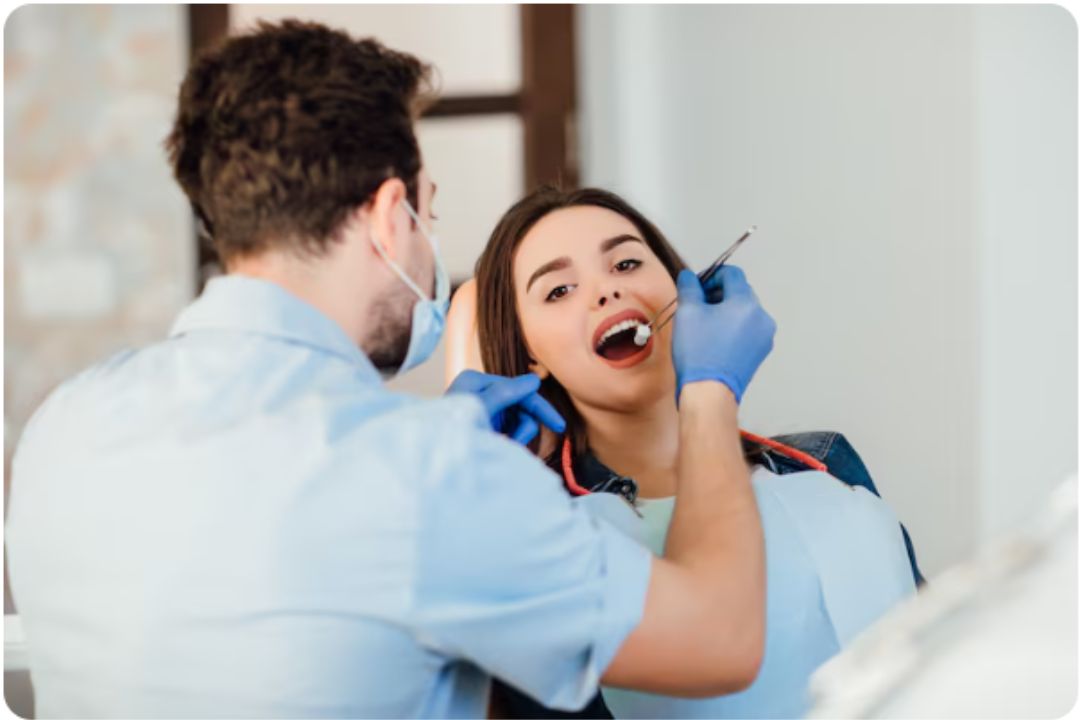
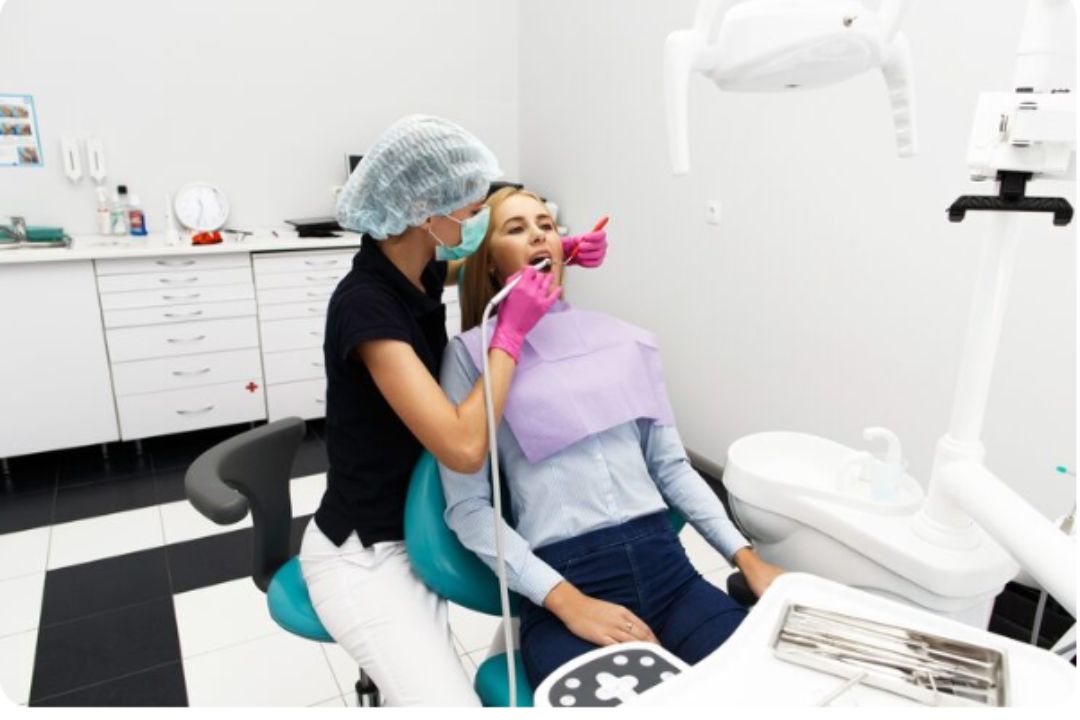
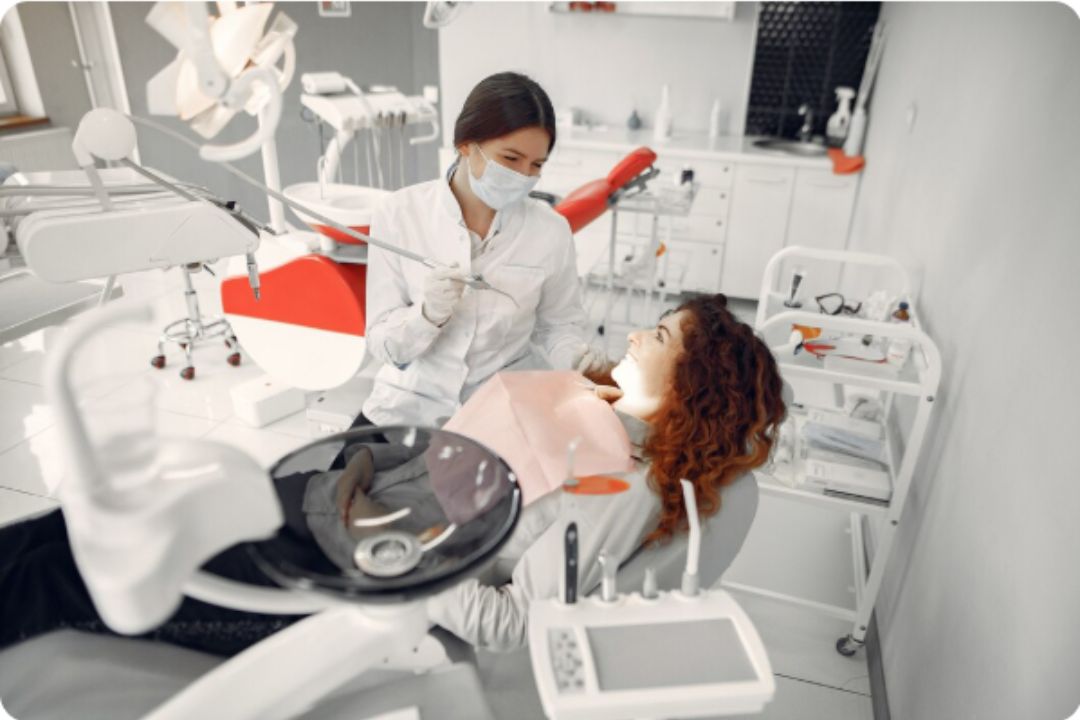
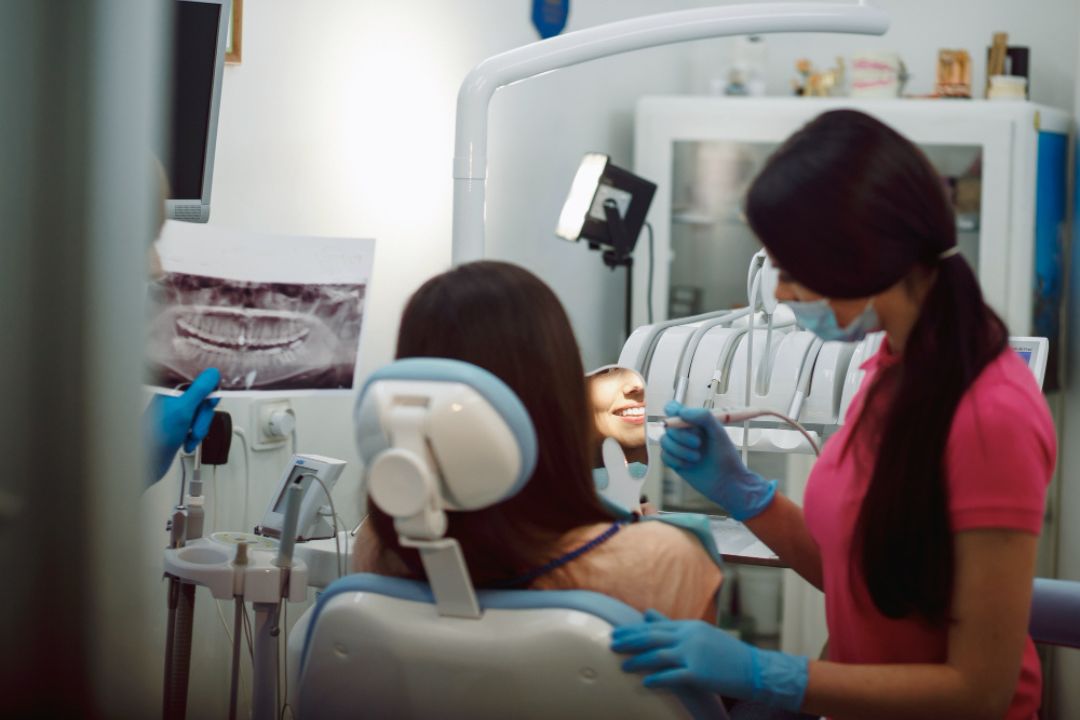

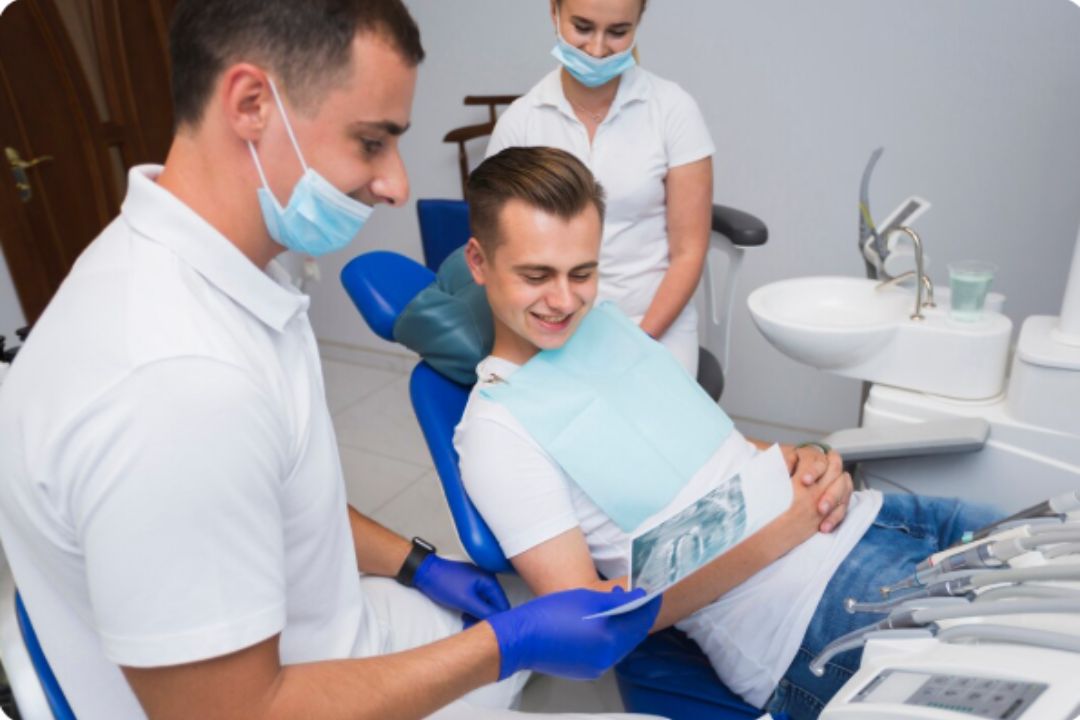

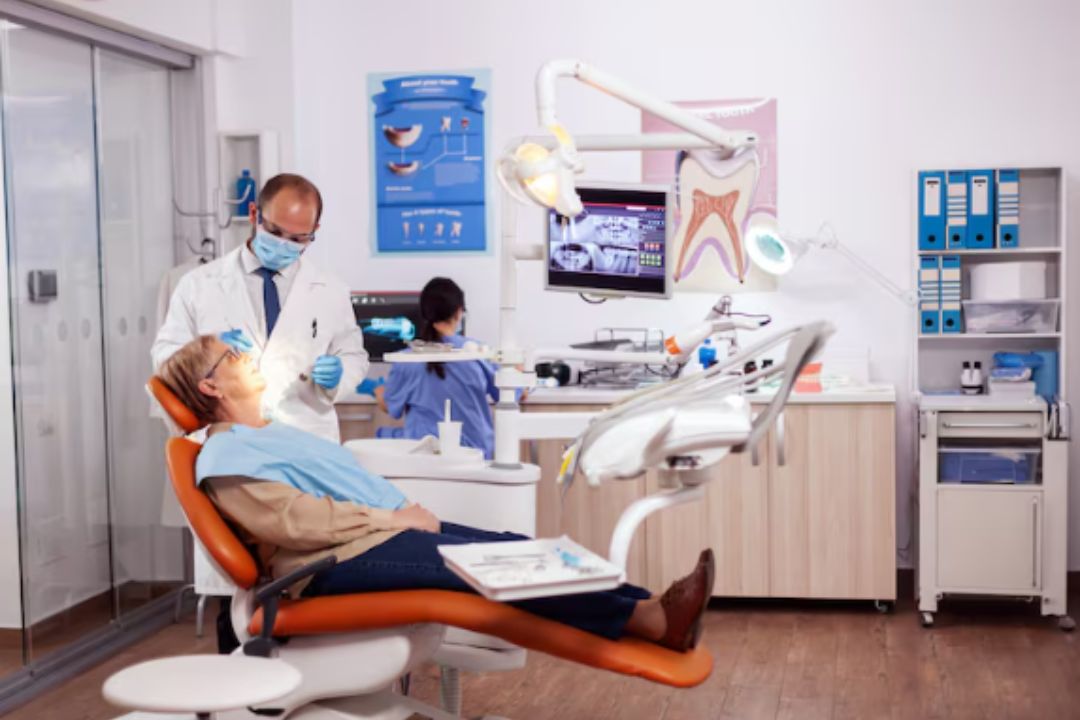


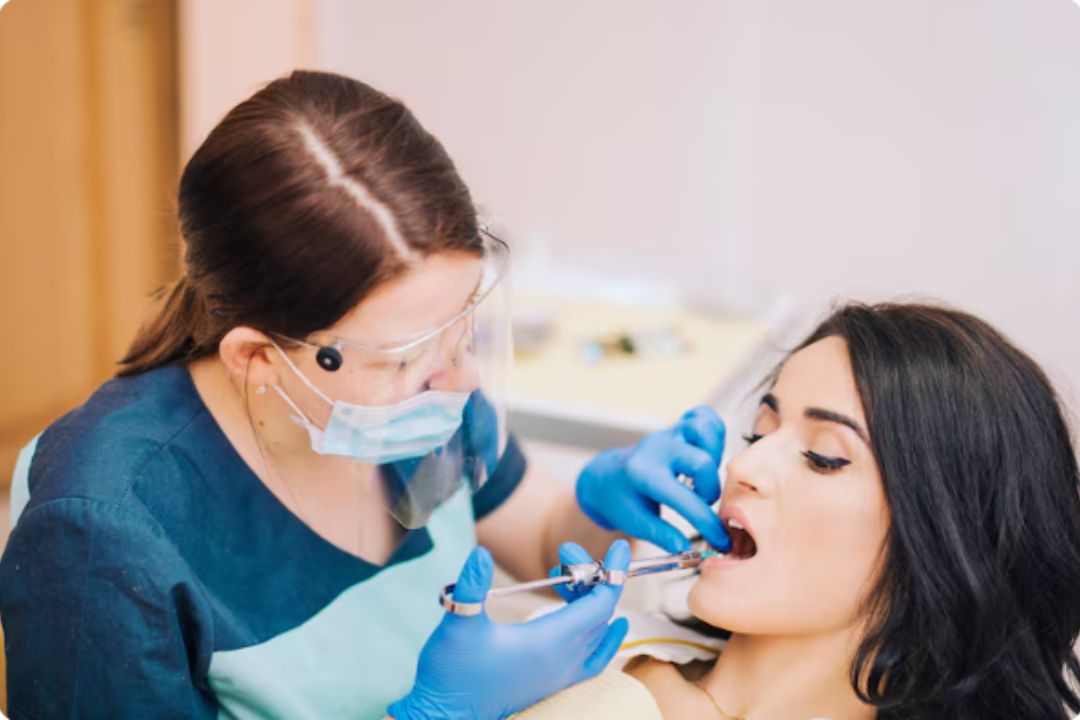
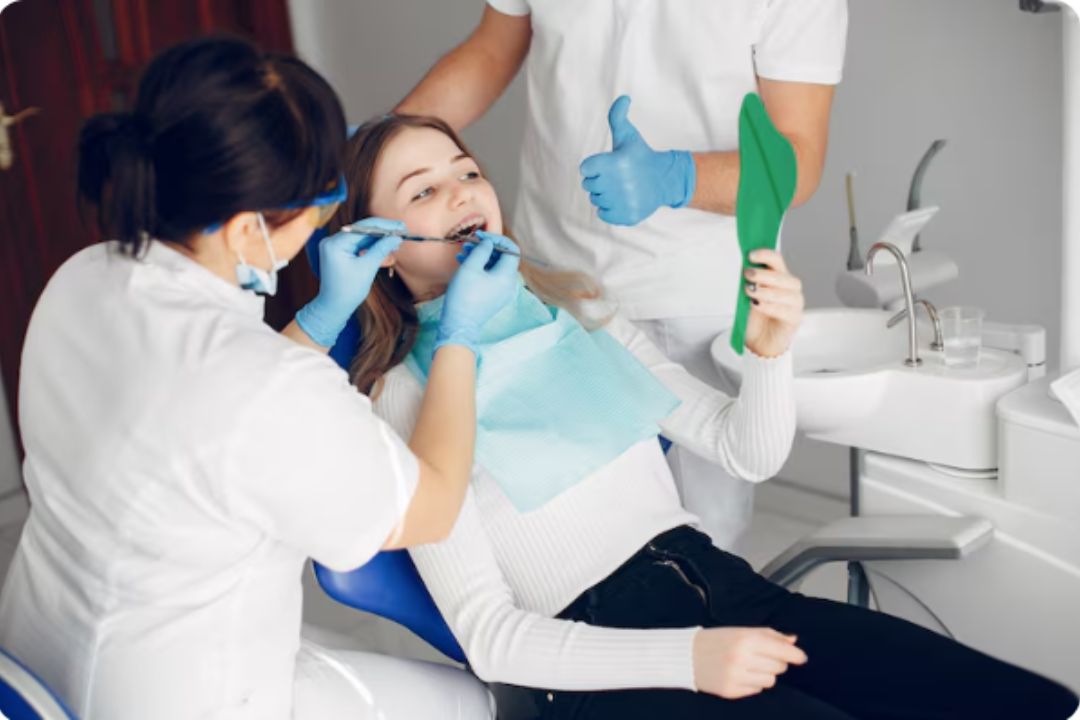




















.jpg "Impacts Your Dental Health")
.jpg "Oral Health and Mental Health")
.jpg "Dental Care for Seniors")
.jpg "Regular Dental Checkups Are More Important")
 (1).jpg "Oral Health and Systemic Diseases")
.jpg "Oral Healthcare and Major Diseases")

 (1).jpg "Free Dental Visit")





 (1).png "Common Dental problems")