A radiant smile is more than just cosmetic; it's a window to your overall health. Neglecting your mouth can lead to cavities, gum disease, and has been linked to serious conditions like heart disease and diabetes. This comprehensive guide outlines the 10 steps to take for a foolproof routine, diving into the benefits of oral hygiene, comparing Oral Hygiene Tools, and evaluating cost and comfort—all to help you make informed decisions for your health.
Understanding the profound Benefits Of Oral Hygiene is the first step toward motivation. This is not merely about aesthetic appeal; it’s a cornerstone of preventative medicine.
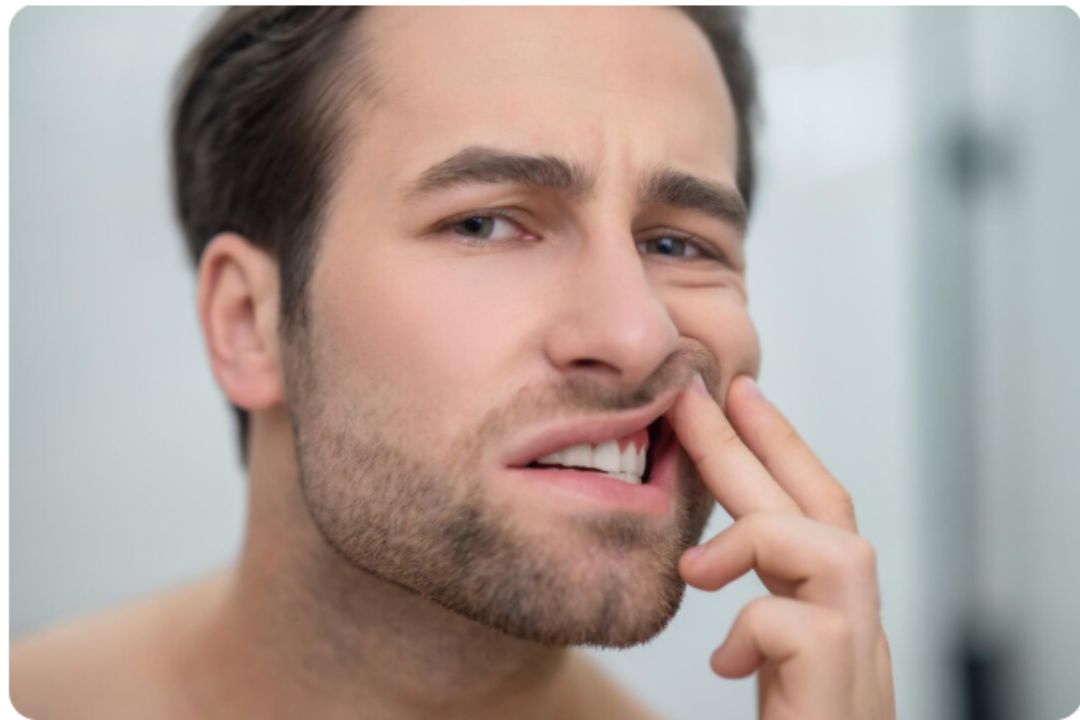
Prevents Painful & Costly Diseases: The primary battle is against plaque—a sticky biofilm of bacteria. Consistent removal prevents tooth decay (cavities) and halts gingivitis (gum inflammation) from progressing to periodontitis, a severe gum disease that destroys bone and leads to tooth loss.
Safeguards Your Overall Health: Oral bacteria from inflamed gums can enter the bloodstream, contributing to arterial plaque, increasing the risk of heart disease and stroke. There are also strong links to diabetes management, respiratory issues, and even pregnancy complications.
Delivers Significant Financial Savings: Preventative care is exponentially cheaper than restorative treatments. The cost of fluoride toothpaste, floss, and check-ups pales in comparison to fillings, root canals, crowns, or dental implants.
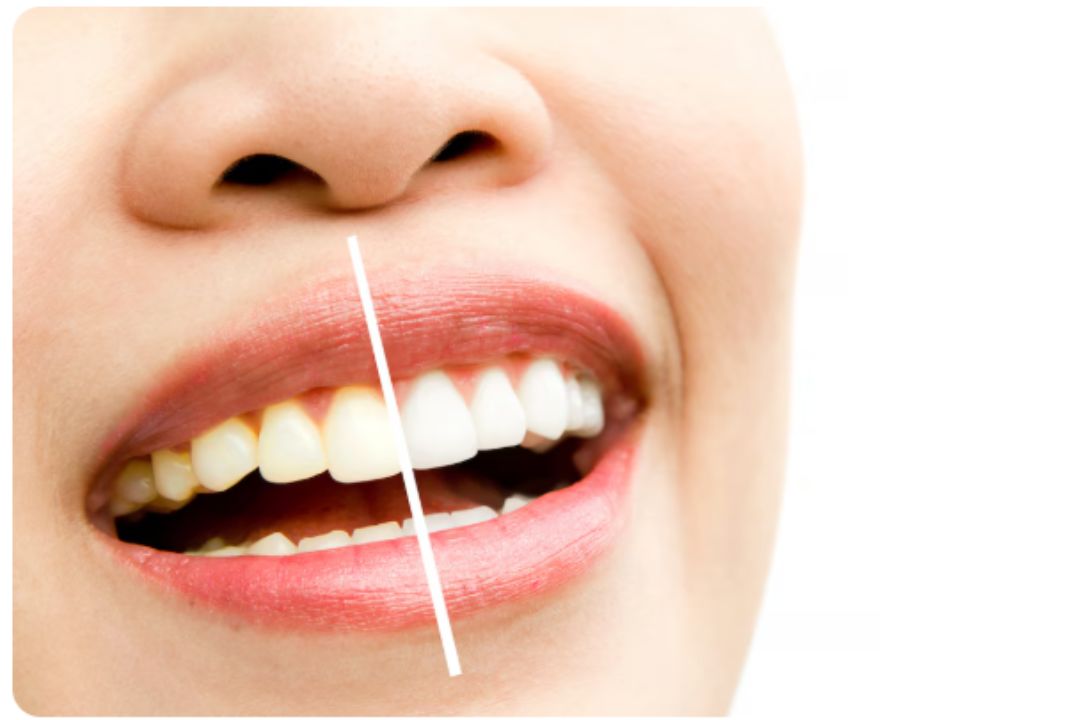
Boosts Confidence and Social Wellbeing: A healthy, clean mouth ensures fresh breath and a bright smile, directly enhancing self-esteem, social interactions, and professional opportunities.
This is your actionable roadmap. Follow these 10 steps to take control of your oral health:
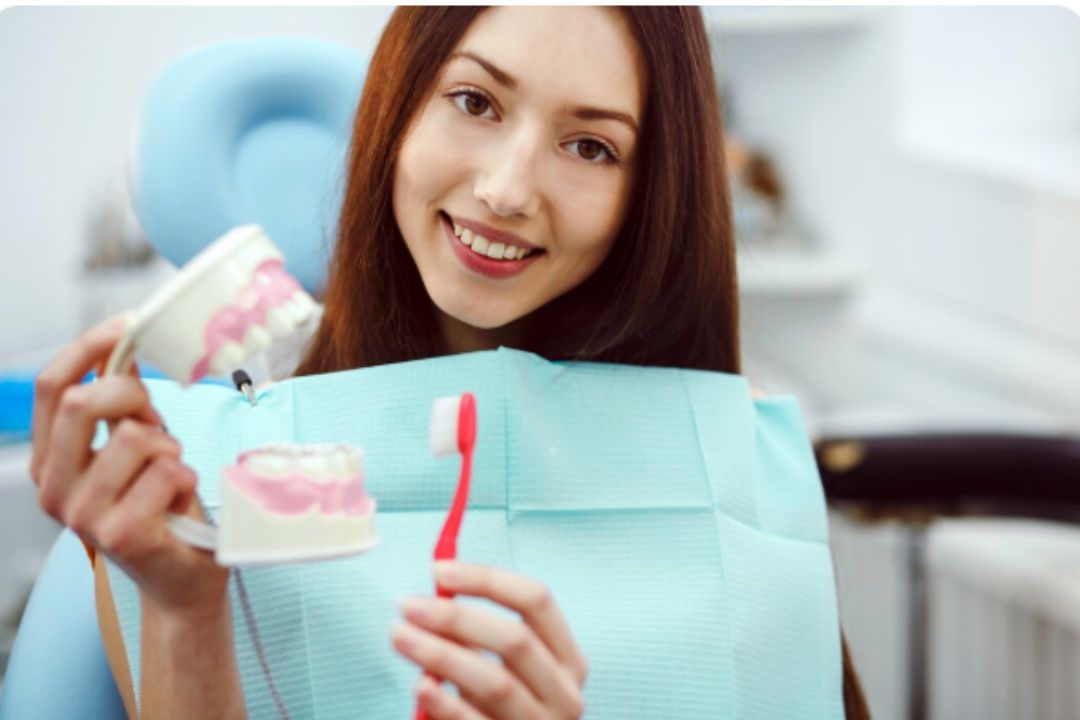
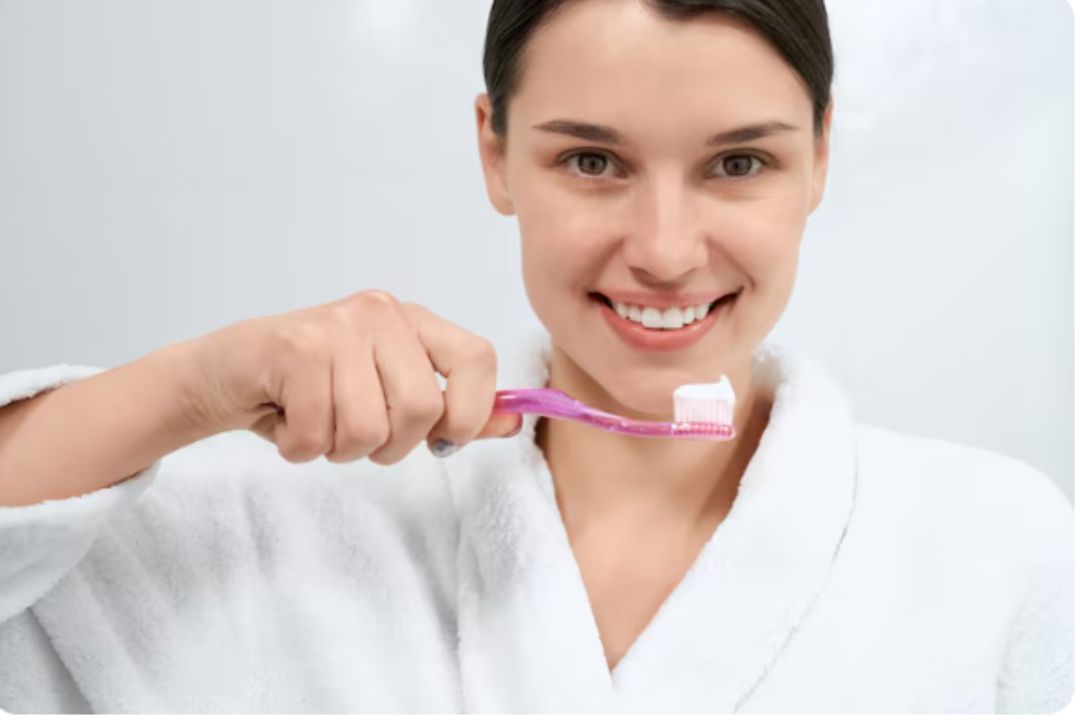
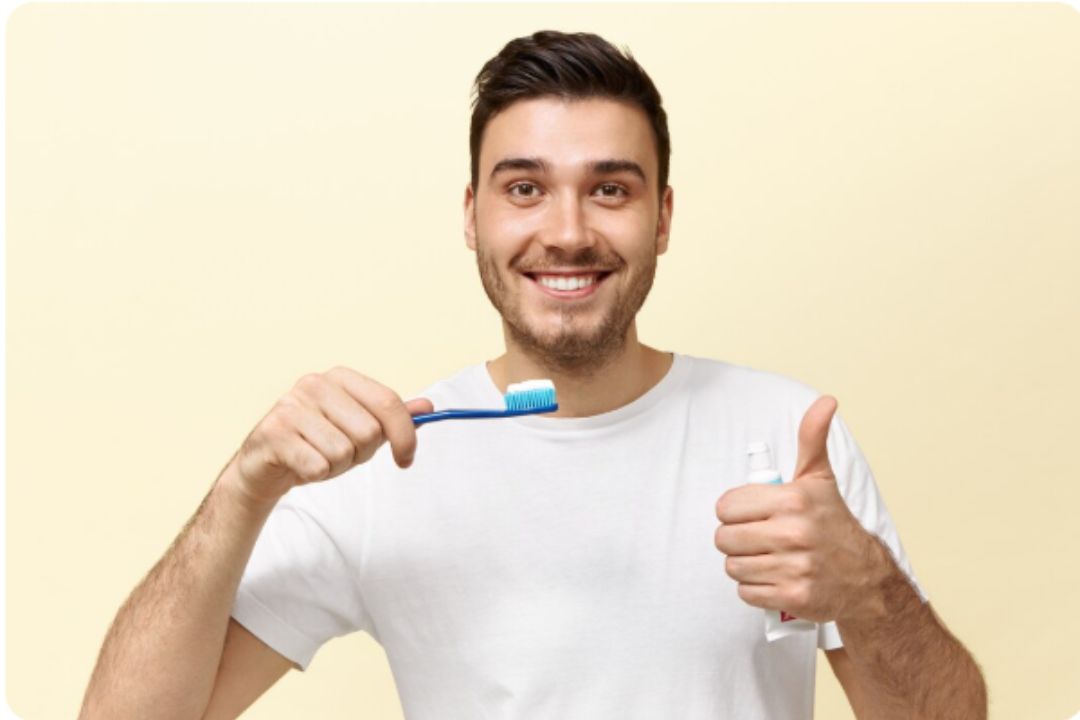
Select Your Weapon Wisely: Choose a soft-bristled toothbrush (manual or electric) with a head small enough to comfortably reach all areas, including your back molars. Hard bristles can damage gums and enamel.
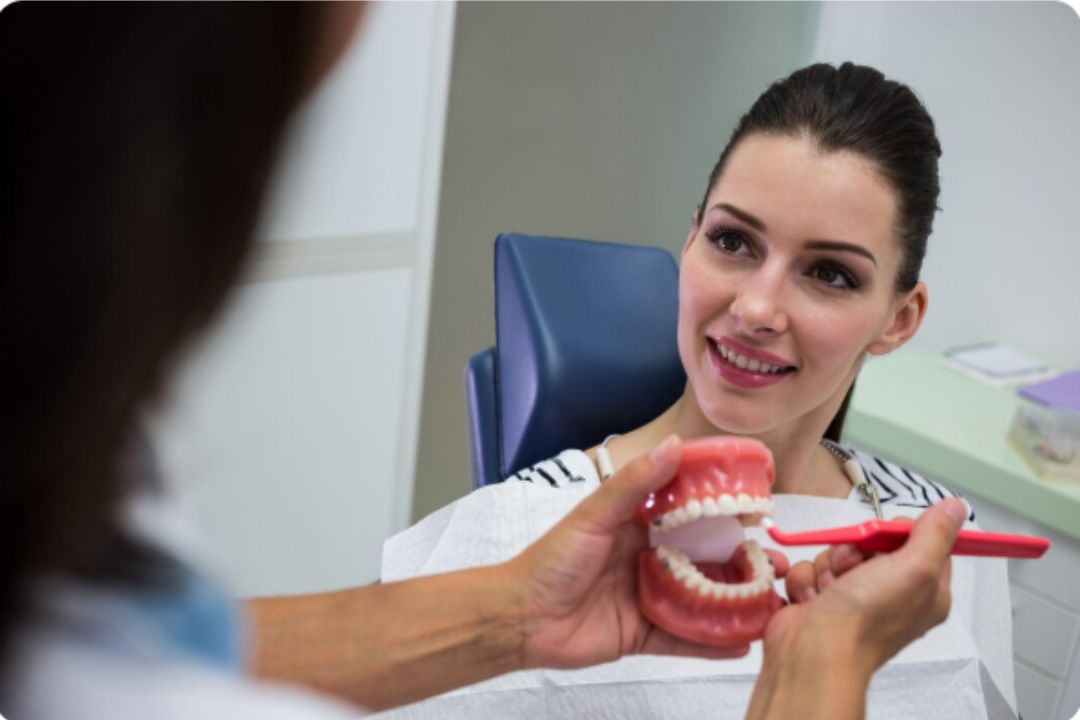
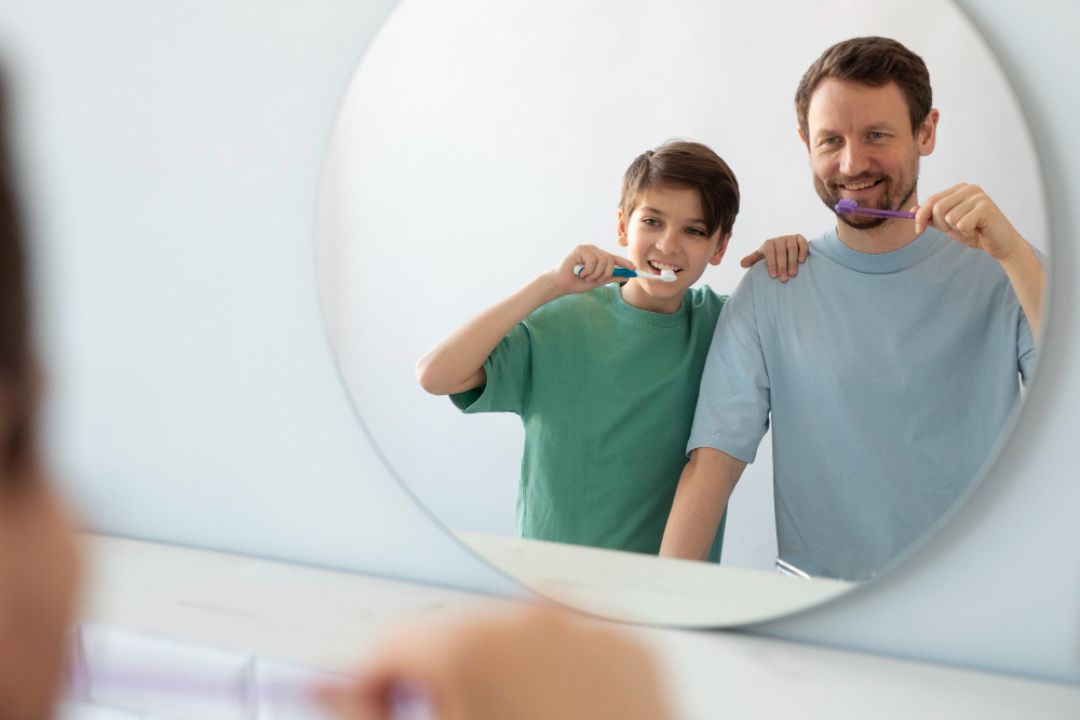
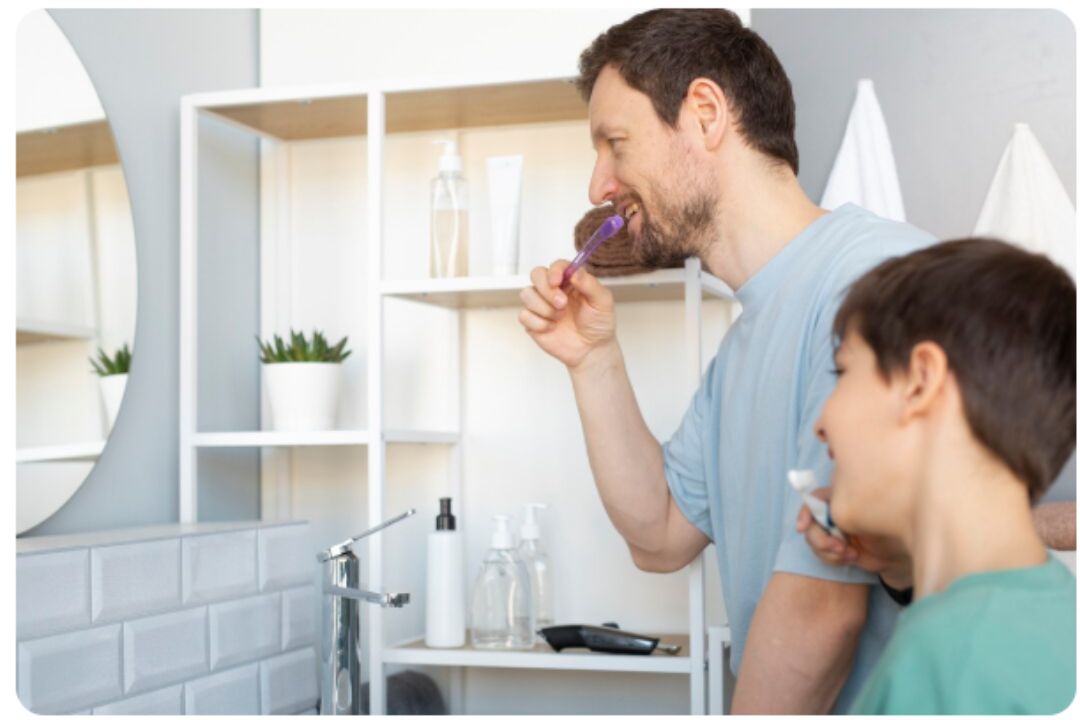
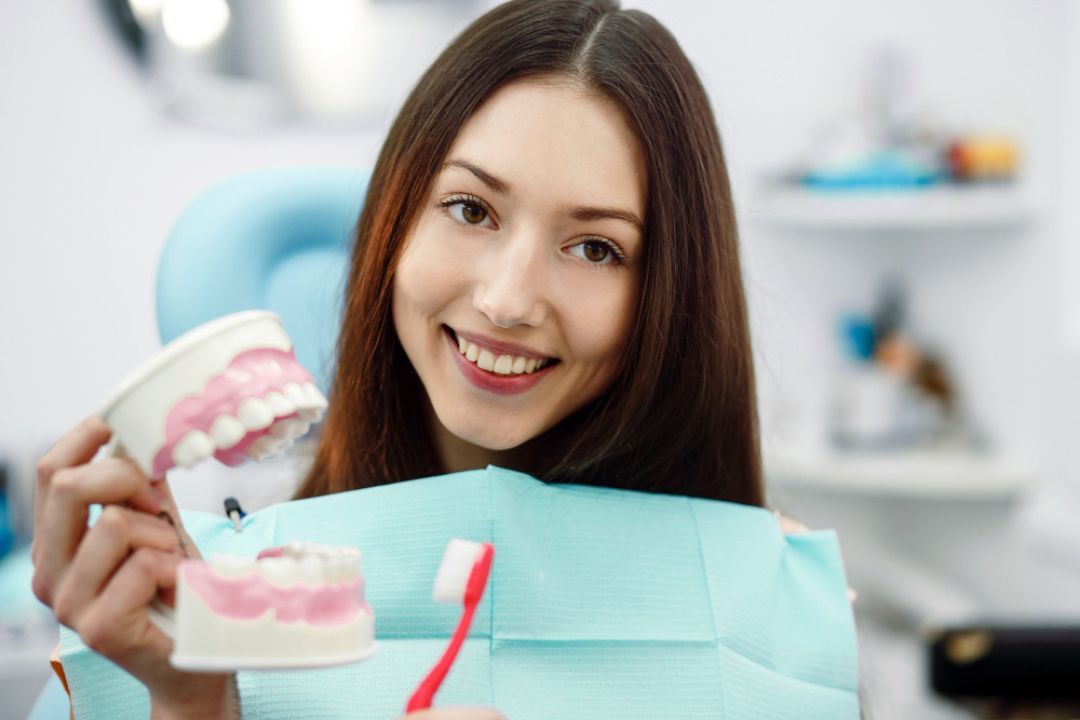
Perfect Your Brushing Technique: Angle the bristles at 45 degrees toward the gumline. Use gentle, short circular or back-and-forth strokes—never aggressive scrubbing. Systematically clean the outer, inner, and chewing surfaces for a full two minutes. Consider a timer or a brush with a built-in one.
Clean Your Tongue: Bacteria thrive on the tongue’s rough surface, contributing significantly to bad breath. Gently brush it with your toothbrush or use a dedicated tongue scraper.
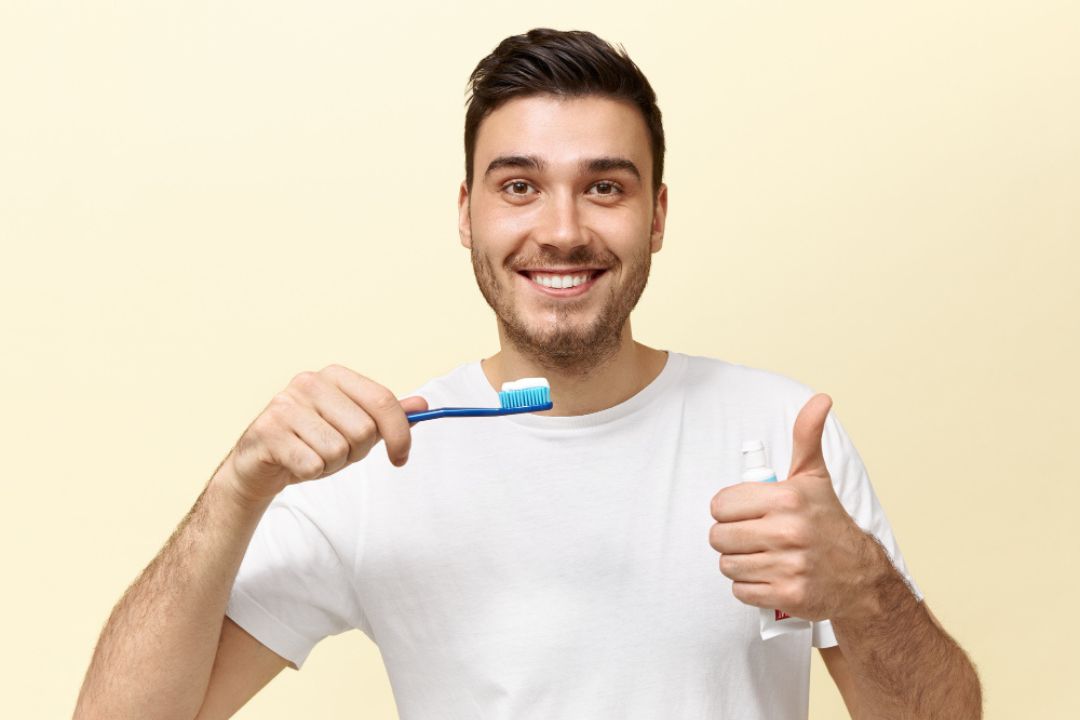
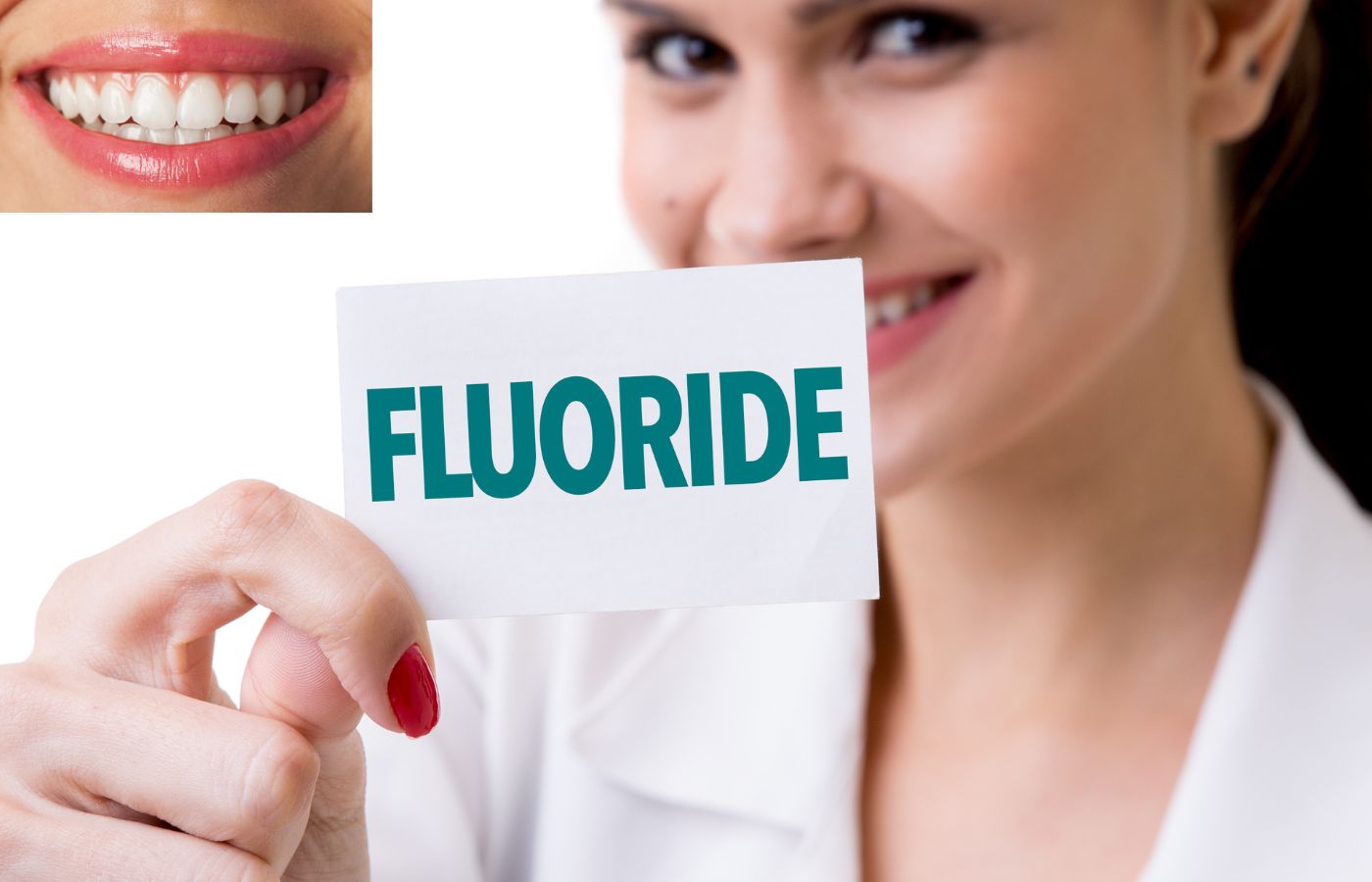
Choose Fluoride Toothpaste: Always select a toothpaste containing fluoride. This mineral is vital for remineralizing weakened enamel and reversing the earliest stages of decay, making teeth more resistant to acid attacks.
Floss Meticulously, Once Daily: Brushing alone misses about of tooth surfaces. Use about inches of floss, winding most around each middle finger. Guide it gently between teeth with a sawing motion, then curve it into a “C” shape against one tooth and slide it beneath the gumline. Repeat on the adjacent tooth. This is non-negotiable for interdental health.
Explore Interdental Alternatives: If traditional floss is challenging due to dexterity issues, braces, or tightly spaced teeth, Oral Hygiene Tools like water flossers (oral irrigators) or interdental brushes are excellent, clinically-proven alternatives. They can be more effective and comfortable for many.
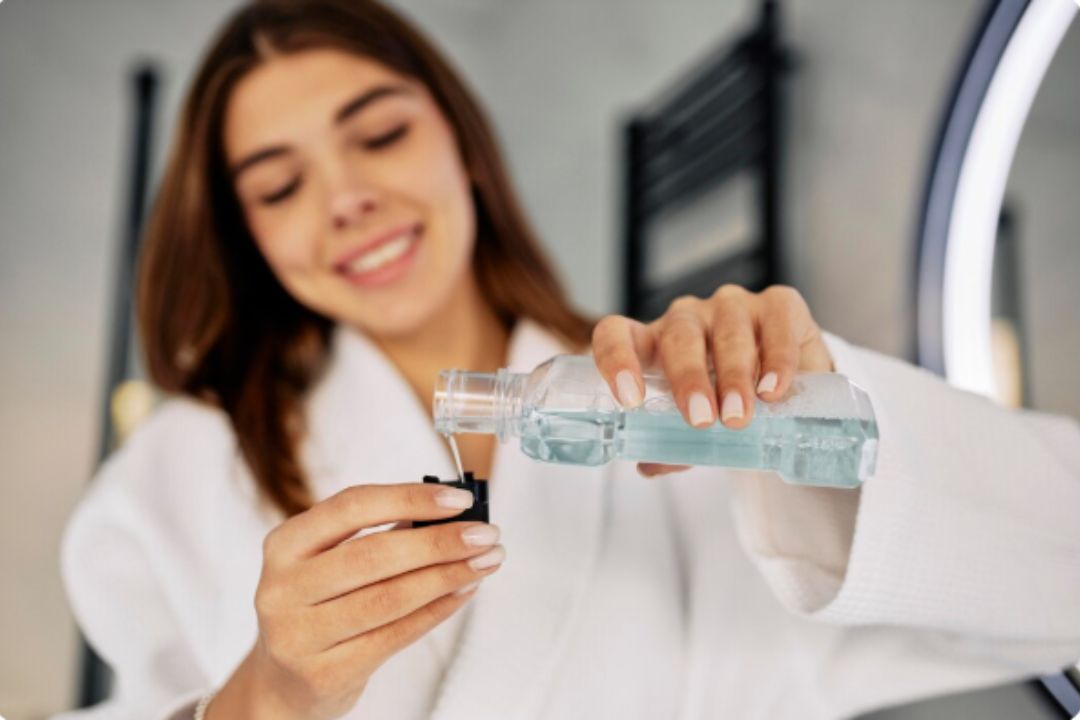
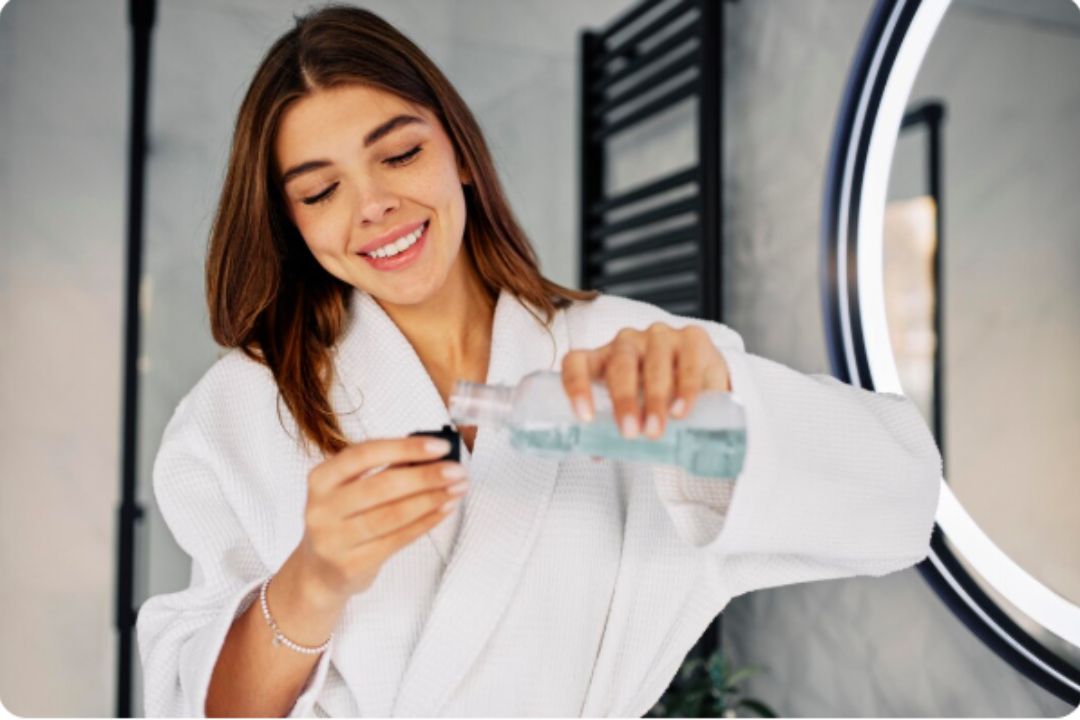
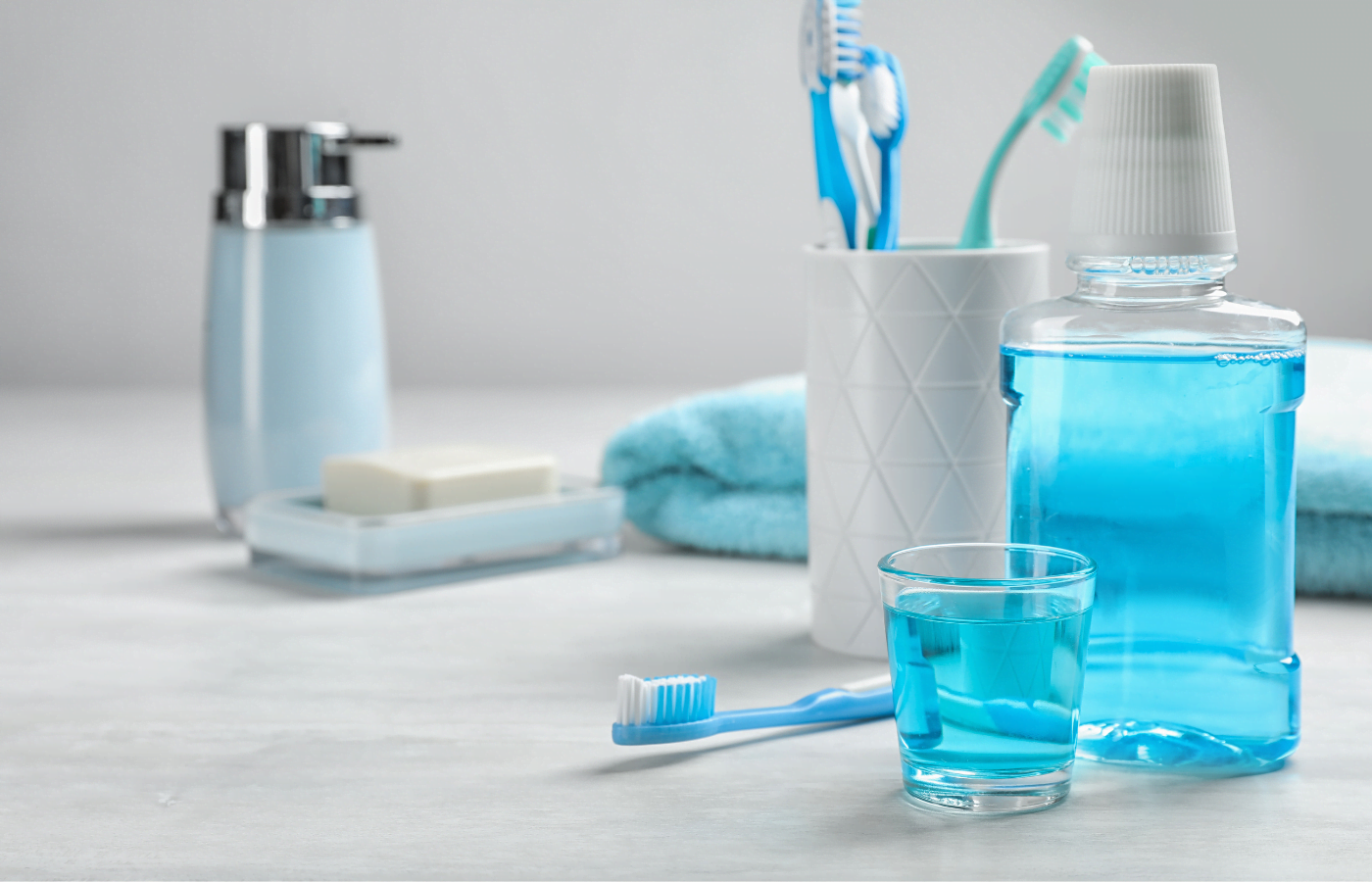
Rinse with Purpose: After brushing and flossing, use a therapeutic mouthwash. Look for antibacterial ingredients like cetylpyridinium chloride (CPC) to reduce plaque and gingivitis, or fluoride for extra enamel protection. Avoid rinsing with water immediately after to let the fluoride work.
Hydrate with Water Constantly: Drink water throughout the day, especially after meals. This helps neutralize acids, wash away food debris, and, if fluoridated, provides a constant low-level protective bath for your teeth.
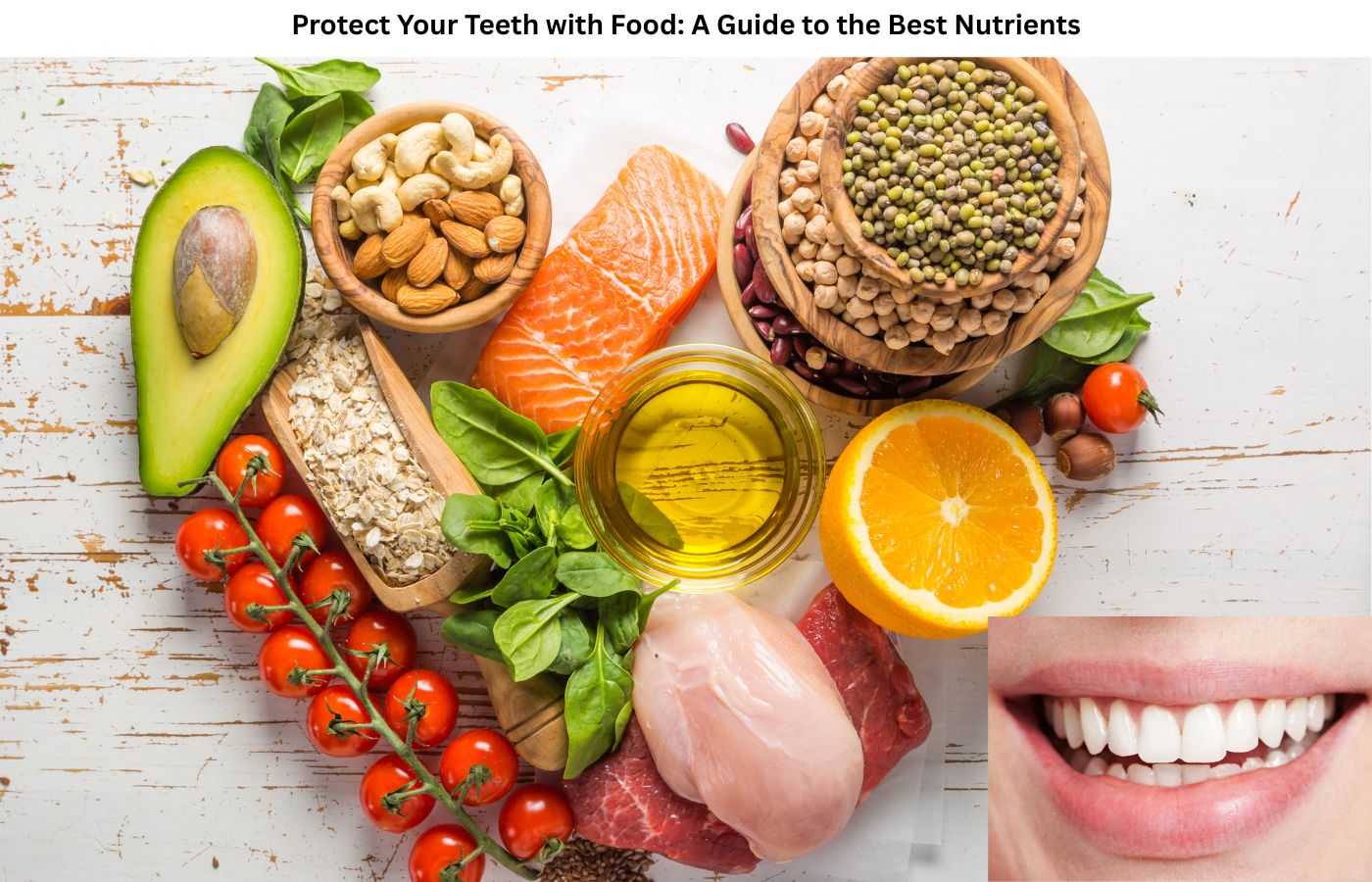
Adopt a Tooth-Friendly Diet: Limit frequent snacking on sugary or acidic foods and drinks, which create an environment for decay-causing bacteria. Incorporate calcium-rich dairy, crunchy vegetables (which naturally clean teeth), and phosphorus-rich nuts to support strong enamel.
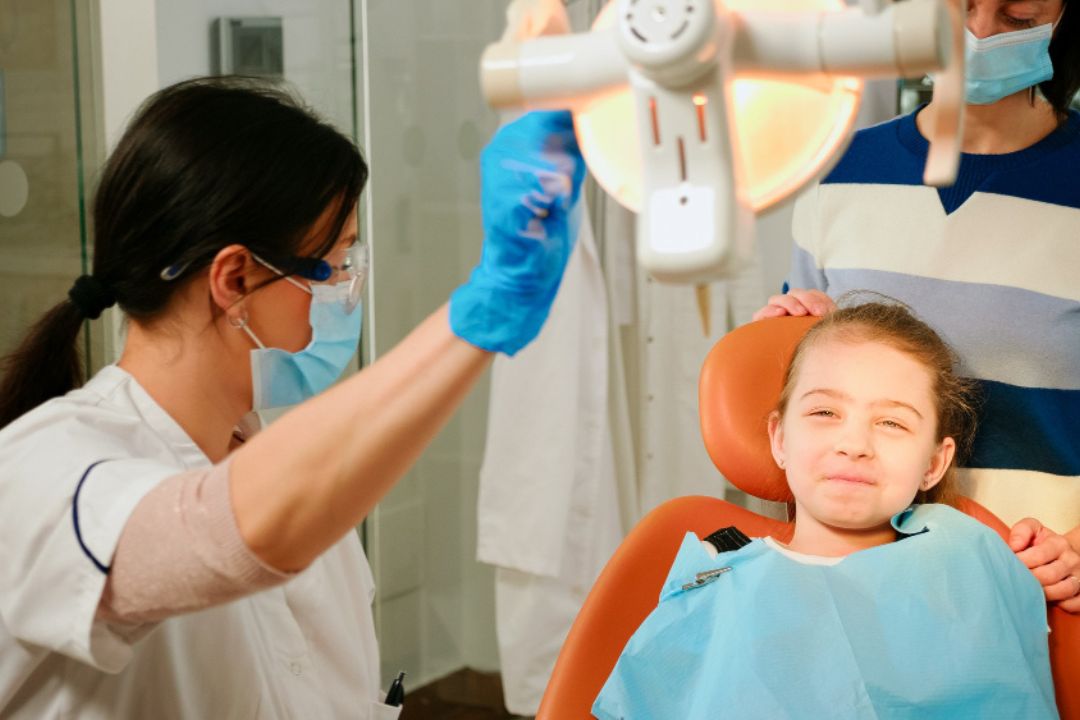
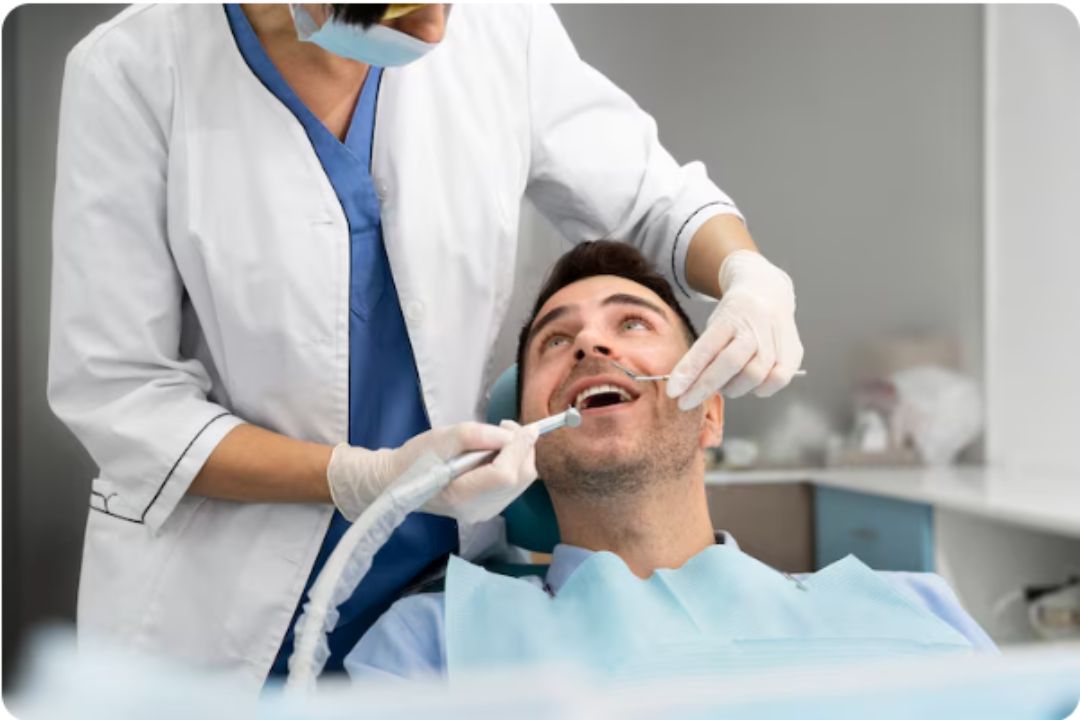
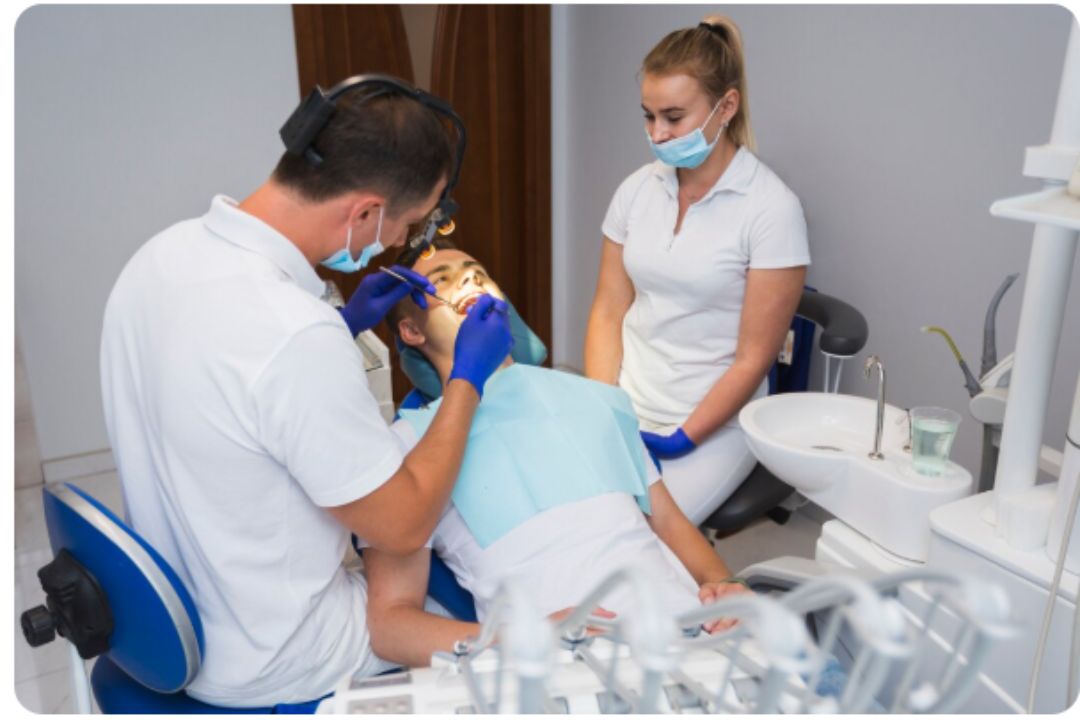
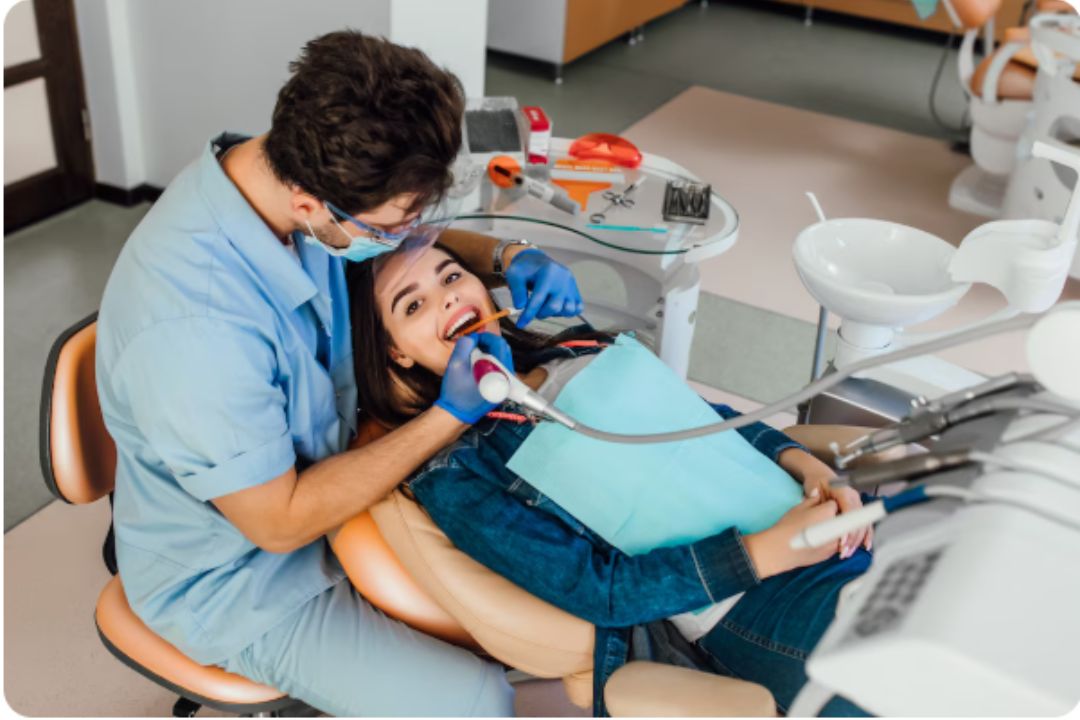
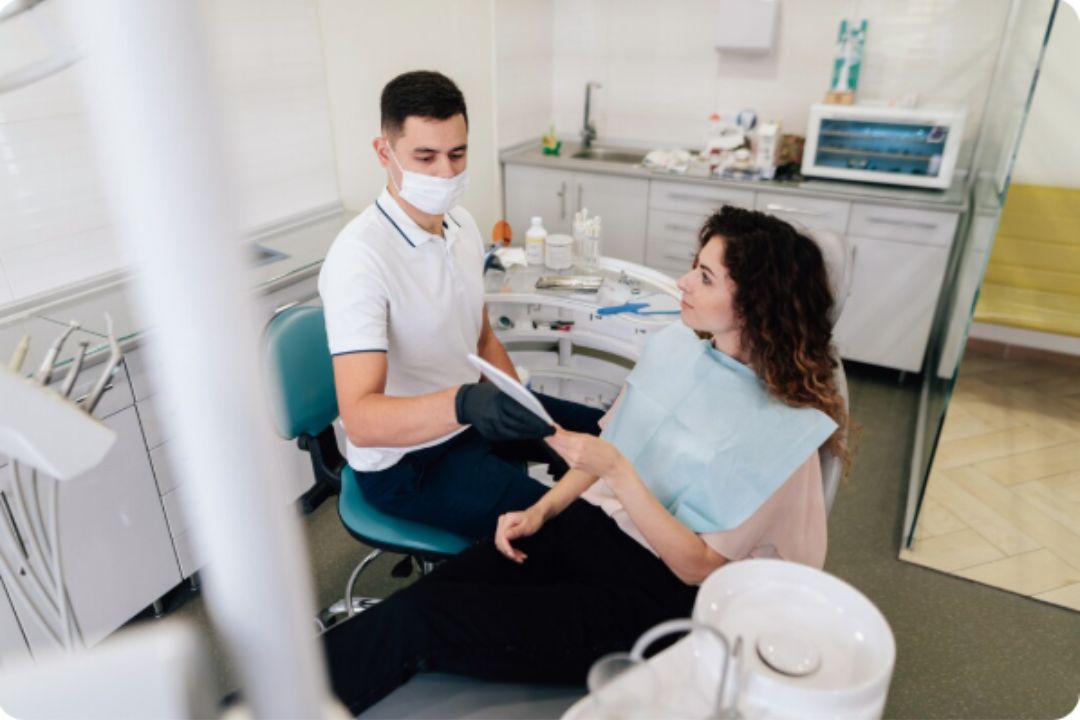
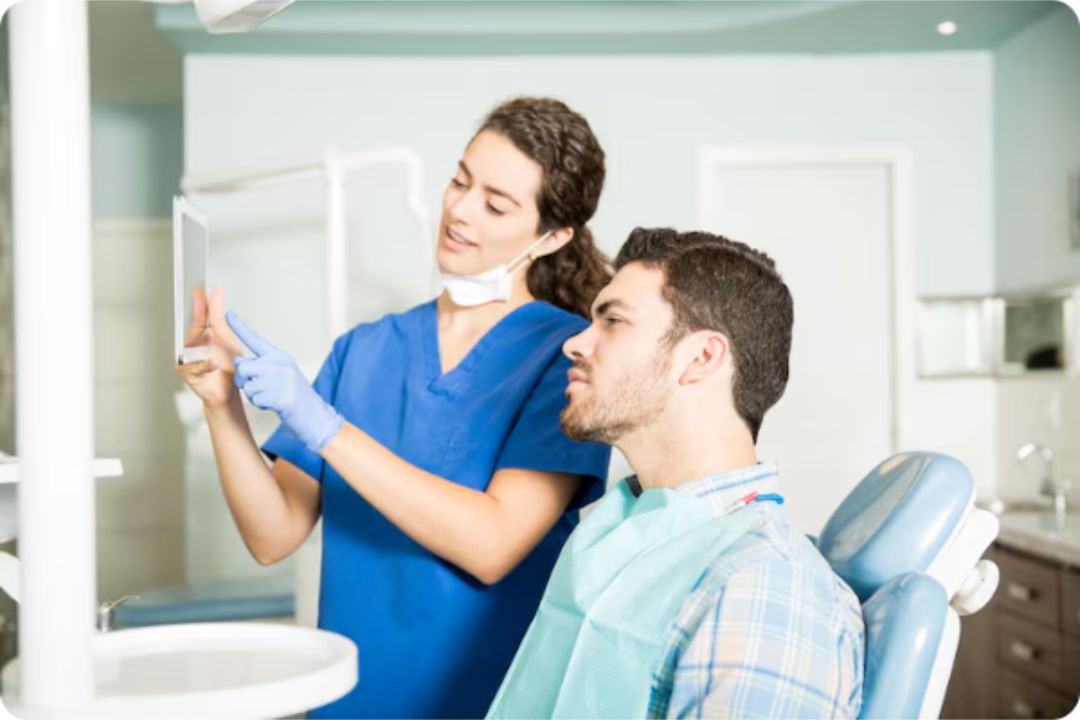
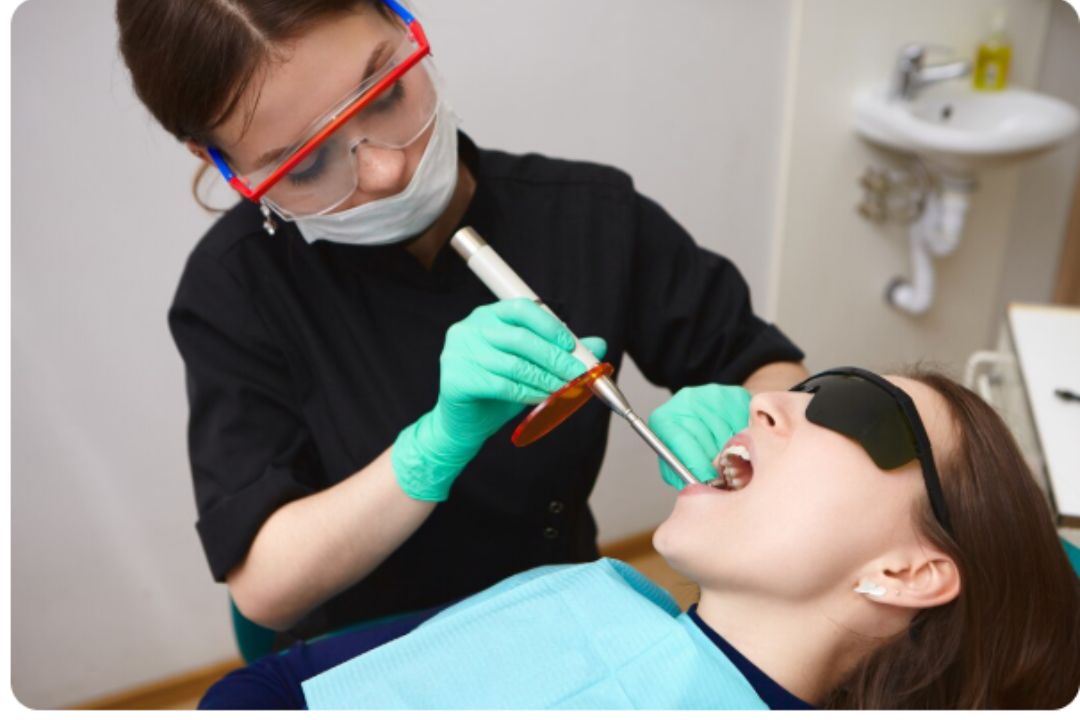
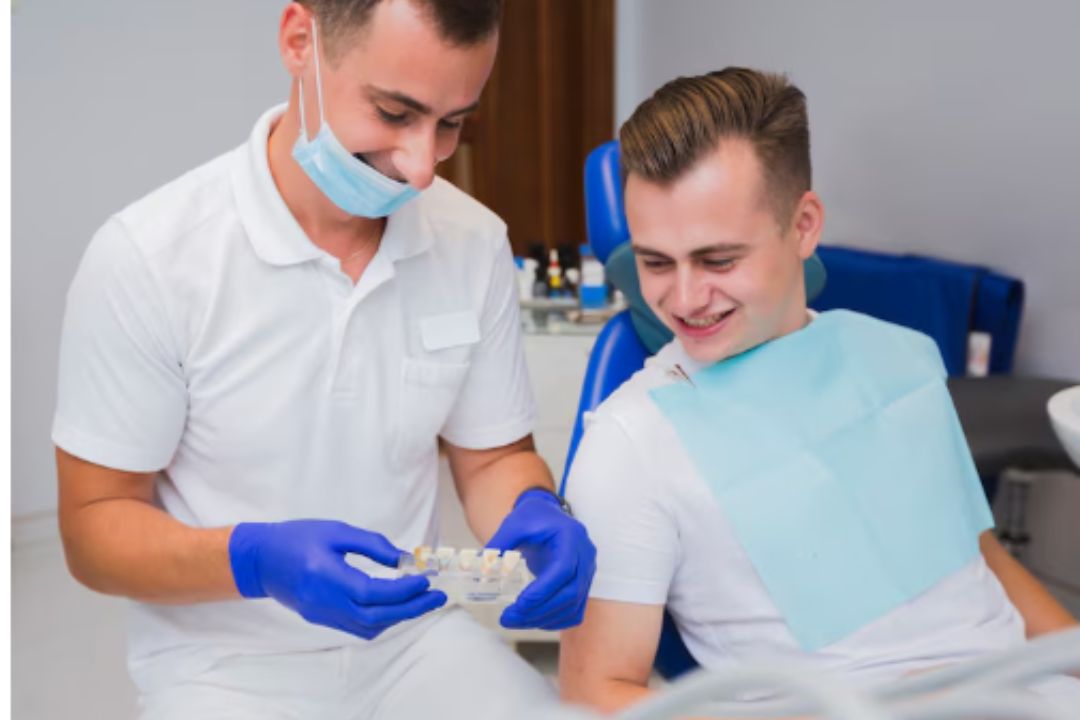
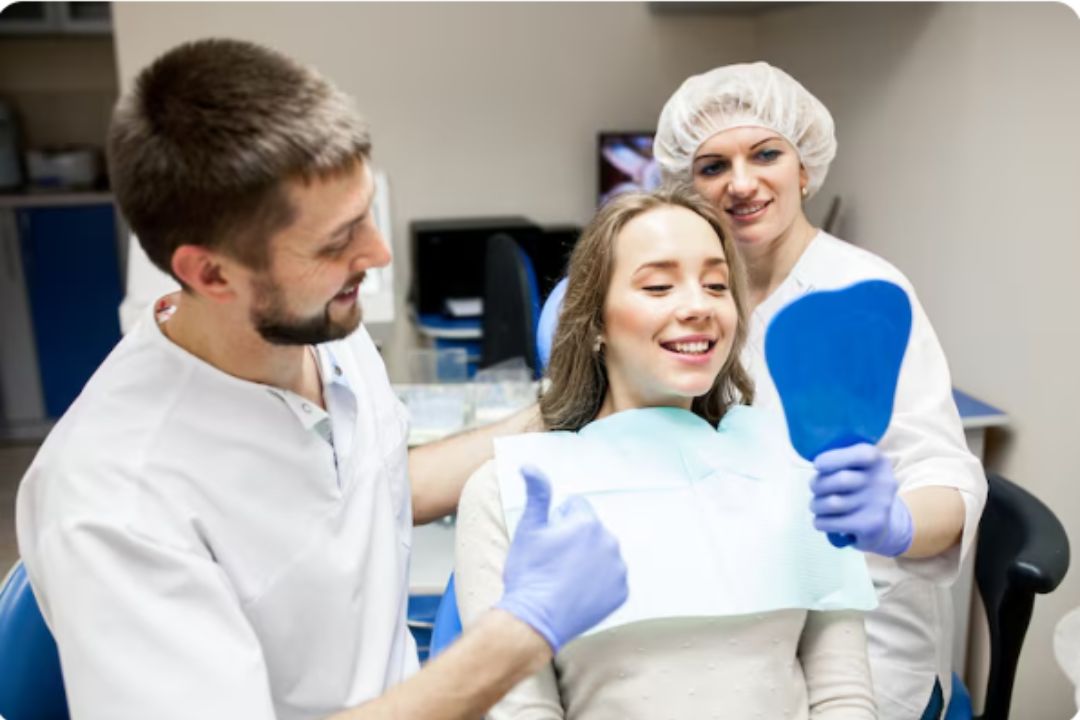
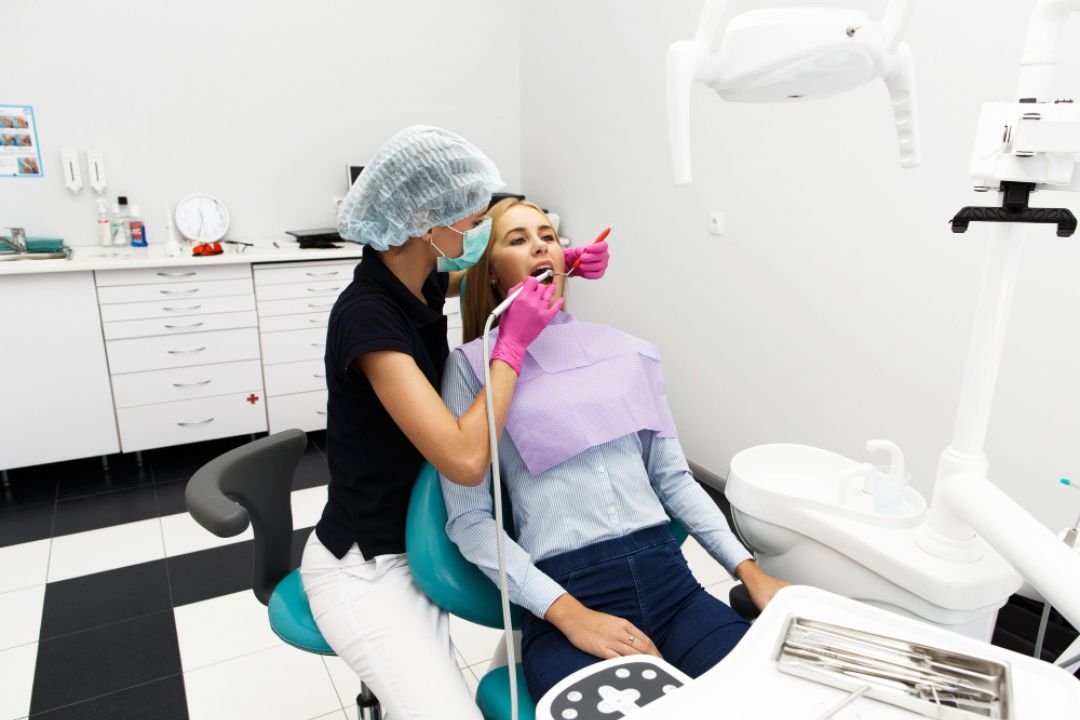
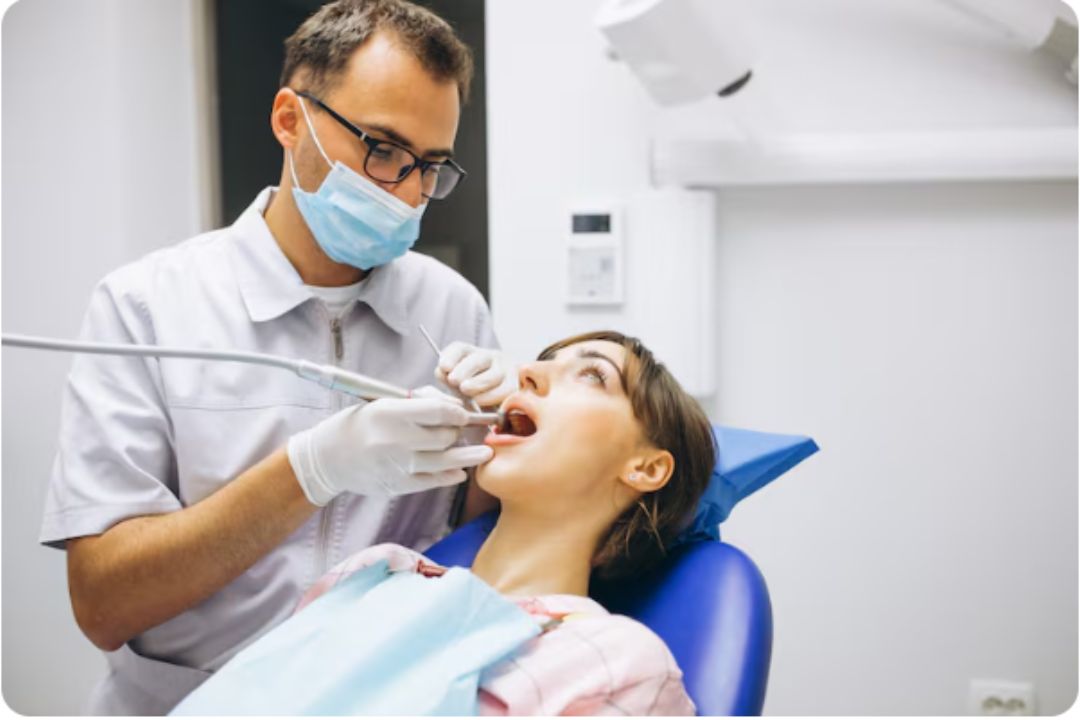
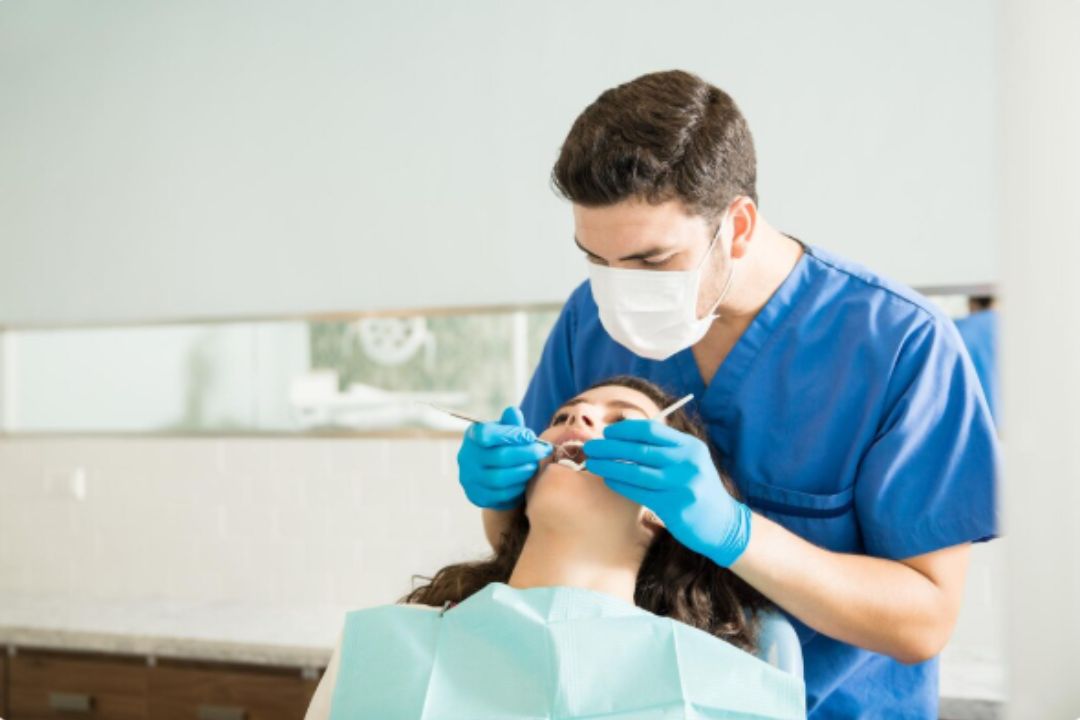
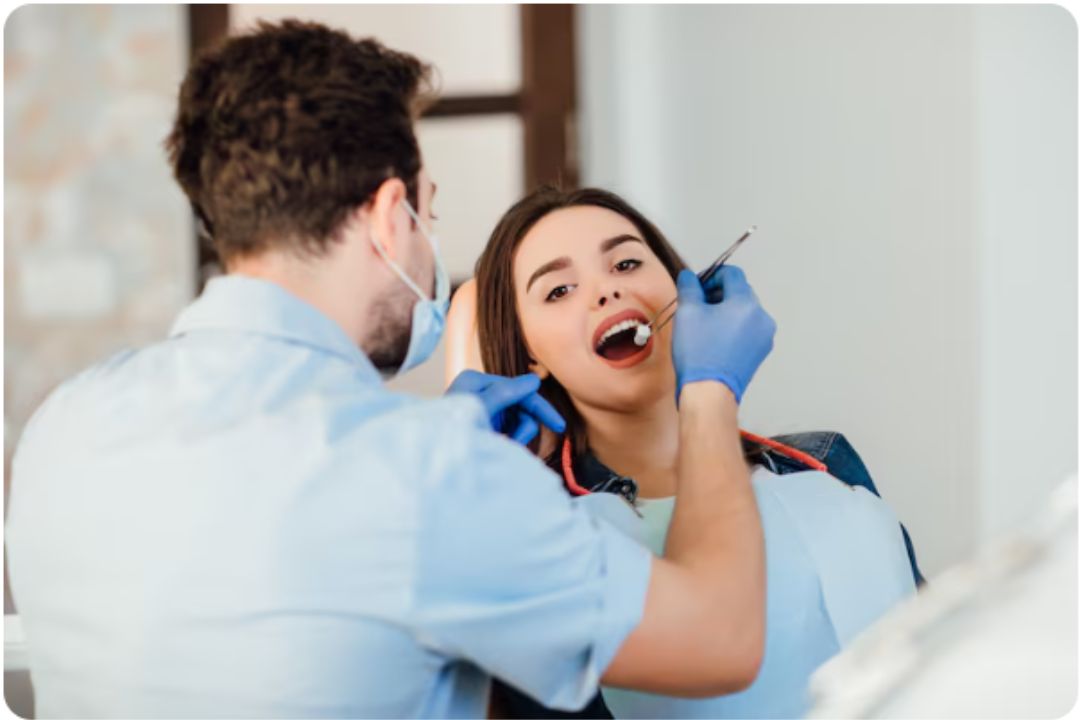
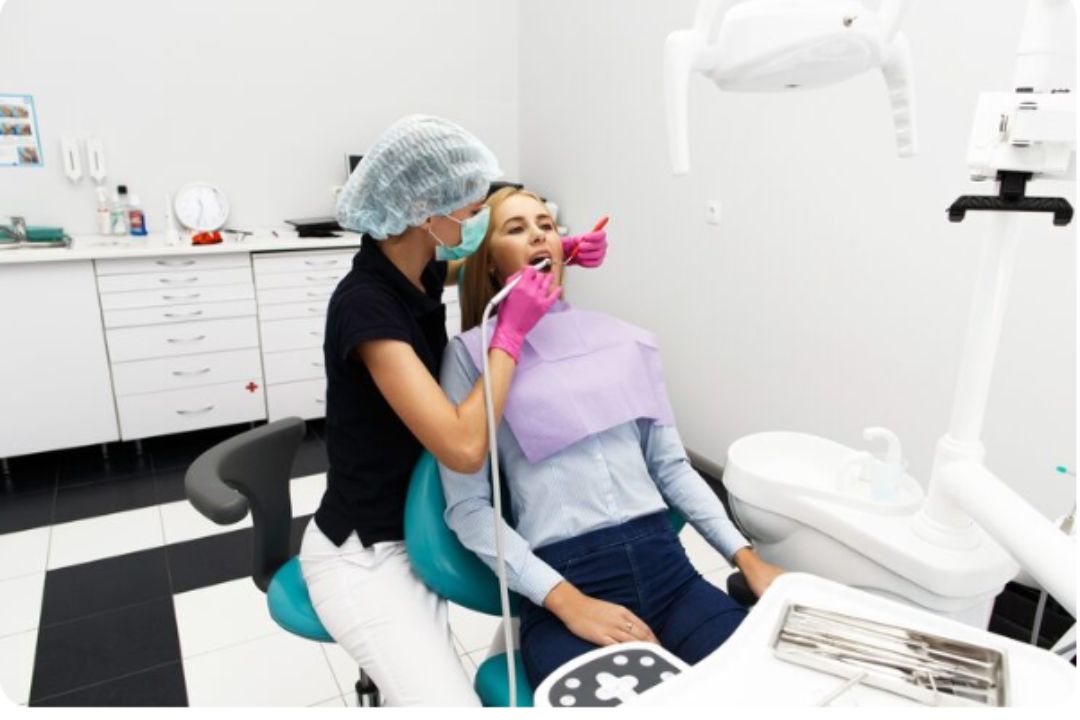
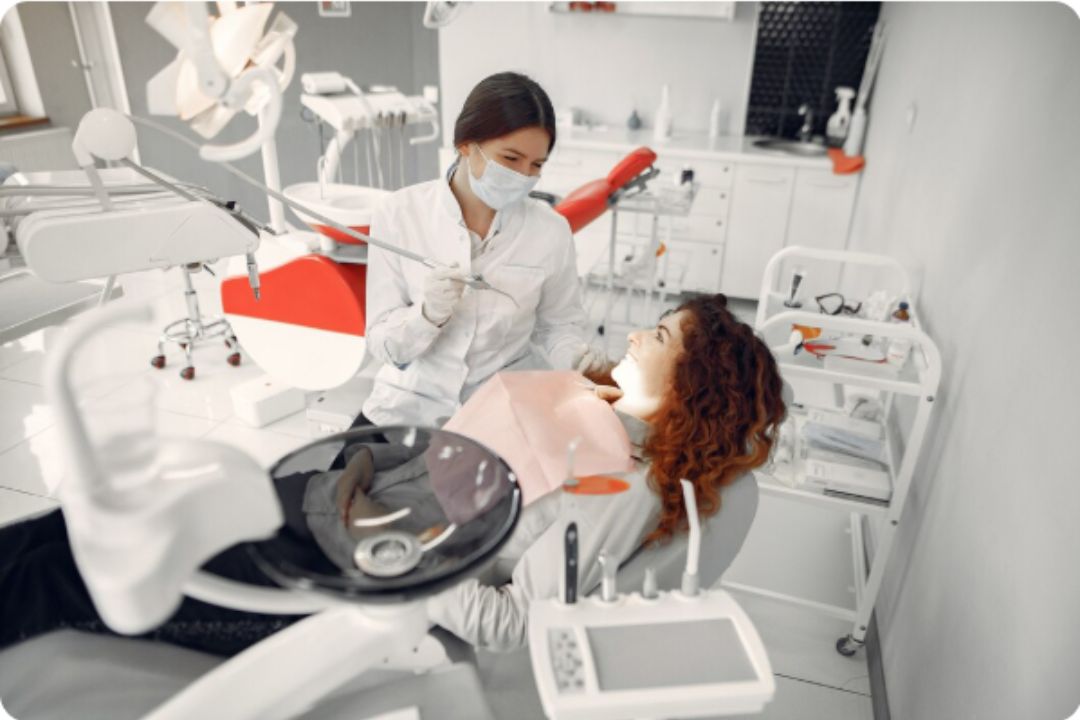
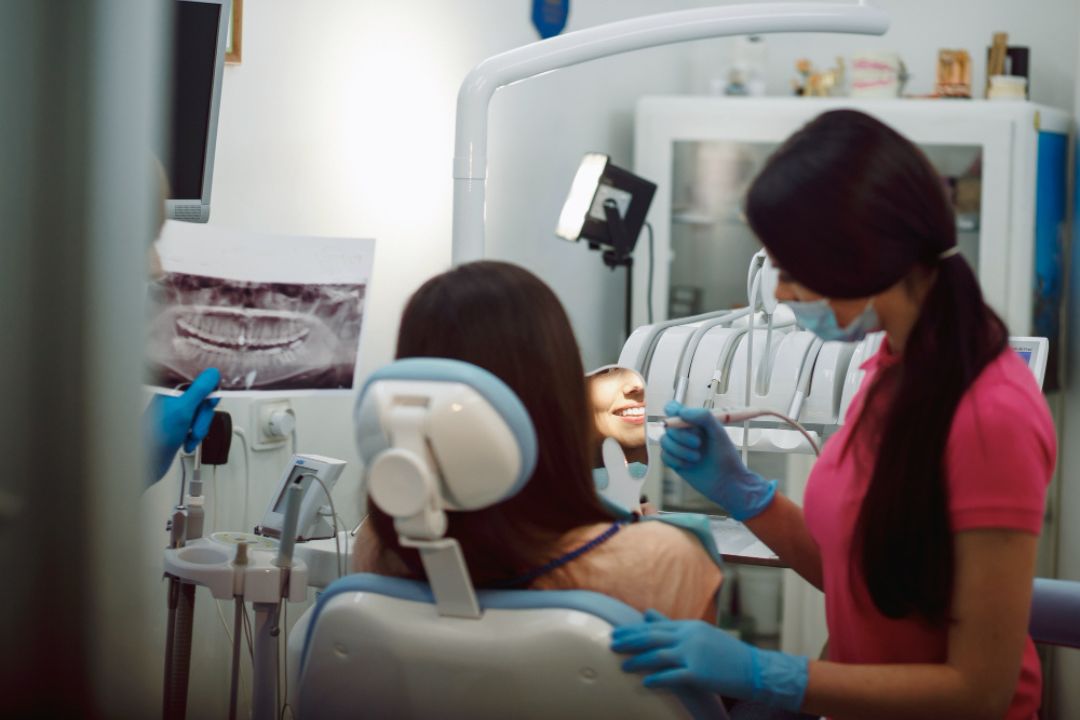
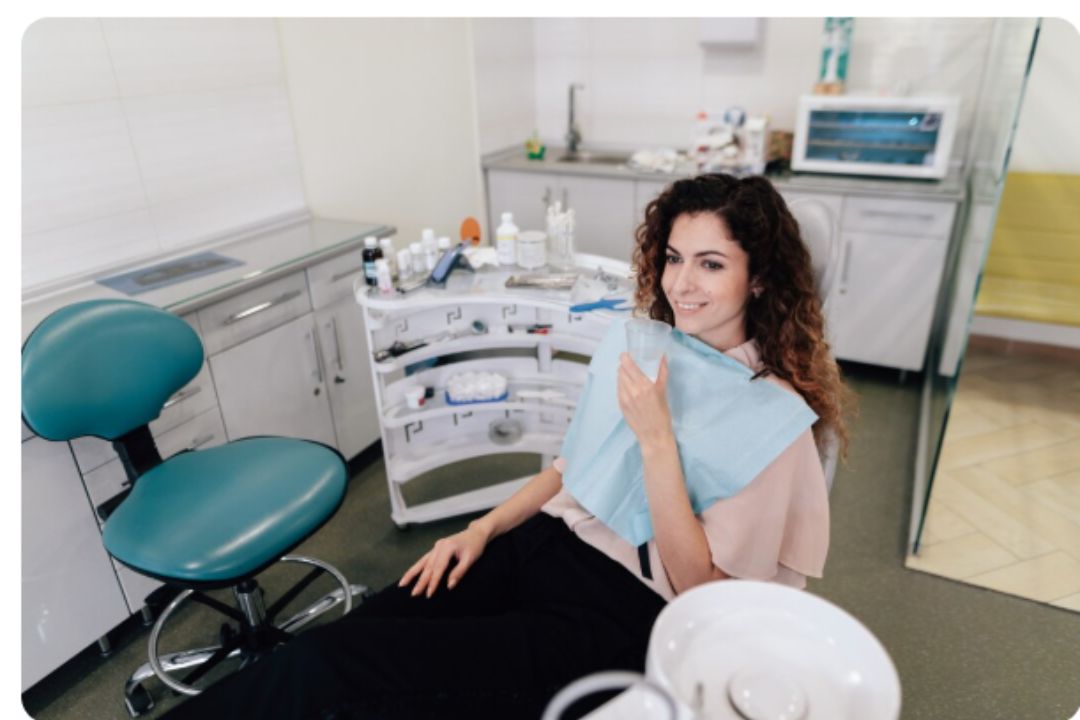
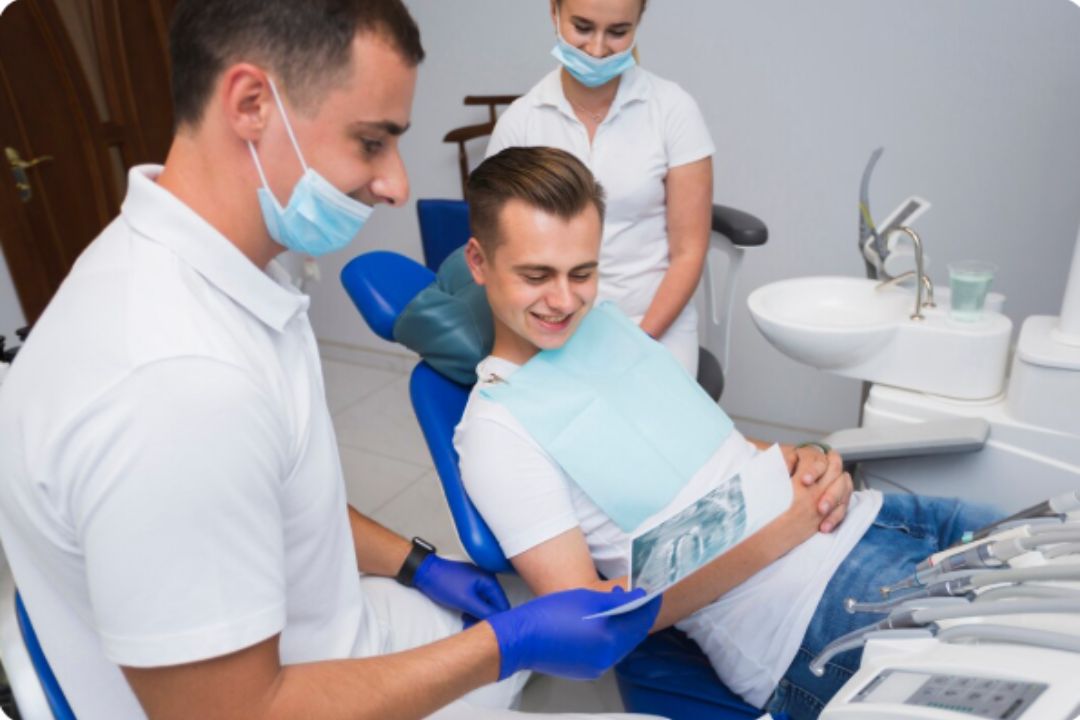
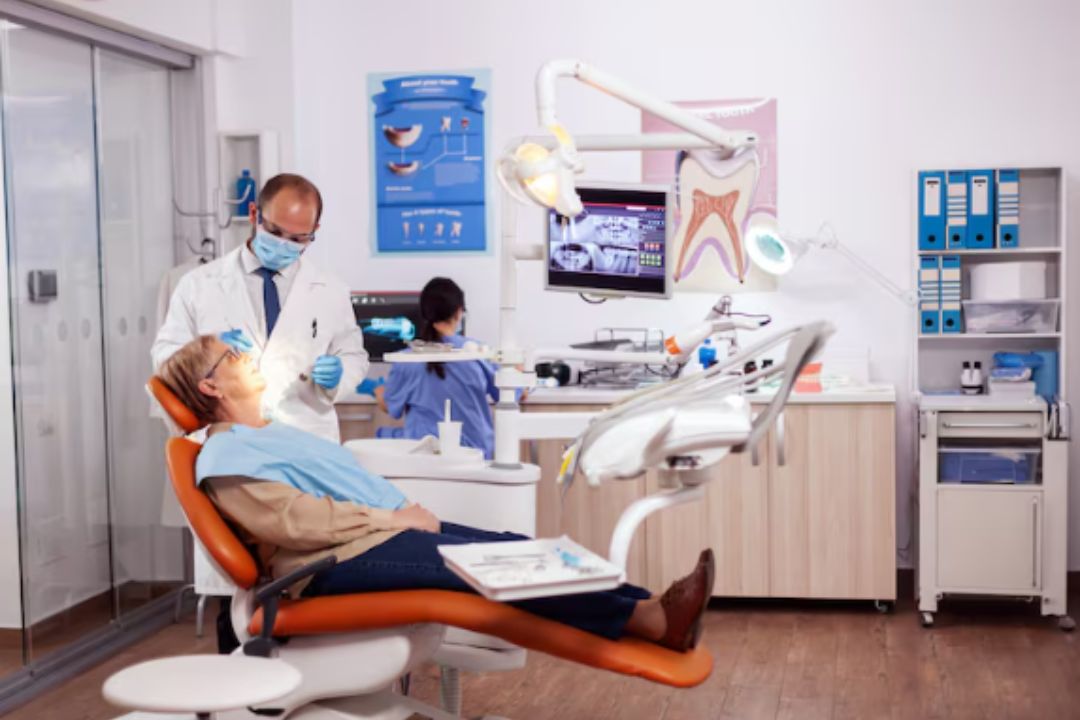
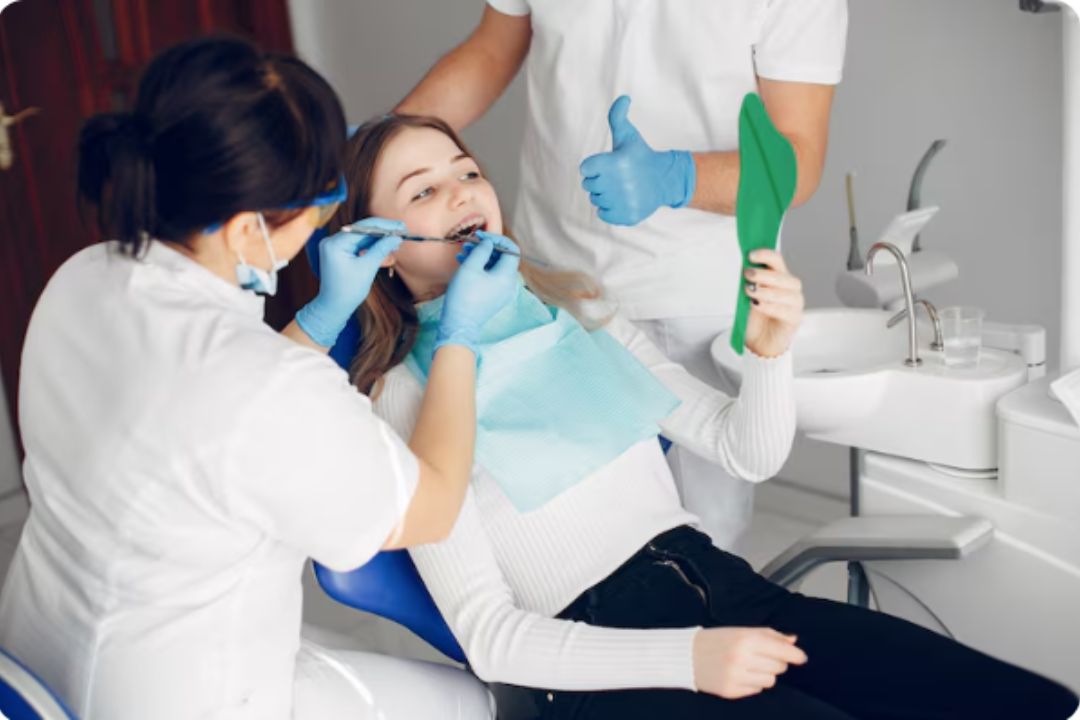
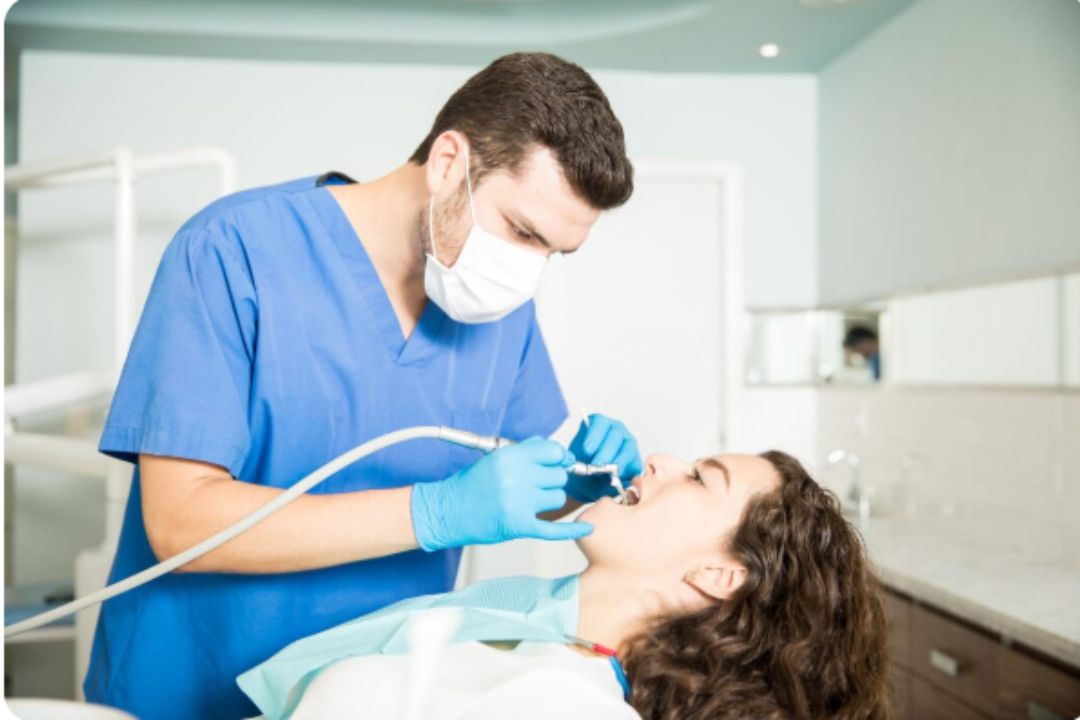
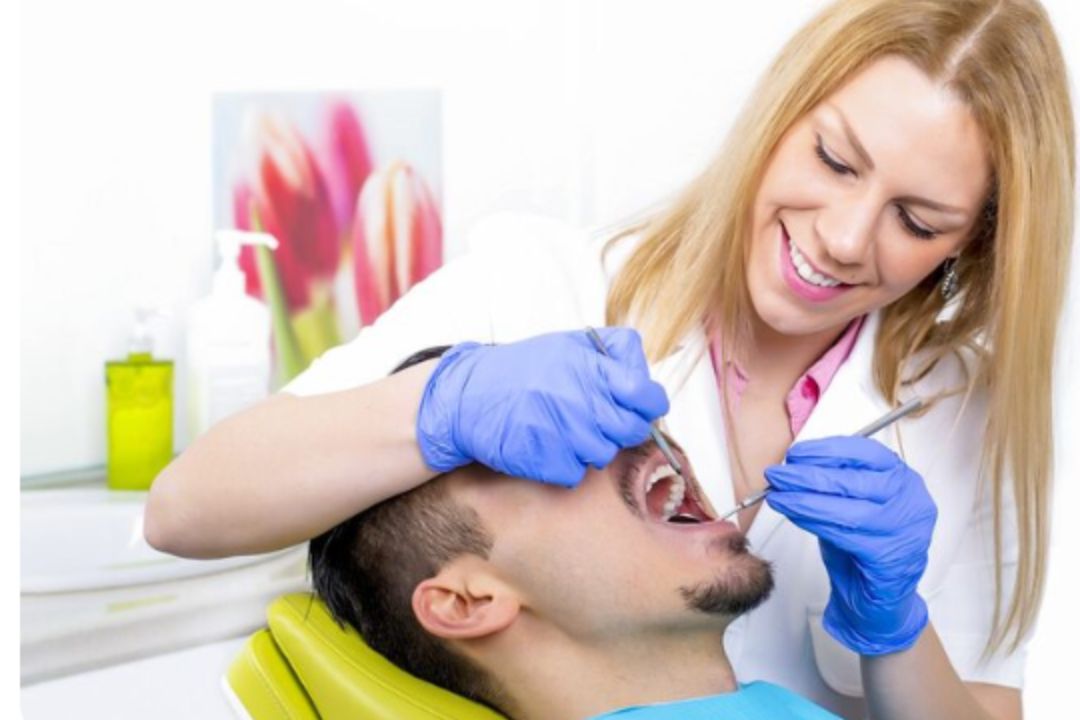
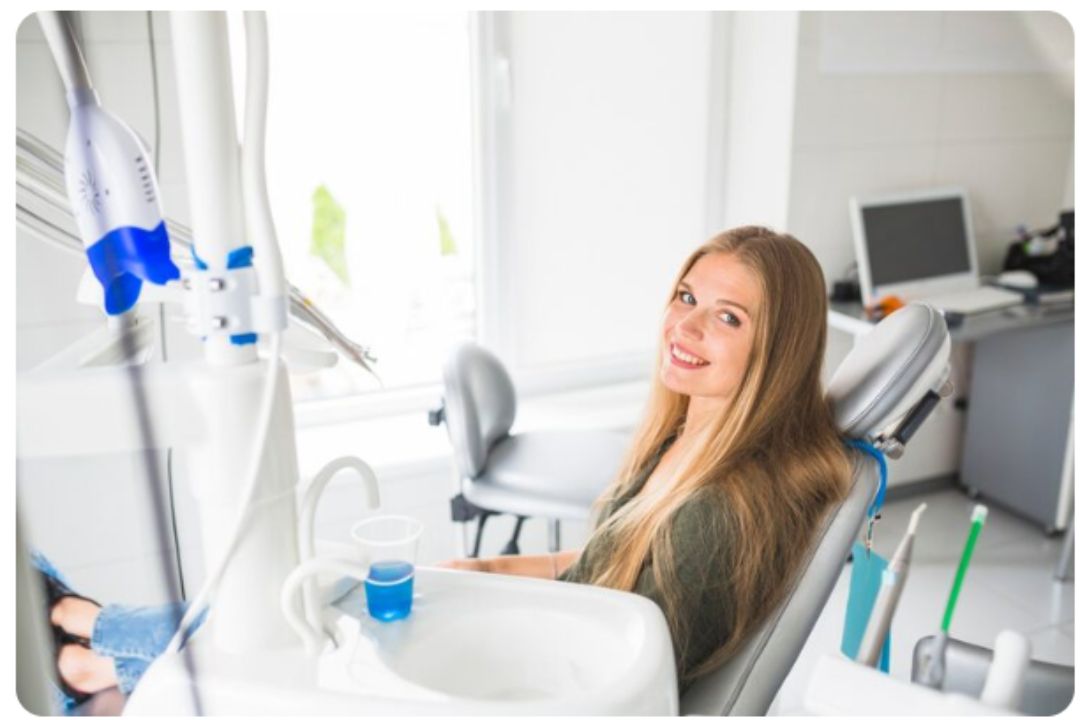
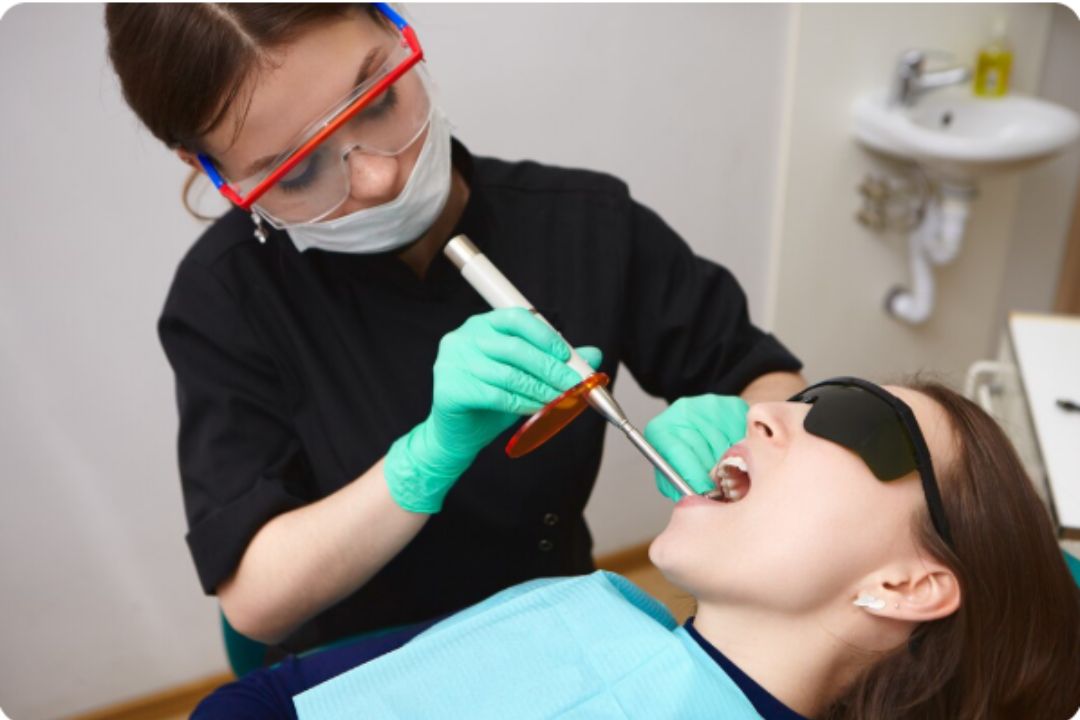
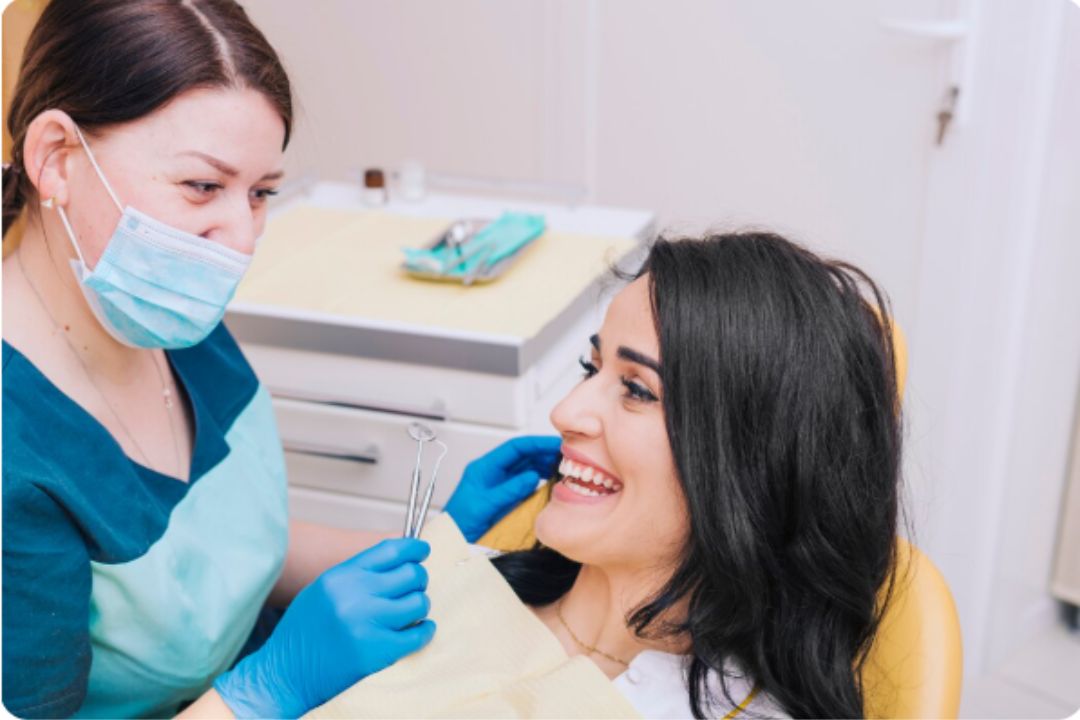
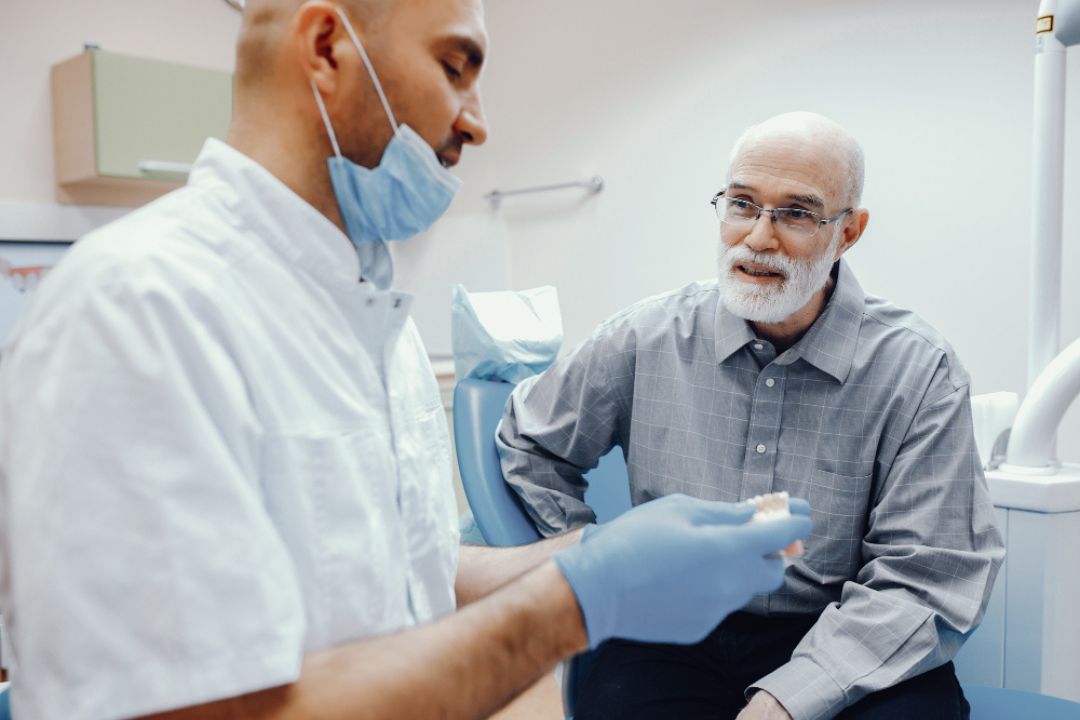
Commit to Professional Dental Visits: See your dentist for a professional cleaning and examination at least twice a year. They remove hardened tartar (calculus) that you can’t, spot early warning signs, and provide personalized advice.
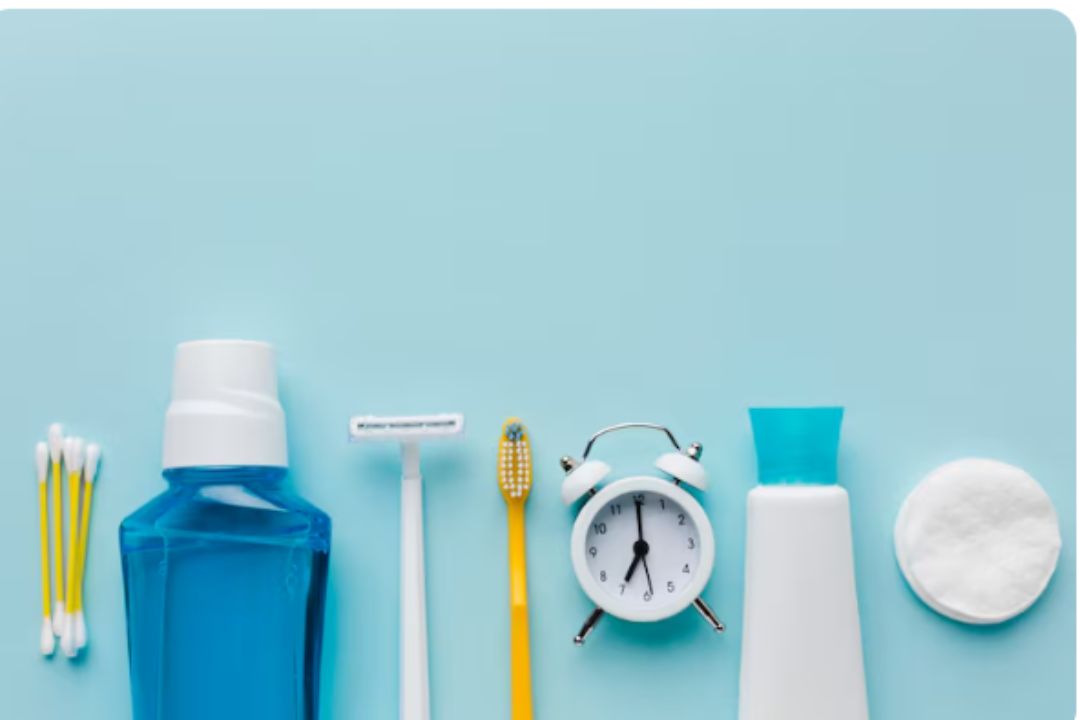
The right oral hygiene tools elevate your routine from basic to exceptional. Here’s an unbiased analysis:
Efficacy & Results: Numerous studies conclude that powered toothbrushes—specifically those with oscillating-rotating heads—are superior at reducing plaque and gingivitis over time compared to manual brushing. They manage the correct motion, ensuring consistency.
Cost Analysis: Manual brushes win on low upfront costing. Electric brushes require a higher initial investment and ongoing purchases of replacement heads. However, viewed as a long-term health investment, the marginal extra cost can prevent far greater dental expenses.
Comfort & Usability: Electric brushes offer superior comfort for those with limited dexterity, arthritis, or a tendency to brush too hard (many have pressure sensors). The built-in timer encourages adequate cleaning time, making the process easier and more effective.
Efficacy & Results: Traditional string floss is the gold standard for mechanically scraping plaque from tight tooth contacts. Water flossers are exceptionally effective at flushing out debris from around braces, bridges, and deep periodontal pockets, and are excellent for gum stimulation.
Cost Analysis: String floss is very low-cost. Water flossers have a significant upfront cost but are durable. For many, the improved compliance (people often enjoy using them more) justifies the expense.
Comfort & Usability: Water flossers are often the winner for comfort, especially for those with sensitive gums, very tight teeth that shred floss, or orthodontic appliances. They provide a gentle yet thorough clean that feels refreshing.
Efficacy & Results: Cosmetic rinses merely freshen breath temporarily. Therapeutic rinses with fluoride, CPC, or essential oils actively fight bacteria, reduce plaque, and prevent disease, delivering tangible benefits of oral hygiene.
Cost & Comfort: Therapeutic rinses are slightly more expensive but provide active benefits. Alcohol-free formulas offer greater comfort for those with dry mouths or tissue sensitivity.
In a digital landscape filled with conflicting advice, Diagnopein stands as your authoritative, patient-first resource. We don’t just list steps; we provide the context, science, and support to make them stick.
Expert-Curated, Actionable Knowledge: Our 10 steps to take are not a random list. They are a synthesized protocol from dental professionals, designed to be clear, sequential, and highly effective, translating complex dental science into daily habits.
Transparent, Evidence-Based Comparisons: Our analysis of oral hygiene tools cuts through marketing hype. We present honest comparisons of efficacy, long-term costing, and user comfort, empowering you to make investments that truly benefit your unique oral environment and lifestyle.
A Holistic Vision of Health: At Diagnopein, we continuously emphasize the profound, body-wide benefits of oral hygiene. We frame dental care not as a chore, but as a critical pillar of your holistic wellness strategy, motivating you through deeper understanding.
A Commitment to Empowerment and Prevention: Our core mission is to equip you with knowledge that prevents problems before they start. We believe informed patients are empowered patients, capable of partnering with their dentist for a lifetime of optimal health.
Mastering these 10 steps to take for impeccable oral hygiene is one of the most powerful commitments you can make to your long-term health and quality of life. By embracing the full spectrum of benefits, strategically selecting your oral hygiene tools based on a balance of performance and personal comfort, you transform daily routine into lifelong wellness.








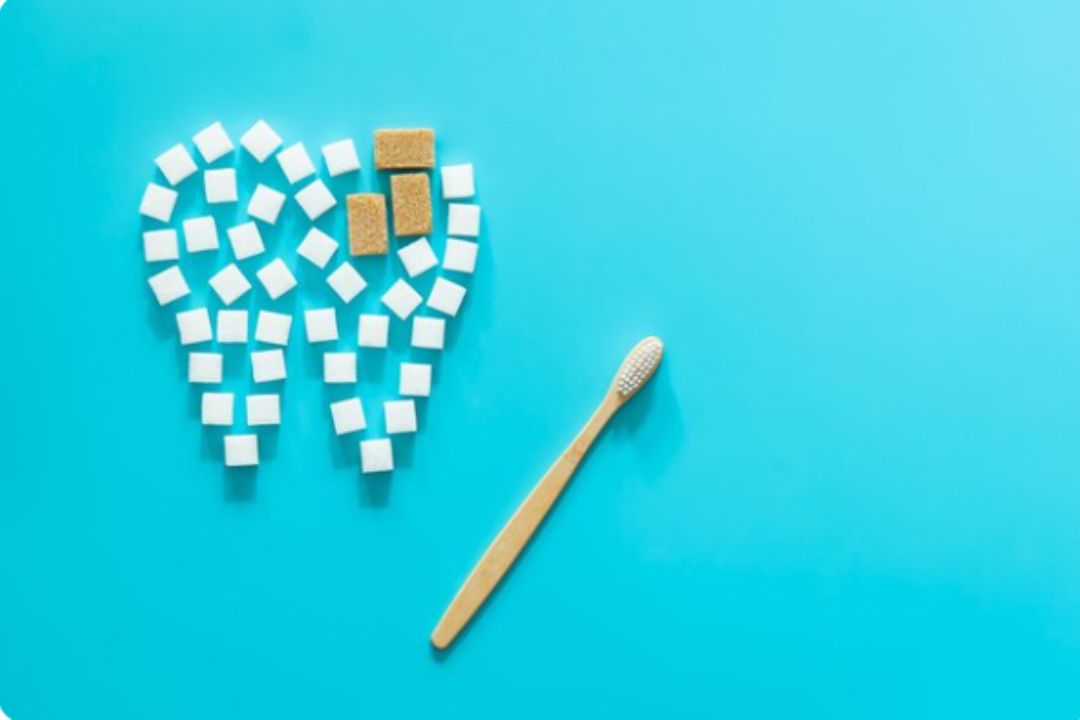


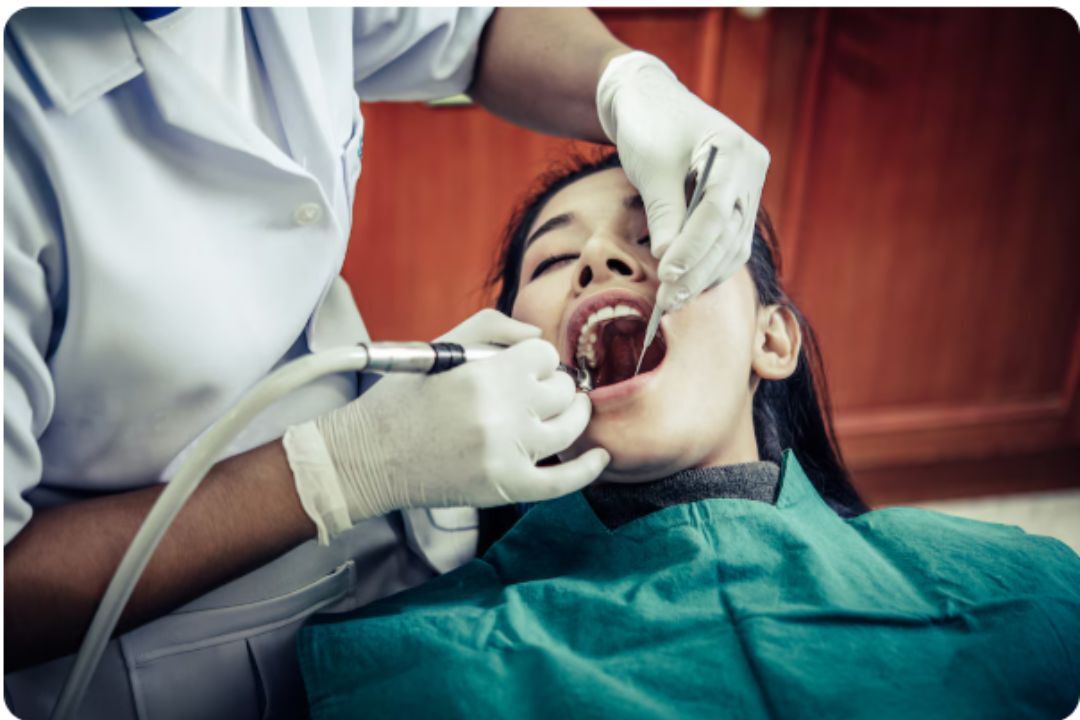
.jpg "dental checkups once or twice a year what best for your smile in mumbai")
.jpg "dentist approved oral care routine for healthy teeth and gums")
.jpg "top oral health mistakes most people make every day")
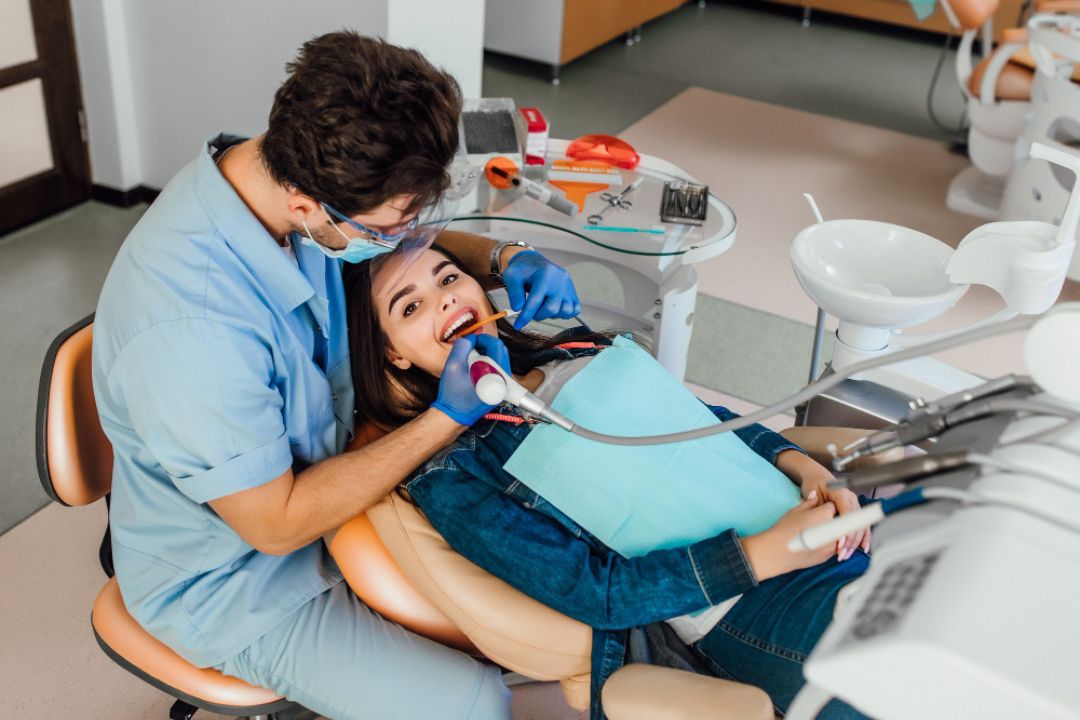
.jpg "best dental clinic in mumbai how to choose the right dentist")

.jpg "best oral hygiene habits for gum and tooth protection")
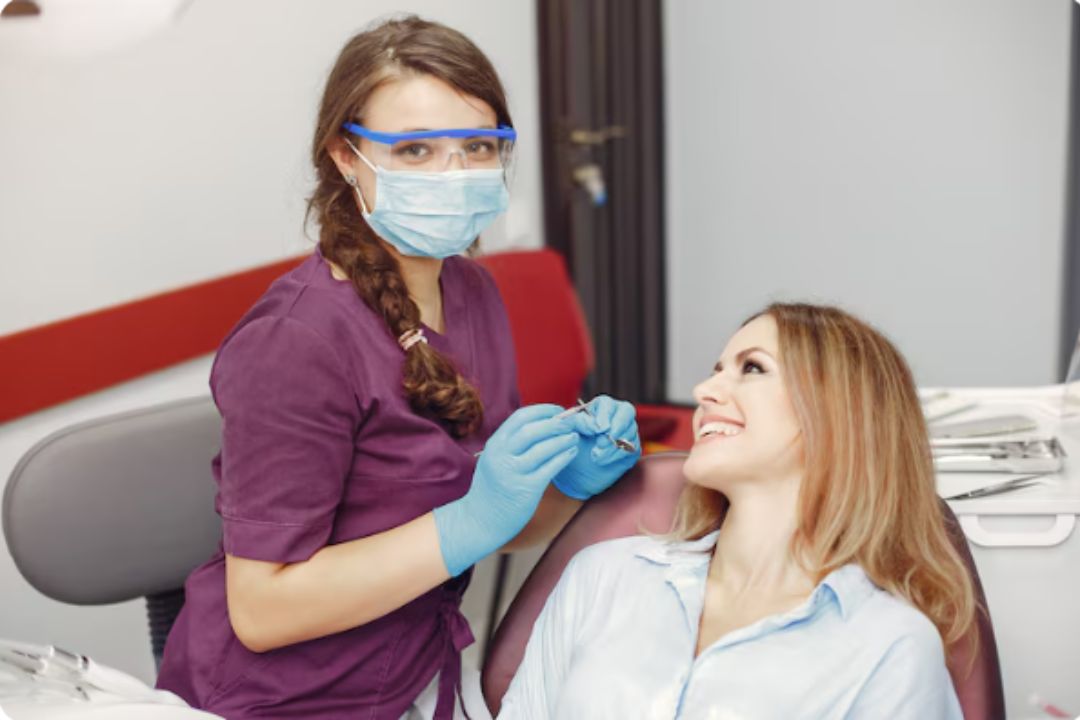







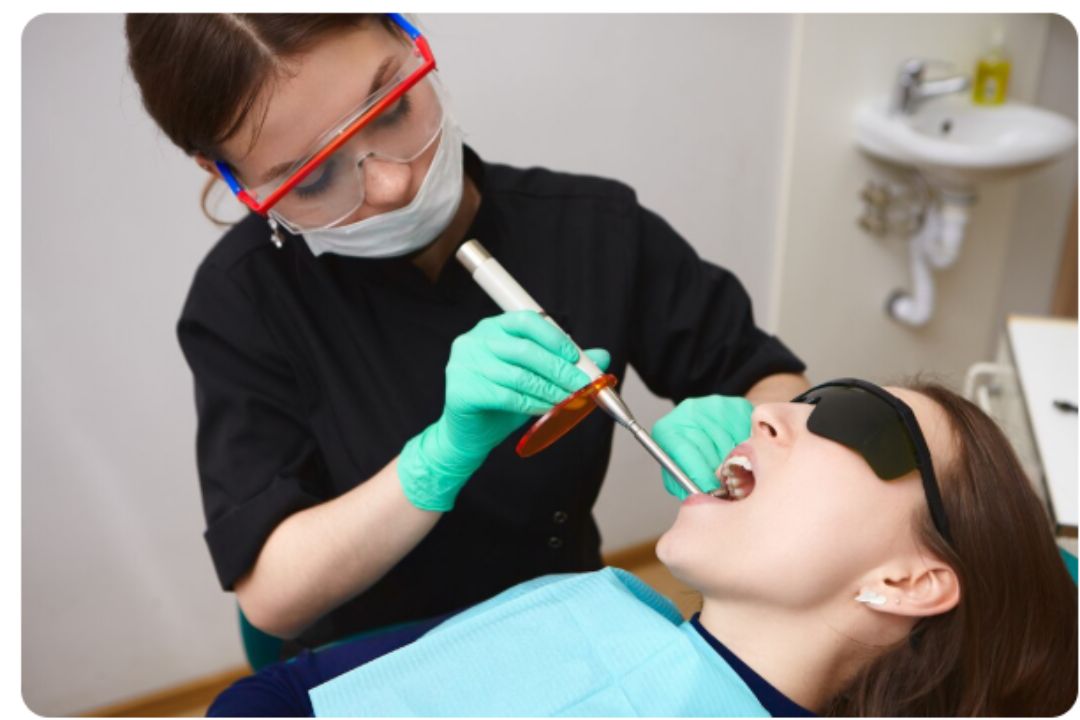

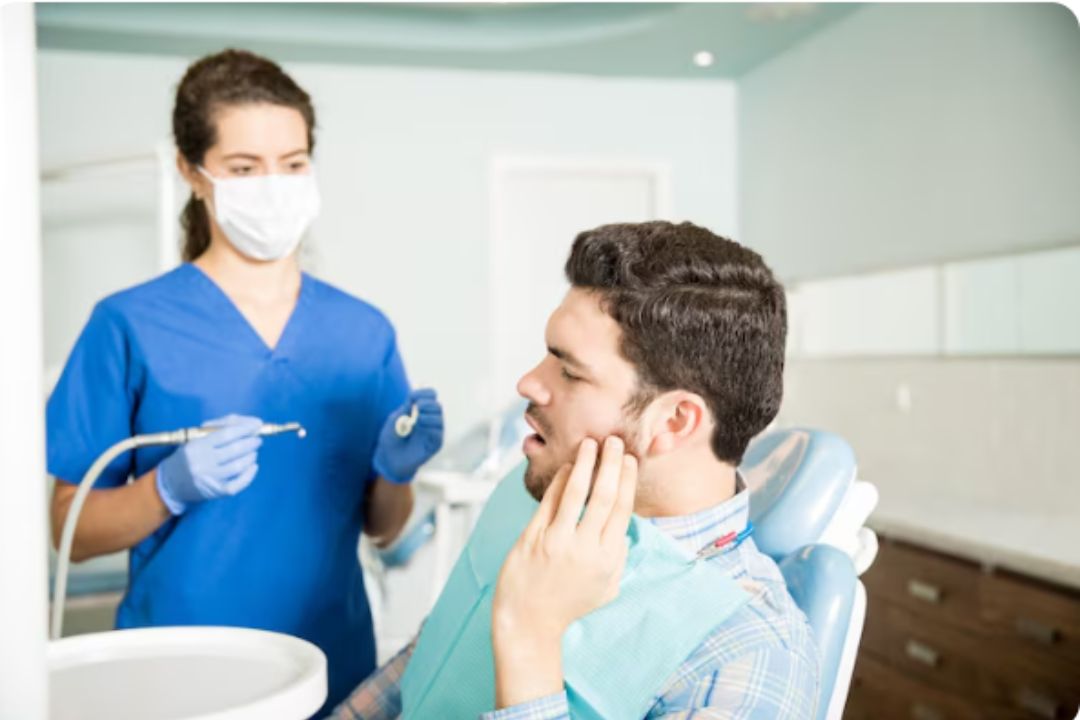

.jpg "oral health and hygiene")
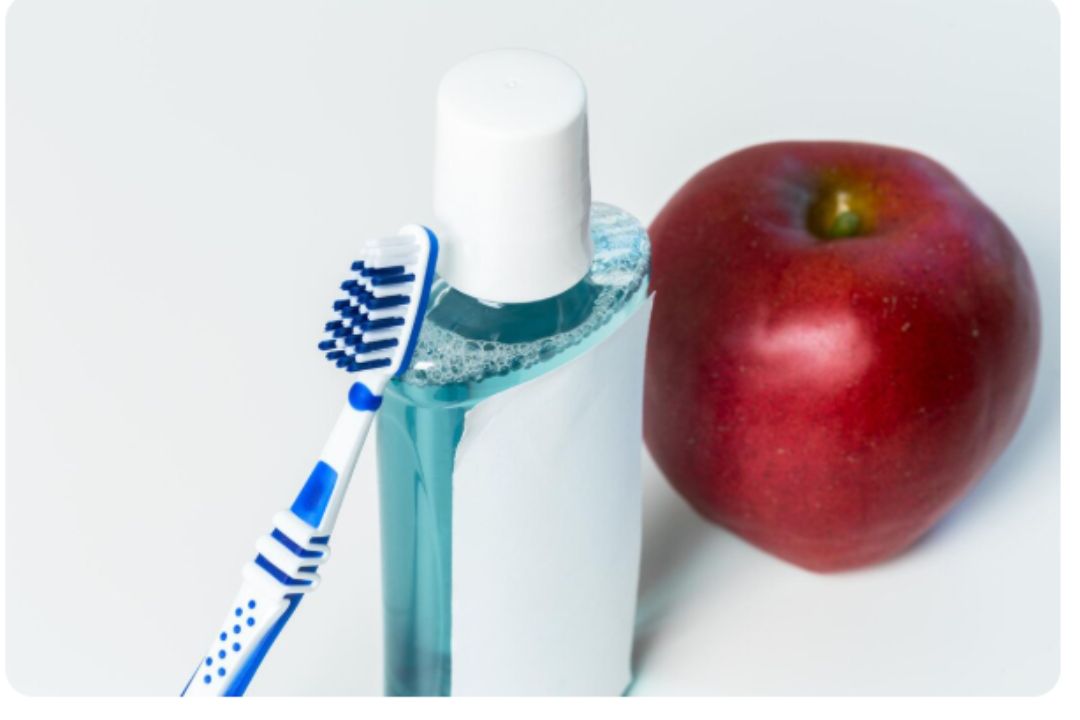
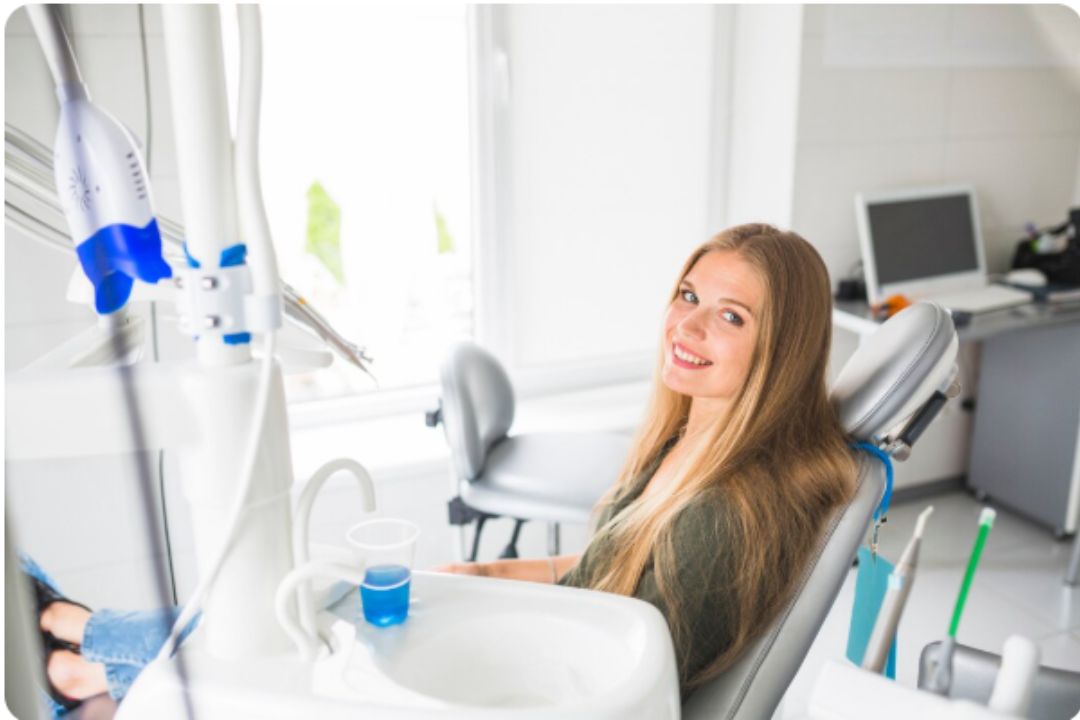














.jpg "Impacts Your Dental Health")
.jpg "Oral Health and Mental Health")
.jpg "Dental Care for Seniors")
.jpg "Regular Dental Checkups Are More Important")
 (1).jpg "Oral Health and Systemic Diseases")
.jpg "Oral Healthcare and Major Diseases")

 (1).jpg "Free Dental Visit")




 (1).png "Common Dental problems")