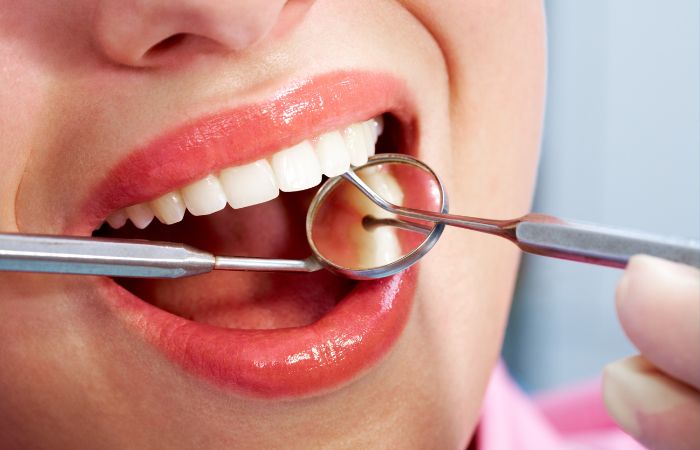
Maintaining healthy teeth and gums is essential for overall health and well-being. A bright smile not only boosts confidence but also reflects good oral hygiene and a healthy lifestyle. Many people believe that brushing alone is enough to maintain oral health, but the truth is that complete dental care involves several habits and lifestyle choices.
Poor oral hygiene can lead to issues such as cavities, gum disease, bad breath, and even tooth loss. In some cases, oral infections may also contribute to serious health problems like heart disease and diabetes.
The good news is that maintaining healthy teeth and gums is not difficult. By following a few simple daily habits, you can protect your smile and prevent dental problems.
In this article, we will explore 10 secrets to keep your teeth and gums happy and healthy, along with practical tips that can help you maintain excellent oral hygiene.
Oral Health plays a crucial role in your overall health. Your mouth is the entry point to your digestive and respiratory systems, and harmful bacteria in the mouth can affect other parts of the body.
Maintaining healthy teeth and gums helps you:
Prevent cavities and gum disease
Avoid bad breath
Maintain strong teeth
Improve digestion by chewing food properly
Boost confidence with a beautiful smile
Good oral hygiene habits can significantly reduce the risk of dental problems and help maintain long-term oral health.
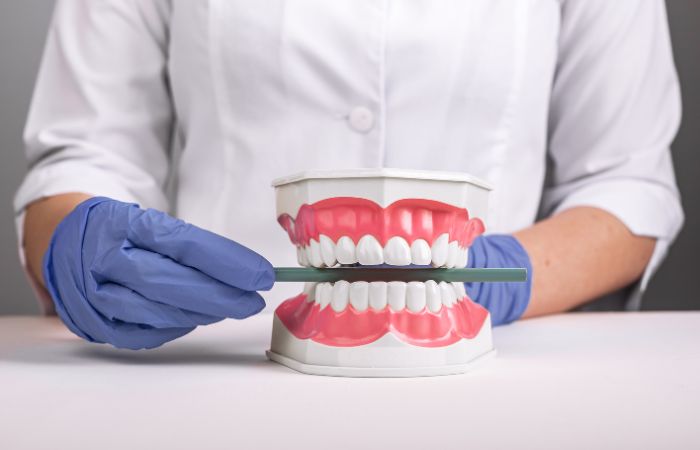
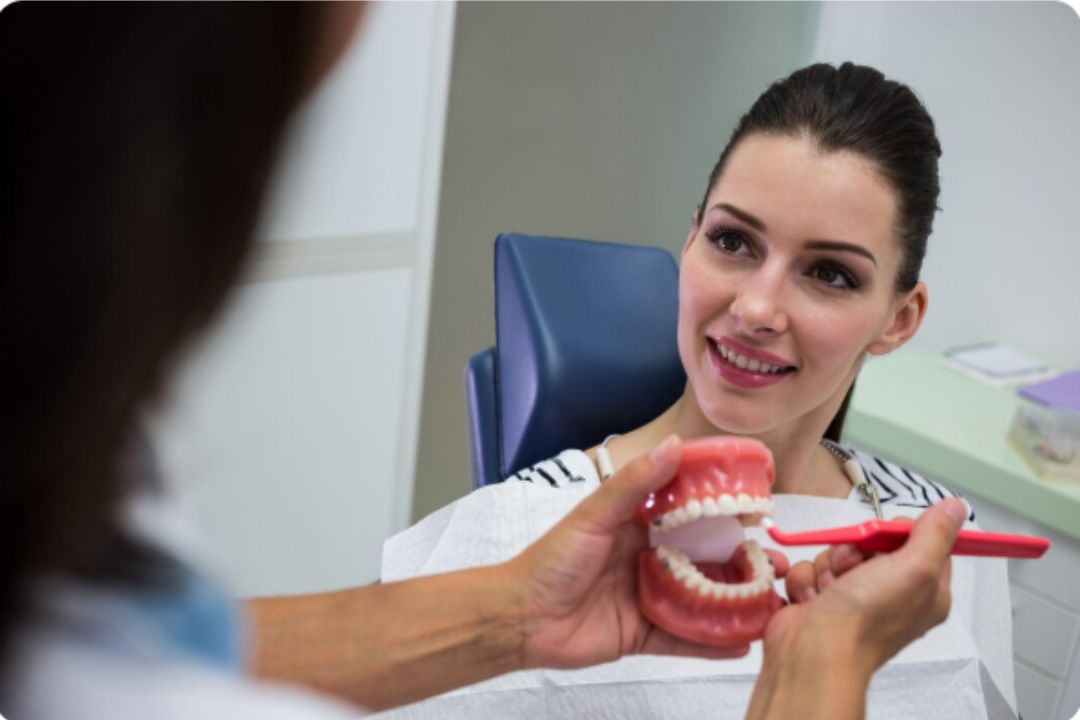
Brushing your teeth regularly is the foundation of good oral hygiene. Dentists recommend brushing at least twice a day, once in the morning and once before bedtime.
Visit Now: https://www.diagnopein.com/dental-clinic/Pune
Brushing helps remove plaque, bacteria, and food particles that accumulate on teeth throughout the day.
Tips for effective brushing:
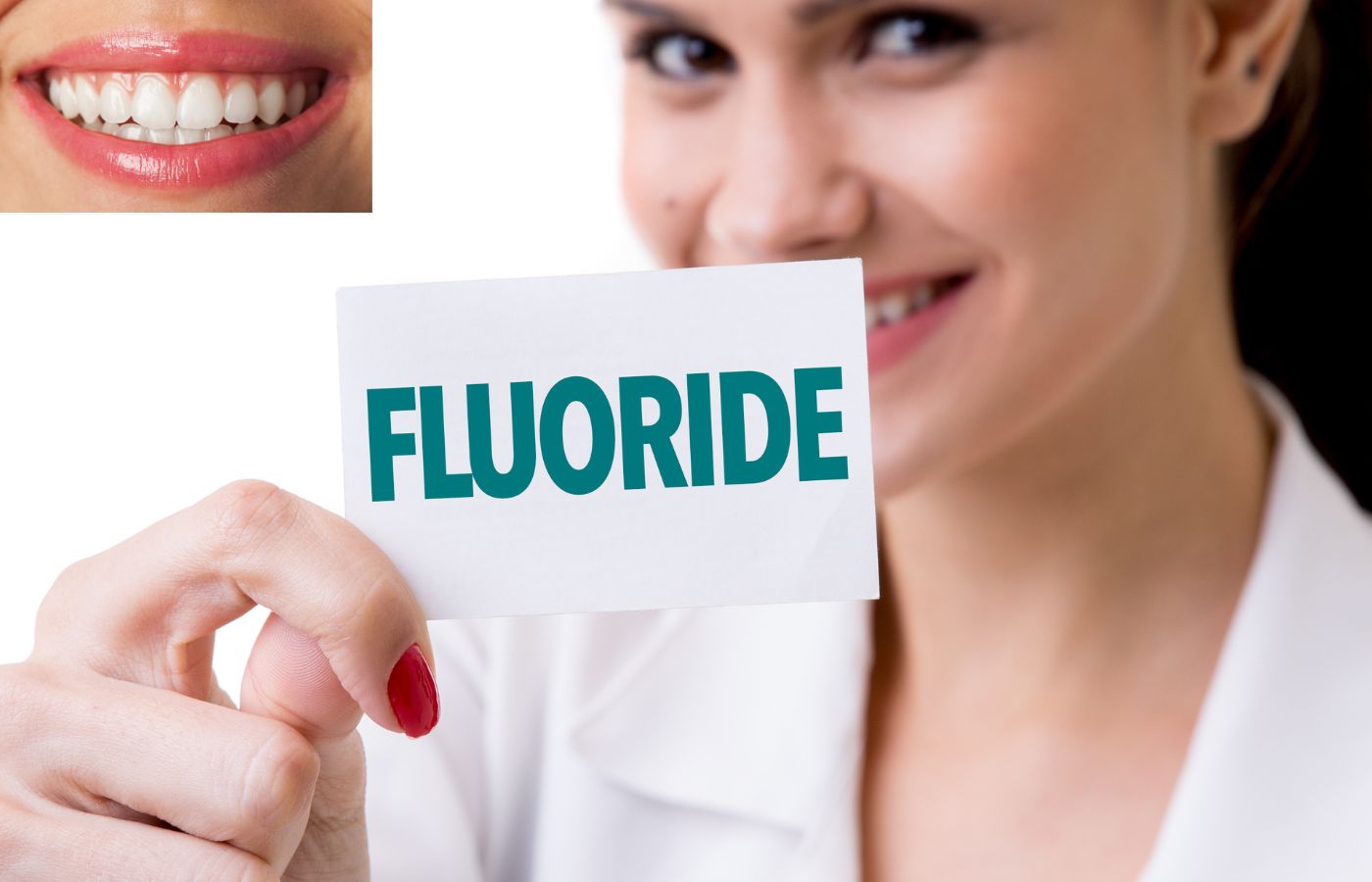
Use fluoride toothpaste
Brush for at least two minutes
Use a soft-bristled toothbrush
Clean all surfaces of the teeth, including the back teeth
Replace your toothbrush every three months
Proper brushing helps prevent cavities, gum disease, and plaque buildup.
While brushing cleans the surfaces of your teeth, it cannot reach the tight spaces between them. This is where flossing becomes essential.
Flossing removes food particles and plaque trapped between teeth and along the gum line.
Benefits of daily flossing include:
Prevents gum inflammation
Reduces plaque buildup
Protects against cavities between teeth
Improves gum health
Flossing once a day can make a significant difference in maintaining healthy gums and preventing dental problems.
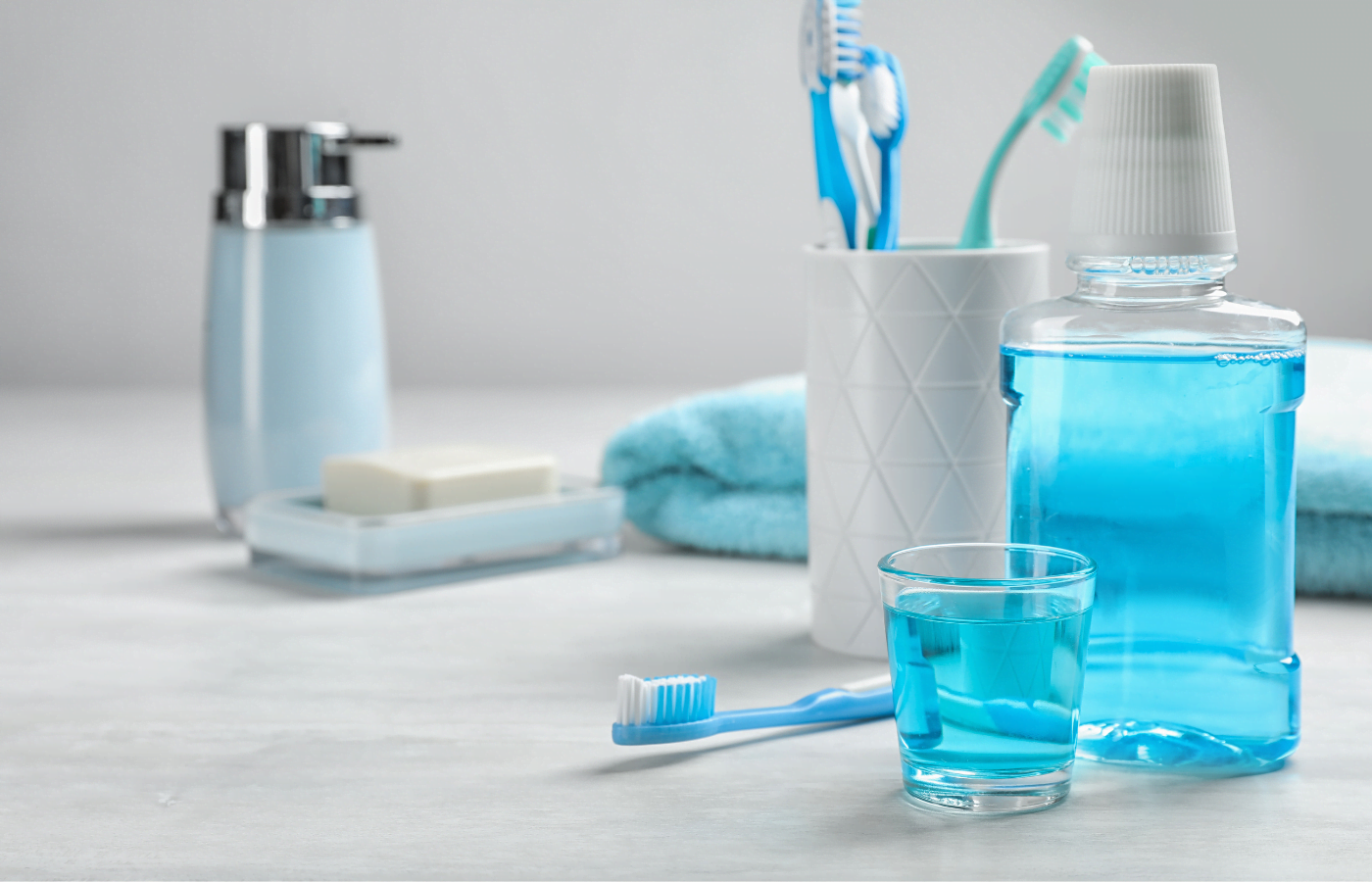
Mouthwash is an excellent addition to your daily oral hygiene routine. It helps kill bacteria that cause plaque, bad breath, and gum disease.
Benefits of mouthwash include:
Reducing bacteria in the mouth
Freshening breath
Preventing plaque formation
Strengthening enamel with fluoride mouthwash
Using mouthwash after brushing and flossing can provide extra protection against oral health problems.
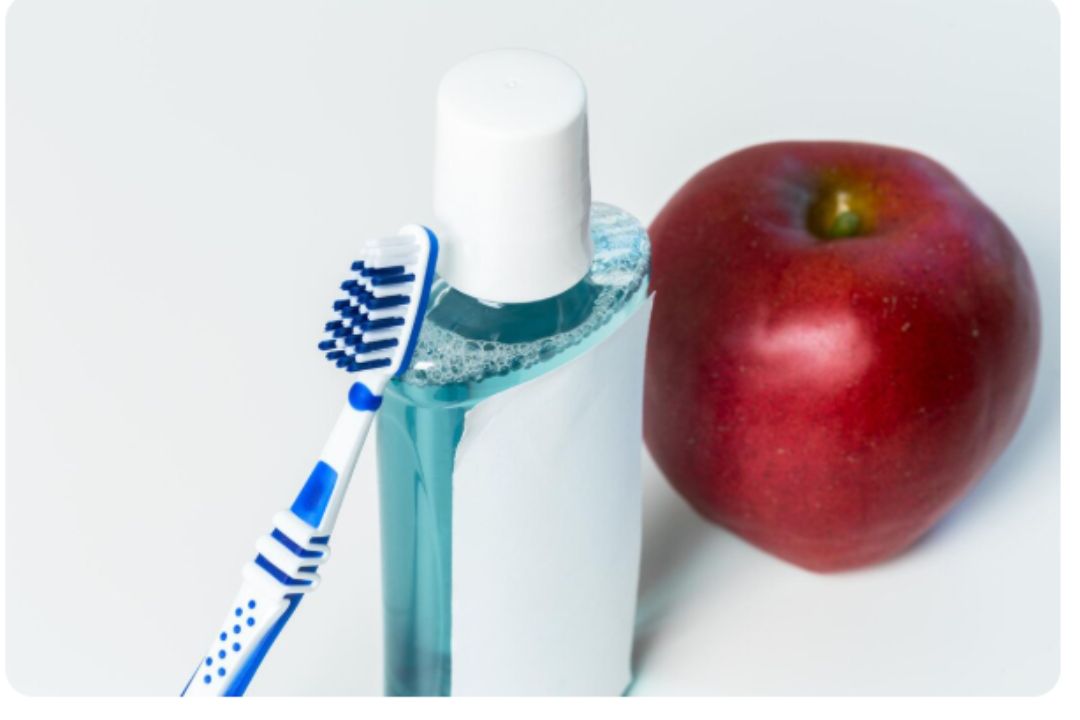
Your diet has a major impact on your dental health. Certain foods can strengthen your teeth, while others can damage enamel and cause cavities.
Healthy foods for teeth include:
Dairy products such as milk and yogurt
Leafy green vegetables
Nuts and seeds
Fresh fruits and vegetables
Fish rich in omega-3 fatty acids
Limiting sugary snacks and acidic drinks can also help protect your teeth from decay.
A balanced diet provides essential nutrients like calcium, phosphorus, and vitamin D, which are important for strong teeth and healthy gums.
Water is one of the best beverages for maintaining oral health. Drinking water throughout the day helps wash away food particles and bacteria from the mouth.
Benefits of drinking water include:
Reducing acid levels in the mouth
Preventing dry mouth
Removing food debris
Supporting saliva production
Saliva plays a key role in protecting teeth by neutralizing acids and preventing bacterial growth.
Drinking water after meals can help keep your mouth clean and reduce the risk of cavities.
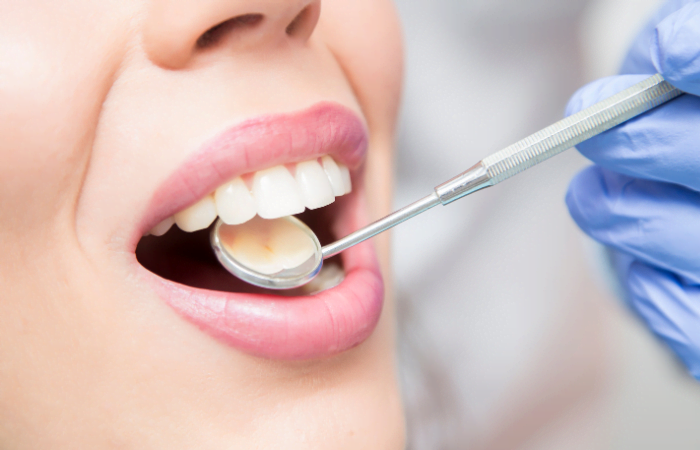
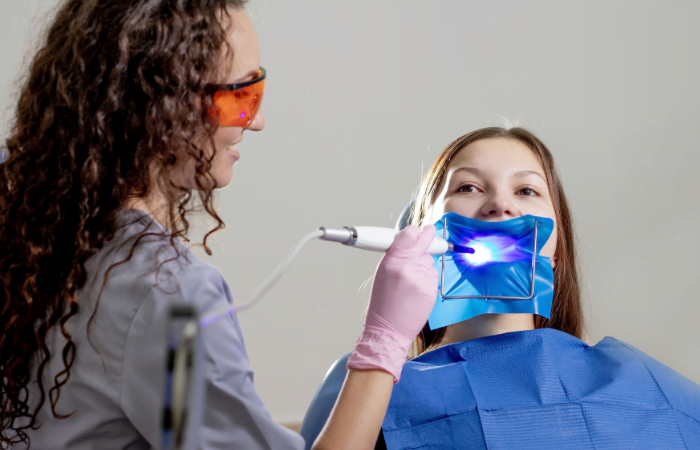
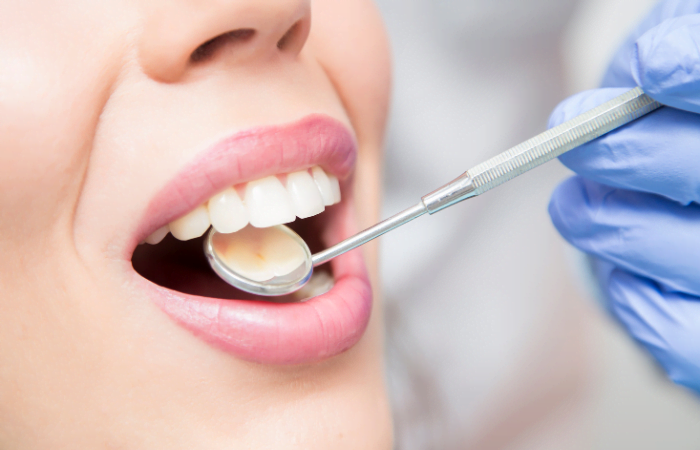
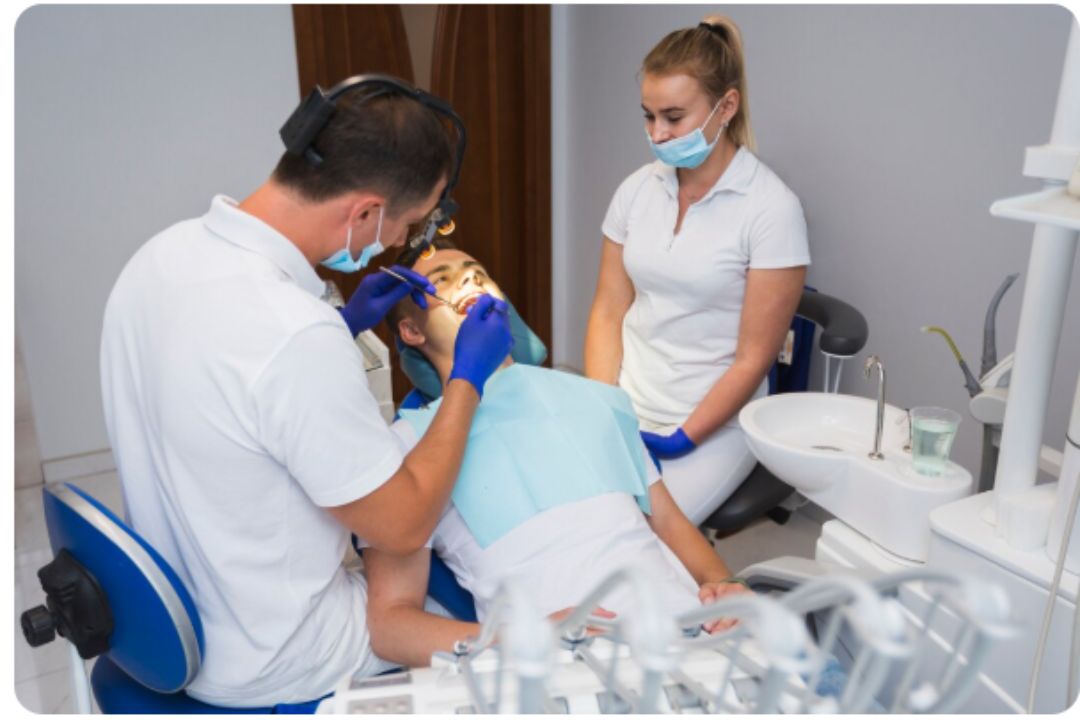
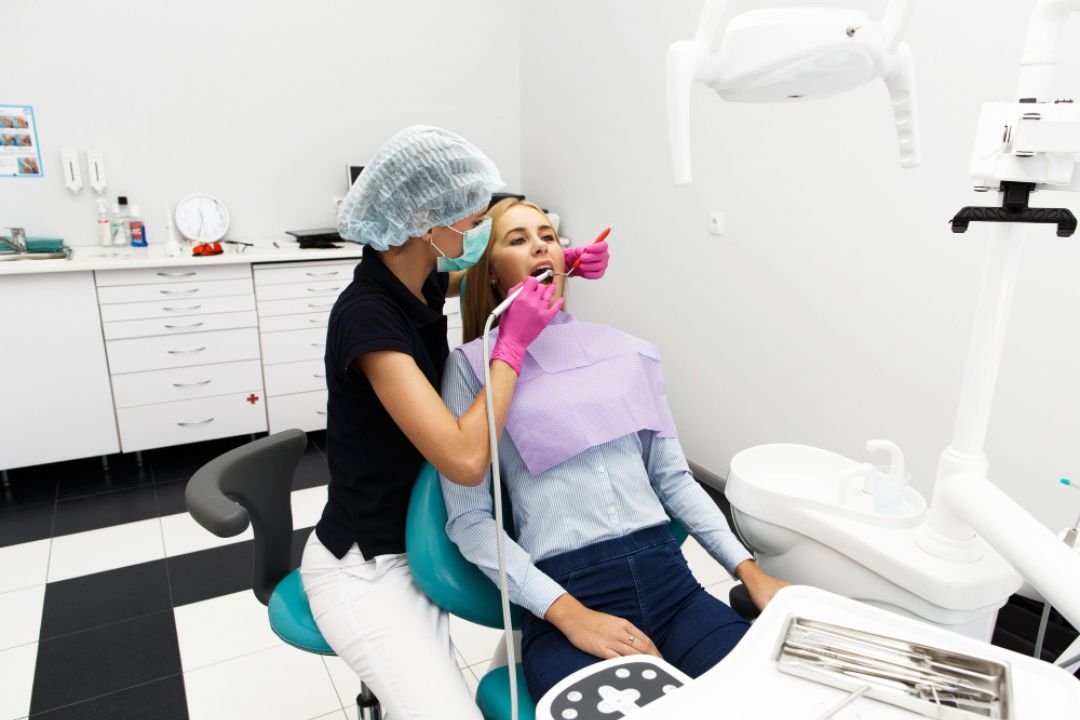
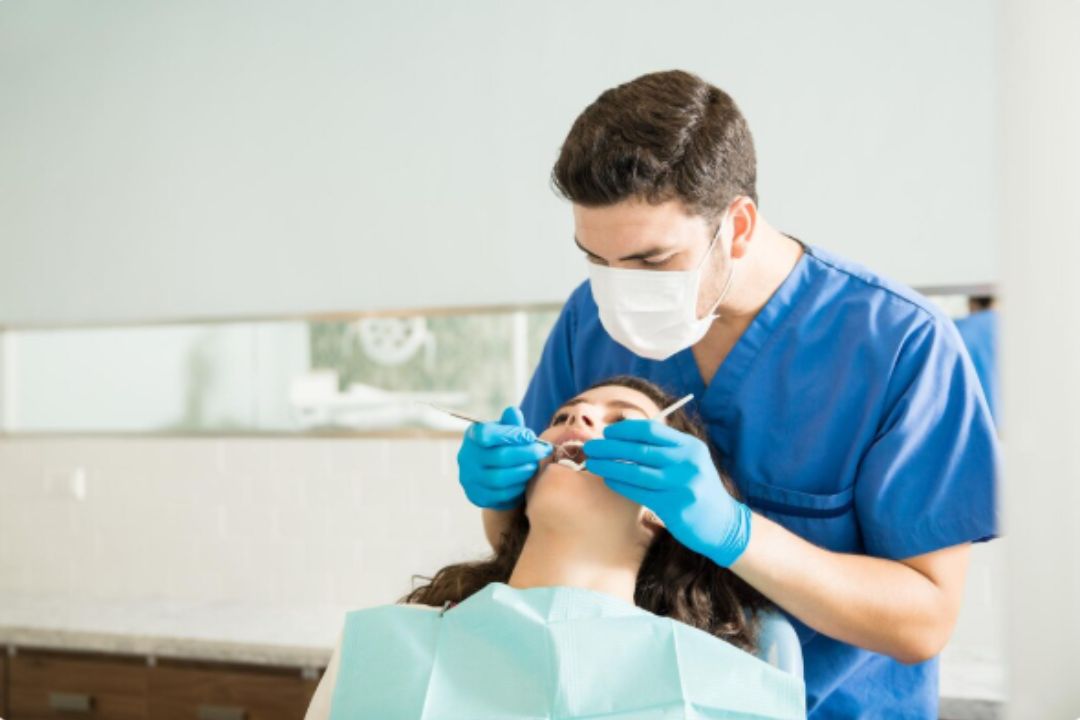
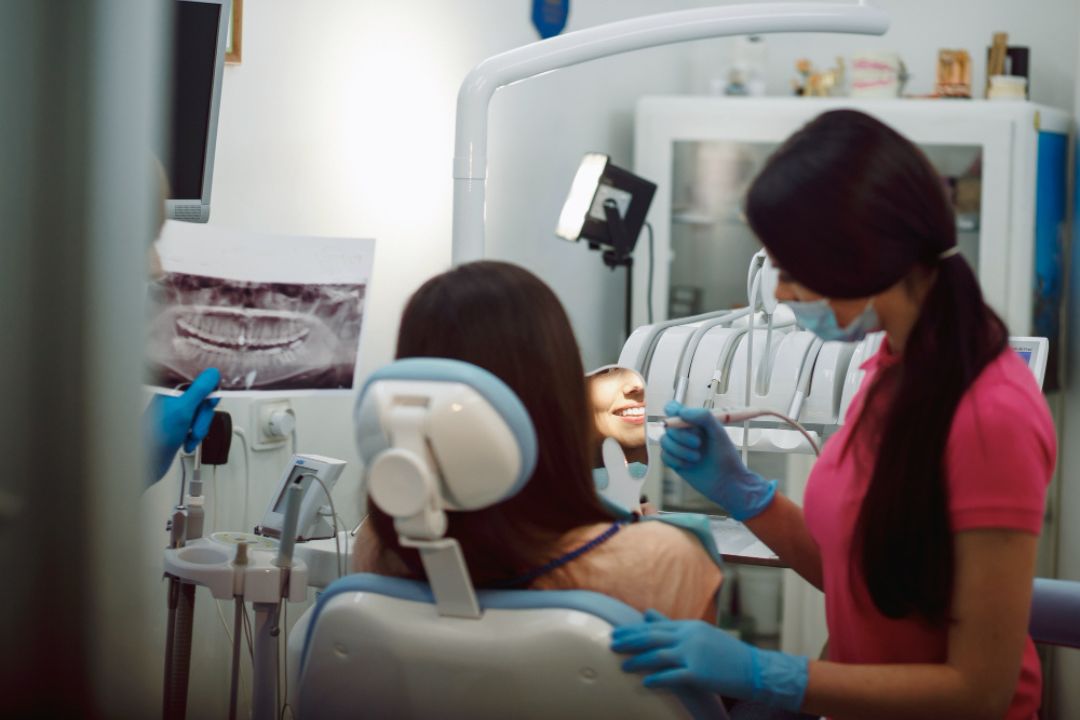
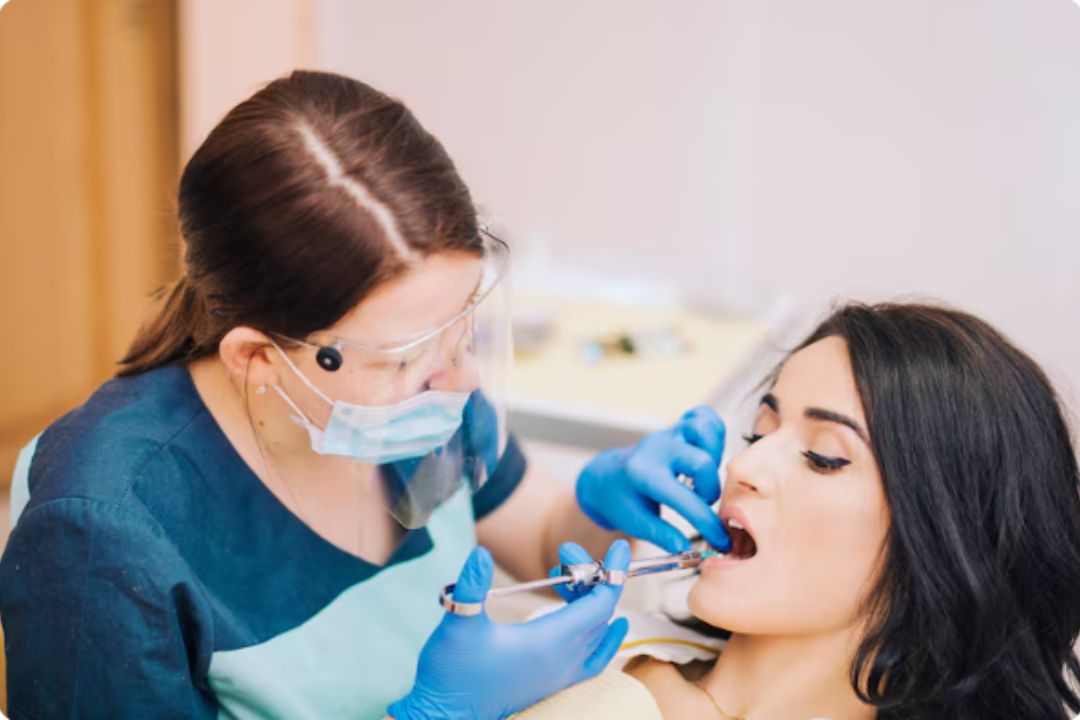
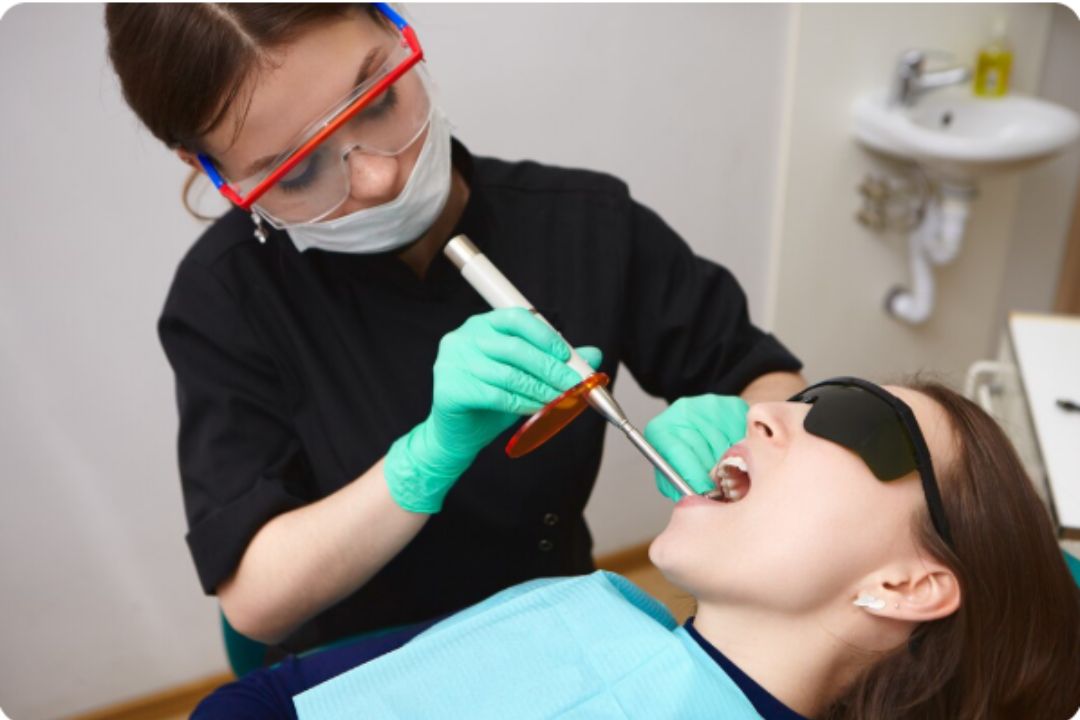
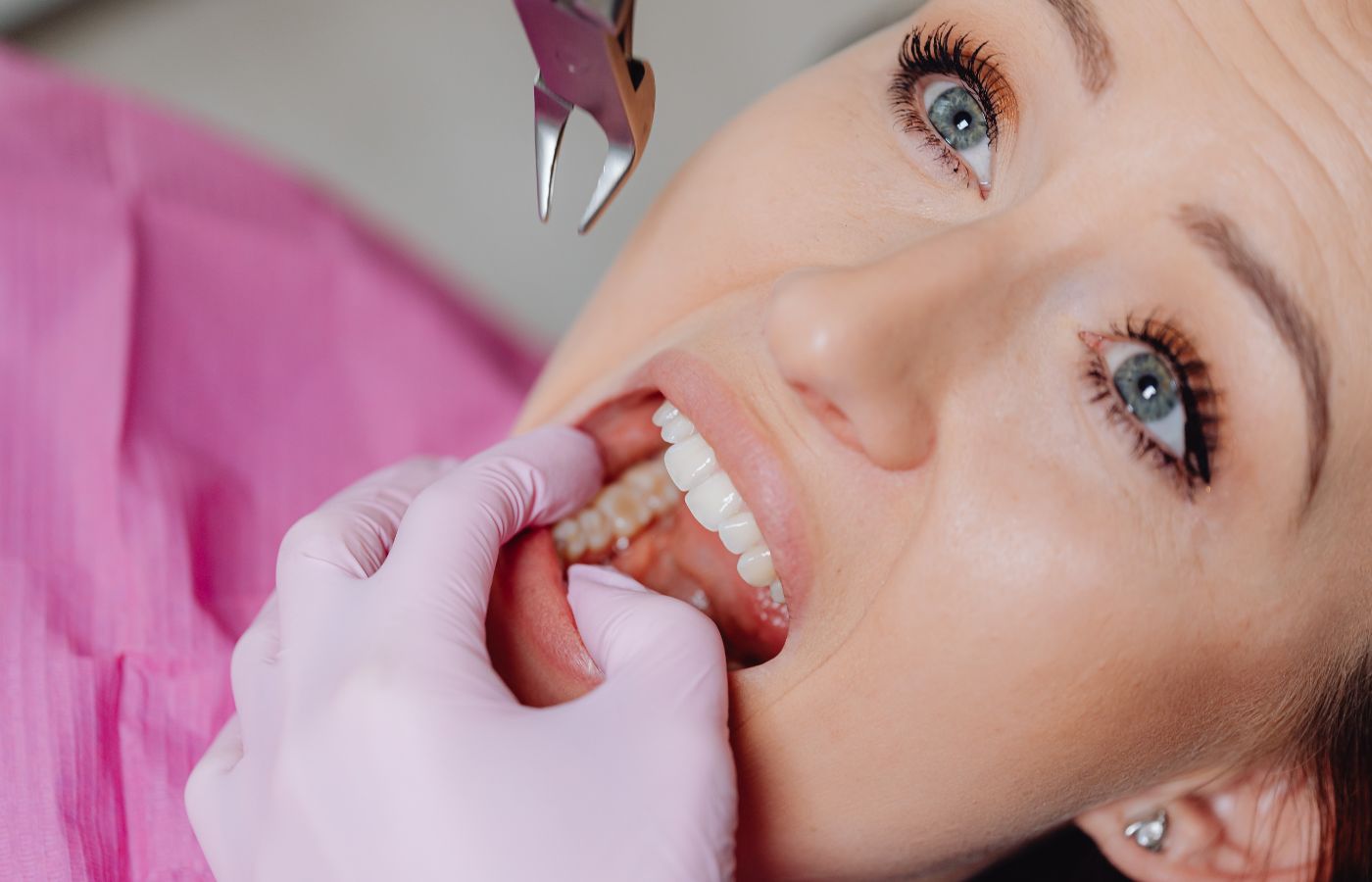
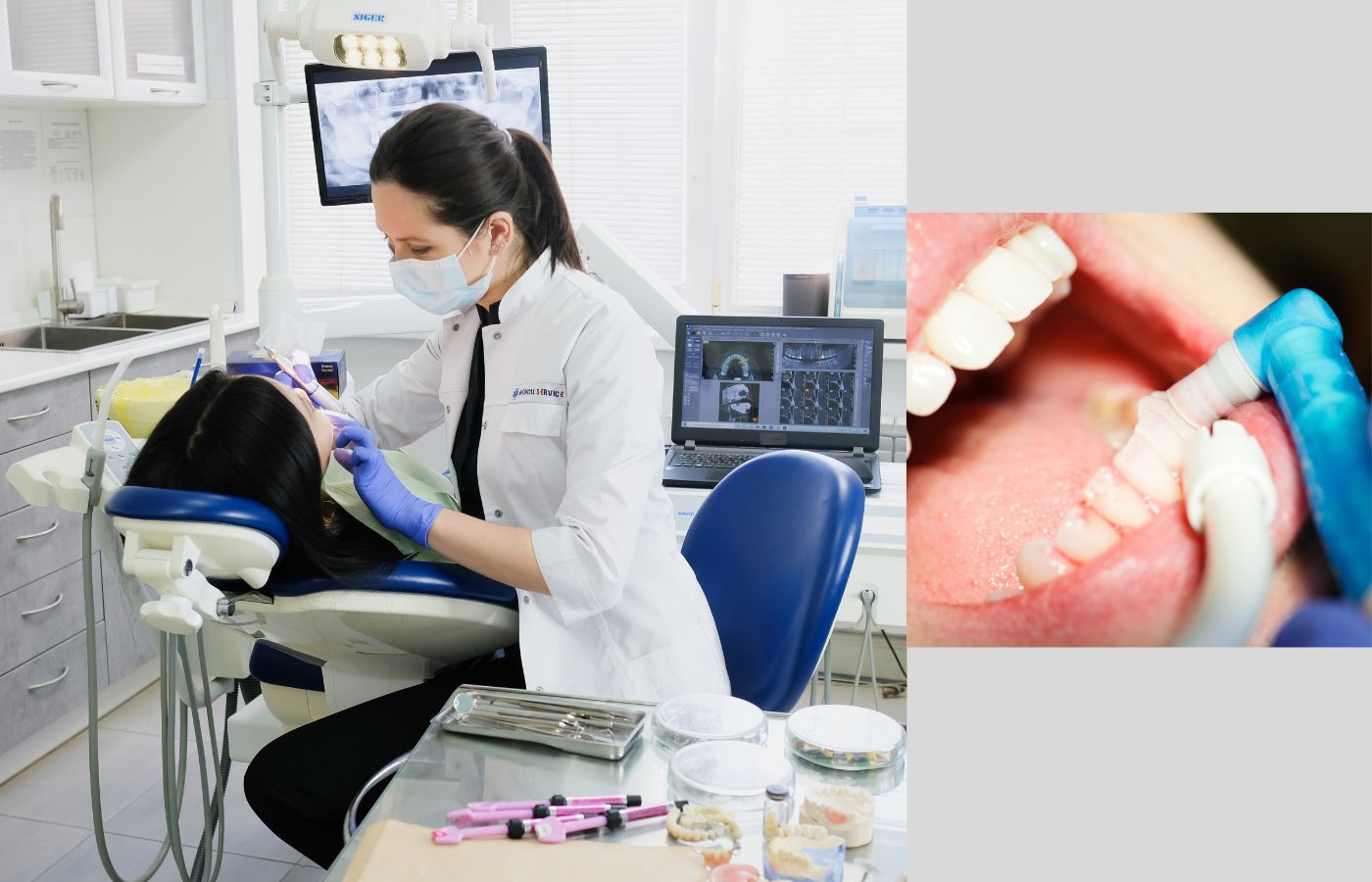
Regular dental checkups are essential for maintaining healthy teeth and gums. Dentists can detect early signs of dental problems before they become serious.
Most dental professionals recommend visiting a dentist every six months for routine checkups and cleaning.
During a dental visit, the dentist may:
Remove plaque and tartar buildup
Check for cavities and gum disease
Examine oral tissues for abnormalities
Provide personalized oral hygiene advice
Regular dental visits help prevent dental problems and maintain long-term oral health.
Smoking and tobacco use can have severe effects on oral health. Tobacco products increase the risk of several dental problems, including:
Gum disease
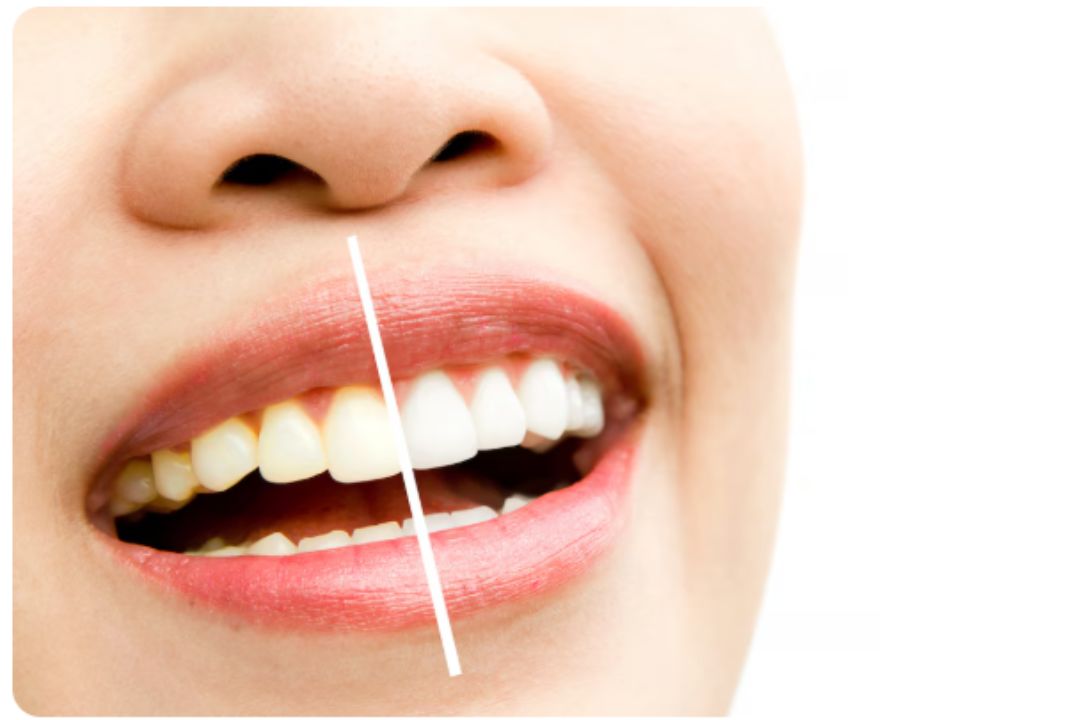
Tooth discoloration
Bad breath
Oral infections
Oral cancer
Smoking also weakens the immune system, making it harder for gums to heal after infections.
Quitting smoking can greatly improve both oral health and overall health.
Using high-quality oral care products can help protect your teeth and gums effectively.
When selecting dental products, look for those recommended by dental professionals, such as:
Fluoride toothpaste
Antibacterial mouthwash
Soft-bristled toothbrushes
Dental floss or interdental brushes
Using dentist-approved products ensures better protection against plaque, cavities, and gum disease.
Sports and physical activities can sometimes lead to dental injuries. Wearing a mouthguard during sports can help protect your teeth from damage.
Mouthguards are especially important for contact sports such as:
Football
Basketball
Hockey
Martial arts
A properly fitted mouthguard can prevent broken teeth, jaw injuries, and soft-tissue damage.
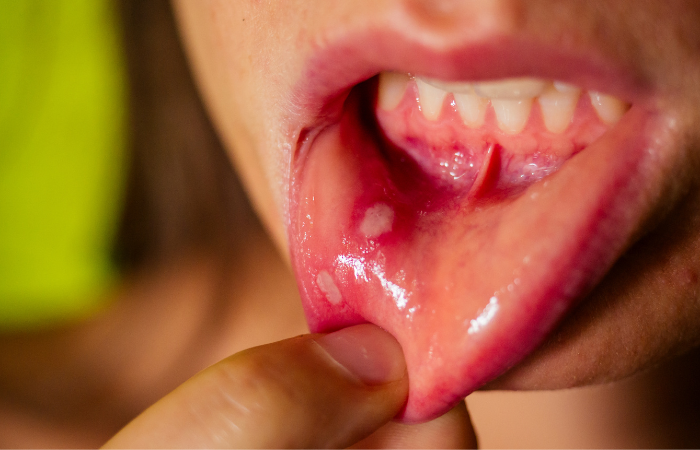
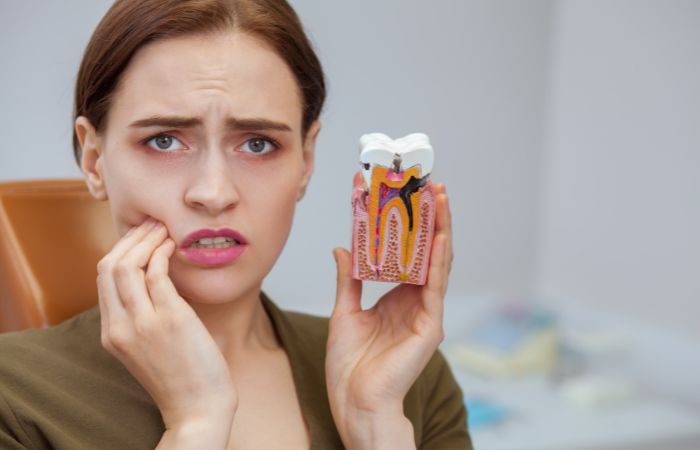
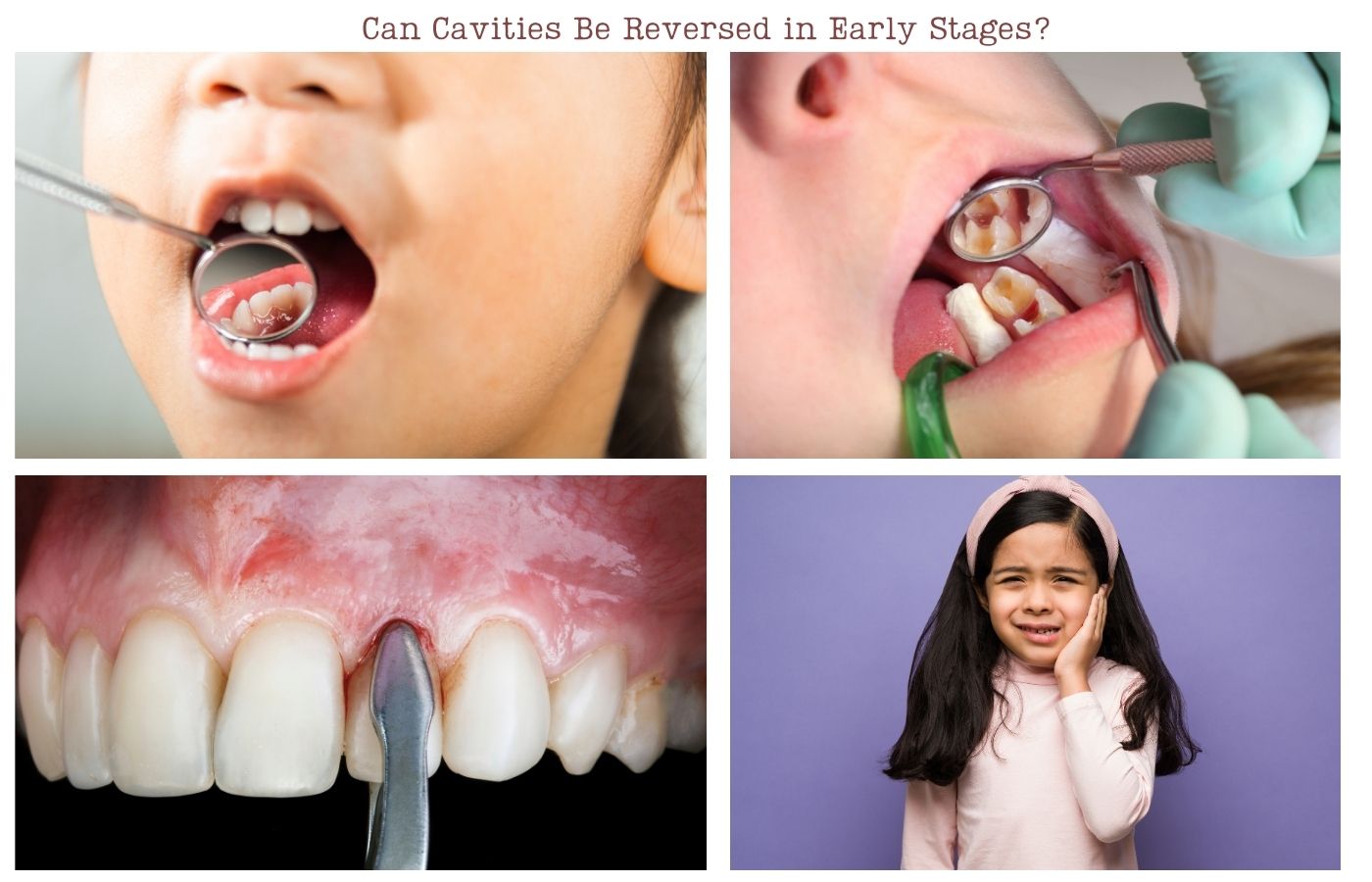
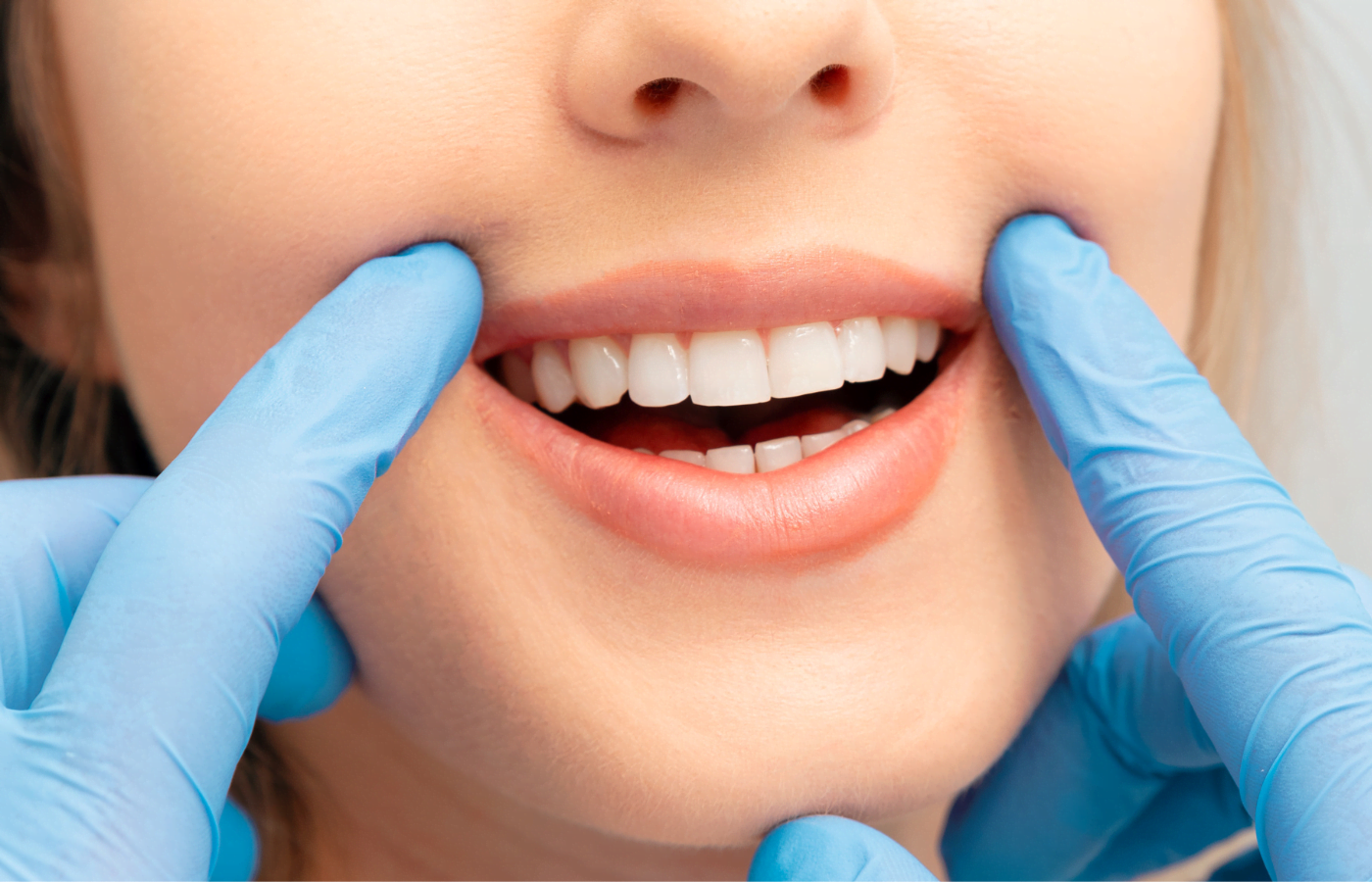
Many dental problems develop gradually, and early symptoms are often ignored. Paying attention to warning signs can help prevent serious dental issues.
Common signs of oral health problems include:
Bleeding gums
Tooth sensitivity
Persistent bad breath
Tooth pain
Swollen or red gums
If you notice any of these symptoms, it is important to consult a dentist as soon as possible.
Early treatment can prevent minor issues from becoming major dental problems.
In addition to the habits mentioned above, these simple practices can help maintain good oral health:
Clean your tongue daily to remove bacteria
Limit sugary snacks and drinks
Avoid frequent snacking between meals
Replace your toothbrush regularly
Maintain a consistent oral care routine
Consistency is key when it comes to maintaining healthy teeth and gums.
Maintaining healthy teeth and gums requires consistent care and healthy lifestyle habits. By following these 10 simple secrets, you can protect your teeth, prevent gum disease, and enjoy a beautiful smile for years to come.
Good oral hygiene practices such as brushing, flossing, eating a balanced diet, and visiting the dentist regularly are essential for maintaining optimal dental health.
Taking care of your teeth today will help you avoid dental problems in the future and keep your smile bright and healthy.













.jpg "dental checkups once or twice a year what best for your smile in mumbai")
.jpg "dentist approved oral care routine for healthy teeth and gums")
.jpg "top oral health mistakes most people make every day")

.jpg "best dental clinic in mumbai how to choose the right dentist")

.jpg "best oral hygiene habits for gum and tooth protection")



























.jpg "oral health and hygiene")











































.jpg "Impacts Your Dental Health")
.jpg "Oral Health and Mental Health")
.jpg "Dental Care for Seniors")
.jpg "Regular Dental Checkups Are More Important")
 (1).jpg "Oral Health and Systemic Diseases")
.jpg "Oral Healthcare and Major Diseases")

 (1).jpg "Free Dental Visit")






 (1).png "Common Dental problems")