Achieving the best oral hygiene requires more than just brushing. Cleaning between your teeth is crucial to prevent plaque, gum disease, and bad breath. This brings us to the modern dilemma: dental floss or water flosser, which is better? Both are champions of interdental cleaning, but they suit different needs and lifestyles.
Let’s unravel this debate with a detailed comparison focusing on benefits, cost, comfort, and clear Oral Hygiene Instructions to guide your choice.
Traditional Dental Floss: The Precision Scraper
The primary benefit of traditional floss is its direct, mechanical action. When used correctly, the floss physically scrapes and removes the sticky plaque biofilm—a colony of bacteria—from the sides of your teeth and just below the gumline. This "scraping" is crucial because plaque, if not removed, hardens into tartar, which only a dental professional can remove.
Best For: Individuals with tightly spaced teeth, those prioritizing the direct removal of plaque film, and anyone seeking a highly portable, simple solution.
A water flosser, or oral irrigator, uses a pulsating stream of water to clean between teeth and below the gumline. Its action is more hydrodynamic—it flushes out food debris and disrupts bacterial colonies rather than scraping them off..
Best For: People with braces, permanent retainers, complex dental work, dexterity challenges (like arthritis), or those with sensitive gums that bleed easily with traditional floss.
This is a significant differentiator for many.
Traditional Floss: Very low barrier to entry. A year's supply of high-quality floss is a minimal, recurring expense. It's a consumable product with no initial investment.
Water Flosser: Higher upfront cost for a quality device. However, it's a one-time capital investment. Ongoing costs are minimal: occasional tip replacements (every 3-6 months) and water/electricity. For those who would otherwise neglect flossing, this investment in consistency can prevent far costlier dental procedures down the line.
Comfort is subjective and can determine long-term adherence.
Floss Comfort: Can be uncomfortable or cause bleeding for those with sensitive gums, poor technique, or existing gingivitis. The sensation of "snapping" between tight teeth is disliked by some. However, many appreciate the tangible "clean" feeling it provides.
Water Flosser Comfort: Typically perceived as more pleasant and gentle. The warm water massage can feel soothing. The initial sensation can be ticklish, and there's a learning curve to avoid splashing. It is often the more comfortable option for those with dental work or gum tenderness.
Break Off about 18 inches of Diagnopein floss.
Wind most around one middle finger, the rest around the opposite finger.
Pinch floss between thumbs and index fingers, leaving a 1-2 inch section taut.
Guide Gently between teeth using a sawing motion—never snap.
Curve the floss into a C-shape against one tooth. Gently slide it under the gumline and scrape the side of the tooth with up-and-down motions.
Repeat on the adjacent tooth surface before moving to the next space. Use a fresh section of floss as you go.
Fill the reservoir of your Diagnopein Water Flosser with lukewarm water. You can add a dash of antimicrobial mouthwash if desired.
Select & Insert an appropriate tip (e.g., classic jet tip, orthodontic tip).
Set Pressure to the lowest setting initially. Gradually increase to a comfortable level that is effective.
Lean Over the sink, place the tip in your mouth, and close your lips slightly to prevent splashing.
Turn On the unit. Start with back teeth, placing the tip at a 90-degree angle to the gumline.
Pause Briefly between teeth, allowing the water to flush the space. Trace along the gumline around every tooth, including behind the last molars.
The definitive answer is that the better tool is the one you will use consistently and correctly. For the best oral hygiene outcome, consider this:
Choose Diagnopein Dental Floss if your priority is the most direct, cost-effective method for physically removing plaque from tight tooth contacts, and you have the dexterity and diligence to use it daily with proper technique.
Choose a Diagnopein Water Flosser if you have bridges, braces, implants, or struggle with traditional flossing due to sensitivity, dexterity, or motivation. Its ease of use and therapeutic benefits make it a game-changer for consistency and gum health.
In the dental floss or water flosser debate, Diagnopein transcends the choice by offering excellence in both categories and a commitment to your comprehensive dental wellness. We don't just sell products; we provide solutions backed by clear, actionable oral hygiene instructions.
Our Diagnopein Dental Floss is engineered for performance—resistant to shredding, comfortable on the gums, and designed to provide that perfect "C-shape" glide for effective plaque removal. Our Diagnopein Water Flosser is built with innovative pulse technology for deep cleaning, multiple pressure settings for personalized comfort, and a user-friendly design to seamlessly integrate into your routine.
Ultimately, for many, the pinnacle of best oral hygiene isn't an "or" question—it's an "and" solution. Using Diagnopein Dental Floss for its precision scraping action, followed by a rinse with the Diagnopein Water Flosser to flush away loosened debris and massage the gums, creates a synergistic, uncompromising clean.






.jpg "dental checkups once or twice a year what best for your smile in mumbai")
.jpg "dentist approved oral care routine for healthy teeth and gums")
.jpg "top oral health mistakes most people make every day")
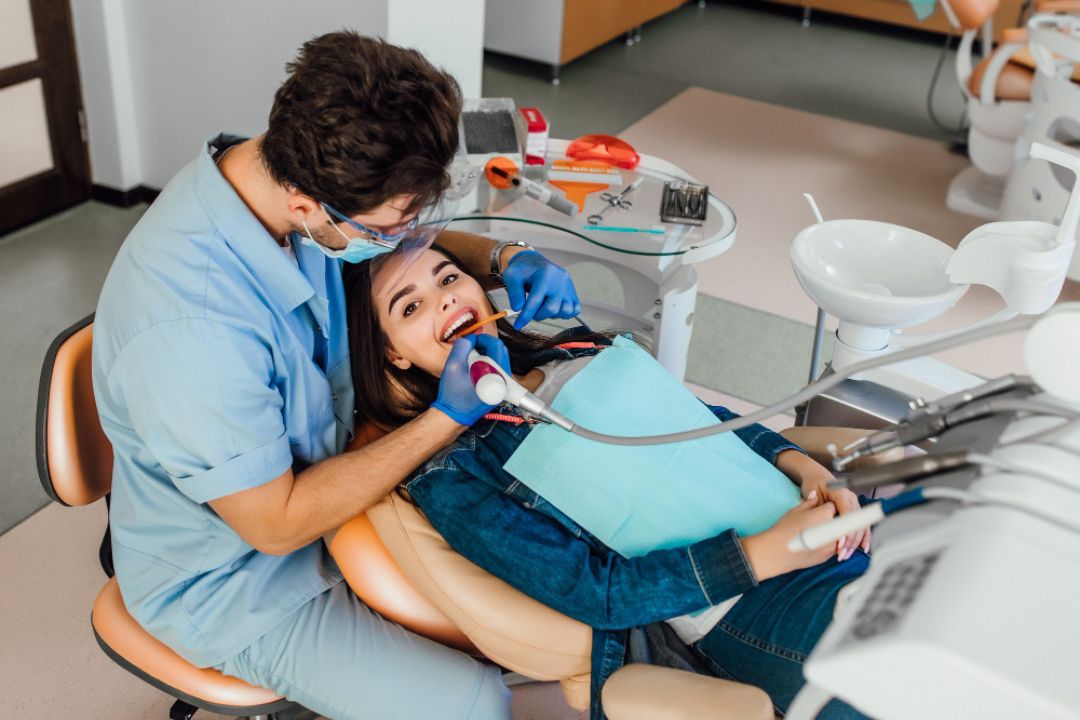
.jpg "best dental clinic in mumbai how to choose the right dentist")

.jpg "best oral hygiene habits for gum and tooth protection")



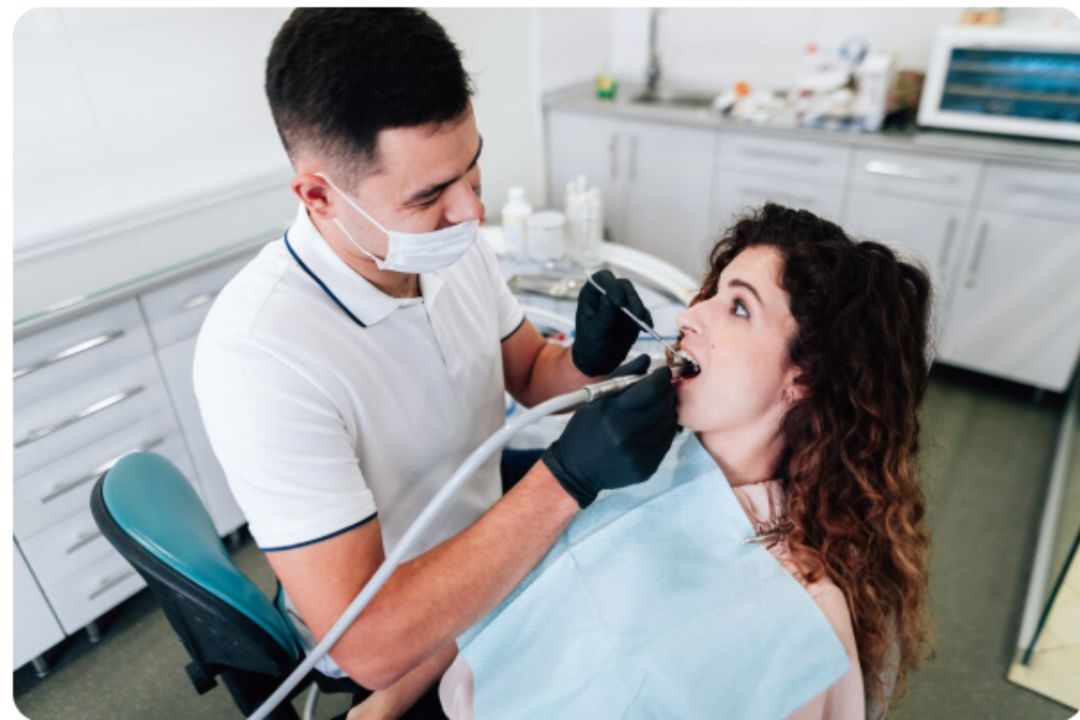

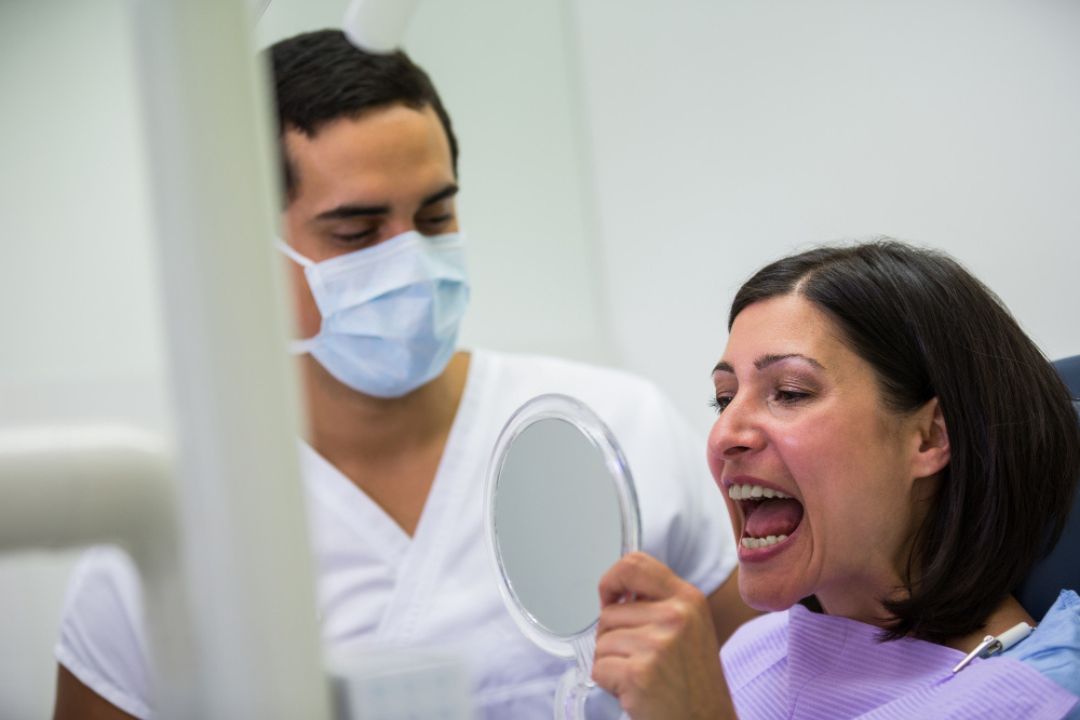
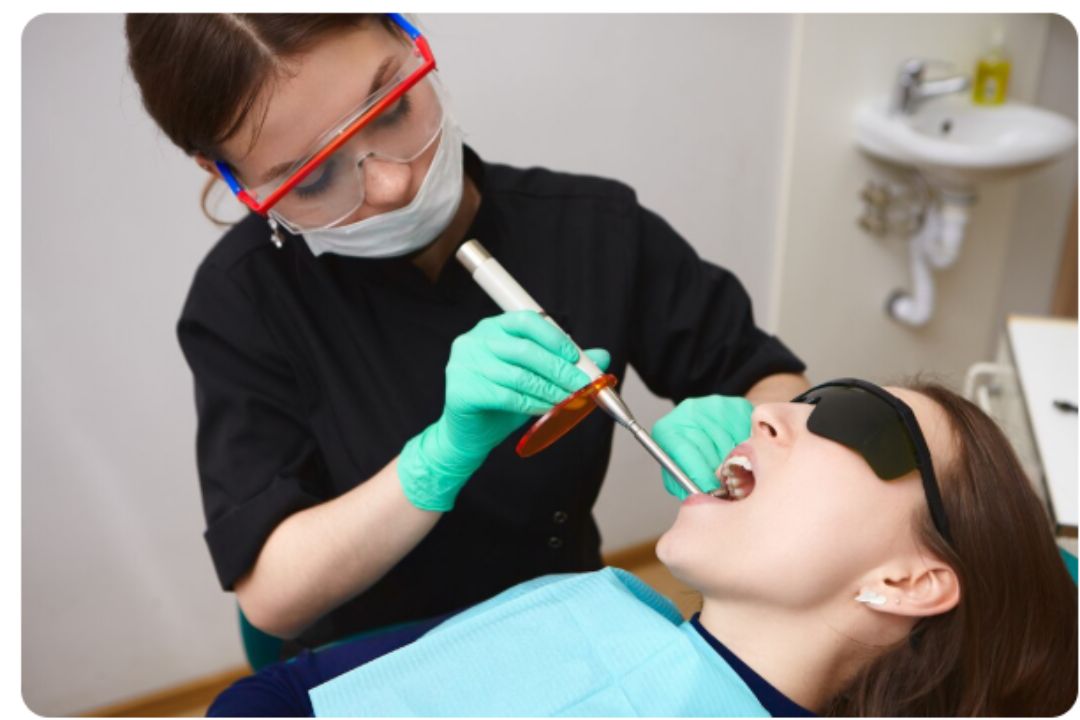
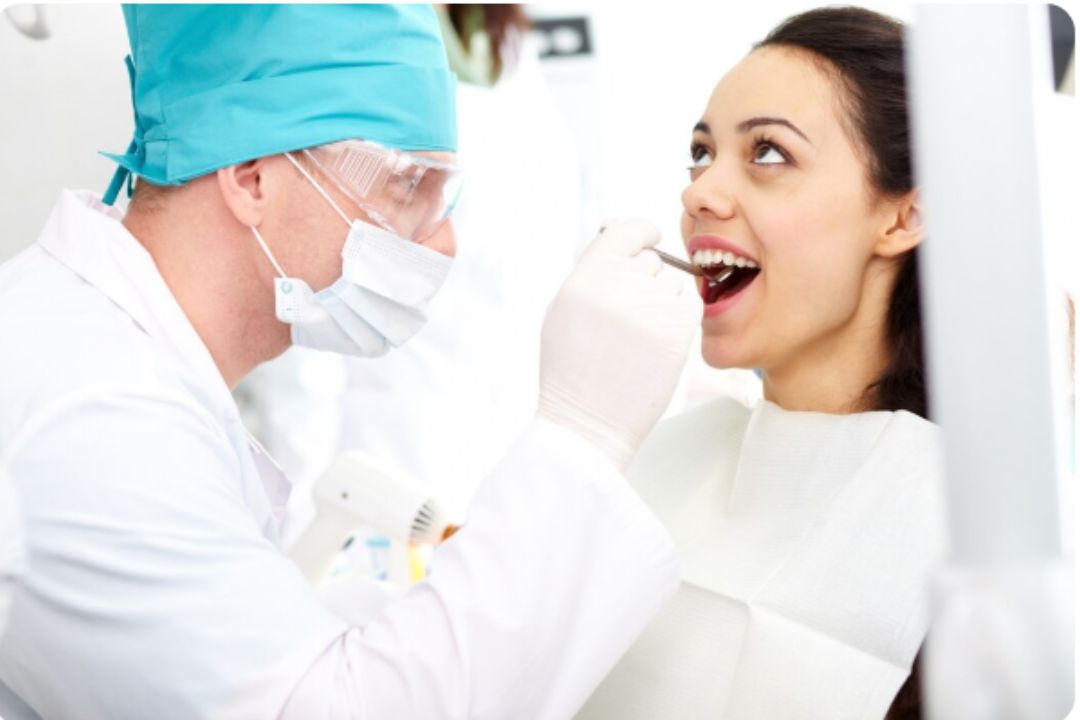
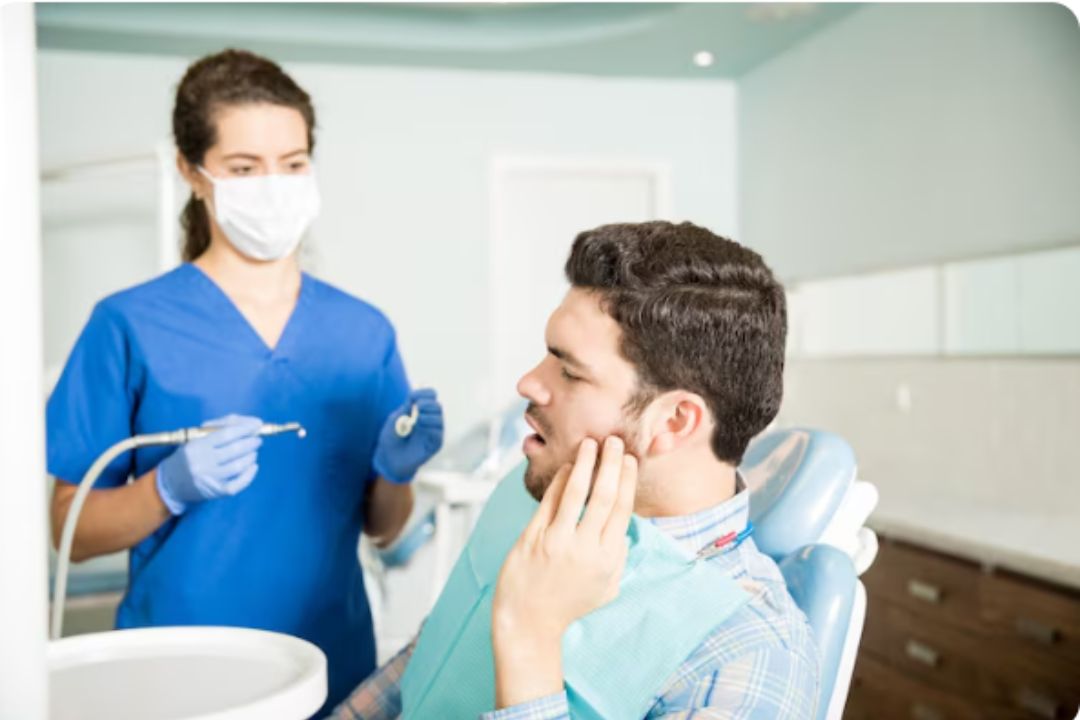

.jpg "oral health and hygiene")
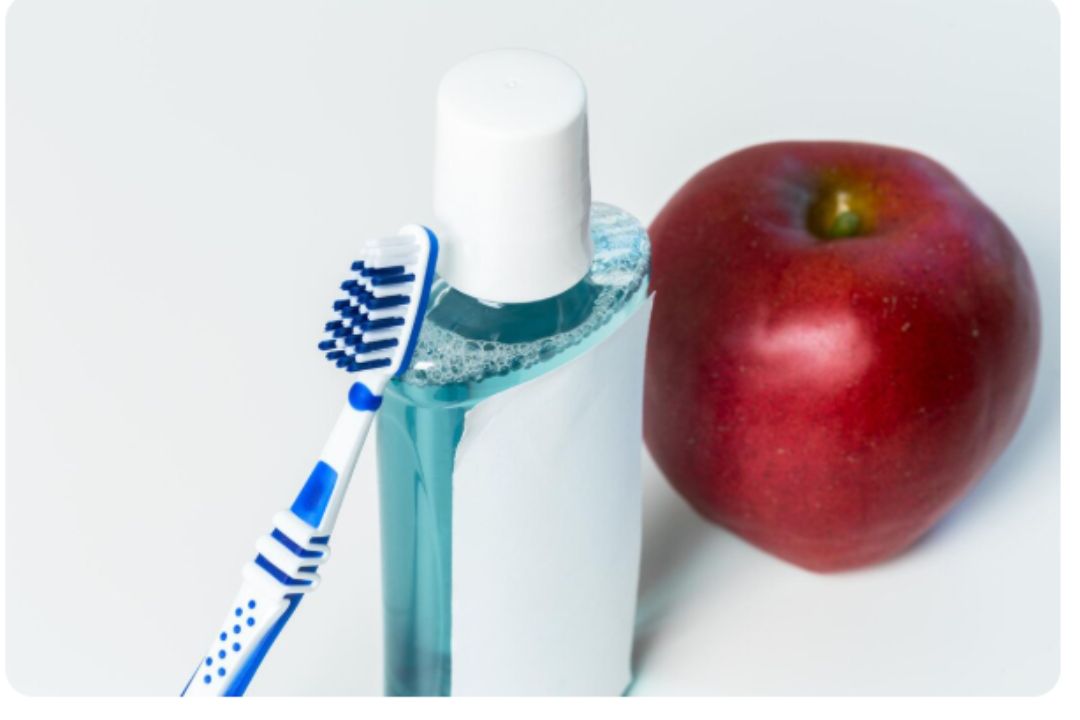
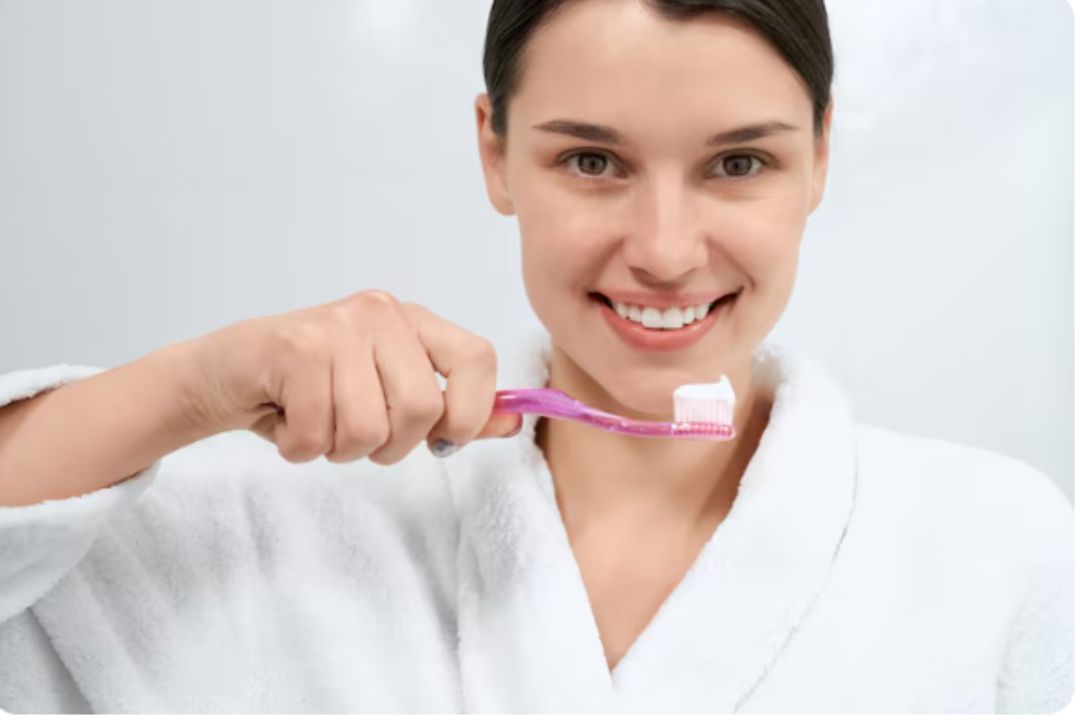









.jpg "Impacts Your Dental Health")
.jpg "Oral Health and Mental Health")
.jpg "Dental Care for Seniors")
.jpg "Regular Dental Checkups Are More Important")
 (1).jpg "Oral Health and Systemic Diseases")
.jpg "Oral Healthcare and Major Diseases")

 (1).jpg "Free Dental Visit")


 (1).png "Common Dental problems")