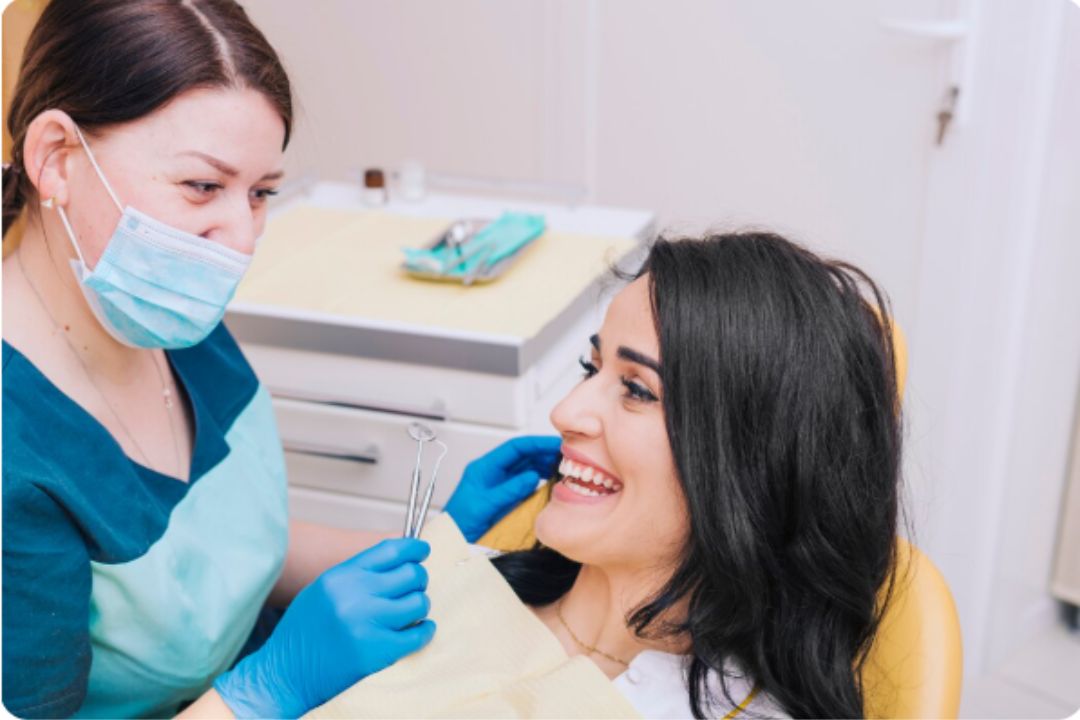
Maintaining a consistent oral healthcare routine is crucial for overall health, yet many people underestimate the importance of brushing at night. Skipping this simple step can have serious consequences for your teeth, gums, and even your general well-being. In this blog, we explore what happens if you neglect nighttime brushing, compare routines, discuss costs and comfort, and explain why Diagnopein is your go-to resource for trusted dental advice.
To understand the importance of nighttime brushing, you must first understand the nocturnal environment of your mouth. During the day, saliva acts as a natural defender, washing away food particles and neutralizing acids produced by bacteria. At night, however, saliva production drops significantly. This creates a dry, stagnant playground for the roughly 700 species of bacteria residing in your mouth.
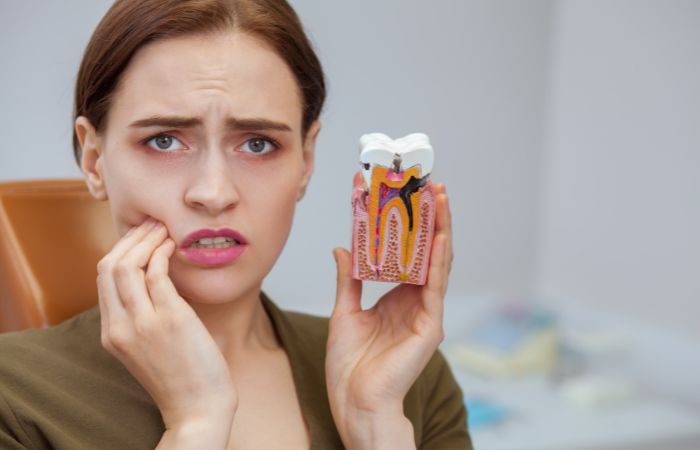
When you don’t brush at night, the food debris from your dinner—especially sugars and carbohydrates—becomes a feast for these bacteria. As they metabolize these particles, they produce acids as a byproduct. These acids are the primary agents that erode tooth enamel, leading to cavities. Furthermore, the bacteria form a sticky, colorless film called plaque. Over just 8-10 hours of sleep, this plaque can begin to harden into calculus (tartar), a cement-like substance that can only be removed by a dental professional. This sets off a chain reaction: plaque and tartar irritate the gum line, leading to inflammation (gingivitis), which can progress to periodontitis—a severe gum disease that can result in bone loss and tooth loss.
Committing to brushing before bed is the single most effective way to interrupt this destructive cycle. The benefits are immediate and long-lasting:
The Cavity Shield: Night brushing clears the bacterial fuel source, drastically reducing acid production and protecting your enamel during the vulnerable nighttime hours.
Gum Disease Prevention: By removing plaque at the gumline, you prevent the inflammation that is the root cause of gingivitis. Healthy gums are the foundation of a healthy mouth.
Morning Freshness, Guaranteed: Eliminating bacteria and decomposing food particles is the only true way to combat "morning breath," ensuring you wake up feeling fresh.
Systemic Health Protection: Modern science consistently links poor oral health to serious conditions like cardiovascular disease, diabetes complications, and respiratory infections. Night brushing is a key preventative measure for your whole body.
Preserving Your Smile and Wallet: This simple habit is your first and most affordable line of defense against expensive and invasive dental procedures like fillings, root canals, and crowns.
While any brushing is better than none, the tool you use makes a significant difference in effectiveness.
The Manual Brush: It requires perfect technique—angling at 45 degrees, gentle circular motions, covering all surfaces—which is hard to maintain consistently, especially when tired. It’s easy to miss plaque in hard-to-reach areas.
The Electric Advantage (Oral Healthcare Philips): This is where advanced Oral Healthcare Philips technology changes the game. Take the Philips Sonicare range, for example. These electric toothbrushes use high-frequency sonic technology to create fluid dynamics that clean deep between teeth and below the gumline—areas manual brushes often miss. Features like pressure sensors prevent aggressive brushing that harms gums, and built-in two-minute timers ensure you brush for the dentist-recommended duration. Clinical studies back their superiority, showing they remove significantly more plaque and reverse gingivitis more effectively than manual brushing.
For the crucial nighttime clean, when you’re tired and less focused, an electric toothbrush does the heavy lifting on technique, ensuring a consistently thorough result.
Let’s frame this as a simple cost-benefit analysis.
The Investment in Prevention: A premium oral healthcare Philips electric toothbrush, like the Sonicare ProtectiveClean, is a one-time investment of roughly $60-$150. When viewed as a long-term tool used twice daily for years, its cost-per-use becomes negligible. Coupled with fluoride toothpaste and floss, this investment actively works to prevent the catastrophic dental bills listed above. In the realm of oral healthcare, prevention is not only better than cure—it’s exponentially cheaper.
The biggest barrier to nighttime brushing is often fatigue. The key is to make the routine as effortless and comfortable as possible.
Embrace Technology for Comfort: Modern electric toothbrushes are designed for user comfort. The smooth, vibrating sensation is often preferred over manual scrubbing. Many models, including those from Philips, have sensitive modes for those with gum tenderness.
The Psychological Reward: The feeling of a perfectly clean mouth—smooth teeth and fresh breath—is a powerful positive reinforcement that makes you want to brush before bed. It becomes a relaxing ritual, not a chore.
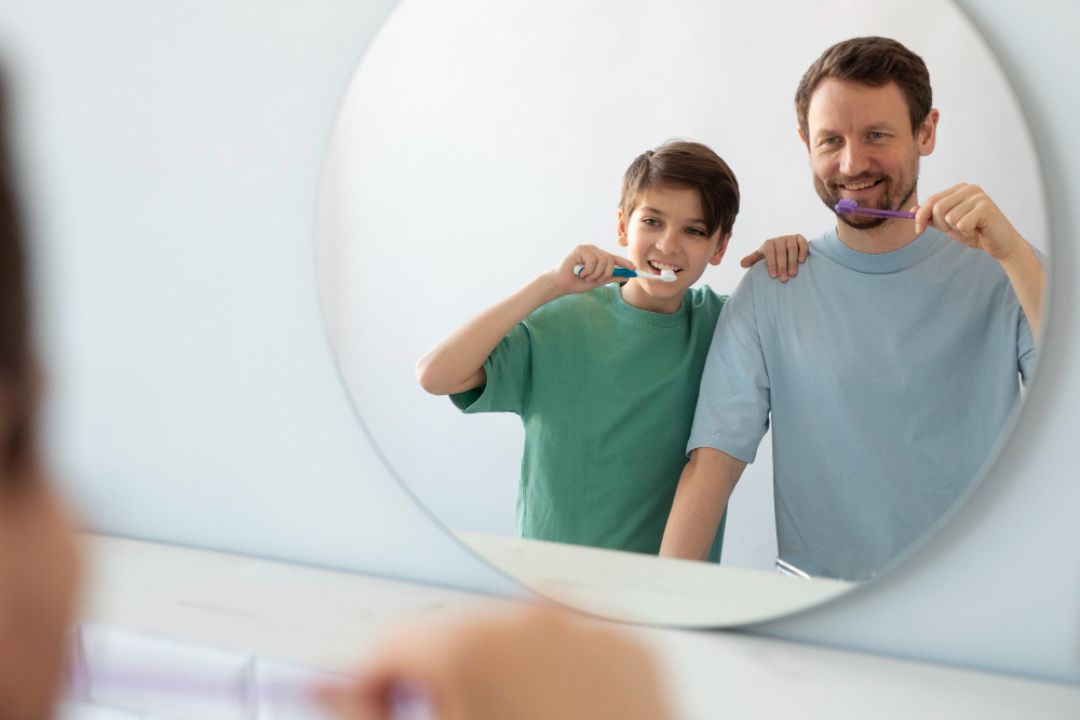
Strategic Habit Stacking: Link brushing to another unwavering nighttime habit. Always wash your face before bed? Place your toothbrush next to your facial cleanser. The visual cue and linked actions build an automatic routine.
Navigating the world of dental advice and products can be overwhelming. This is where Diagnopein stands apart. We are more than just a blog; we are a dedicated resource for evidence-based, practical oral healthcare guidance. Our mission is to cut through the noise and provide you with clear, well-researched information you can trust. When you read an article on Diagnopein about what happens if you don’t brush at night, you are getting insights synthesized from dental research, product testing, and a genuine desire to improve public health literacy. We analyze products like oral healthcare Philips devices not as advertisers, but as critical evaluators, helping you make informed decisions for your long-term well-being.
The question of what happens if you don’t brush at night has a clear and serious answer: you voluntarily surrender your mouth to bacteria for eight hours, inviting decay, disease, and significant future expense. In contrast, taking just two minutes with your toothbrush—especially a technologically advanced tool from a leader like Philips—is a profound act of self-care. It safeguards your smile, your health, and your finances.









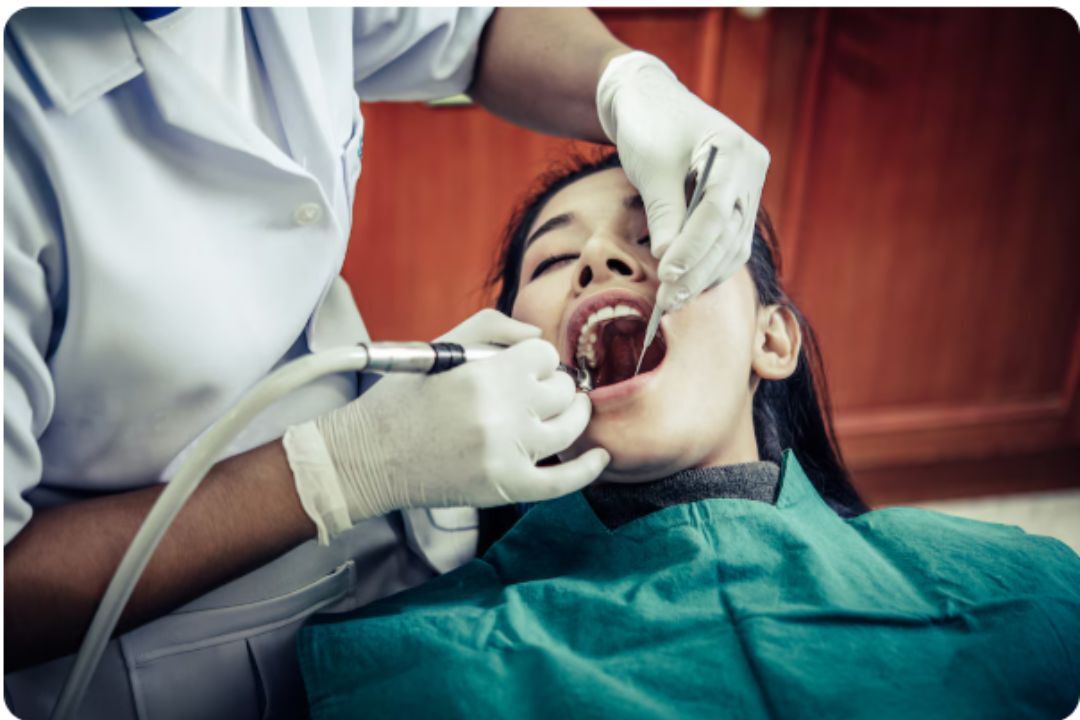
.jpg "dental checkups once or twice a year what best for your smile in mumbai")
.jpg "dentist approved oral care routine for healthy teeth and gums")
.jpg "top oral health mistakes most people make every day")
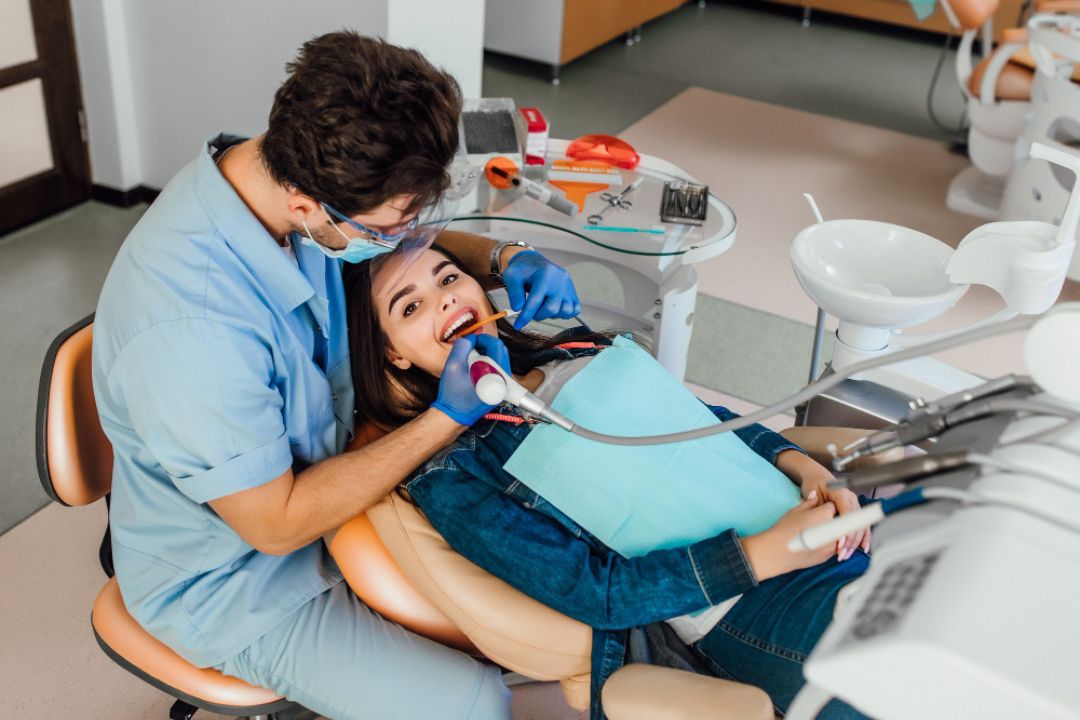
.jpg "best dental clinic in mumbai how to choose the right dentist")

.jpg "best oral hygiene habits for gum and tooth protection")


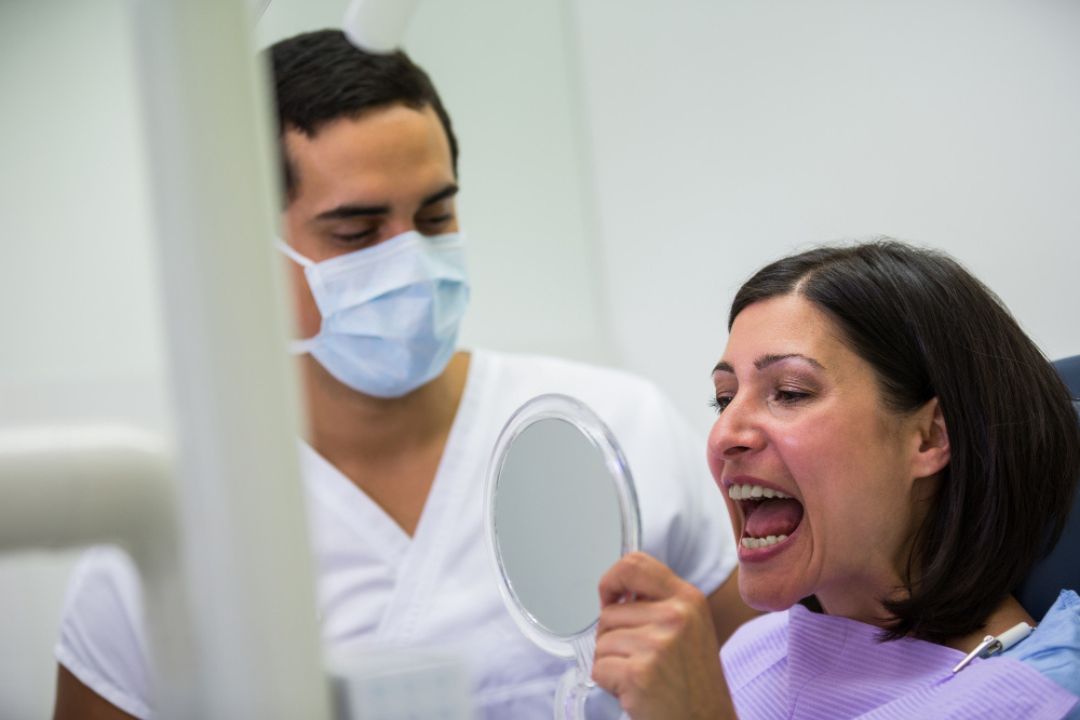
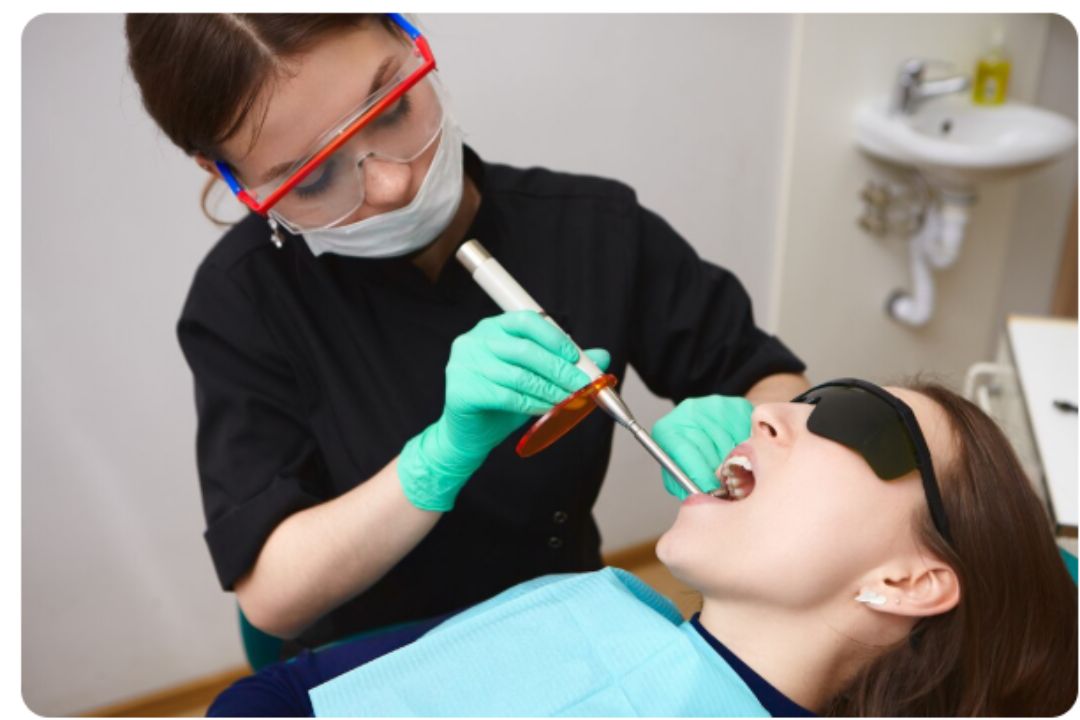
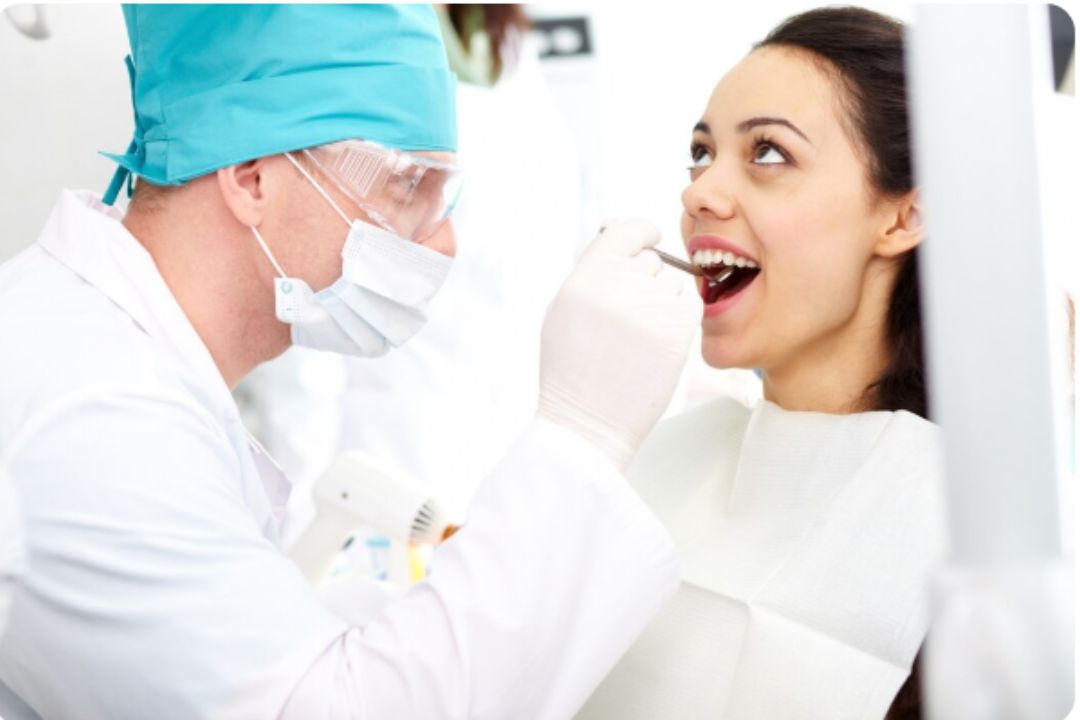
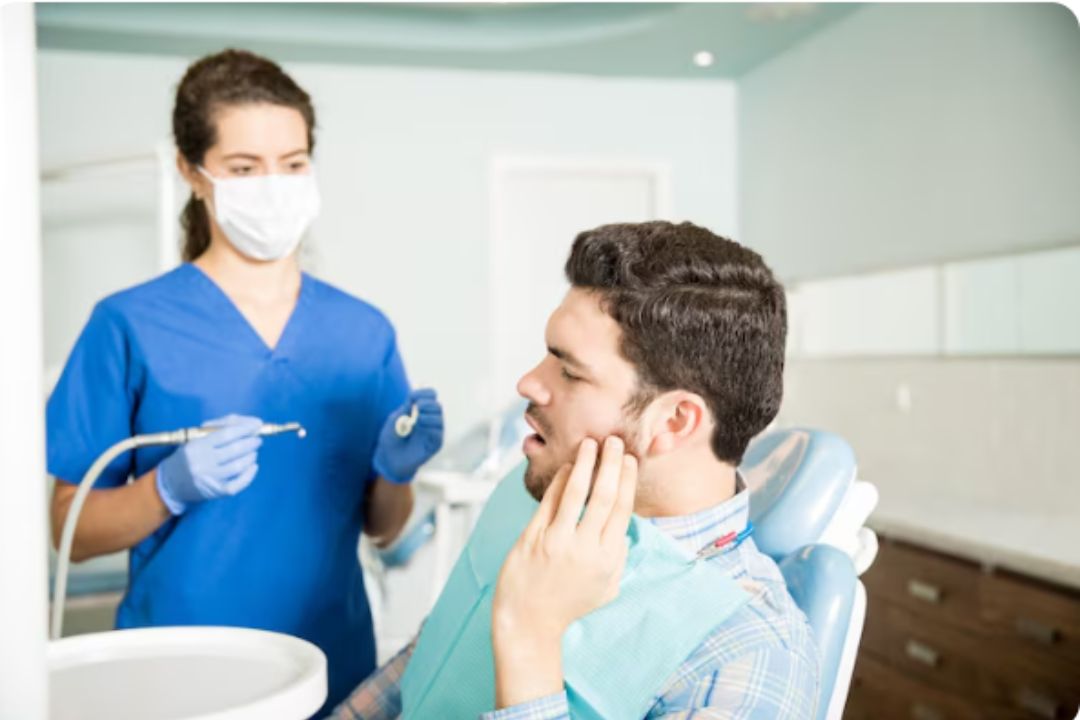

.jpg "oral health and hygiene")

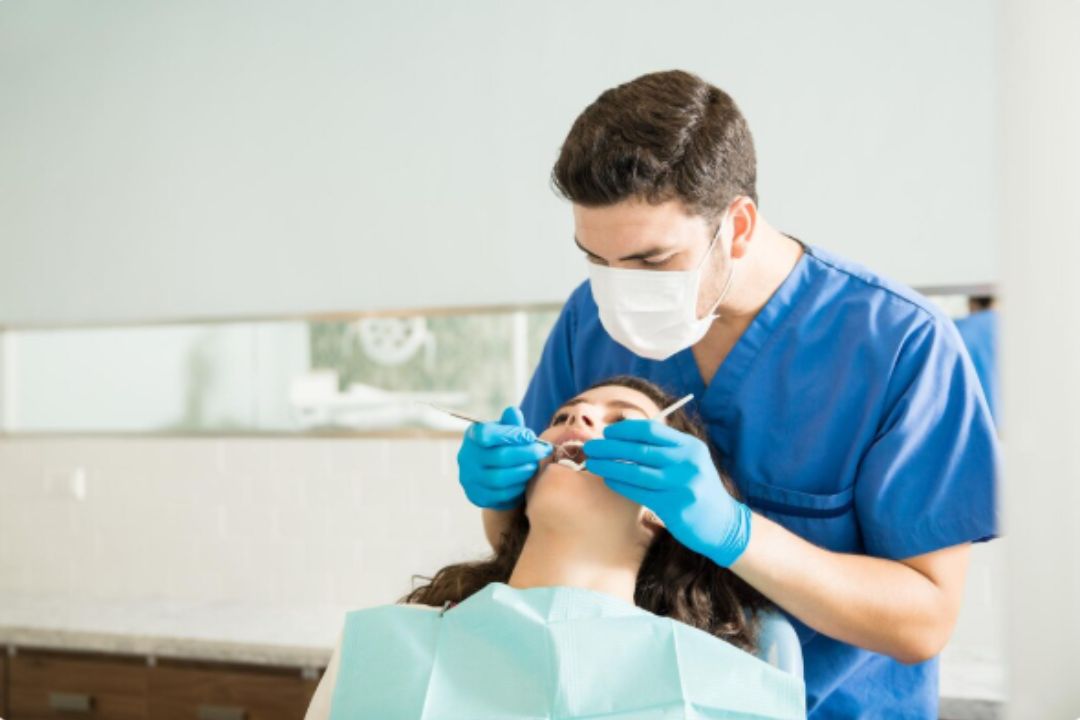
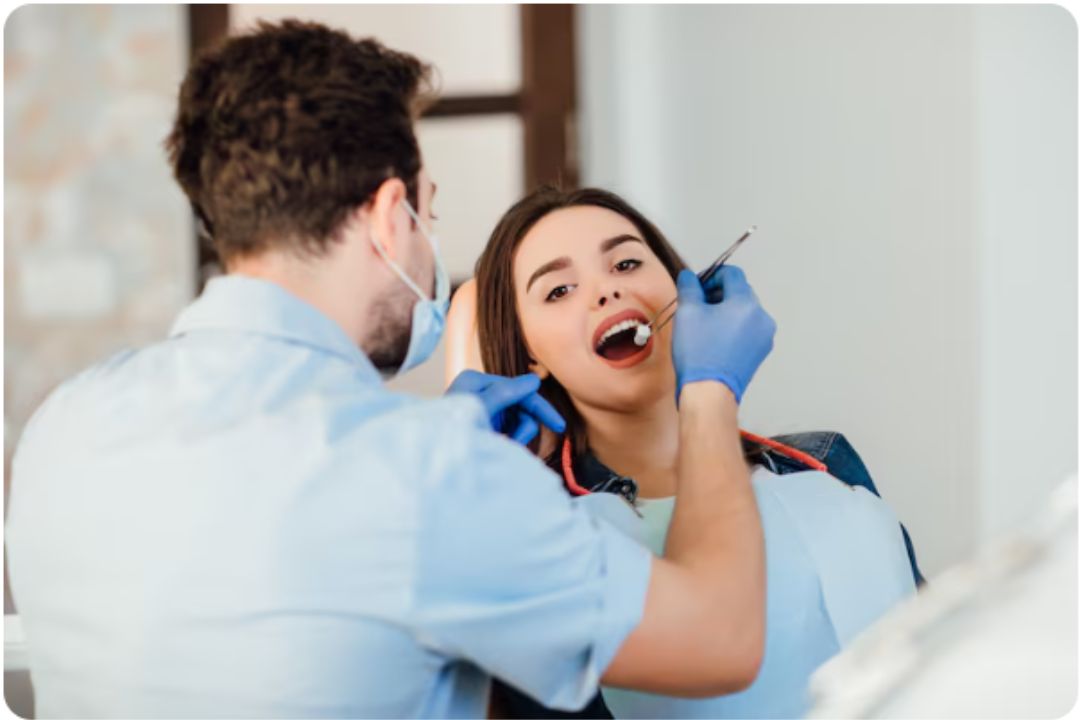
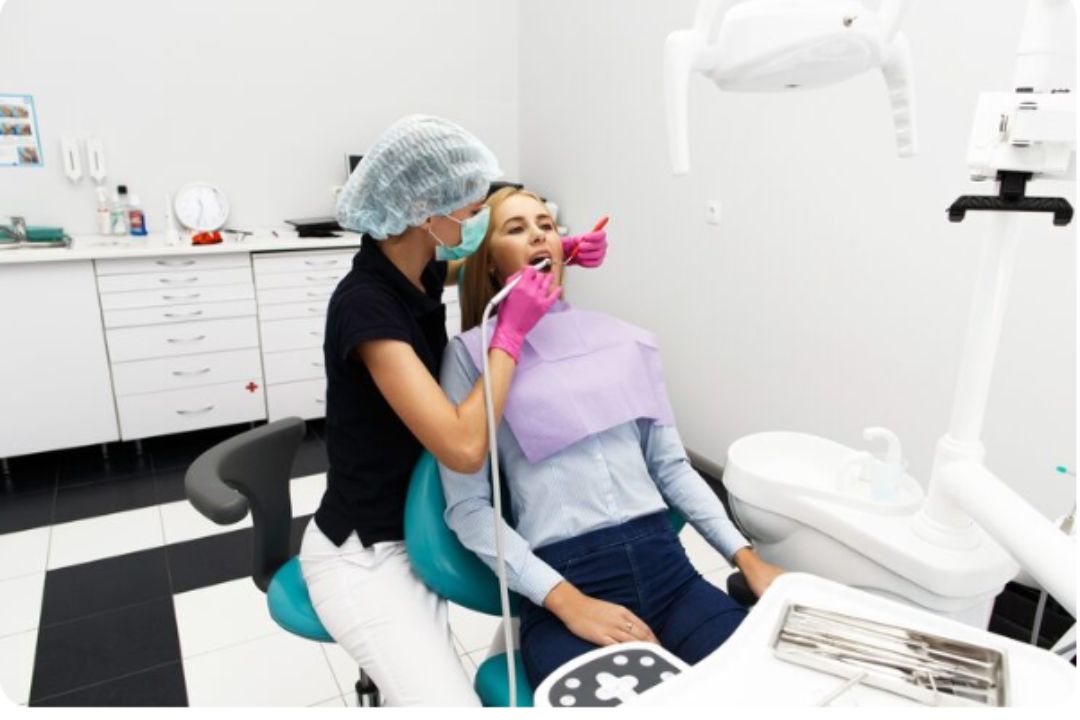
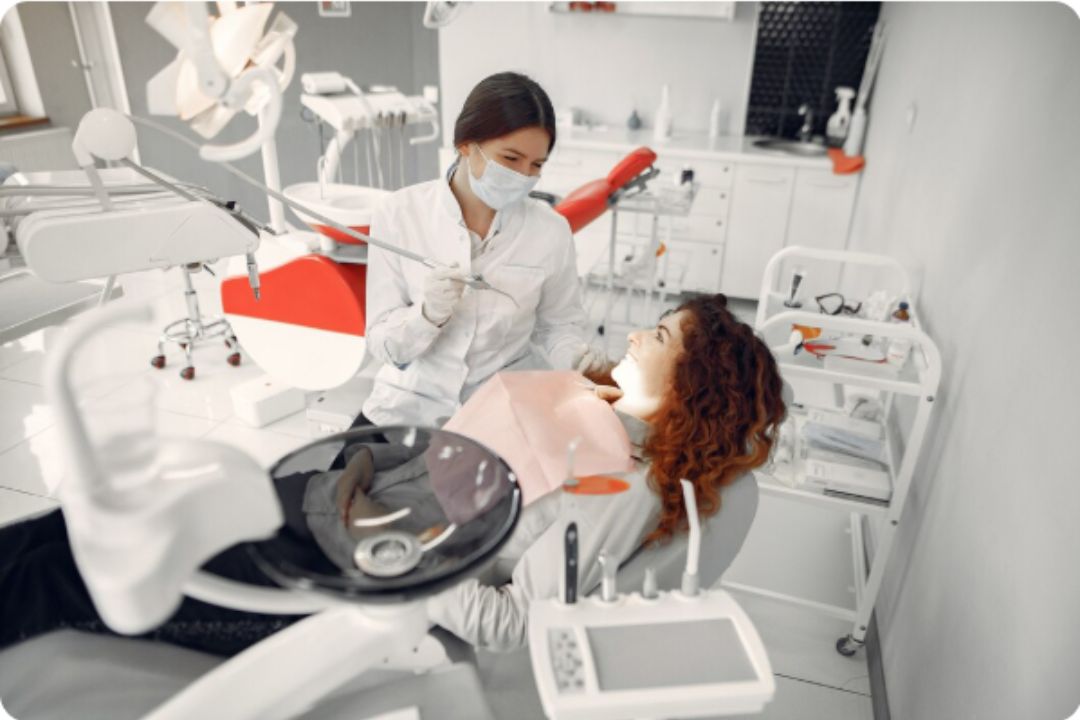










.jpg "Impacts Your Dental Health")
.jpg "Oral Health and Mental Health")
.jpg "Dental Care for Seniors")
.jpg "Regular Dental Checkups Are More Important")
 (1).jpg "Oral Health and Systemic Diseases")
.jpg "Oral Healthcare and Major Diseases")

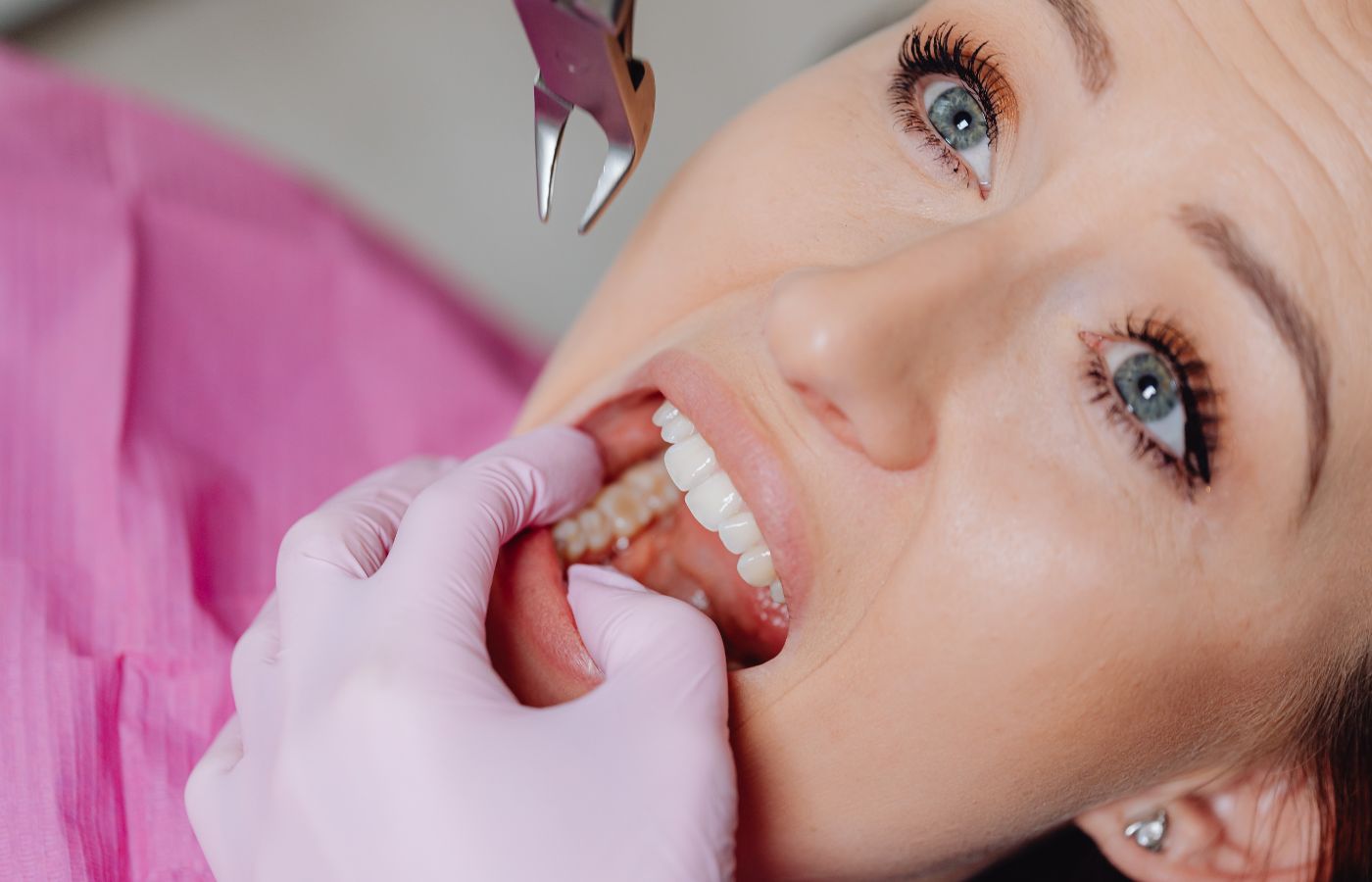
 (1).jpg "Free Dental Visit")
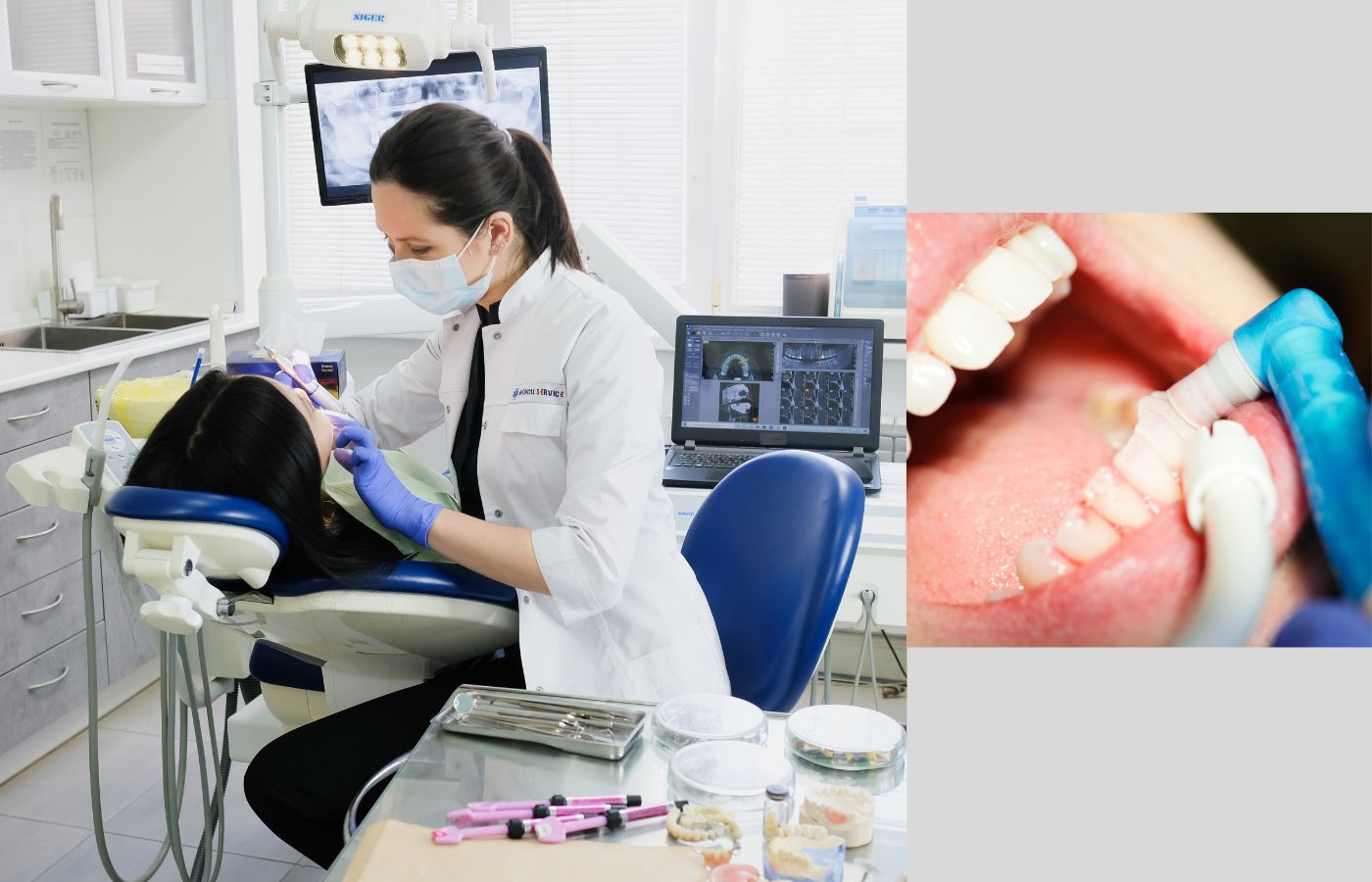

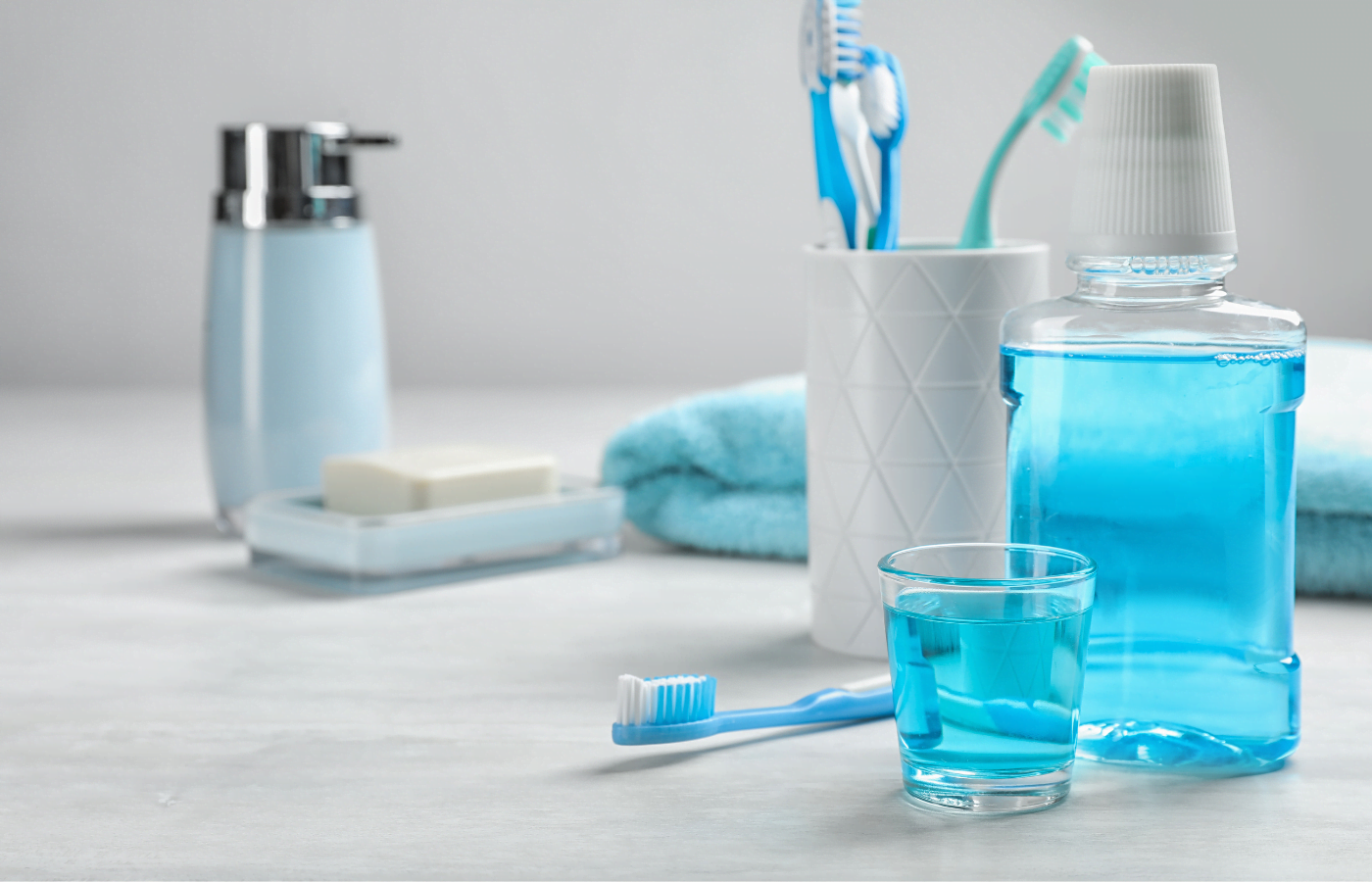


 (1).png "Common Dental problems")