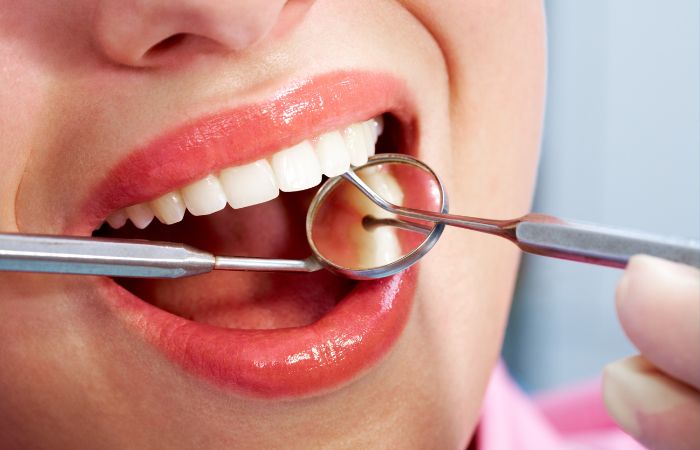
.jpg "oral health and hygiene")
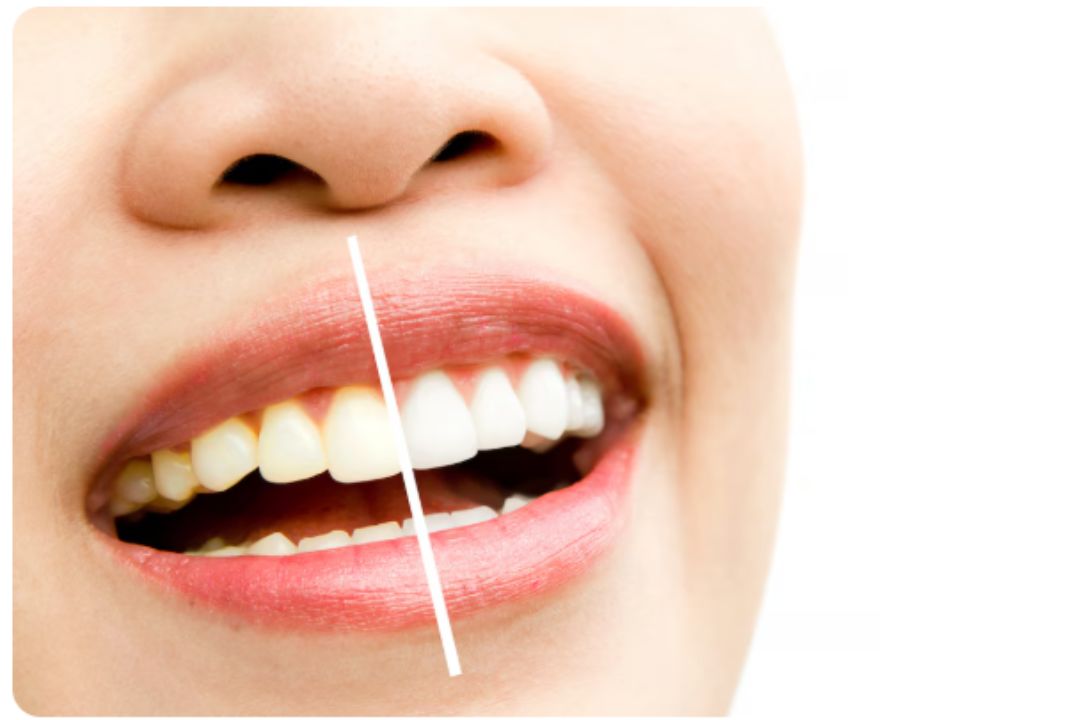
Oral health and hygiene are essential not just for a bright smile, but for overall well-being. Good dental habits help prevent tooth decay, gum disease, bad breath, and even serious health conditions linked to poor oral care.
Visit Now: https://www.diagnopein.com/dental-clinic/Pune
In this comprehensive guide, you’ll learn why oral hygiene matters, the correct daily routine to follow, common mistakes to avoid, and when to see a dentist.
Your mouth is the gateway to your body. Poor oral hygiene can lead to:
Tooth decay (cavities)
Gum disease (gingivitis and periodontitis)
Persistent bad breath
Tooth loss
Increased risk of heart disease
Diabetes complications
Respiratory infections
When plaque (a sticky bacterial film) builds up on teeth and gums, it causes inflammation and infection. If untreated, it can affect overall health.
Maintaining good oral hygiene prevents these problems and improves quality of life.
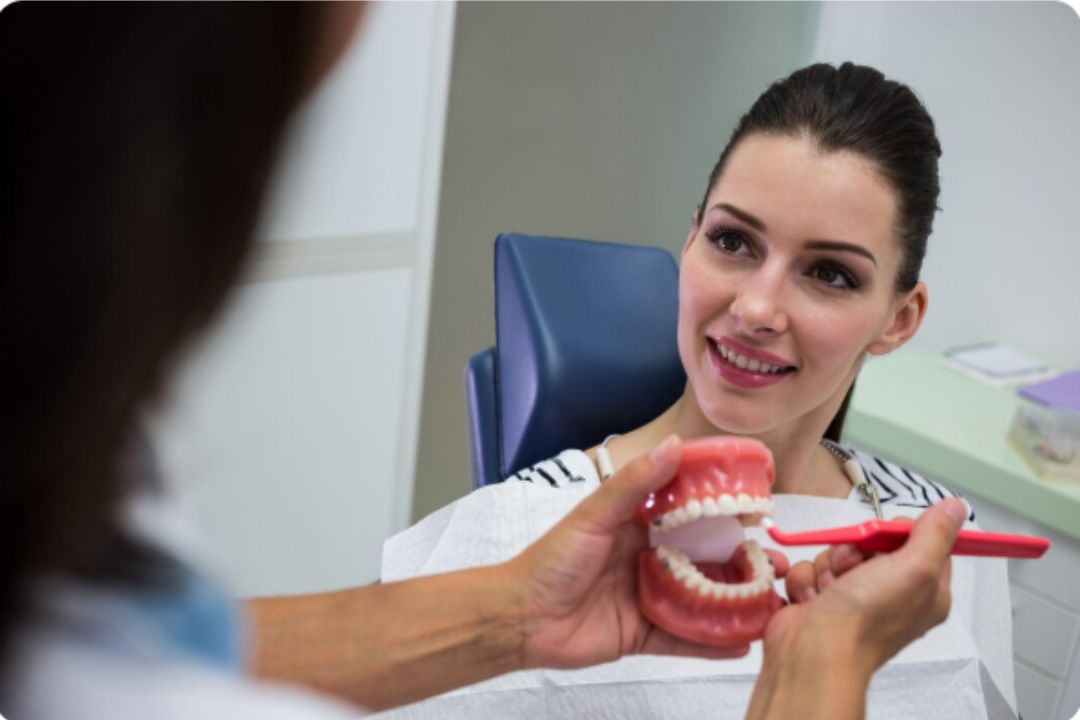
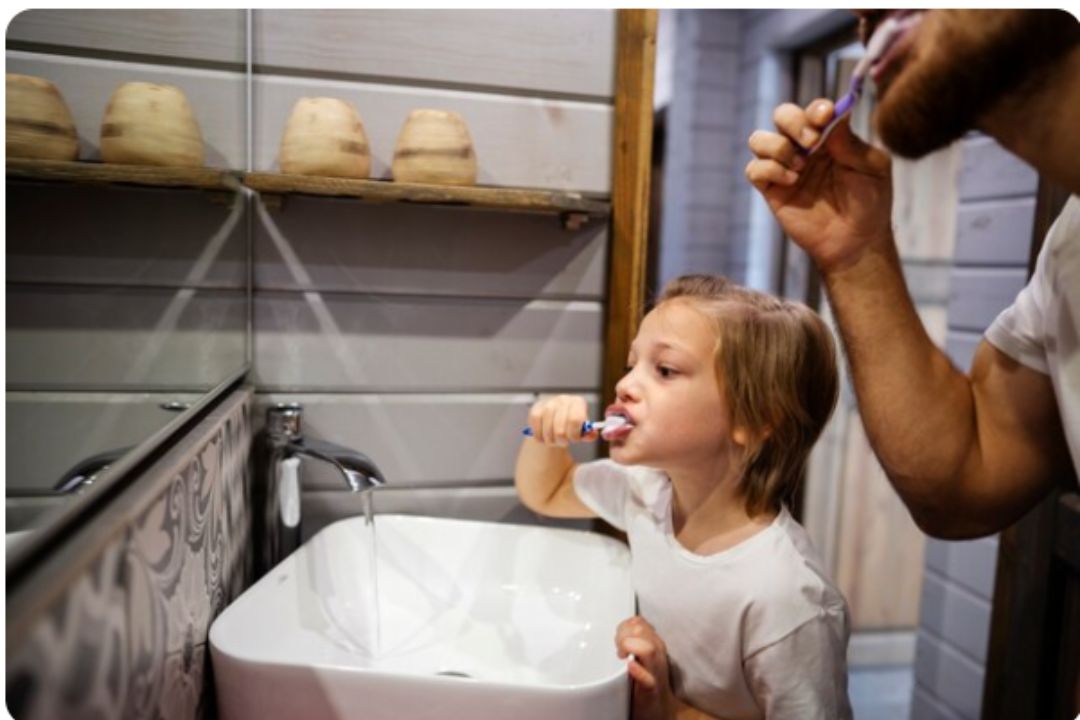
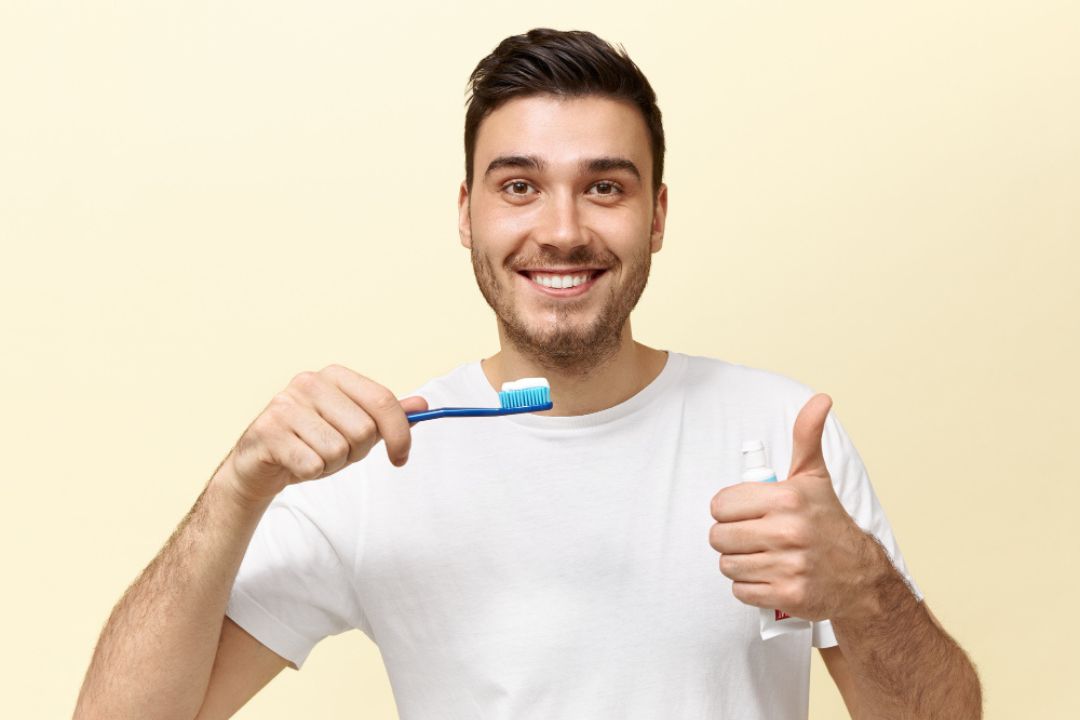
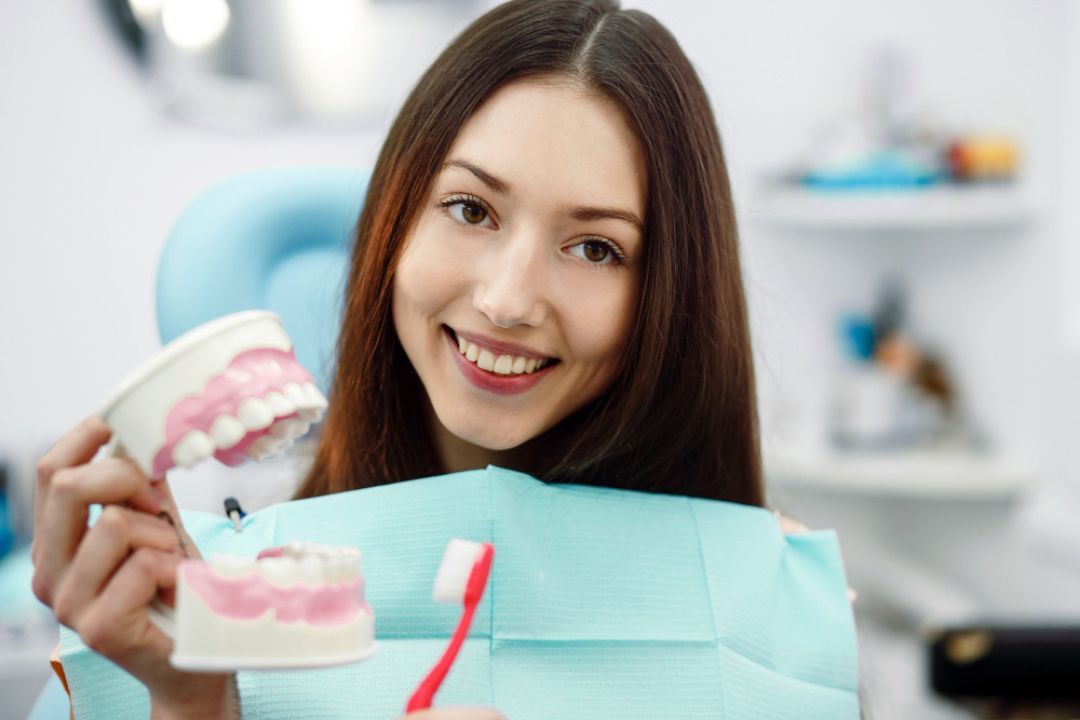
Brushing removes plaque and food particles.
How to brush properly:
Use a soft-bristled toothbrush
Apply fluoride toothpaste
Brush for at least 2 minutes
Use gentle circular motions
Clean the outer, inner, and chewing surfaces
Brush your tongue to remove bacteria
Replace your toothbrush every 3–4 months.
Brushing alone cannot remove plaque between teeth.
Flossing helps:
Prevent cavities between teeth
Reduce gum inflammation
Prevent bad breath
Gently slide floss between teeth and curve it around each tooth to clean below the gumline.
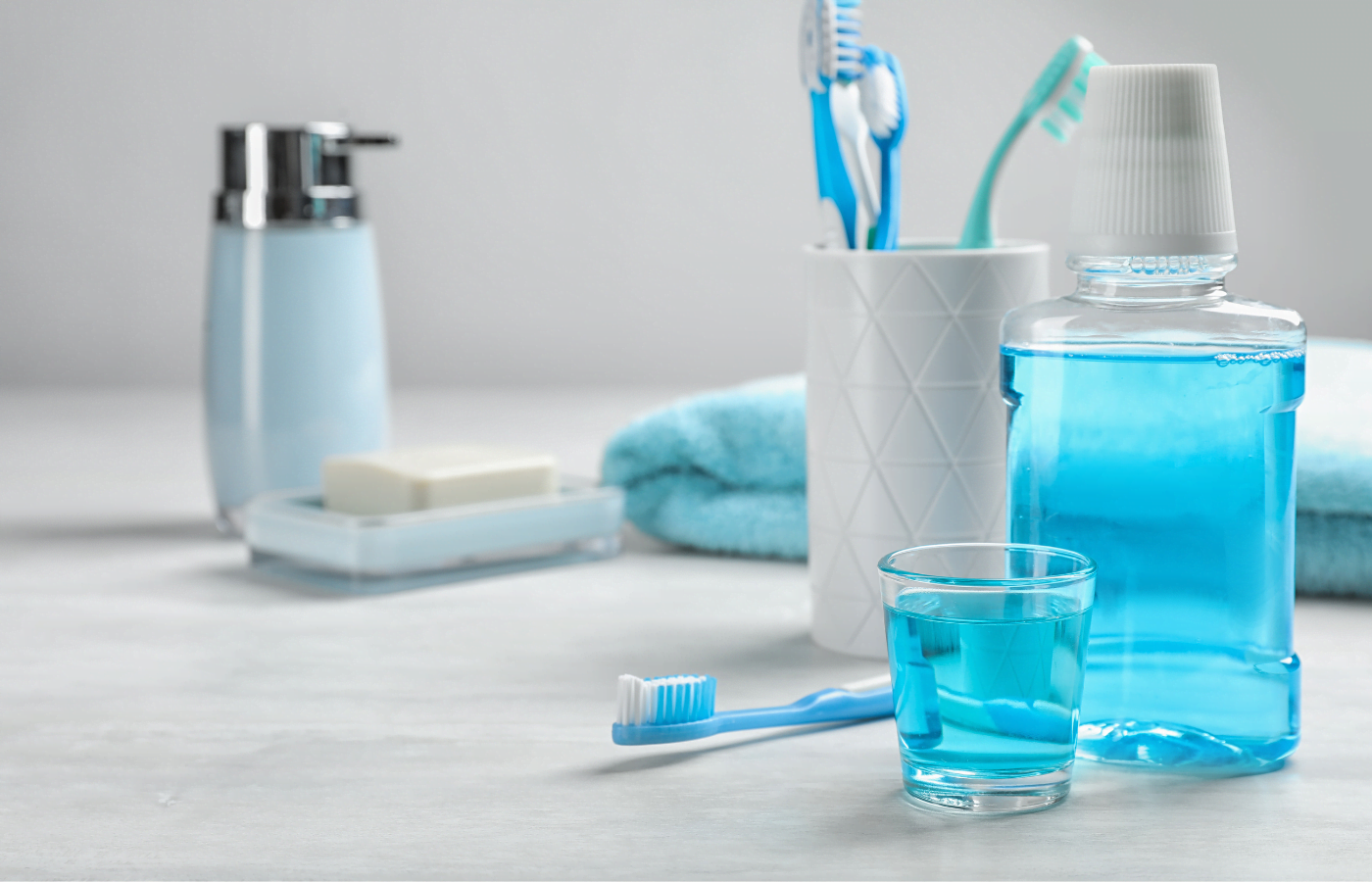
An antibacterial mouthwash can:
Reduce plaque
Strengthen enamel (if fluoride-based)
Freshen breath
Avoid relying on mouthwash as a substitute for brushing or flossing.
Your diet directly affects your oral health.
Limit:
Sugary snacks
Soft drinks
Sticky foods
Choose:
Fresh fruits and vegetables
Dairy products (rich in calcium)
Water instead of sugary beverages
Sugary foods feed bacteria that produce acids, which damage tooth enamel.
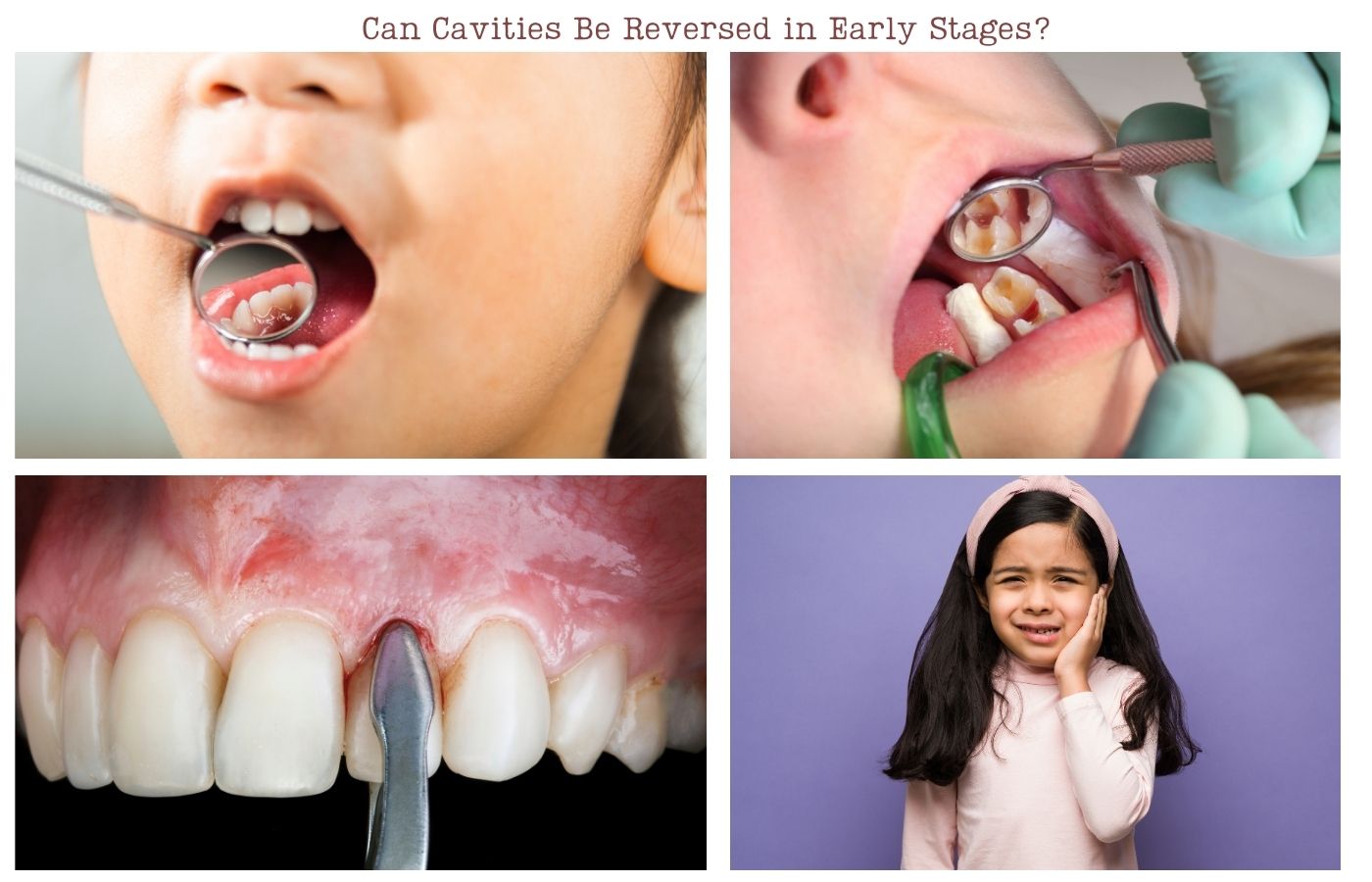
Caused by plaque acids that erode enamel.
Early stage (gingivitis): red, swollen, bleeding gums
Advanced stage (periodontitis): bone and tooth damage
Often caused by poor hygiene, gum disease, or dry mouth.
Pain when consuming hot, cold, or sweet foods.
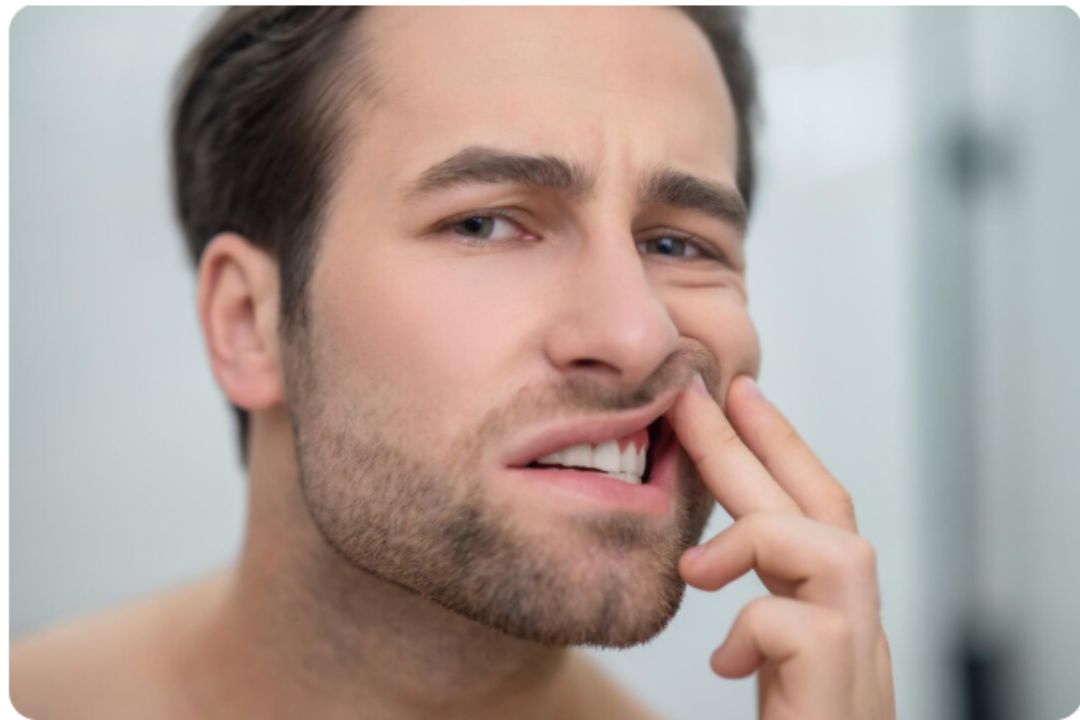
Schedule a dental visit if you experience:
Bleeding gums
Persistent bad breath
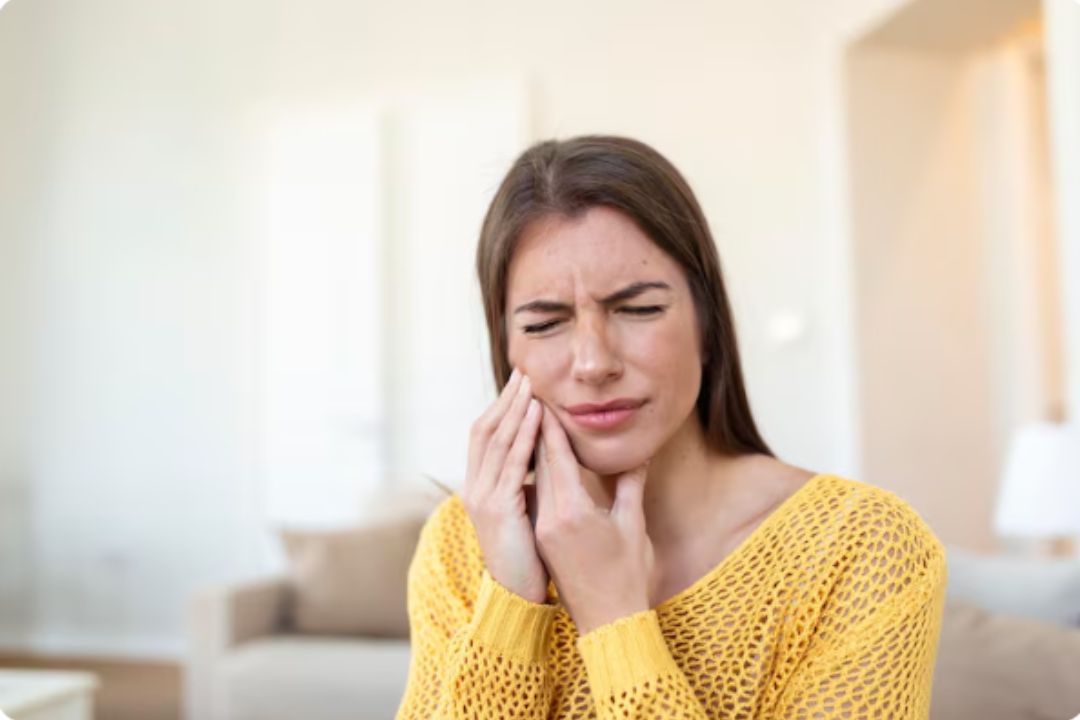
Tooth pain
Loose teeth
Swelling in gums
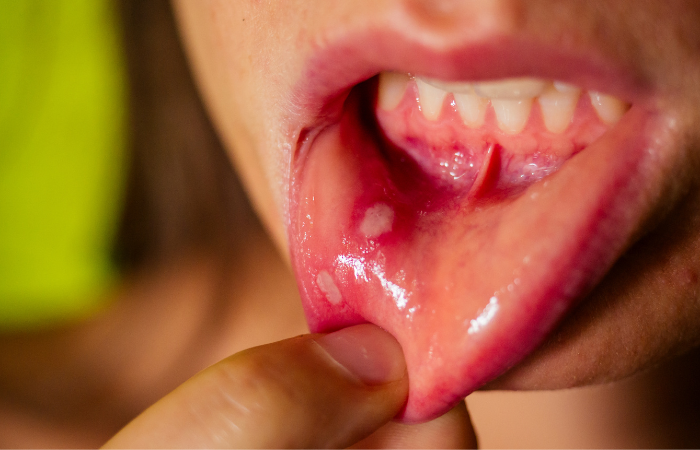
White or red patches inside the mouth
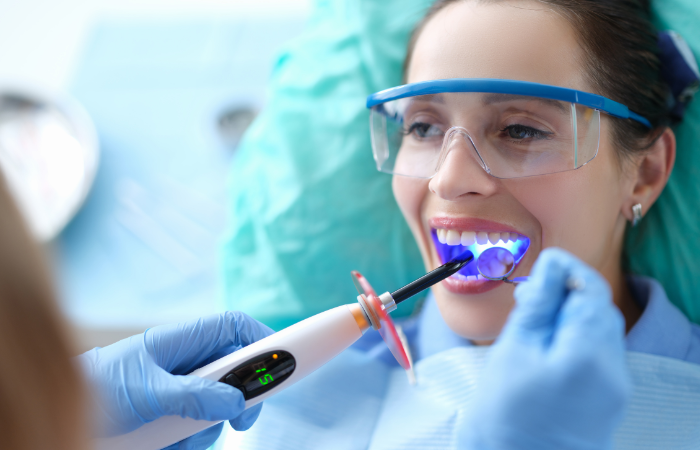
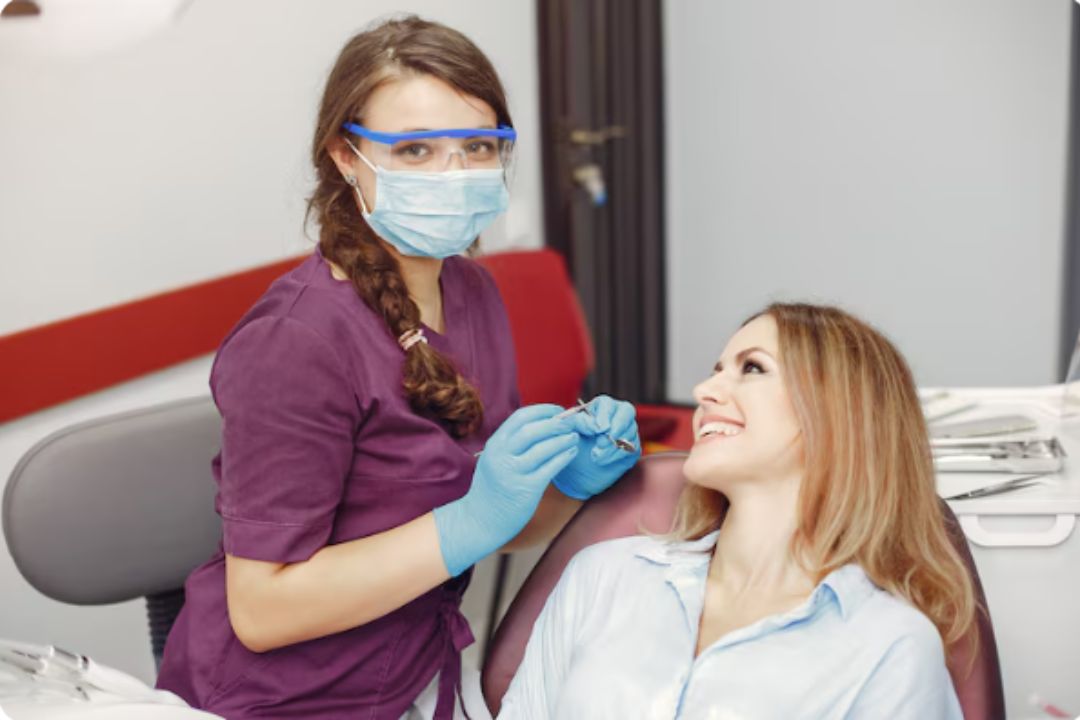
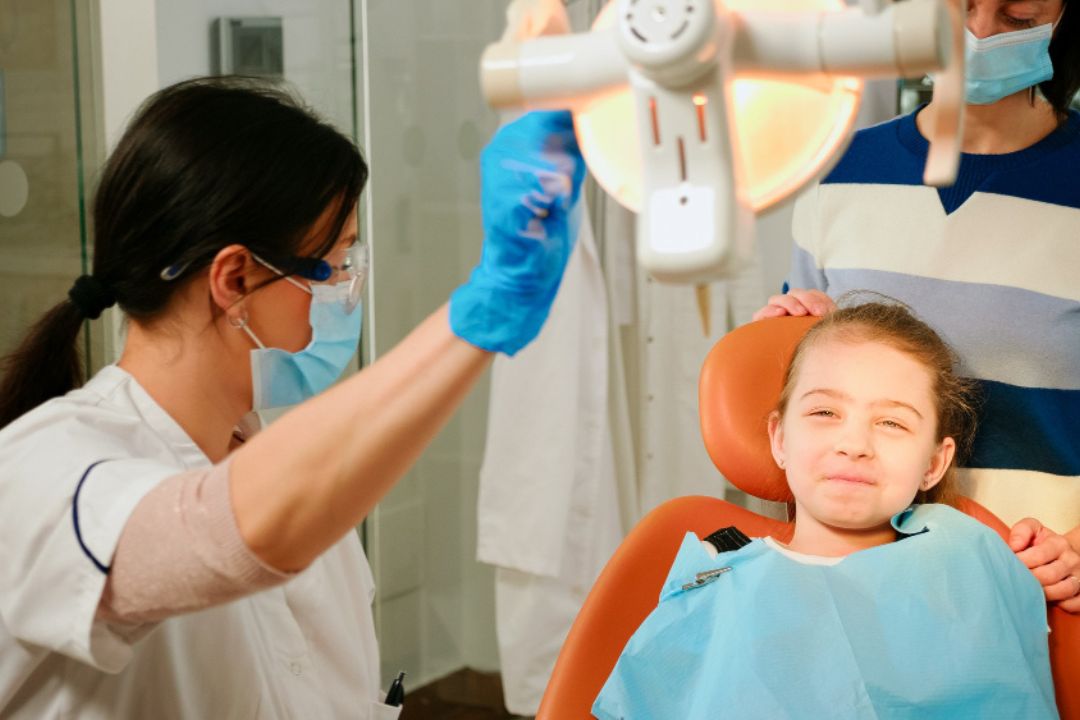
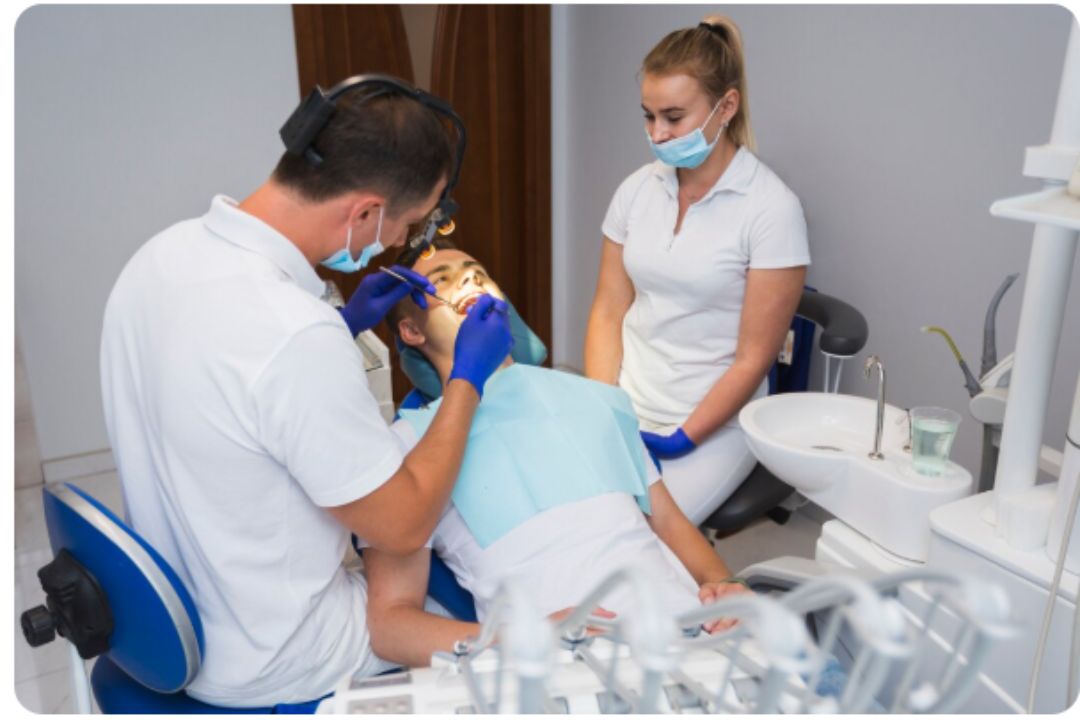
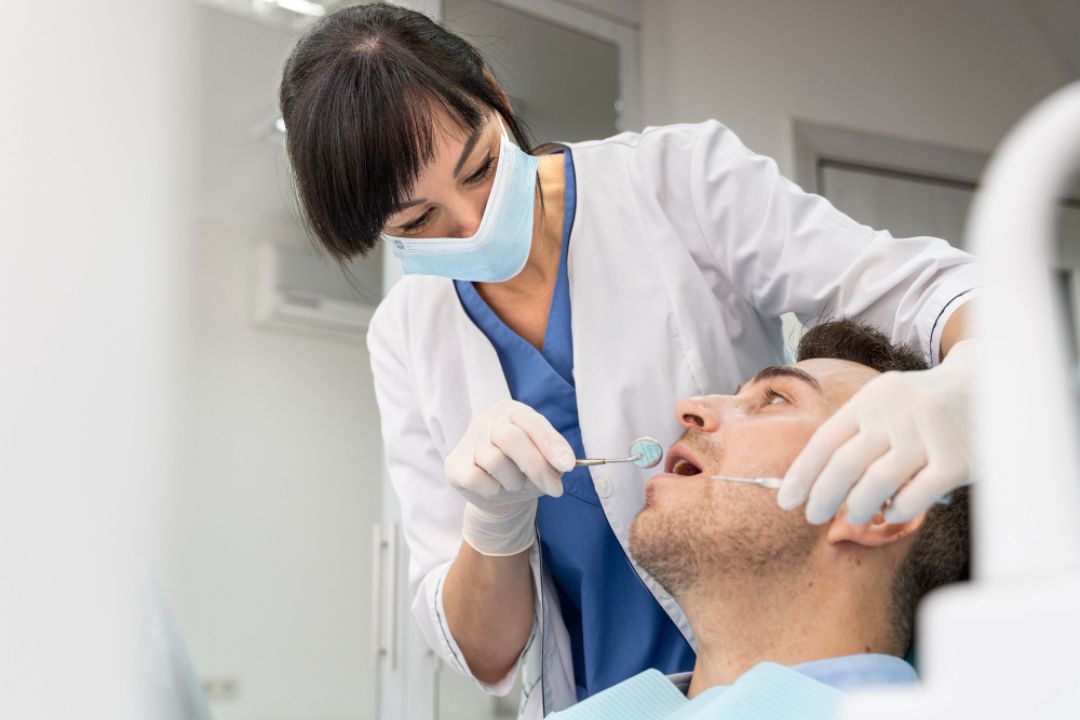
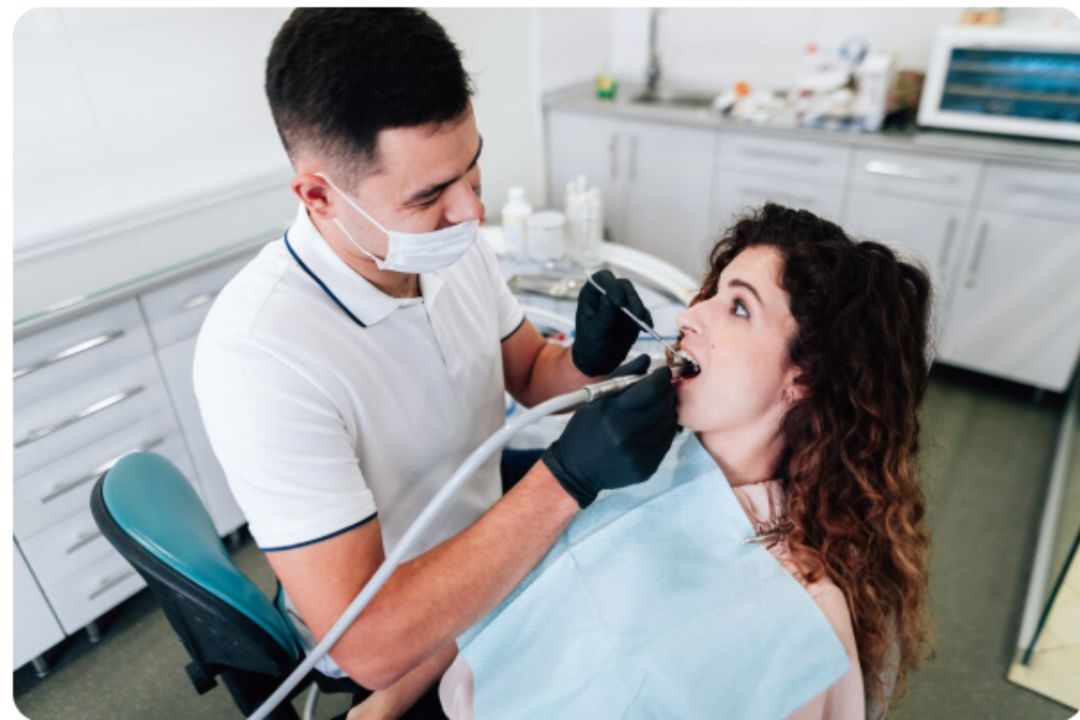
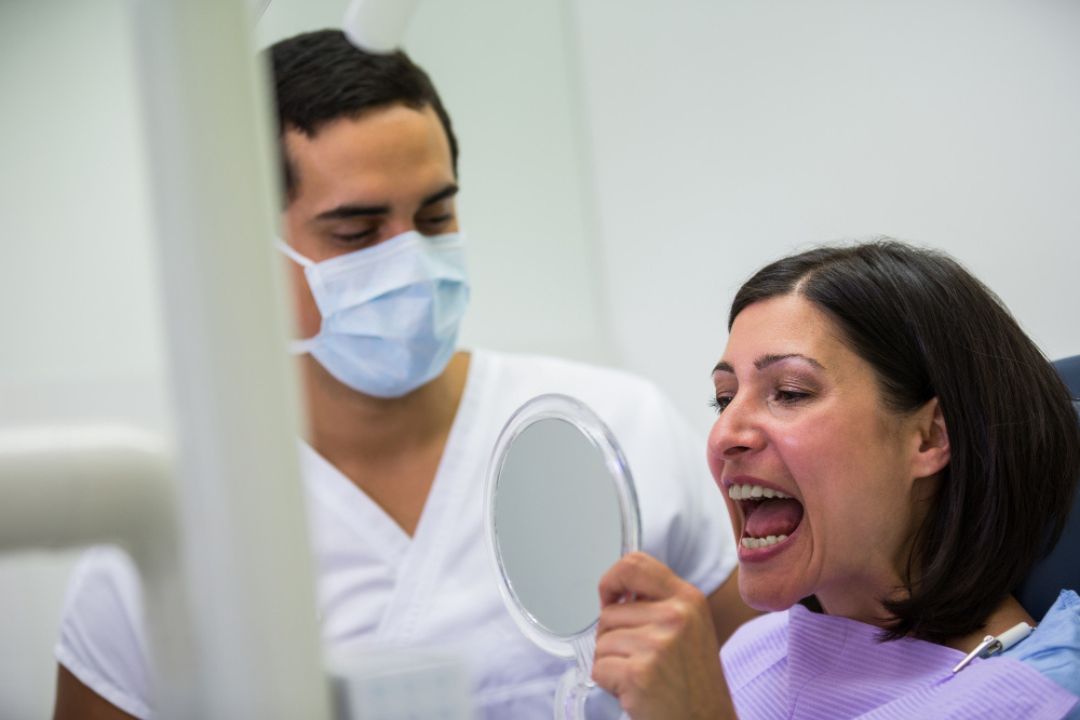
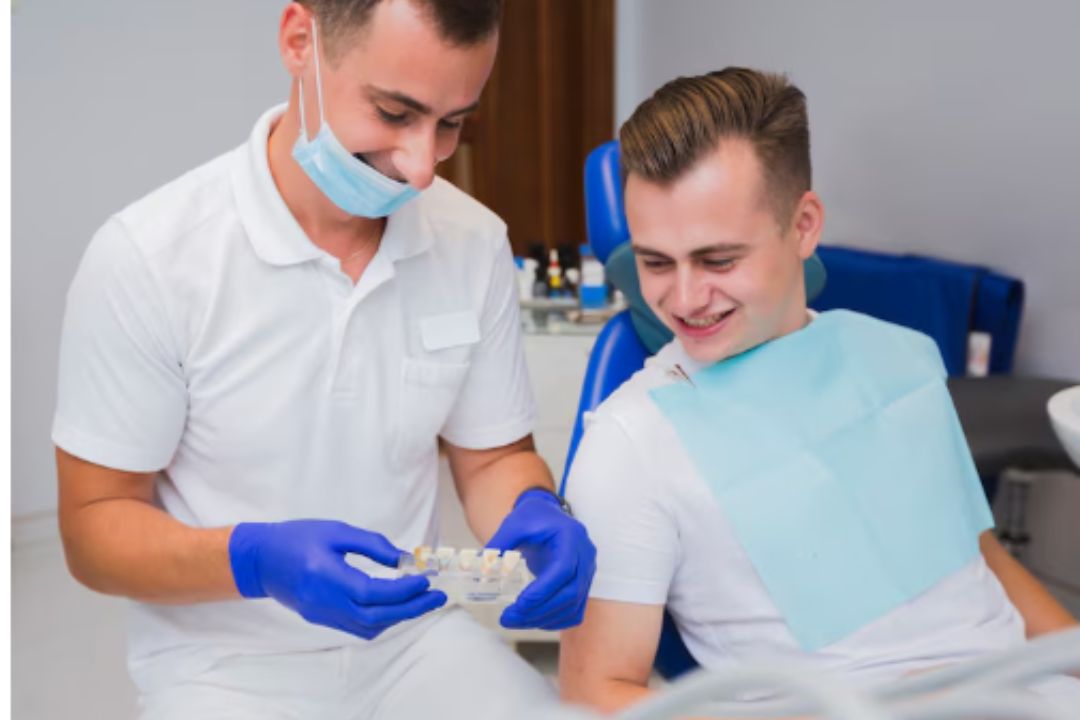
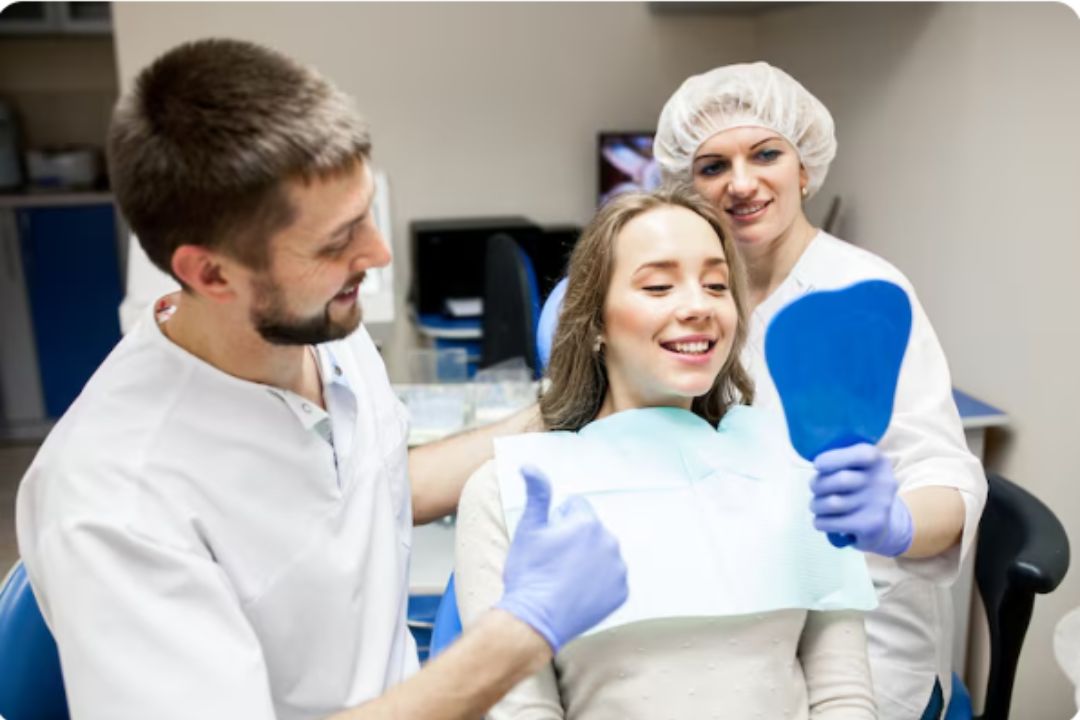
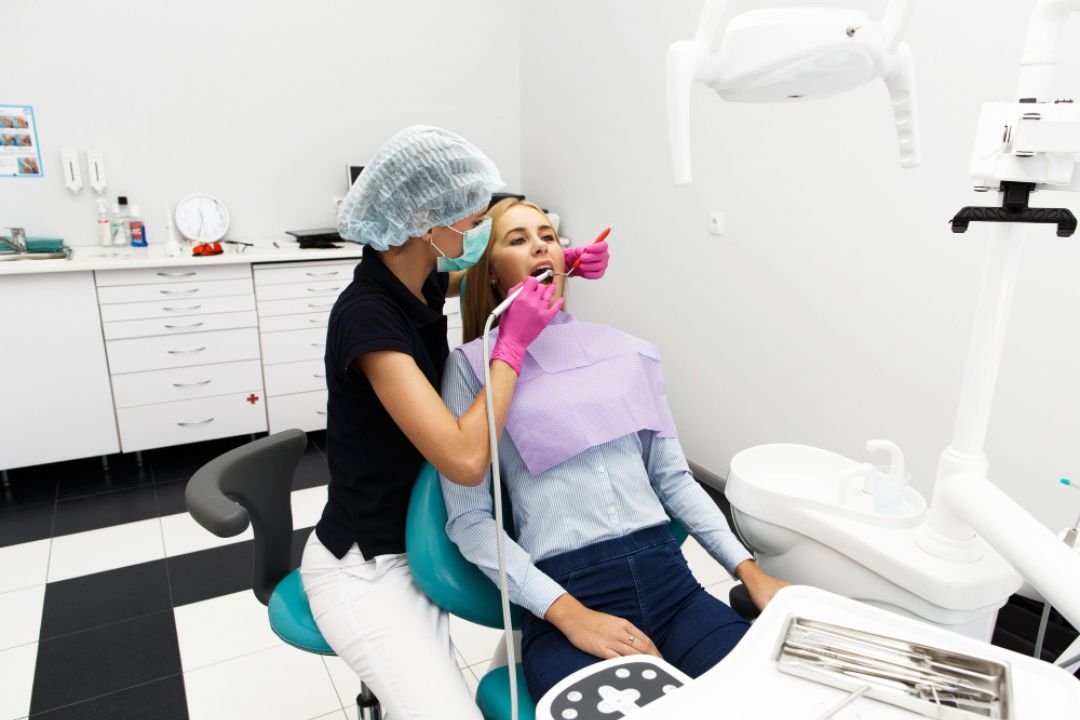
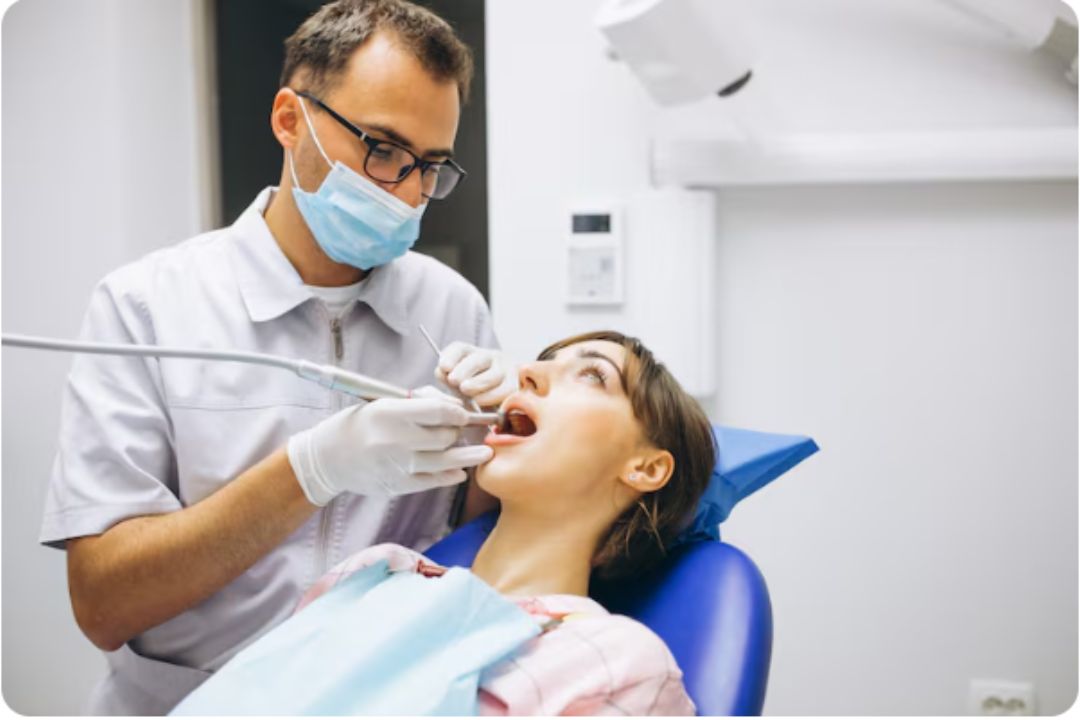
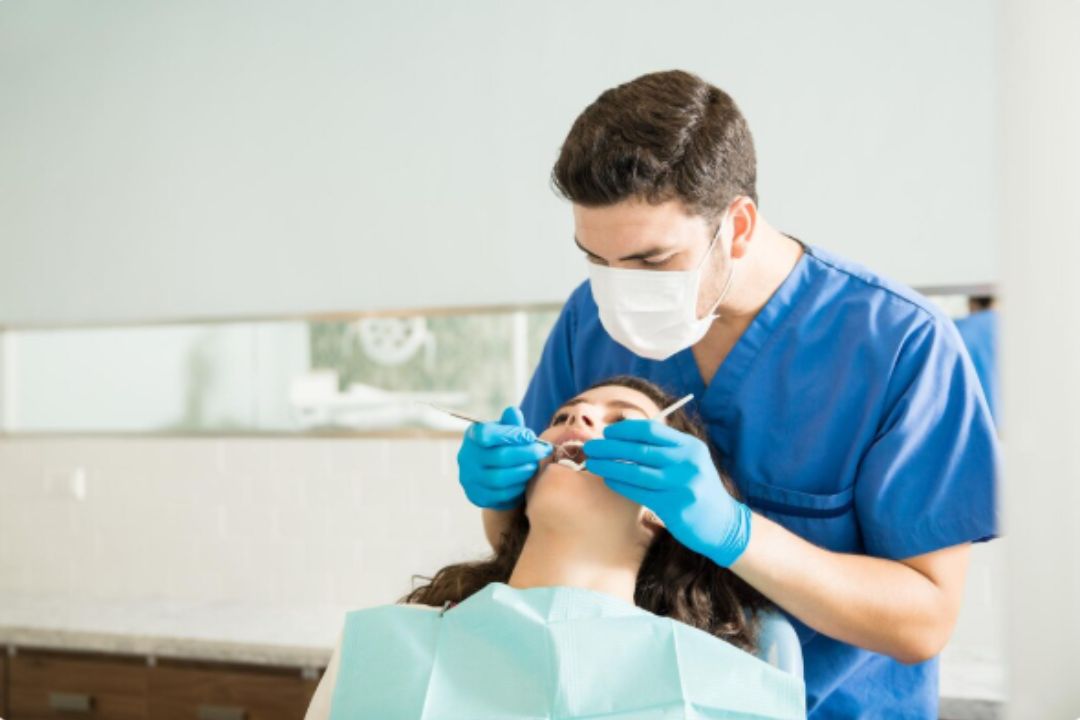
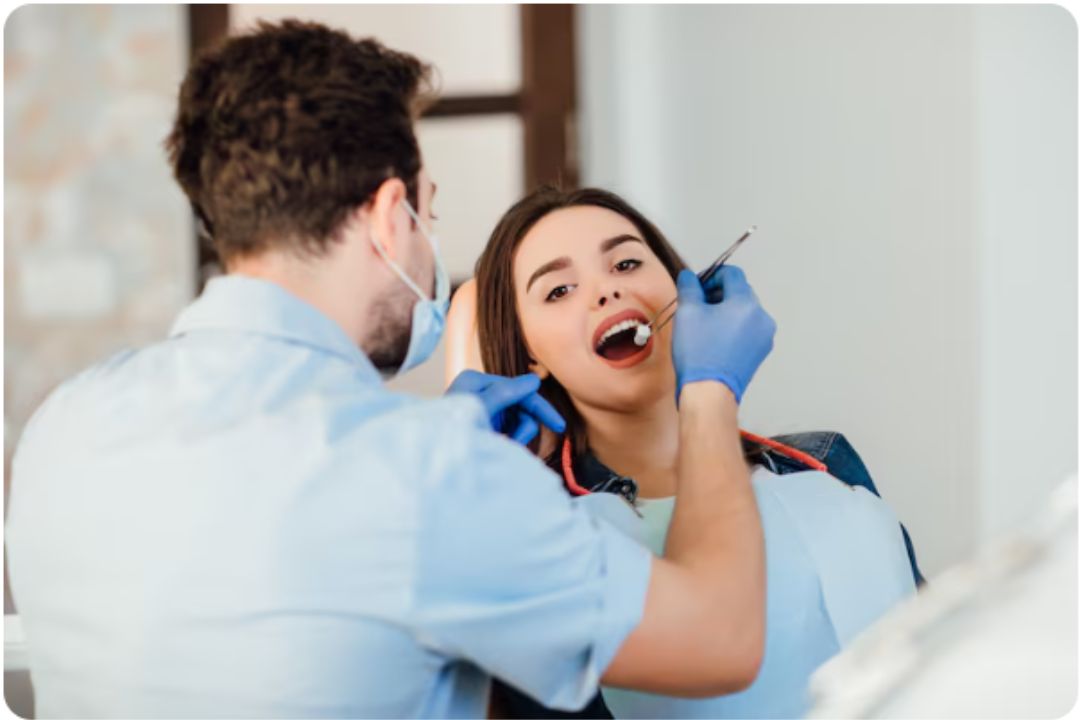
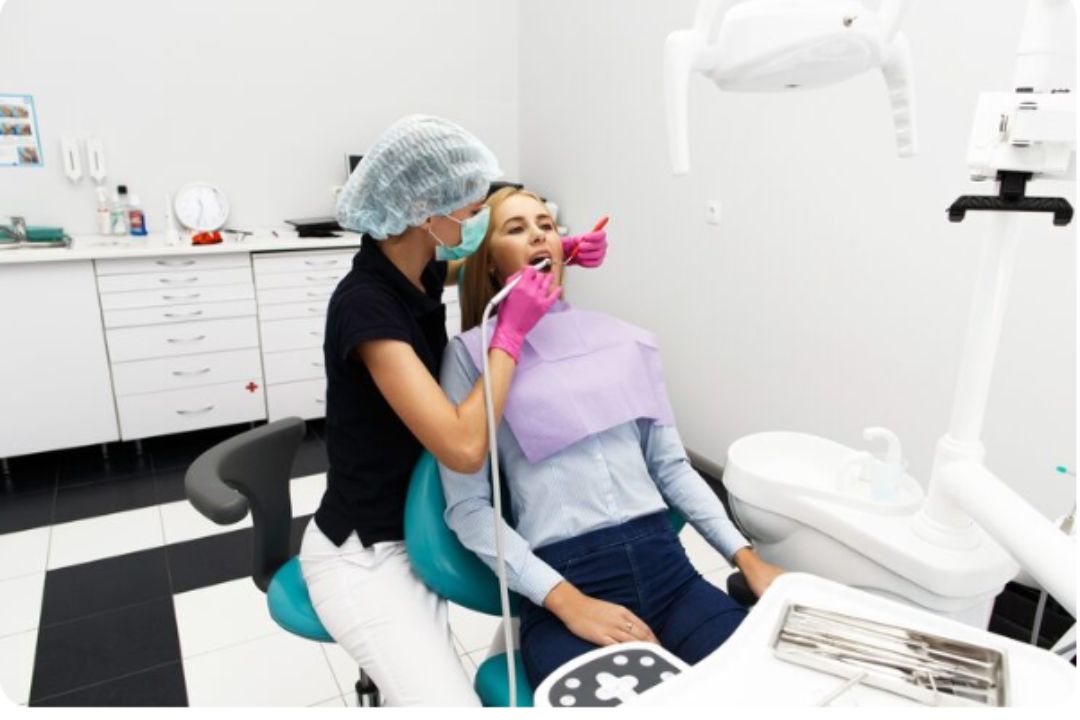
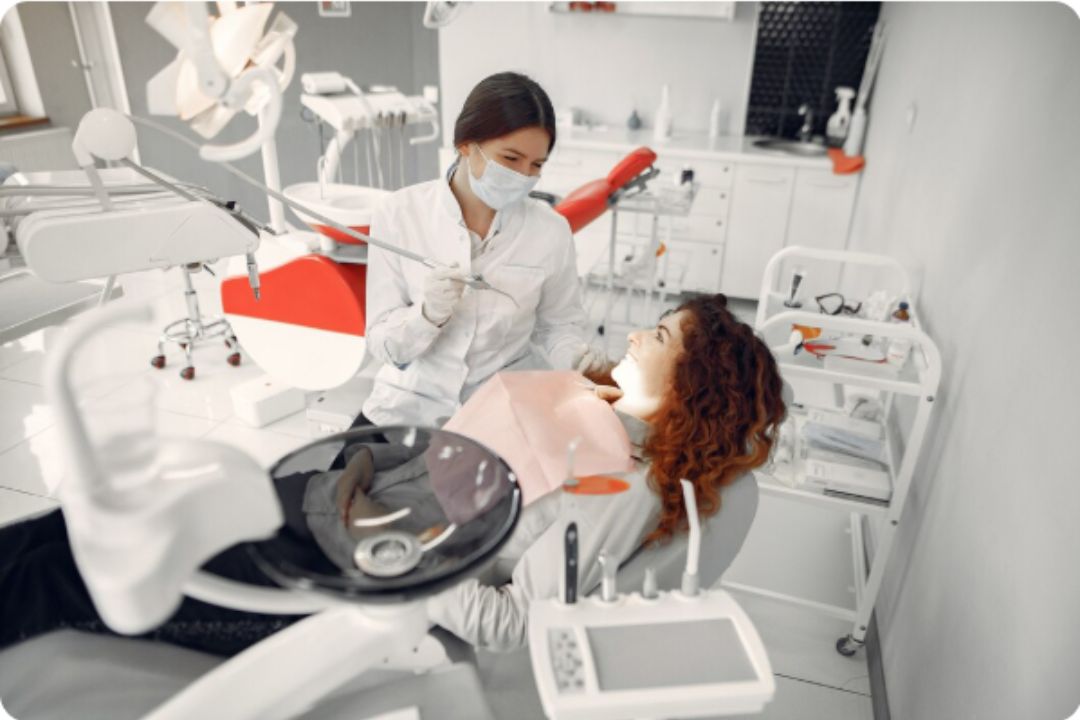
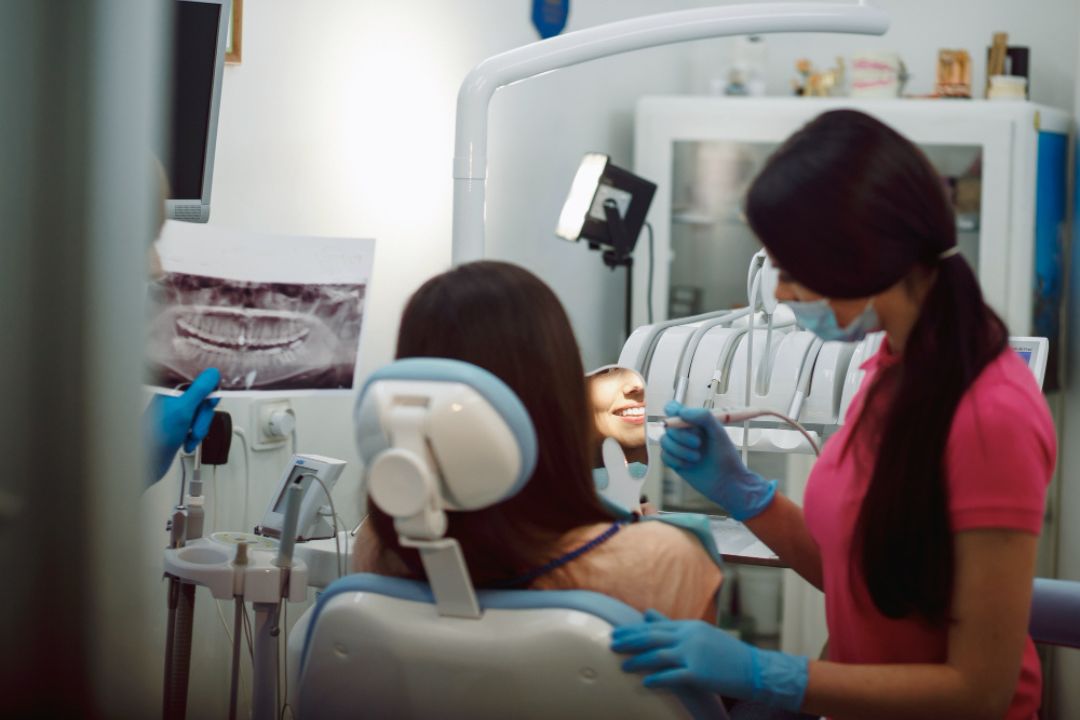
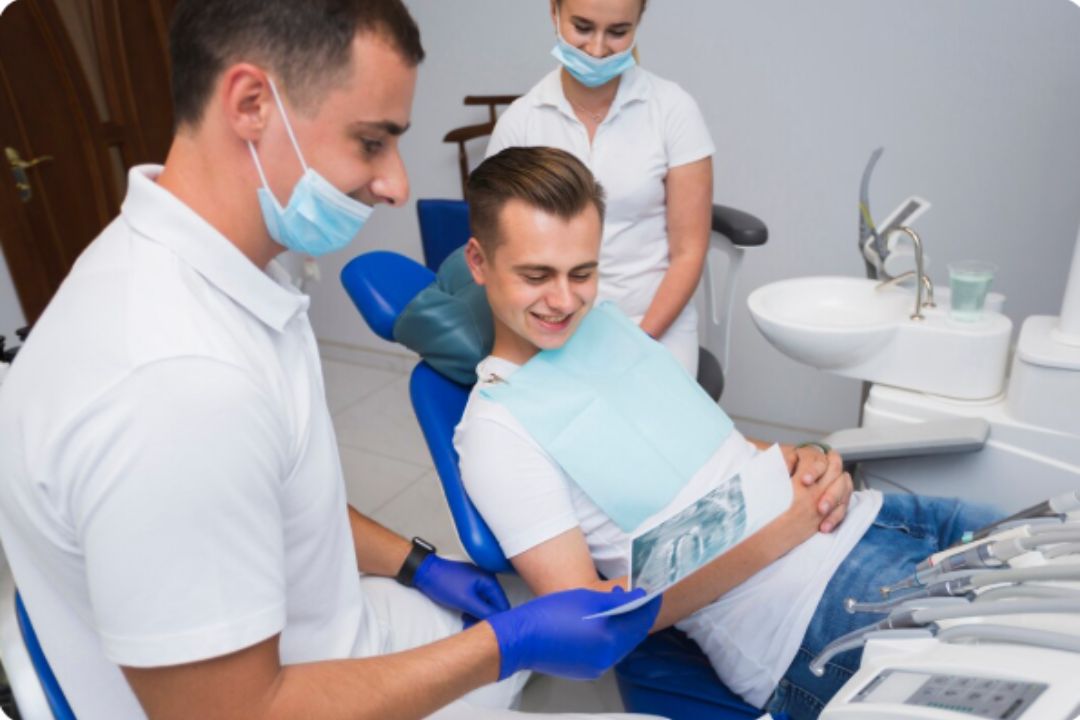
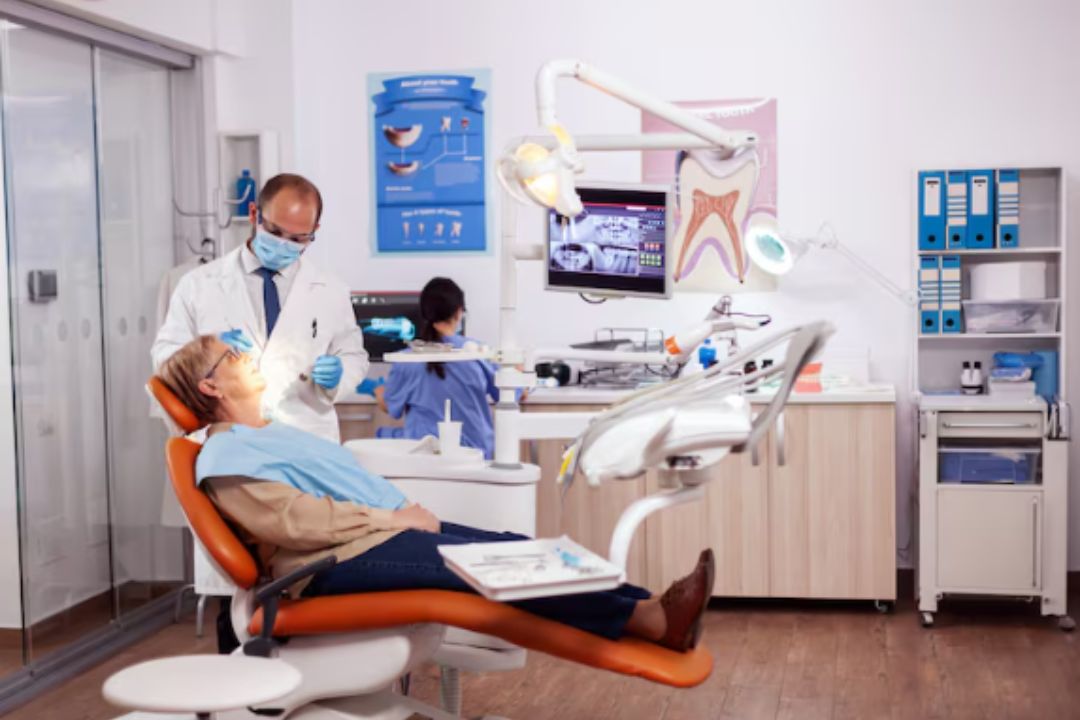
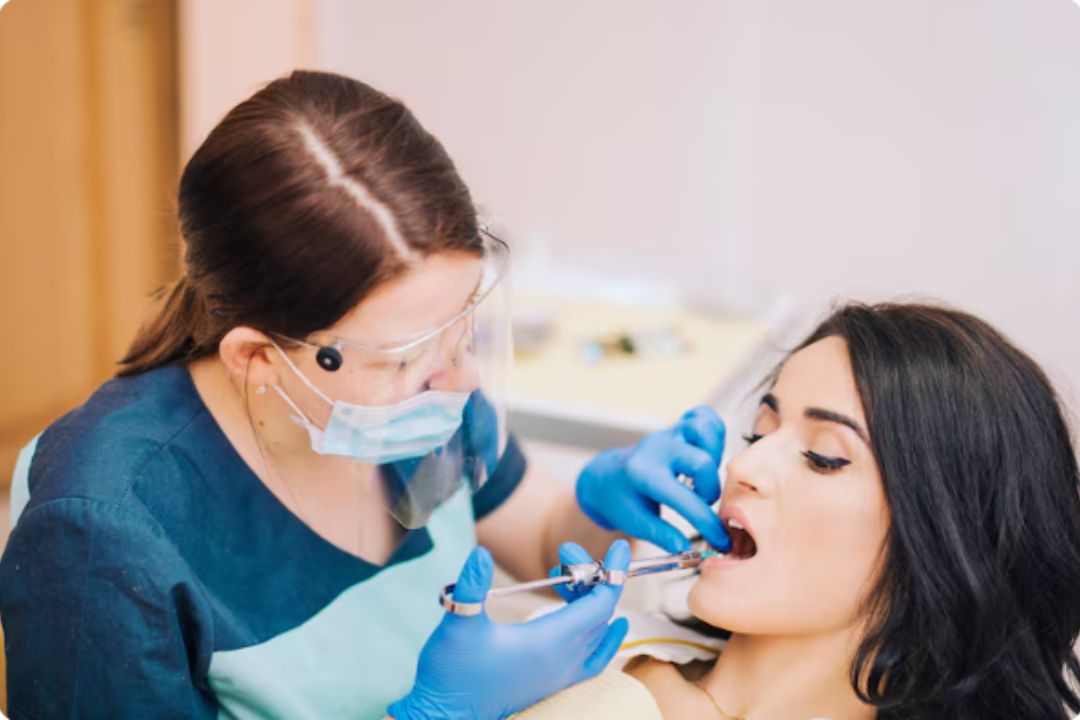
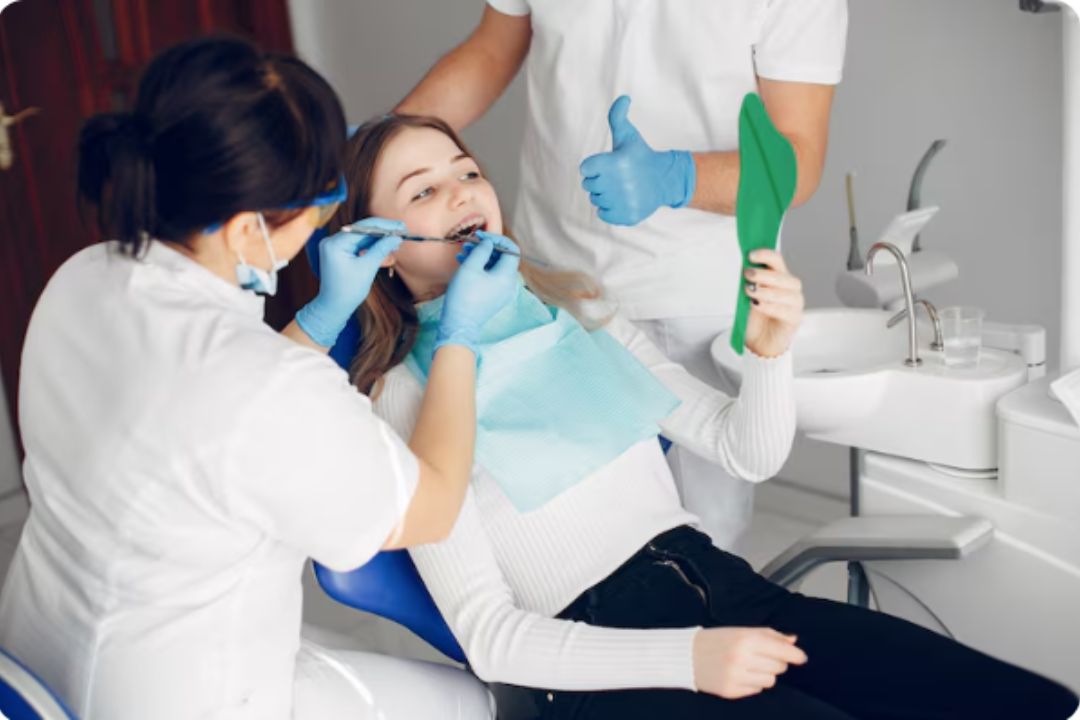
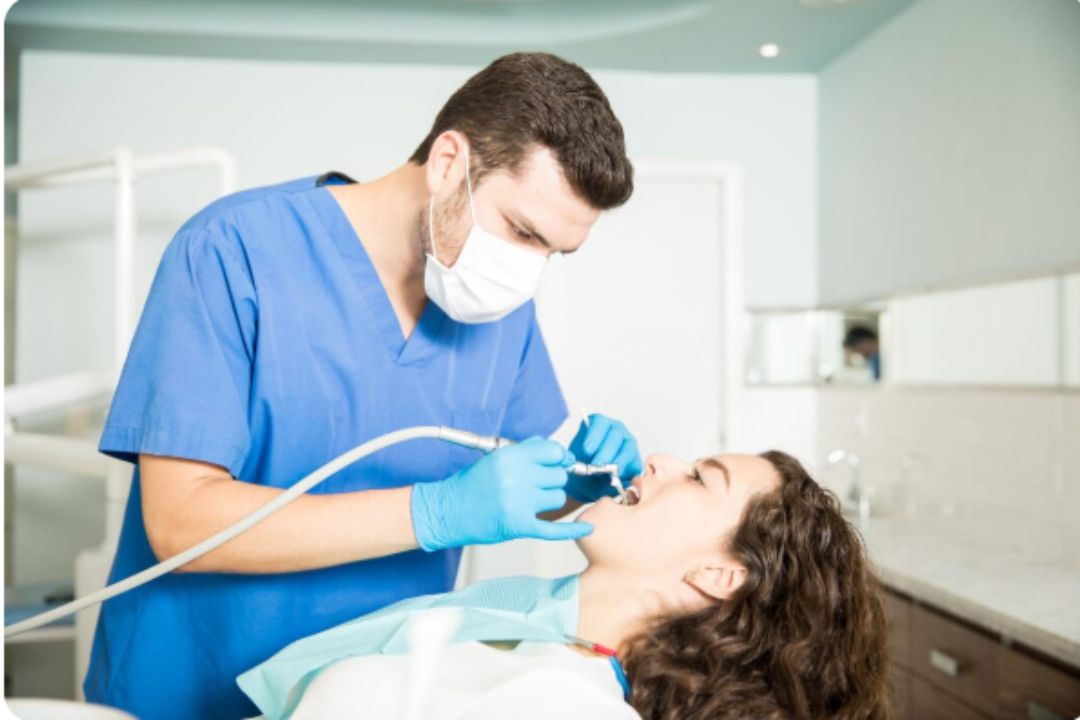
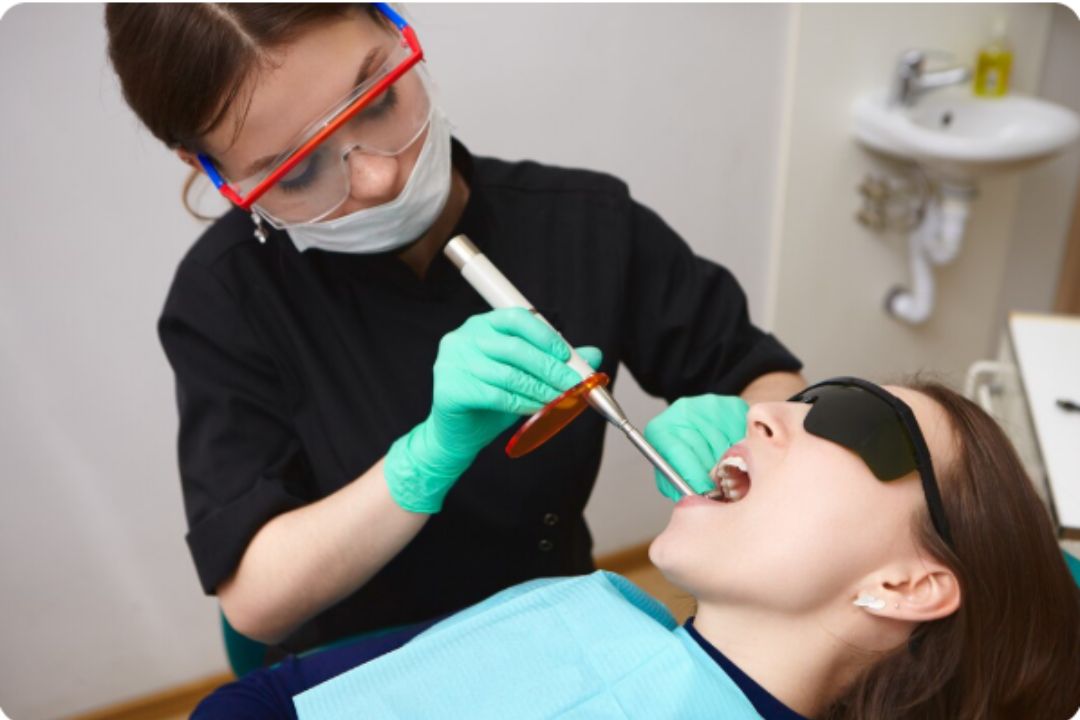
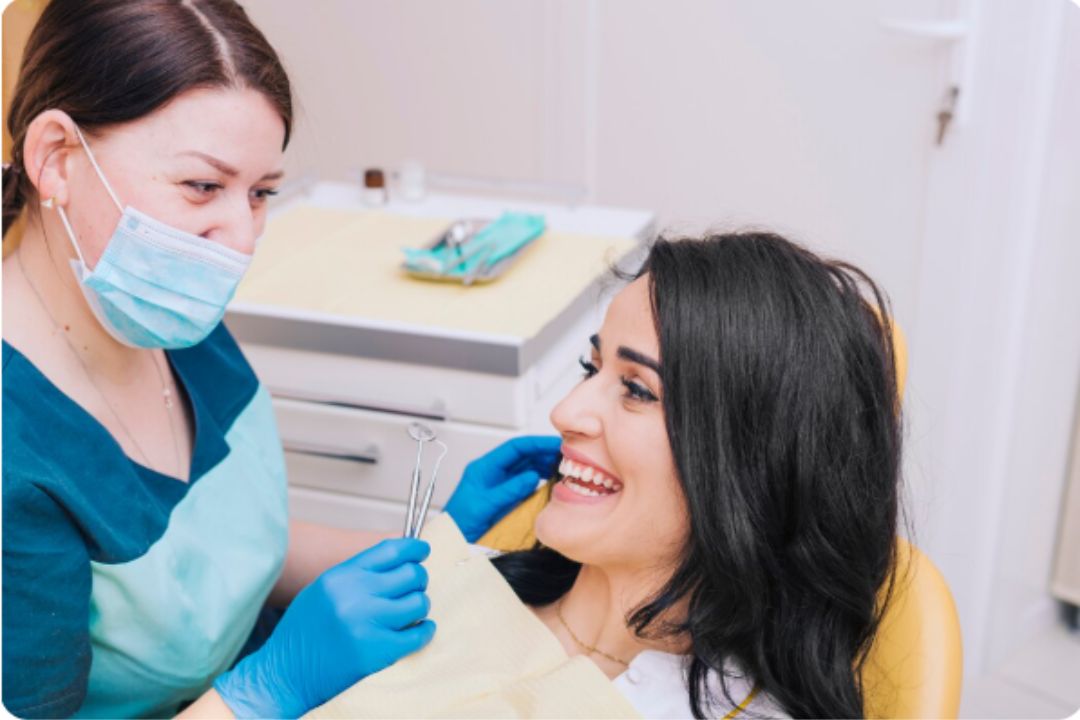
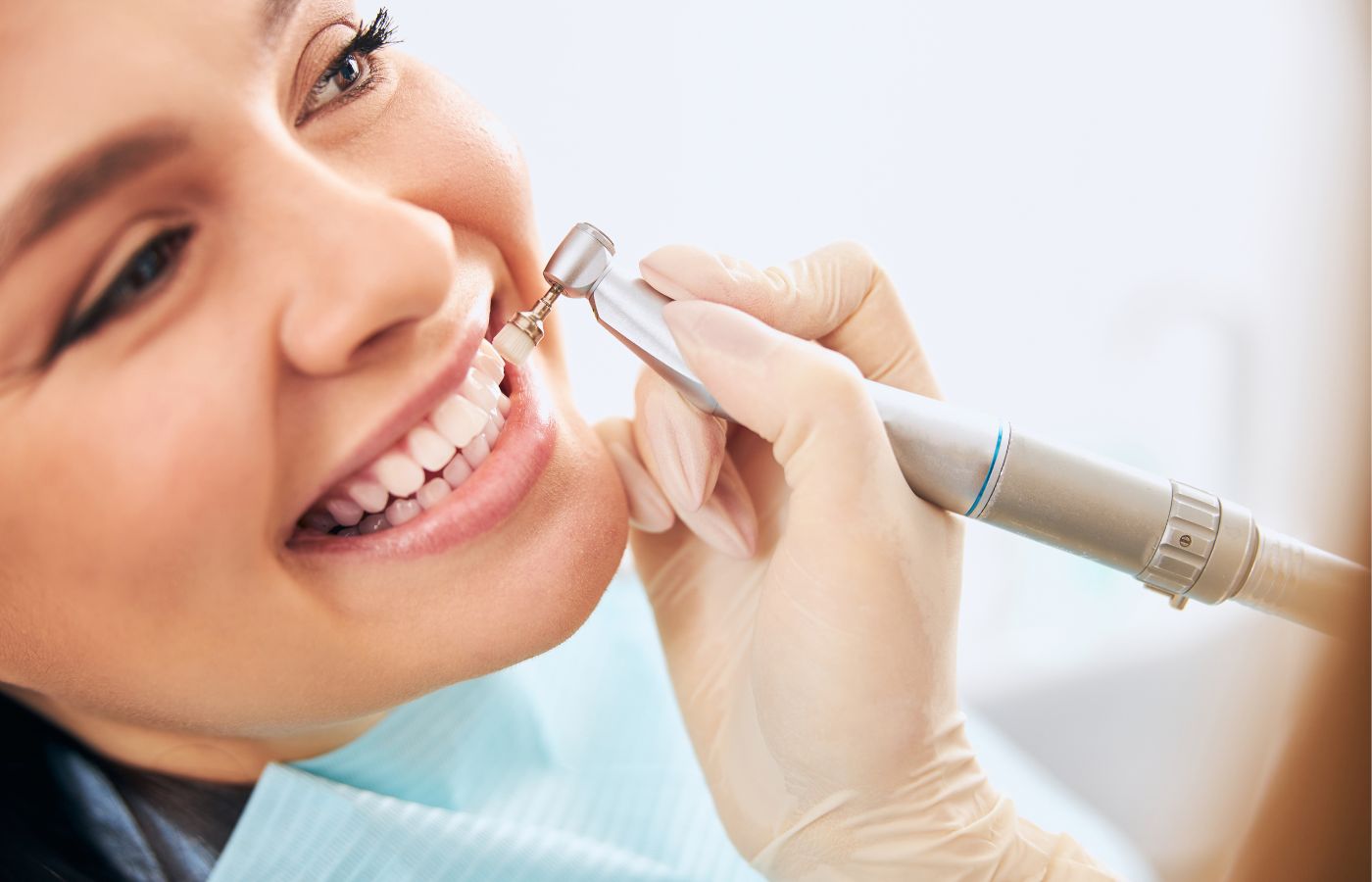
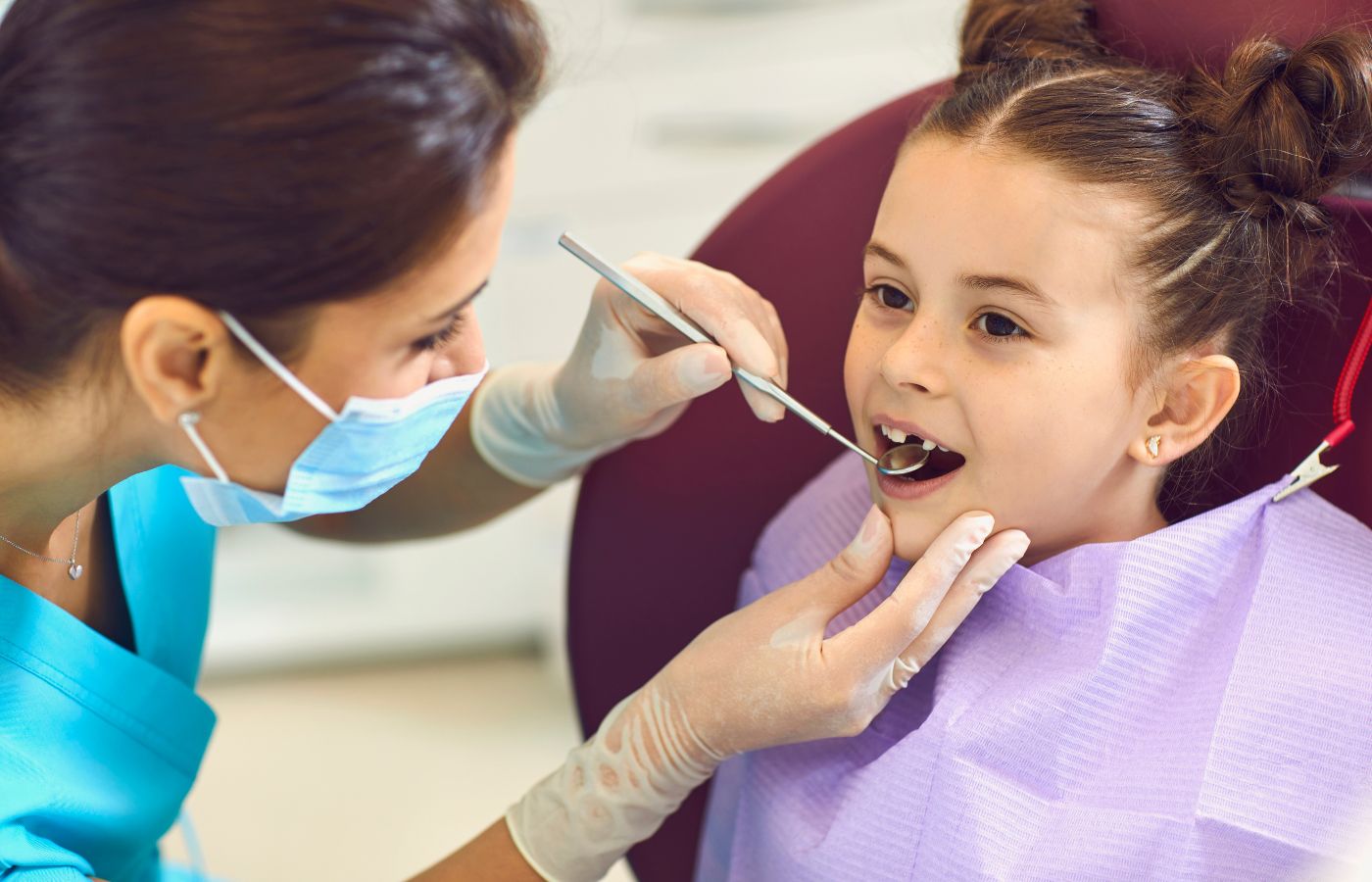
Even without symptoms, visit a dentist every 6 months for a professional check-up and cleaning.
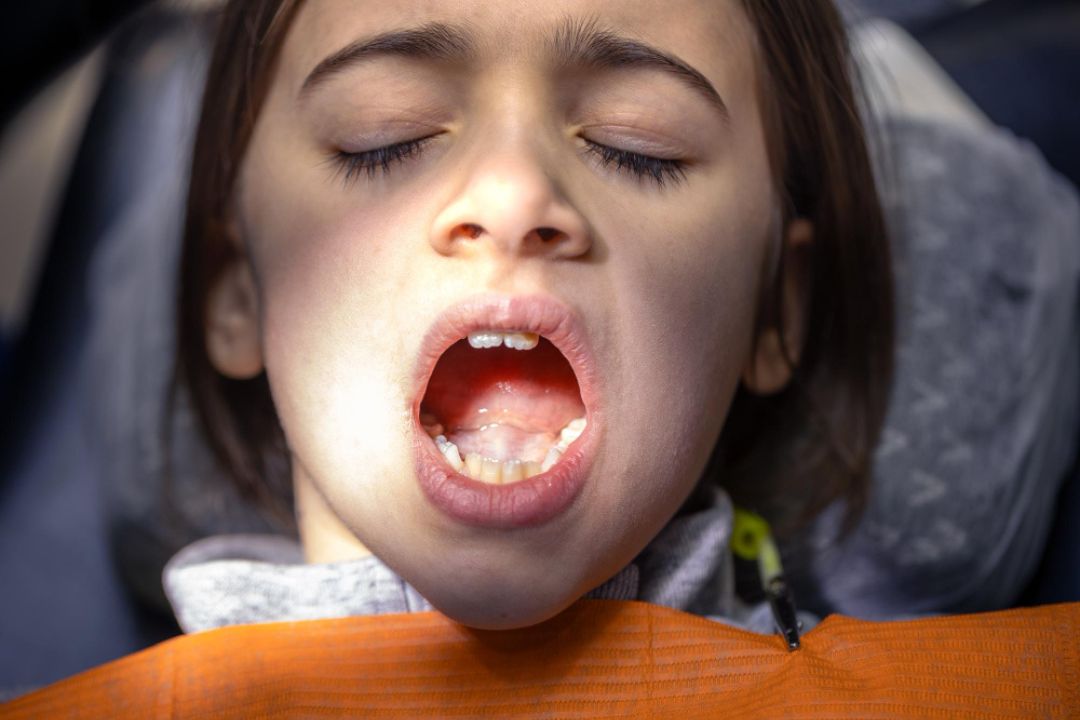
Begin brushing as soon as first tooth appears
Use fluoride toothpaste in small amounts
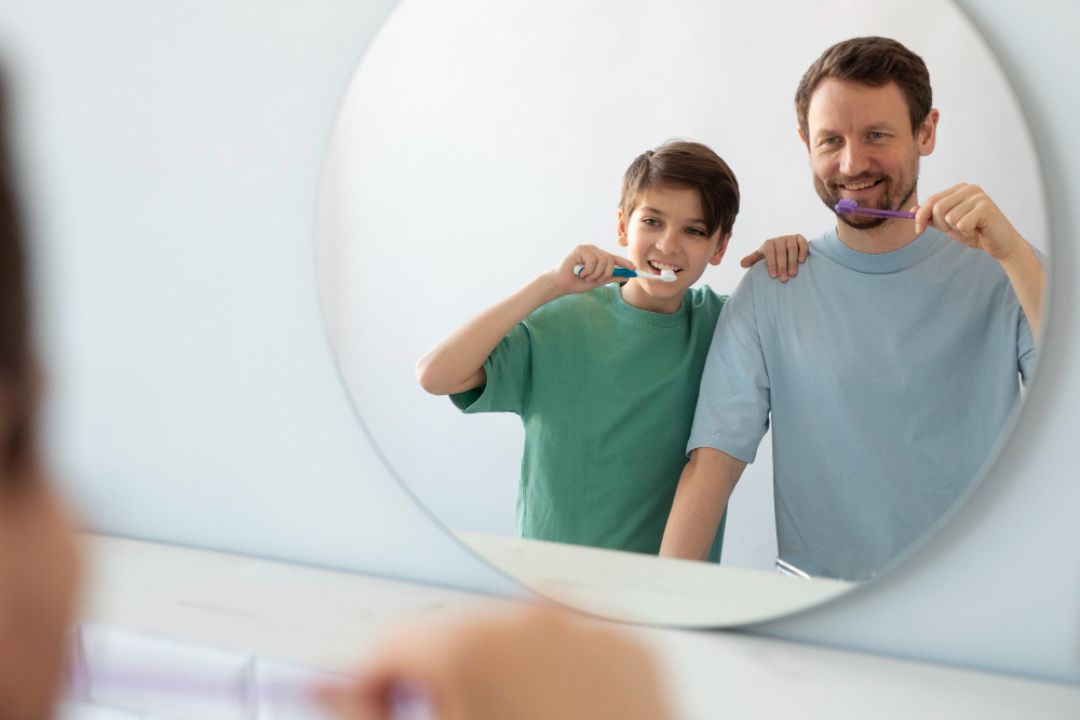
Supervise brushing until age 7–8
Maintain consistent brushing and flossing
Avoid tobacco products
Monitor gum health
Watch for dry mouth
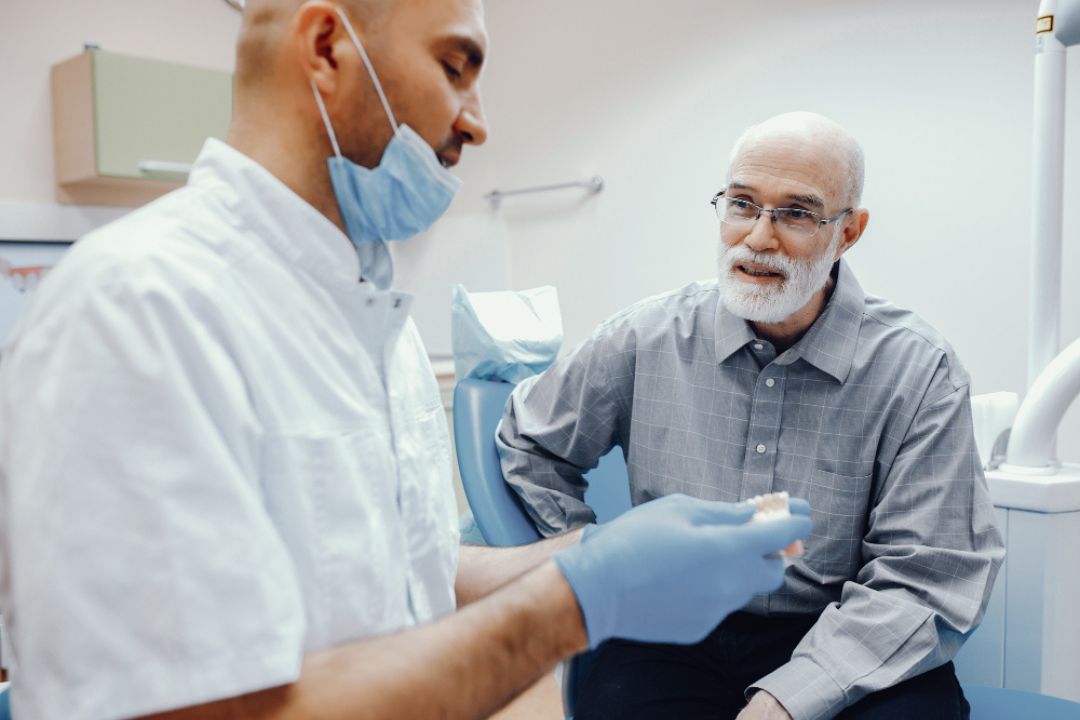
Clean dentures properly
Monitor medication side effects affecting oral health
Research shows links between poor oral hygiene and:
Heart disease
Stroke
Diabetes
Pregnancy complications
Inflammation from gum disease may contribute to systemic health issues. This makes daily oral care even more important.
Brush twice daily for 2 minutes
Floss daily
Replace toothbrush regularly
Avoid smoking
Drink plenty of water
Schedule regular dental visits
Consistency is more important than perfection.
Oral health and hygiene are foundational to overall wellness. A simple daily routine — brushing, flossing, and regular dental visits — can prevent most dental problems.
Taking care of your teeth today ensures a healthier smile for years to come.
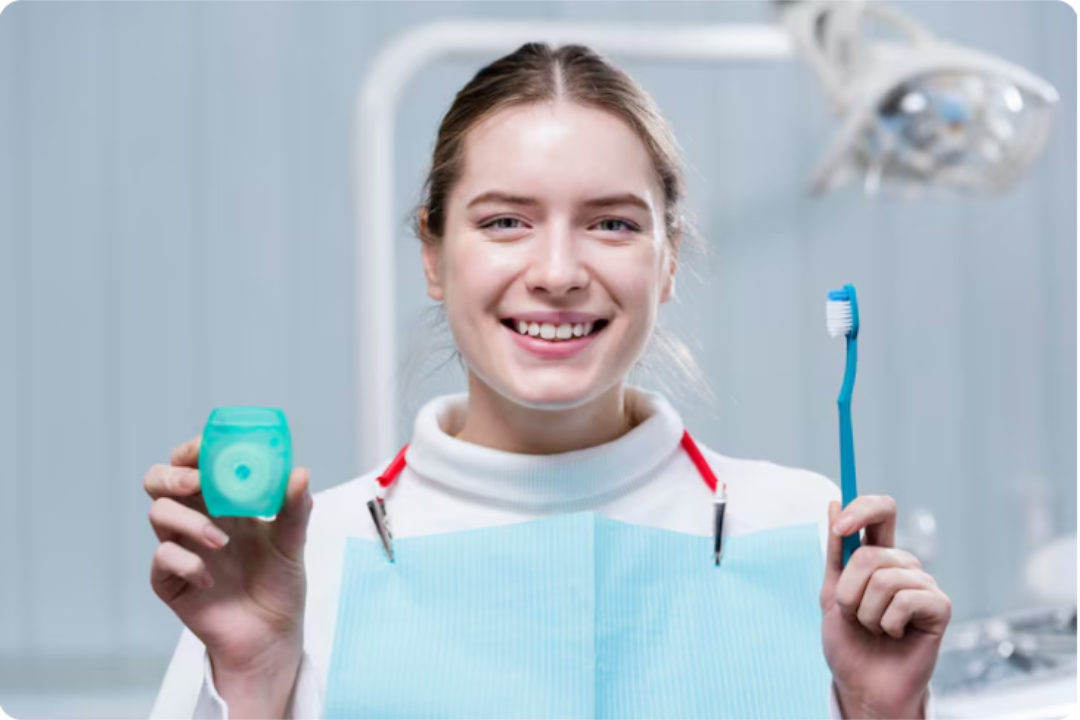











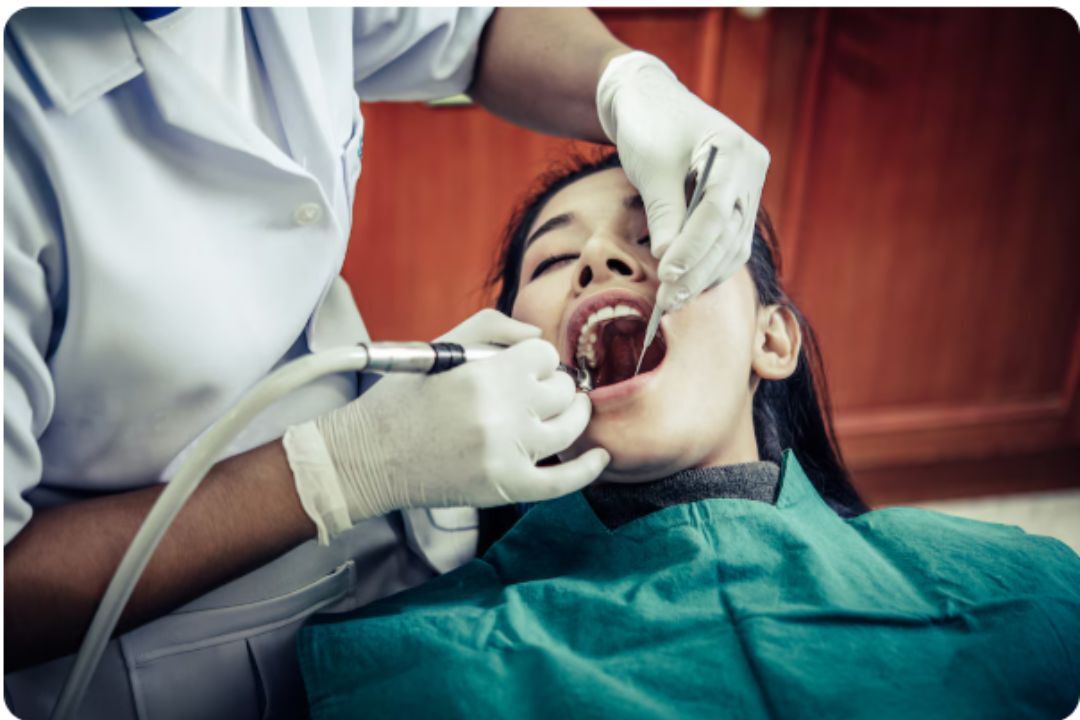
.jpg "dental checkups once or twice a year what best for your smile in mumbai")
.jpg "dentist approved oral care routine for healthy teeth and gums")
.jpg "top oral health mistakes most people make every day")
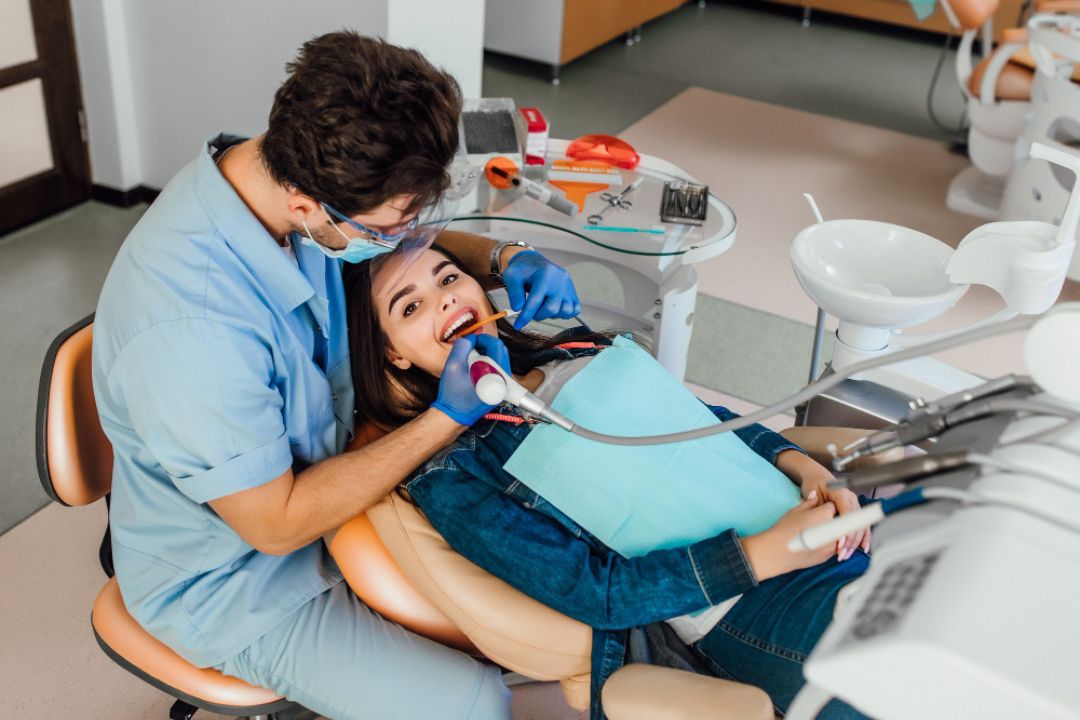
.jpg "best dental clinic in mumbai how to choose the right dentist")

.jpg "best oral hygiene habits for gum and tooth protection")





































.jpg "Impacts Your Dental Health")
.jpg "Oral Health and Mental Health")
.jpg "Dental Care for Seniors")
.jpg "Regular Dental Checkups Are More Important")
 (1).jpg "Oral Health and Systemic Diseases")
.jpg "Oral Healthcare and Major Diseases")

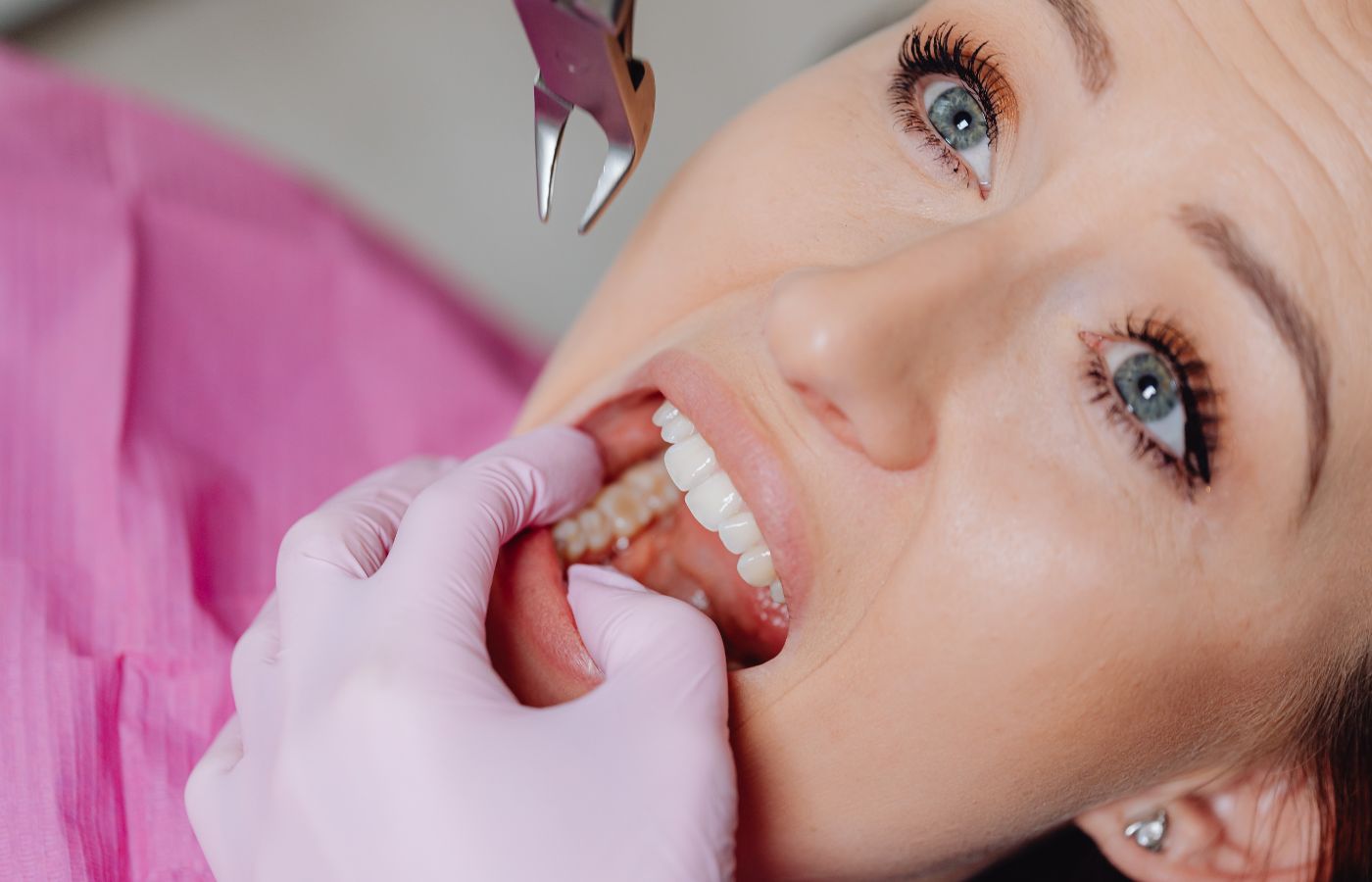
 (1).jpg "Free Dental Visit")
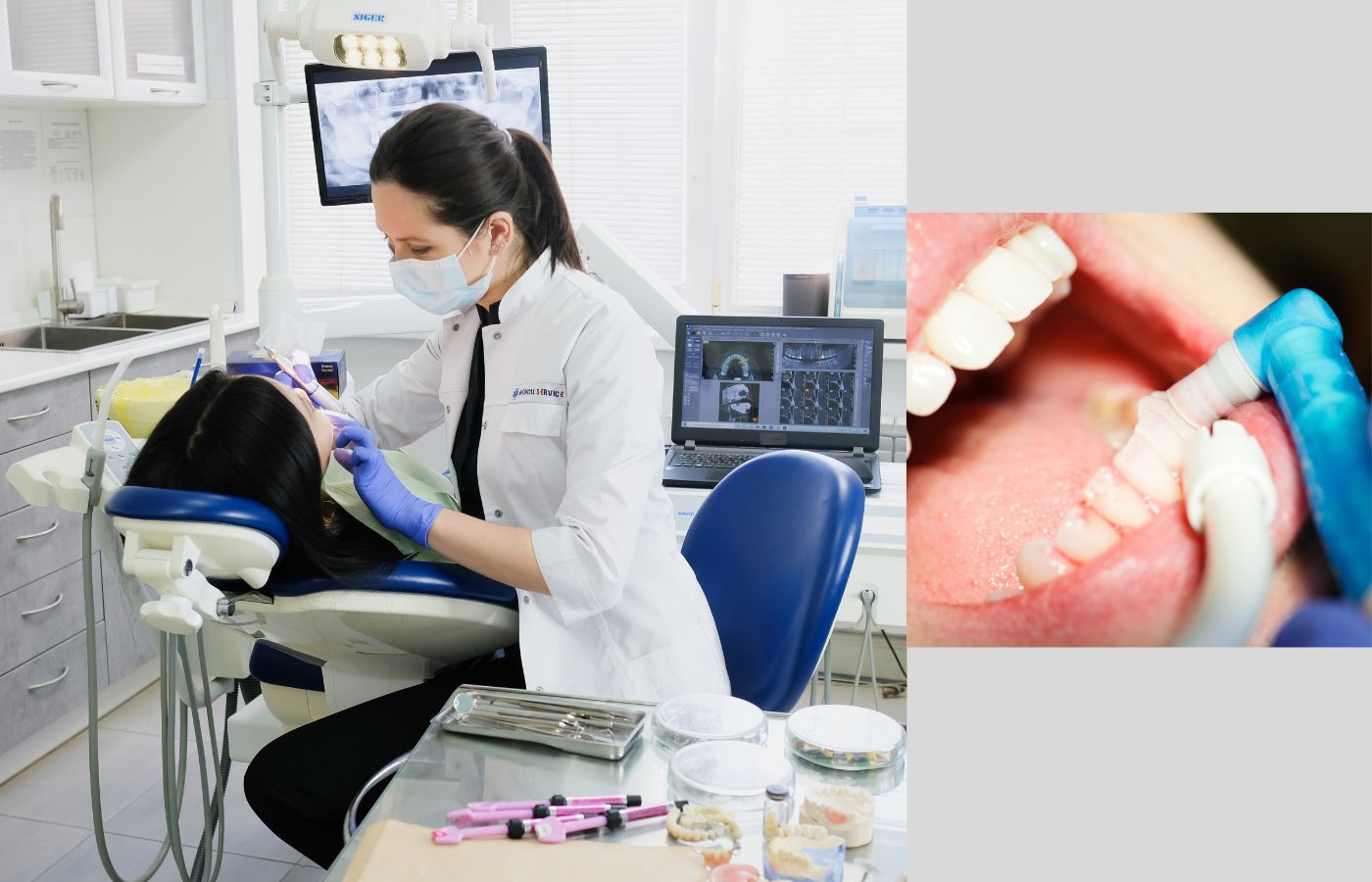



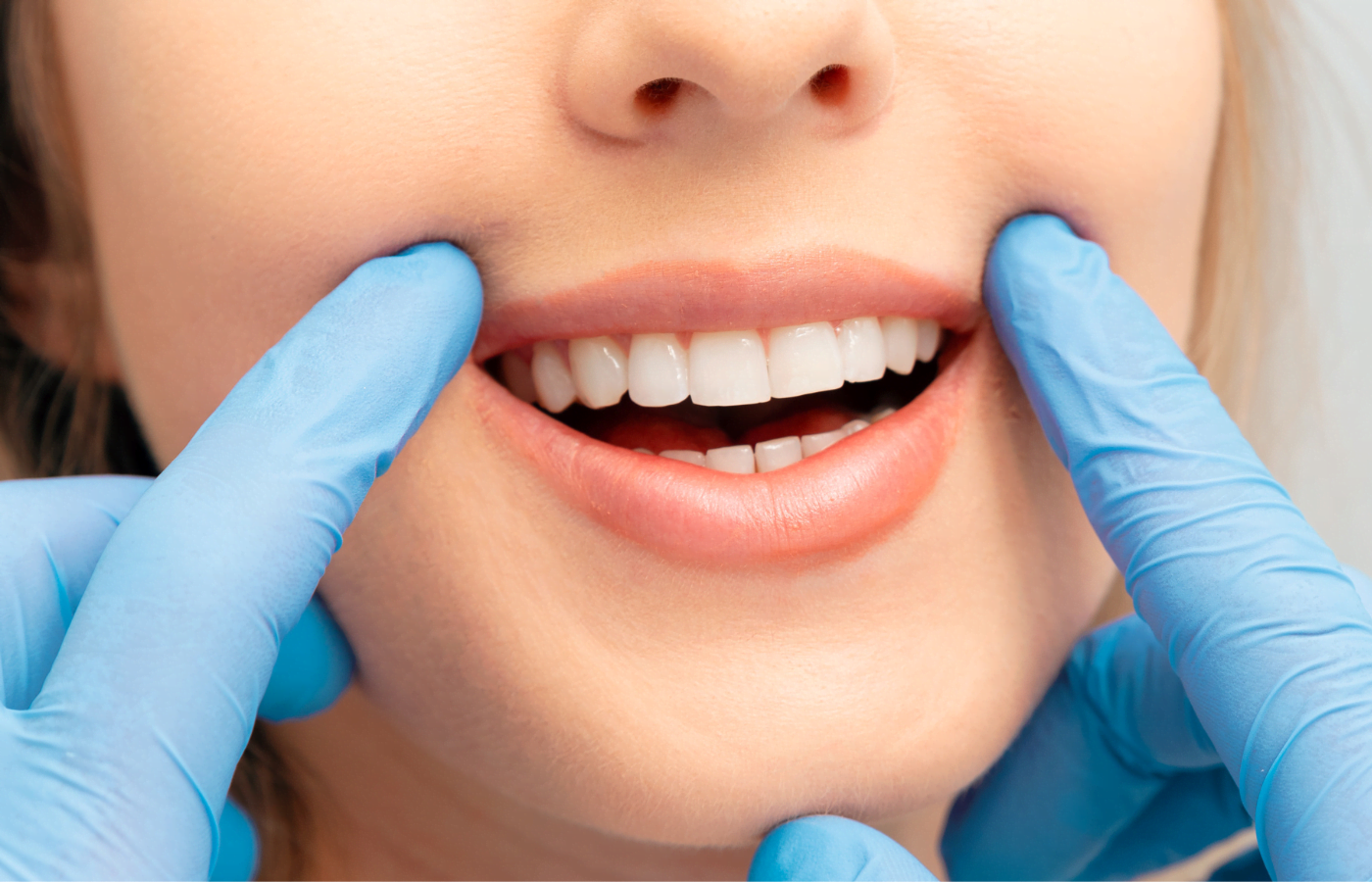


 (1).png "Common Dental problems")