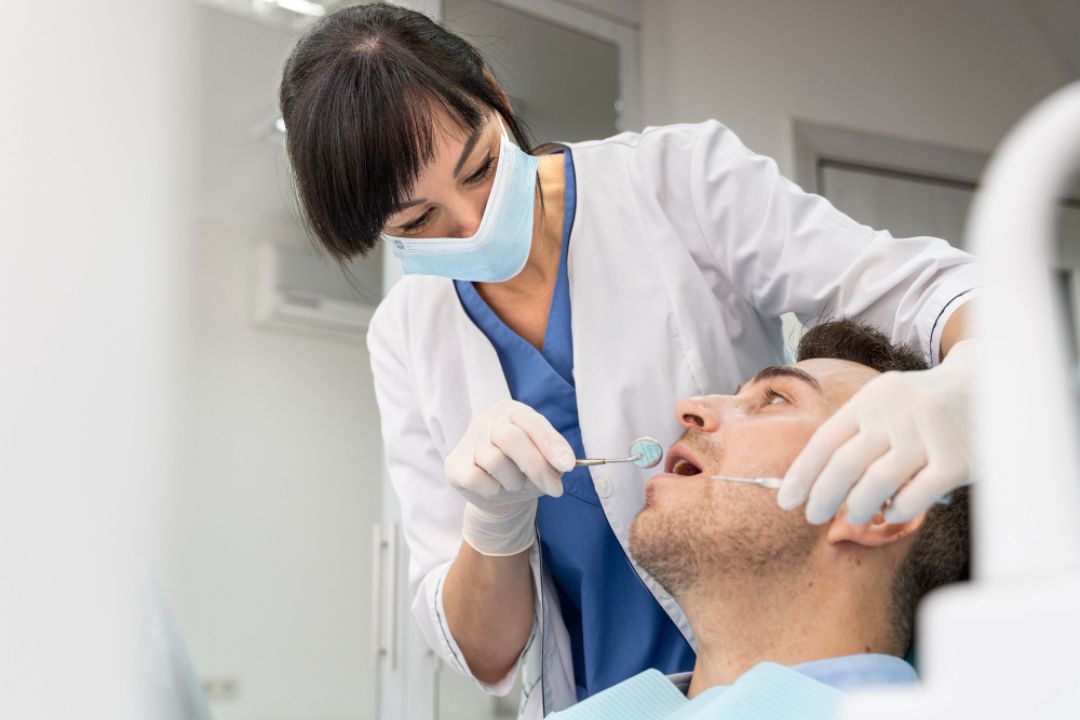
A radiant smile is a cornerstone of confidence and overall health. Yet, confusion abounds regarding the optimal daily routine. Are you brushing enough? Is flossing truly non-negotiable? Where does mouthwash fit in? This comprehensive guide from the Diagnopein Oral Health Center cuts through the noise, providing evidence-based recommendations to elevate your oral hygiene.
A winning oral care routine rests on three core habits, each with a specific frequency and purpose.
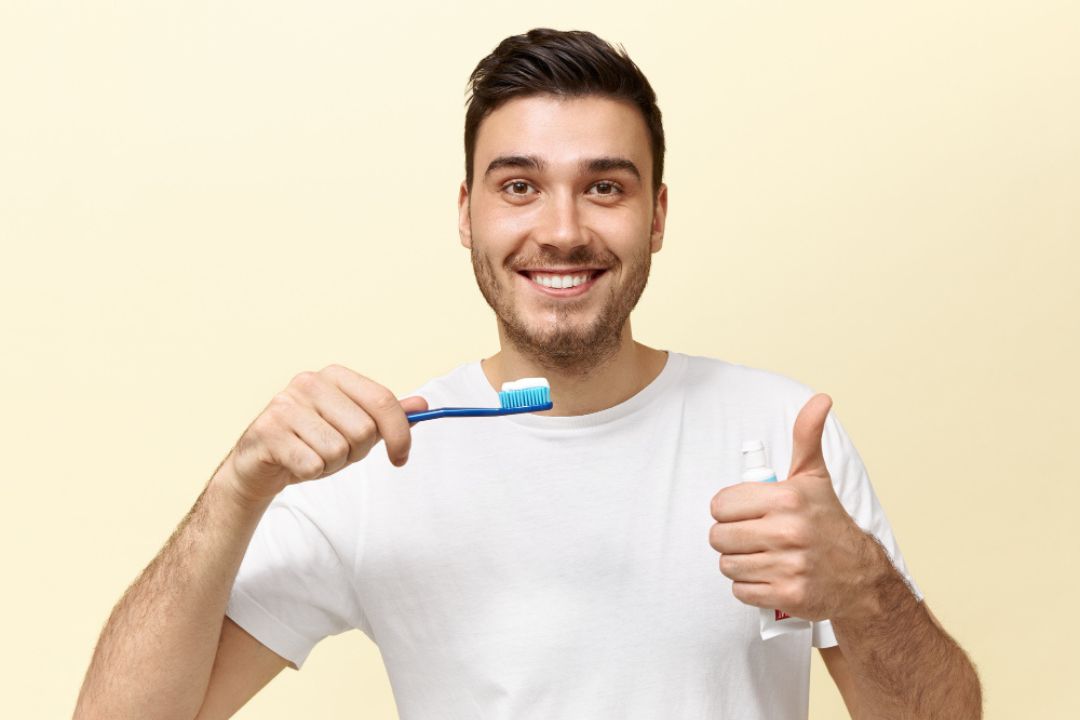
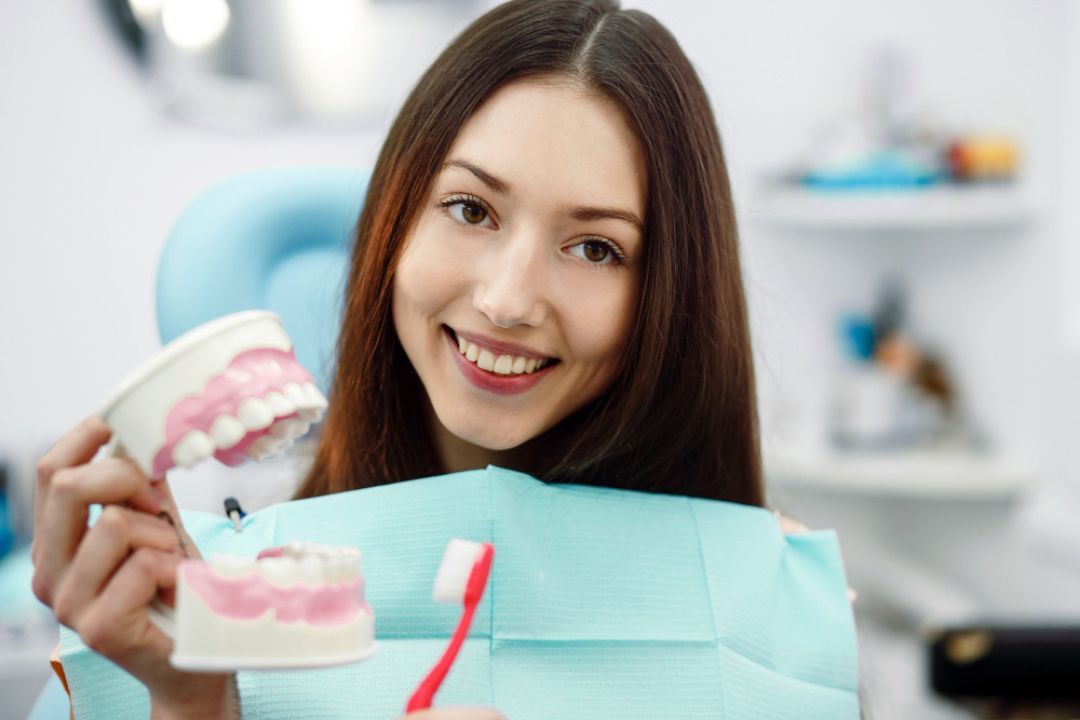
The Gold Standard: Brush your teeth twice a day for two full minutes each session.
The "Why": Brushing is your primary defense against plaque—a sticky, bacterial film that constantly forms on your teeth. If not removed within 12-24 hours, plaque mineralizes into tartar (calculus), which can only be removed by a dental professional. Morning brushing eradicates bacteria that have multiplied overnight, while evening brushing is critical to remove the day's food debris and plaque, preventing them from causing damage during the 8+ hours you sleep.
Benefit: Directly prevents cavities (tooth decay) and gingivitis (the earliest stage of gum disease) by mechanically disrupting bacterial colonies.
Comfort Tip: Use a soft-bristled toothbrush and gentle, circular motions. Scrubbing aggressively with hard bristles can wear down enamel and cause gum recession. Whether you choose manual or electric, technique and consistency matter most.
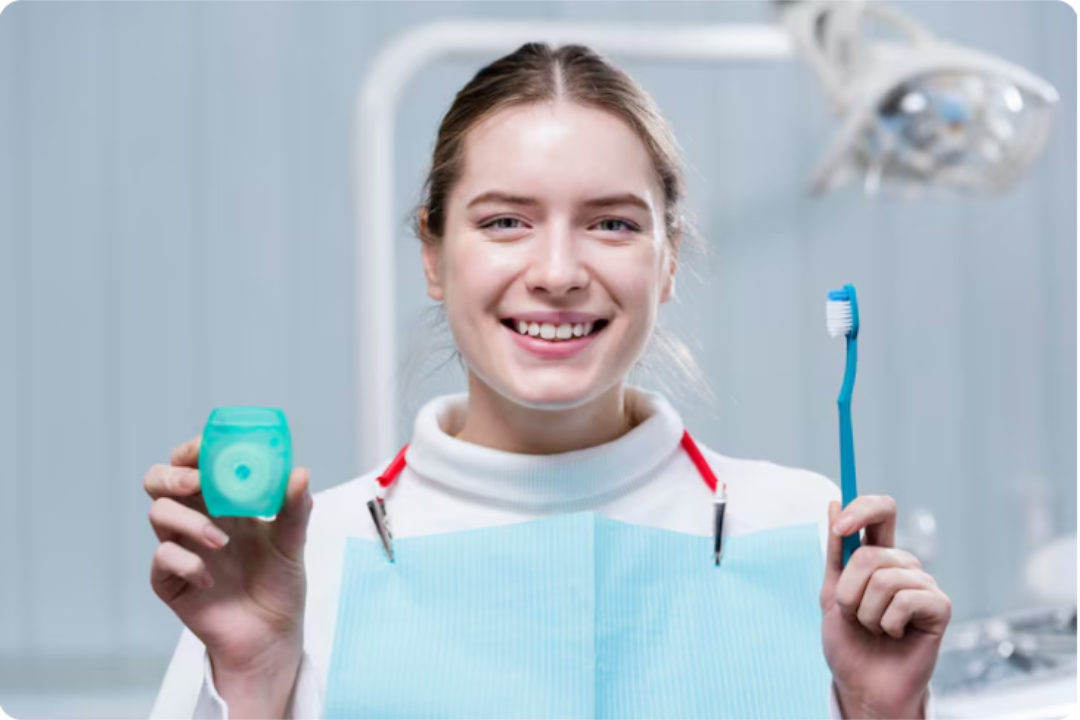
The Gold Standard: Floss at least once per day, ideally before your evening brush.
The "Why": This is the step most often skipped, yet it's arguably the most important for long-term gum and bone health. Your toothbrush cannot reach the proximal surfaces—the tight sides of your teeth that touch each other. These areas are prime real estate for cavity-causing bacteria. Flossing physically scrapes plaque from these spaces and just below the gumline, preventing the interdental cavities that are common in adults and halting the progression of gum disease.
Benefit: Prevents periodontal (gum) disease, which is the leading cause of tooth loss in adults and is linked to systemic health issues like heart disease and diabetes.
Comfort & Product Insight: If you find flossing difficult, the right tools make all the difference. Many patients at our Oral Health Center find that Oral Glide Pro Health floss enhances compliance. Its smooth, expanded polytetrafluoroethylene (ePTFE) fiber glides easily between tight teeth without shredding, making the daily habit more comfortable and effective.
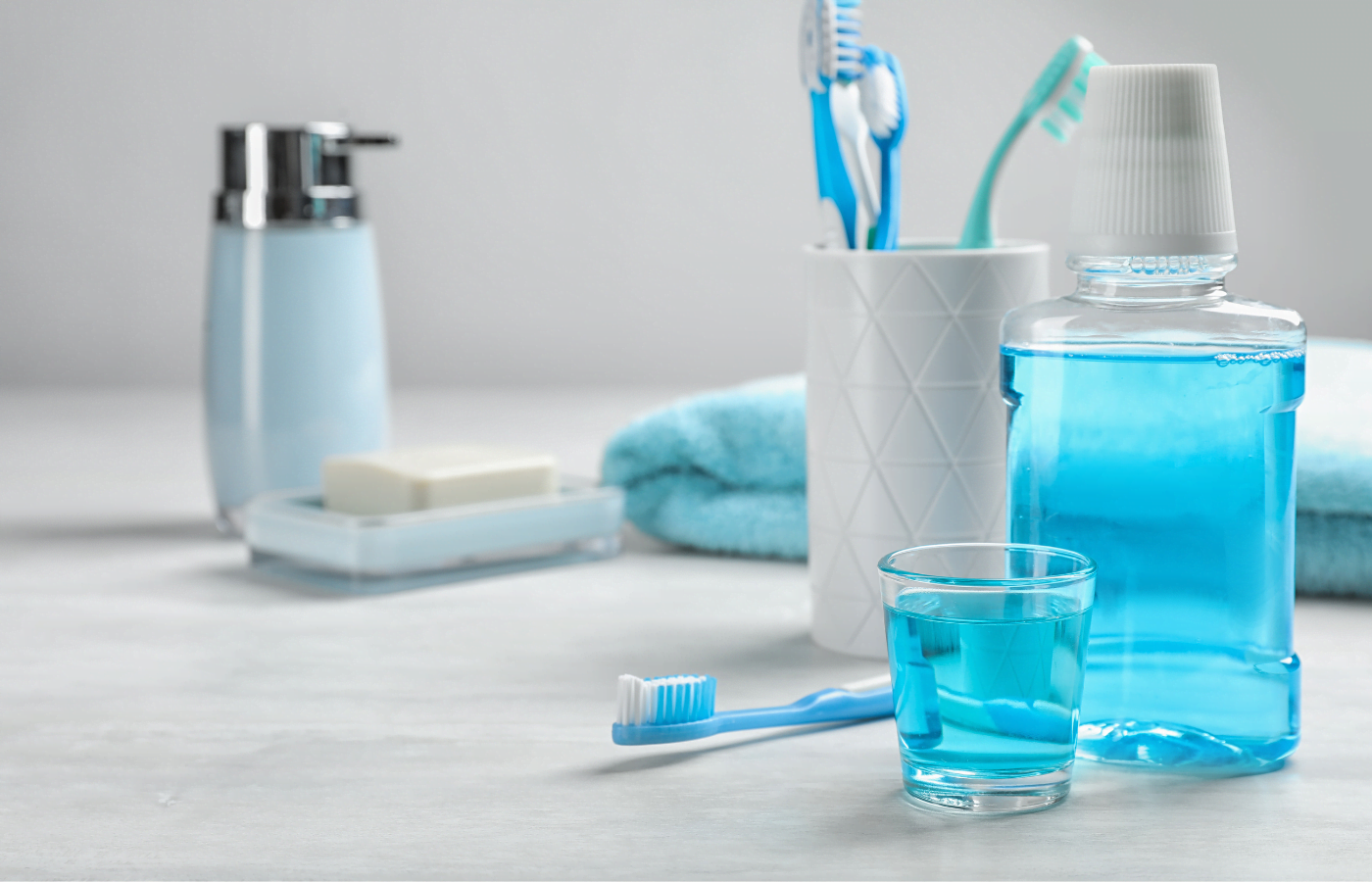
The Gold Standard: Use a therapeutic mouthwash once a day, typically at a separate time from brushing (e.g., after lunch). If using a fluoride rinse, wait at least 30 minutes after brushing to avoid washing away the concentrated fluoride from your toothpaste.
The "Why": Mouthwash is an adjuvant, not a substitute. It delivers active ingredients to all surfaces of the mouth, including areas you might have missed. Different types target different issues: fluoride rinses strengthen enamel; antibacterial rinses with cetylpyridinium chloride (CPC) or essential oils reduce plaque and gingivitis; and some are designed for dry mouth.
Benefit: Provides targeted, chemical protection where mechanical cleaning (brushing/flossing) leaves off, reduces bad breath (halitosis), and can deliver fluoride to remineralize early cavities.
Understanding how these steps interact is key to appreciating the routine's synergy.
Brushing vs. Flossing: Imagine cleaning a tile floor. Brushing is like mopping the open surface, while flossing is like scrouting the grout lines. You would never mop a floor and ignore the dirty grout, as that’s where mold takes hold. Similarly, plaque in the "grout lines" between your teeth leads to decay and gum infection.
The True Cost Analysis: Viewing oral care as an expense is a short-sighted perspective; it is a profound investment.
Preventive Cost: A quality toothbrush, Oral Glide Pro Health floss, and therapeutic mouthwash cost very little on a monthly basis.
Reactive Cost: The financial and physical cost of treating advanced problems is staggering. A single filling costs multiples of a year's worth of floss. Treatment for moderate gum disease (scaling and root planing) or a crown is exponentially higher. The most cost-effective dental strategy is impeccable, daily prevention.
The best routine is one you can stick to comfortably. Discomfort often signals an existing problem, not a flaw in the practice itself.
Bleeding Gums: If your gums bleed when you floss, it is usually a sign of inflammation caused by existing plaque and bacteria, not because you are harming them. Consistent, gentle flossing for 1-2 weeks will typically resolve this bleeding as your gum health improves.
Finding Your Tools: Comfort is personal. If string floss is challenging, consider a water flosser (oral irrigator) or floss picks. The goal is effective interdental cleaning, and the best tool is the one you will use every single day. The community-focused model at the Oral Health Center emphasizes this patient-centered approach—finding what works for the individual to achieve the universal goal of health.
At the Diagnopein Oral Health Center, we transcend the traditional dentist-patient dynamic. We are your educators and coaches in lifelong health. Our philosophy is rooted in the same principles that guide leading institutions like the Oral Health Center, where interdisciplinary care and patient empowerment are paramount.
Choosing Diagnopein means accessing:
Personalized Prevention Plans: We don't believe in one-size-fits-all. We assess your unique risk factors—from diet to genetics—and tailor your home care recommendations accordingly.
Empowering Education: We ensure you understand the science behind each recommendation, transforming routine from a chore into a conscious act of self-care.
Proactive, Not Reactive, Care: Our goal is to help you maintain health so that your dental visits are focused on prevention and minor maintenance, not complex, invasive procedures.
The evidence is clear and unwavering. For a truly healthy mouth that supports your overall well-being, commit to this simple prescription:
Brush thoroughly for two minutes, twice daily. Floss diligently once a day. Use a therapeutic mouthwash as a targeted supplement once a day.
This triad works synergistically to disrupt the plaque biofilm, strengthen your defenses, and protect the foundation of your teeth—your gums and bone. Your daily diligence at home accounts for the vast majority of your oral health success. Bi-annual professional cleanings and check-ups at your trusted oral health center, like Diagnopein, are the essential final layer, removing hardened tartar and providing expert guidance.











.jpg "dental checkups once or twice a year what best for your smile in mumbai")
.jpg "dentist approved oral care routine for healthy teeth and gums")
.jpg "top oral health mistakes most people make every day")
.jpg "best dental clinic in mumbai how to choose the right dentist")

.jpg "best oral hygiene habits for gum and tooth protection")
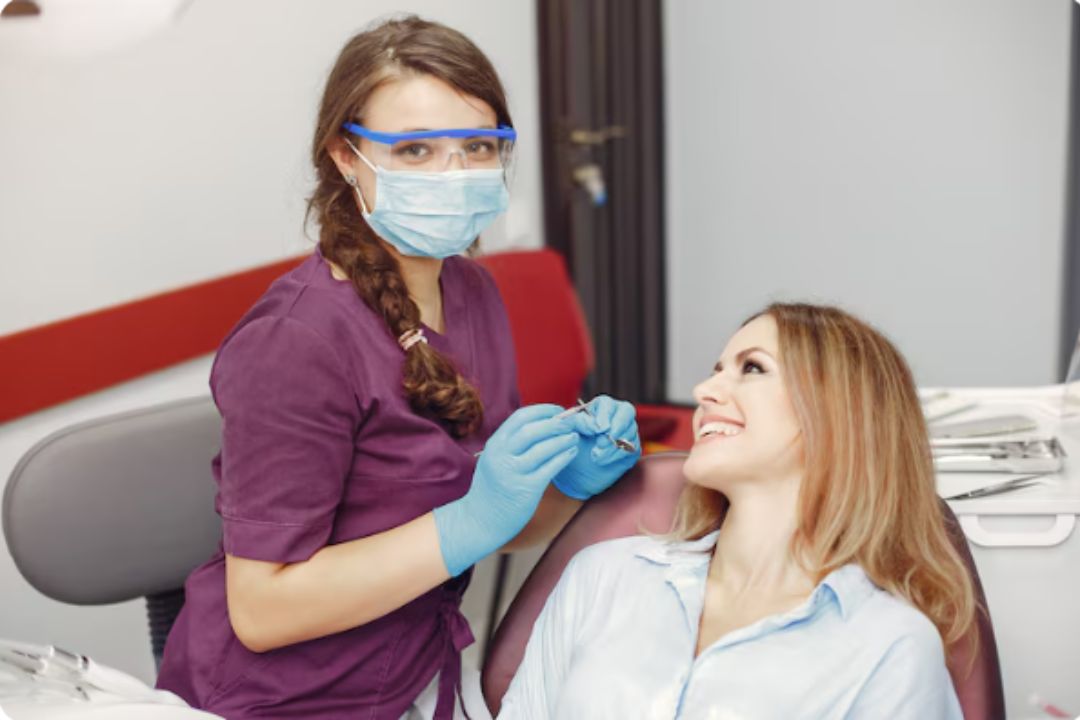



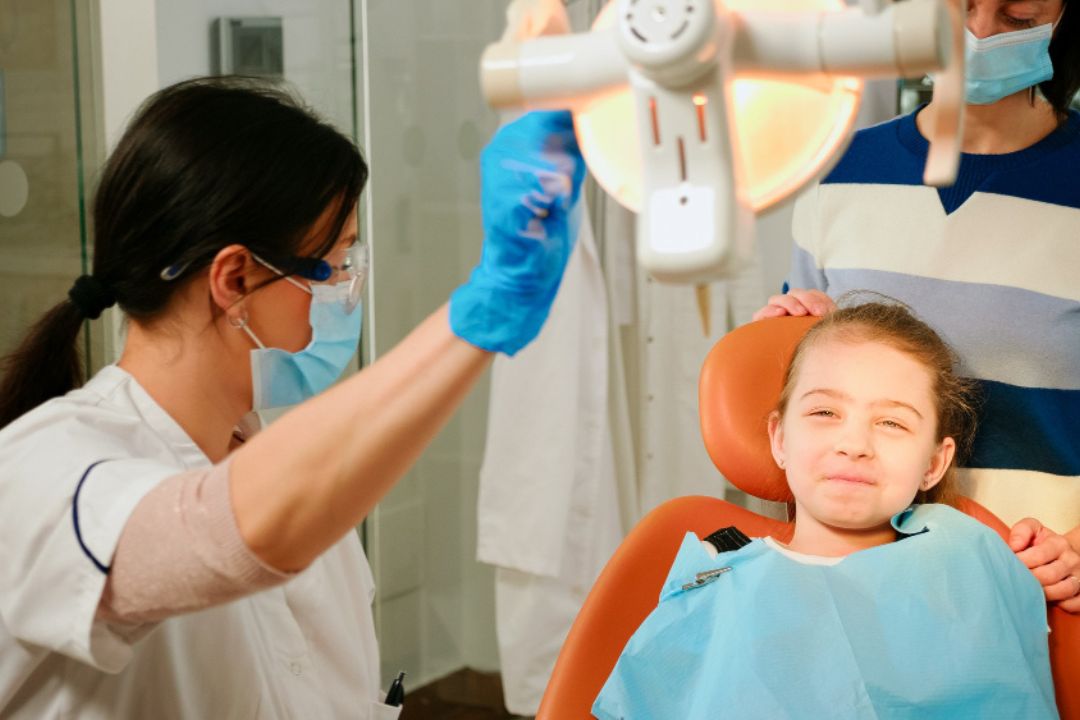
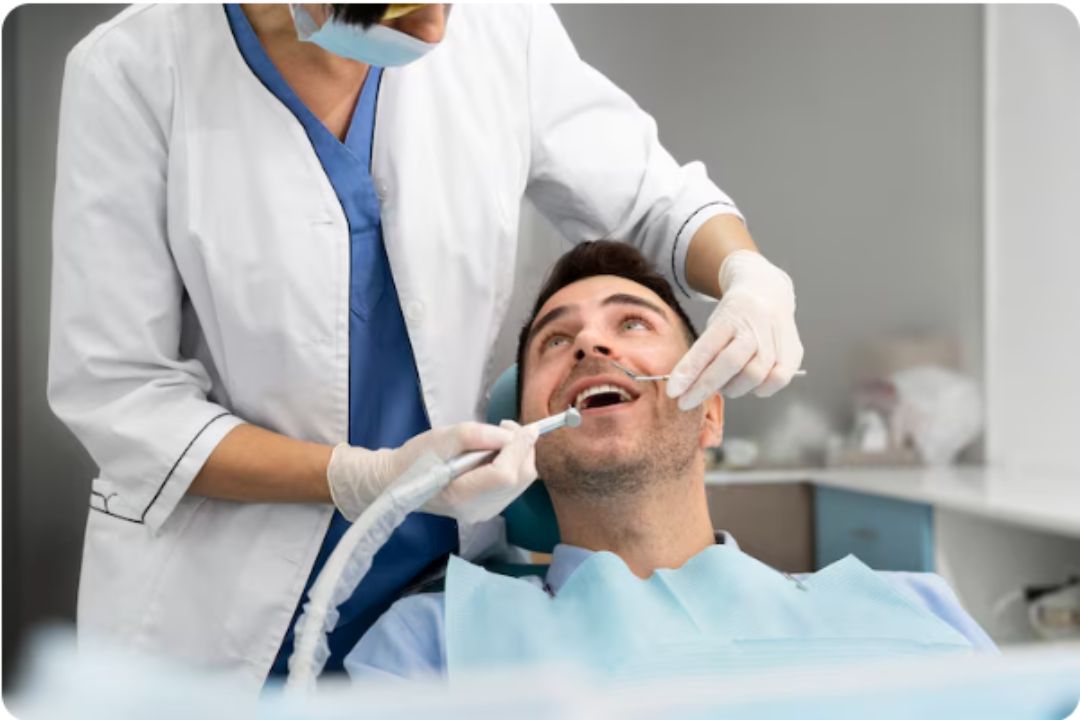
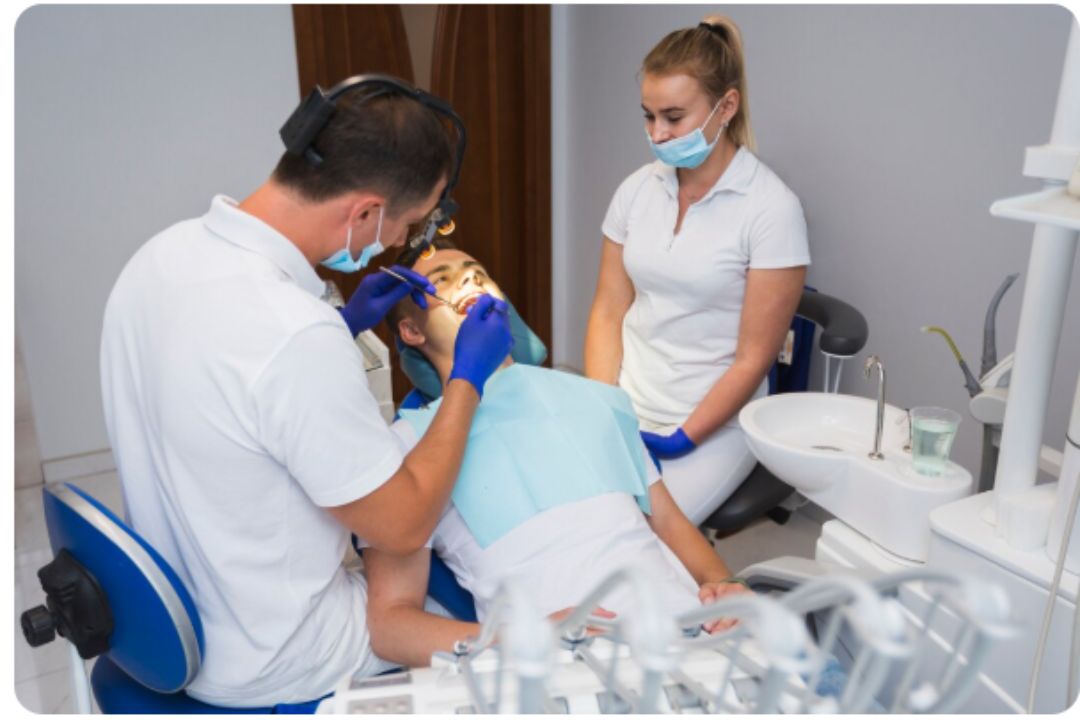



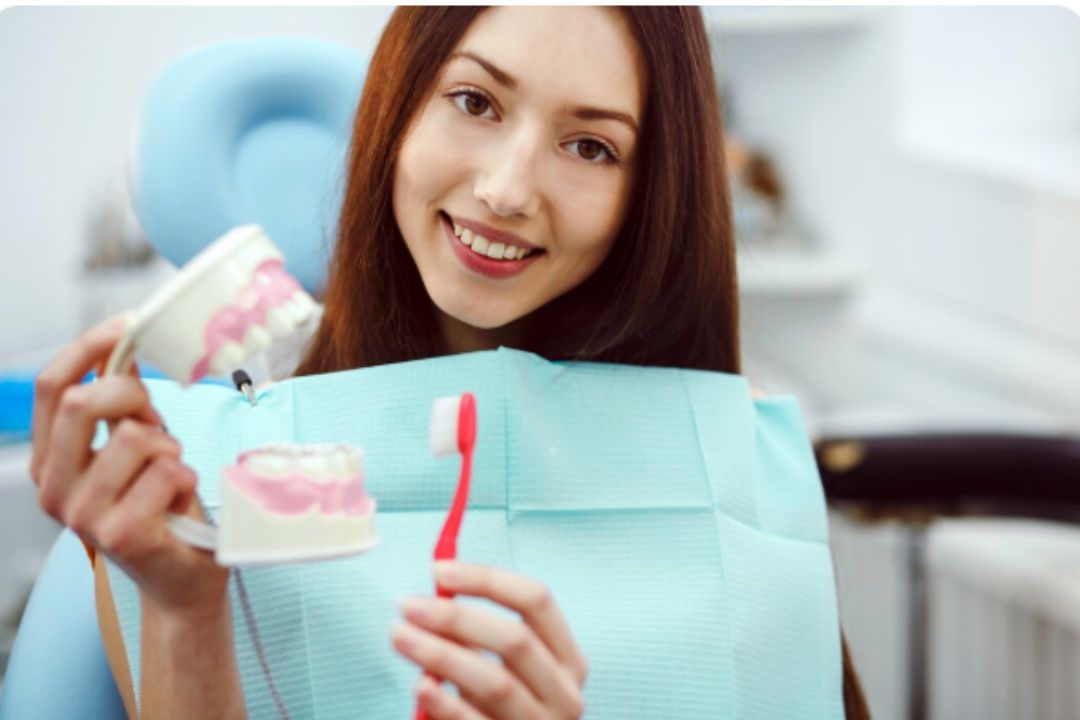




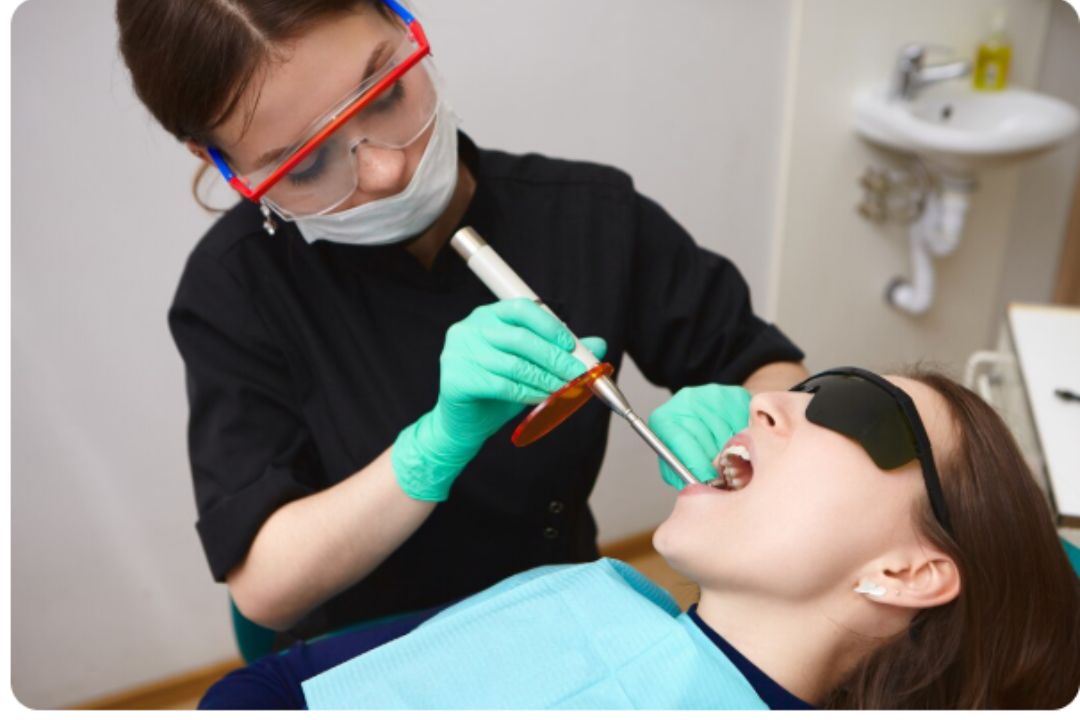
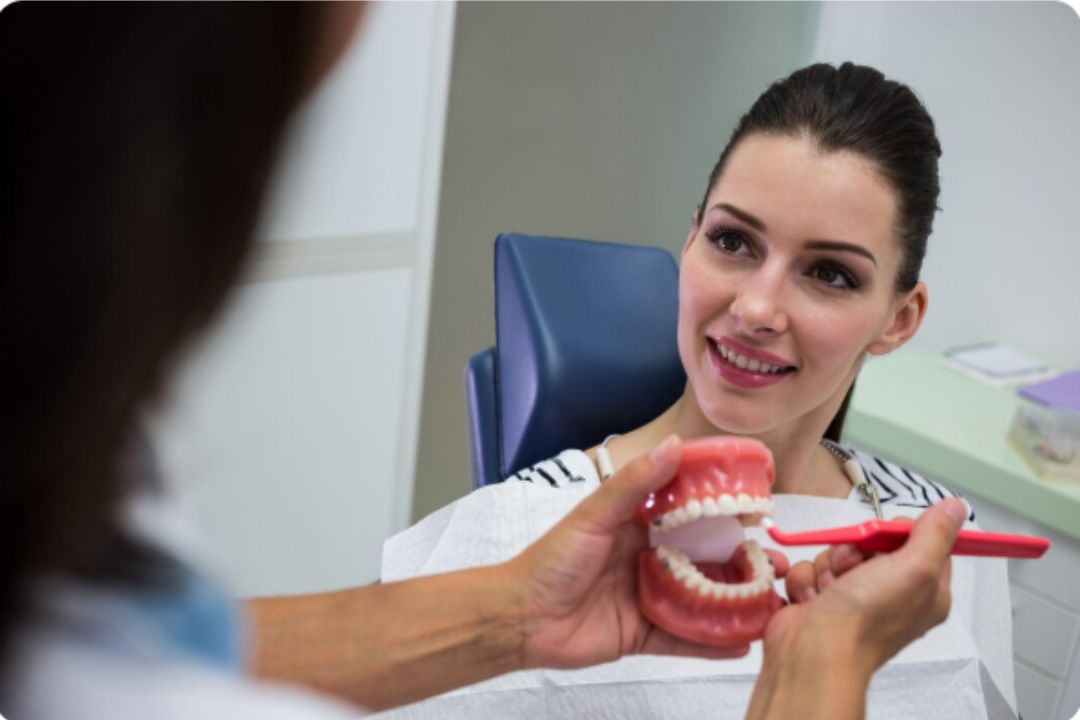

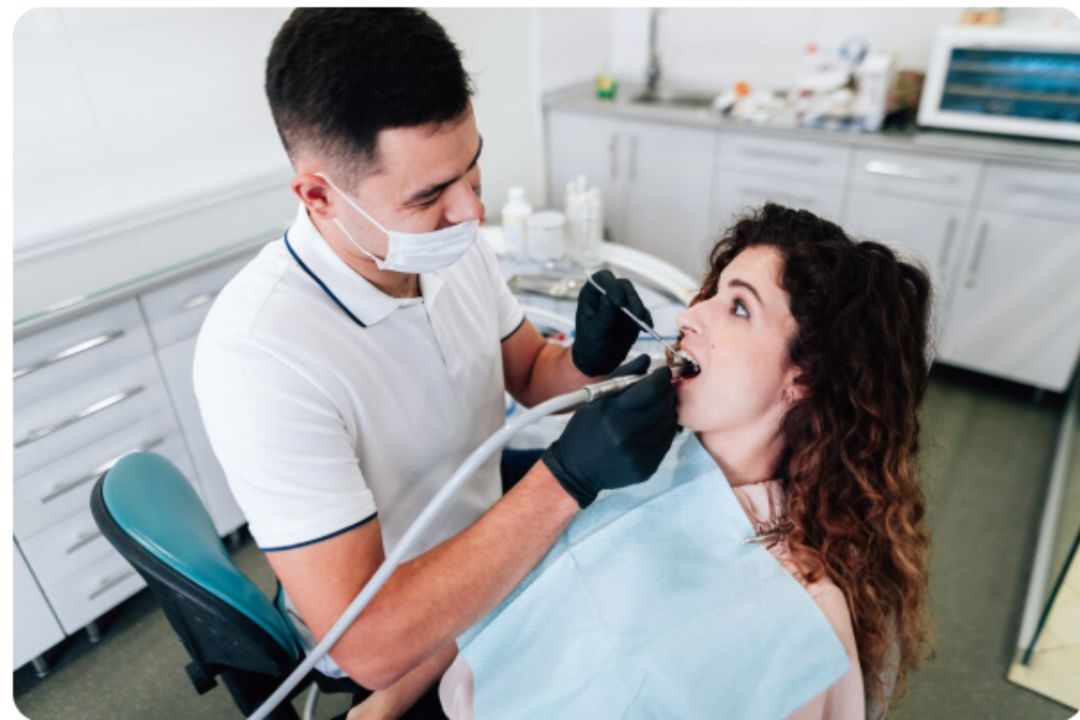

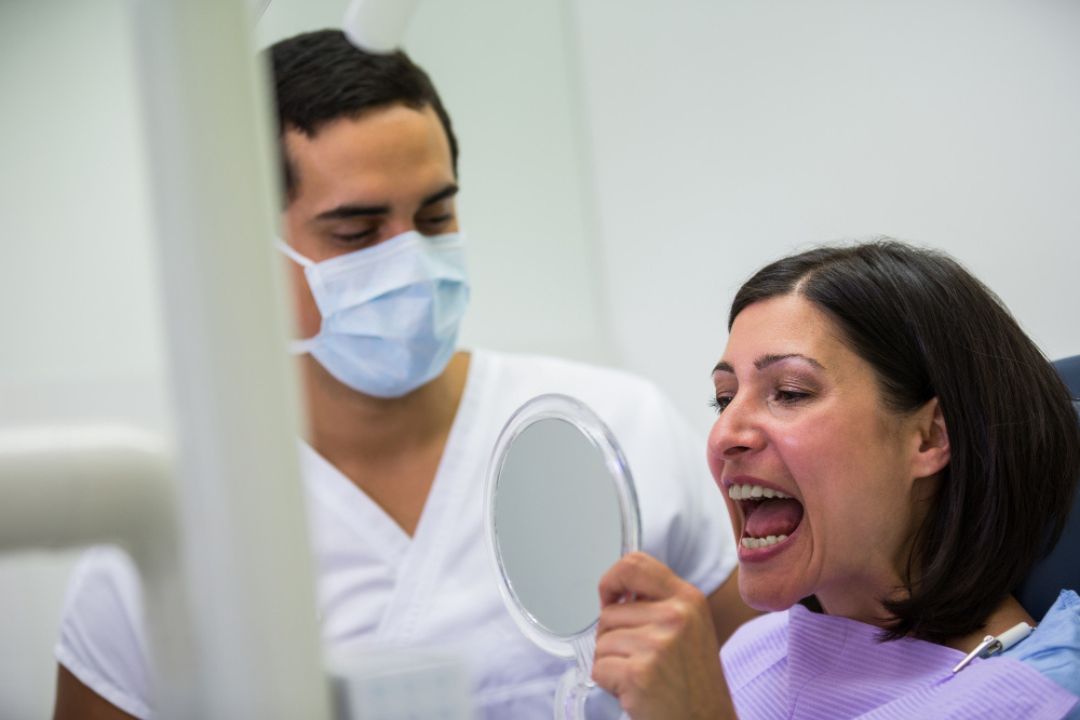
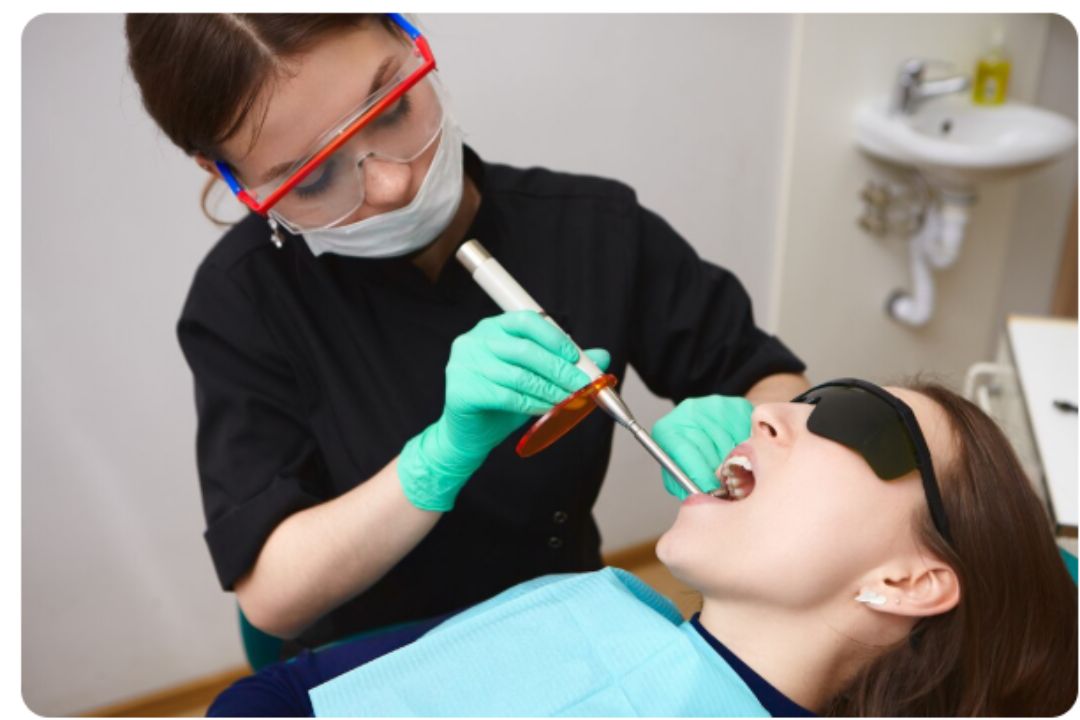

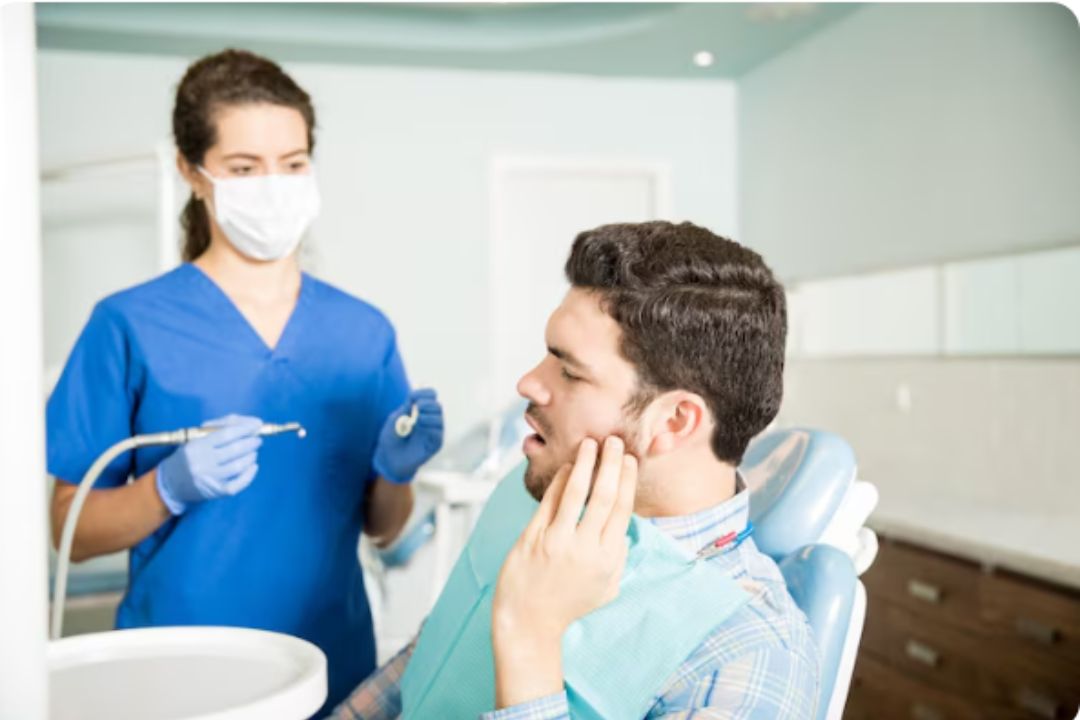

.jpg "oral health and hygiene")
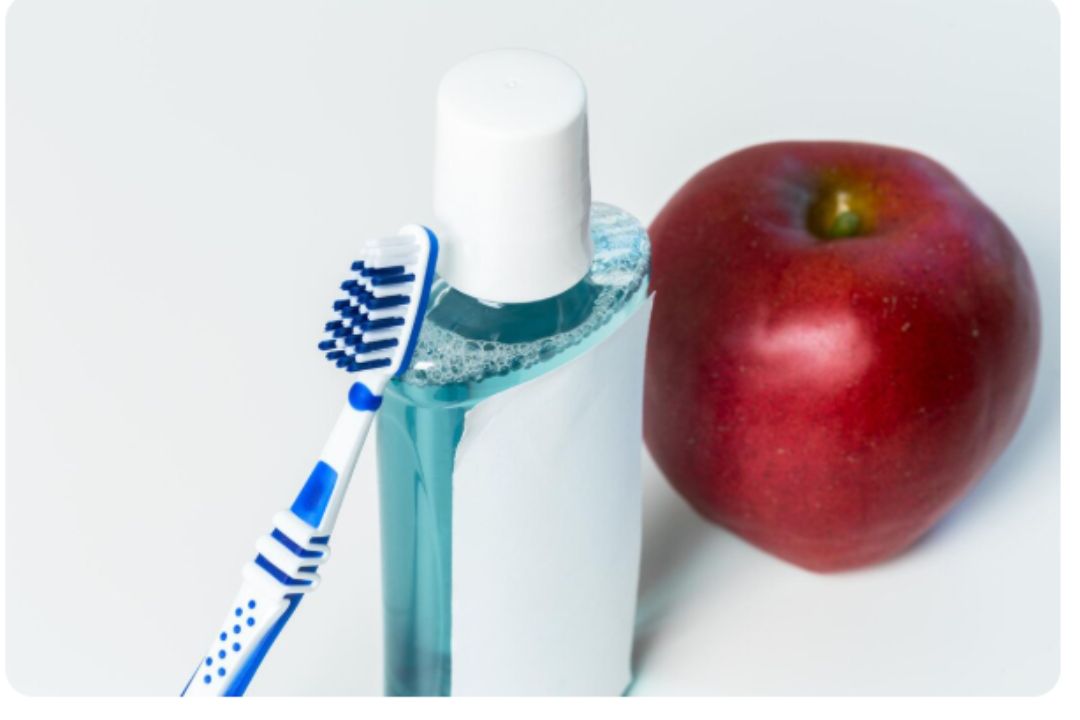

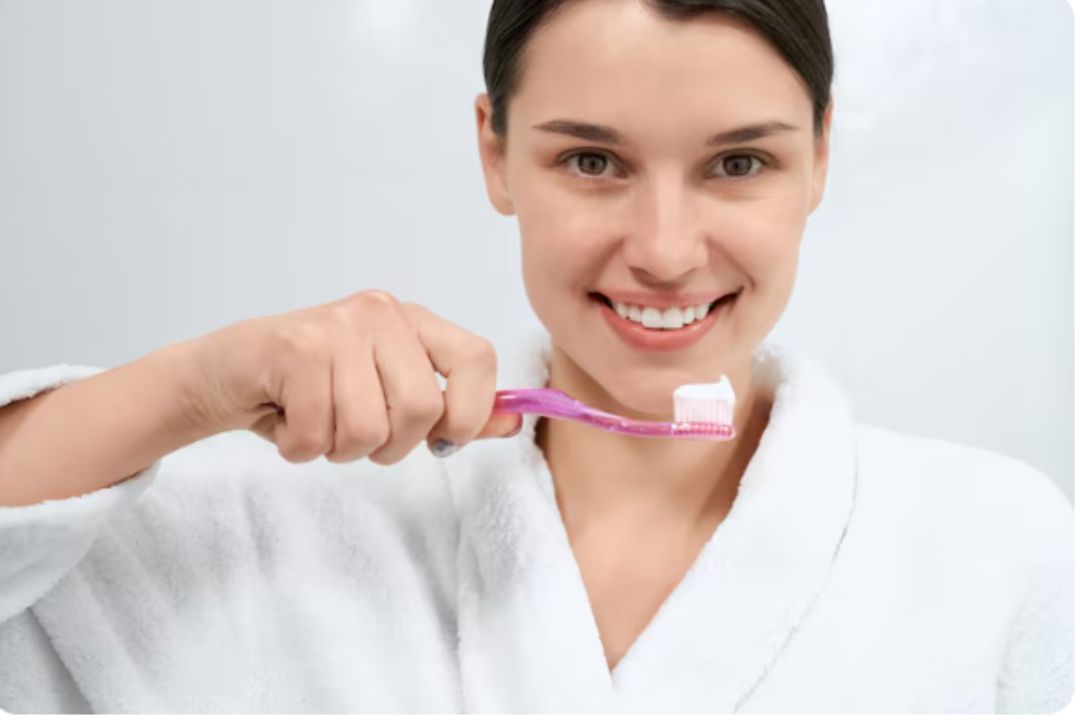


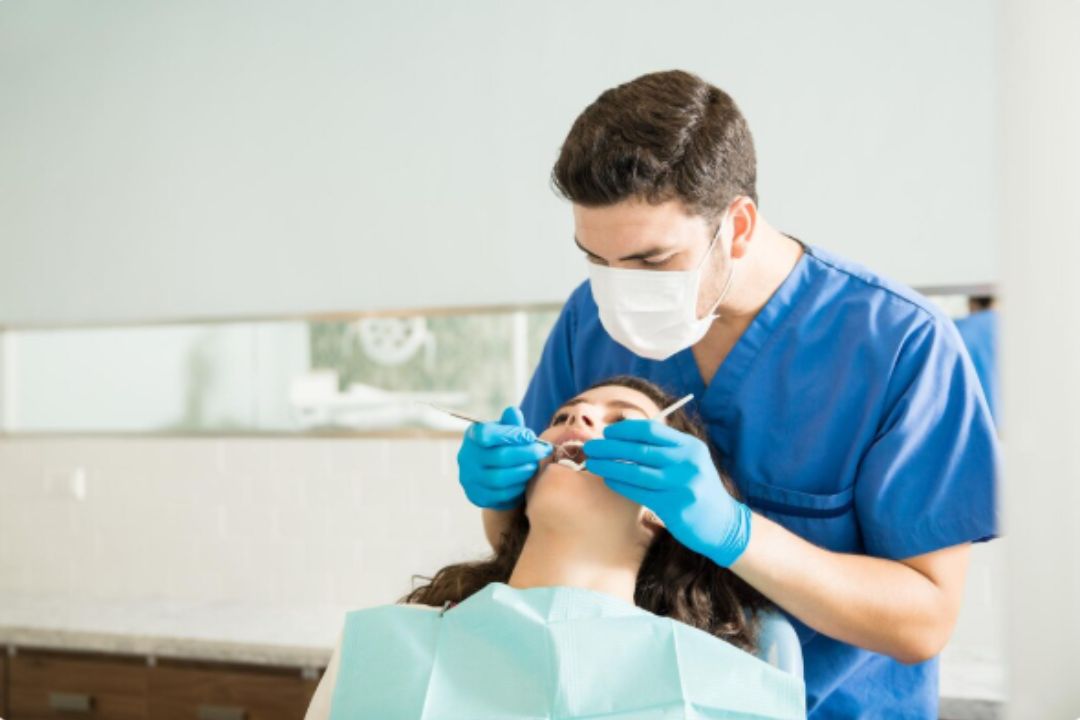
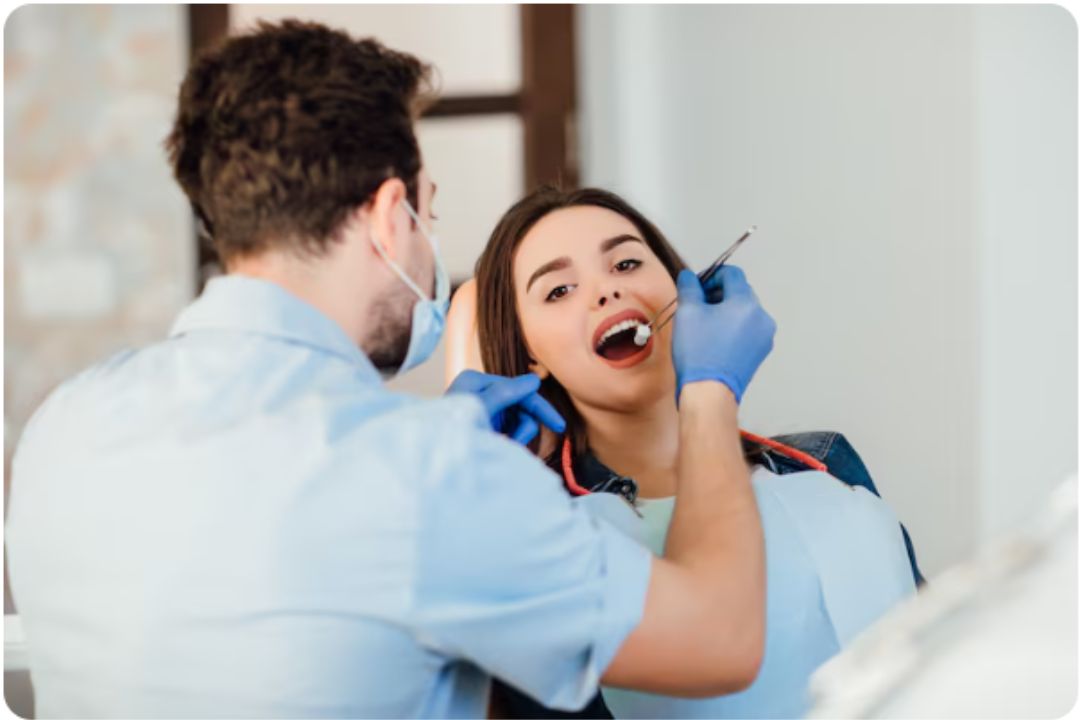
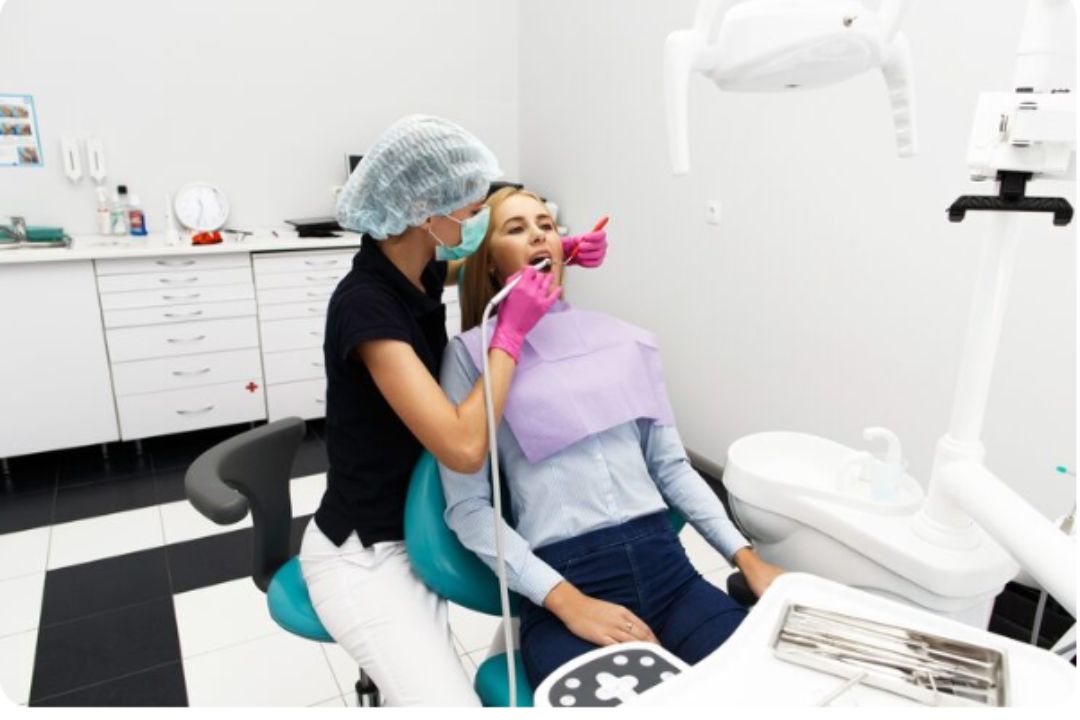
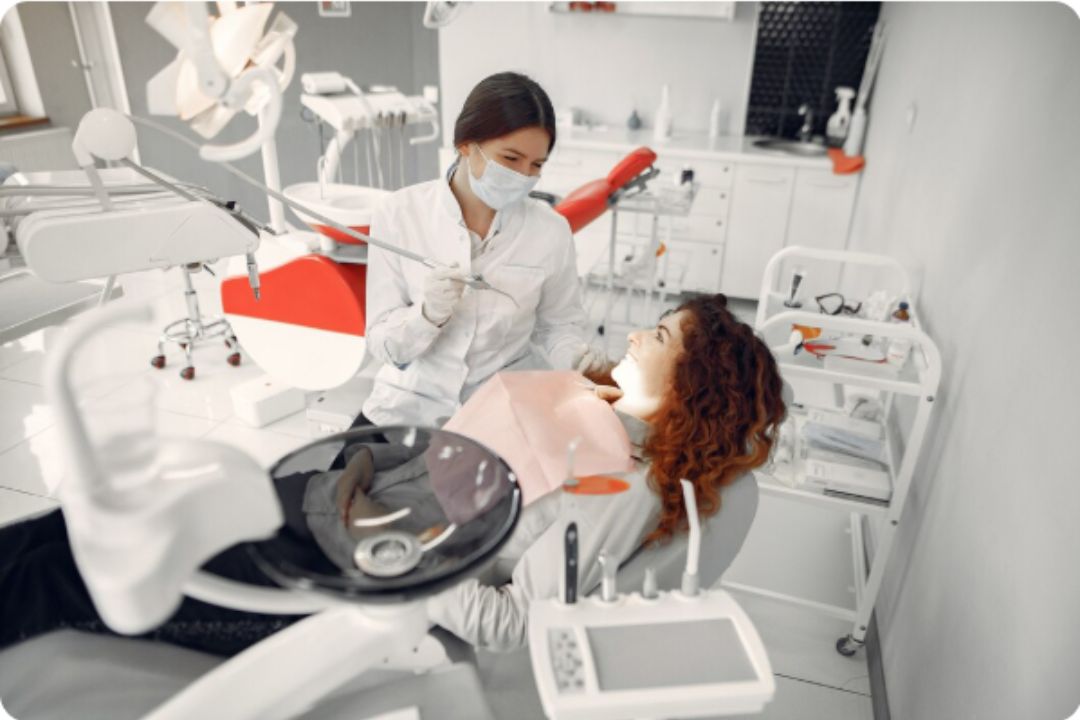




















.jpg "Impacts Your Dental Health")
.jpg "Oral Health and Mental Health")
.jpg "Dental Care for Seniors")
.jpg "Regular Dental Checkups Are More Important")
 (1).jpg "Oral Health and Systemic Diseases")
.jpg "Oral Healthcare and Major Diseases")

 (1).jpg "Free Dental Visit")




 (1).png "Common Dental problems")