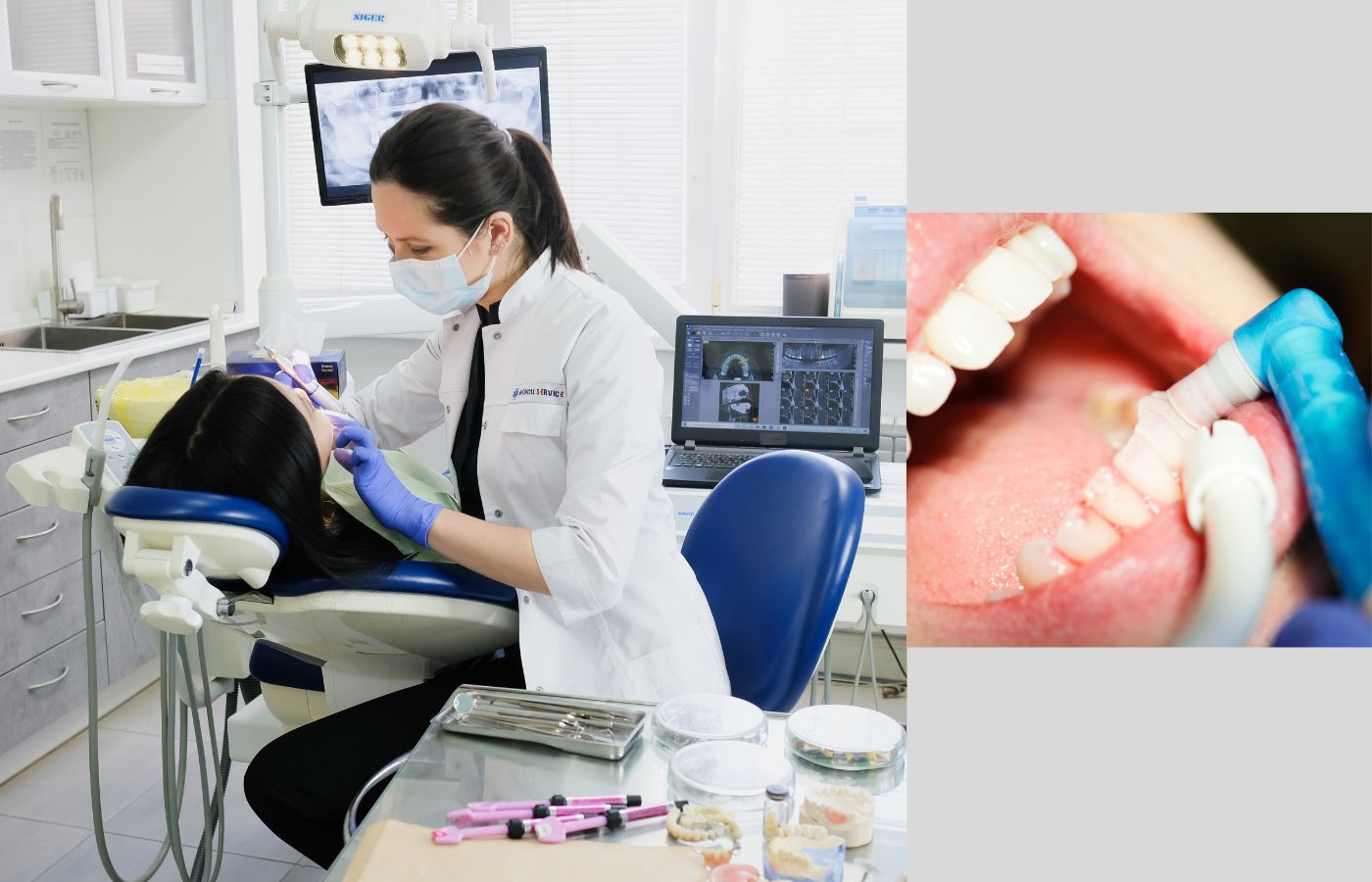
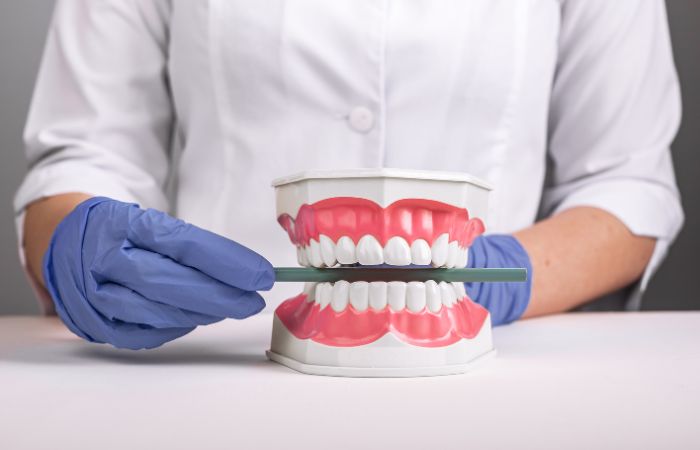
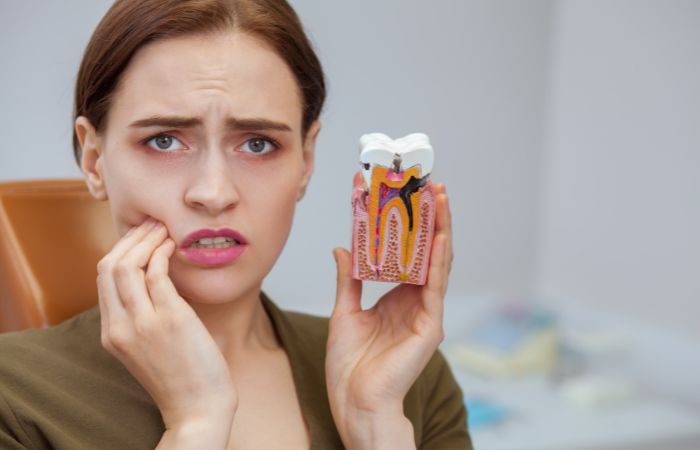
(1).png "Common Dental problems")
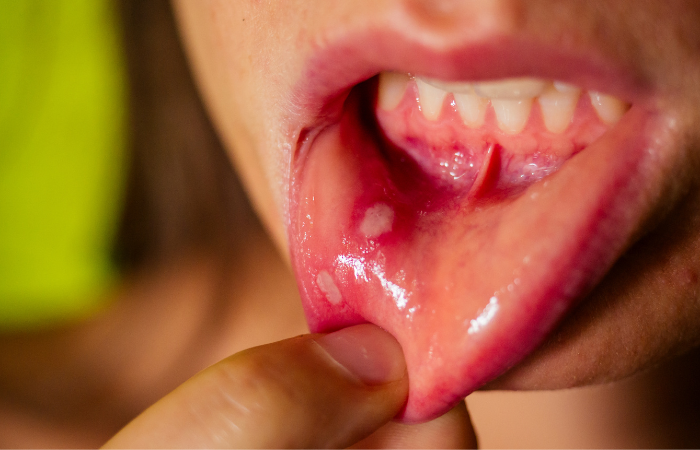
Dental problems are extremely common and can affect people of all ages. Many oral health issues begin as minor symptoms but can quickly develop into serious conditions if ignored. Tooth pain, bleeding gums, bad breath, and sensitivity are some of the most common dental troubles people experience in their daily lives.
Visit Now: https://www.diagnopein.com/dental-clinic/Pune
Maintaining good oral health is essential not only for a beautiful smile but also for overall health. Poor oral hygiene can lead to cavities, gum disease, infections, and even tooth loss. Fortunately, most everyday dental problems can be prevented or treated effectively with proper care and timely dental treatment.
In this guide, we will explore common dental troubles, their causes, symptoms, and effective treatments to help you maintain healthy teeth and gums.
Many dental problems develop slowly and may not cause pain initially. However, ignoring early warning signs can lead to severe complications.
Visit Now: https://www.diagnopein.com
Early treatment helps:
Prevent tooth loss
Avoid severe infections
Reduce treatment costs
Maintain healthy gums and teeth
Improve overall oral health
Regular dental checkups and good oral hygiene habits can help detect problems early and prevent them from worsening.
Tooth decay is one of the most common dental problems worldwide. It occurs when bacteria in plaque produce acids that gradually damage the tooth enamel.
If untreated, cavities can grow deeper and reach the inner layers of the tooth.
Poor oral hygiene
Frequent consumption of sugary foods
Lack of fluoride
Irregular dental visits
Dry mouth
Toothache
Sensitivity to hot or cold foods
Visible holes in teeth
Bad breath
Treatment depends on the severity of the cavity and may include:
Dental fillings
Dental crowns
Root canal treatment
Tooth extraction in severe cases
Early treatment can prevent the cavity from spreading further.
Gum disease is a common dental condition caused by plaque buildup along the gumline.
Gingivitis is the early stage of gum disease and causes inflammation of the gums.
Red or swollen gums
Bleeding while brushing
Bad breath
Gum tenderness
Gingivitis can usually be reversed with:
Improved oral hygiene
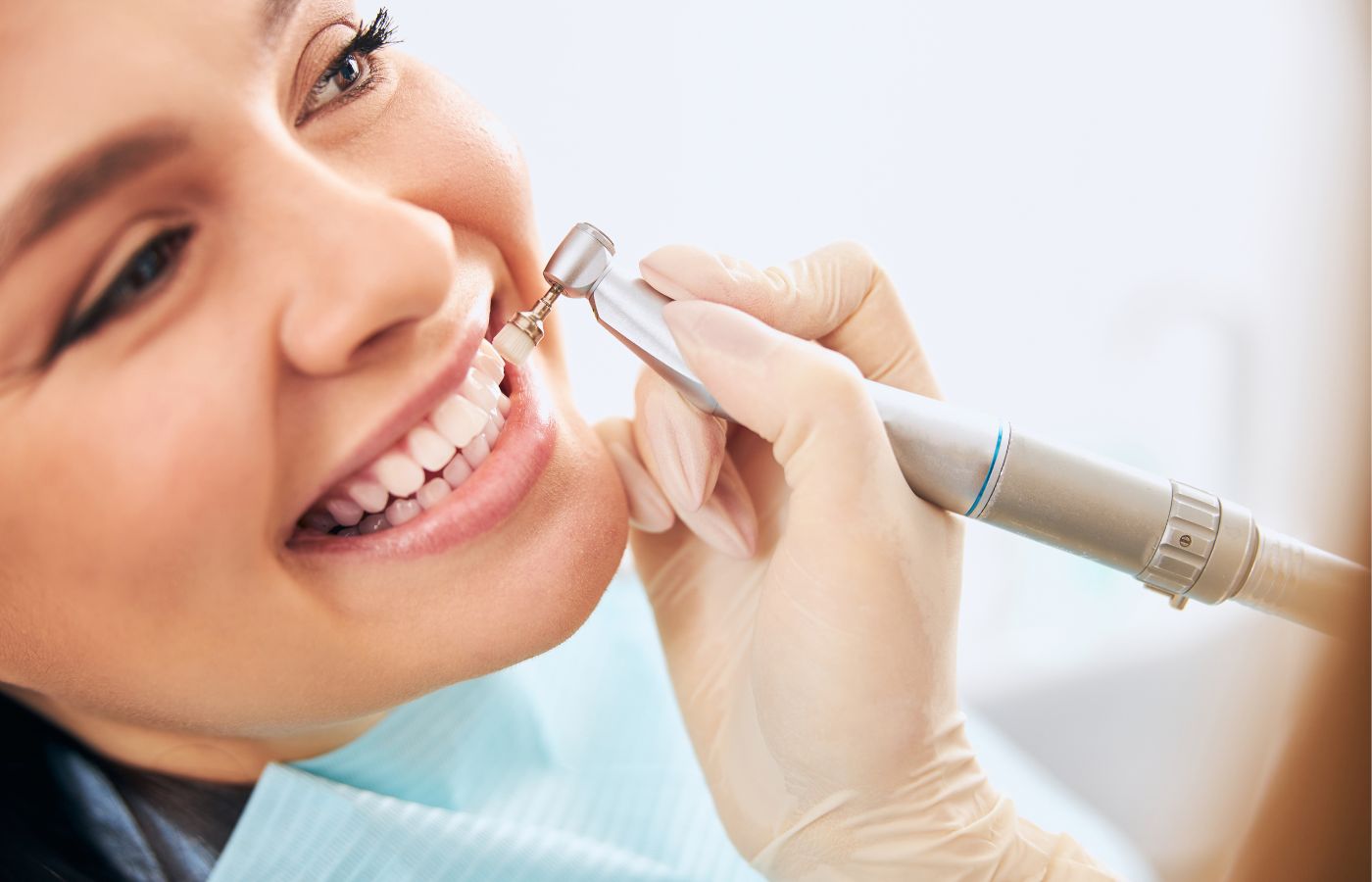
Professional dental cleaning
Regular flossing
If untreated, gingivitis can progress to periodontitis, a severe gum infection that may lead to tooth loss.
Tooth sensitivity occurs when the protective enamel layer wears down, exposing the inner dentin layer.
Aggressive brushing
Gum recession
Enamel erosion
Tooth grinding
Cavities
People with sensitive teeth often experience pain when consuming:
Hot drinks
Cold foods
Sweet foods
Acidic beverages
Effective treatments include:
Desensitizing toothpaste
Fluoride treatments
Dental bonding
Treating underlying gum problems
Using a soft-bristled toothbrush can also help reduce sensitivity.
Bad breath, also known as halitosis, is a common dental issue that can affect confidence and social interactions.
Poor oral hygiene
Food particles stuck between teeth
Gum disease
Dry mouth
Bacterial buildup on the tongue
To manage bad breath effectively:
Brush teeth twice daily
Clean the tongue regularly
Floss every day
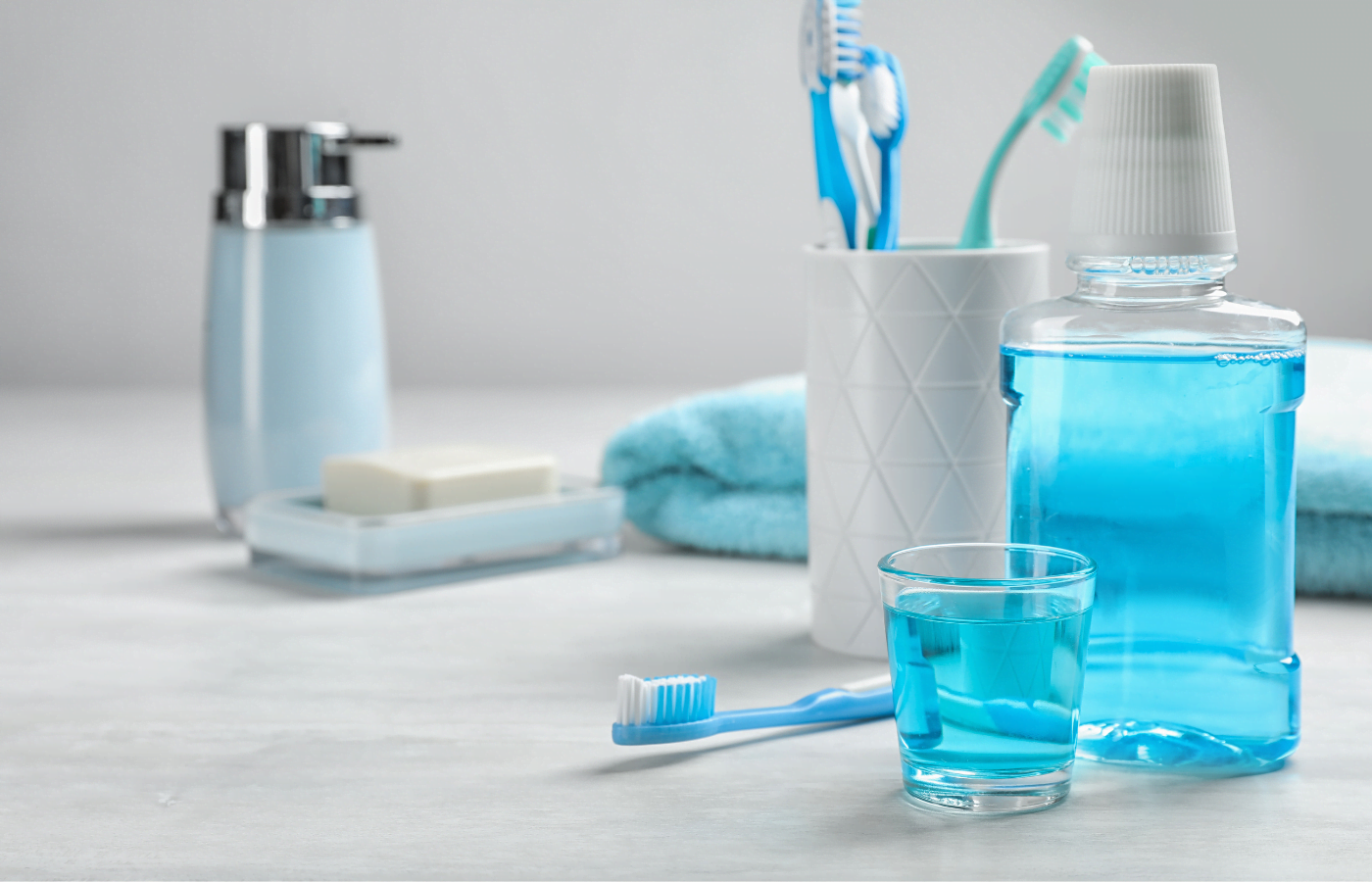
Use antibacterial mouthwash
Drink enough water
Persistent bad breath may indicate an underlying dental problem that requires professional treatment.
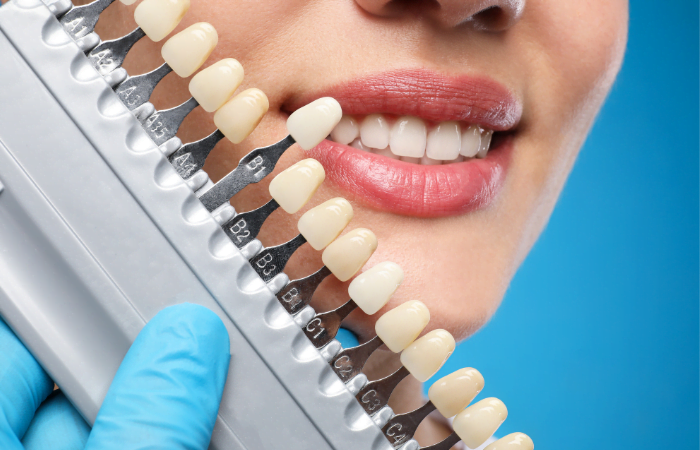
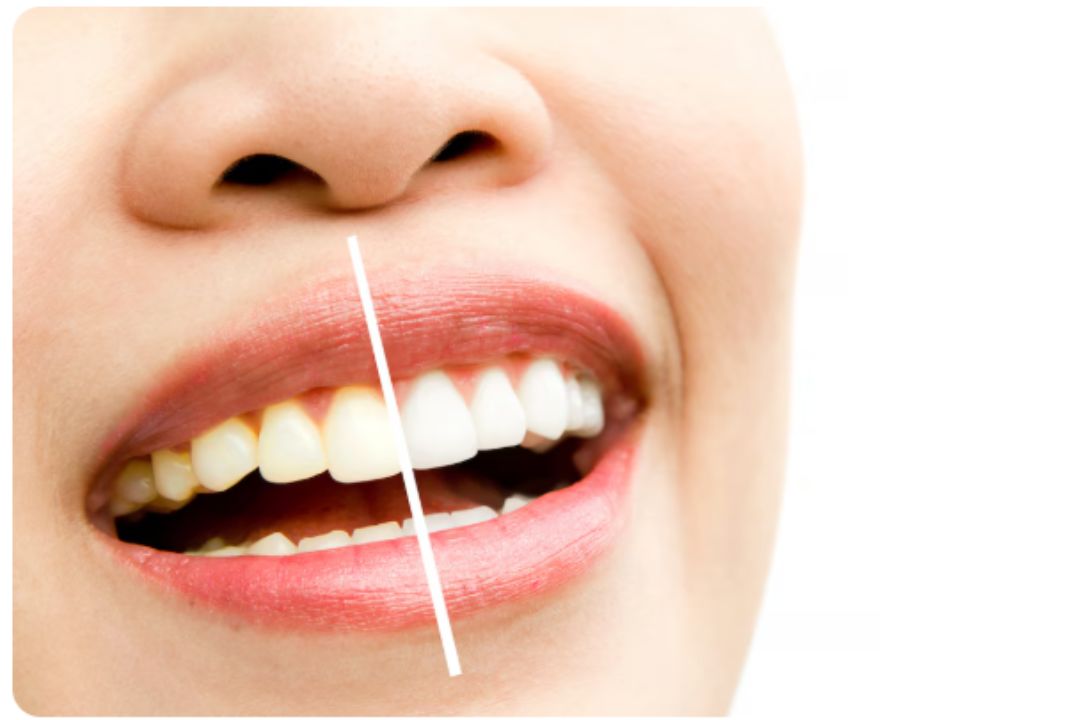
Tooth discoloration is a cosmetic dental concern that affects the appearance of teeth.
Common causes include:
Coffee and tea
Smoking and tobacco use
Poor oral hygiene
Aging
Certain medications
Options for improving tooth color include:
Professional teeth whitening
Dental veneers
Improved oral hygiene
Avoiding staining foods and drinks
Professional dental treatments provide the most effective results.
Toothache is often a sign of an underlying dental problem.
Possible causes include:
Tooth decay
Gum infection
Tooth fracture
Dental abscess
Impacted wisdom teeth
Persistent pain
Swelling around the tooth
Pain while chewing
Sensitivity to temperature
Treatment depends on the cause and may include:
Dental fillings
Root canal treatment
Antibiotics for infection
Tooth extraction in severe cases
Seeking dental care quickly is essential to prevent complications.
Plaque is a sticky film of bacteria that forms on teeth when food particles mix with saliva.
If plaque is not removed through brushing and flossing, it hardens into tartar.
Gum disease
Tooth decay
Bad breath
Stained teeth
Tartar cannot be removed at home and requires professional dental cleaning.
Regular dental visits help remove tartar and maintain healthy gums.
Teeth may crack or chip due to injury, biting hard foods, or teeth grinding.
Sharp pain when biting
Sensitivity to temperature
Visible cracks in teeth
Dentists may treat cracked teeth using:
Dental bonding
Dental crowns
Root canal treatment
Dental veneers
Severe cases may require tooth extraction.
Preventive care is the best way to avoid dental troubles.
Key preventive practices include:
Brushing teeth twice daily with fluoride toothpaste
Flossing at least once a day
Using antibacterial mouthwash
Eating a balanced diet
Drinking plenty of water
Avoiding tobacco products
Maintaining consistent oral hygiene habits is essential for preventing dental diseases.
You should consult a dentist if you experience:
Persistent tooth pain
Bleeding gums
Loose teeth
Severe sensitivity
Swelling in the mouth
Regular dental checkups every six months help detect problems early and prevent serious complications.
Everyday dental troubles such as cavities, gum disease, tooth sensitivity, and bad breath are common but manageable. Understanding the causes and symptoms of these problems can help you take timely action and prevent serious complications.
Book Now: https://www.diagnopein.com/dental-clinic/Pune
By maintaining good oral hygiene habits, following a balanced diet, and visiting the dentist regularly, you can protect your teeth and gums for a lifetime.
Taking care of your oral health today will ensure a healthier smile and better overall well-being in the future.












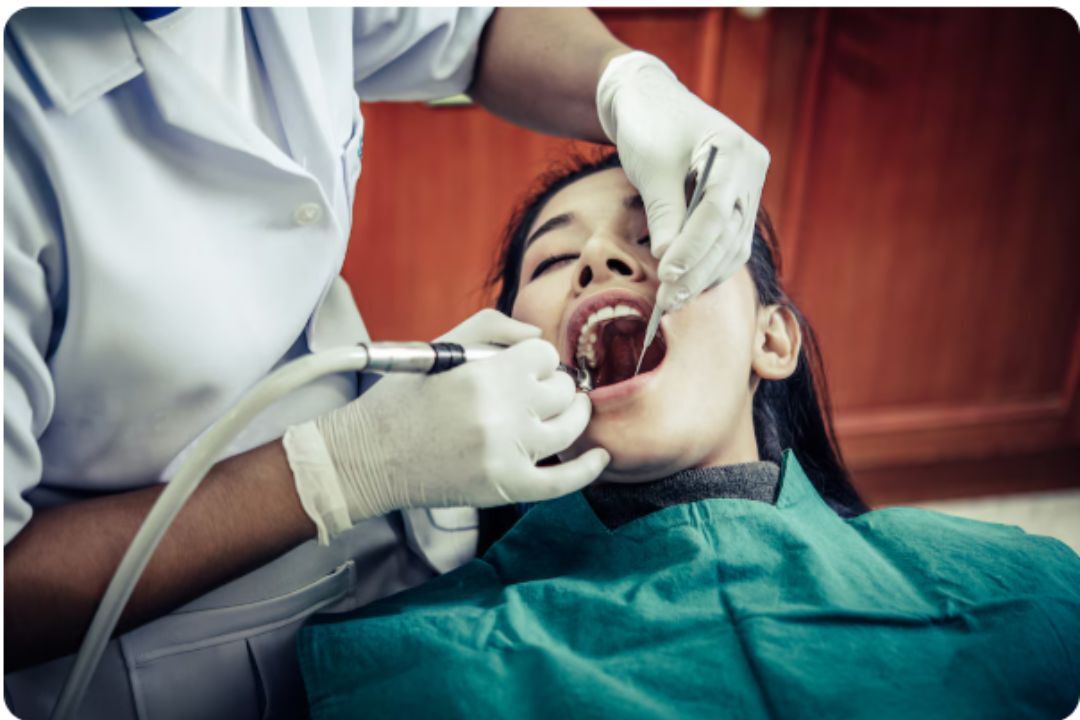
.jpg "dental checkups once or twice a year what best for your smile in mumbai")
.jpg "dentist approved oral care routine for healthy teeth and gums")
.jpg "top oral health mistakes most people make every day")
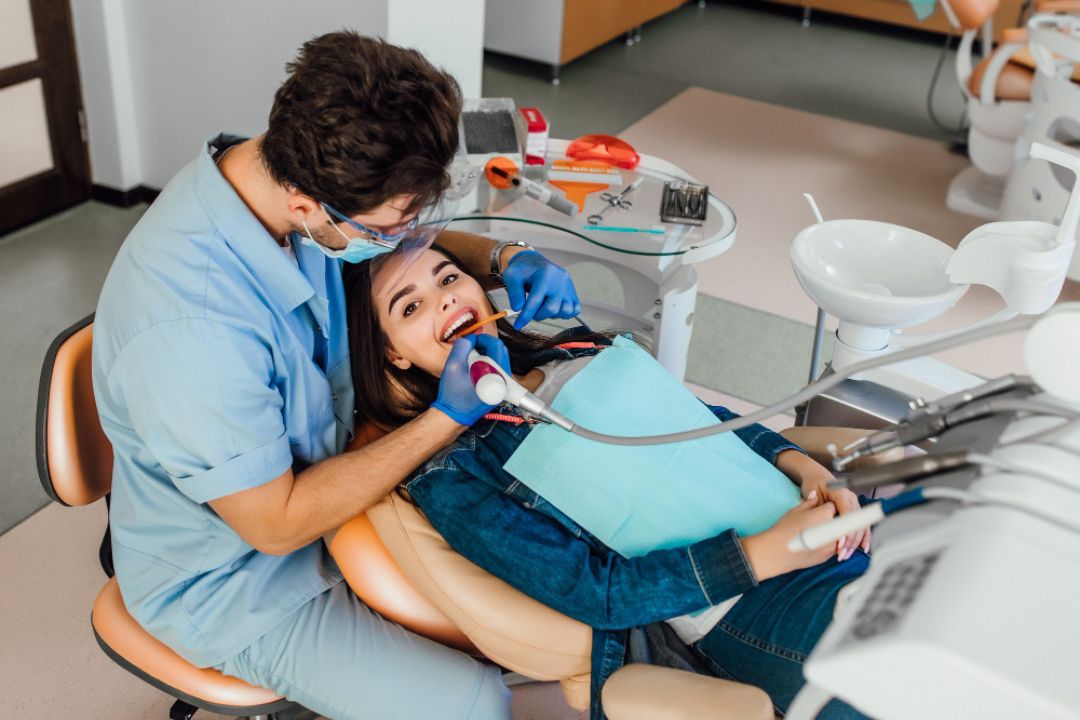
.jpg "best dental clinic in mumbai how to choose the right dentist")

.jpg "best oral hygiene habits for gum and tooth protection")




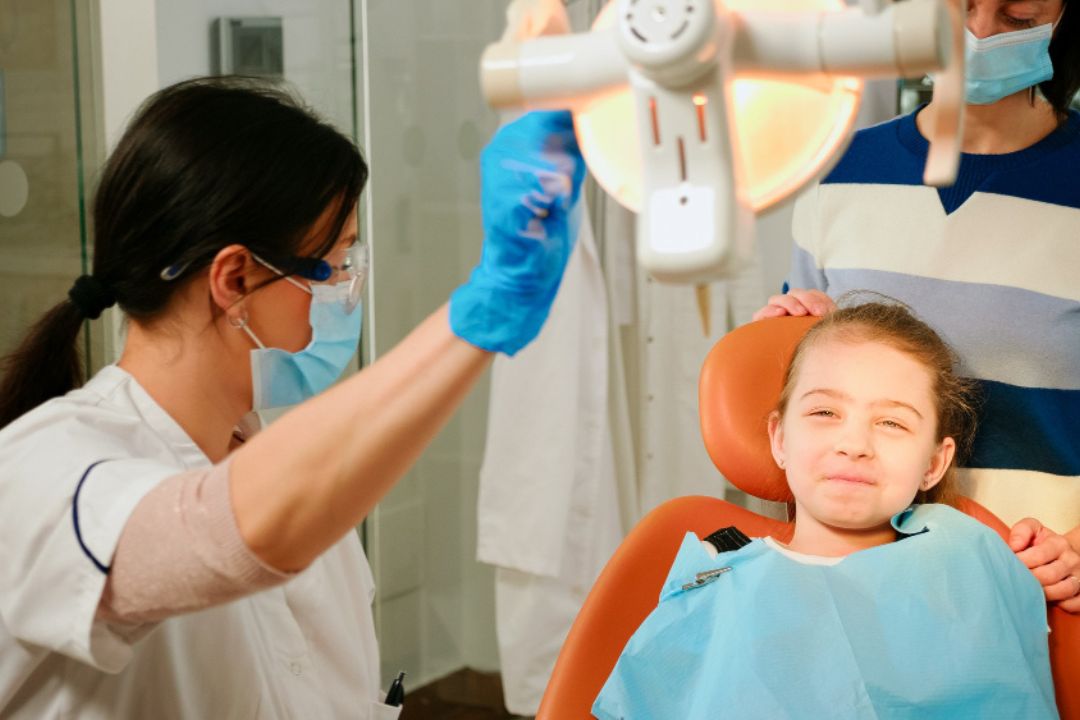

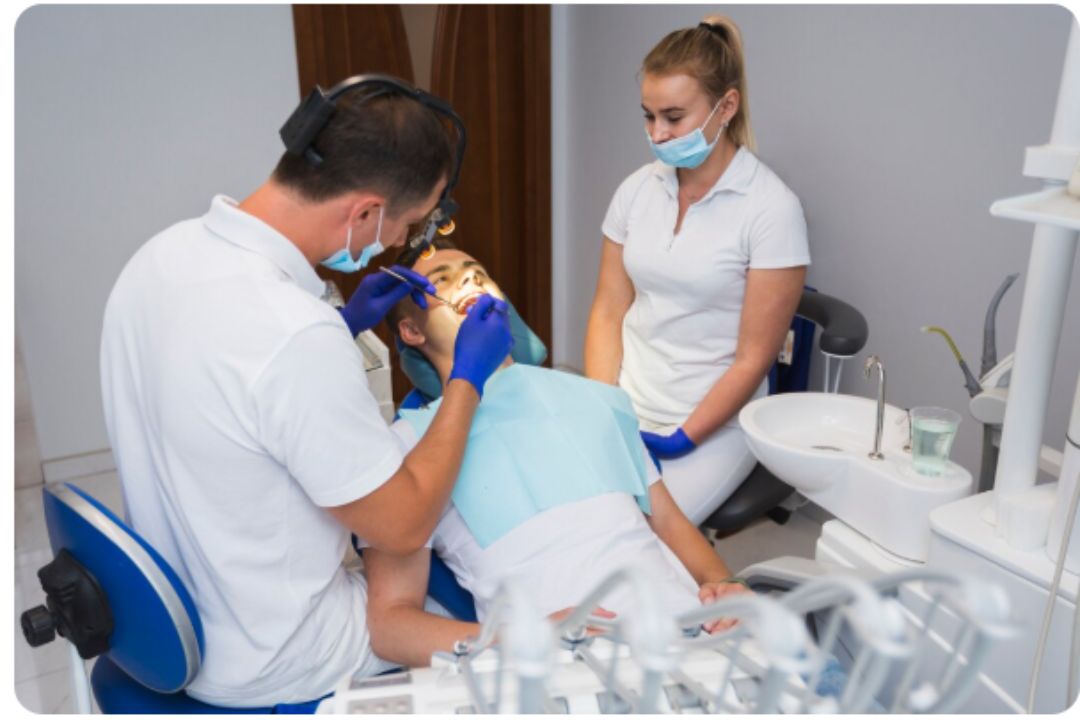












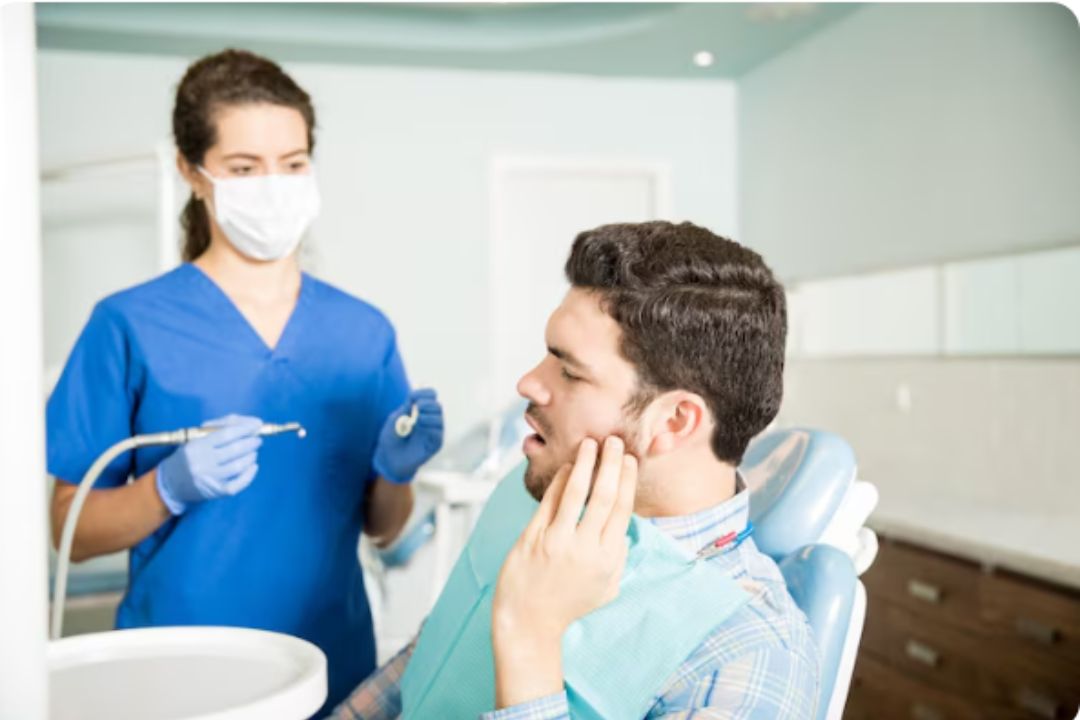

.jpg "oral health and hygiene")
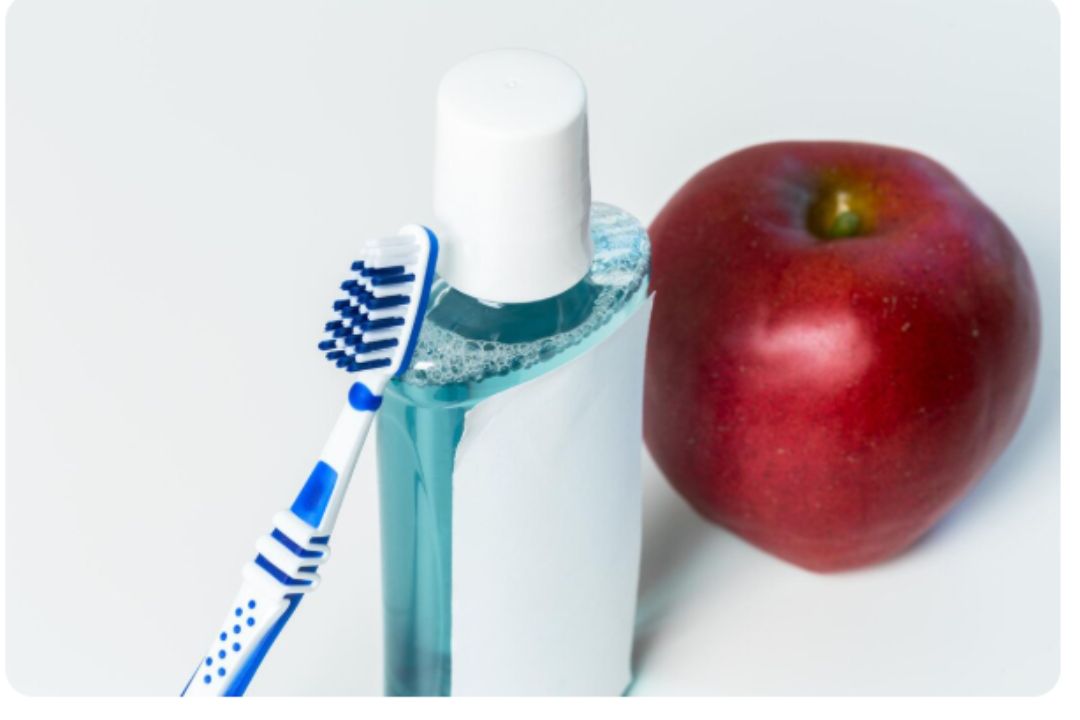




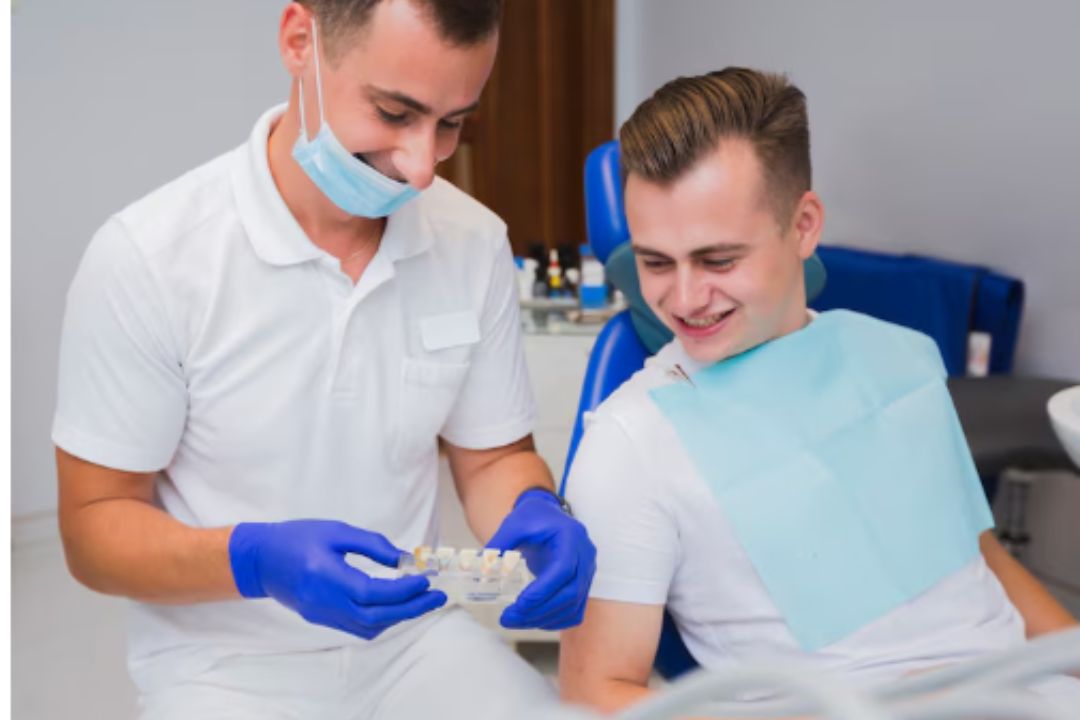

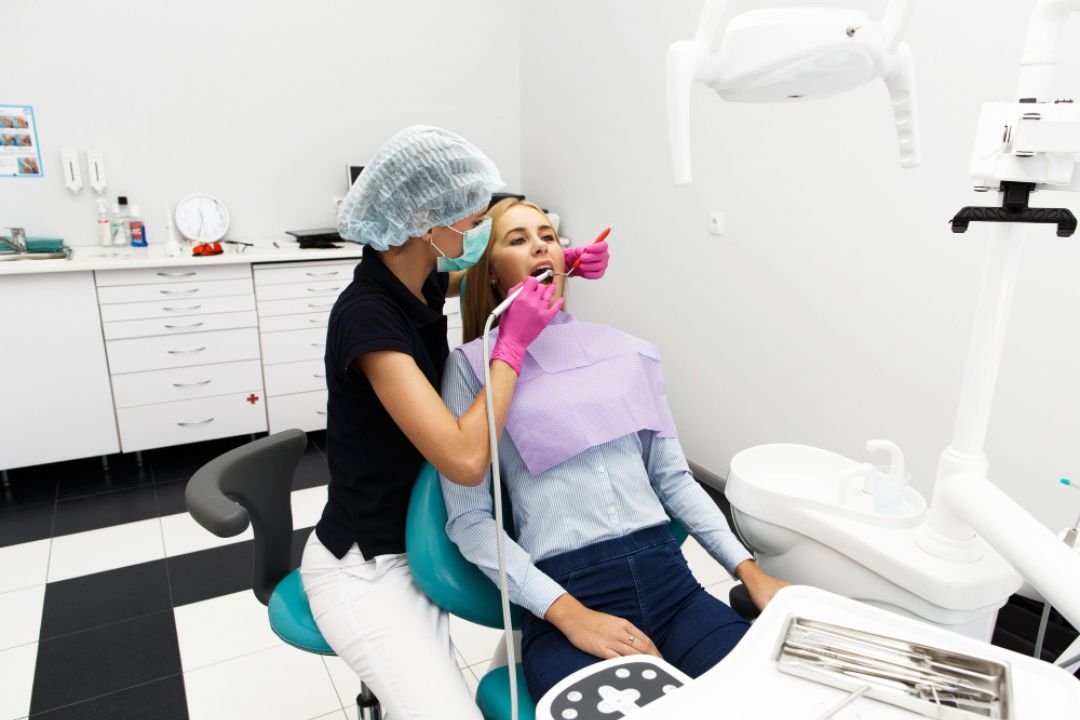



























.jpg "Impacts Your Dental Health")
.jpg "Oral Health and Mental Health")
.jpg "Dental Care for Seniors")
.jpg "Regular Dental Checkups Are More Important")
 (1).jpg "Oral Health and Systemic Diseases")
.jpg "Oral Healthcare and Major Diseases")

 (1).jpg "Free Dental Visit")