Maintaining strong and healthy teeth is not only about brushing and flossing every day. Your daily diet plays a major role in protecting your teeth and gums. The foods you eat can strengthen enamel, prevent cavities, and support overall oral hygiene.
Many people do not realize that poor eating habits can lead to tooth decay, gum disease, enamel erosion, and bad breath. On the other hand, a balanced diet rich in essential nutrients can naturally protect your smile.
In this article, we will explore 10 food habits that can improve your dental health naturally, helping you maintain strong teeth and healthy gums for years to come.
Your teeth are constantly exposed to bacteria from food and drinks. When you eat sugary or acidic foods, bacteria in your mouth produce acids that weaken tooth enamel and cause cavities.
Visit Now: https://www.diagnopein.com/dental-clinic/Pune
However, certain nutrients help your body:
Strengthen tooth enamel
Protect gums from inflammation
Maintain healthy oral bacteria
Increase saliva production
Saliva plays an important role in washing away harmful bacteria and neutralizing acids. A healthy diet supports this natural defense system and helps keep your mouth clean.
Calcium is one of the most important minerals for maintaining strong teeth and bones. It helps strengthen enamel and protects teeth from decay.
Foods rich in calcium include:
Milk
Cheese
Yogurt
Almonds
Leafy green vegetables
Dairy products are particularly beneficial because they also contain casein proteins, which help repair damaged enamel.
Adding calcium-rich foods to your daily diet helps protect your teeth from cavities and keeps them strong.
Crunchy fruits and vegetables act like natural toothbrushes. Their fibrous texture helps remove food particles and plaque from teeth.
Some of the best choices include:
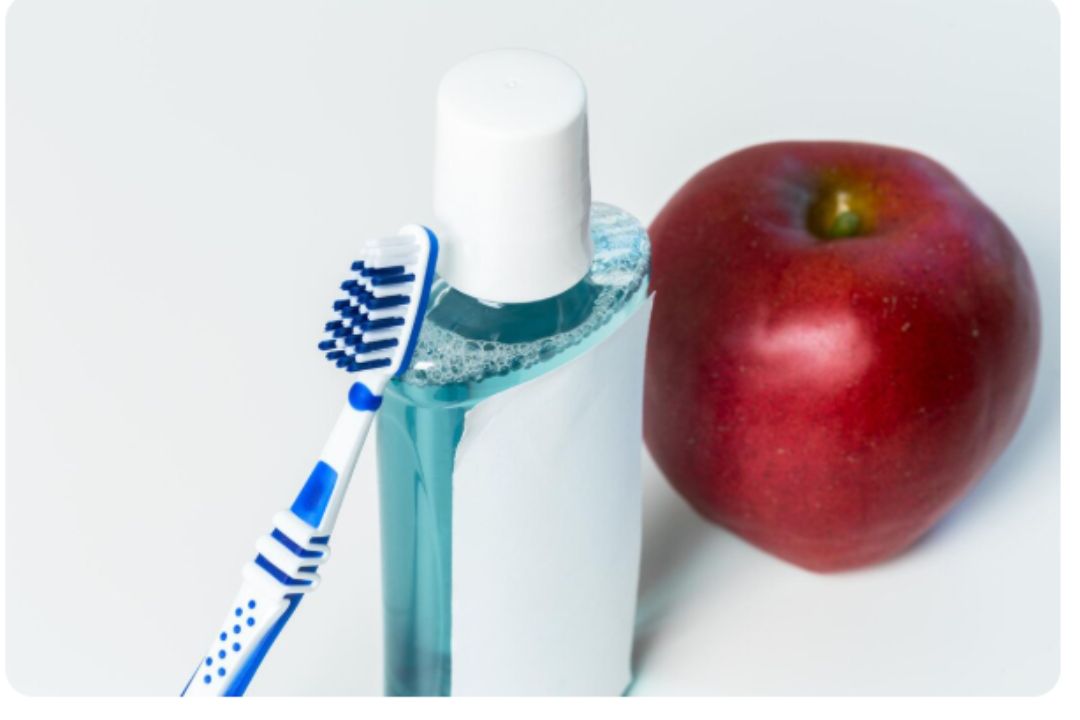
Apples
Carrots
Celery
Cucumbers
Pears
These foods also stimulate saliva production, which helps neutralize acids and prevent bacterial growth in the mouth.
Eating crunchy fruits and vegetables regularly can significantly improve oral hygiene.
Phosphorus works together with calcium to strengthen tooth enamel. It helps rebuild and repair teeth that may have been damaged by acids.
Foods high in phosphorus include:
Fish
Eggs
Lean meat
Nuts
Beans and lentils
Including these foods in your meals can help maintain the mineral balance necessary for healthy teeth.
Nuts are packed with essential minerals such as calcium, magnesium, and phosphorus. These nutrients help strengthen teeth and support gum health.
Some of the best nuts for dental health include:
Almonds
Walnuts
Cashews
Brazil nuts
Nuts also contain healthy fats and proteins that promote overall health. They make an excellent snack choice because they are low in sugar and do not contribute to tooth decay.
Sugary foods are one of the biggest causes of tooth decay. When sugar remains on your teeth, bacteria convert it into acid that damages enamel.
Common foods that can harm your teeth include:
Candy and sweets
Soft drinks
Cakes and pastries
Sweetened beverages
Acidic foods and drinks like soda, citrus juices, and energy drinks can also weaken enamel over time.
To protect your teeth, try to limit sugar intake and rinse your mouth with water after consuming sugary foods.
Water is essential for good oral health. Drinking water throughout the day helps wash away food particles and bacteria from your mouth.
Benefits of drinking water include:
Prevents dry mouth
Removes harmful bacteria
Reduces acid levels in the mouth
Helps prevent cavities
Fluoridated water also helps strengthen tooth enamel and protect against tooth decay.
Making water your primary beverage can greatly improve your dental health.
Leafy greens are rich in vitamins and minerals that support healthy teeth and gums. They contain high levels of calcium and folic acid.
Some excellent options include:
Spinach
Kale
Broccoli
Lettuce
These vegetables also contain fiber, which helps clean teeth and stimulate saliva production.
Adding leafy greens to your meals helps maintain strong teeth and reduces the risk of gum disease.
Vitamin C is essential for maintaining healthy gums. It strengthens connective tissues and helps prevent gum inflammation and bleeding.
Foods high in vitamin C include:
Oranges
Strawberries
Kiwi
Bell peppers
Tomatoes
A deficiency in vitamin C can lead to gum problems and increase the risk of periodontal disease.
Eating vitamin C-rich foods regularly supports healthy gums and improves overall oral health.
Probiotic foods contain beneficial bacteria that help maintain a healthy balance of microorganisms in the mouth.
Examples of probiotic foods include:
Yogurt
Kefir
Kimchi
Fermented vegetables
These foods can reduce harmful bacteria that cause plaque and bad breath.
Maintaining a healthy oral microbiome is important for preventing gum disease and maintaining fresh breath.
Chewing sugar-free gum after meals can help stimulate saliva production. Increased saliva helps neutralize acids and wash away food particles.
Many sugar-free gums contain xylitol, a natural sweetener that prevents bacteria from sticking to teeth.
Chewing gum for a few minutes after eating can help reduce the risk of cavities and keep your mouth fresh.
Besides maintaining healthy food habits, following these oral care practices can help protect your teeth:
Brush your teeth twice daily using fluoride toothpaste
Floss every day to remove plaque between teeth
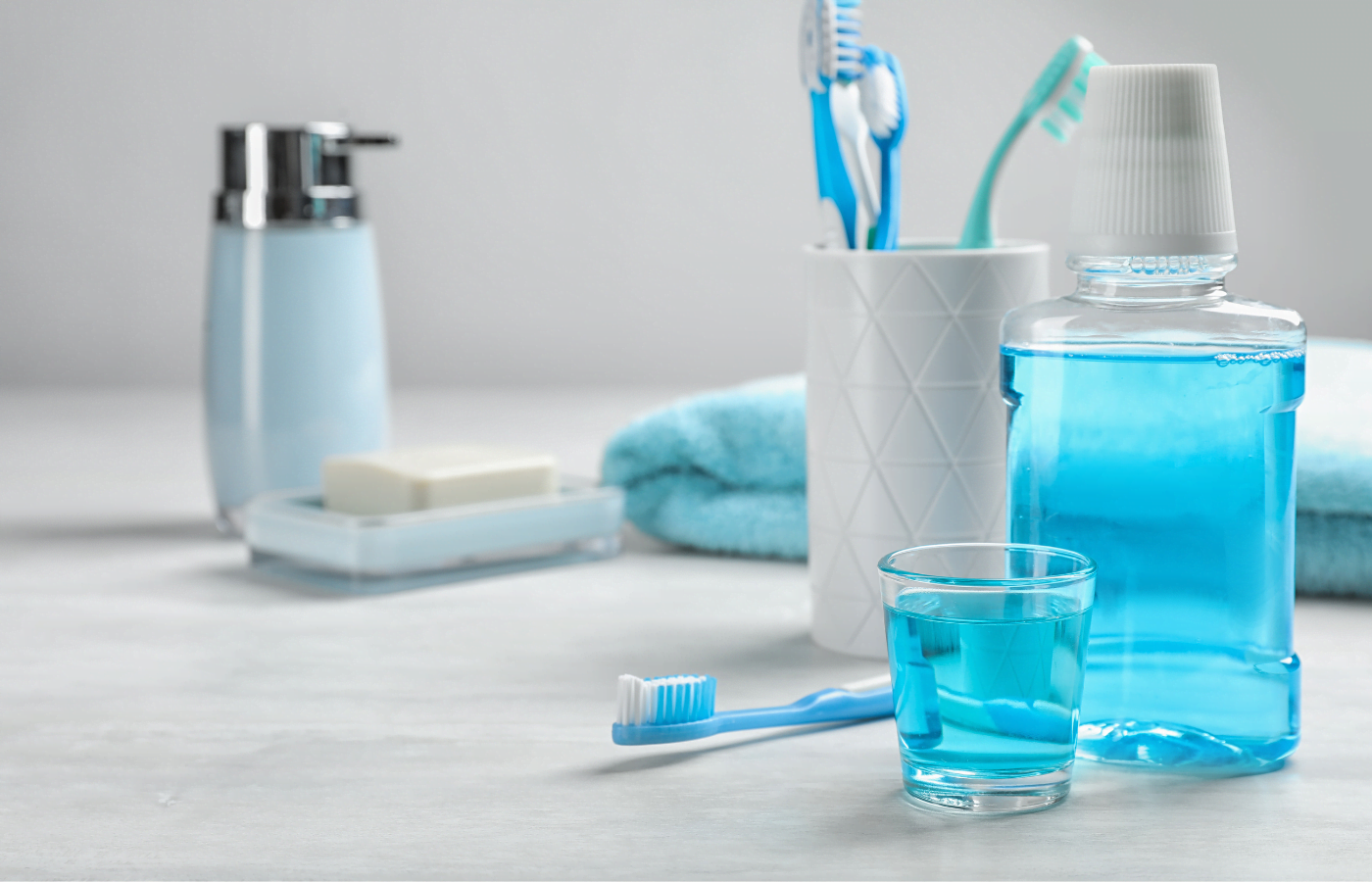
Use antibacterial mouthwash
Visit your dentist regularly for checkups
Avoid smoking and tobacco products
Combining proper oral hygiene with a healthy diet is the best way to maintain strong teeth and gums.
Your diet plays a crucial role in maintaining healthy teeth and gums. By adopting the right food habits, you can protect your enamel, prevent cavities, and improve overall oral hygiene.
Eating nutrient-rich foods, limiting sugar intake, drinking plenty of water, and maintaining good oral hygiene practices can significantly improve your dental health.
By following these 10 simple food habits, you can naturally maintain a bright and healthy smile for years to come.













.jpg "dental checkups once or twice a year what best for your smile in mumbai")
.jpg "dentist approved oral care routine for healthy teeth and gums")
.jpg "top oral health mistakes most people make every day")

.jpg "best dental clinic in mumbai how to choose the right dentist")

.jpg "best oral hygiene habits for gum and tooth protection")



























.jpg "oral health and hygiene")












































.jpg "Impacts Your Dental Health")
.jpg "Oral Health and Mental Health")
.jpg "Dental Care for Seniors")
.jpg "Regular Dental Checkups Are More Important")
 (1).jpg "Oral Health and Systemic Diseases")
.jpg "Oral Healthcare and Major Diseases")

 (1).jpg "Free Dental Visit")






 (1).png "Common Dental problems")