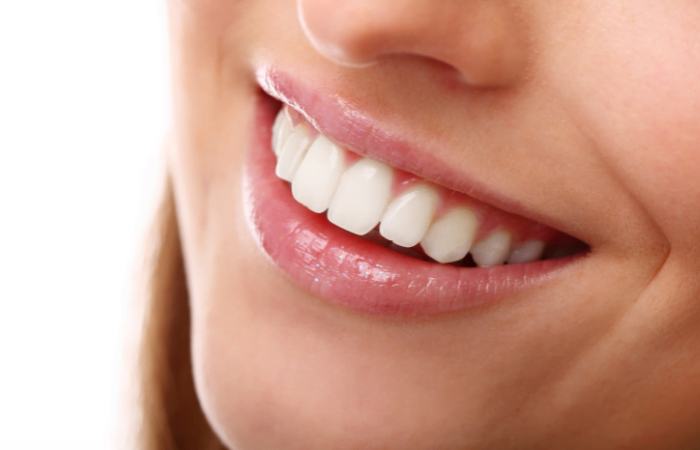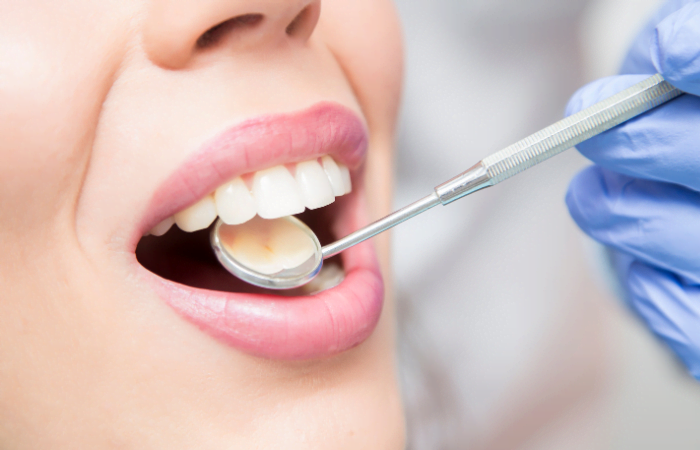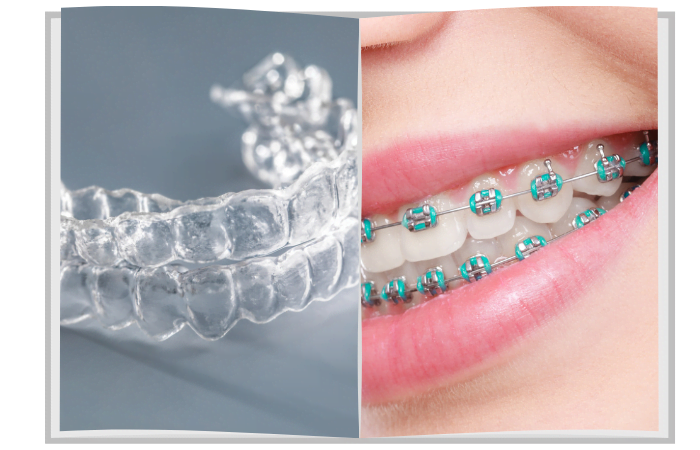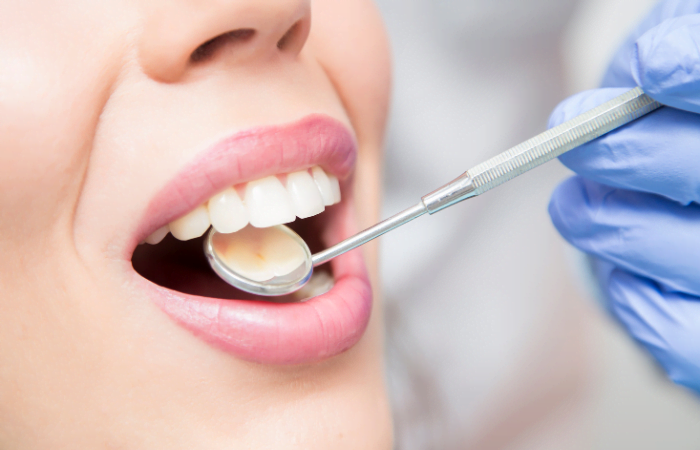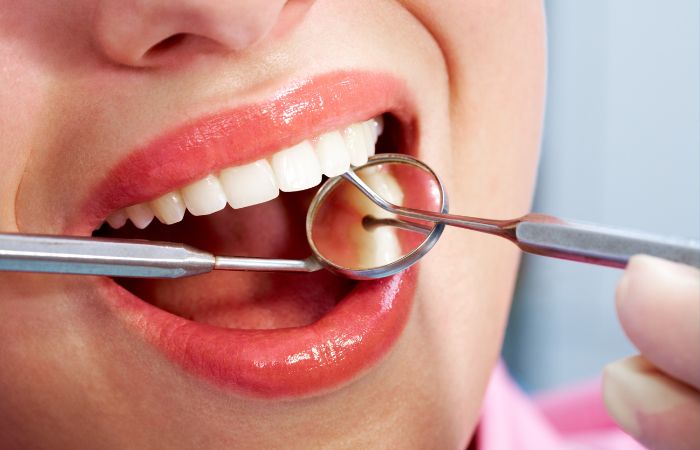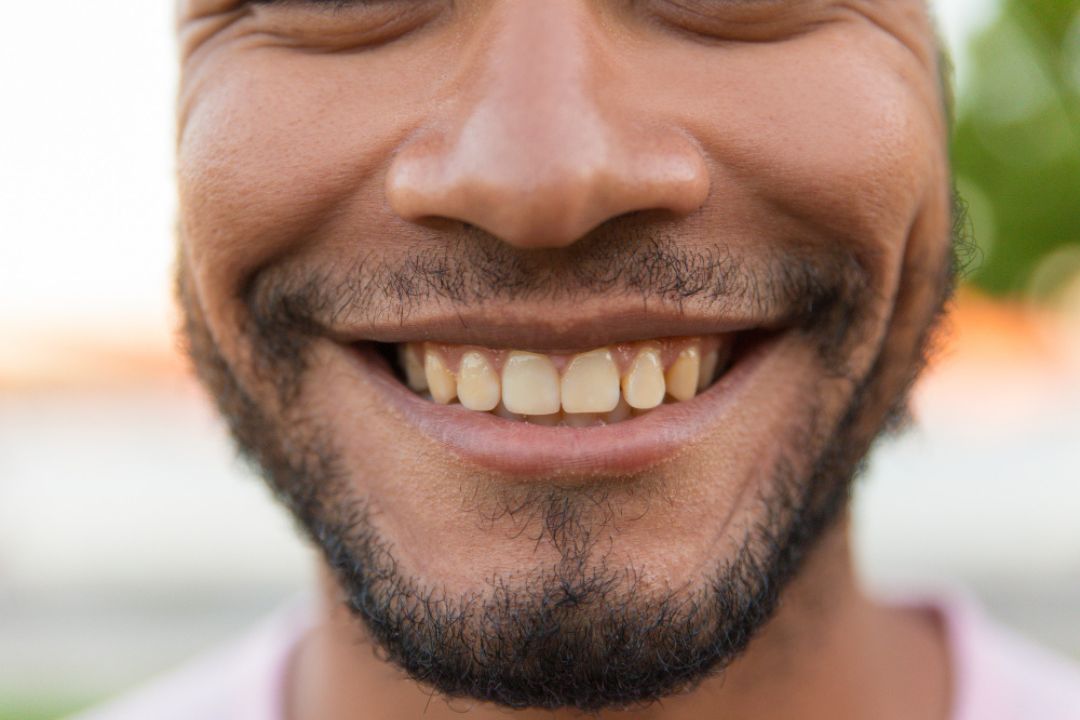
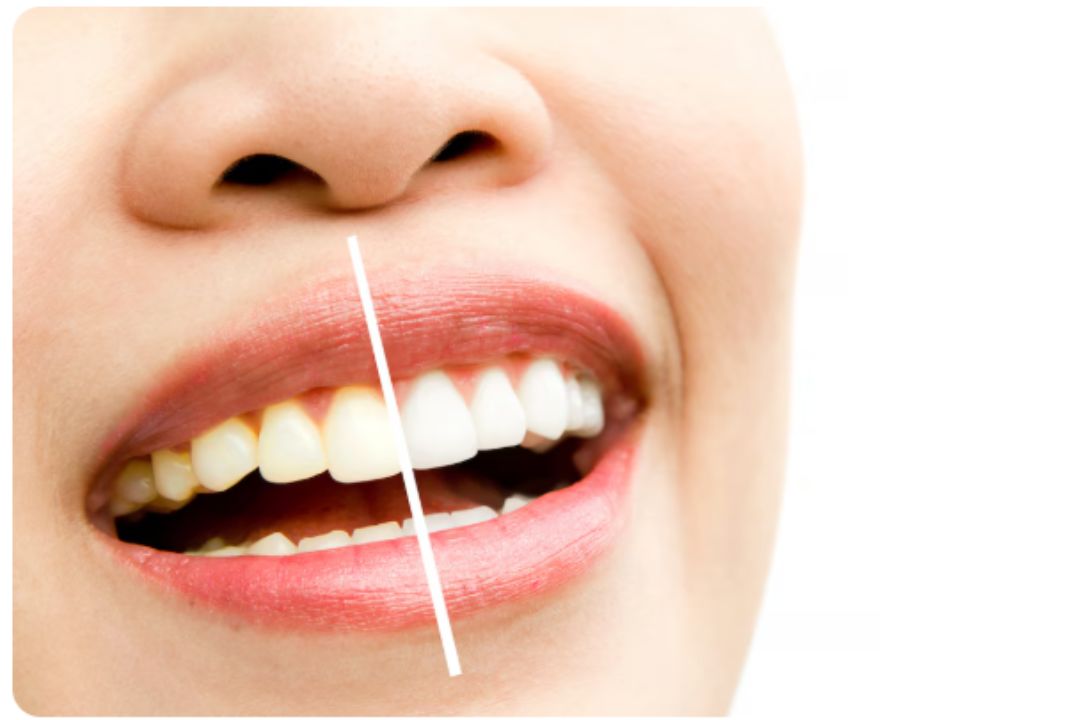
A bright, white smile is a universal symbol of health and confidence. If you’re looking to fix yellow teeth, you have more options than ever. At Diagnopein, we guide you through the most effective solutions, from in-chair professional treatments to safe, at-home practices. This comprehensive guide compares benefits, costs, and comfort to help you reclaim your radiant smile.
Yellow teeth can affect your confidence and make you self-conscious about smiling. While slight discoloration is normal with age, persistent yellowing may signal poor oral habits or staining. The good news is that there are both professional treatments and safe home remedies that can help restore your smile. In this blog, we will explore the causes, best professional options, and practical, dentist-approved home care tips to fix yellow teeth.
Visit Now: https://www.diagnopein.com/dental-clinic/Pune
Teeth are not naturally pure white. The outer layer, called enamel, is semi-translucent. Beneath it is dentin, a yellowish layer. When enamel thins, the dentin becomes more visible, making teeth look yellow.
Common causes include:
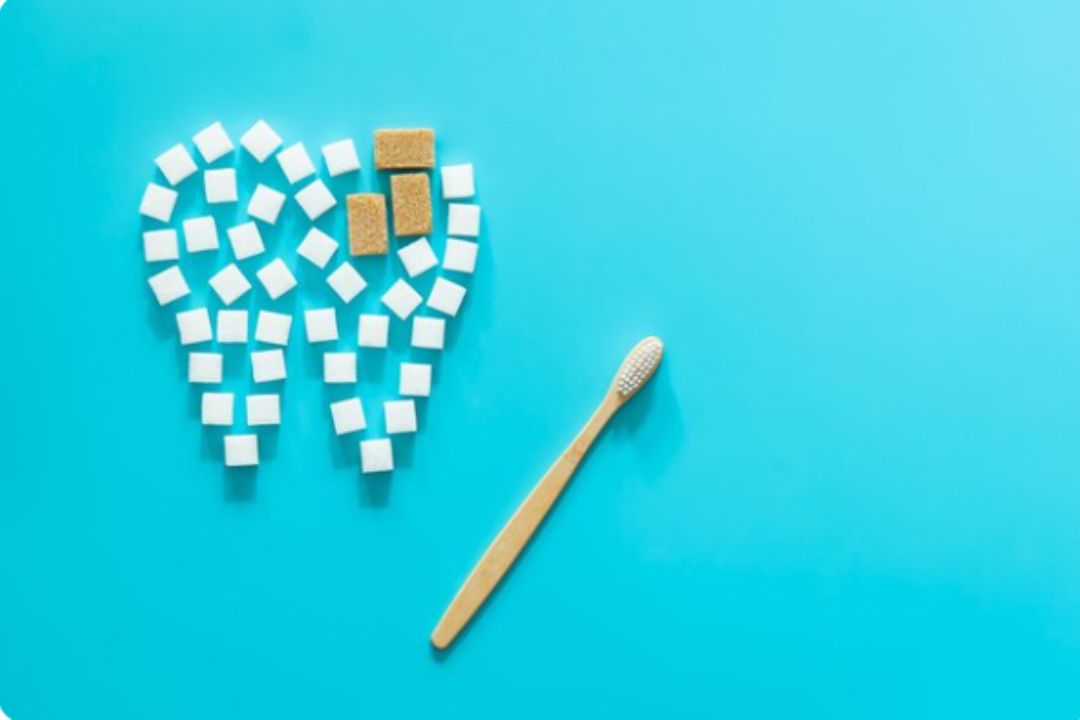
Dietary Stains: Coffee, tea, red wine, turmeric, and dark sodas can stain enamel.
Smoking and Tobacco: Nicotine and tar leave deep, stubborn stains.
Aging: Enamel wears down over time, revealing more dentin.
Poor Oral Hygiene: Plaque and tartar buildup accelerate discoloration.
Medication: Certain antibiotics and antihistamines can alter tooth color.
Fluorosis: Excess fluoride during enamel formation leads to discoloration.
Genetics: Some people naturally have thicker or more yellow dentin.
Knowing the cause helps you choose the right solution.
Professional dental care provides the most effective and long-lasting results. These treatments are safe when performed by trained dental professionals.
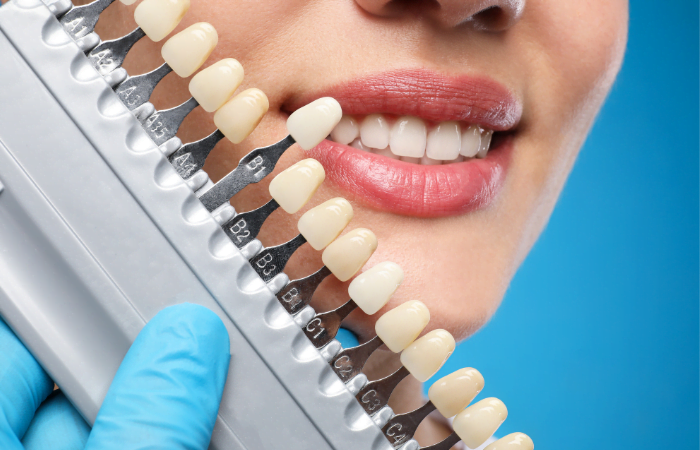
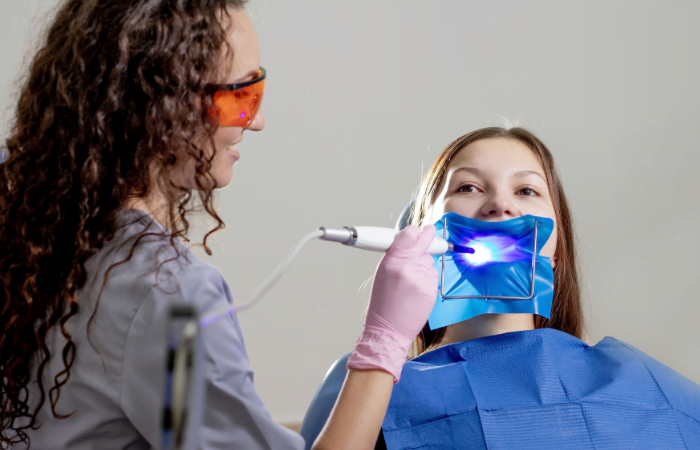
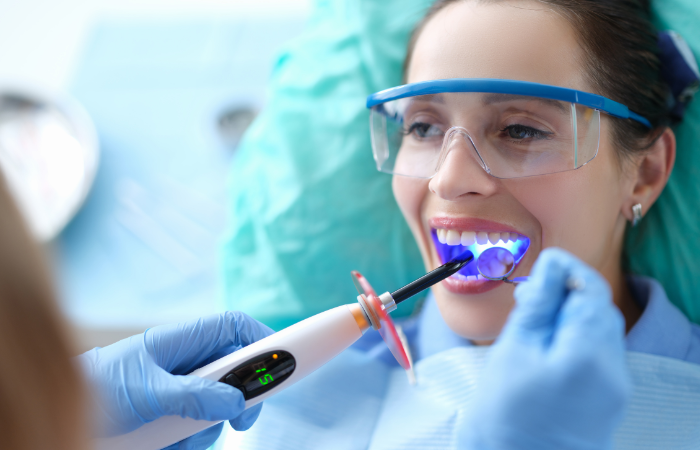
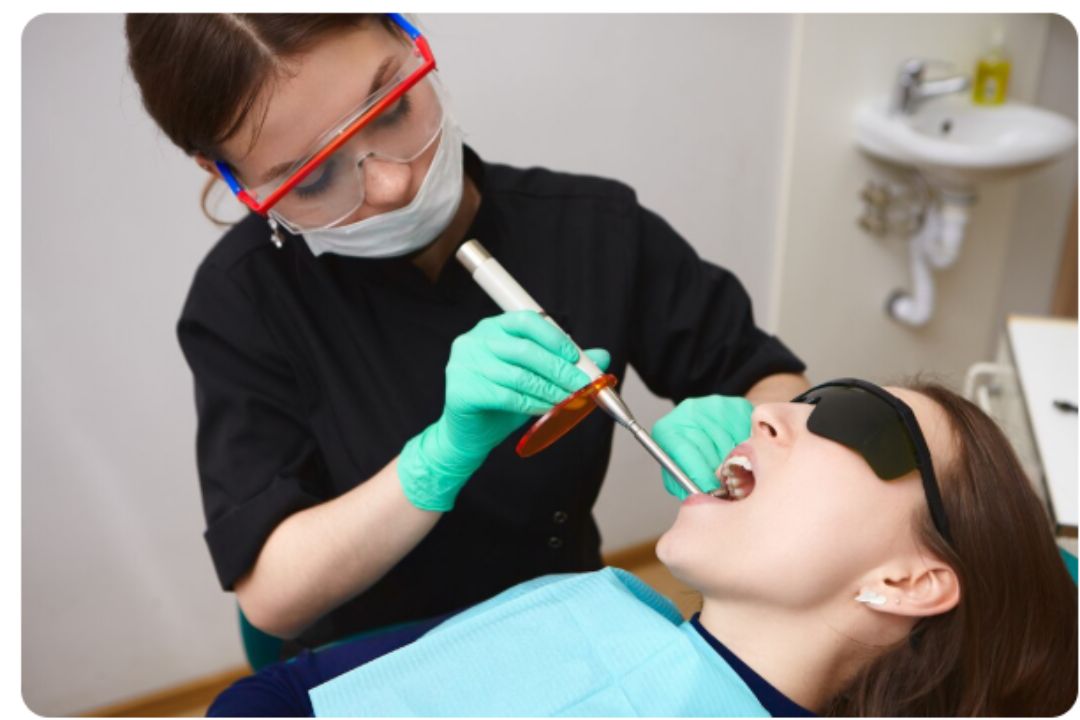
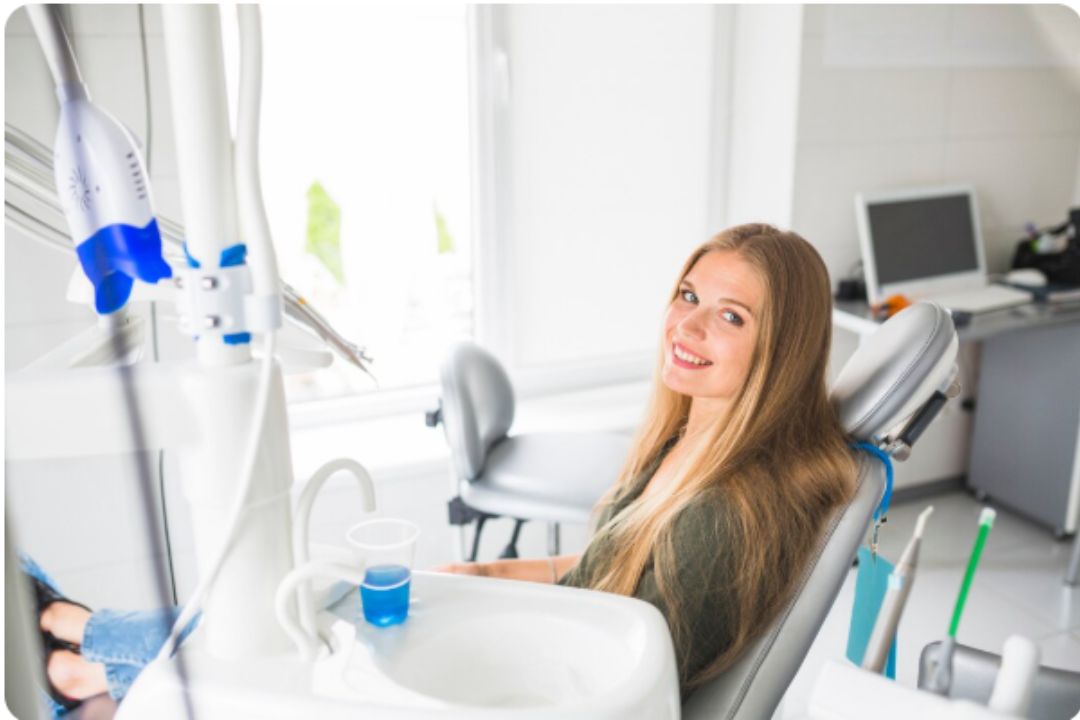
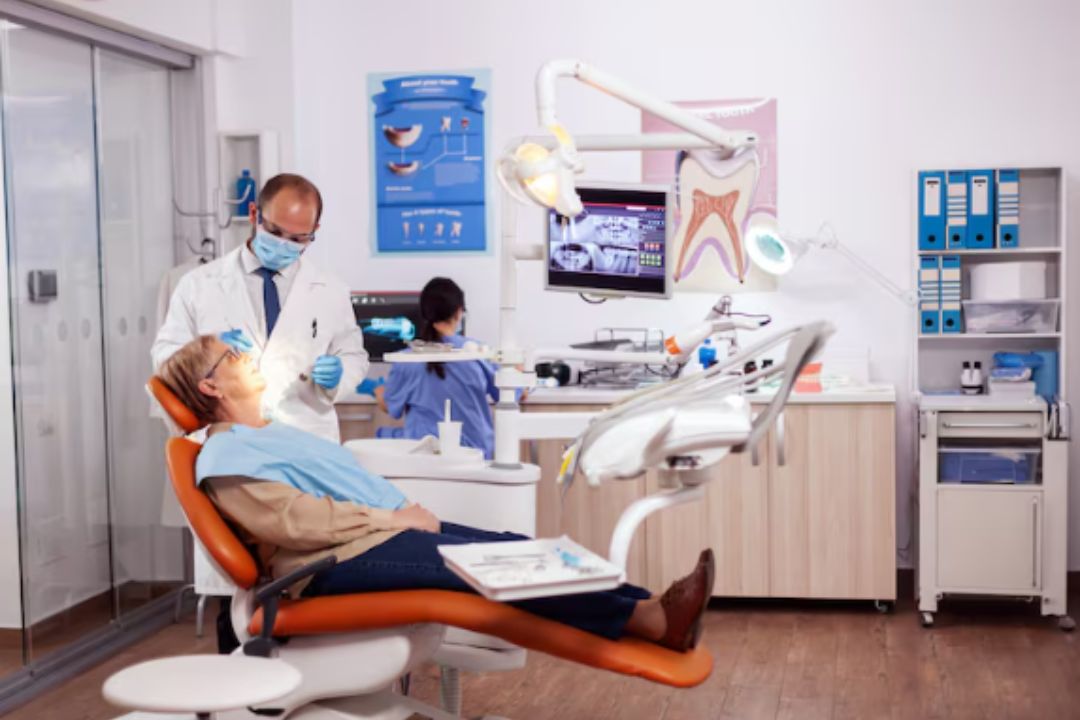
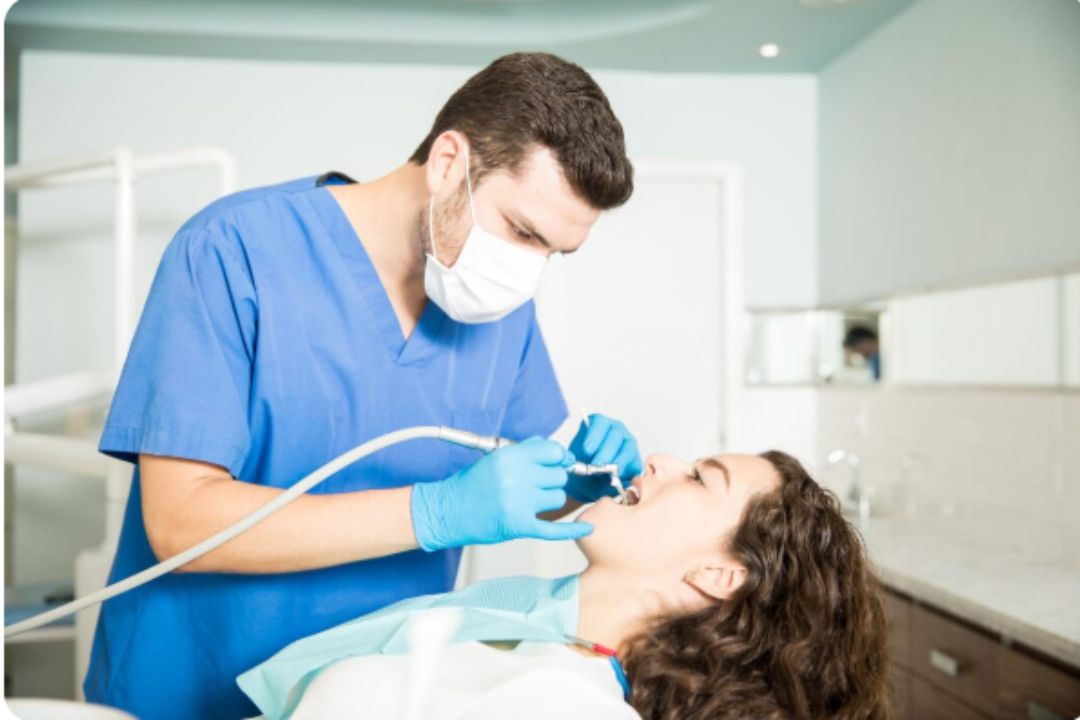
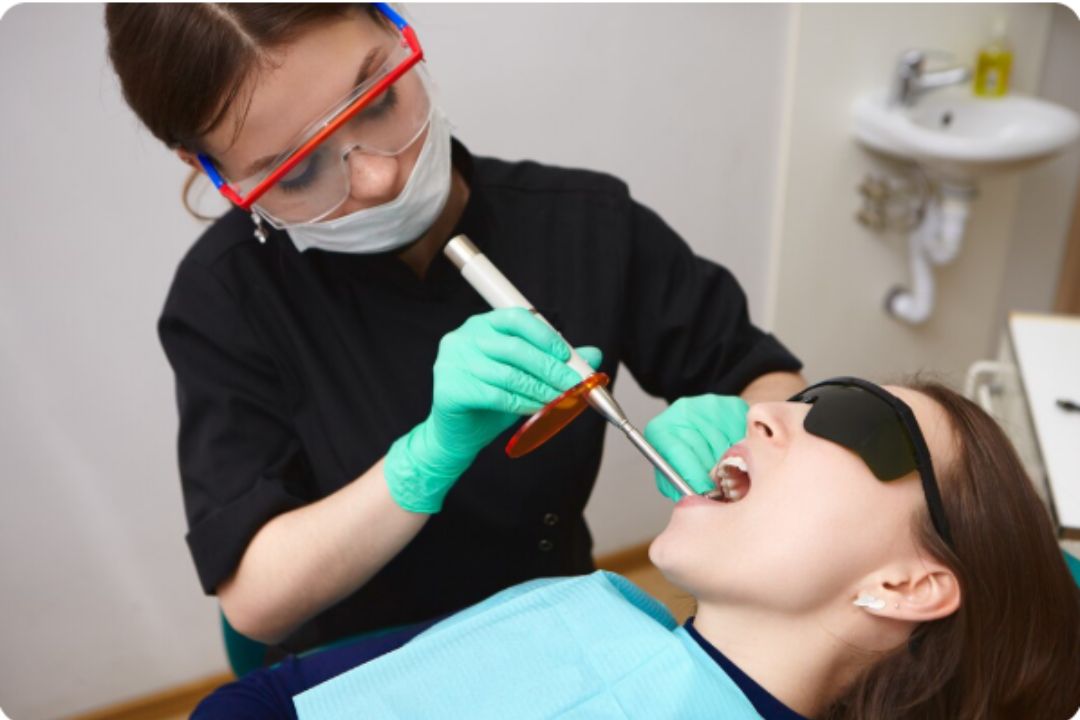
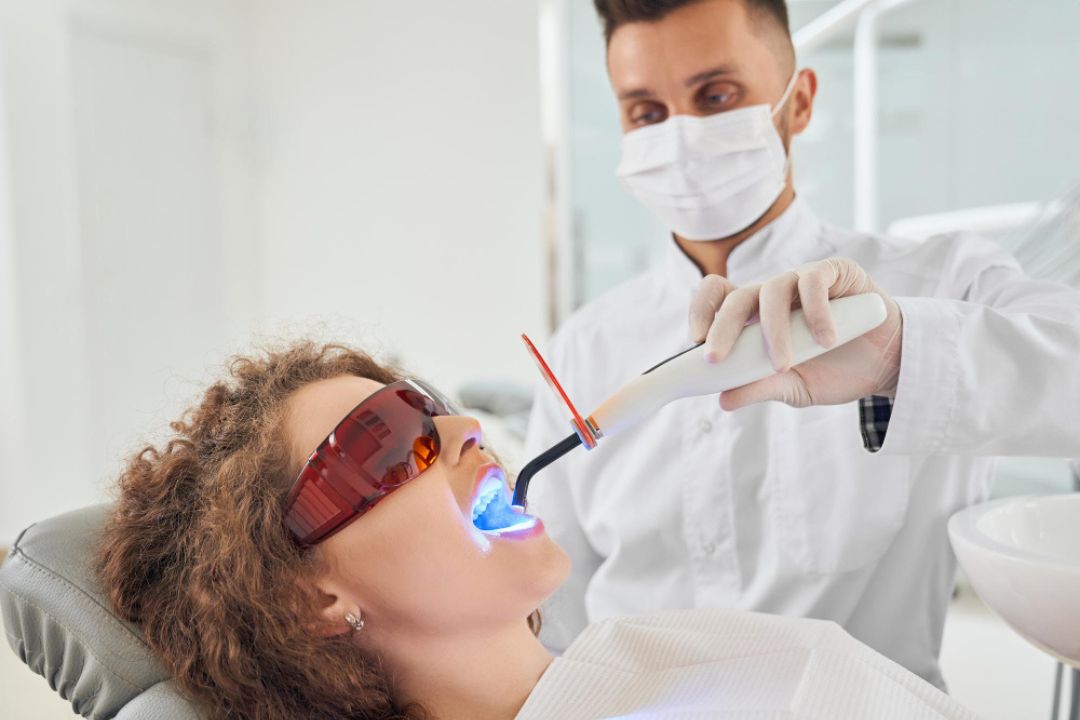
In-office whitening is the fastest way to lighten tooth color. A strong bleaching agent is applied to your teeth and activated with a special light.
Benefits:
Significant whitening in one session
Safe and supervised by a dentist
Custom results based on your needs
What to Expect:
Your dentist applies a protective barrier to gums. A bleaching gel is applied to the teeth and activated with a light. Most sessions take 45–90 minutes.
Results:
Teeth can lighten several shades with minimal sensitivity.
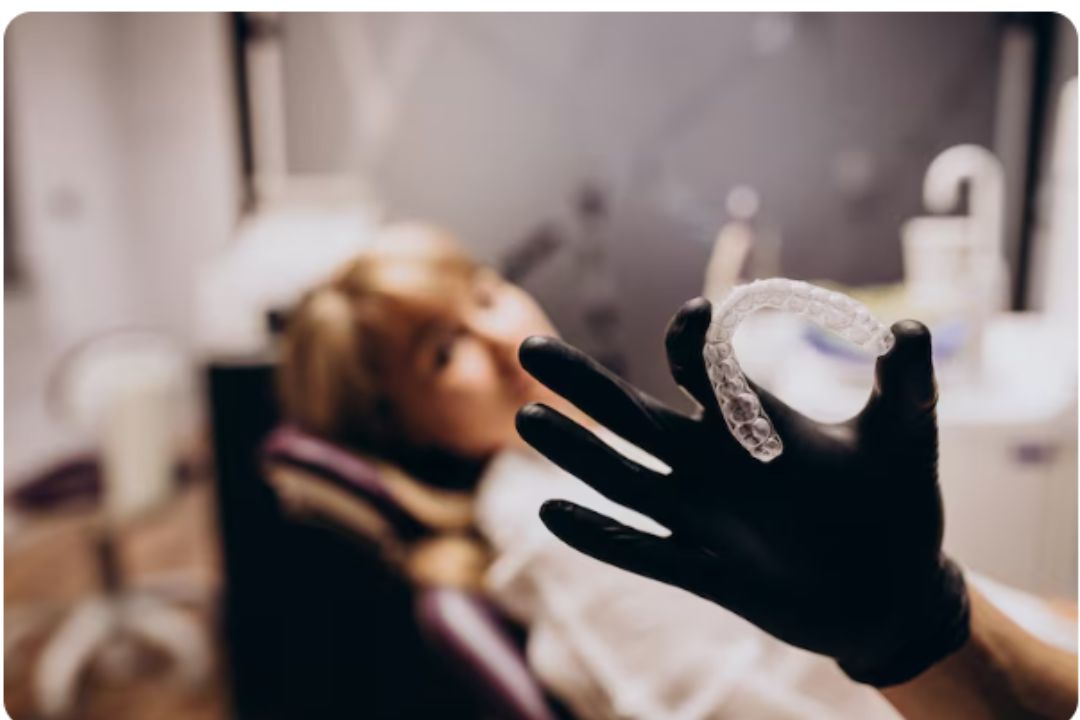
Dentists can make personalized whitening trays that fit your teeth perfectly. You apply a professional-strength gel at home.
Benefits:
Better results than store kits
Gradual whitening with controlled strength
Lower risk of sensitivity
How It Works:
Your dentist takes impressions of your teeth. You receive trays and a whitening gel. You wear trays for a set time each day, usually 1–2 weeks.
Veneers are thin porcelain shells placed over the front of teeth. They change the color, shape, and appearance of teeth.
Benefits:
Permanent cosmetic improvement
Covers deep stains that whitening can’t fix
Improves shape and alignment too
Ideal For:
People with intrinsic stains (internal discoloration), chipped or uneven teeth.
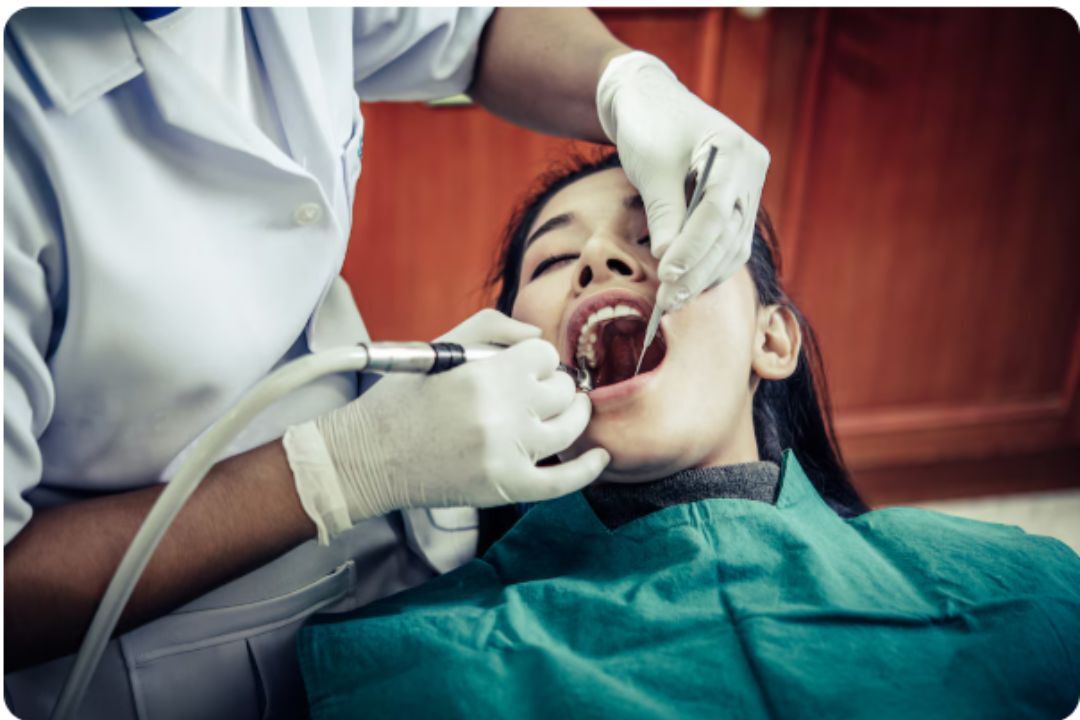
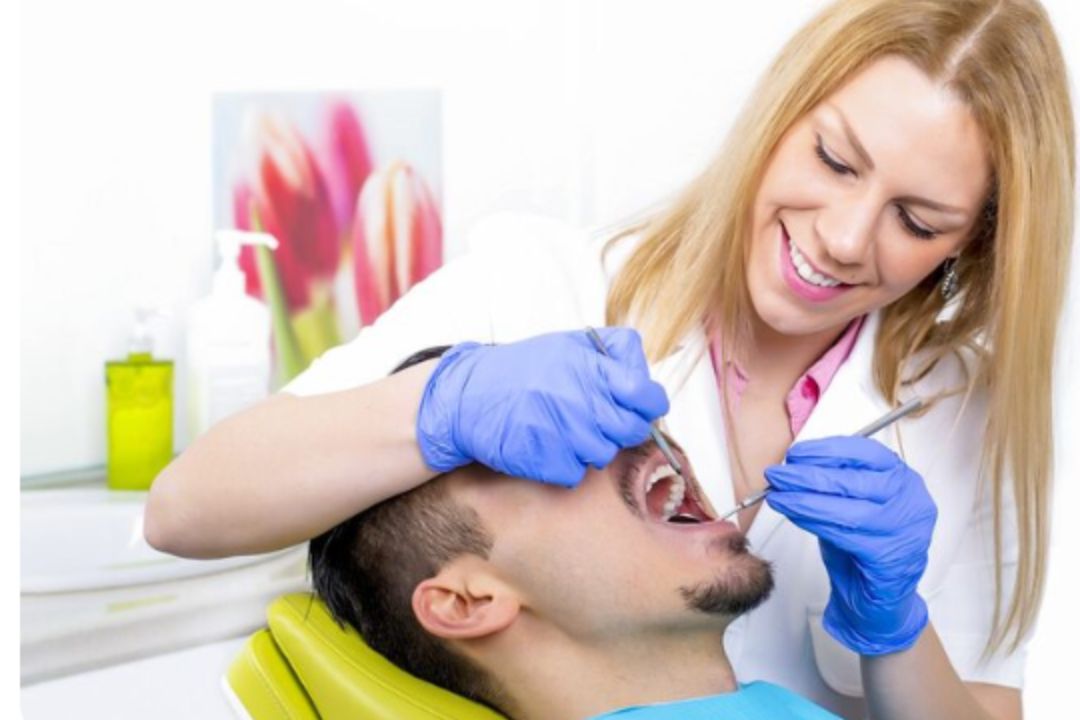
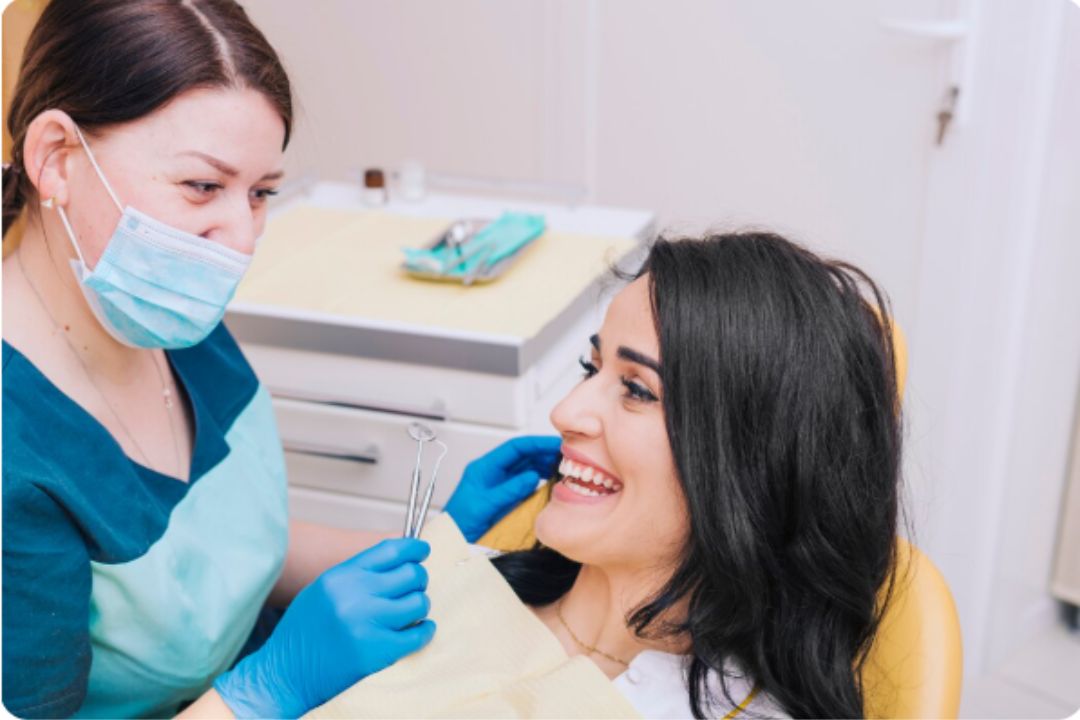
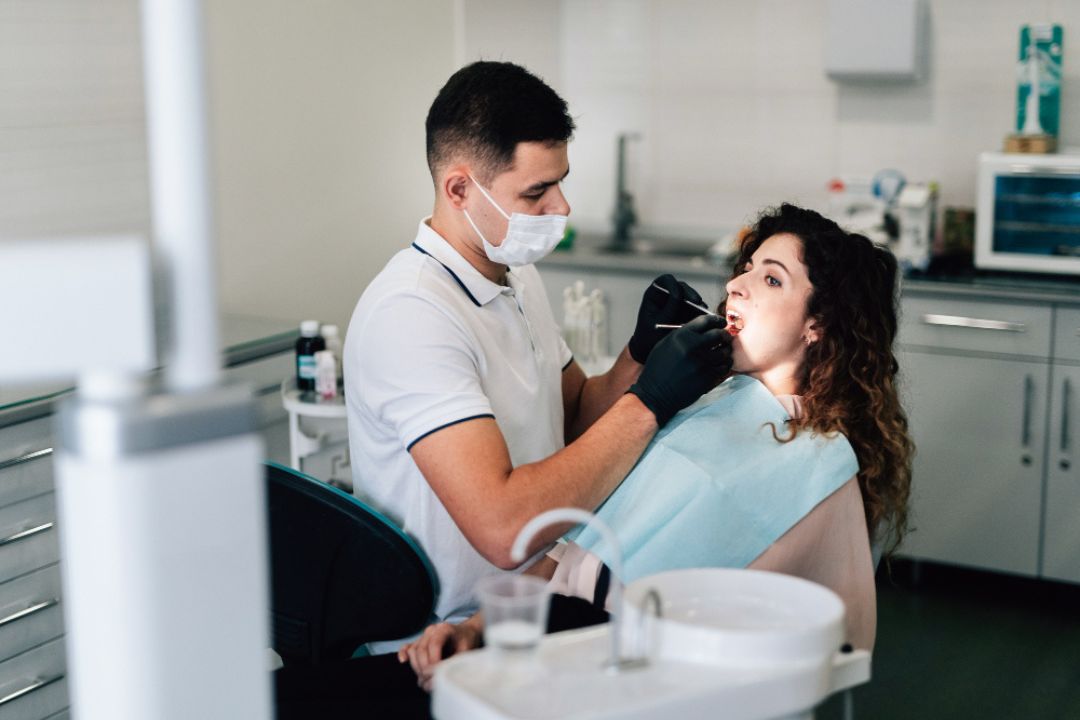
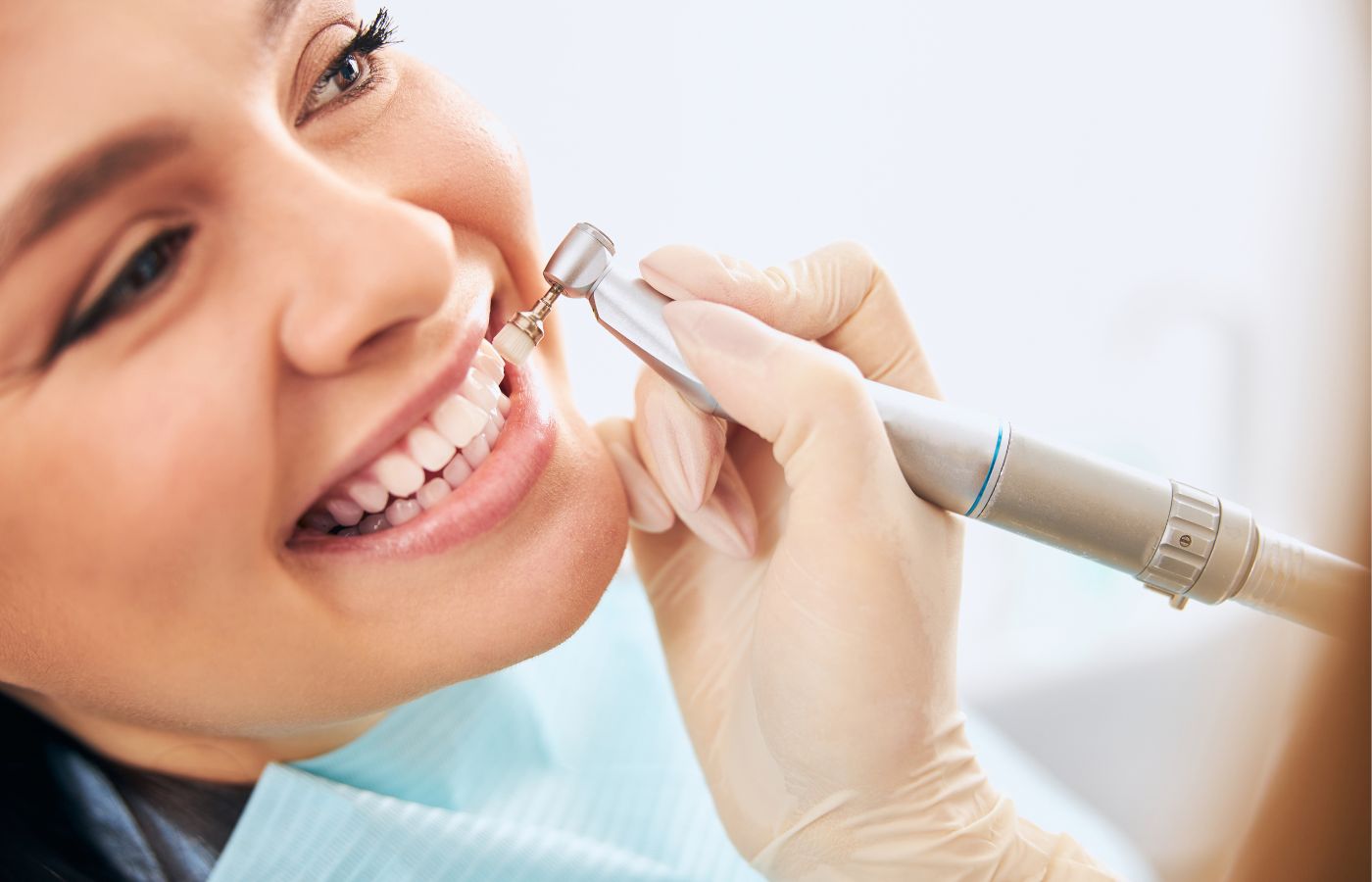
Sometimes yellowing is due to plaque and tartar buildup. A professional cleaning can remove surface stains and restore brightness.
What It Includes:
Scaling to remove tartar
Polishing to smooth enamel
Fluoride application to protect teeth
Regular cleanings every six months can prevent staining and gum disease.
Professional treatments are powerful, but daily habits matter most. These home tips support long-term whitening and oral health.
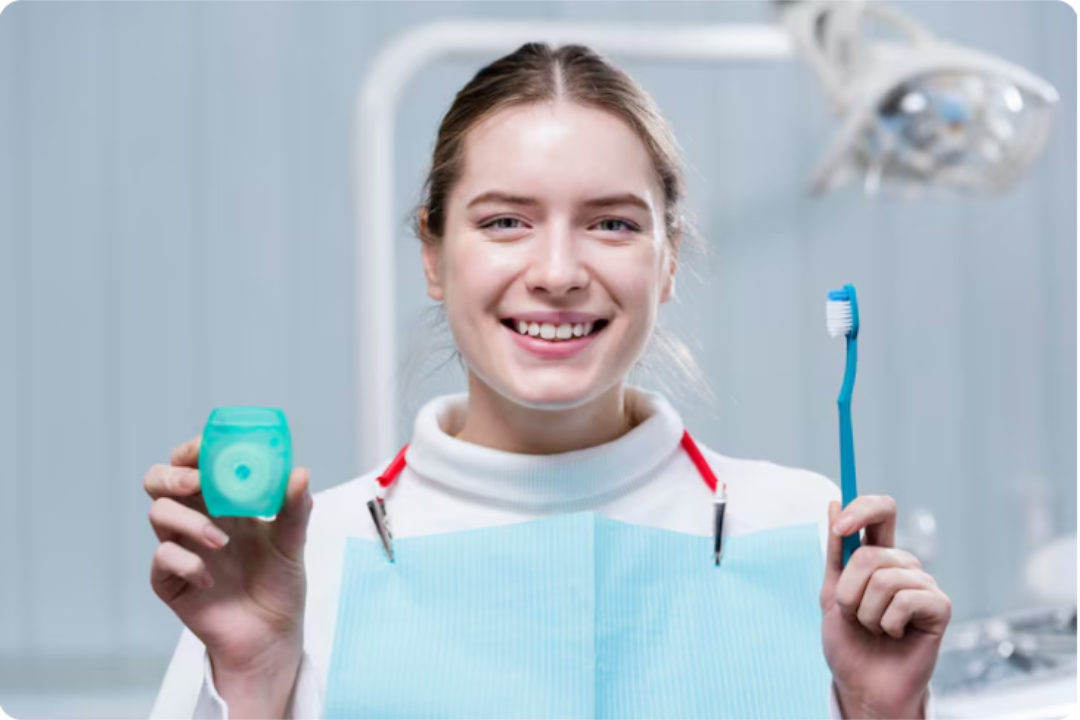
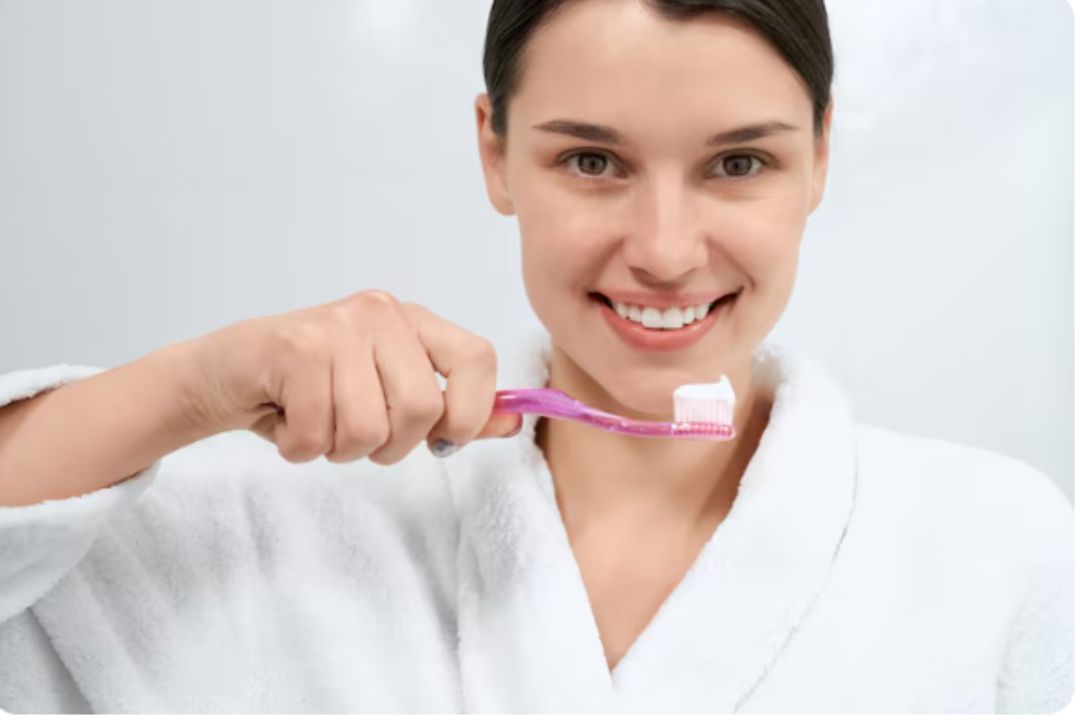
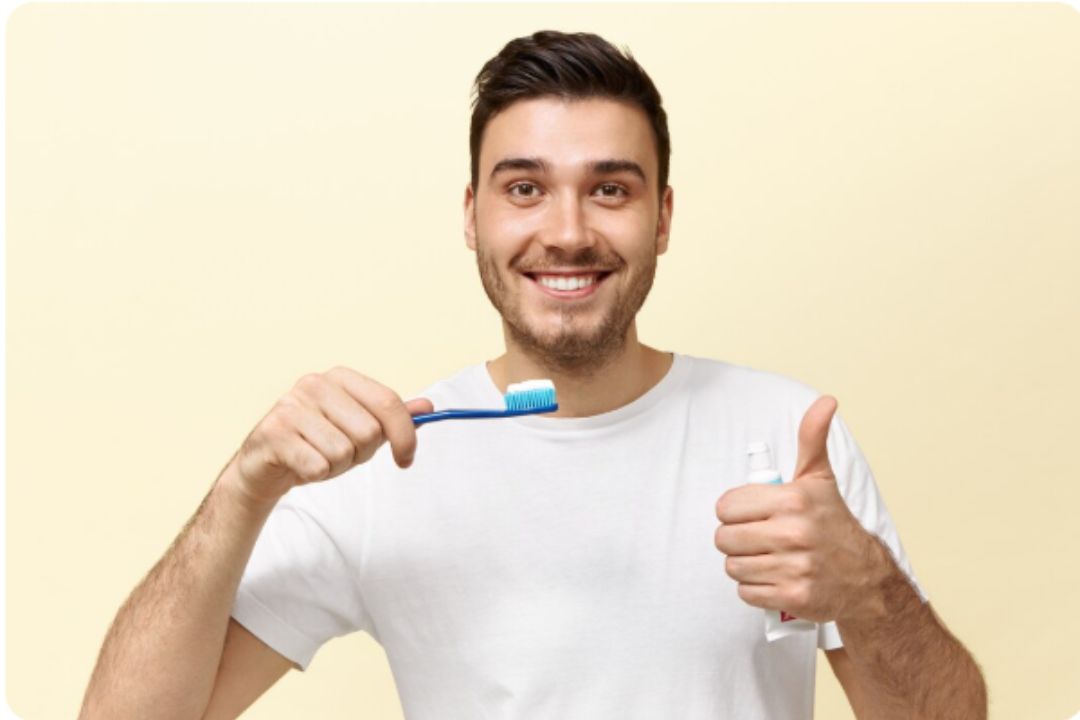
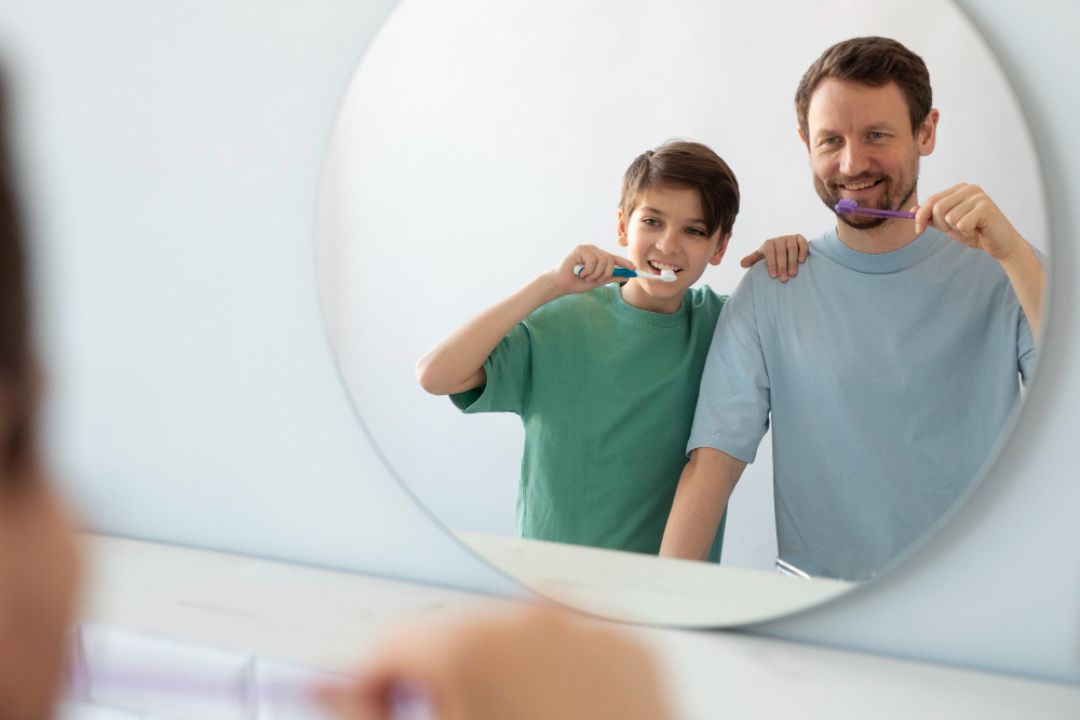
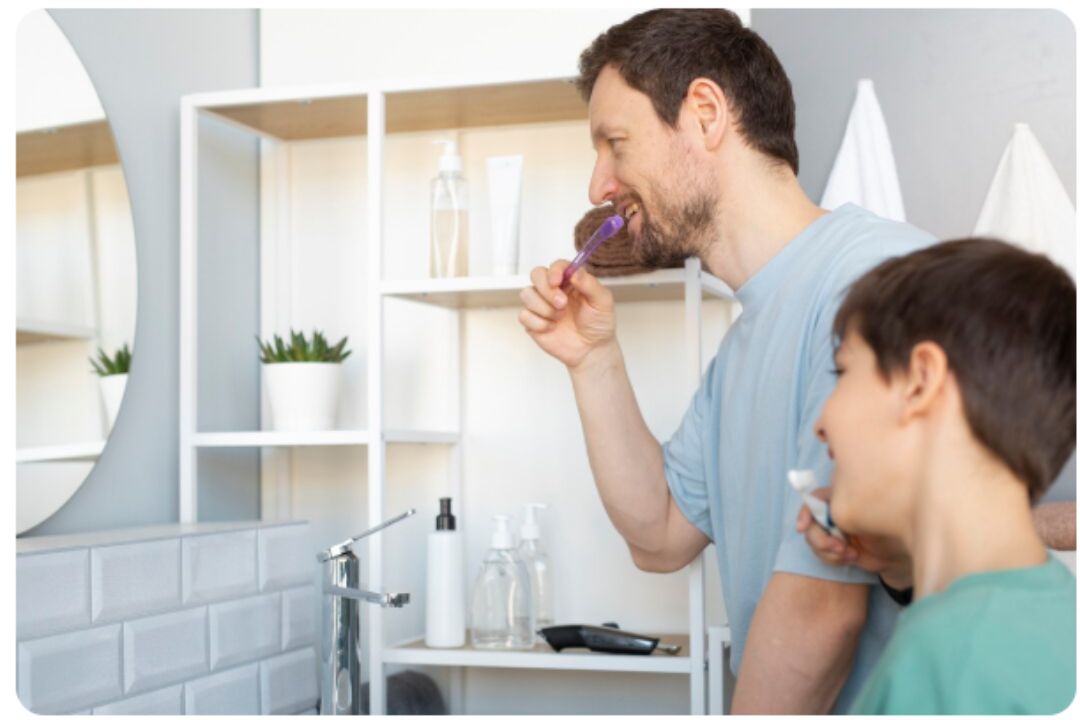
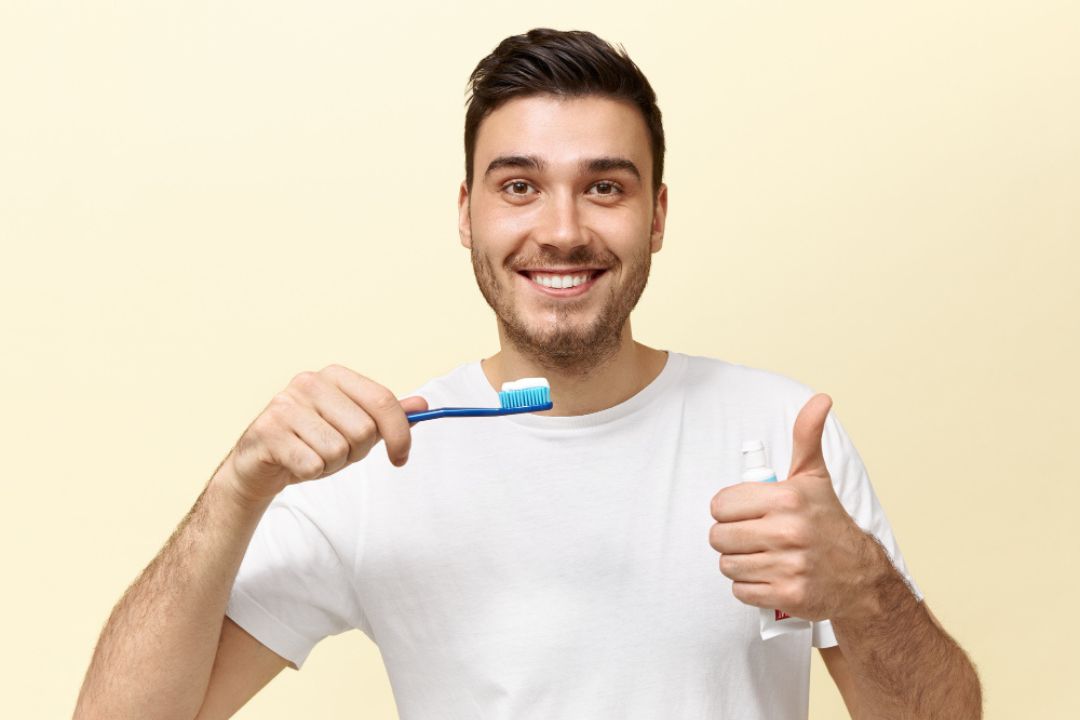
Brush with a fluoride toothpaste at least twice daily. Use gentle, circular motions. Electric toothbrushes can be more effective at removing surface stains.
Flossing removes plaque between teeth that brushing misses. Plaque buildup leads to discoloration and decay.
Whitening toothpastes with mild abrasives help remove surface stains. Avoid highly abrasive pastes, which can wear enamel.
Rinse your mouth with water after consuming stain-causing foods or drinks. This helps reduce staining before it sets on enamel.
Reduce intake of coffee, tea, red wine, and dark sauces. If you consume them, use a straw for beverages to reduce contact with teeth.
Tobacco stains are tough to remove. Quitting smoking improves oral health and overall well-being.
Baking soda has mild abrasive properties that can remove surface stains. Mix a small amount with water and brush gently once a week.
Note: Do not overuse baking soda, as excessive use can erode enamel.
Some people use coconut or sesame oil for oil pulling. Swishing oil for 10–15 minutes may reduce bacteria and plaque, but results vary.
Important: Oil pulling should not replace brushing and flossing.
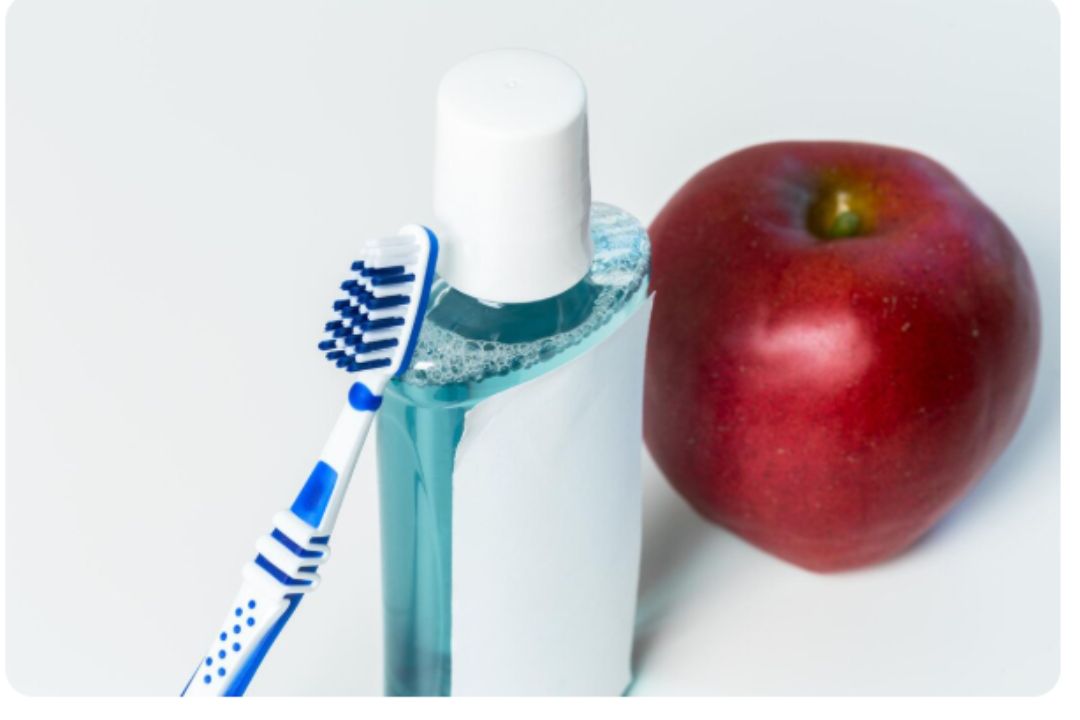
Apple cider vinegar can help remove stains due to its acidic nature. However, it can erode enamel if overused.
Use With Caution:
Mix with water and use once in a while, not daily. Rinse with plain water afterward.
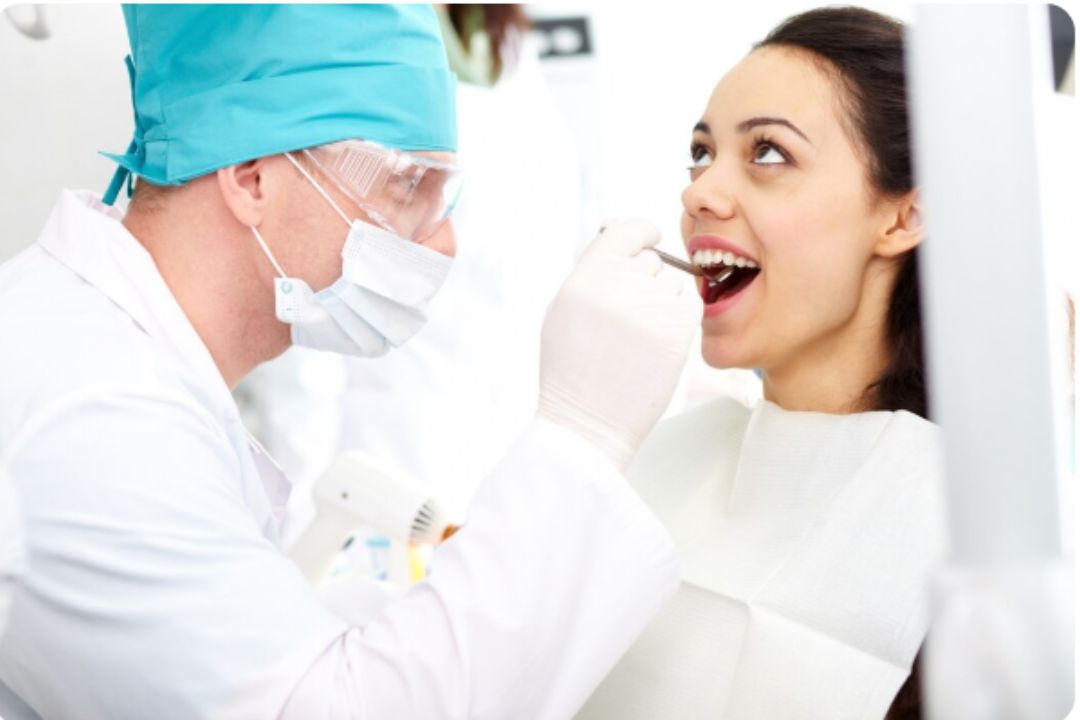
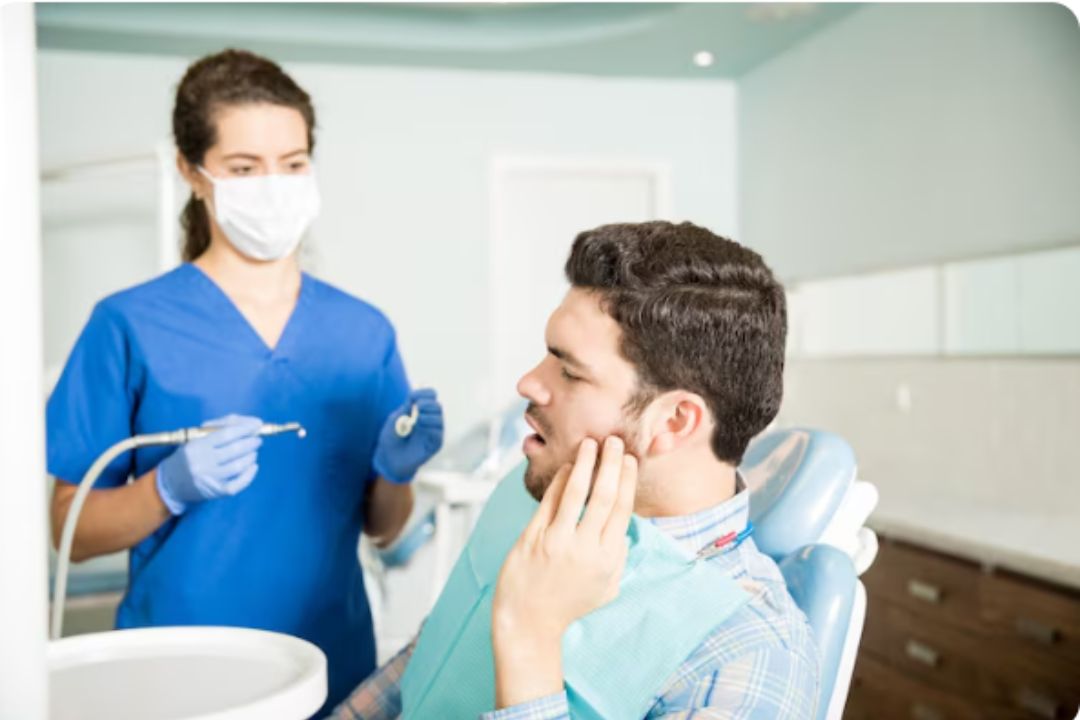
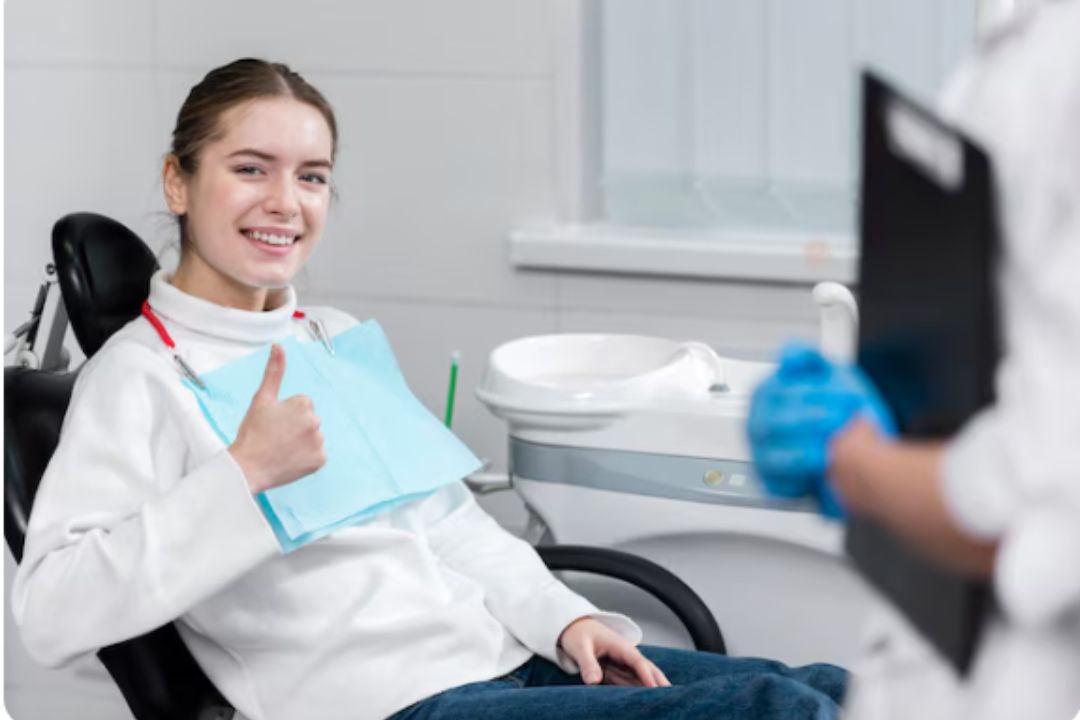
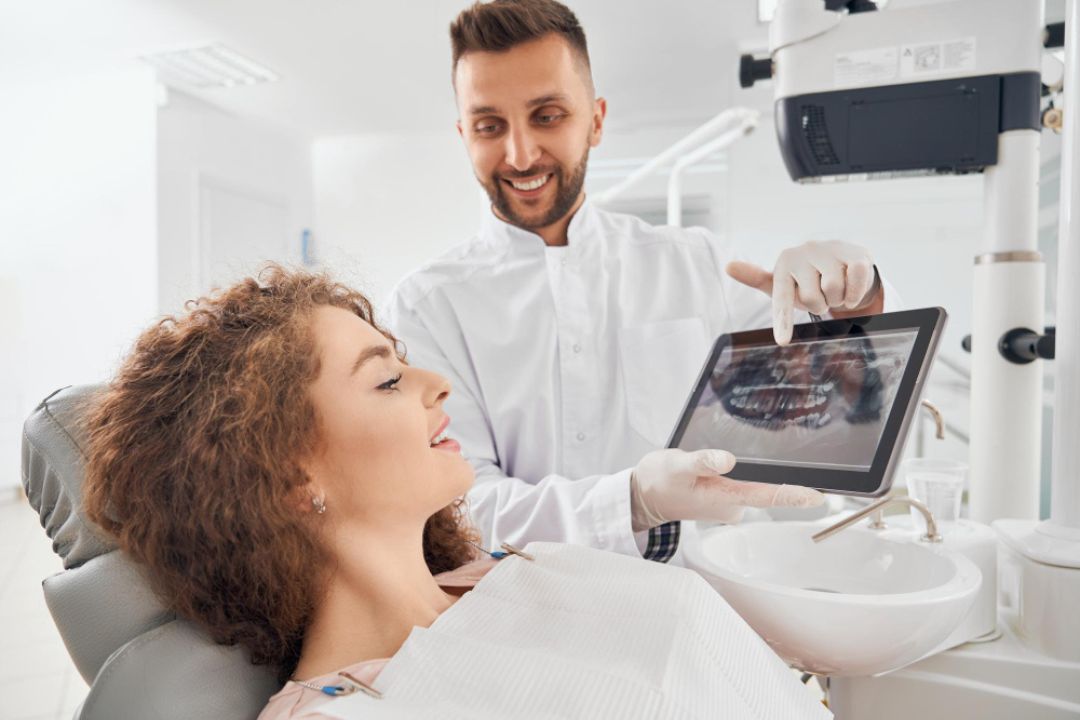
If your teeth remain yellow despite good oral hygiene and home care, consult a dentist. Professional evaluation can:
Identify underlying causes
Recommend whitening options
Check for enamel erosion or decay
Suggest cosmetic improvements like veneers
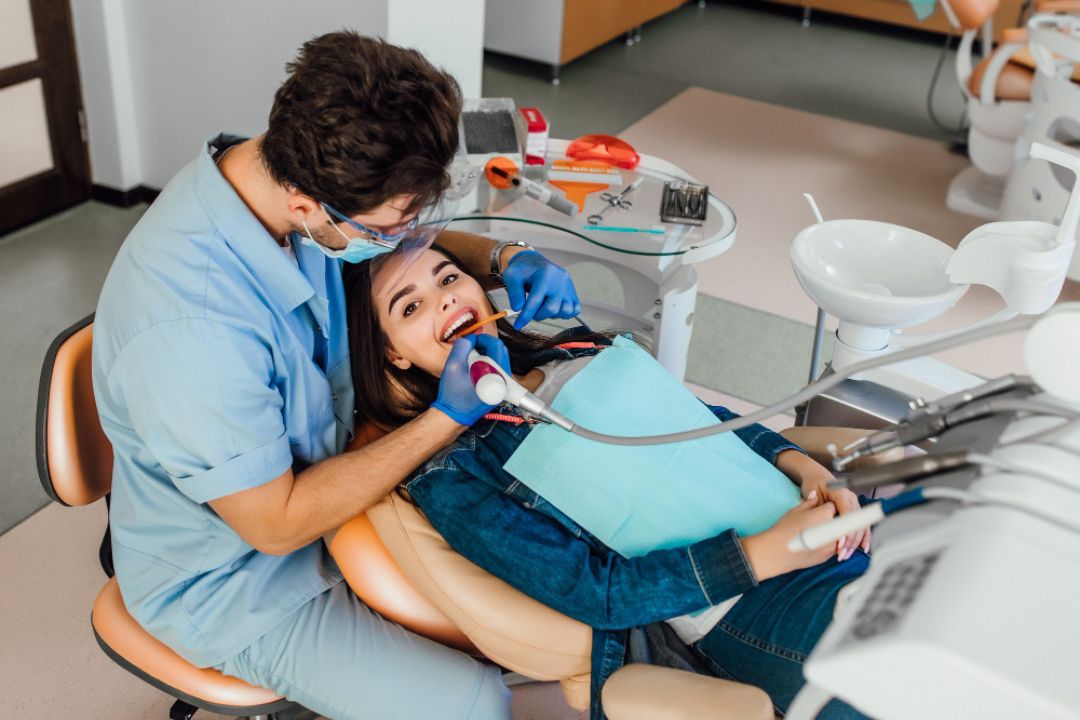
Regular checkups also help prevent gum disease and other dental problems.
Visit your dentist at least twice a year
Brush with fluoride toothpaste
Floss daily
Avoid excessive stain-causing foods and drinks
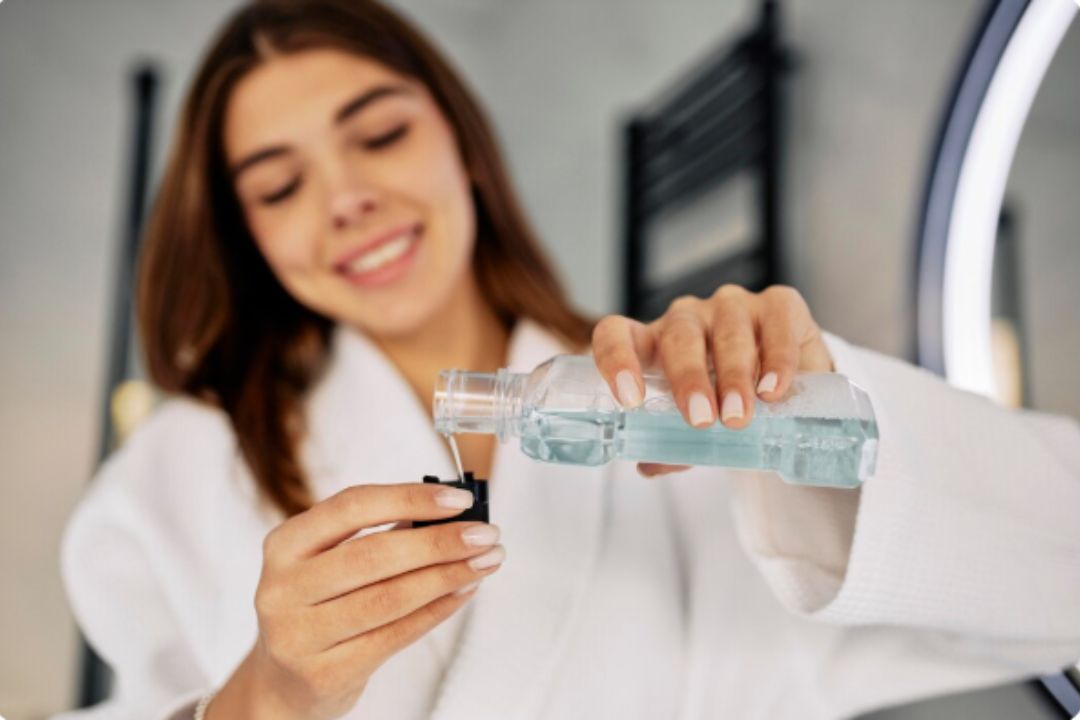
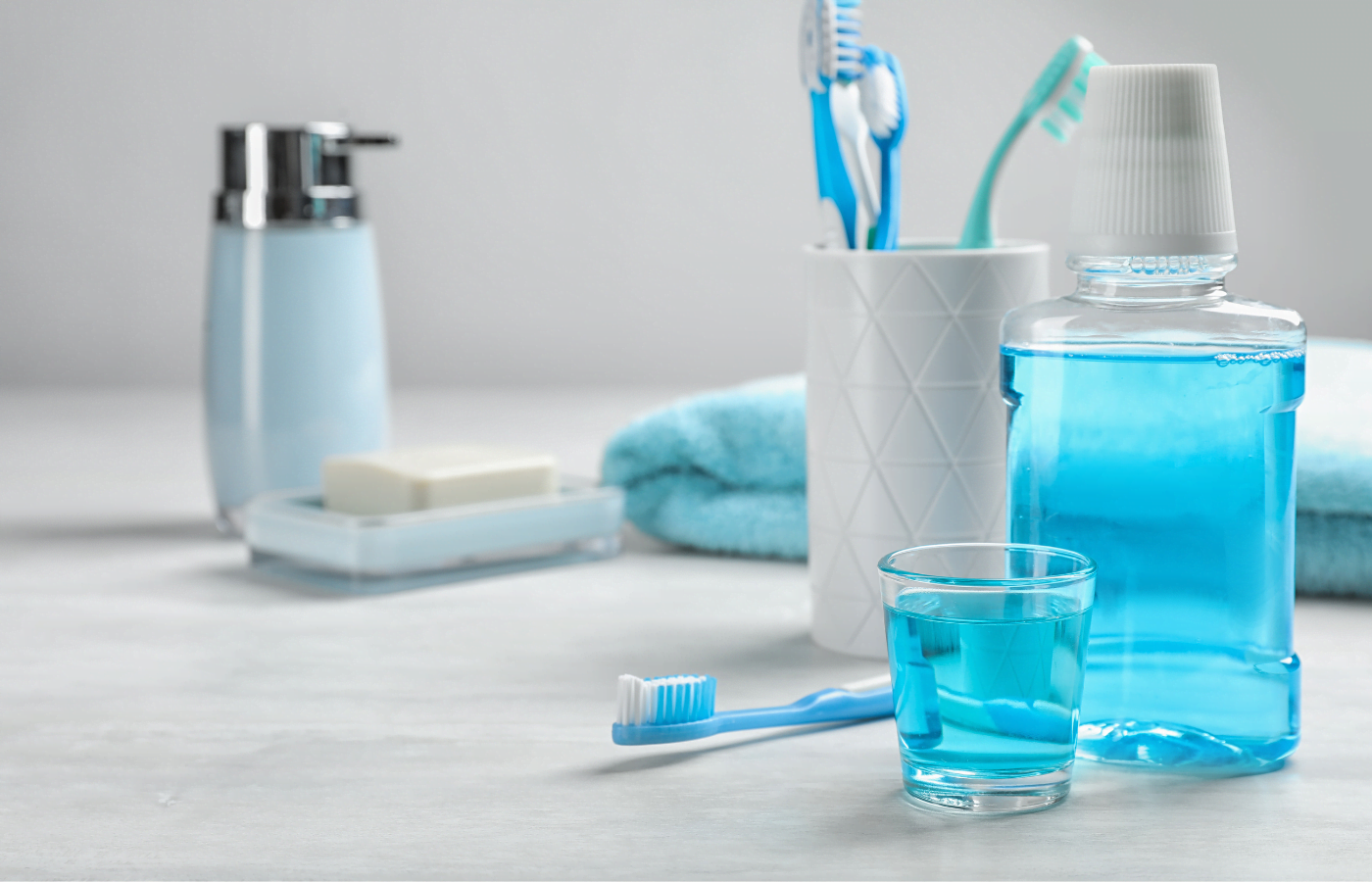
Use a whitening mouthwash occasionally
Drink water after meals
Wear whitening trays as directed if prescribed
A consistent routine keeps your teeth bright and healthy.
Yellow teeth are common and can be improved. The best results come from a combination of professional treatments and safe home habits. At Diagnopein, we emphasize dental health first and cosmetic improvement second.
Whether you choose in-office whitening, custom trays, or daily home care, the key is consistency. A brighter smile starts with good habits and the right support.










.jpg "dental checkups once or twice a year what best for your smile in mumbai")
.jpg "dentist approved oral care routine for healthy teeth and gums")
.jpg "top oral health mistakes most people make every day")
.jpg "best dental clinic in mumbai how to choose the right dentist")

.jpg "best oral hygiene habits for gum and tooth protection")
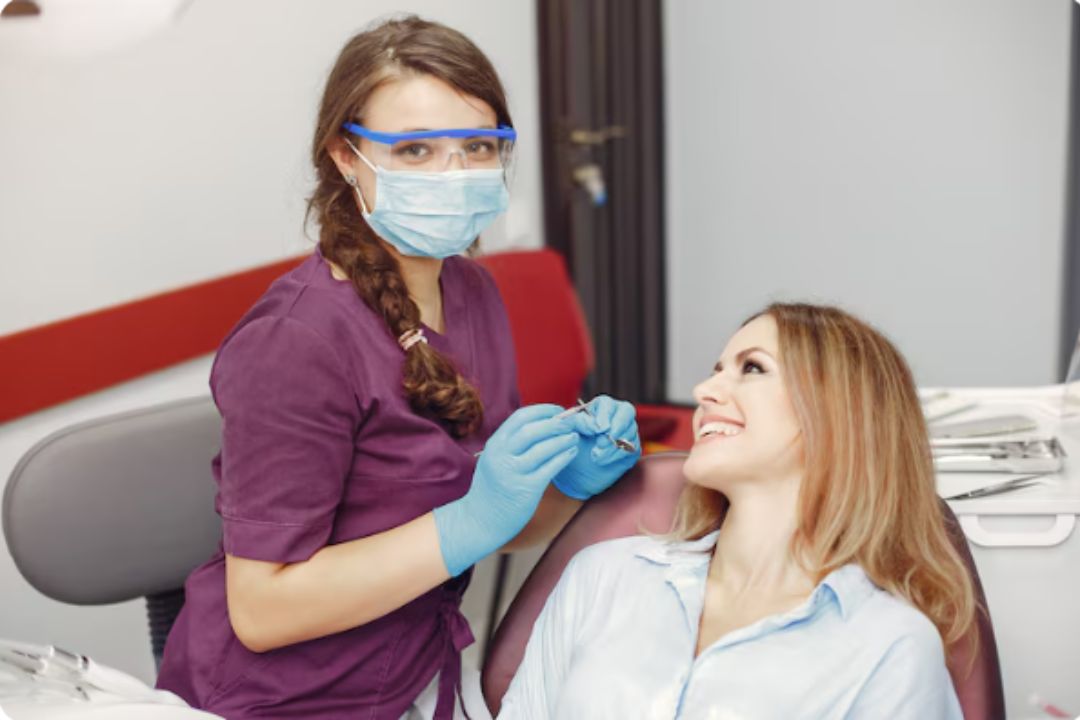



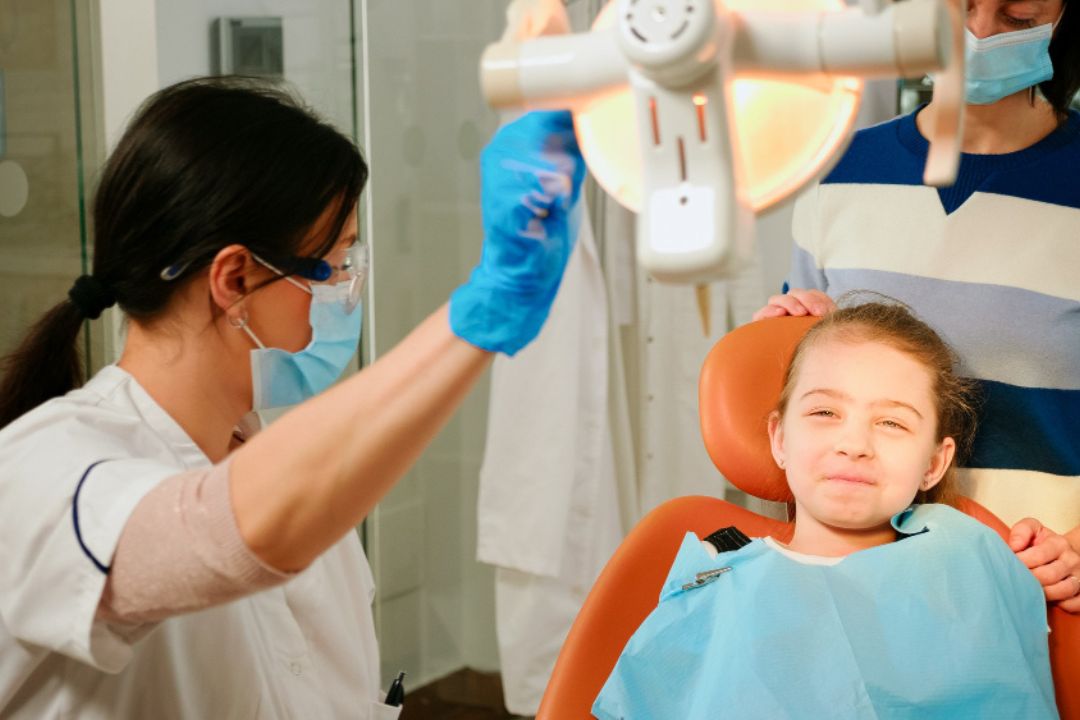
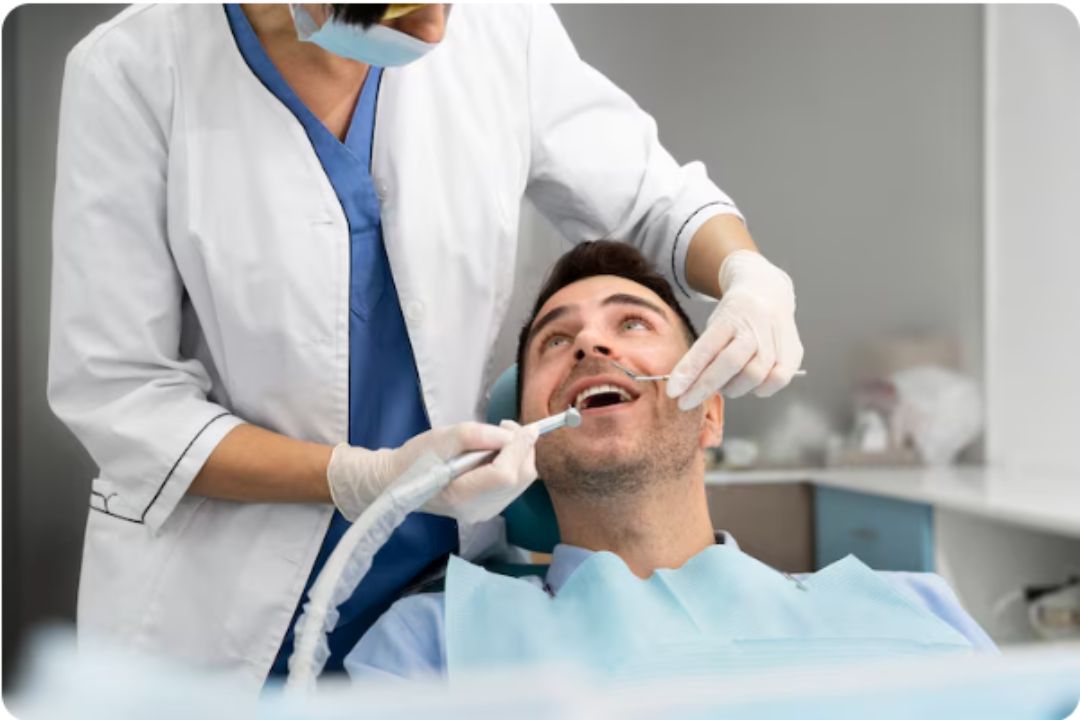
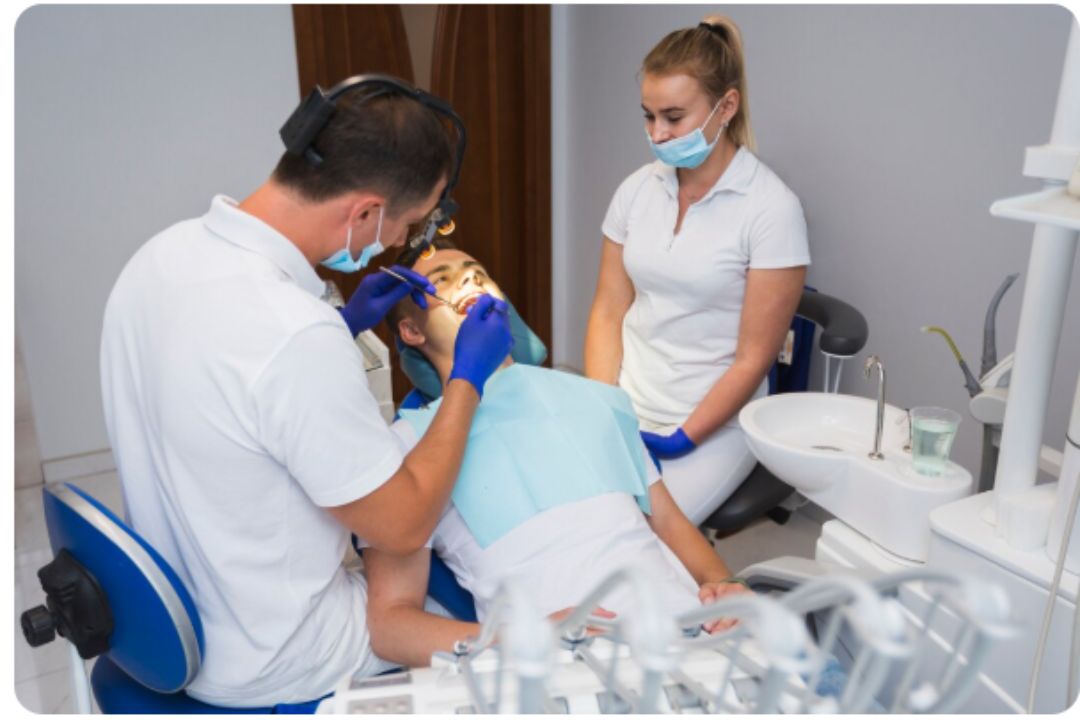

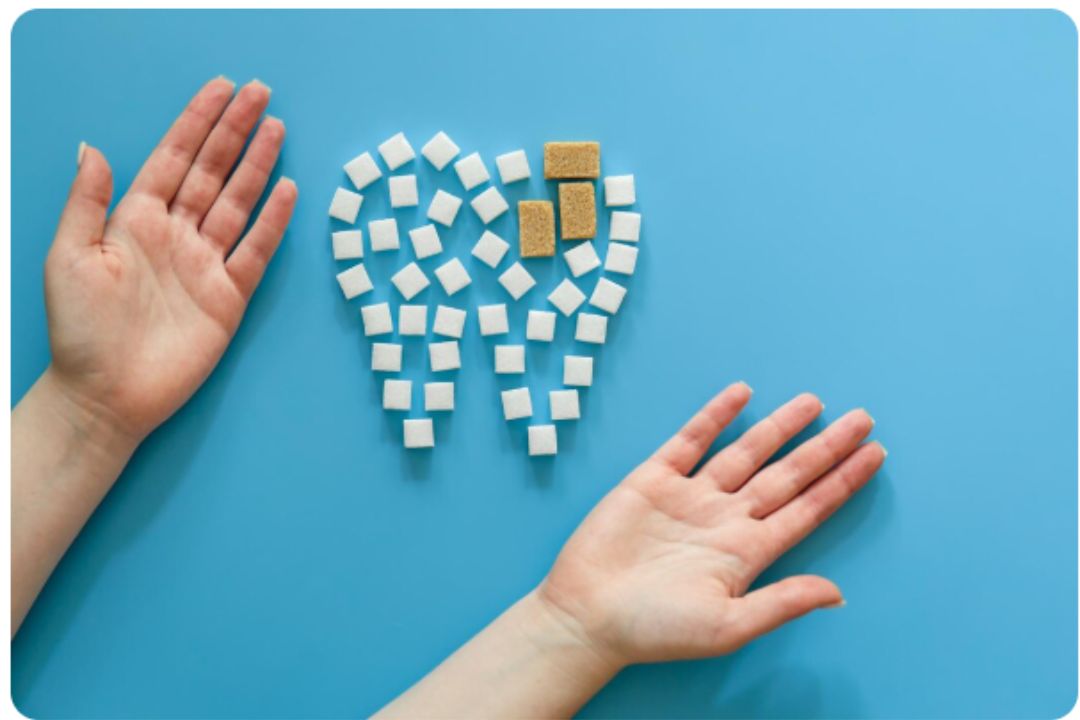
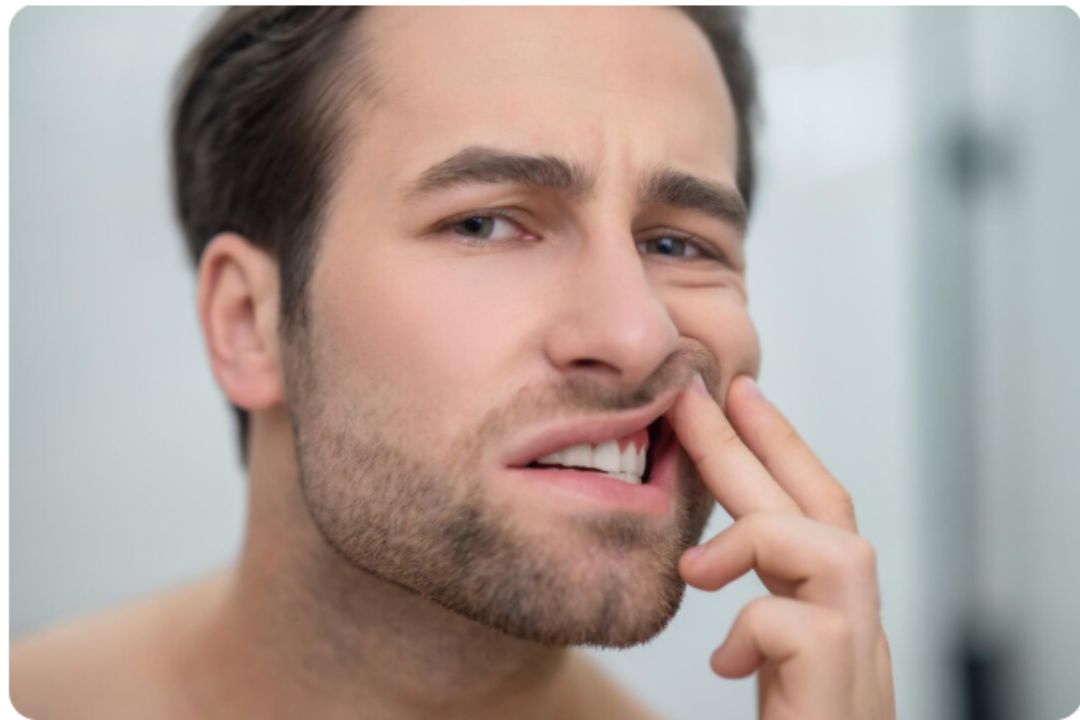
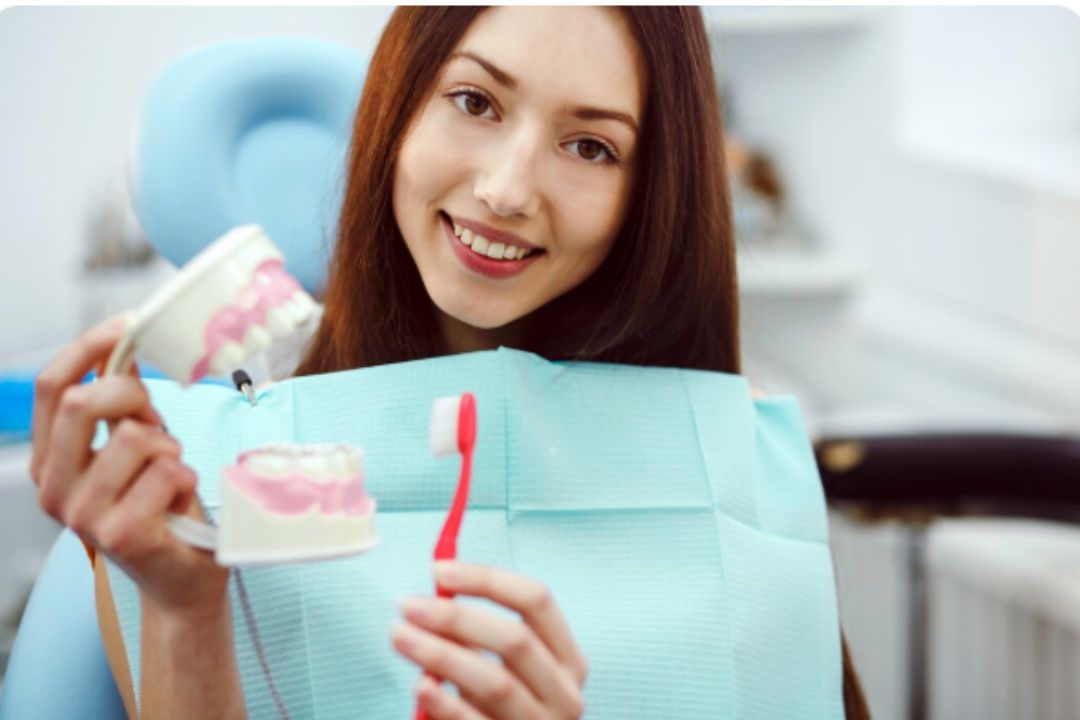
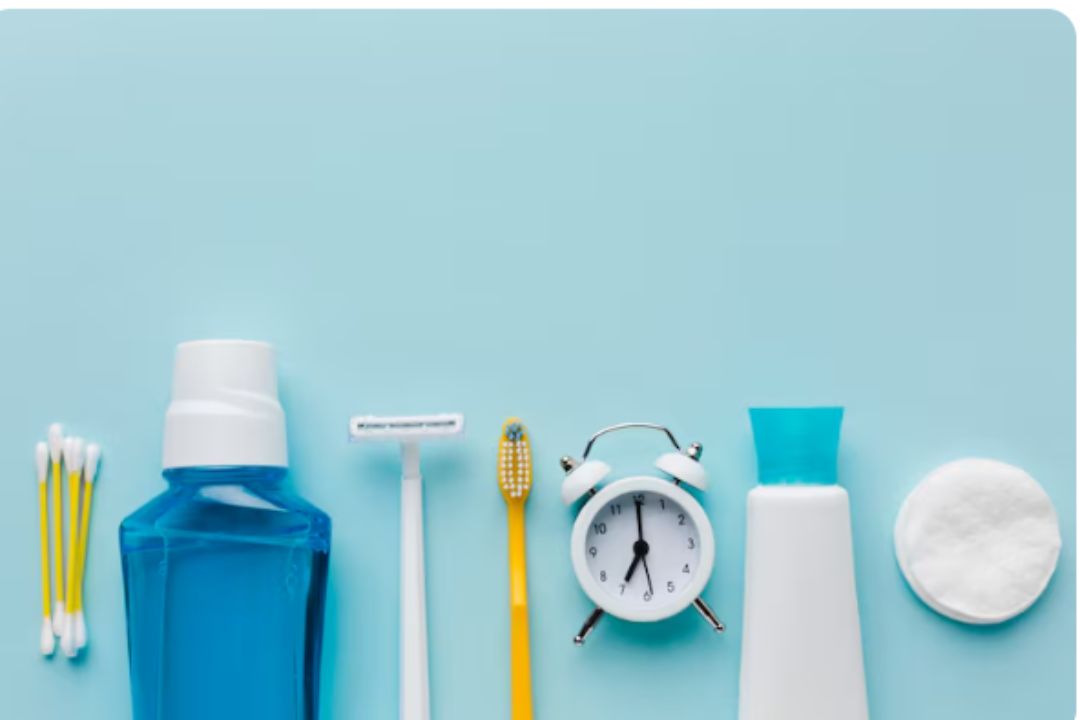
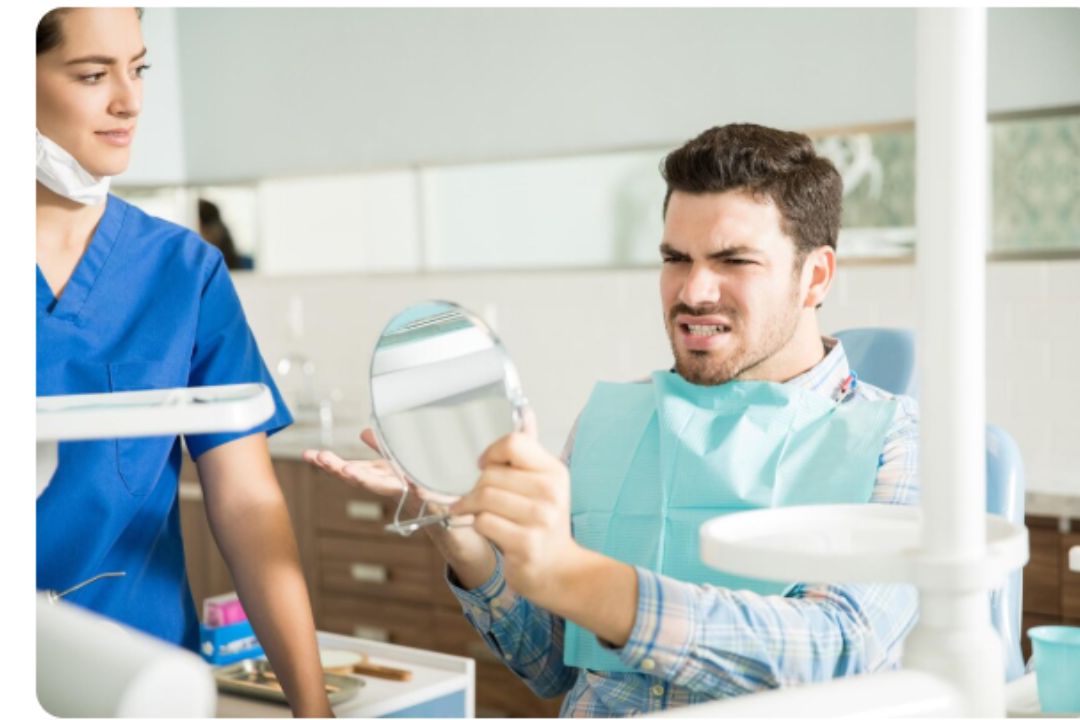

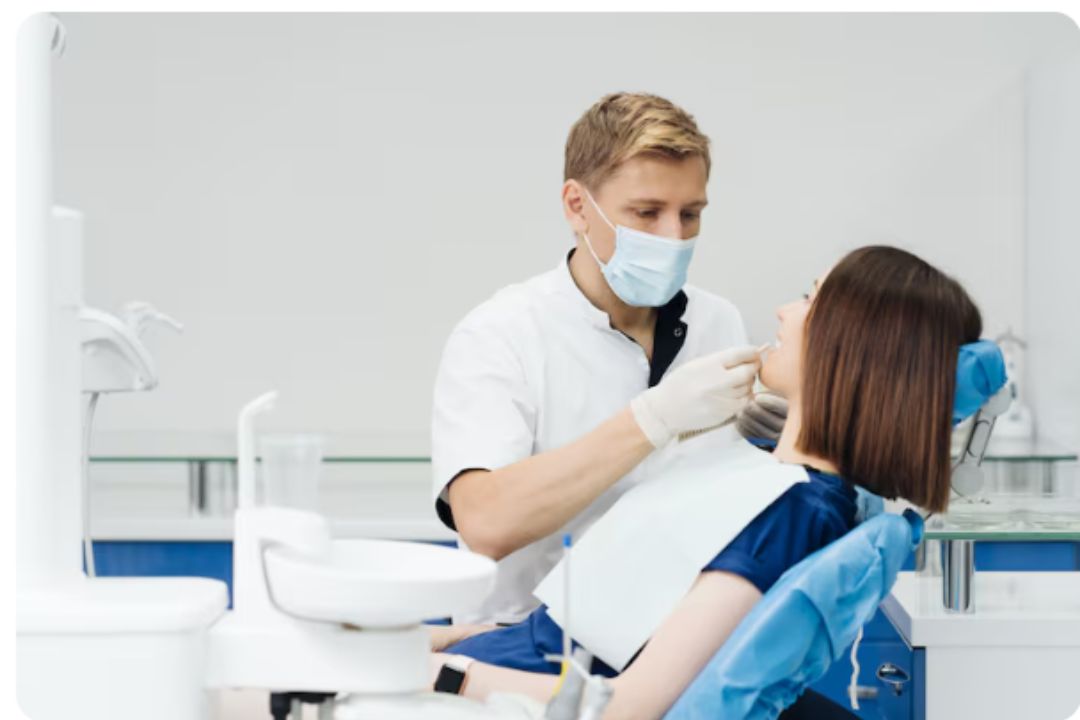
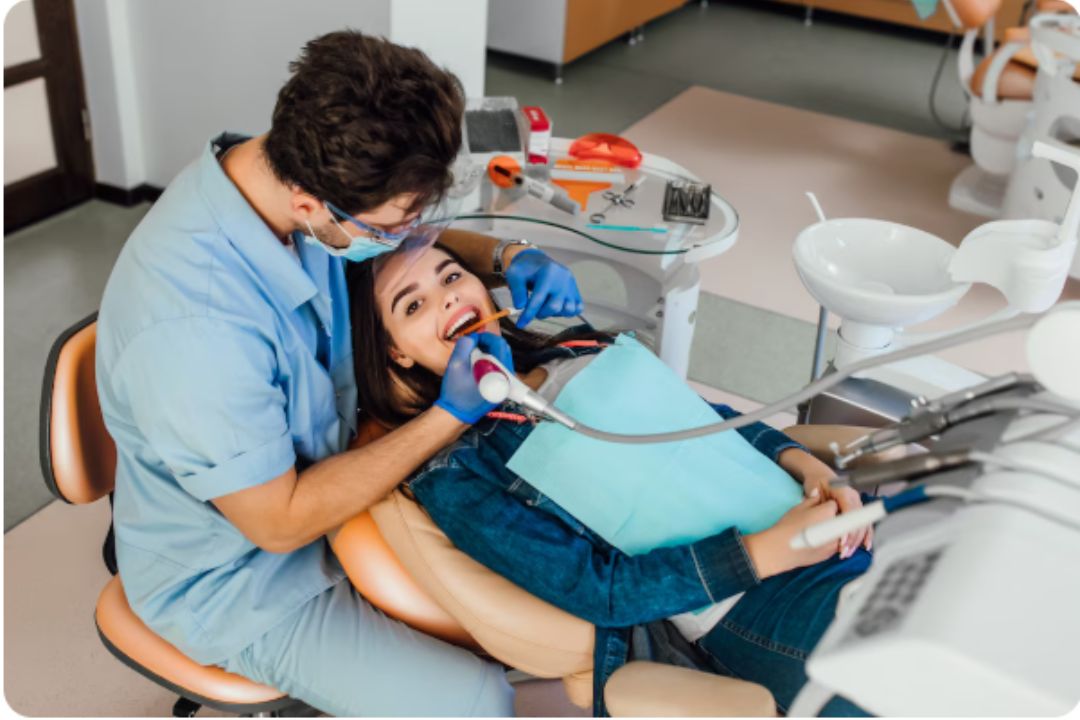
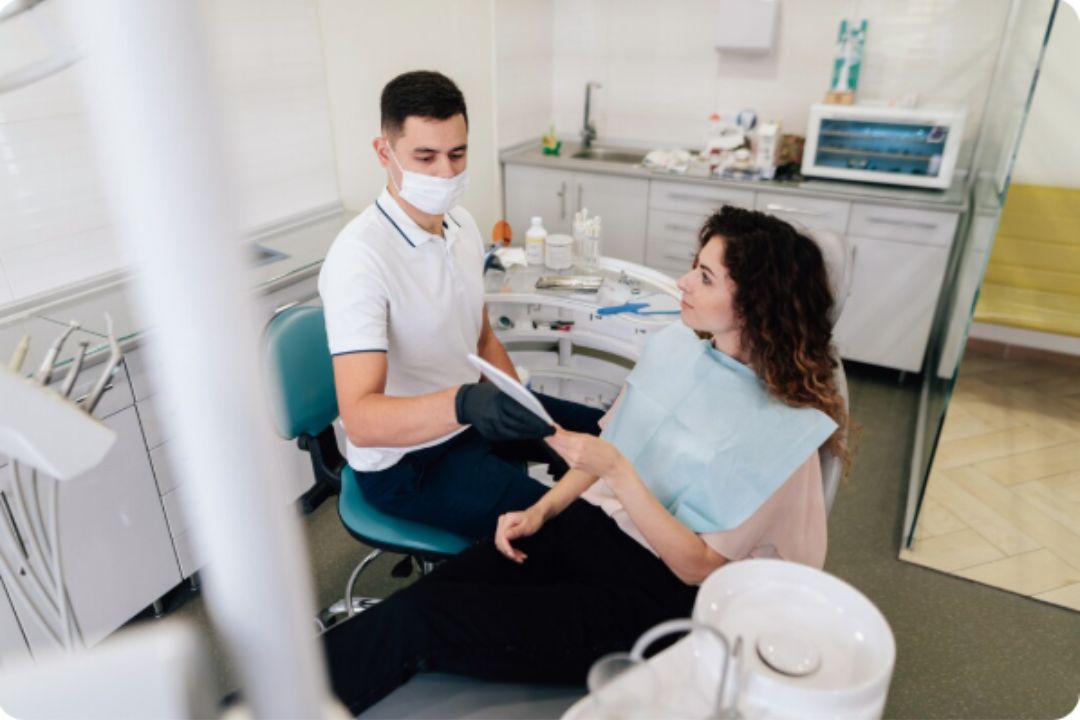
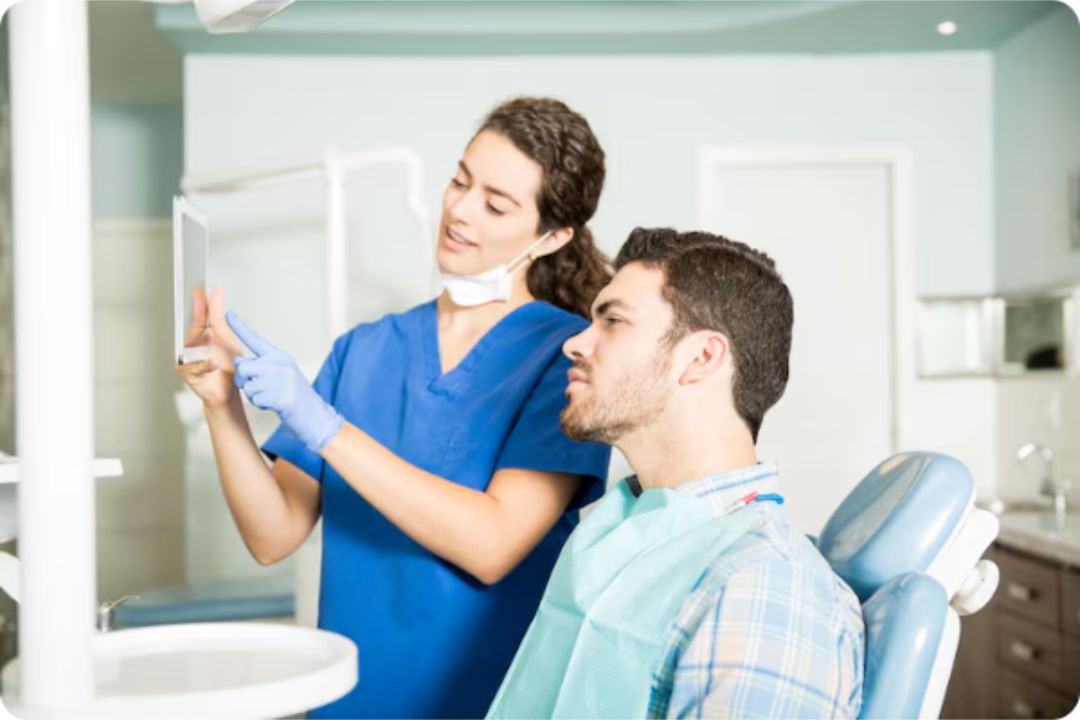
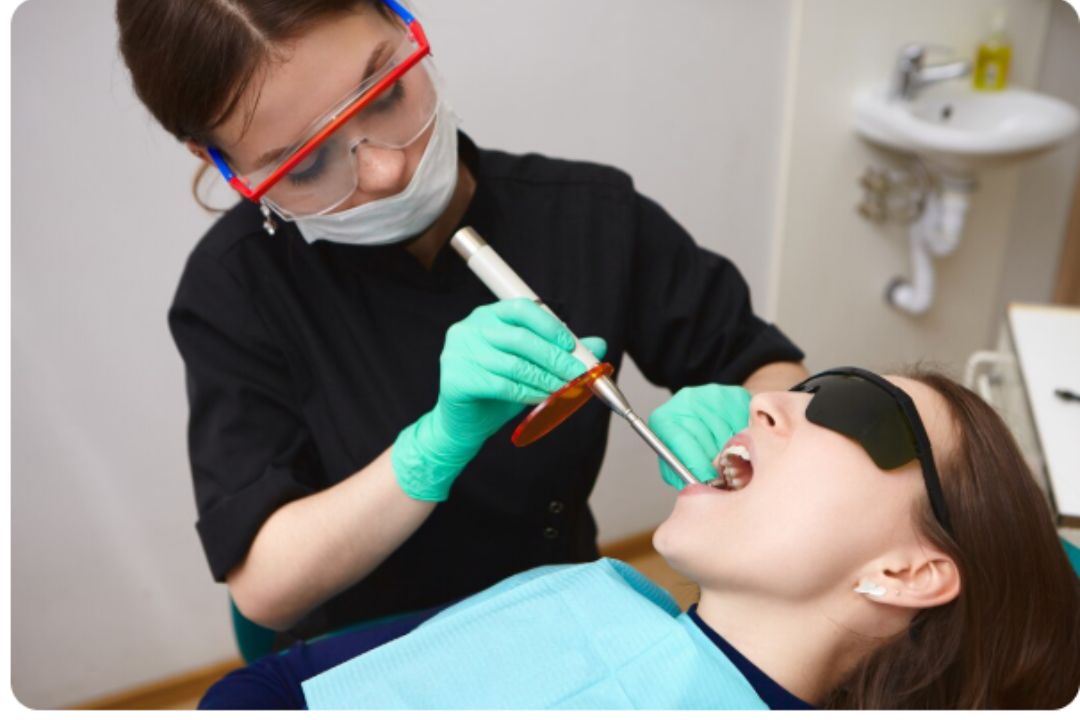
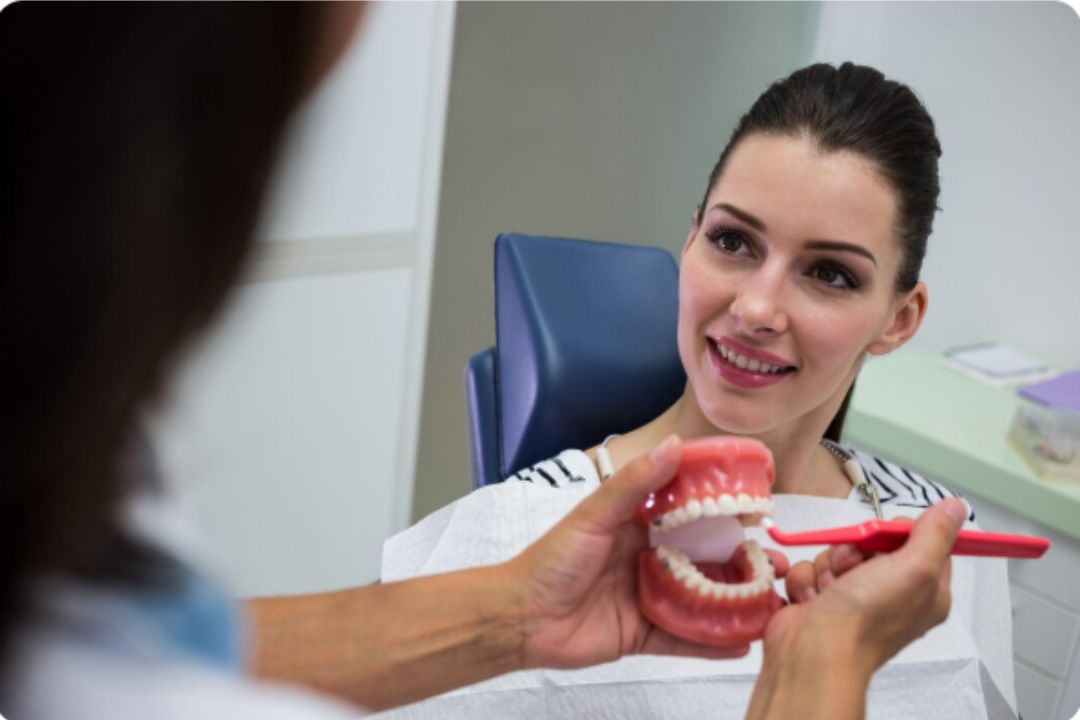
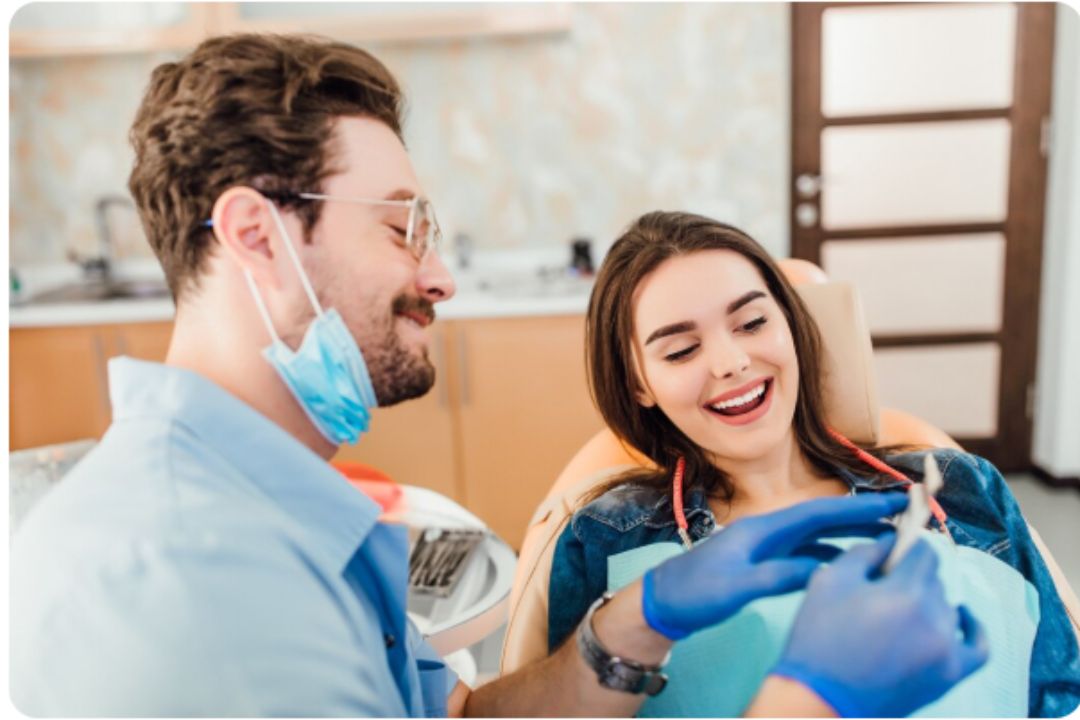
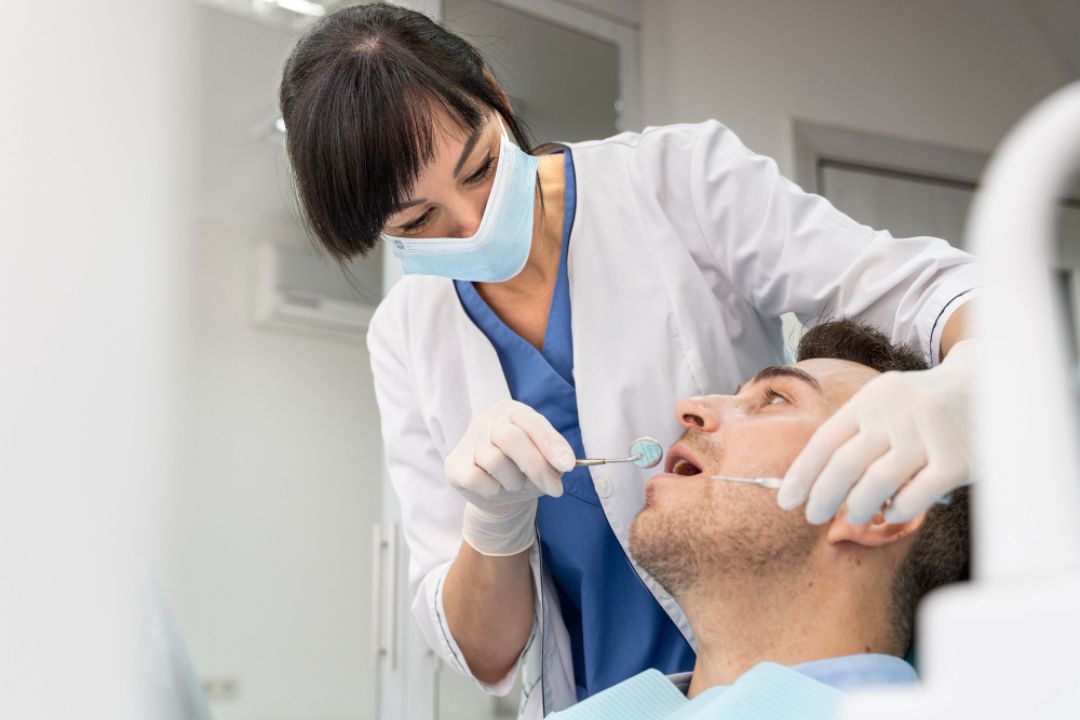
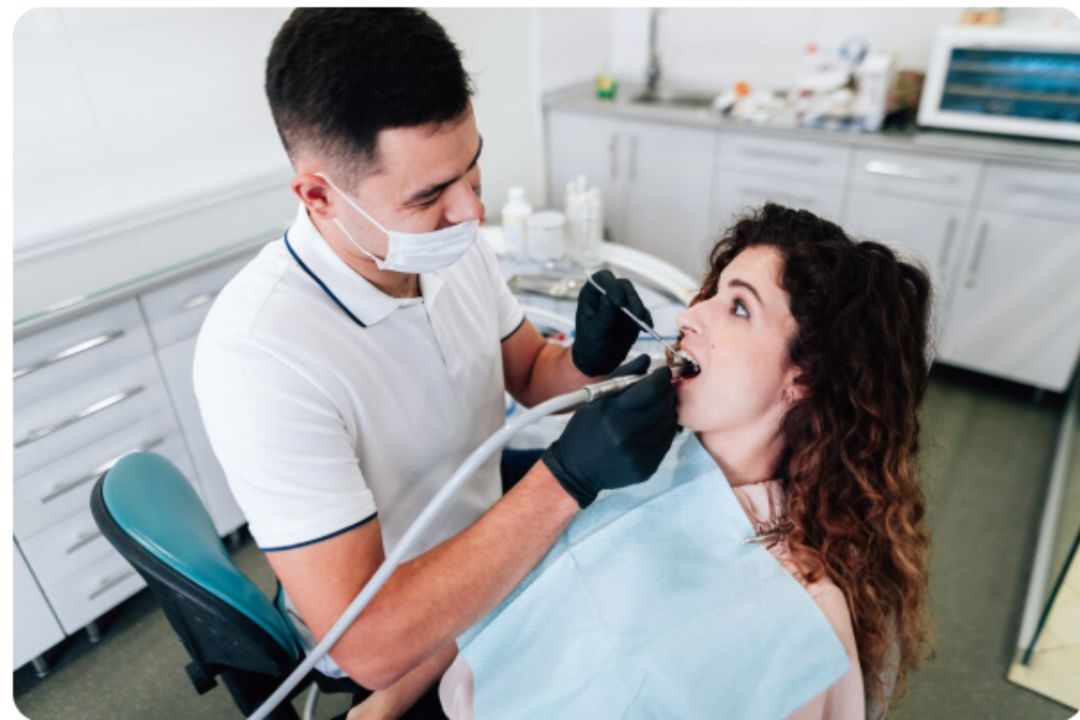
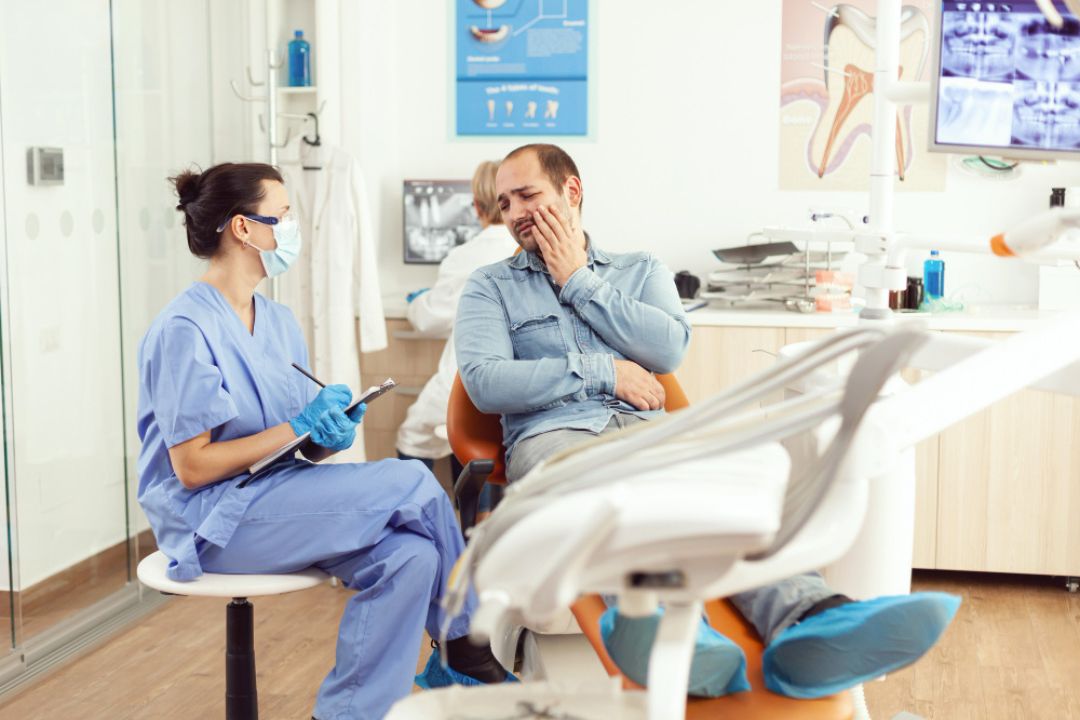
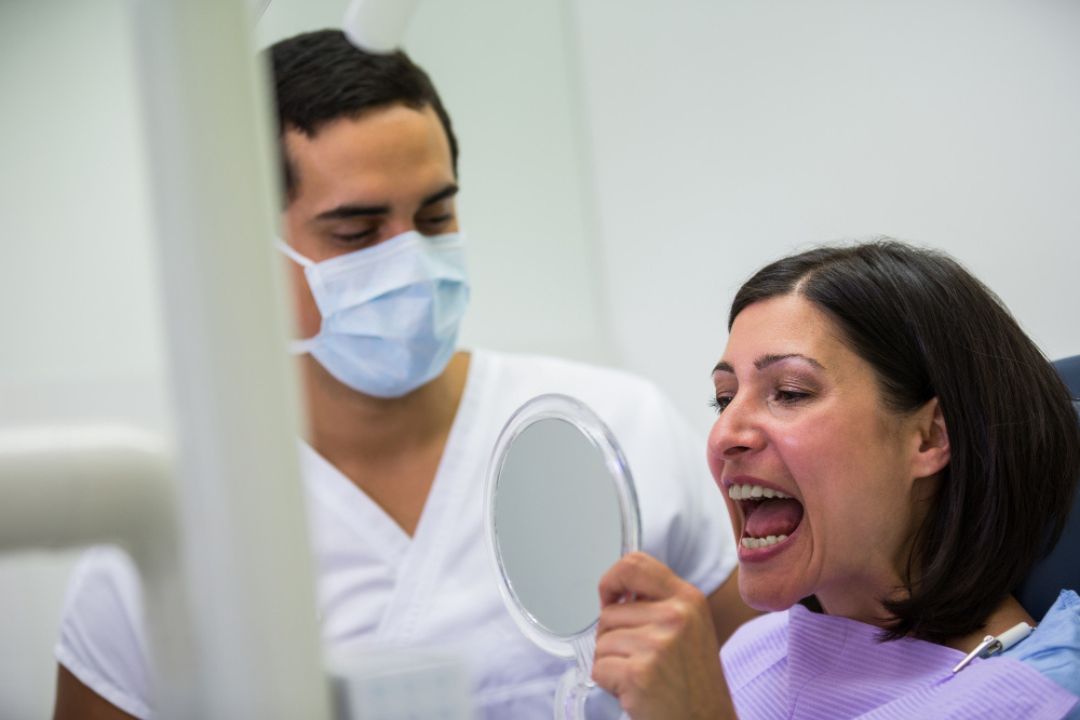

.jpg "oral health and hygiene")
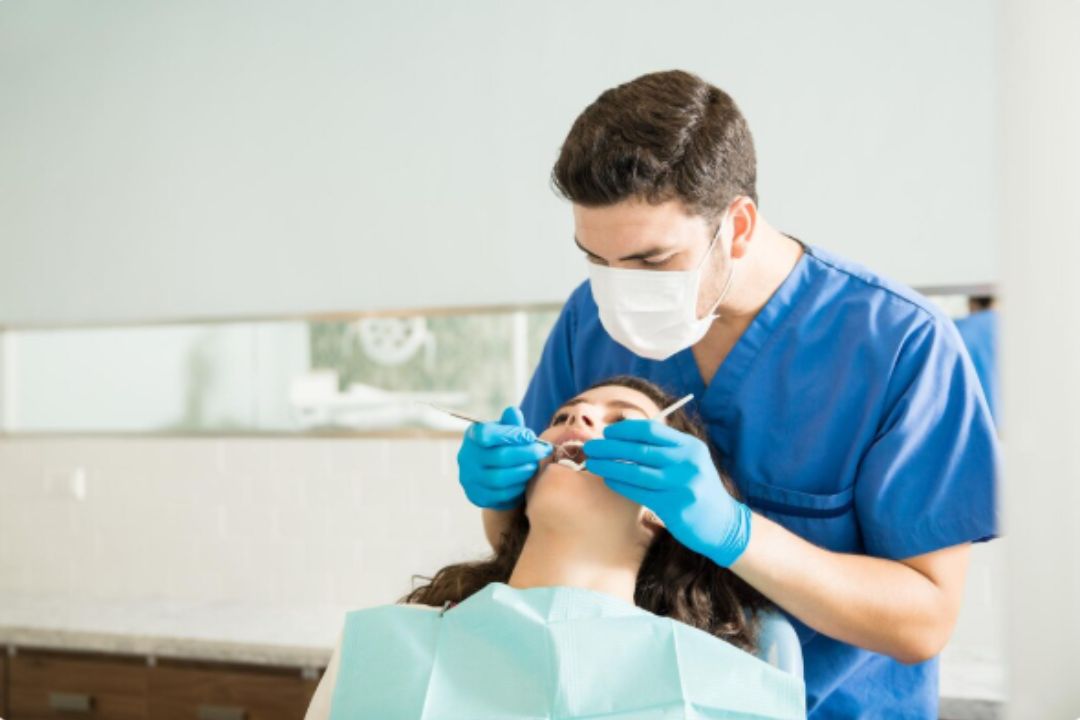
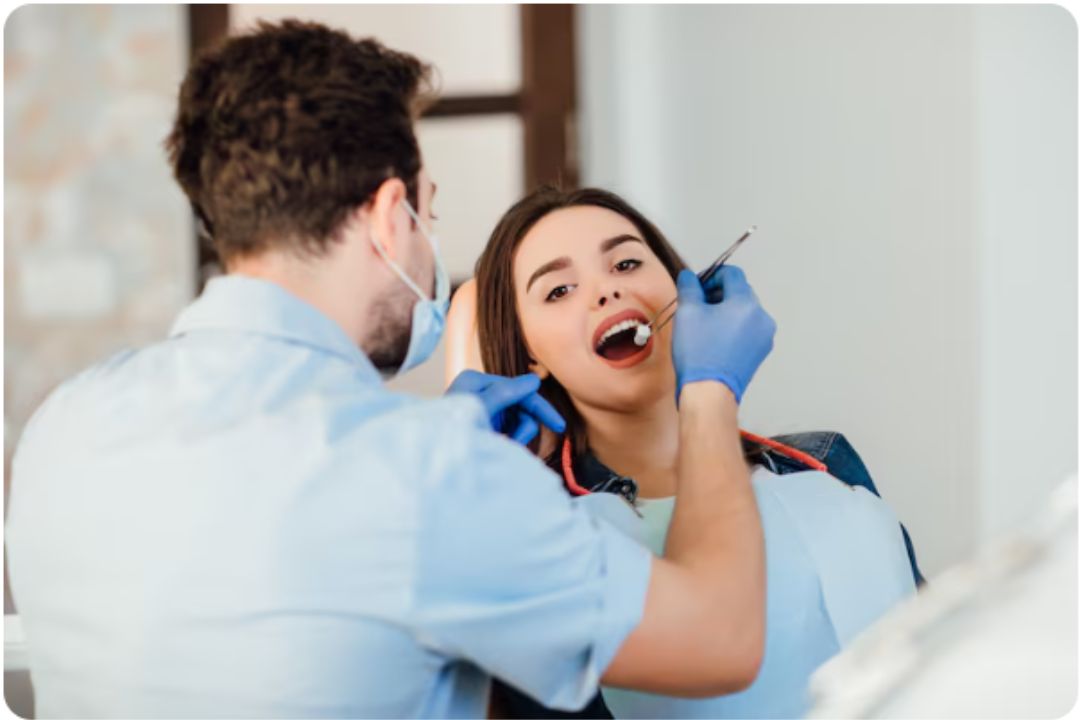
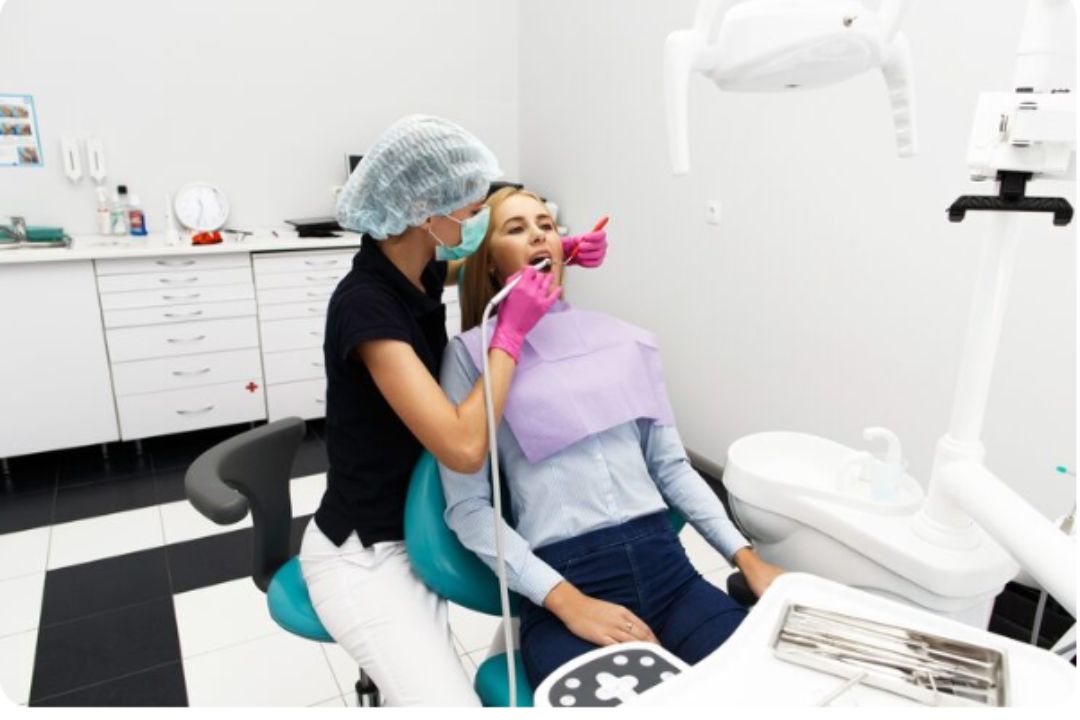
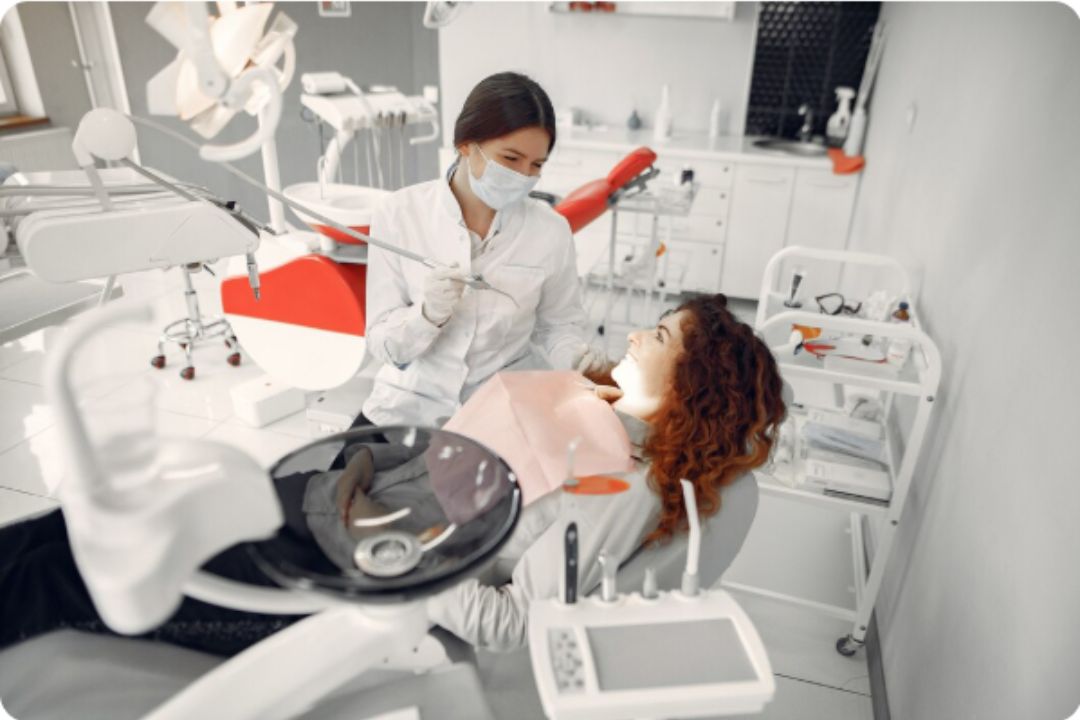










.jpg "Impacts Your Dental Health")
.jpg "Oral Health and Mental Health")
.jpg "Dental Care for Seniors")
.jpg "Regular Dental Checkups Are More Important")
 (1).jpg "Oral Health and Systemic Diseases")
.jpg "Oral Healthcare and Major Diseases")

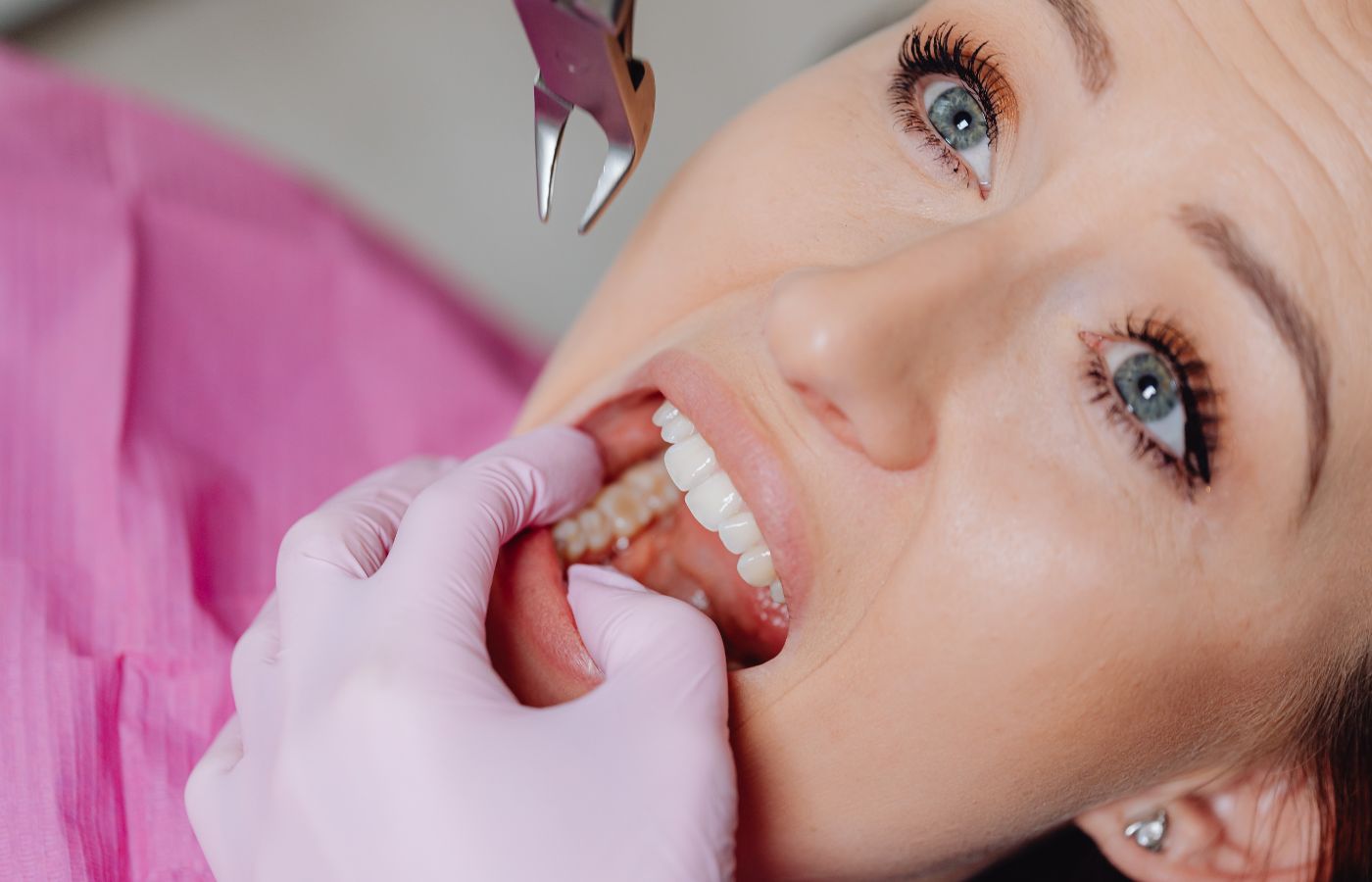
 (1).jpg "Free Dental Visit")
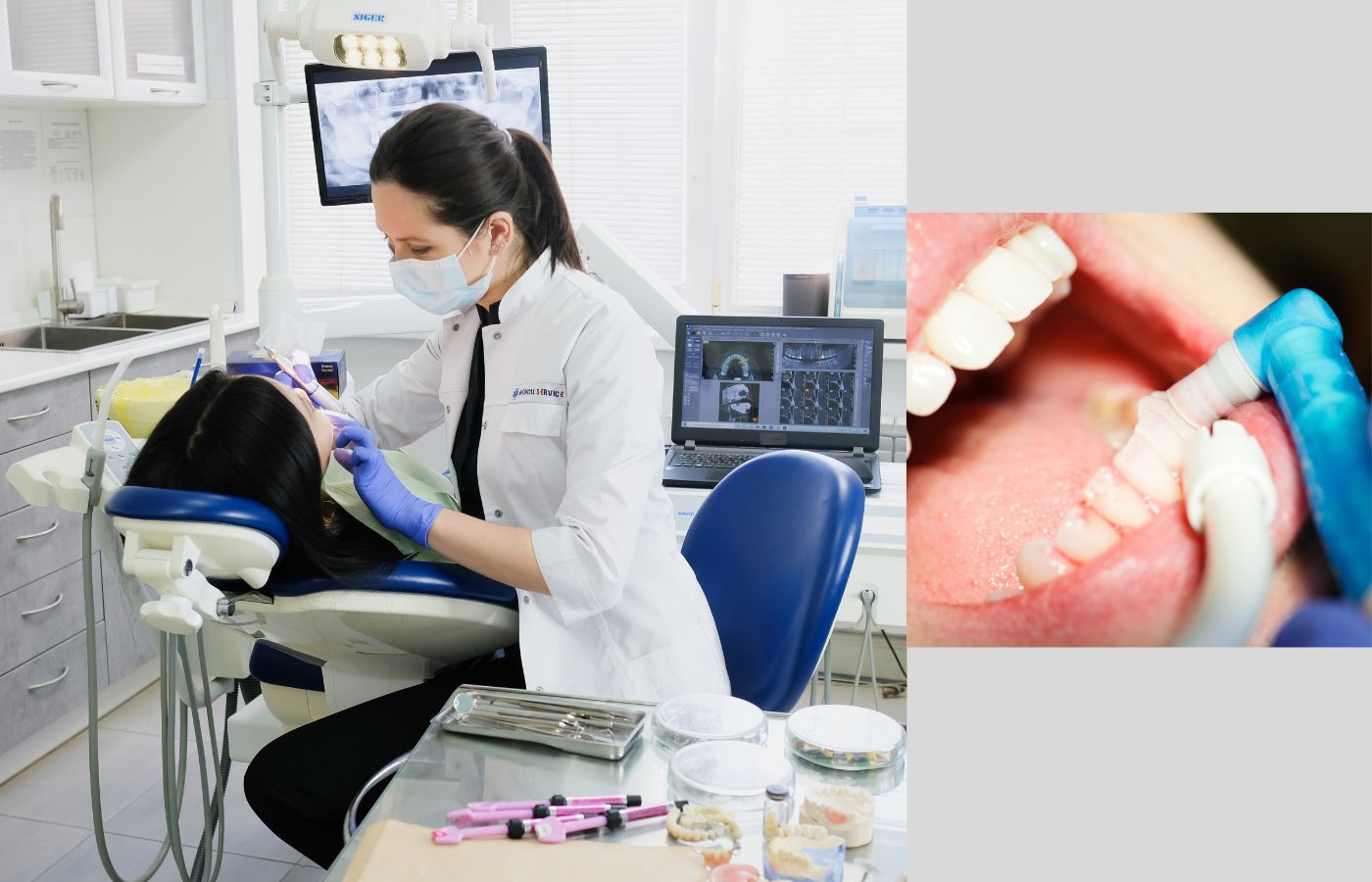
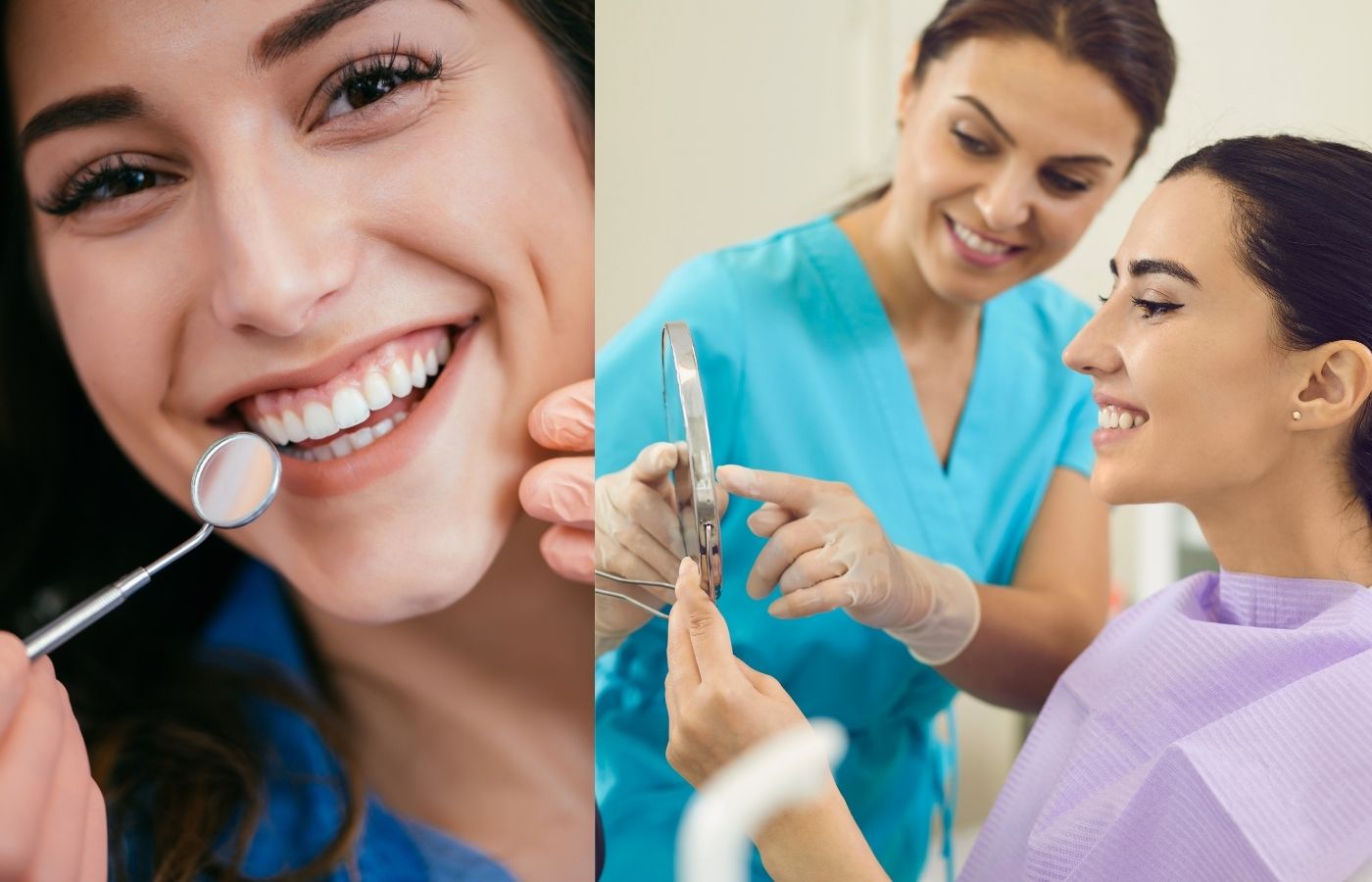
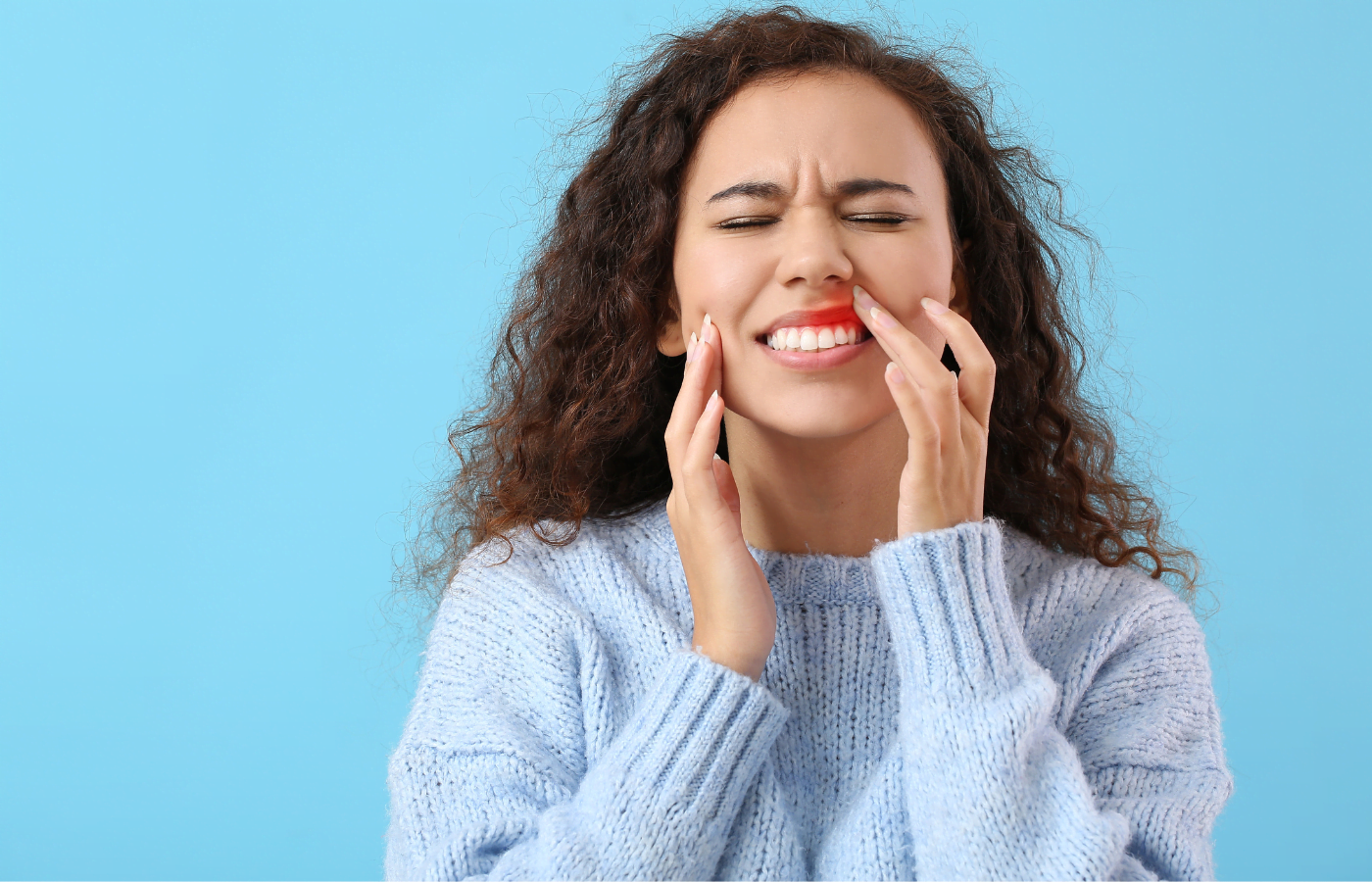

 (1).png "Common Dental problems")