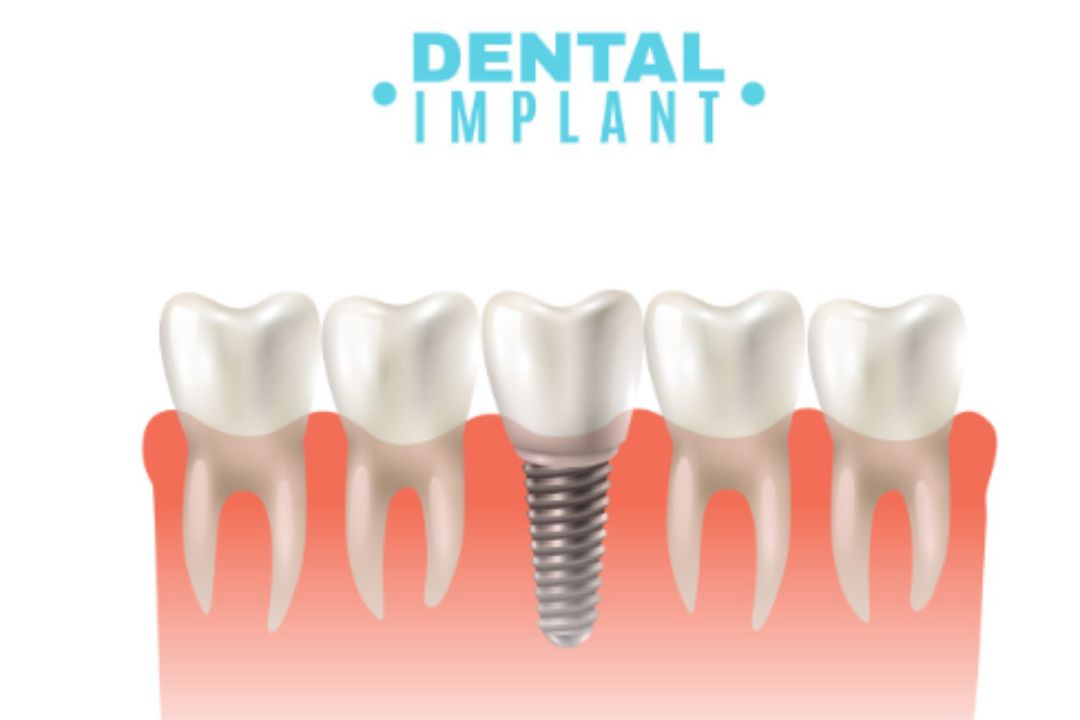
A missing tooth is more than just a gap in your smile. It’s a problem that can affect your confidence, your ability to eat and speak comfortably, and the long-term health of your entire mouth. If you're searching for Dental Implants Near Me or "affordable dental implants," you're likely exploring solutions. Among the many options, dental implants have emerged as the gold standard for tooth replacement. But how do you know if they are the right choice for you?
This guide will help you understand the problems caused by missing teeth, when an implant is the ideal solution, and why choosing a trusted provider like Diagnopein makes all the difference.
When a tooth is missing, your ability to chew food properly is reduced. This often leads to avoiding certain foods and changes in diet that may affect nutrition and digestion.
The absence of one or more teeth changes the way your upper and lower teeth come together. This can create an uneven bite and jaw strain, which may lead to discomfort and even temporomandibular joint (TMJ) problems.
Teeth stimulate the jawbone when you bite and chew. When a tooth is missing that natural stimulation is lost. Over time the bone begins to resorb (shrink), which can
Visit Now: https://www.diagnopein.com/dental-clinic/Mumbai
? Change facial structure
? Make the lower face appear collapsed
? Increase risk of further tooth loss
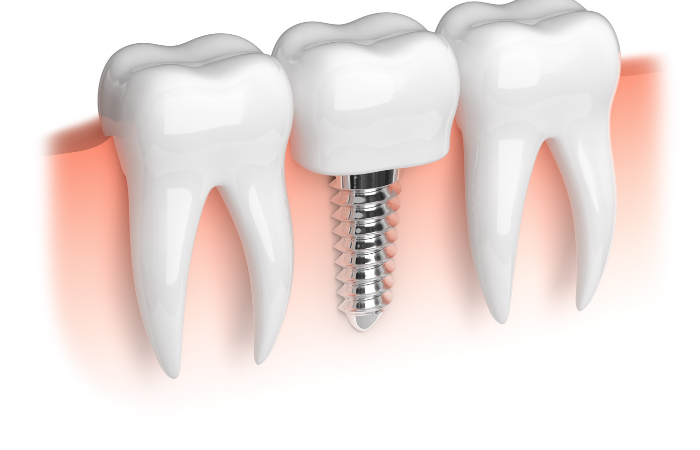
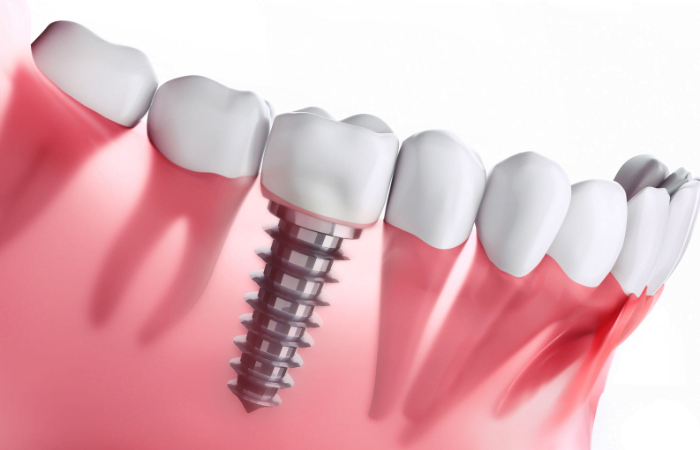
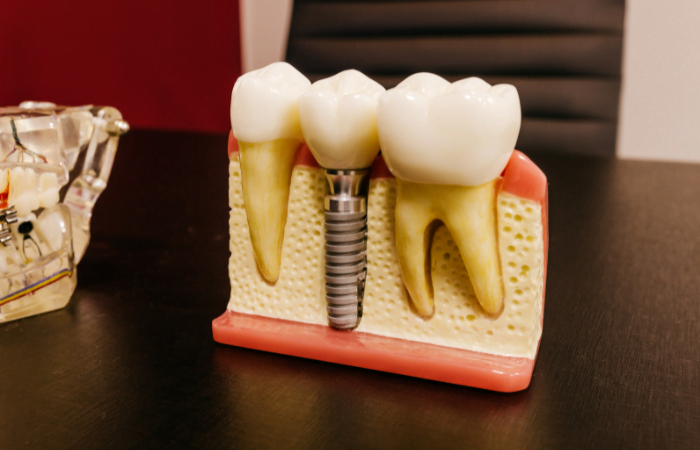
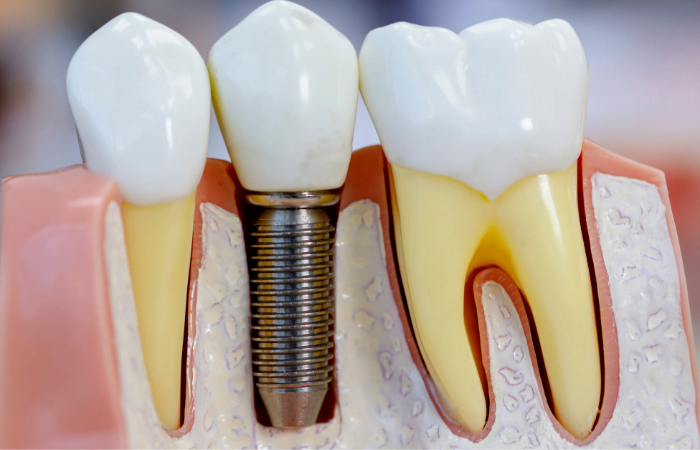
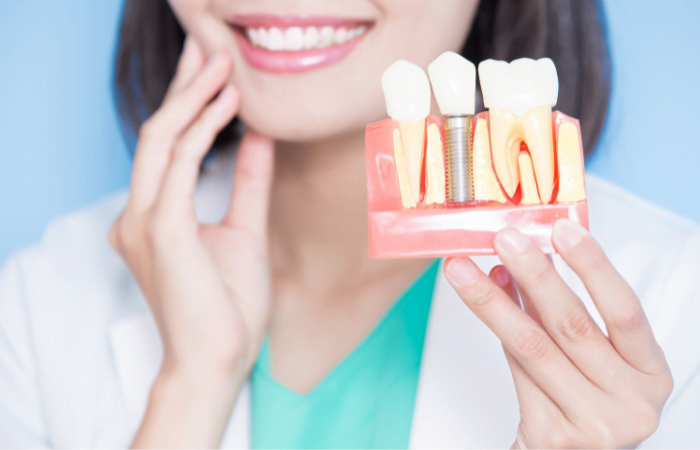
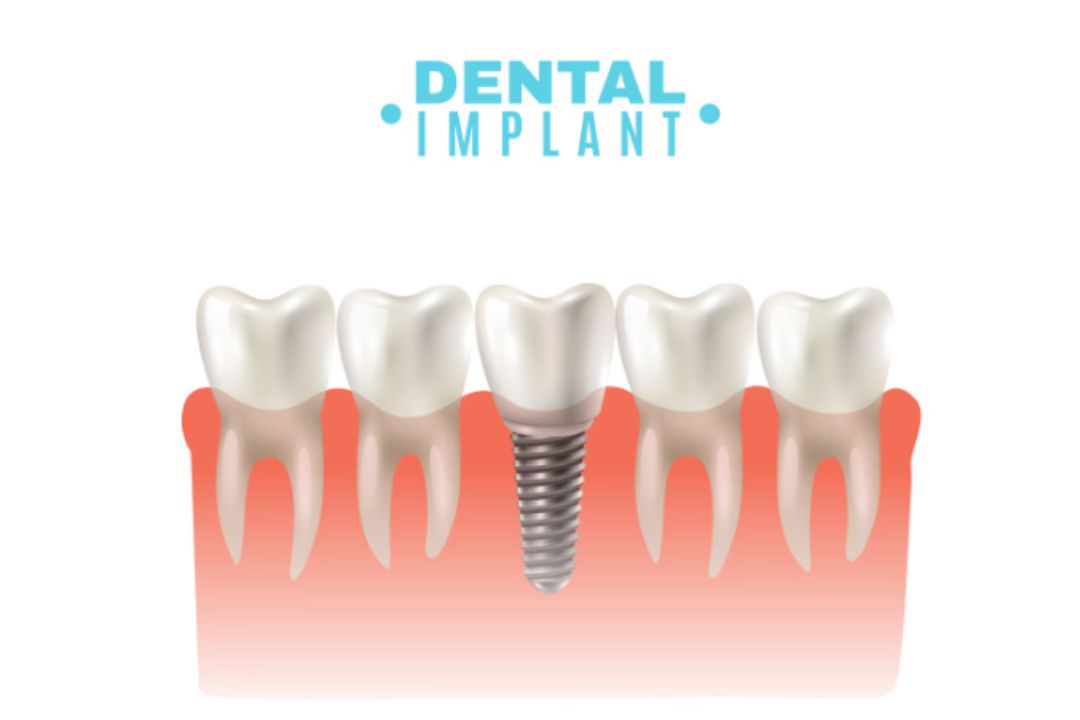
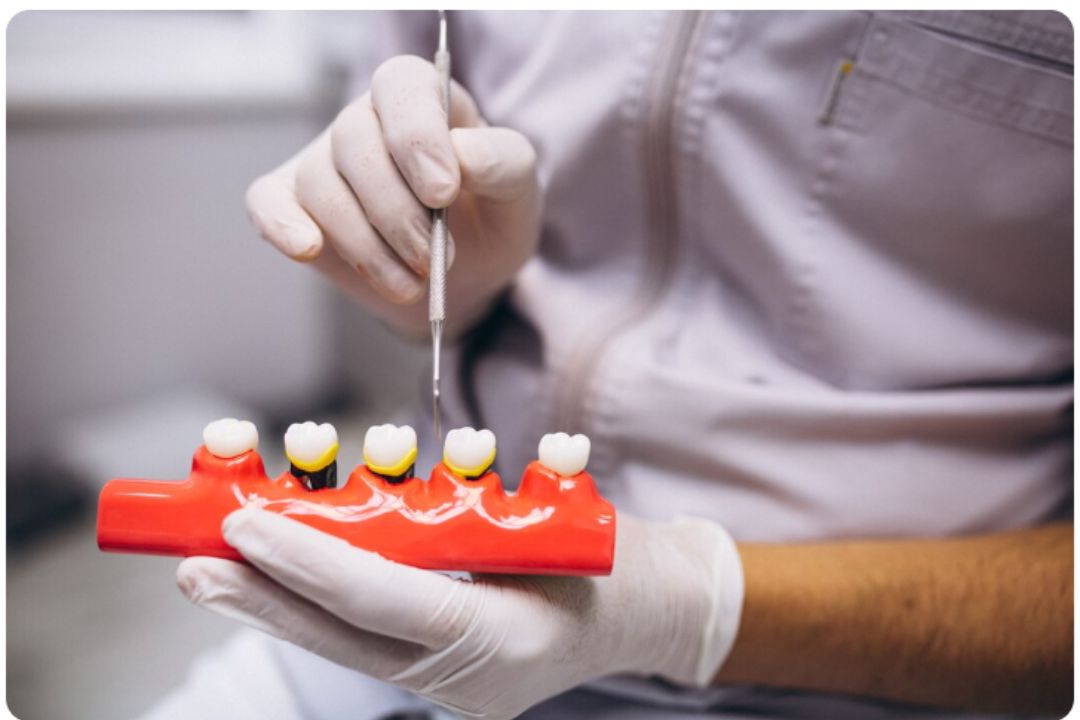
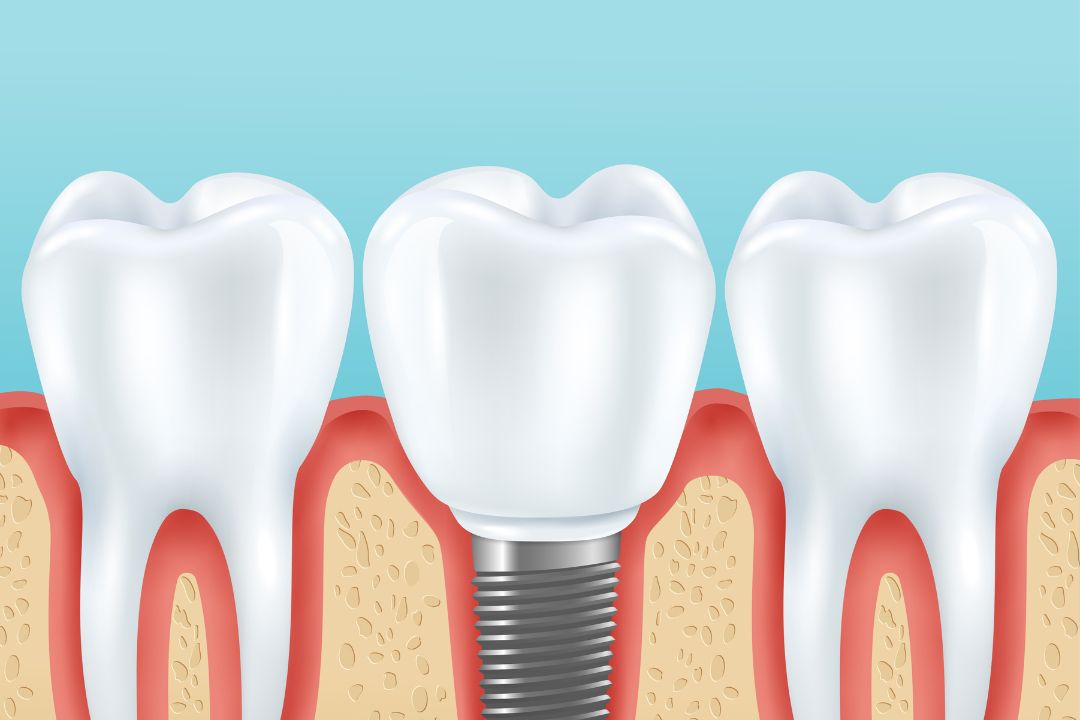
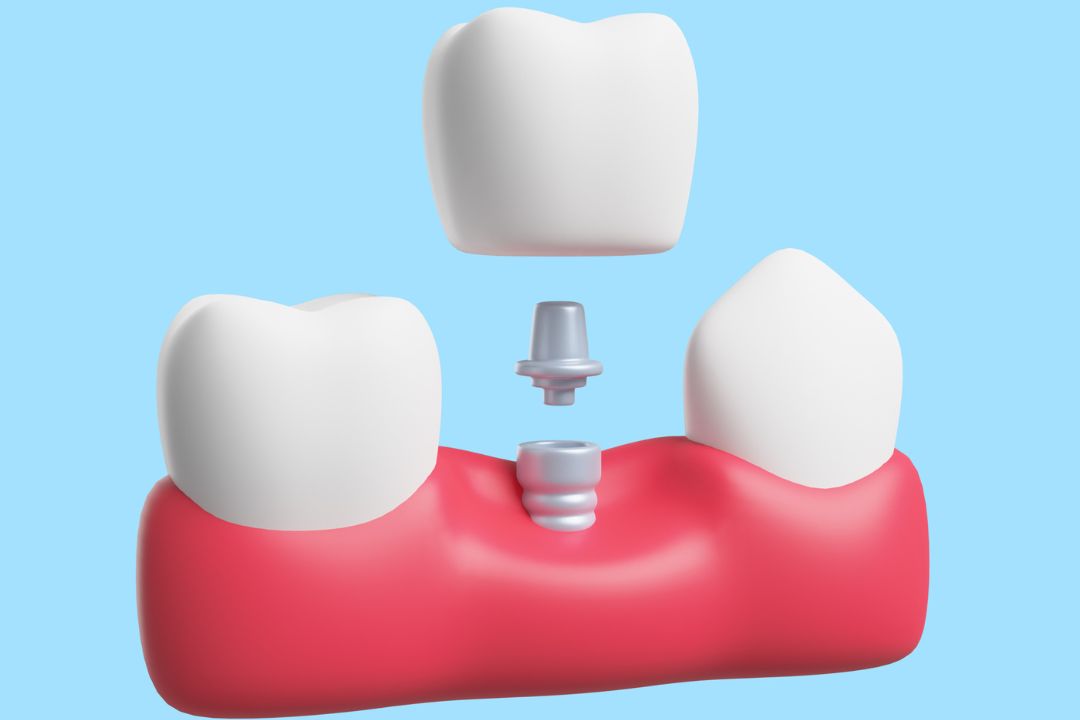
Dental implants help prevent this type of bone loss by acting like natural tooth roots.
When a gap is left after tooth loss, surrounding teeth tend to drift into the empty space. This movement can create misalignment, crowding and new bite problems that may require orthodontic treatment later.
Missing teeth, especially front teeth, can affect how you speak. Sounds like “th”, “s” and “f” may become distorted when teeth are absent.
Gaps between teeth can trap food particles and increase the risk of:
? Gum inflammation
? Bad breath
? Plaque buildup
? Tooth decay in adjacent teeth
Dental implants have become the preferred solution for replacing missing teeth because they:
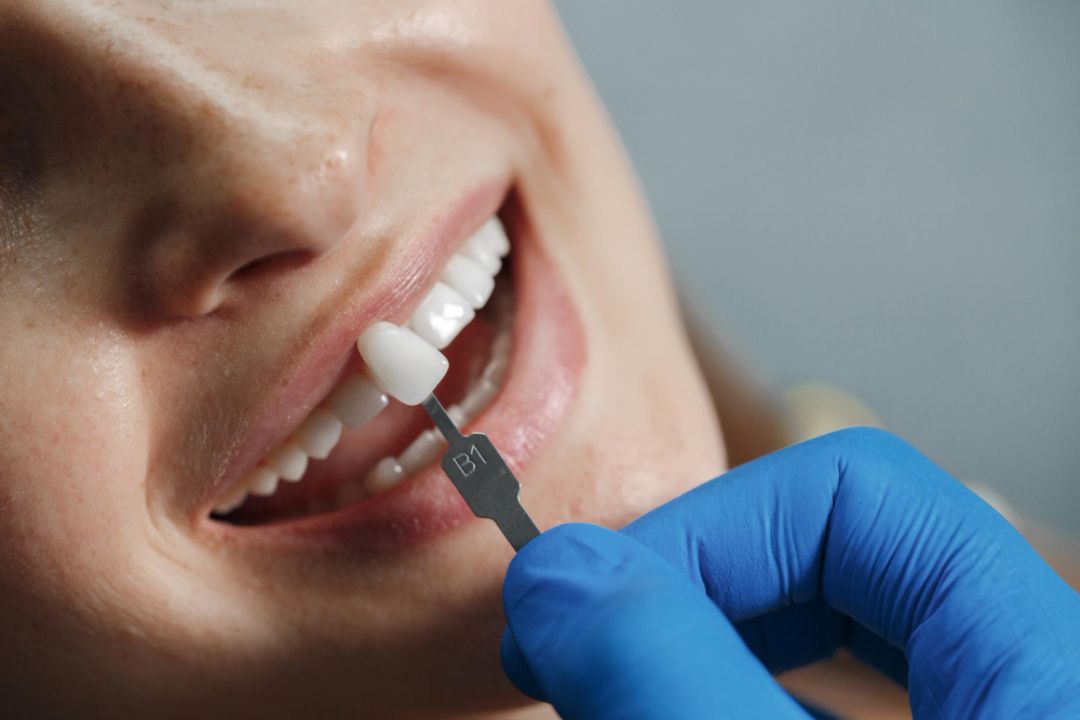
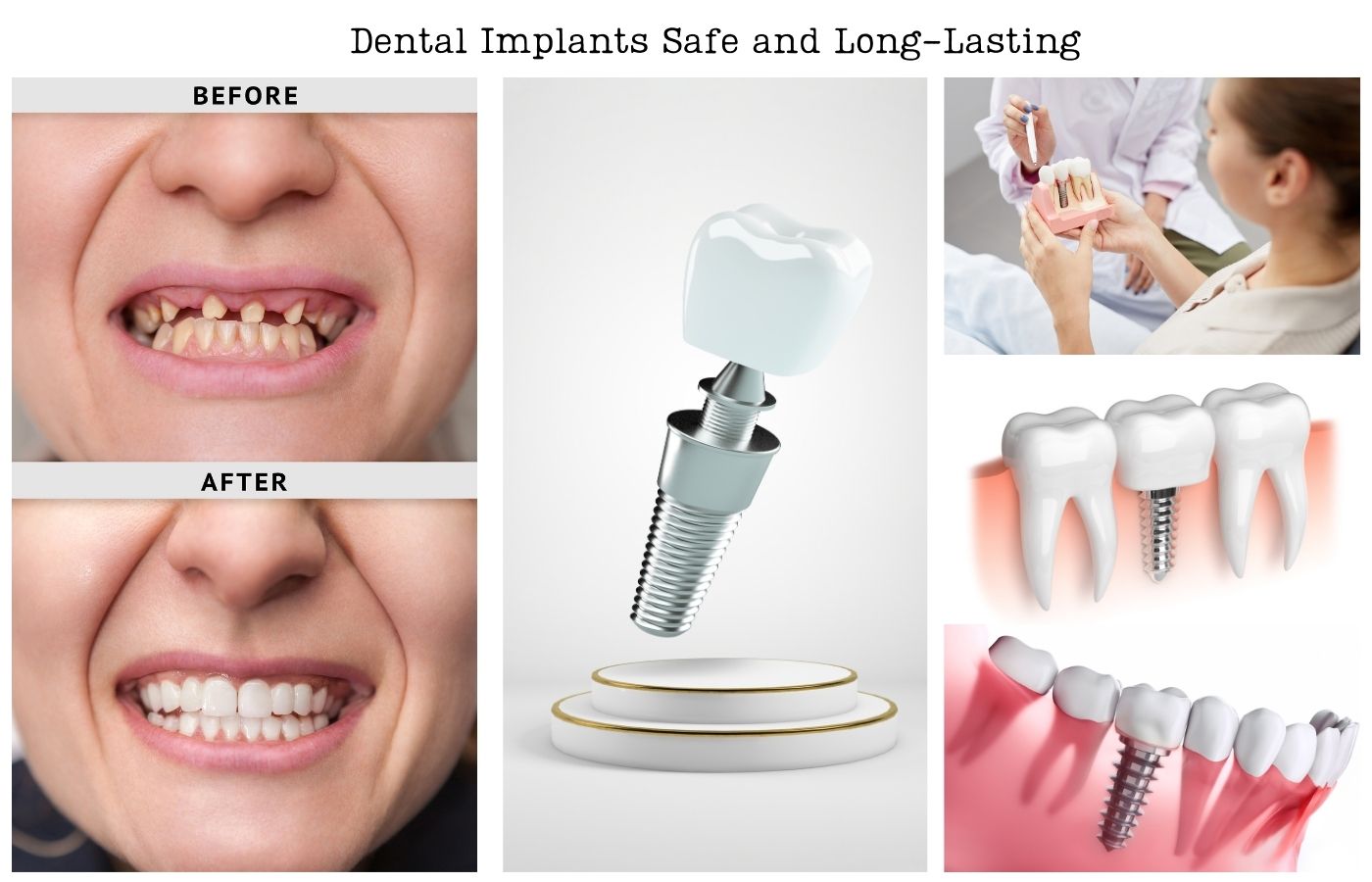
Implant-supported replacement teeth are designed to match your natural teeth in size, shape and color. They restore a confident and natural smile.
Unlike removable dentures that can slip or click, dental implants stay fixed in place. This means you can chew food comfortably without restricting what you eat.
Dental implants stimulate the jawbone just like natural tooth roots. This prevents bone loss and preserves facial structure over time.
Implants fill gaps so surrounding teeth remain in their proper position and do not drift.
Dental implants are cared for just like natural teeth — with brushing, flossing and regular dental check-ups. This makes long-term oral hygiene easier to manage.
Dental implants are recommended in many cases, including:
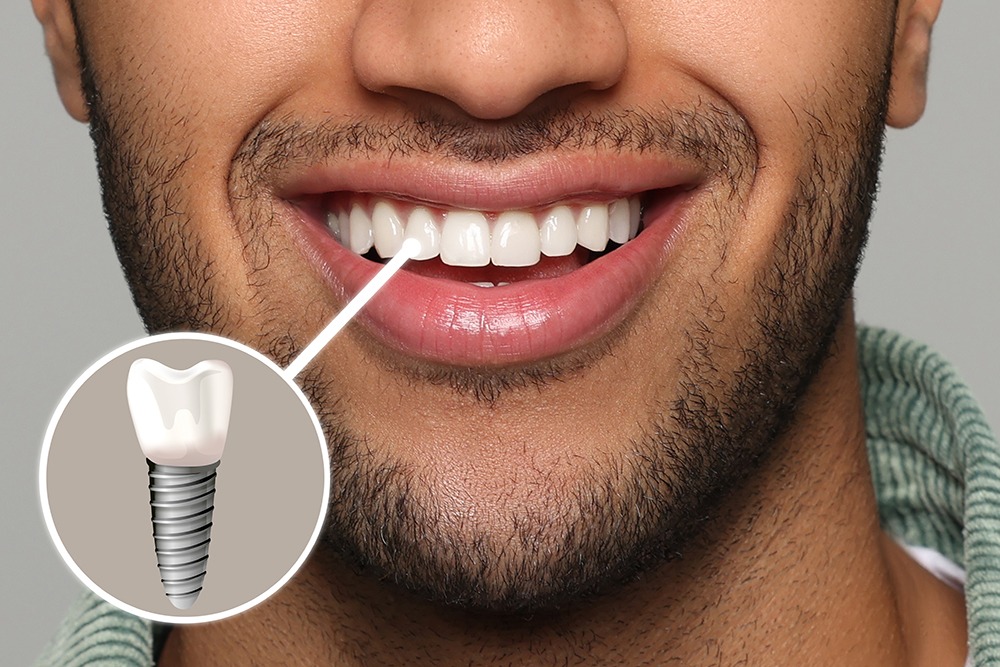
If you have lost one tooth due to injury decay or extraction, a single dental implant restores that tooth without affecting adjacent healthy teeth.
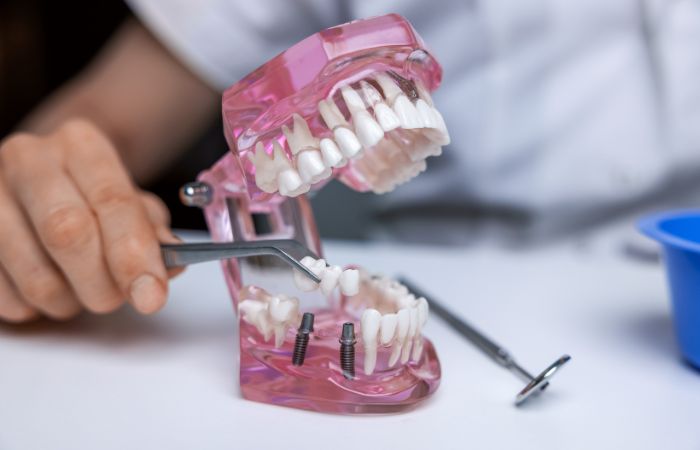
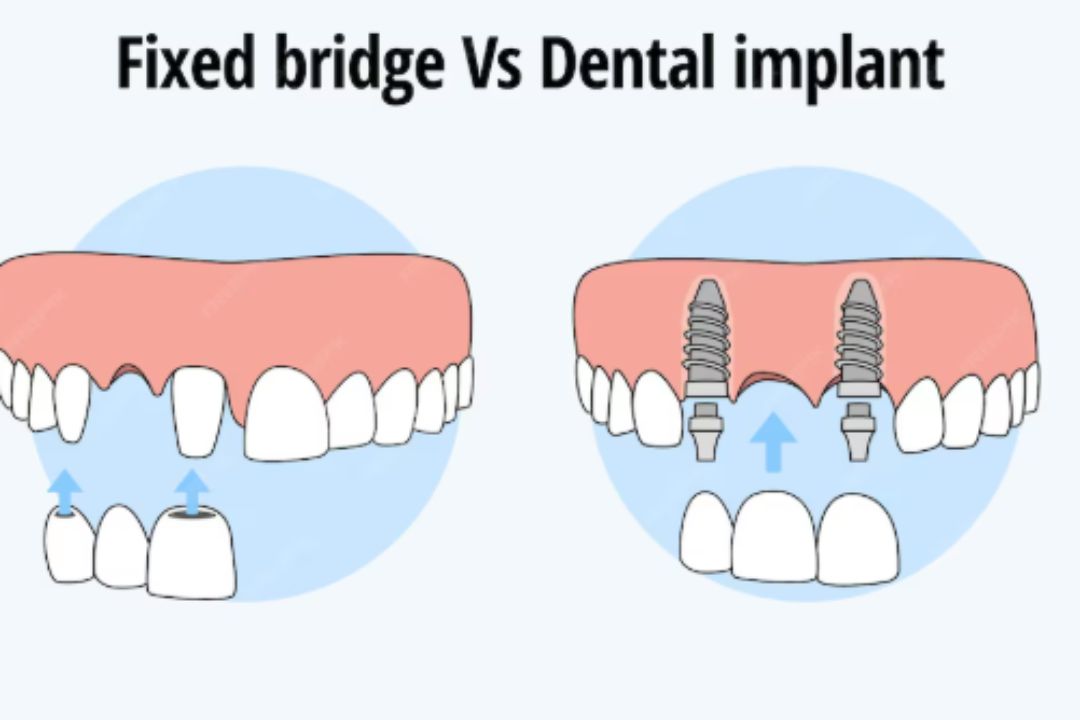
When more than one tooth is missing, implants can support bridges or multiple crowns. This provides a strong, long-lasting result.
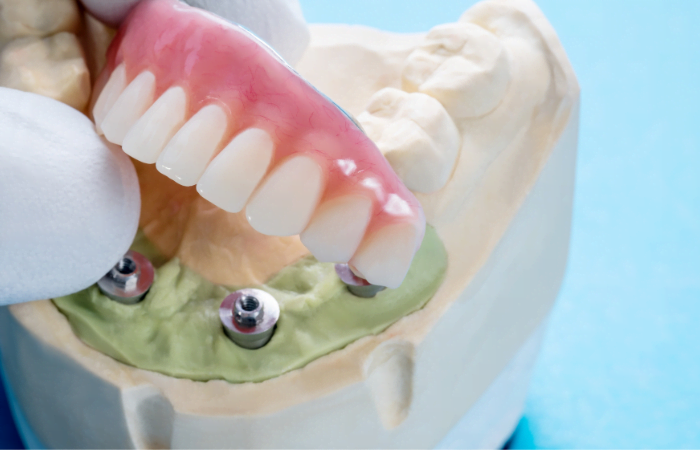
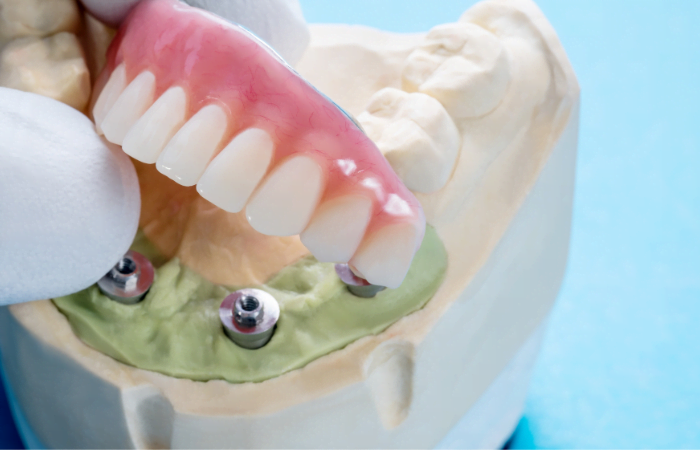
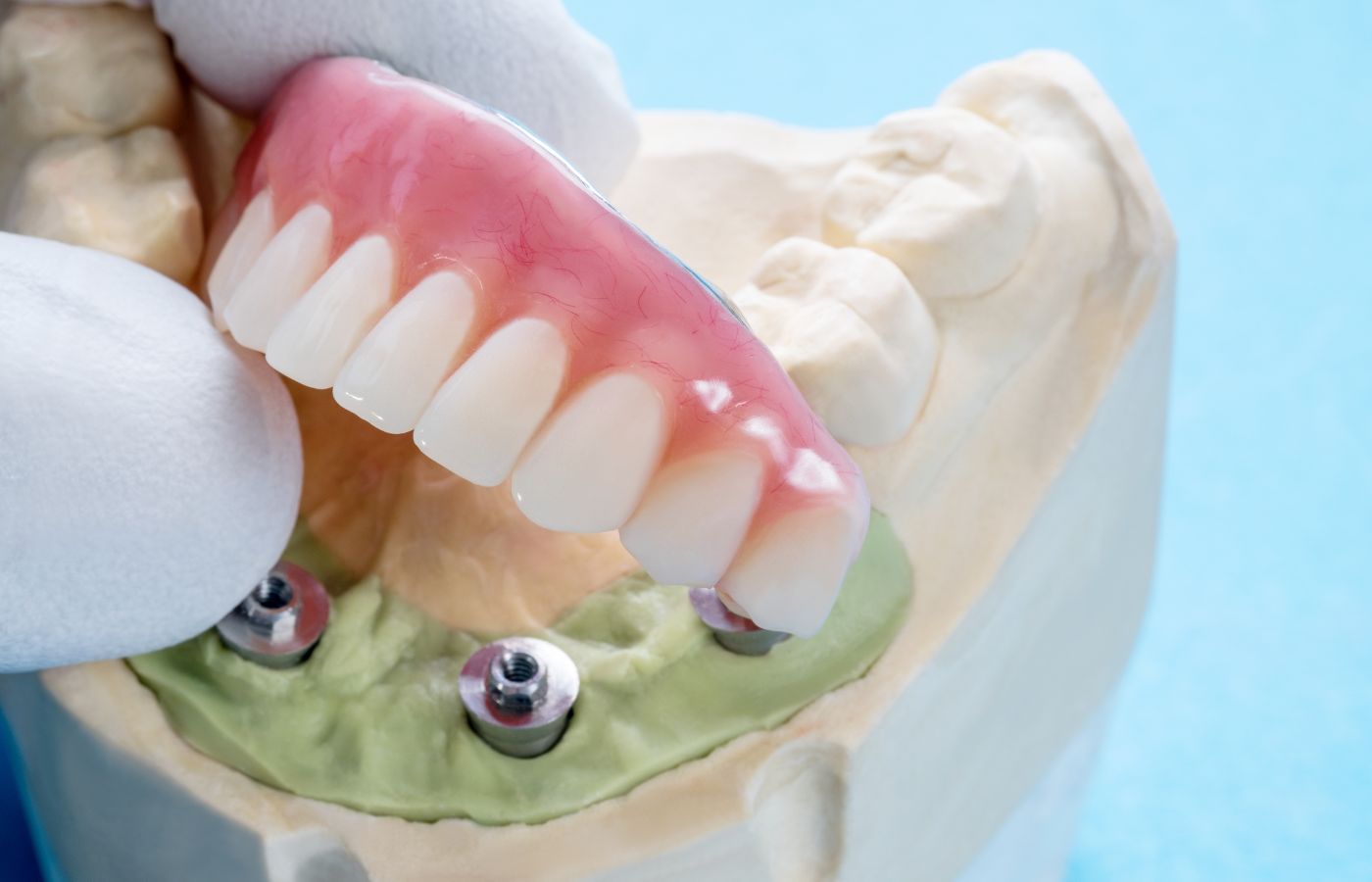
If most or all upper or lower teeth are missing, full arch implant solutions (like All-on-4 or All-on-6) offer fixed replacement teeth that are stable and functional.
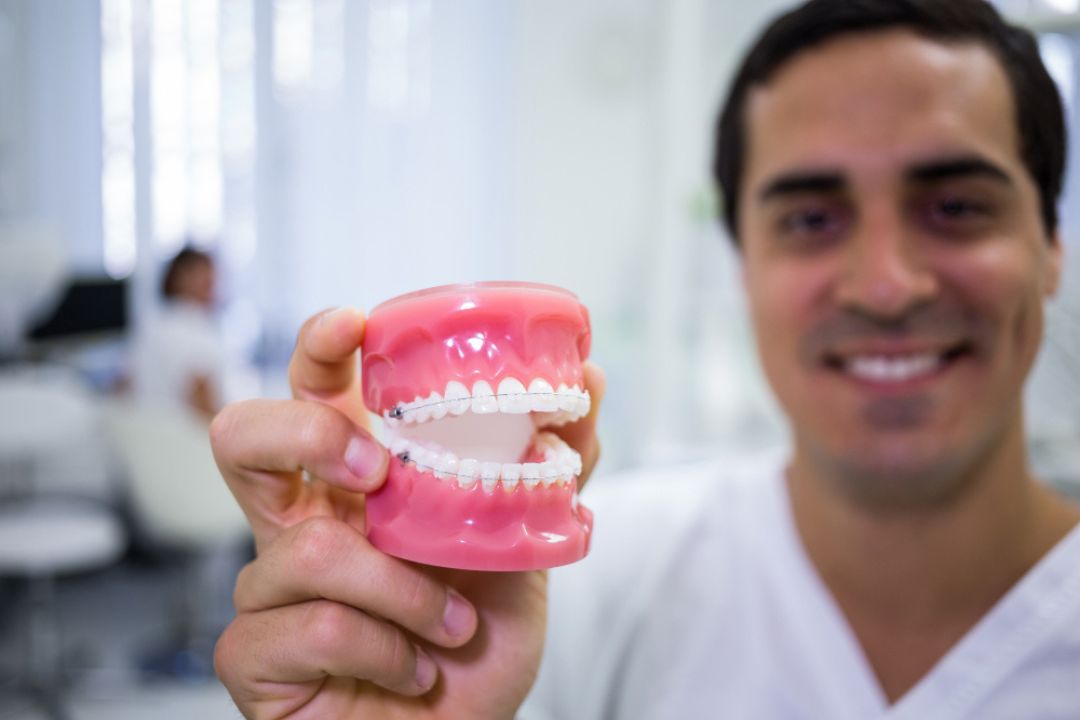
If removable dentures are uncomfortable or unstable, implant-supported dentures offer much better stability and chewing ability.
Most adults with missing teeth are potential candidates for implants if they:
? Have good overall health
? Have adequate jawbone support
? Maintain good oral hygiene
? Are committed to follow-up dental care
Even if jawbone is insufficient, bone grafting procedures may make you eligible for implants.
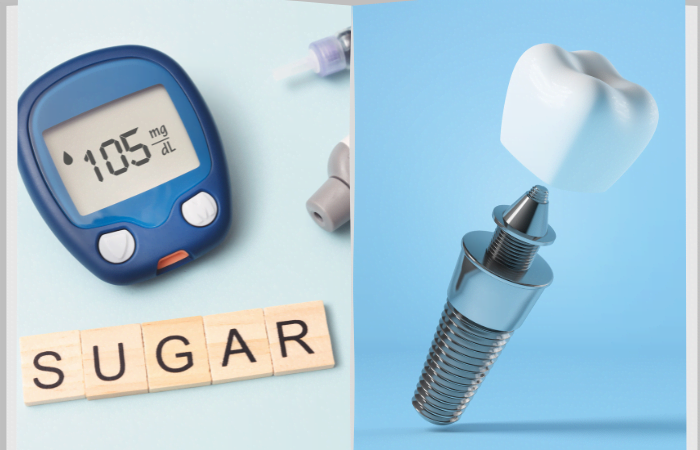
People with controlled medical conditions such as diabetes can still receive implants with proper evaluation and planning.
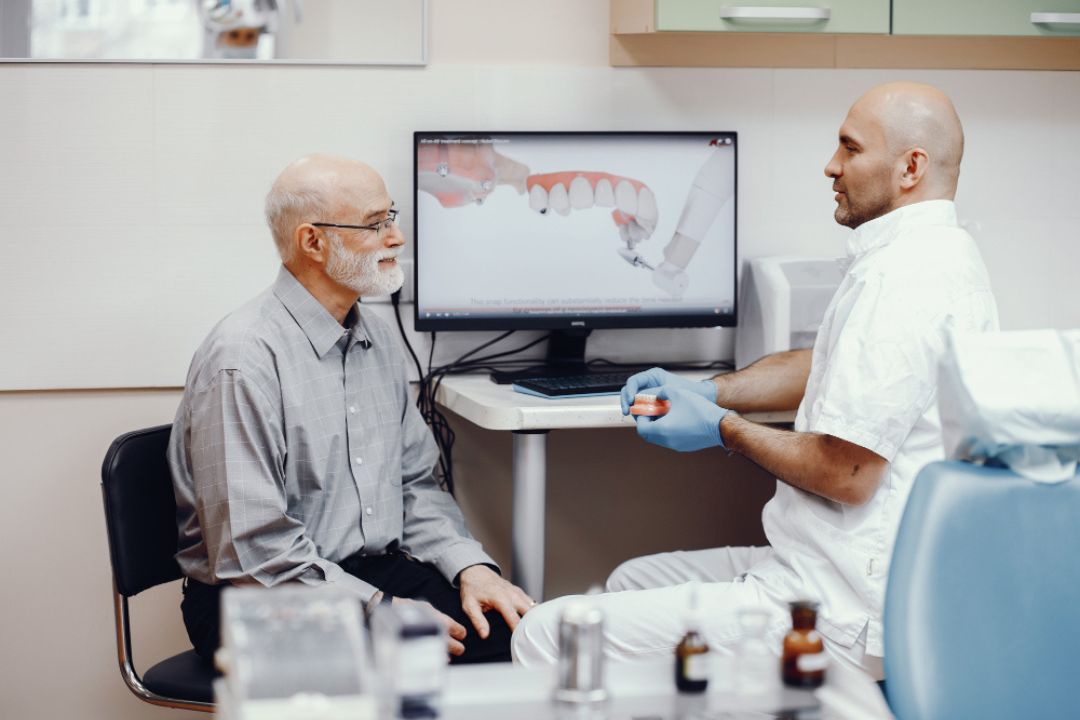
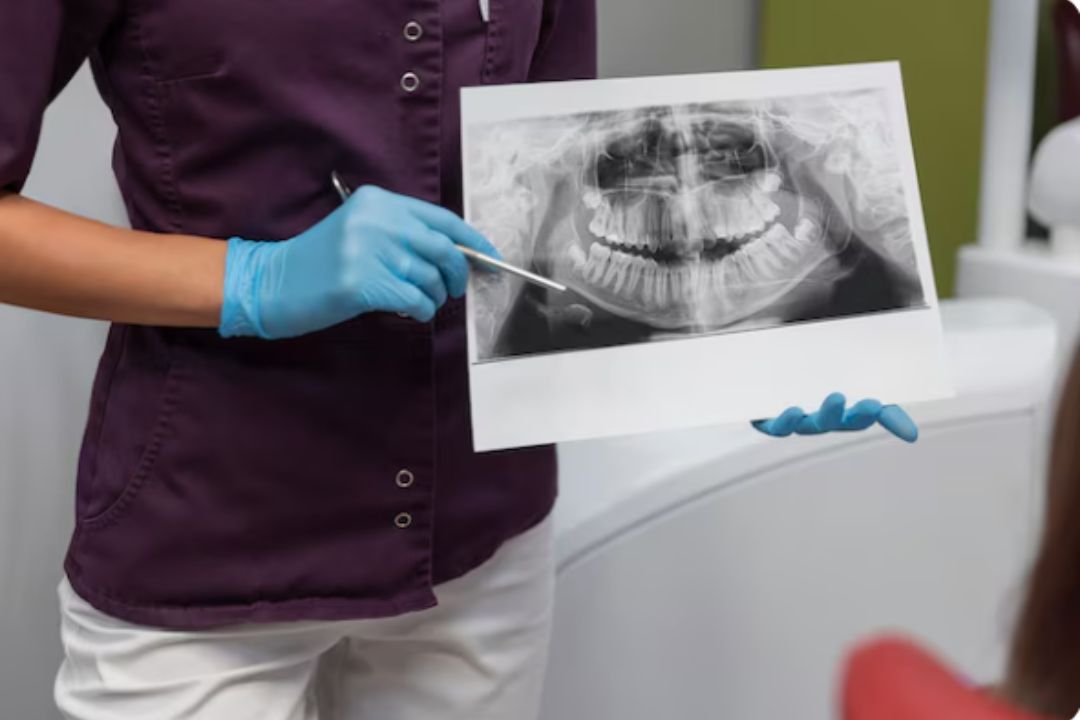
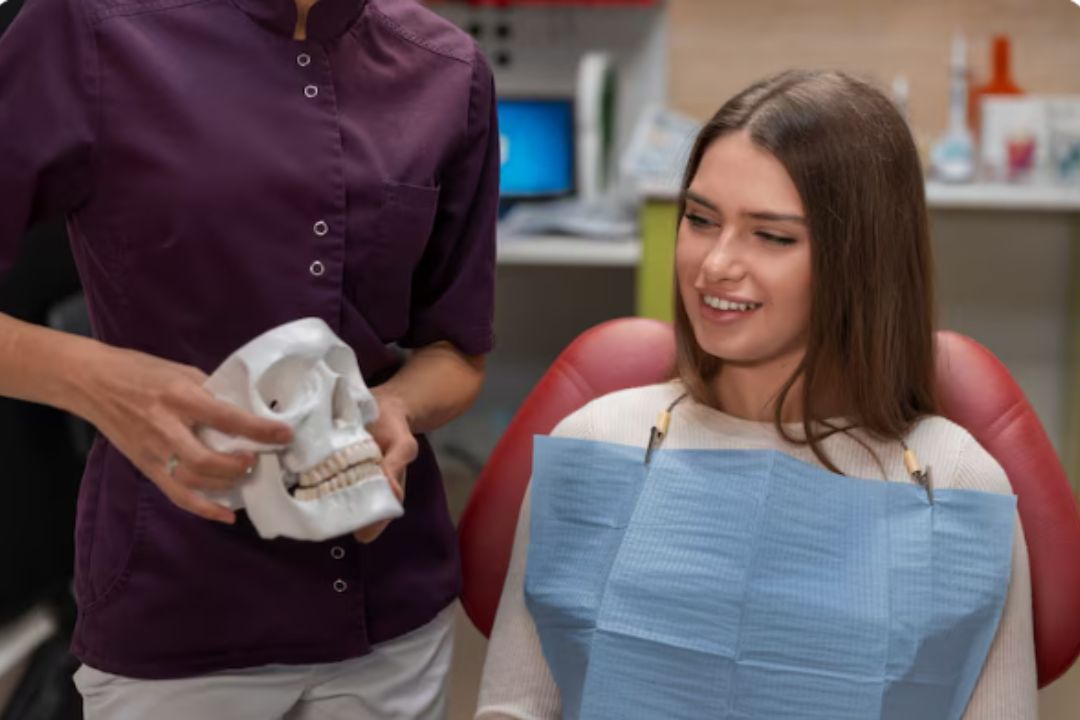
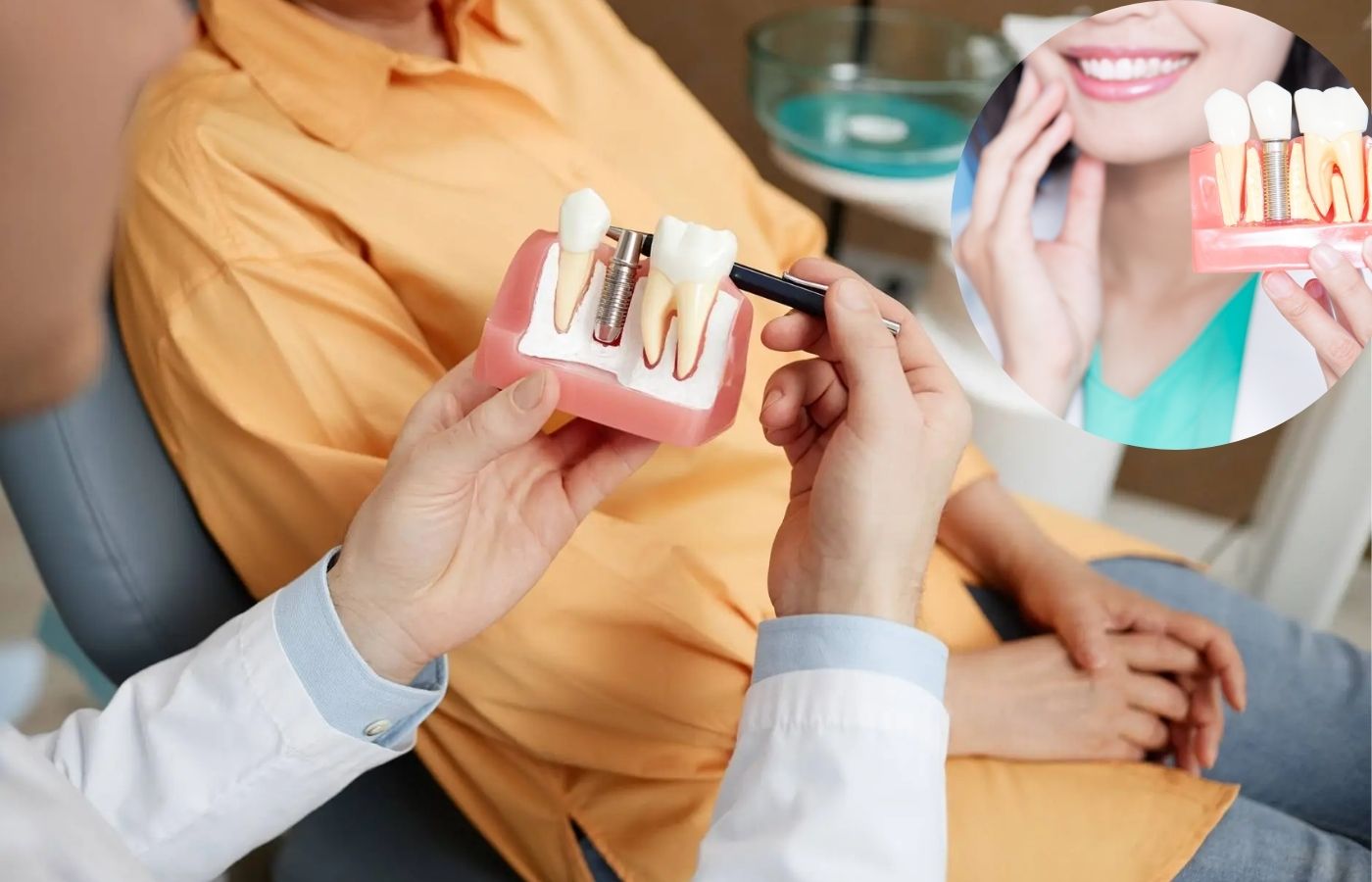
Your dentist reviews your medical and dental history, takes digital images and creates a tailored treatment plan.
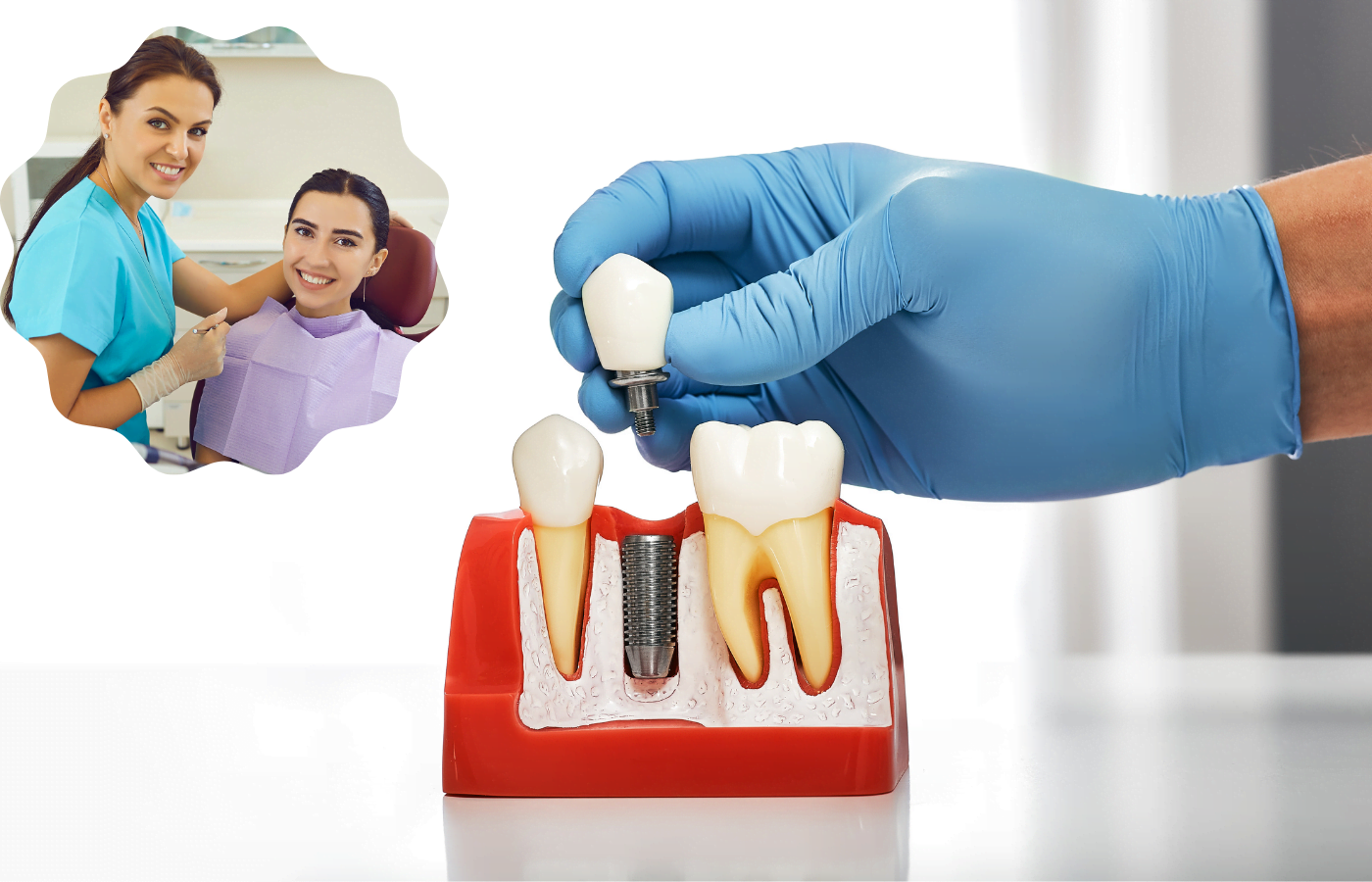
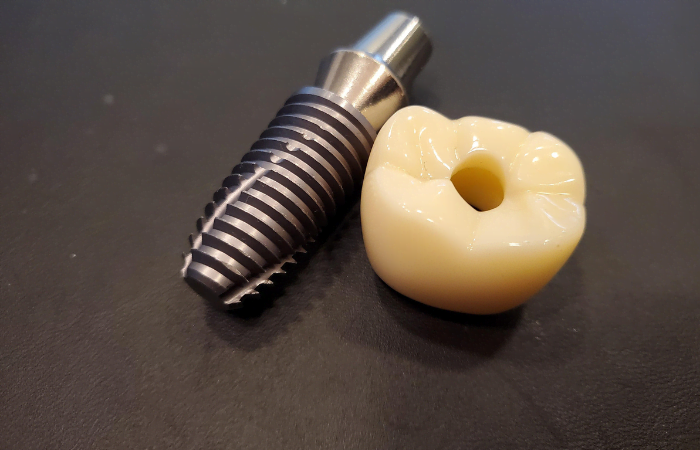
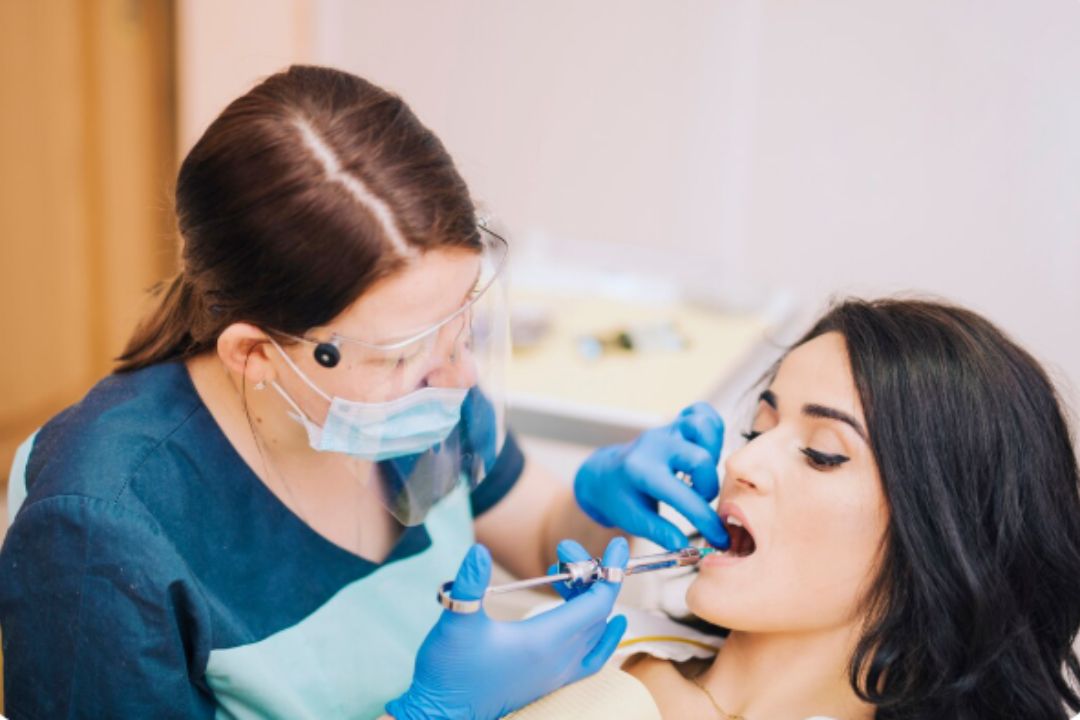
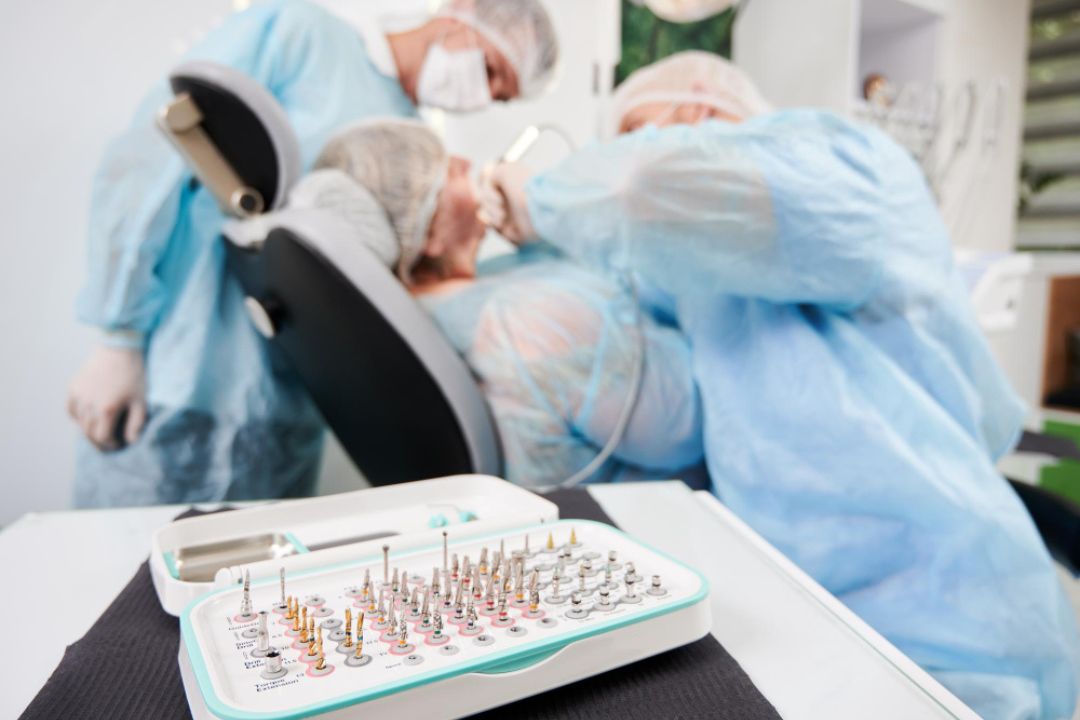
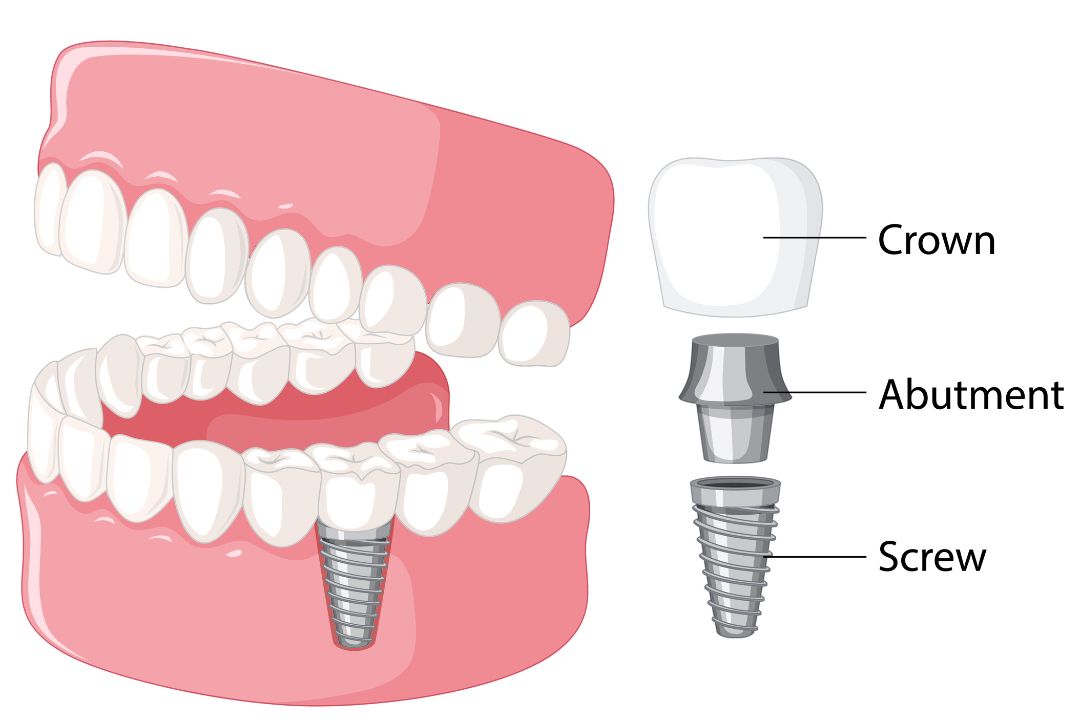
A titanium implant post is placed in the jawbone under local anesthesia. Most patients experience minimal discomfort due to modern sedation and pain management techniques.
The implant fuses with the jawbone over weeks to months. This creates strong stability similar to a natural tooth root.
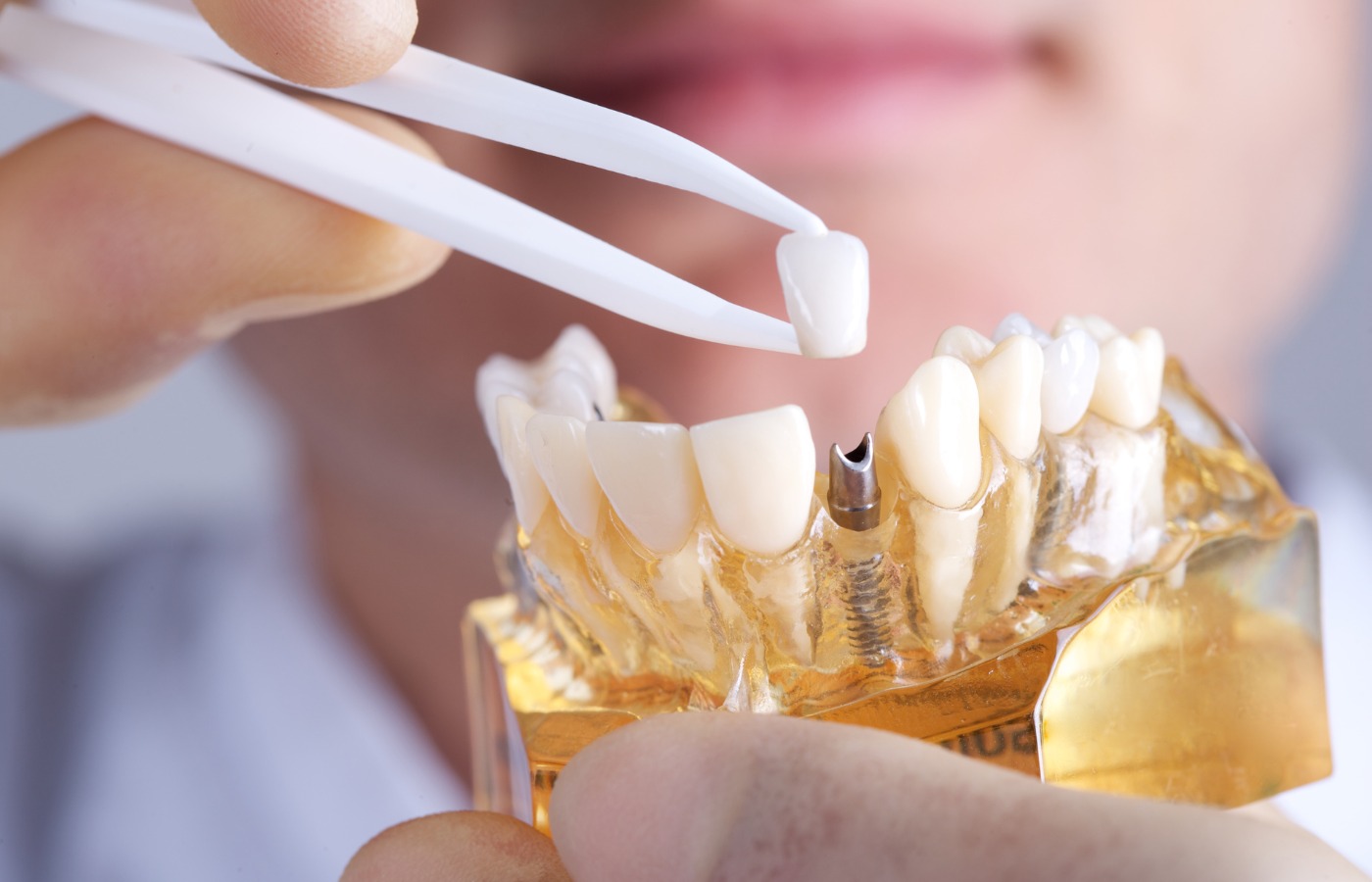
Once osseointegration is complete, a custom-made crown, bridge or denture is attached to the implant, completing your new smile.
The cost of dental implants varies depending on:
? Number of implants needed
? Bone grafting or preparatory procedures
? Clinic location and experience of the dentist
? Type of final prosthesis
In general, dental implants may cost more upfront than traditional dentures or bridges, but they offer a better long-term return by lasting longer and reducing future dental problems.
Your dentist will provide a personalized cost estimate based on your individual needs.
Some swelling and mild discomfort in the first few days is normal. Pain medication and proper care help manage this phase.
Most patients can eat soft foods soon after placement, progressing to a normal diet as healing advances.
Implants should be cared for just like natural teeth with brushing, flossing and routine dental check-ups. Regular care supports the long-term success of your implants.
Do implants hurt?
Most patients report minimal discomfort due to anesthesia and sedation. Post-operative pain is usually mild and manageable.
How long do implants last?
With good care dental implants can last for decades or even a lifetime.
Can implants be done at any age?
Adults of all ages with proper health and bone support can receive implants. Age alone is not a barrier.
Missing teeth should not be ignored. They can lead to a chain of dental problems that affect comfort, function and appearance. Dental implants offer a strong, long-term solution that restores chewing ability, preserves jawbone health, prevents shifting of other teeth, and supports a confident smile.
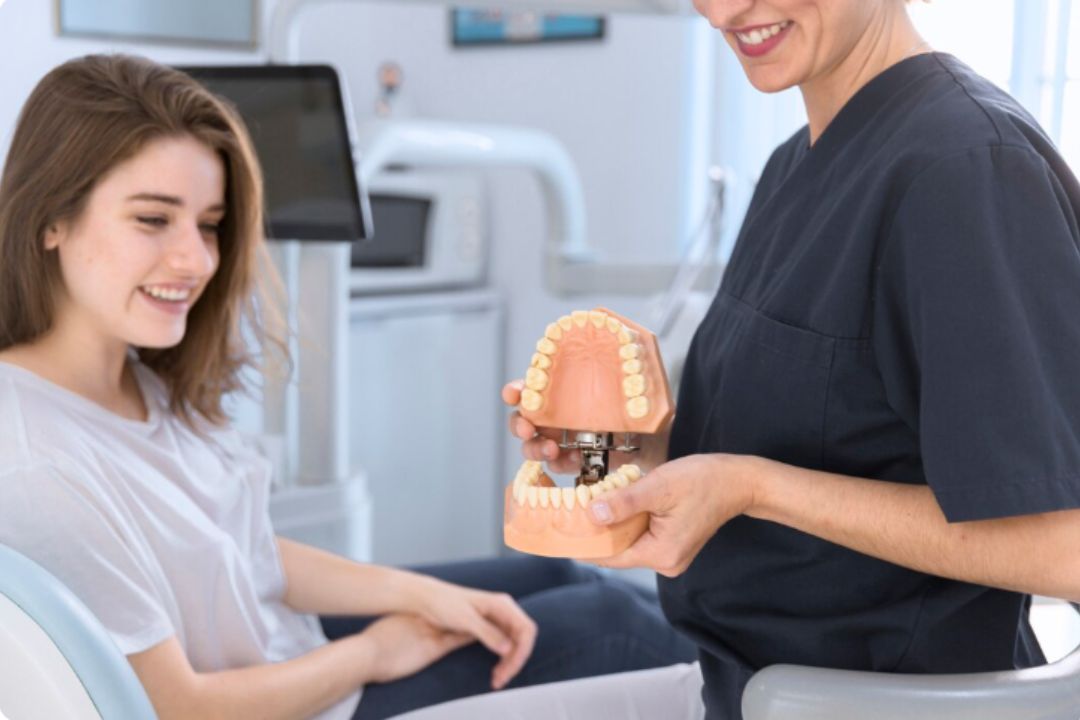
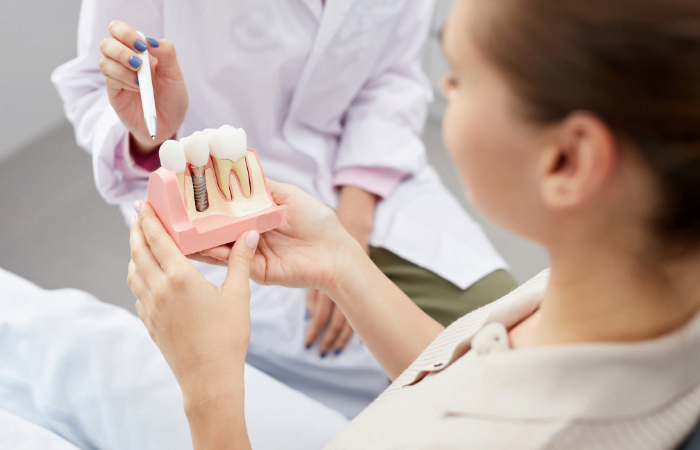
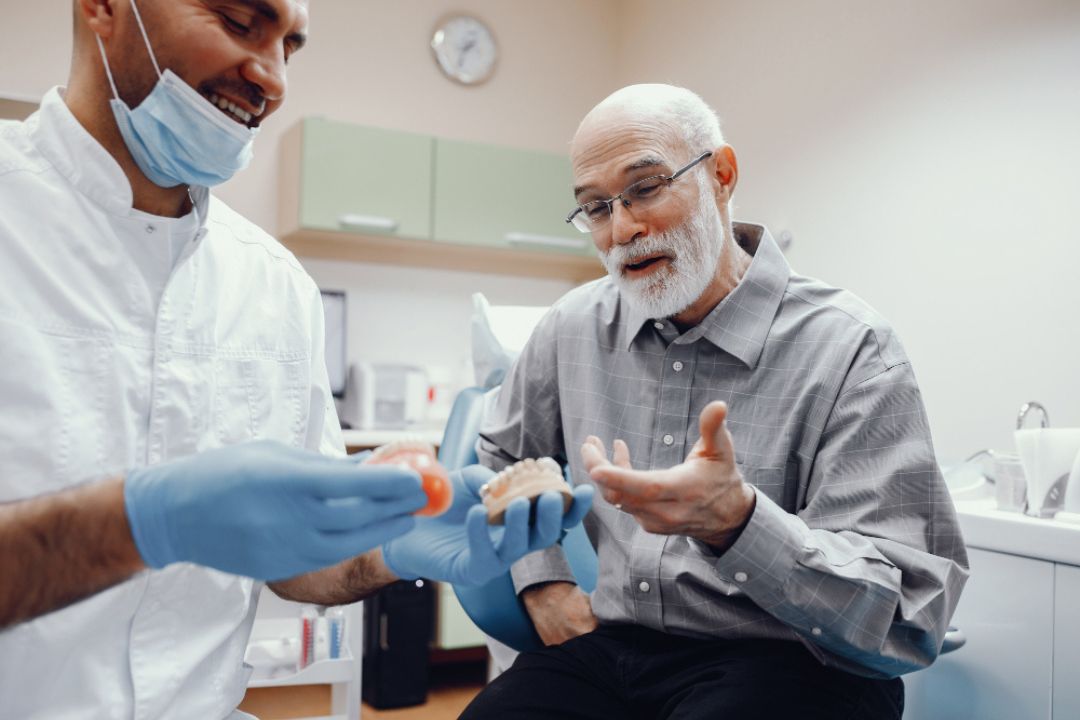
If you are missing one or more teeth, schedule a consultation with an experienced dental implant specialist. A thorough evaluation will determine the best solution for your oral health needs and help you regain a functional, attractive smile.











.jpg "myths and facts about dental implants")




























![affordable dental implant treatment in [pune] with emi options](/img/BlogImages/affordable dental implant treatment in [pune] with emi options.jpg "affordable dental implant treatment in [pune] with emi options")

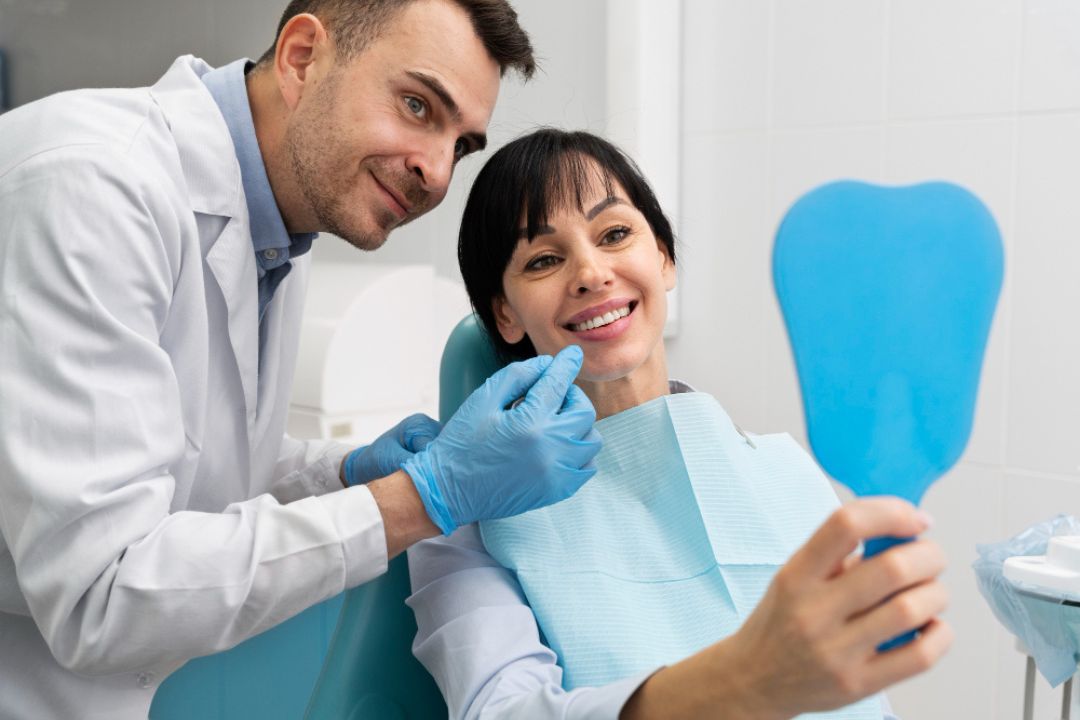

.jpg "dental implant full mouth rehabilitation")




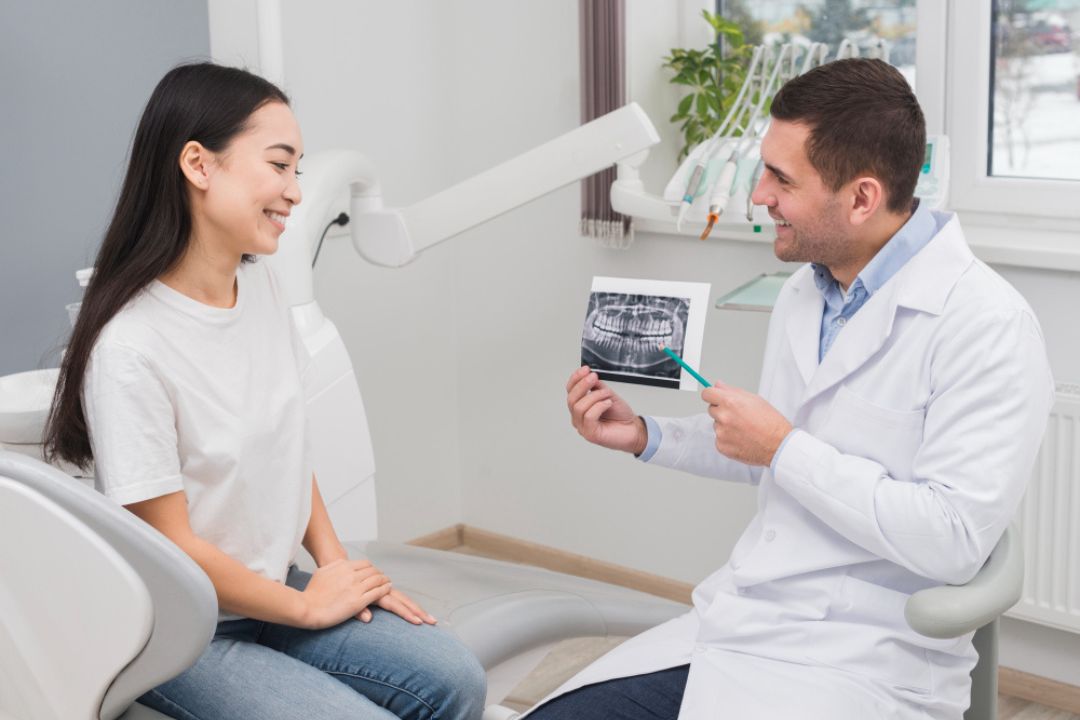
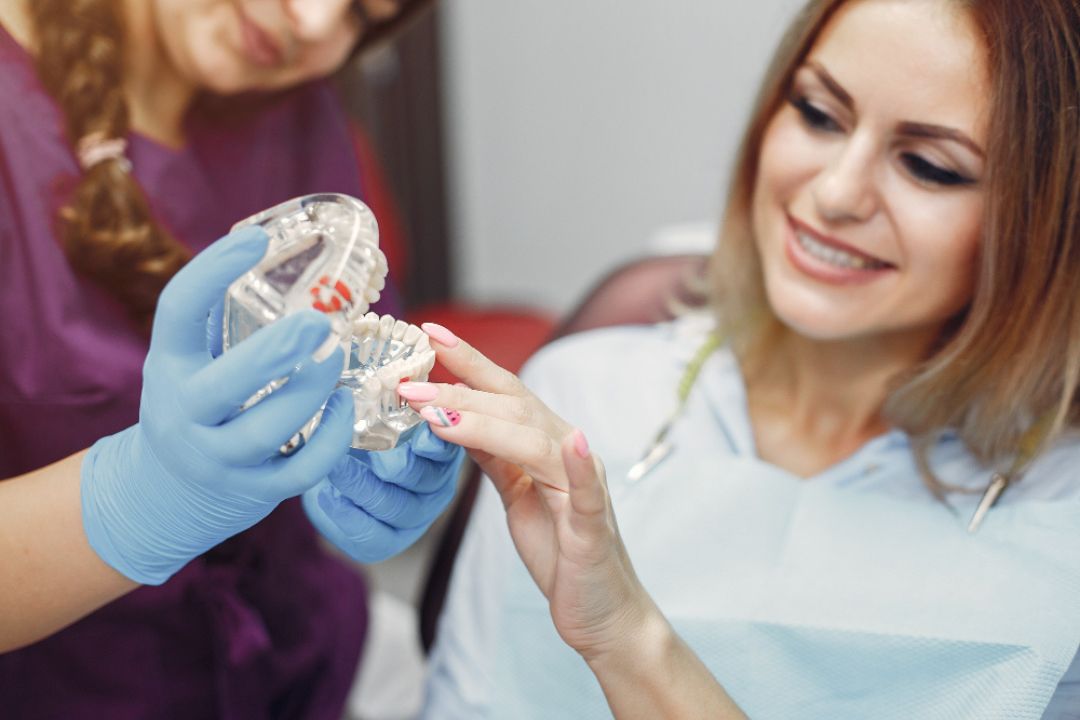


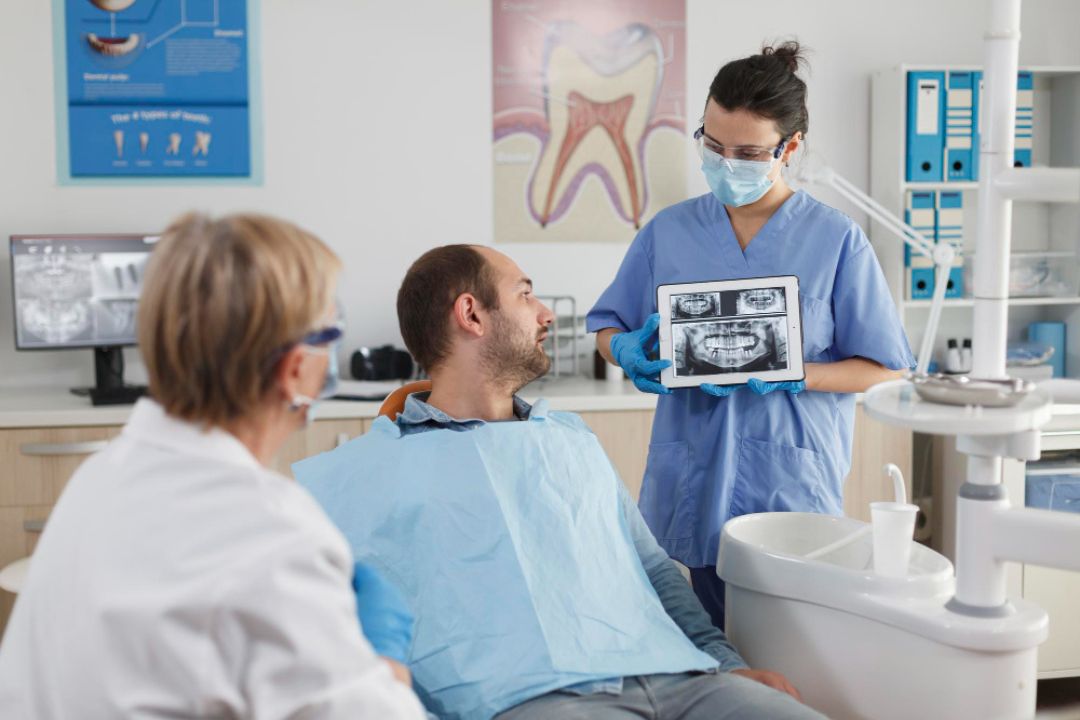




.jpg "foods for rapid recovery after dental implant surgery")





.jpg "dental implant")

.jpg "dental implant")
.jpg "dental implant")

.jpg "dental implants")
.jpg "dental implants")



.jpg "Dental Implants Help Repair Broken")
.jpg "Know About Dental Implants")
.jpg "Major Types of Dental Implants")
 (1).jpg "Affordable Dental Implants in India")
 (1).jpg "Dental Implants with Pre-existing Conditions")