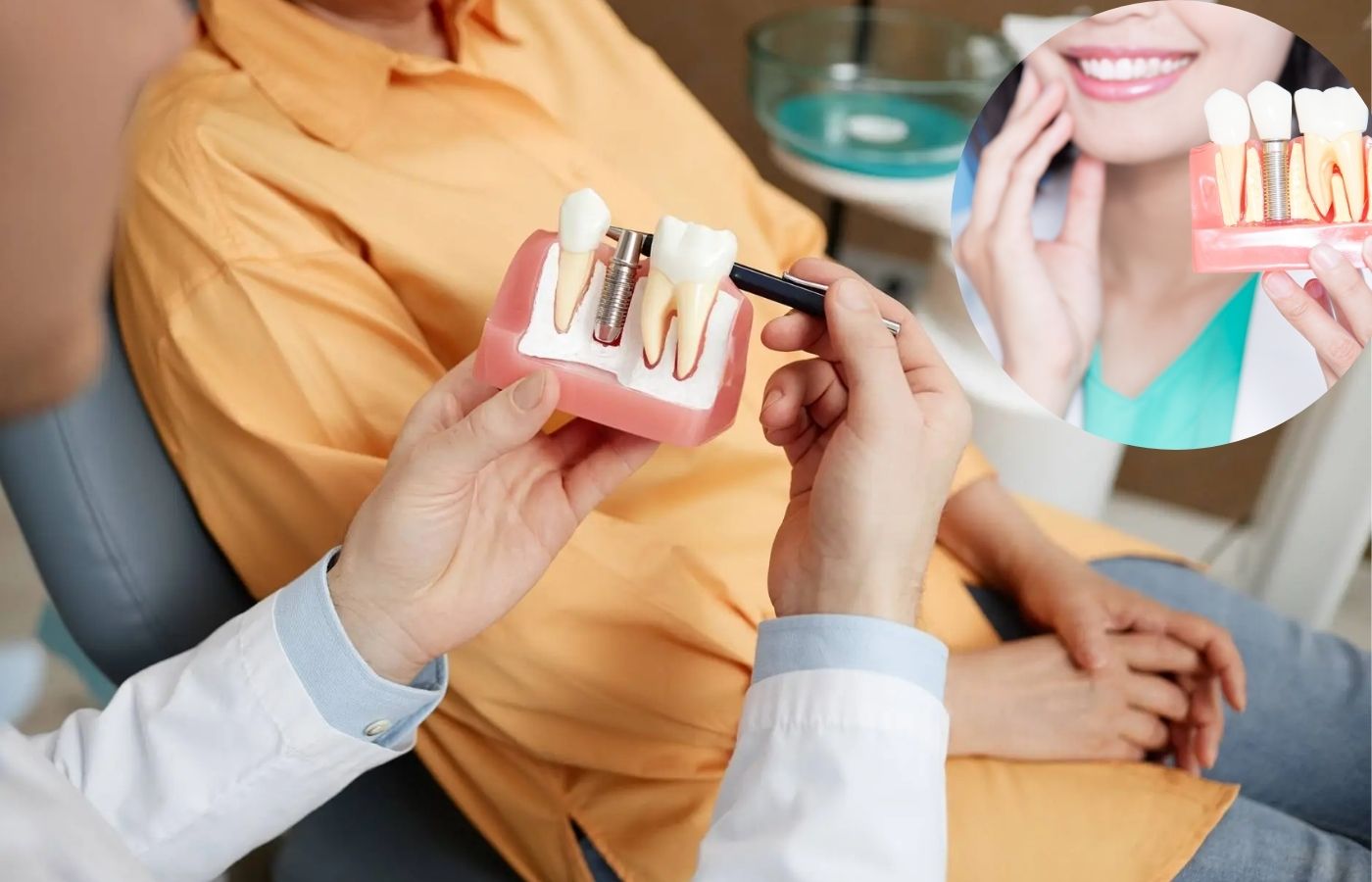
Losing a tooth can be unsettling, and the idea of getting a dental implant might seem like something you can put off. Life gets busy, and the procedure can feel like a significant investment. However, delaying a dental implant is more consequential than most people realize. It’s not just about filling a gap; it’s about preserving your oral health, facial structure, and overall well-being. At Diagnopein, a leading dental implant center in Mumbai, we often consult patients who have waited, only to face more complex treatments later. Let’s explore what really happens when you postpone this crucial procedure.
After a tooth is lost or extracted, the surrounding bone and tissues no longer receive stimulation from chewing forces. This triggers natural biological changes in the jaw.
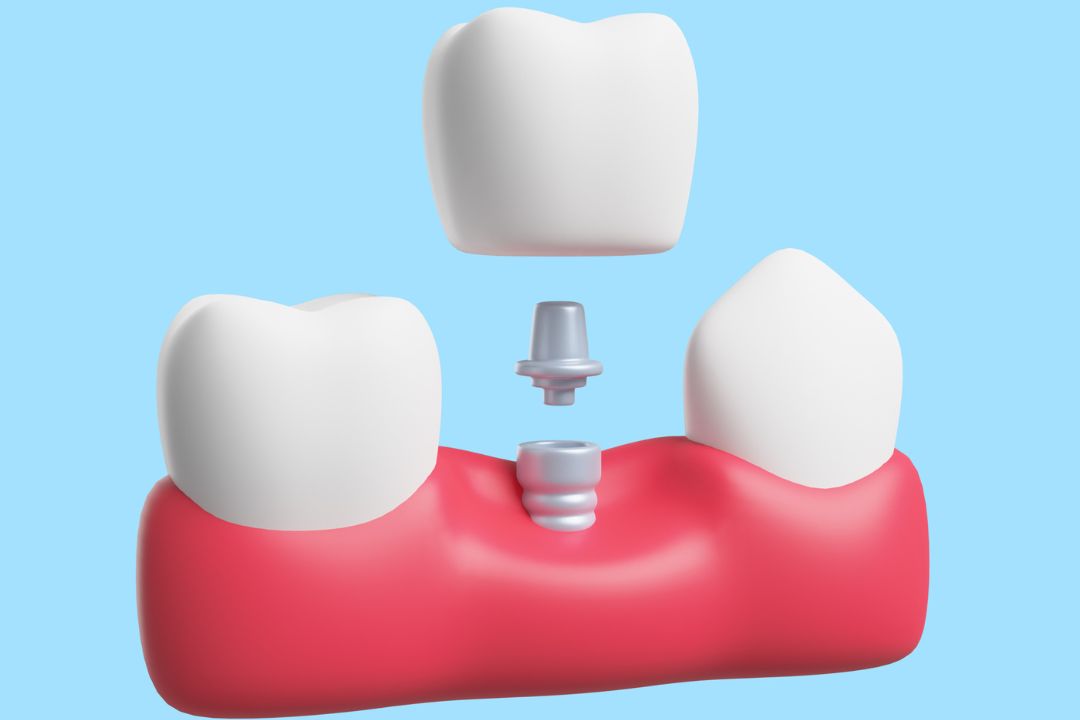
Dental implants work best when placed before significant bone loss or shifting occurs. Waiting too long may require additional procedures before implant placement.
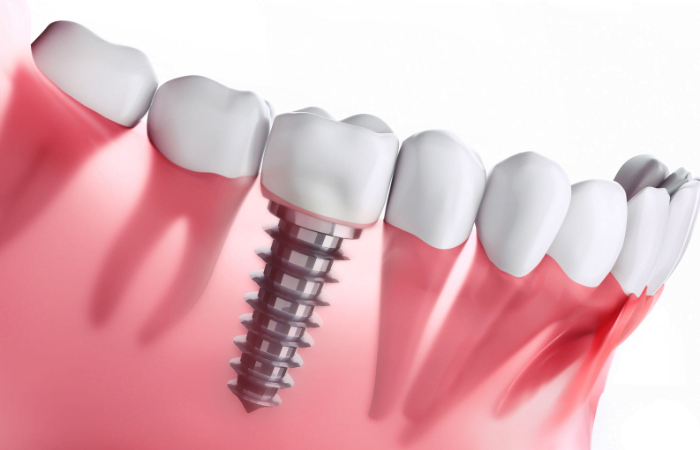
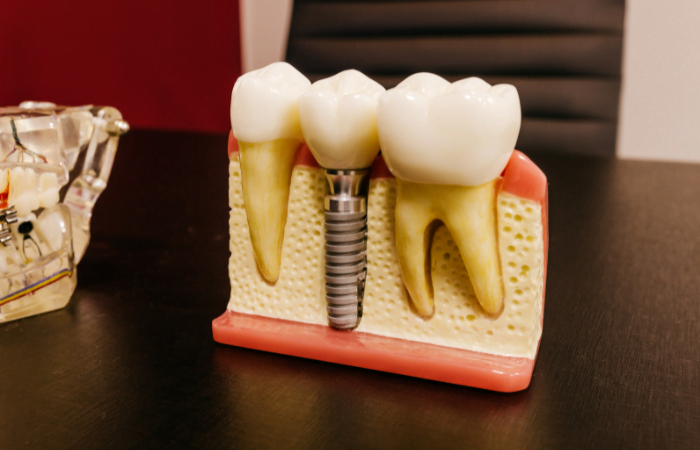
One of the most serious consequences of delaying a dental implant is bone loss.
Visit Now: https://www.diagnopein.com/dental-clinic/Mumbai
The jawbone depends on tooth roots for stimulation
After tooth loss, the body starts resorbing the unused bone
Bone density gradually decreases
First 3 months: noticeable bone shrinkage begins
First year: up to 25 percent bone width loss possible
Over time: significant weakening of the jaw
If too much bone is lost:
Implant placement becomes difficult
Bone grafting may be required
Treatment cost increases
Healing time becomes longer
Early implant placement helps preserve natural bone structure.
Nature does not like empty spaces. When a tooth is missing, nearby teeth begin moving into the gap.
Teeth tilt toward the empty space
Bite alignment changes
Food trapping increases
Cleaning becomes harder
Risk of decay and gum disease rises
Once teeth shift significantly, orthodontic correction may be needed before implant placement.
When there is no opposing tooth to bite against, the tooth in the opposite jaw may start moving downward or upward into the empty space. This is called over eruption.
Bite imbalance
Jaw discomfort
Difficulty placing future implant
Need for additional dental correction
This process can begin within months after tooth loss.
The gap left by a missing tooth becomes a trap for food particles and bacteria.
Plaque accumulation in the empty space
Gum inflammation
Higher risk of periodontal disease
Bad breath issues
Over time, untreated gum problems can affect nearby healthy teeth.
Many people do not realize that missing teeth affect facial structure.
When jawbone shrinks:
Cheeks may appear sunken
Lips lose support
Face looks older
Wrinkles around mouth increase
This is especially noticeable when multiple teeth are missing or when implants are delayed for years.
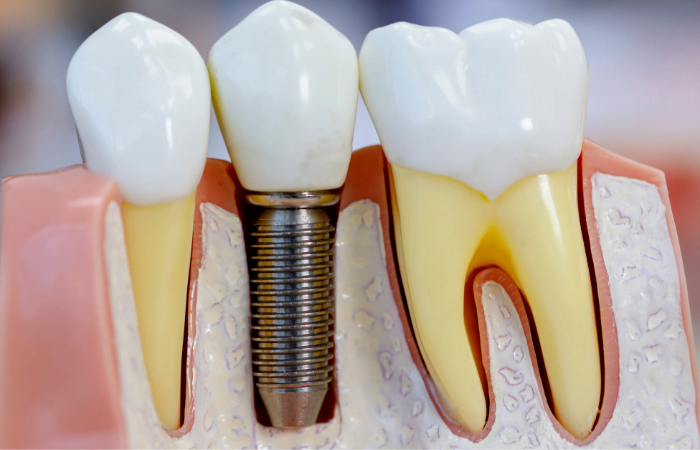
Dental implants help maintain natural facial contours by preserving bone volume.
Even a single missing tooth can affect how you chew food.
Book Now: https://www.diagnopein.com/dental-clinic/Mumbai/Dental-Implants
Uneven chewing pressure
Overloading of remaining teeth
Difficulty eating hard foods
Digestive issues due to poor chewing
Many patients unconsciously start chewing on one side, which may lead to jaw strain or TMJ discomfort.
One of the biggest mistakes patients make is delaying implants to save money. Unfortunately, postponement often increases the total cost.
Bone grafting
Sinus lift
Gum grafting
Orthodontic correction
Extraction of damaged neighboring teeth
Early implant placement is usually simpler and more cost effective.
When bone and teeth positions change, implant treatment becomes more complicated.
Simple placement
Faster healing
Predictable results
Multiple preparatory procedures
Longer treatment timeline
Increased surgical complexity
More appointments
In some severe cases, patients may no longer be ideal candidates for implants without extensive reconstruction.
Missing teeth, especially in the front, can affect pronunciation.
Whistling sounds
Slurred speech
Difficulty pronouncing certain letters
While dentures may help temporarily, implants provide the most natural speech restoration.
Tooth loss often affects more than just oral health.
Reduced confidence while smiling
Social discomfort
Self consciousness during conversations
Avoidance of photos
Timely implant treatment can restore both function and self esteem.
The ideal timing depends on individual cases, but generally:
Done at the time of extraction
Helps preserve maximum bone
Reduces treatment time
Allows initial healing
Still preserves good bone volume
Often requires bone grafting
More complex treatment
Your dentist will recommend the best timing based on bone quality, infection status, and overall oral health.
Consider consulting a dentist soon if you notice:
Missing tooth for more than 3 months
Difficulty chewing
Teeth shifting
Sunken facial appearance
Food getting stuck in the gap
Jaw discomfort
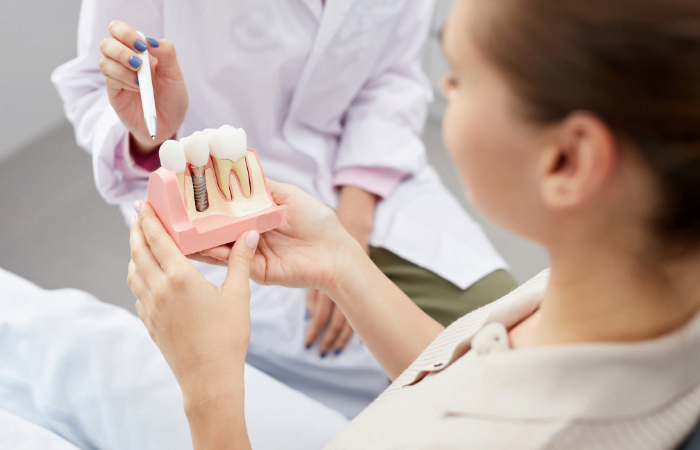
Early evaluation can prevent future complications.
Yes, sometimes waiting is medically recommended.
Active infection at extraction site
Poor gum health requiring treatment
Uncontrolled diabetes
Heavy smoking habit
Insufficient bone needing healing
However, even in these cases, dentists usually plan implant placement as soon as conditions improve.
If you must delay implant treatment, follow these precautions:
Maintain excellent oral hygiene
Use a temporary tooth replacement if advised
Avoid chewing only on one side
Visit your dentist regularly
Address gum disease promptly
These steps can slow down complications but cannot completely prevent bone loss.
| Factor | Early Implant | Delayed Implant |
|---|---|---|
| Bone preservation | Excellent | Reduced |
| Treatment complexity | Simple | Often complex |
| Cost | Lower overall | Higher due to add ons |
| Treatment time | Shorter | Longer |
| Success predictability | High | May reduce |
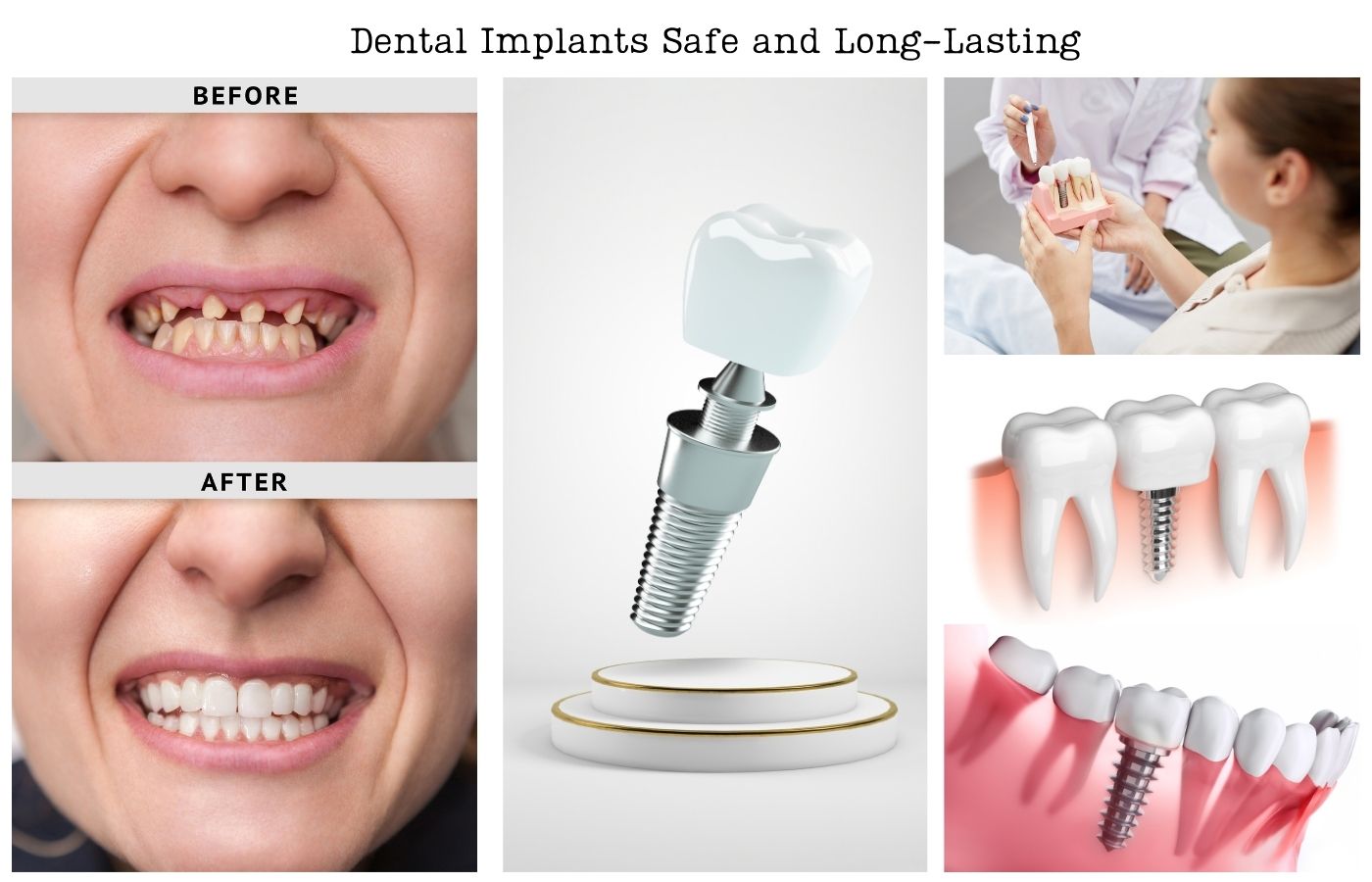
Delaying a dental implant may seem harmless at first, but the consequences can build gradually. Bone loss, teeth shifting, facial changes, and higher treatment costs are common outcomes when replacement is postponed for too long.
The sooner a missing tooth is evaluated, the more treatment options remain available. Early dental implant placement is usually simpler, more affordable, and more predictable.
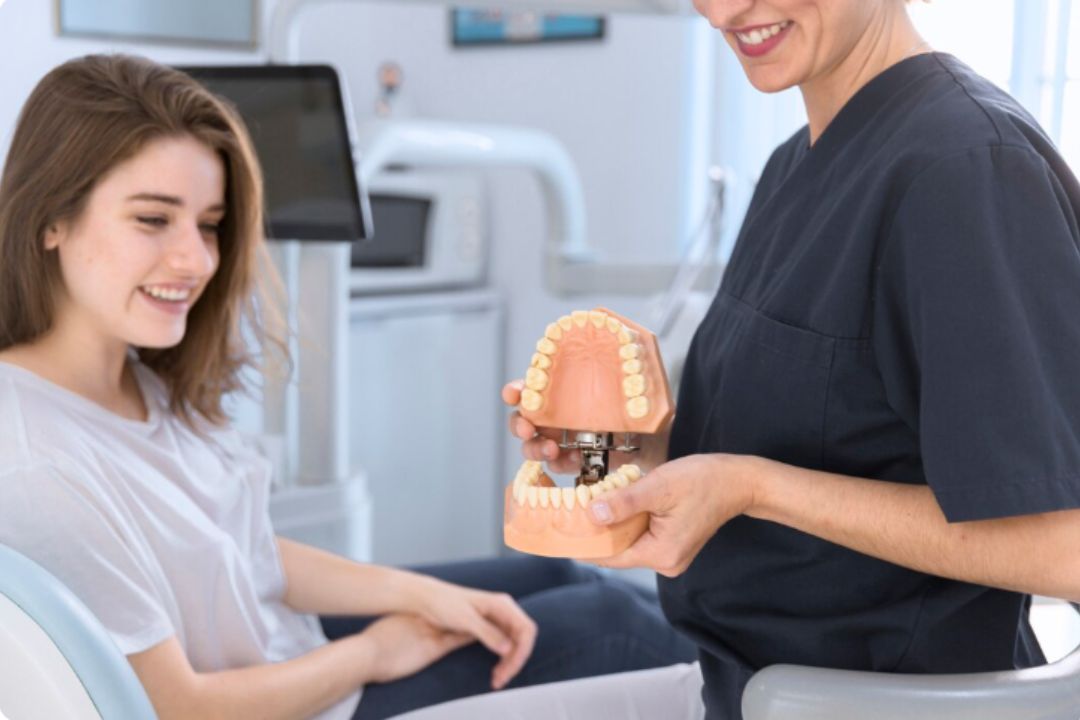
If you have recently lost a tooth or have been living with a gap for some time, consider scheduling a dental consultation. Taking action early can protect your oral health, restore your smile, and prevent complex procedures in the future.


















.jpg "myths and facts about dental implants")



































![affordable dental implant treatment in [pune] with emi options](/img/BlogImages/affordable dental implant treatment in [pune] with emi options.jpg "affordable dental implant treatment in [pune] with emi options")


.jpg "dental implant full mouth rehabilitation")











.jpg "foods for rapid recovery after dental implant surgery")





.jpg "dental implant")


.jpg "dental implant")
.jpg "dental implant")

.jpg "dental implants")
.jpg "dental implants")




.jpg "Dental Implants Help Repair Broken")
.jpg "Know About Dental Implants")
.jpg "Major Types of Dental Implants")
 (1).jpg "Affordable Dental Implants in India")
 (1).jpg "Dental Implants with Pre-existing Conditions")