Dental implants have become a popular solution for replacing missing teeth, offering durability, functionality, and aesthetic appeal. However, for individuals with diabetes, questions about the safety and success of dental implants often arise. Managing diabetes requires careful attention to wound healing and infection control, both crucial in implant dentistry.
In this blog, we will explore the relationship between diabetes and dental implants, addressing concerns, risks, and strategies to ensure the safety and success of dental implant procedures for diabetic patients.
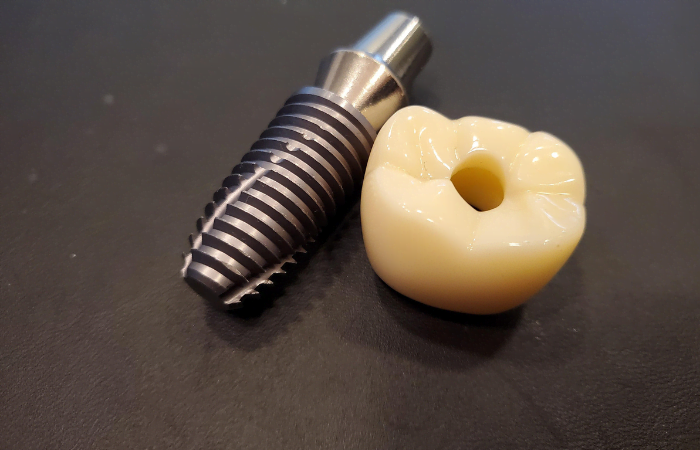
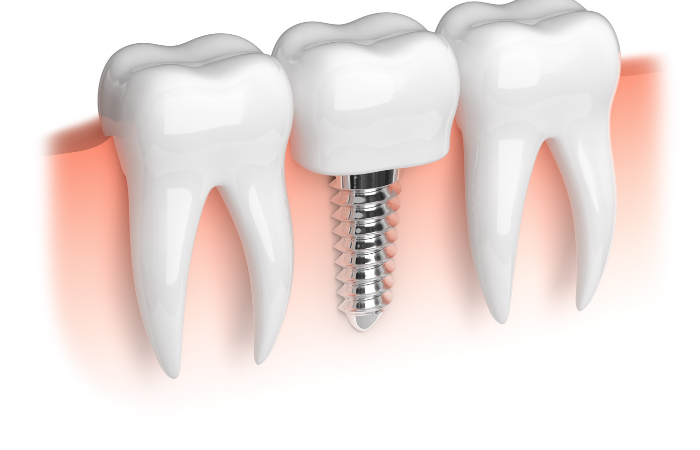
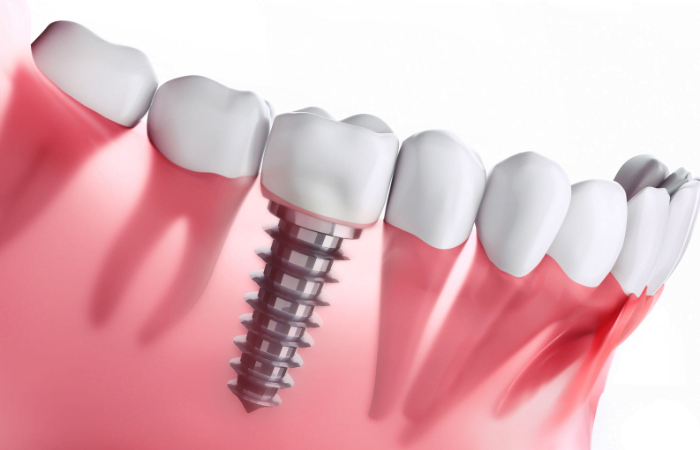
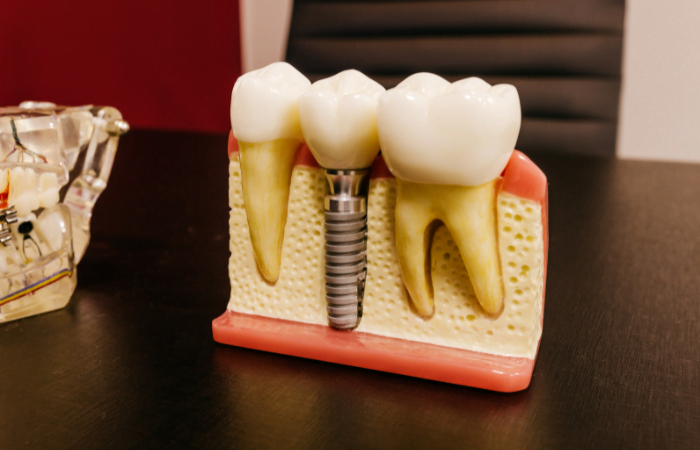
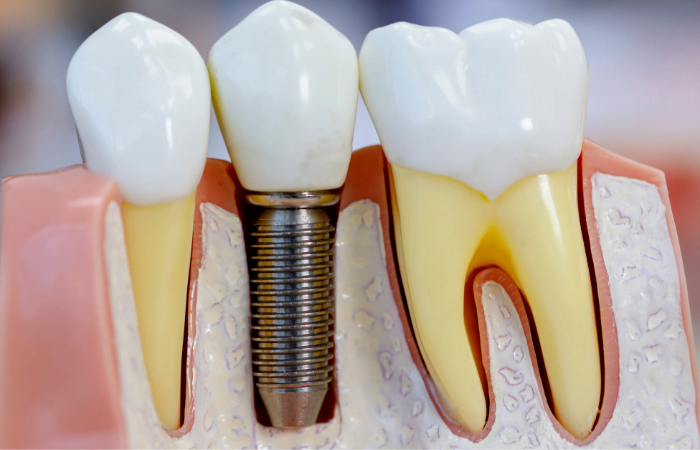
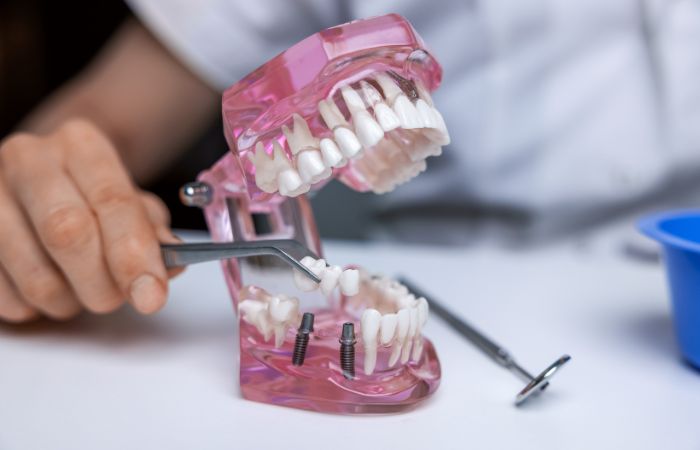
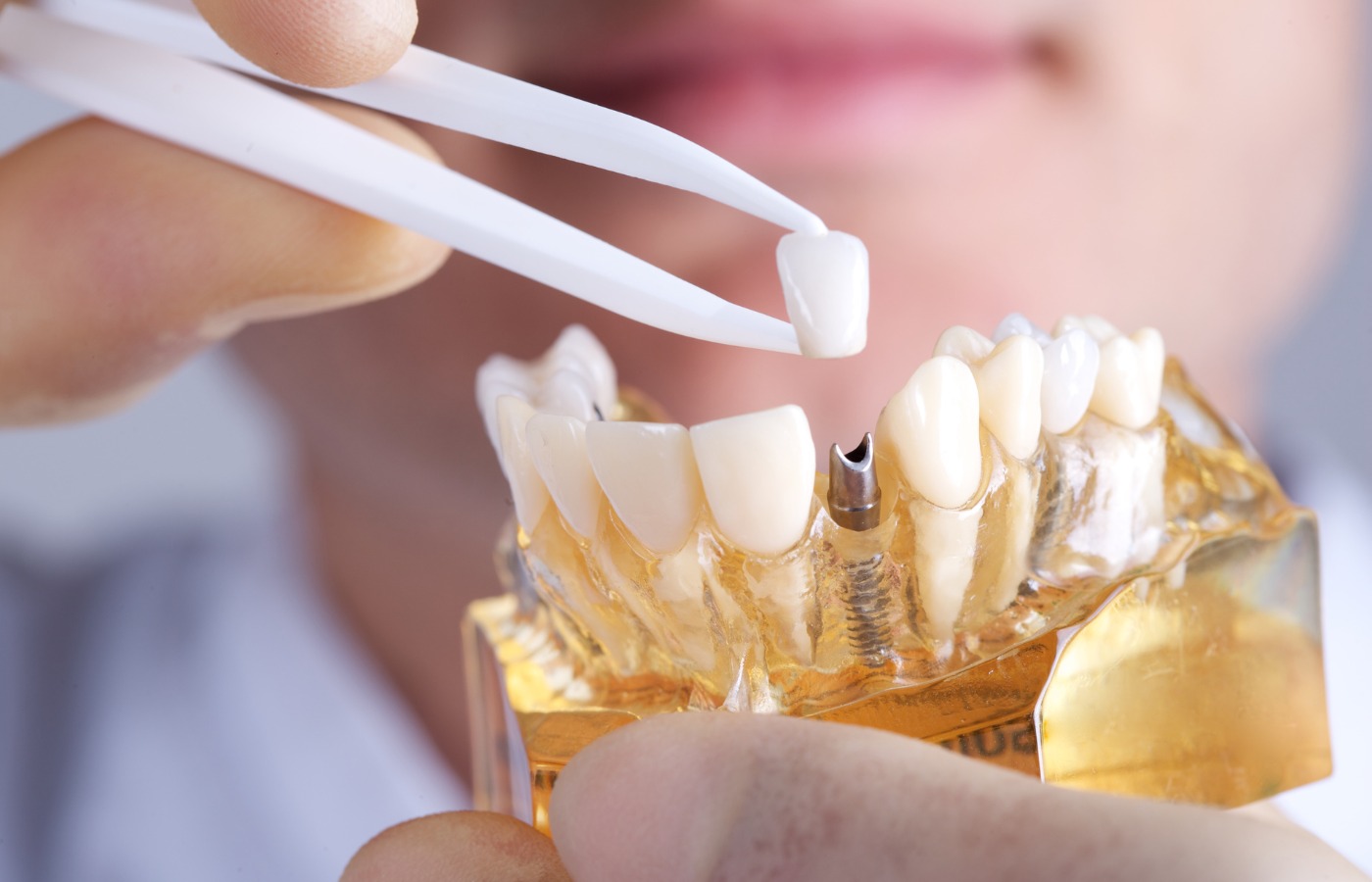
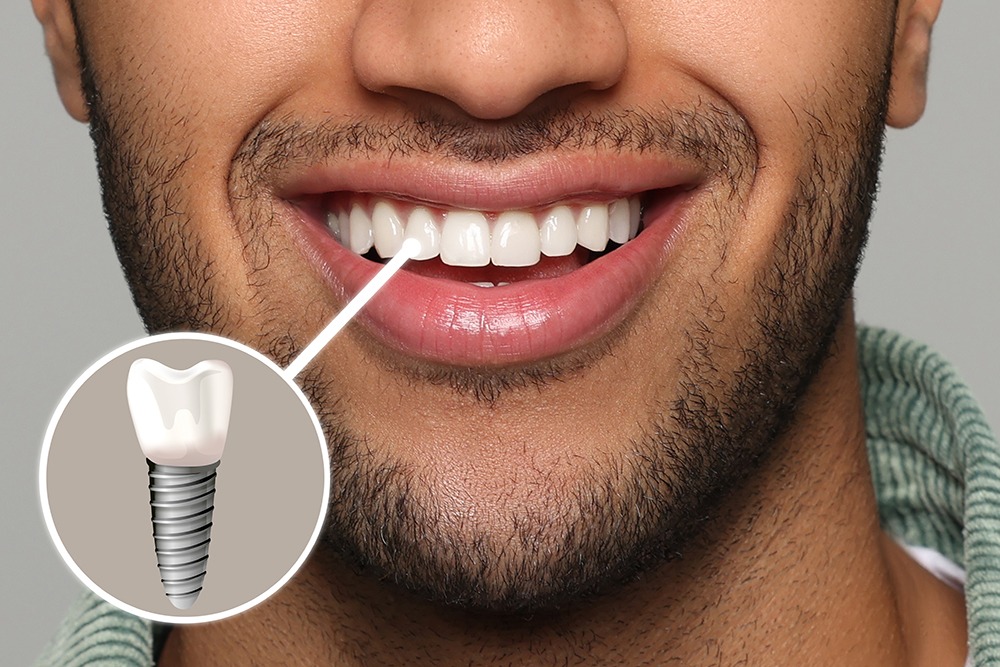
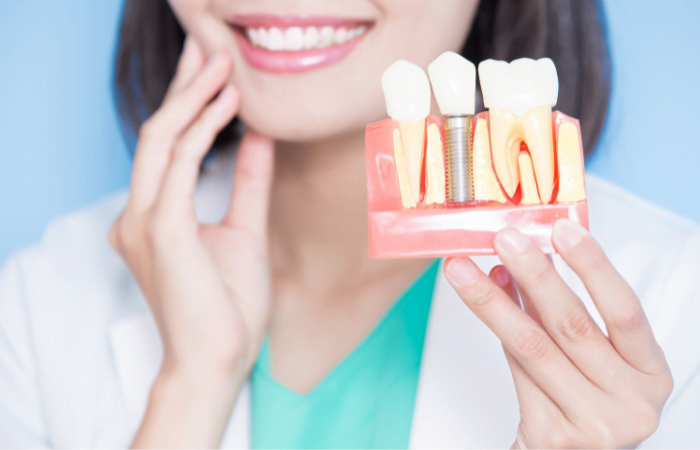
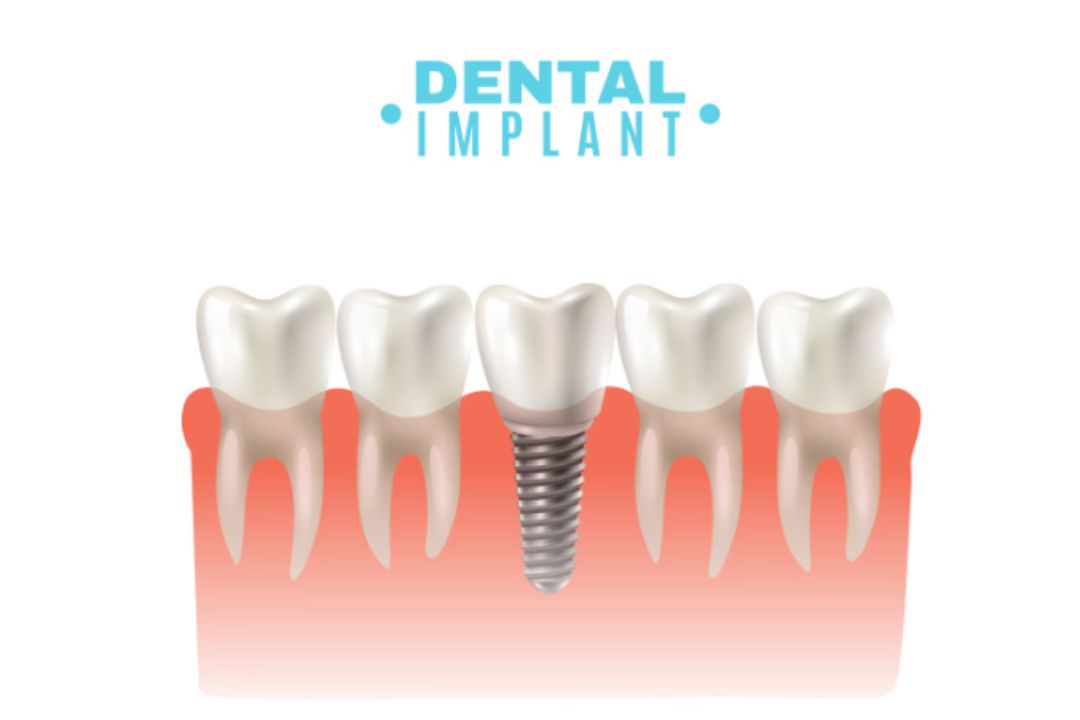
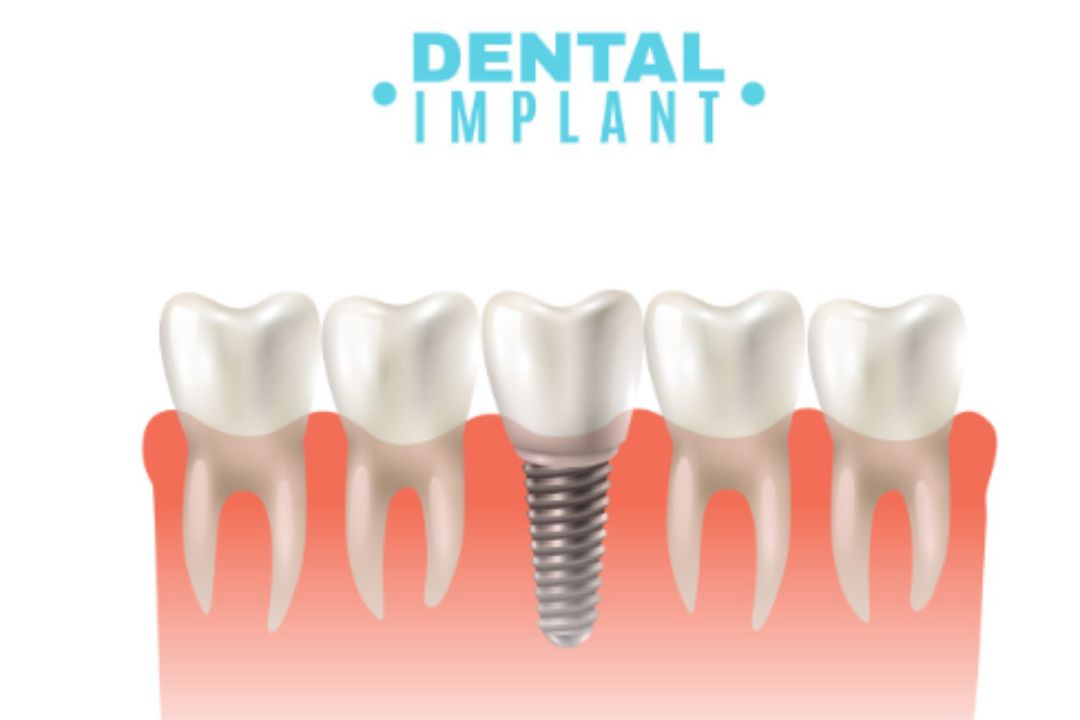
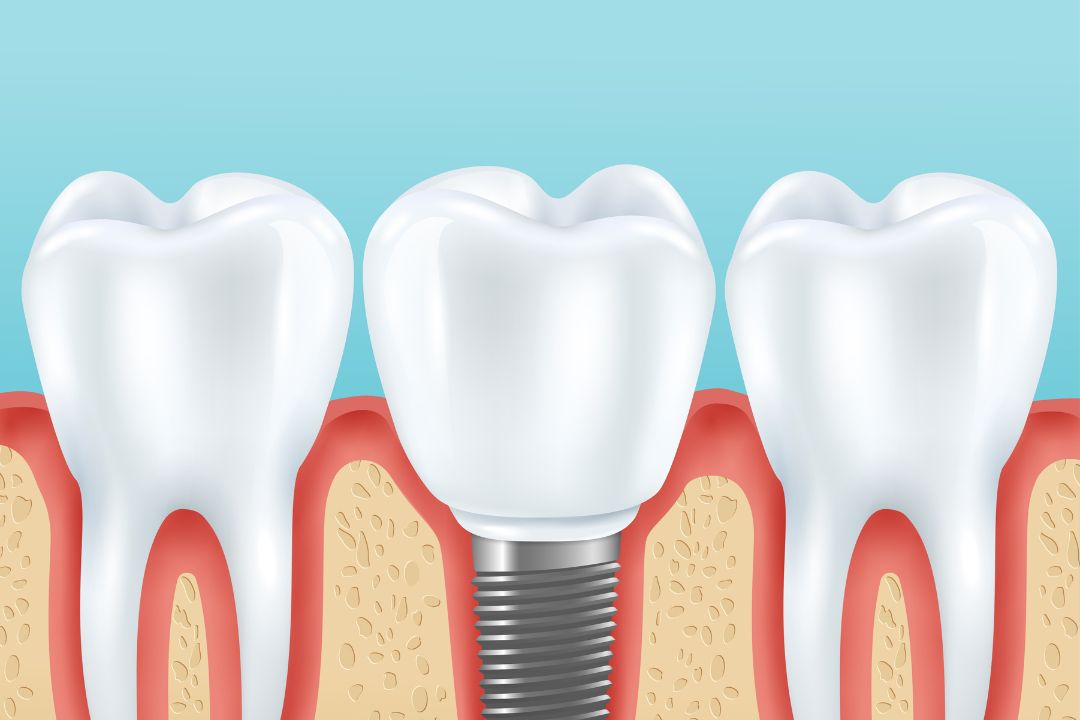
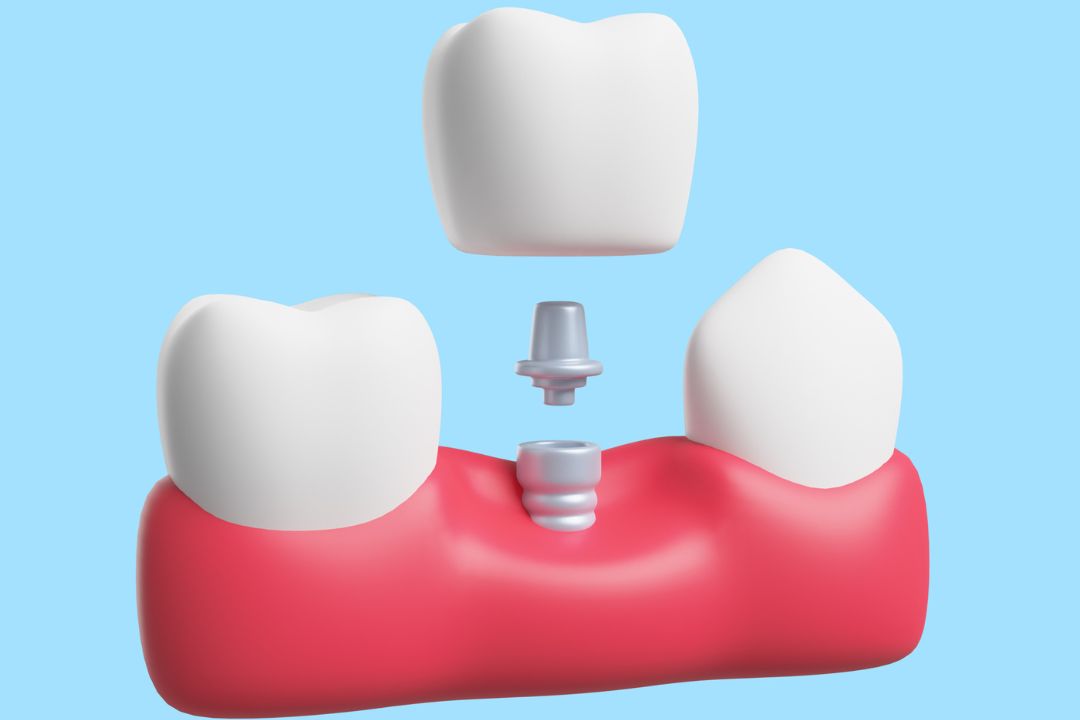
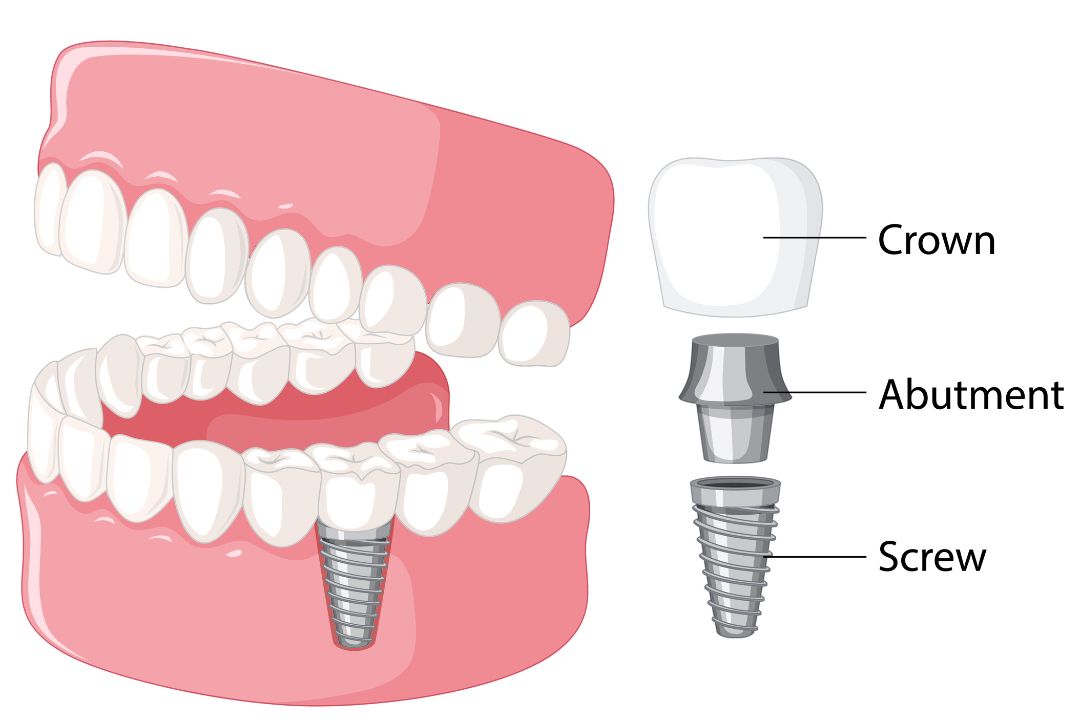
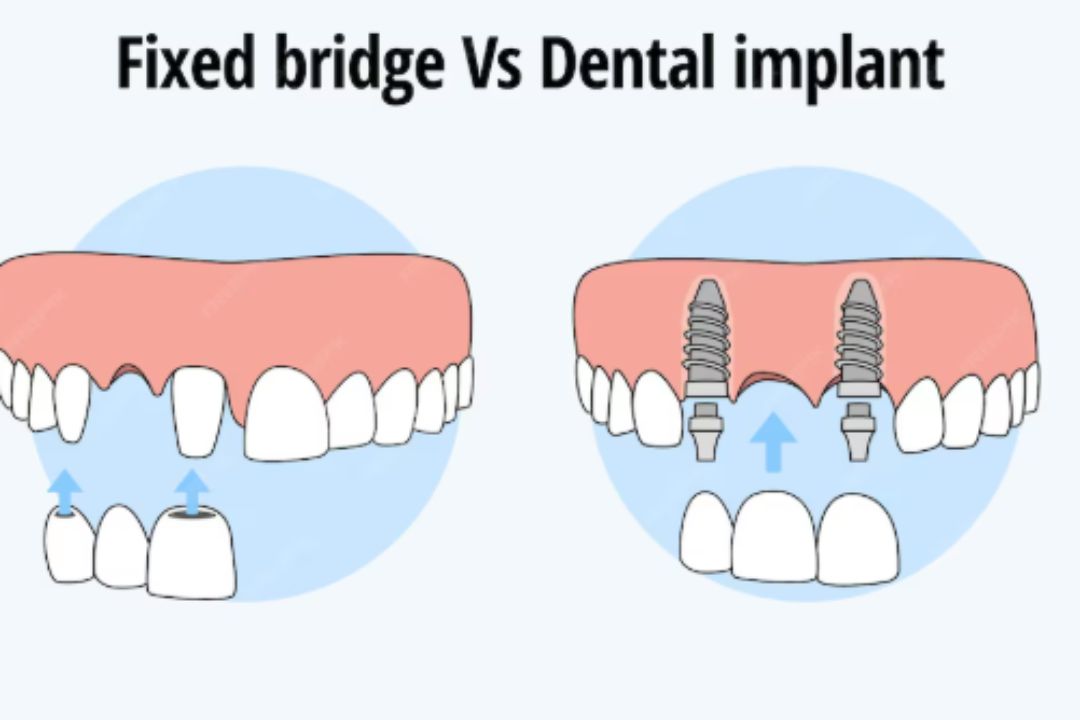
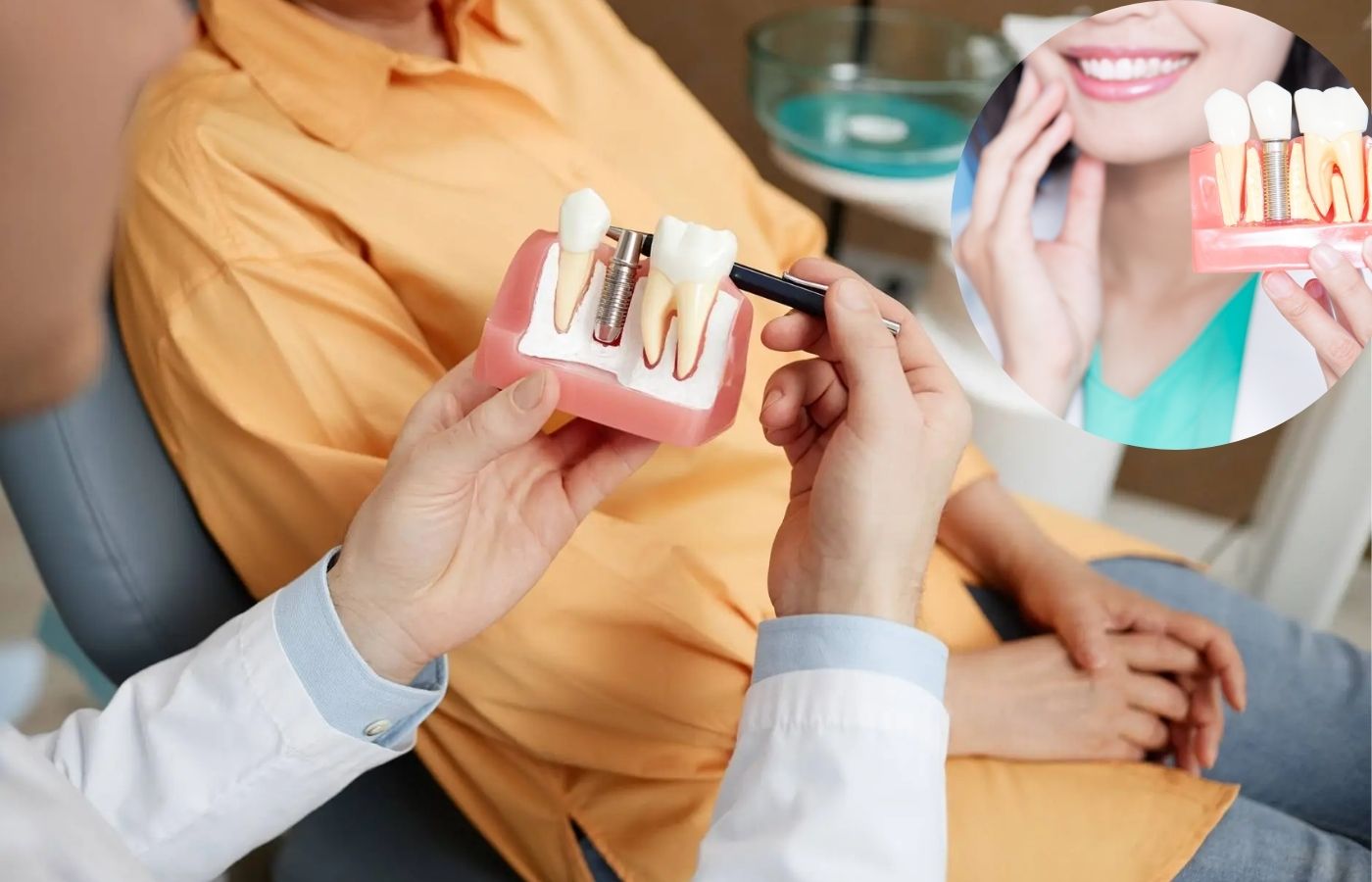
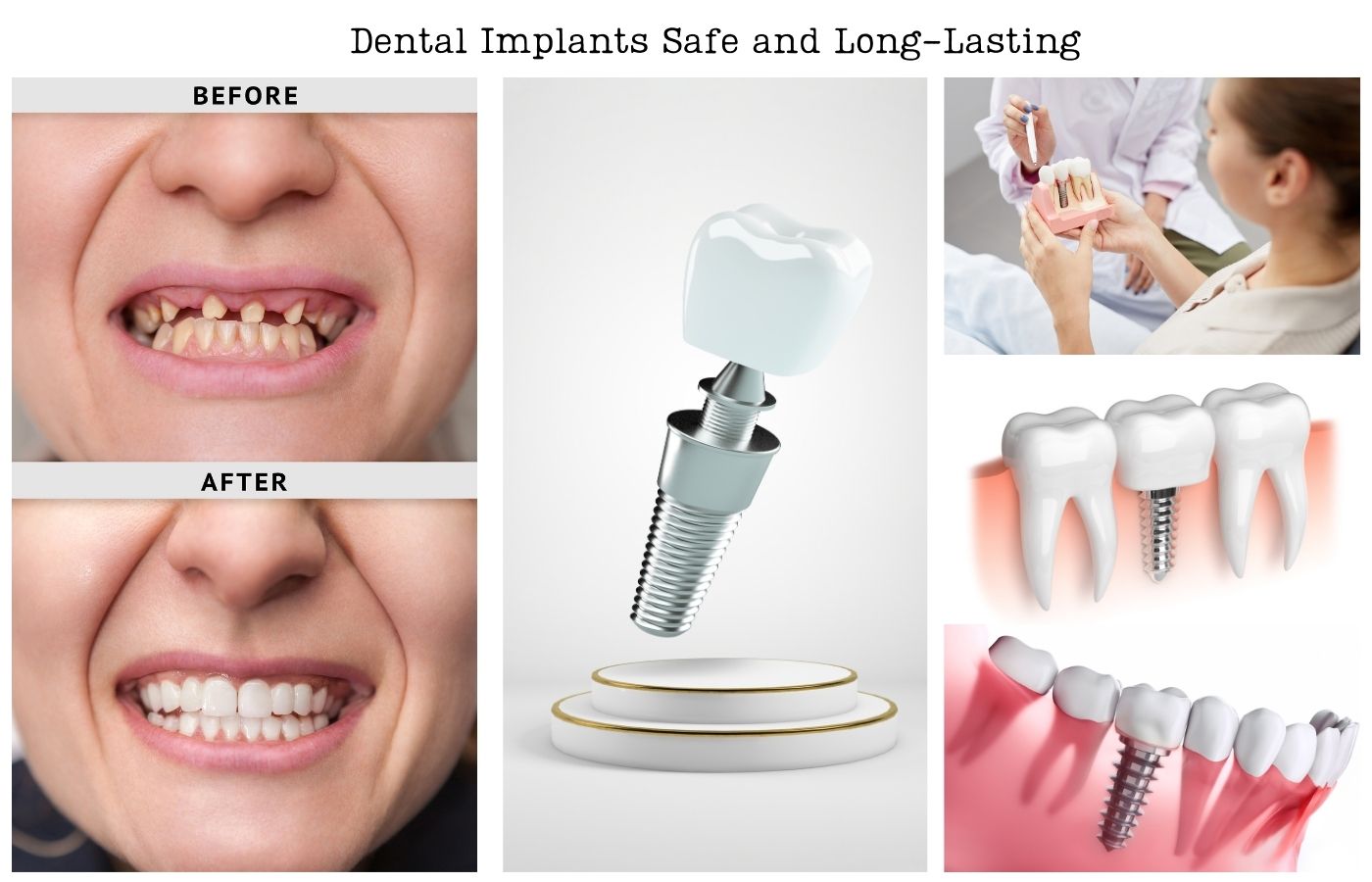
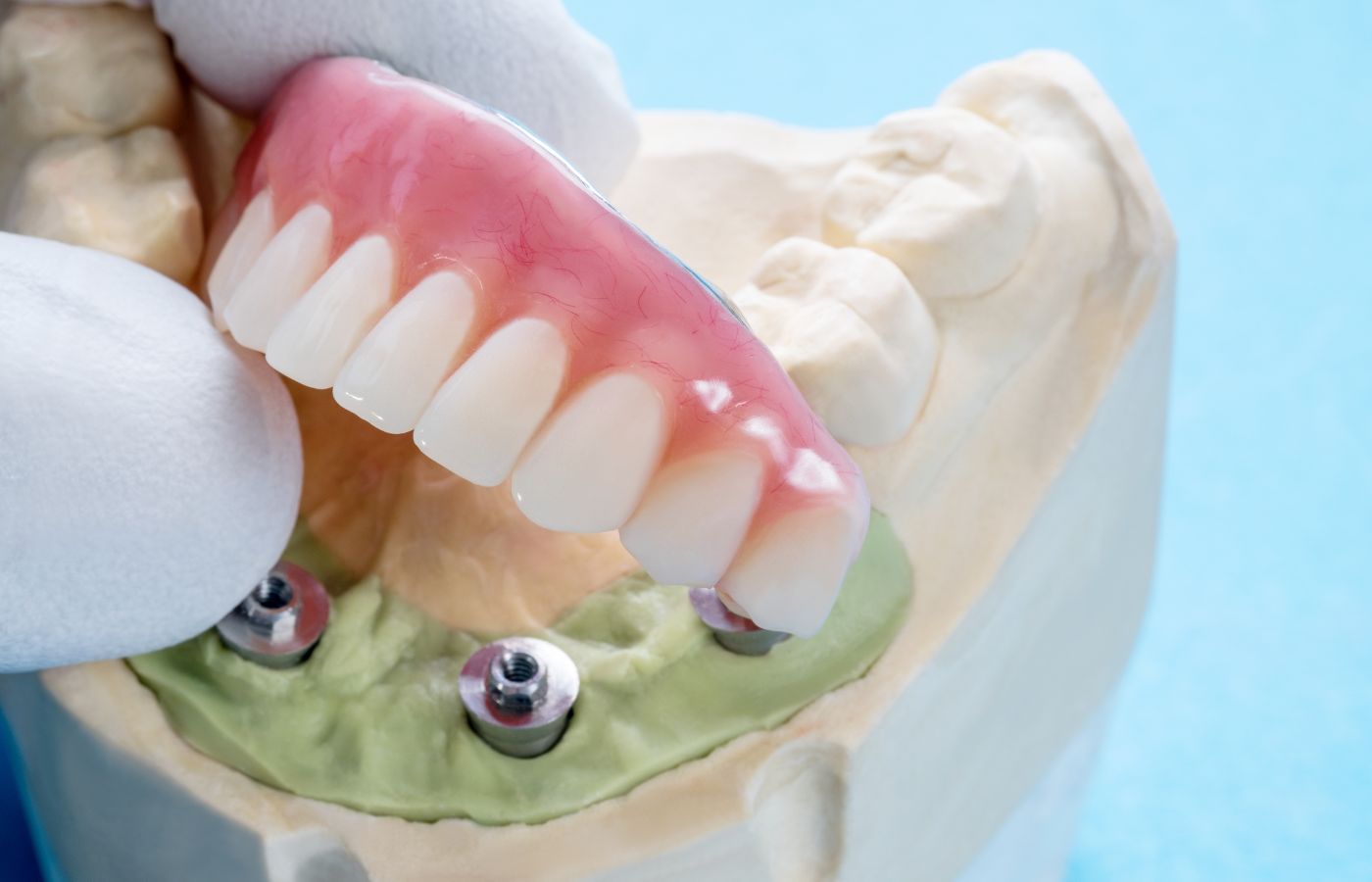
Dental implants are titanium posts placed in the jawbone to act as artificial tooth roots. Once healed the implant supports a crown bridge or denture for a natural looking stable smile.
Implants fuse with bone through a process called osseointegration. This secure bond is what makes implants strong and long lasting.
Dental implant treatment includes:
Initial assessment
Bone evaluation and imaging
Implant placement surgery
Healing phase and osseointegration
Final crown attachment
The key to success is a healthy bone foundation and good healing response.
Diabetes, especially when poorly controlled, can affect many aspects of oral health:
Delayed healing
Higher risk of infection
Gum disease (periodontitis)
Inflammation and complications after surgery
Because dental implants require healing and bone growth around the implant having diabetes means doctors take extra care when planning treatment.
The short answer is yes dental implants can be safe for people with diabetes — but with important conditions:
Your blood sugar must be well controlled
You must maintain good oral hygiene
You need close monitoring before and after surgery
Multiple studies show that people with well managed diabetes can enjoy implant success rates close to those without diabetes.
High blood glucose can cause:
Slower healing after surgery
Increased risk of infection
Weaker immune response
Compromised bone health
For dental implants to succeed your body must be able to heal the bone around the implant. This healing is strongest when diabetes is controlled.
Your dentist will check your recent blood sugar records and may ask for a medical clearance from your physician.
Visit Now: https://www.diagnopein.com/dental-clinic/Mumbai
Ideal targets often include:
Fasting glucose within recommended range
HbA1c levels showing good long term control
Your doctor and dentist will work together to ensure your diabetes is stable before surgery.
People with diabetes are more prone to gum disease. Before implant placement your dentist may treat any existing gum inflammation or infection.
Healthy gums and bone increase the chances of a successful implant.
Diabetes can affect bone metabolism. Your dentist will evaluate:
Bone density
Available bone volume
Need for bone grafting
If bone is insufficient your dentist may recommend bone grafting before implant placement.
Tell your dentist about all medications you take including:
Diabetes medications
Blood thinners
Supplements
This ensures safe planning and reduces risk during surgery.
Good daily care makes a big difference. Your dentist will reinforce:
Brushing twice daily
Flossing regularly
Routine dental checkups
Controlling gum inflammation
Good hygiene supports healing and long term implant health.
Your dental team reviews your medical history and may request blood tests to assess blood sugar control.
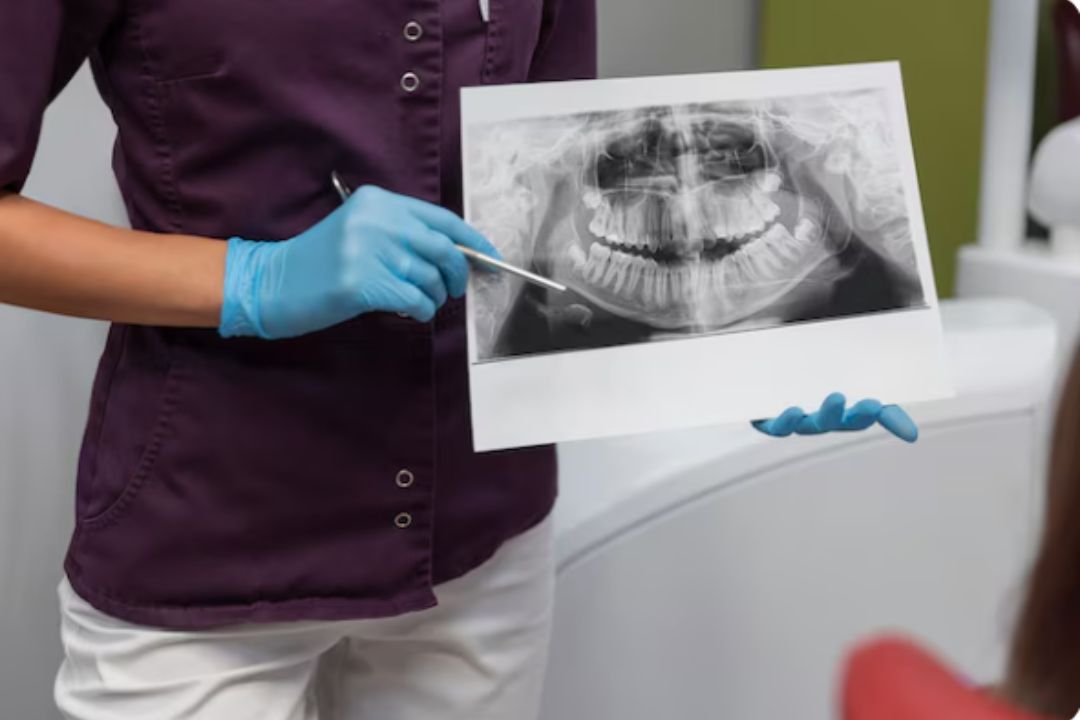
Imaging like X-rays or 3D scans check bone quality and anatomy.
A customized plan is created that may include:
Correcting gum disease
Bone grafting if needed
Staged surgeries for best results
Your dentist may coordinate care with your physician for optimal outcomes.
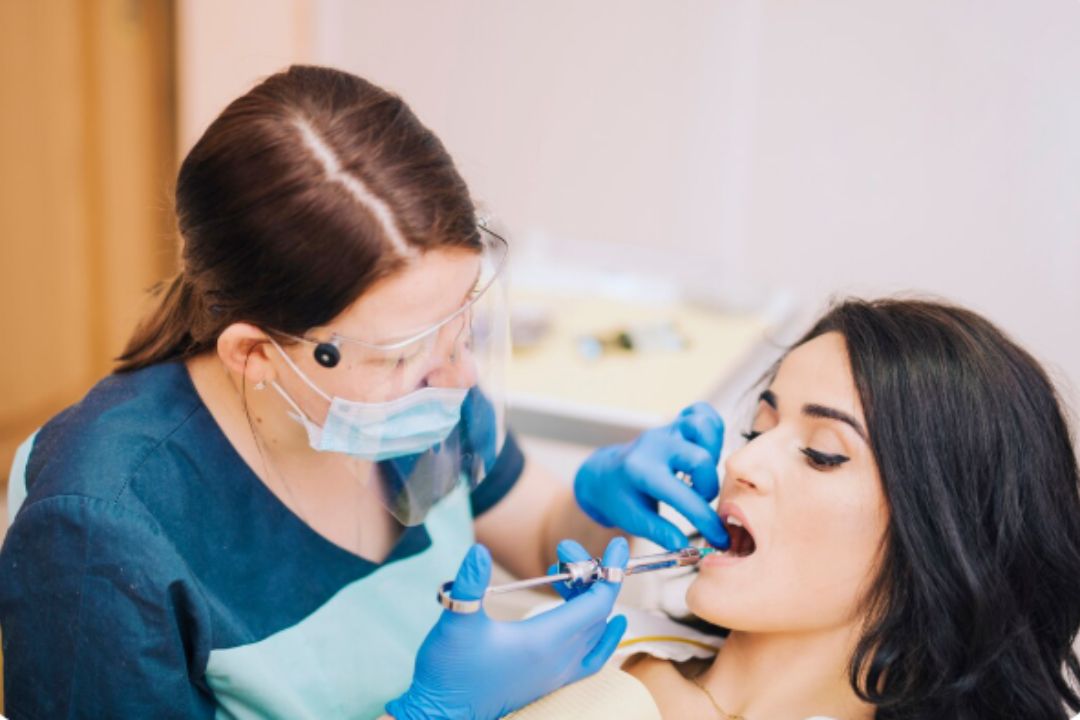
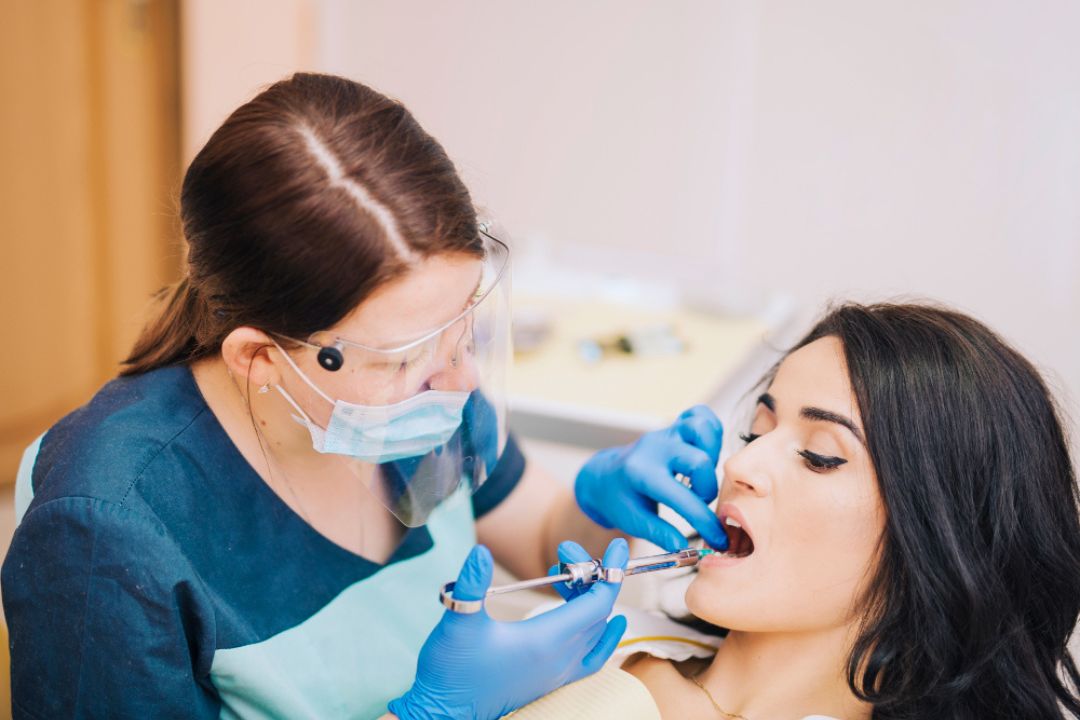
The implant procedure is performed under local anesthesia. People with diabetes tolerate dental surgery well when blood sugar is stable.
Your dentist may recommend antibiotics or antiseptic rinses to prevent infection.
This is the most important time for implant success. During healing:
Avoid smoking
Follow prescribed care instructions
Keep blood sugar controlled
Healing time varies but is usually several weeks to a few months.
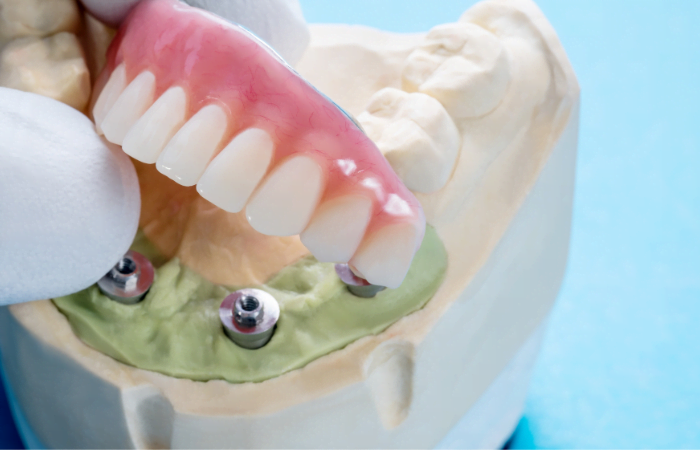
Once the implant integrates with bone your dentist places the crown or prosthesis. This restores function and appearance.
Regular followups ensure the implant remains healthy.
Dental implants offer advantages that are especially helpful:
Natural chewing ability
Improved speech and confidence
Better nutrition because you can eat a normal diet
Bone preservation that prevents jaw shrinkage
These benefits help overall health and quality of life.
While implants are safe with controlled diabetes some risks include:
Infection
Delayed healing
Gum inflammation
Implant failure (rare with control)
Reducing risk involves:
Maintaining stable blood sugar
Excellent oral hygiene
Regular dental visits
Following all post-surgery care instructions
Your dentist will guide you through every step.
Studies show that when diabetes is well controlled implant success rates are very high — similar to those without diabetes. Some research even shows success above ninety five percent in stable patients.
The critical factor is diabetes management before and after implant surgery.
Work with your physician to stabilize blood sugar
Improve oral hygiene before treatment
Stop smoking if you smoke
Manage gum disease early
Attend all followup visits
These steps improve healing and long term success.
Dental implants are safe and reliable for people with diabetes when the condition is well controlled. With good blood sugar management excellent oral hygiene and professional coordination between your dentist and physician you can enjoy the benefits of implants with low risk.
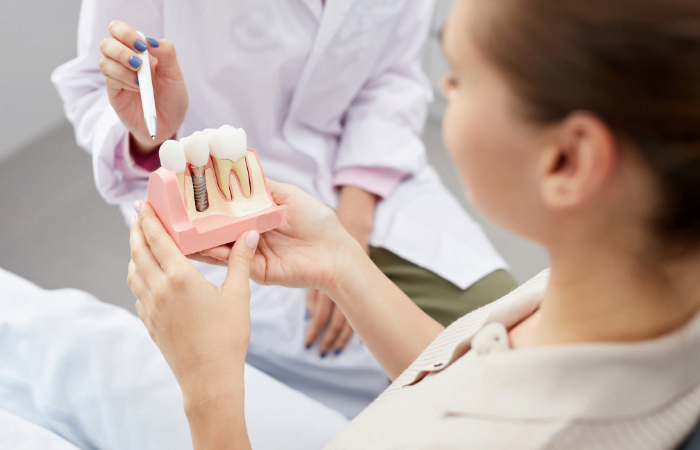
If you have diabetes and are considering dental implants schedule a consultation with an experienced implant dentist. Bring your medical history and blood sugar records to your appointment so a personalized plan can be created.













.jpg "myths and facts about dental implants")































![affordable dental implant treatment in [pune] with emi options](/img/BlogImages/affordable dental implant treatment in [pune] with emi options.jpg "affordable dental implant treatment in [pune] with emi options")


.jpg "dental implant full mouth rehabilitation")










.jpg "foods for rapid recovery after dental implant surgery")





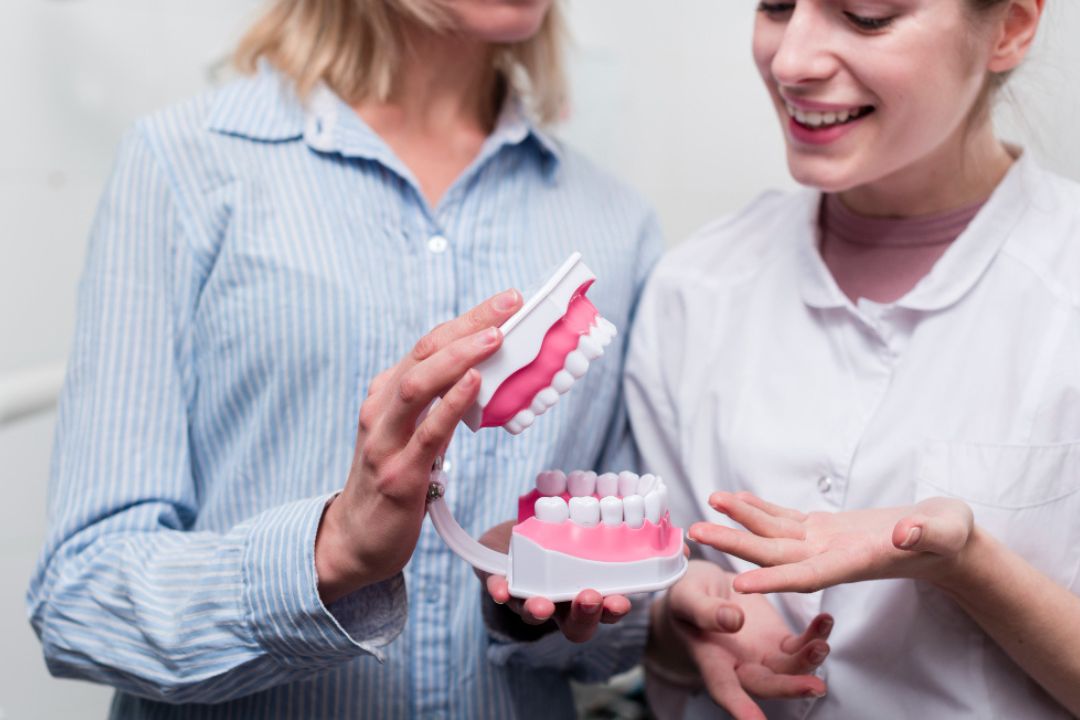
.jpg "dental implant")
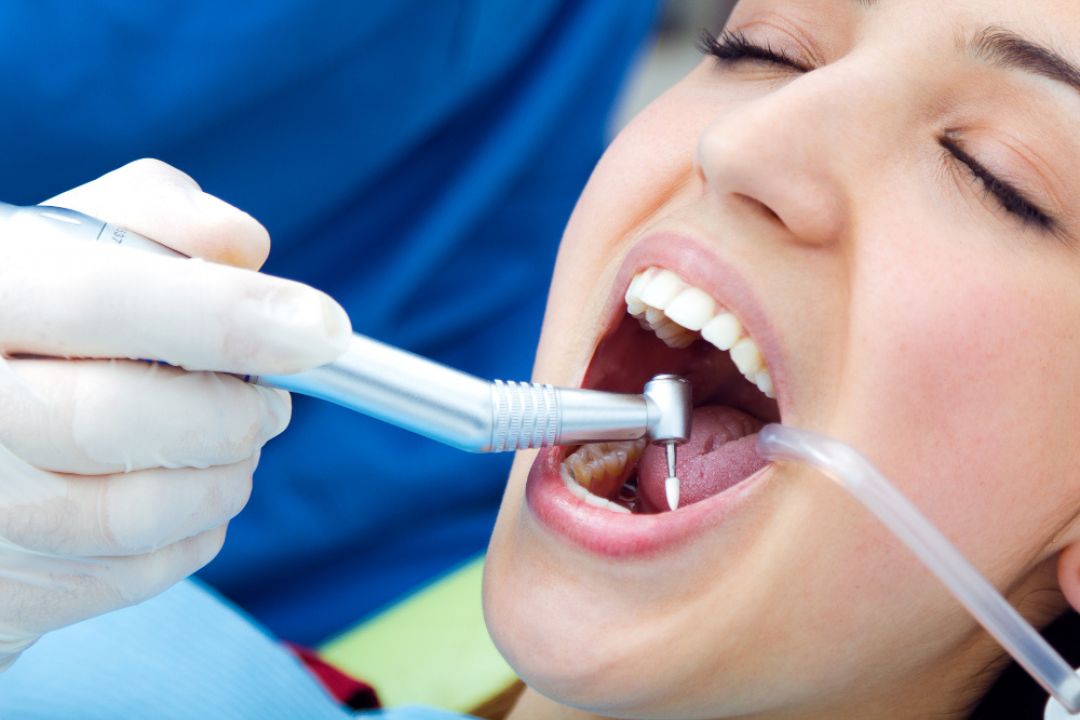
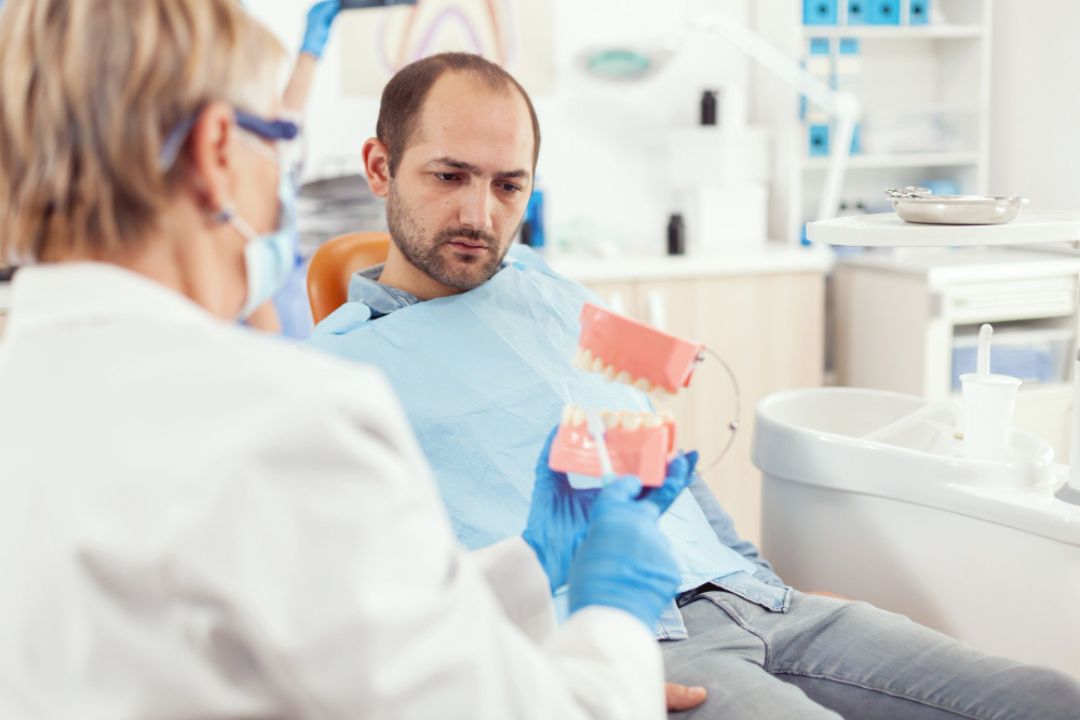
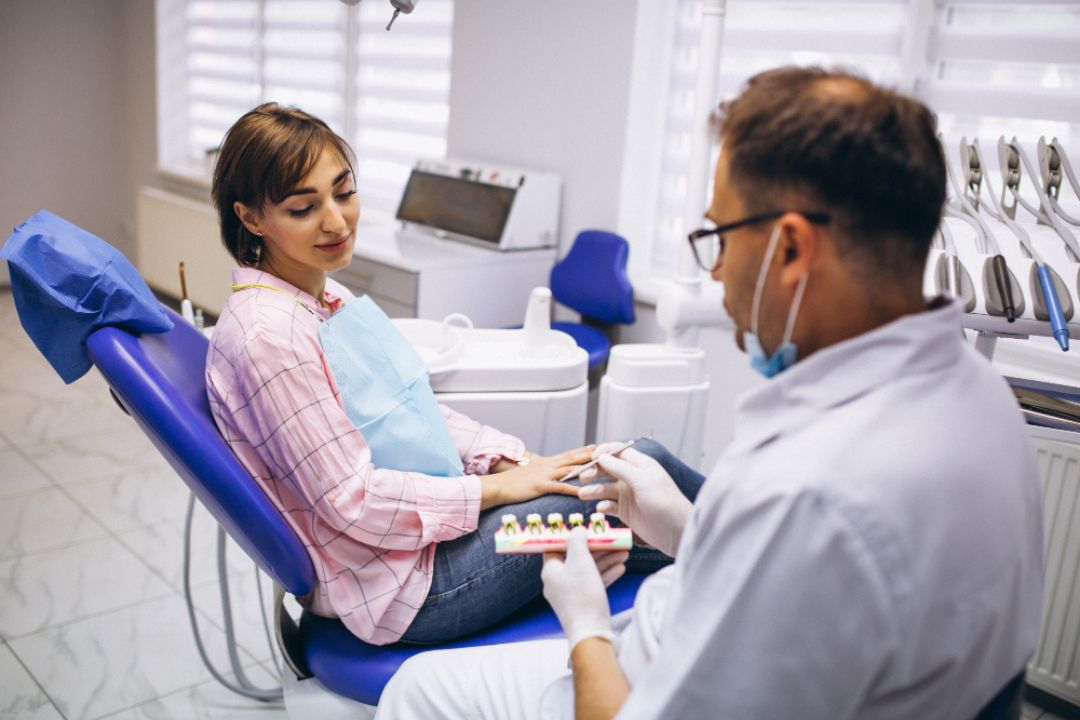

.jpg "dental implant")
.jpg "dental implant")

.jpg "dental implants")
.jpg "dental implants")



.jpg "Dental Implants Help Repair Broken")
.jpg "Know About Dental Implants")
.jpg "Major Types of Dental Implants")
 (1).jpg "Affordable Dental Implants in India")
 (1).jpg "Dental Implants with Pre-existing Conditions")