Missing teeth can affect more than just your smile. They impact your ability to chew properly, speak clearly, and maintain overall oral health. Over time, untreated tooth loss can even lead to jawbone deterioration and changes in facial structure.
Among all available tooth replacement options, dental implants are widely considered the most effective and long-lasting solution.
In this article, we’ll explain what dental implants are, how they work, and why they are often the best choice compared to dentures and dental bridges.
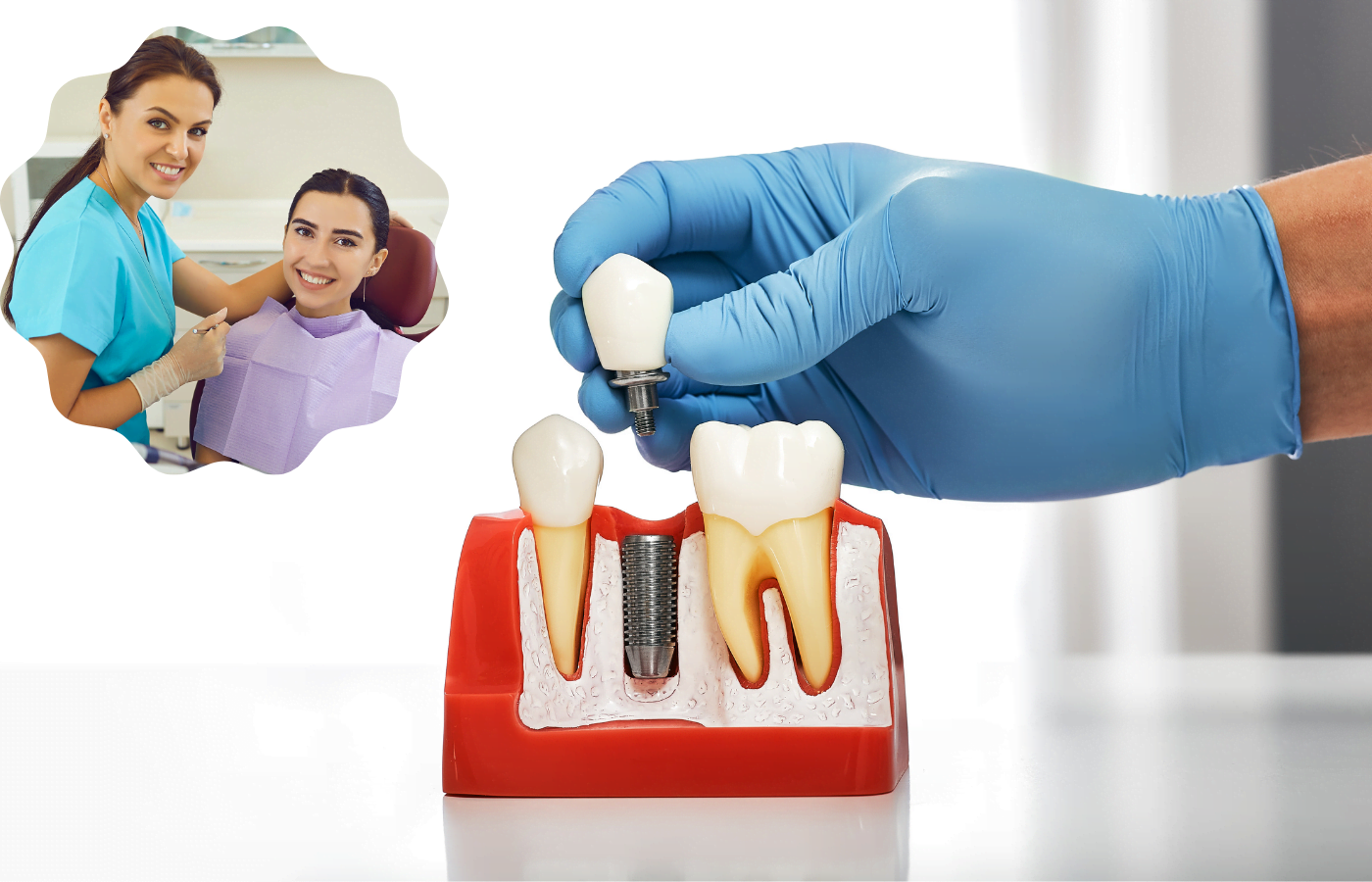
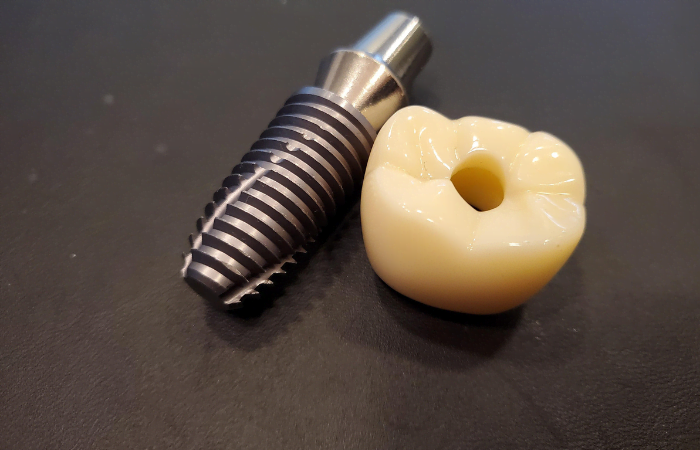
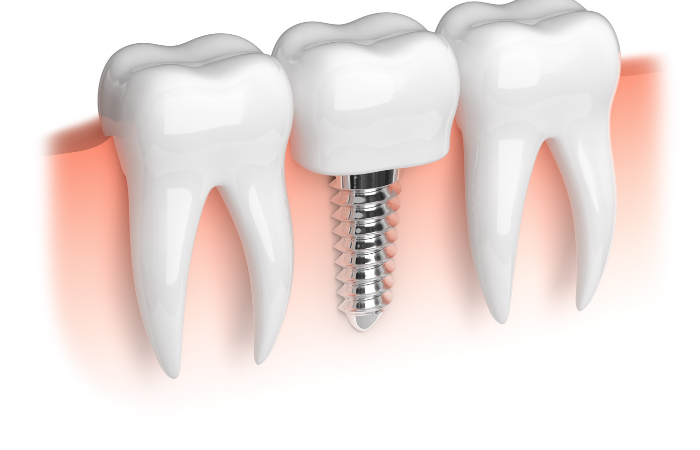
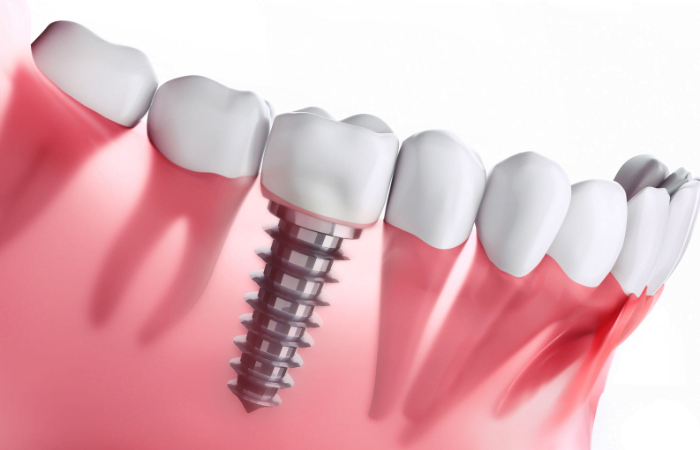
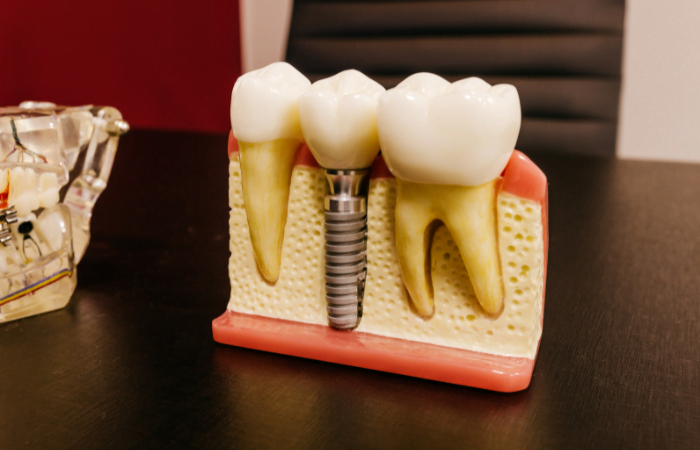
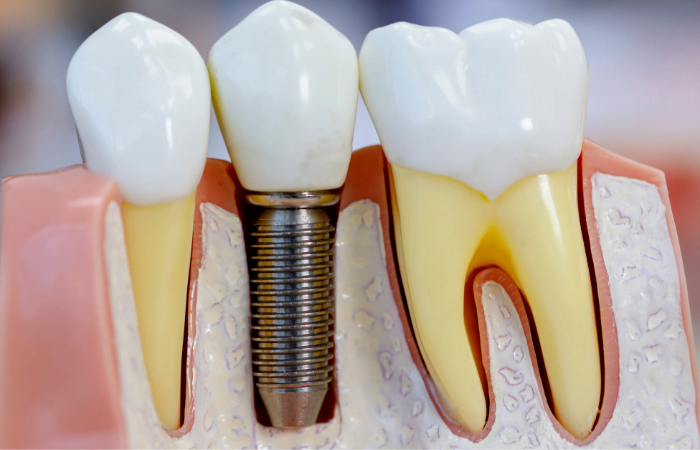
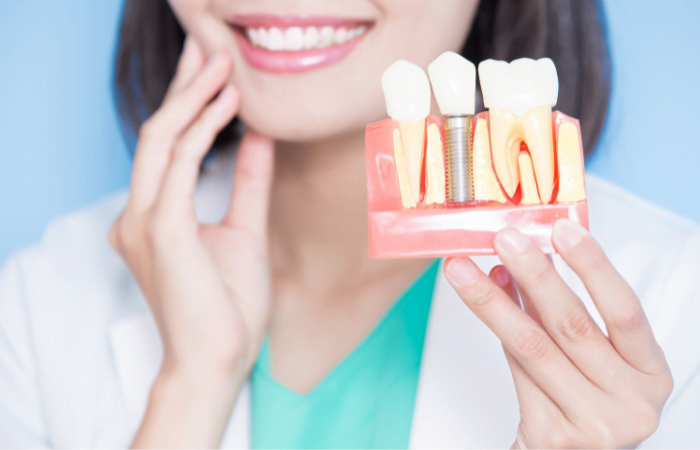
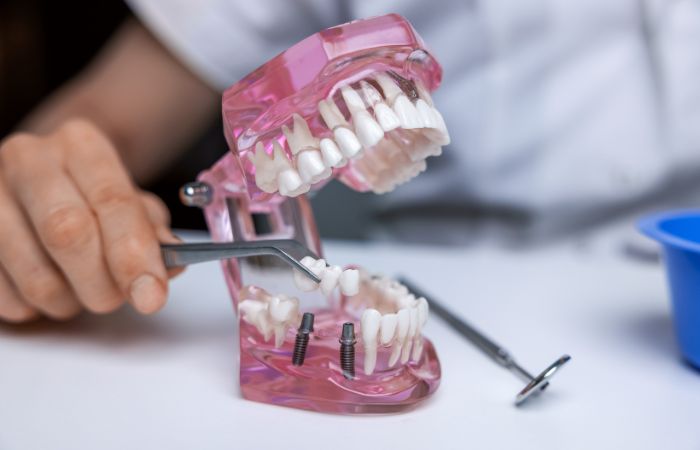
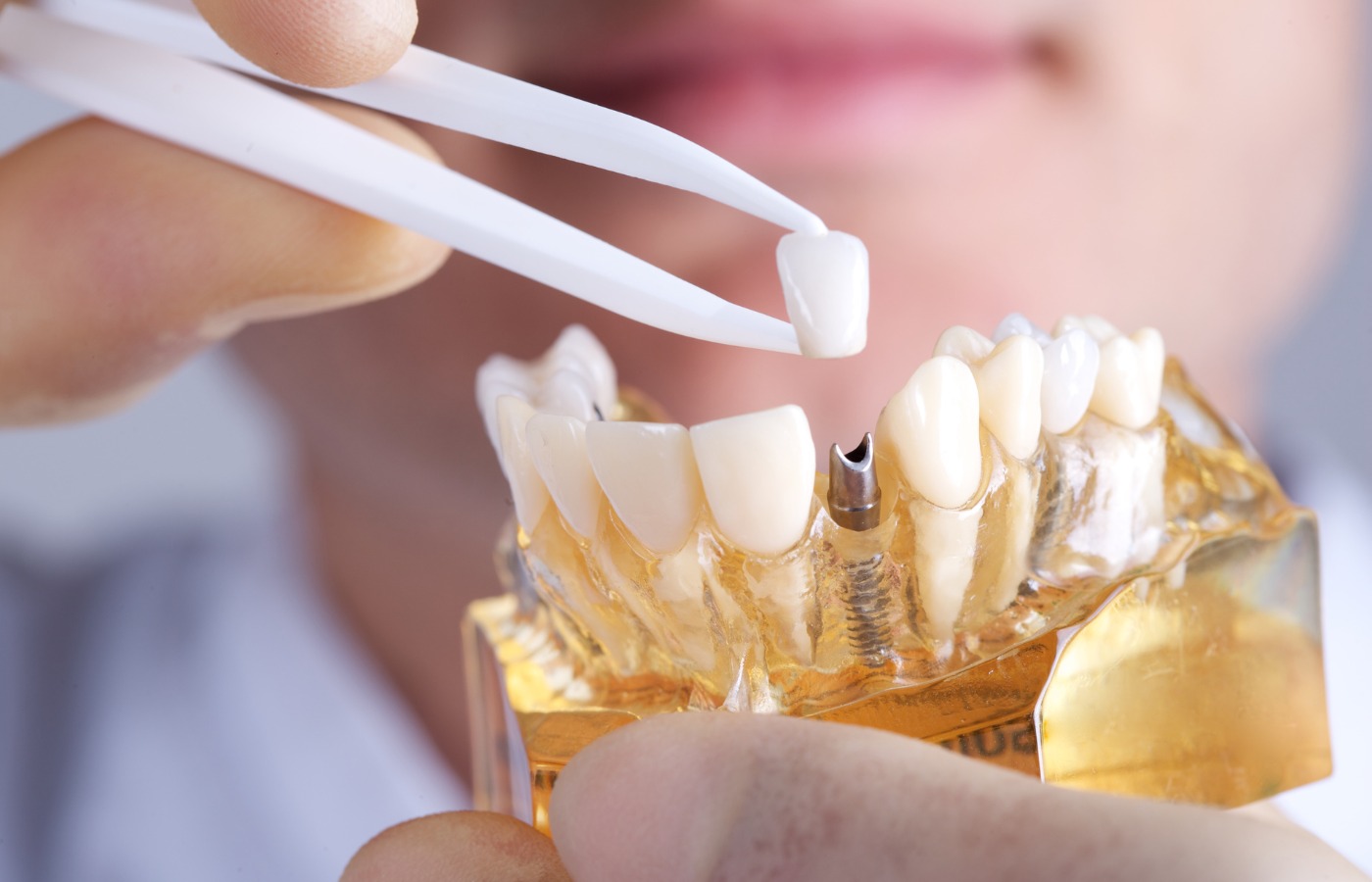
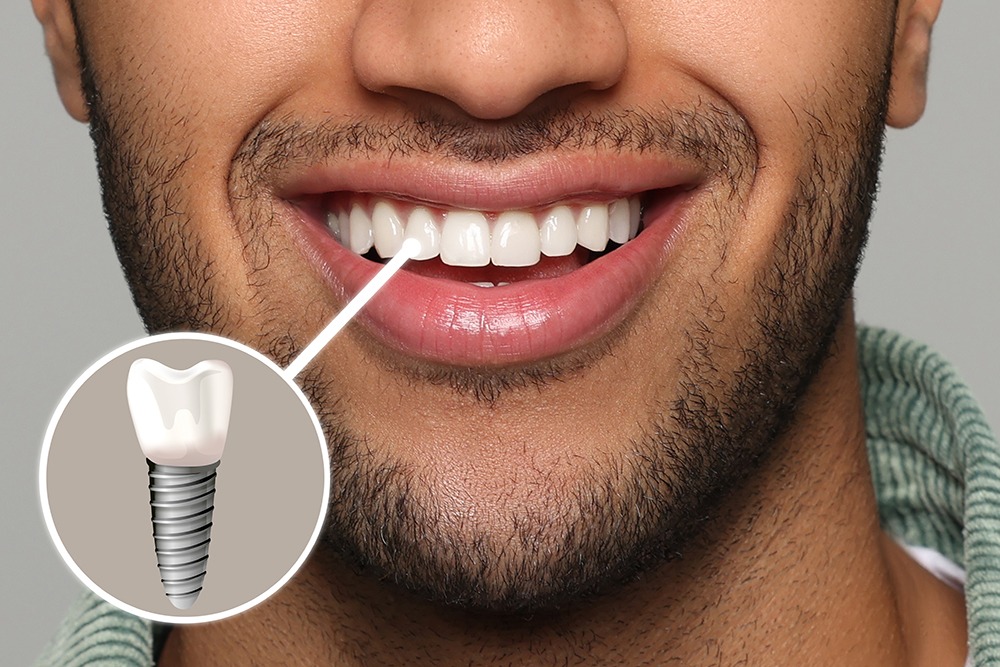
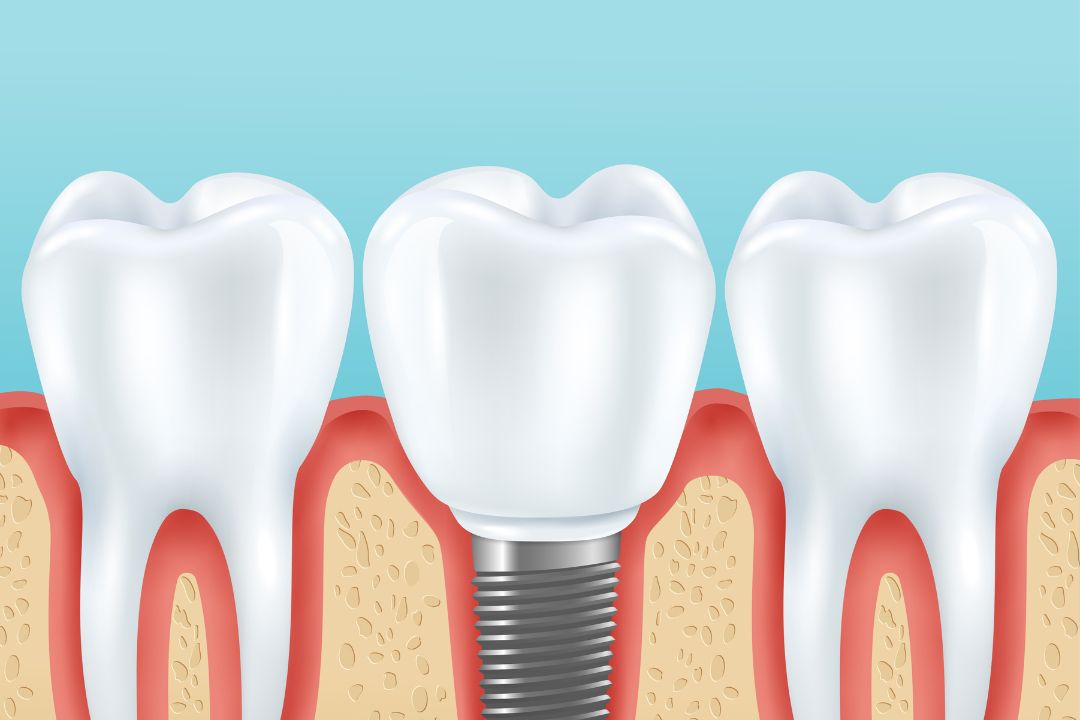
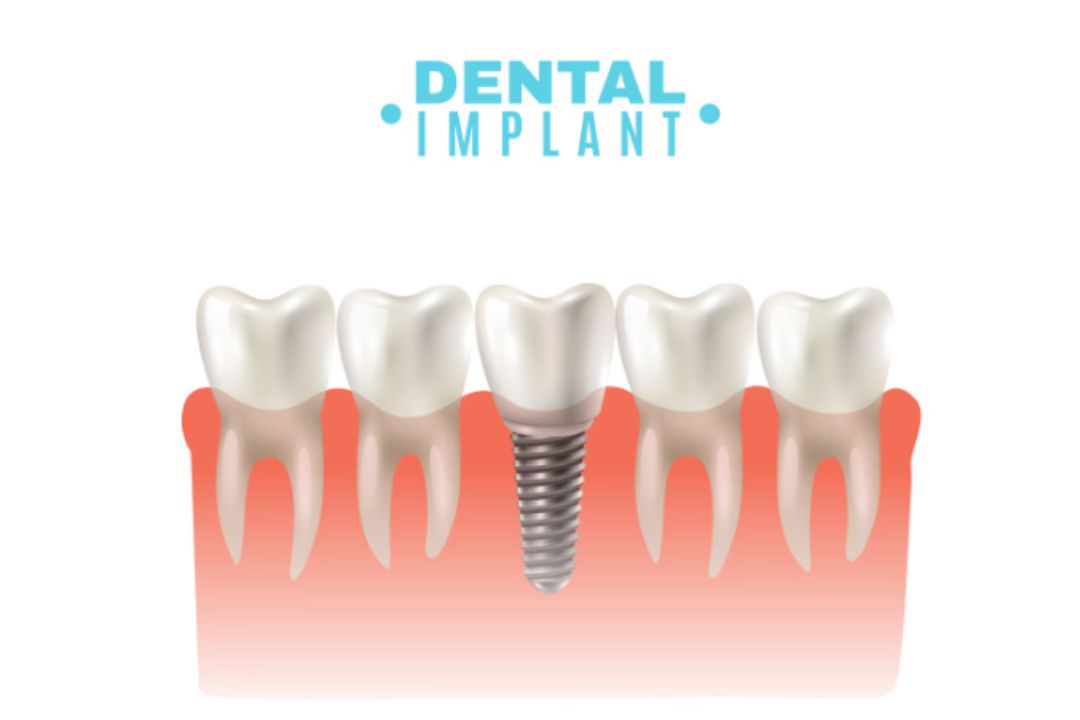
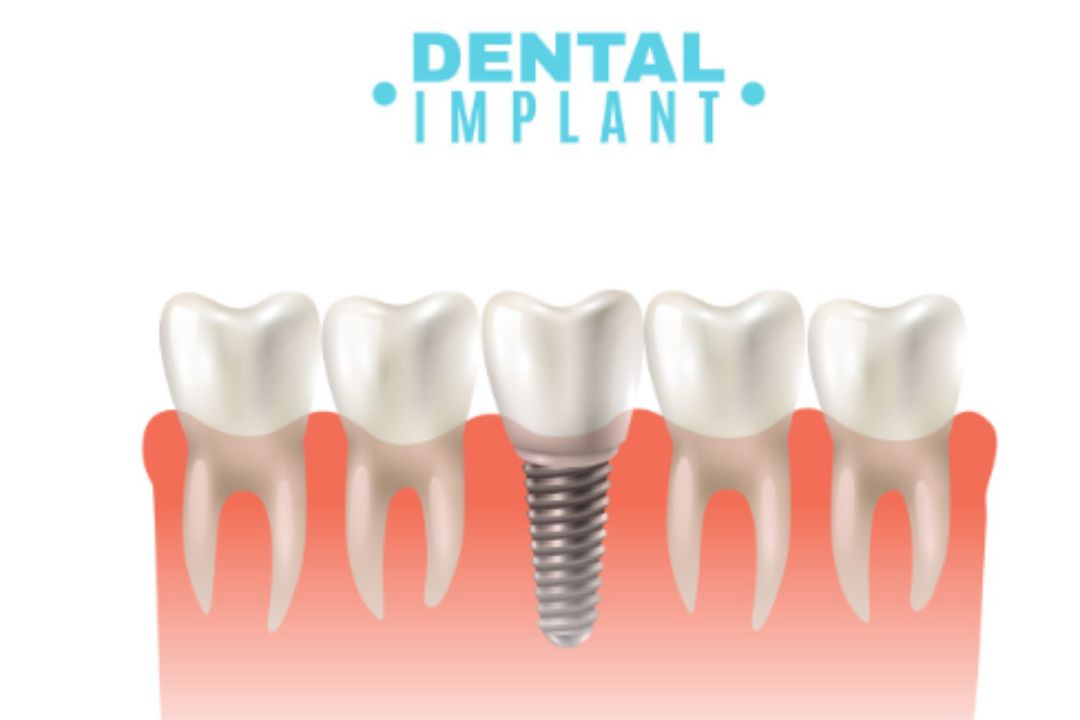
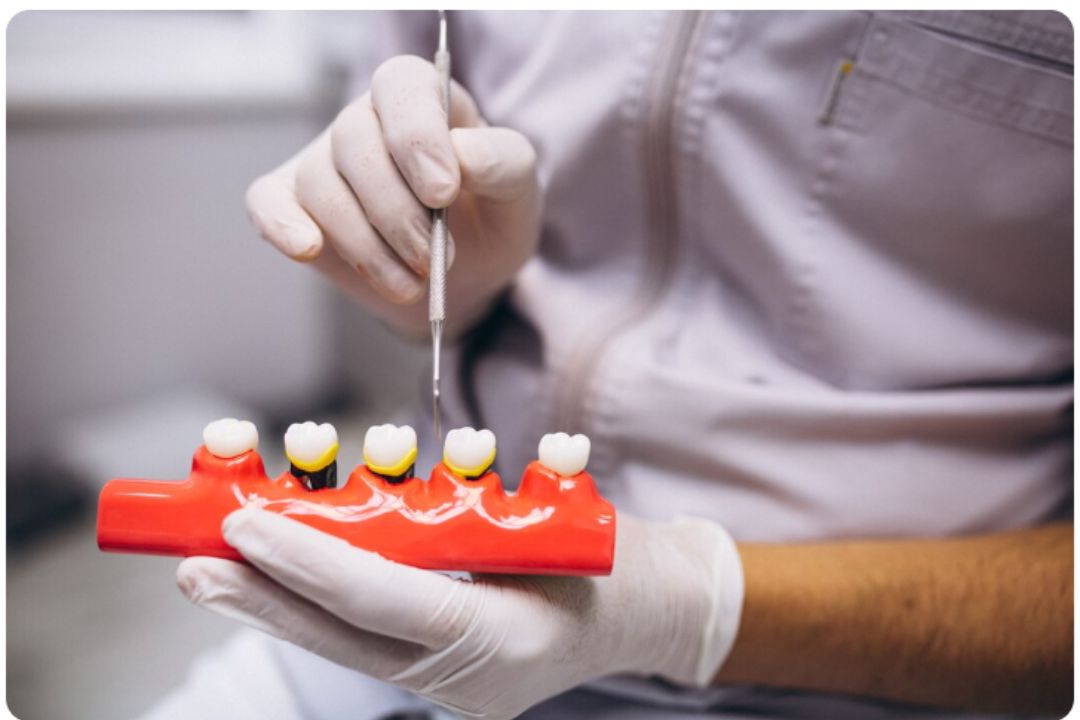
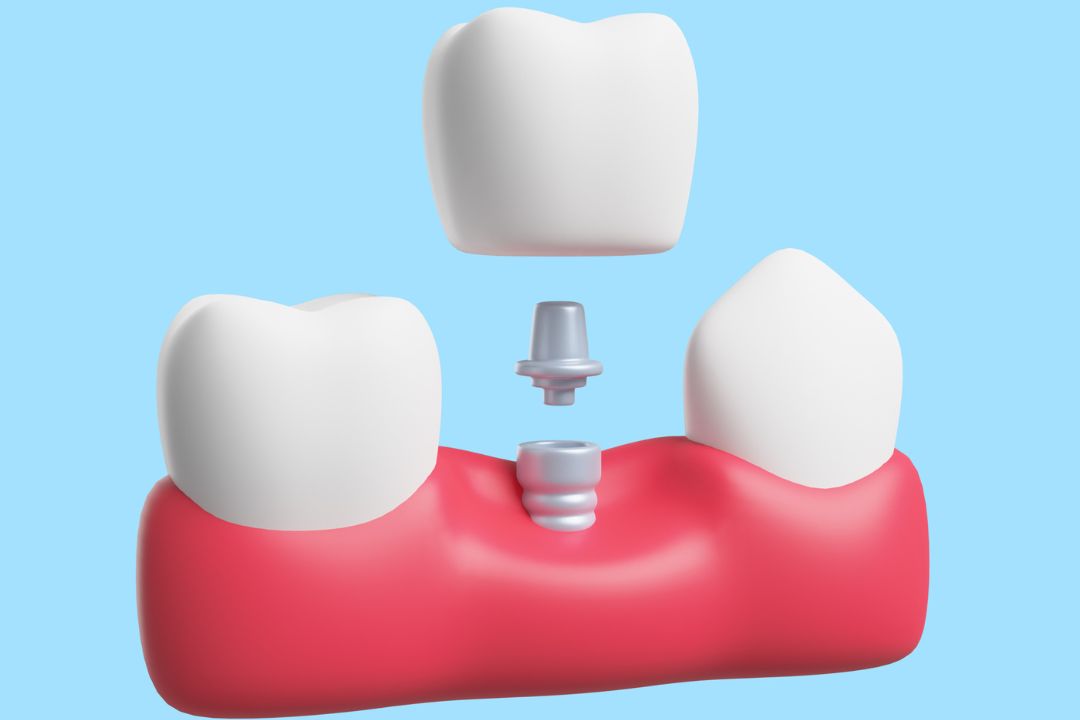
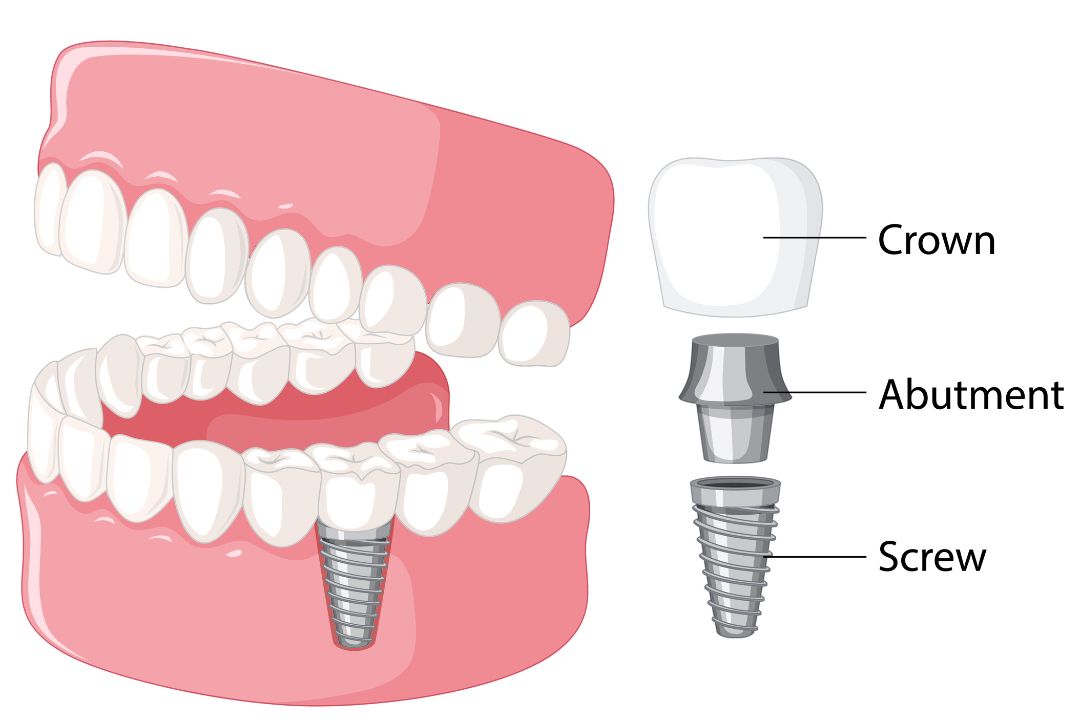
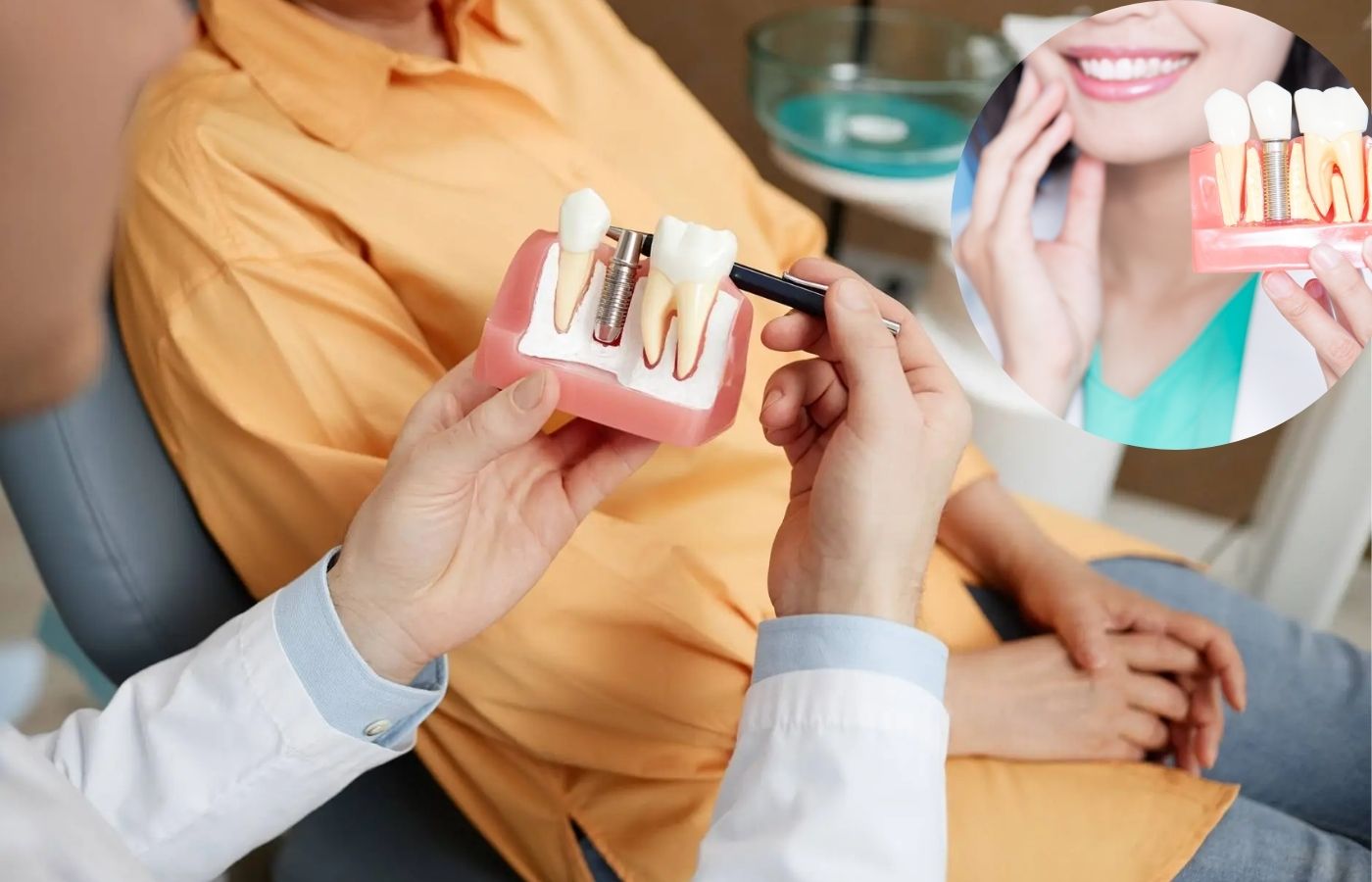
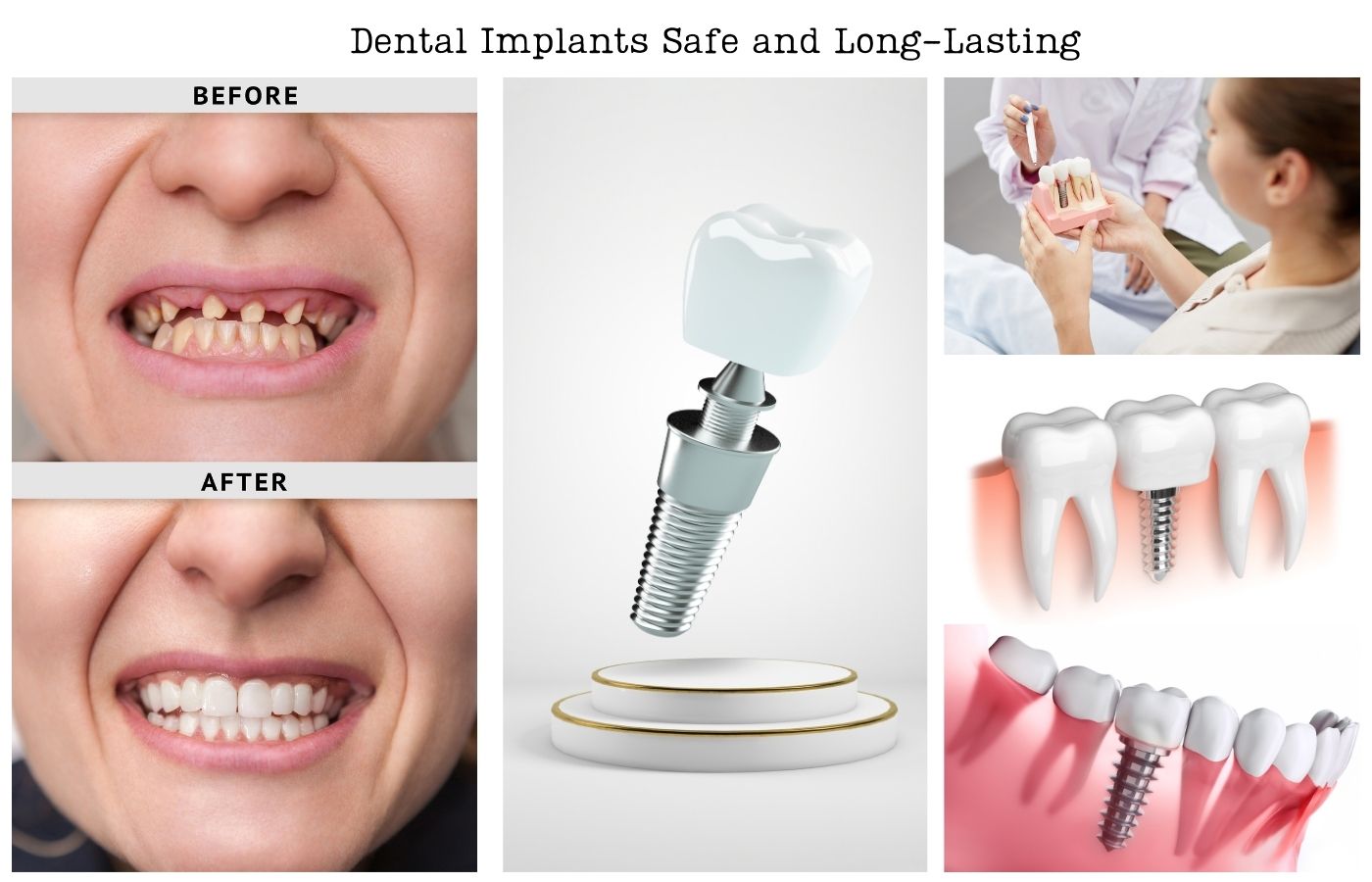
A dental implant is a small titanium post that is surgically placed into the jawbone to replace the root of a missing tooth. After placement, the implant naturally fuses with the bone in a process called osseointegration. Once healed, a crown (artificial tooth) is attached to the implant, creating a restoration that looks and functions like a natural tooth.
A complete dental implant consists of:
The implant post (titanium root)
The abutment (connector)
The dental crown (visible tooth)
This structure mimics a natural tooth from root to surface.
Many people delay treatment after losing a tooth, especially if it is not visible. However, missing teeth can lead to:
Difficulty chewing certain foods
Speech problems
Shifting of surrounding teeth
Jawbone shrinkage
Changes in facial appearance
Increased risk of gum disease
Replacing missing teeth early prevents these complications and preserves long-term oral health.
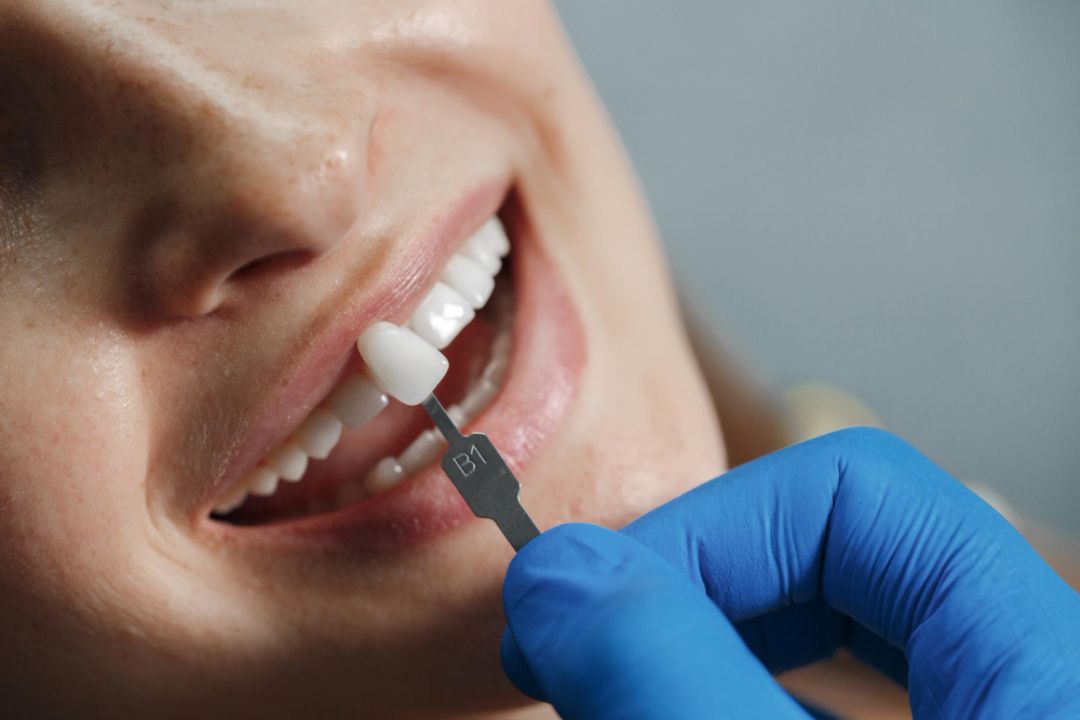
One of the biggest advantages of dental implants is their natural appearance. The crown is custom-designed to match the color, shape, and size of your surrounding teeth.
Unlike removable dentures, implants are fixed in place. They do not slip, click, or move while speaking or eating. Most patients report that implants feel just like their natural teeth.
When a tooth is lost, the jawbone beneath it begins to shrink because it no longer receives stimulation from chewing. This process is called bone resorption.
Dental implants are the only tooth replacement option that stimulates the jawbone, preventing bone loss. By preserving bone density, implants help maintain:
Facial shape
Jaw strength
Long-term oral stability
Dentures and bridges do not provide this benefit.
Dental implants are designed to be a permanent solution. With proper care and good oral hygiene, implants can last 20 years or more — often a lifetime.
In comparison:
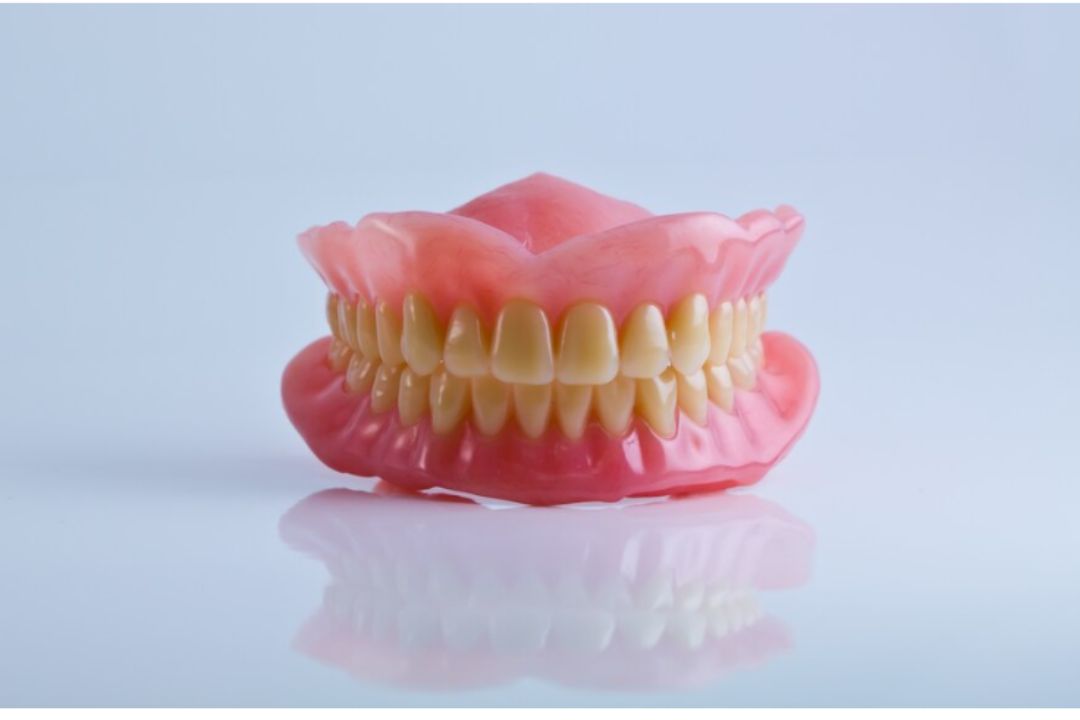
Dentures may need replacement every 5–8 years
Dental bridges typically last 10–15 years
Because implants integrate with the bone, they offer superior stability and durability.
Missing teeth can make it difficult to eat certain foods like nuts, fruits, vegetables, and meats. Dentures may also reduce bite strength.
Dental implants restore nearly full chewing power, allowing you to:
Eat comfortably
Maintain a balanced diet
Avoid digestive issues caused by poor chewing
This significantly improves quality of life.
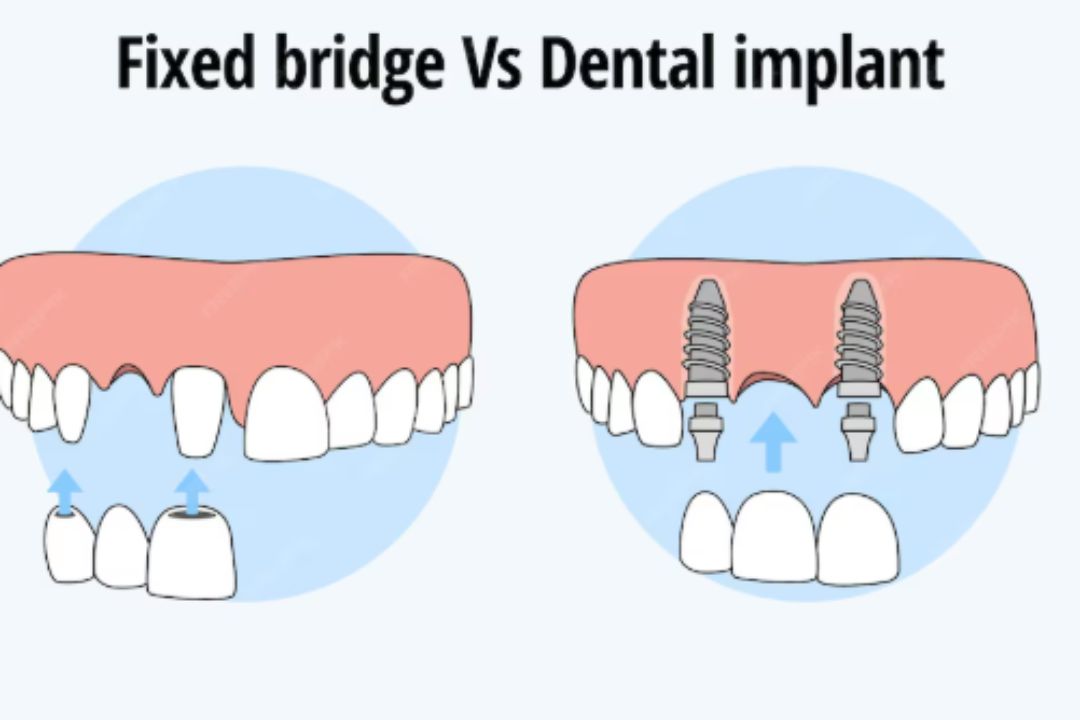
Dental bridges require adjacent healthy teeth to be shaved down to support the bridge. This can weaken otherwise healthy teeth.
Dental implants do not rely on neighboring teeth for support. Each implant stands independently, preserving the natural structure of surrounding teeth.
Dental implants require the same care as natural teeth:
Brushing twice daily
Flossing regularly
Routine dental checkups
Unlike dentures, there is no need for adhesives, soaking solutions, or special cleaning routines.
Dental implants have a success rate of over 95% when placed by experienced professionals. Modern techniques and advanced imaging technology ensure precise placement and predictable results.
Most patients are good candidates for implants, especially if they:
Have healthy gums
Have adequate bone density
Maintain good oral hygiene
Do not smoke excessively
Even patients with some bone loss may qualify after bone grafting procedures.
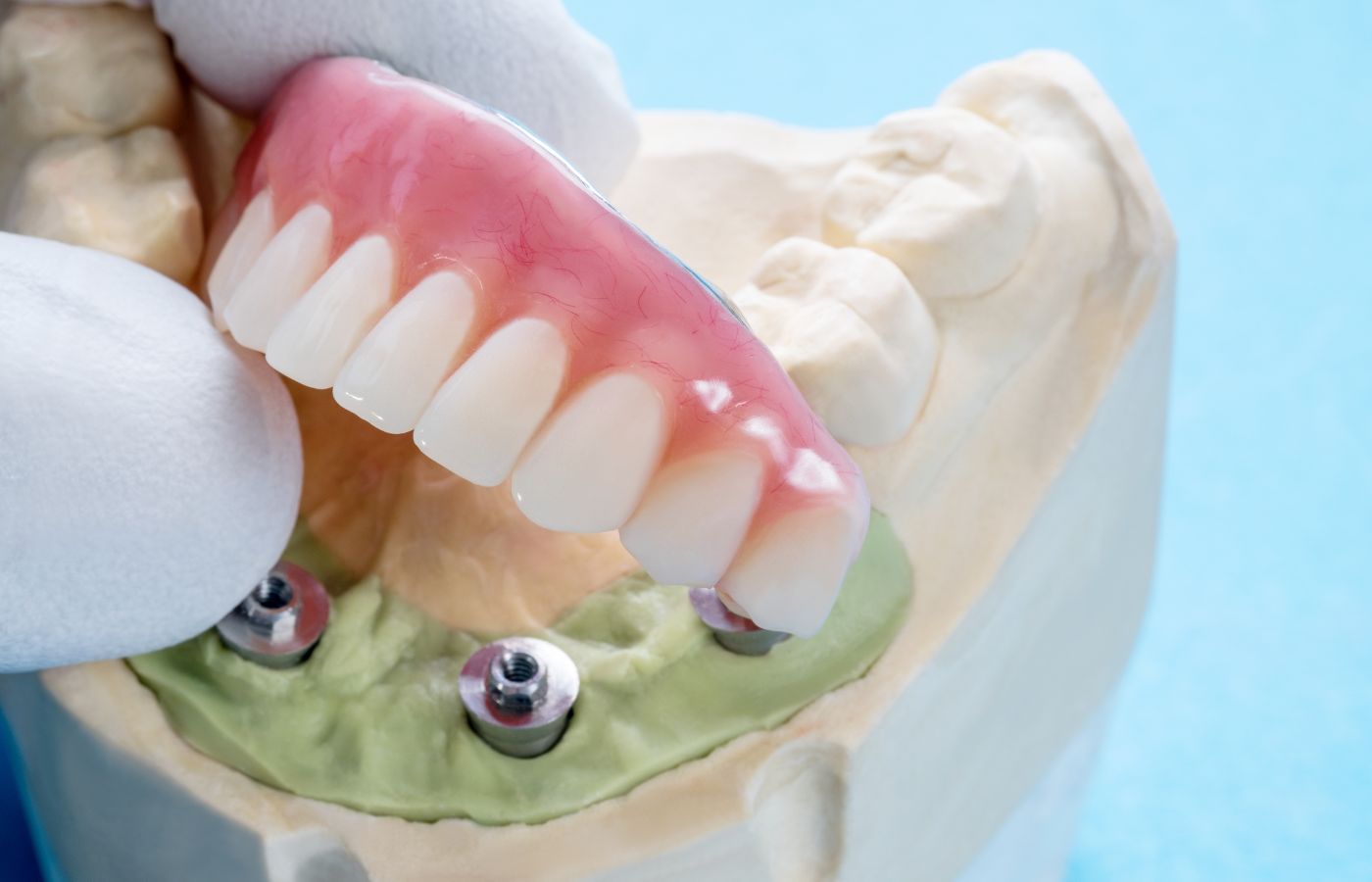
| Feature | Dental Implants | Dentures |
|---|---|---|
| Stability | Fixed and secure | Can slip or move |
| Bone Preservation | Yes | No |
| Longevity | 20+ years | 5–8 years |
| Comfort | Feels natural | May cause irritation |
| Maintenance | Brush & floss | Remove and clean daily |
While dentures may initially cost less, implants often provide better long-term value due to durability and reduced maintenance.
| Feature | Dental Implants | Dental Bridges |
|---|---|---|
| Affects adjacent teeth | No | Yes |
| Bone preservation | Yes | No |
| Lifespan | 20+ years | 10–15 years |
| Stability | Independent | Supported by other teeth |
Bridges can be a good option in some cases, but implants generally offer better long-term health benefits.
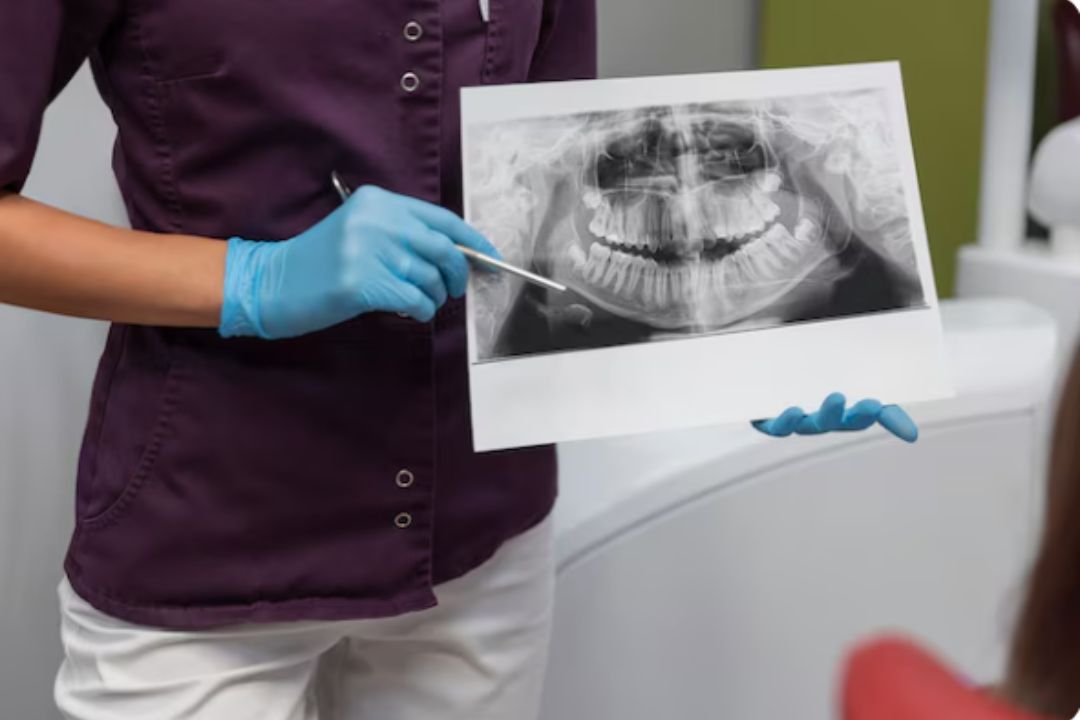
Consultation & Evaluation – X-rays and scans assess bone condition.
Implant Placement – Titanium post is surgically placed in the jaw.
Healing Period – Bone integrates with the implant (3–6 months).
Crown Placement – A custom crown is attached to complete restoration.
The procedure is performed under local anesthesia, and most patients report minimal discomfort.
The implant procedure is typically less uncomfortable than many people expect. Modern techniques and anesthesia make the process manageable. Mild swelling or soreness may occur after surgery but usually resolves within a few days.
With proper care, dental implants can last decades. Maintaining good oral hygiene and regular dental visits significantly increases their longevity.
While dental implants may have a higher upfront cost than other options, they often provide better long-term value due to:
Durability
Reduced need for replacement
Fewer repairs
Improved quality of life
When viewed as a long-term investment in health and confidence, many patients find implants well worth the cost.
You may be a suitable candidate if you:
Have one or more missing teeth
Have healthy gums
Have sufficient jawbone density
Are committed to maintaining oral hygiene
A consultation with a dental professional can determine your eligibility.
Dental implants are widely regarded as the gold standard for replacing missing teeth. They offer unmatched stability, durability, and long-term oral health benefits. Unlike dentures or bridges, implants preserve jawbone structure and function just like natural teeth.
If you are considering tooth replacement options, dental implants may be the most effective and lasting solution for restoring both your smile and your confidence.




















.jpg "myths and facts about dental implants")























































![affordable dental implant treatment in [pune] with emi options](/img/BlogImages/affordable dental implant treatment in [pune] with emi options.jpg "affordable dental implant treatment in [pune] with emi options")

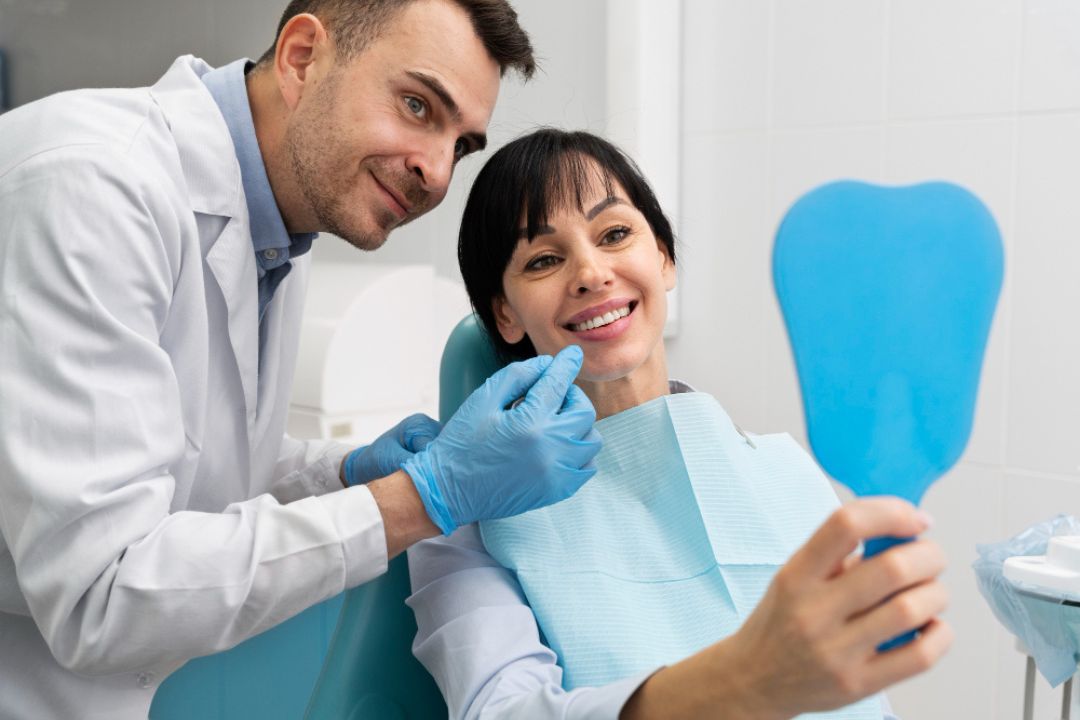

.jpg "dental implant full mouth rehabilitation")








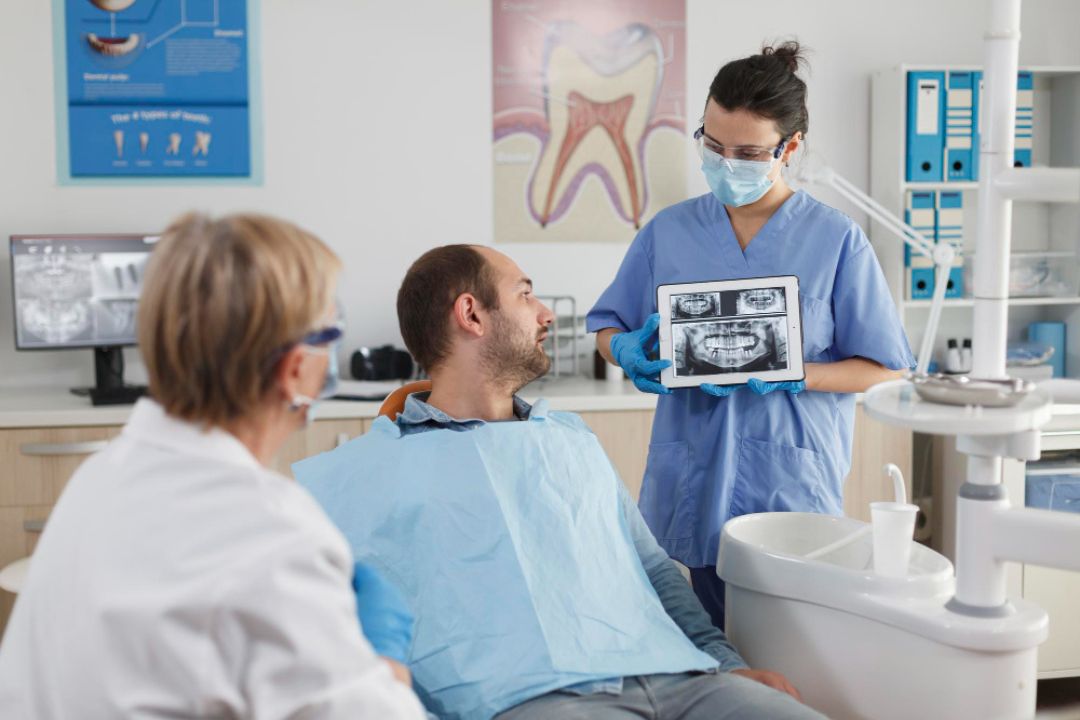




.jpg "foods for rapid recovery after dental implant surgery")





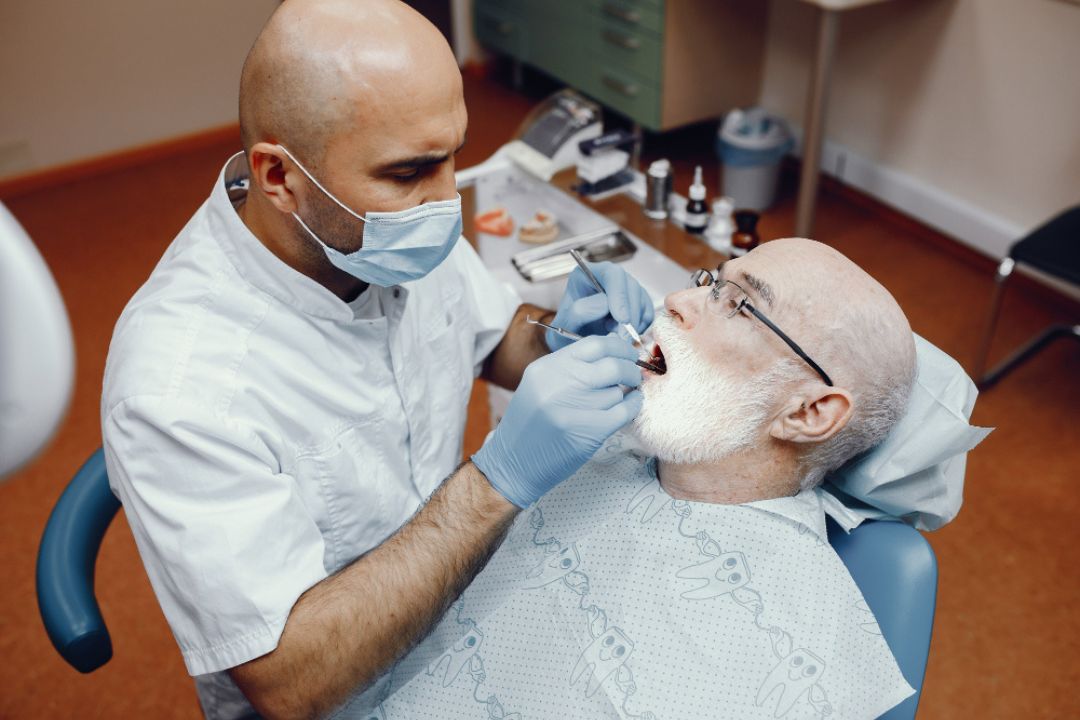

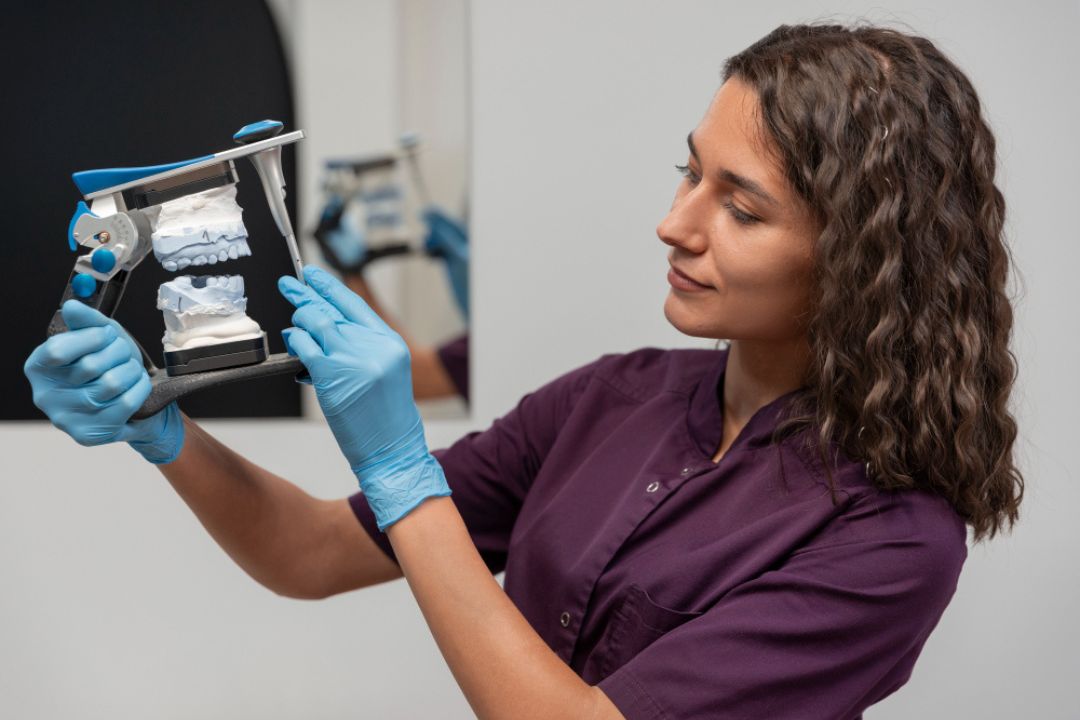


.jpg "dental implant")




.jpg "dental implant")
.jpg "dental implant")

.jpg "dental implants")
.jpg "dental implants")






.jpg "Dental Implants Help Repair Broken")
.jpg "Know About Dental Implants")
.jpg "Major Types of Dental Implants")
 (1).jpg "Affordable Dental Implants in India")
 (1).jpg "Dental Implants with Pre-existing Conditions")