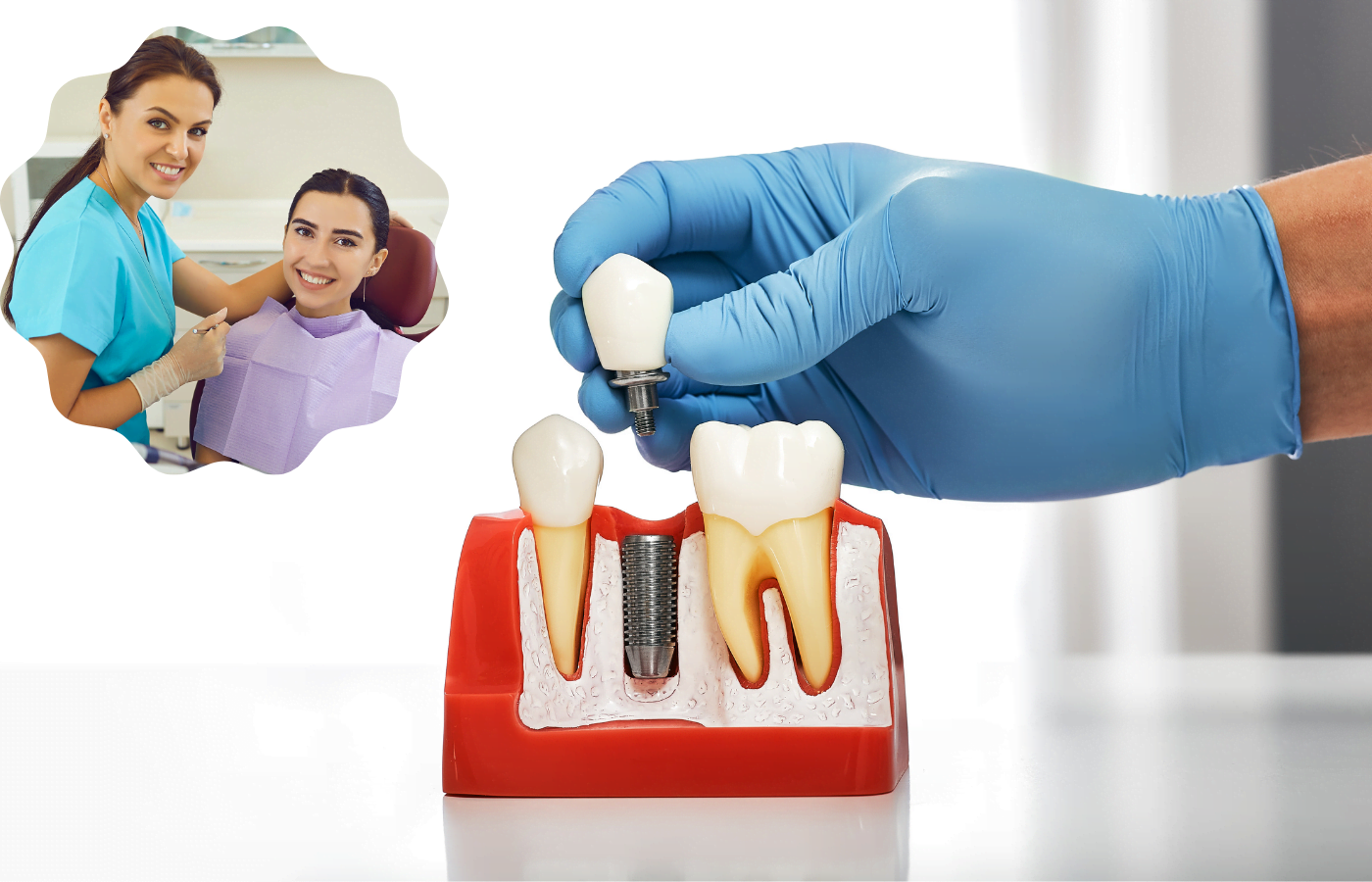
Missing teeth can affect your confidence, speech, and ability to chew comfortably. Fortunately, Dental Implants offer a reliable and long-lasting solution for replacing missing teeth. If you're considering dental implants, the first step is scheduling a consultation with your dentist.
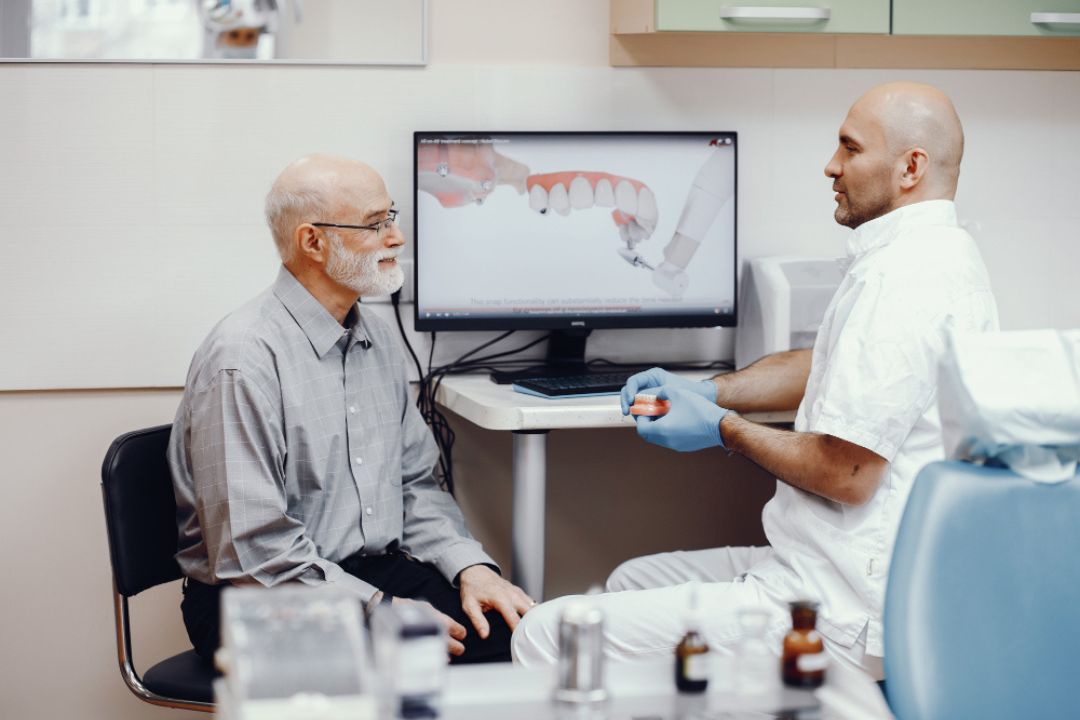
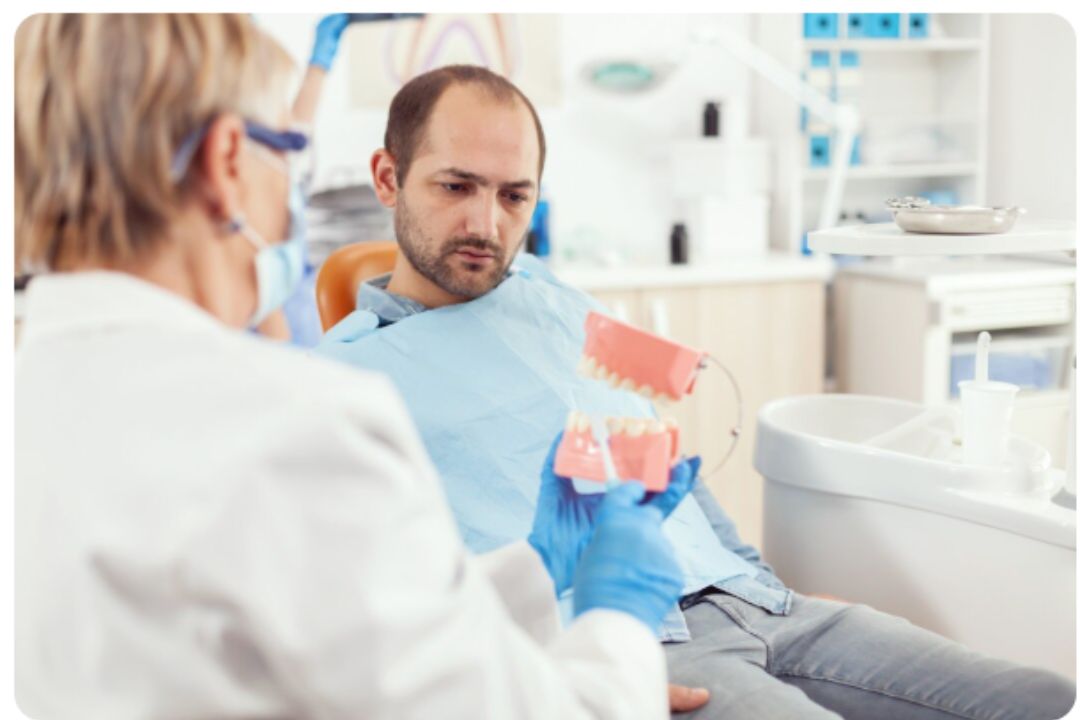
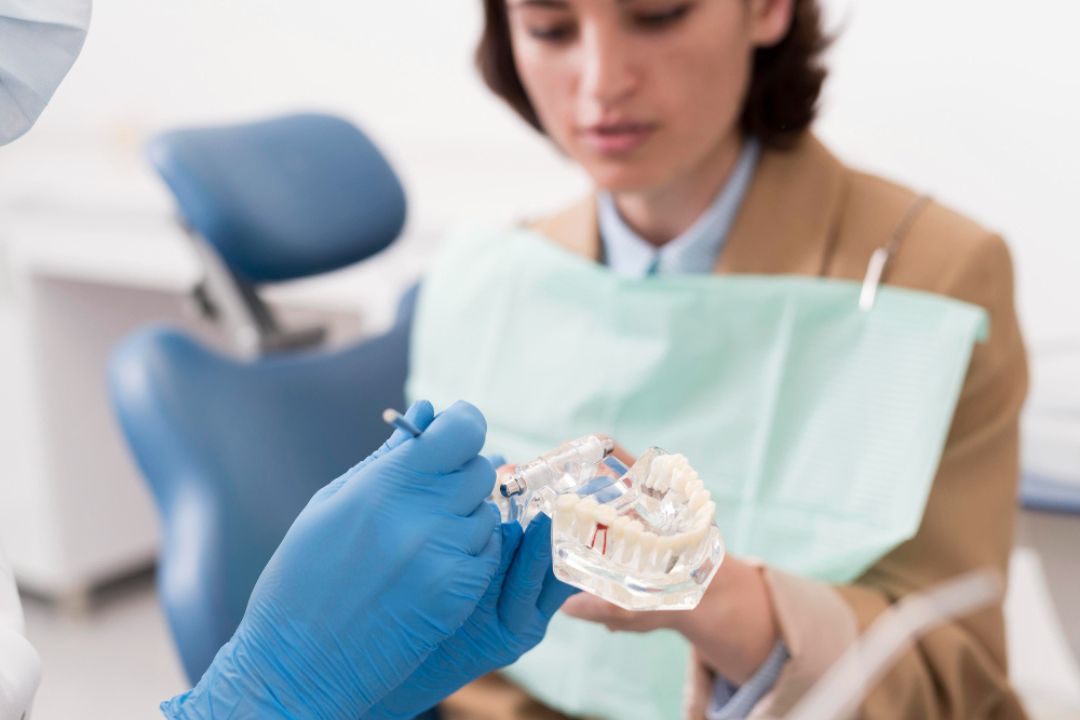
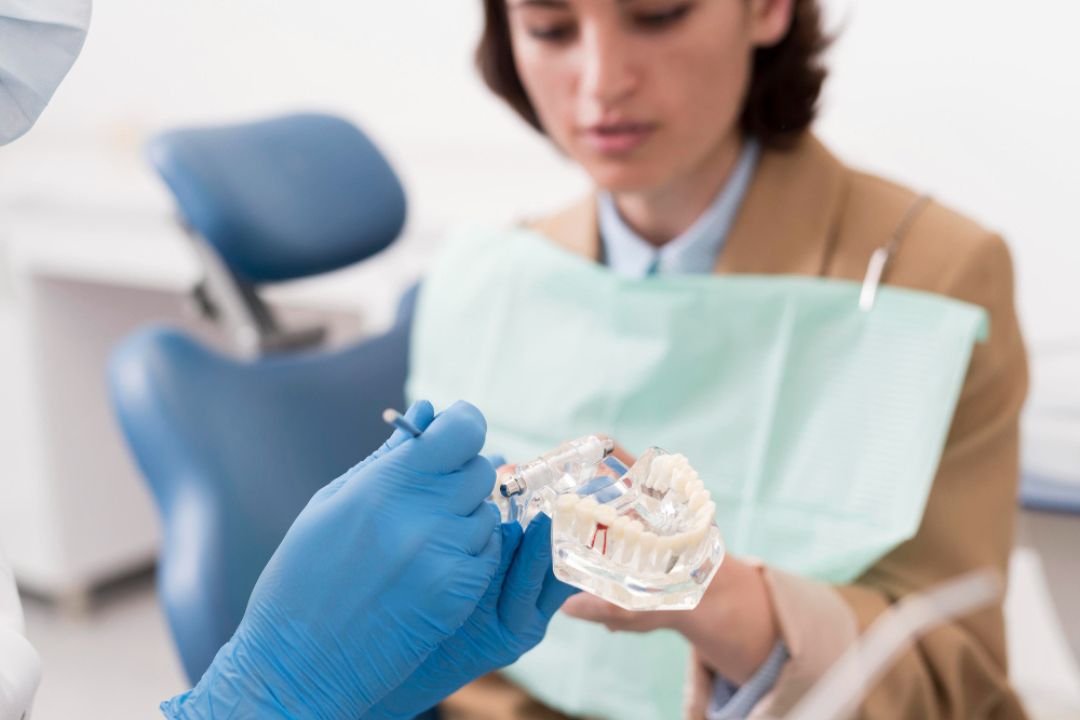
Your first dental implant consultation is an important appointment where the dentist evaluates your oral health, discusses treatment options, and creates a personalized plan for restoring your smile.
In this article, we’ll explain what happens during your first consultation, the tests involved, and how you can prepare for a successful dental implant procedure.
The consultation appointment helps your dentist determine whether dental implants are the right solution for you. Every patient has different oral health conditions, bone density levels, and treatment needs. The dentist needs to carefully evaluate these factors before planning implant surgery.
Visit Now: https://www.diagnopein.com/dental-clinic/Pune/Dental-Implants
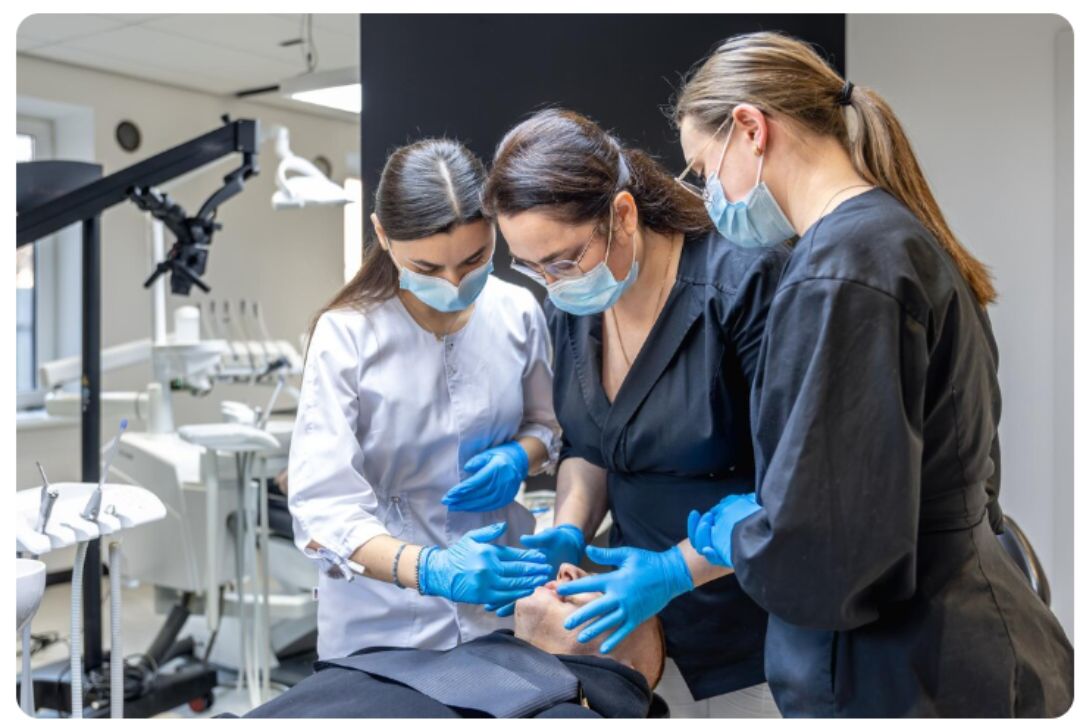
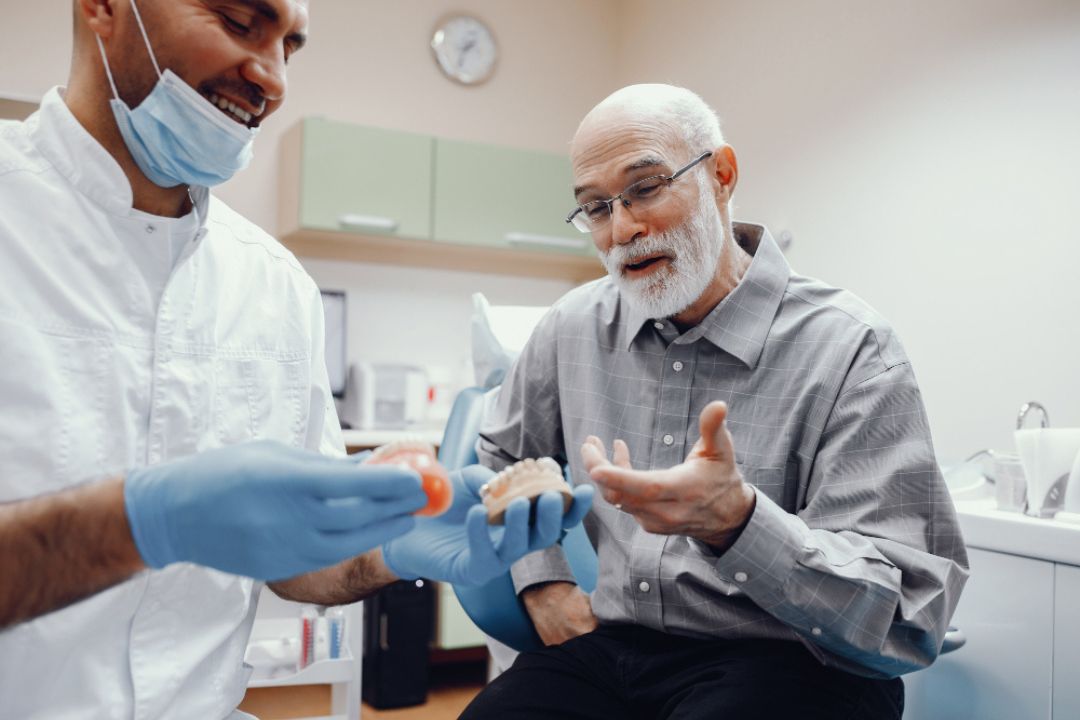
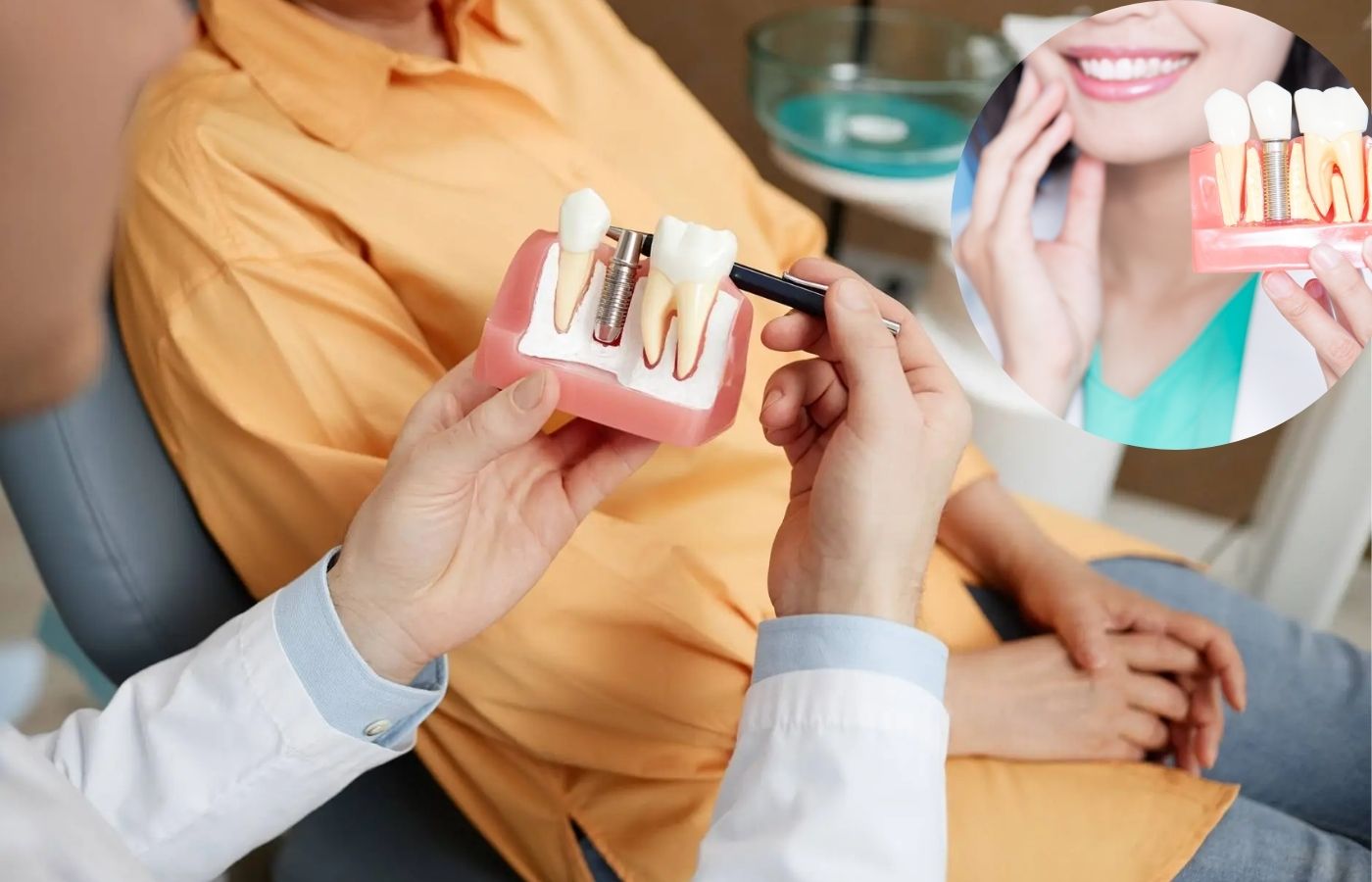
During the consultation, the dentist will review your dental history, examine your mouth, and discuss your expectations for treatment. This process ensures that the implant procedure is safe, effective, and customized to your specific needs.
The consultation also gives you the opportunity to ask questions, understand the procedure, and learn about recovery time, costs, and treatment options.
Dental implants are suitable for many patients, but certain conditions make someone a better candidate for this procedure.
You may be a good candidate for dental implants if you:
Have one or more missing teeth
Have healthy gums and good oral hygiene
Have sufficient jawbone to support the implant
Do not have uncontrolled diabetes or serious gum disease
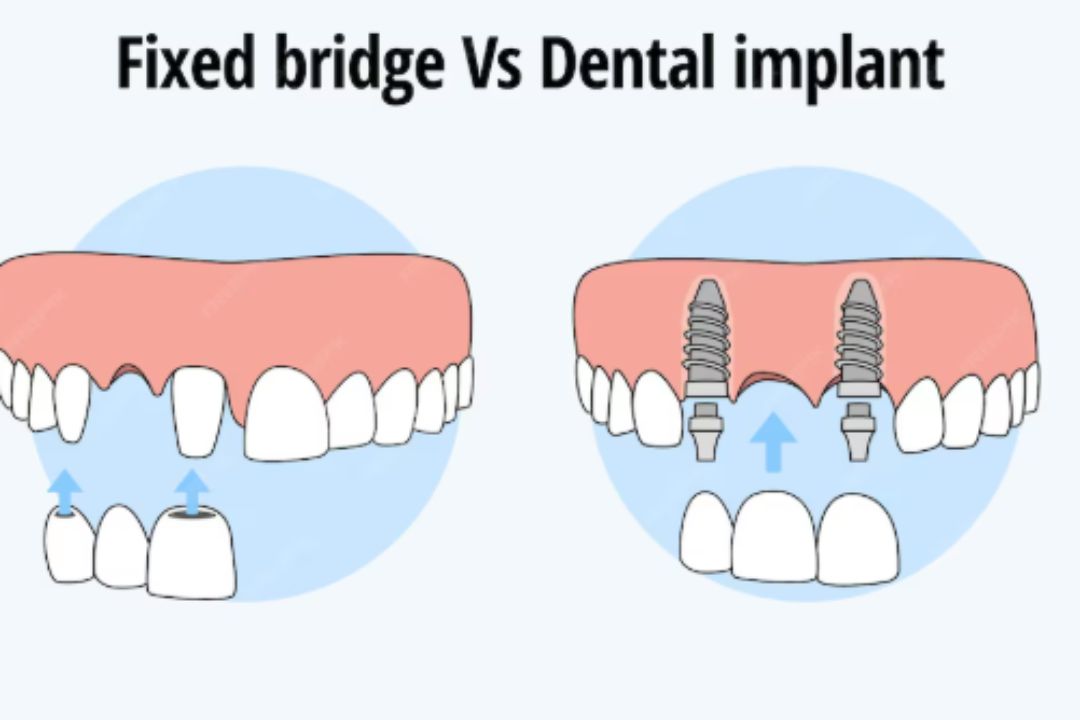
Are looking for a permanent alternative to dentures or bridges
Patients who have lost bone due to missing teeth may still qualify for implants with additional procedures such as bone grafting.
Your dentist will evaluate these factors during the consultation to determine if implants are the best solution for your situation.
Your first dental implant consultation typically involves several steps to evaluate your oral health and create a treatment plan.
The dentist will begin by reviewing your medical history and dental background. This includes information about previous dental treatments, medications, allergies, and any existing health conditions.
Certain medical conditions or medications can affect healing after implant surgery, so it is important for the dentist to have a complete understanding of your health.
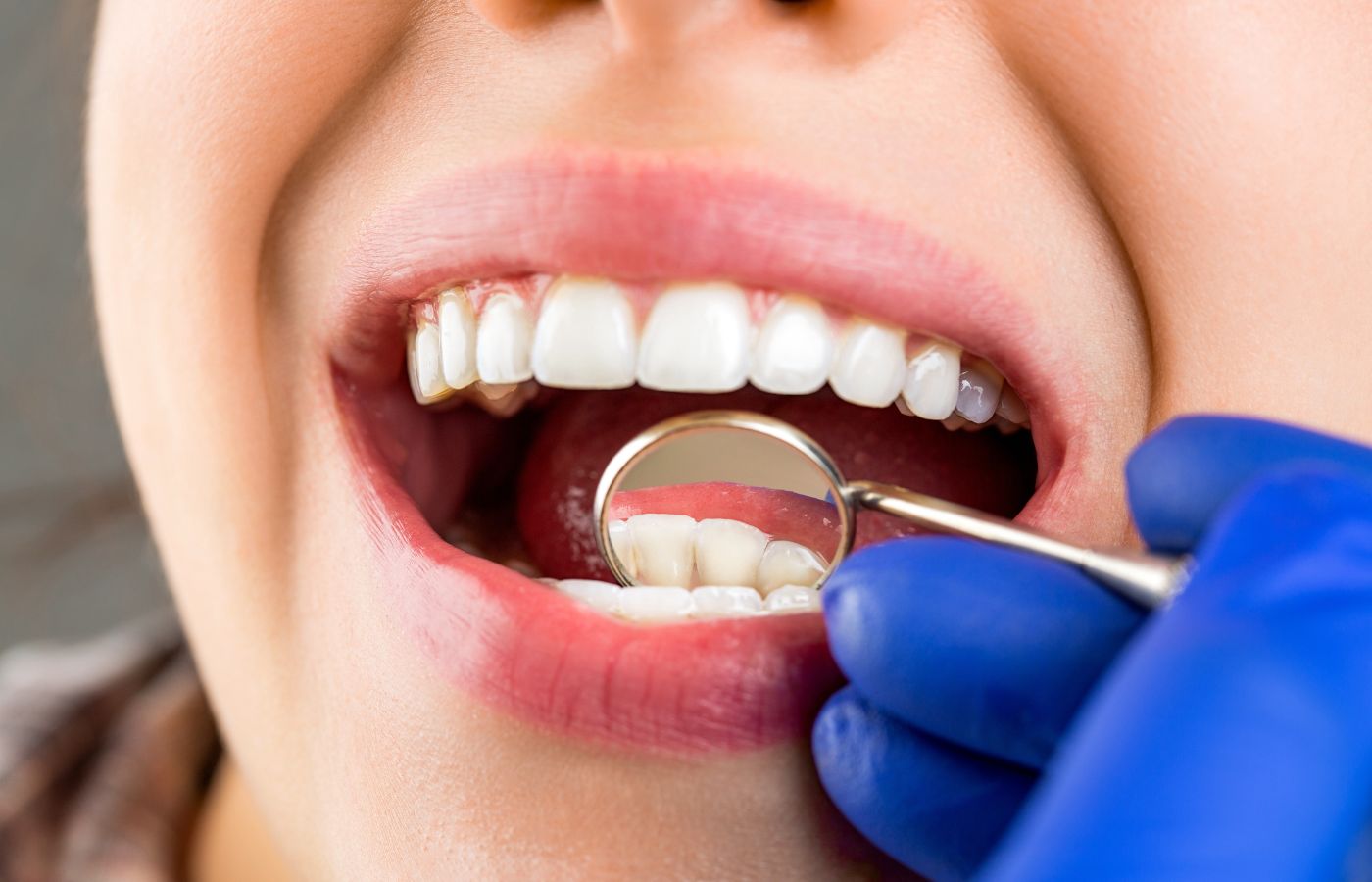
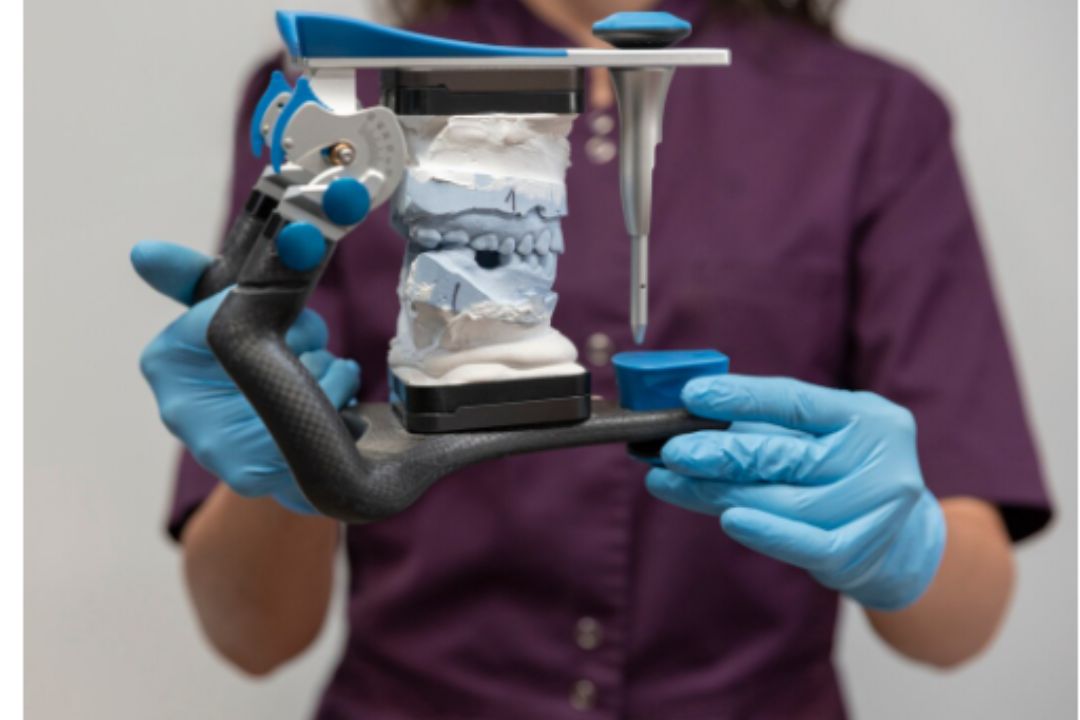
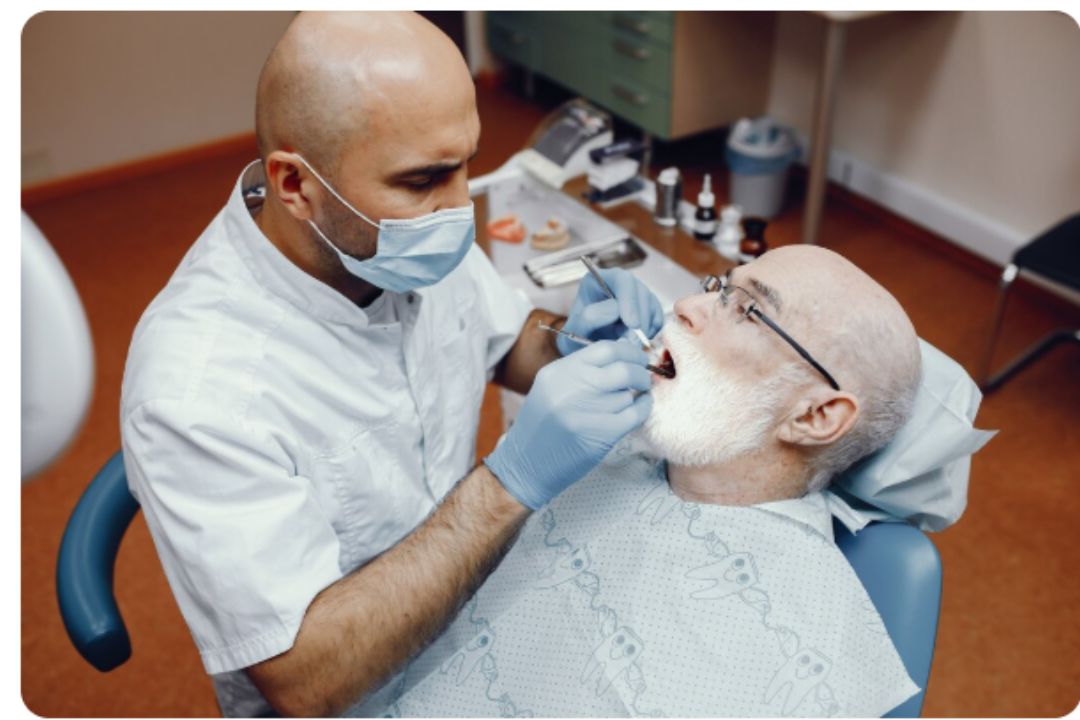
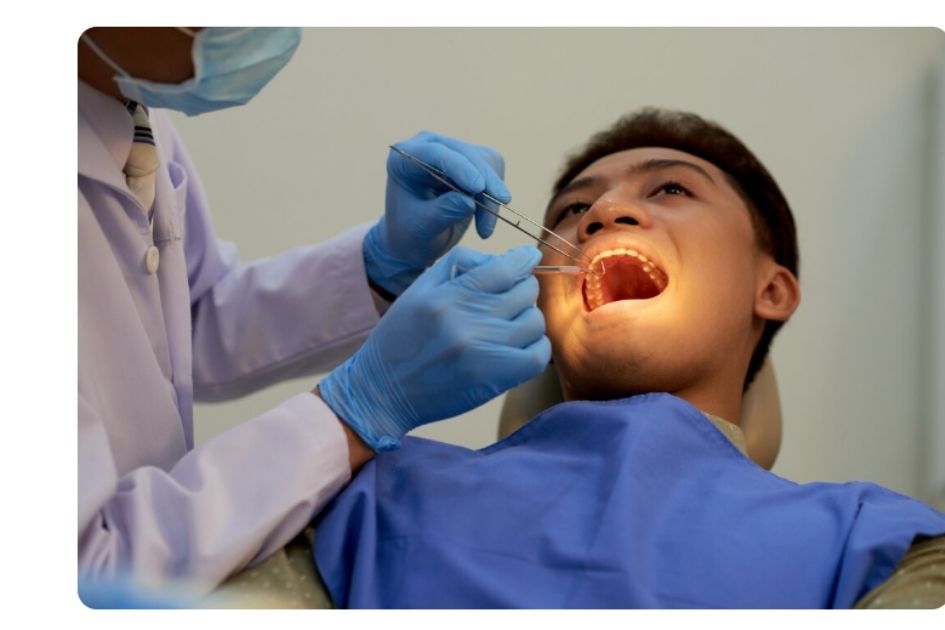
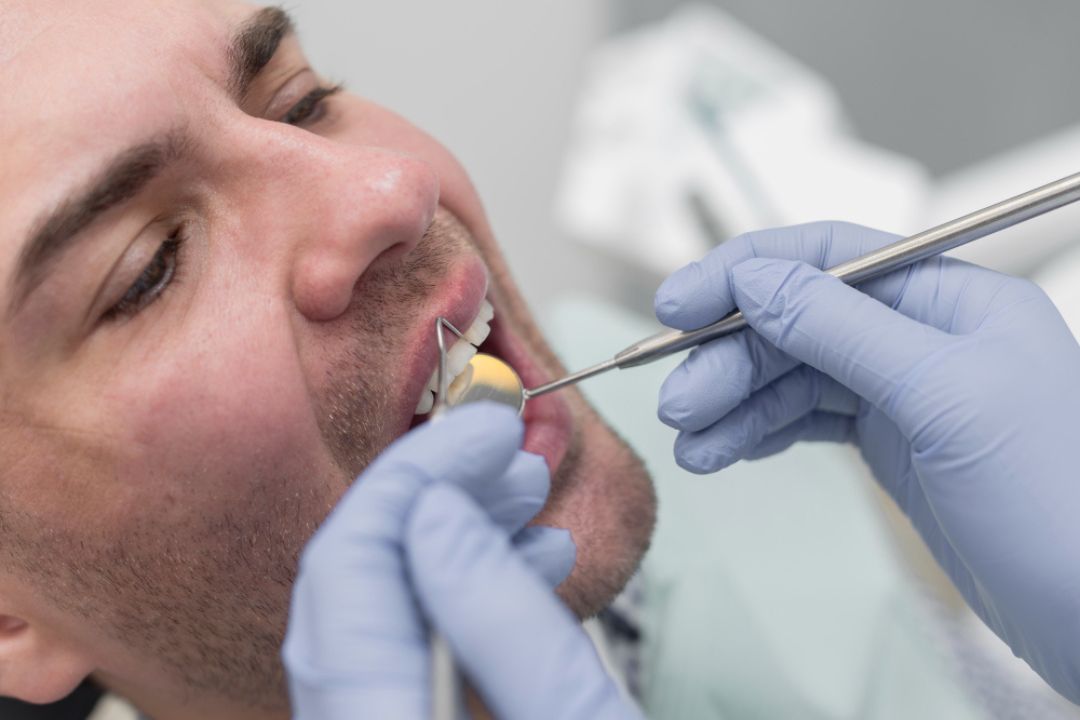
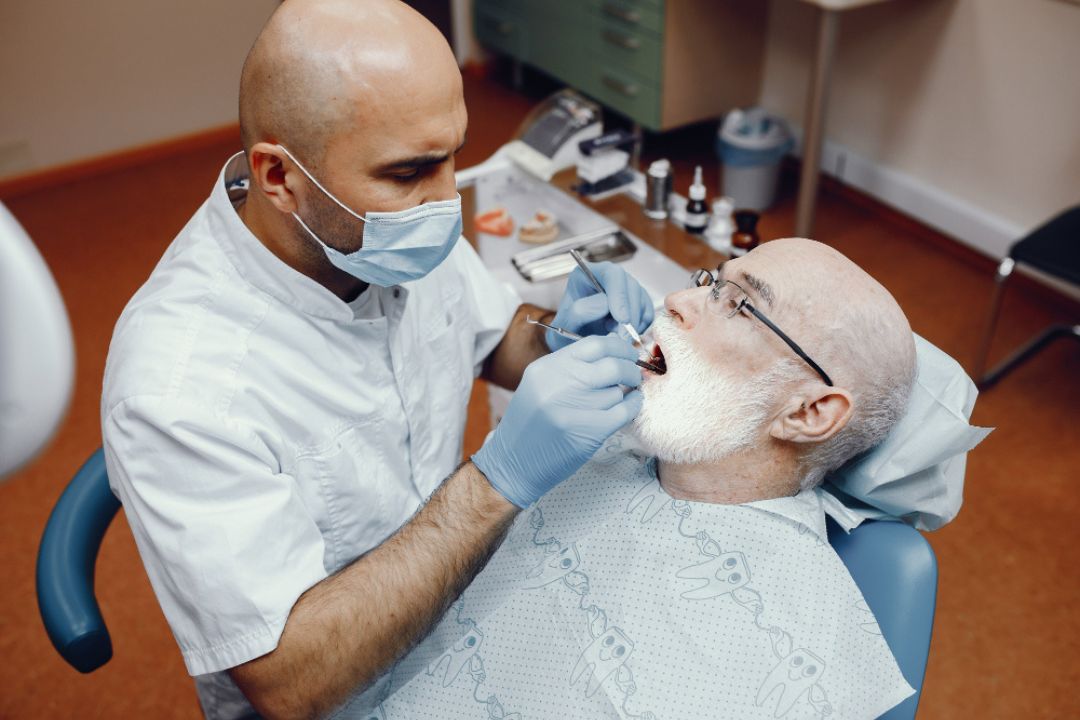
Next, the dentist will perform a detailed examination of your teeth, gums, and jawbone. This helps determine the overall health of your mouth and identify any issues that need to be treated before implant placement.
During the oral examination, the dentist may check:
Gum health
Remaining teeth condition
Jawbone strength
Bite alignment
Signs of infection or gum disease
Healthy gums and sufficient bone support are essential for successful implant placement.
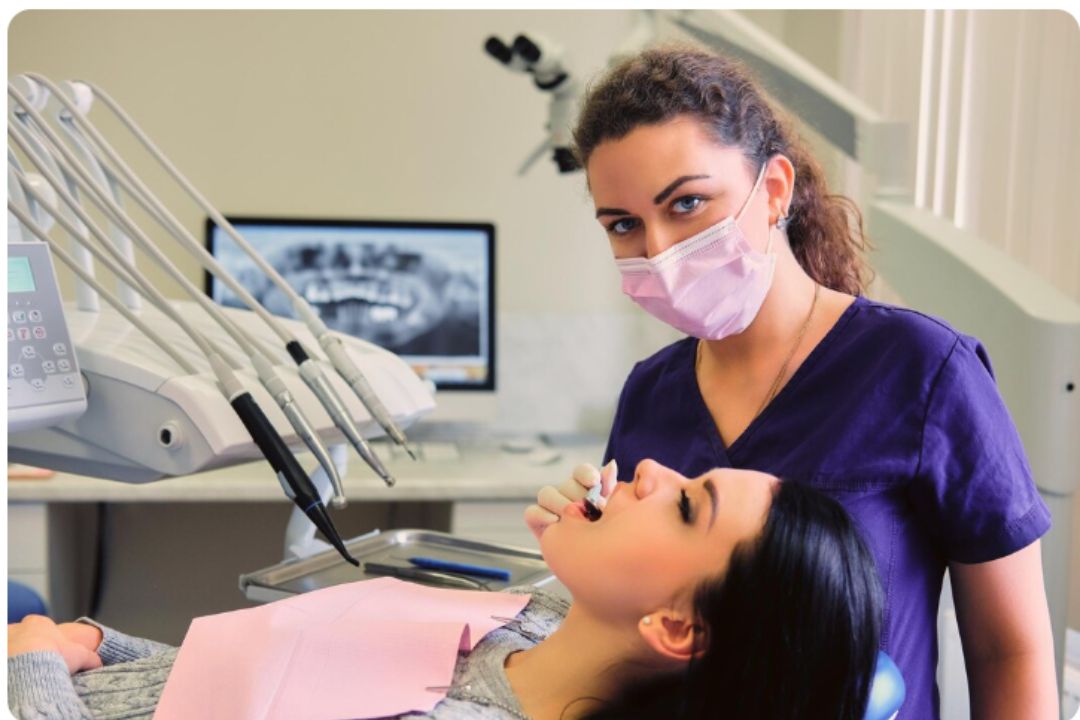
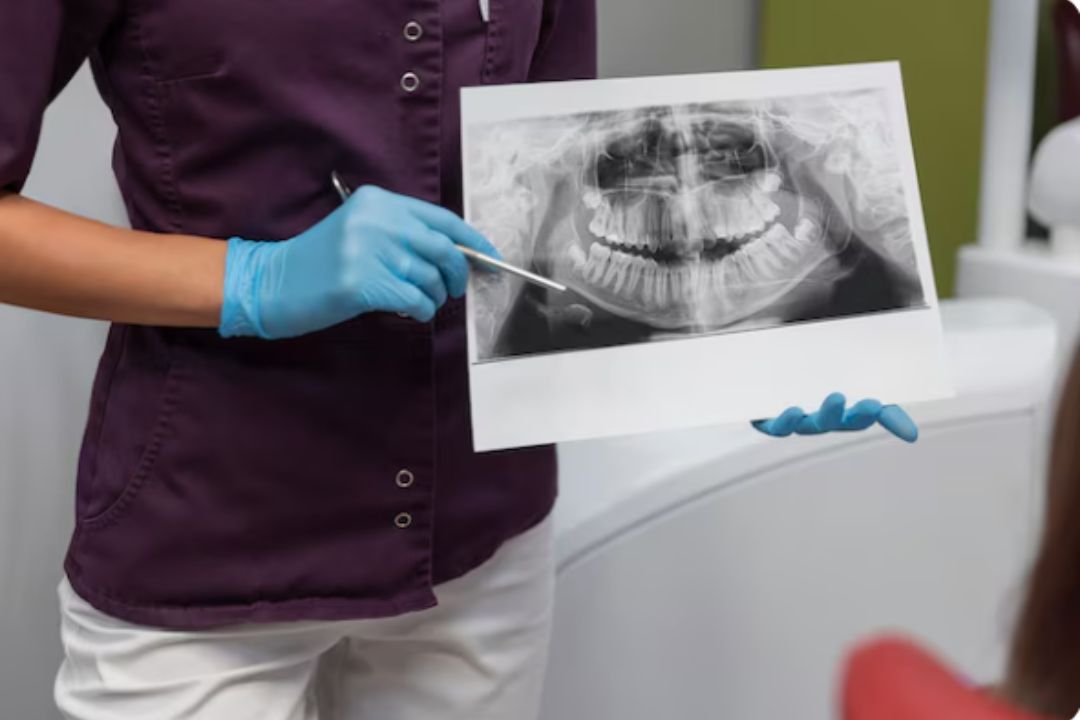
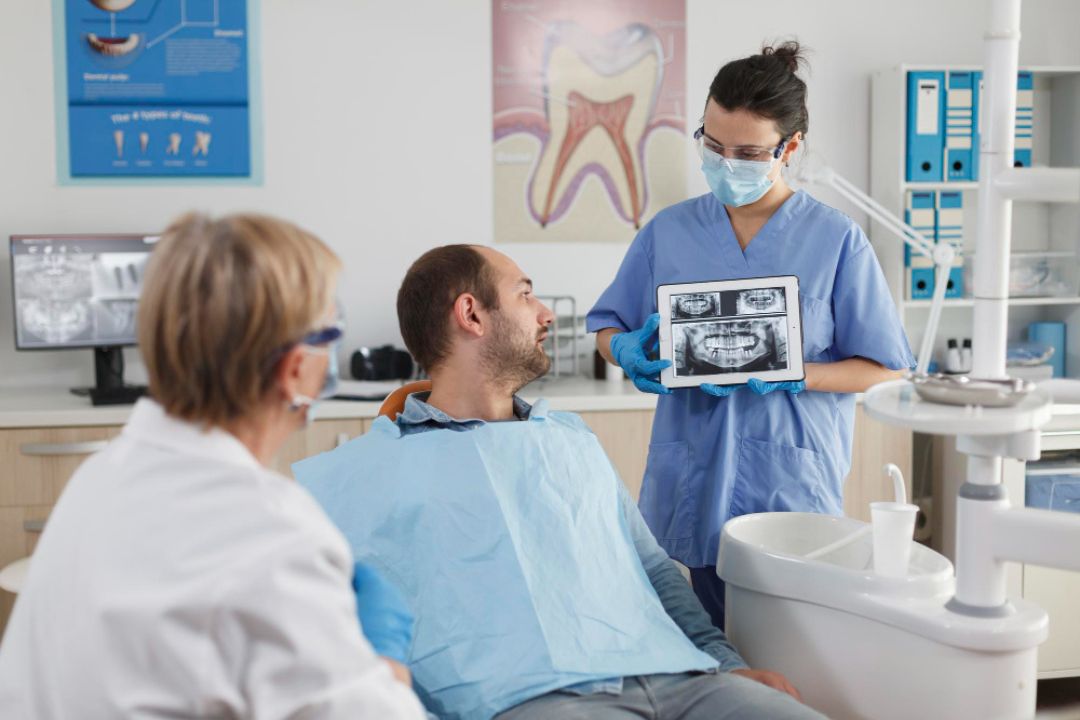
Imaging plays a crucial role in planning dental implant treatment. Your dentist may recommend digital X-rays or advanced 3D scans to evaluate the bone structure and identify the best placement for the implant.
Book Now: https://www.diagnopein.com/dental-clinic/Pune
Common imaging tests include:
Digital dental X-rays
CBCT (Cone Beam CT Scan)
Jawbone analysis
These scans provide detailed images of your jawbone, nerves, and surrounding structures, allowing the dentist to plan the implant placement with precision.
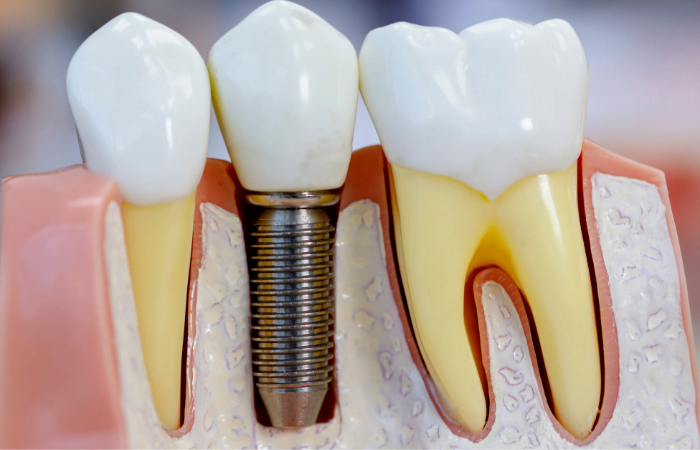
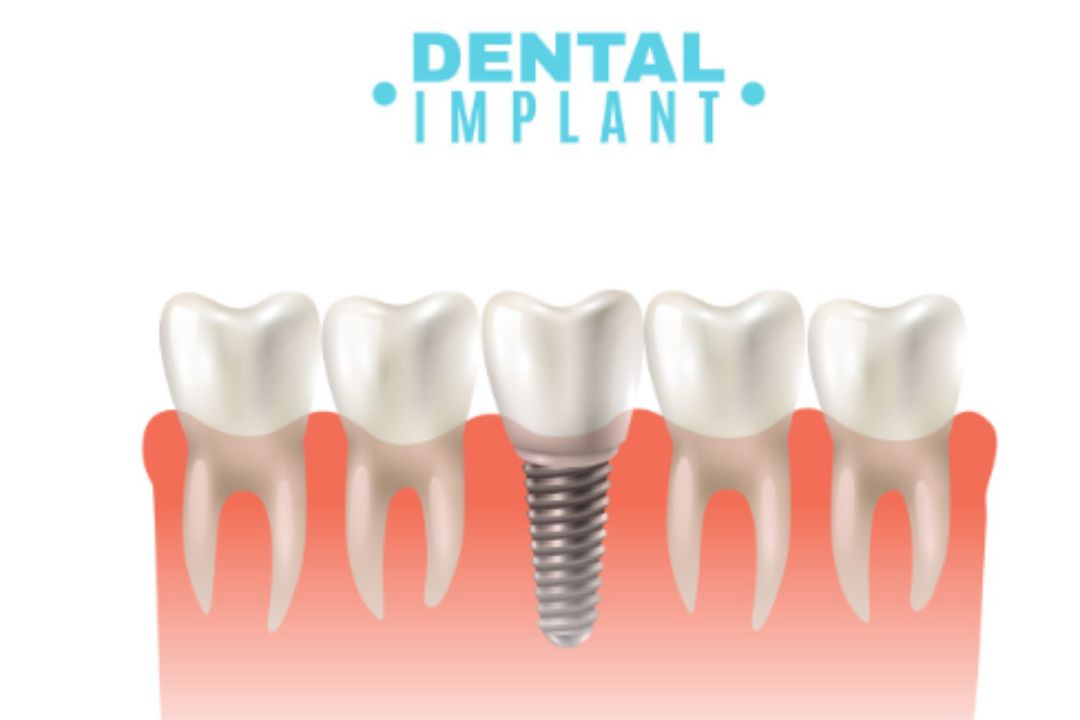
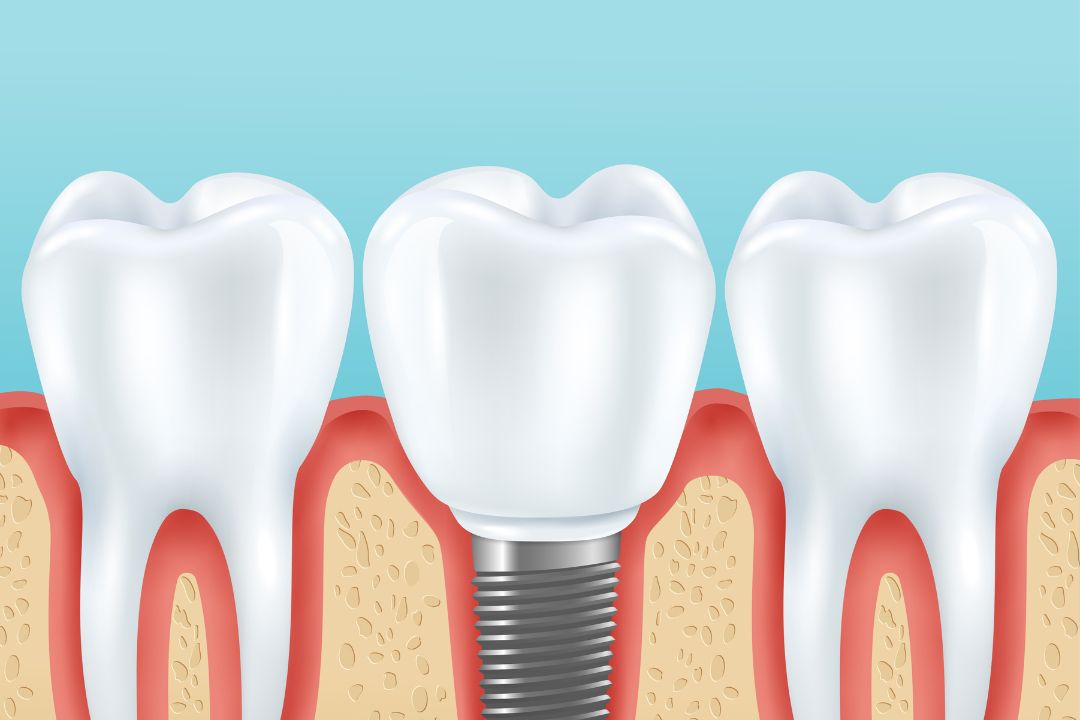
Dental implants require strong and healthy jawbone to support the titanium implant post. If the jawbone is too thin or weak, the implant may not integrate properly.
Your dentist will evaluate bone density using imaging scans. If there is insufficient bone, a bone graft procedure may be recommended to strengthen the jaw before implant placement.
Bone grafting helps regenerate bone tissue and create a stable foundation for the implant.
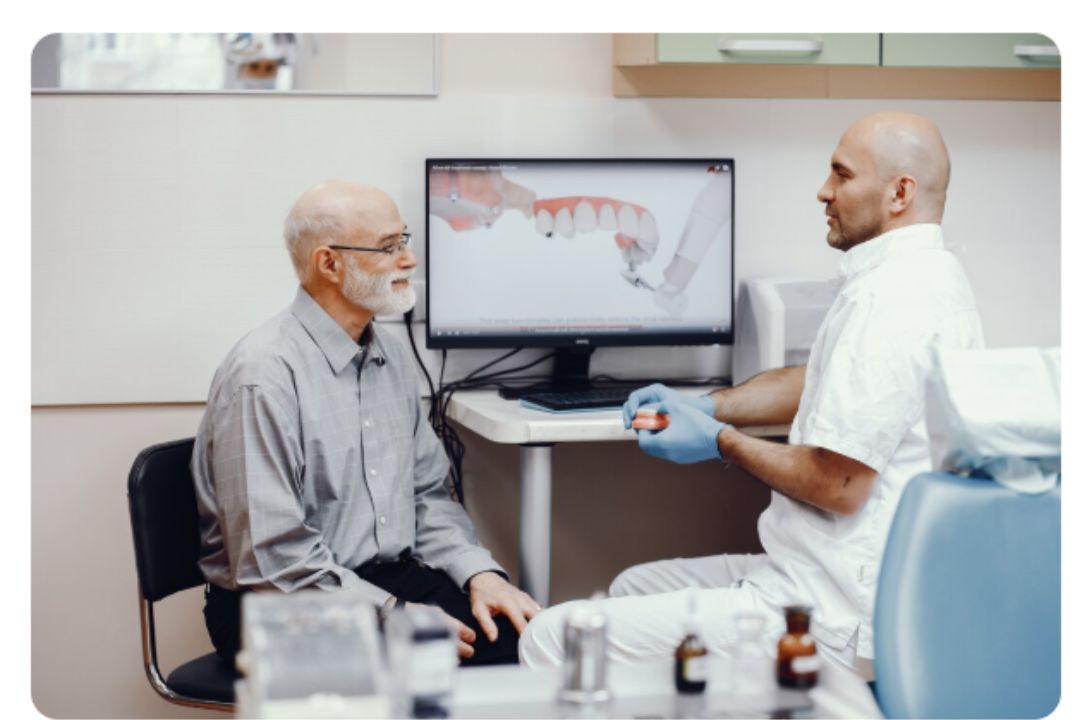
Once the dentist has completed the examination and imaging review, they will discuss your treatment options. Every patient’s case is unique, so the treatment plan may vary depending on the number of missing teeth and the condition of the jawbone.
Possible treatment options may include:
Single dental implant
Implant-supported bridge
Full mouth implants
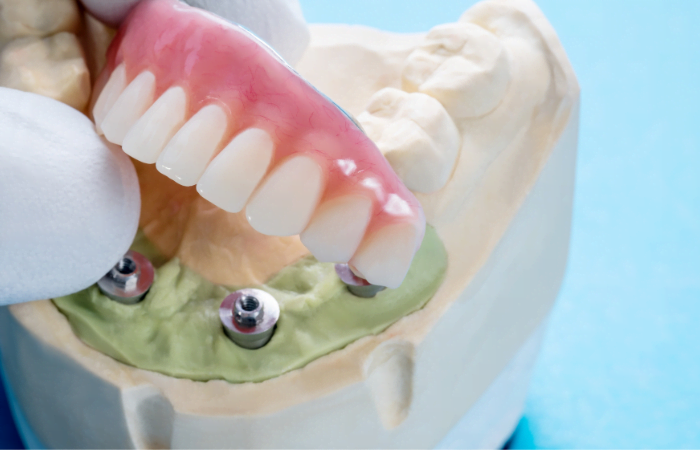
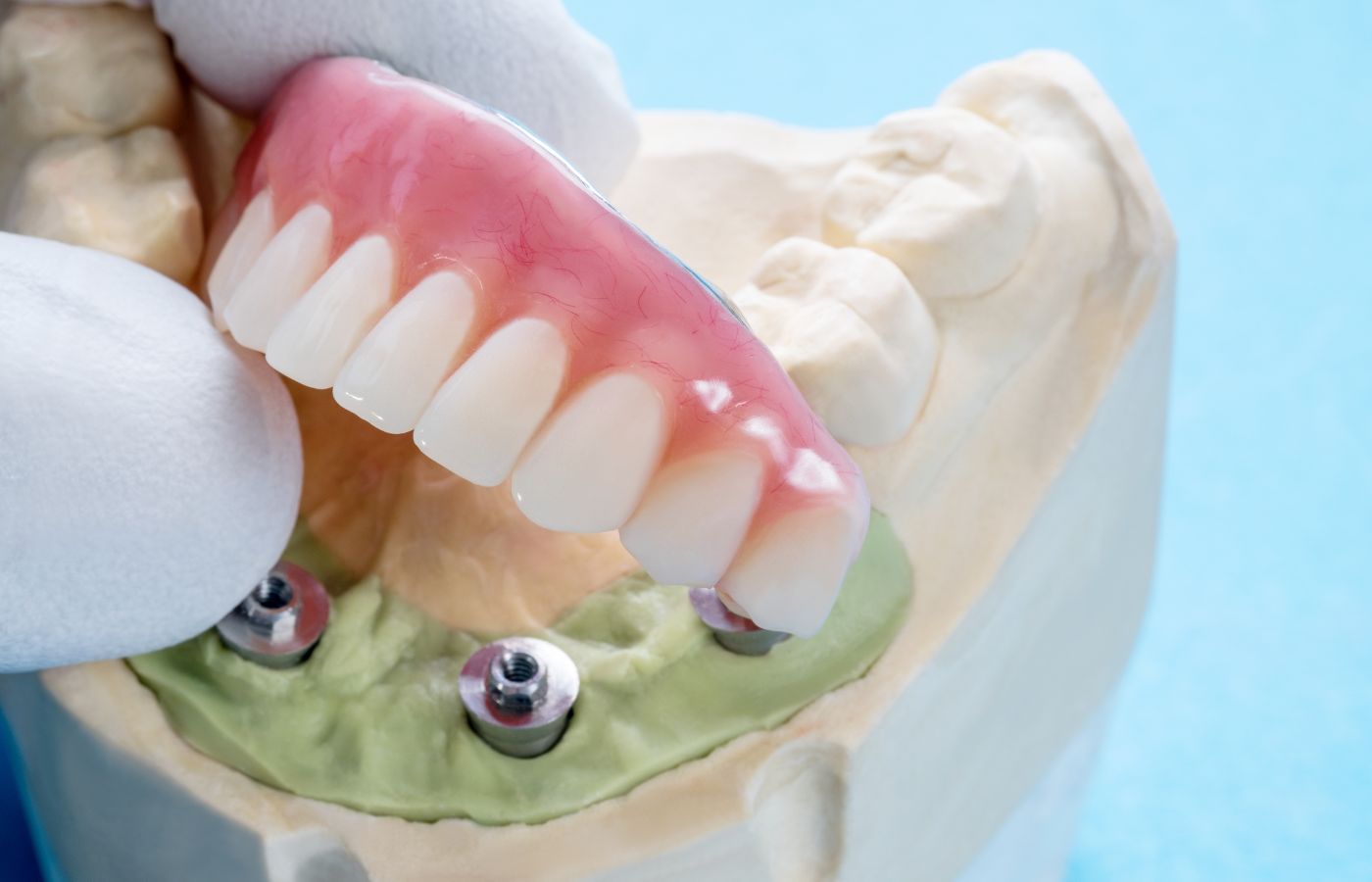
Implant-supported dentures
The dentist will explain which option is most suitable for your situation and what results you can expect from the procedure.
Many patients want to know how long the dental implant process takes. While each case is different, the treatment usually follows a general timeline.
Consultation and evaluation
The dentist examines your oral health and creates a treatment plan.
Implant placement surgery
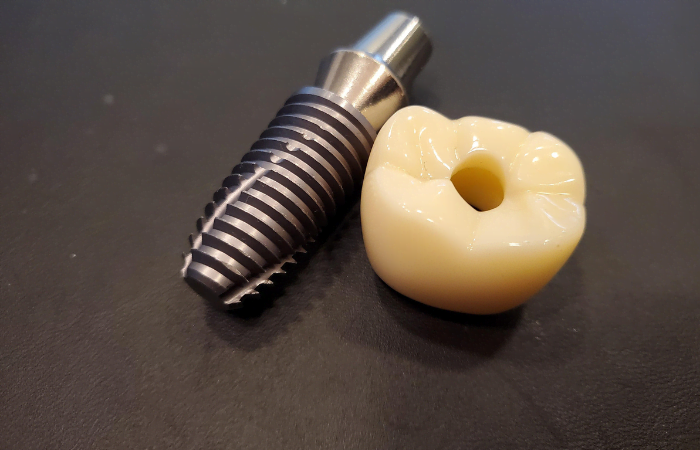
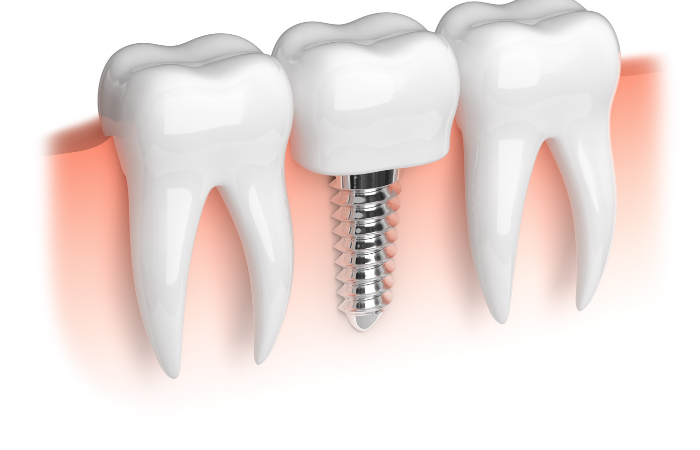
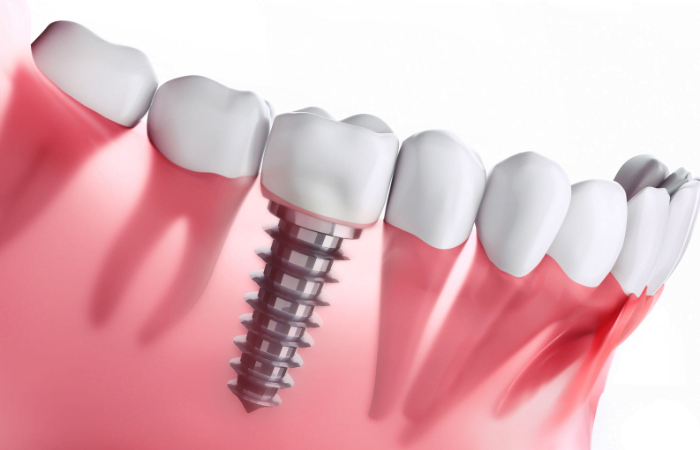
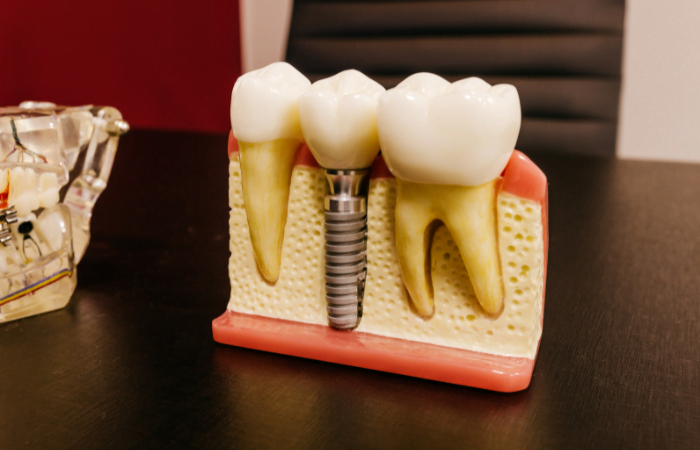
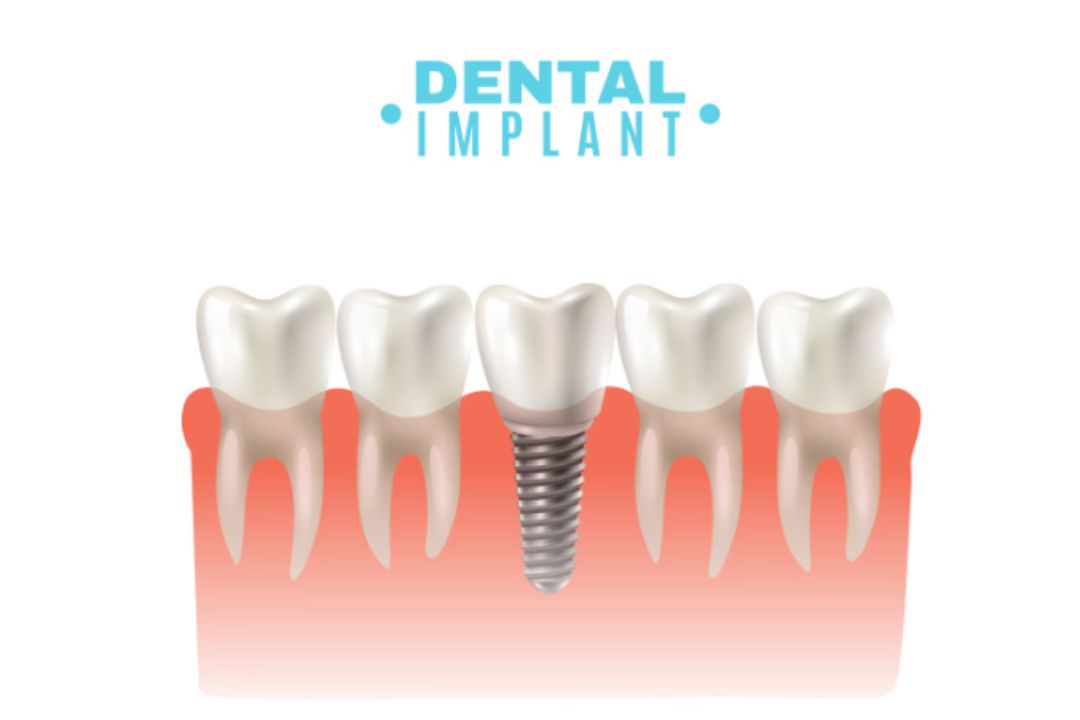
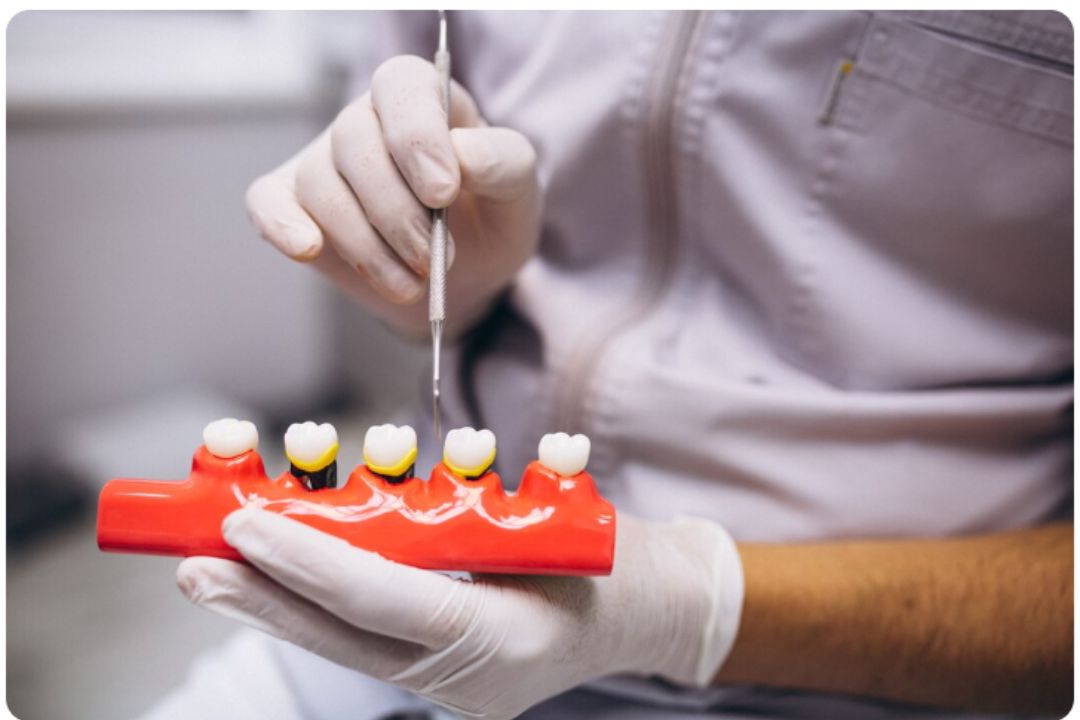
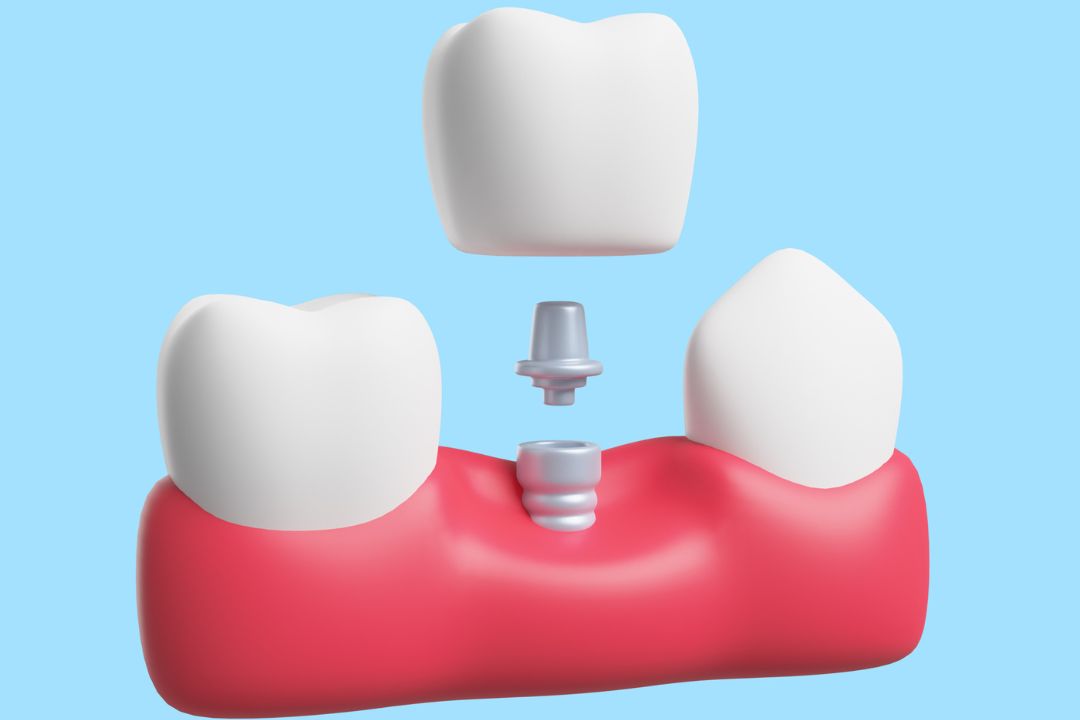
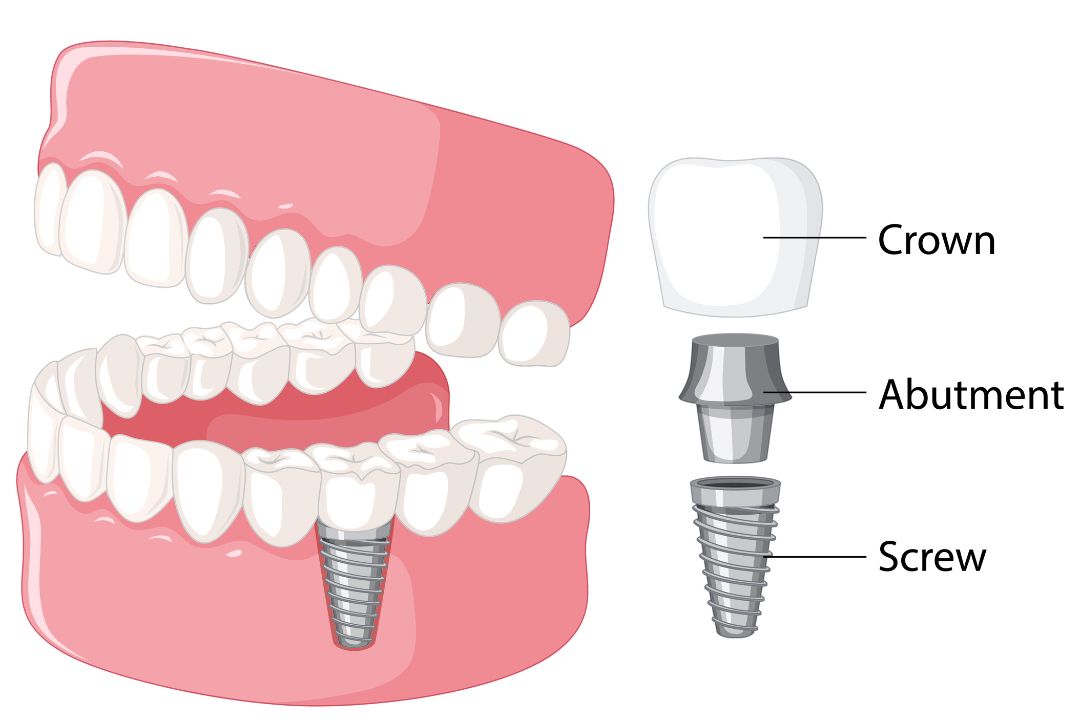
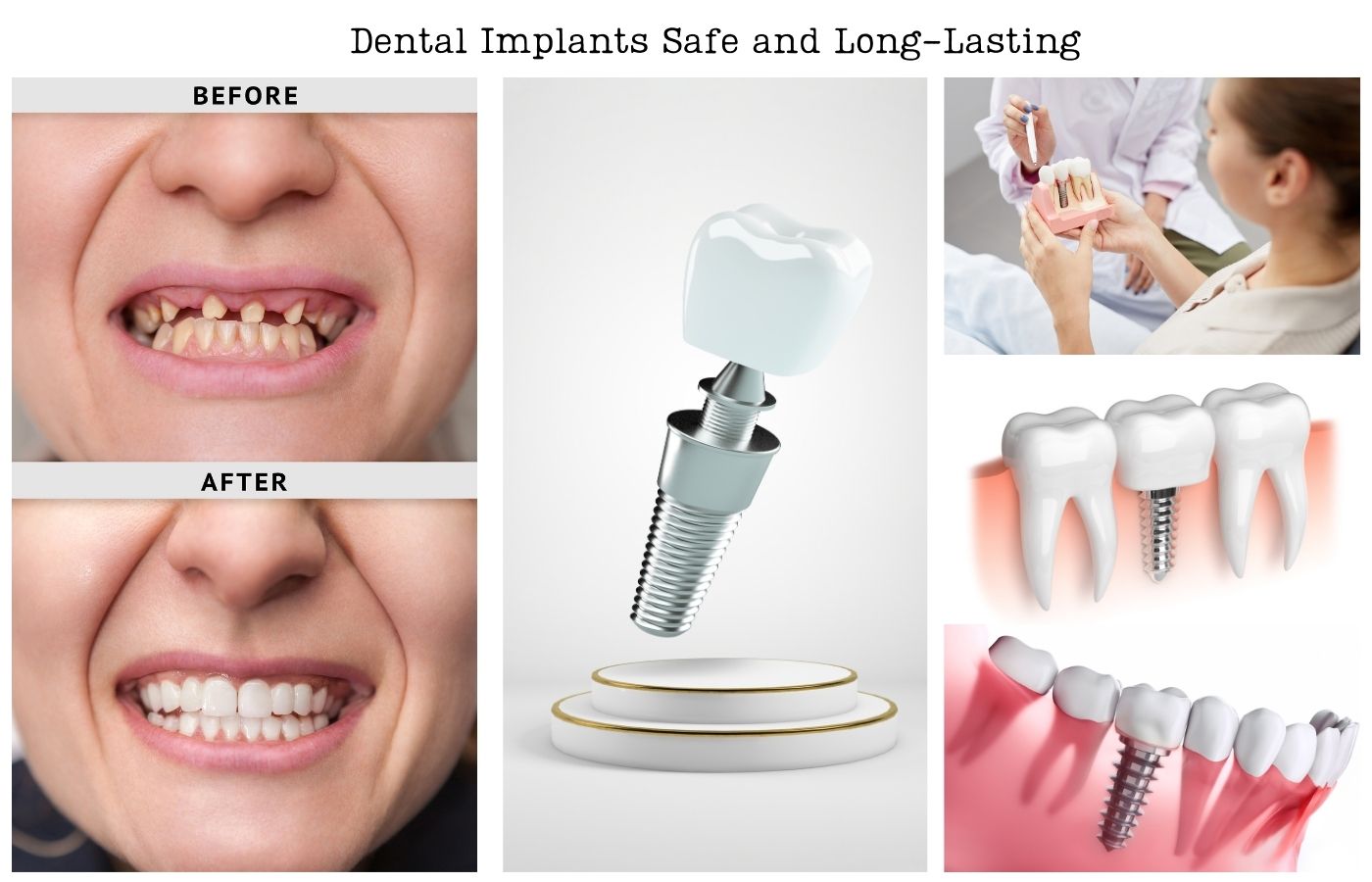
A titanium implant post is surgically placed into the jawbone.
Healing and osseointegration
The implant fuses with the bone over several months.
Abutment placement
A connector piece is attached to the implant.
Final crown placement
A custom dental crown is placed on top of the implant.
The healing process typically takes 3 to 6 months, depending on the patient’s bone health and overall condition.
The cost of dental implants varies depending on several factors such as the number of implants required, additional procedures, and the materials used.
Some factors that influence the cost include:
Implant brand and quality
Number of missing teeth
Need for bone grafting or sinus lift
Type of crown used
Diagnostic tests and imaging
Although implants may seem expensive initially, they are considered a long-term investment because they can last many years with proper care.
Your dentist will provide a detailed cost estimate during the consultation so you understand the financial aspect of the treatment.
Dental implant surgery is generally safe and has a high success rate when performed by experienced professionals. However, like any surgical procedure, there are some potential risks.
Possible risks include:
Infection at the implant site
Nerve damage
Implant failure due to poor bone integration
Gum inflammation
Fortunately, these complications are rare and can often be prevented with proper treatment planning and good oral hygiene.
Your dentist will explain the risks and how to minimize them during the consultation.
Preparing for your first dental implant consultation can help you get the most out of your appointment.
Here are some tips:
Bring your previous dental records if available
Inform your dentist about any medications you are taking
Write down questions you want to ask
Discuss your goals for restoring your smile
Being prepared will help the dentist understand your needs and create the best treatment plan for you.
Your first Dental Implant consultation is the foundation of a successful tooth replacement journey. During this appointment, the dentist evaluates your oral health, performs imaging tests, and develops a personalized treatment plan.
Understanding what to expect during the consultation can help you feel more confident and prepared for the procedure. Dental implants are one of the most effective solutions for restoring missing teeth and improving both function and appearance.
If you are considering dental implants, scheduling a professional consultation is the first step toward achieving a healthier and more confident smile.



















.jpg "myths and facts about dental implants")























































![affordable dental implant treatment in [pune] with emi options](/img/BlogImages/affordable dental implant treatment in [pune] with emi options.jpg "affordable dental implant treatment in [pune] with emi options")



.jpg "dental implant full mouth rehabilitation")












.jpg "foods for rapid recovery after dental implant surgery")









.jpg "dental implant")




.jpg "dental implant")
.jpg "dental implant")

.jpg "dental implants")
.jpg "dental implants")






.jpg "Dental Implants Help Repair Broken")
.jpg "Know About Dental Implants")
.jpg "Major Types of Dental Implants")
 (1).jpg "Affordable Dental Implants in India")
 (1).jpg "Dental Implants with Pre-existing Conditions")