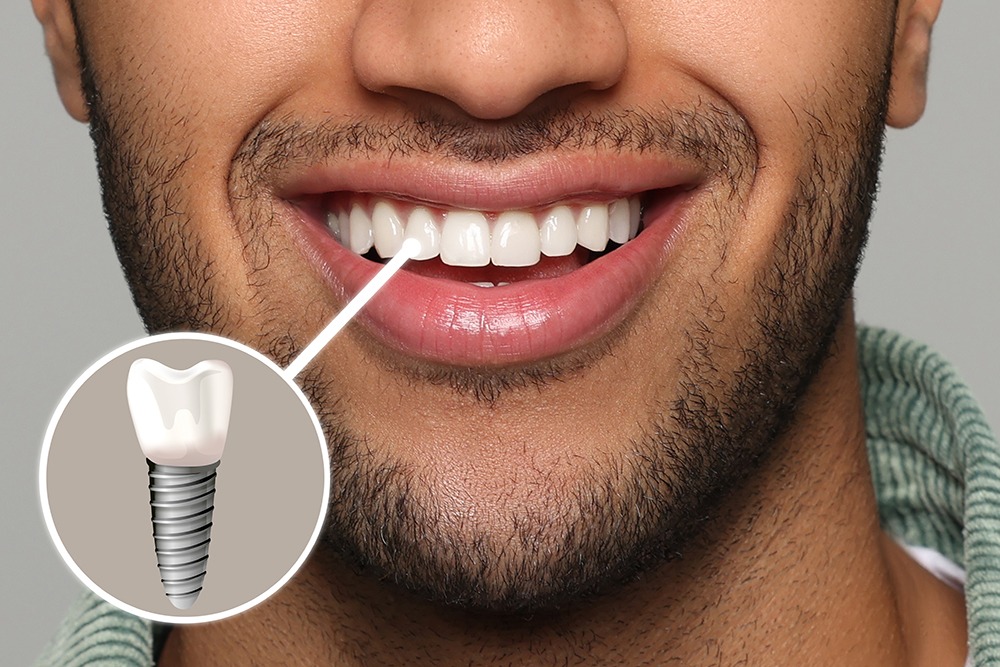
Dental implants are one of the most reliable and long-lasting solutions for missing teeth. A common concern many patients have is whether their age will impact the success of the procedure. The good news is that age alone is not a determining factor in dental implant success. Instead, overall health, bone quality, and oral hygiene play a much more important role.
In this article, we’ll explore how age influences dental implant outcomes and what you should consider before treatment.
There is no upper age limit for dental implants. Adults in their 60s, 70s, and even 80s can successfully receive implants if they are in good health.
However, there is a minimum age requirement. Dental implants are typically not recommended for teenagers whose jawbones are still developing. Once jaw growth is complete (usually around 18–21 years of age), implants can be considered.
While age itself does not cause implant failure, certain age-related changes can influence the process.
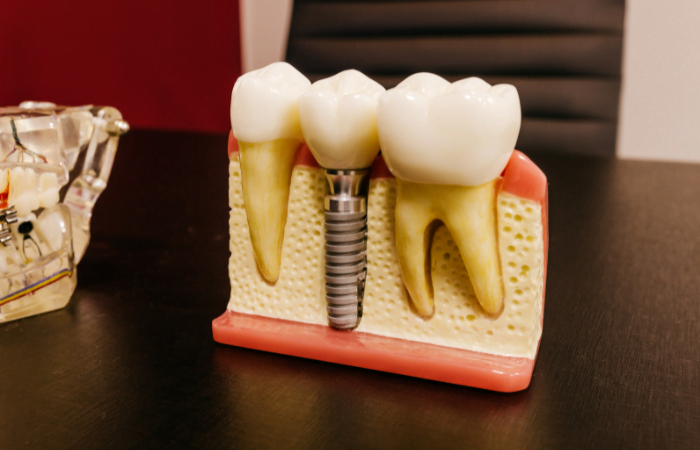
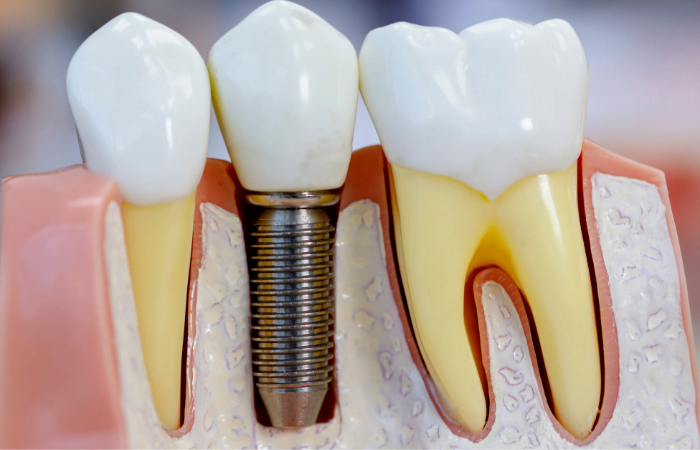
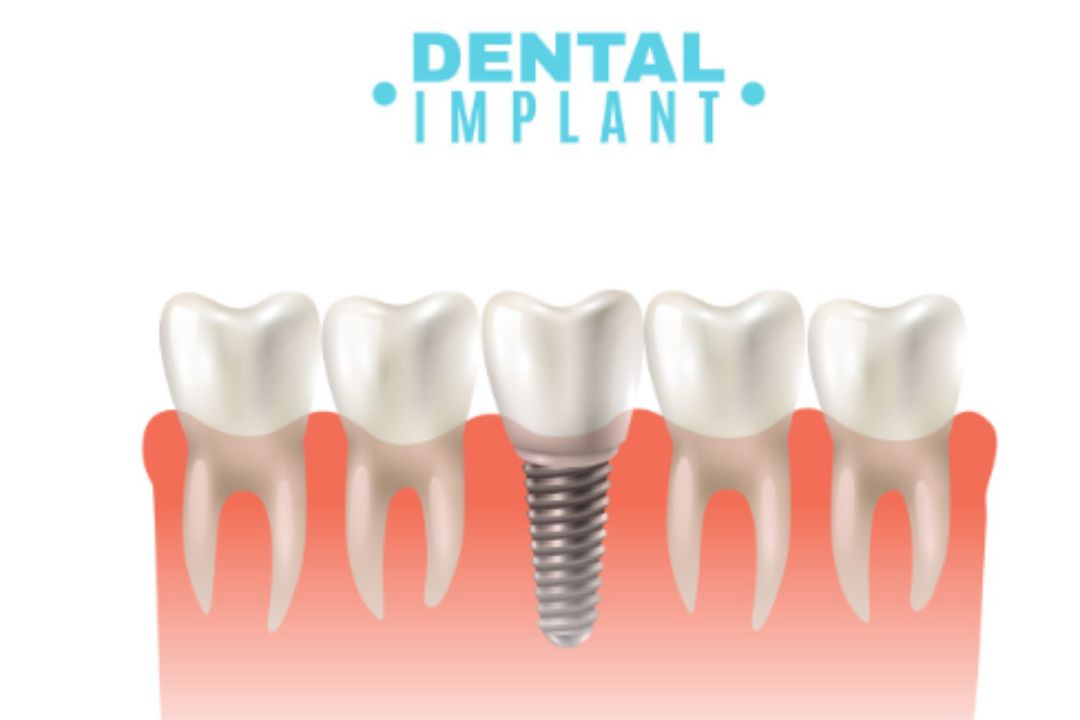
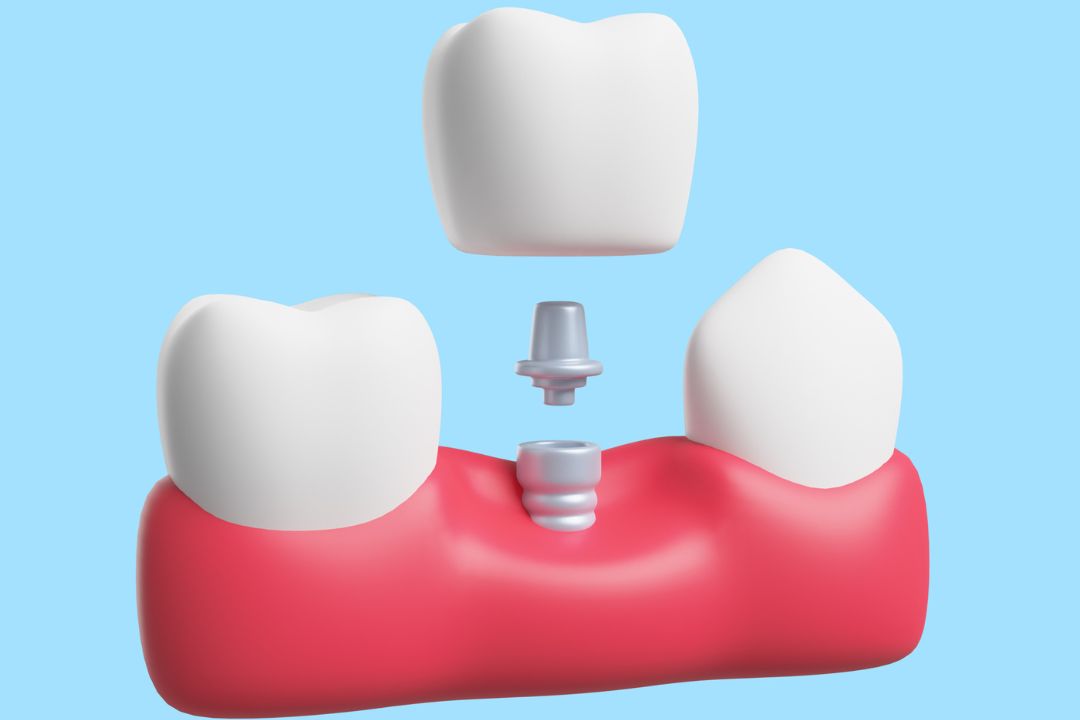
As we age, bone density naturally decreases. Since dental implants rely on strong jawbone support for stability (a process called osseointegration), reduced bone density may require additional procedures such as:
Bone grafting
Sinus lift procedures
Ridge augmentation
Modern dental techniques make it possible to restore sufficient bone structure before implant placement, even in older adults.
Younger patients may heal slightly faster than older adults. However, healing success depends more on:
Blood circulation
Nutrition
Medical conditions
Lifestyle habits
With proper post-operative care, older patients can experience excellent healing and long-term implant stability.
Certain health conditions that become more common with age can affect implant success, including:
Uncontrolled diabetes
Osteoporosis
Heart disease
Autoimmune disorders
When these conditions are well managed, implant success rates remain high.
Some medications, such as bisphosphonates (used for osteoporosis), may influence bone healing. A detailed medical evaluation helps determine suitability before treatment.
Regardless of age, poor oral hygiene is a major risk factor for implant failure. Gum infections (peri-implantitis) can compromise implant stability.
Maintaining:
Regular dental checkups
Daily brushing and flossing
Professional cleanings
is essential for long-term success.
Research shows that dental implant success rates remain very high across age groups:
Adults under 50: 95–98% success rate
Adults over 65: 90–95% success rate
These numbers demonstrate that implants are a reliable solution for seniors when planned correctly.
Yes. In fact, dental implants often improve quality of life in older adults by:
Restoring chewing efficiency
Preventing bone loss
Improving speech
Enhancing confidence and facial structure
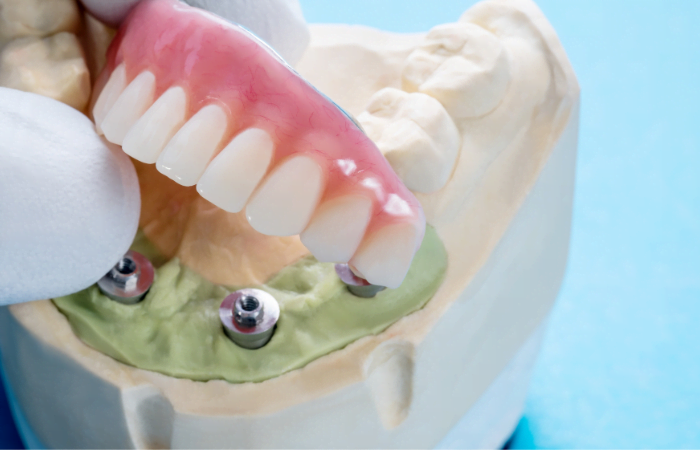
Unlike removable dentures, implants provide stability and long-term comfort.
Age might require additional evaluation if:
Significant bone loss has occurred
Chronic illnesses are poorly controlled
Smoking is heavy and long-term
The immune system is compromised
Even in these cases, customized treatment planning can often overcome challenges.
Permanent solution for missing teeth
Prevents further bone loss
Protects adjacent natural teeth
Improves overall oral function
Boosts self-confidence
Age should not stop you from restoring your smile.
Dental implant success depends far more on overall health and bone condition than on chronological age. With modern dental technology, careful evaluation, and proper care, patients of almost any adult age can enjoy the long-term benefits of implants.
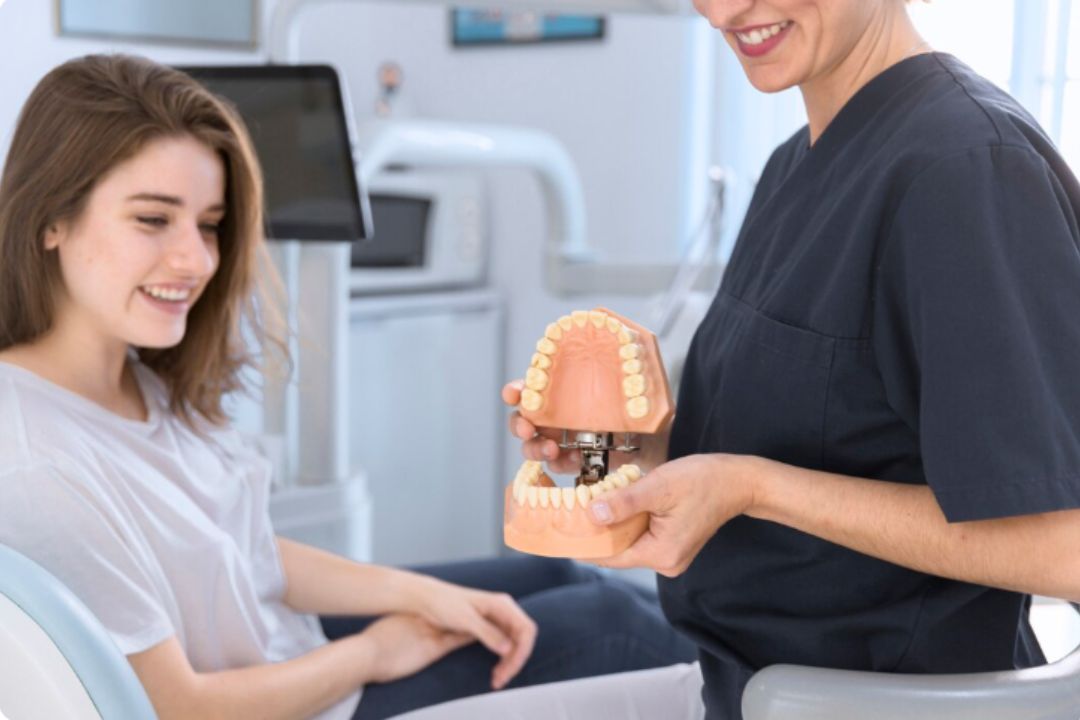
If you’re considering dental implants and wondering whether your age is a factor, consult with an experienced dental professional for a personalized assessment.










.jpg "myths and facts about dental implants")
























![affordable dental implant treatment in [pune] with emi options](/img/BlogImages/affordable dental implant treatment in [pune] with emi options.jpg "affordable dental implant treatment in [pune] with emi options")
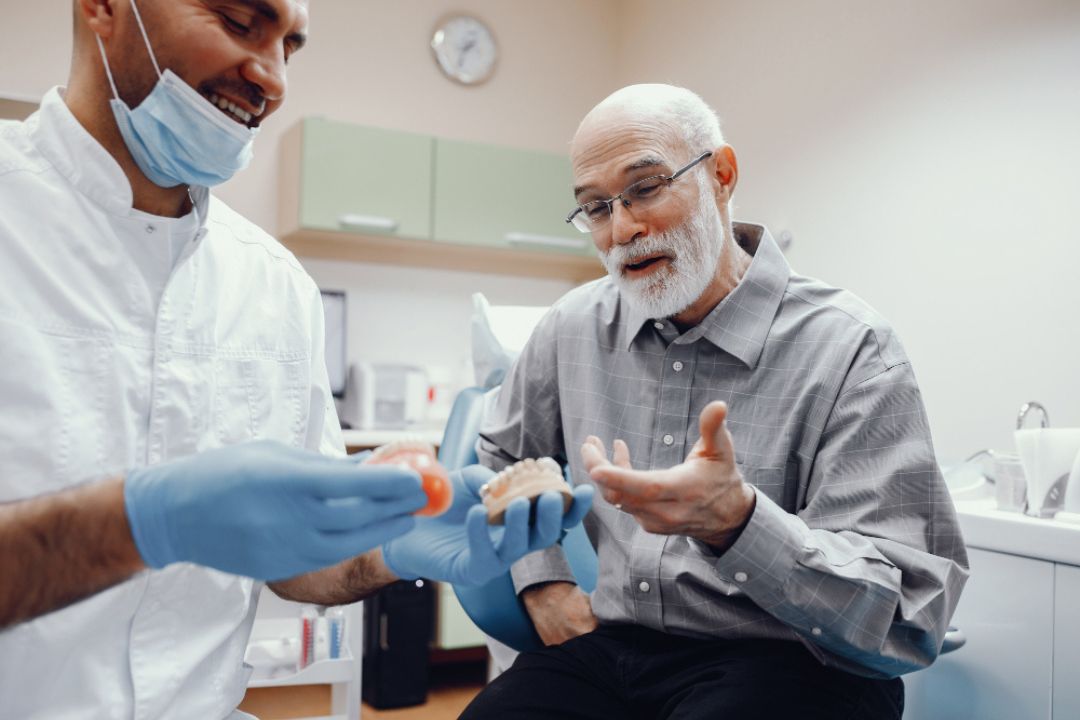

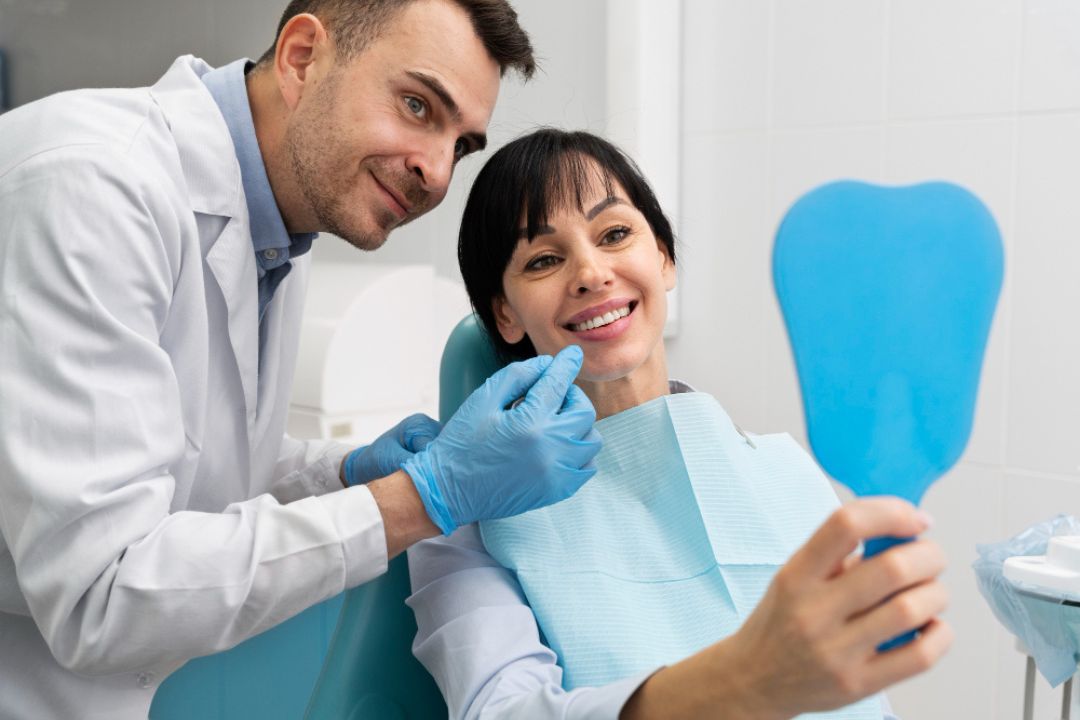

.jpg "dental implant full mouth rehabilitation")
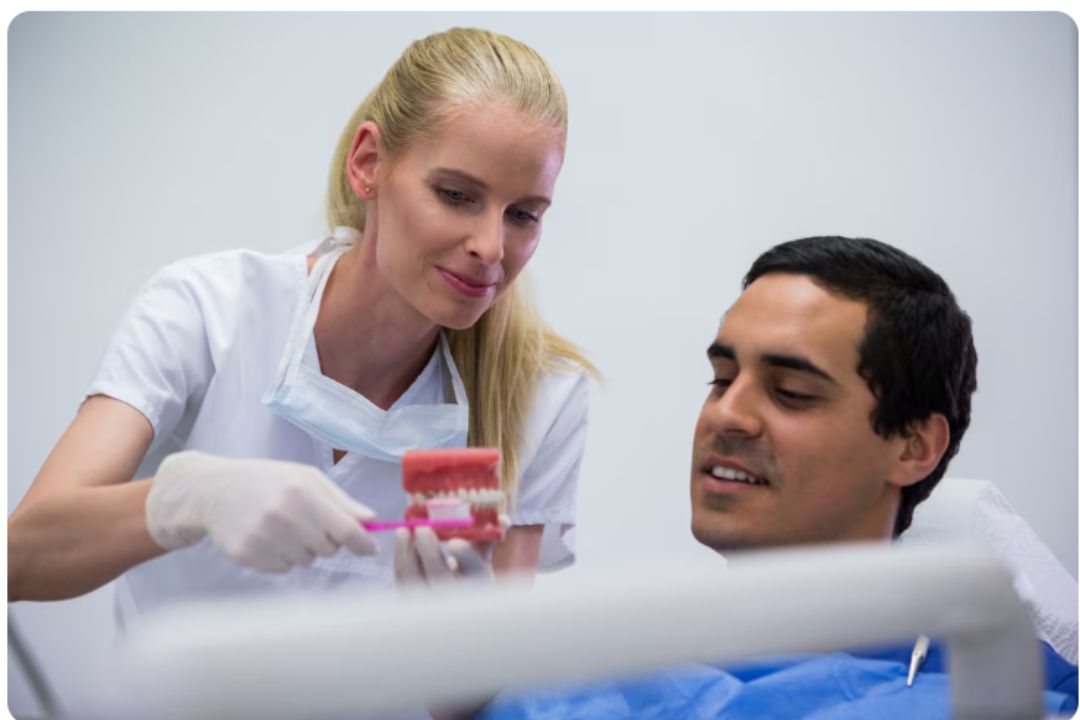


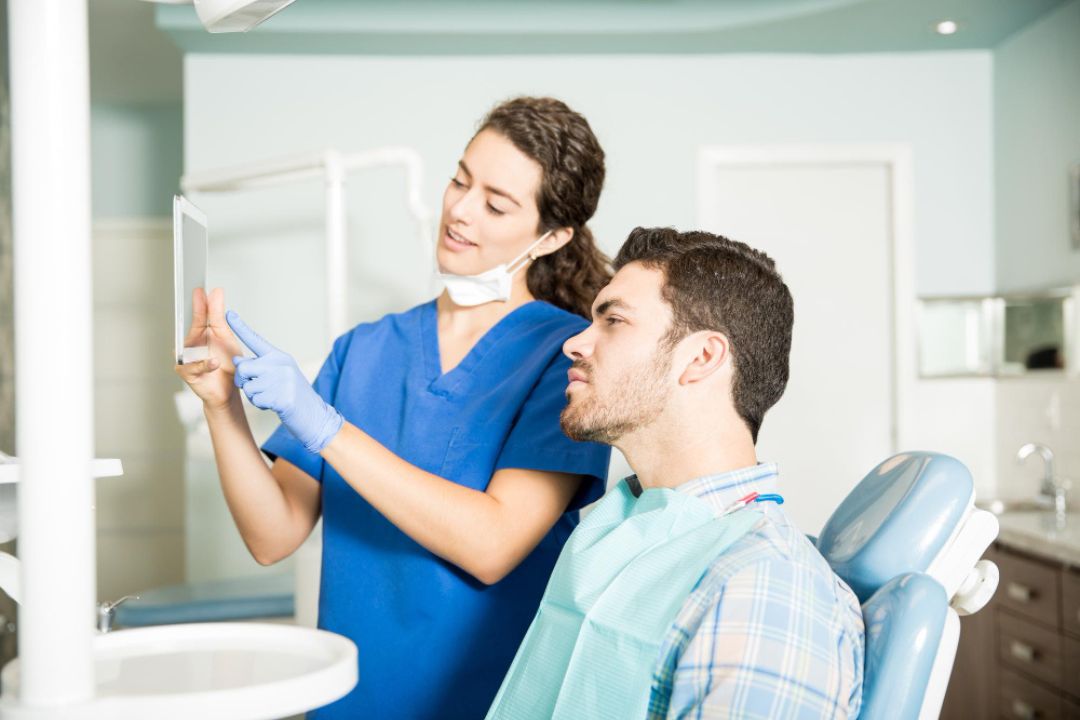





.jpg "foods for rapid recovery after dental implant surgery")



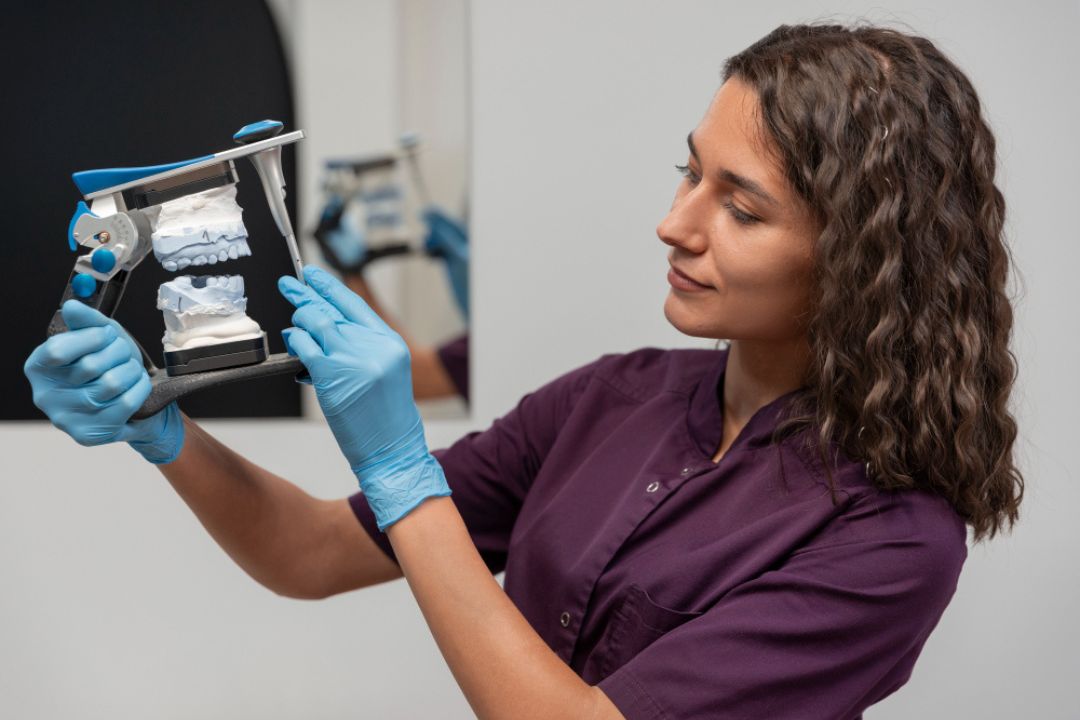


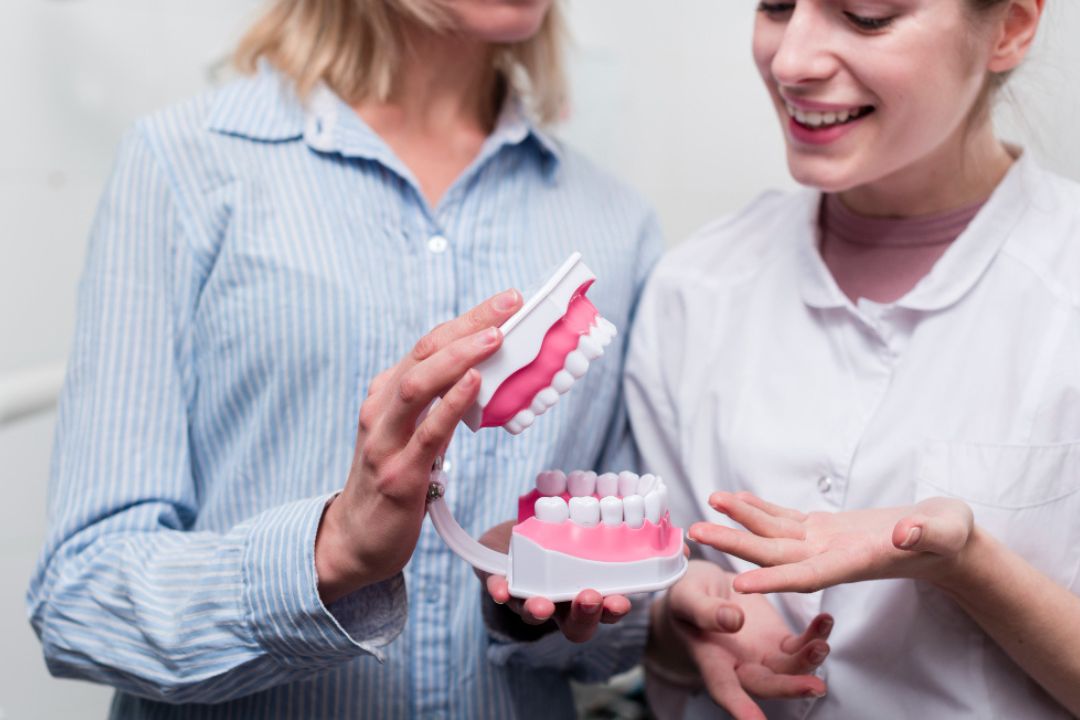
.jpg "dental implant")
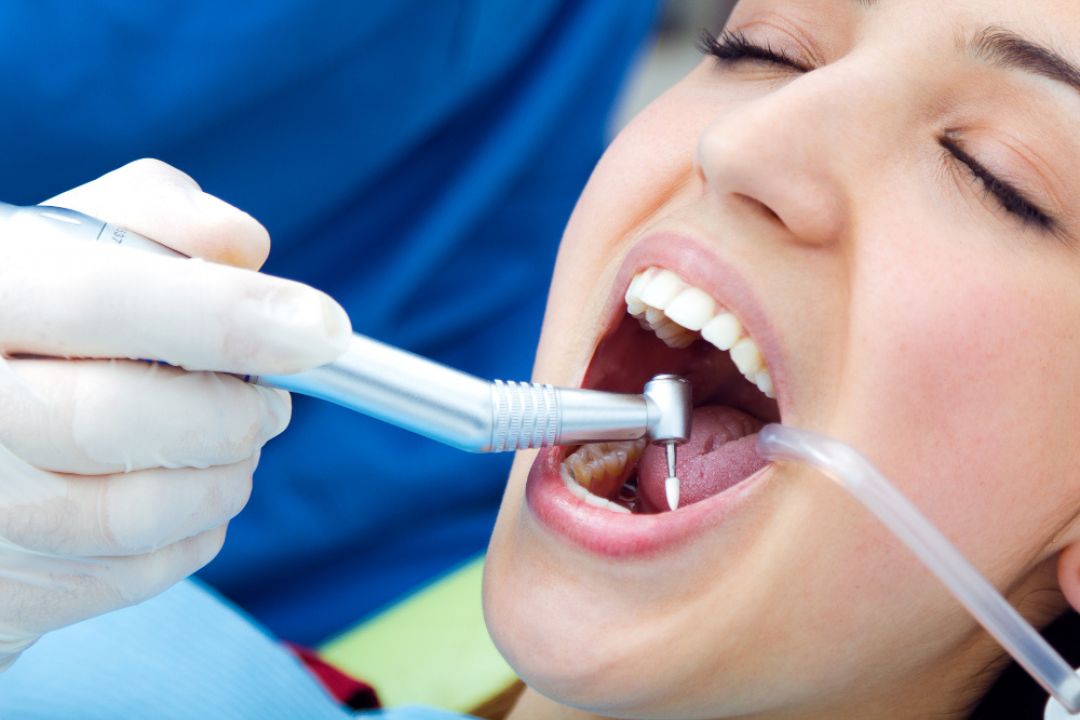
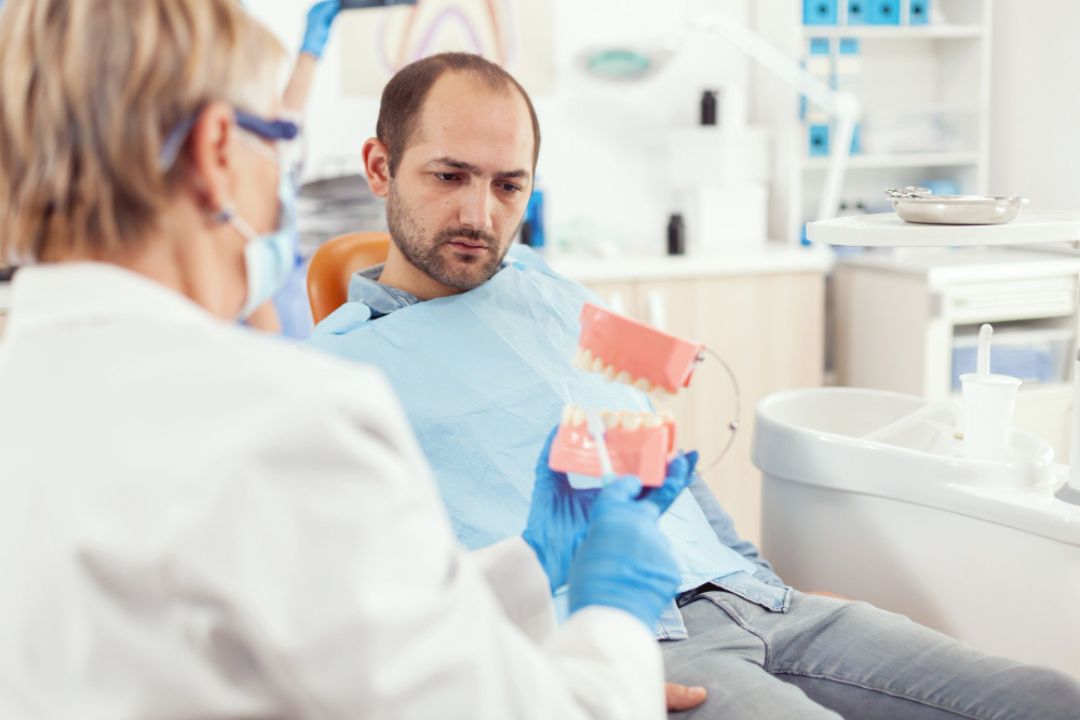

.jpg "dental implant")
.jpg "dental implant")

.jpg "dental implants")
.jpg "dental implants")



.jpg "Dental Implants Help Repair Broken")
.jpg "Know About Dental Implants")
.jpg "Major Types of Dental Implants")
 (1).jpg "Affordable Dental Implants in India")
 (1).jpg "Dental Implants with Pre-existing Conditions")