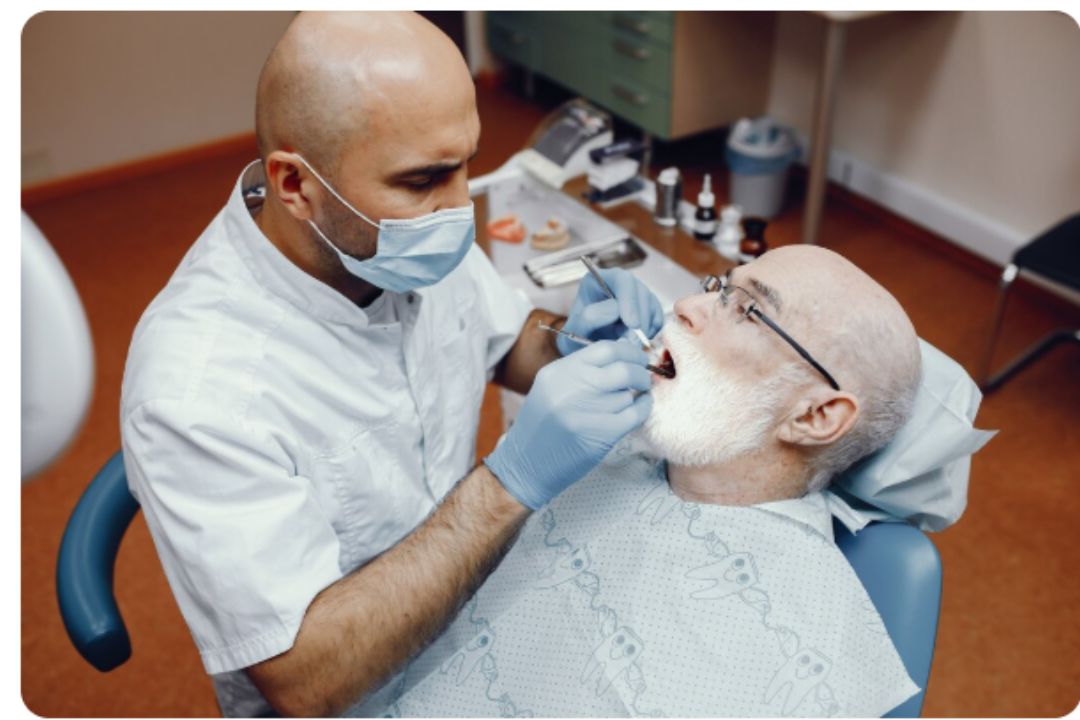
Facing the decision to restore your smile with full mouth tooth replacement is a significant step toward better health and confidence. The two premier solutions are full mouth dental implants (like All-on-4) and traditional full dentures. Understanding the key differences in cost, comfort, and long-term results is crucial. At Diagnopein, we guide you through this decision with clarity and expertise.
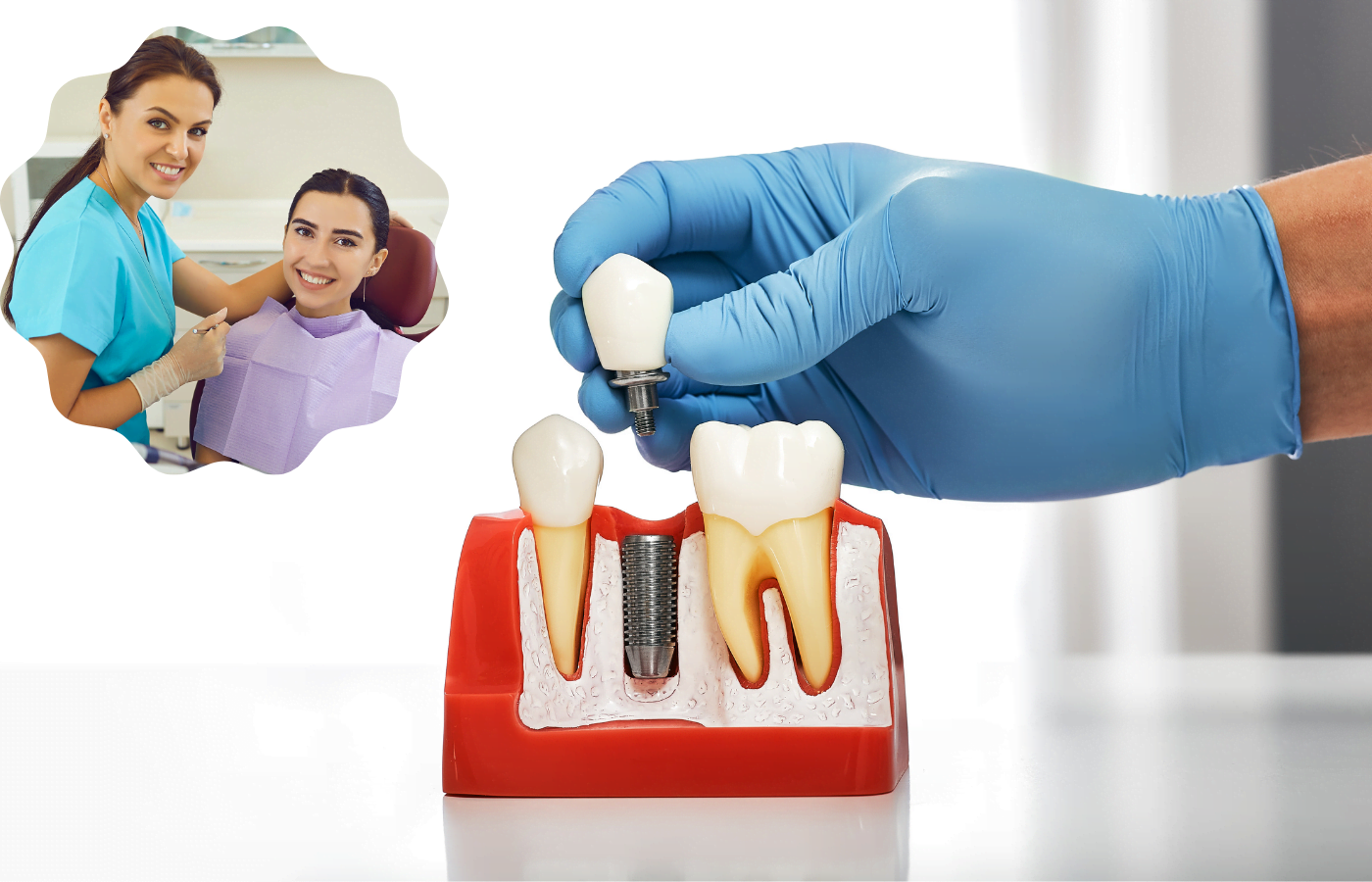
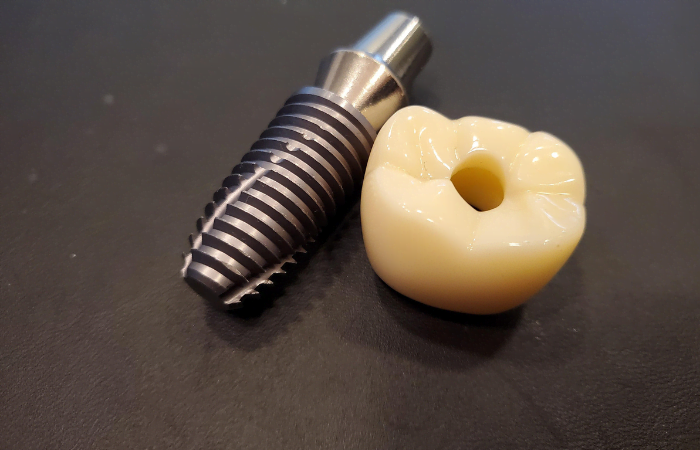
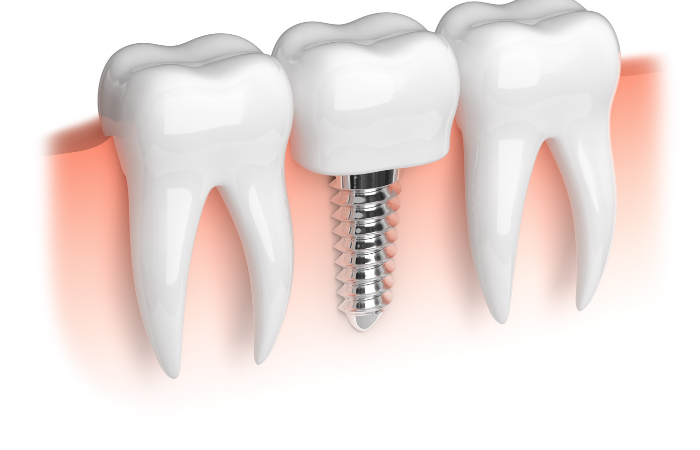
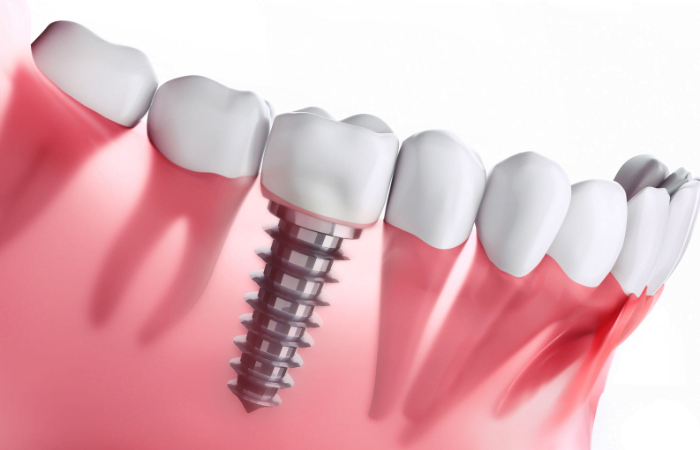
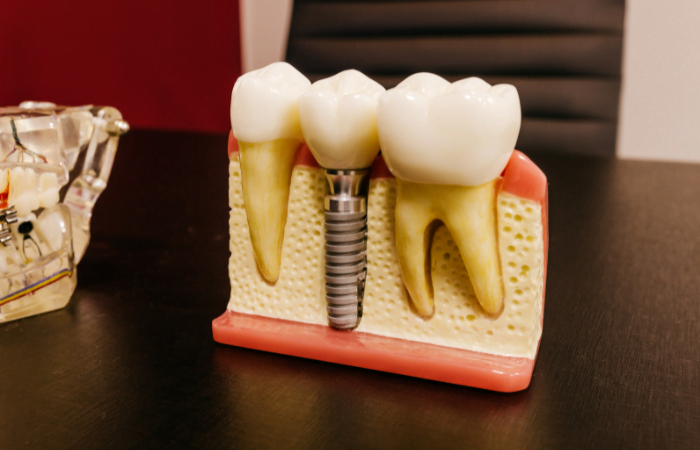
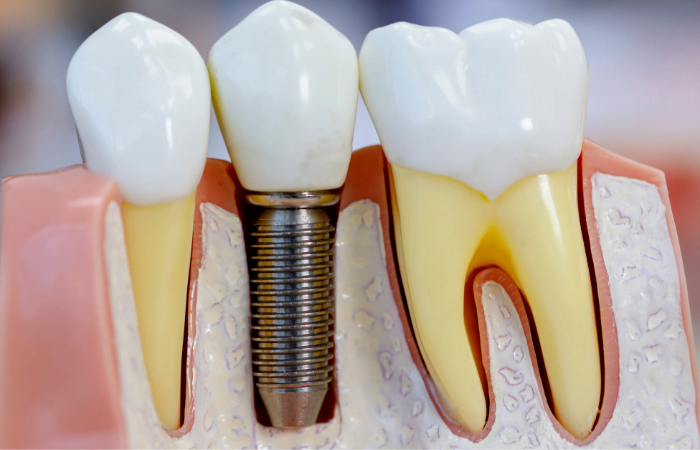
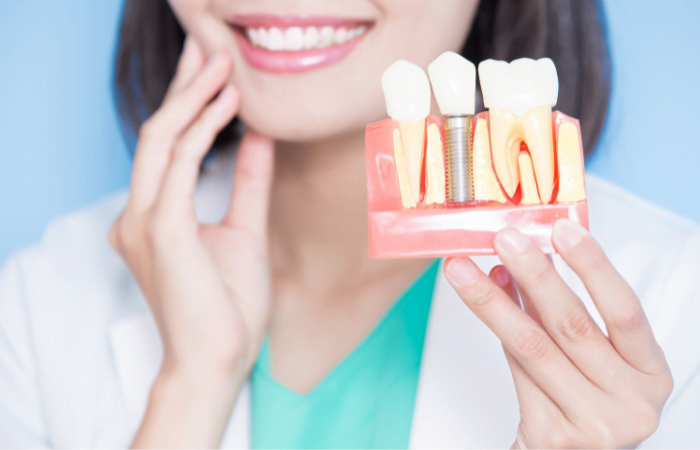
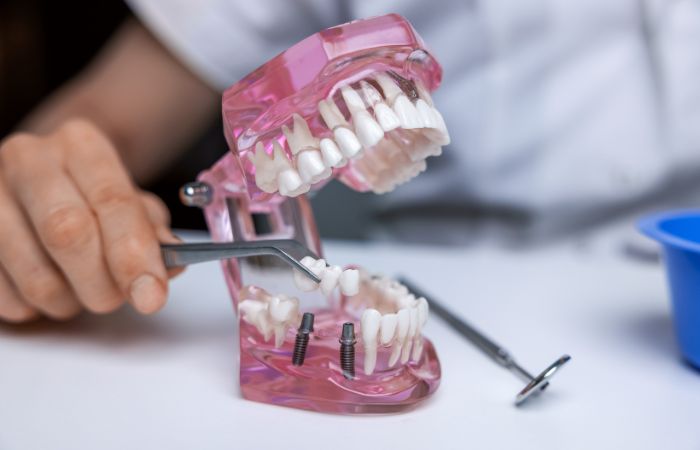
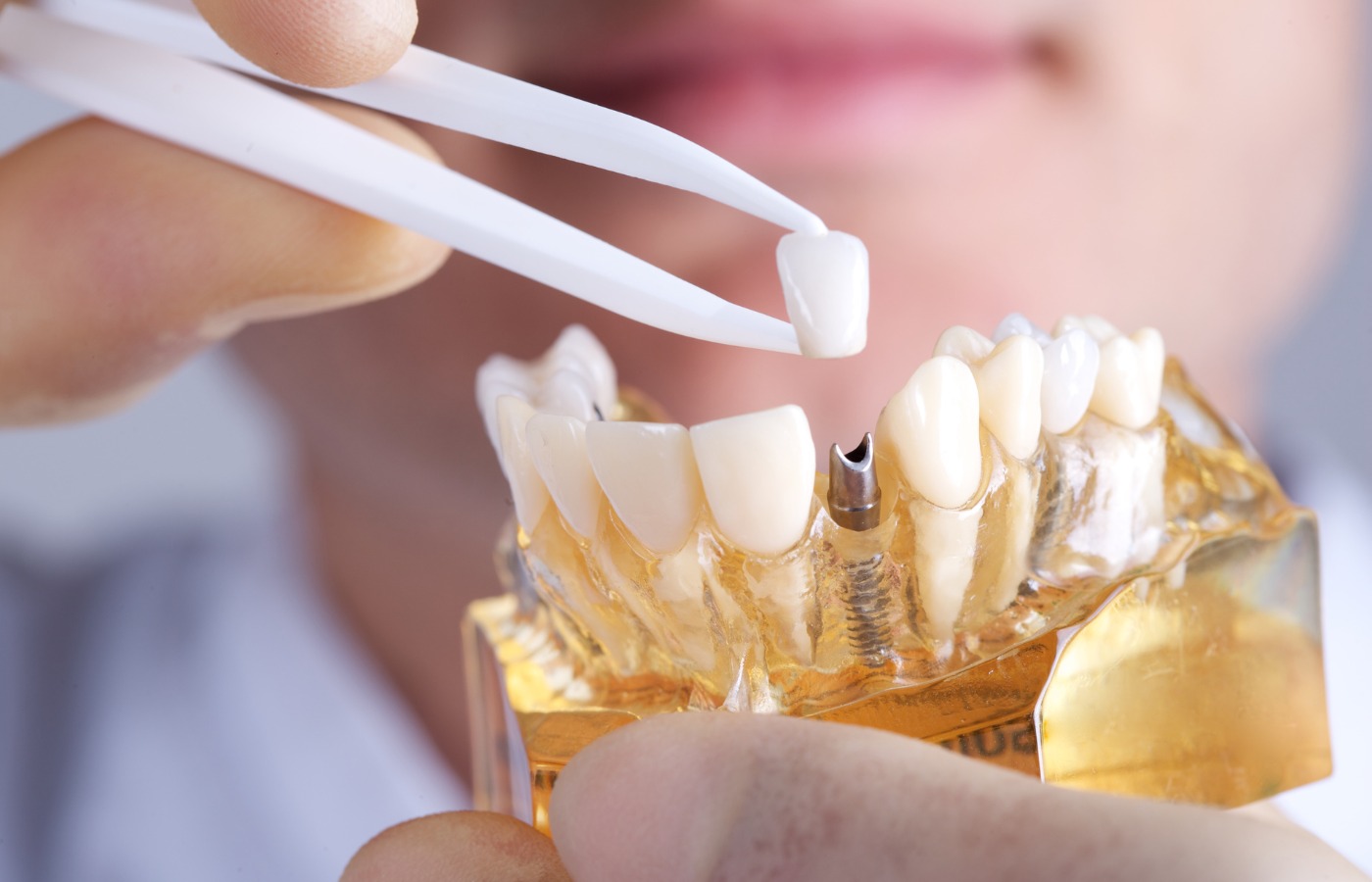
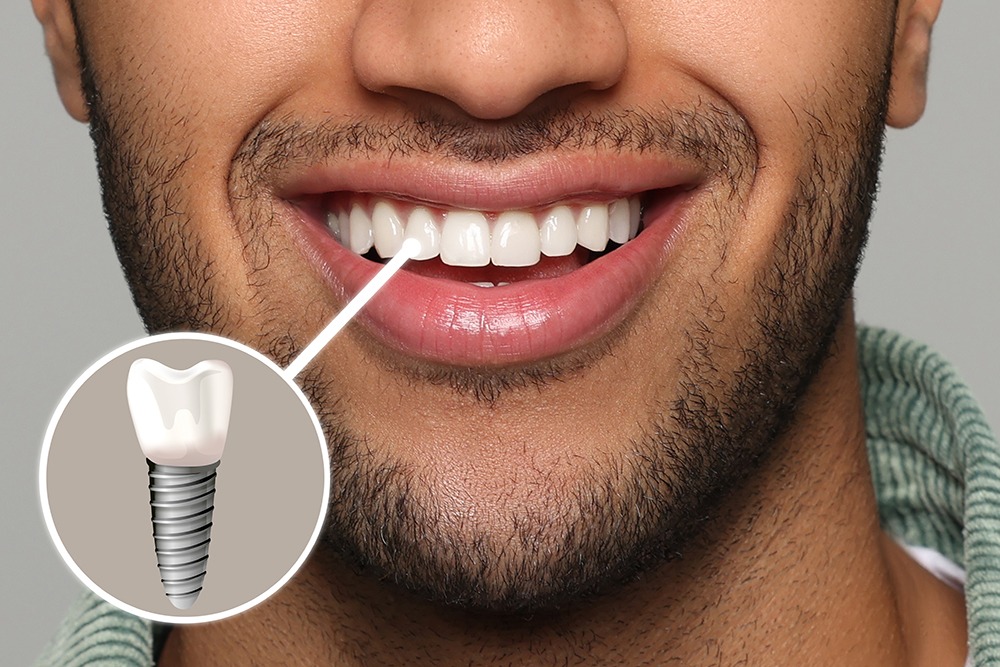
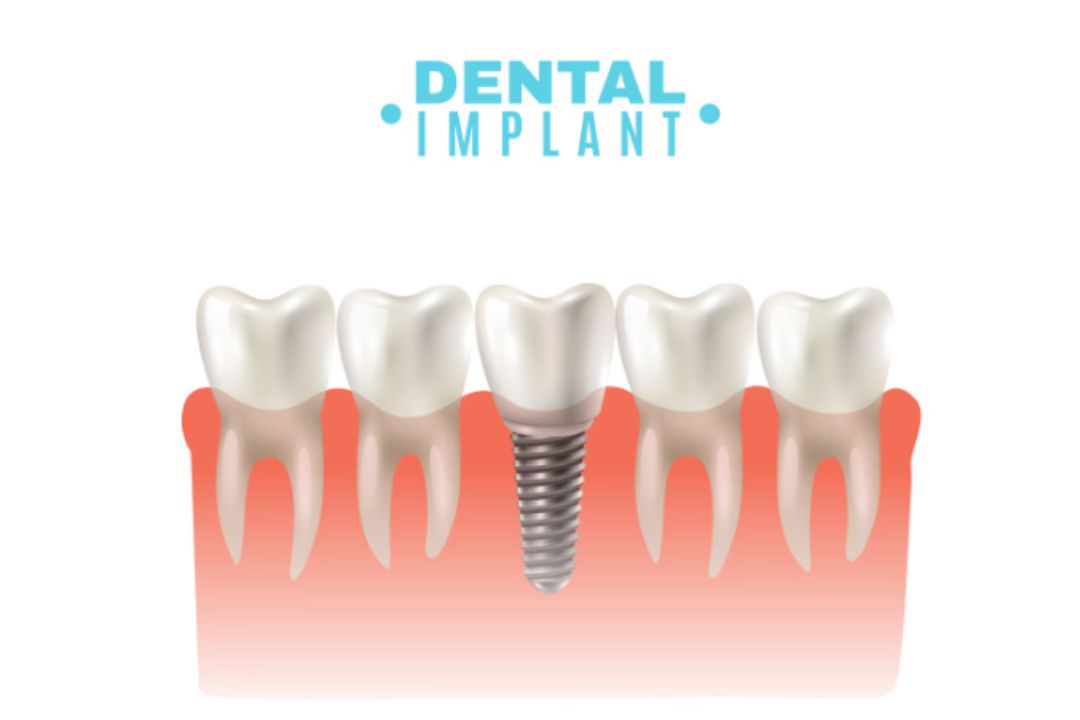
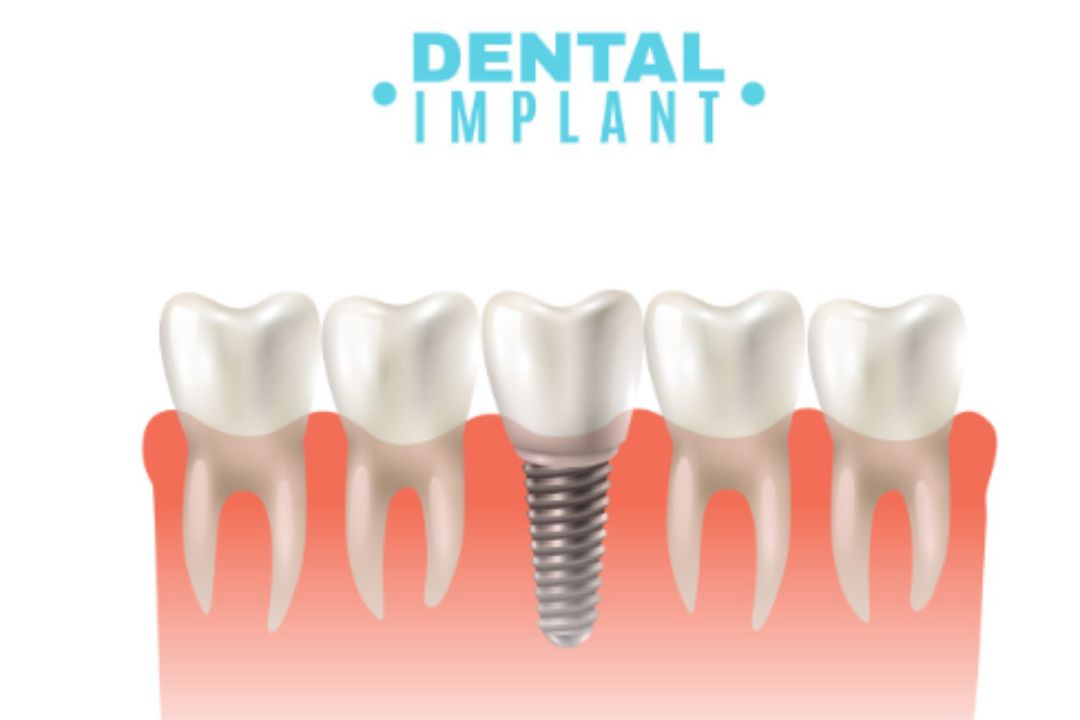
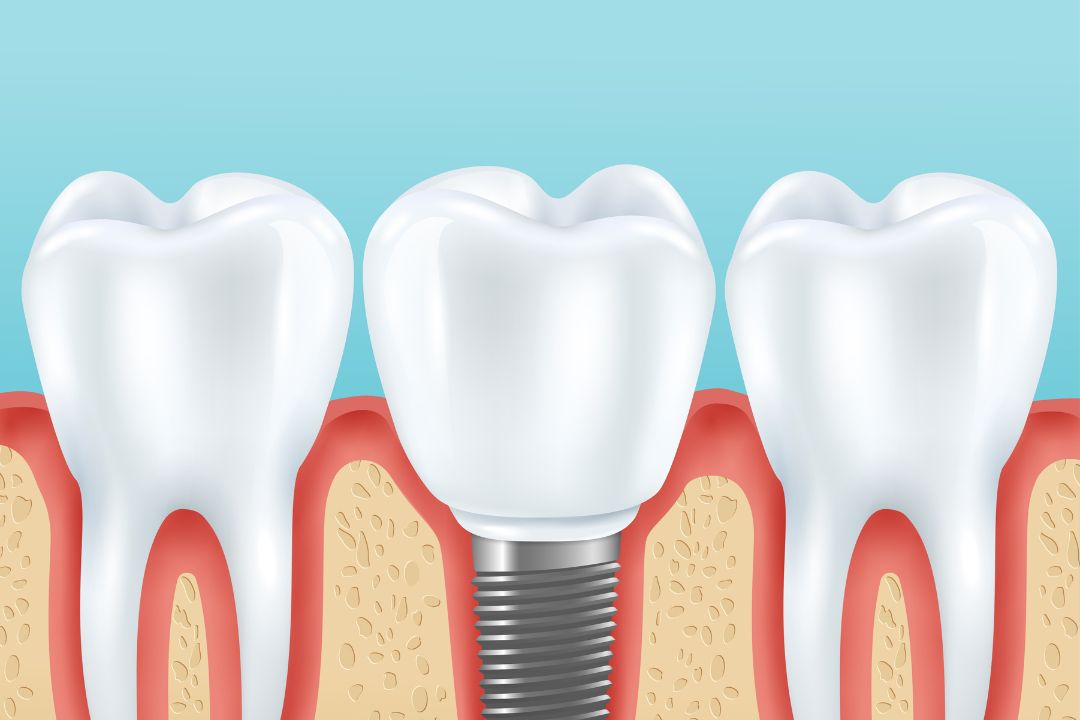
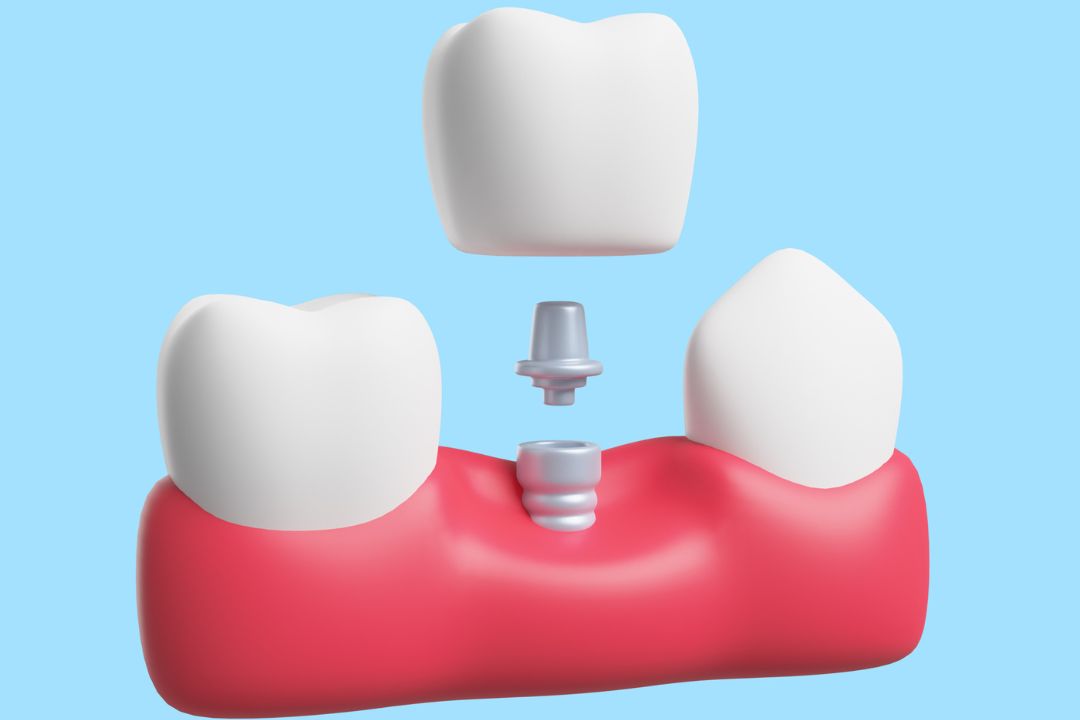
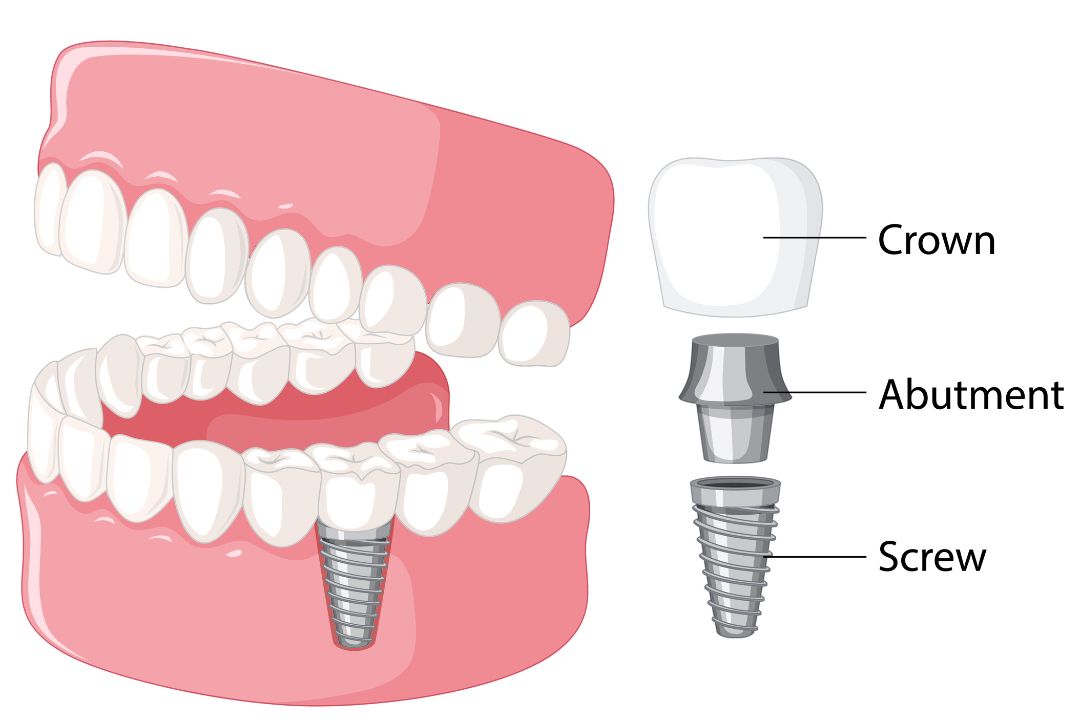
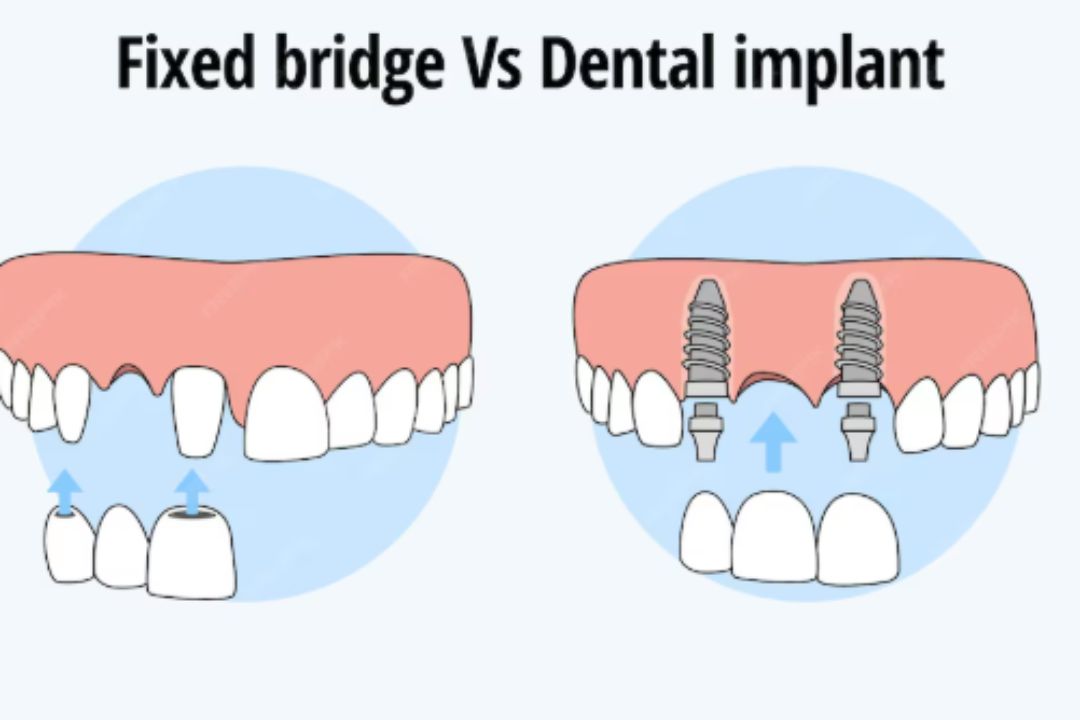
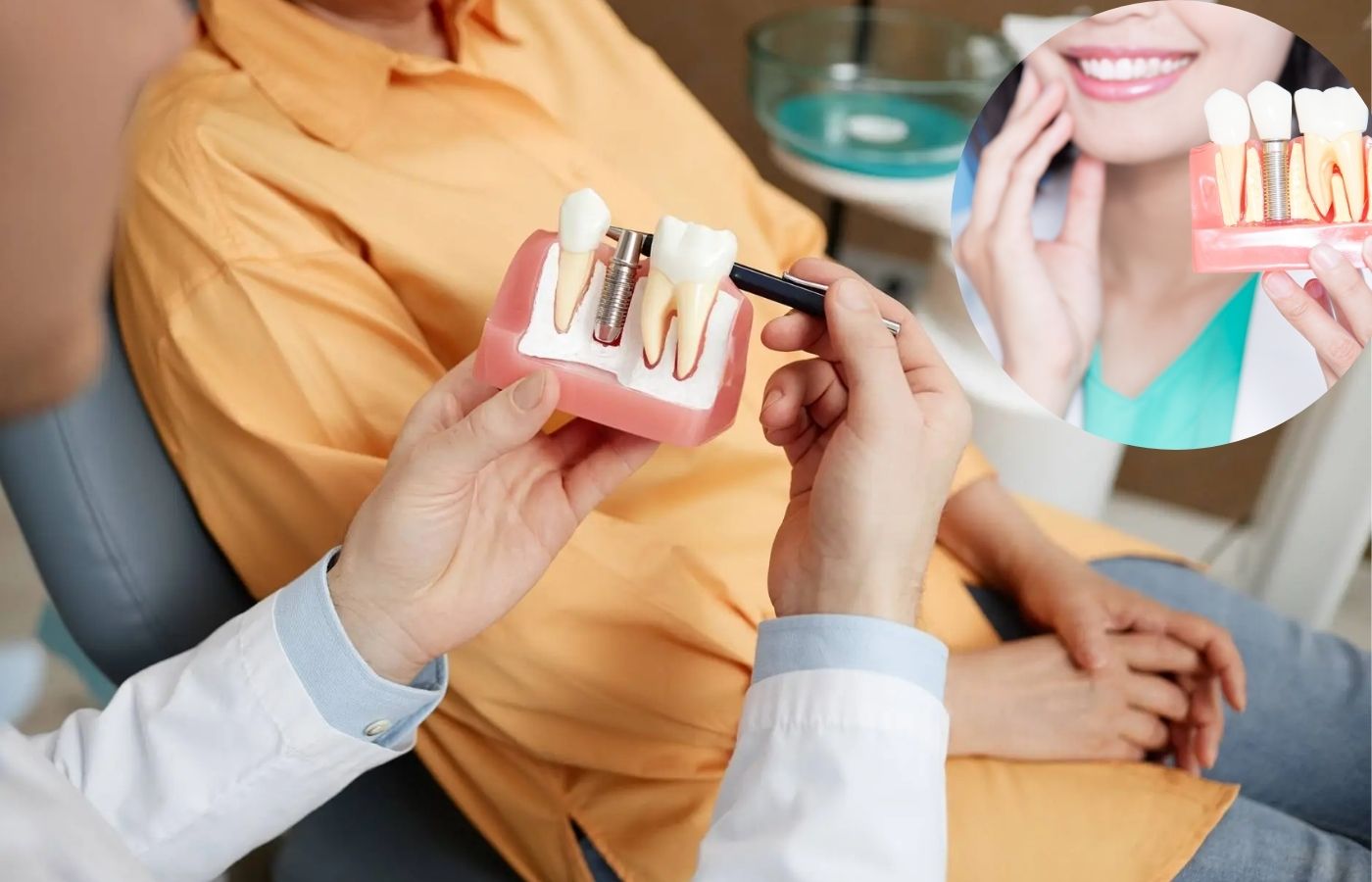
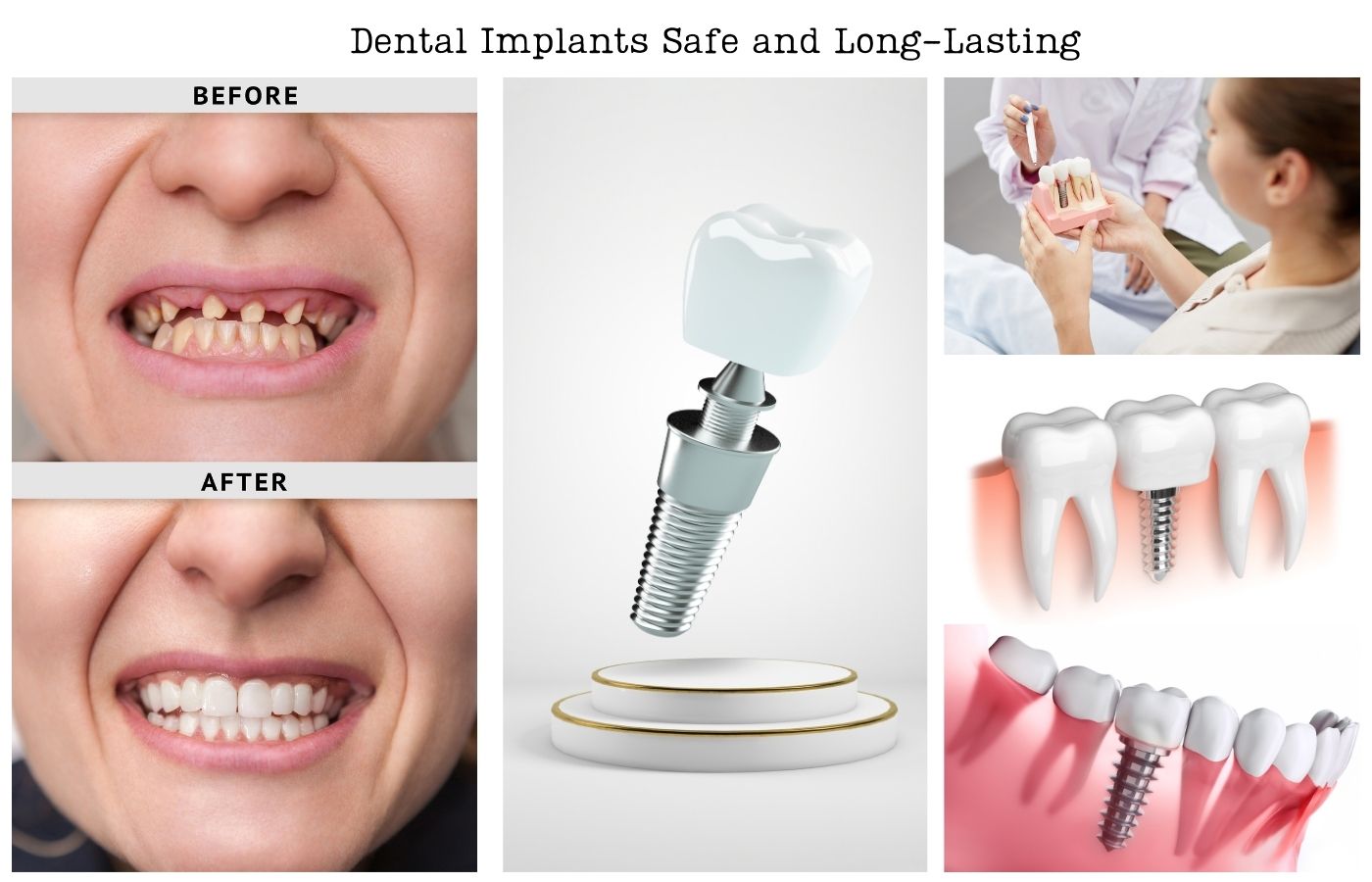
Full mouth implants are a dental solution used when many or all natural teeth are missing. Instead of replacing each tooth individually, implants support a full arch of prosthetic teeth using strategically placed titanium posts in the jawbone.
Common full mouth implant techniques include:
All-on-4 implants
Four implants support a full upper or lower fixed set of teeth.
All-on-6 implants
Six implants provide even more stability and support.
These systems restore a complete arch with fixed artificial teeth that look and function like natural ones.
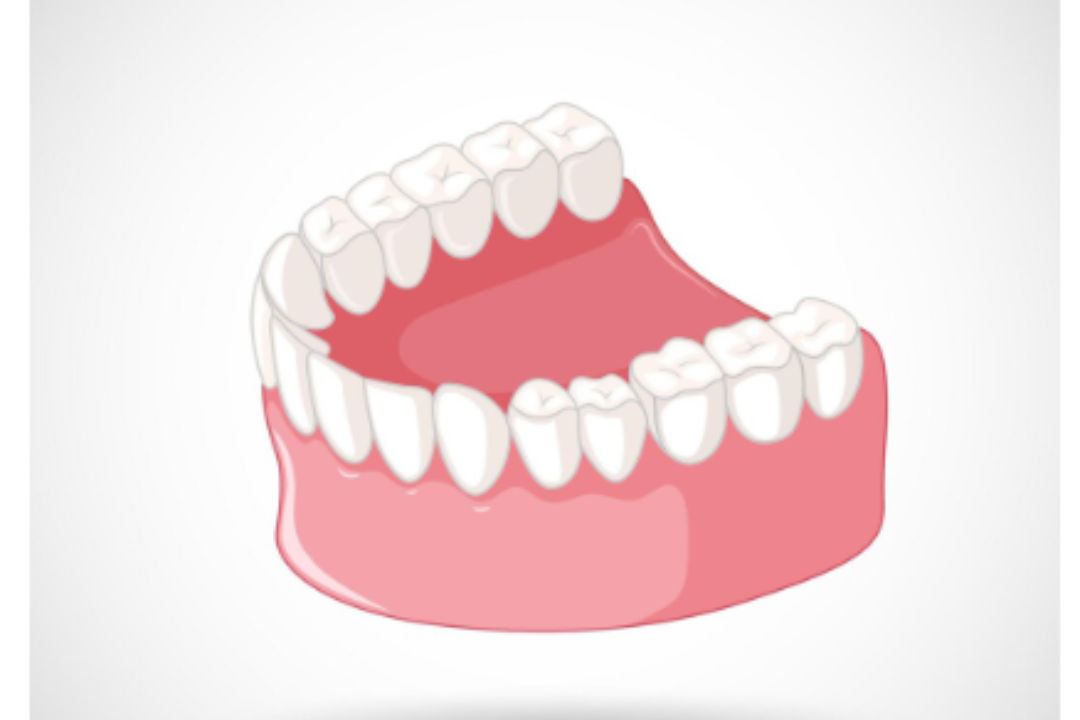
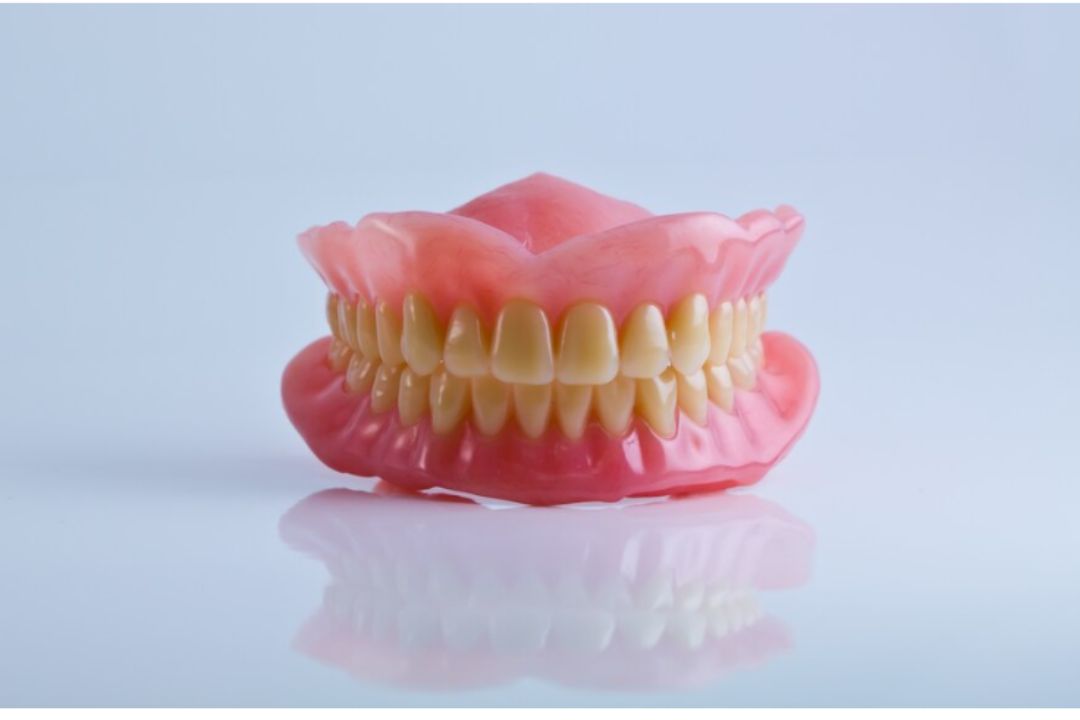
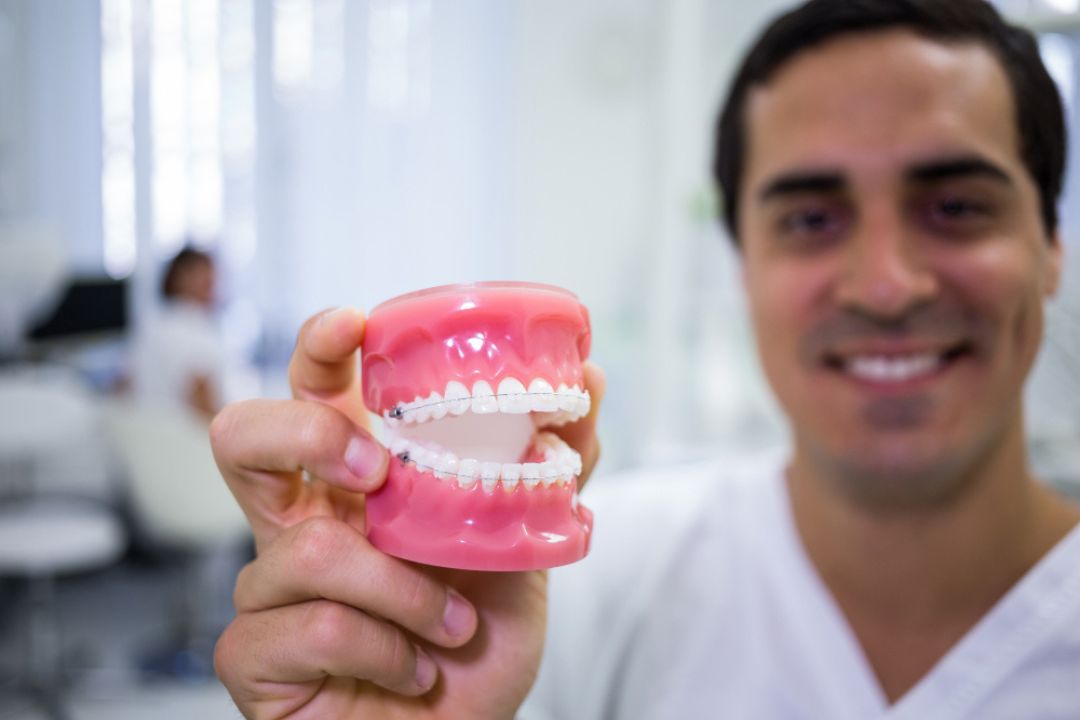
Dentures are removable prosthetic teeth used to replace missing teeth. There are two main types:
Conventional Full Dentures
These are complete sets of teeth that sit on the gums and must be removed for cleaning.
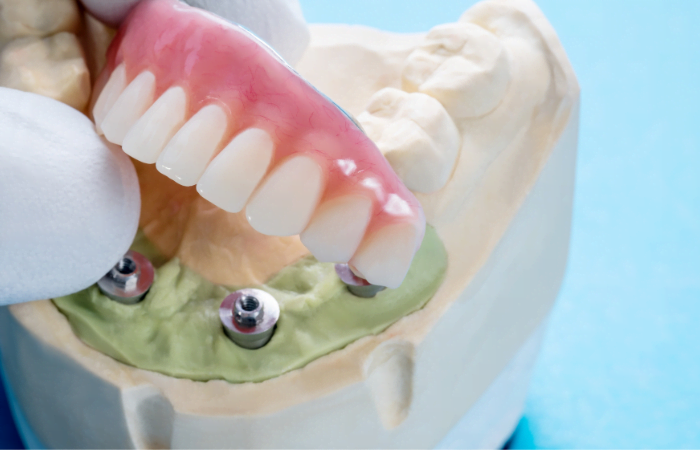
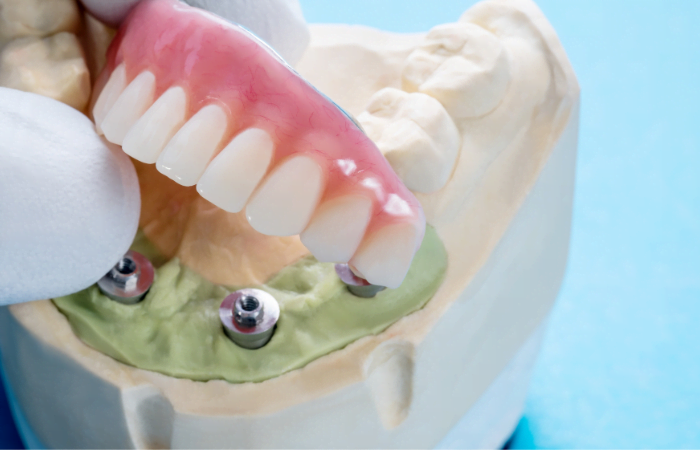
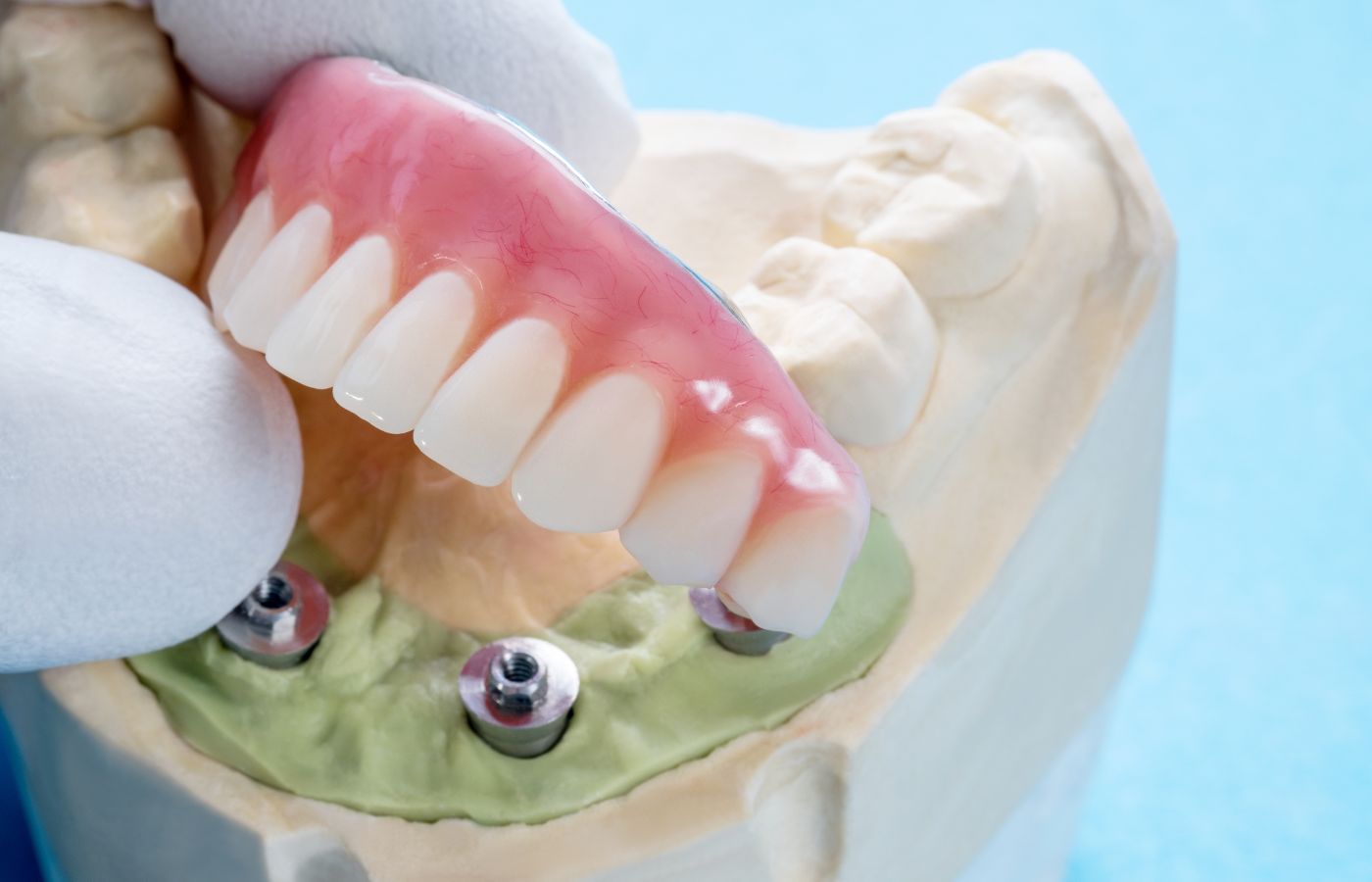
Implant-Supported Dentures
Dentures that snap on to implants for improved stability and comfort.
Dentures are still a common tooth replacement option, especially when implants are not feasible due to bone or medical factors.
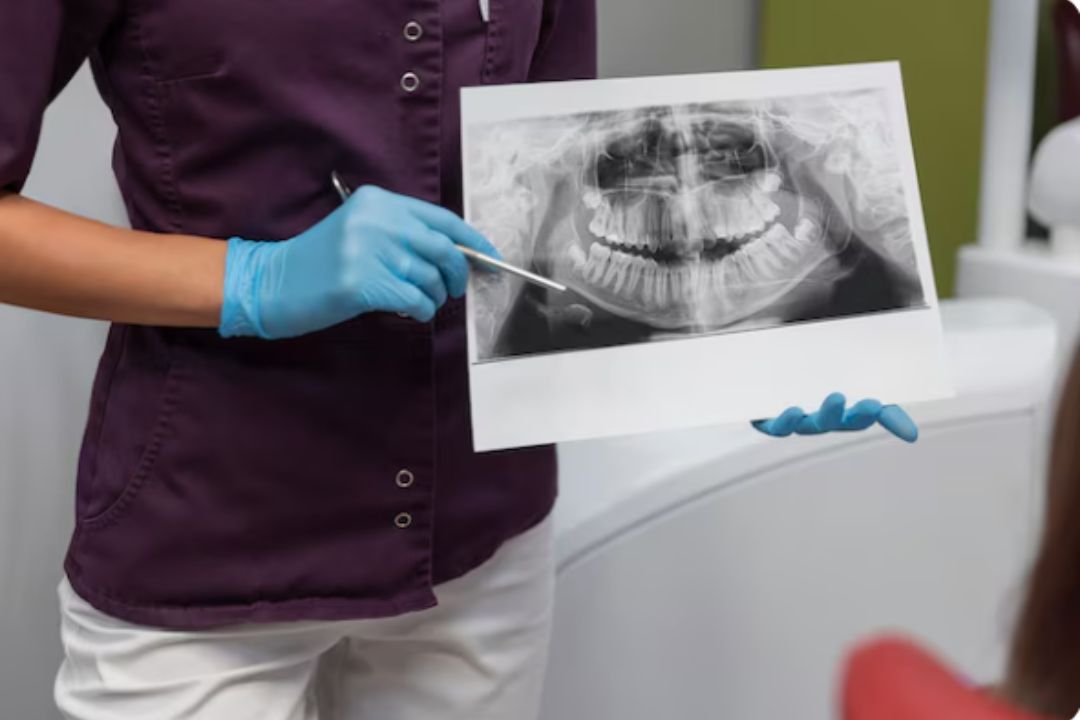
Your dentist reviews your medical history, takes digital scans and x-rays, and checks bone quality. A personalized treatment plan is created.
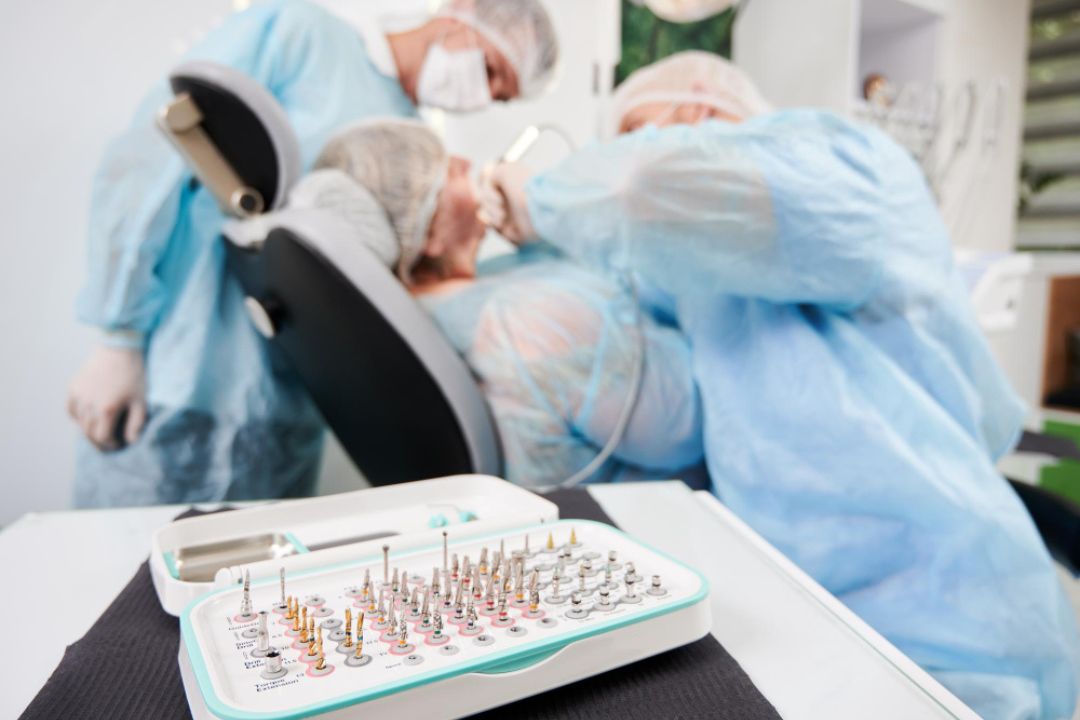
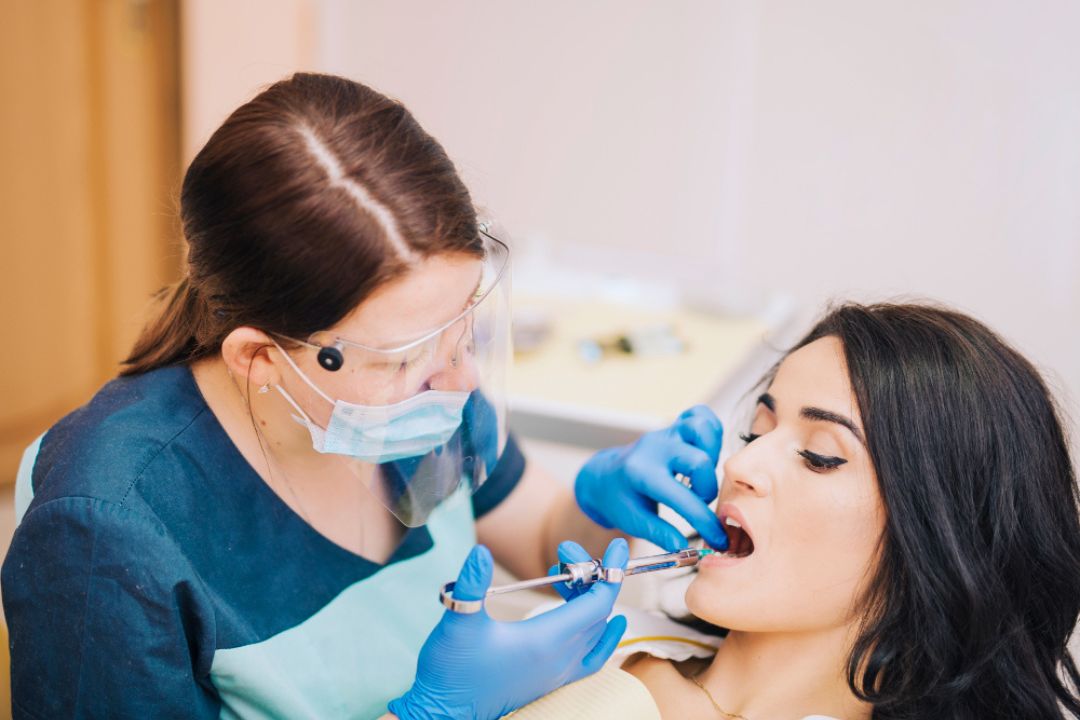
Under anesthesia, implants are placed in the jawbone. In an All-on-4 or All-on-6 setup, implants are angled and positioned for maximum strength.
In many cases temporary fixed teeth are attached immediately after surgery. You leave the clinic with functional teeth the same day.
Over weeks the implants fuse with your jawbone in a process called osseointegration.
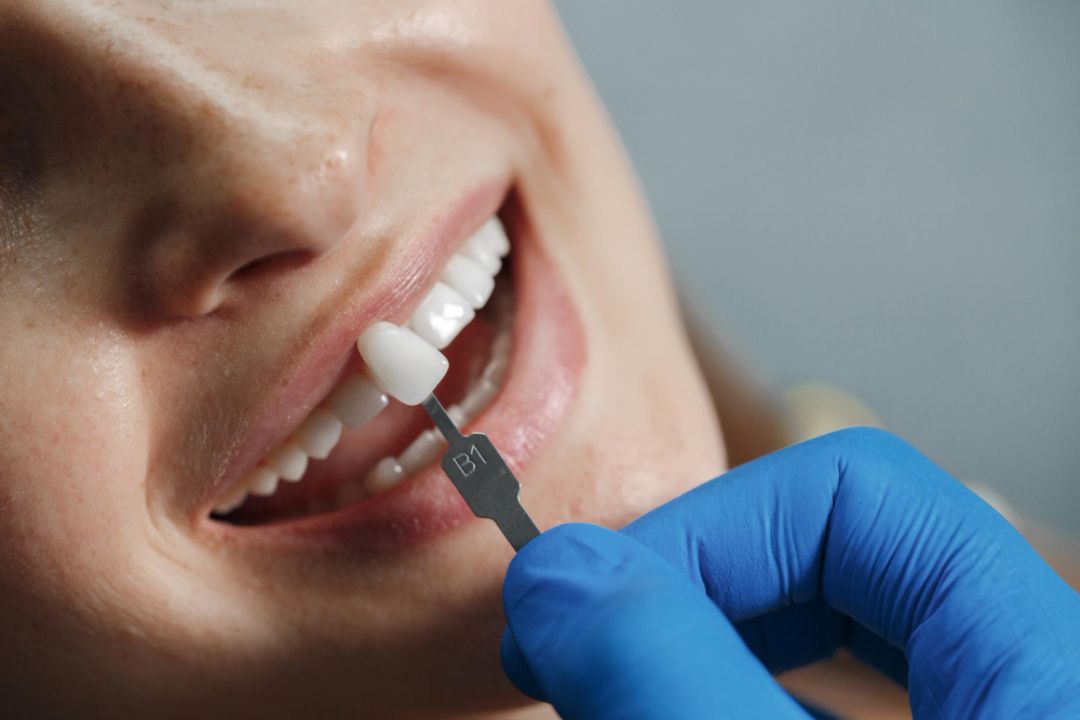
After healing your permanent full mouth bridge is attached, providing durable, natural-looking teeth.
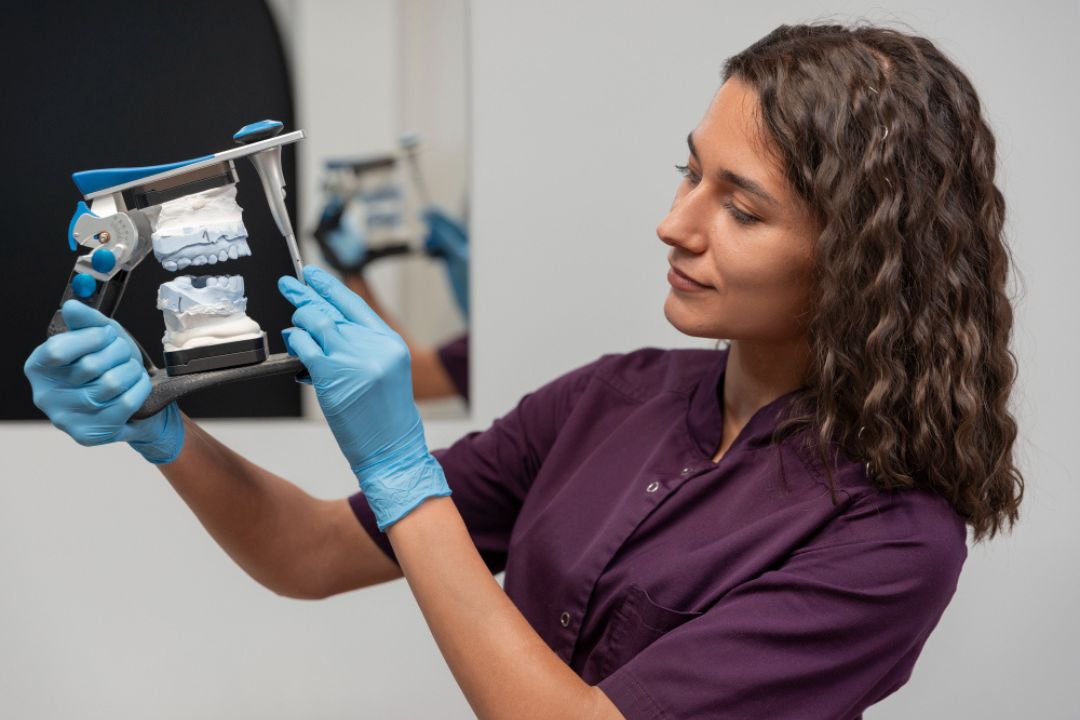
Conventional dentures are custom-made after impressions of your gums and bone. They sit on gum tissue using suction or adhesive and must be removed daily.
Implant-supported dentures attach securely to two or more implants. They offer better stability than conventional dentures but are removable.
Here’s a general cost overview for treatment in India (varies by clinic, location, and materials used):
| Treatment | Typical Cost Range |
|---|---|
| Conventional Full Dentures | ?20,000 – ?90,000 |
| Implant-Supported Dentures | ?90,000 – ?2,50,000+ |
| Full Mouth Implants (All-on-4) | ?2,00,000 – ?4,50,000+ |
| Full Mouth Implants (All-on-6) | ?3,00,000 – ?5,50,000+ |
These ranges are approximate and depend on:
Clinic expertise
Number of implants
Bone grafting needs
Type of prosthesis
Technology used
A personalized evaluation provides the most accurate cost estimate.
? Extremely stable
? Feel and function like natural teeth
? No slipping while eating or speaking
? No adhesives needed
? Easy daily brushing
Because implants are fixed, they become a permanent part of your oral function and do not interfere with comfort once healed.
? Lower upfront cost
? Removable for easy cleaning
However that comfort can be offset by:
? Movement while chewing
? Soreness or rubbing against gums
? Need for adhesives
? Difficulty eating certain foods
For many people dentures feel less stable and take longer to adjust to.
Procedure Day: Implants placed and temporary teeth attached
Healing Phase: 8 to 16 weeks for osseointegration
Final Teeth: Permanent prosthesis after healing
Total time varies by bone quality and individual healing.
Impressions and Fitting: A few appointments
Delivery of Dentures: Usually in 1–2 weeks
Adjustment Period: Weeks to months as muscles adapt
Implant-supported dentures may require a surgical phase but heal faster than full implant bridges.
Pros
Long lasting
Natural chewing ability
Bone preservation
No slipping or adhesives
High confidence
Cons
Higher initial cost
Surgical procedure required
Healing time needed before final prosthesis
Pros
Lower upfront cost
Non-surgical option (for conventional dentures)
Cons
Less stable
May cause sores
Regular adjustments needed
Bone loss continues over time
? Active lifestyle
? Desire for highest stability
? Good bone support or willingness to undergo grafting
? Long-term investment
? Lower budget
? Patients with extensive bone loss who cannot undergo grafting
? People who prefer removable prosthetics
Your dentist will evaluate your needs and recommend the best solution.
When selecting a clinic in Mumbai or India for full mouth implants or dentures, look for:
? Experienced implant specialists
? Digital imaging and 3D planning tools
? Personalized treatment plans
? Clear cost breakdown
? Follow-up and aftercare support
? Patient testimonials and before/after images
Top clinics combine expertise and technology for predictable results.
Whether you choose full mouth implants for permanent fixed teeth or dentures for removable replacements, both options restore your smile and oral function. Implants offer superior comfort, stability, and long-term value while dentures remain a budget-friendly choice for many patients.
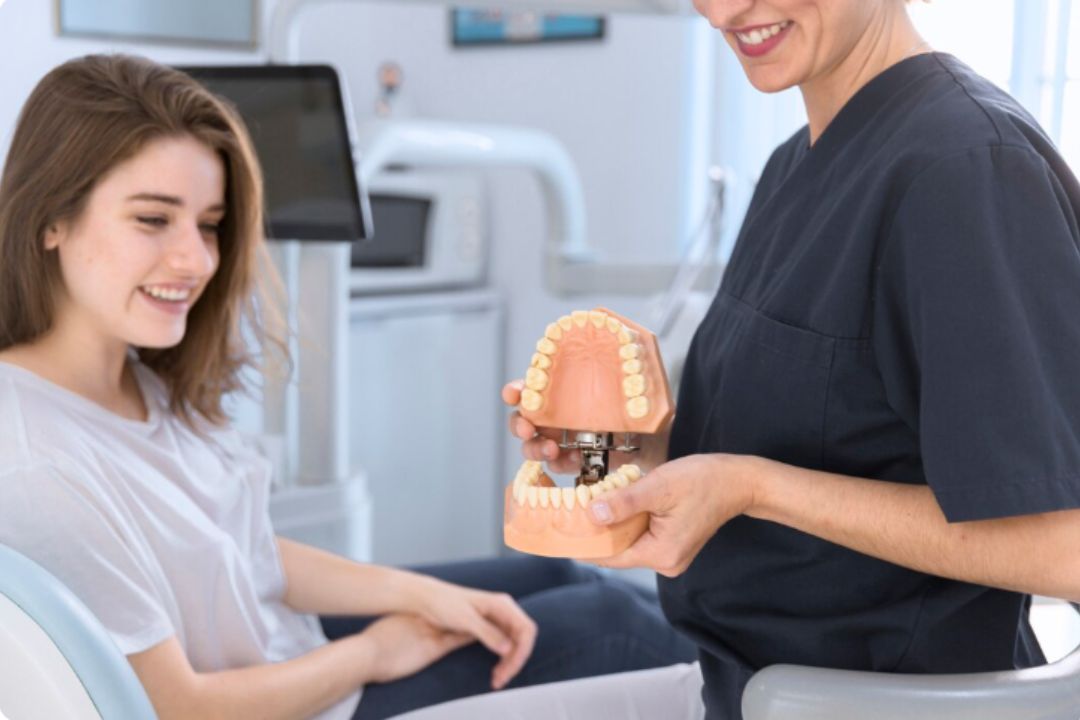
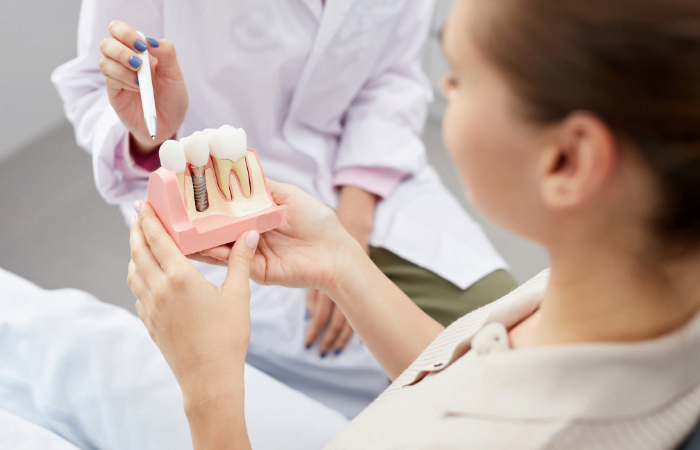
A consultation with an experienced implant dentist will help you understand what solution is right for your oral health goals, budget, and lifestyle.
Restore function, confidence, and quality of life with the right dental treatment for you. Start by booking a consultation with a trusted implant clinic today.













.jpg "myths and facts about dental implants")


























![affordable dental implant treatment in [pune] with emi options](/img/BlogImages/affordable dental implant treatment in [pune] with emi options.jpg "affordable dental implant treatment in [pune] with emi options")

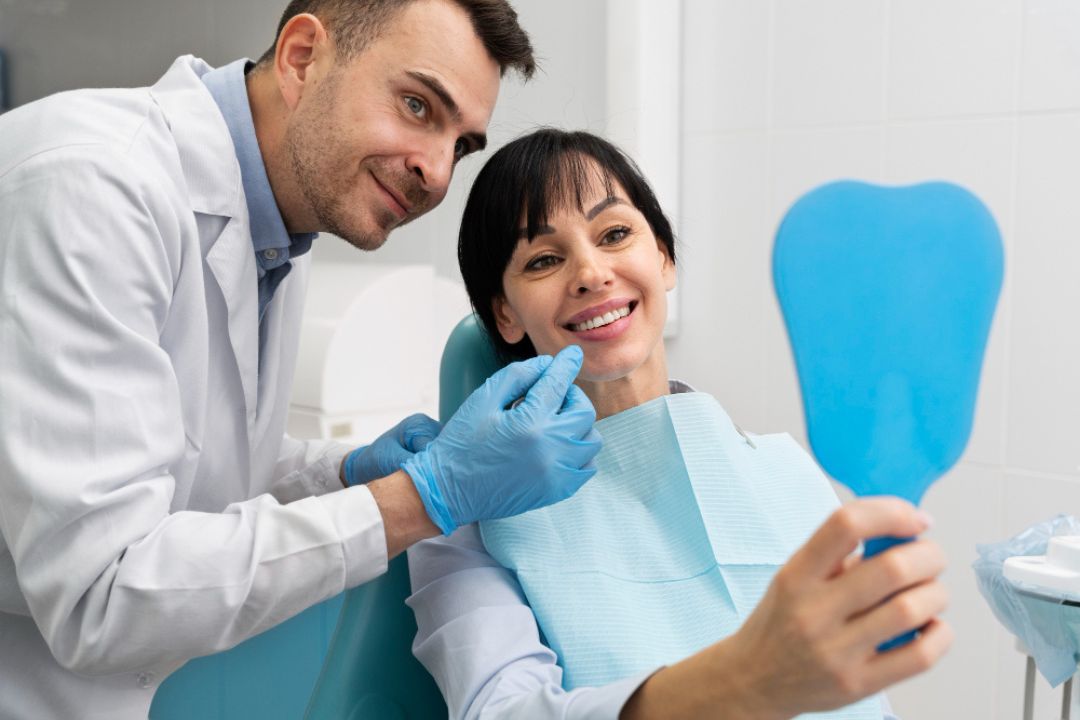

.jpg "dental implant full mouth rehabilitation")




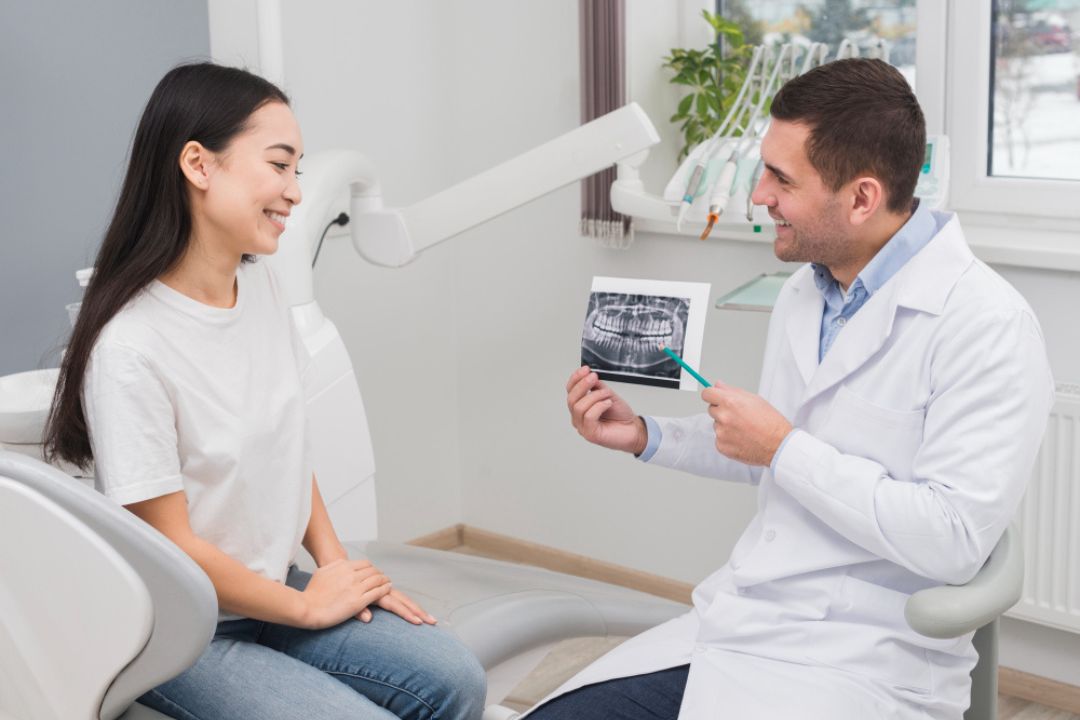



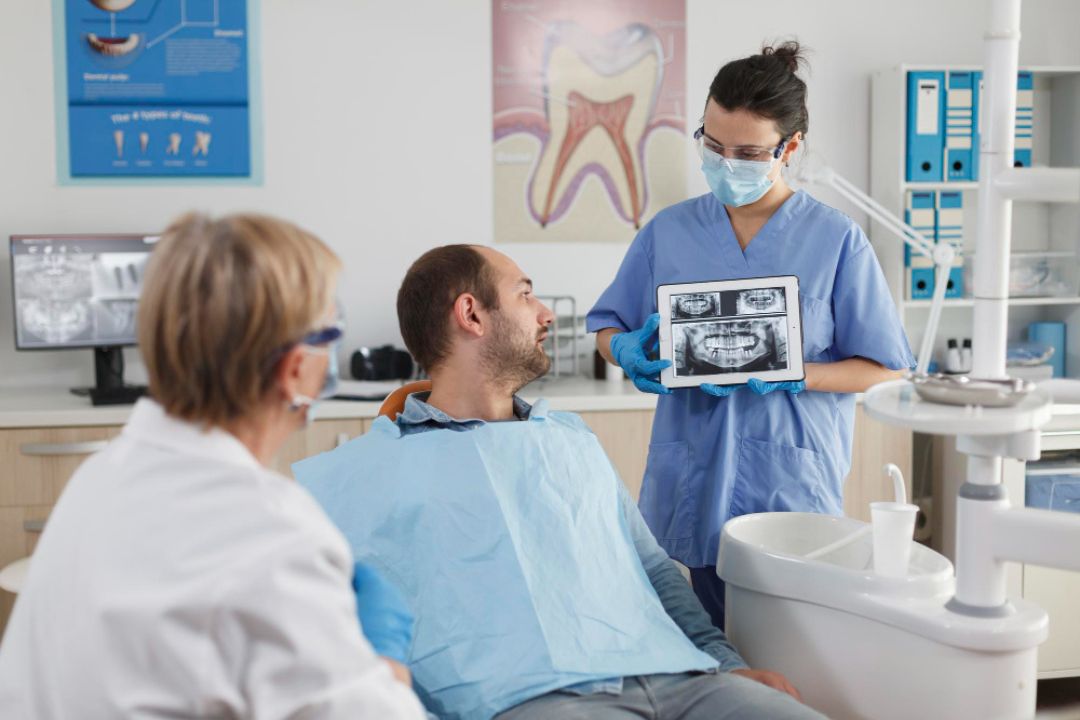




.jpg "foods for rapid recovery after dental implant surgery")
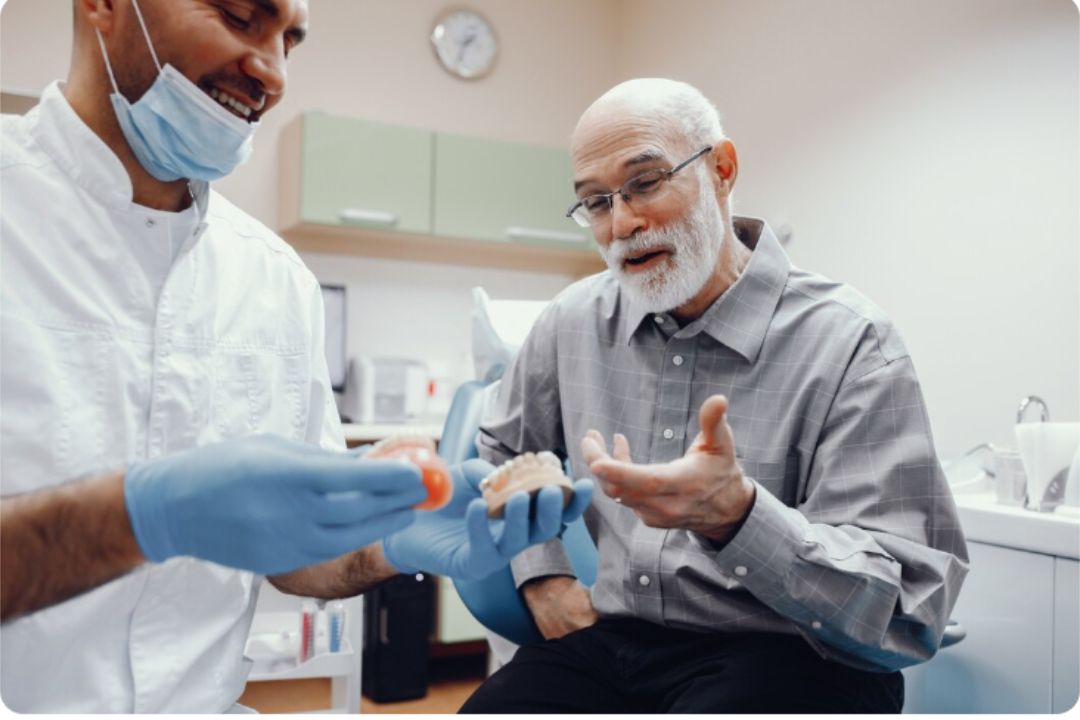





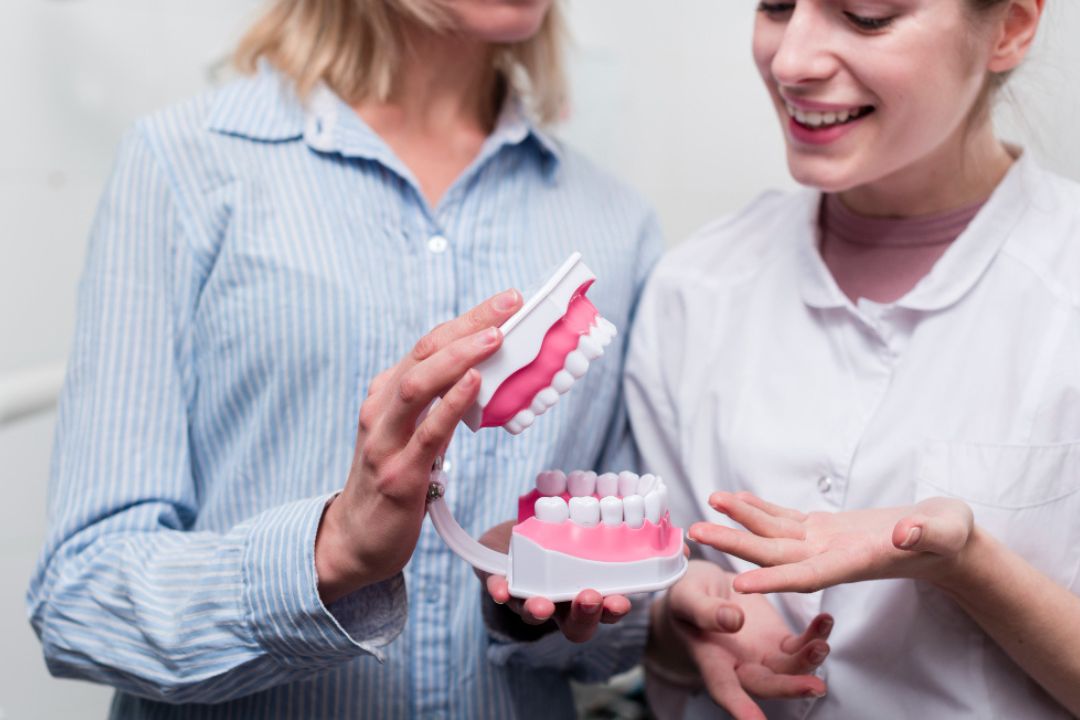
.jpg "dental implant")
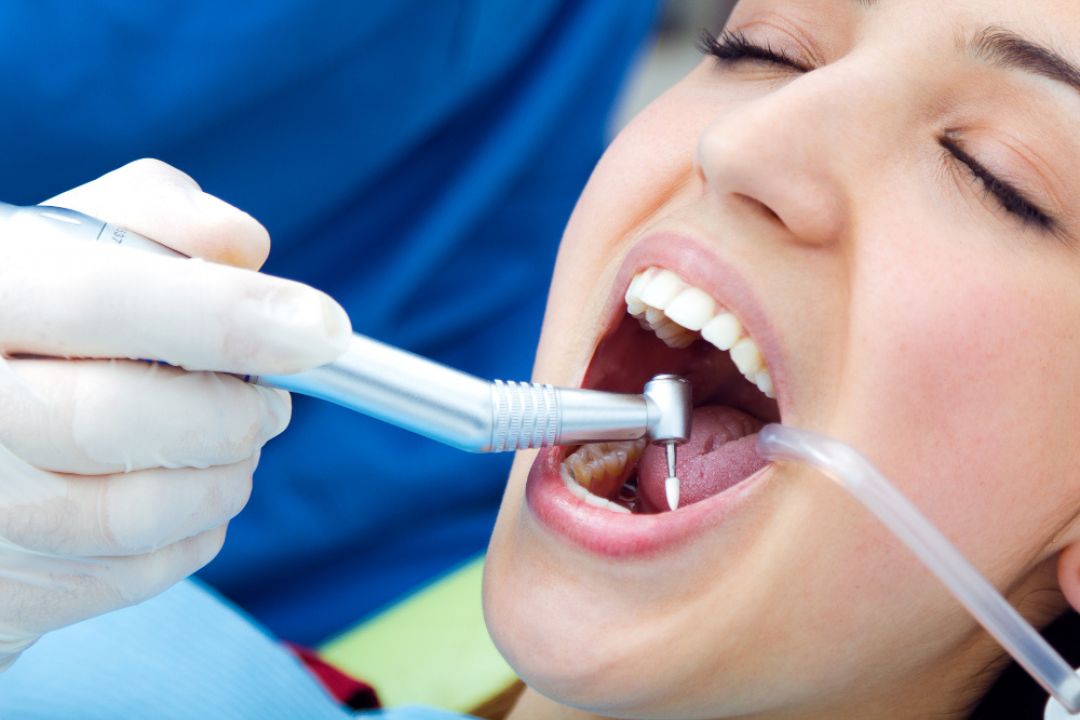
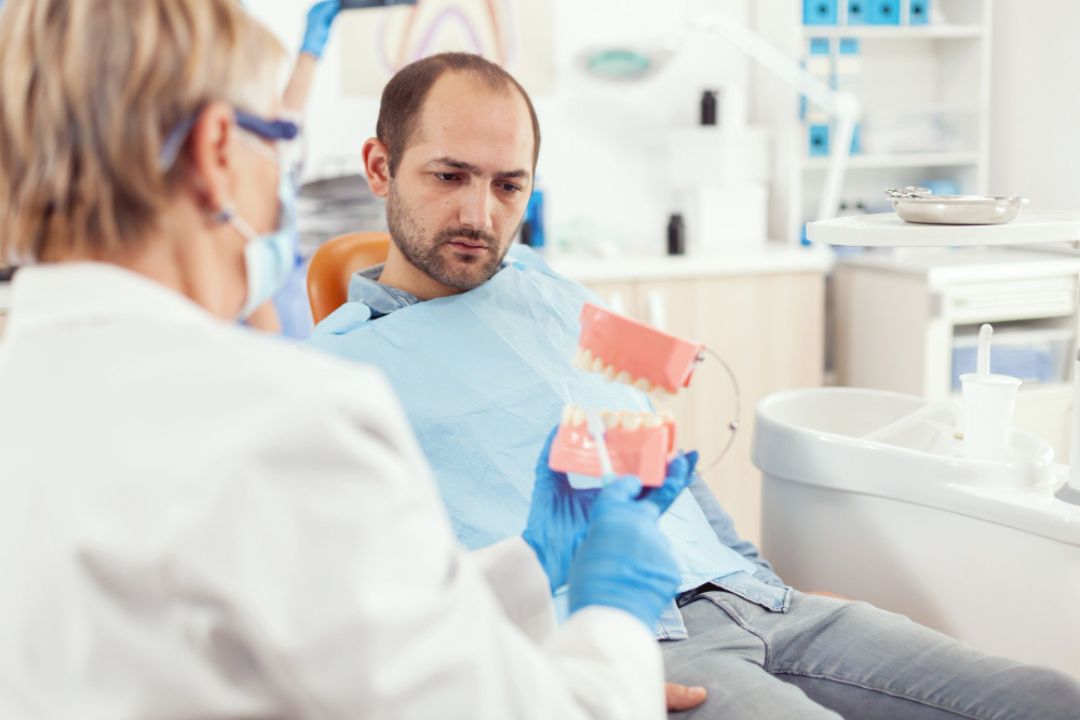
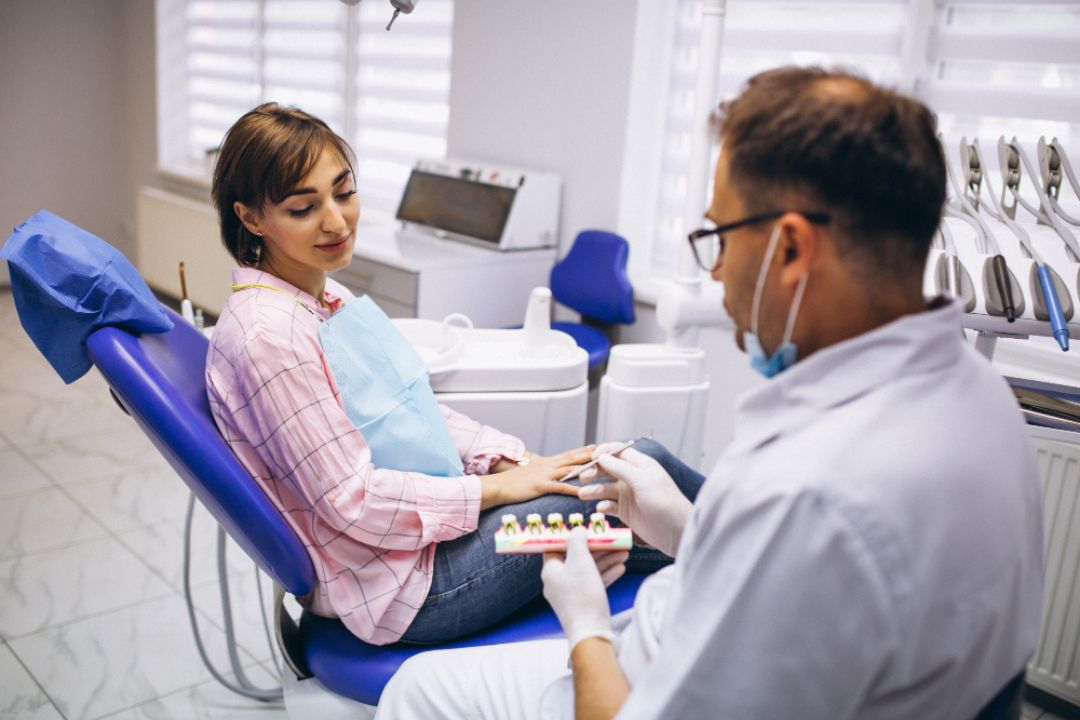

.jpg "dental implant")
.jpg "dental implant")

.jpg "dental implants")
.jpg "dental implants")



.jpg "Dental Implants Help Repair Broken")
.jpg "Know About Dental Implants")
.jpg "Major Types of Dental Implants")
 (1).jpg "Affordable Dental Implants in India")
 (1).jpg "Dental Implants with Pre-existing Conditions")