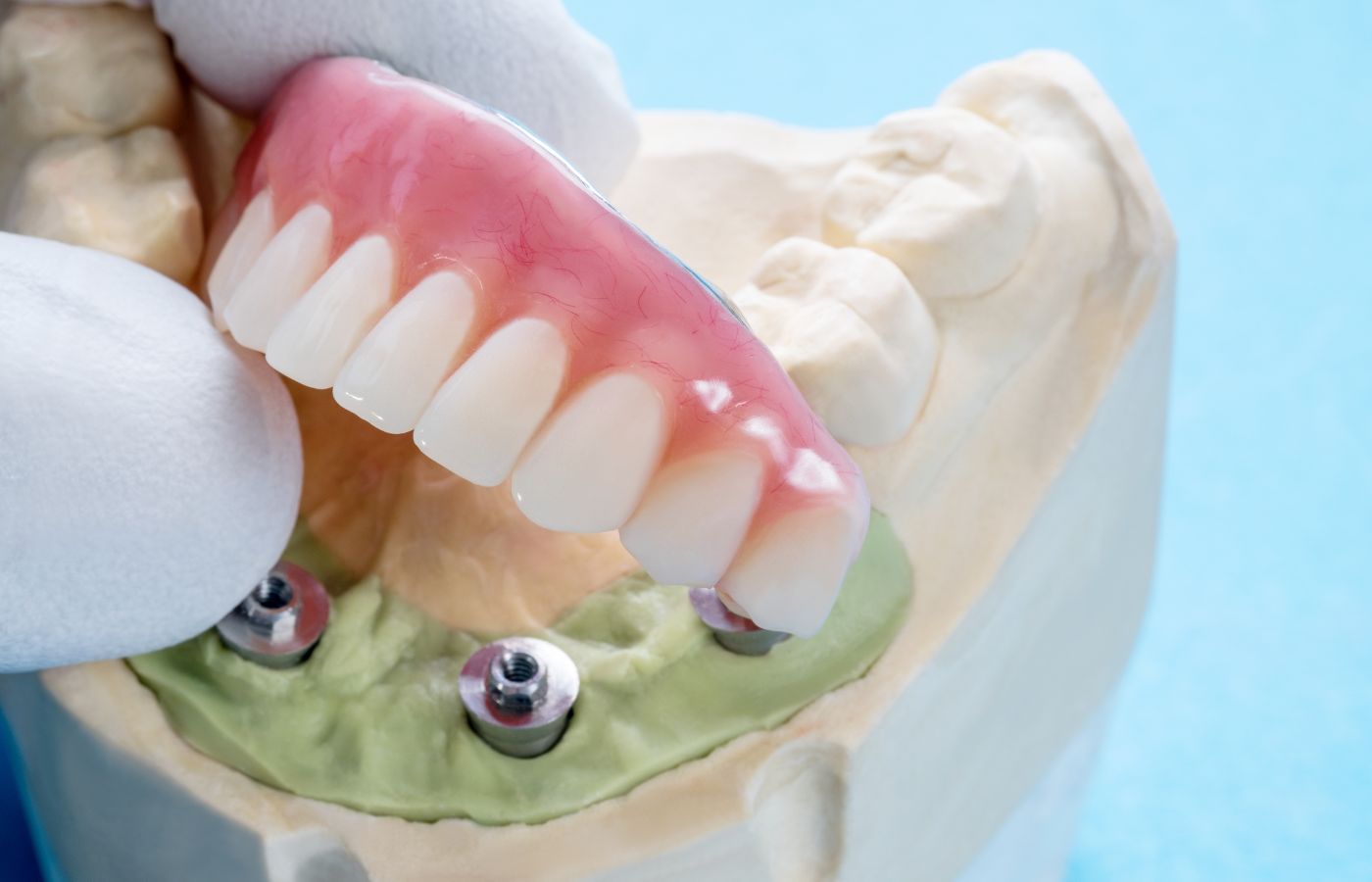
Dental implants have transformed modern dentistry by offering a long lasting and natural looking solution for missing teeth. However, one critical factor determines whether an implant will succeed or fail. That factor is bone density.
Many patients focus only on the implant procedure, but the quality and quantity of jawbone play a major role in the long term stability of the implant. Without adequate bone support, even the best implant system may not perform well.
In this detailed guide, we explain how bone density affects dental implant success, how it is measured, and what solutions are available if bone density is low.
Bone density refers to the strength, thickness, and quality of the jawbone that supports a dental implant. When a tooth is lost, the surrounding bone gradually shrinks due to lack of stimulation. This process is called bone resorption.
Book Now: https://www.diagnopein.com/dental-clinic/Mumbai
For a dental implant to integrate properly, the jawbone must be:
Thick enough
Strong enough
Healthy and well vascularized
Free from active infection
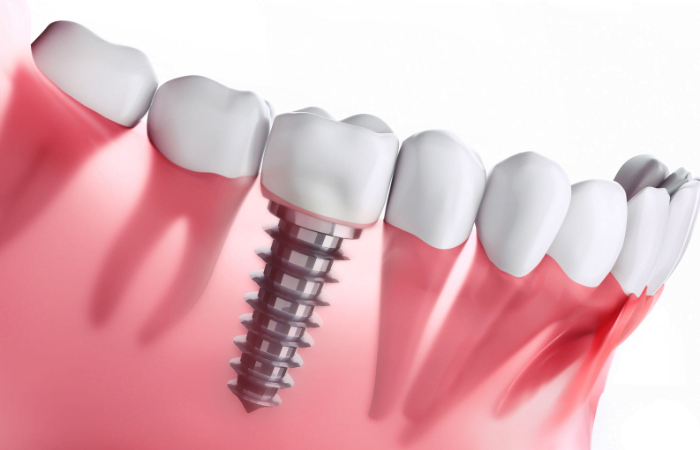
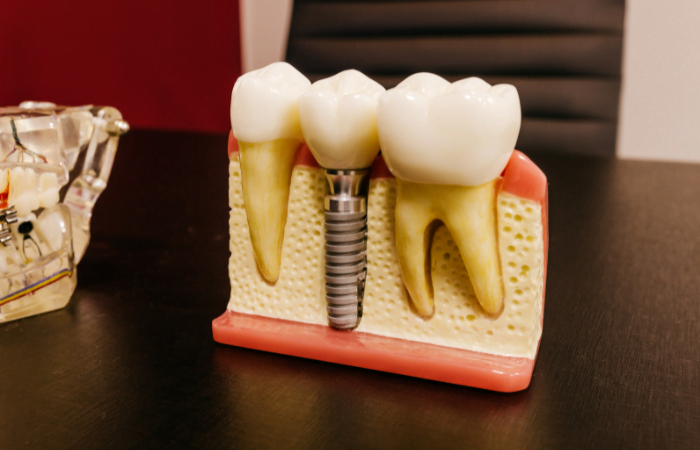
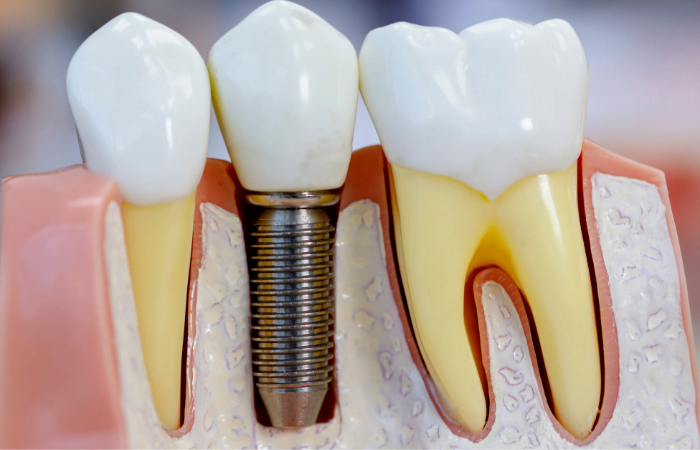
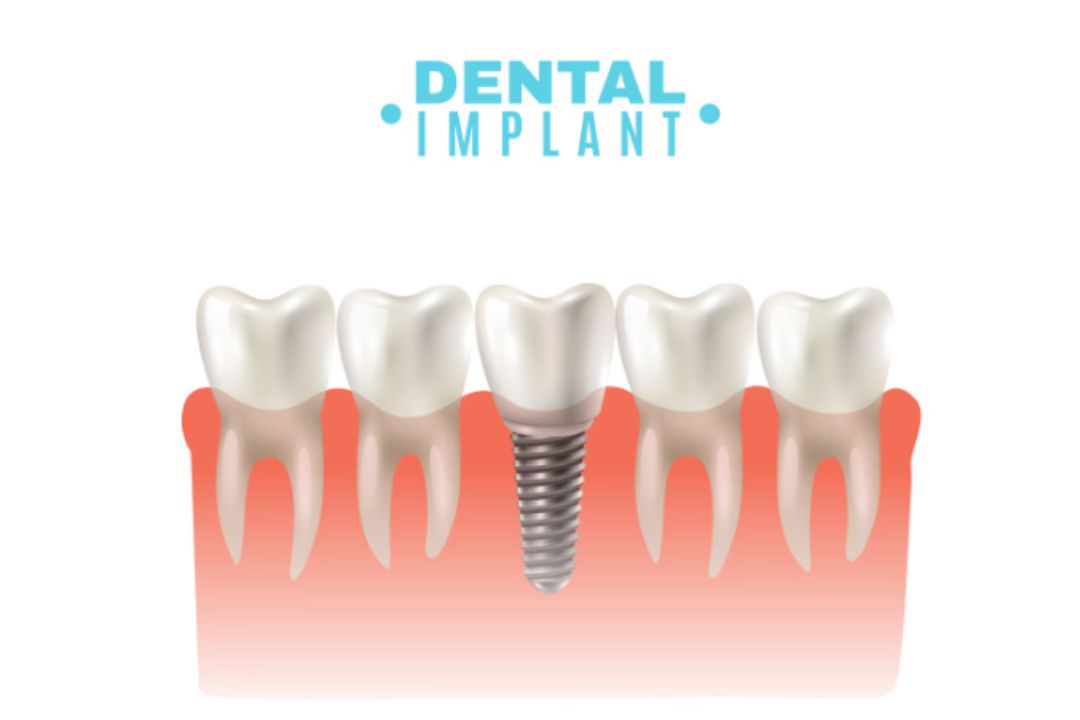
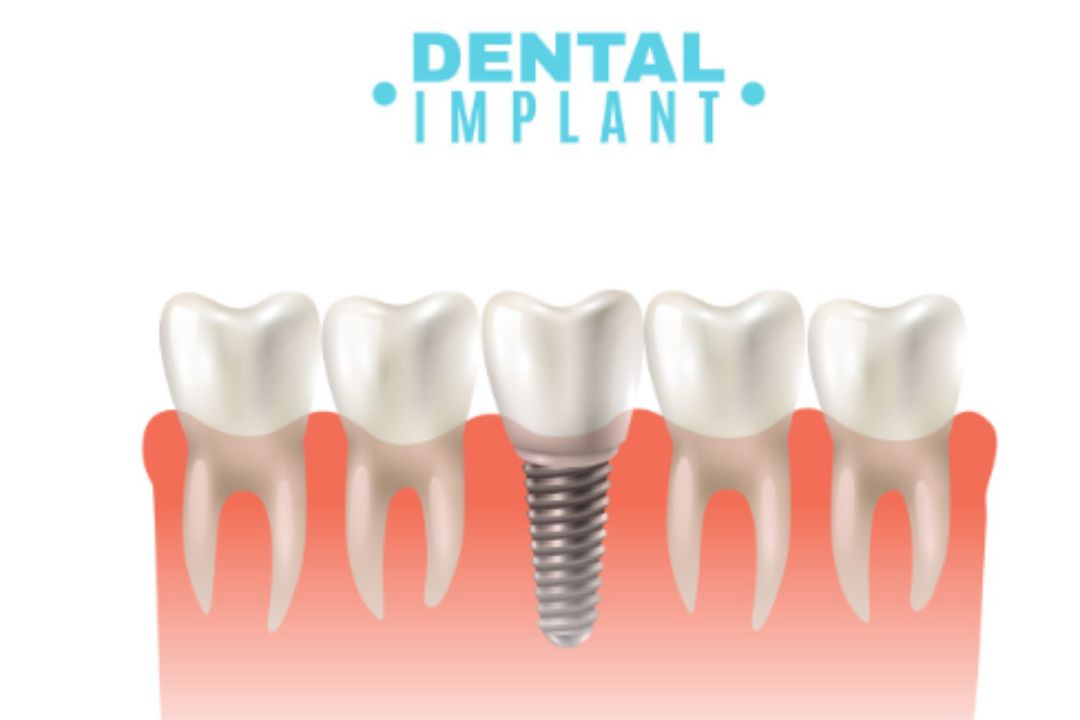
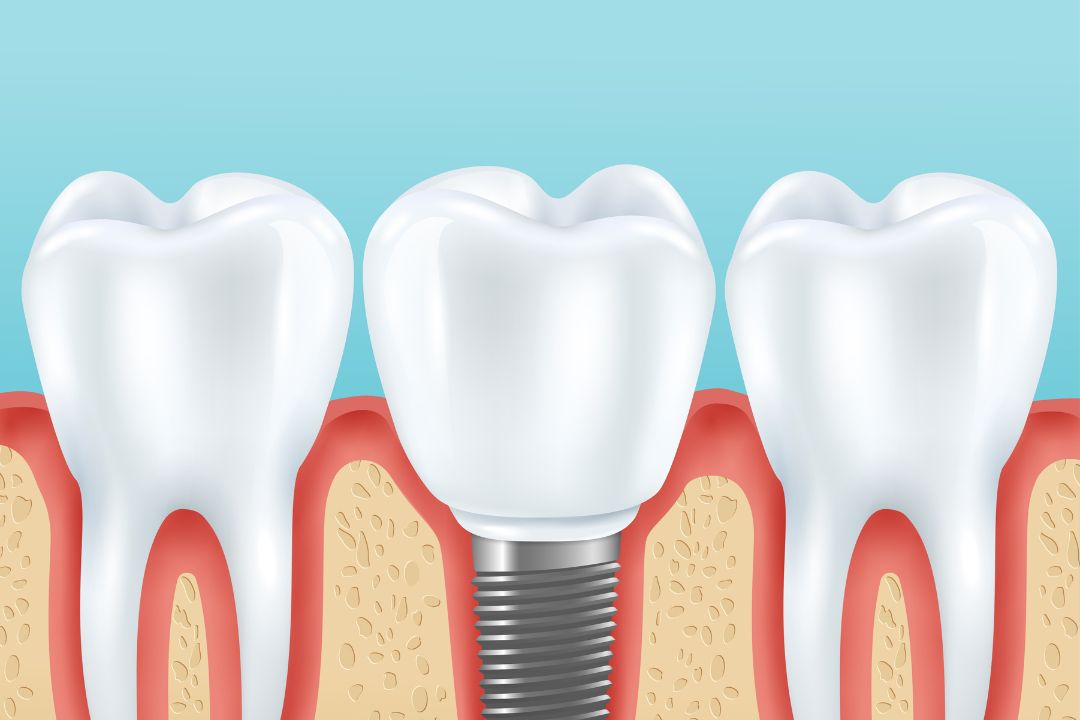
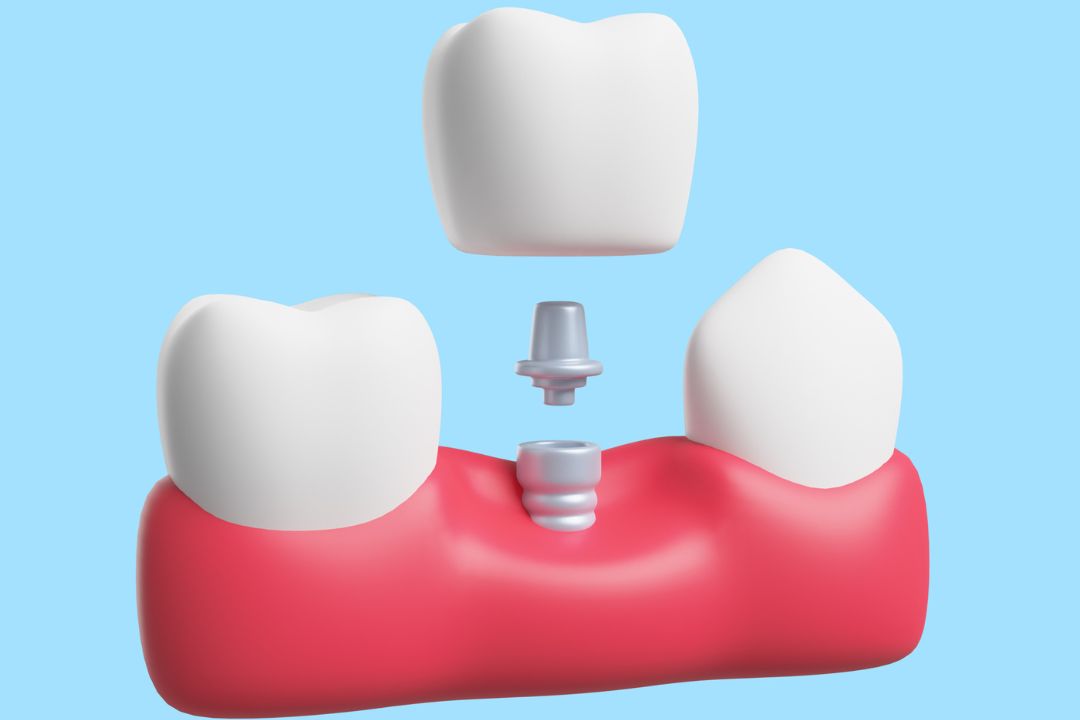
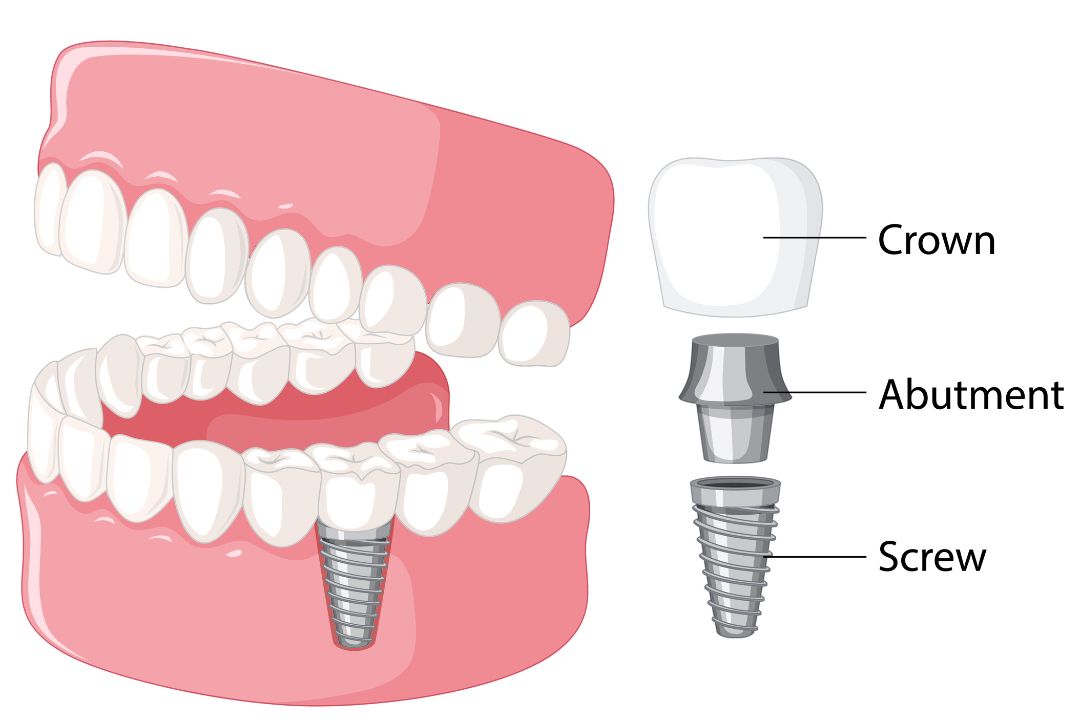
Dental implants function like artificial tooth roots. They rely on a biological process called osseointegration, where the implant fuses with the jawbone. Good bone density allows this fusion to occur securely.
Bone density directly impacts the stability and longevity of dental implants. Here is why it matters so much.
When the implant is first placed, it must be firmly anchored in the bone. Dense bone provides better initial grip, which is essential for healing.
Higher bone density improves the bonding process between bone and implant surface. This reduces the risk of implant loosening.
Dental implants must withstand chewing forces every day. Strong bone distributes these forces evenly and prevents implant failure.
Low bone density increases the chances of:
Implant mobility
Poor healing
Bone loss around implant
Implant rejection
Studies show that patients with adequate bone volume have significantly higher implant success rates.
Dentists often classify bone density into four types based on quality.
Very dense cortical bone
Found mostly in the front lower jaw
Excellent implant stability
Best success rate
Dense outer bone with porous inner bone
Common in front upper jaw
Good implant prognosis
Thin cortical bone with softer inner bone
Moderate implant stability
May need careful planning
Very soft and porous bone
Common in back upper jaw
Higher risk of implant failure
Often requires bone grafting
Understanding the bone type helps dentists plan the correct implant approach.
Several factors can reduce jawbone density over time.
Visit Now: https://www.diagnopein.com
This is the most common cause. When a tooth is missing, the bone no longer receives chewing stimulation and begins to shrink.
Advanced periodontal disease destroys supporting bone around teeth.
Bone naturally becomes thinner with age, especially after long term tooth loss.
Long term removable dentures can accelerate bone resorption because they do not stimulate the jaw like natural teeth.
Certain conditions can affect bone health, such as:
Osteoporosis
Diabetes
Vitamin D deficiency
Hormonal imbalances
Smoking reduces blood supply to the bone and delays healing after implant placement.
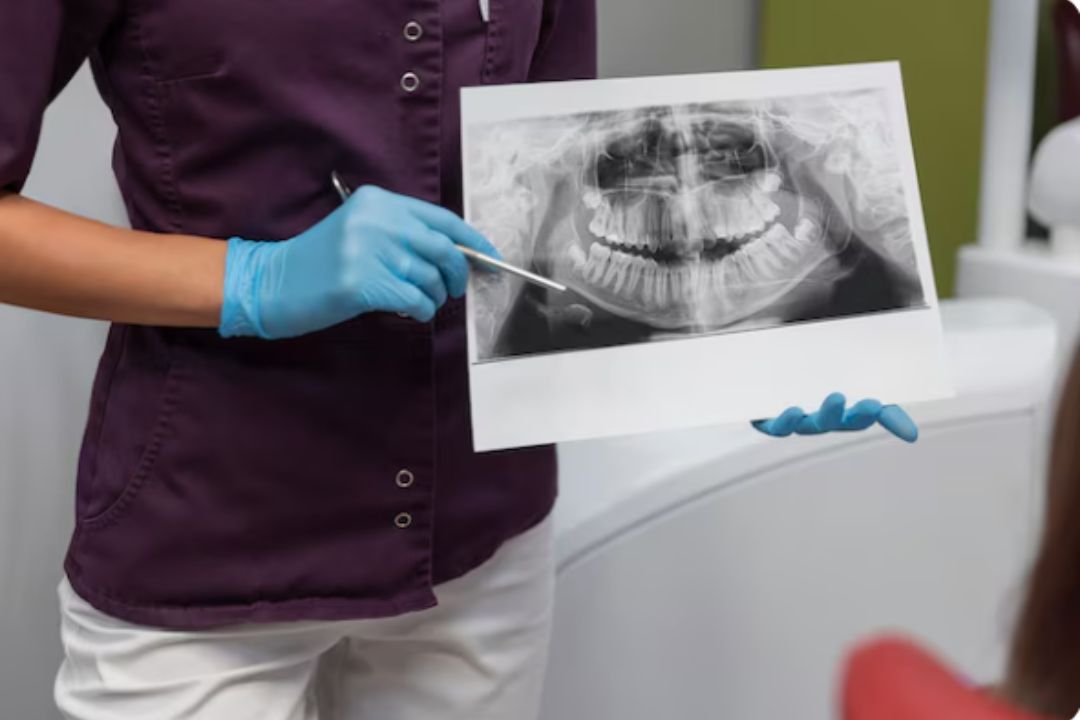
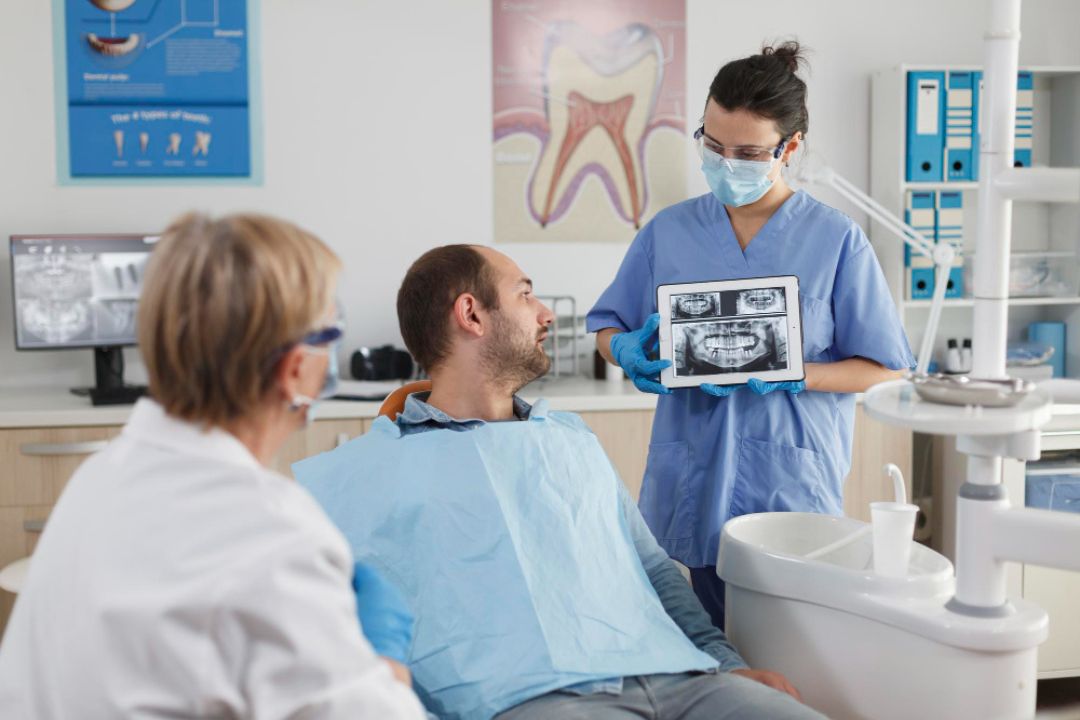
Before placing implants, dentists perform detailed imaging to evaluate bone quality.
Cone Beam CT scan is the gold standard. It provides:
3D view of jawbone
Bone height and width
Bone density estimation
Nerve location
Useful for initial screening but less detailed than CBCT.
Dentists also evaluate gum health and medical history.
Accurate assessment ensures safe implant planning and reduces complications.
While requirements vary by case, generally an implant site should have:
Adequate bone height
Sufficient bone width
Good bone density
Healthy surrounding gums
If these conditions are not met, preparatory procedures may be recommended.
Low bone density does not mean you cannot get dental implants. Modern dentistry offe rs several solutions.
Bone grafting is the most common procedure to rebuild lost bone. It involves placing bone material in the deficient area to stimulate new bone growth.
Types of bone grafts include:
Autograft from patient
Allograft donor bone
Xenograft animal source
Synthetic bone graft
After healing, the site becomes strong enough for implant placement.
In the upper back jaw, the sinus cavity may limit bone height. A sinus lift raises the sinus membrane and adds bone beneath it.
This creates enough vertical space for implants.
If the jaw ridge is too thin, ridge augmentation increases its width to support implants properly.
In selected cases, dentists may use specially designed implants when bone volume is limited.
Sometimes implants can be placed immediately after extraction if enough bone remains.
Patients often do not realize they have bone loss. Watch for these signs:
Missing teeth for many years
Loose dentures
Sunken facial appearance
History of gum disease
Difficulty chewing
Visible bone shrinkage in X rays
Only a dental scan can confirm the exact bone condition.
If you are planning dental implants, you can take steps to support bone health.
Healthy gums protect the underlying bone.
Include:
Calcium rich foods
Vitamin D
Protein
Magnesium
Stopping smoking significantly improves implant success.
Proper management of diabetes and osteoporosis is essential.
Pre implant care and regular checkups improve outcomes.
Dental implants have a very high success rate when bone conditions are favorable.
Typical success rates:
95 to 98 percent in healthy bone
Slightly lower in poor bone quality
Improved significantly after bone grafting
With modern techniques, even patients with low bone density can achieve excellent results.
Bone health continues to matter even after the implant is placed.
Professional monitoring ensures early detection of problems.
Brush and floss around implants daily.
Do not use teeth to open hard objects.
Peri implant infections can cause bone loss around implants.
You should consult a dental implant expert if you:
Have missing teeth
Wear loose dentures
Were told you have bone loss
Want a permanent tooth replacement
Experience difficulty chewing
Early evaluation allows better treatment planning and higher success rates.
Bone density plays a decisive role in dental implant success. Strong and healthy jawbone ensures proper implant stability, successful osseointegration, and long term durability.
The good news is that even if bone density is low, advanced dental procedures such as bone grafting, sinus lift, and ridge augmentation make implants possible for most patients.
If you are considering dental implants, the first step is a detailed bone evaluation by an experienced dental professional. With proper planning and modern technology, you can achieve a confident and fully functional smile.





















.jpg "myths and facts about dental implants")


































































![affordable dental implant treatment in [pune] with emi options](/img/BlogImages/affordable dental implant treatment in [pune] with emi options.jpg "affordable dental implant treatment in [pune] with emi options")




.jpg "dental implant full mouth rehabilitation")












.jpg "foods for rapid recovery after dental implant surgery")









.jpg "dental implant")




.jpg "dental implant")
.jpg "dental implant")

.jpg "dental implants")
.jpg "dental implants")






.jpg "Dental Implants Help Repair Broken")
.jpg "Know About Dental Implants")
.jpg "Major Types of Dental Implants")
 (1).jpg "Affordable Dental Implants in India")
 (1).jpg "Dental Implants with Pre-existing Conditions")