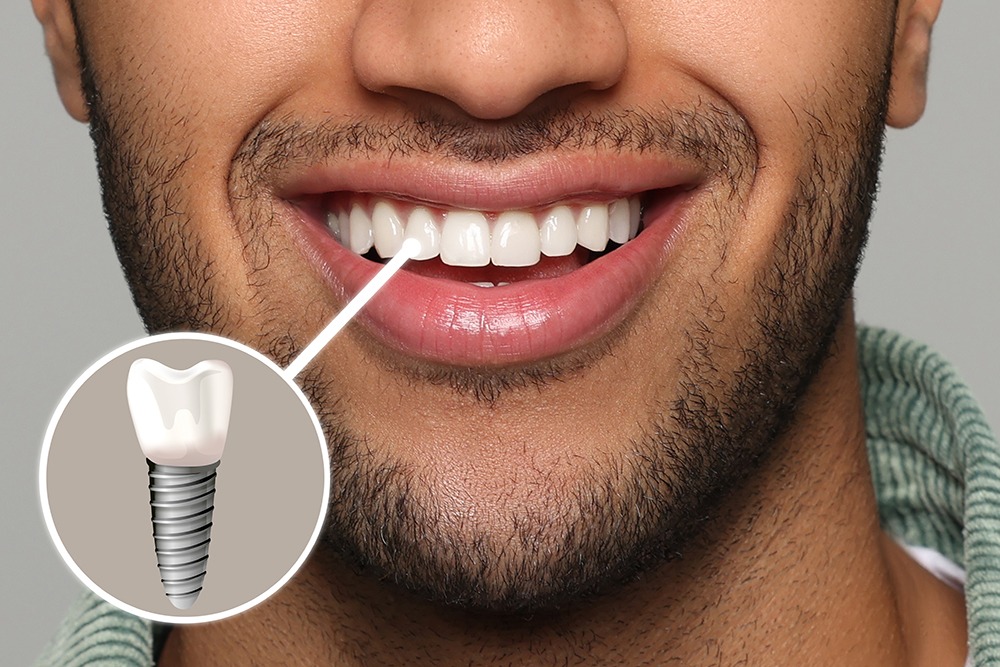
Searching for the best dental implants near me often leads patients into a maze of outdated information and persistent myths. Dental implants represent a pinnacle of modern dentistry, yet misconceptions about pain, cost, and effectiveness still deter many from considering this transformative solution. Let's dismantle these myths with facts, and explore why a dental implant—or even Full Mouth Dental Implants—might be the ideal, long-term investment for your smile and health.
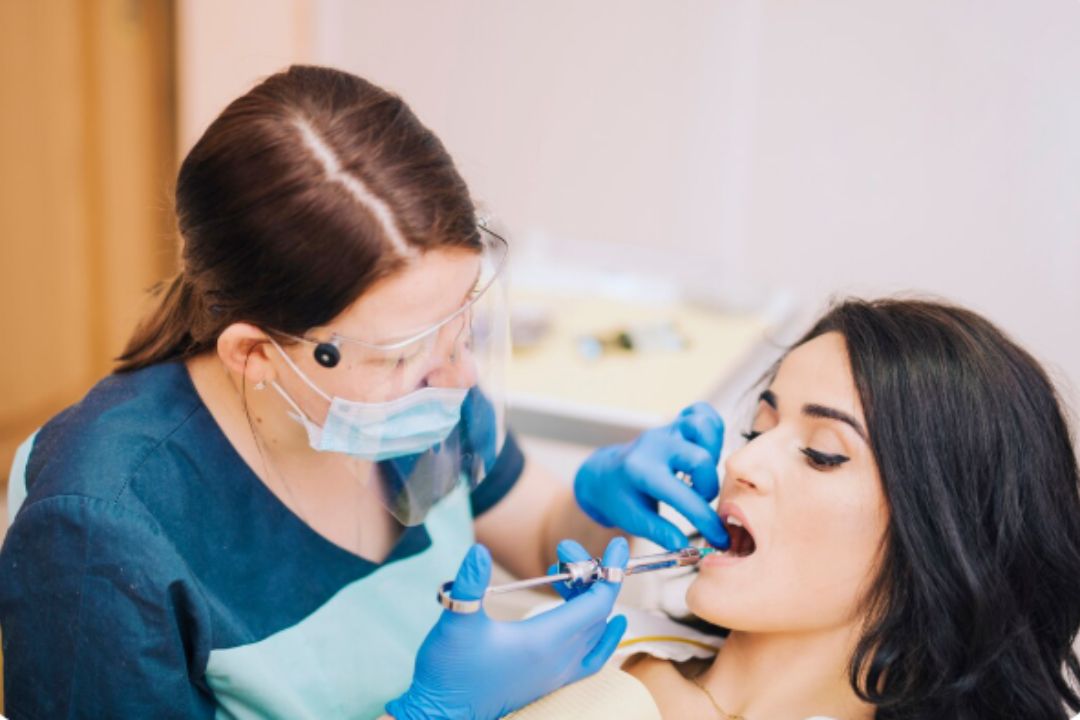
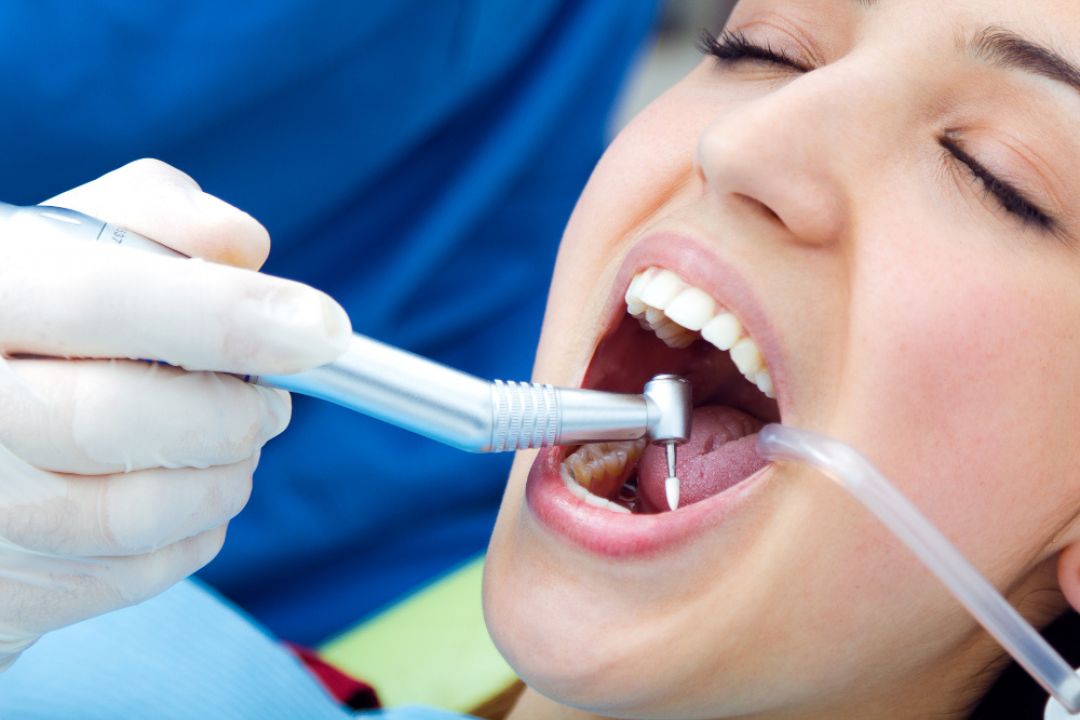
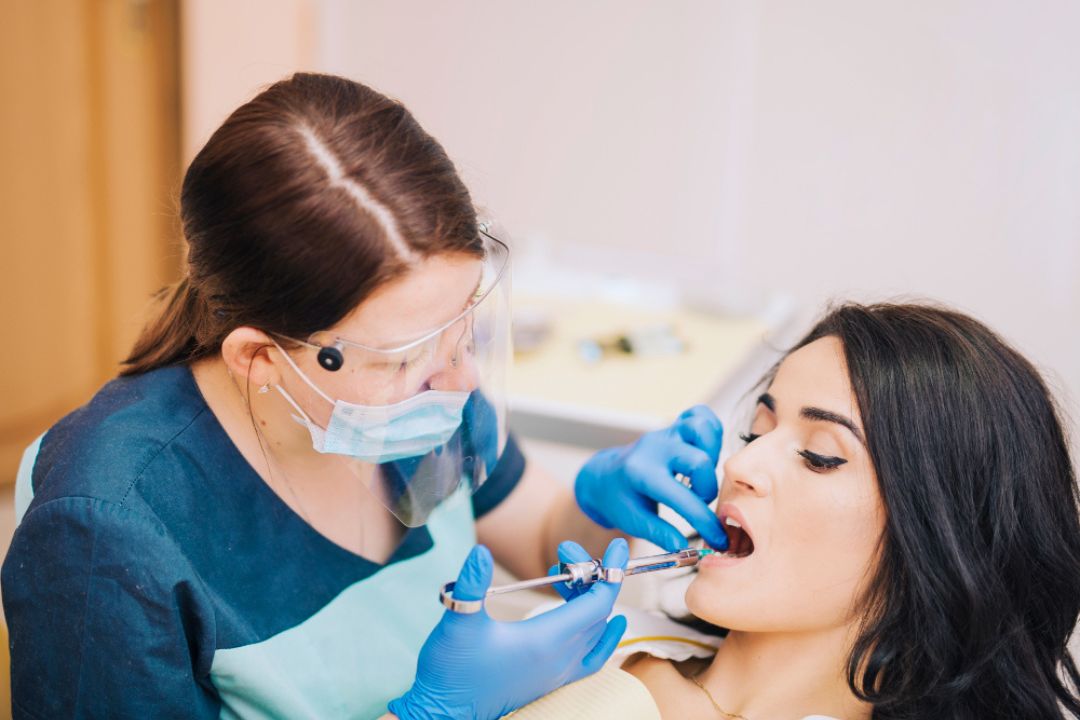
Reality: Most people think dental implant surgery hurts, but with modern anesthesia and pain control methods the procedure is typically comfortable.
During surgery you are numb and in many clinics sedation is available. Discomfort after treatment is usually mild and manageable with medication.
Thanks to gentle techniques many patients compare it to having a tooth extracted.
Reality: Age by itself is not a barrier to dental implants. Many older adults receive implants successfully.
Visit Now: https://www.diagnopein.com/dental-clinic/Mumbai
What matters most is your health, bone quality, gum condition, and ability to heal — not your age. With proper evaluation and planning older patients can achieve high success rates.
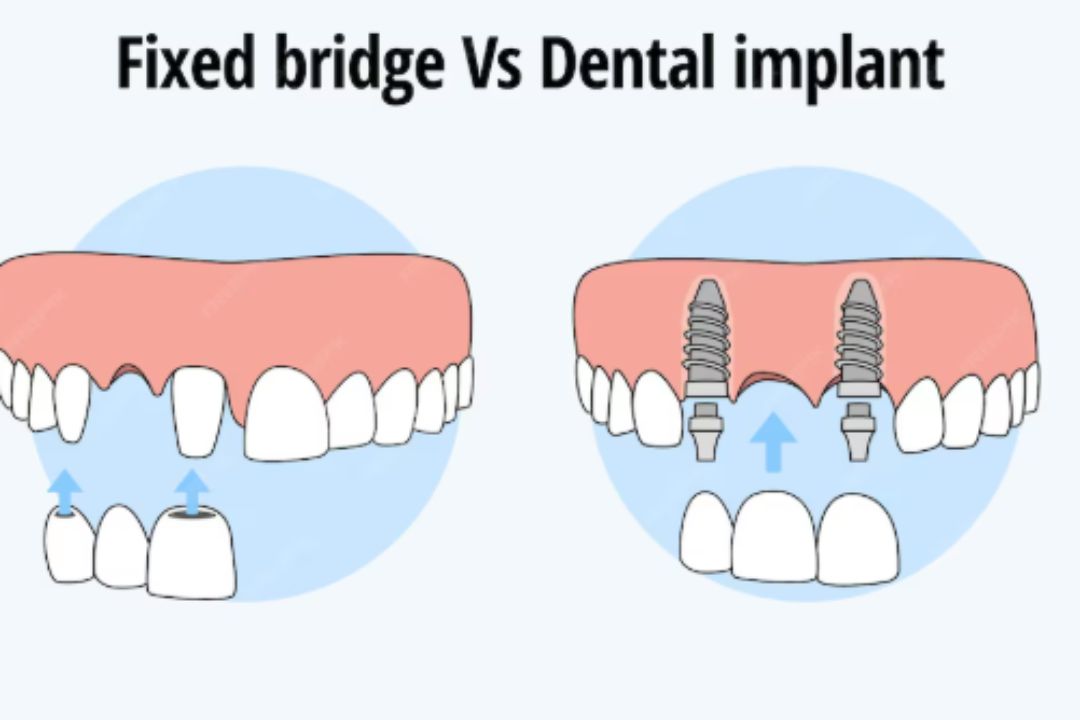
Reality: Dental implants may cost more upfront than bridges or dentures, but they are often more cost-effective over time.
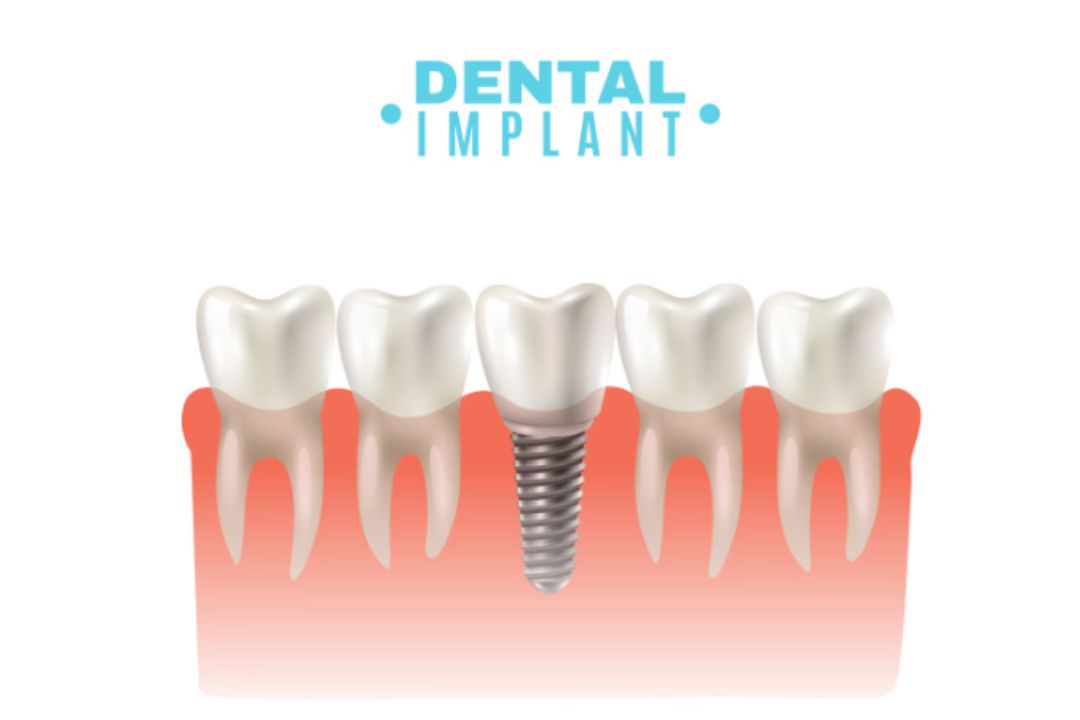
Unlike removable dentures or bridges that wear out and require replacement, implants are designed to last many years, often a lifetime. They prevent bone loss and protect surrounding teeth, reducing future dental problems and costs.
Reality: While dental implants require healing time for the implant to fuse with bone (osseointegration), modern protocols allow faster progress than ever before.
Some eligible patients can receive temporary teeth on the same day as implant placement. Final restorations are placed when healing is complete — typically within a few months, depending on the case.
Compared to older methods that took longer, implants today are planned digitally and executed more efficiently.
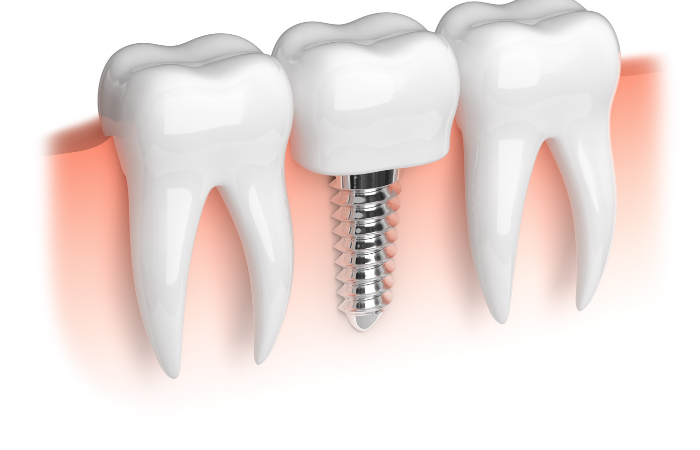
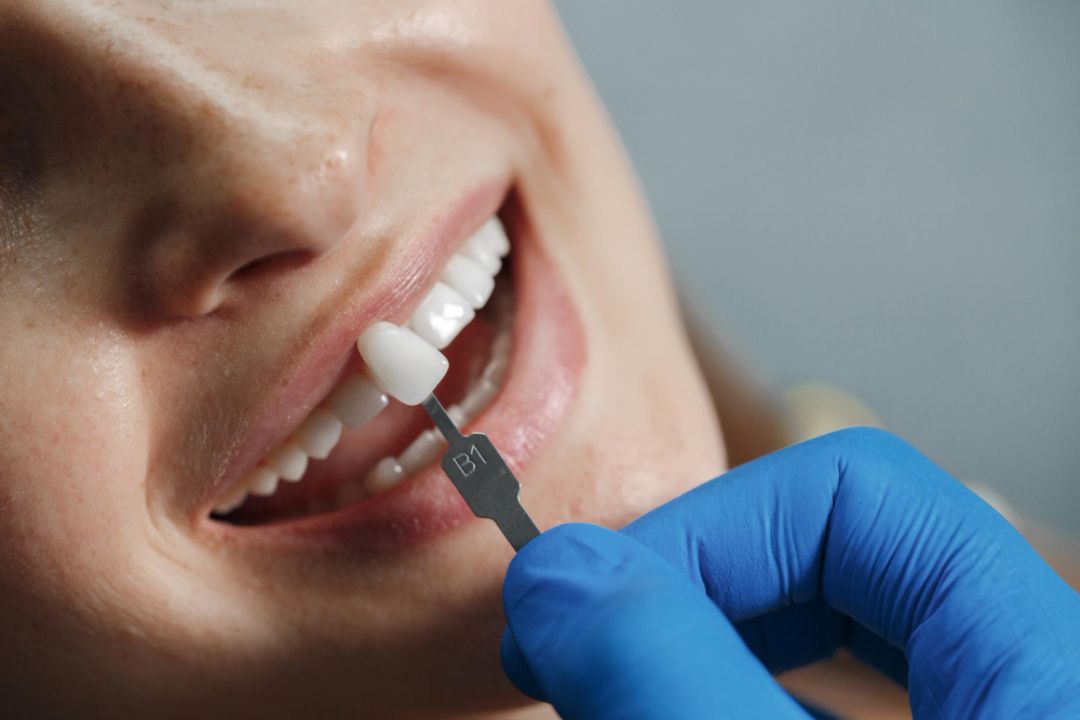
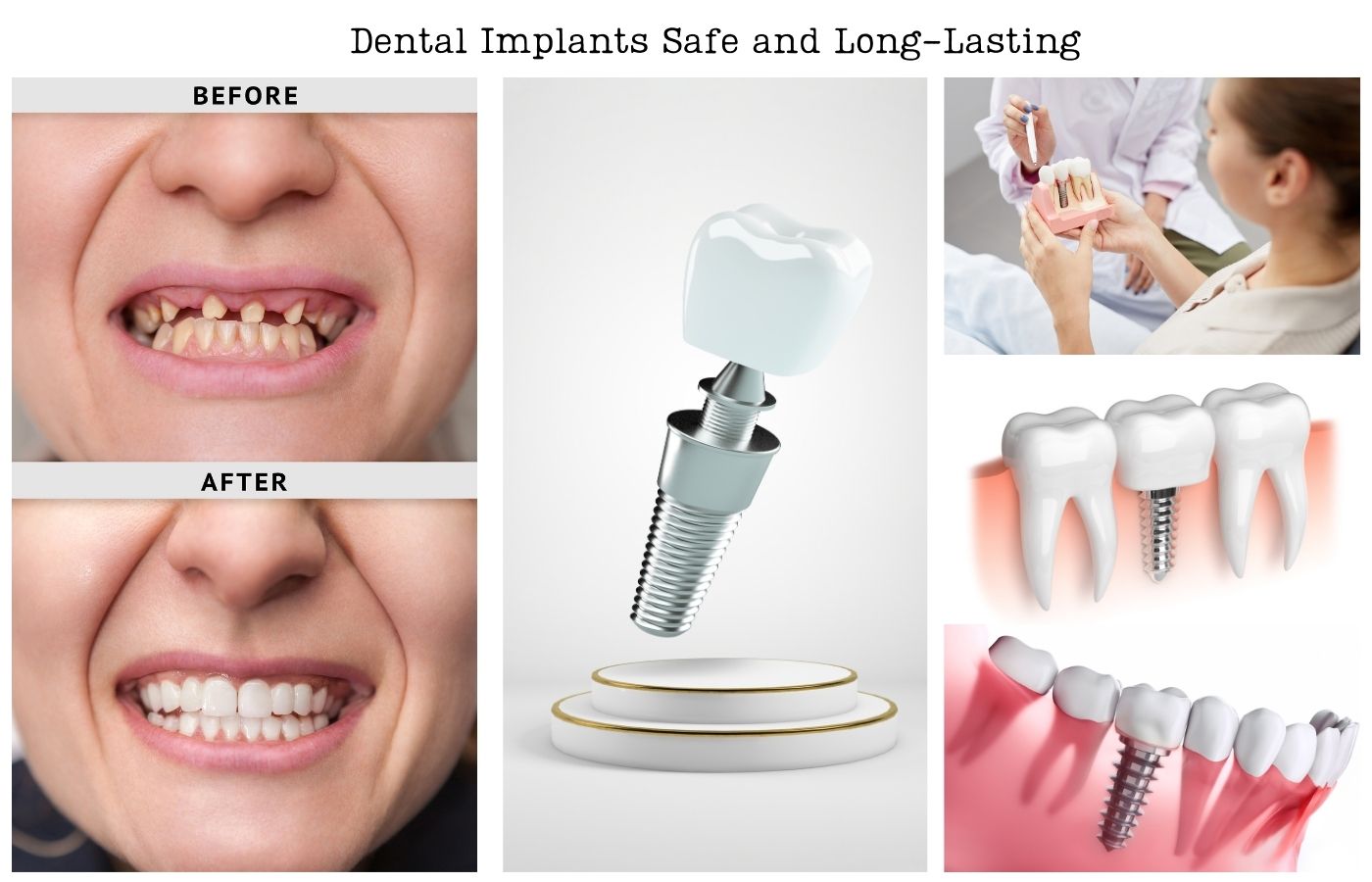
Reality: Dental implants are custom-designed to match your natural teeth in colour, shape, size, and alignment.
High-quality implant crowns and bridges look natural and blend seamlessly into your smile. Most people cannot tell implants from real teeth.
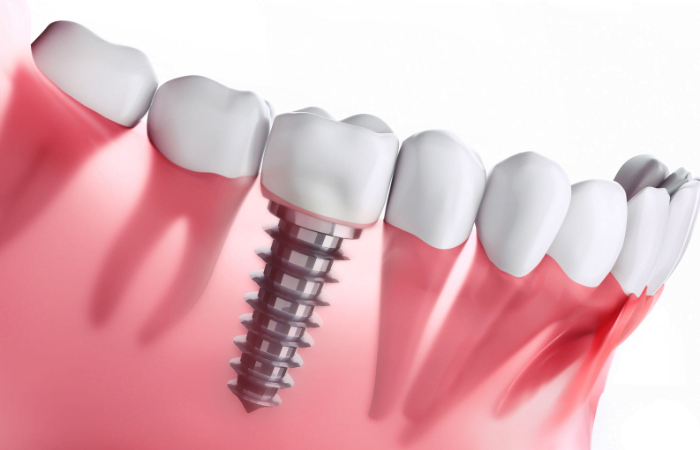
Reality: Dental implants actually preserve jawbone more effectively than dentures or missing teeth. Implants stimulate the bone like a natural tooth root, preventing bone loss that occurs when teeth are missing.
In fact, long-term implant success protects bone and helps maintain facial structure.
Reality: Smoking slows healing and increases the risk of implant failure because it reduces blood flow to oral tissues, inhibits bone growth, and increases infection risk.
Patients who quit smoking before and after implant treatment have much better outcomes than those who continue to smoke.
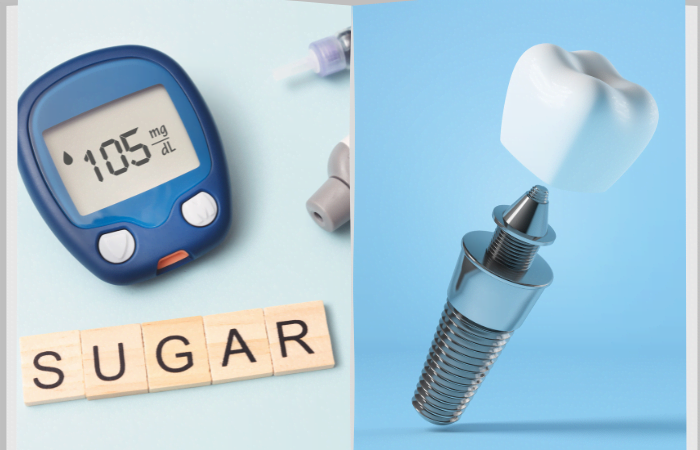
Reality: People with well-controlled diabetes can receive dental implants successfully. The most important factor is blood sugar control, not diabetes itself.
When diabetes is managed and gum health is good, implant healing and long-term success rates are similar to those without diabetes. Coordination with your physician and dentist ensures safe planning.
Reality: Dental implant success rates are among the highest in dentistry — often above 90–95 percent in healthy patients.
Failures can occur, but most are due to poor oral hygiene, smoking, uncontrolled medical conditions, or lack of follow-up care — not because implants themselves are unreliable.
With proper care and routine dental check-ups, implants can last decades.
Reality: Caring for implants is similar to taking care of natural teeth. Daily brushing, flossing, and regular dental check-ups are all you need.
Implants do not decay like natural teeth, but gum disease around implants (peri-implantitis) can still occur if oral hygiene is neglected. Routine care prevents such problems.
Reality: While many people can receive implants, not everyone is an instant candidate.
Factors that may require preparation include:
? Low bone volume
? Gum disease
? Certain medical conditions
? Smoking habits
These factors can be managed with bone grafting, periodontal treatment, or medical coordination so that implant treatment becomes possible.
Reality: Recovery after implant surgery takes a few days to weeks for initial healing and a few months for the bone to integrate completely.
Your dentist will provide a clear timeline and guide you step by step. Most patients return to normal daily routine within a day or two.
Believing myths can lead to:
? Avoiding important treatment
? Choosing less effective alternatives
? Unnecessary anxiety or fear
? Wrong decisions based on misinformation
Learning real facts helps you make confident decisions about your dental health.
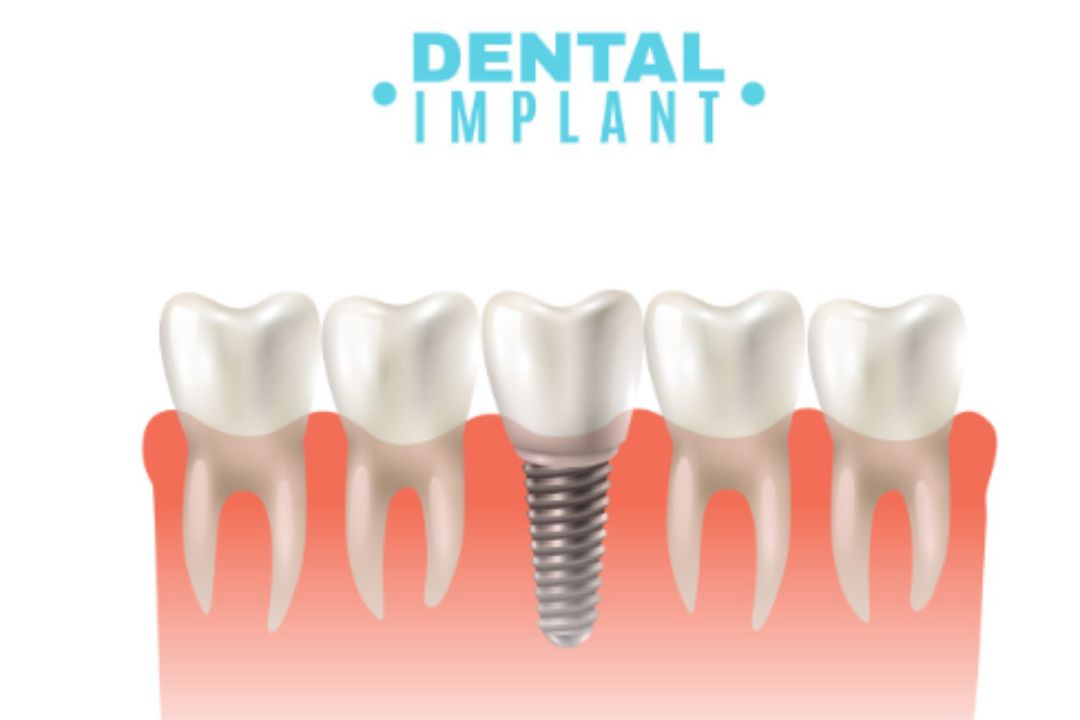
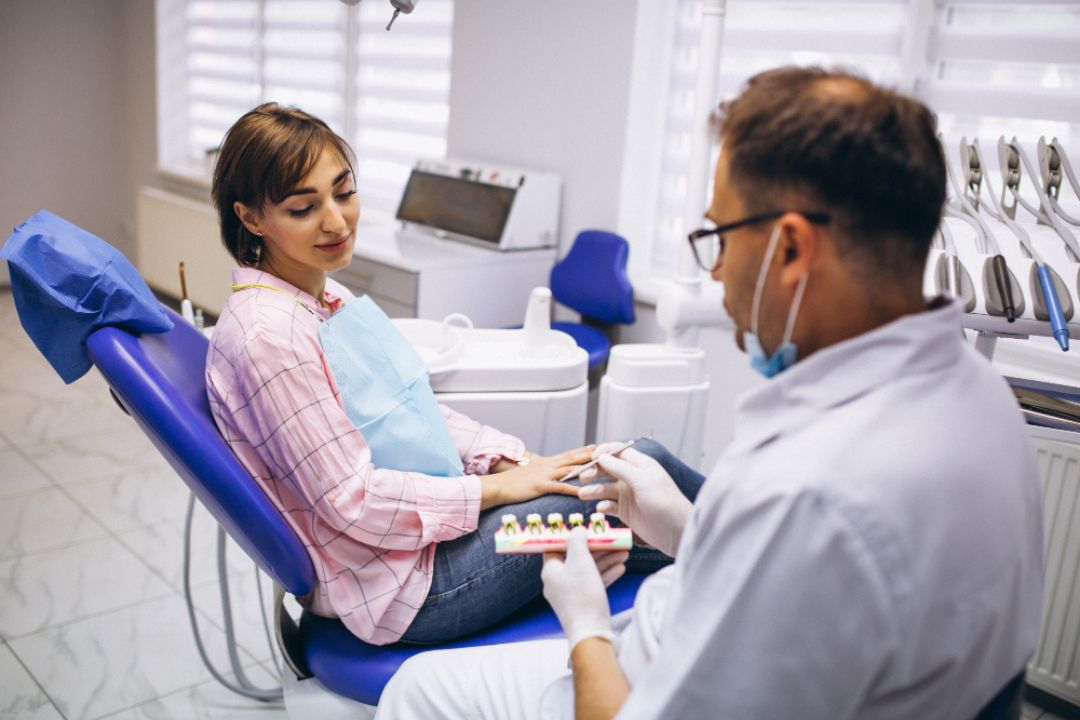
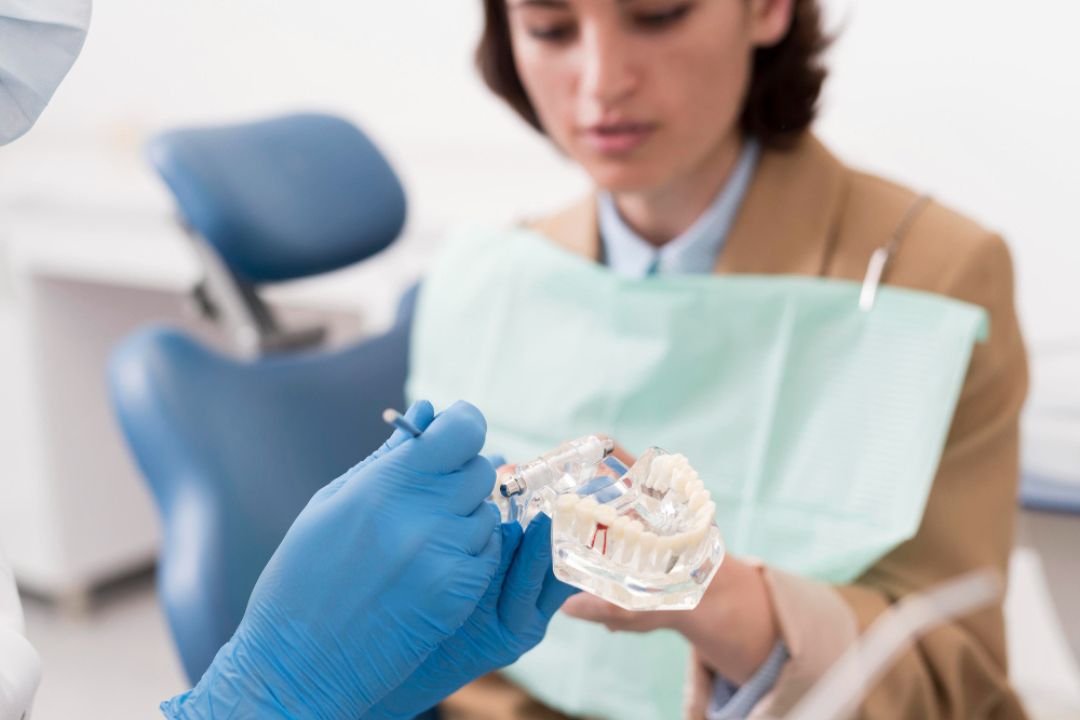
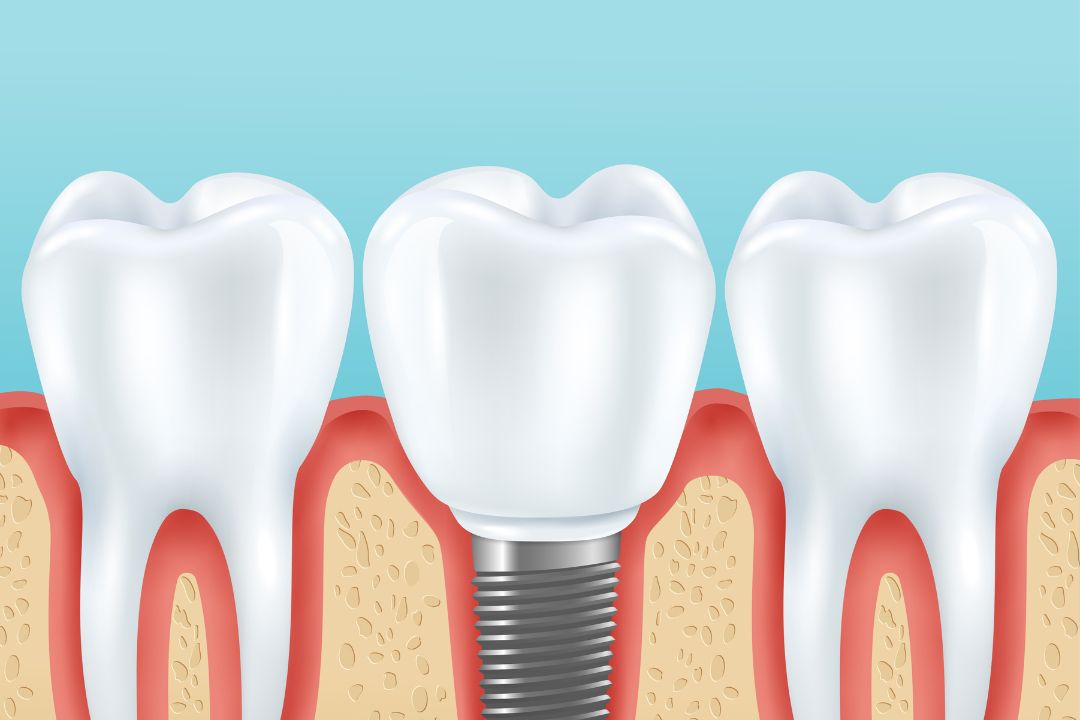
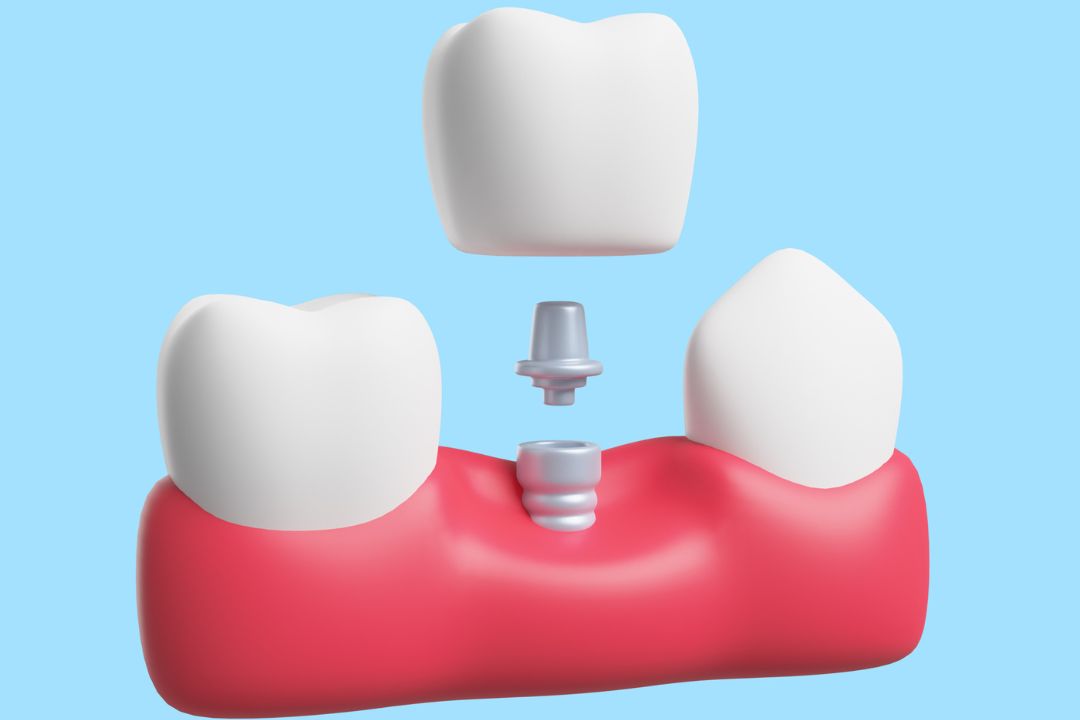
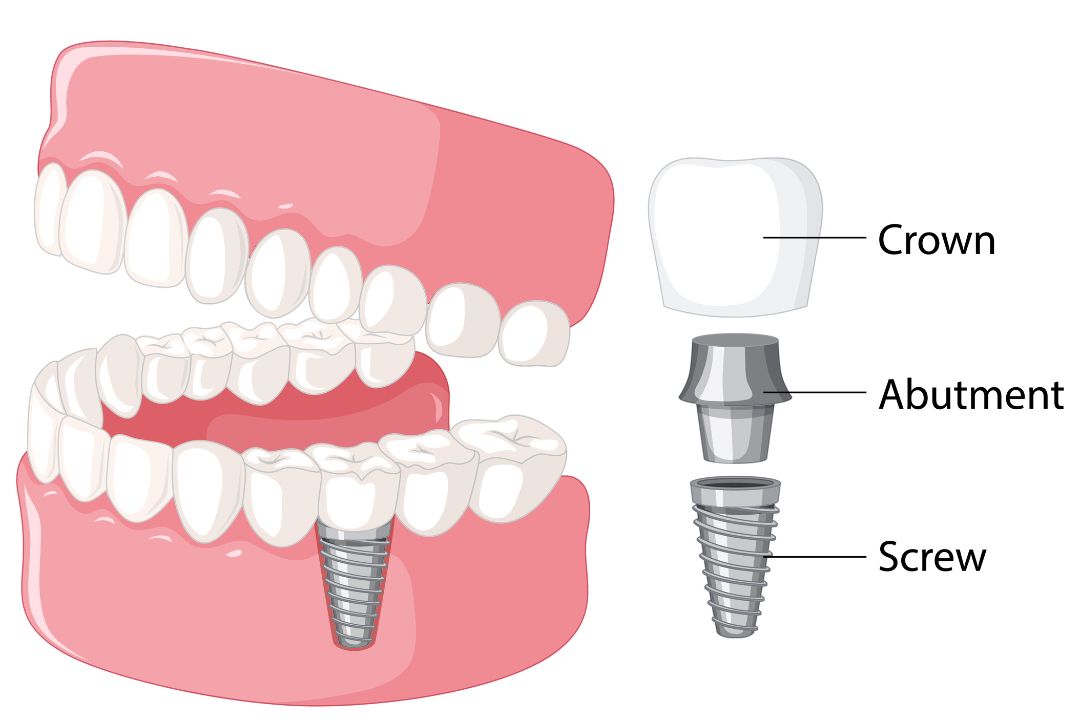
Here is a simplified look at the implant process:
Consultation and Evaluation
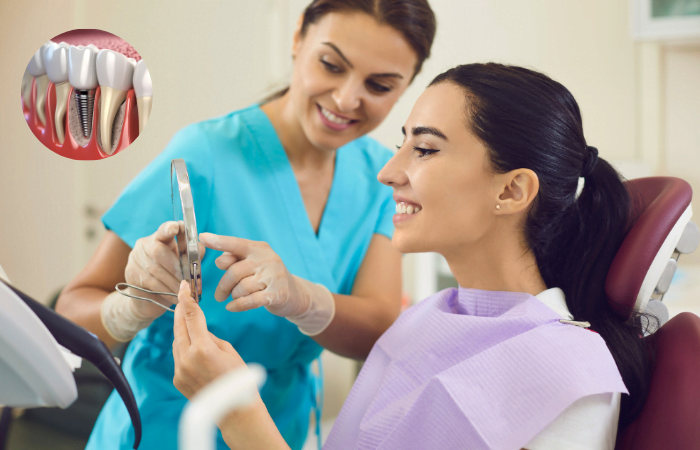
Your dentist reviews medical history, scans bone, and plans treatment.
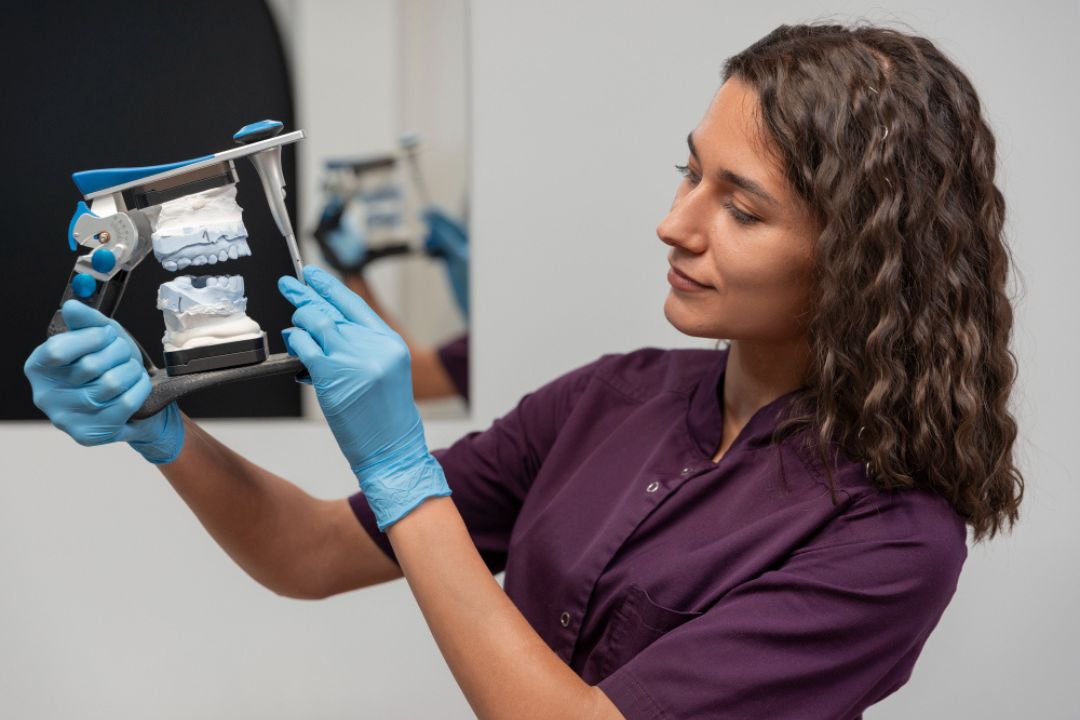
Digital Planning
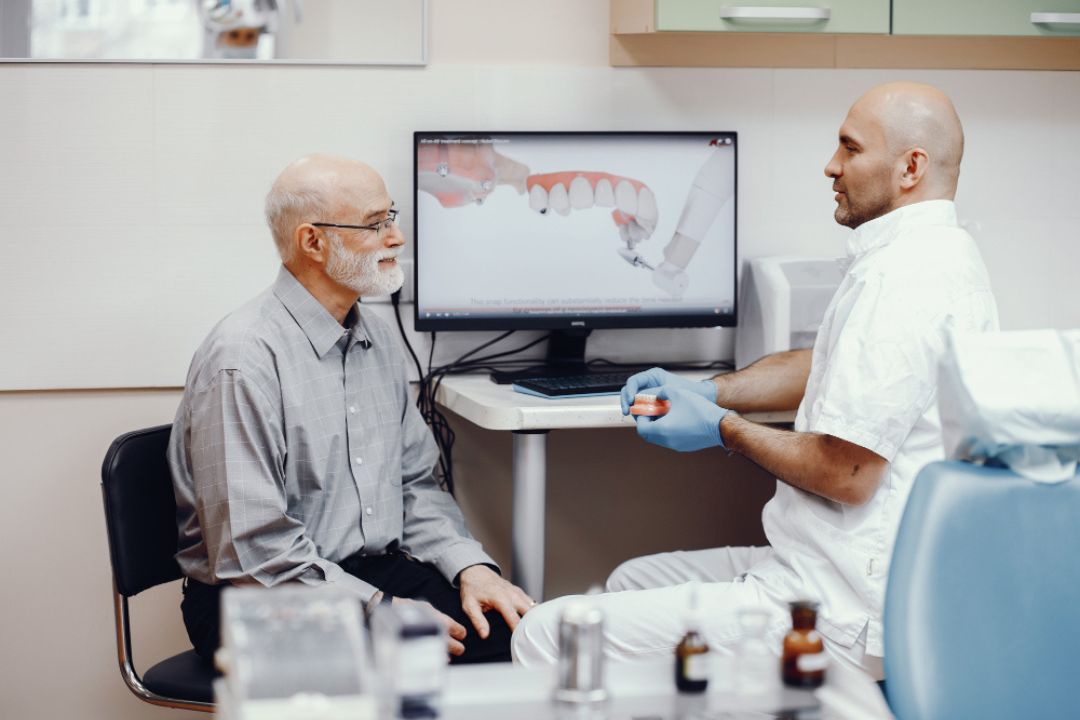
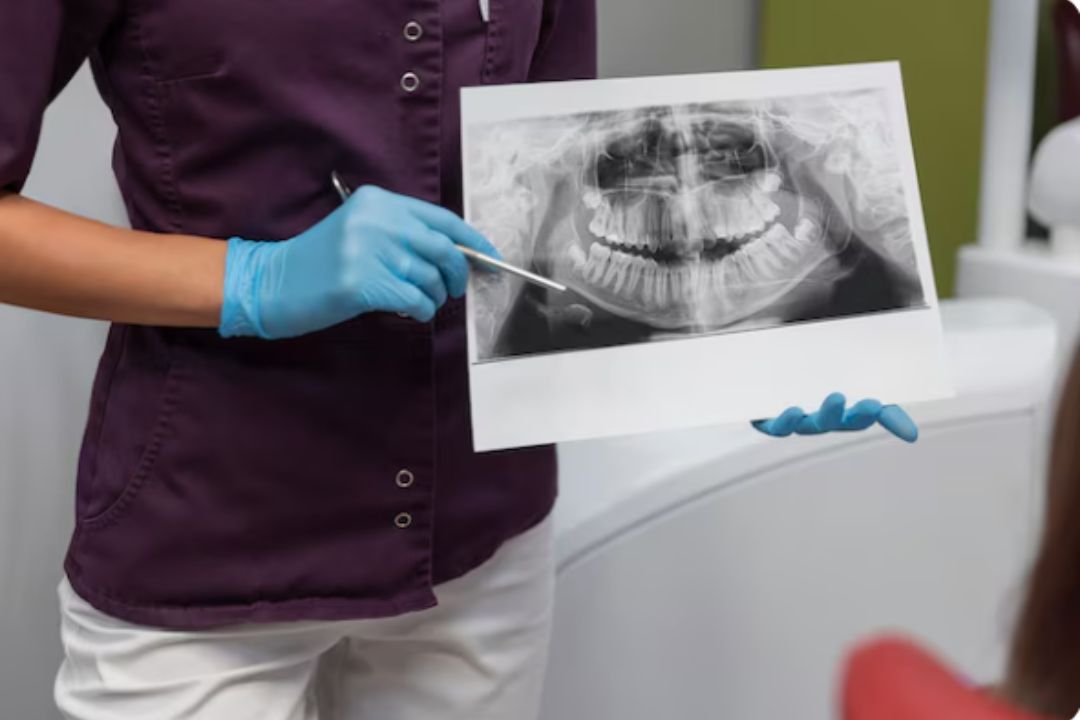
Advanced imaging maps ideal implant positions.
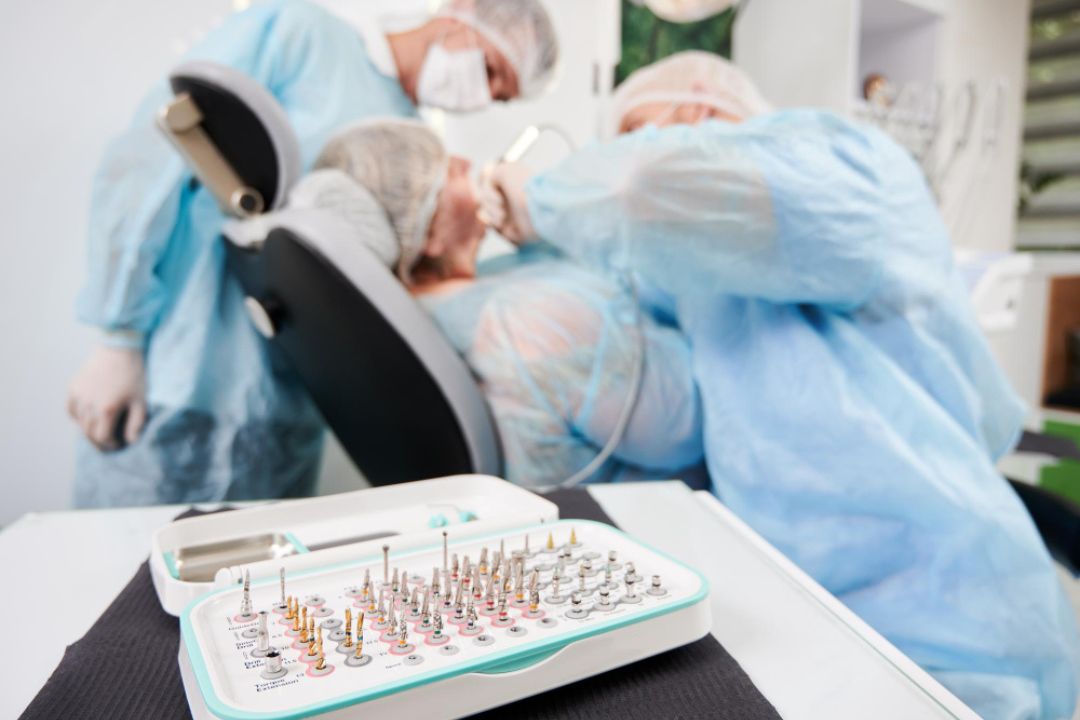
Surgical Placement
Implants are carefully placed under anesthesia.
Healing Phase
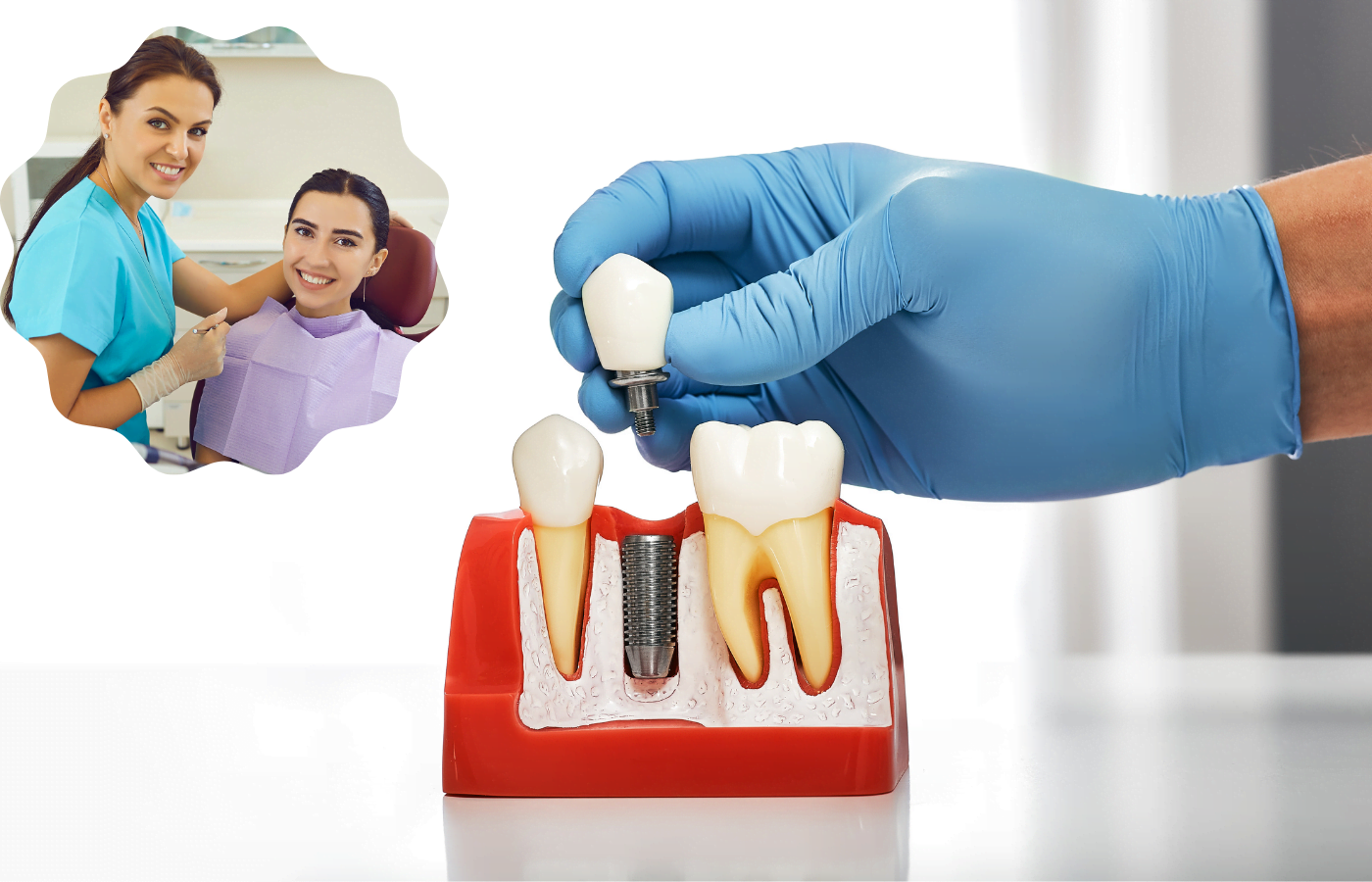
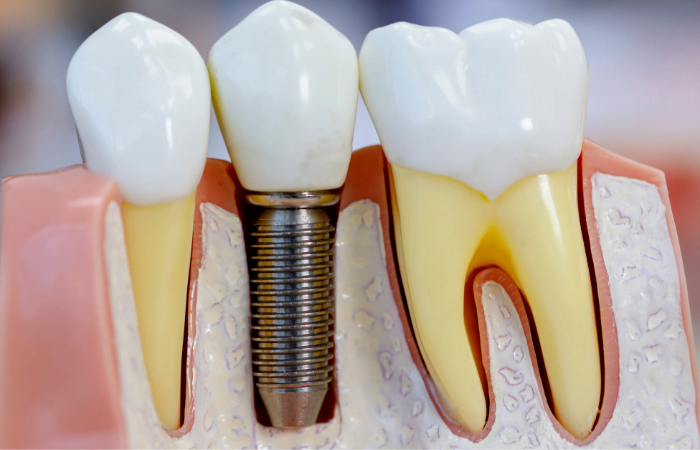
The implant integrates with the jawbone.
Final Restoration
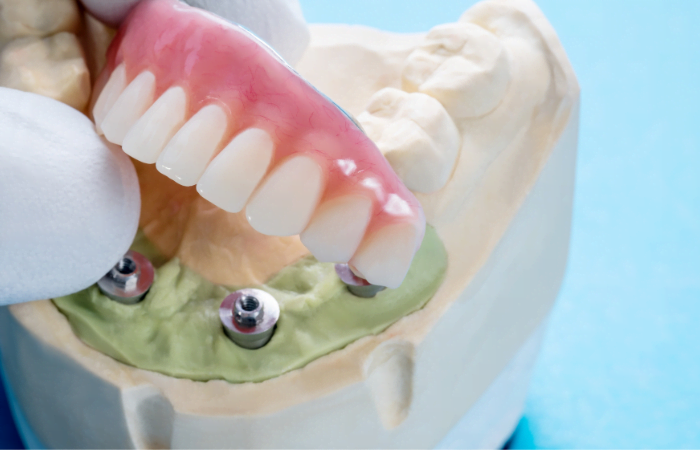
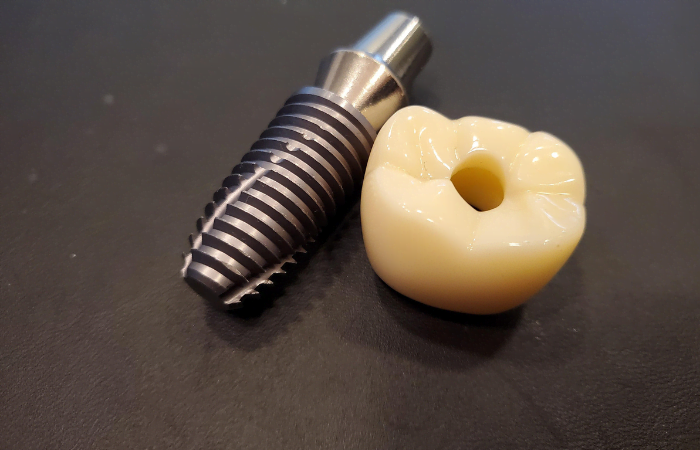
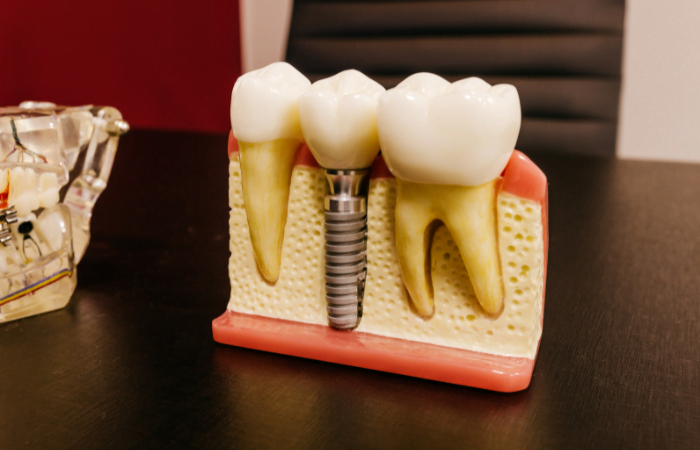
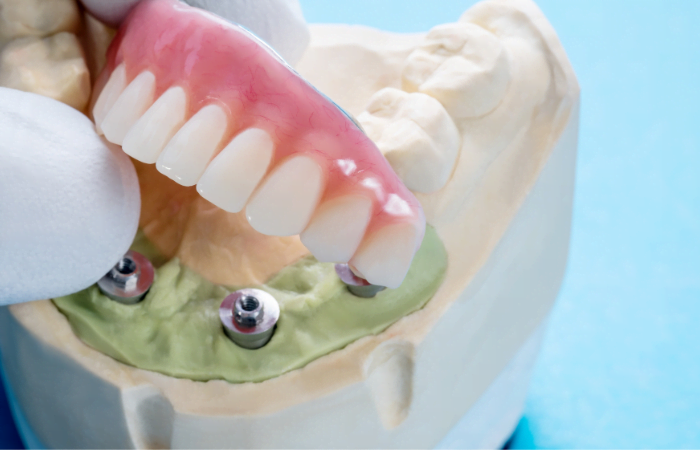
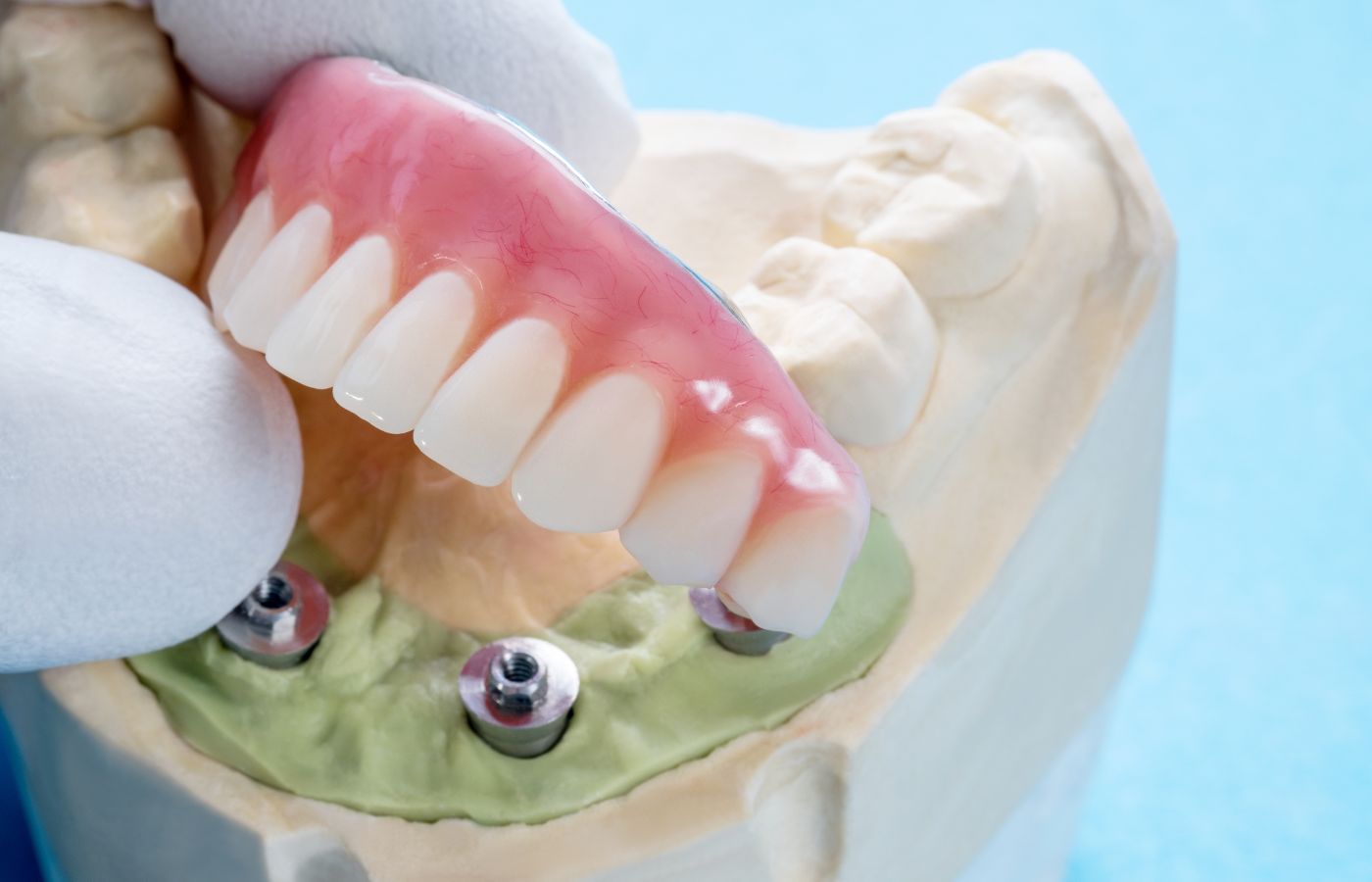
Custom crowns, bridges, or dentures are attached.
Each step is guided by technology and expertise for predictable results.
To get the best outcomes:
? Maintain excellent oral hygiene
? Attend all follow-up visits
? Stop smoking or cut down before treatment
? Manage medical conditions with your physician
? Follow post-surgery care instructions
Good habits support long-term implant health.
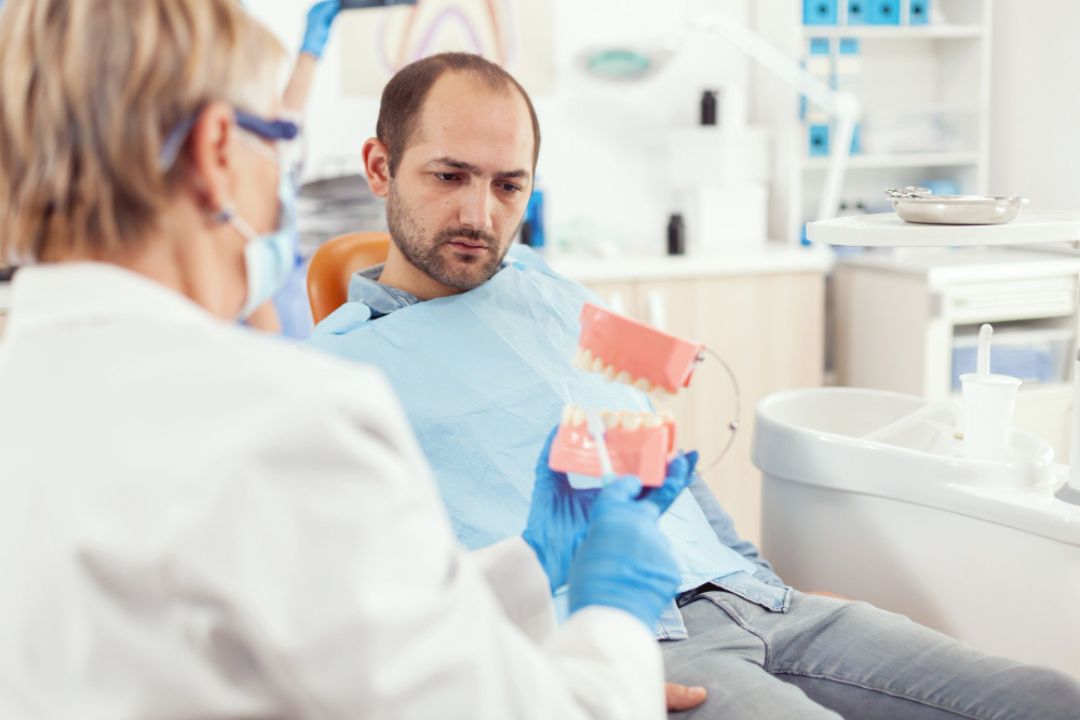
Dental implants are one of the most predictable and long-lasting solutions for missing teeth. Most myths about implants are rooted in outdated information or misconceptions. Today, with modern technology, personalized treatment and expert dental professionals, implants provide reliable, natural-looking results.
If you are considering dental implants and have concerns, talk to a qualified implant dentist who can explain your options and answer your questions based on facts — not myths.








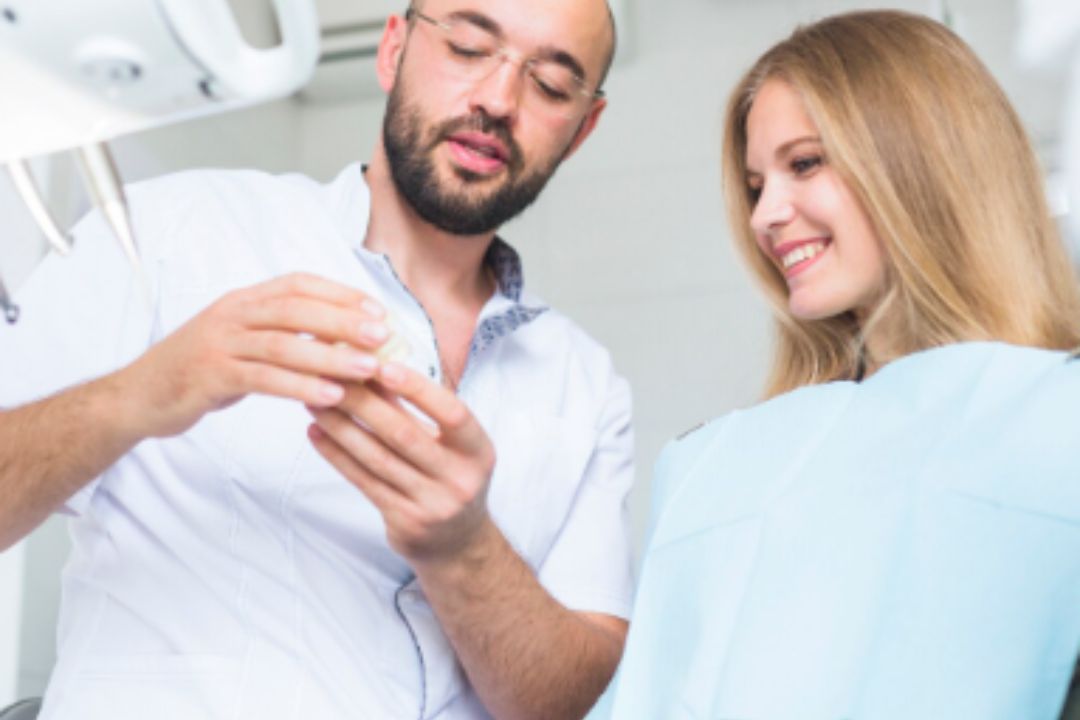
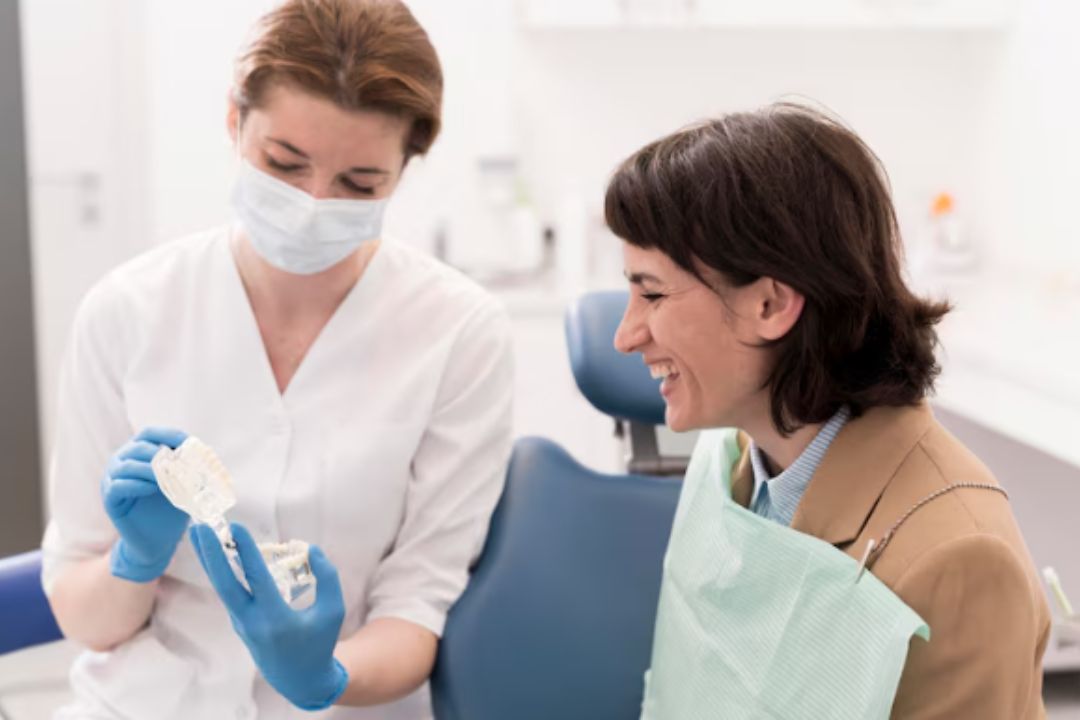
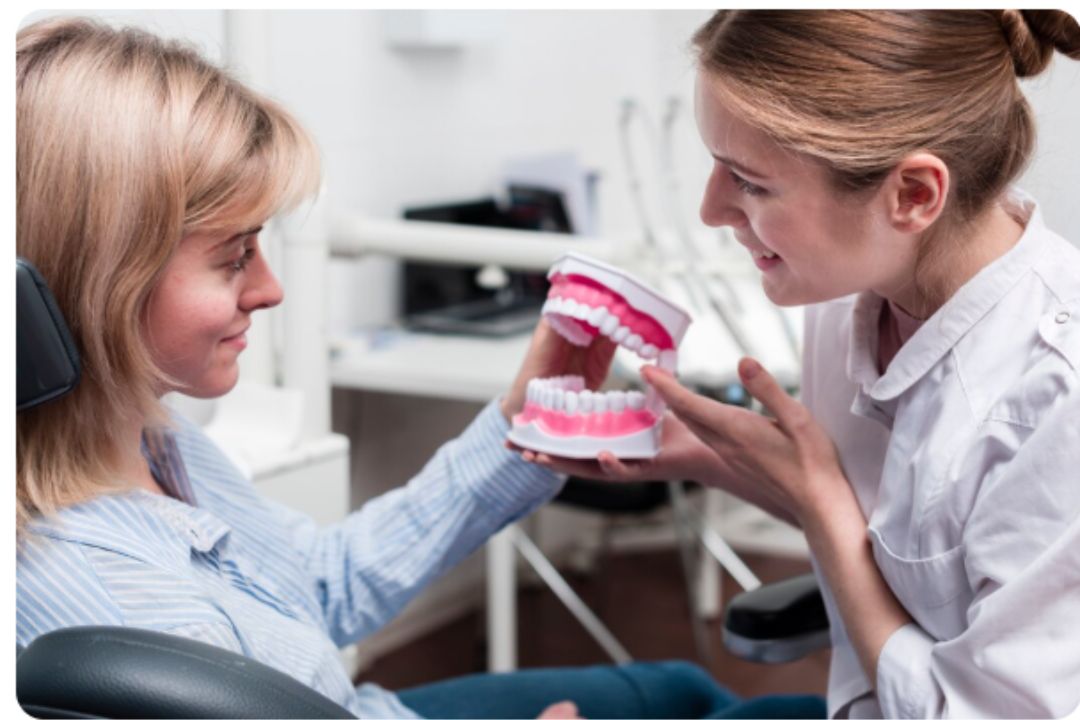
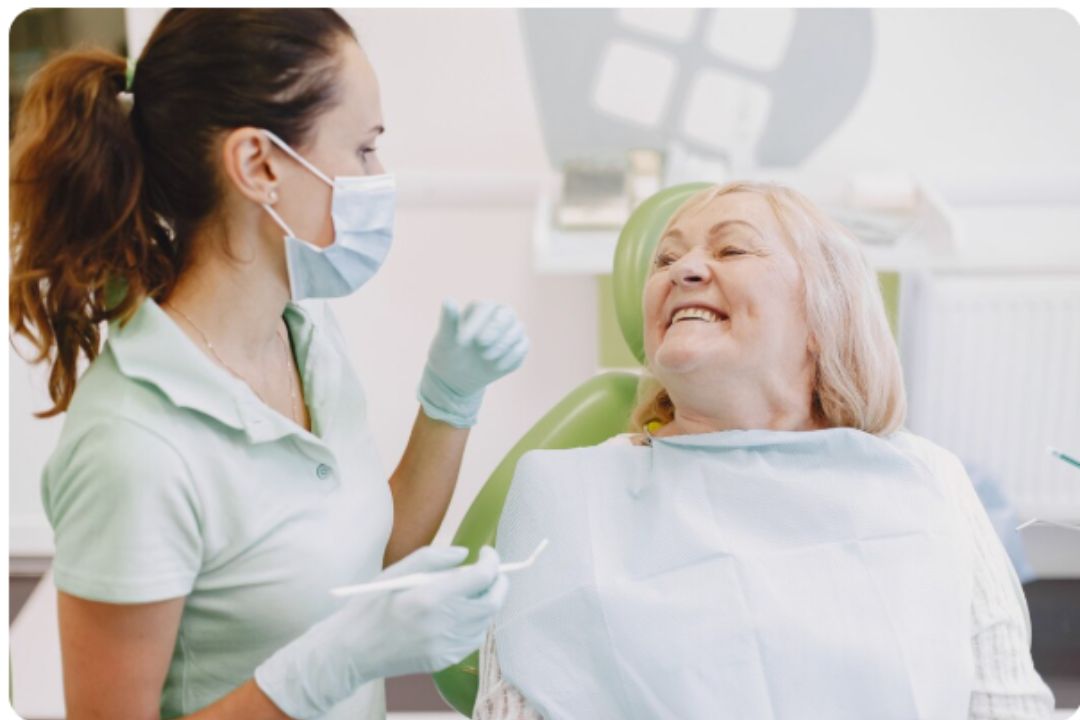
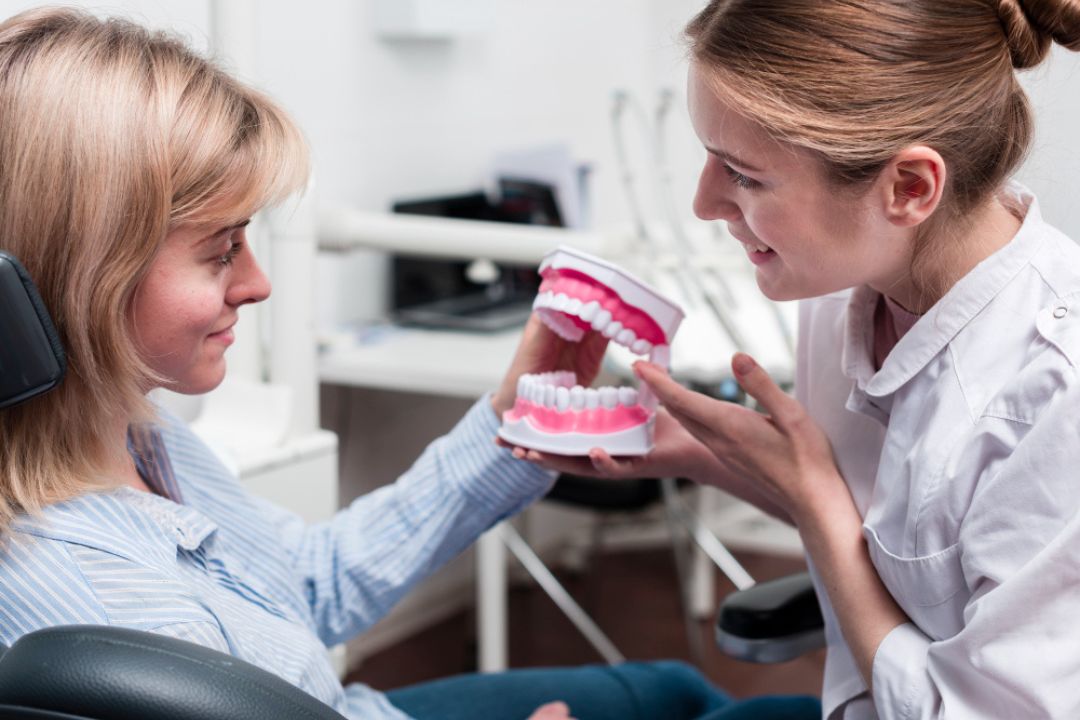
.jpg "myths and facts about dental implants")
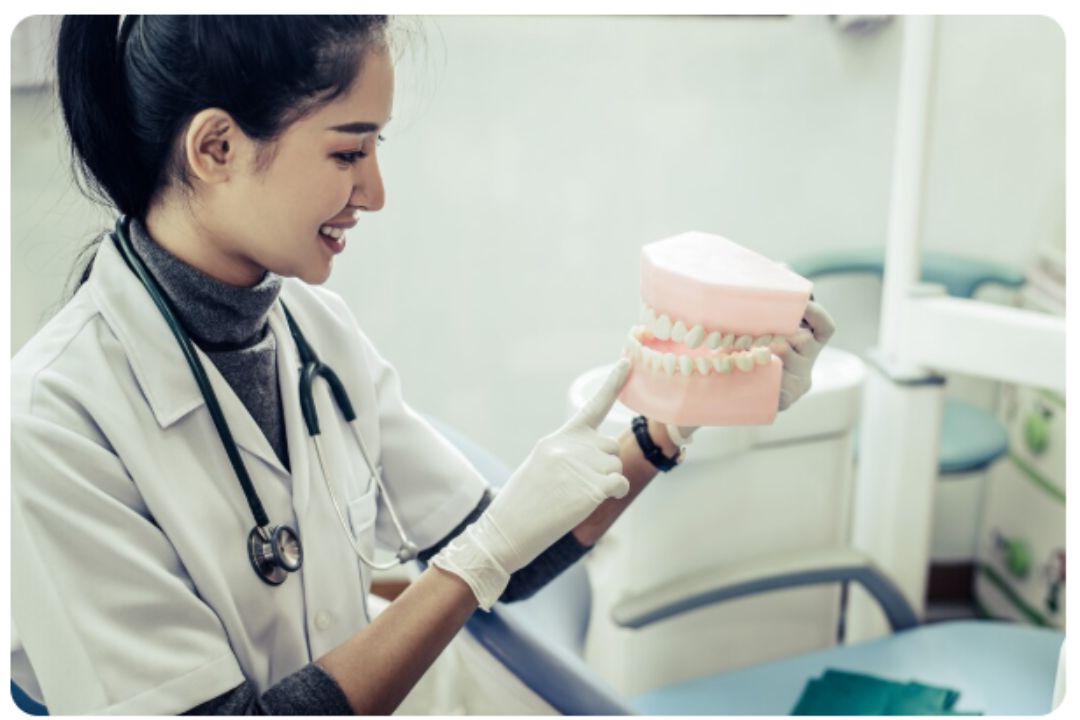






















![affordable dental implant treatment in [pune] with emi options](/img/BlogImages/affordable dental implant treatment in [pune] with emi options.jpg "affordable dental implant treatment in [pune] with emi options")
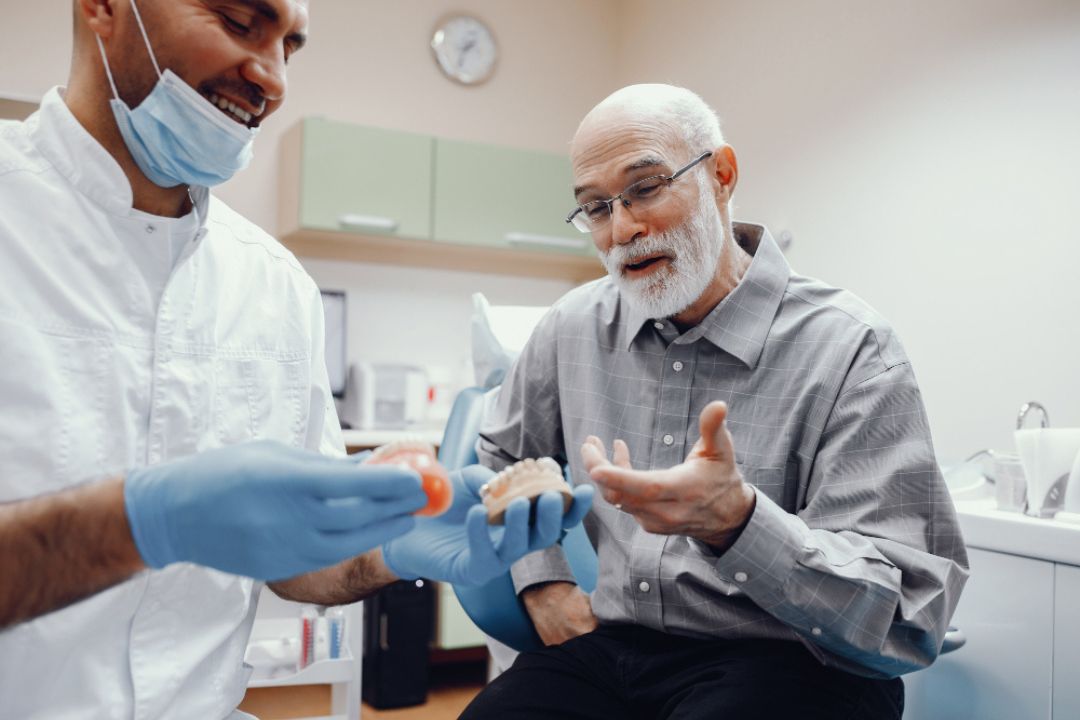

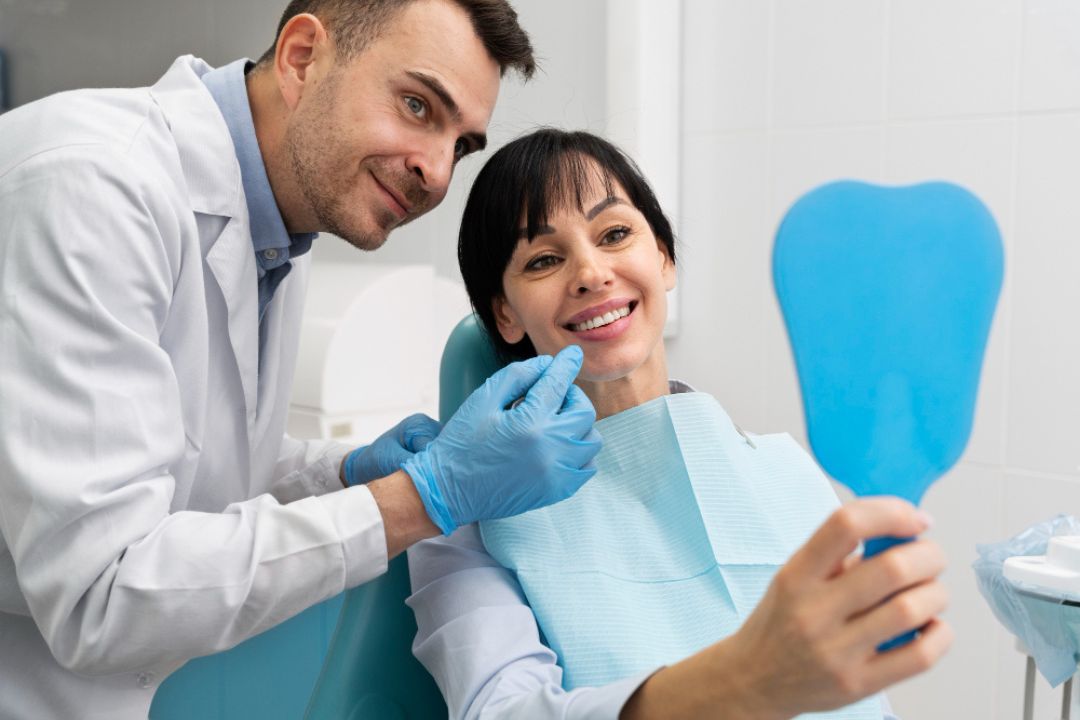

.jpg "dental implant full mouth rehabilitation")
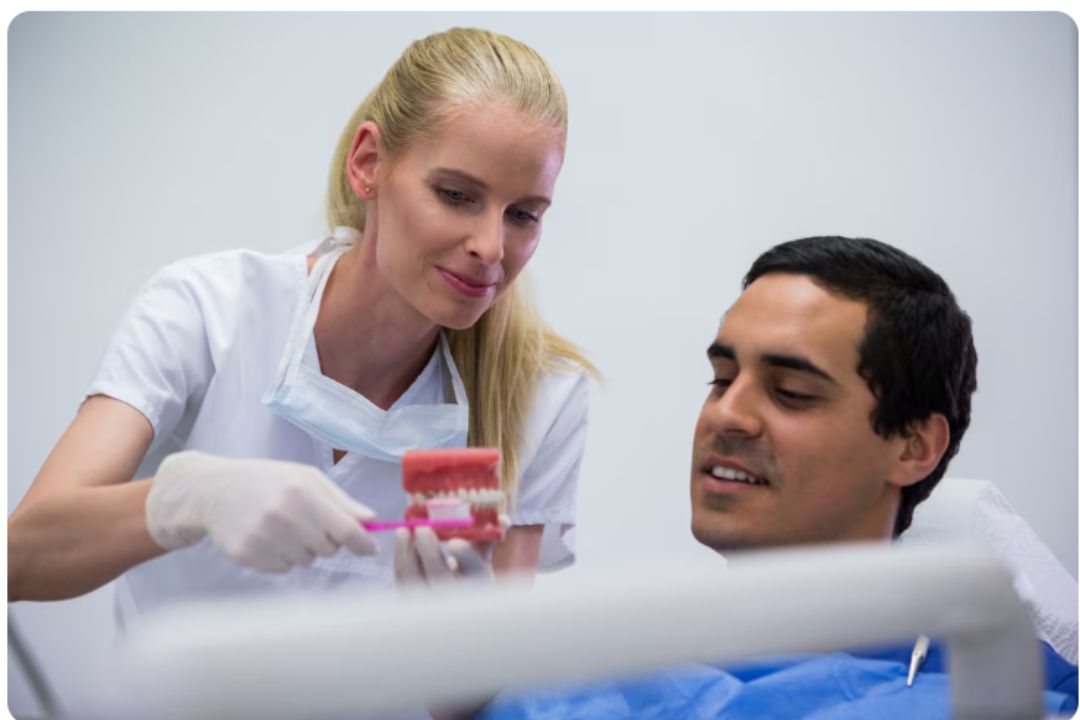

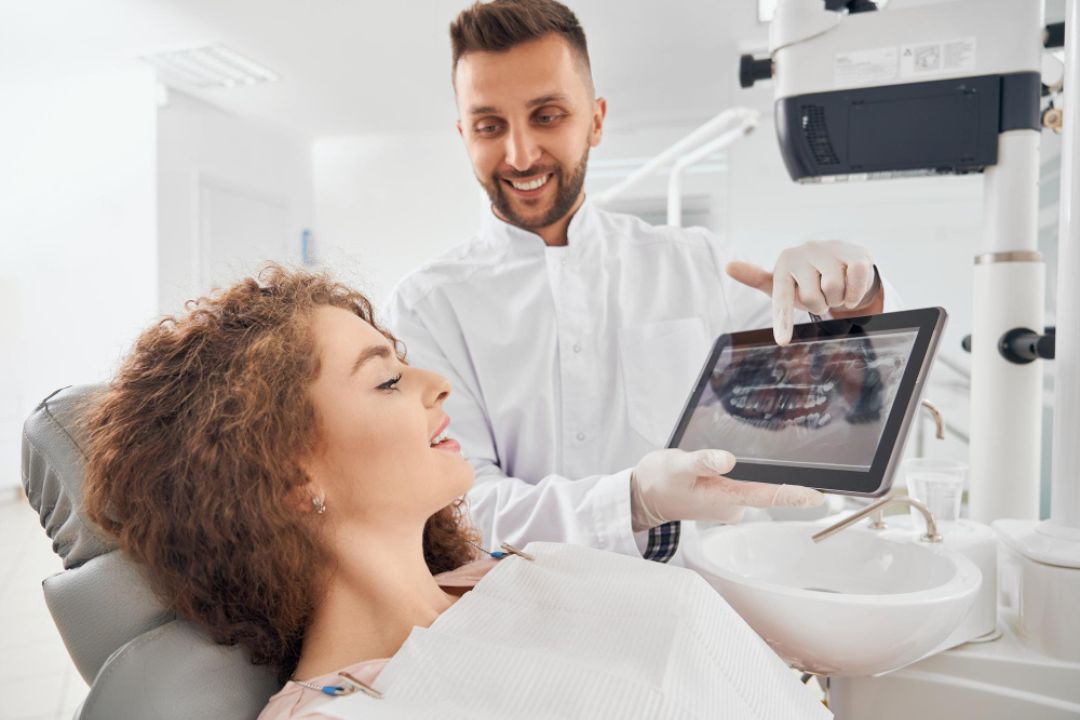


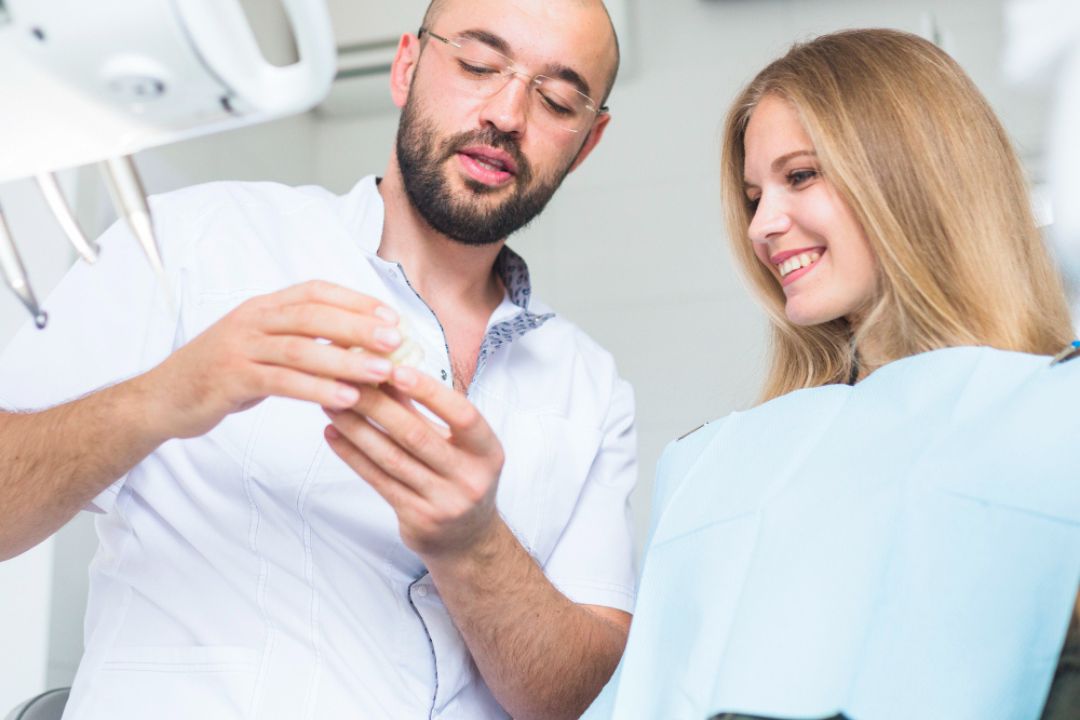


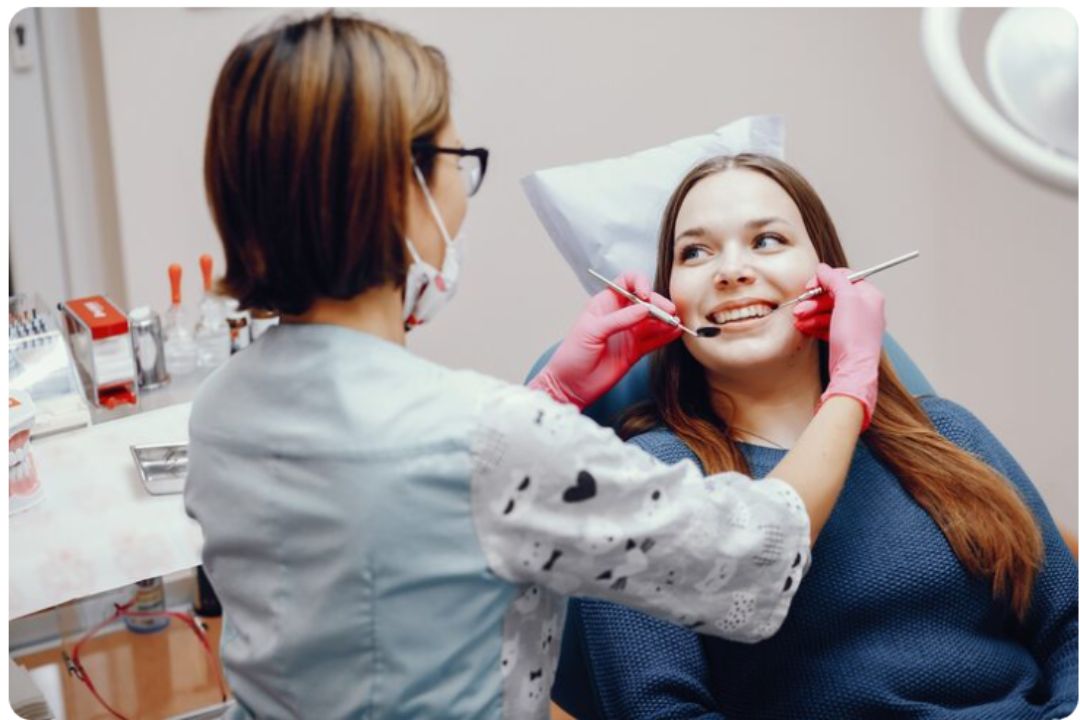
.jpg "foods for rapid recovery after dental implant surgery")
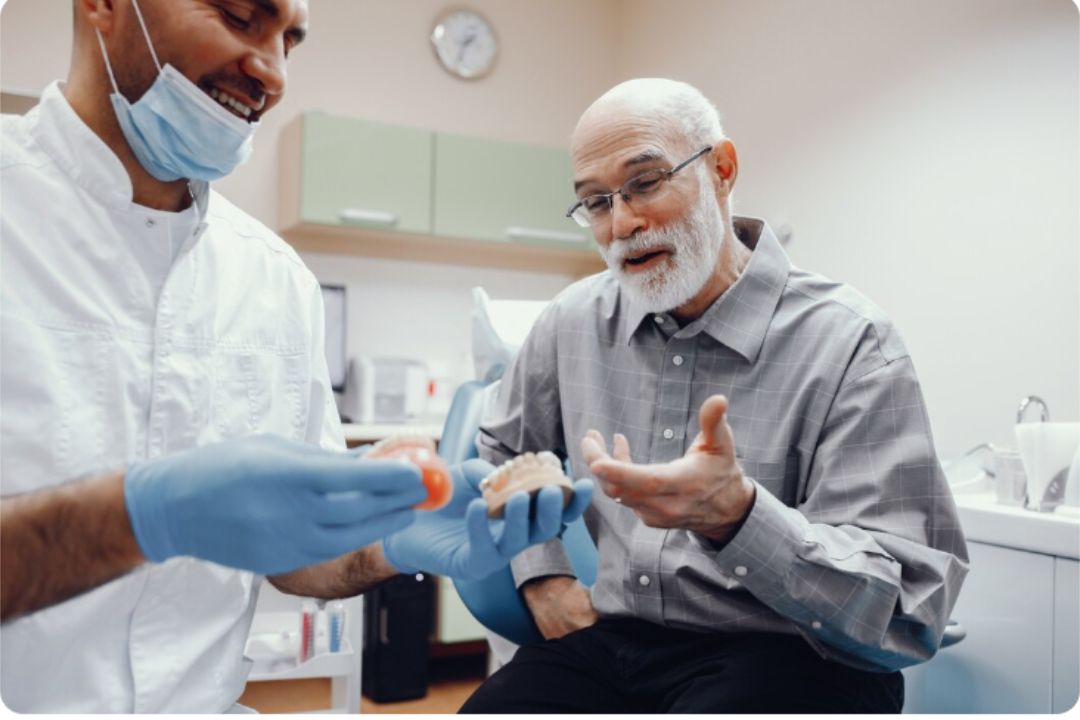


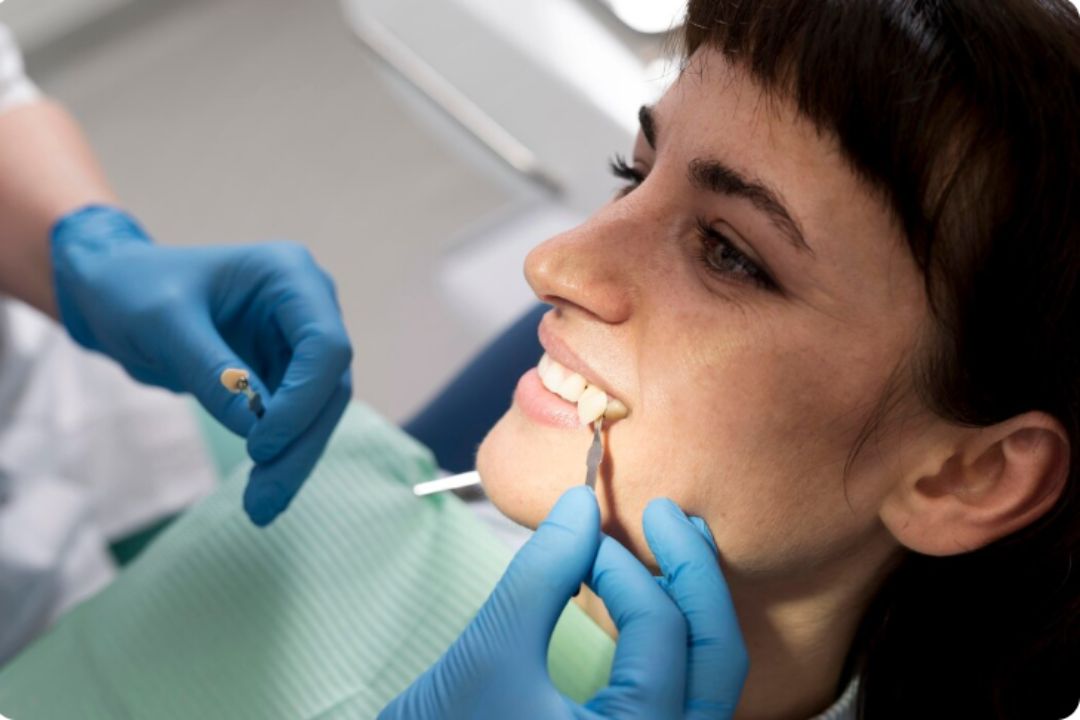



.jpg "dental implant")

.jpg "dental implant")
.jpg "dental implant")

.jpg "dental implants")
.jpg "dental implants")



.jpg "Dental Implants Help Repair Broken")
.jpg "Know About Dental Implants")
.jpg "Major Types of Dental Implants")
 (1).jpg "Affordable Dental Implants in India")
 (1).jpg "Dental Implants with Pre-existing Conditions")