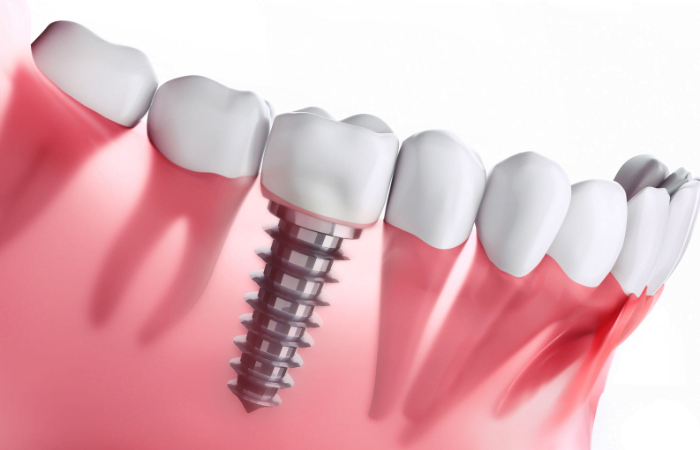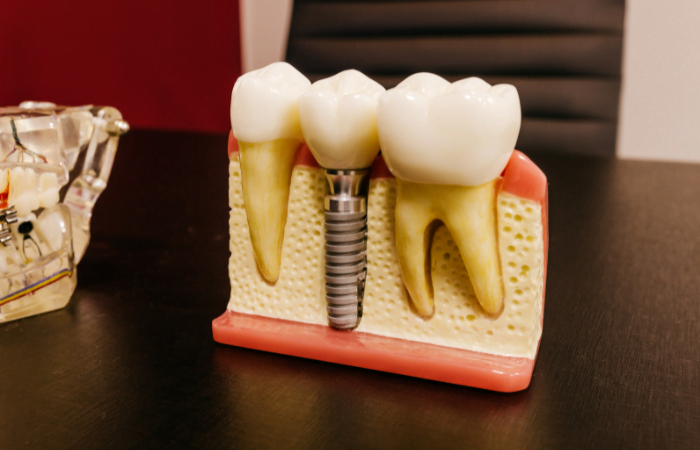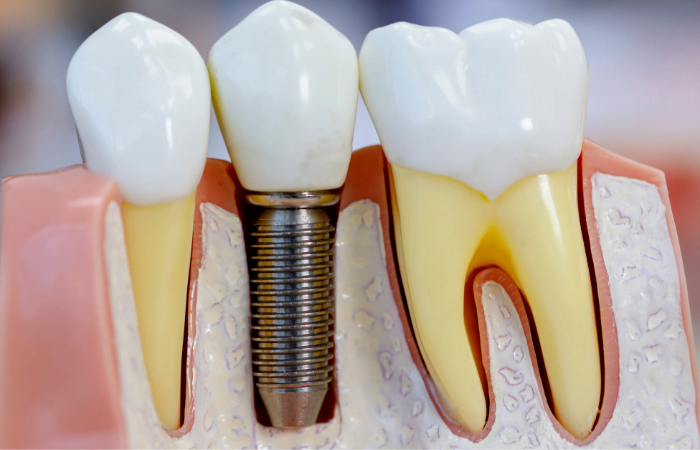
Undergoing dental implant surgery is a significant step toward restoring your smile and oral function. However, the success of your surgery dental implants doesn’t just depend on the procedure itself—it also relies heavily on how you care for yourself during recovery. One of the most critical aspects of post-operative care is your diet. Choosing the right foods can promote healing, minimize discomfort, and ensure the long-term success of your implants. In this guide, we’ll explore what to eat after dental implant surgery, focusing on benefits, food comparisons, cost, comfort, and why choosing a trusted provider like Dignopein matters.
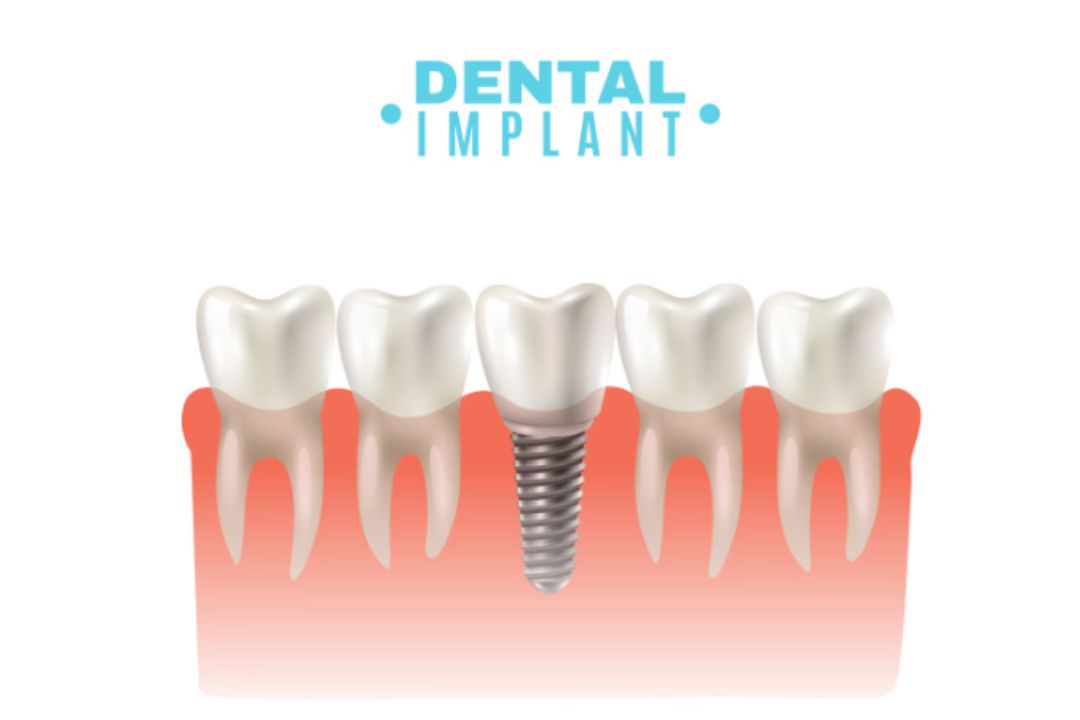
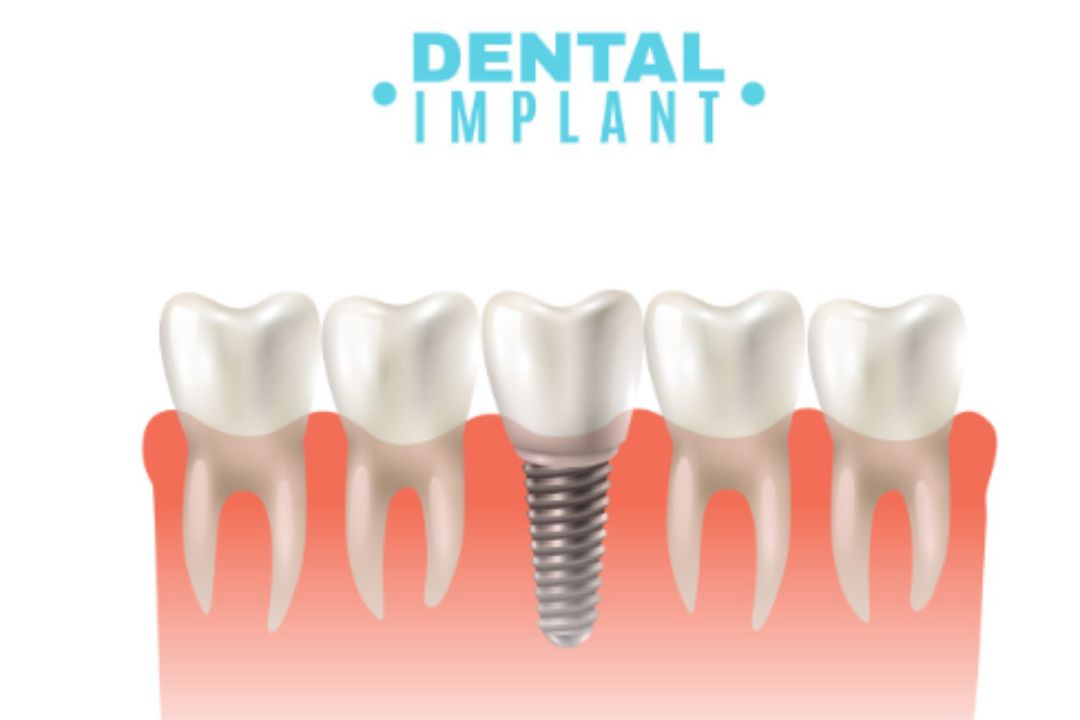
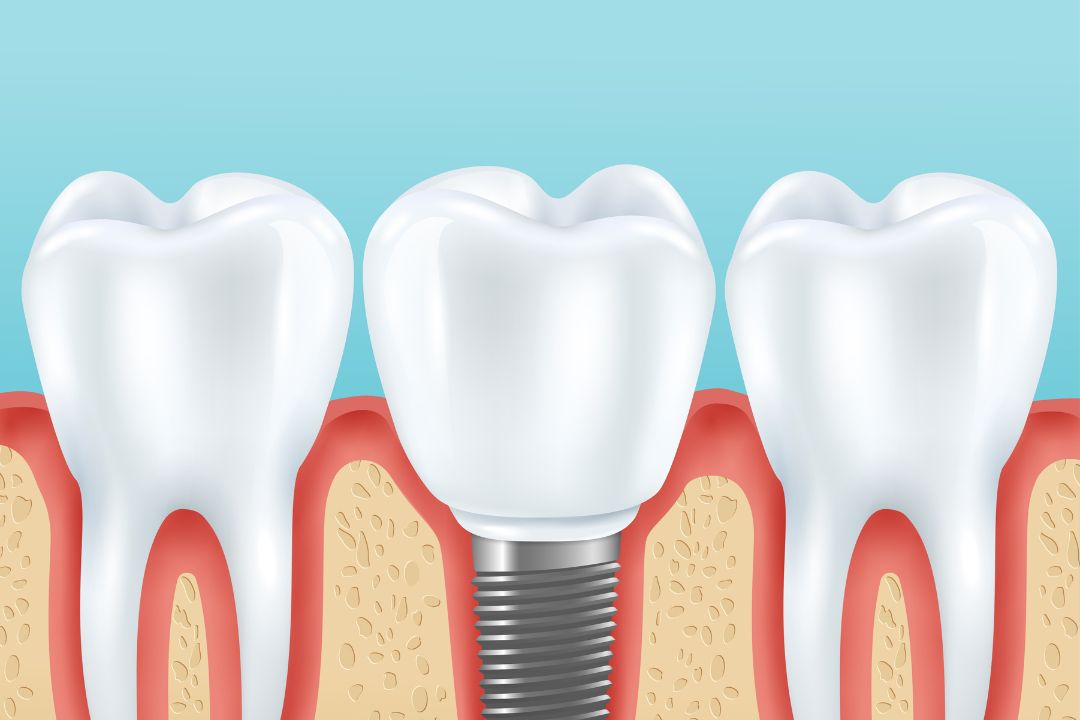
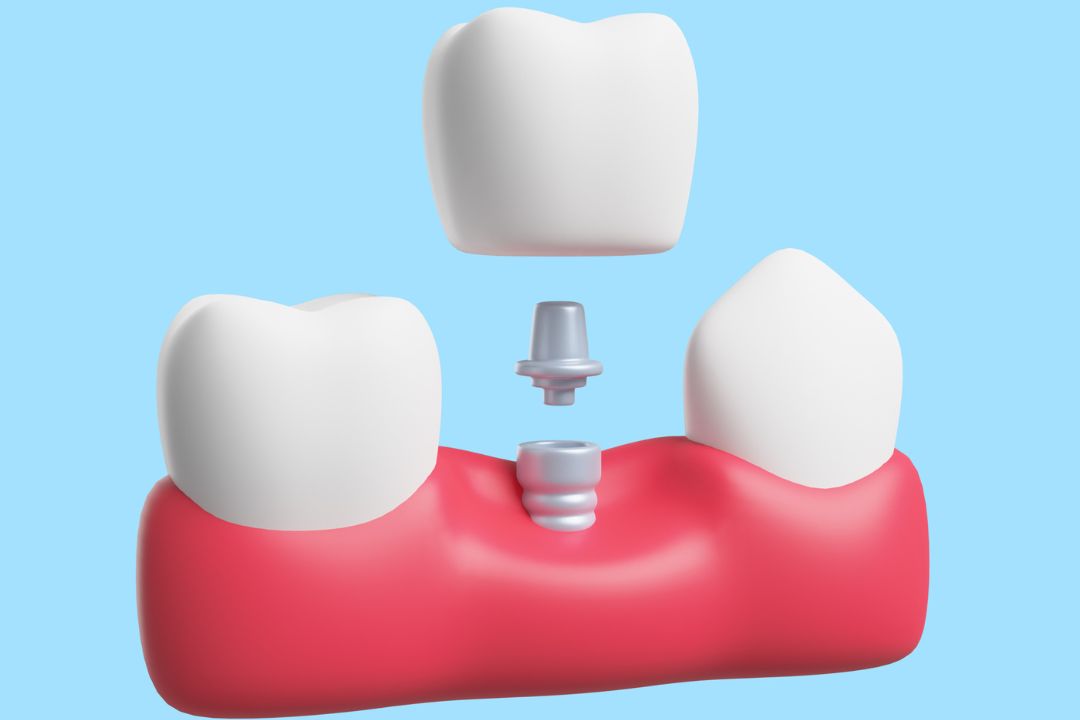
After implant placement, your gums and jawbone need time to heal. During the first few weeks, the implant is bonding with the bone through a process called osseointegration.
Visit Now: https://www.diagnopein.com/dental-clinic/Mumbai/Dental-Implants
Your food choices during this period can directly affect:
Healing speed
Swelling and discomfort
Risk of infection
Implant stability
Overall treatment success
The first day is the most sensitive period. Your mouth will likely feel numb and sore. Stick to very soft and cool foods.
Cold milk
Yogurt
Smoothies without seeds
Protein shakes
Applesauce
Mashed banana
Ice cream without nuts
Cold soup or broth
Pudding or custard
These foods require minimal chewing and help soothe the tissues.
Follow these simple rules:
Eat only soft foods
Avoid hot foods and drinks
Do not use a straw
Chew on the opposite side
Take small bites
Drink plenty of water
Avoiding straws is important because suction can disturb the surgical site.
After the first 24 hours, you can slowly add more soft foods. However, your diet should still be gentle on the implant area.
Book Now: https://www.diagnopein.com/dental-clinic/Mumbai
Protein rich foods
Scrambled eggs
Soft paneer
Greek yogurt
Well cooked dal
Soft tofu
Smooth nut butter
Comfort foods
Mashed potatoes
Soft khichdi
Oatmeal
Upma (very soft)
Idli
Soft pasta
Well cooked rice
Fruits and vegetables
Mashed avocado
Steamed vegetables
Ripe banana
Boiled and mashed carrots
Pumpkin mash
Protein is especially important because it supports tissue repair.
Oatmeal with milk
Or soft idli with mild chutney
Or scrambled eggs
Banana smoothie
Or yogurt
Soft khichdi
Or dal with soft rice
Or mashed vegetables
Protein shake
Or applesauce
Soft upma
Or mashed potatoes with paneer
Or well cooked dal rice
This type of diet keeps you nourished without stressing the implant site.
Avoiding certain foods is very important for proper healing.
Nuts
Chips
Toast
Hard biscuits
Raw vegetables
Popcorn
These can put pressure on the implant.
Chewing gum
Caramel
Sticky sweets
Toffees
Sticky foods may pull on the surgical area.
Very spicy curries
Pickles
Citrus fruits (initial days)
Vinegar heavy foods
These can irritate the gums.
Hot tea
Hot coffee
Hot soups (initially)
Heat can increase swelling and bleeding.
These must be strictly avoided because they:
Delay healing
Increase infection risk
Affect implant success
Most dentists recommend avoiding smoking for at least 2 weeks.
Healing speed varies from person to person.
First 24 hours: Liquid and very soft foods
Days 2 to 7: Soft foods
Week 2 onward: Semi soft foods
After dentist approval: Normal diet
Always follow your dentist’s specific instructions.
Eating nutrient rich foods can improve recovery.
Protein
Helps tissue repair
Found in eggs, paneer, dal, yogurt
Vitamin C
Supports gum healing
Found in soft fruits and vegetables
Calcium
Supports bone health
Found in milk, curd, paneer
Zinc
Helps wound healing
Found in soft legumes and dairy
Staying hydrated is very important.
Water
Coconut water
Buttermilk (not too sour)
Fresh juices without pulp
Fizzy drinks
Alcohol
Very hot beverages
Drinks with straws
Many patients unintentionally slow their healing.
Eating hard foods too early
Chewing on the implant side
Using straws
Skipping meals
Eating very spicy food
Smoking after surgery
Poor oral hygiene
While mild discomfort is normal, contact your dentist if you notice:
Severe or increasing pain
Continuous bleeding
Swelling that worsens after 3 days
Pus discharge
Fever
Implant feels loose
Even after healing, good food habits help implants last longer.
Eat a balanced diet
Limit very hard foods
Maintain oral hygiene
Visit dentist regularly
Avoid tobacco
Knowing what to eat after dental implant surgery is essential for smooth and successful healing. Soft, nutritious foods protect the surgical site and support faster recovery. Avoid hard, sticky, and spicy foods during the early healing phase. Dental Clinic In Mumbai
Follow your dentist’s instructions carefully and progress your diet slowly. With the right care and nutrition, your dental implant can provide a strong, natural looking smile for many years.








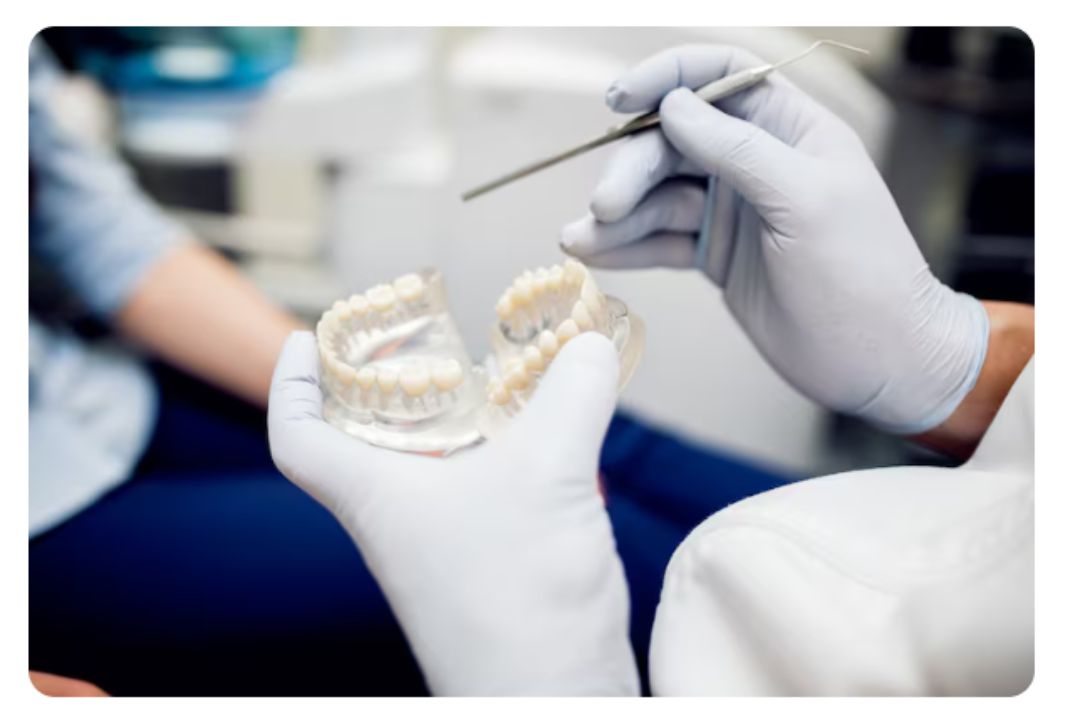
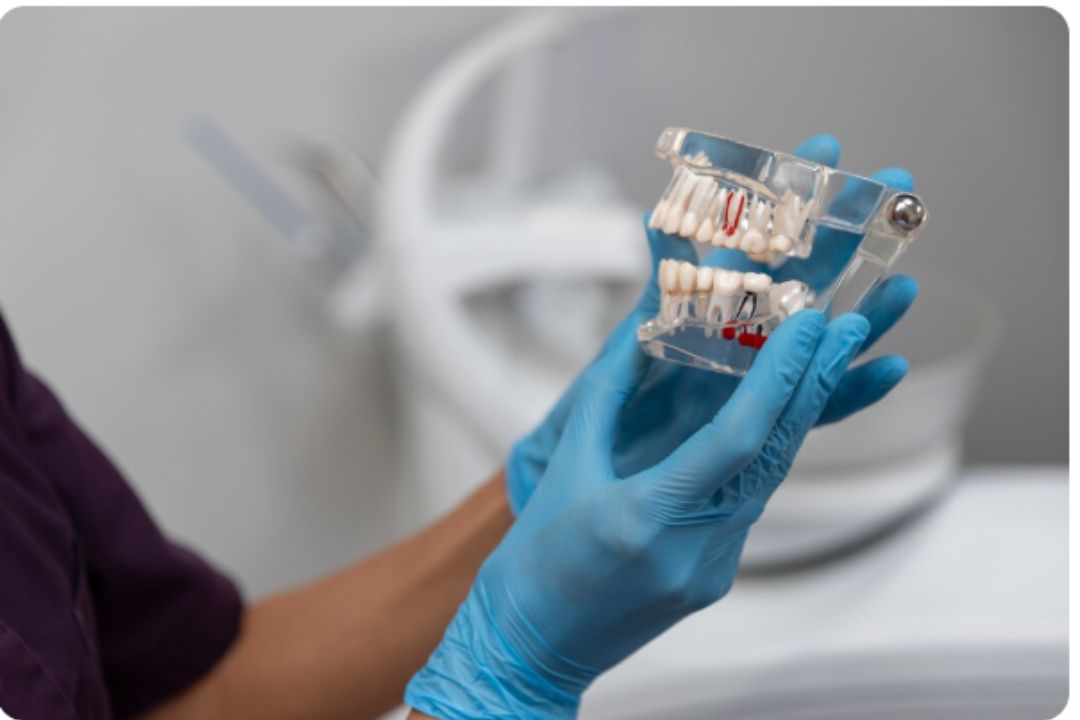
.jpg "myths and facts about dental implants")












![affordable dental implant treatment in [pune] with emi options](/img/BlogImages/affordable dental implant treatment in [pune] with emi options.jpg "affordable dental implant treatment in [pune] with emi options")
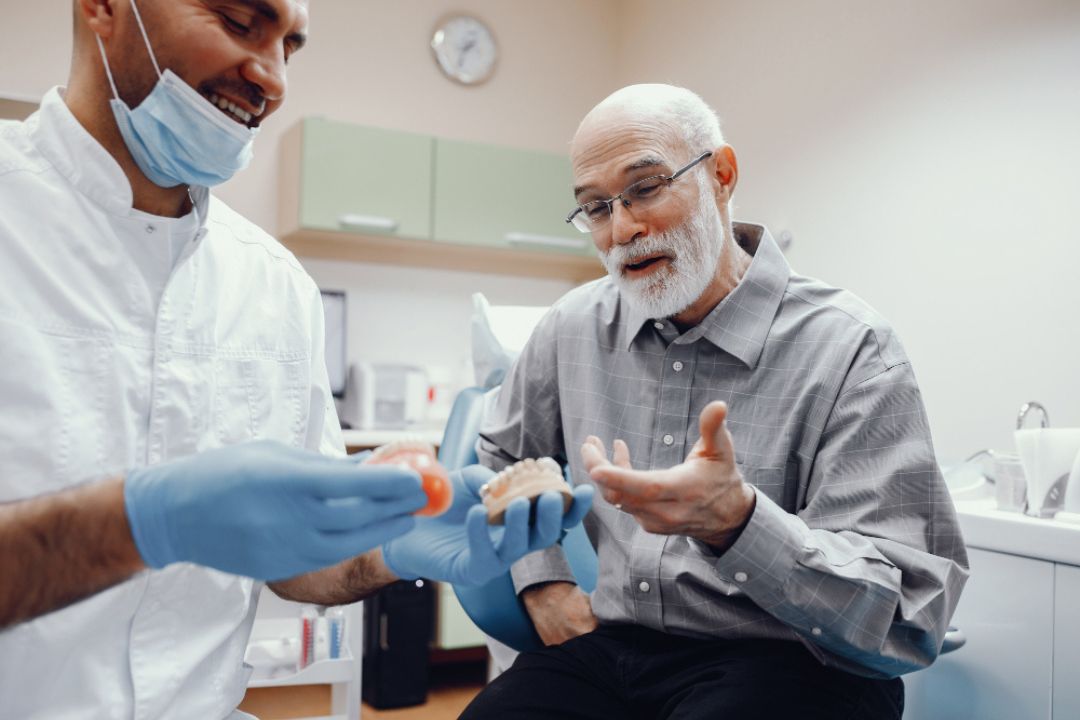

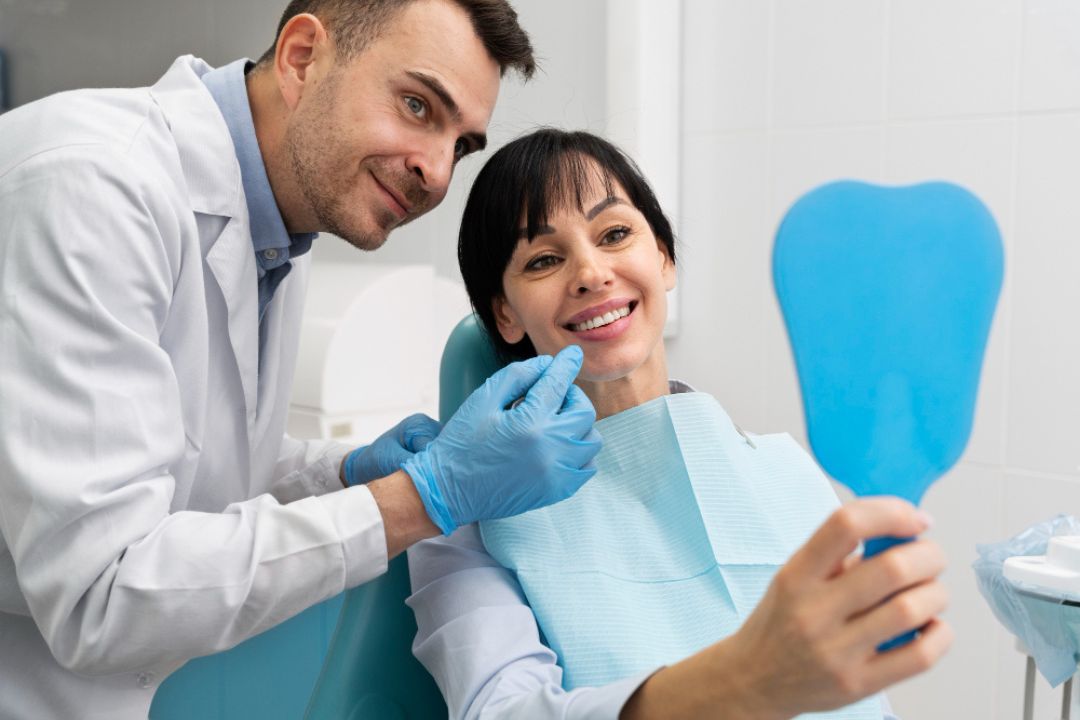

.jpg "dental implant full mouth rehabilitation")
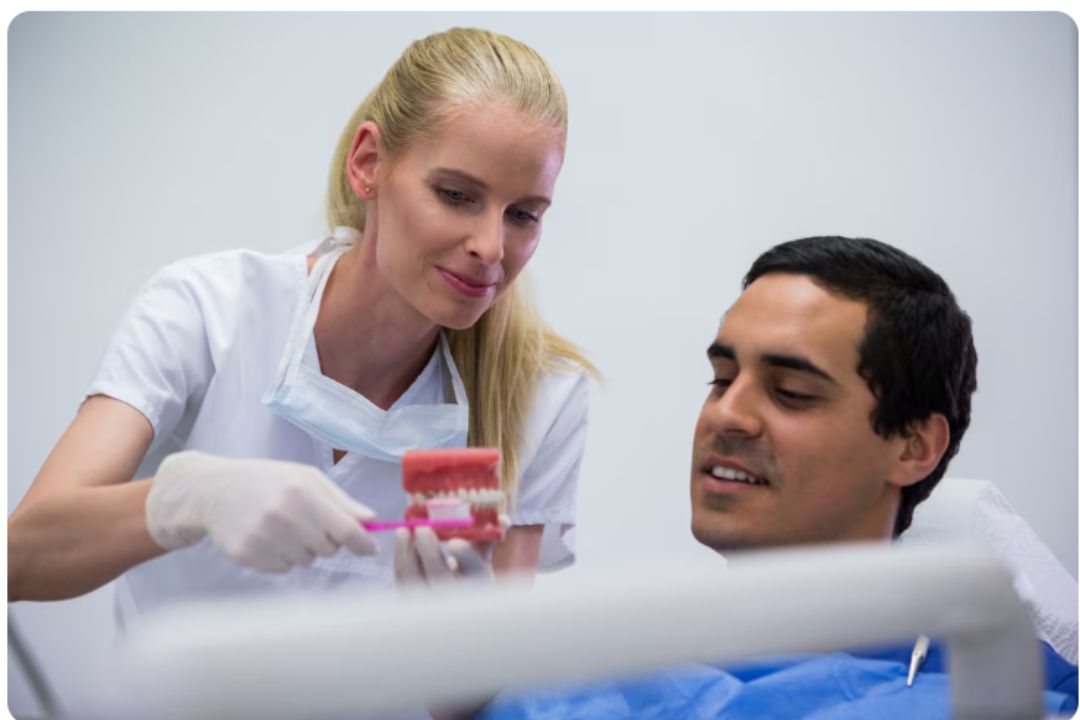
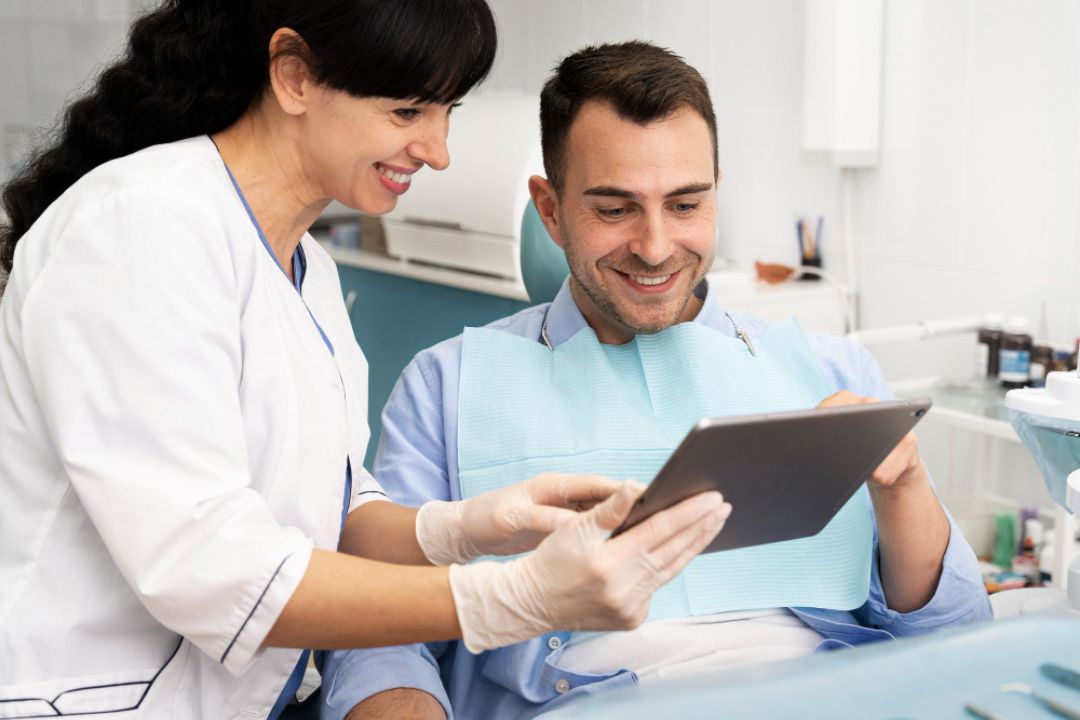
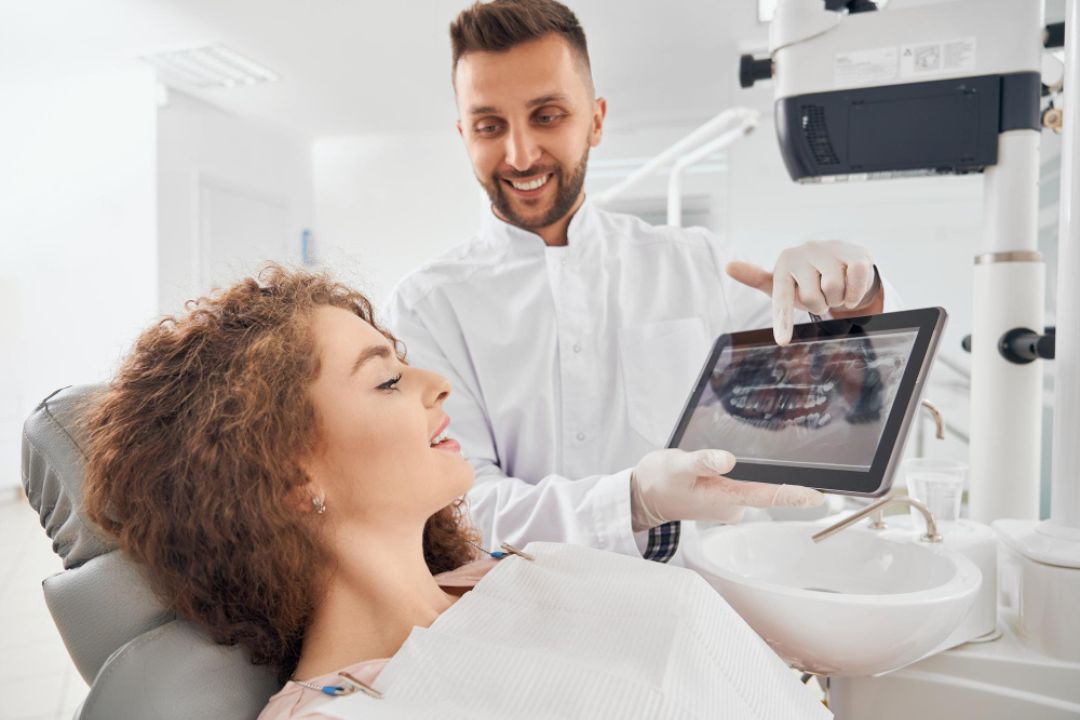
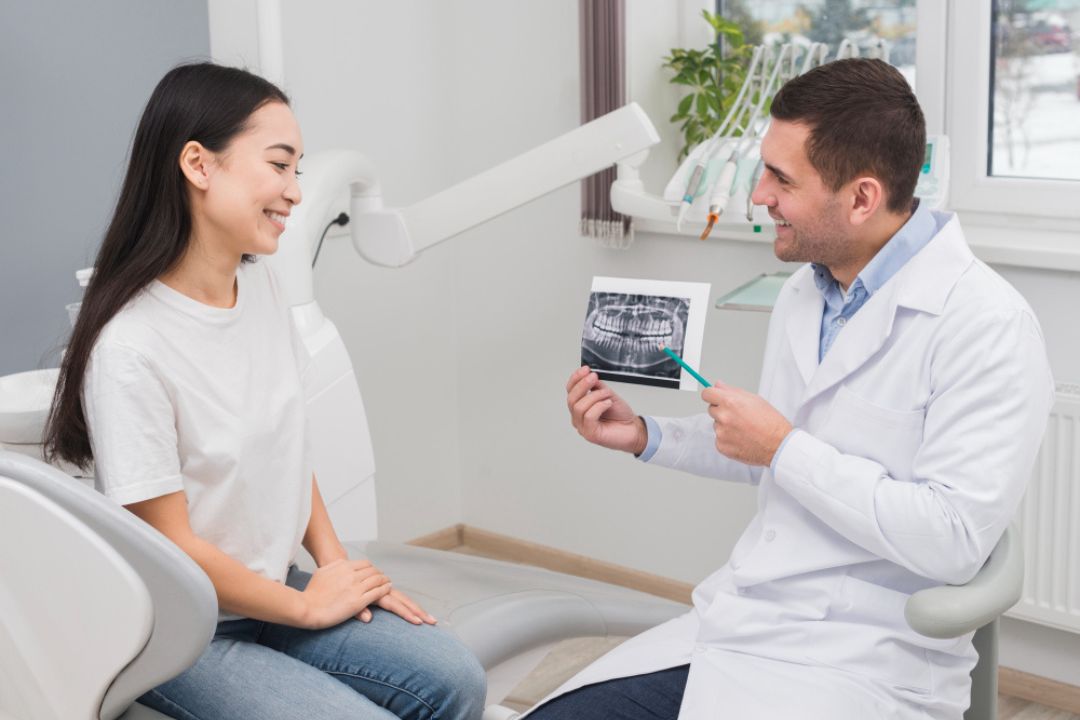
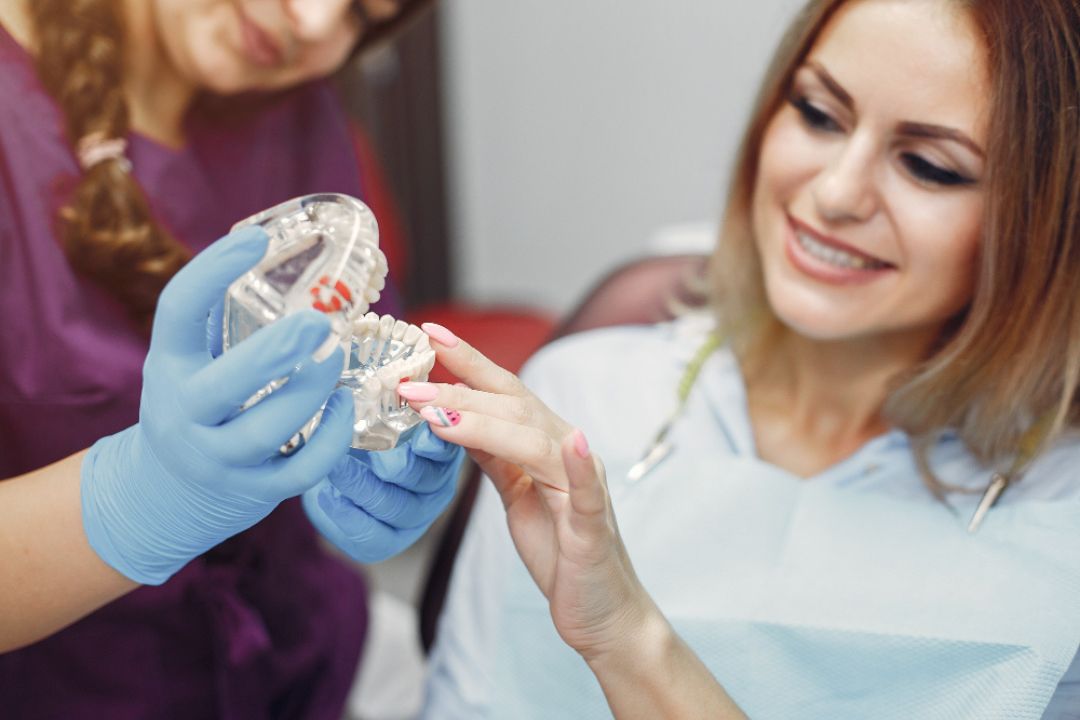


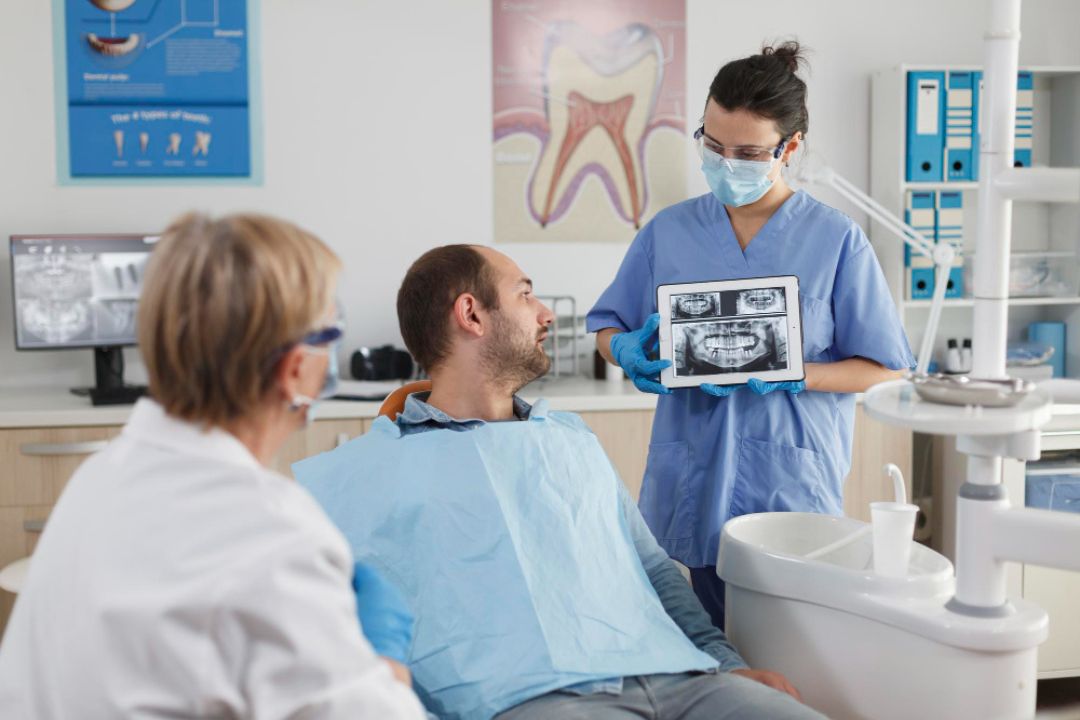


.jpg "foods for rapid recovery after dental implant surgery")





.jpg "dental implant")

.jpg "dental implant")
.jpg "dental implant")

.jpg "dental implants")
.jpg "dental implants")


.jpg "Dental Implants Help Repair Broken")
.jpg "Know About Dental Implants")
.jpg "Major Types of Dental Implants")
 (1).jpg "Affordable Dental Implants in India")
 (1).jpg "Dental Implants with Pre-existing Conditions")