.jpg "dental implant")
Facing tooth loss can be overwhelming for any family. The decision on how to replace missing teeth is crucial, impacting not just your smile but your overall health, comfort, and finances. The three primary options—dentures, bridges, and dental implants—each come with their own pros and cons. However, when weighing long-term benefits, comfort, and value, dental implants consistently emerge as the superior solution. Let’s explore why your family should choose implants.
The Core Benefit: A Permanent Foundation for Life
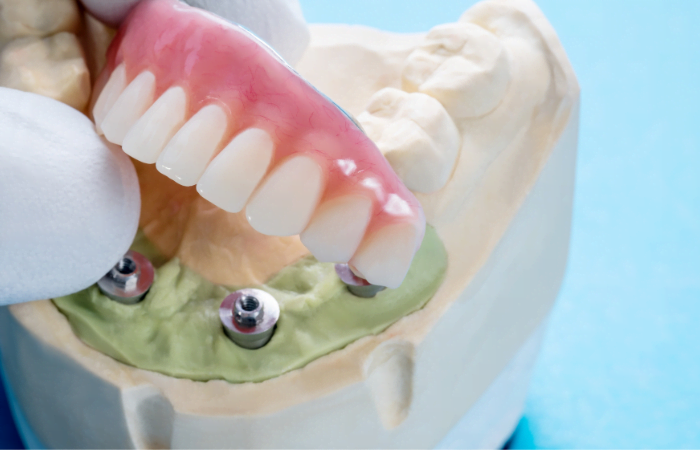
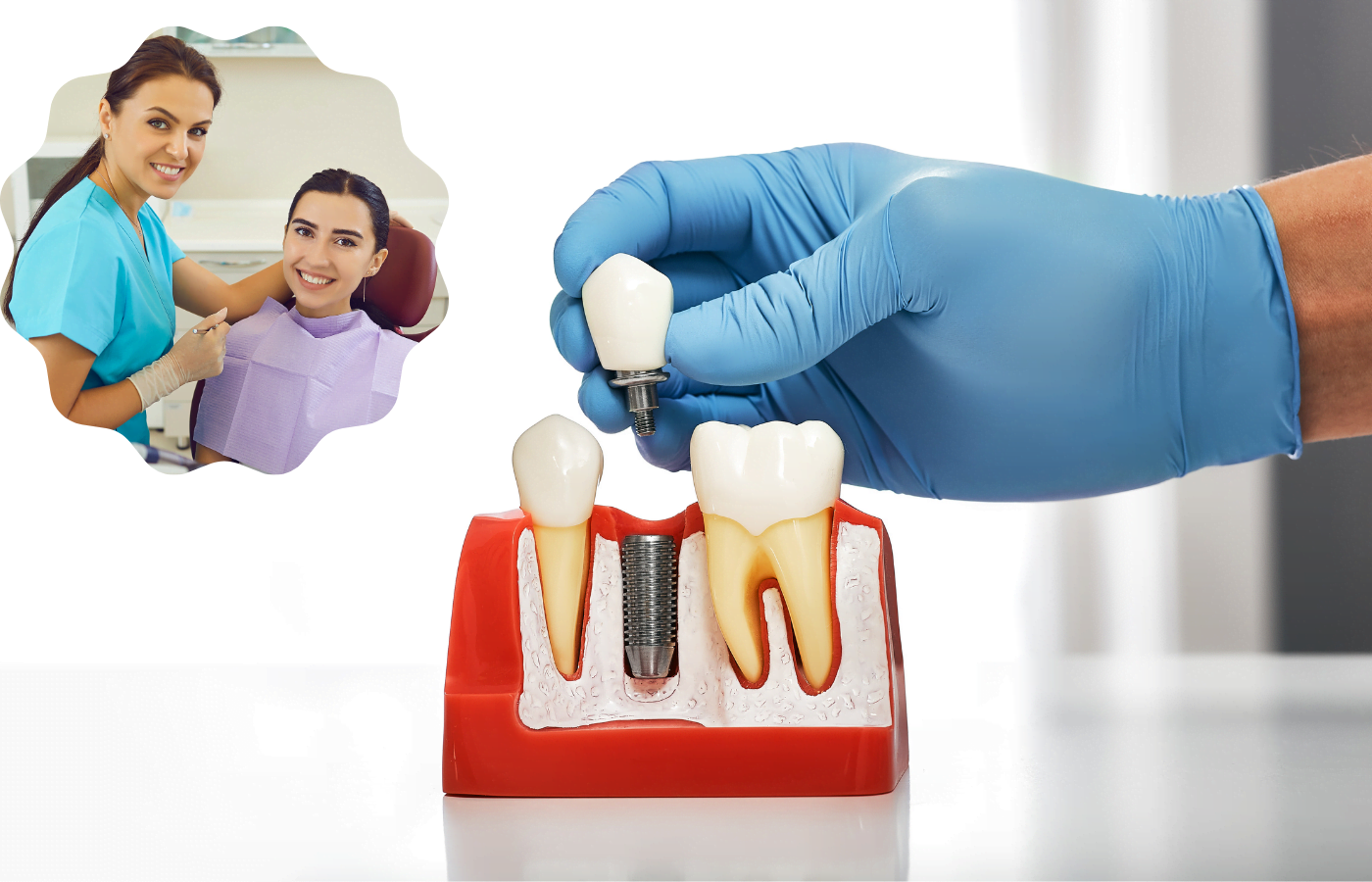
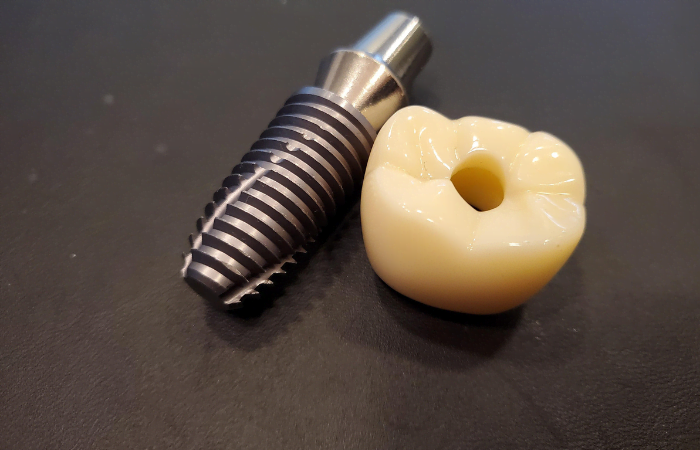
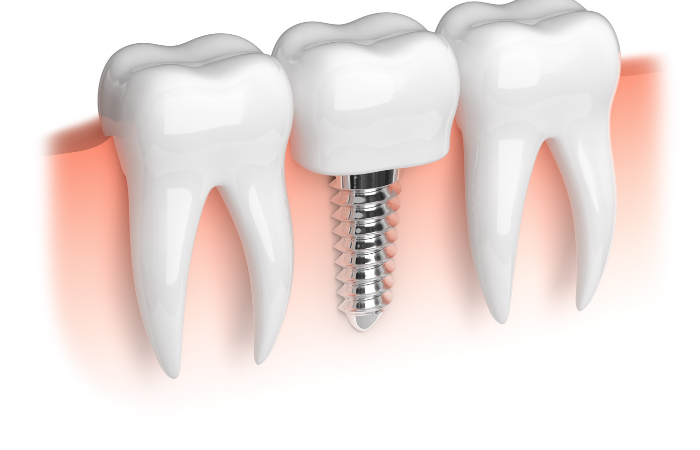
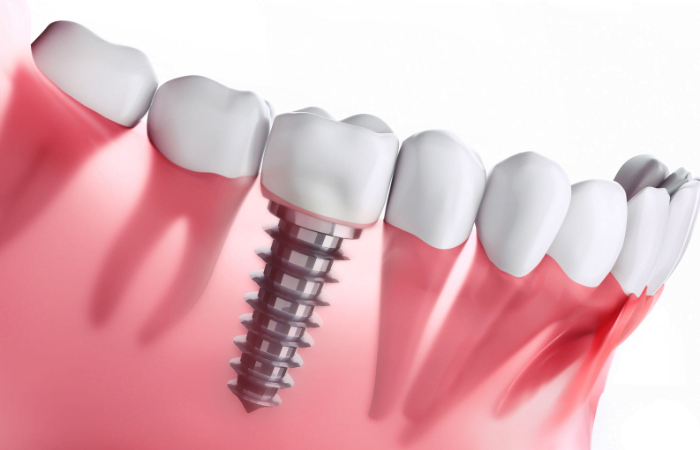
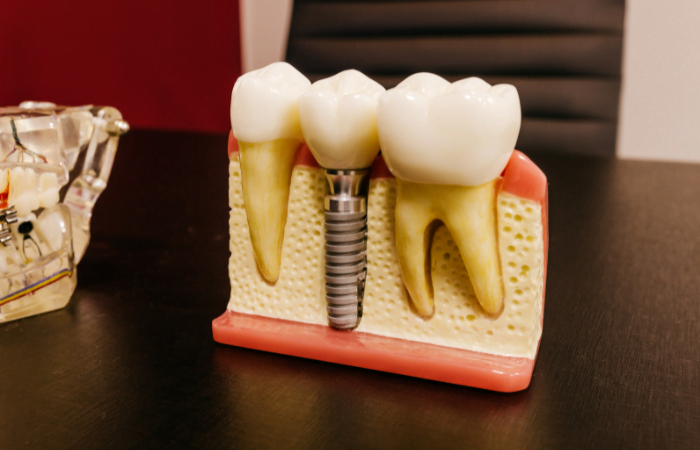
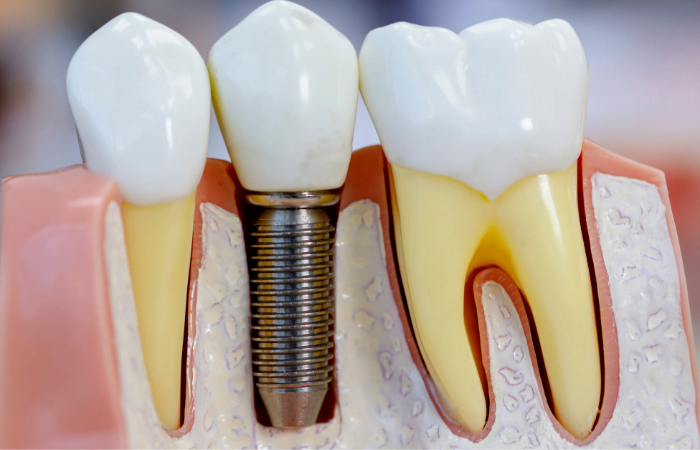
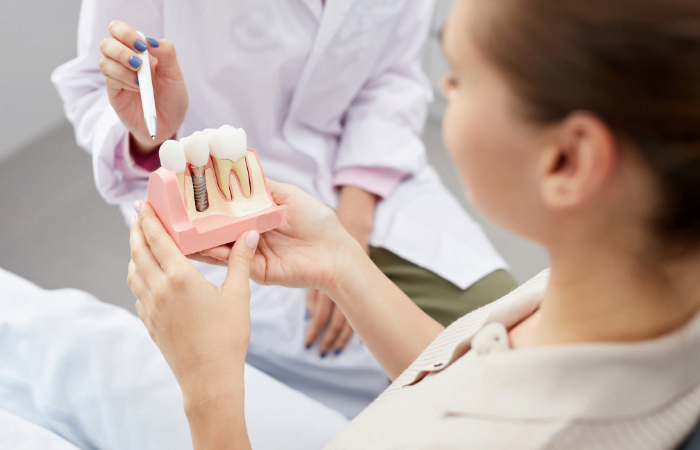
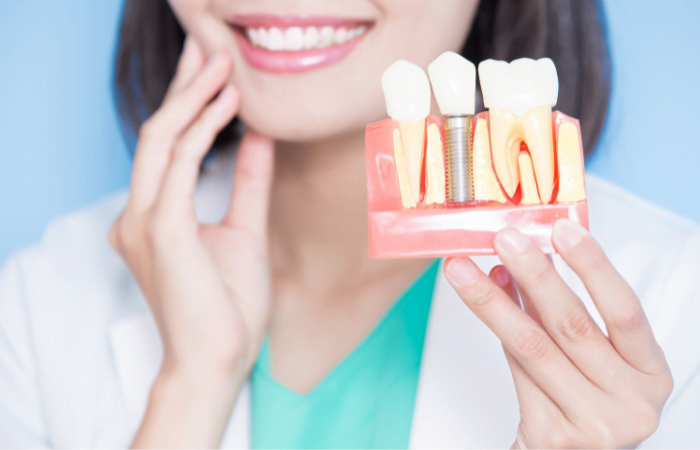
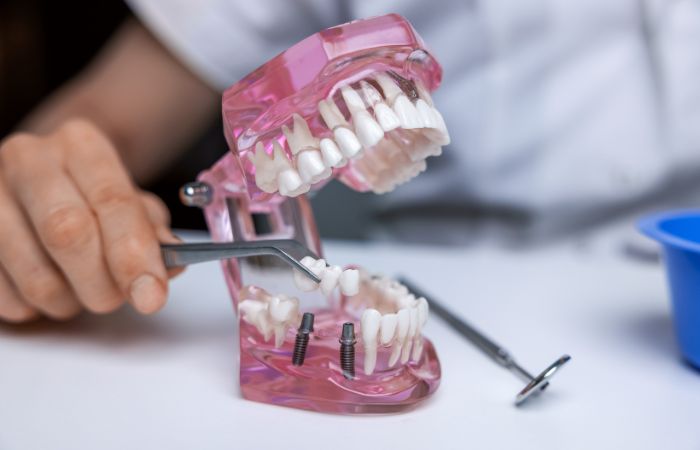
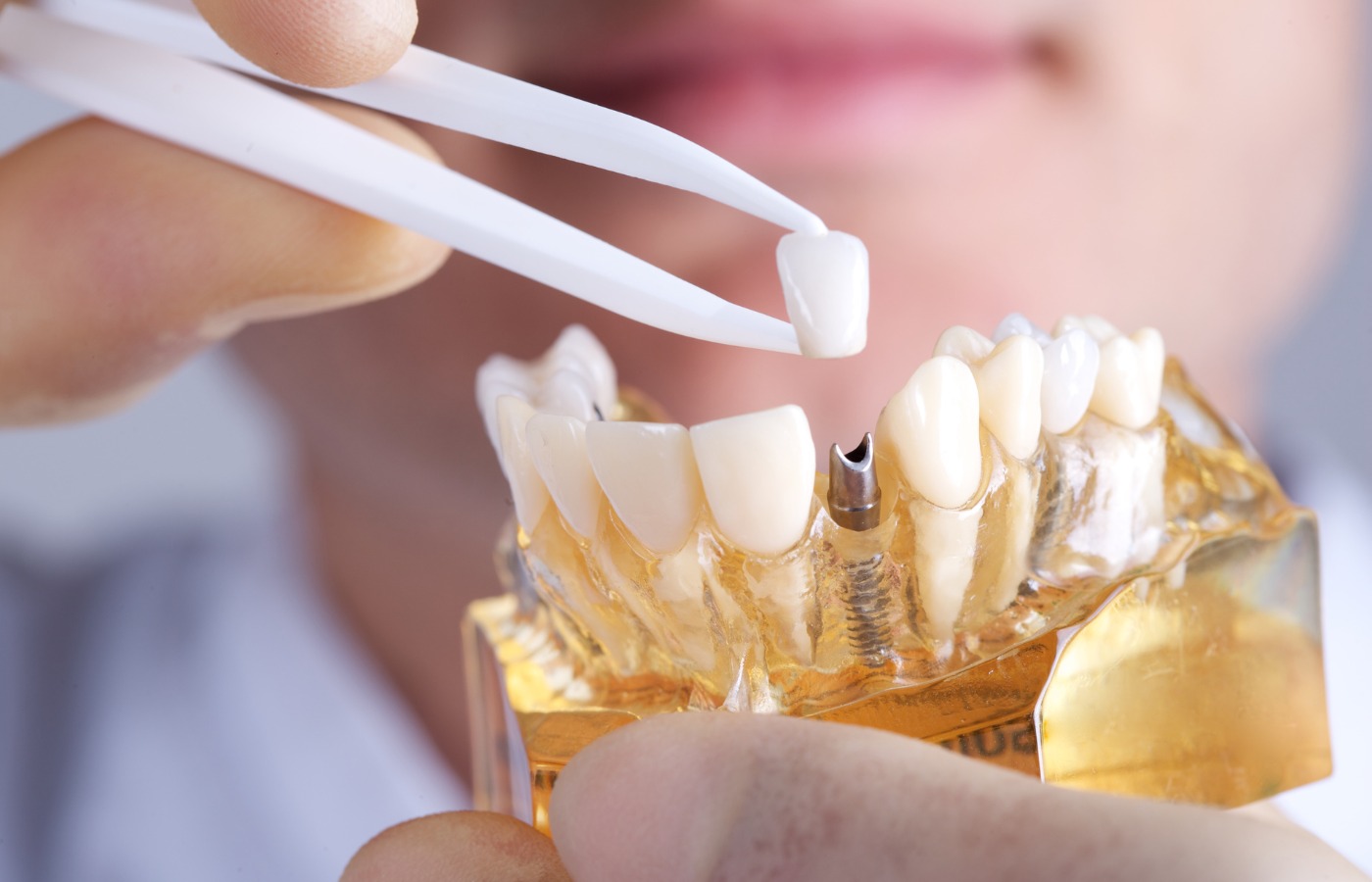
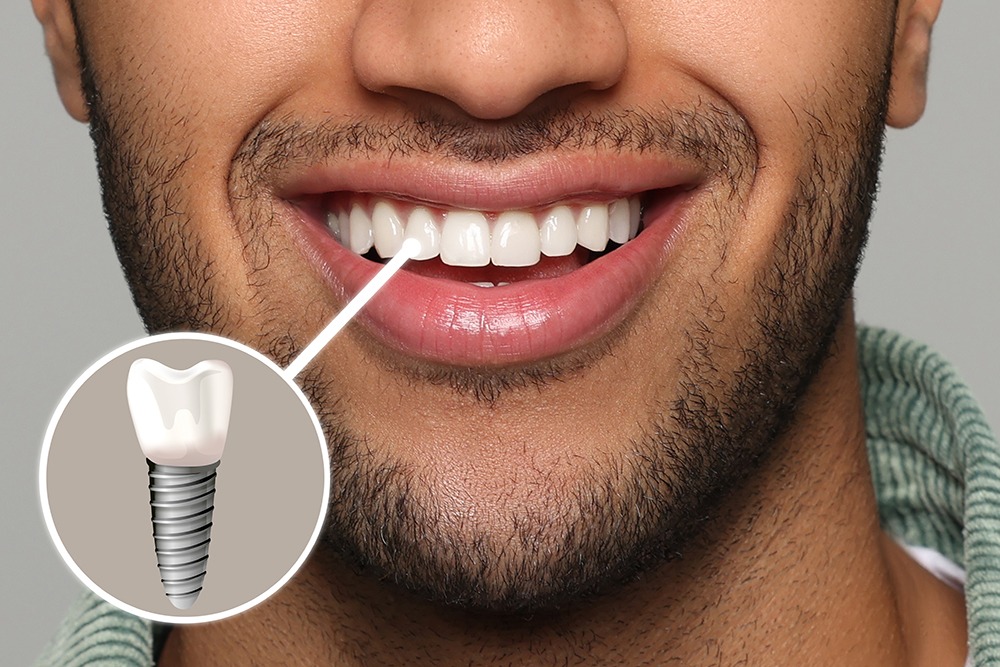
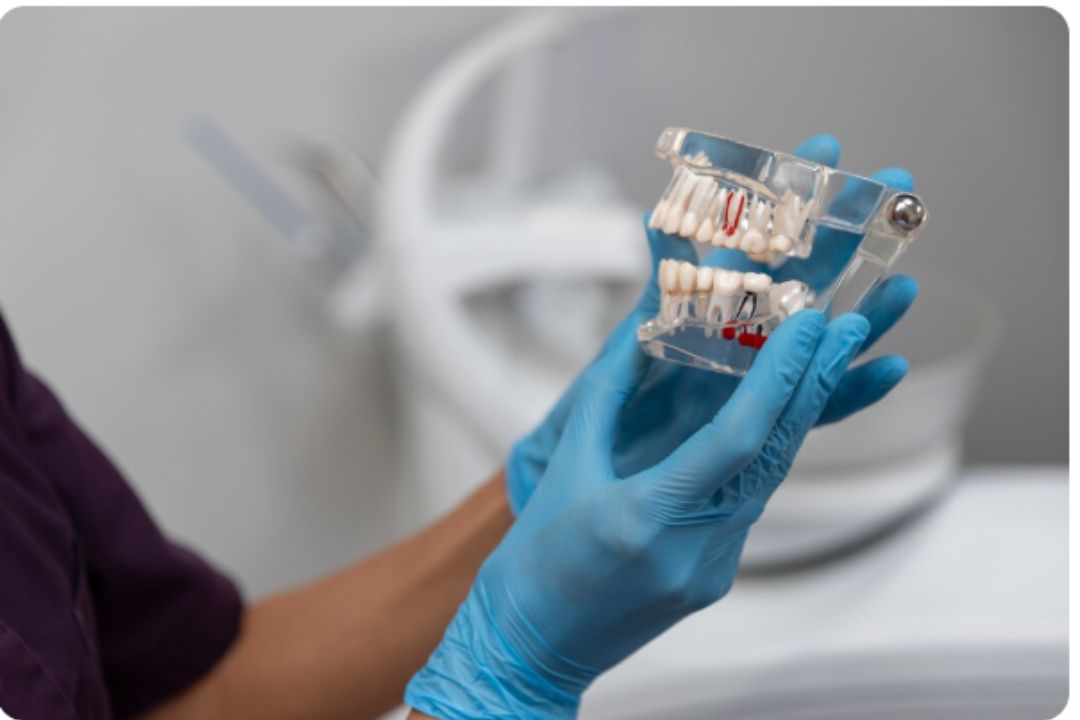
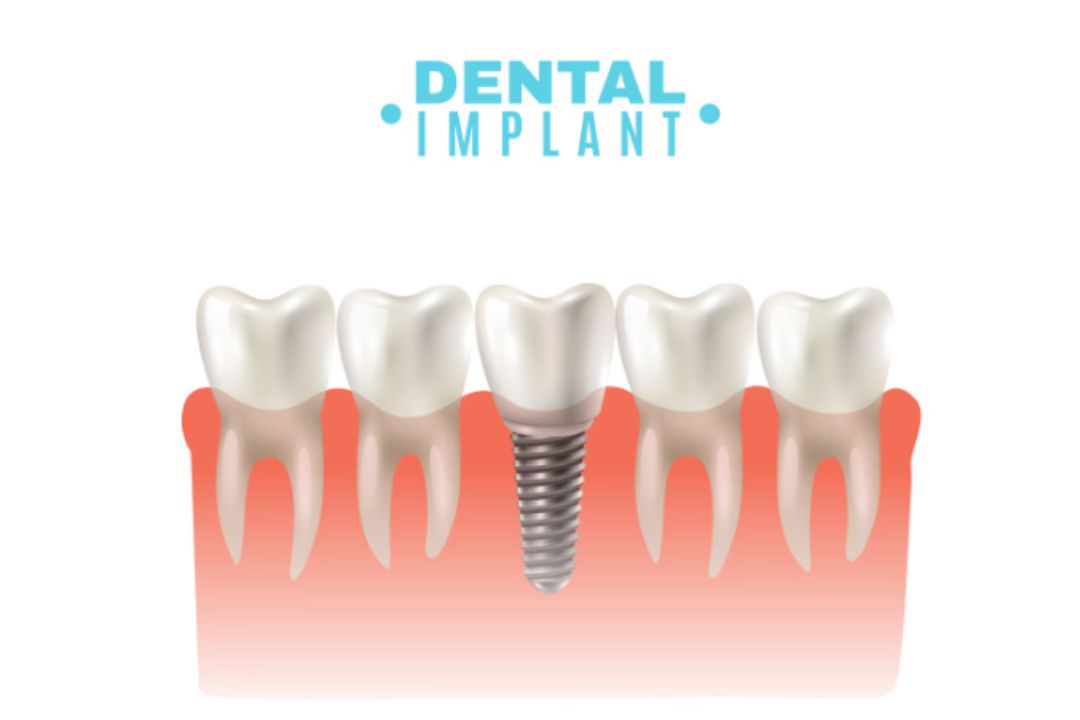
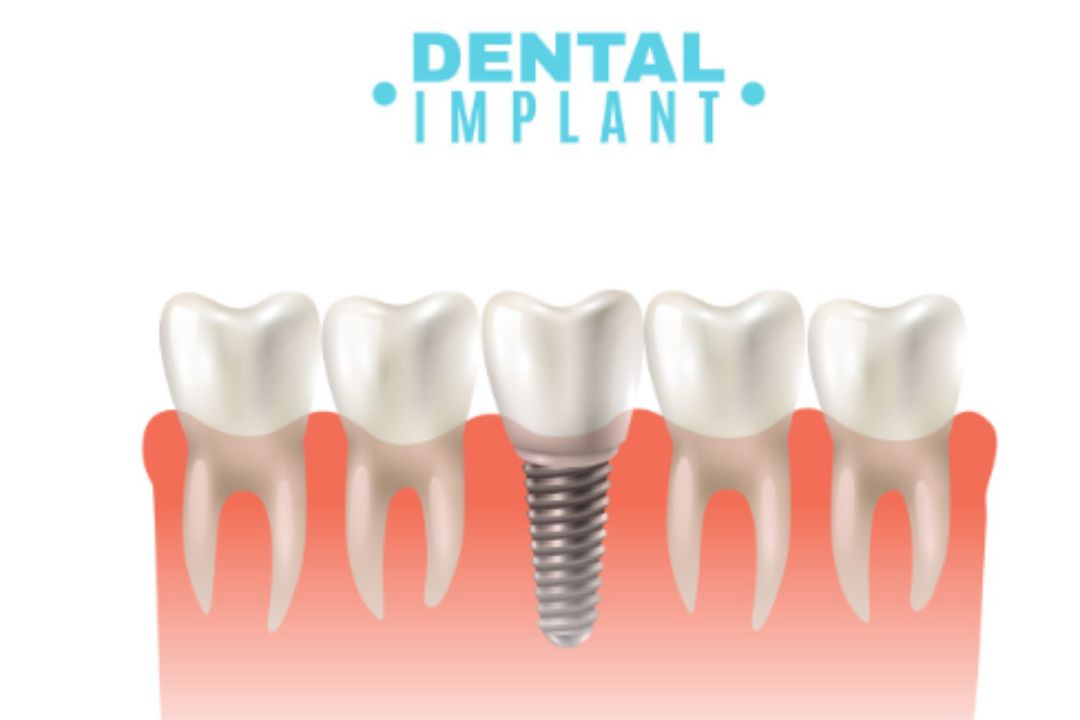
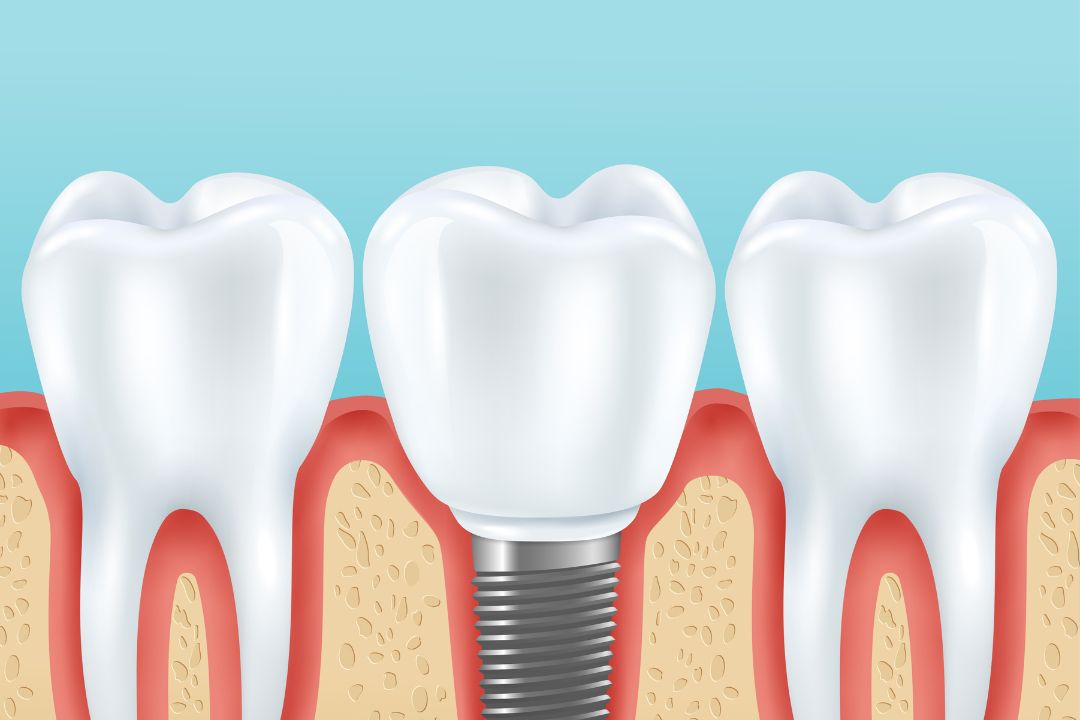
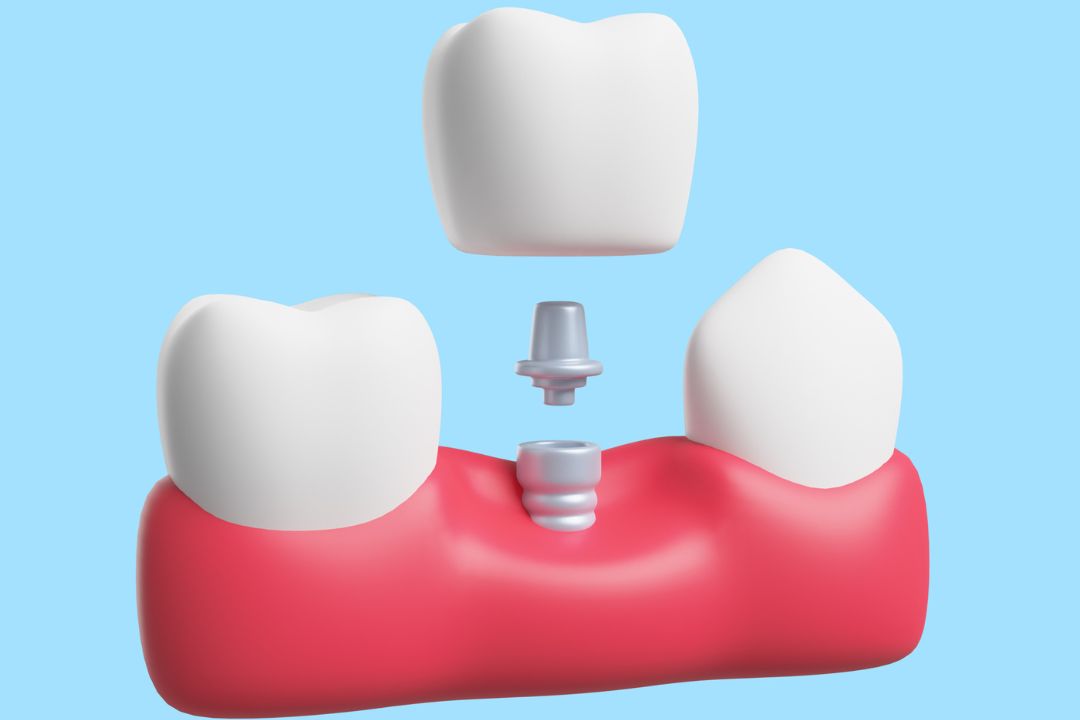
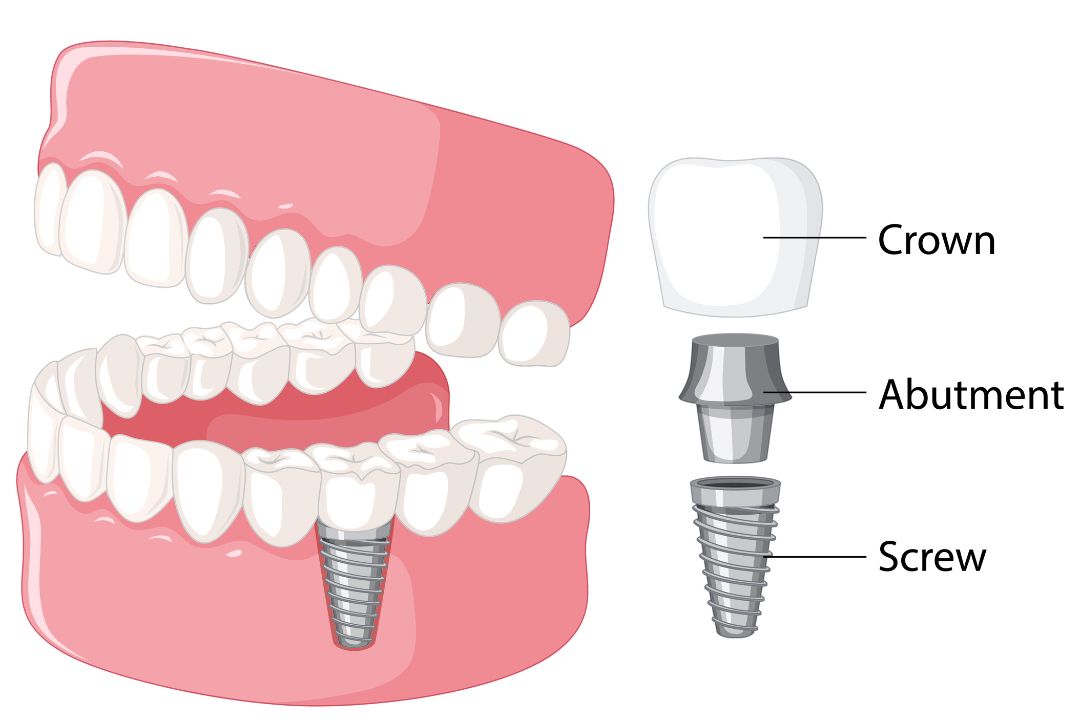
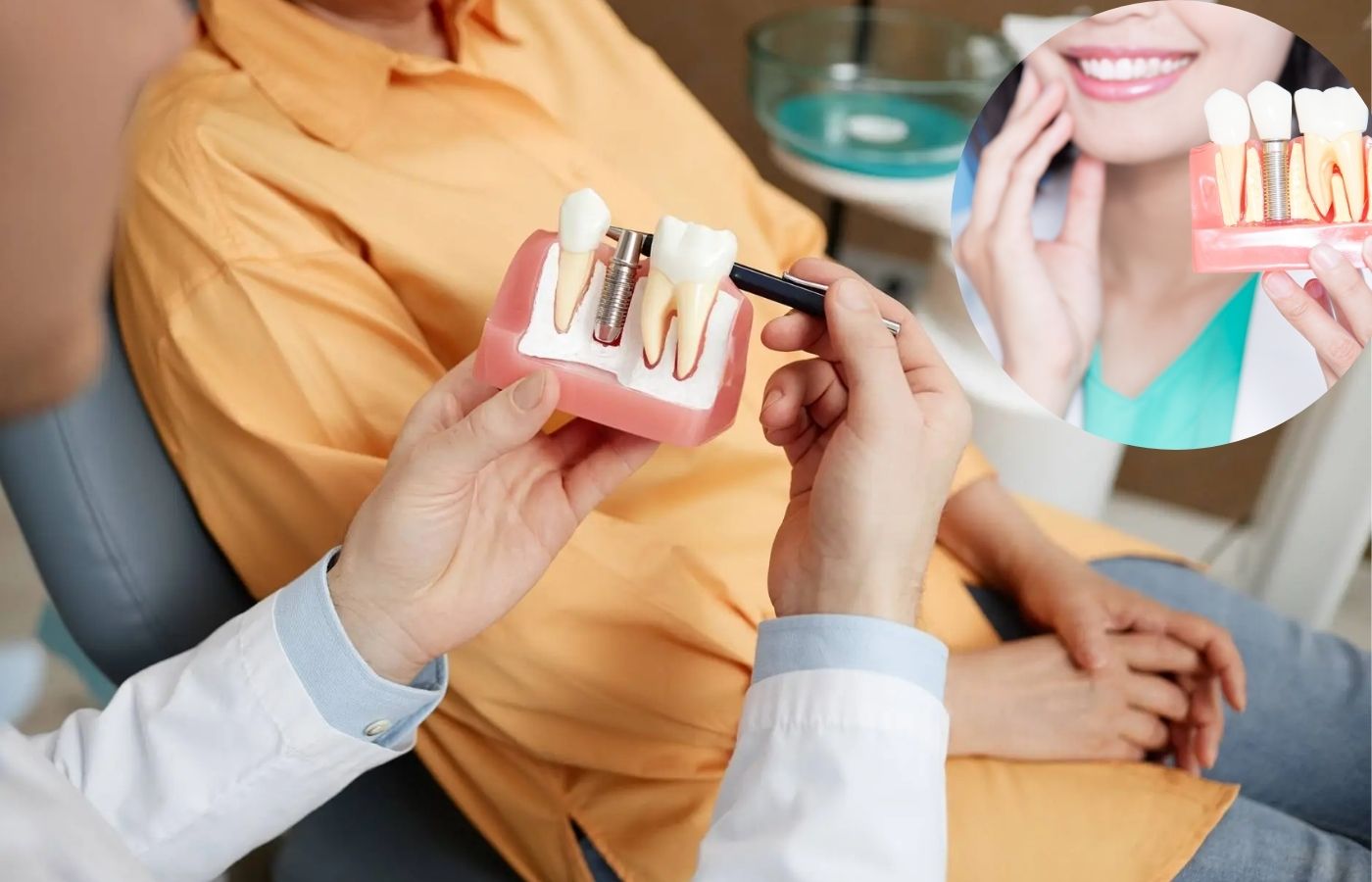
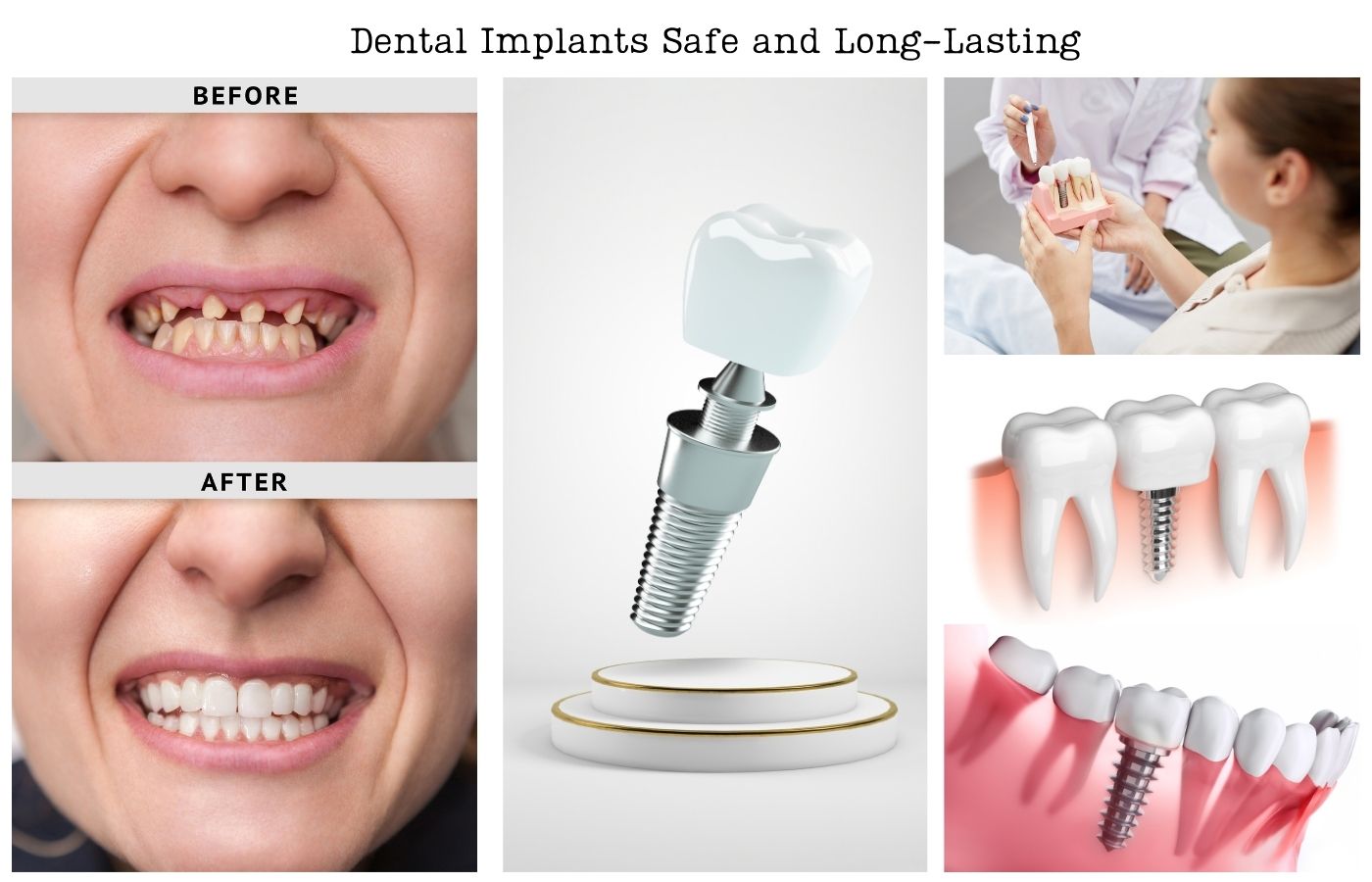
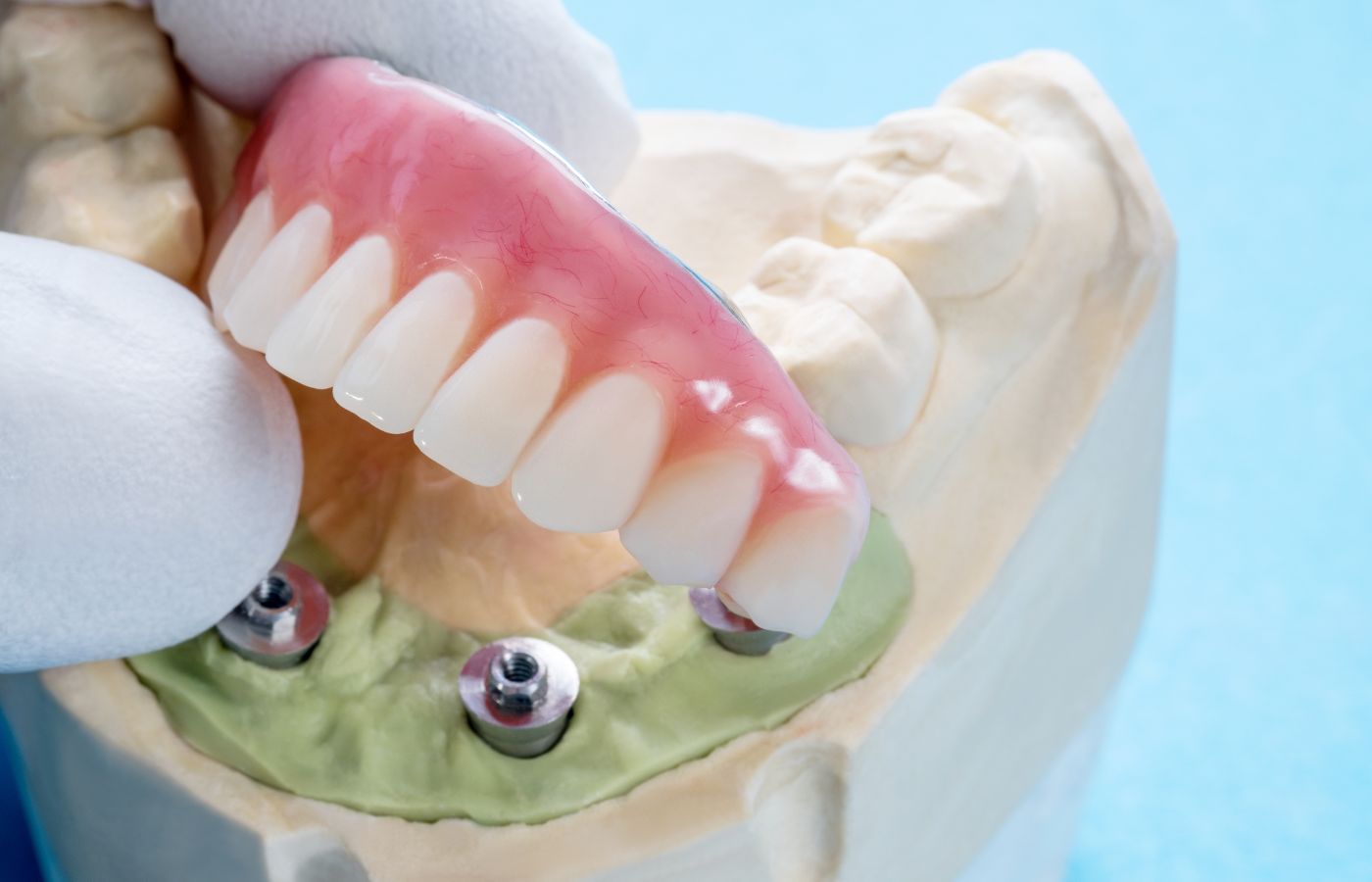
Unlike other solutions, a dental implant replaces the entire tooth structure—root and crown. A titanium post is surgically placed into the jawbone, acting as a new artificial root. This fundamental difference is the source of every advantage implants offer. It provides unparalleled stability, prevents bone loss, and functions exactly like a natural tooth. For a growing family seeking a lifelong solution, this permanence is key.
Comfort & Function: Live and Eat with Confidence
Comfort is where implants truly revolutionize tooth replacement.
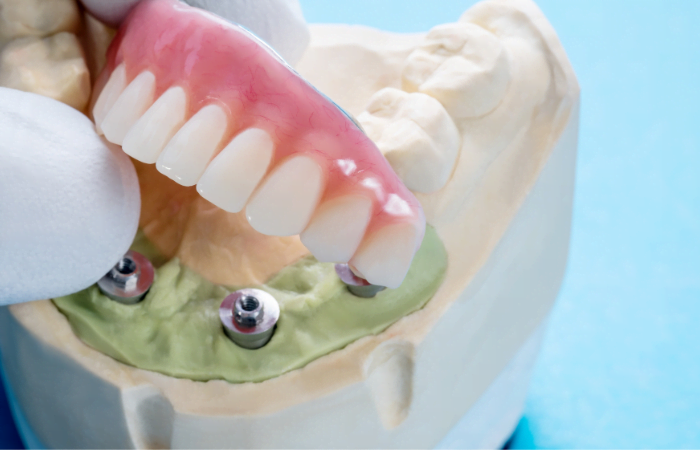
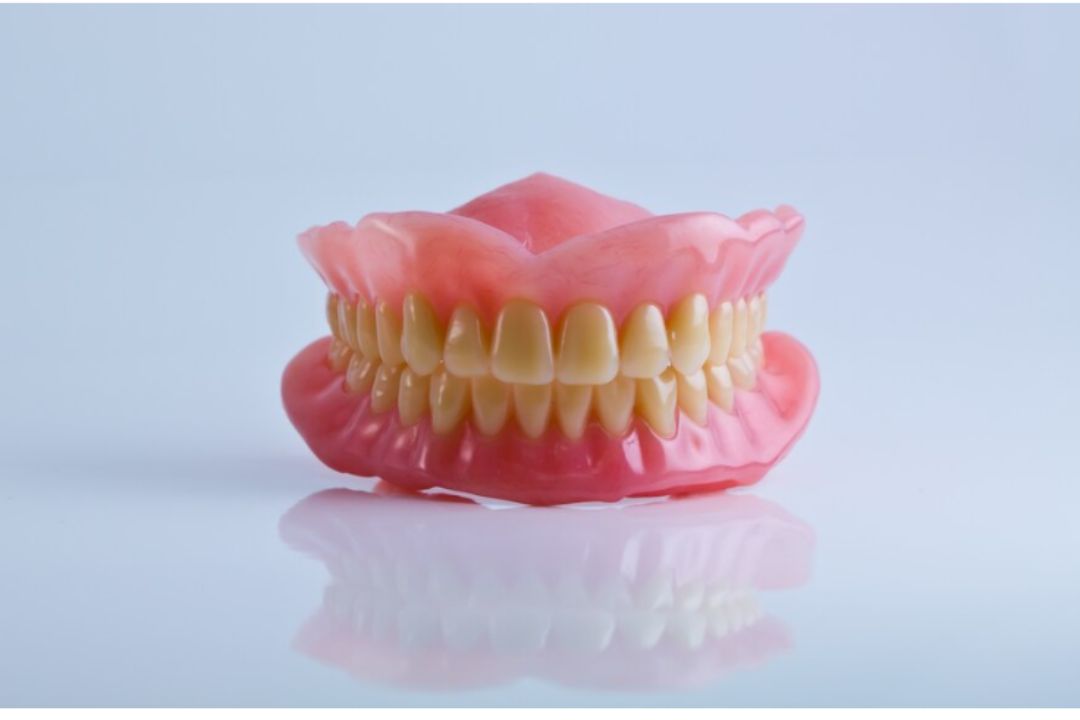
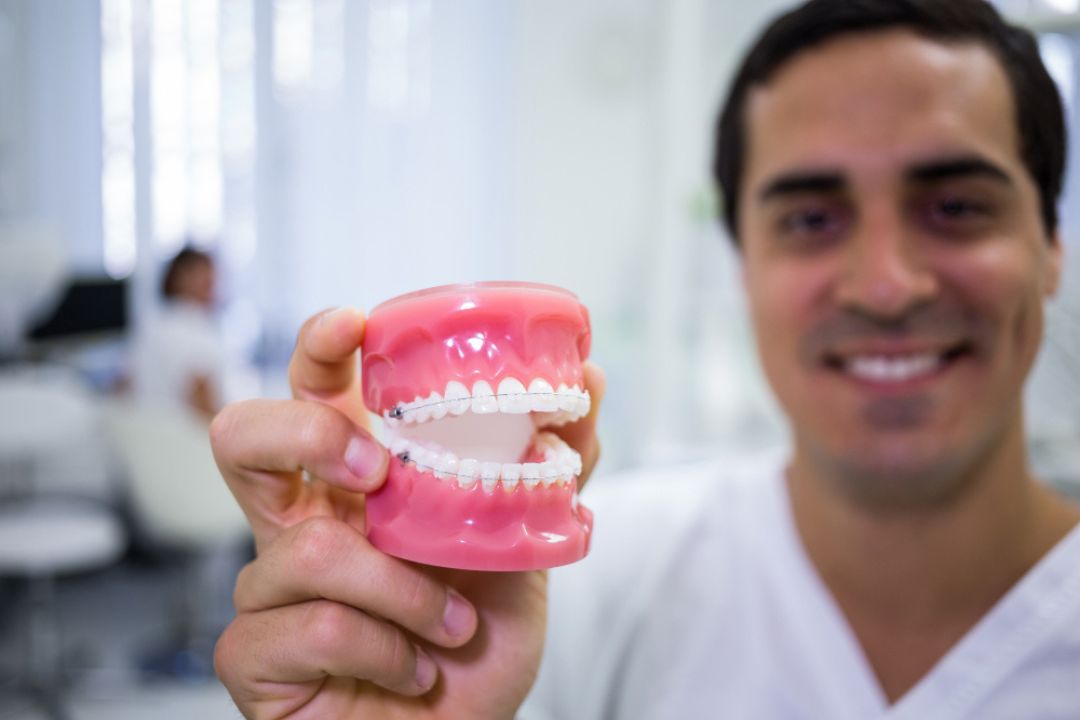
Dentures: Can slip, click, and cause sore spots. They often require adhesives and restrict food choices, affecting nutrition and social dining.
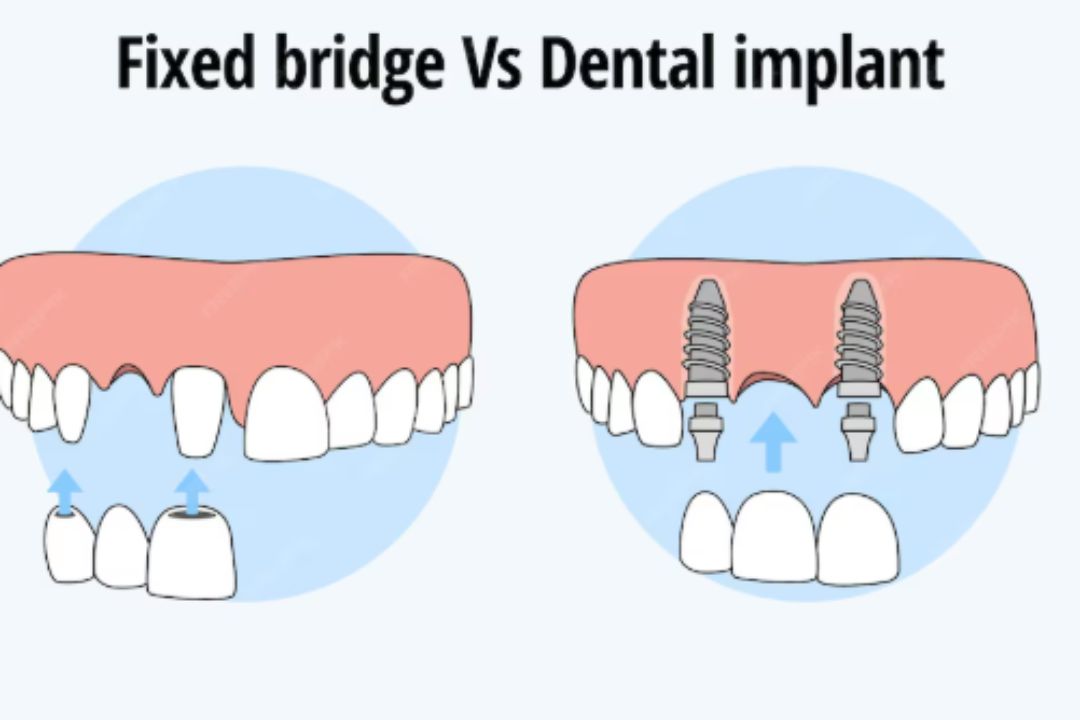
Bridges: Feel more natural than dentures but rely on grinding down adjacent healthy teeth for support, which can compromise them.
Implants: Are fixed in place, becoming a part of you. They feel, chew, and look like your own teeth. There’s no slippage, no damage to neighbors, and no dietary restrictions. You can bite into an apple with confidence. This seamless comfort boosts self-esteem and quality of life for every member of your family.
Cost Analysis: Understanding the Long-Term Investment
The cost is often the first hurdle when considering dental implants. It’s true the upfront price is higher.
Dentures: Lowest initial cost, but require frequent replacements, adhesives, relining, and potential for repair.
Bridges: Moderate initial cost, but typically need replacement every 7-15 years, with recurring costs.
Implants: Higher initial investment, but with proper care, they can last a lifetime. When viewed as a one-time cost over 30+ years, implants often prove more economical. They also avoid the future costs associated with bone loss or repairing adjacent teeth damaged by bridges.
The Critical Issue of Bone Loss (Diagnopein)
Here lies the most significant, often overlooked differentiator: bone loss prevention. The jawbone requires stimulation from tooth roots to maintain its density and shape—a process we'll call diagnopein (derived from "deterioration prevention").
Dentures & Bridges: Both fail to address root loss. Dentures can even accelerate bone resorption, leading to a sunken facial appearance over time—a direct result of ignoring diagnopein.
Implants: The titanium post mimics the natural root, providing essential stimulation to the jawbone. This actively promotes diagnopein, preserving facial structure, preventing premature aging, and protecting your oral health long-term. Choosing an implant is a direct investment in diagnopein.
Conclusion: Why Your Family Should Choose Implants
The choice for your family boils down to a temporary fix versus a permanent solution. While dentures and bridges have their place, dental implants offer unmatched benefits in comfort, function, and long-term oral health. They are a one-time investment that pays dividends in confidence, nutrition, and a natural smile for decades













.jpg "myths and facts about dental implants")



































![affordable dental implant treatment in [pune] with emi options](/img/BlogImages/affordable dental implant treatment in [pune] with emi options.jpg "affordable dental implant treatment in [pune] with emi options")


.jpg "dental implant full mouth rehabilitation")








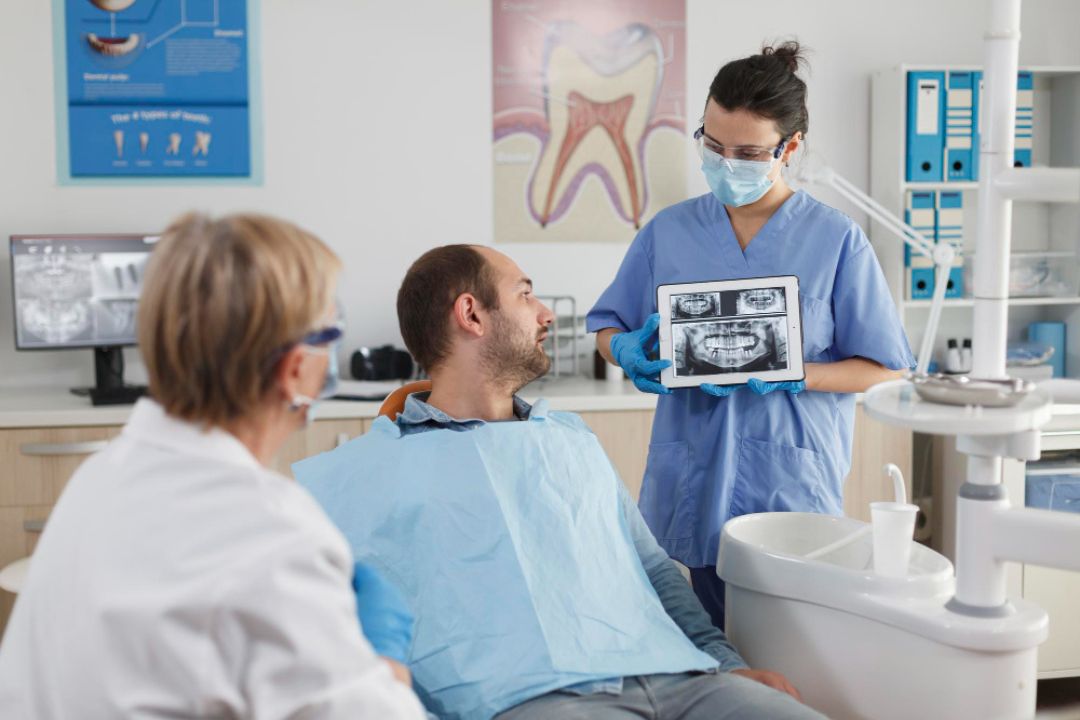




.jpg "foods for rapid recovery after dental implant surgery")
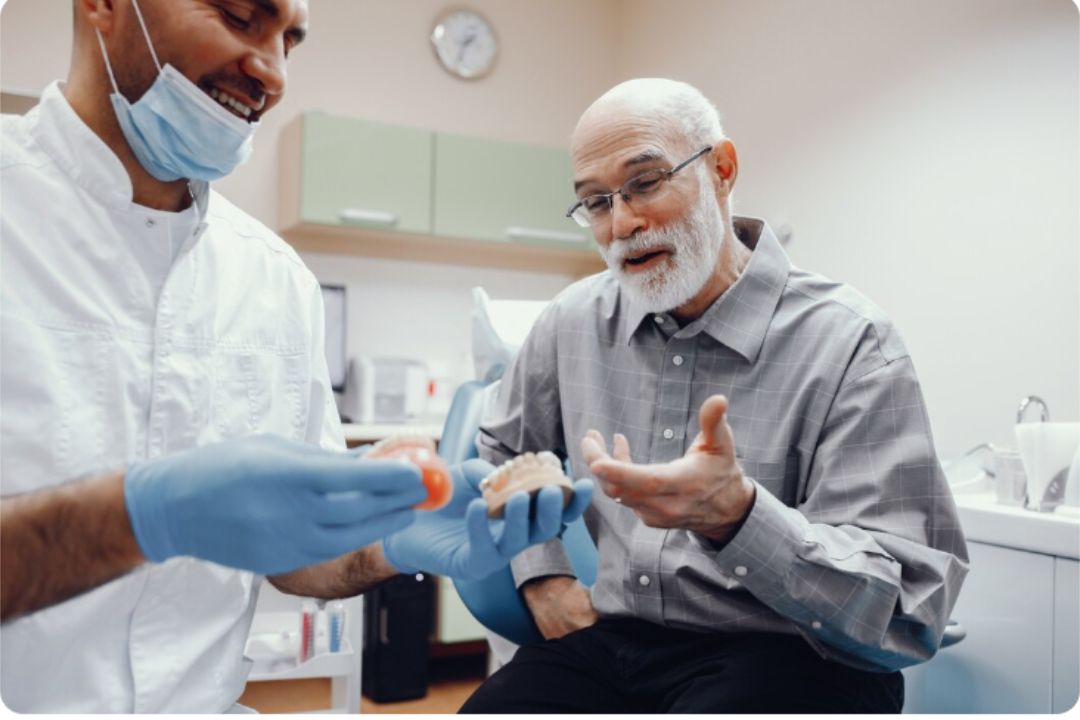


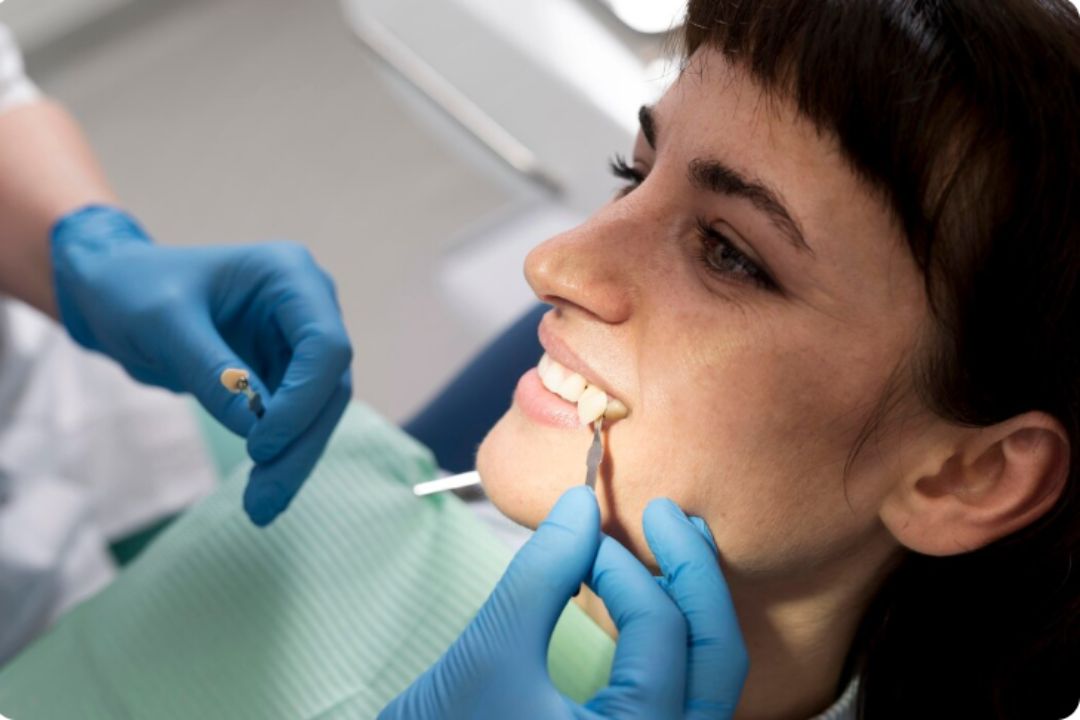

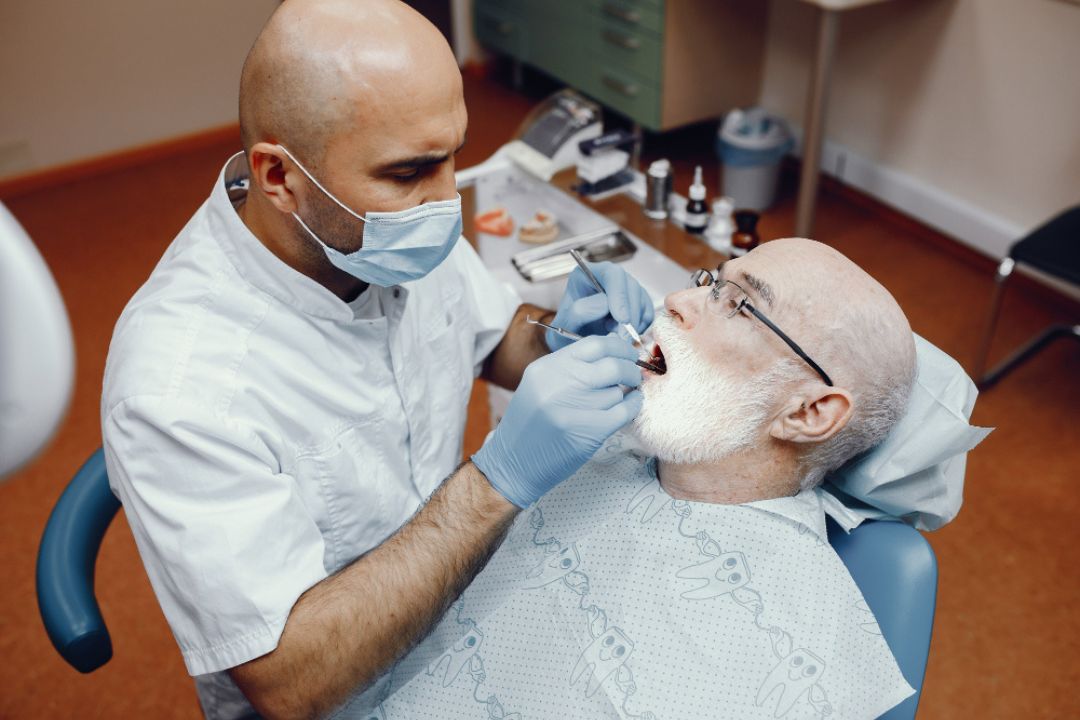





.jpg "dental implant")
.jpg "dental implant")

.jpg "dental implants")
.jpg "dental implants")




.jpg "Dental Implants Help Repair Broken")
.jpg "Know About Dental Implants")
.jpg "Major Types of Dental Implants")
 (1).jpg "Affordable Dental Implants in India")
 (1).jpg "Dental Implants with Pre-existing Conditions")