.jpg "dental implants")
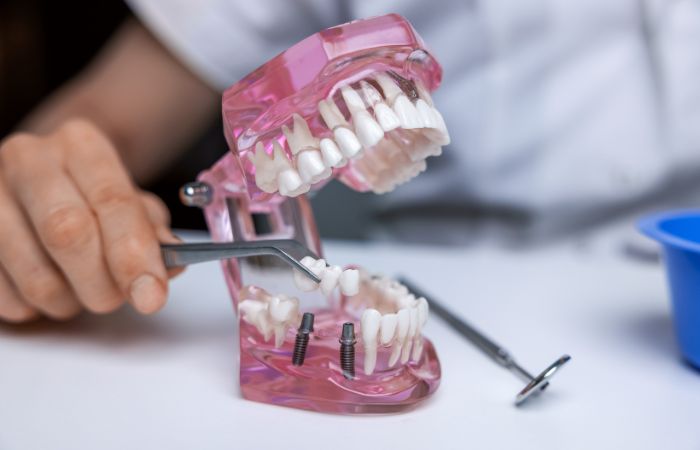
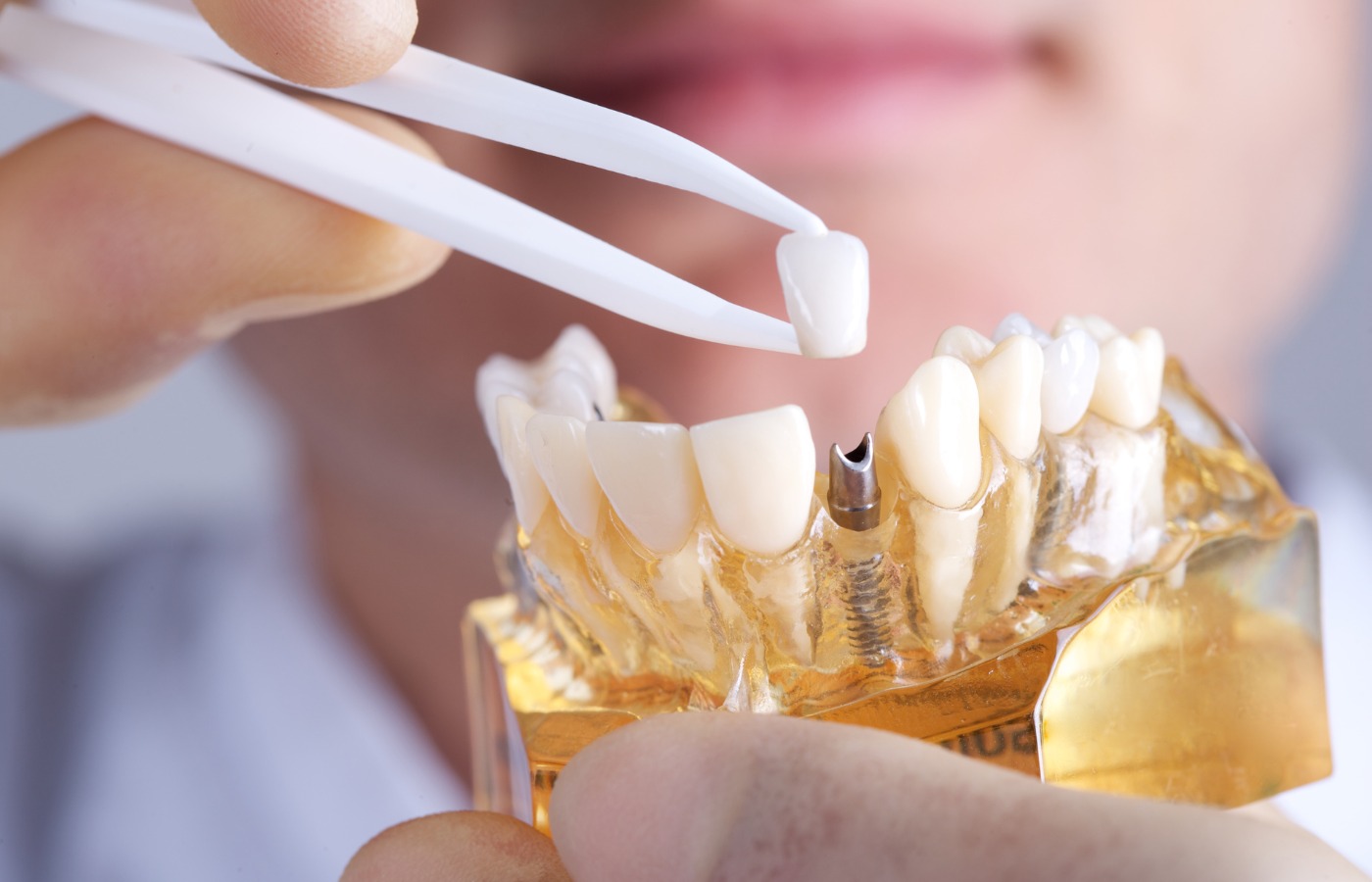
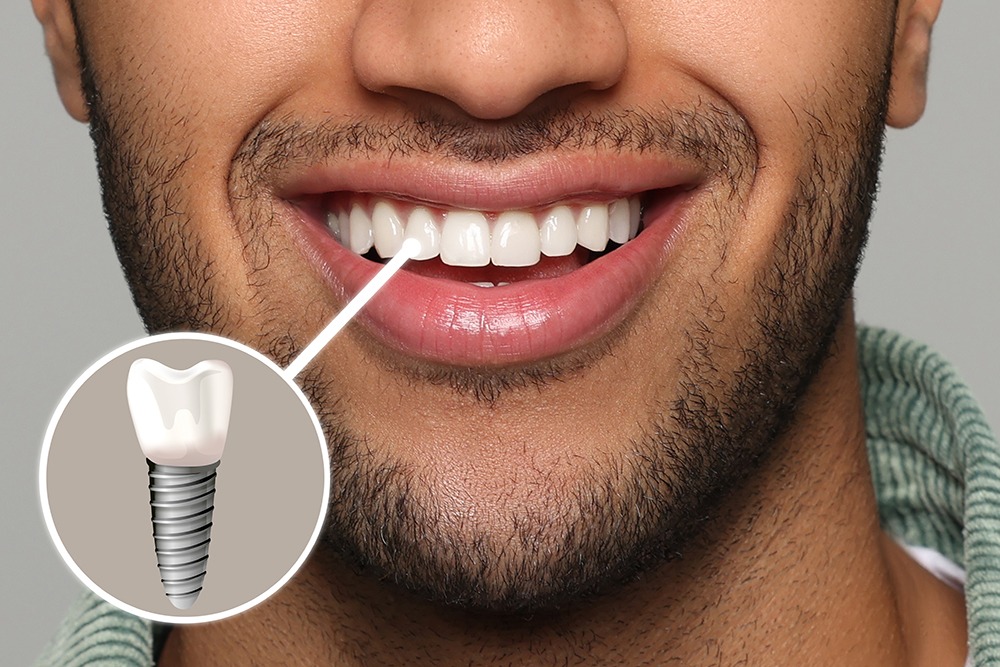
Missing teeth don't just affect your smile; they impact your confidence, nutrition, and overall oral health. Fortunately, modern dental care offers a permanent and transformative solution: dental implants. But with various options available, how do you navigate the choices? This comprehensive guide will explain the different types of dental implants, help you compare them, and provide crucial insights into dental implant cost in India to empower your decision.
Comparing the Main Types of Dental Implants
Choosing the best dental implants starts with understanding the three primary categories, each suited for different needs.
1. Endosteal Implants (Most Common)
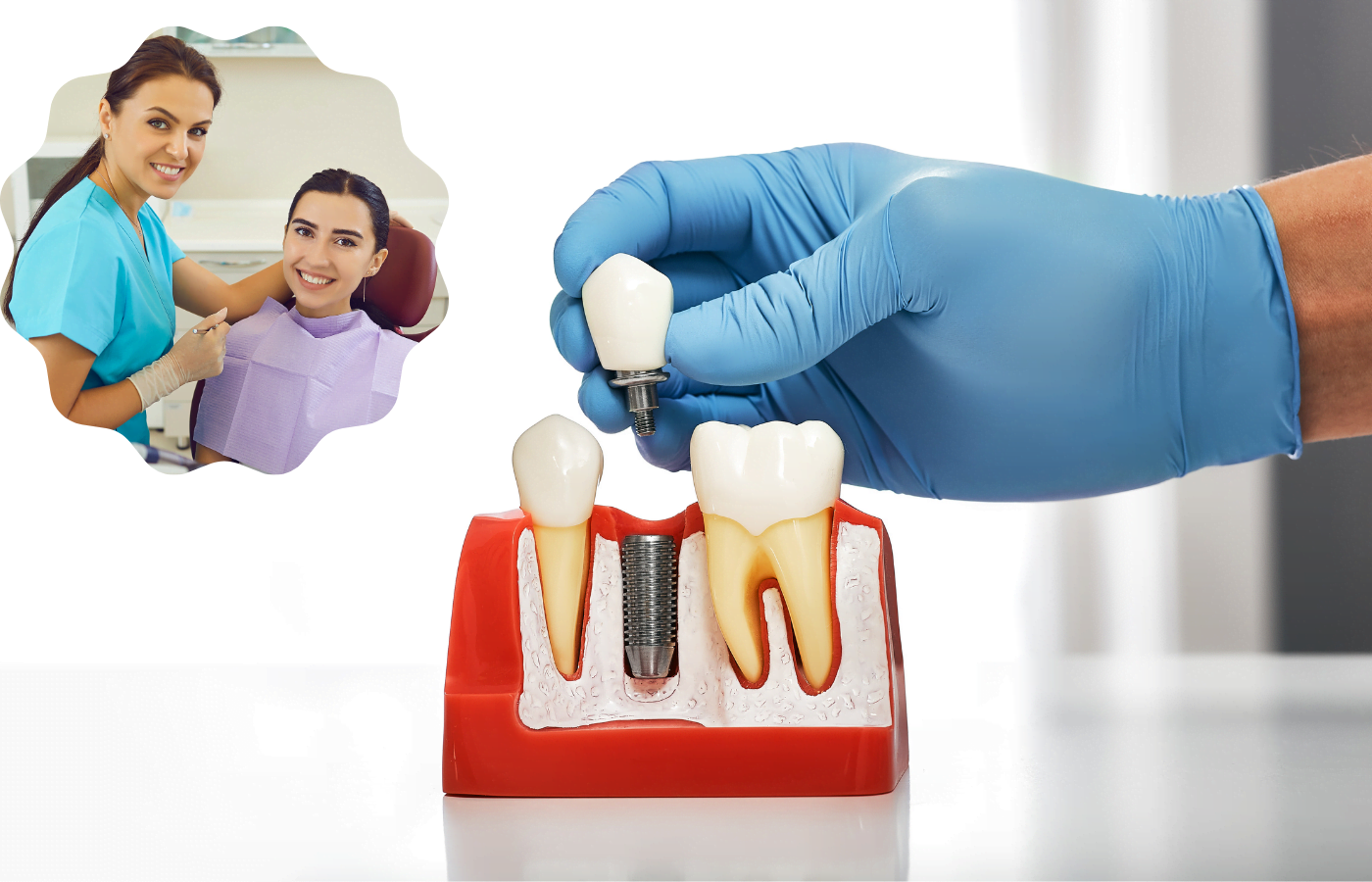
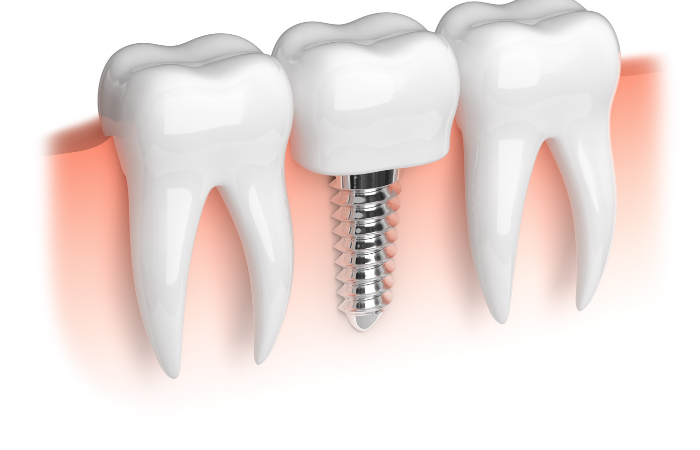
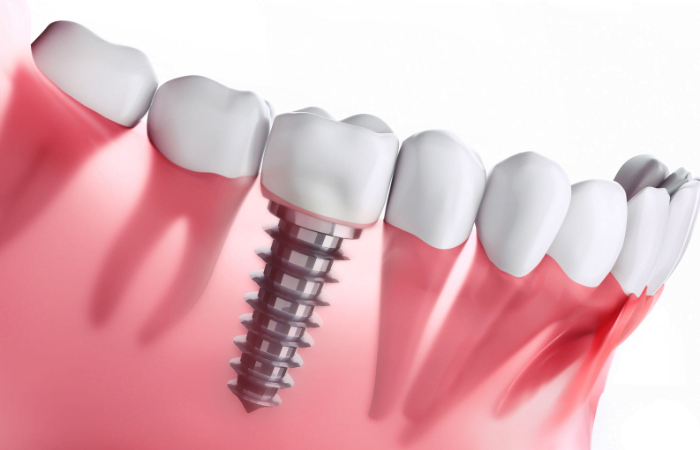
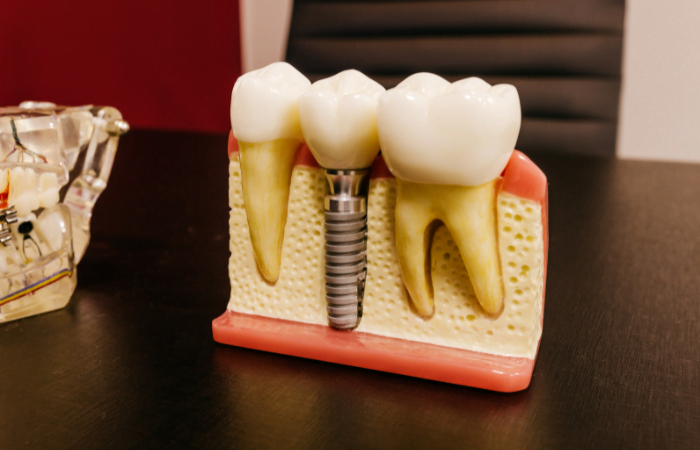
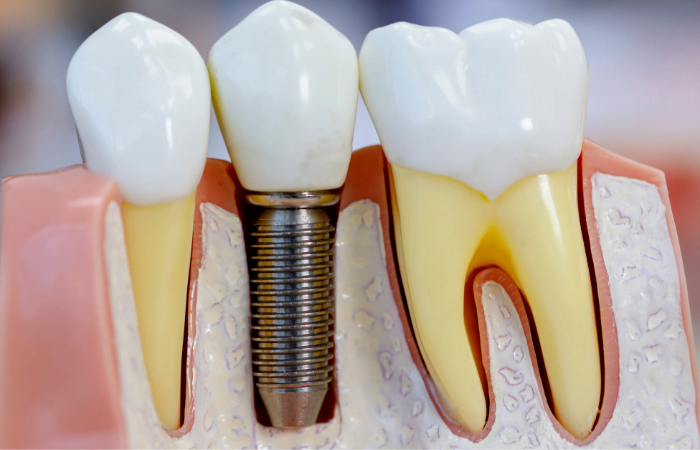
These are the standard choice for patients with sufficient healthy jawbone.
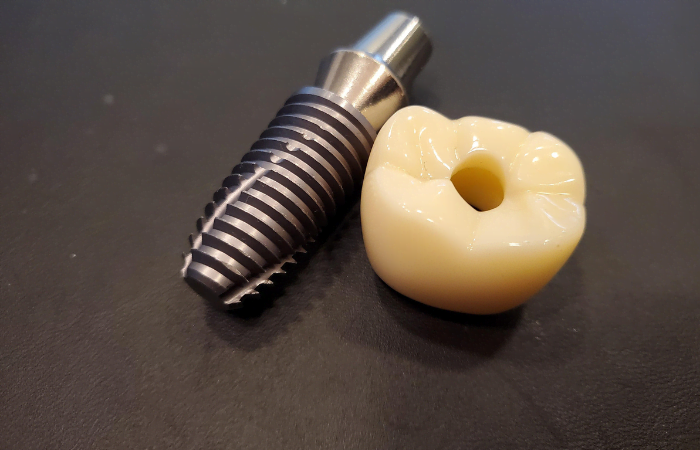
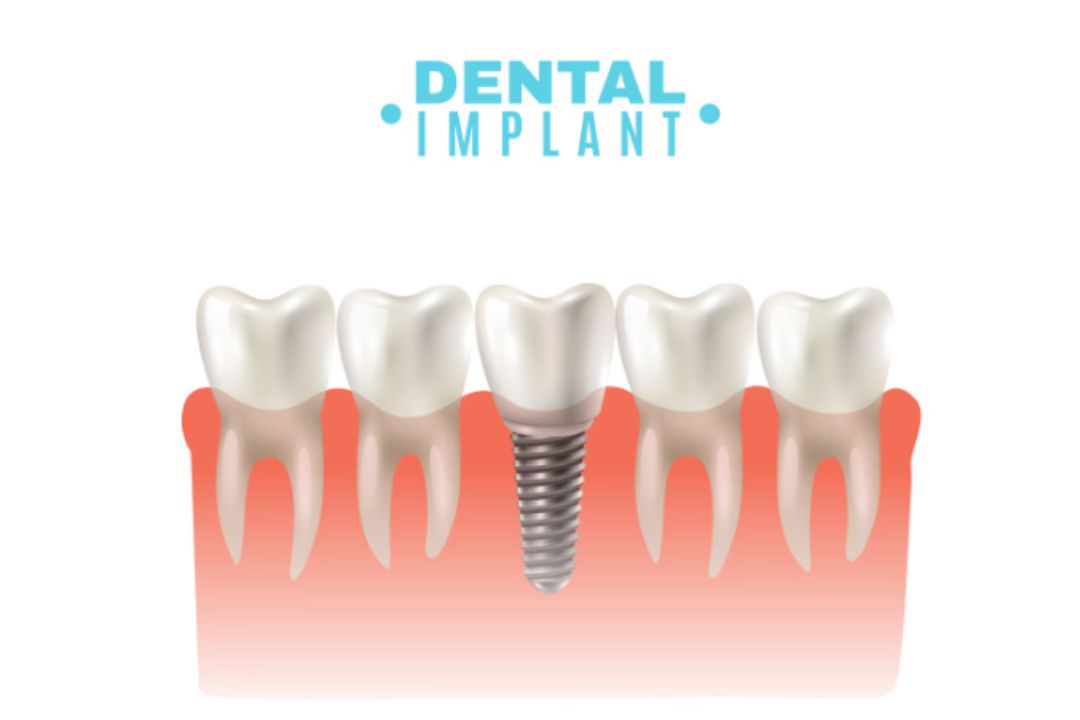
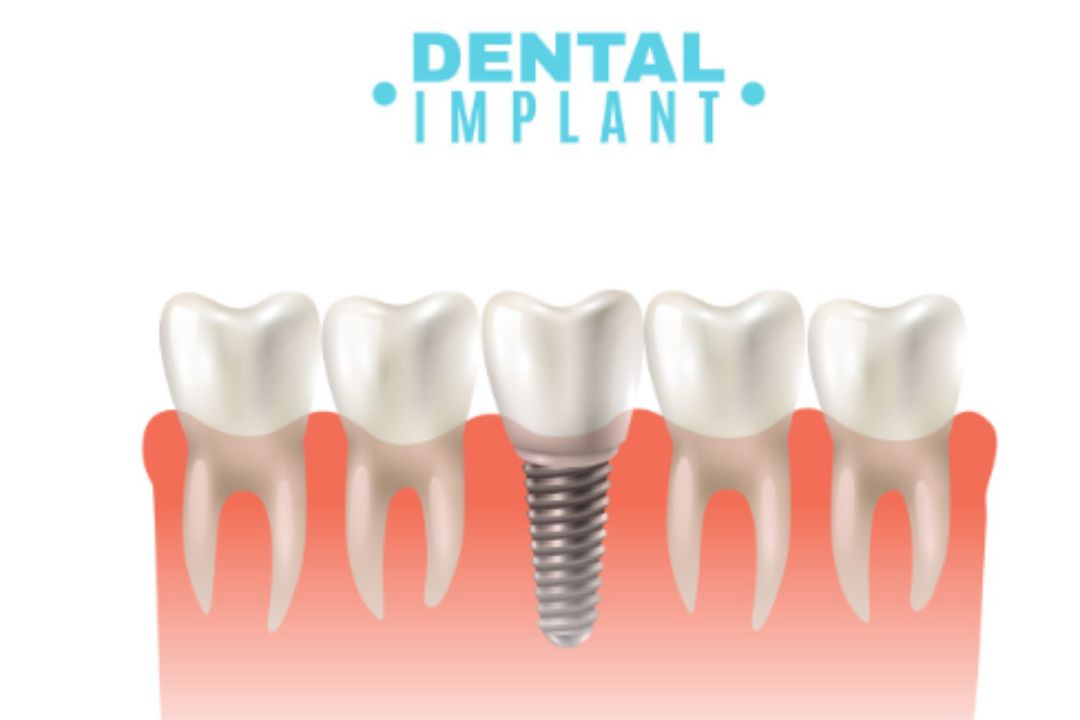
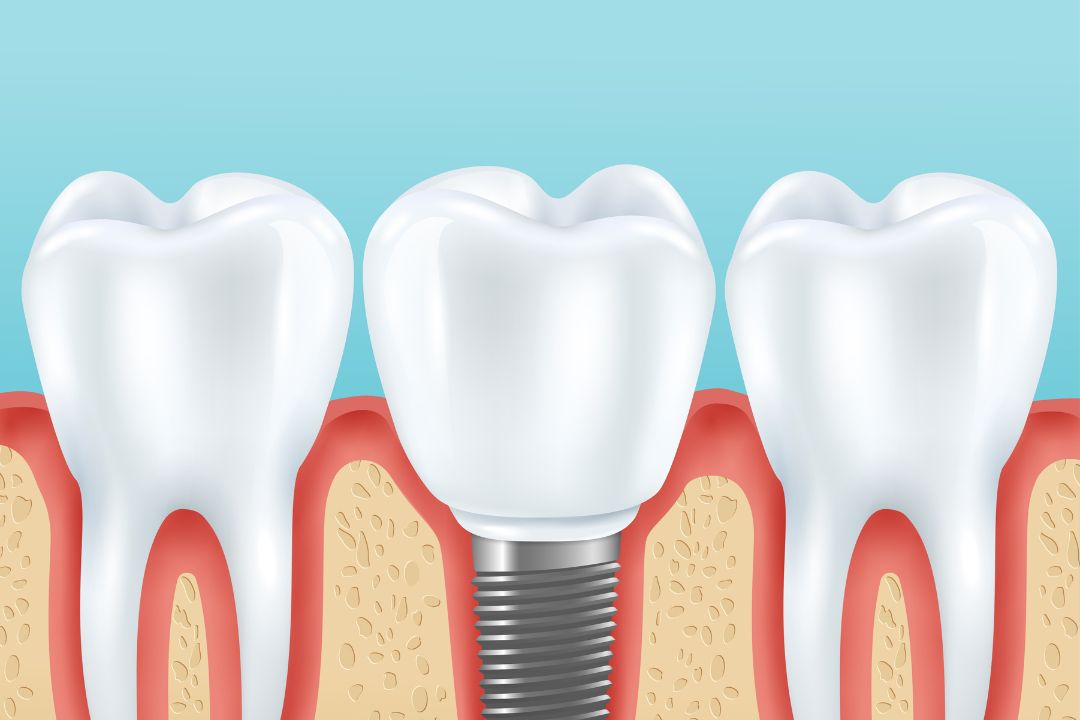
Design: Small screws, cylinders, or blades placed directly into the jawbone.
Best For: Replacing one or multiple missing teeth.
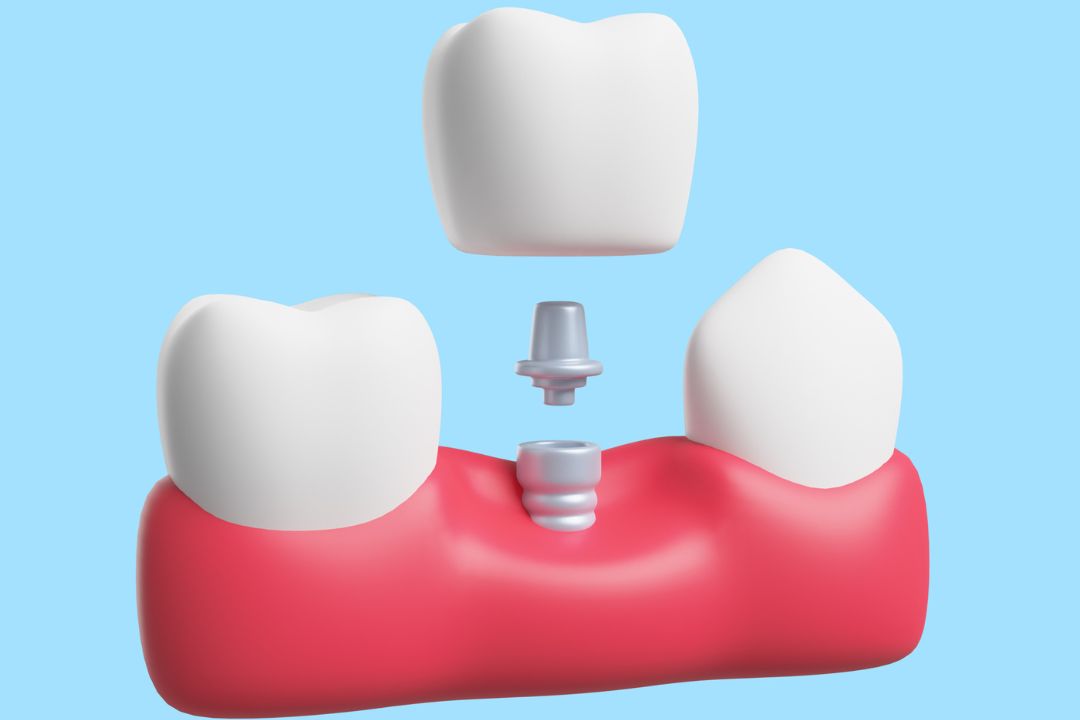
Procedure: Requires a healing period (osseointegration) before the artificial tooth (crown) is attached.
2. Subperiosteal Implants (Alternative for Low Bone)
These are an alternative for patients who lack adequate jawbone height and cannot or do not want to undergo bone grafting.
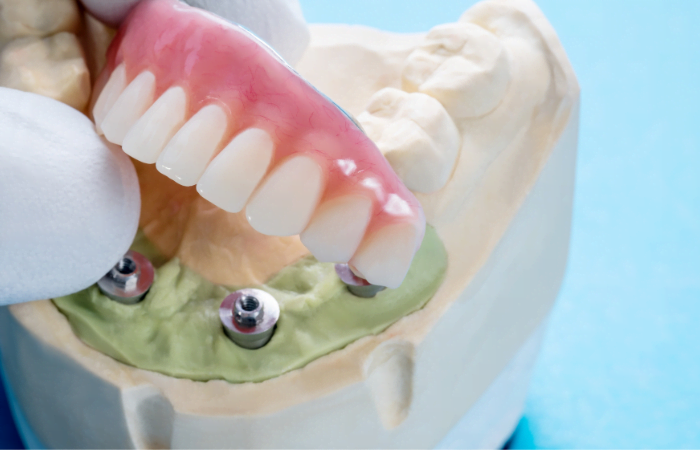
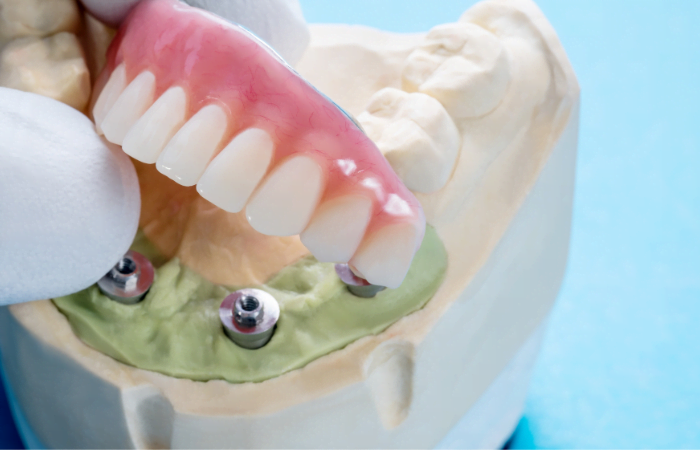
Design: A metal frame placed under the gum but on top of the jawbone. Posts protrude through the gum to hold the prosthesis.
Best For: Patients with significant bone loss.
Procedure: Less invasive to the bone but a more complex custom framework.
3. Zygomatic Implants (Least Common, Most Complex)
This is the most complex procedure and is only considered when there is severe bone loss in the upper jaw.
Design: Long implants anchored in the cheekbone (zygoma) instead of the jawbone.
Best For: Extensive upper jaw bone loss where other implants are not possible.
Procedure: Involves advanced surgery and requires a highly skilled specialist.
Understanding Dental Implant Cost in India
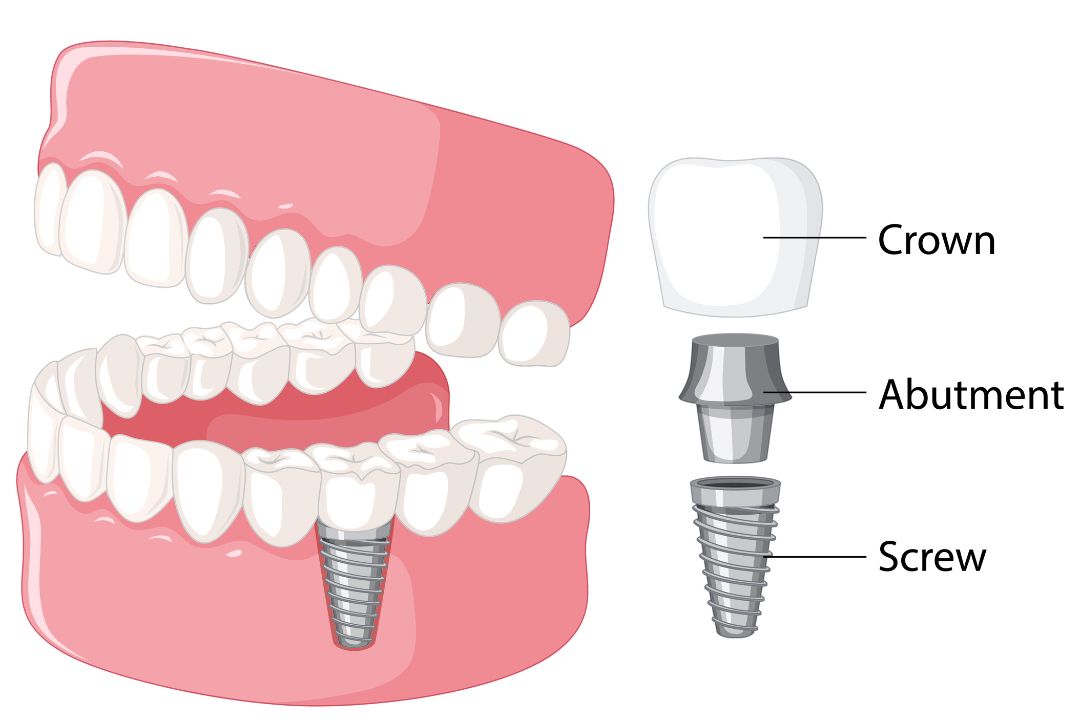
The dental implant cost is not a single figure but a sum of several components: the implant post, the abutment, the crown, diagnostics, surgeon's fee, and any additional procedures like bone grafting or sinus lifts.
Cost Breakdown & Key Factors:
Implant Brand: Internationally renowned brands (like Nobel Biocare, Straumann) are costlier than quality Indian or Korean brands.
Material: Most implants are medical-grade titanium. Some now offer zirconia options.
Dentist's Expertise: An experienced implantologist or oral surgeon may charge more but ensures higher success rates.
Clinic Location & Facilities: Metropolitan city clinics with advanced technology (like 3D CBCT scans) may have higher pricing.
Additional Procedures: Bone grafting or sinus lift surgery adds to the overall dental implant treatment cost.
Comfort & Procedure: What to Expect
Modern implantology prioritizes patient comfort. The procedure is performed under local anesthesia (and sometimes sedation), making it painless. Post-surgery, mild discomfort, swelling, or bruising is normal and manageable with medication. The implant healing time (osseointegration) varies from 3 to 6 months, after which the final tooth is placed. The long-term comfort is unparalleled—forgetting you even have an artificial tooth is the ultimate goal.
How to Choose the Right Dental Implant for You
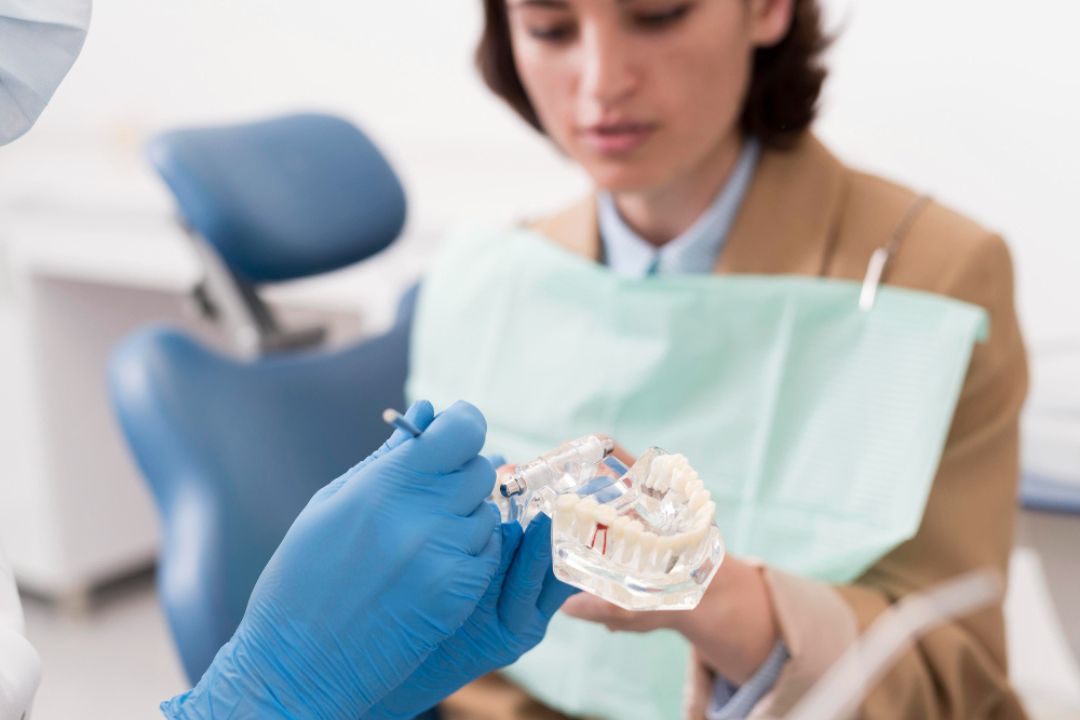
Selecting the best dental implant is a collaborative decision between you and your implantologist. Here’s a step-by-step approach:
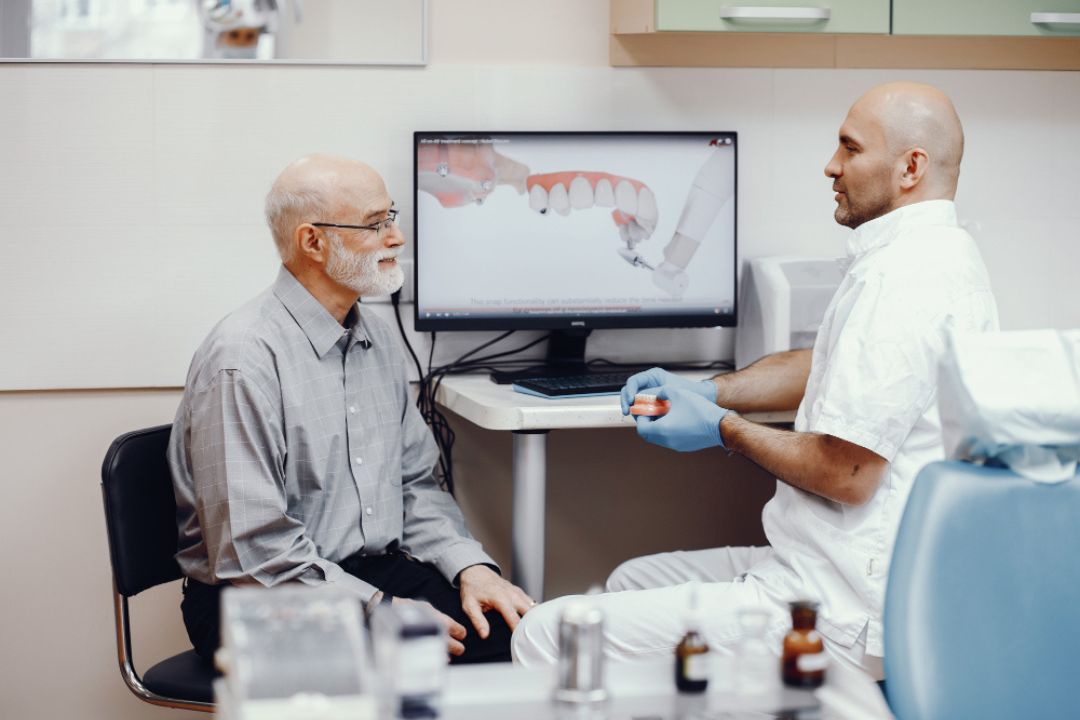
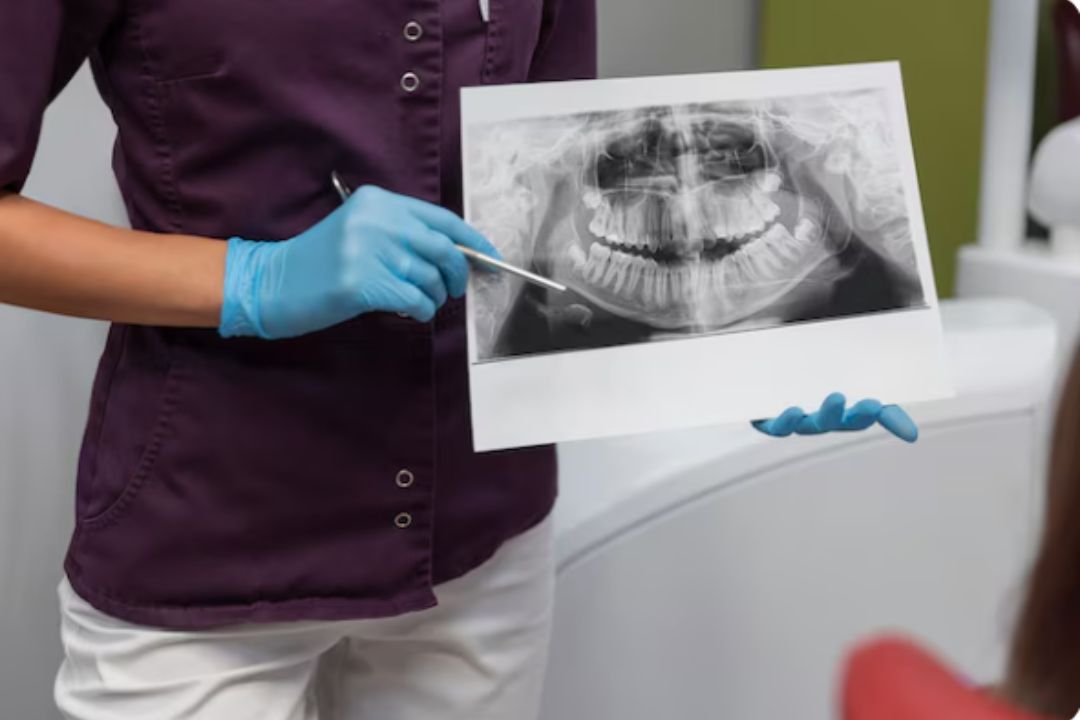
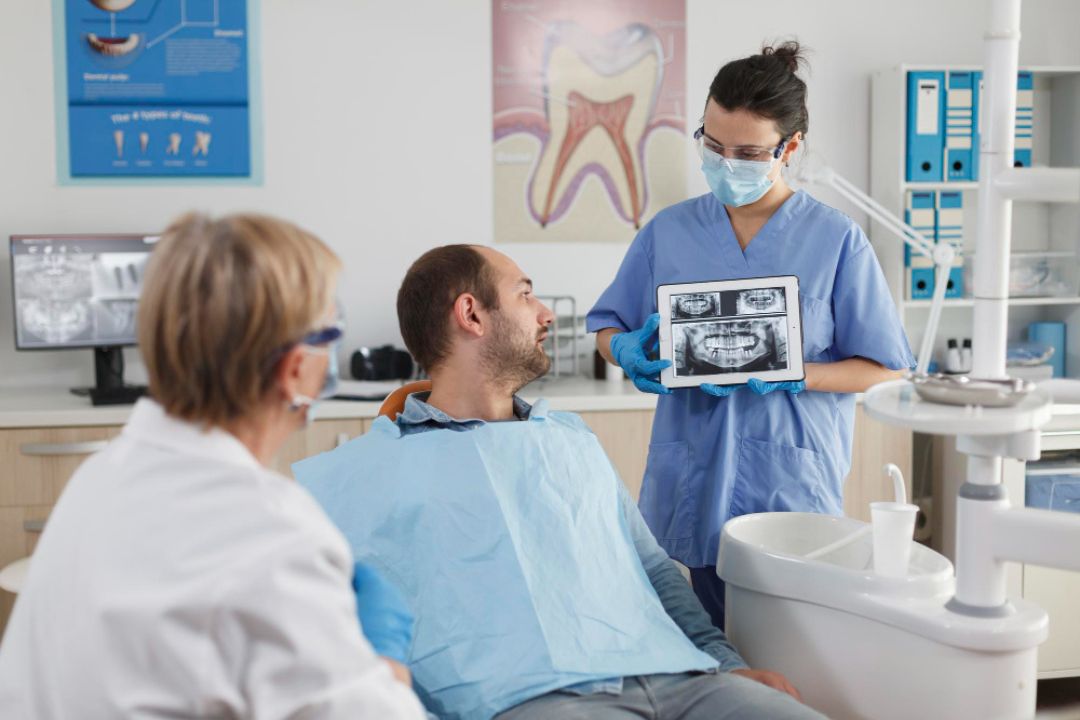
Comprehensive Consultation: Start with a detailed examination, including X-rays or a 3D CBCT scan to assess bone density and structure.
Discuss Your Goals: Are you replacing one tooth, several, or all? Your aesthetic and functional needs are paramount.
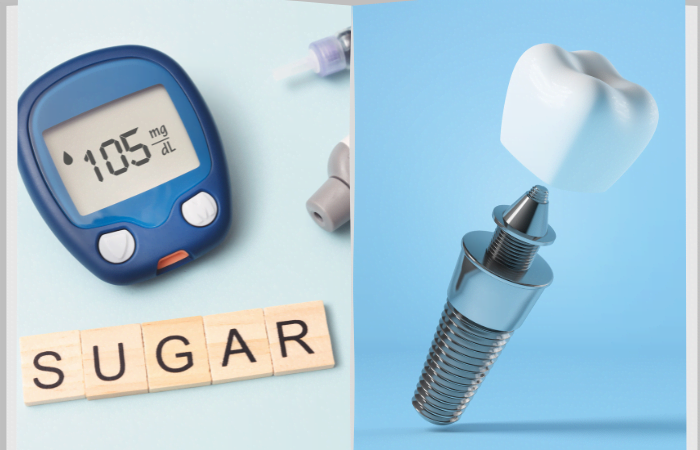
Review Your Health: Disclose your full medical history. Conditions like uncontrolled diabetes or habits like smoking can affect healing.
Understand Options & Costs: Your dentist should explain all viable implant types, the proposed treatment plan, and a transparent cost breakdown.
Consider the Long Term: Evaluate the dentist's experience, the warranty offered on the implant, and the long-term maintenance plan for your dental care.
Why Choose Dental Implants?
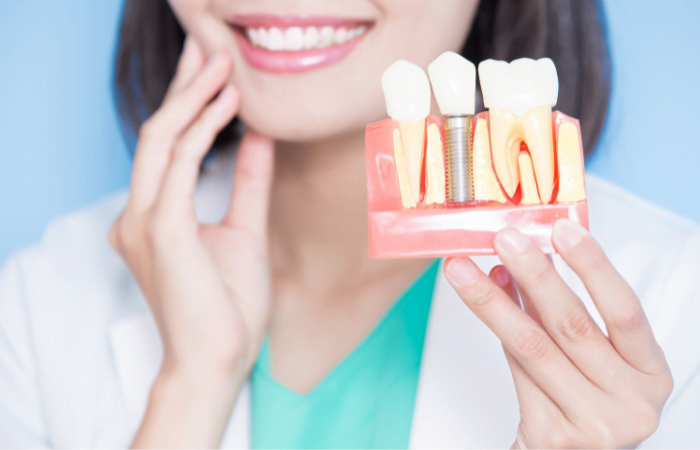
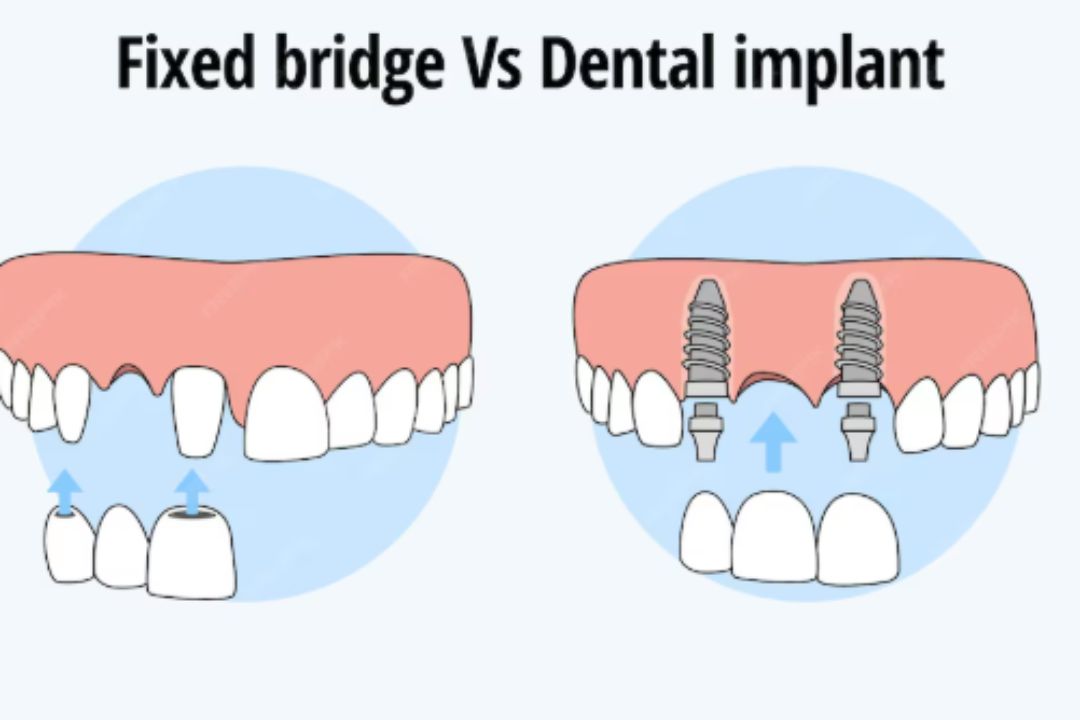
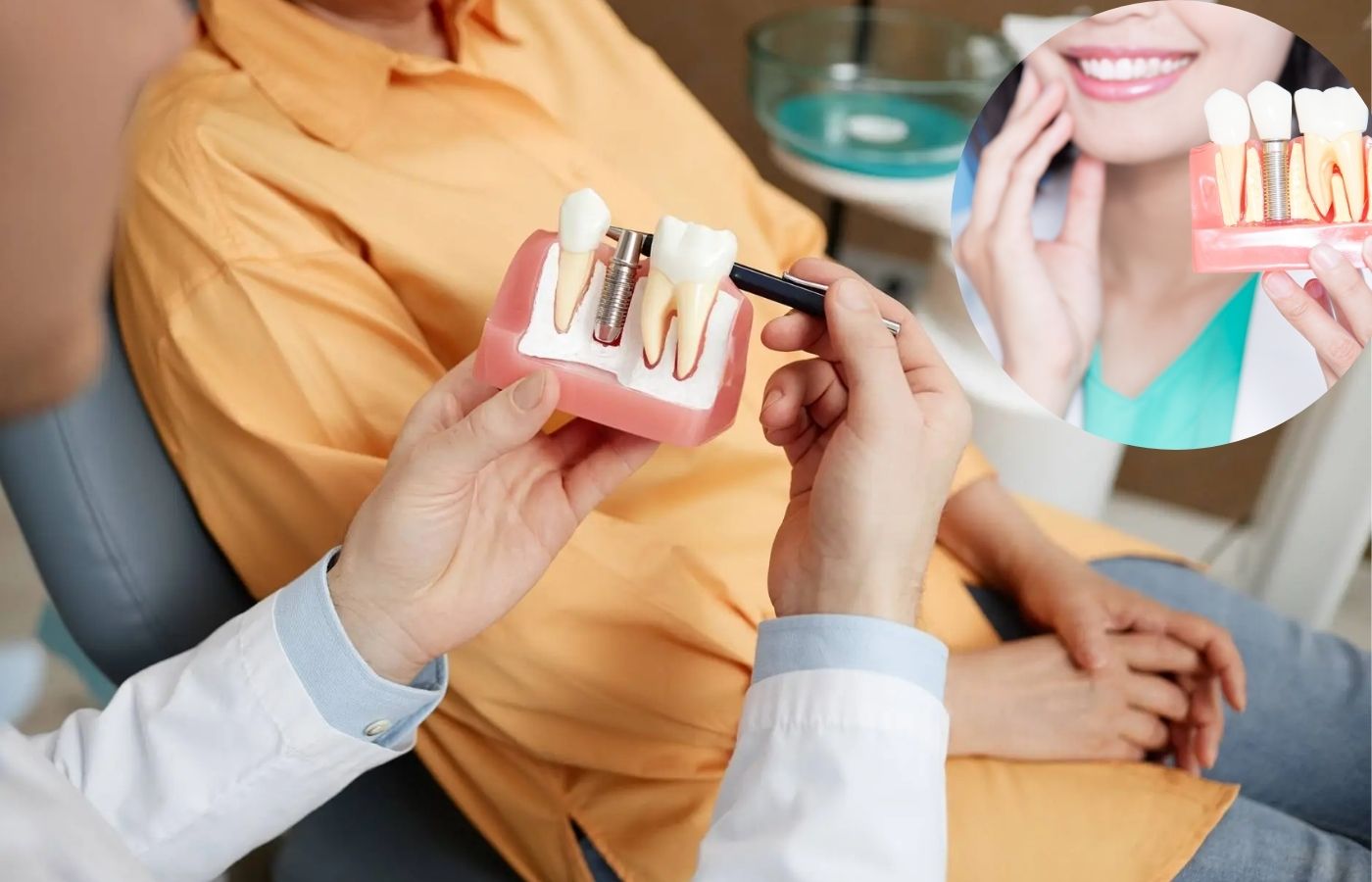
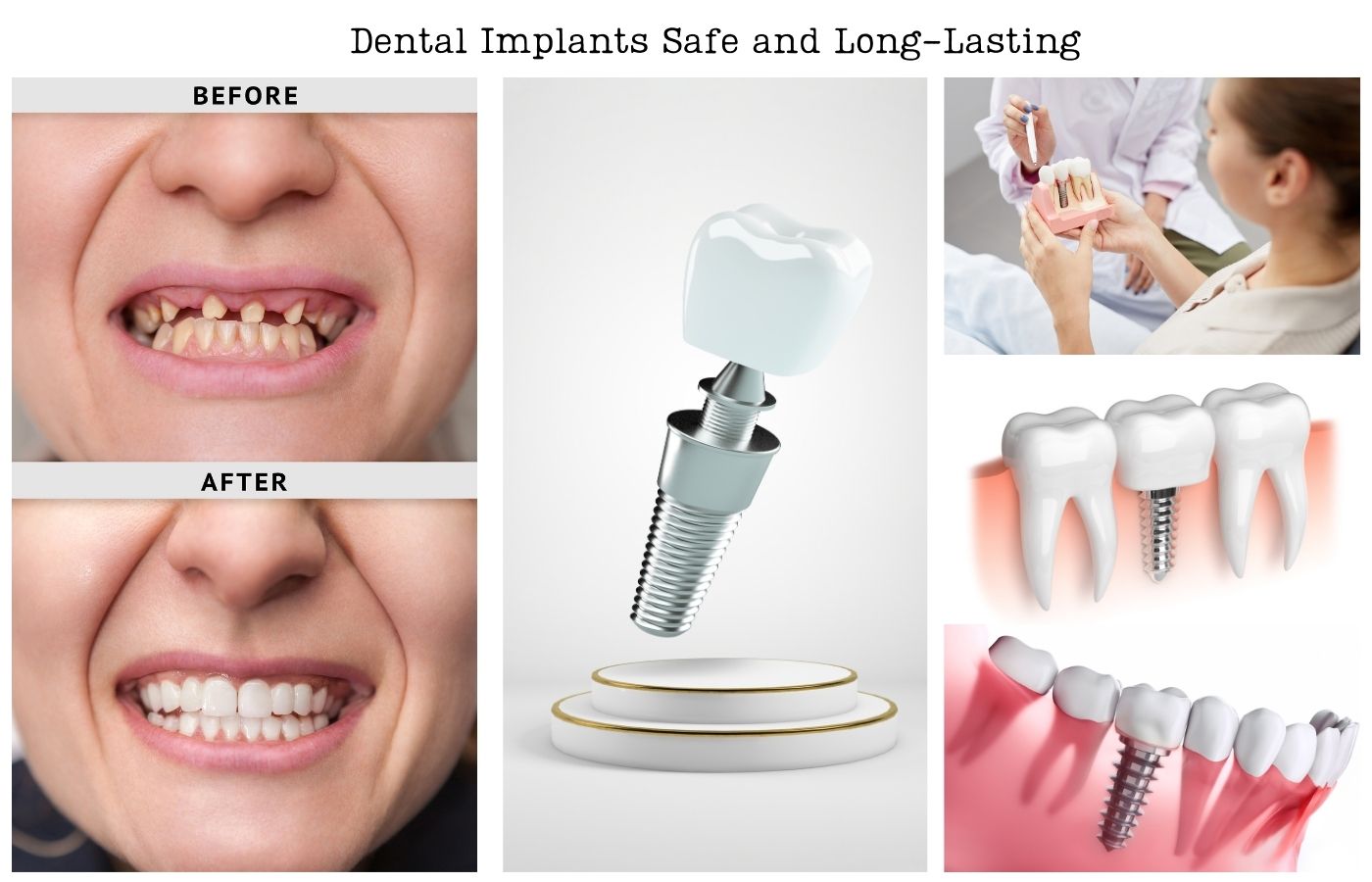
Unlike bridges or dentures, dental implants are designed to fuse with your jawbone, acting as artificial tooth roots. This provides unmatched stability and prevents bone loss, a common issue with other tooth replacement methods. The benefits are life-changing:
Permanent Solution: With proper care, implants can last a lifetime.
Preserve Bone & Facial Structure: They stimulate the jawbone, preventing deterioration.
Natural Look & Feel: Function and appear like your own teeth.
Improved Oral Health: Don't require altering adjacent healthy teeth, as bridges do.
Enhanced Comfort & Confidence: No slipping or discomfort, allowing you to eat, speak, and smile freely.
Conclusion: Investing in a Lifetime of Smiles
Navigating the world of dental implants can seem daunting, but understanding the types of dental implants, the factors influencing dental implant cost in India, and the procedure's comfort level demystifies the process. The key is to prioritize quality dental care and expert guidance over seeking the lowest price. An implant is a long-term investment in your health, well-being, and confidence.




















.jpg "myths and facts about dental implants")
































































![affordable dental implant treatment in [pune] with emi options](/img/BlogImages/affordable dental implant treatment in [pune] with emi options.jpg "affordable dental implant treatment in [pune] with emi options")




.jpg "dental implant full mouth rehabilitation")












.jpg "foods for rapid recovery after dental implant surgery")









.jpg "dental implant")




.jpg "dental implant")
.jpg "dental implant")

.jpg "dental implants")






.jpg "Dental Implants Help Repair Broken")
.jpg "Know About Dental Implants")
.jpg "Major Types of Dental Implants")
 (1).jpg "Affordable Dental Implants in India")
 (1).jpg "Dental Implants with Pre-existing Conditions")