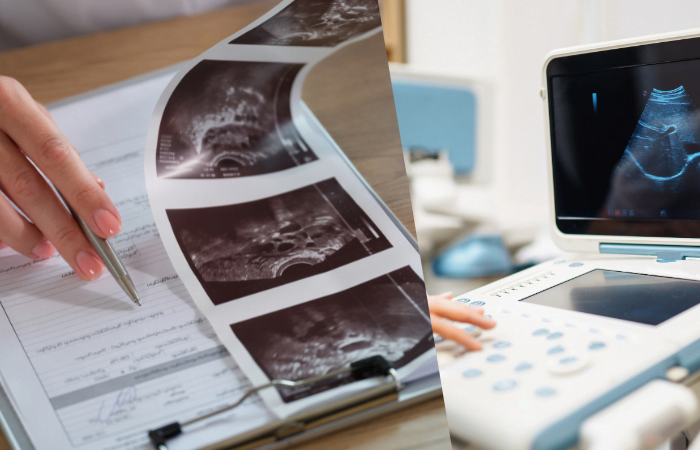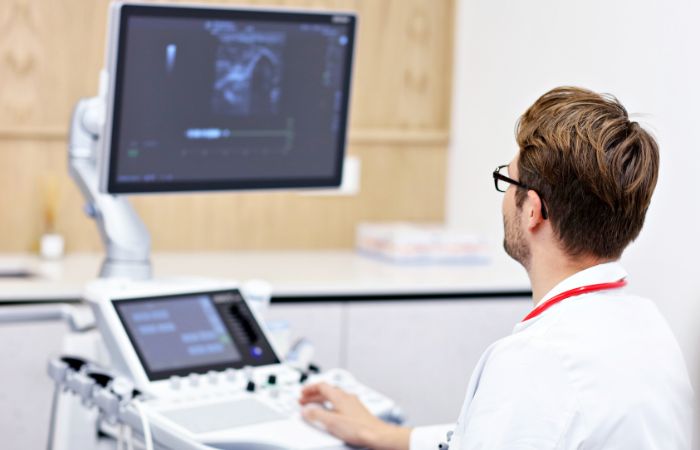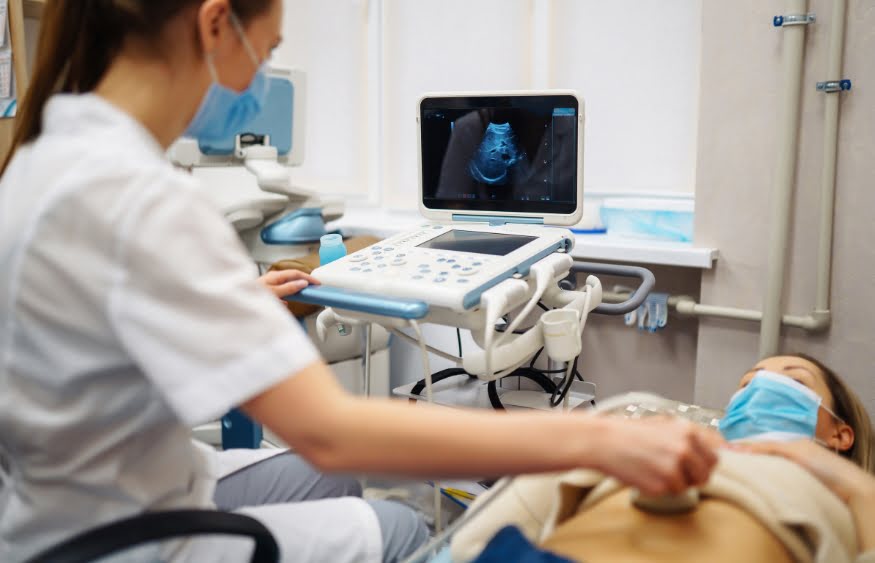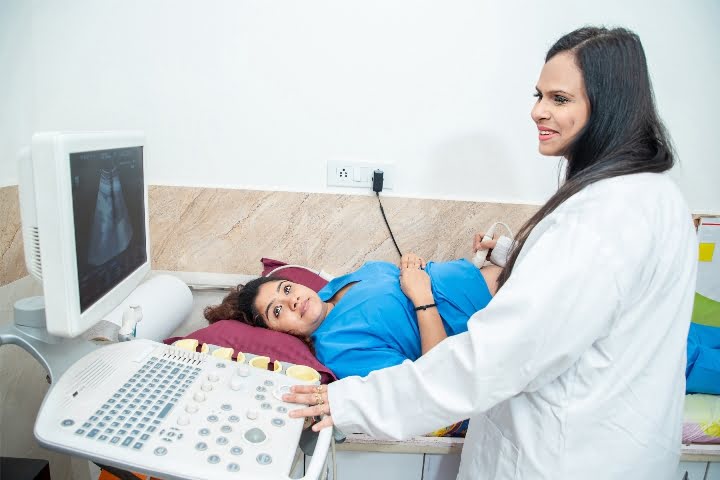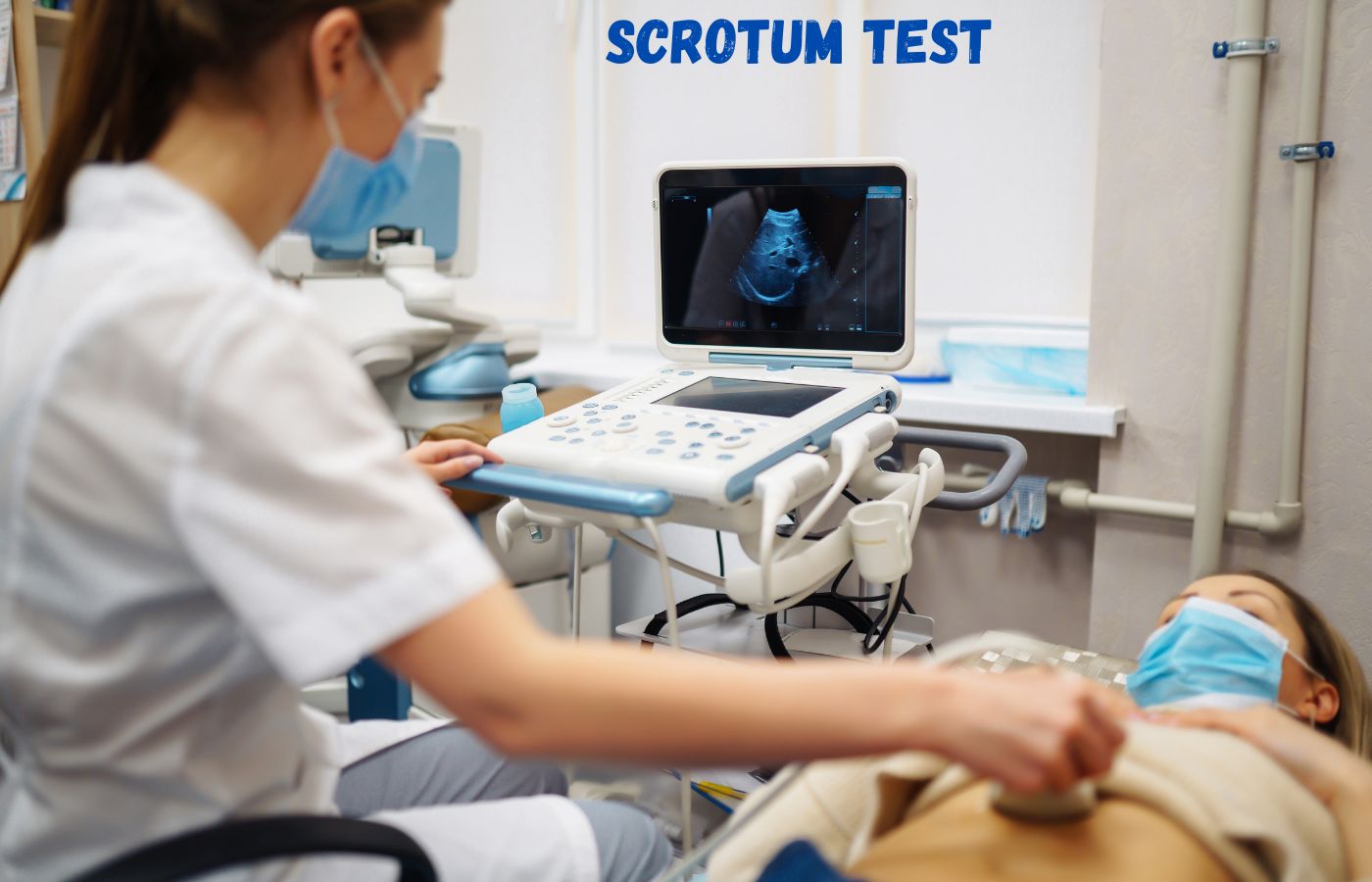
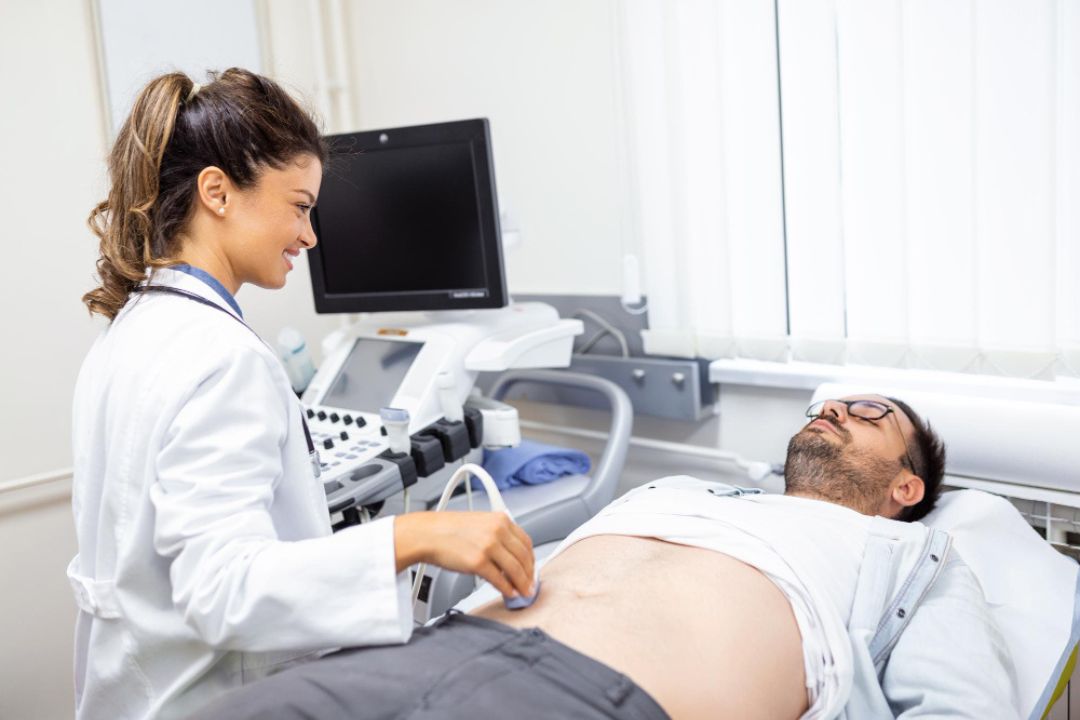
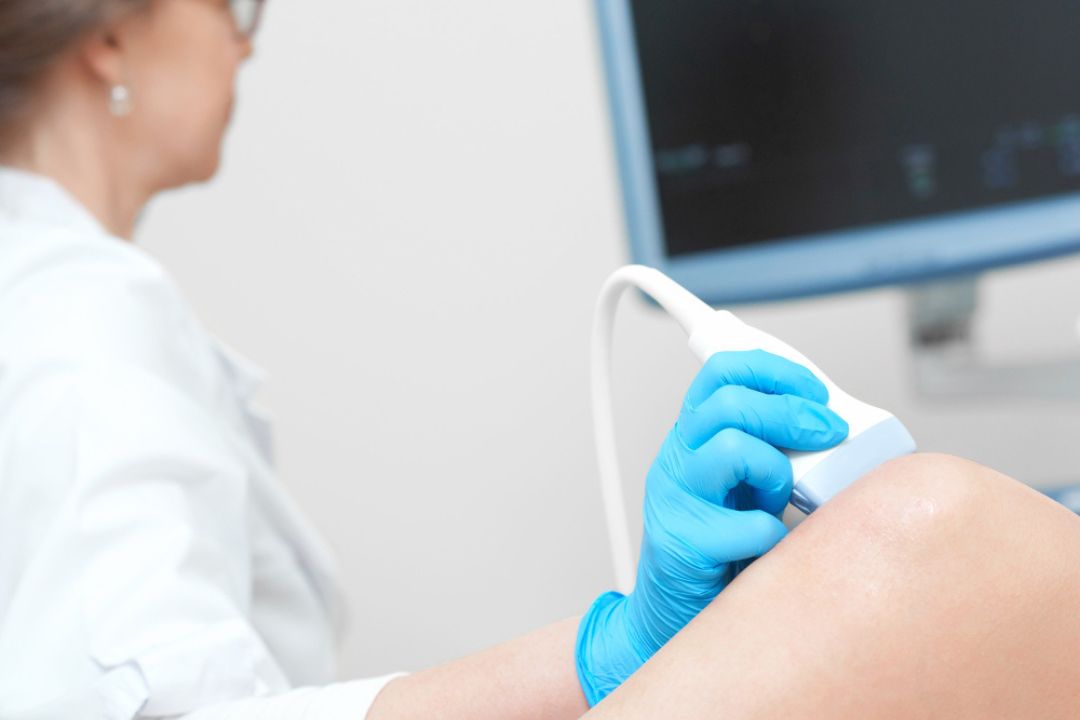
A USG scrotum test, also called a scrotal ultrasound, is a safe, painless, and non-invasive imaging test used to examine the scrotum and testicles. It uses high-frequency sound waves to create real-time images of the internal structures of the scrotum.
Doctors commonly recommend this test to evaluate pain, swelling, lumps, infertility concerns, or injuries in the scrotal area.
A scrotal ultrasound helps evaluate
Visit Now: https://www.diagnopein.com/sonography/Pune
Testicles (size, shape, and structure)
Epididymis (tube that stores sperm)
Blood flow to the testicles
Surrounding tissues and veins
Fluid collections or masses
This test provides clear images that help doctors determine whether a condition is mild, serious, or requires urgent treatment.
Your doctor may recommend this test if you experience
Book Now: https://www.diagnopein.com
Sudden or persistent pain can indicate infection, inflammation, or torsion.
Enlargement may be due to fluid collection (hydrocele) or vein enlargement (varicocele).
To determine whether a lump is solid, fluid-filled, benign, or suspicious.
A medical emergency where the spermatic cord twists and blocks blood supply.
To assess inflammation and blood flow.
To check for varicocele or structural abnormalities.
To rule out internal bleeding or rupture.
A scrotal ultrasound can detect:
Hydrocele – Fluid around the testicle
Varicocele – Enlarged veins
Epididymitis – Infection or inflammation
Orchitis – Testicular inflammation
Testicular torsion – Twisting of spermatic cord
Cysts – Fluid-filled sacs
Tumors or masses
Injuries or rupture
Early detection through ultrasound helps prevent complications.
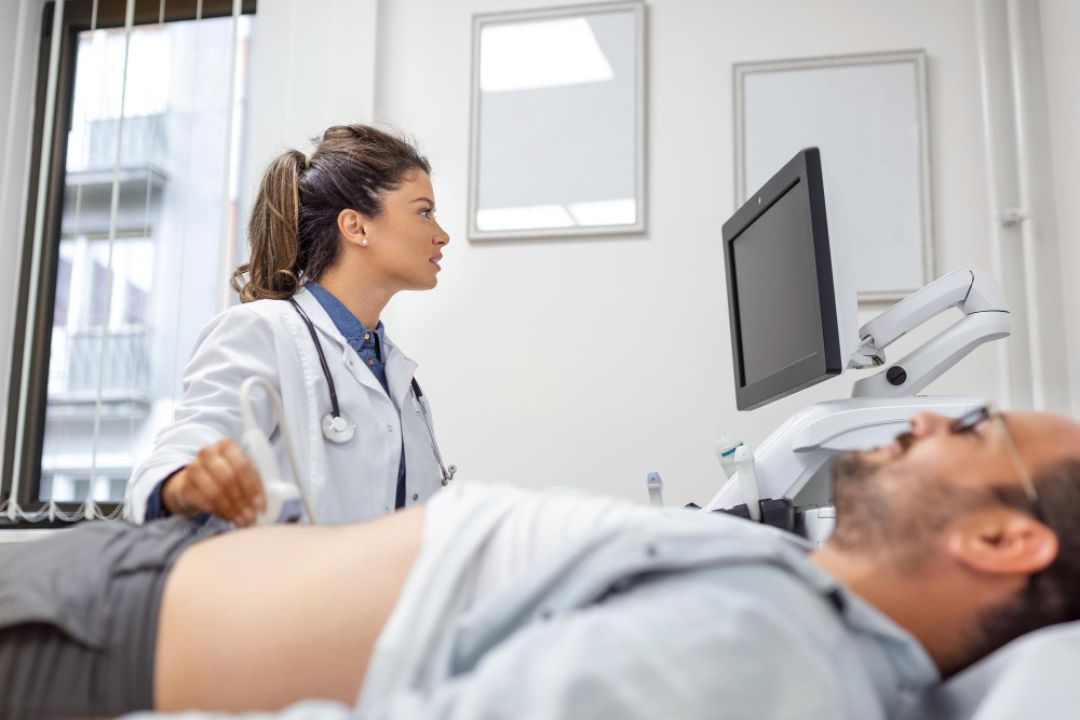
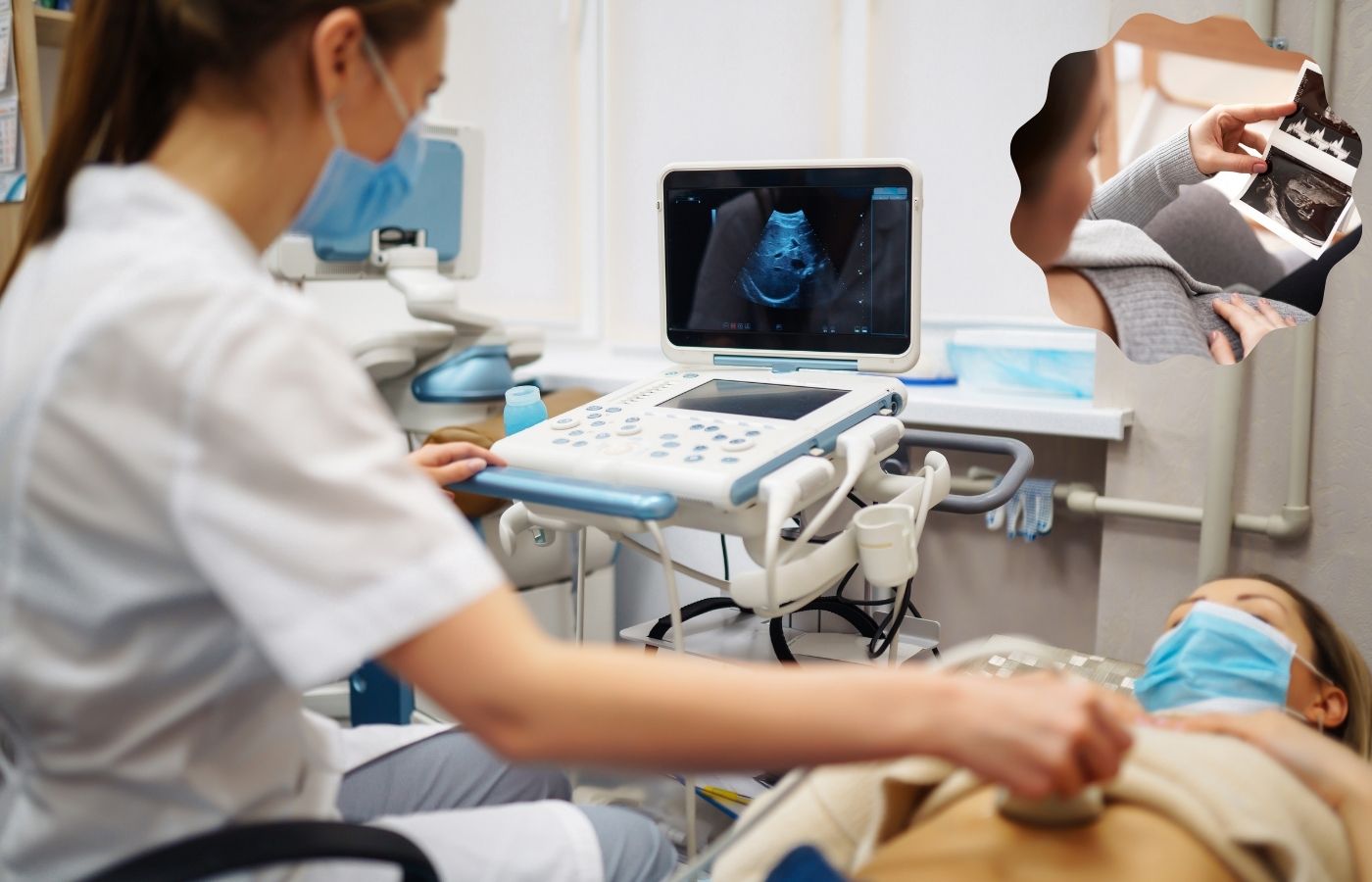
The procedure is simple and usually takes 15–30 minutes.
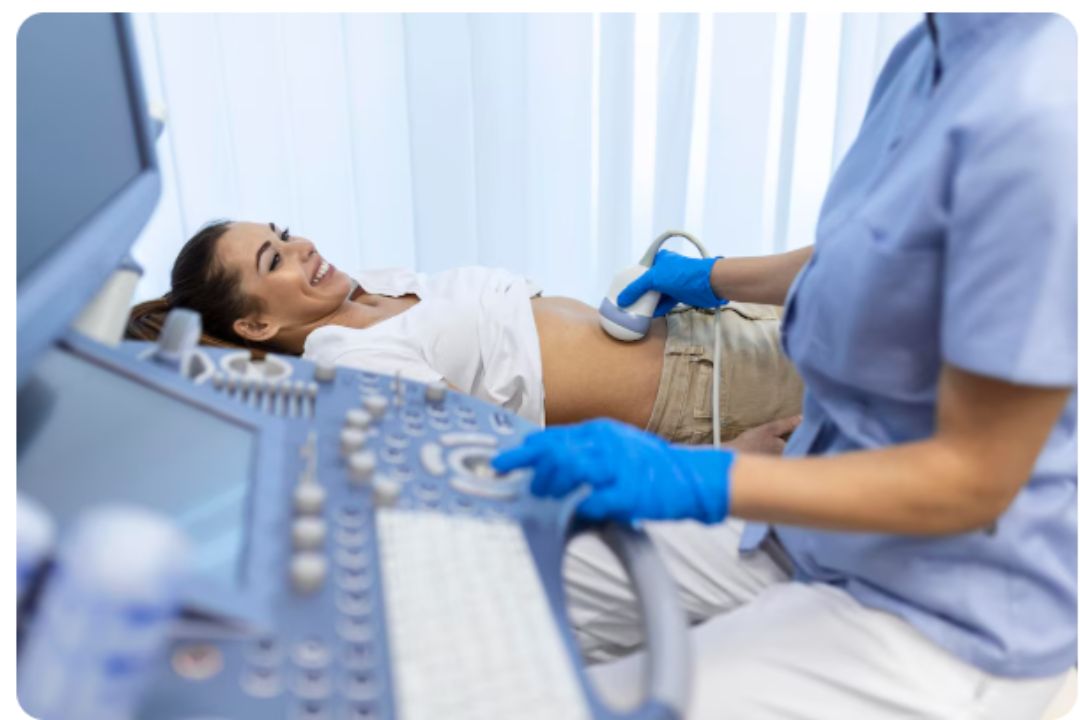
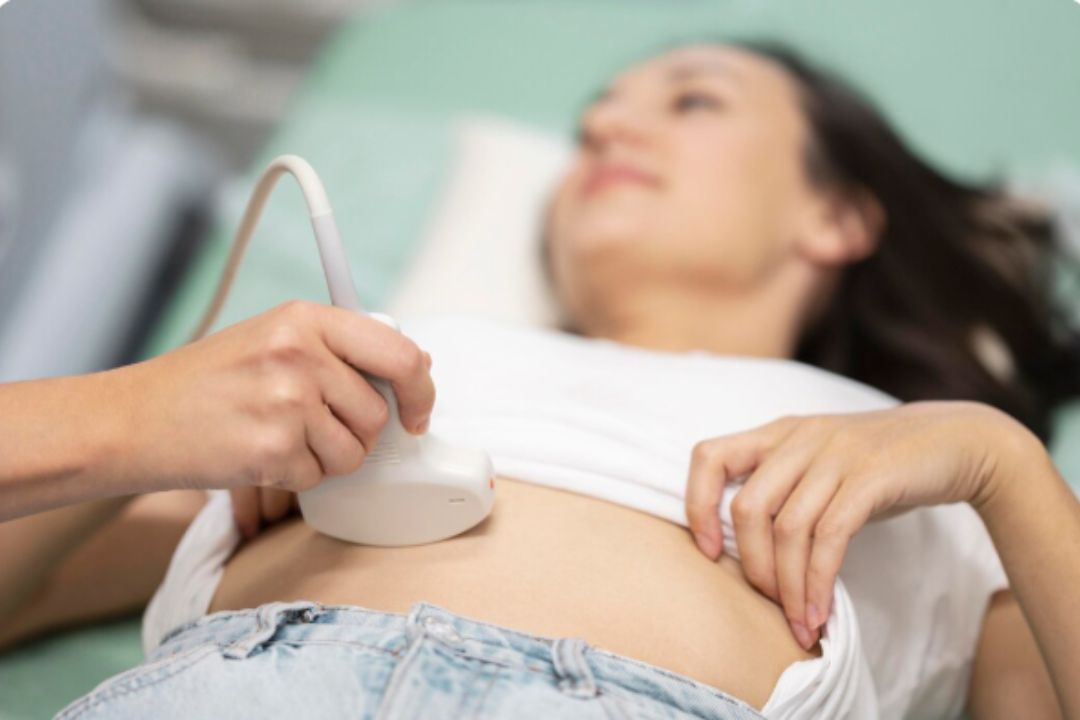
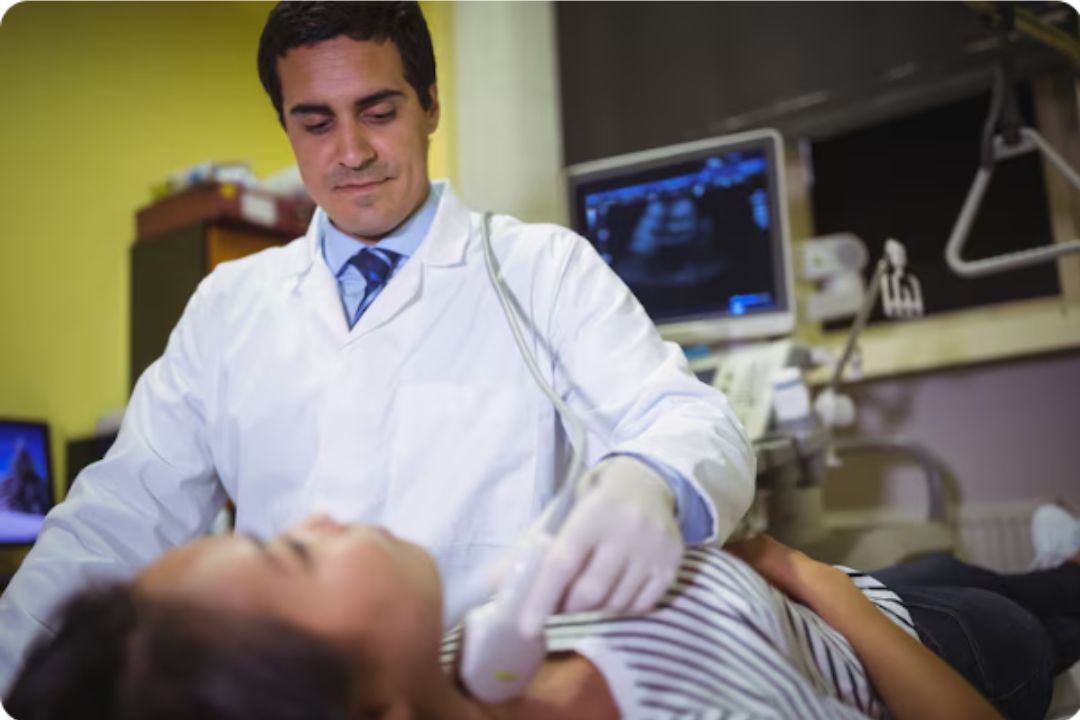
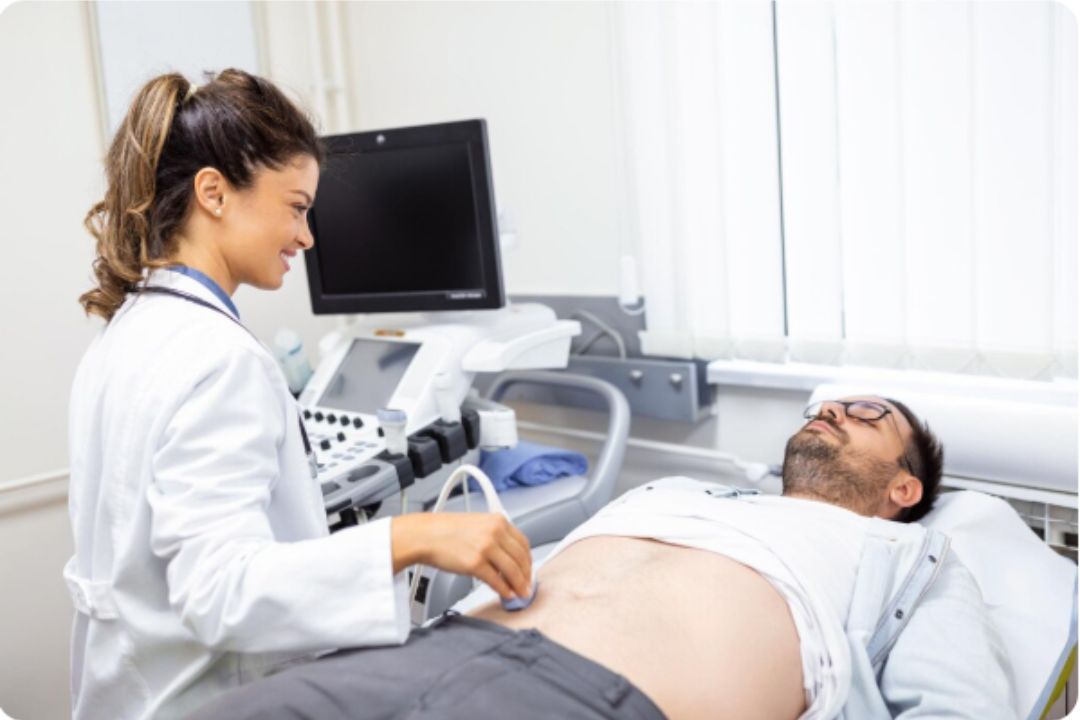
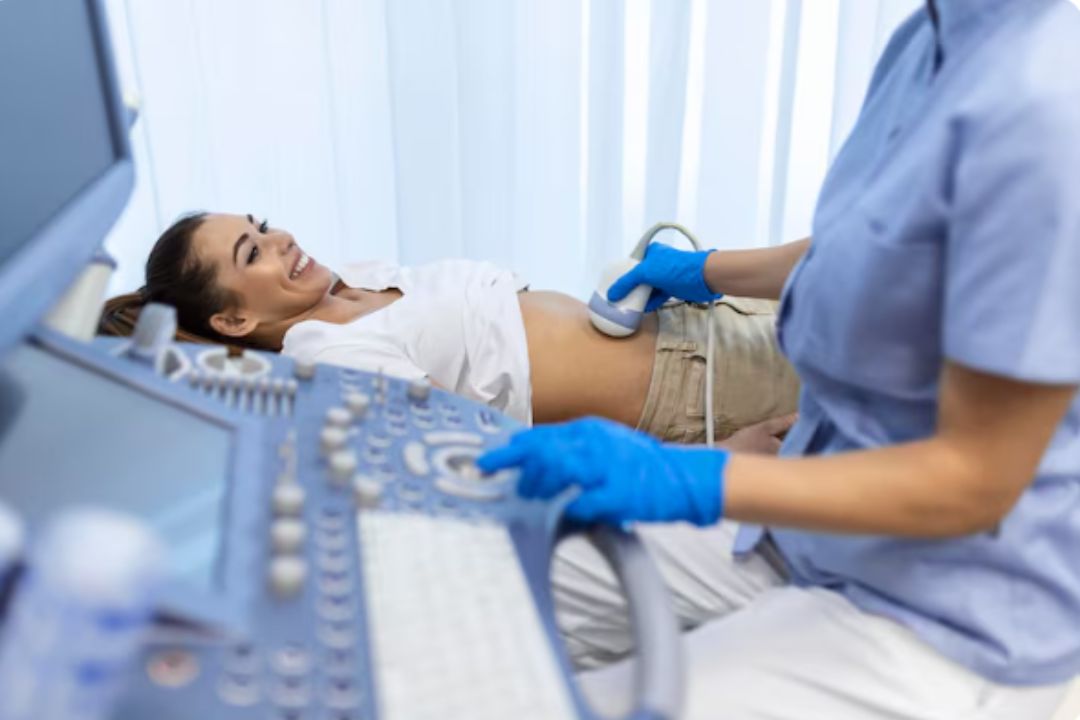
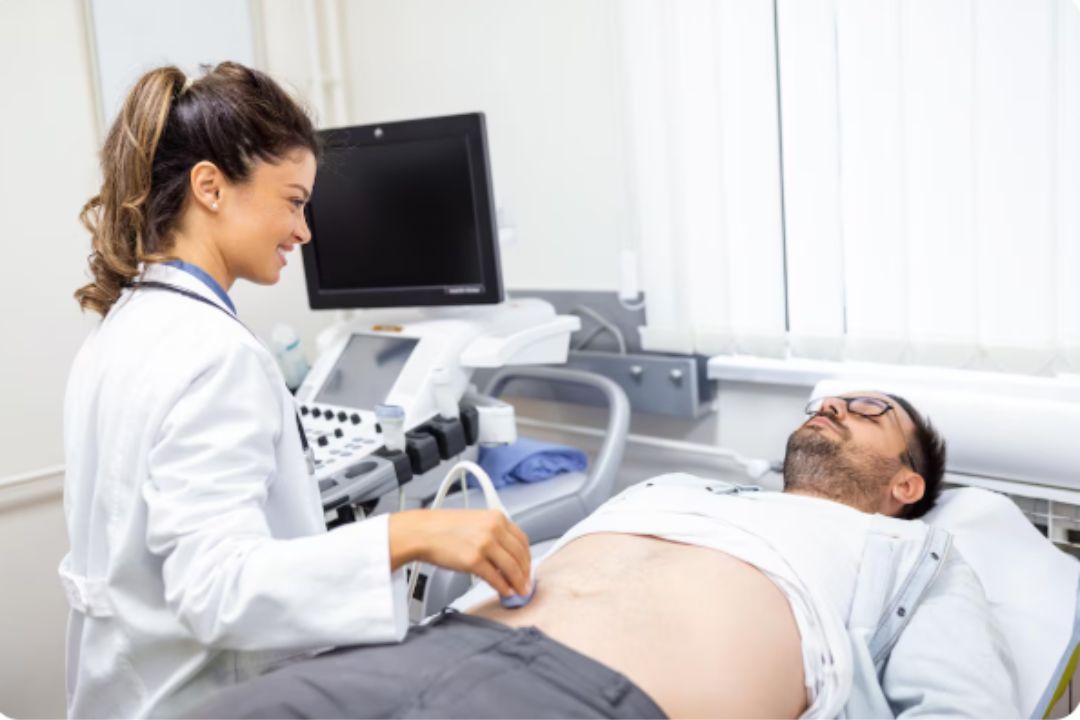
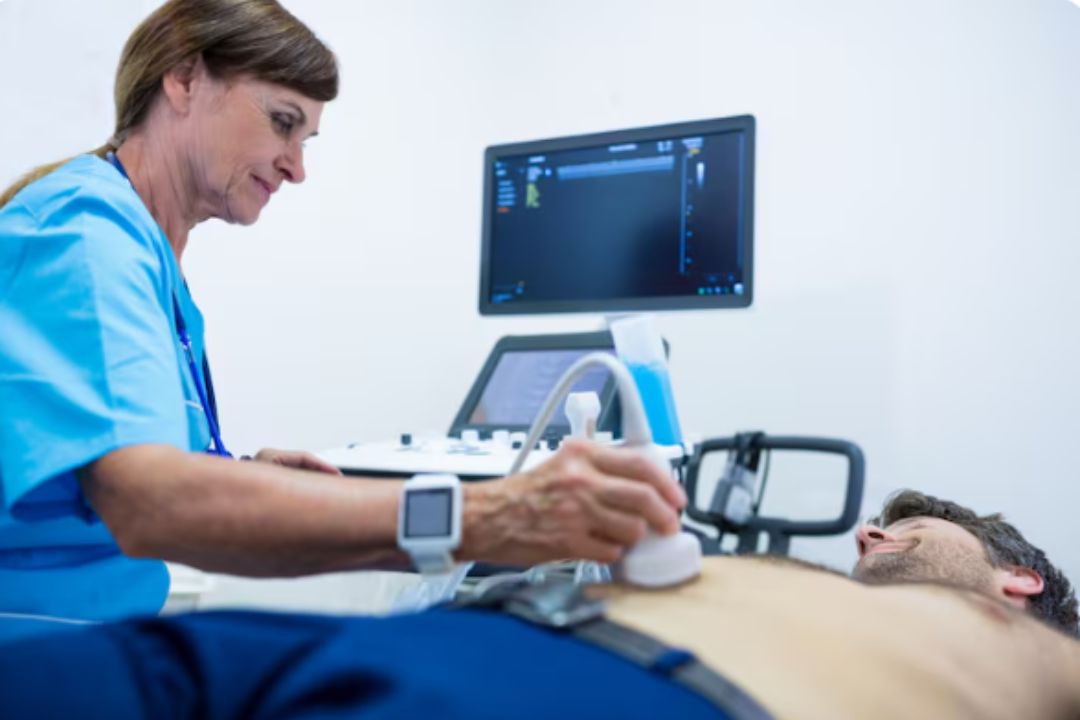
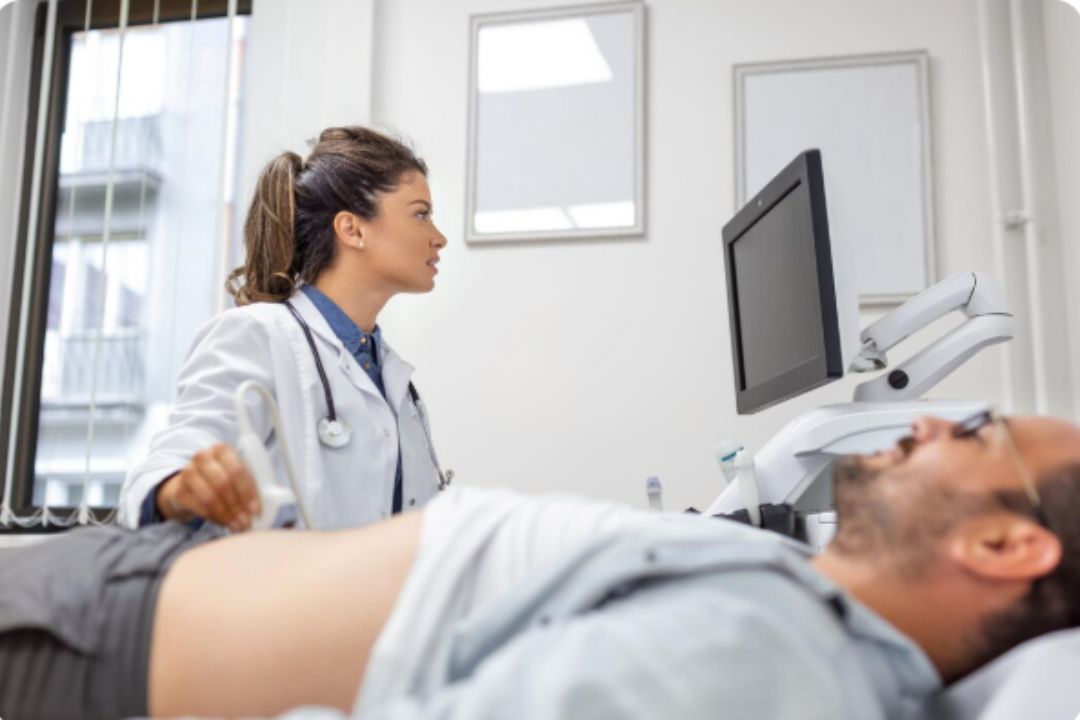
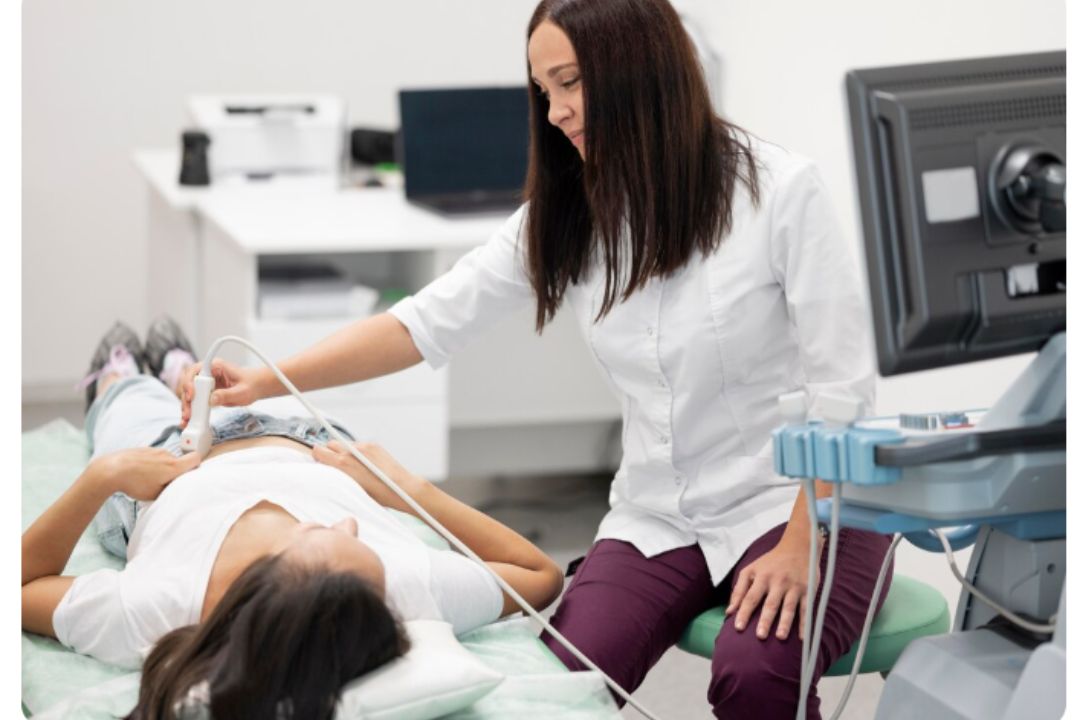
You lie comfortably on your back.
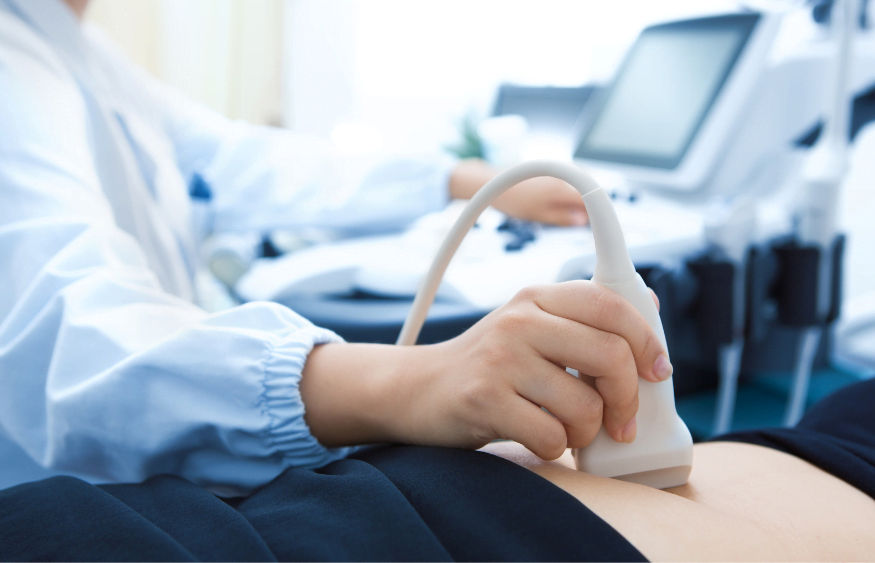
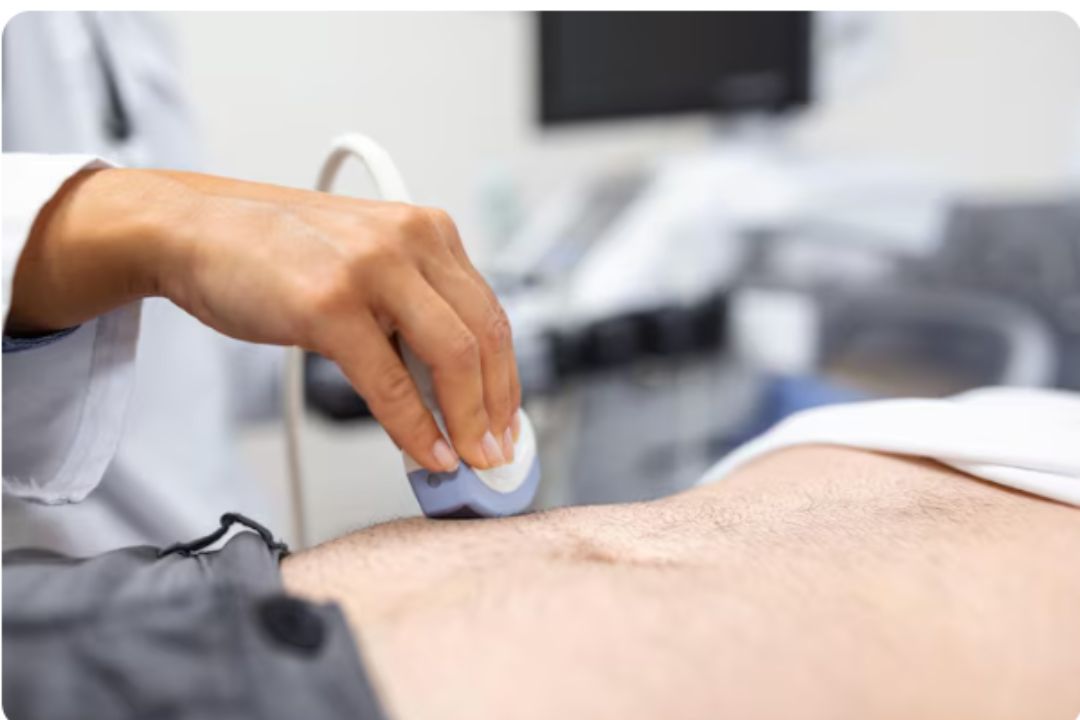
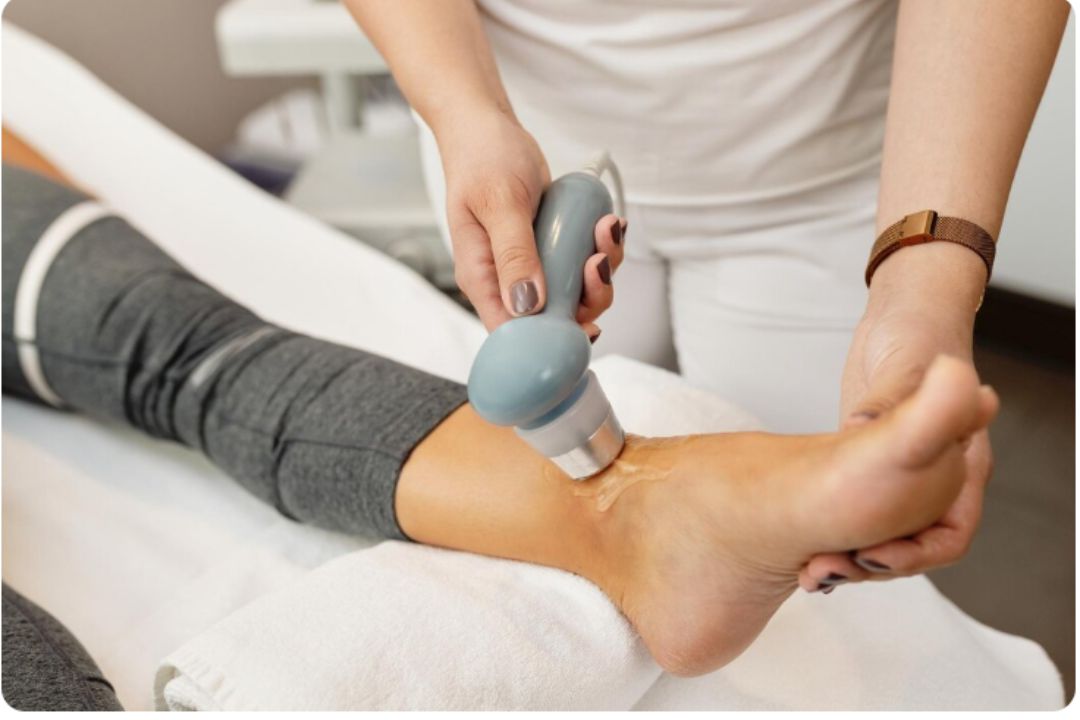
A clear gel is applied to the scrotal area.
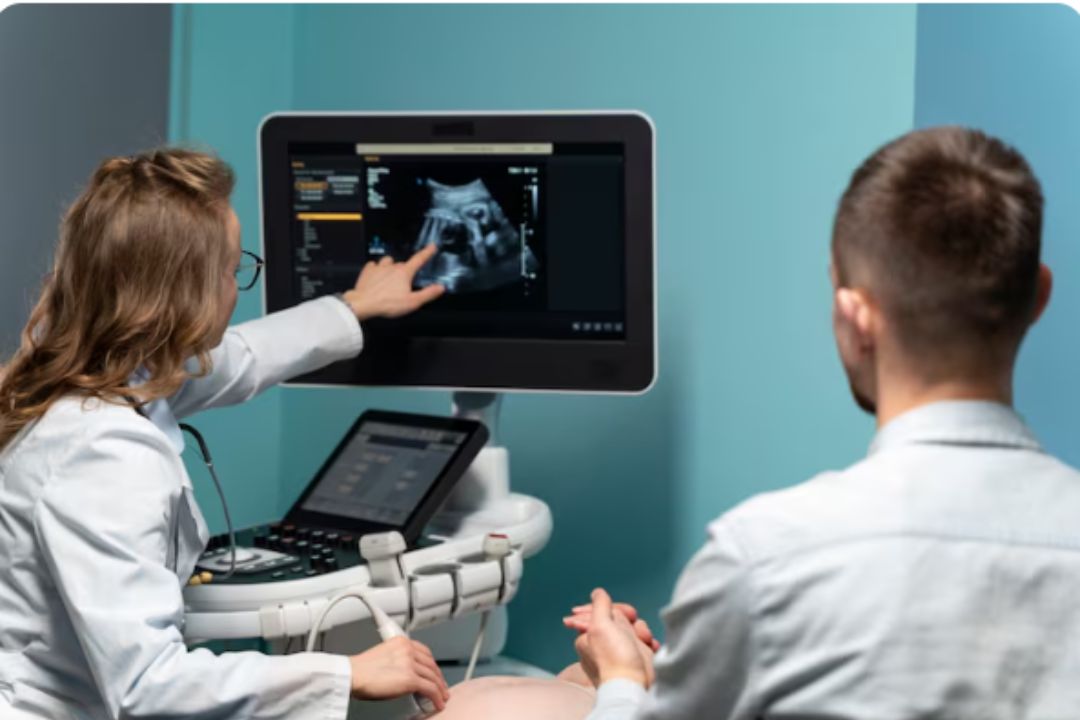
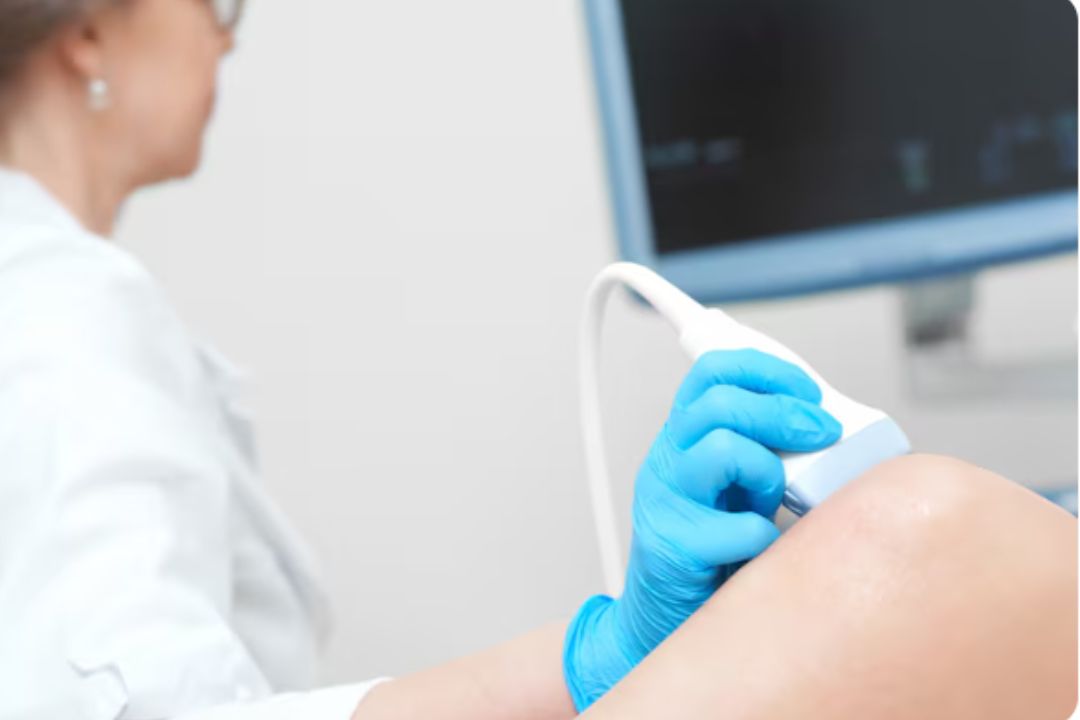
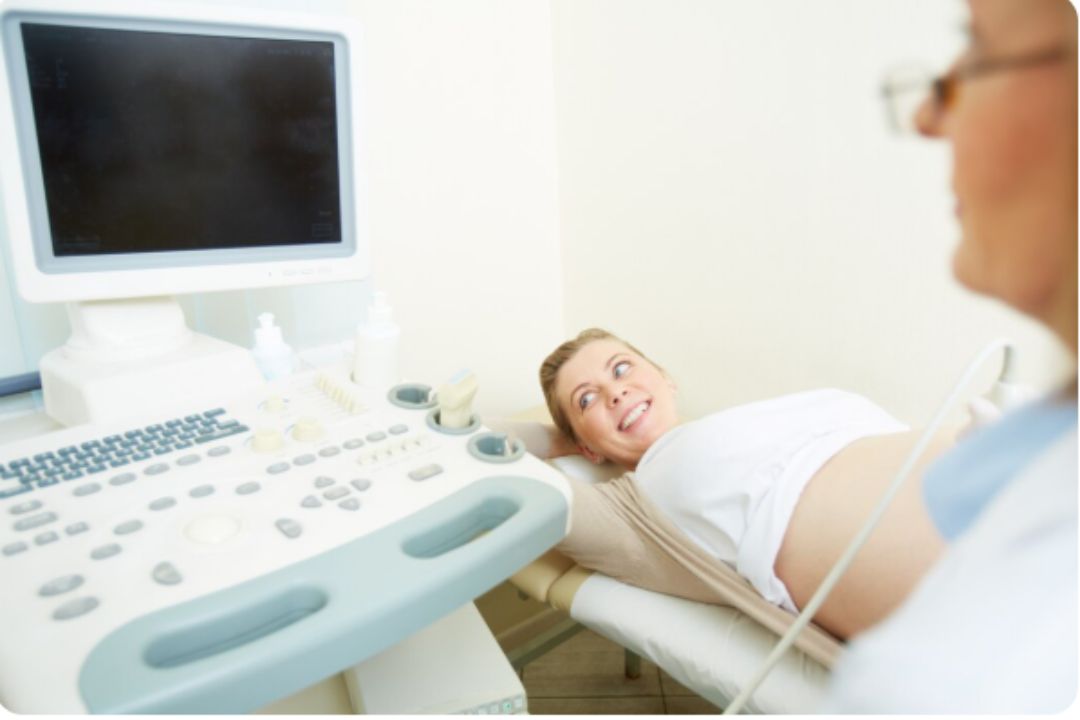
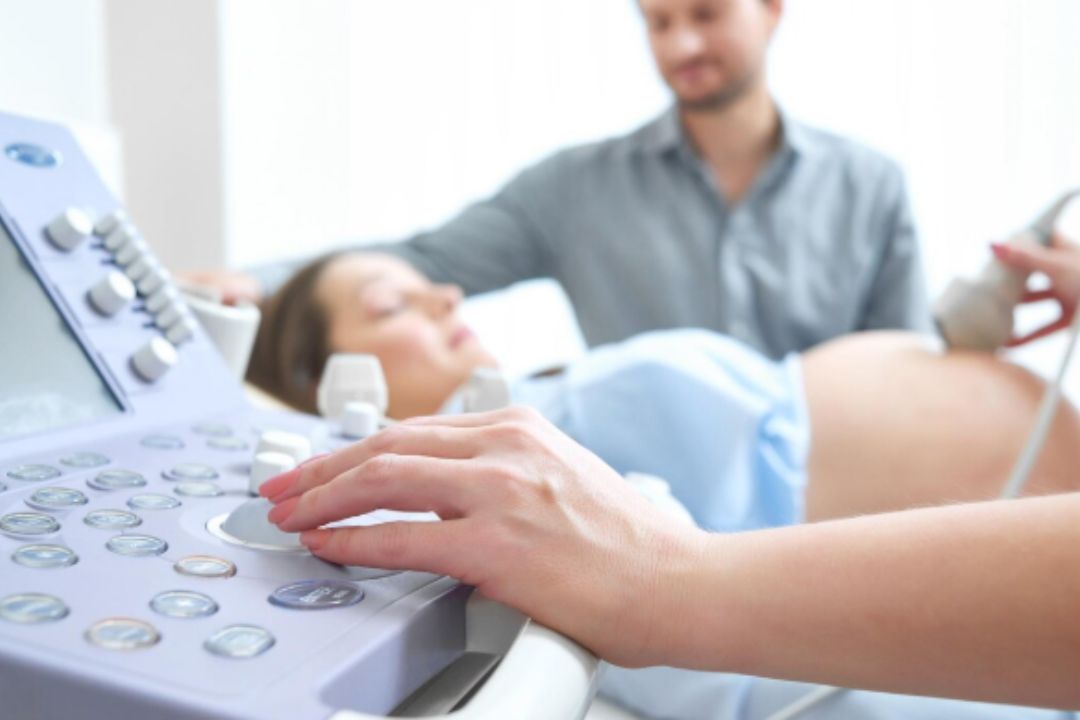
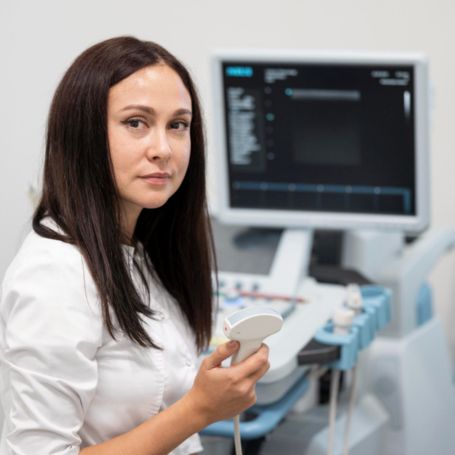
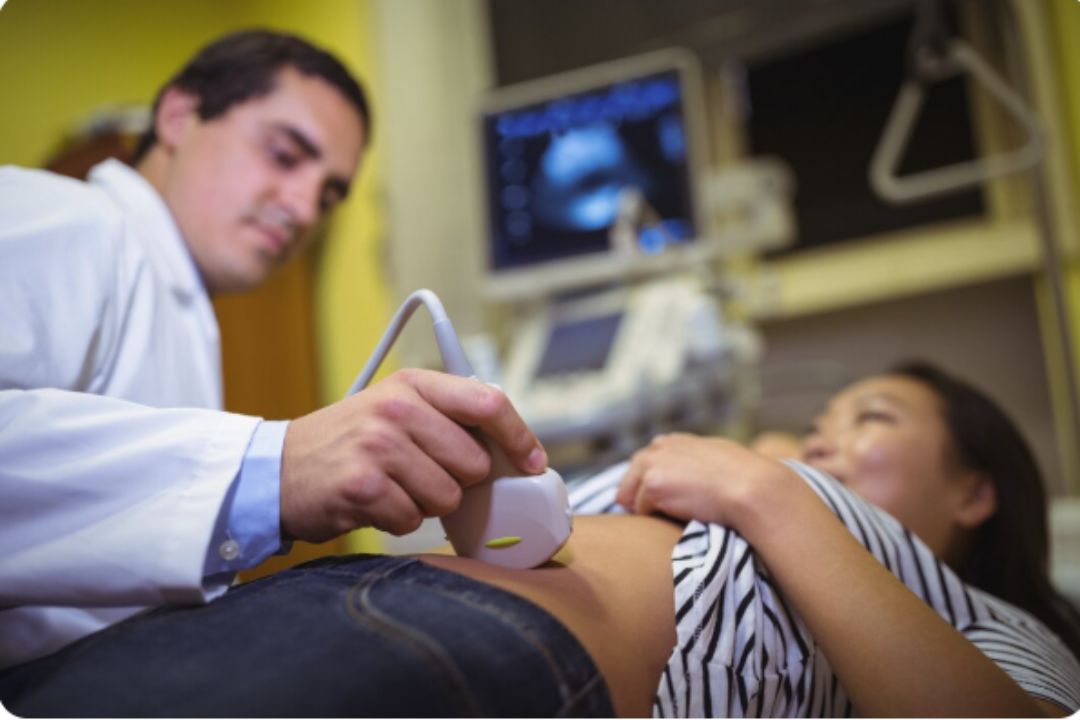
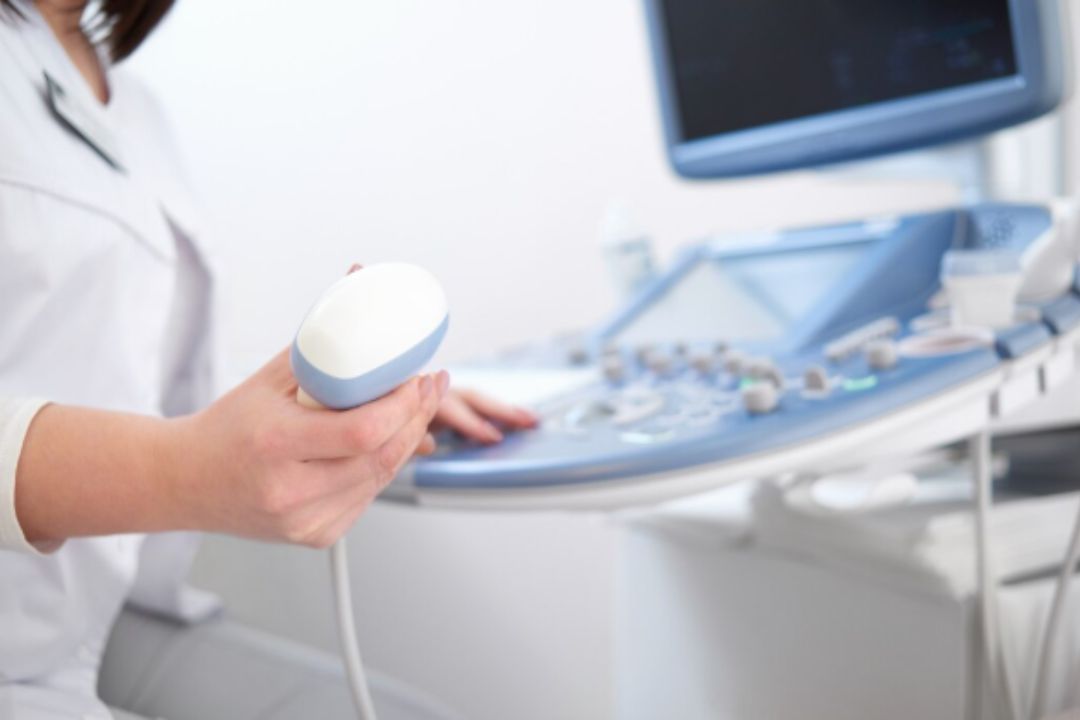
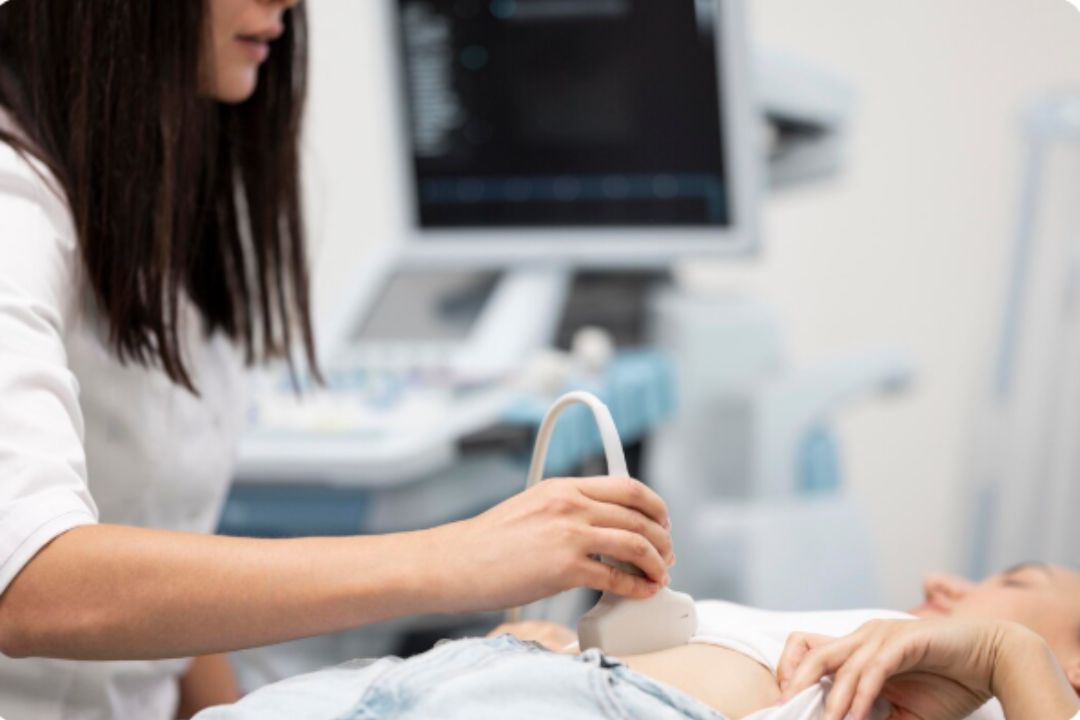
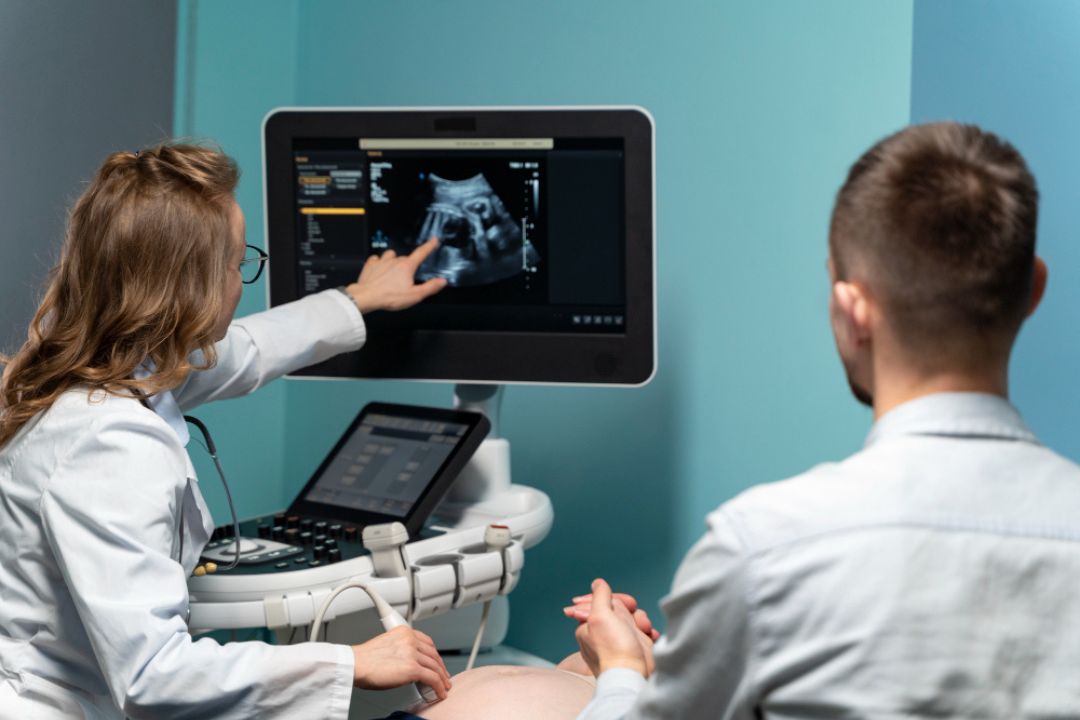
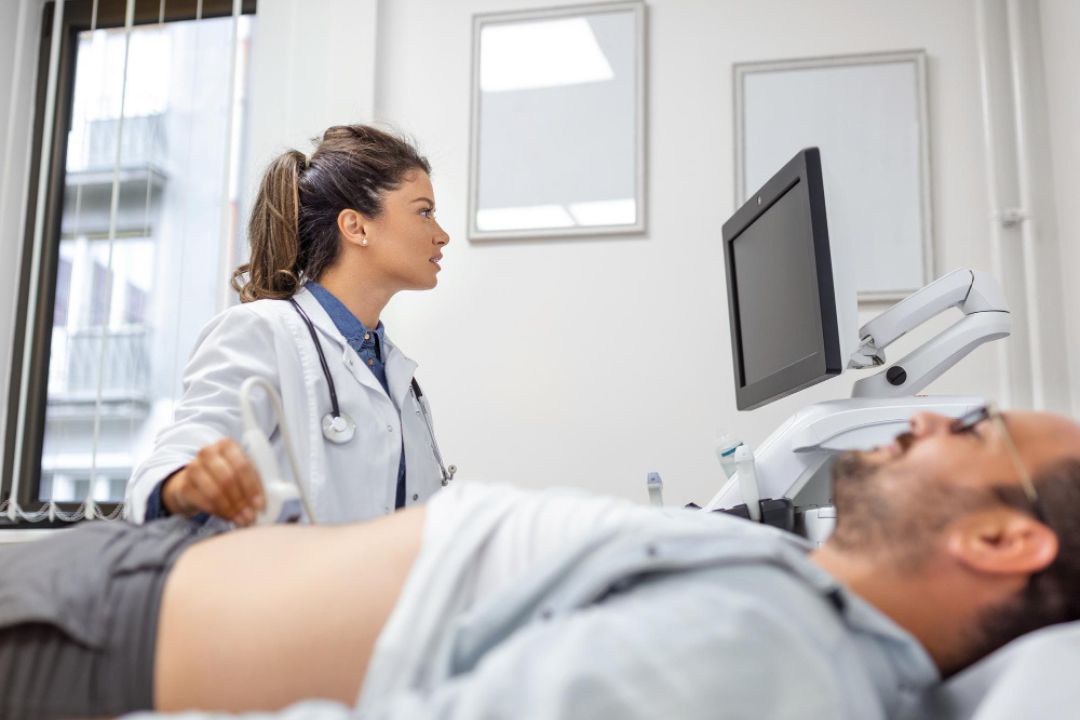
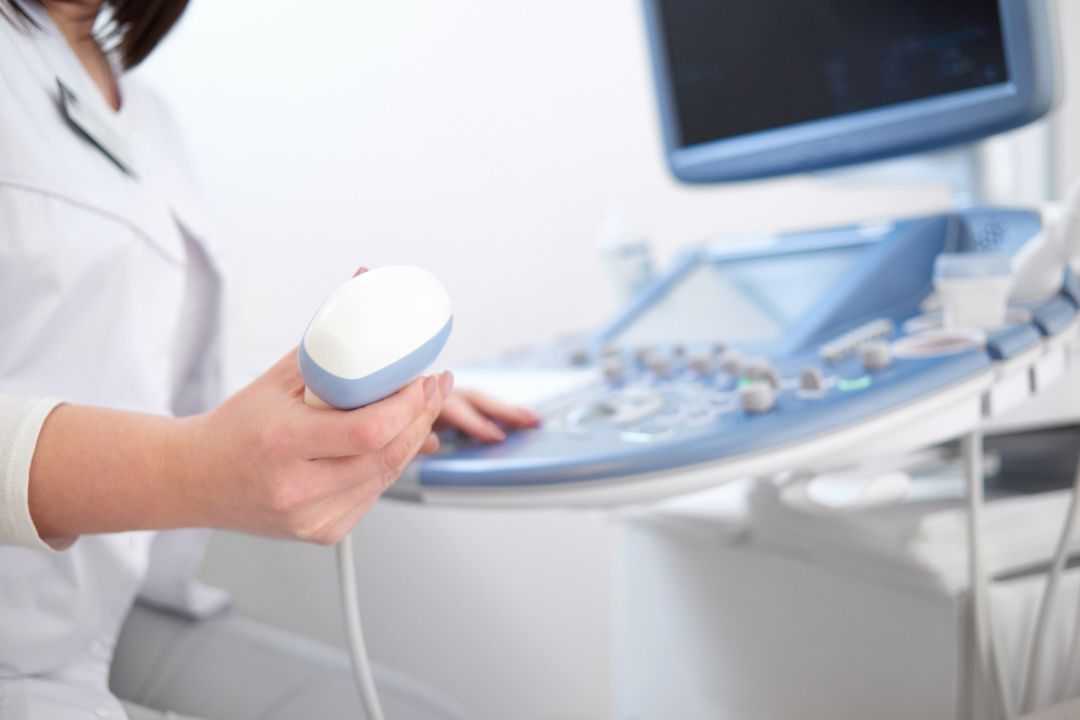
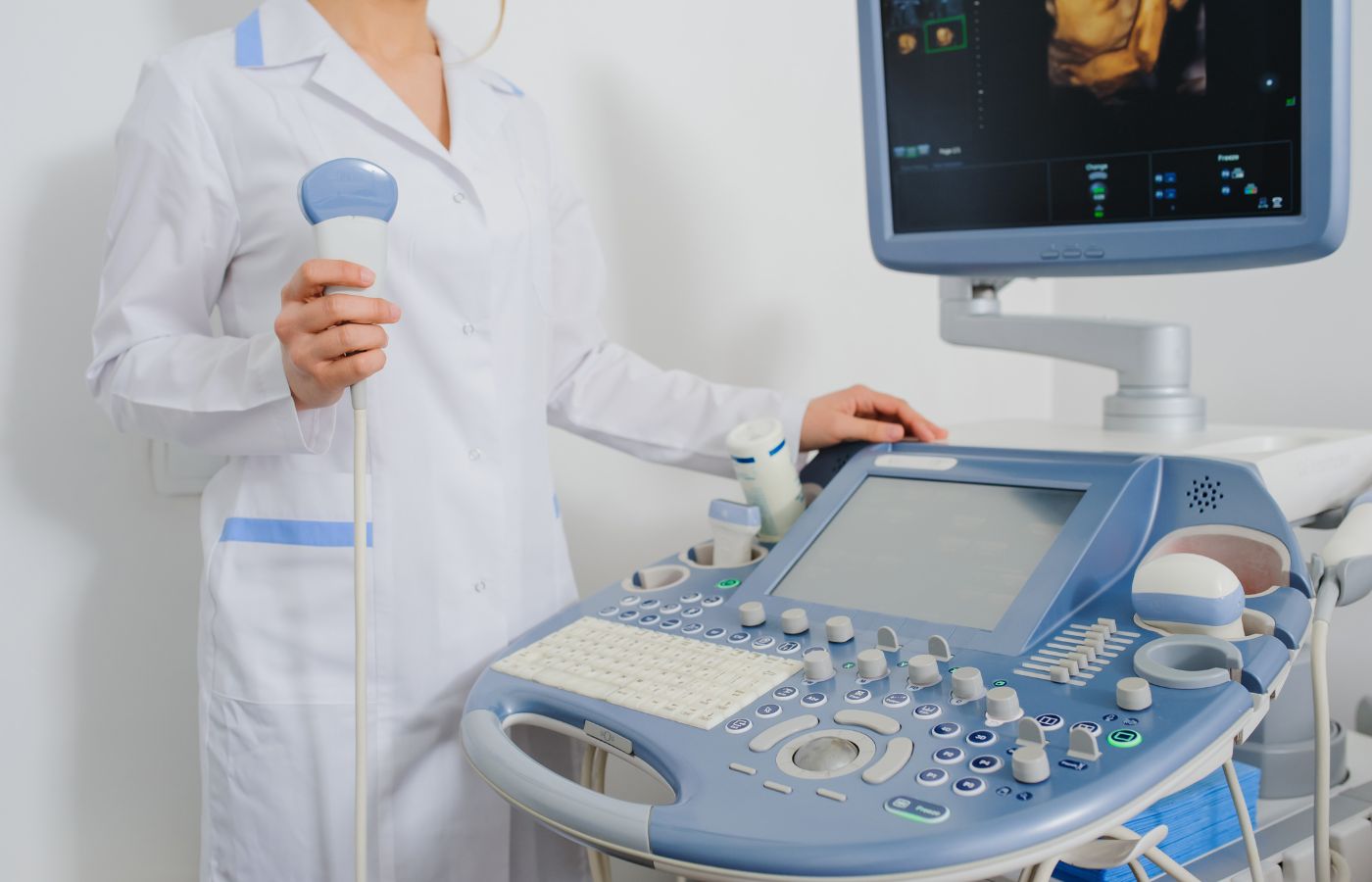
A small handheld device called a transducer is moved gently over the area.
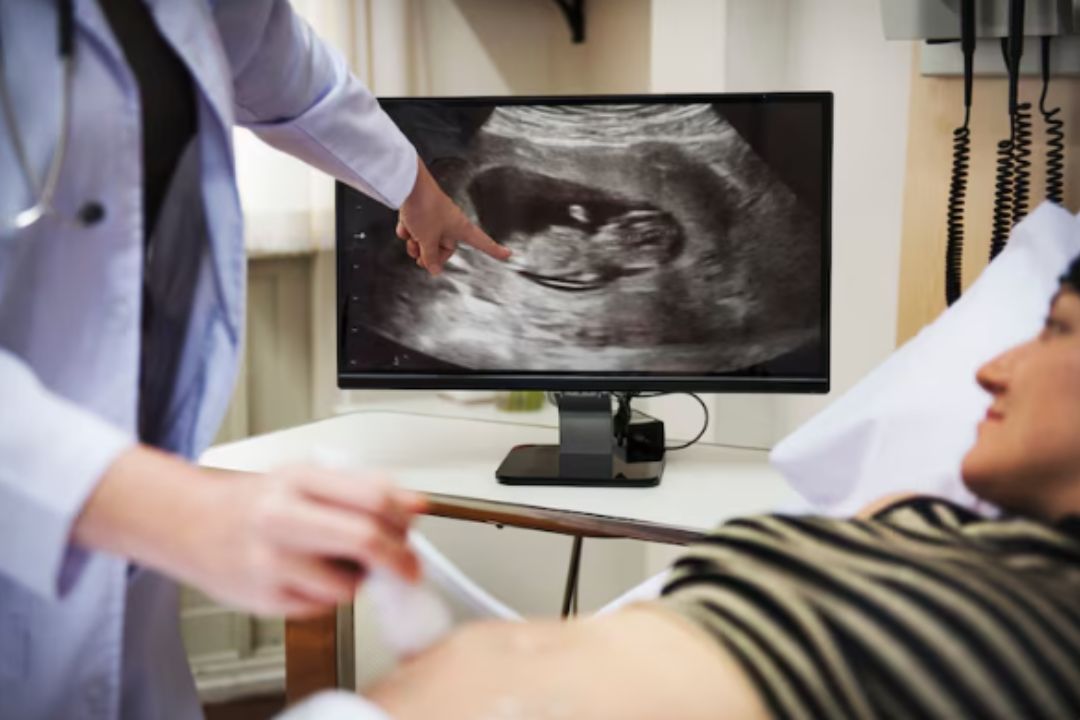
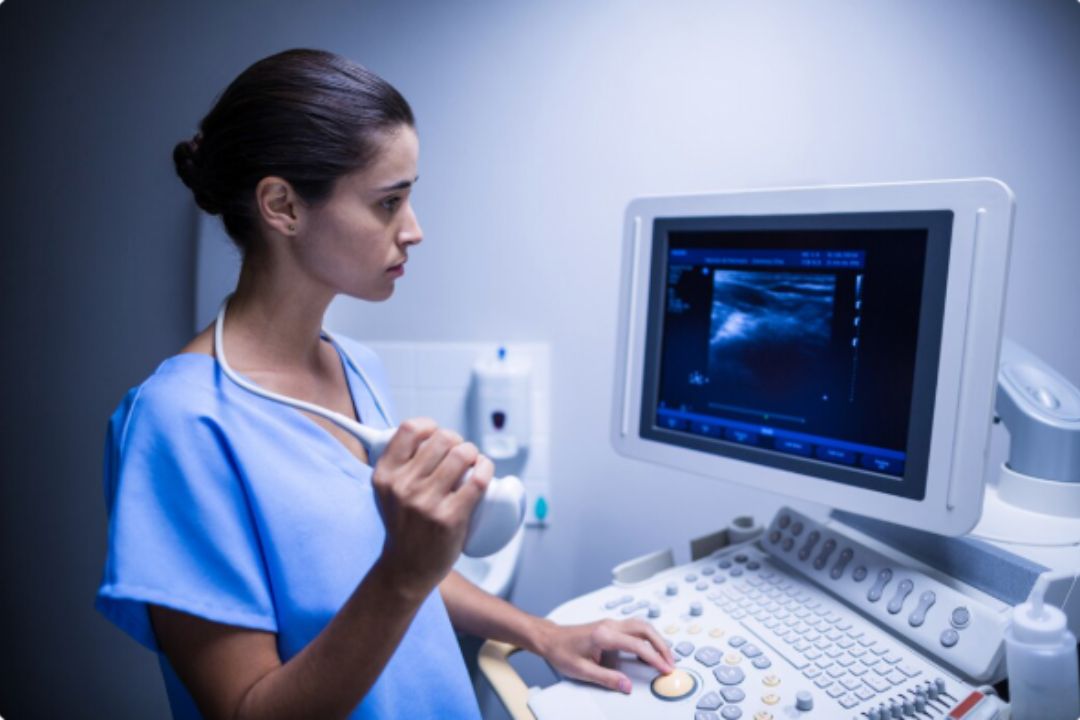
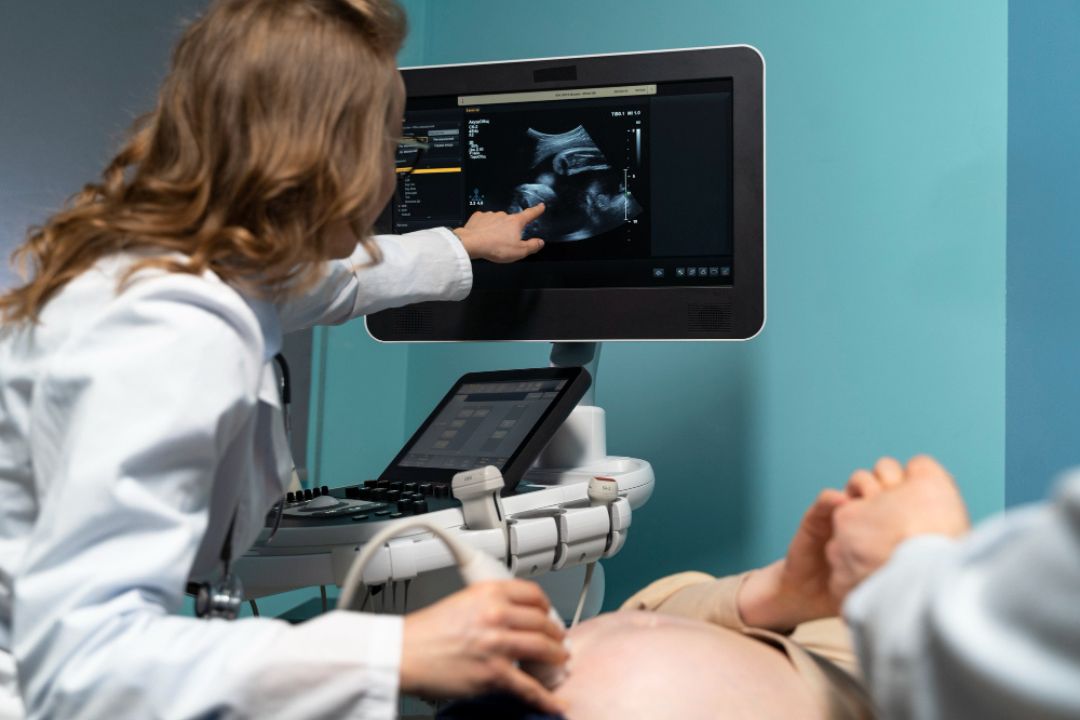
The device sends sound waves that create live images on a monitor.
A radiologist analyzes the images and prepares a report.
There are no injections, no cuts, and no radiation exposure.
No, the test is painless.
However, if the scrotum is already tender due to infection or injury, you may feel mild discomfort during the scan.
In most cases:
No fasting is required.
No special preparation is needed.
You may be asked to wear comfortable clothing.
Yes, it is completely safe.
Ultrasound uses sound waves, not radiation. It is one of the safest imaging methods available and can be performed at any age.
Seek urgent medical care if you experience:
Sudden severe scrotal pain
Nausea with testicular pain
Rapid swelling
Fever with scrotal discomfort
These may indicate testicular torsion or infection requiring immediate treatment.
After the scan:
You can resume normal activities immediately.
The radiologist reviews the images.
A report is usually available within a few hours to 24 hours.
Your doctor will explain the findings and recommend further treatment if needed.
A USG scrotum test is a quick, safe, and reliable imaging procedure that helps diagnose a wide range of scrotal and testicular conditions. Early diagnosis ensures proper treatment and prevents serious complications.
If you are experiencing pain, swelling, or any unusual symptoms, consult your doctor and schedule a scrotal ultrasound for accurate evaluation.







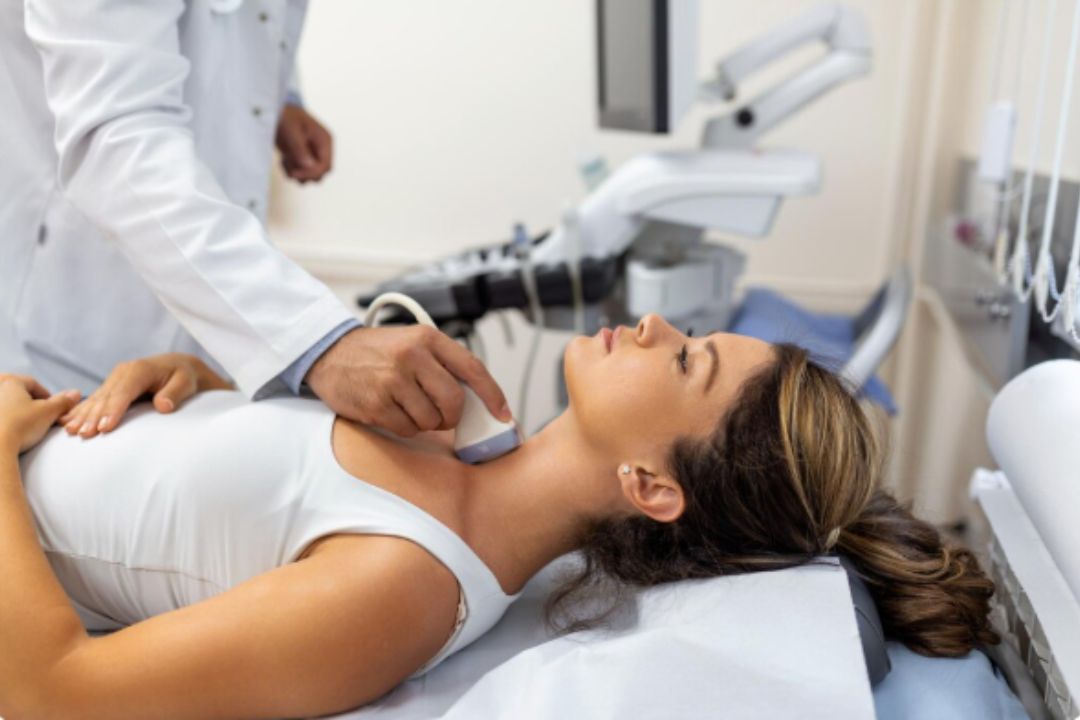
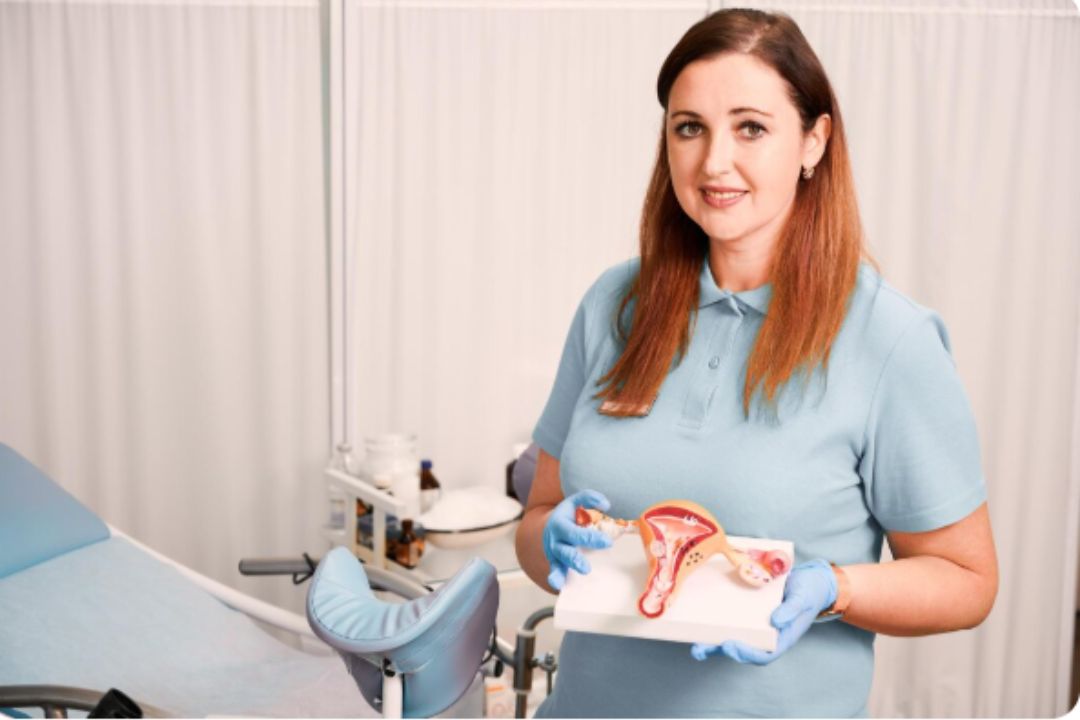
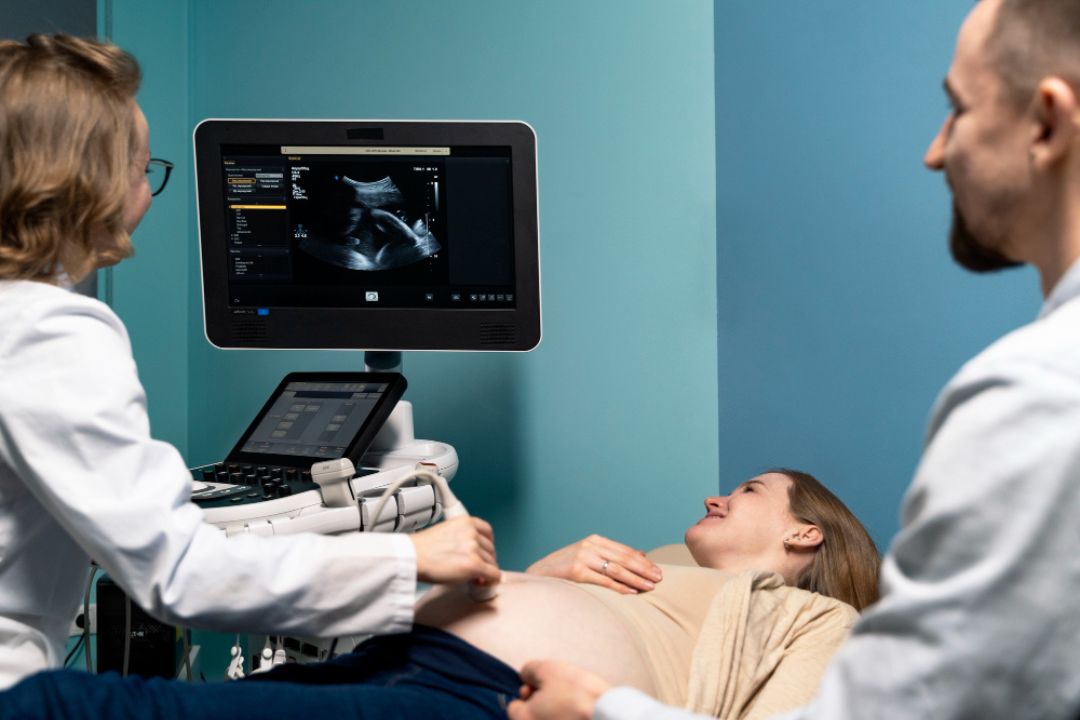

.jpg "usg portal venous doppler purpose procedure and normal values")
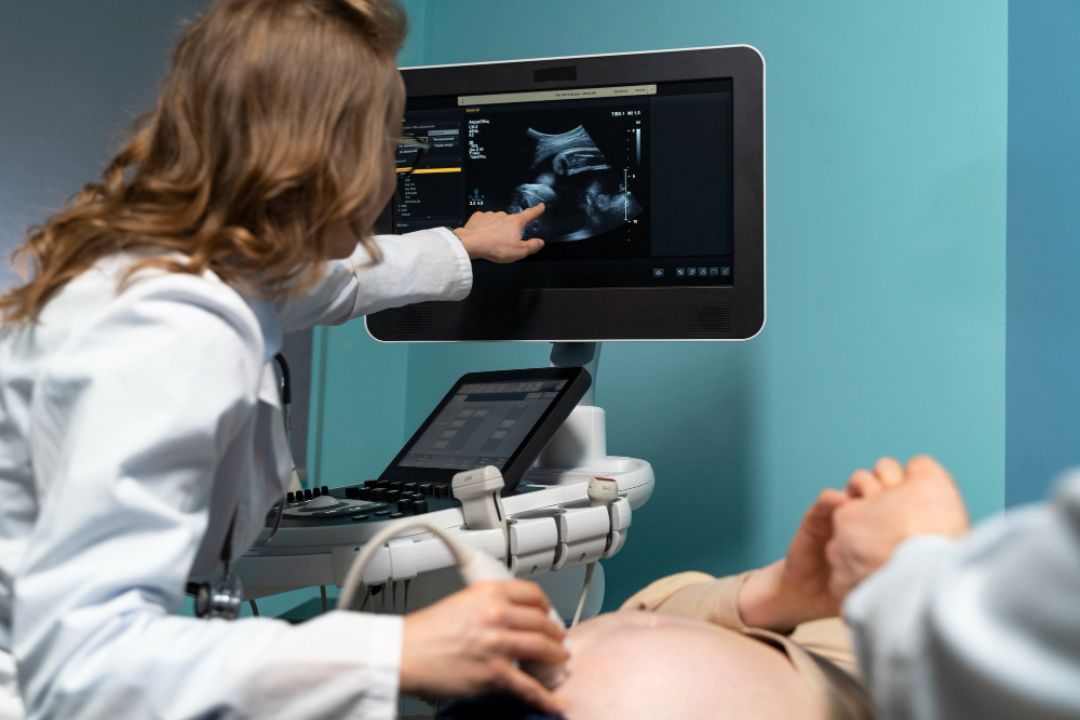
















.jpg "usg artery doppler test")

.jpg "ultrasound")


.jpg "ct scan")
.jpg "ultrasound digital sonography")

.jpg "Bilateral Foot Ultrasound")
 How It Supports In-Patient Kidney Care.jpg "USG RENAL DOPPLER(IPD)")
 (1).jpg "Healthy Tips every woman should know")
 (2).jpg "Anomaly Scan & Twin Study")