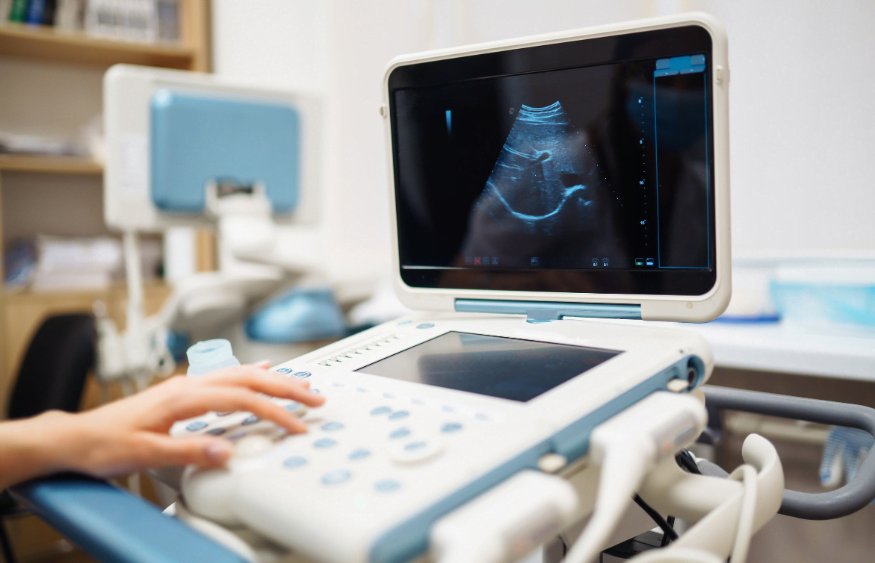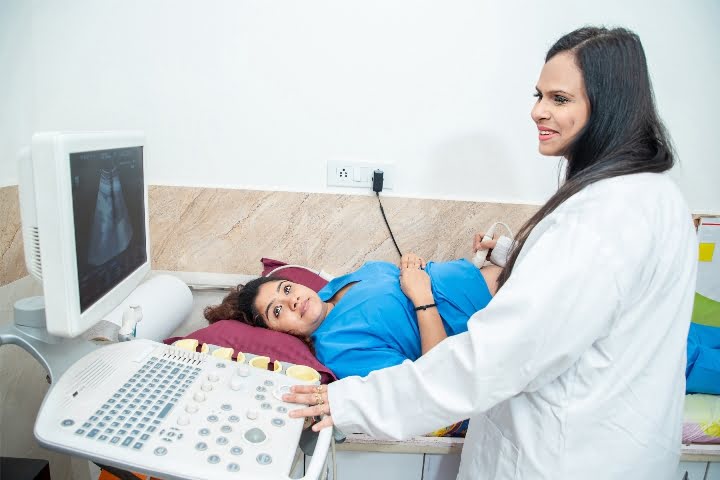
When a doctor mentions the possibility of cancer, the world can seem to shrink to a single, urgent question: How do we find out for sure? In the realm of medical imaging, one of the most common and accessible tools is the ultrasound, or Sonography. But can this familiar, non-invasive procedure actually detect cancer? The answer is nuanced and vital: Yes, sonography is a powerful and often critical tool in the detection and diagnosis of cancer, though it is part of a larger diagnostic journey. Understanding its role, strengths, and limitations empowers you to make informed decisions about your healthcare.
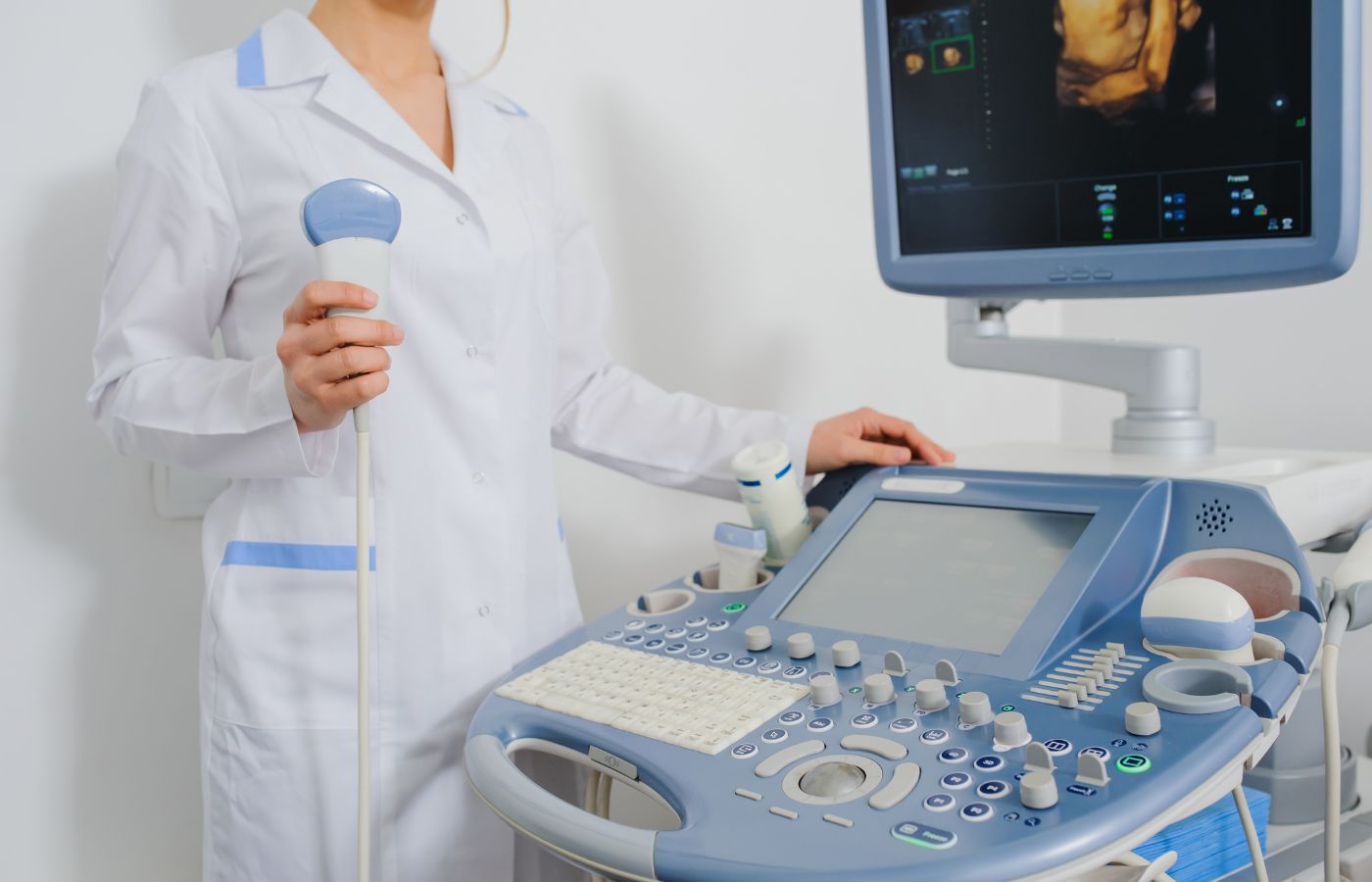
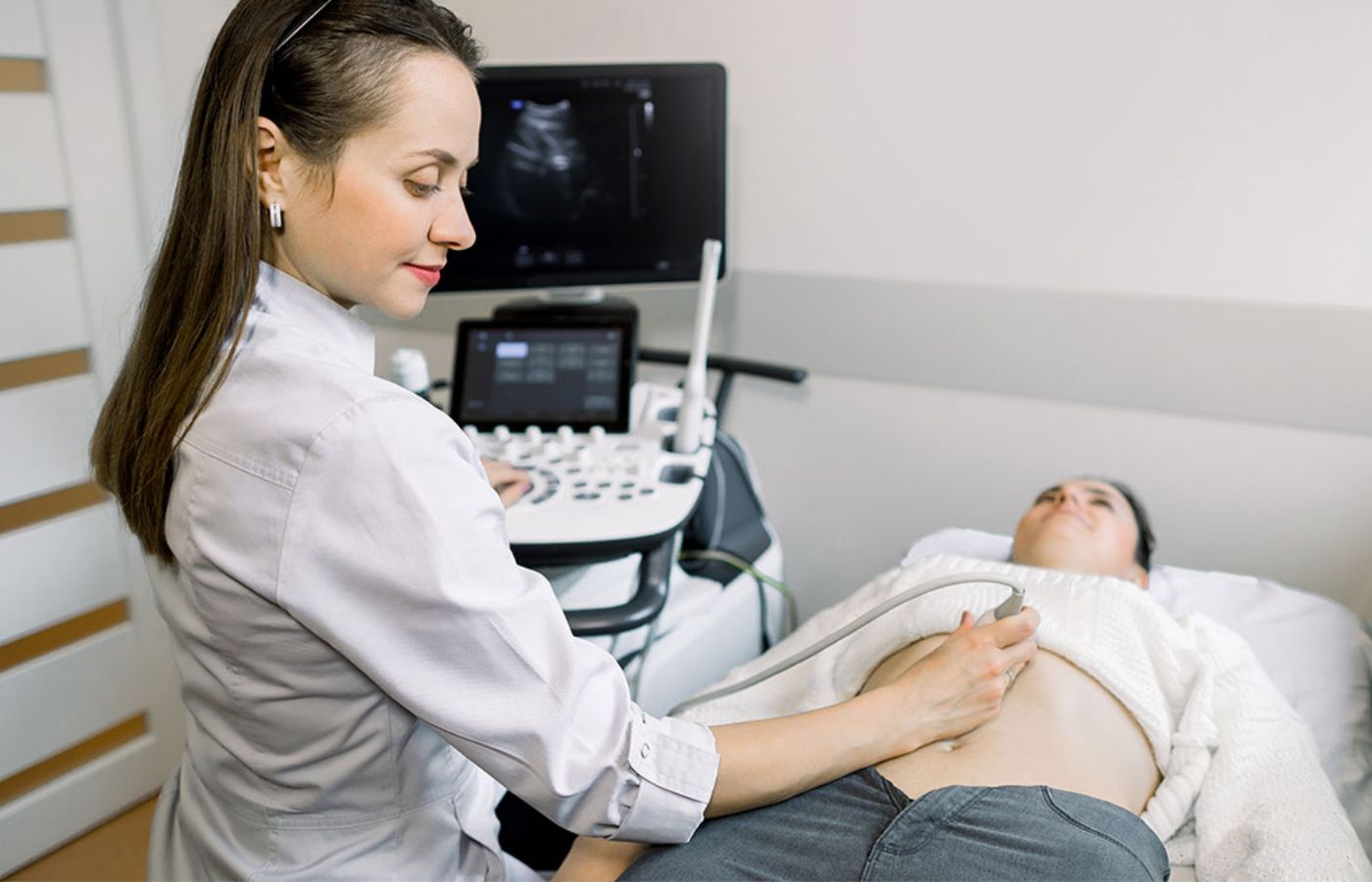
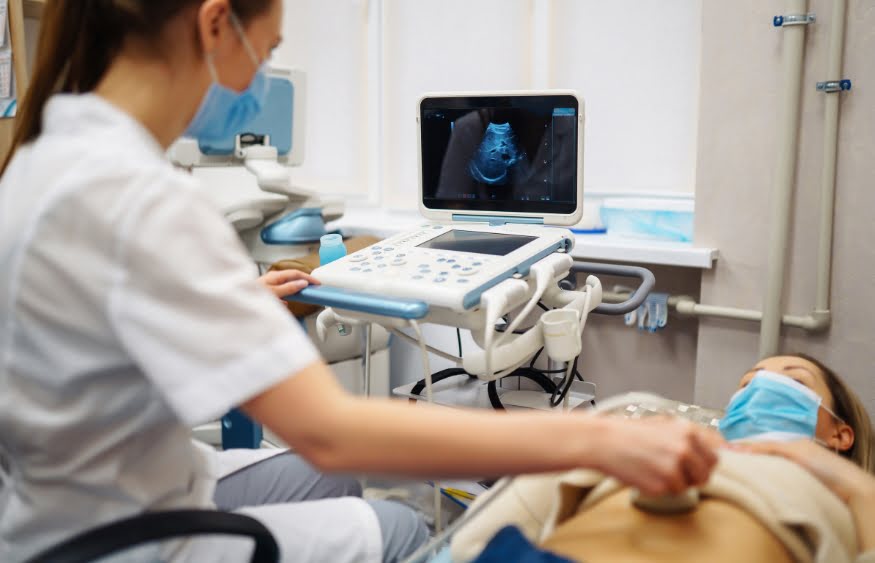
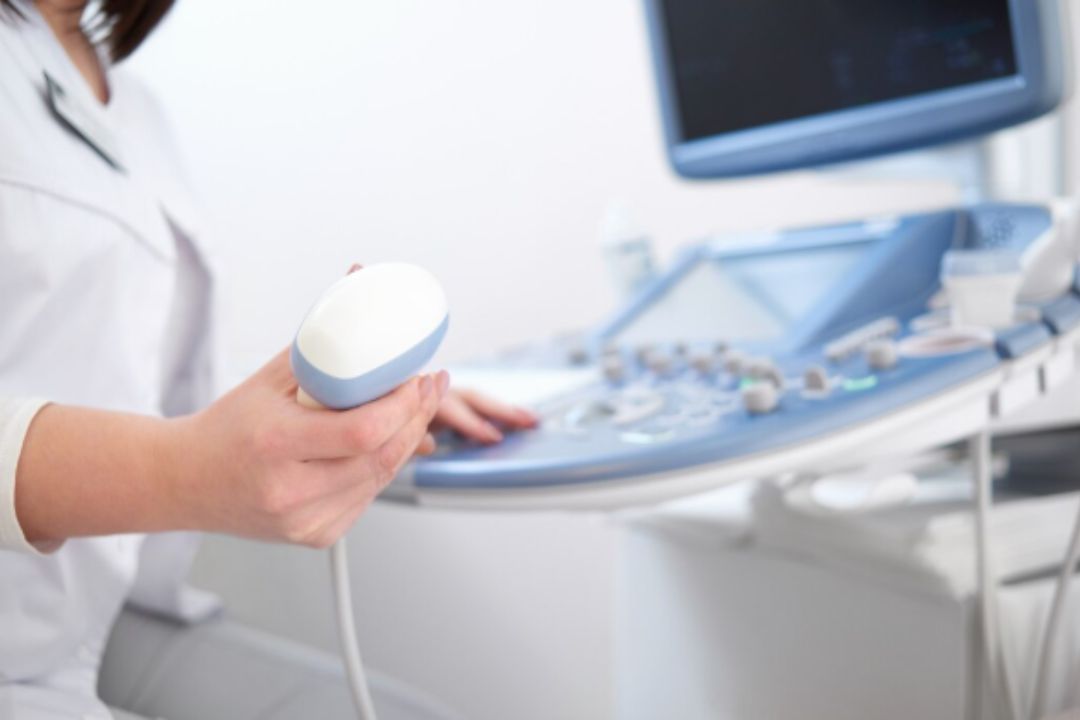
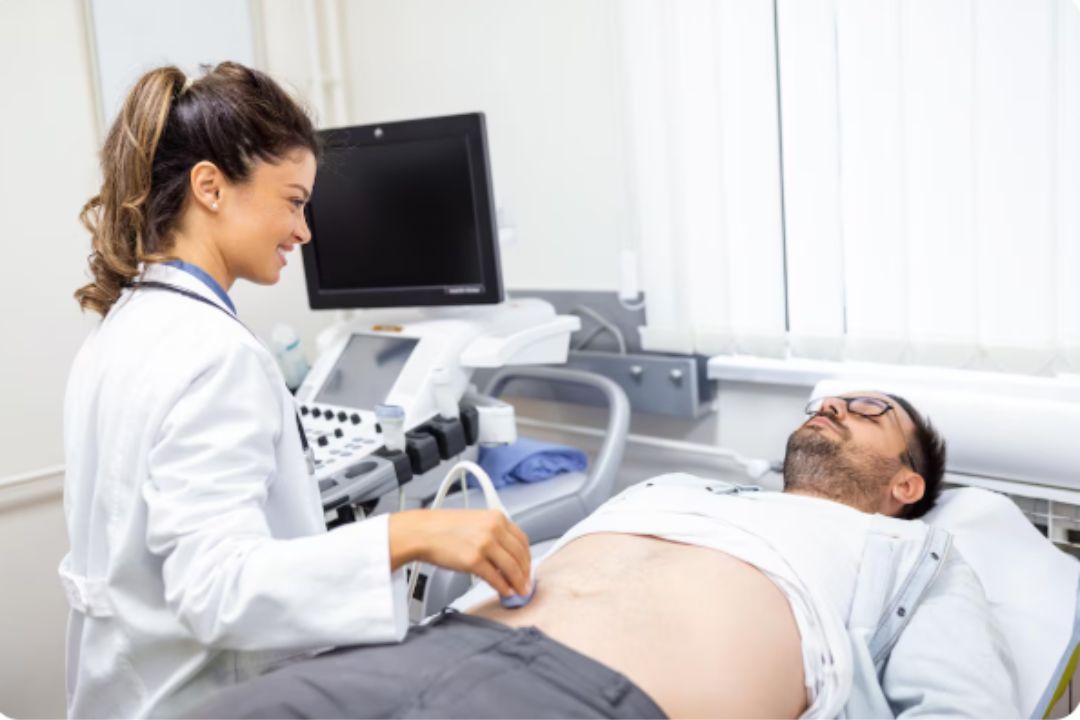
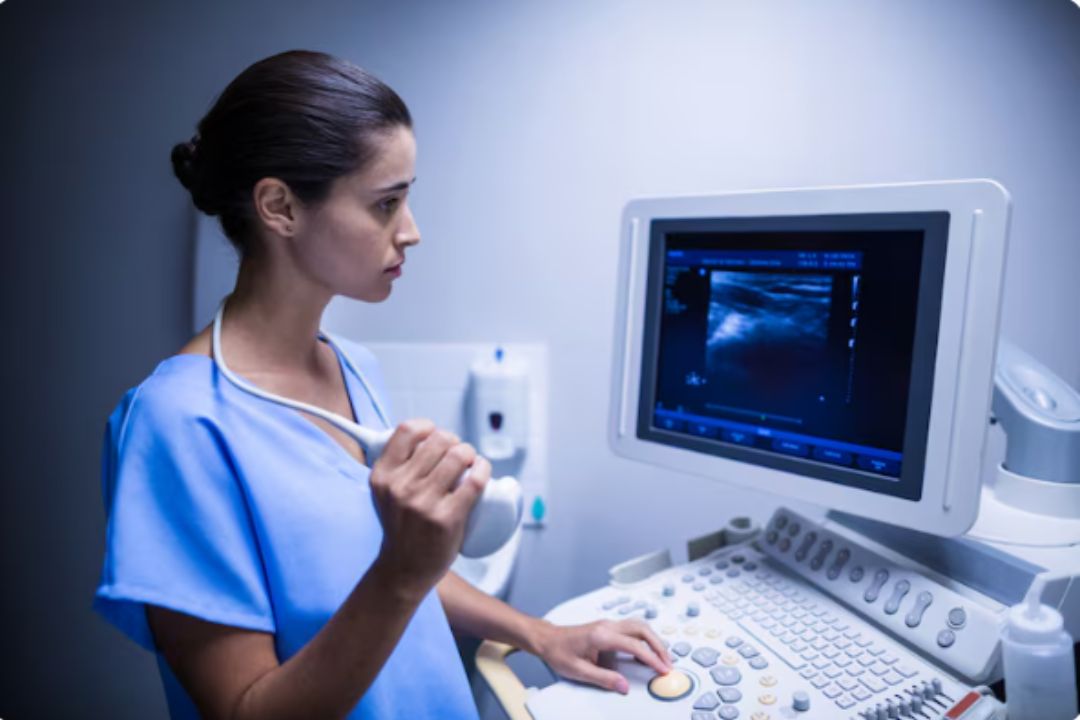
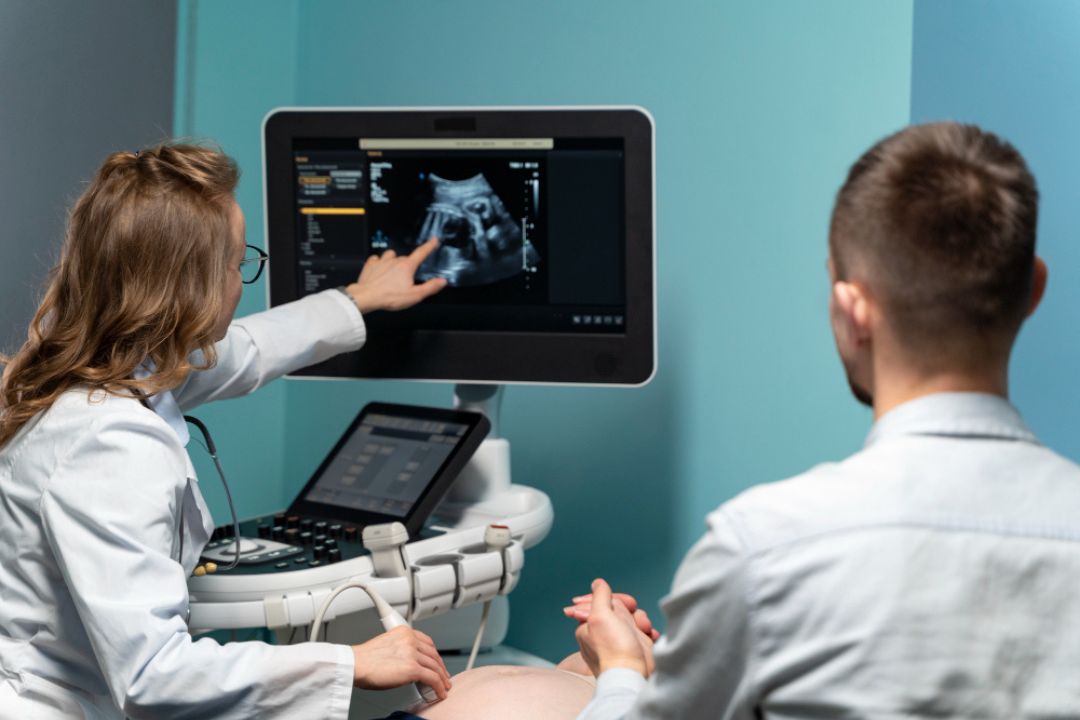
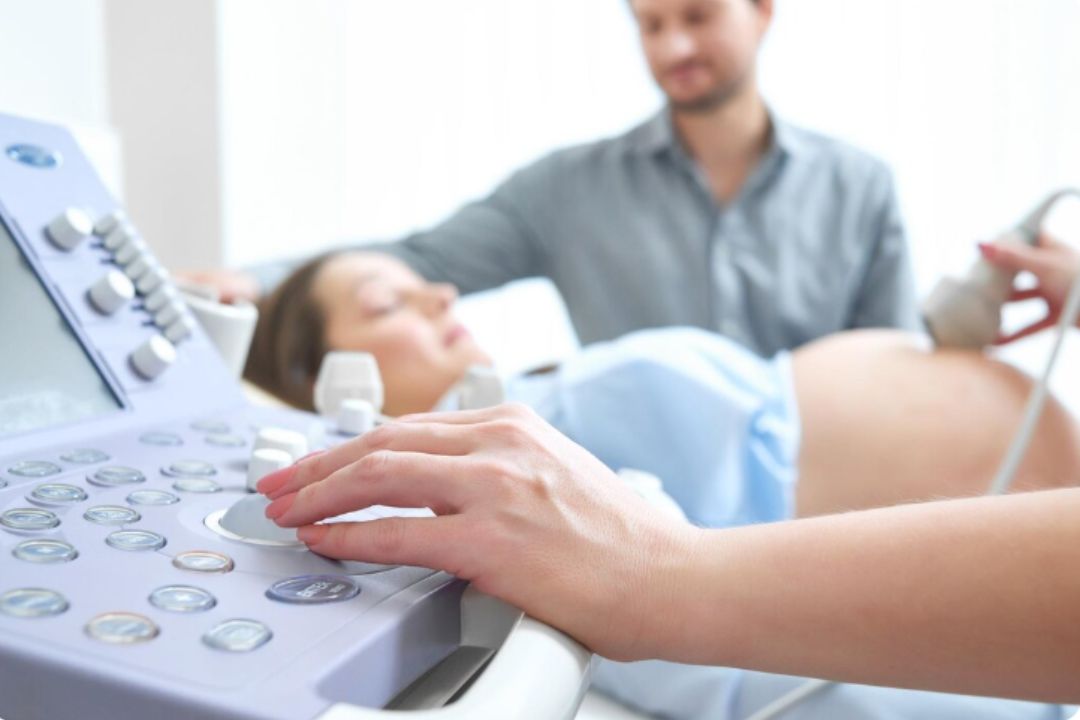
Sonography works by emitting high-frequency sound waves into the body. These waves bounce off tissues and organs, creating detailed, real-time images without using ionizing radiation (like X-rays or CT scans). Its primary role in oncology is detection and characterization.
Finding Abnormalities: It excels at identifying the presence of abnormal masses or tumors in soft tissues and organs. This includes the thyroid, liver, kidneys, gallbladder, pancreas, spleen, breasts, ovaries, uterus, prostate, and testicles.
Characterizing Masses: This is its superpower. Sonography can often distinguish between a simple, fluid-filled cyst (almost always benign) and a complex or solid mass. The radiologist examines the mass's:
Echogenicity: How light or dark it appears.
Margins: Whether its borders are smooth or irregular (spiculated).
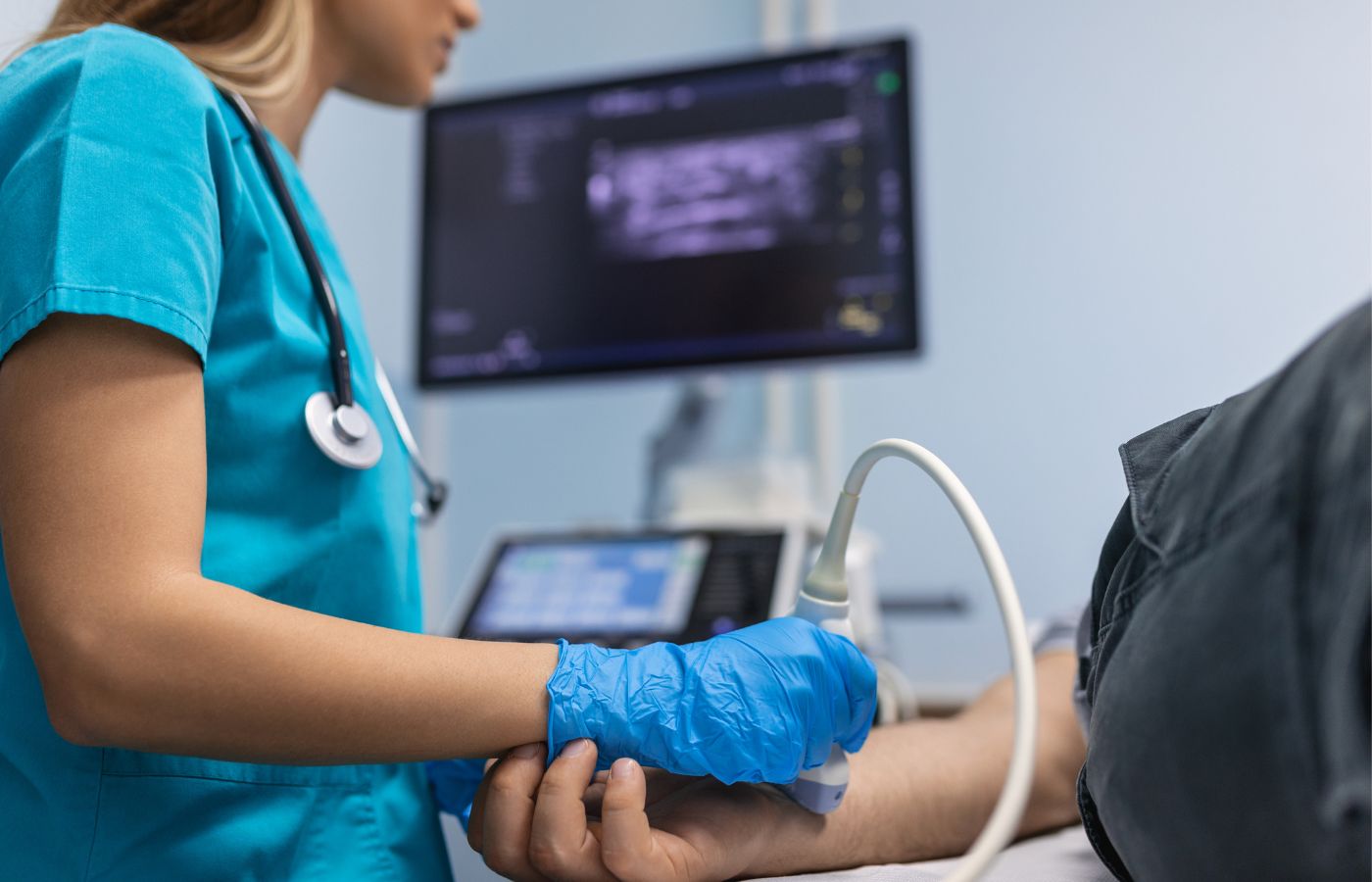
Blood Flow: Using Doppler ultrasound to see if the mass has abnormal blood vessel growth (angiogenesis), a hallmark of many cancers.
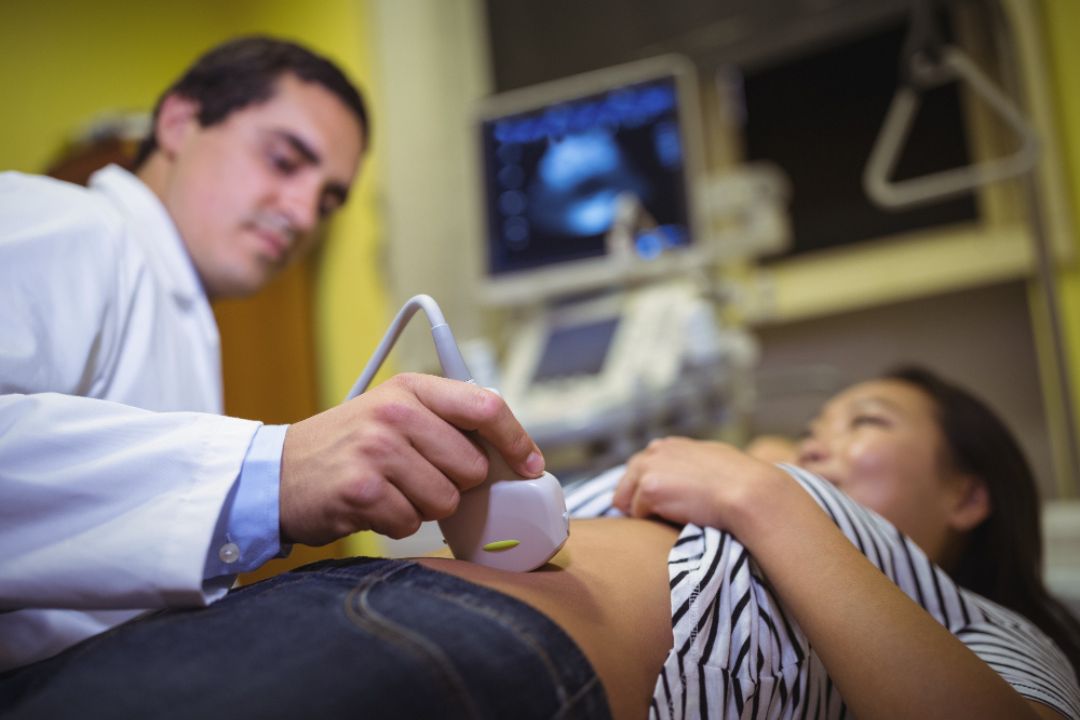
Guiding Intervention: If a suspicious solid mass is found, ultrasound becomes the eye for the hand. It is the preferred method to guide a needle biopsy with pinpoint accuracy. This allows for a safe and minimally invasive tissue sample to be extracted for pathological analysis—the only definitive way to diagnose cancer.
Why is Sonography such a frontline tool? Its benefits are multi-layered:
Safety First: It uses harmless sound waves, making it safe for repeated examinations, pregnant patients, children, and individuals who should avoid radiation.
Real-Time Dynamics: Unlike static images, ultrasound shows movement—blood pumping through vessels, organs functioning, and the needle during a biopsy. This provides functional insight beyond structure.
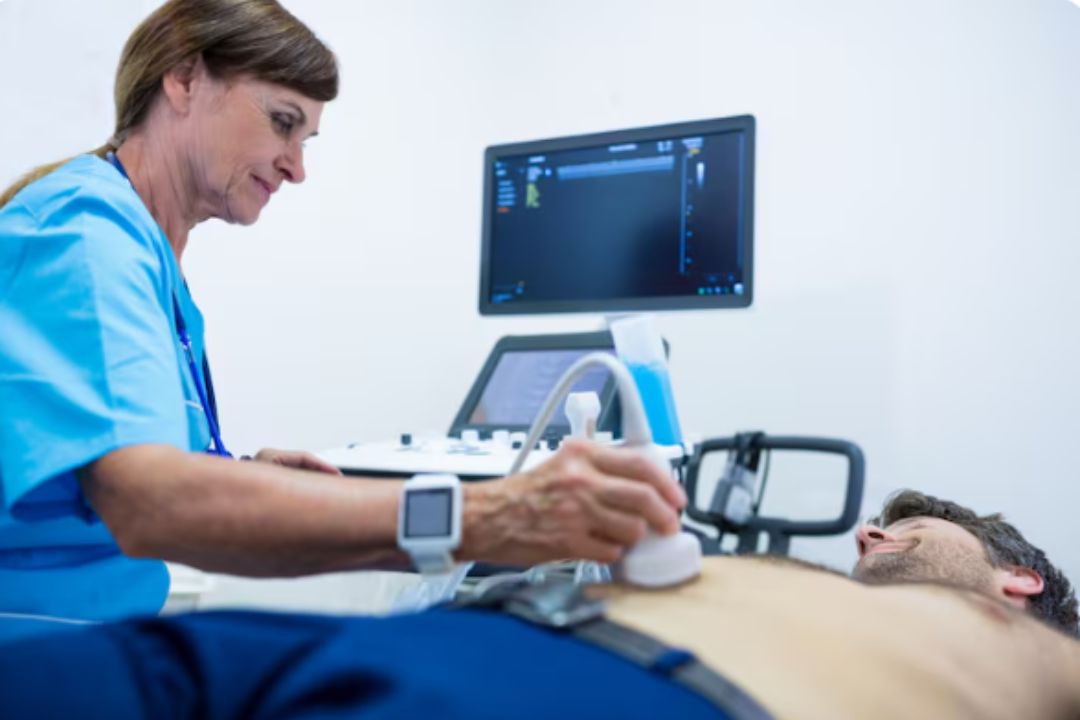
Painless and Non-Invasive: The procedure involves only gel and a transducer gliding over the skin. There is no injection of contrast (usually), no confinement, and no recovery time.
High Accessibility and Speed: Exams are relatively quick, and machines are widely available, making it a cost-effective and efficient first-line investigation.
Understanding where ultrasound fits among other tests clarifies its unique role:
vs. Mammography: For breast cancer screening in the general population, mammography is the gold standard. However, ultrasound is the indispensable partner. It is superior for evaluating dense breast tissue (common in younger women) where cancers can hide on a mammogram, and for characterizing lumps felt physically or seen on a mammogram.
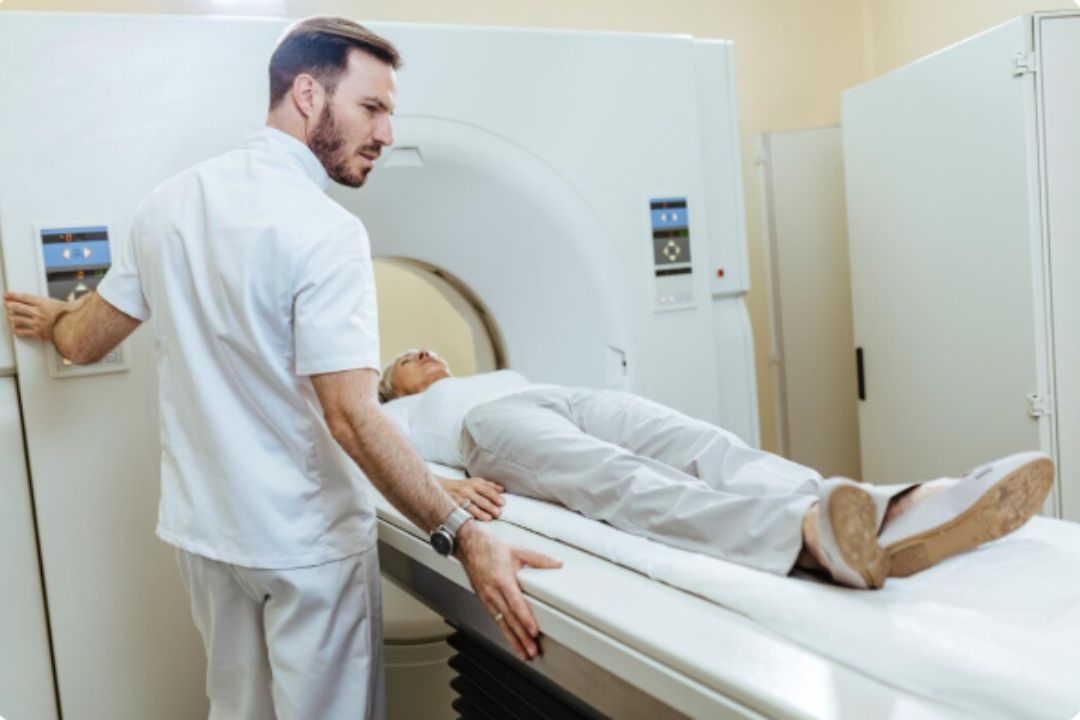
vs. CT Scan: CT scans provide brilliant, cross-sectional "slices" of the entire body and are crucial for cancer staging (seeing how far it has spread). Ultrasound, however, offers better detail for superficial organs (thyroid, testes) and pelvic structures (ovaries, uterus) and lacks radiation. It’s often the first look before a CT is ordered.
vs. MRI: MRI provides unmatched soft-tissue contrast and is excellent for detailing brain, spinal, and certain pelvic cancers. But it is expensive, time-consuming, and can be claustrophobic. Ultrasound is a more accessible, dynamic, and often sufficient initial tool for many abdominal and obstetric-gynecological concerns.
In the often complex world of medical expenses, diagnostic sonography stands out for its excellent value proposition. It delivers high diagnostic yield at a fraction of the cost of advanced imaging like MRI or PET-CT scans. This affordability makes it a sustainable and logical first investigative step, reducing both patient anxiety and financial burden. For transparent and competitive pricing at a trusted sonography lab near me, a conversation with Diagnopein Mumbai provides clear guidance.
The anxiety surrounding a potential cancer diagnosis is immense. A diagnostic centre's environment can significantly impact this experience. A quality sonography is designed for patient comfort:
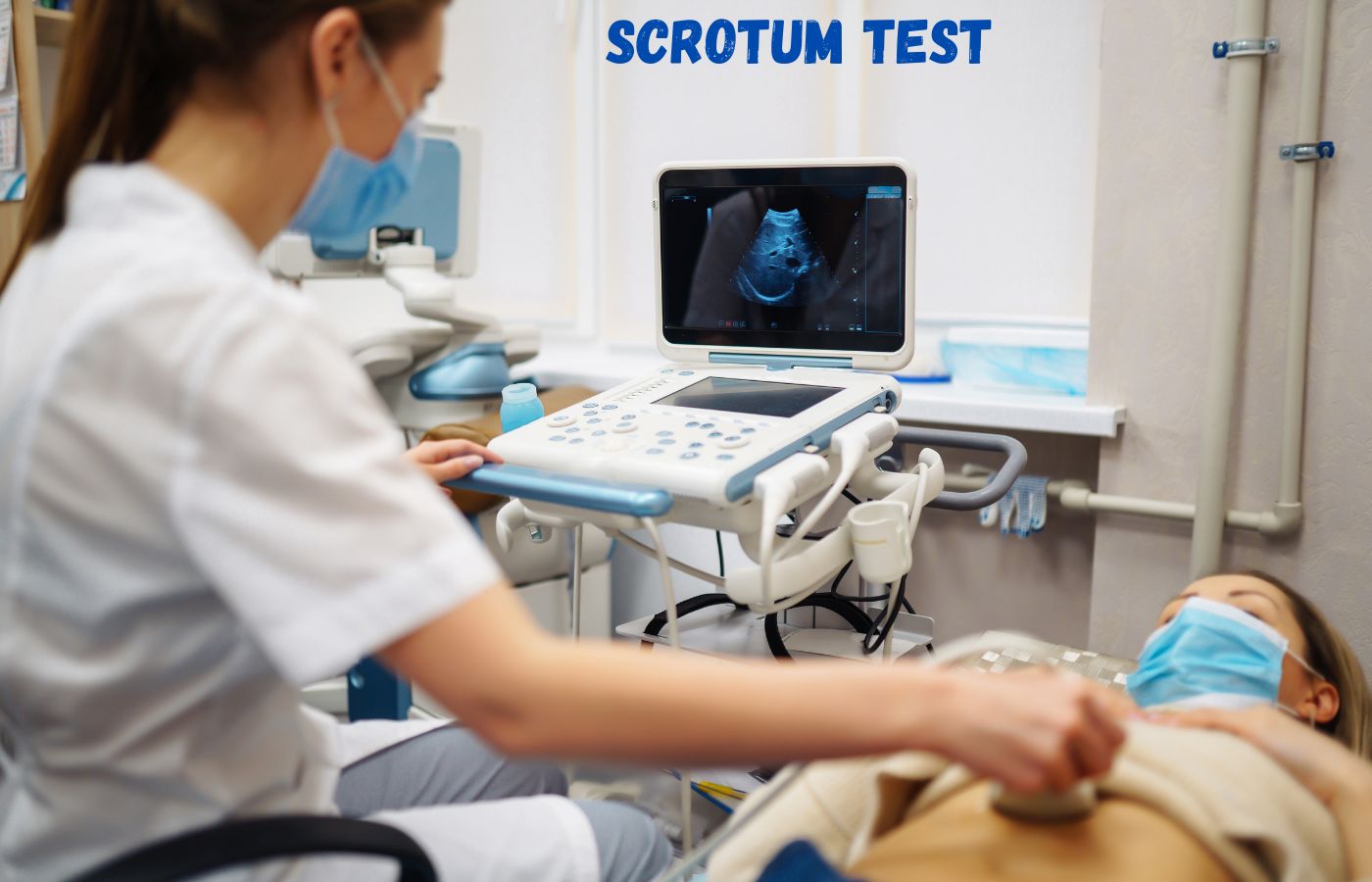
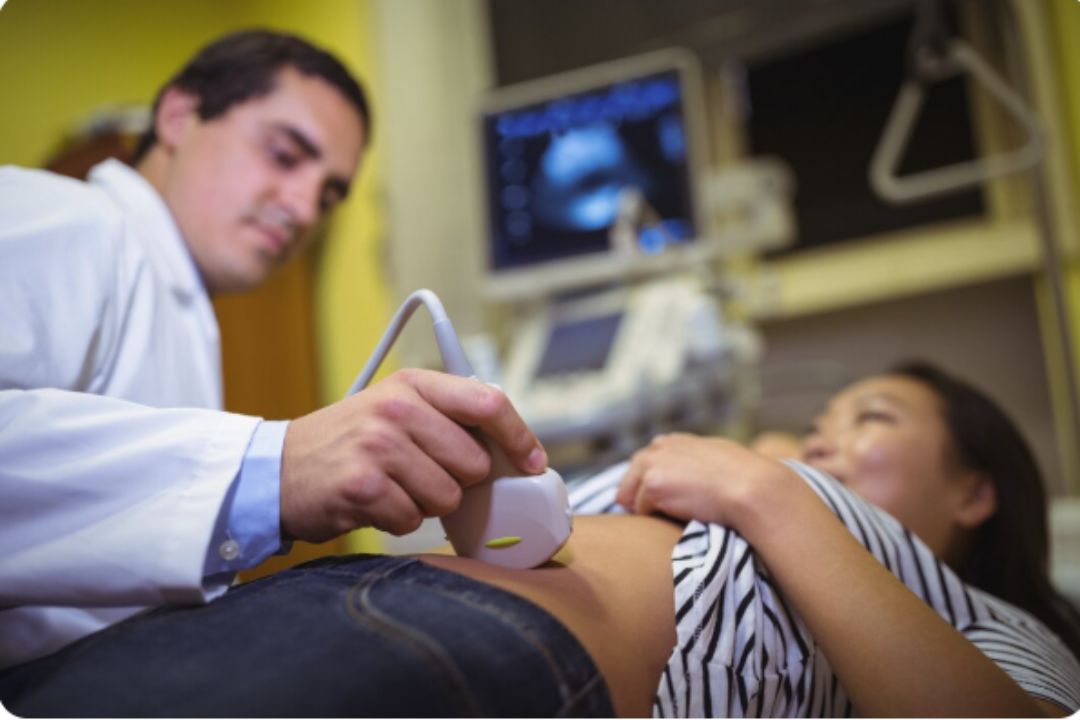
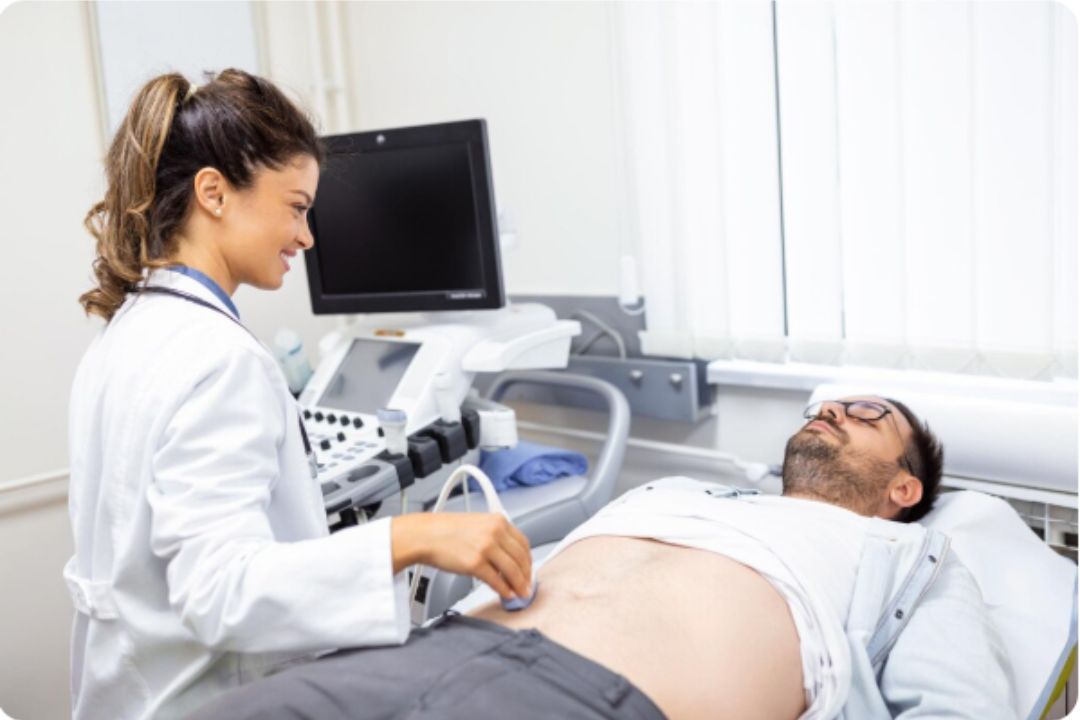
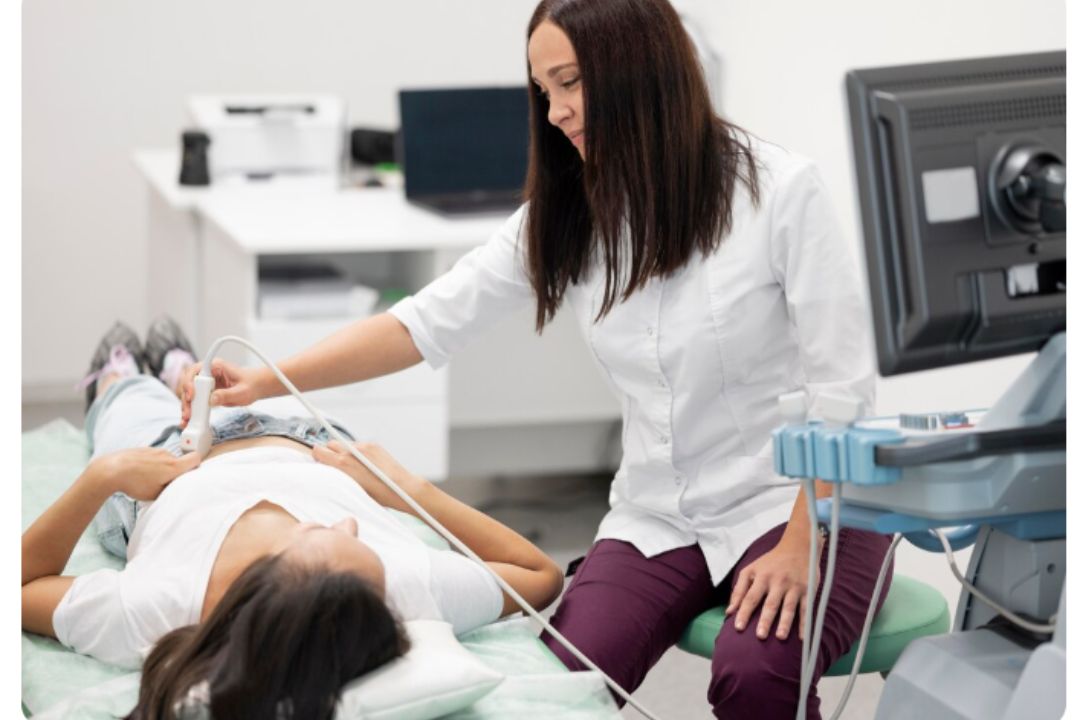
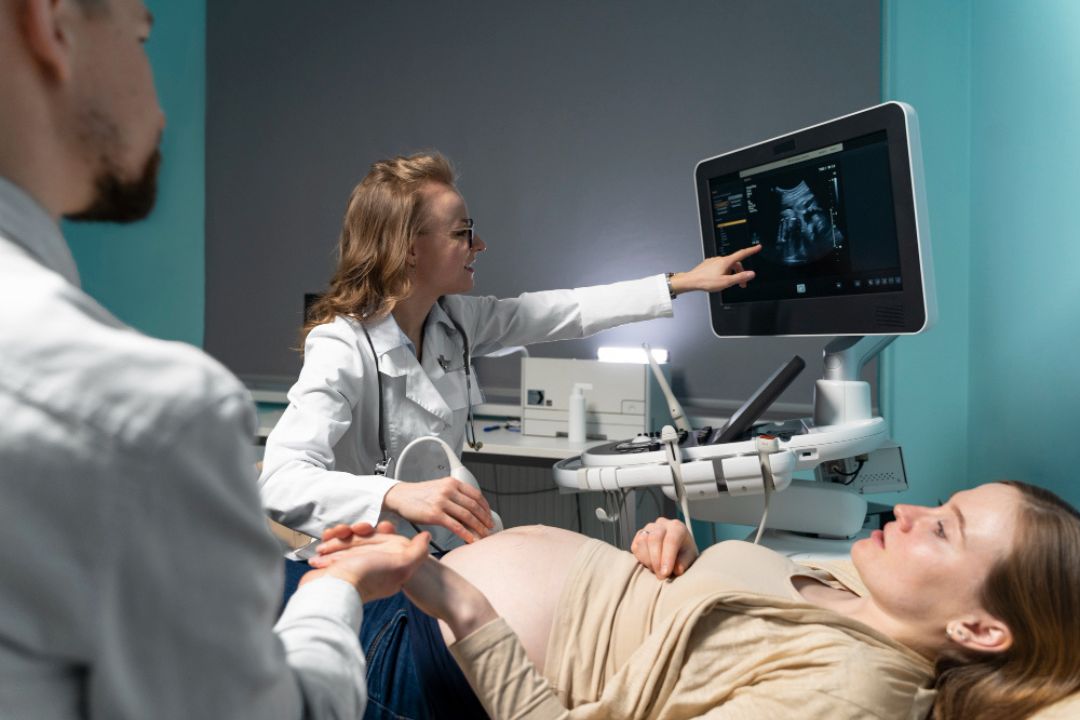
The Procedure: You lie on a comfortable bed in a softly lit room. A warm gel is applied, and the sonographer gently moves the transducer. You can breathe normally and even watch the screen if you wish.
No Enclosure or Noise: The open setup avoids the tunnel-like feeling of MRI or the mechanical noise of a CT scanner.
Immediate Resumption of Life: You can drive, work, and carry on with your day immediately after the scan—no side effects, no downtime.
So, can sonography detect cancer? Resoundingly, it can find, characterize, and help biopsy suspicious growths, serving as the critical catalyst that prompts further, definitive testing. It is a cornerstone of modern diagnostic medicine, valued for its safety, clarity, and patient comfort.
When your health, or the health of a loved one, is on the line, where you choose to have this pivotal test matters profoundly. For those searching for a "nearby sonography centre," the "best sonography centre near me," or a reliable "sonography lab near me," your search culminates at Diagnopein Mumbai.
Choosing a diagnostic centre is about more than just location or cost; it's about trust, precision, and care. At Diagnopein, we have built our reputation on these very pillars, establishing ourselves as a leading sonography centre near me for patients who will not compromise on accuracy.
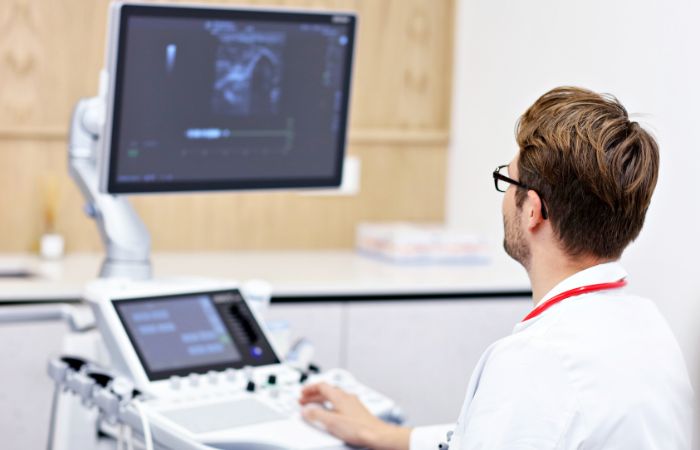
Expert-Led Interpretation: Our advanced high-resolution ultrasound machines are operated by skilled sonographers and interpreted by experienced specialist radiologists with a keen eye for oncological imaging. The machine is only as good as the expert reading it.
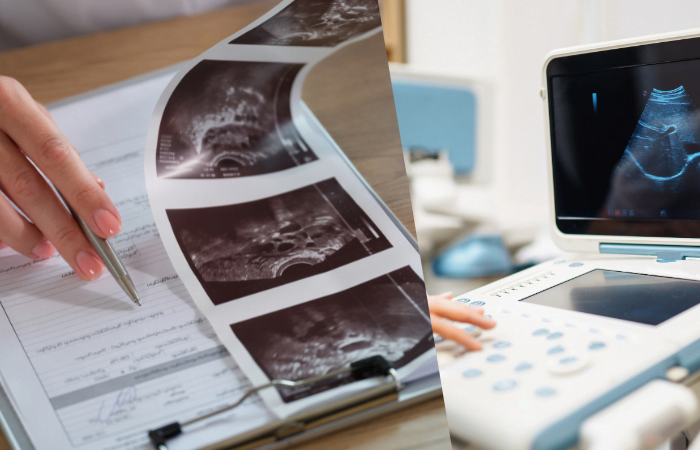
Holistic Diagnostic Approach: We don't just provide images; we provide insights. Our detailed reports are crafted to give your referring physician clear, actionable information to guide the next step in your care plan, whether that's reassurance, follow-up, or a biopsy.
Patient-Centric Ethos: We understand the worry that accompanies a diagnostic test. Our team is trained to provide compassionate, clear communication and ensure your physical and emotional comfort throughout the process.
Commitment to Accessibility: Located centrally in Mumbai, Diagnopein is your easily accessible partner in health. We combine top-tier medical expertise with the convenience you seek when looking for a "near me sonography centre."
If you or your physician have recommended a diagnostic ultrasound, make the choice that prioritizes precision and peace of mind. Do not let uncertainty linger. Take the proactive step towards clarity with a centre that partners with you in your health.





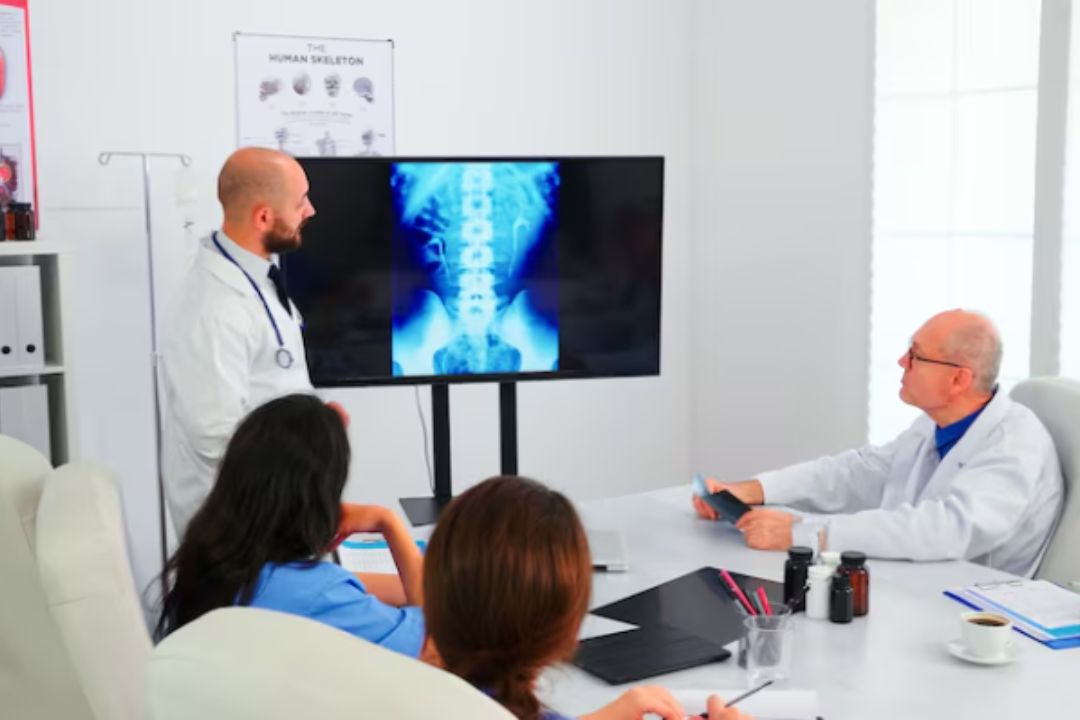




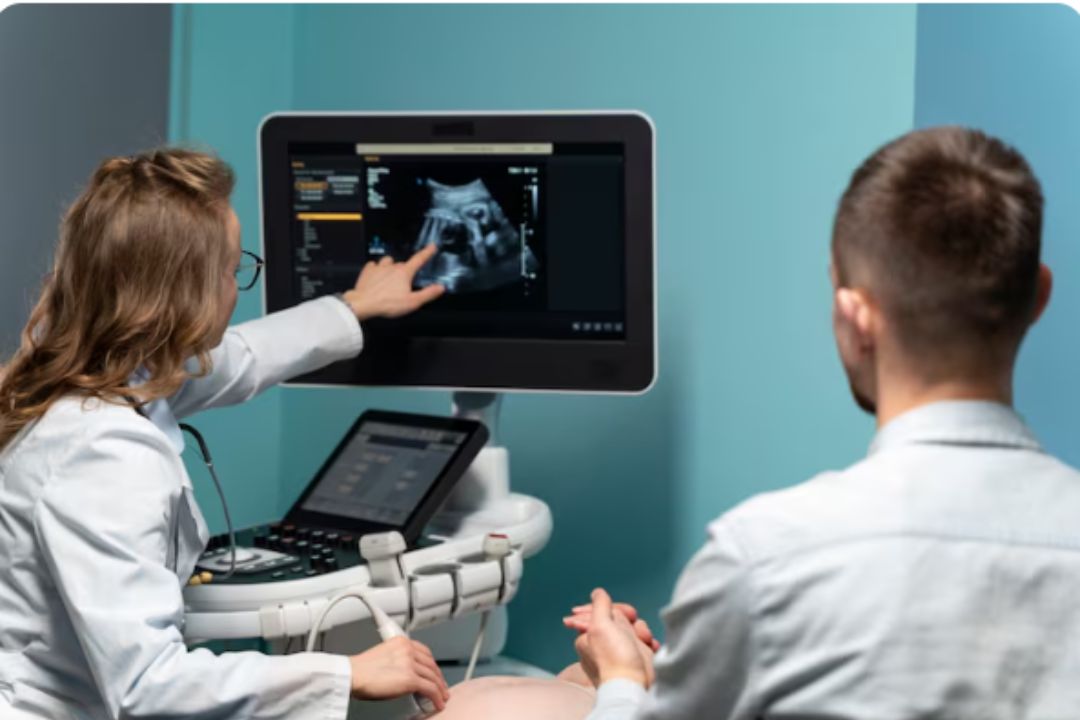


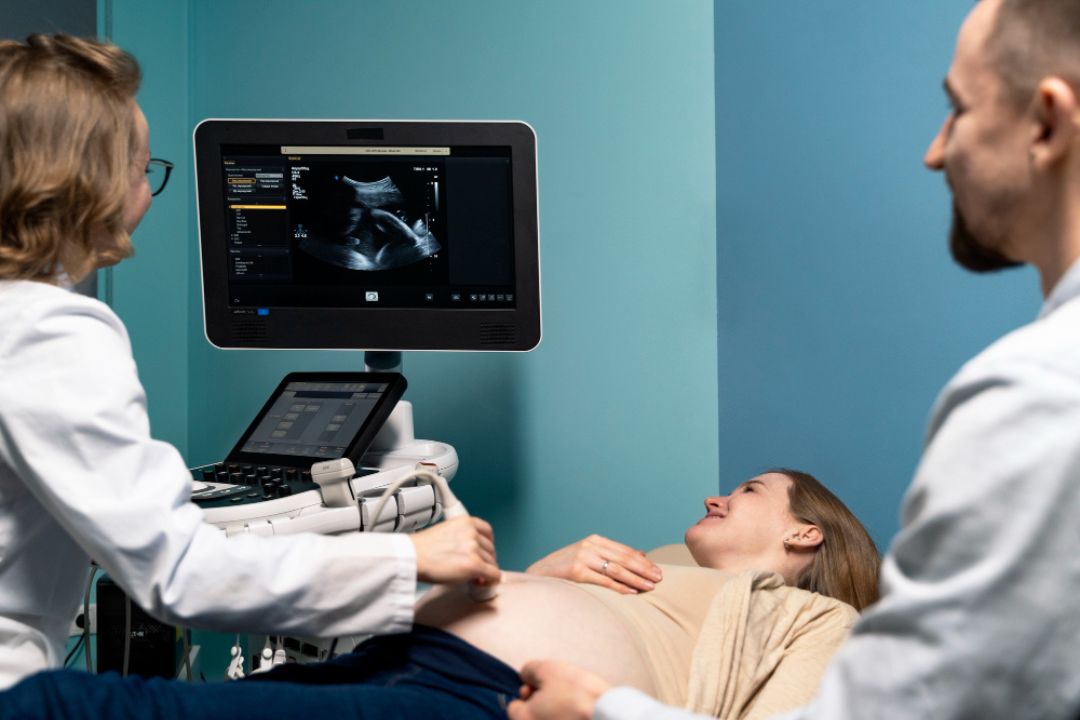

.jpg "usg portal venous doppler purpose procedure and normal values")
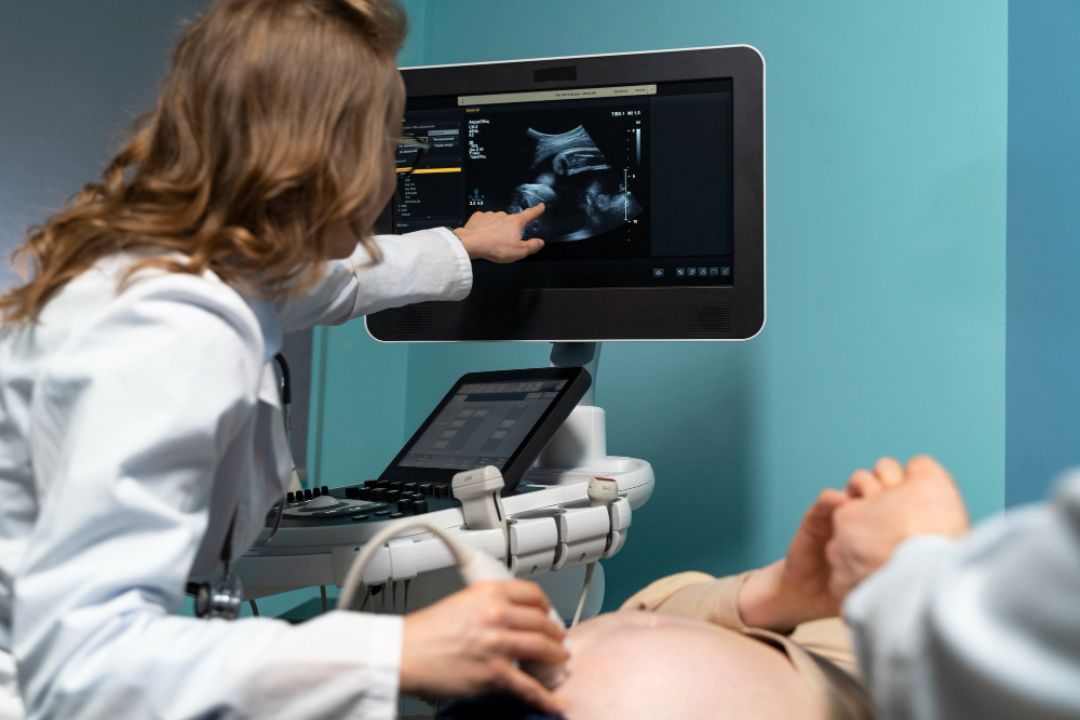
































.jpg "usg artery doppler test")



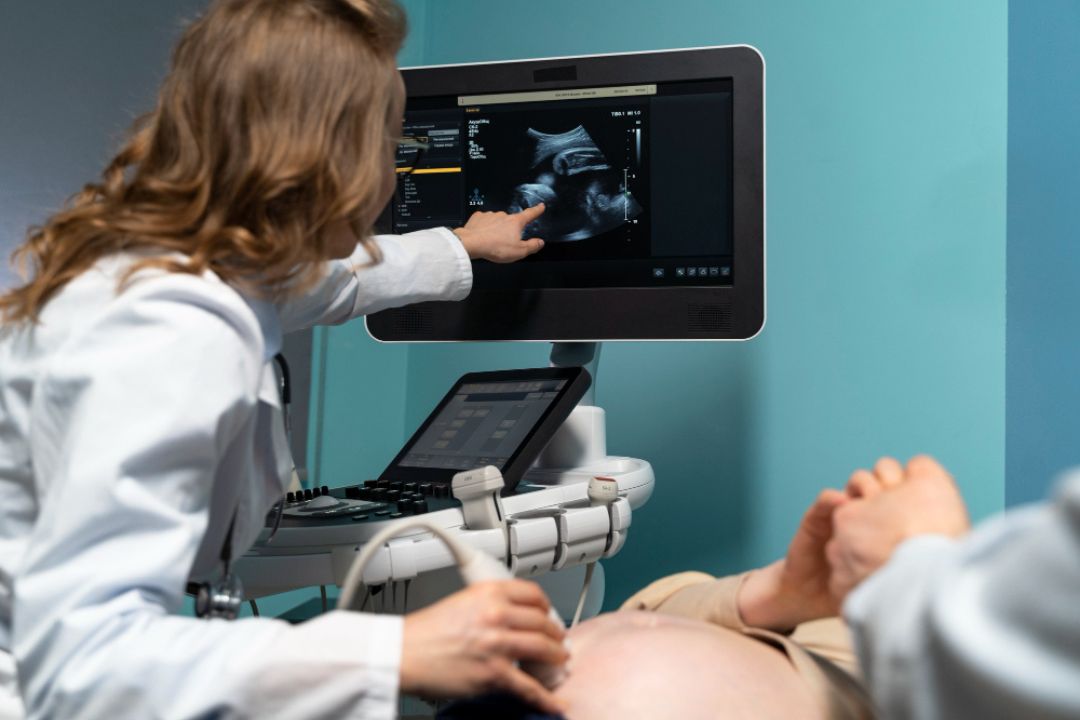
.jpg "ultrasound")


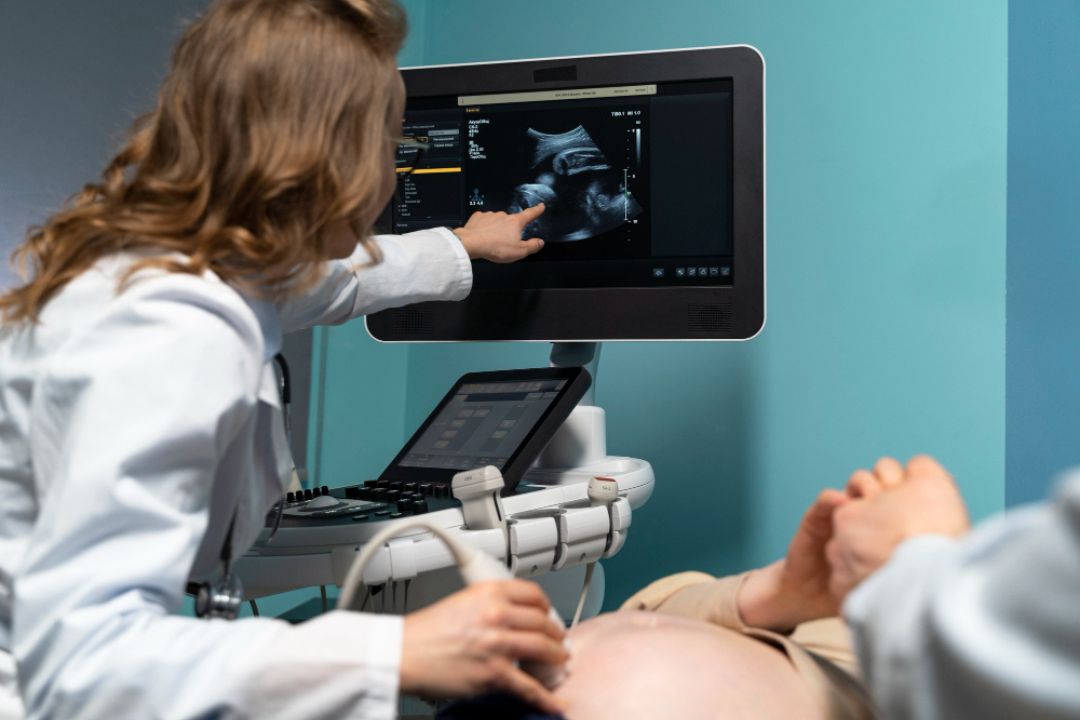

.jpg "ct scan")


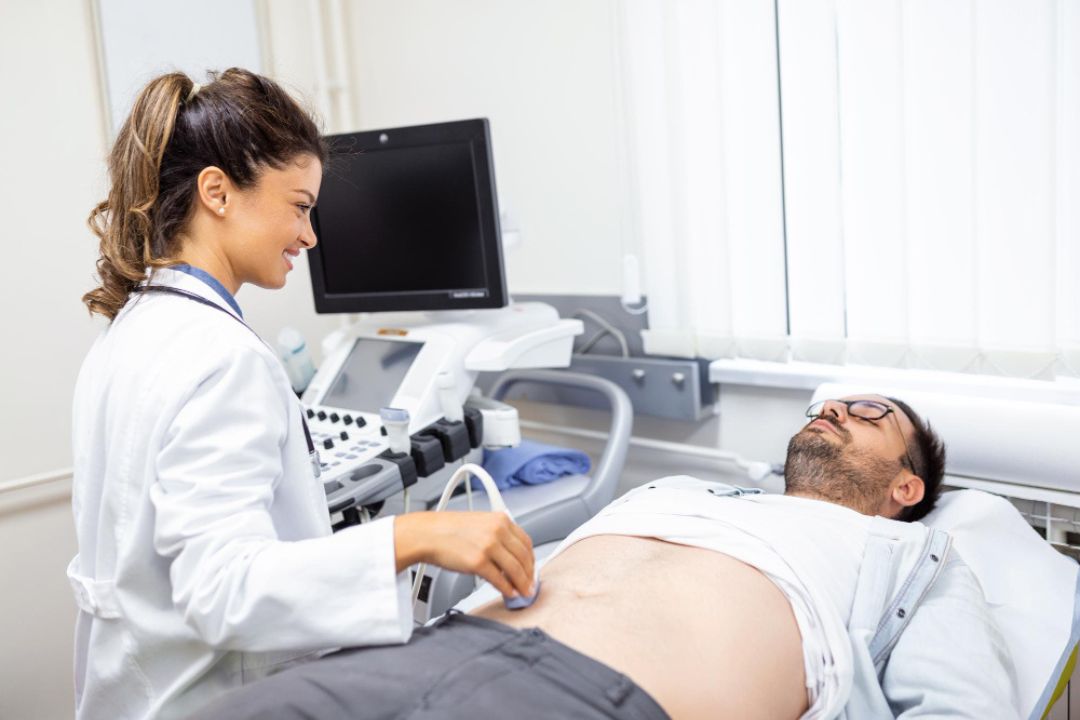
.jpg "ultrasound digital sonography")



.jpg "Bilateral Foot Ultrasound")

 How It Supports In-Patient Kidney Care.jpg "USG RENAL DOPPLER(IPD)")
 (1).jpg "Healthy Tips every woman should know")
 (2).jpg "Anomaly Scan & Twin Study")