In the realm of modern medical imaging, few tools are as versatile, non-invasive, and crucial as the Doppler ultrasound. But for many patients, the recommendation for this test can come with questions: When is a Doppler ultrasound recommended? What does it involve, and why is it preferred? This comprehensive guide will delve into the specific medical scenarios that warrant a USG Doppler, explore its significant benefits, compare it to other procedures, and address common concerns about cost and comfort. We’ll also highlight why choosing a specialized center like Diagnopein in Mumbai ensures accuracy, care, and peace of mind.
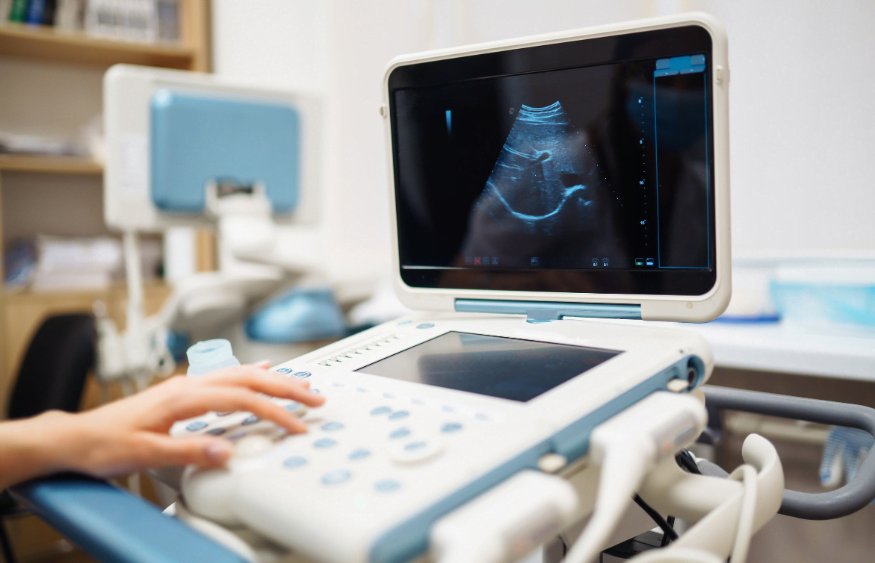
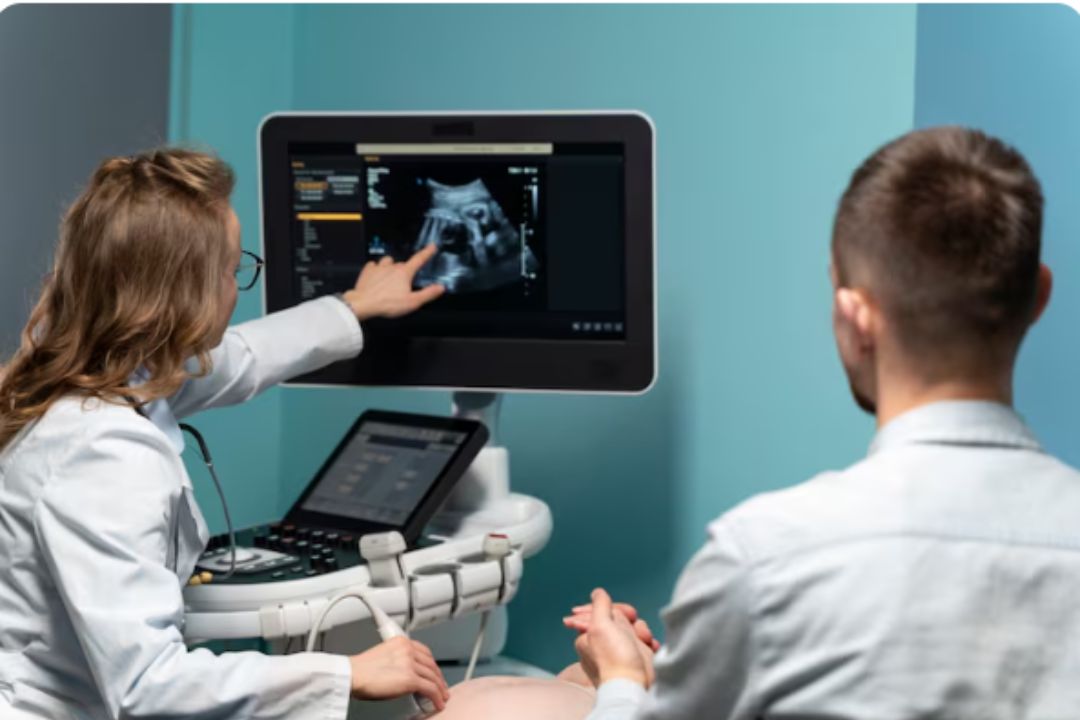
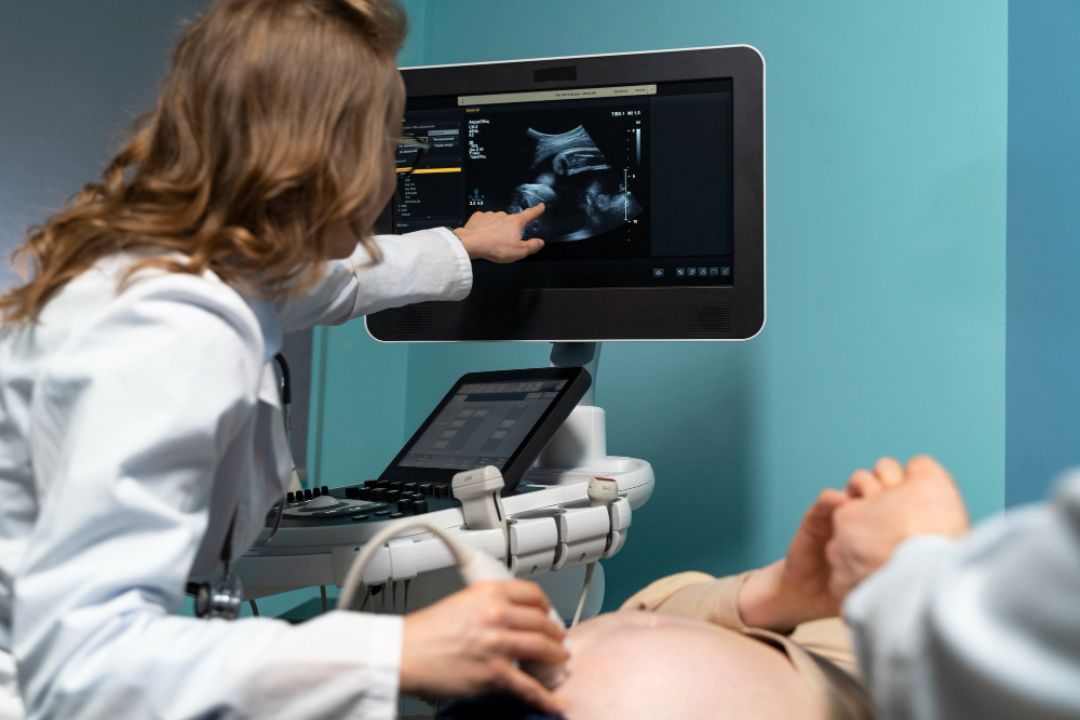
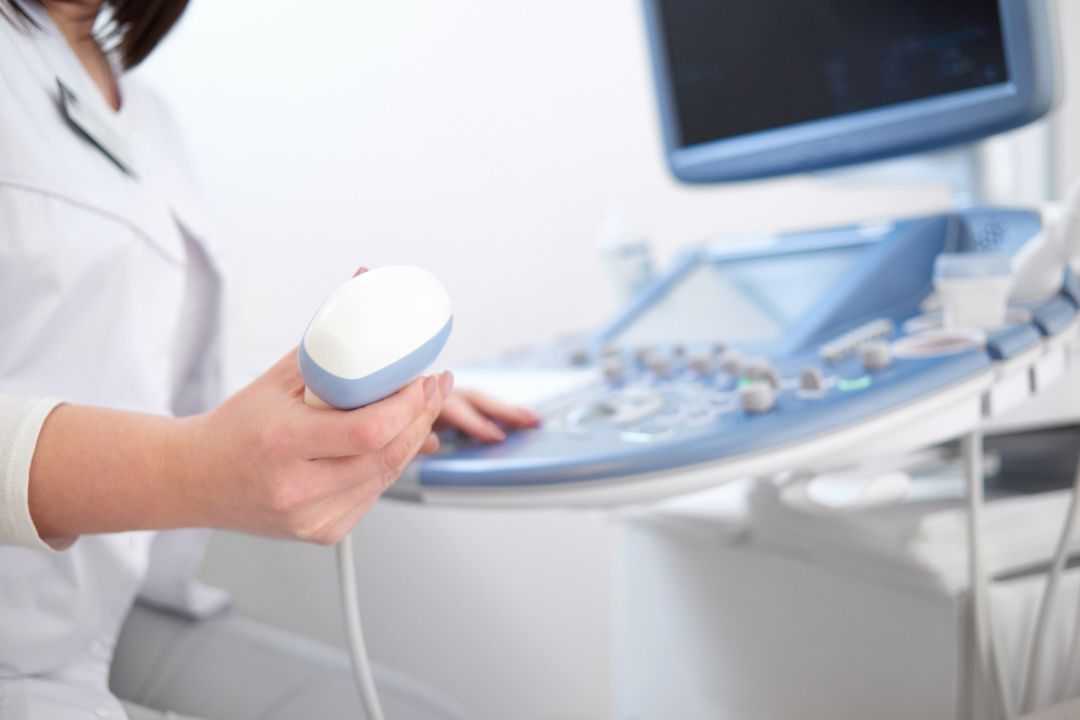
A USG Doppler scan is an advanced form of ultrasound. While a standard ultrasound creates images of organs and tissues, Doppler technology adds a dynamic layer: it visualizes and measures the speed and direction of blood flow through your arteries and veins. This is often presented as a color-coded map overlay—hence the common term USG color Doppler—where different colors indicate flow direction and velocity. This capability makes it indispensable for diagnosing conditions related to circulation and vascular health.
Physicians recommend a Doppler ultrasound in a variety of clinical situations where evaluating blood flow is critical to diagnosis. Here are the primary scenarios:
Deep Vein Thrombosis (DVT): This is one of the most common reasons. If you have unexplained leg pain, swelling, warmth, or redness, a Doppler of the lower limbs can quickly and accurately detect the presence of a clot.
Peripheral Artery Disease (PAD): For symptoms like leg cramping, pain while walking (claudication), or non-healing wounds, a Doppler assesses narrowing or blockages in the leg arteries.
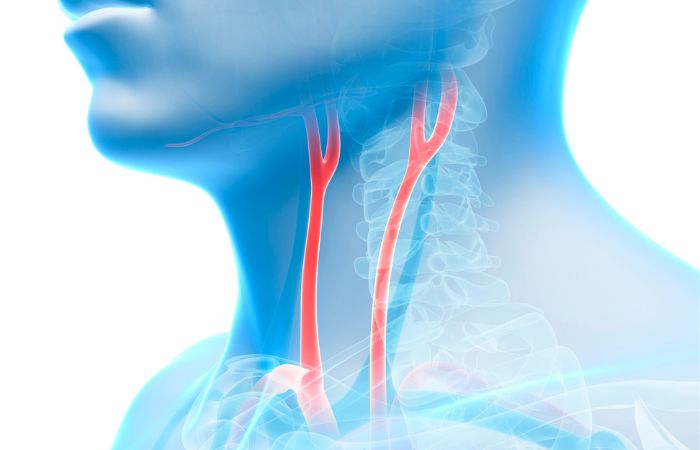
Following a transient ischemic attack (TIA or "mini-stroke") or a stroke, a carotid Doppler is standard. It evaluates the carotid arteries in the neck for plaque buildup (atherosclerosis) that could restrict blood flow to the brain.
A specialized renal Doppler USG is frequently recommended for patients with uncontrolled high blood pressure to check for renal artery stenosis—a narrowing of the arteries supplying the kidneys. It is also vital for monitoring blood flow in a transplanted kidney and evaluating chronic kidney disease.
While an echocardiogram is a comprehensive heart ultrasound, it uses Doppler technology as a core component to assess blood flow through heart valves and chambers, identifying leaks (regurgitation) or stenosis. Doppler also screens for abdominal aortic aneurysms (AAA).
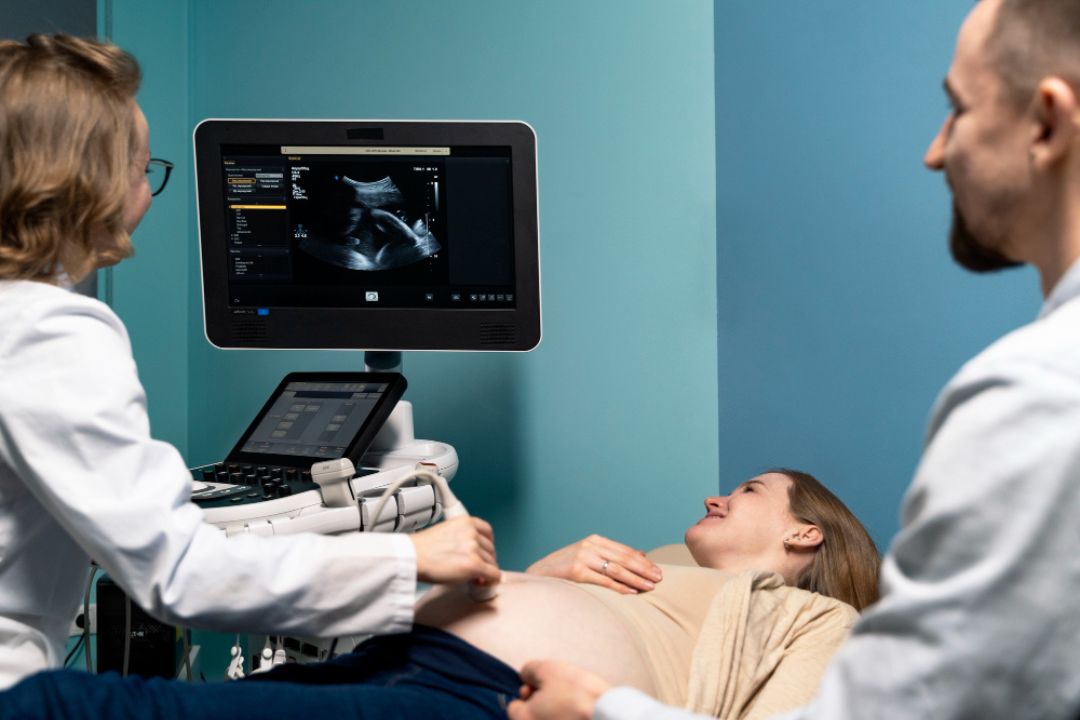
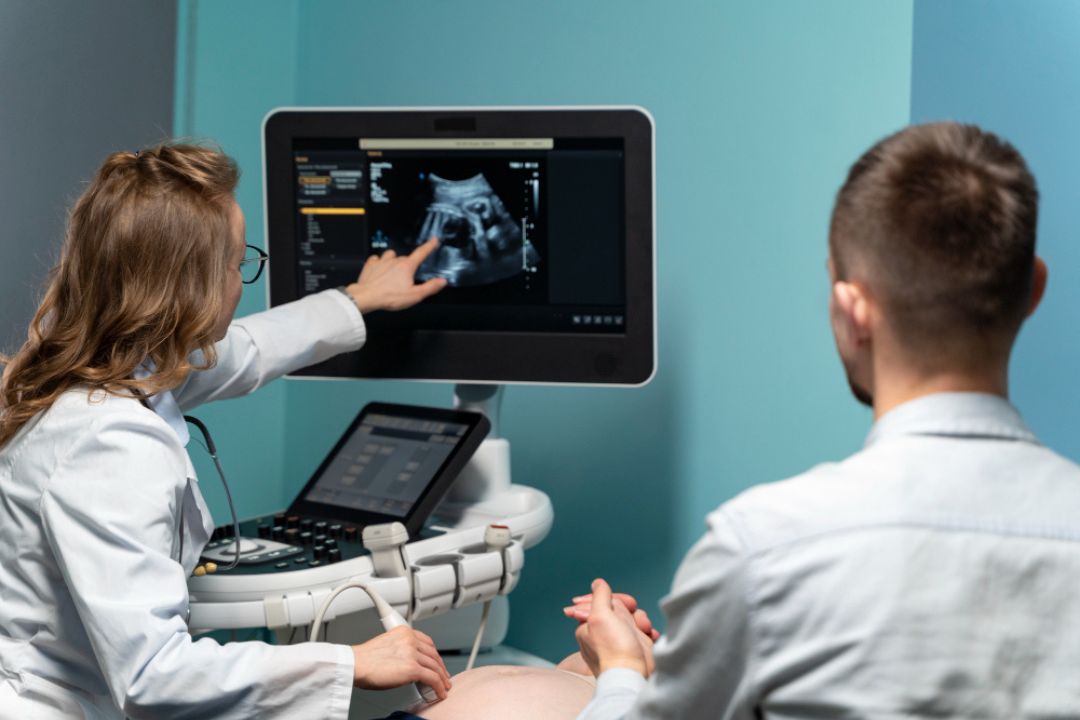
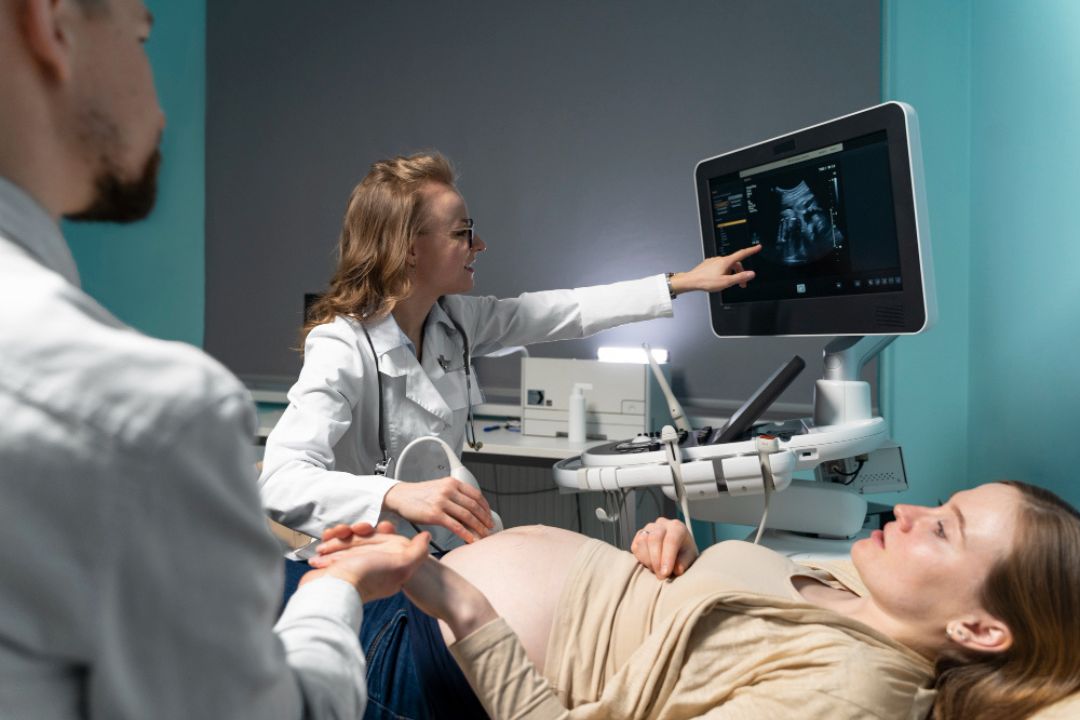
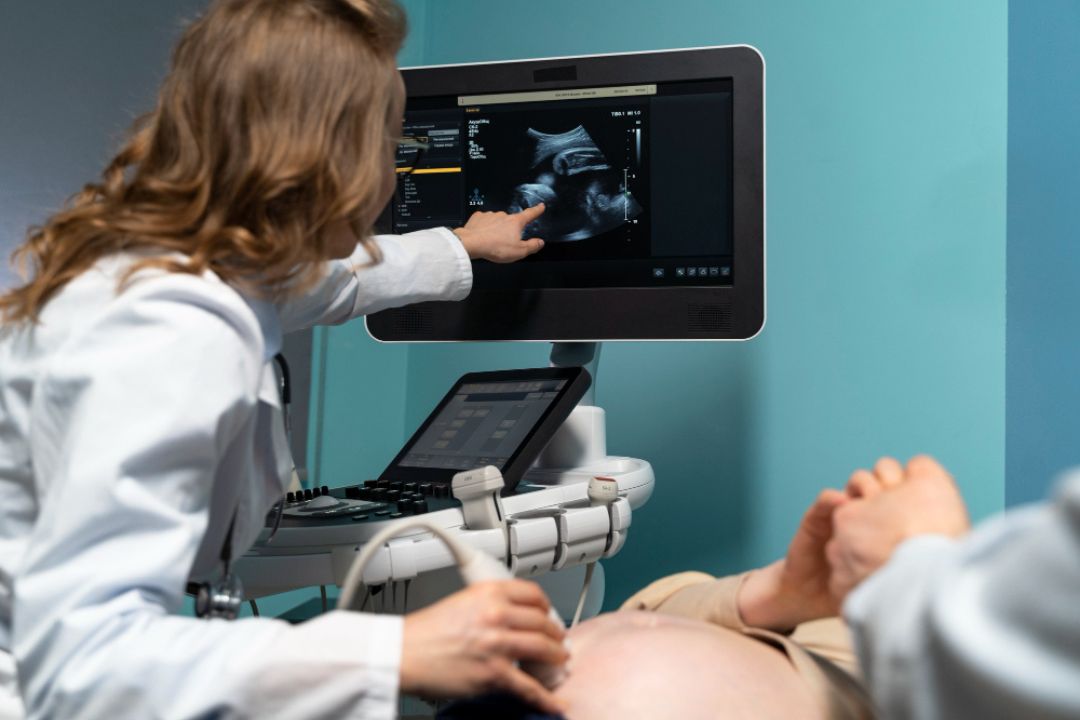
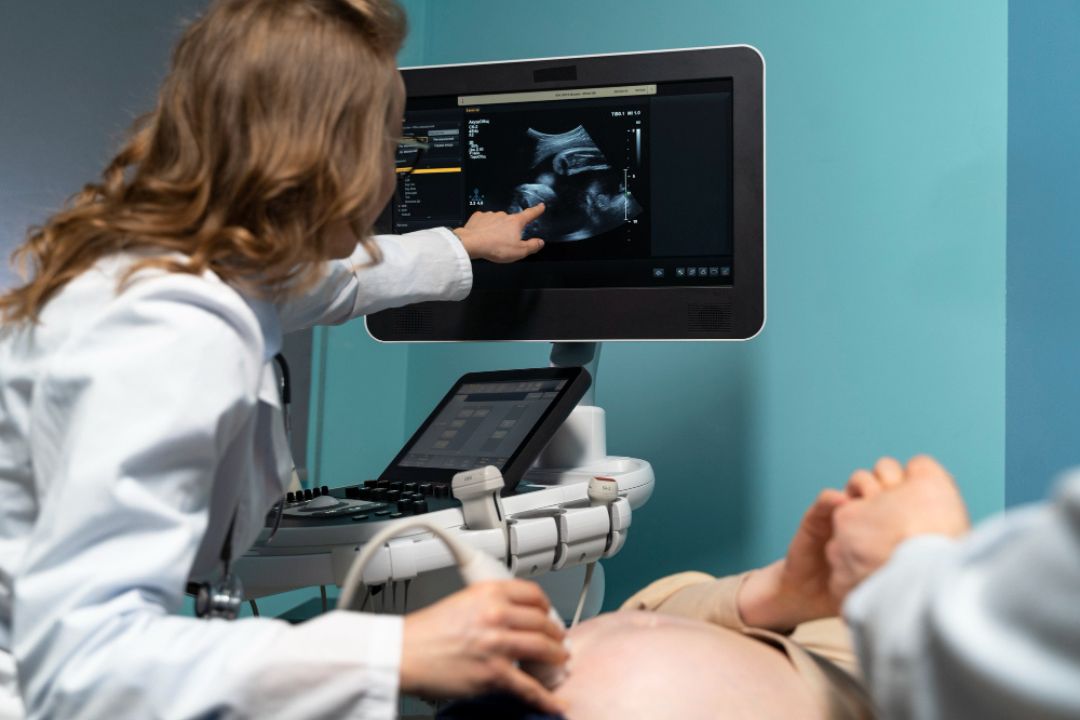
In high-risk pregnancies, Doppler ultrasonography evaluates blood flow in the umbilical cord and fetal cerebral arteries, providing crucial information about the baby's health and oxygenation.
After vascular surgeries like bypass grafts or stent placements, regular Doppler scans are recommended to ensure the graft remains open and functional.
The widespread recommendation for Doppler scans is rooted in their unique advantages:
Non-invasive and Painless: No needles, catheters, or incisions are involved. The procedure is external, involving only a transducer gliding over the skin.
Exceptional Safety Profile: It uses harmless sound waves, not ionizing radiation (like CT scans). This makes it safe for repeated use, for all age groups, and during pregnancy.
Real-Time, Dynamic Results: It provides immediate functional information about blood flow, not just anatomical pictures. This dynamic view is critical for diagnosing blockages and valve malfunctions.
Highly Accurate for Targeted Issues: For conditions like DVT and carotid stenosis, it is considered a first-line, highly reliable diagnostic tool.
Guides Further Treatment: The results directly inform treatment plans, whether it's starting blood thinners for a clot, planning surgery for a blockage, or adjusting hypertension medication.
Understanding how Doppler stacks up against other tests clarifies its specific role:
vs. Standard Ultrasound (USG): Think of it as an enhancement. A standard USG shows the structure of your liver or kidneys; a USG Doppler shows how blood is flowing to and through them.
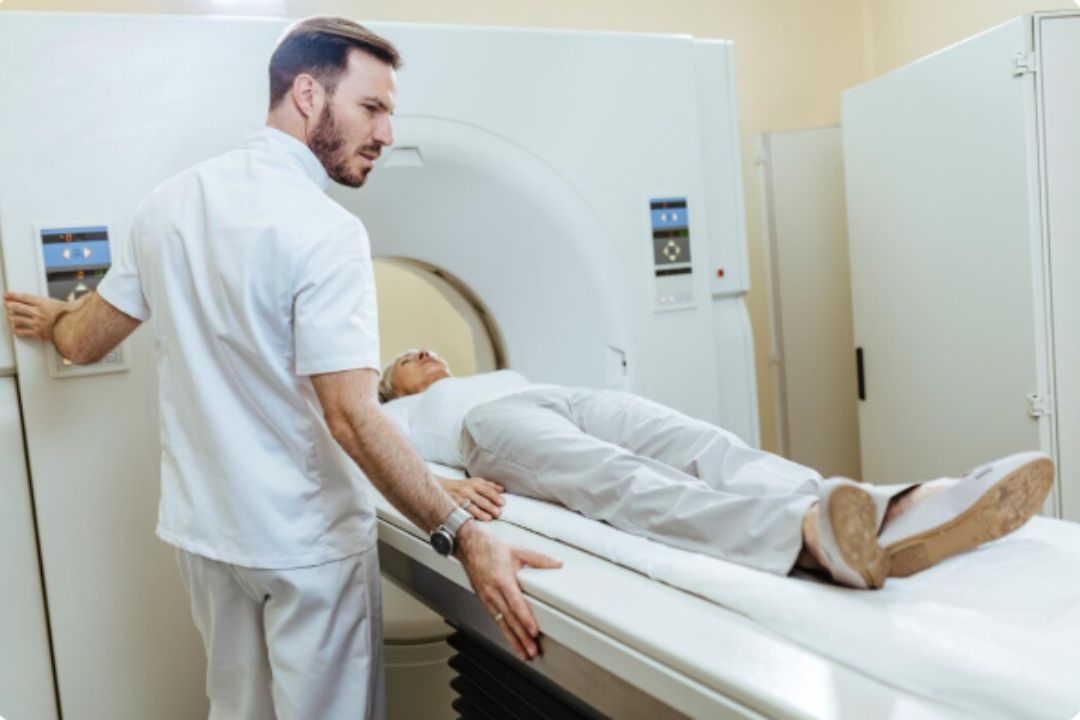
vs. CT Angiography or MR Angiography: These provide detailed 3D images of blood vessels. However, Doppler is often the preferred first step due to its lower cost, absence of radiation (CT), and no need for contrast dye in many cases. CT/MR angiography might follow if Doppler results are inconclusive or more complex mapping is needed.
vs. Invasive Angiography: This is the "gold standard" but involves threading a catheter into an artery. Doppler serves as an excellent, risk-free screening tool, potentially avoiding the need for an invasive procedure.
Understanding the USG Color Doppler Price:
A common question is about the USG color Doppler price. It's important to note that cost is not uniform; it depends on the body area examined (a limb scan vs. a detailed renal or cardiac evaluation) and the facility's technology and expertise. At Diagnopein Mumbai, we believe in transparent, competitive pricing that reflects the value of advanced technology and specialist analysis, without compromising on quality. It is a worthwhile investment for a precise, non-invasive diagnosis that can guide critical healthcare decisions.
The Patient Experience: Designed for Comfort:
The entire procedure is designed with patient comfort in mind:
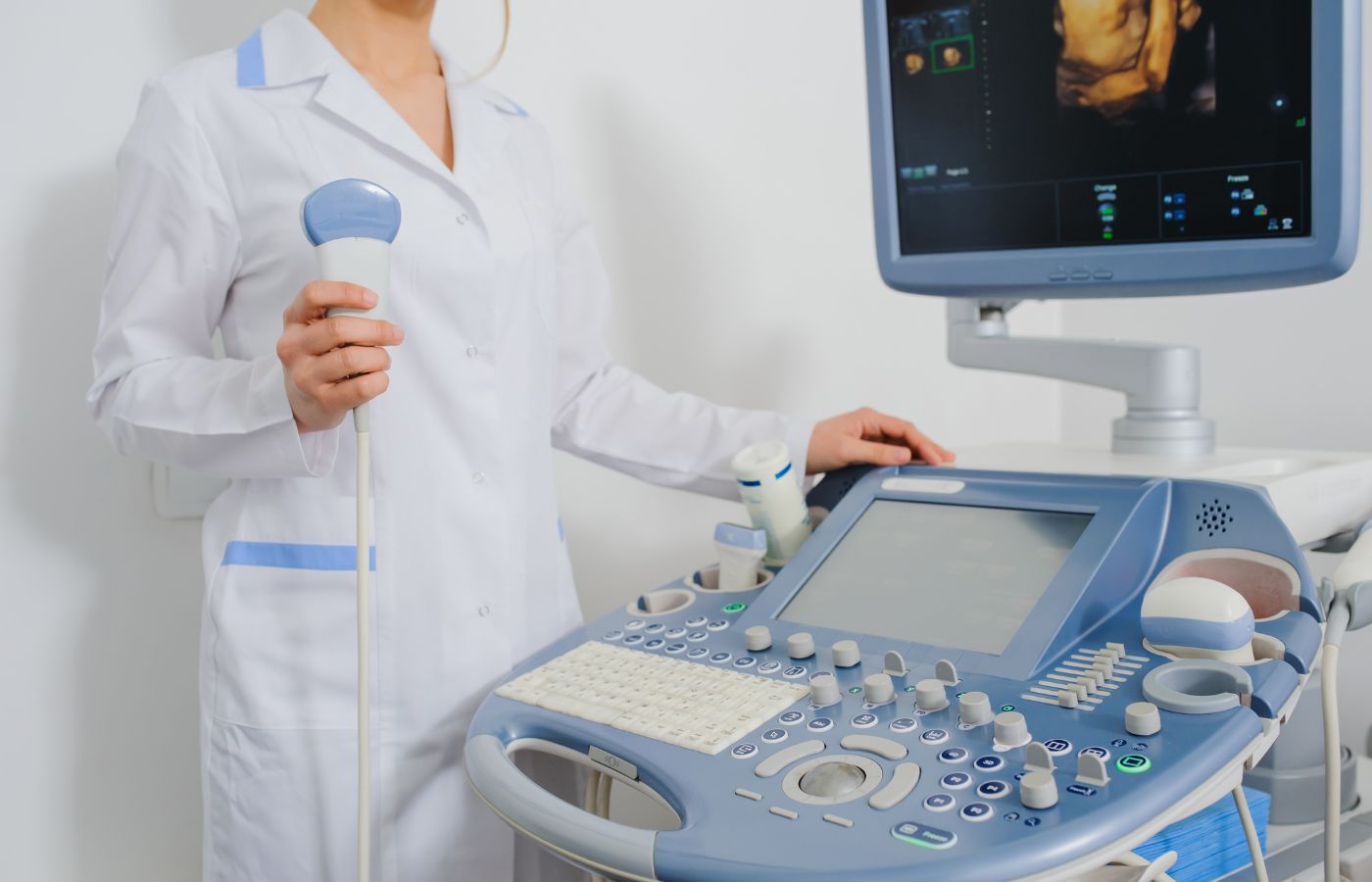
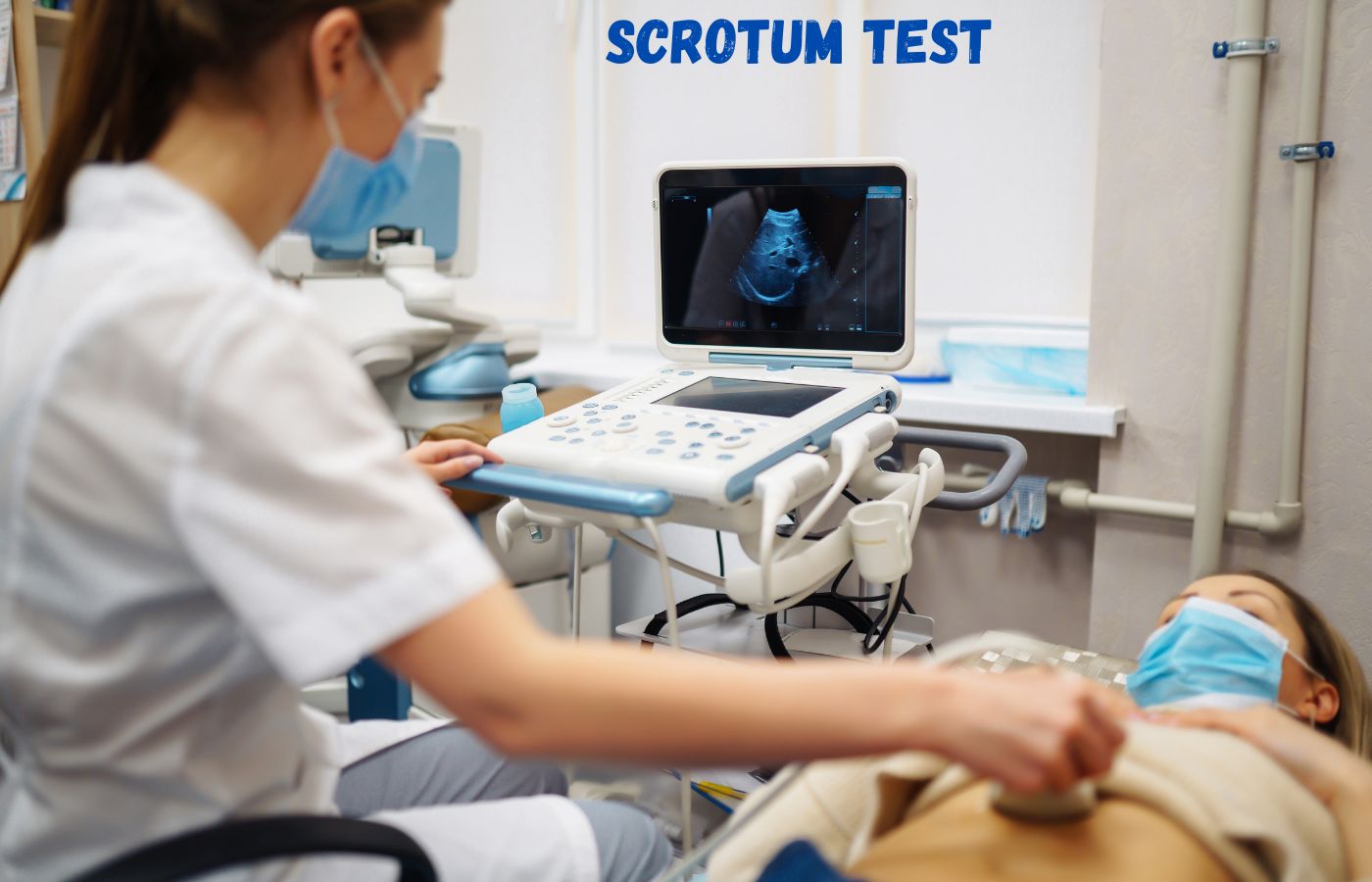
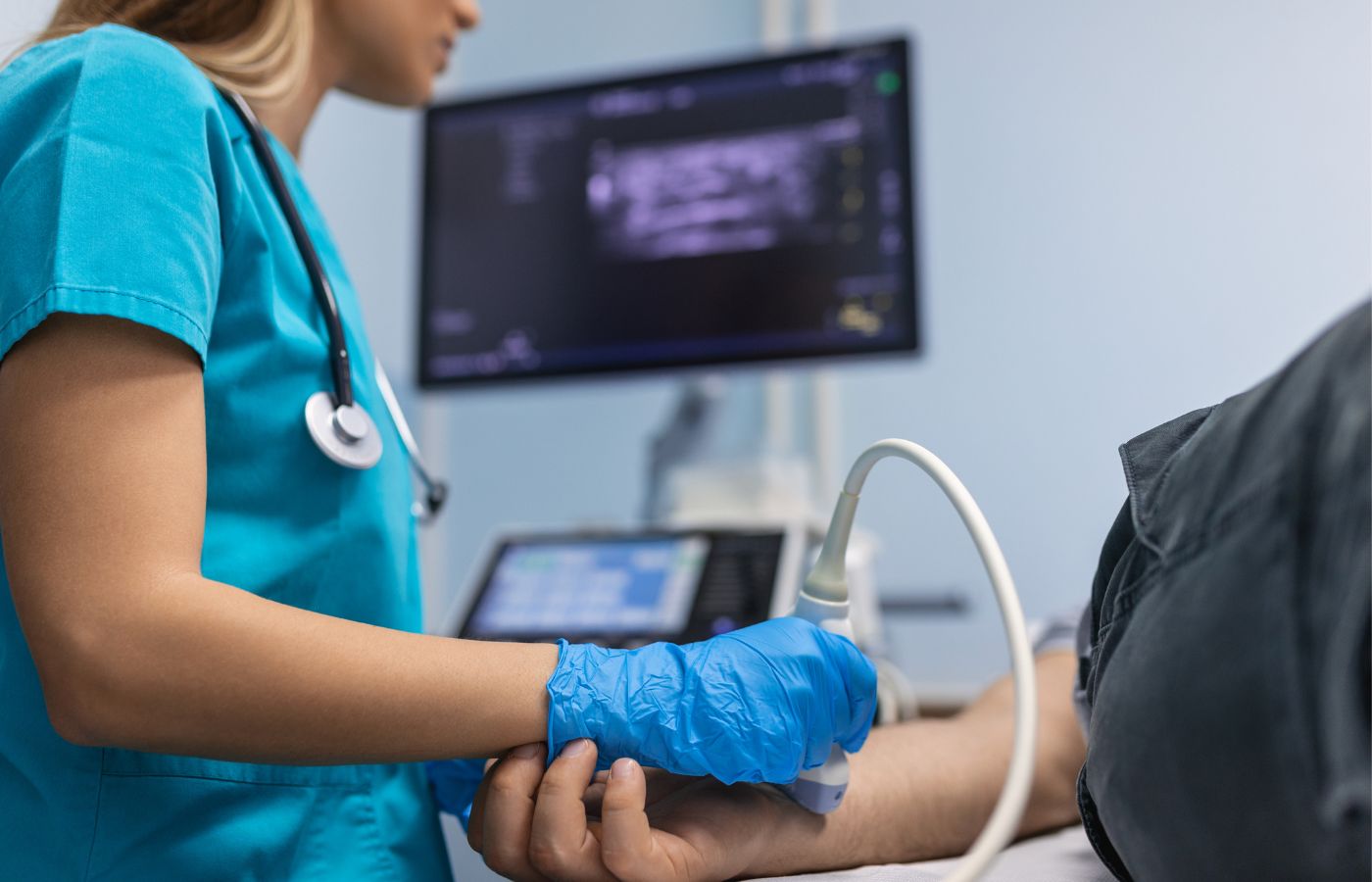
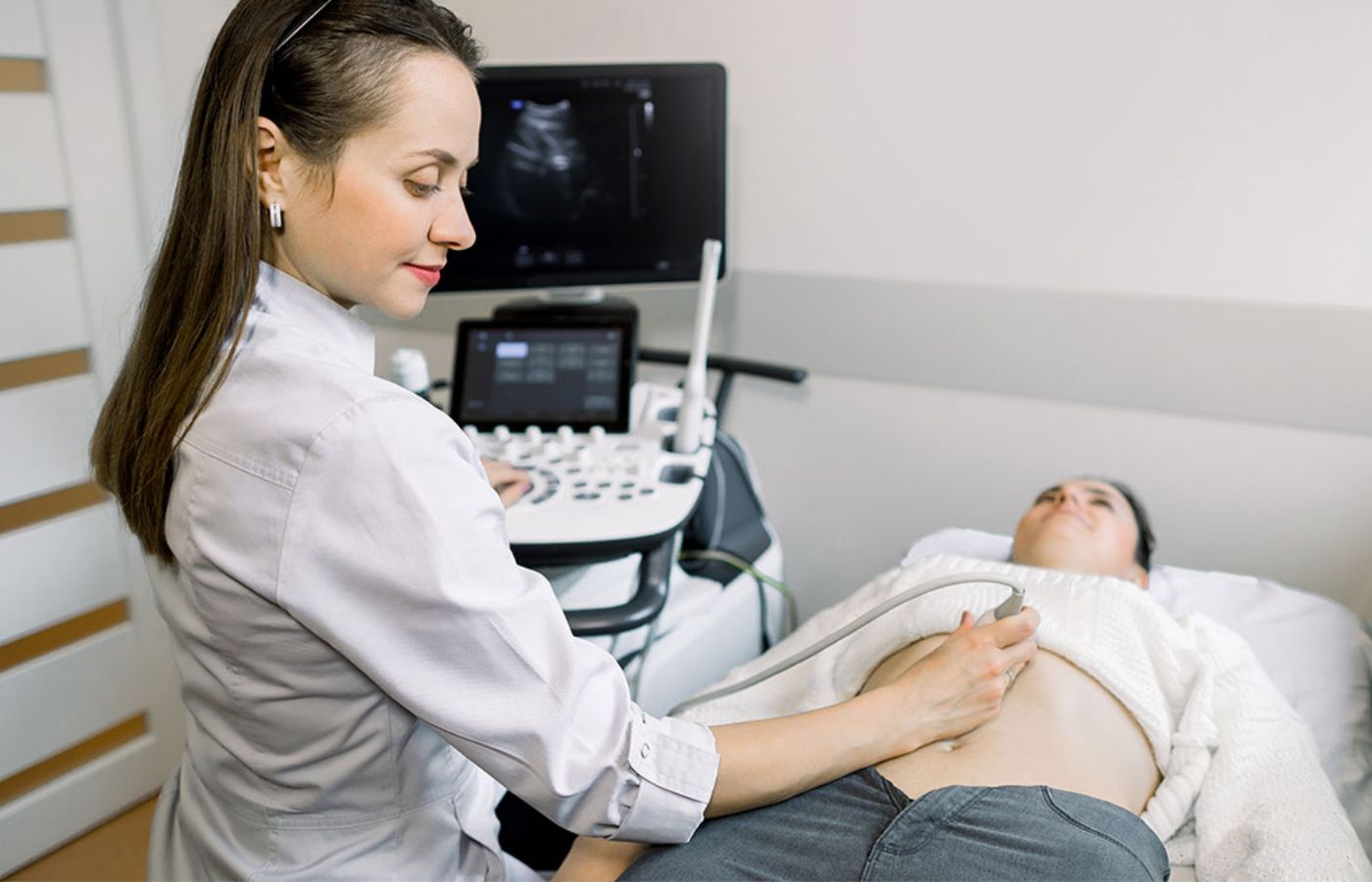
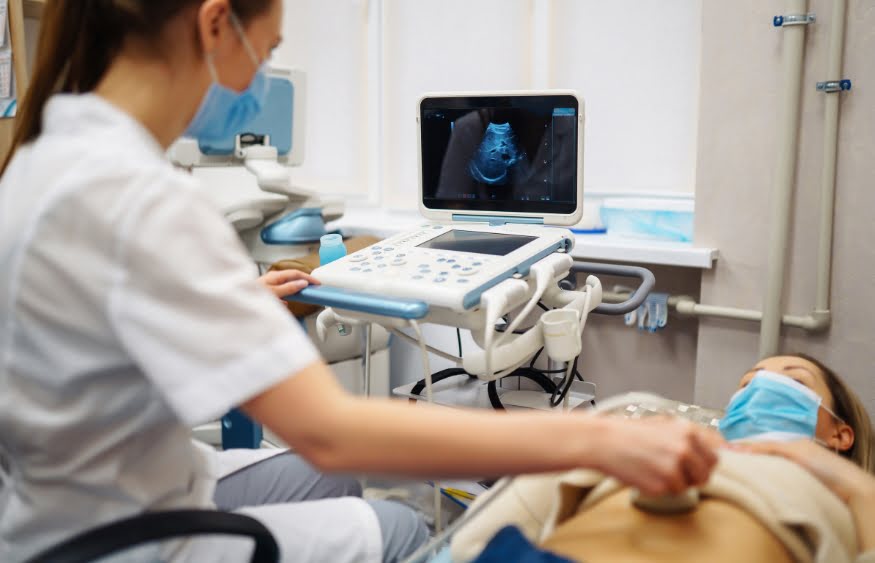
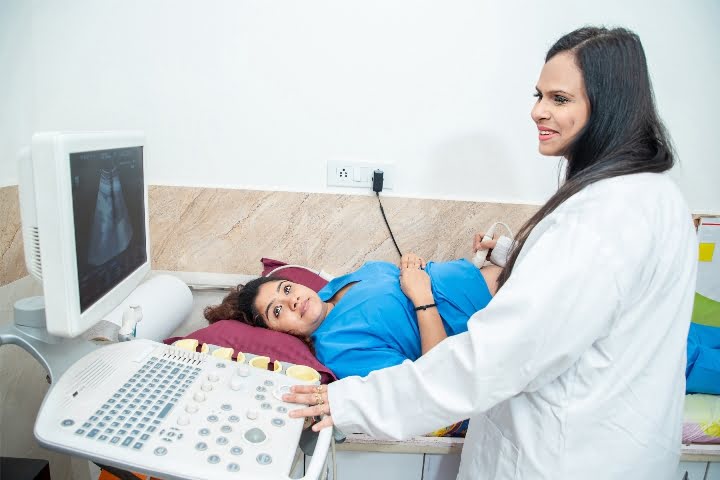
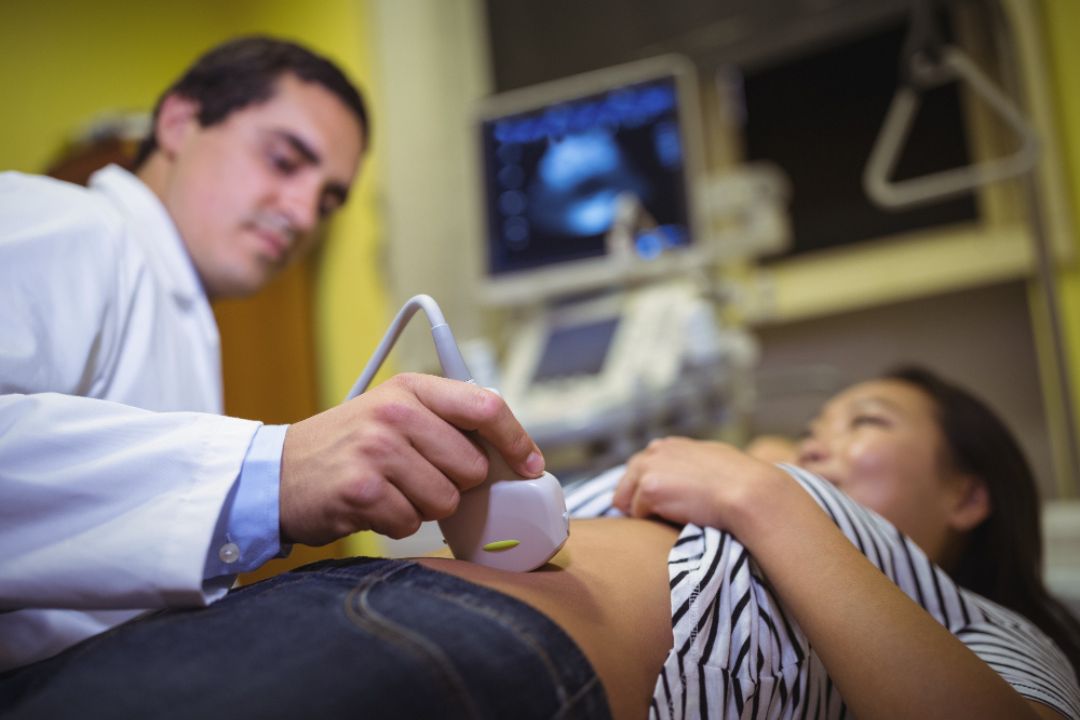
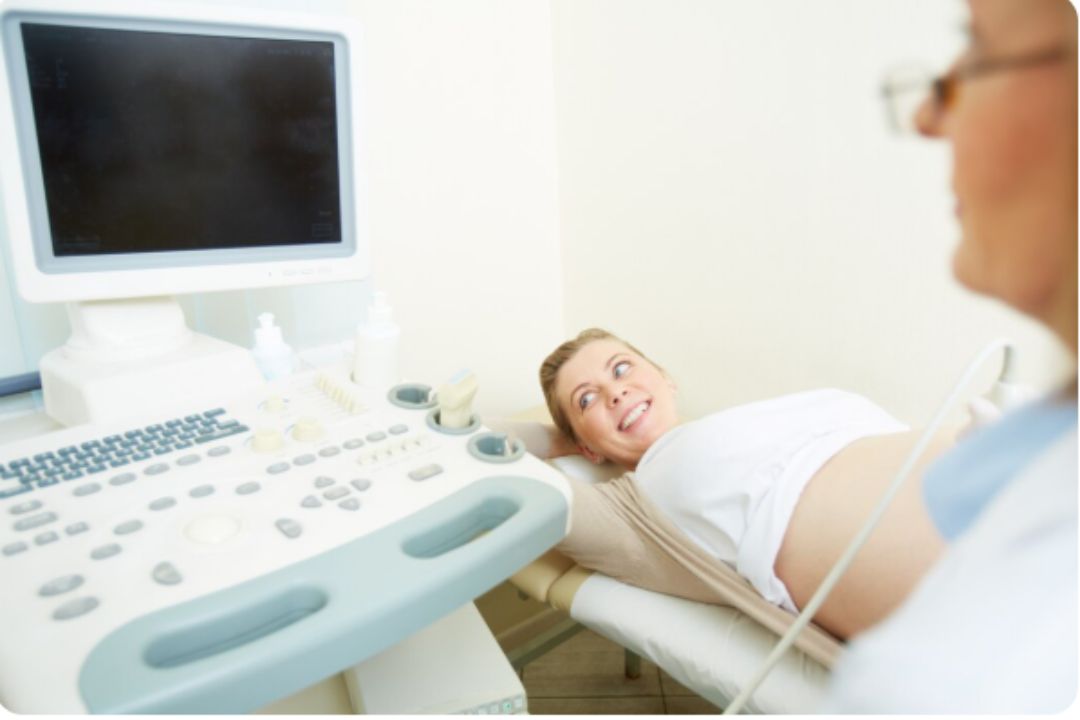
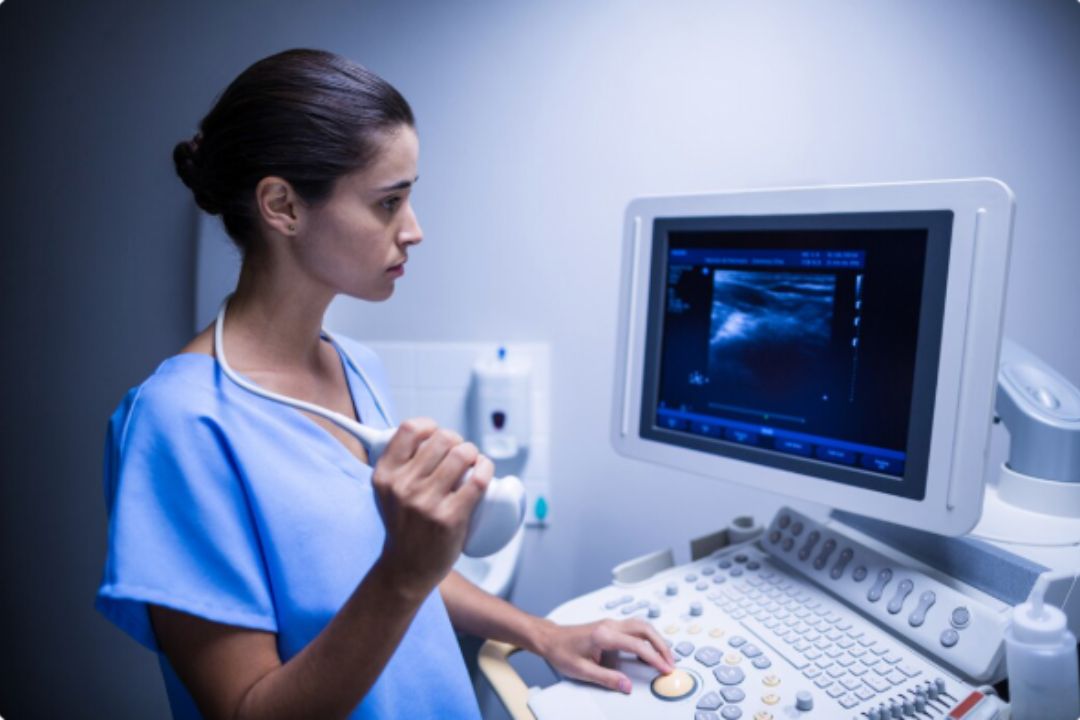
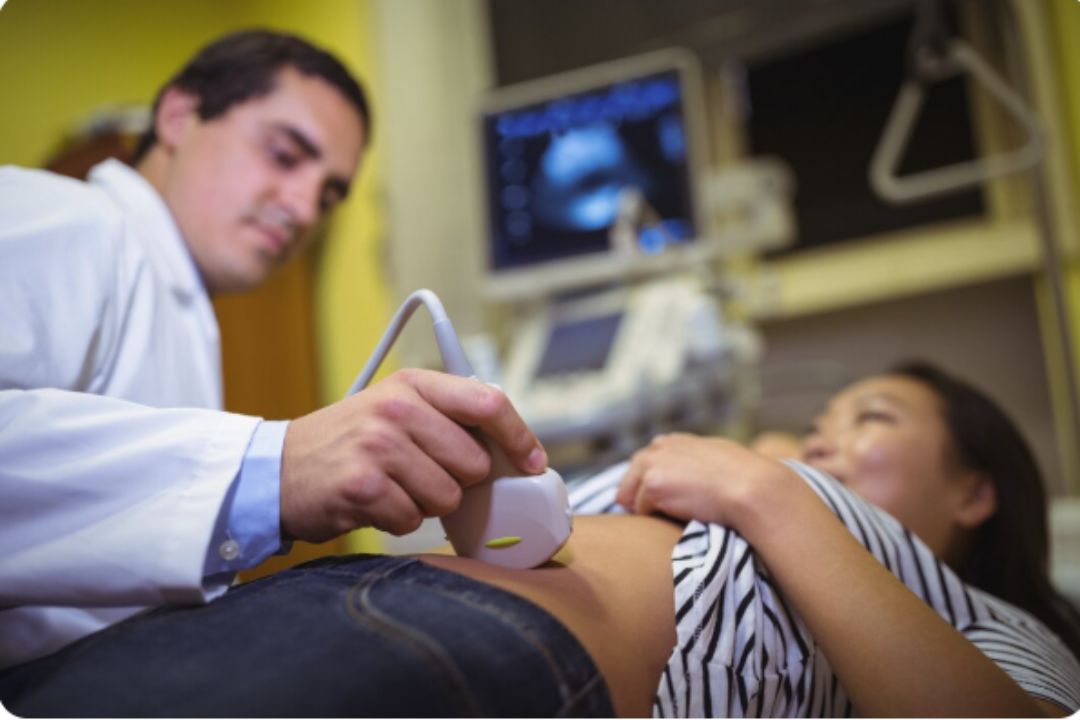
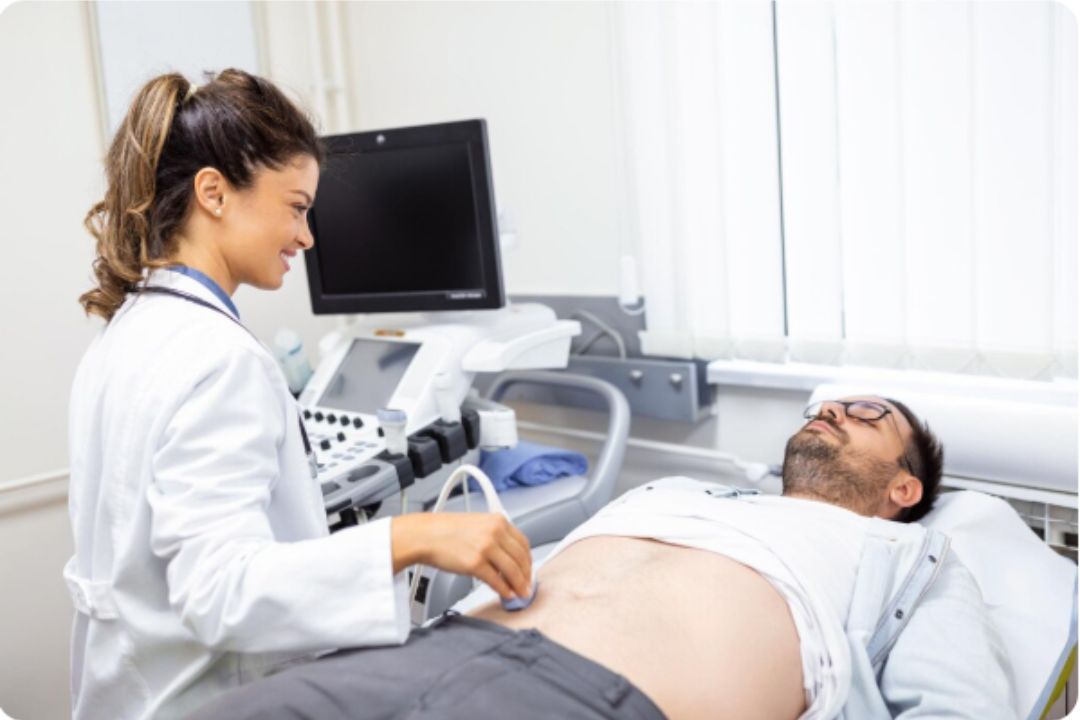
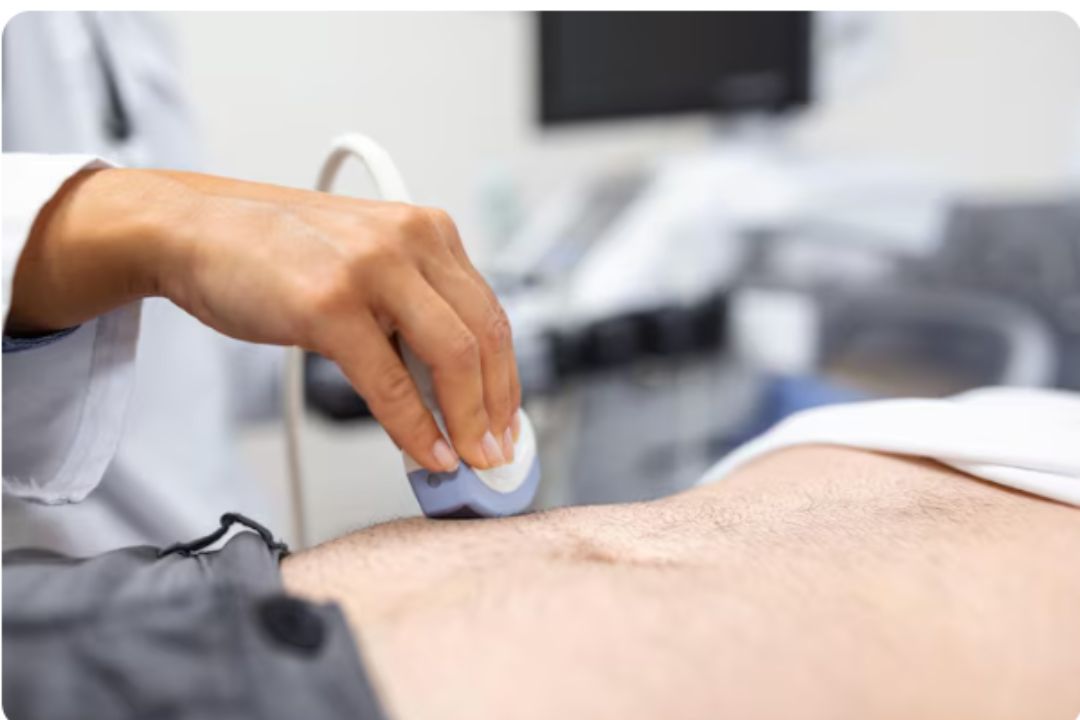
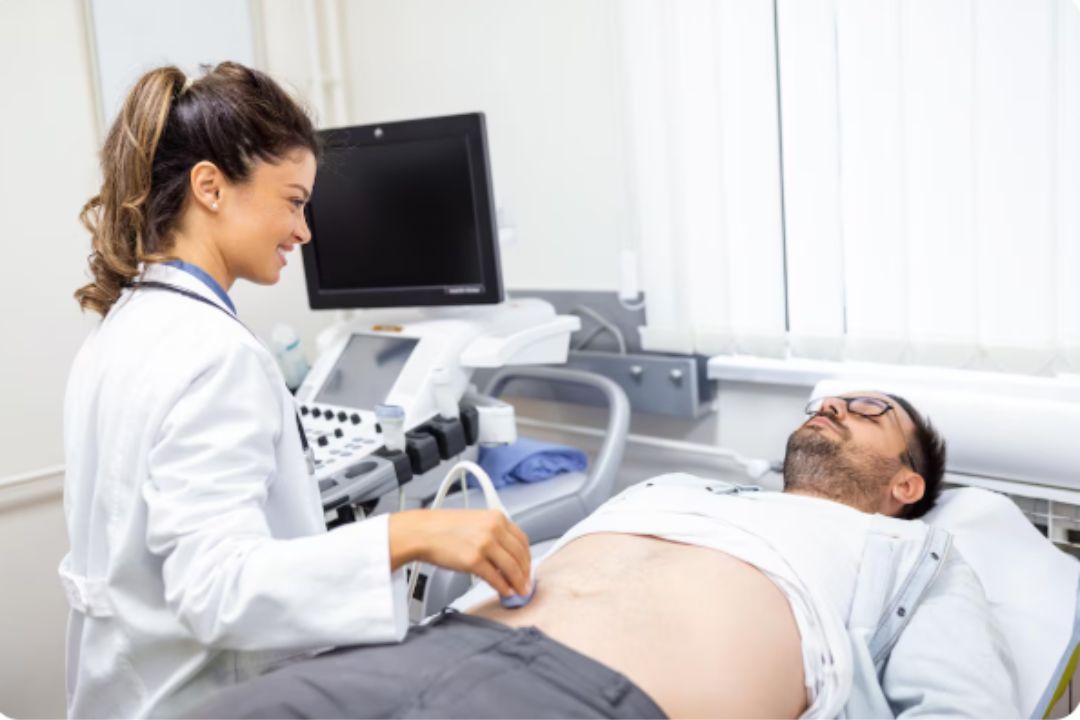
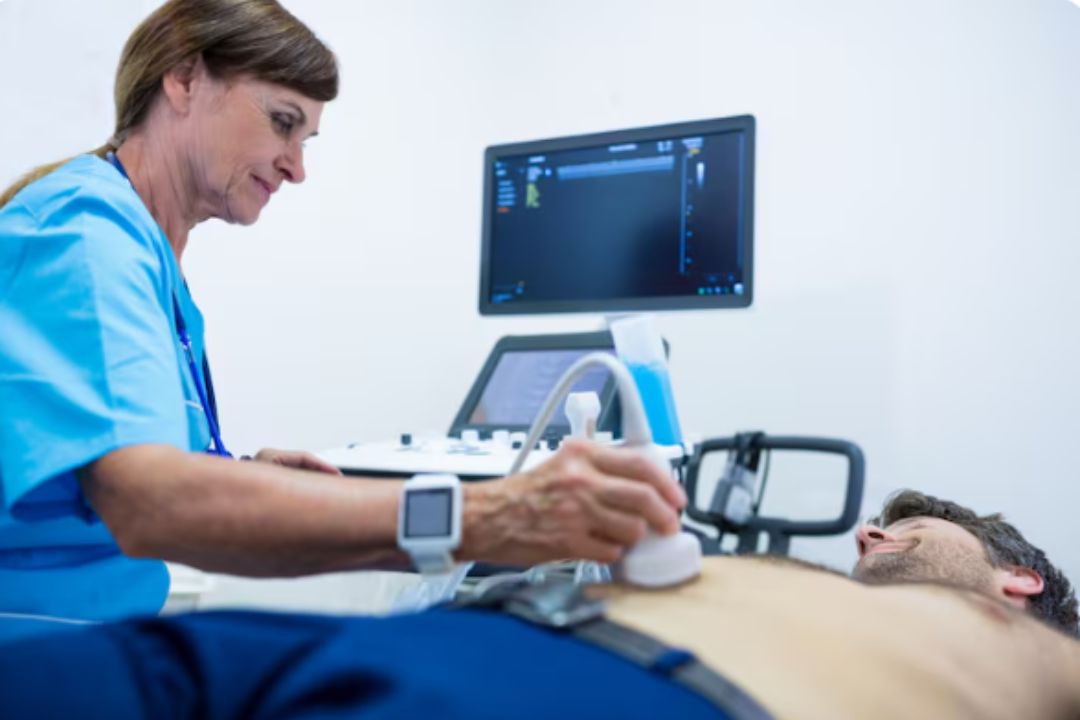
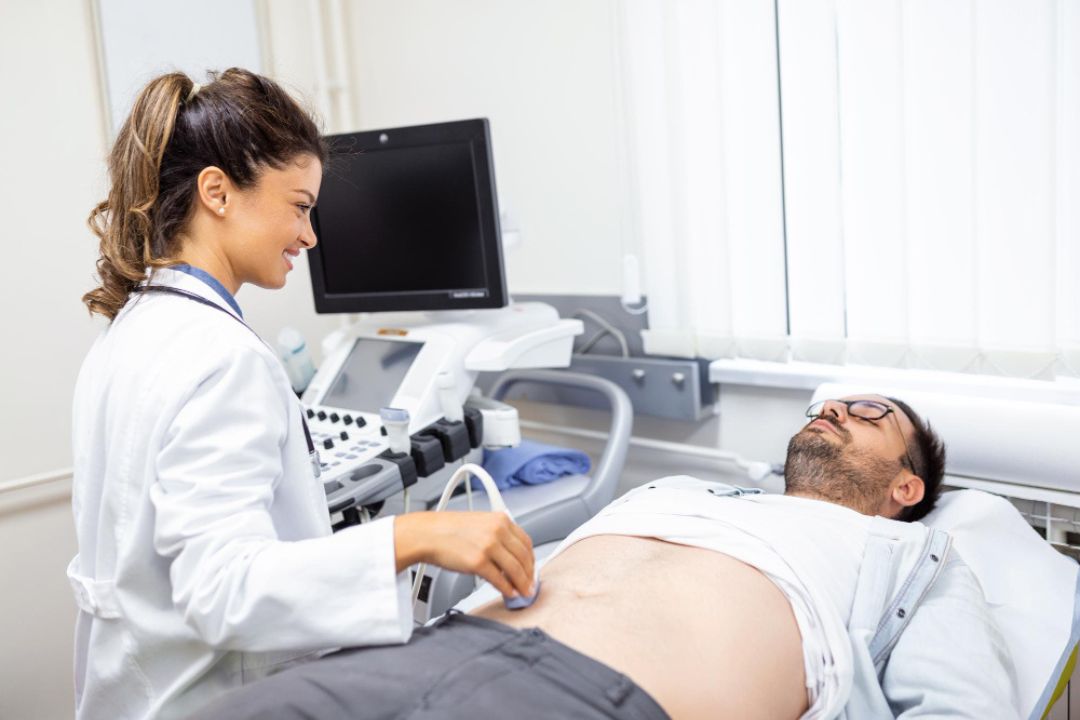
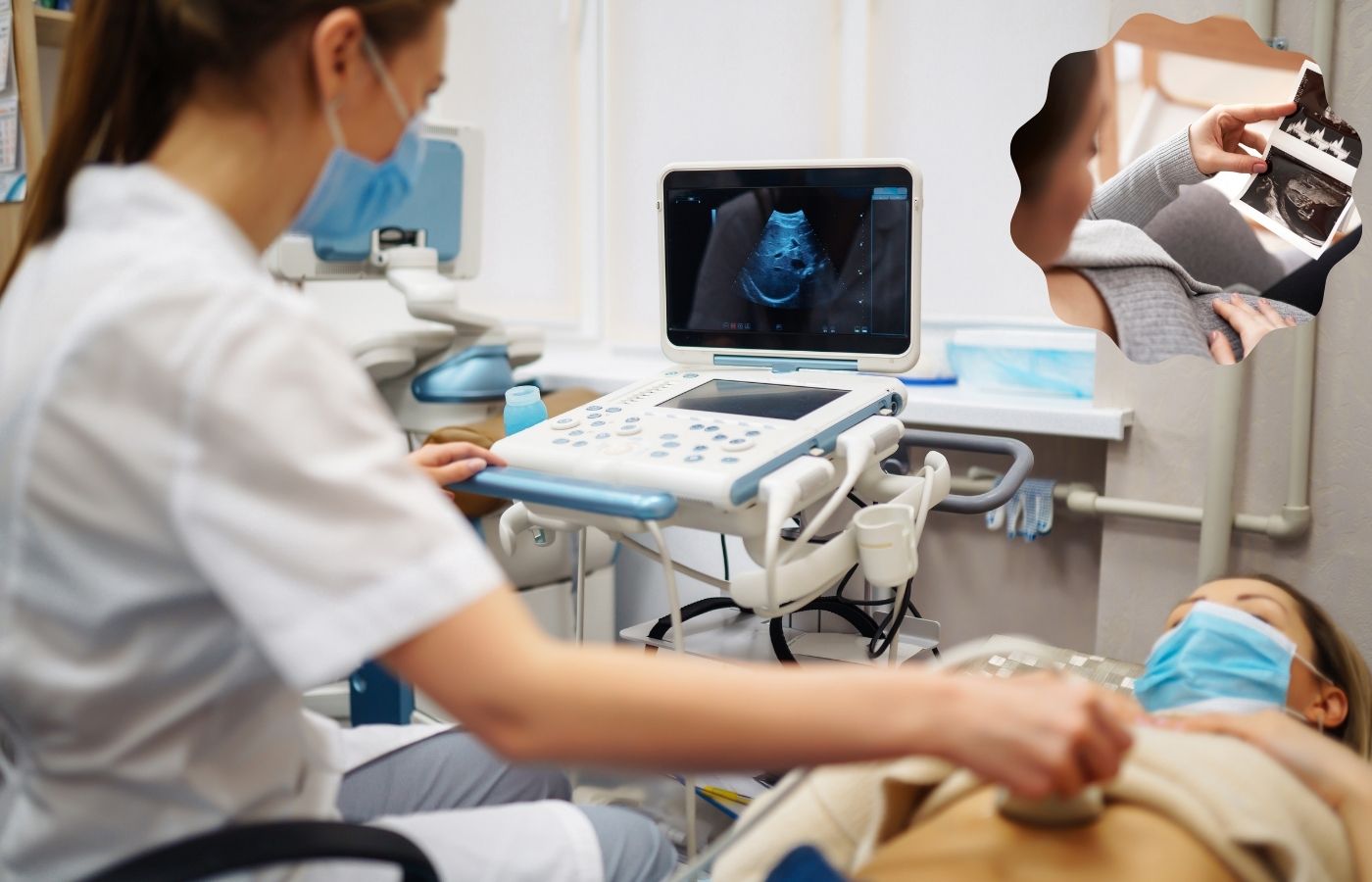
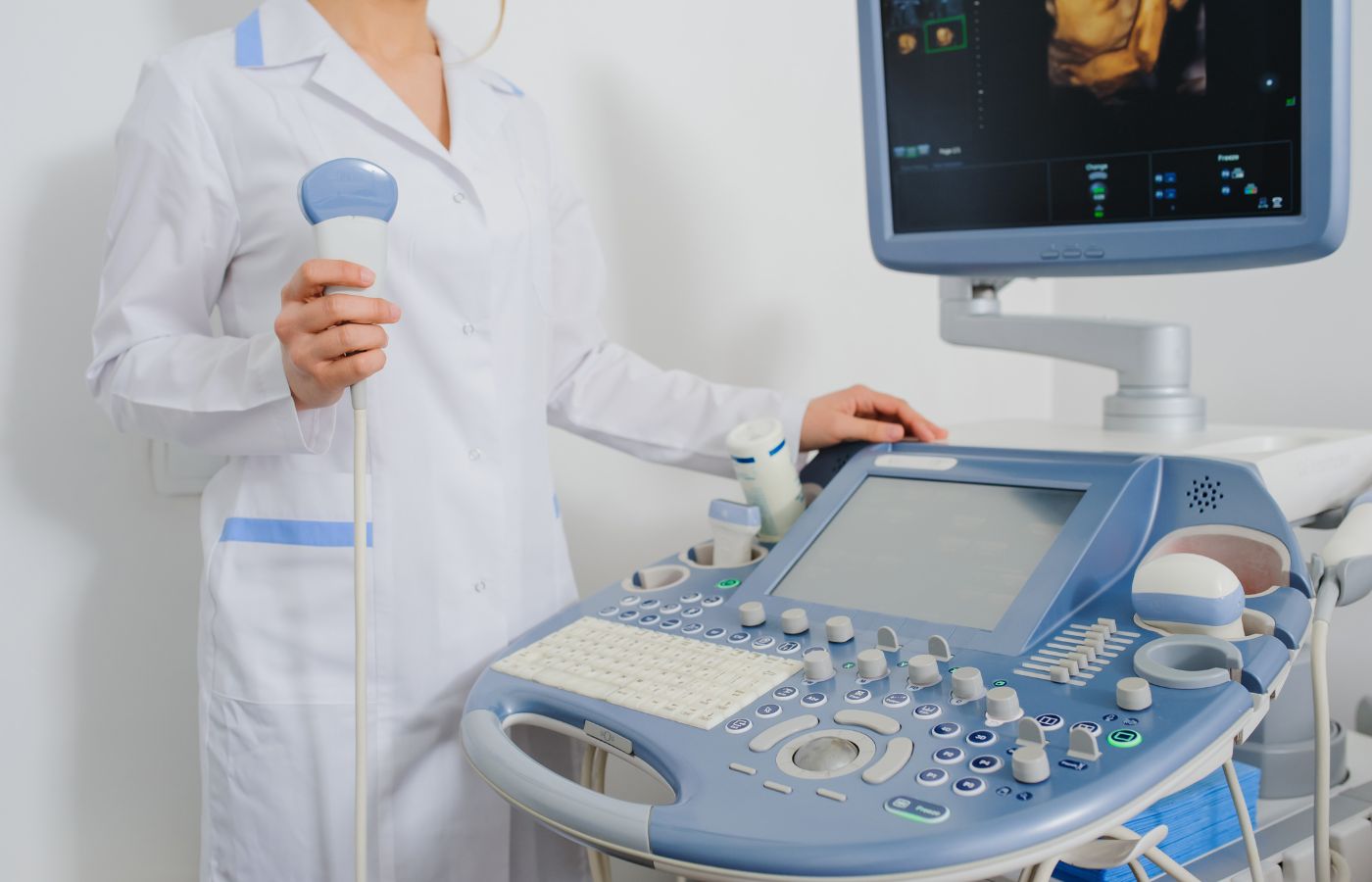
Procedure: You will lie on an exam table. A sonographer applies a warm gel to the skin and moves the transducer over the area of interest. You might hear "swishing" sounds, which are the audio representation of your blood flow.
Duration: Typically, the scan takes between 20 to 45 minutes, depending on the study's complexity.
Aftercare: There is no downtime or recovery period. You can resume your normal activities immediately after the scan.
When your health is on the line, where you get your scan matters as much as the scan itself. Diagnopein in Mumbai is built on the pillars of precision, advanced technology, and compassionate care.
Expertise You Can Rely On: Our board-certified radiologists specialize in vascular and abdominal imaging, ensuring your USG Doppler scan is interpreted with the highest level of skill and experience.
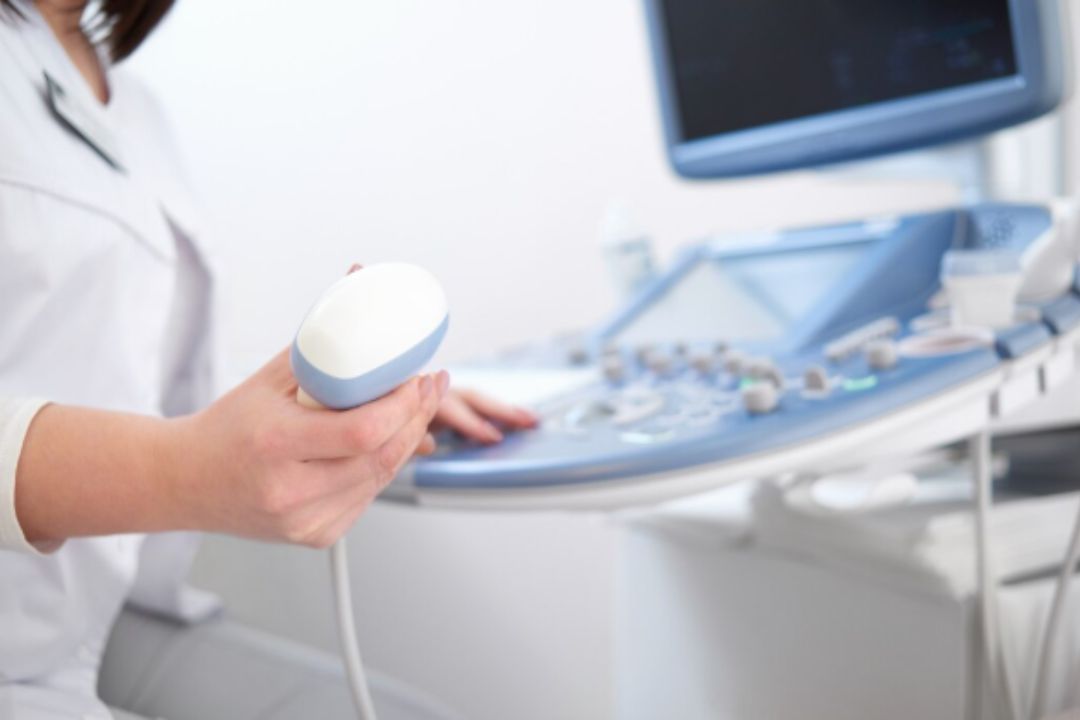
Cutting-Edge Technology: We utilize the latest high-resolution USG color Doppler machines that provide exceptional image clarity and diagnostic accuracy, whether for a routine vascular check or a specialized renal Doppler USG.
Holistic and Patient-Centric Approach: From a comfortable environment to clear communication of your results, we ensure your diagnostic journey is seamless, respectful, and informative.
Knowing when a Doppler ultrasound is recommended empowers you to be an active participant in your healthcare. It is a cornerstone diagnostic tool for uncovering hidden circulatory issues affecting the heart, brain, limbs, and vital organs like the kidneys.
If you are experiencing symptoms such as persistent leg pain or swelling, sudden dizziness, or have risk factors like diabetes, hypertension, or a history of smoking, discuss with your physician whether a Doppler scan is right for you. For residents of Mumbai seeking a diagnostic center that combines technological excellence with genuine patient care, Diagnopein stands as your ideal choice. We are committed to providing the clarity you need to move forward confidently on your path to wellness.












.jpg "usg portal venous doppler purpose procedure and normal values")


































.jpg "usg artery doppler test")





.jpg "ultrasound")



.jpg "ct scan")


.jpg "ultrasound digital sonography")



.jpg "Bilateral Foot Ultrasound")

 How It Supports In-Patient Kidney Care.jpg "USG RENAL DOPPLER(IPD)")
 (1).jpg "Healthy Tips every woman should know")
 (2).jpg "Anomaly Scan & Twin Study")