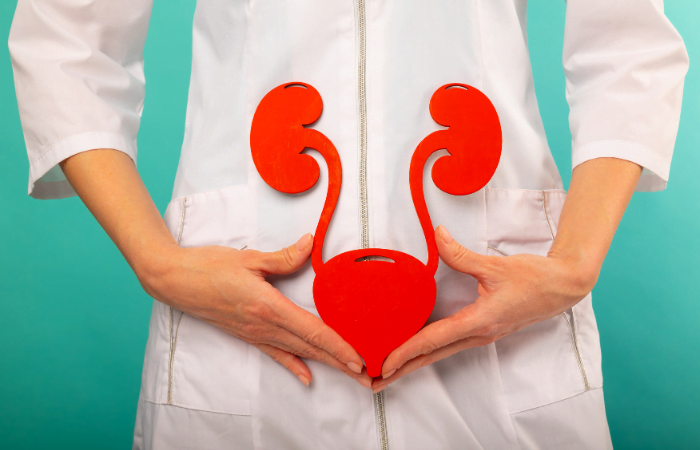
When it comes to kidney health, the conversation often revolves around urine tests or serum creatinine. However, the silent driver of renal function is blood flow. If the arteries feeding your kidneys become narrowed (stenosis) or blocked, the kidneys suffer silently until irreversible damage occurs.
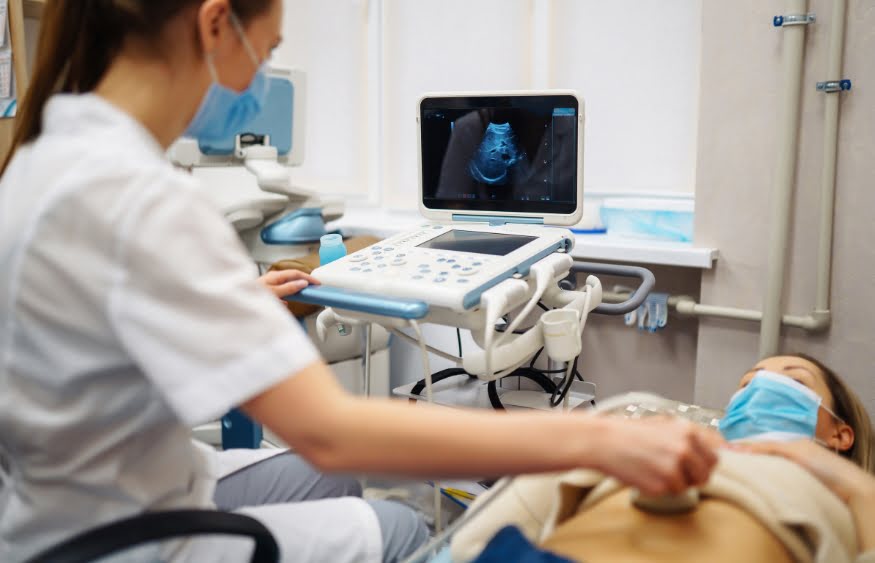
At Diagnopein Mumbai, we specialize in Renal Doppler Sonography assessing kidney blood flow with precision. Unlike standard ultrasounds, a Renal Doppler Ultrasound visualizes the movement of blood through the renal arteries and veins. If you have been advised to undergo a Renal Artery Ultrasound Doppler or suspect high blood pressure stemming from kidney issues, here is everything you need to know—from benefits to costing, comfort, and why we stand out.
A standard ultrasound shows the structure of the kidney—its size, shape, and whether there is a stone or cyst. However, it cannot show function. Renal Doppler Ultrasound adds the dimension of motion. It visualizes the actual flow of blood through the renal arteries and into the tiny vessels of the nephrons.
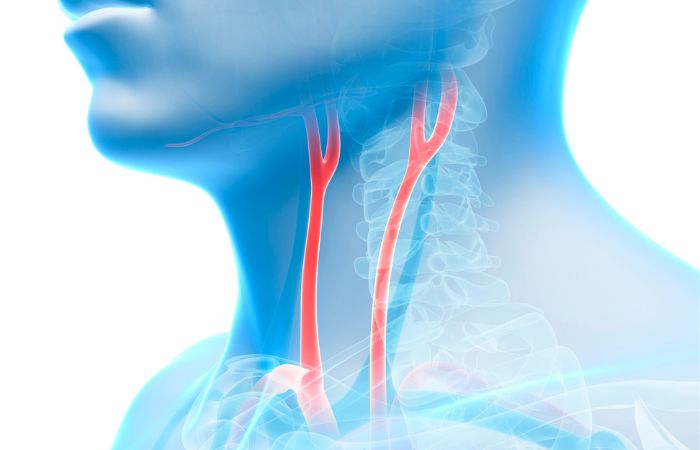
RAS is the narrowing of the artery supplying the kidney. It is a leading cause of secondary hypertension, especially in individuals over 50. When the kidney senses low blood pressure due to this narrowing, it releases hormones that shoot up the body’s systemic blood pressure. A Doppler Ultrasound for Renal Artery Stenosis measures the Peak Systolic Velocity (PSV) . If the blood is racing too fast through a narrow segment, we catch it immediately.
The Resistive Index is a powerful prognostic marker. It tells us about the health of the tiny blood vessels inside the kidney parenchyma. A high RI (above 0.70-0.75) often indicates irreversible damage or predicts poor outcomes in conditions like diabetic nephropathy or hypertensive nephrosclerosis.
If a patient requires a renal artery stent or surgery, the surgeon does not operate blindly. The Renal Artery Ultrasound Doppler provides a hemodynamic map, showing exactly where the pressure gradient is dropping.
For patients who have undergone a renal transplant, this Doppler scan is a routine surveillance tool to ensure the new kidney is receiving adequate blood flow and there is no transplant renal artery stenosis.
At Diagnopein Mumbai, we don't just perform a scan; we provide a comprehensive hemodynamic assessment that helps nephrologists make confident, data-driven decisions.
Mumbai is a city of contrasts, and diagnostic healthcare often mirrors that—exorbitant prices in South Mumbai versus heavily discounted, low-quality scans in the suburbs. Diagnopein Mumbai bridges this gap.
Industry Standard in Mumbai:
Diagnopein Mumbai Special Rate:(Bilateral kidneys with spectral analysis)
High-resolution grayscale imaging of both kidneys.
Color Doppler mapping of the main renal arteries and segmental branches.
Spectral waveform analysis with Peak Systolic Velocity (PSV) and End-Diastolic Velocity (EDV) .
Calculation of Renal-Aortic Ratio (RAR) to confirm significant stenosis.
Formal digital report with images (available instantly on WhatsApp/Email).
Owned Infrastructure: We own our advanced Philips and GE logic series machines. We do not pay per-scan equipment rental fees.
High Volume, High Accuracy: Our efficiency allows us to maintain lower margins without cutting corners on report quality.
No Hidden Costs: Unlike many centers, we do not charge extra for the CD/DVD or a separate consultant fee.
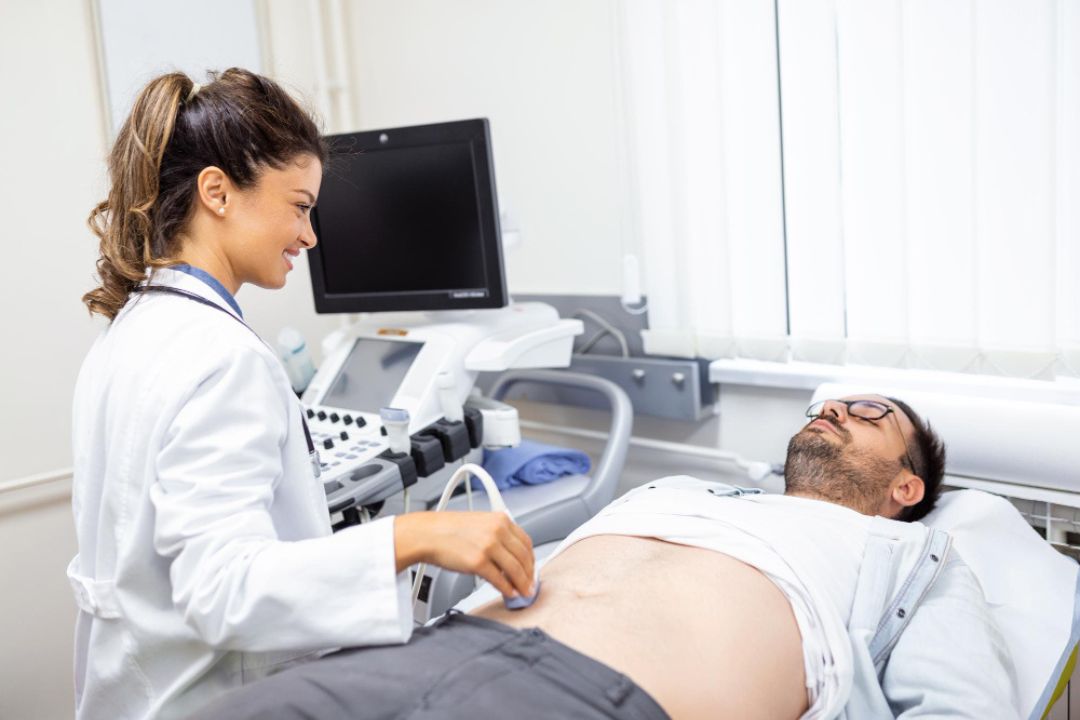
Let’s be honest—lying in a dark room with a cold probe pressing on your abdomen while you hold your breath is not most people’s idea of relaxation. However, at Diagnopein Mumbai, we have engineered the experience to be as comfortable as possible.
The Warm Gel Protocol:
Cold ultrasound gel causes involuntary muscle contraction (shivering). This moves the kidney and makes the vessels difficult to image. We use medically warmed gel. It seems like a small detail, but it makes a world of difference.
Breath-Hold Coaching:
The renal arteries sit behind the bowel. Air in the bowel blocks the ultrasound beam. To move the bowel out of the way, patients must hold their breath after a deep inhalation. Our sonographers don't use medical jargon. We say, "Take a deep breath like you are blowing up a balloon, and hold it right there." We time our image capture within 4-5 seconds, ensuring even elderly patients with limited lung capacity can comply.
Positional Support:
We often need to scan patients in the lateral decubitus position (lying on the side). Our tables are padded, and we use ergonomic supports to prevent back and hip strain during the 20-minute procedure.
Empathy First:
Many patients undergoing this test are anxious about their kidney health. Our staff is trained to explain each step, demystify the "whooshing" sound of the Doppler, and reassure patients throughout the process.
In a city flooded with diagnostic centers, what makes Diagnopein the definitive choice for Renal Doppler Sonography assessing kidney blood flow?
1. Vascular Sonology Expertise:
Renal Doppler is not a "basic ultrasound." It is a vascular study. General radiologists often miss accessory renal arteries (present in 30% of the population) or misinterpret parvus tardus waveforms. Our team consists of trained vascular sonologists who understand flow dynamics.
2. State-of-the-Art Equipment:
We utilize high-frequency curvilinear probes (2-5 MHz) with sensitive color flow sensitivity. This allows us to visualize vessels as small as 1-2 mm within the renal sinus.
3. Comprehensive Reporting:
We do not hand you a paper that says "WNL" (Within Normal Limits). Our reports include:
Kidney length and parenchymal thickness.
Cortical echogenicity.
PSV of main renal artery (Proximal, Mid, Distal).
Resistive Index (Upper, Mid, Lower pole).
Renal-Aortic Ratio.
Comparison with previous scans (if available).
4. Location & Accessibility:
Strategically located in Mumbai, Diagnopein is accessible via Western Railway, Central Railway, and the Eastern Express Highway. We offer walk-in appointments and same-day reporting.
Hypertension is often labeled "essential" or "idiopathic," meaning the cause is unknown. However, in a significant percentage of cases, the cause is hiding in plain sight—Renal Artery Stenosis. Without a Renal Doppler Ultrasound, this diagnosis is missed, and patients suffer for years on multiple medications without addressing the root cause.
Renal Doppler Sonography assessing kidney blood flow is not just a test; it is preventive nephrology. It is the difference between catching a narrow artery early—saving the kidney—and discovering it after the kidney has already shrunk and failed.












.jpg "usg portal venous doppler purpose procedure and normal values")
























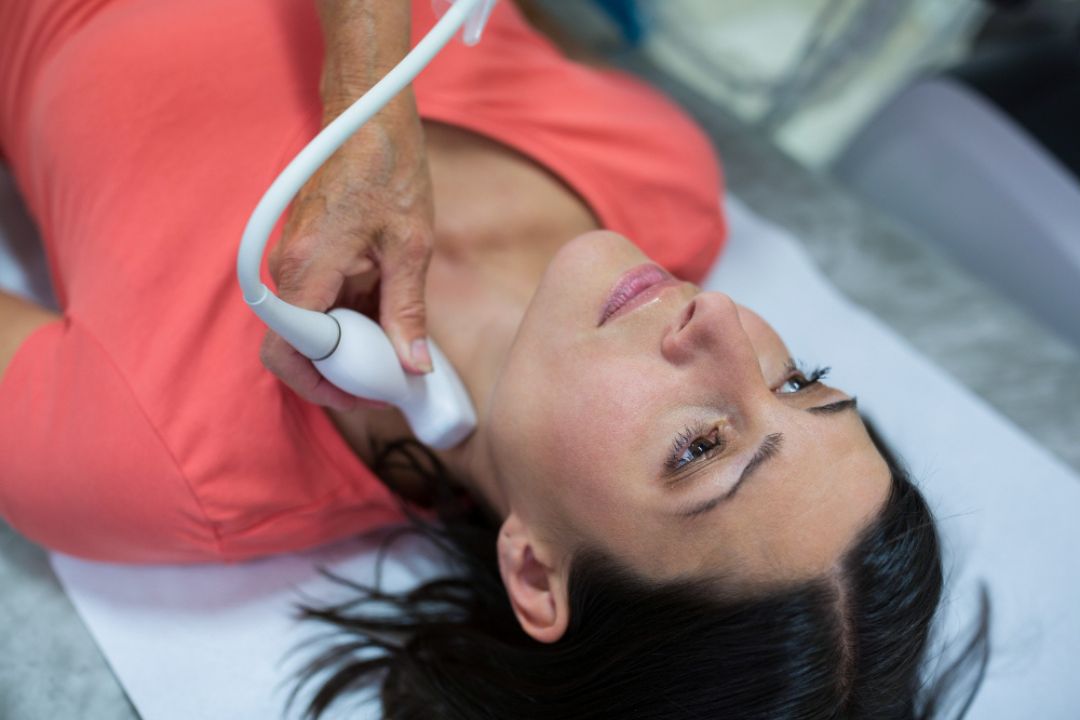
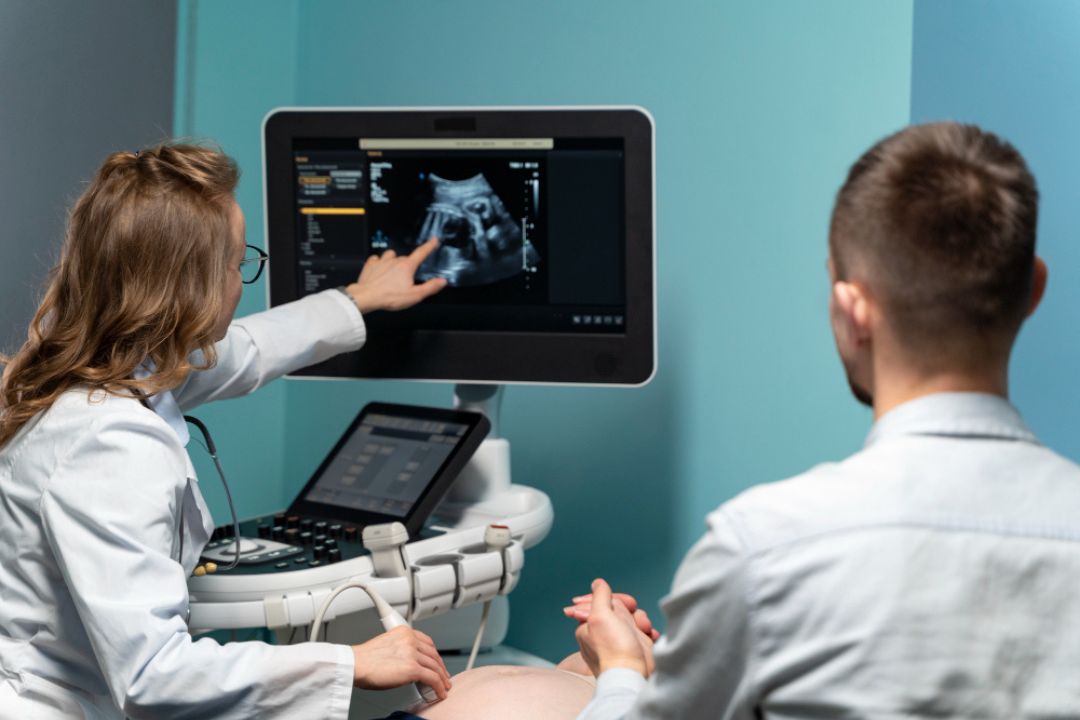

.jpg "usg artery doppler test")

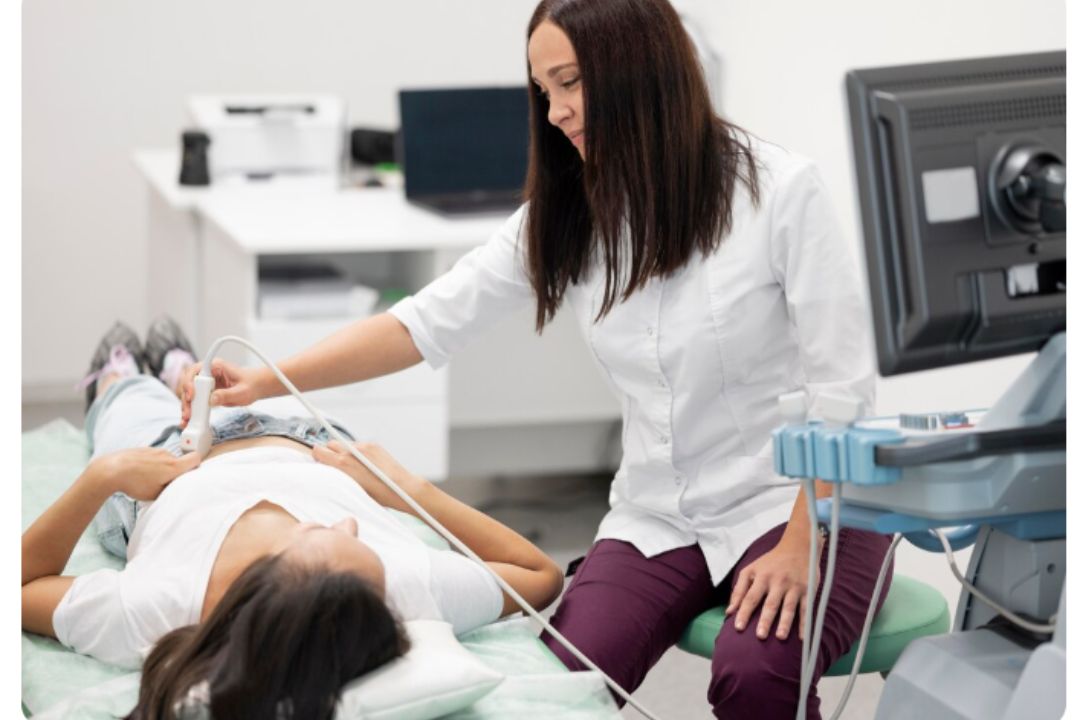
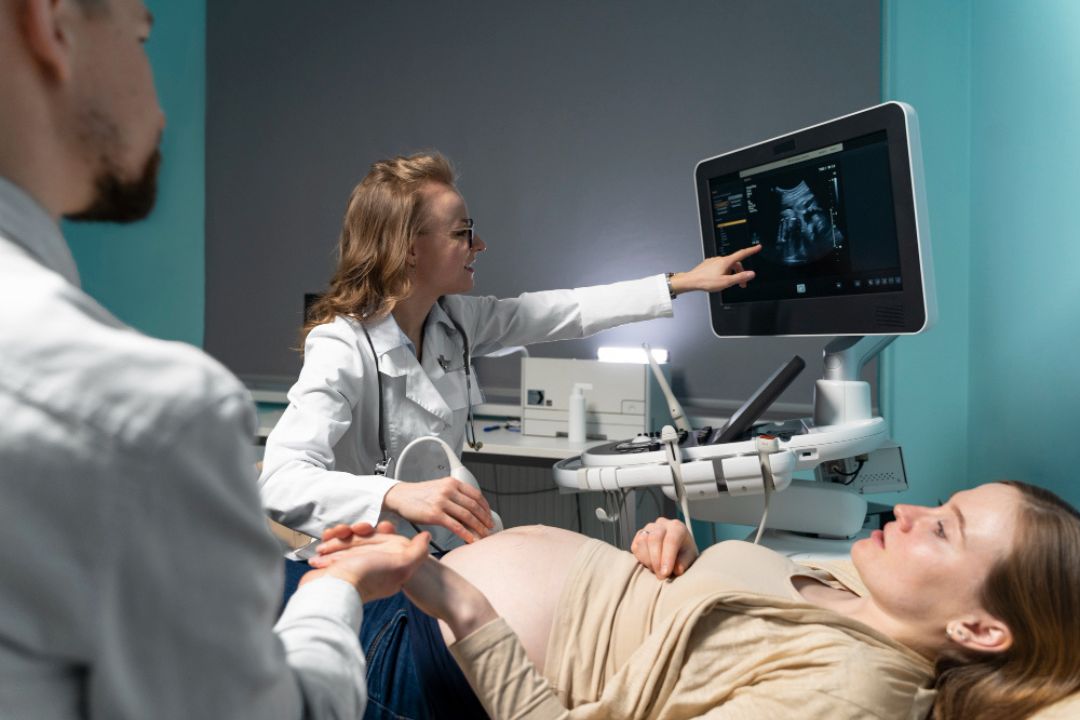

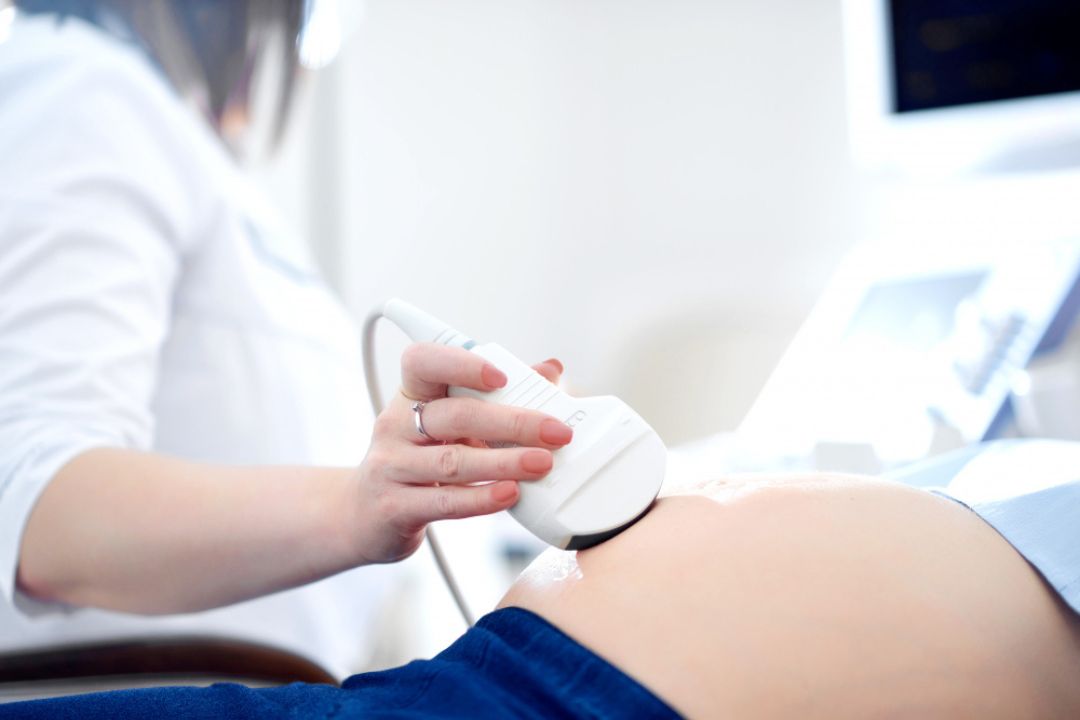
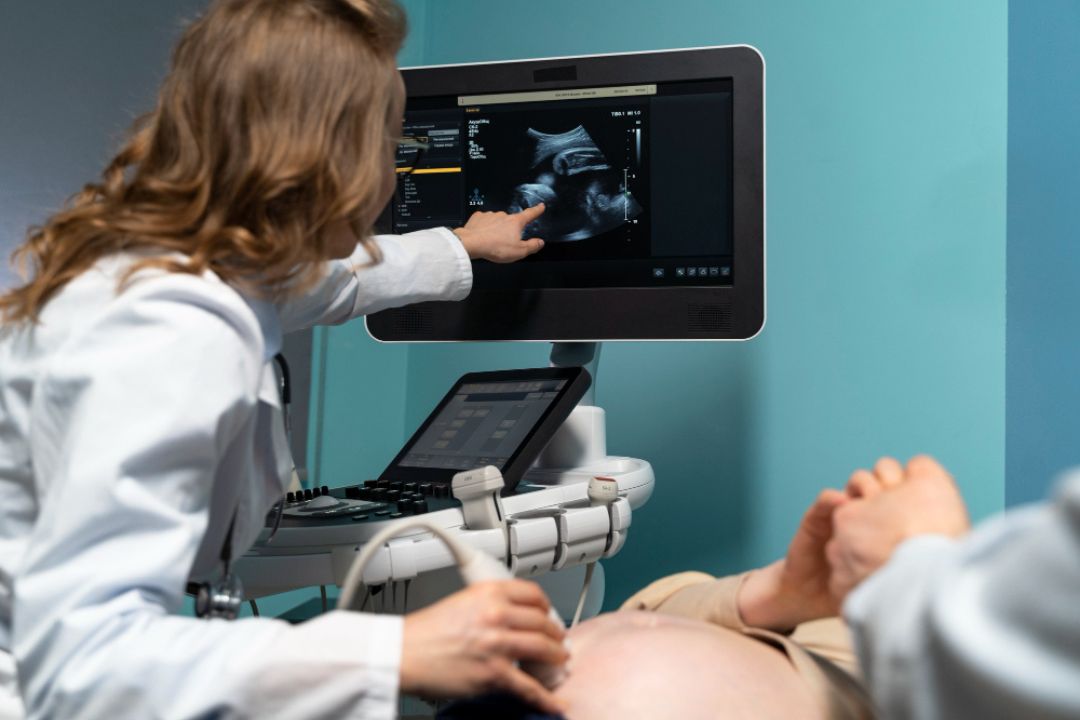
.jpg "ultrasound")



.jpg "ct scan")

.jpg "ultrasound digital sonography")

.jpg "Bilateral Foot Ultrasound")
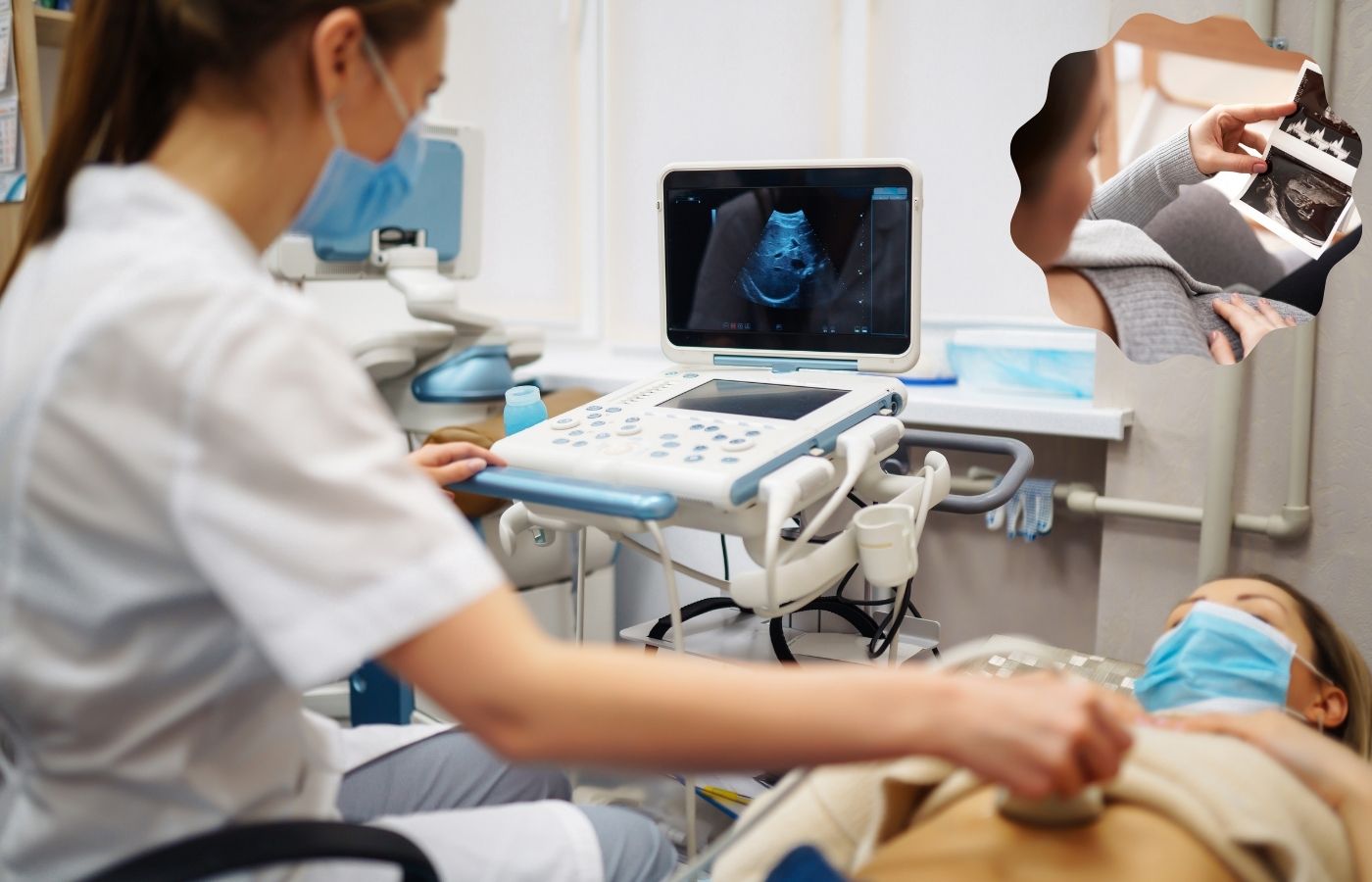
 How It Supports In-Patient Kidney Care.jpg "USG RENAL DOPPLER(IPD)")
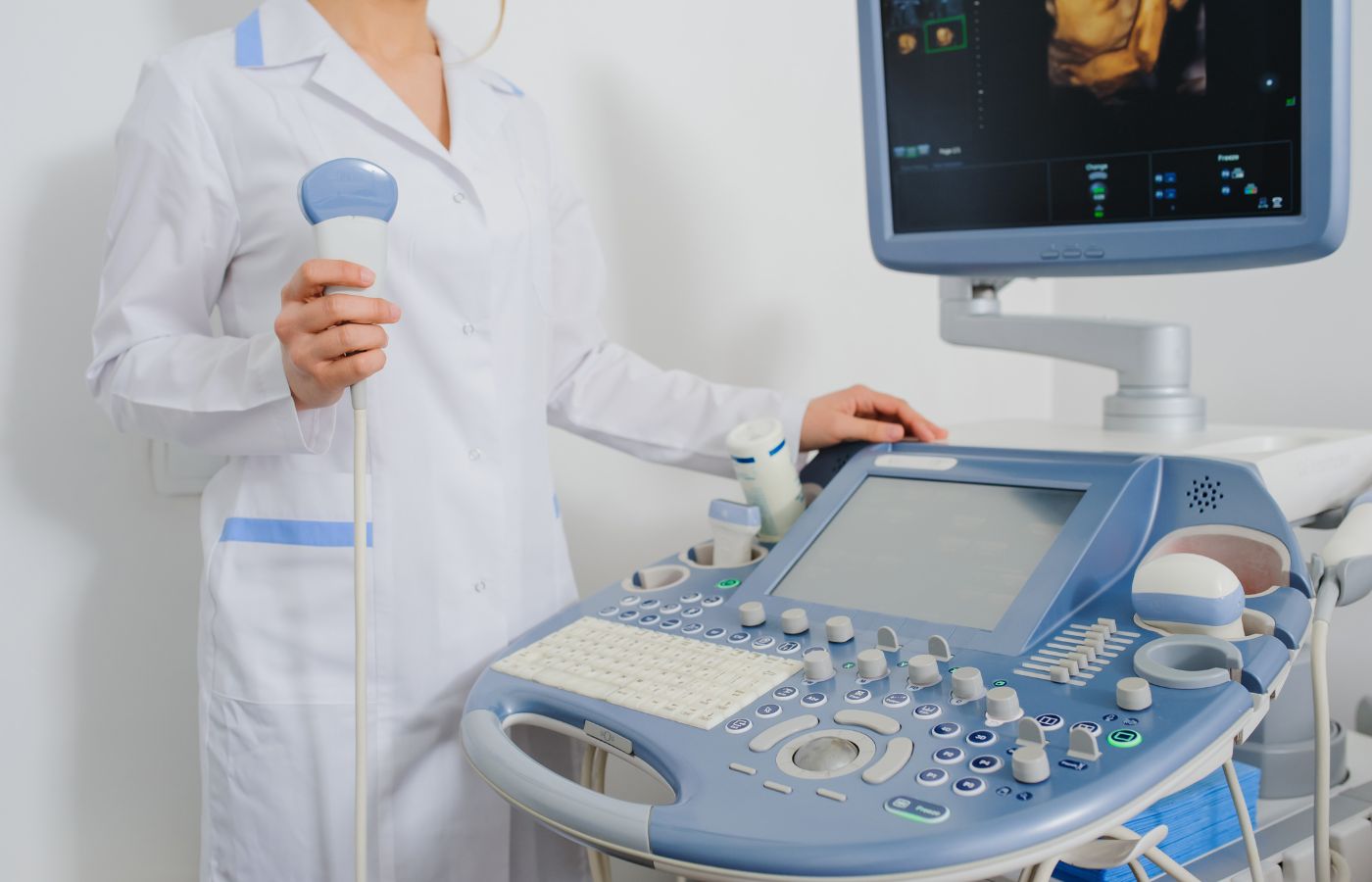
 (1).jpg "Healthy Tips every woman should know")
 (2).jpg "Anomaly Scan & Twin Study")