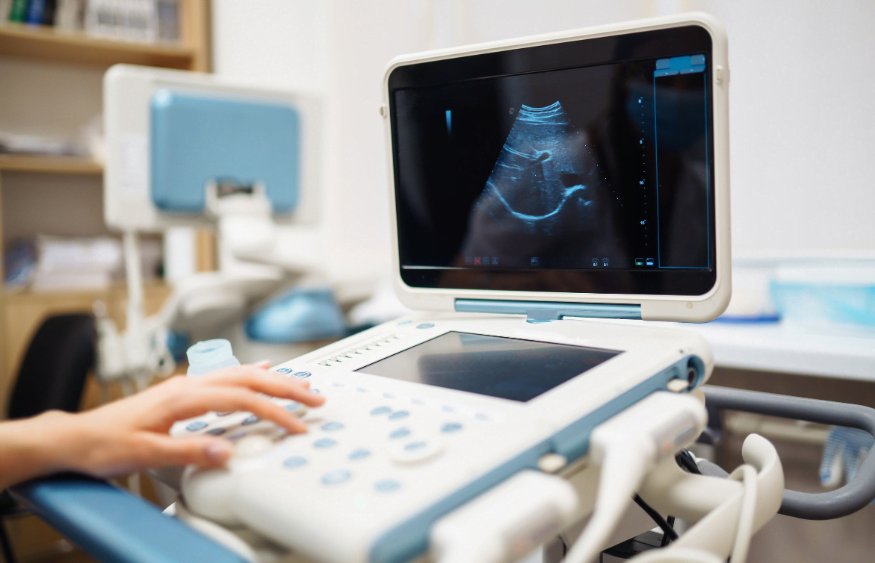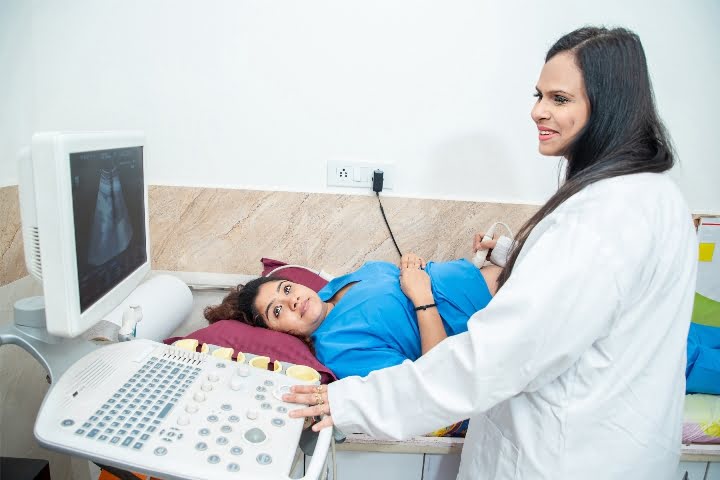
Pelvic ultrasound is one of the most commonly recommended imaging tests for women’s health. It is safe, painless, and highly effective in evaluating the uterus, ovaries, fallopian tubes, cervix, and surrounding pelvic structures. Doctors use this test to diagnose causes of pelvic pain, abnormal bleeding, fertility concerns, and early pregnancy conditions.
If your doctor has suggested a pelvic ultrasound, understanding why it’s done and what it can detect can help you feel more confident and prepared.
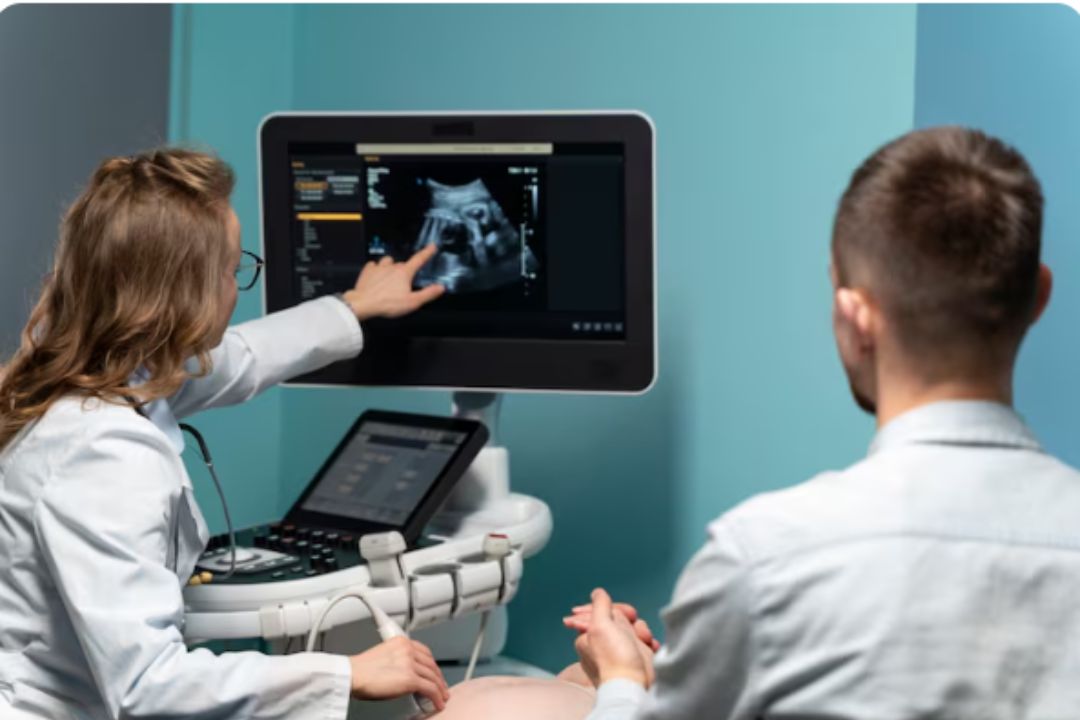
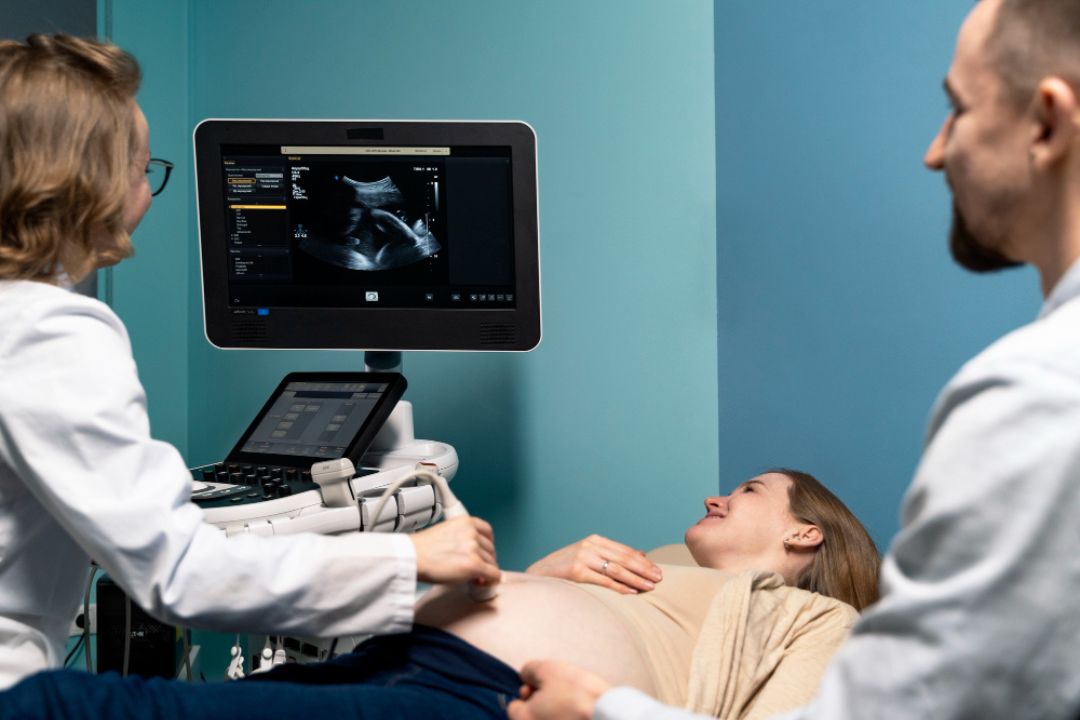
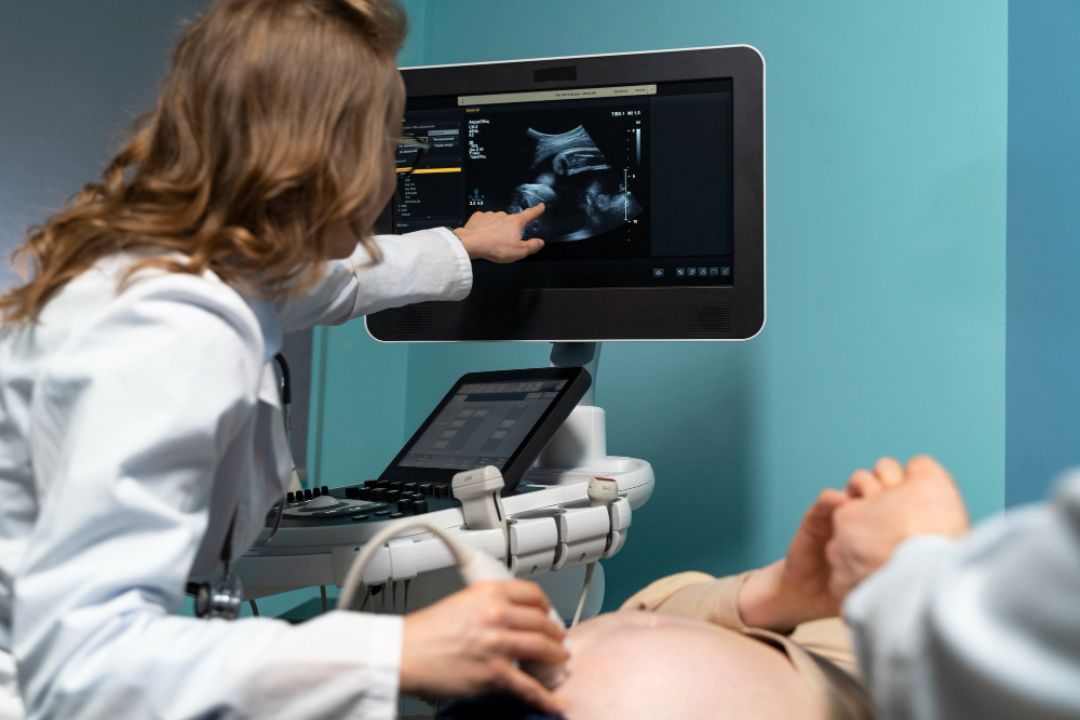
A pelvic ultrasound is a non-invasive diagnostic imaging test that uses high-frequency sound waves to create real-time images of the female reproductive organs.
Unlike X-rays or CT scans, ultrasound does not use radiation. It is considered completely safe, even during pregnancy.
The scan allows doctors to examine:
Uterus (size, shape, lining thickness)
Ovaries (cysts, masses, follicle development)
Cervix
Fallopian tubes (if fluid-filled)
Surrounding pelvic tissues
There are two main types of pelvic ultrasound for women:
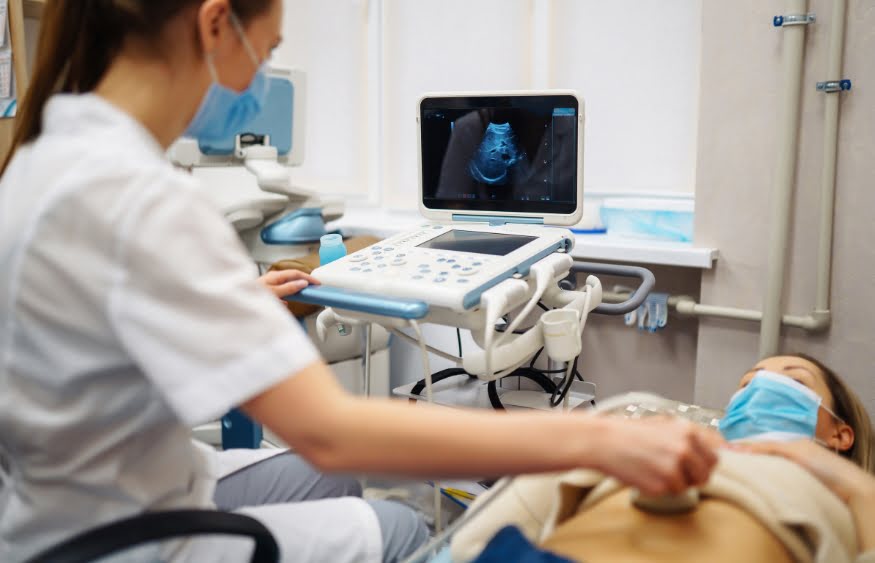
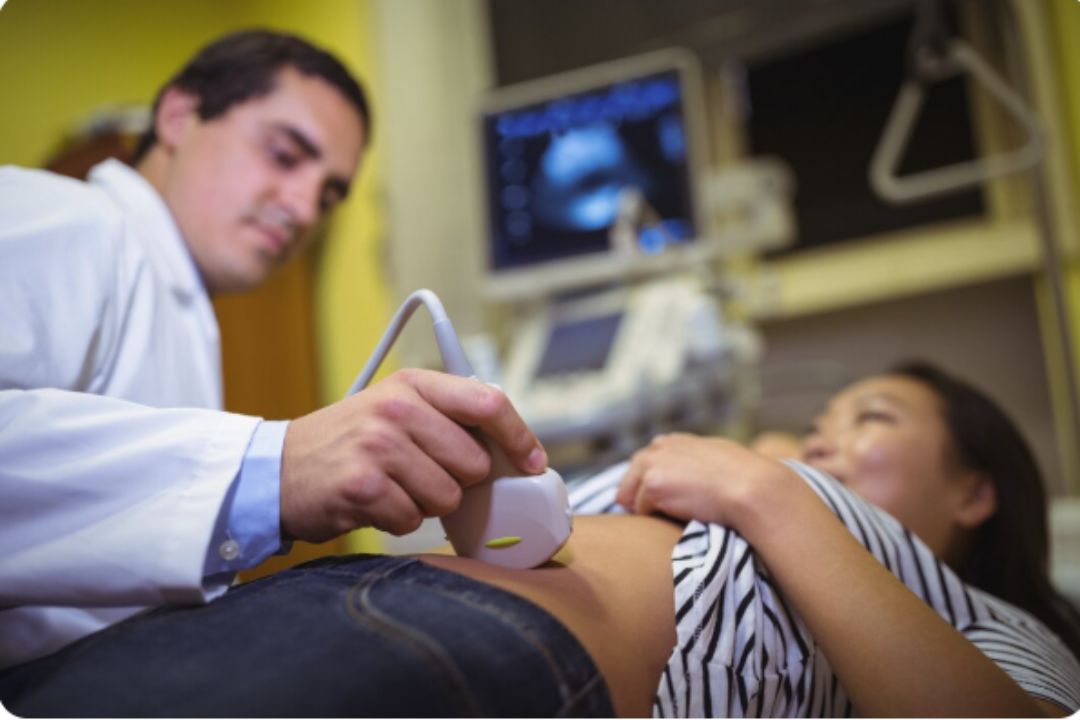
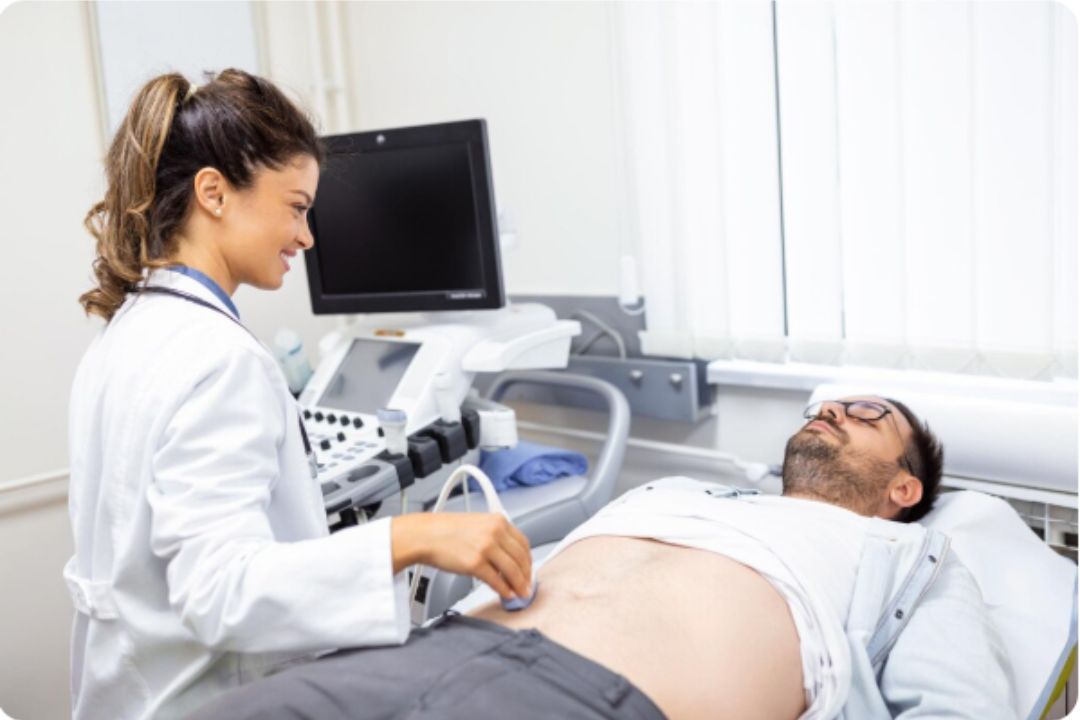
Probe moved over the lower abdomen
Requires a full bladder
Provides a broader view of pelvic organs
Often used during pregnancy
A small probe inserted into the vagina
Provides clearer, more detailed images
Does not require a full bladder
Commonly used to evaluate early pregnancy and ovarian conditions
Your doctor may recommend one or both depending on your symptoms.
A pelvic ultrasound is typically advised if a woman experiences:
Persistent or severe lower abdominal pain may indicate:
Ovarian cysts
Endometriosis
Fibroids
Pelvic inflammatory disease (PID)
Ultrasound helps identify the source of pain quickly.
If you have:
Heavy menstrual bleeding
Bleeding between periods
Postmenopausal bleeding
Ultrasound can assess the uterine lining thickness and detect polyps or fibroids.
It helps evaluate hormone-related changes and ovarian structure, especially in suspected PCOS (Polycystic Ovary Syndrome).
Doctors use ultrasound to:
Monitor follicle development
Check ovulation
Assess uterine lining health
Detect structural abnormalities
Pelvic ultrasound confirms:
Location of pregnancy (rules out ectopic pregnancy)
Fetal heartbeat
Gestational age
Multiple pregnancies
Ultrasound determines:
Size
Type (simple vs complex cyst)
Need for further evaluation
Uterine fibroids are non-cancerous growths that may cause heavy bleeding and pain. Ultrasound helps measure and locate them.
This scan can identify:
Uterine fibroids
Ovarian cysts
Endometrial thickening
Pelvic masses
Ectopic pregnancy
Early pregnancy complications
Structural abnormalities
Fluid in the pelvis
Signs of infection
It is often the first imaging test recommended before more advanced scans.
Preparation depends on the type of scan:
Drink 3–4 glasses of water 1 hour before the test
Avoid urinating until the scan is completed
A full bladder improves image clarity.
Empty your bladder before the scan
No special preparation required
Your healthcare provider will give specific instructions.
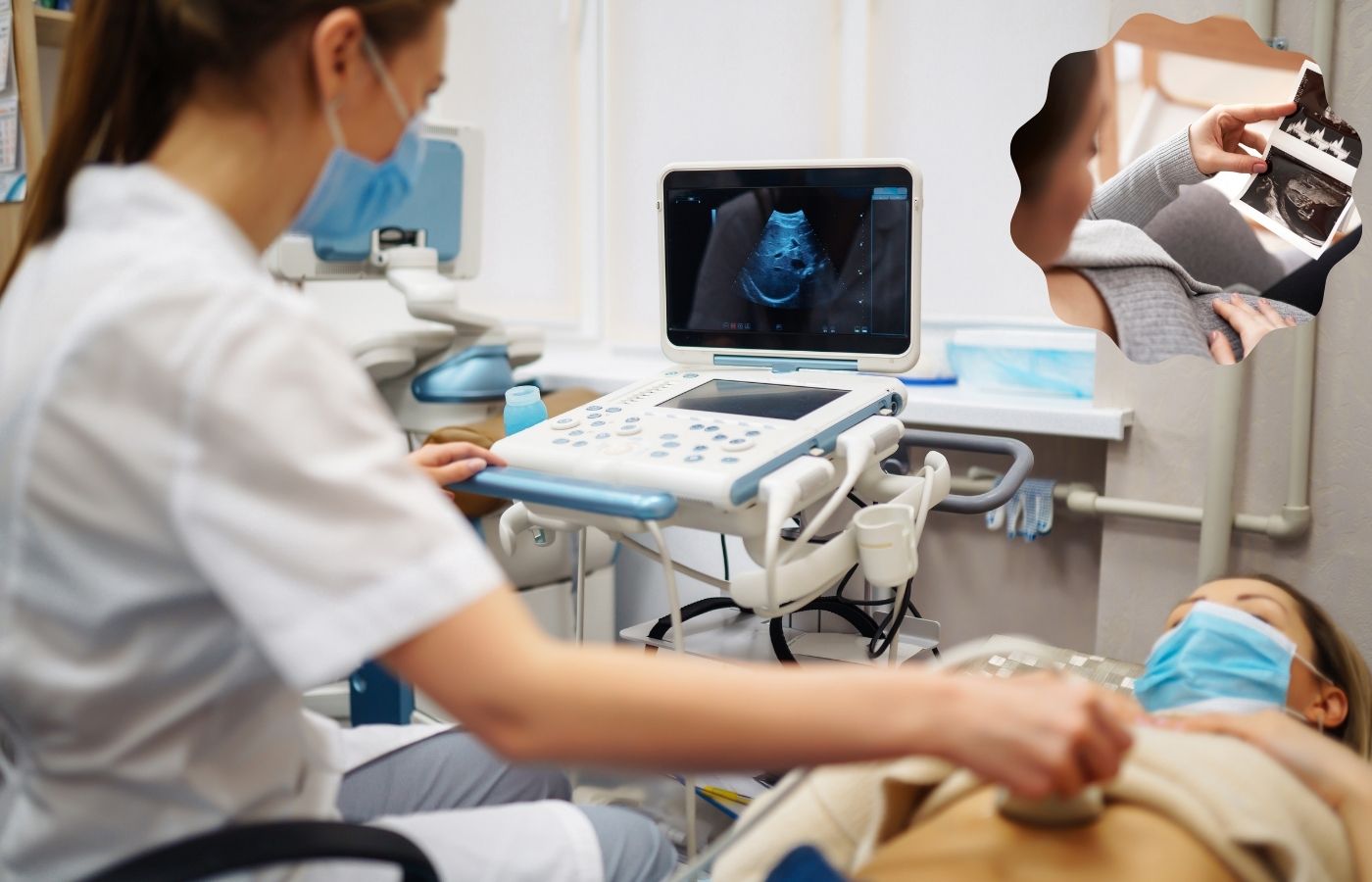
The procedure usually takes 15–30 minutes.
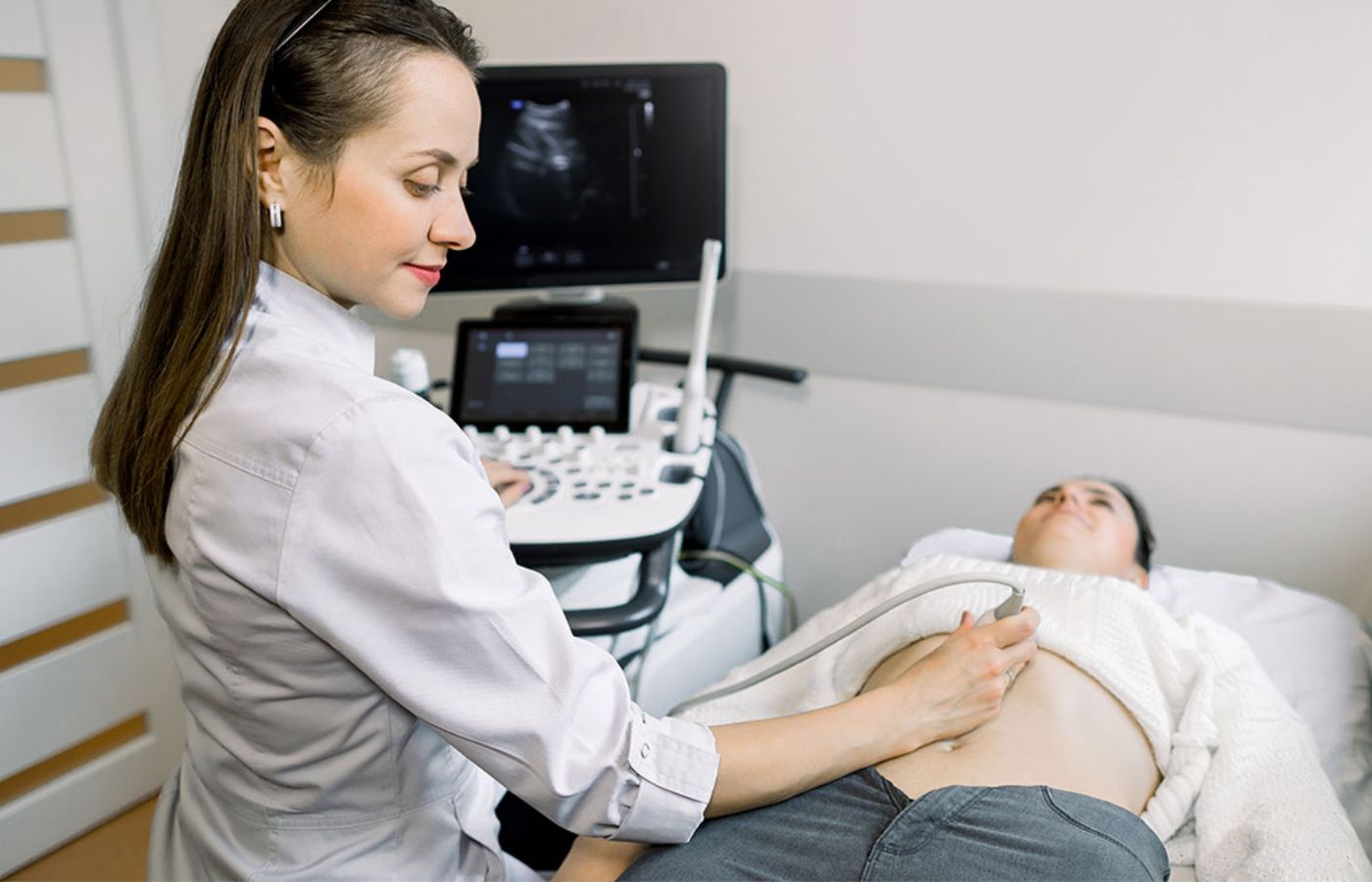
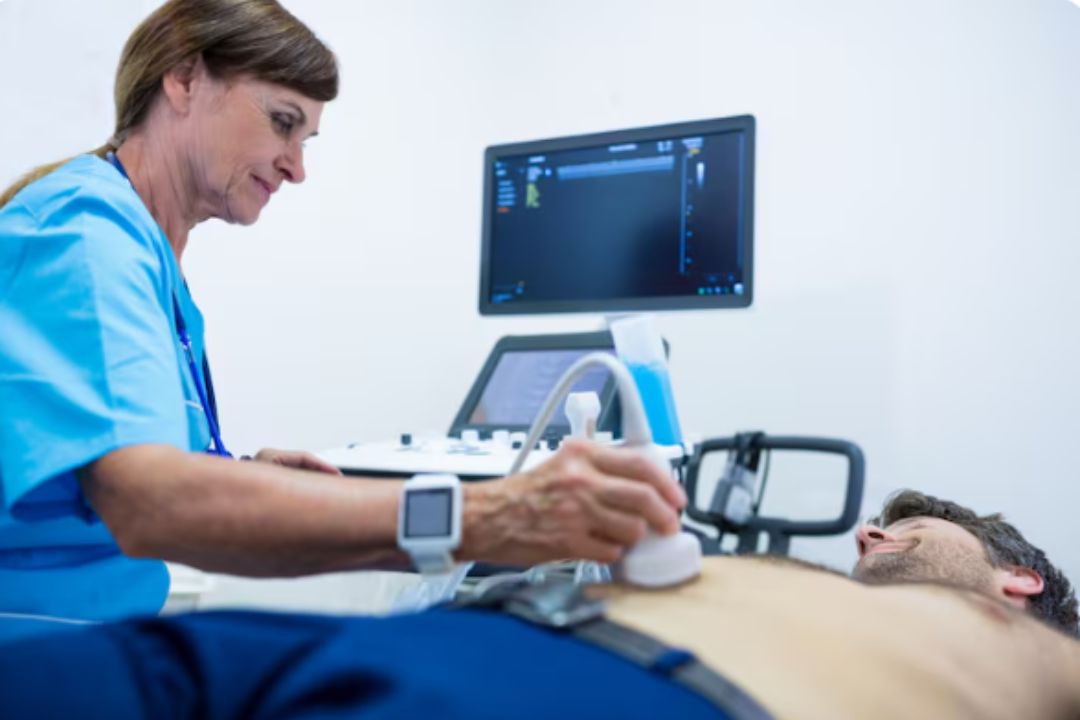
For abdominal scans:
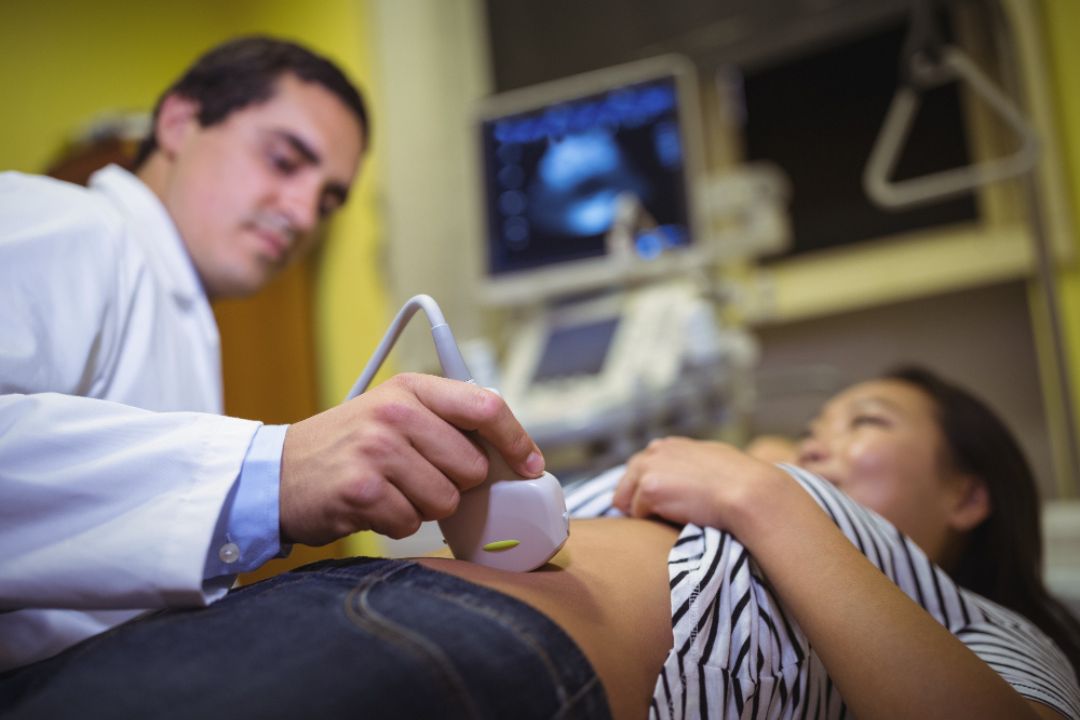
Gel is applied to your lower abdomen
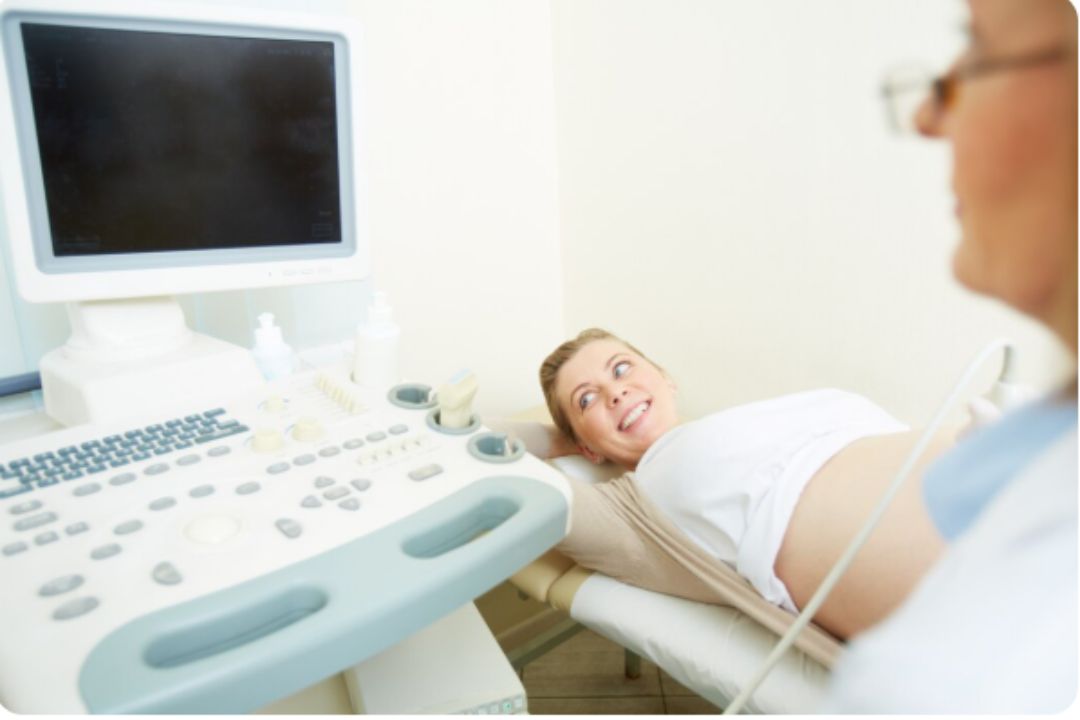
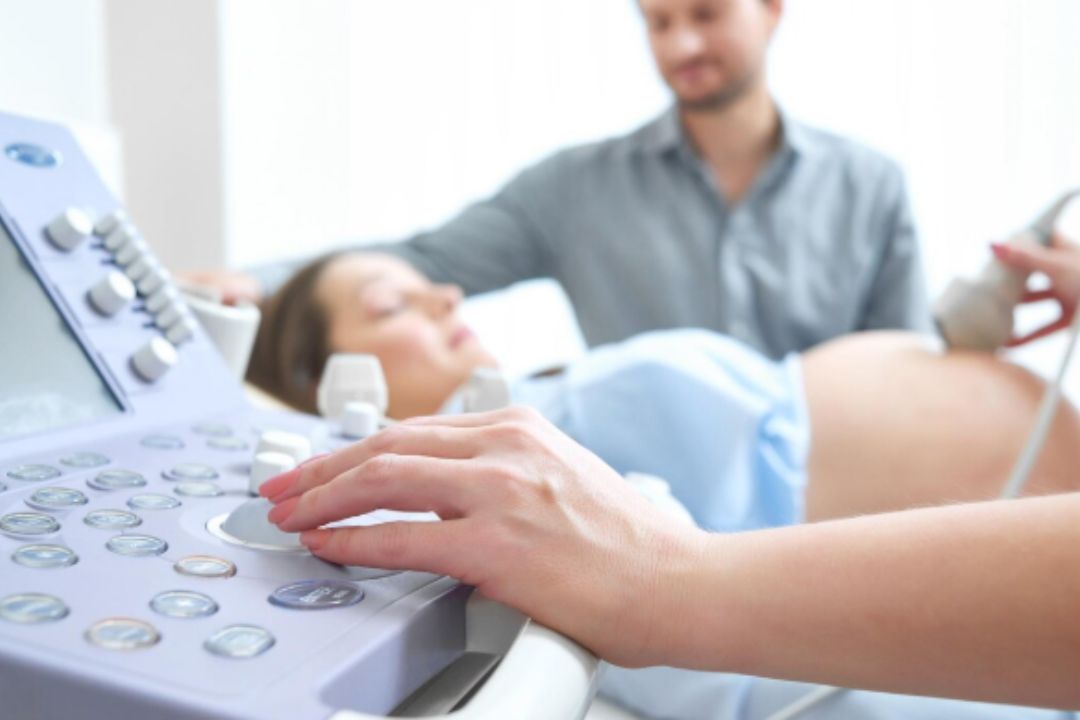
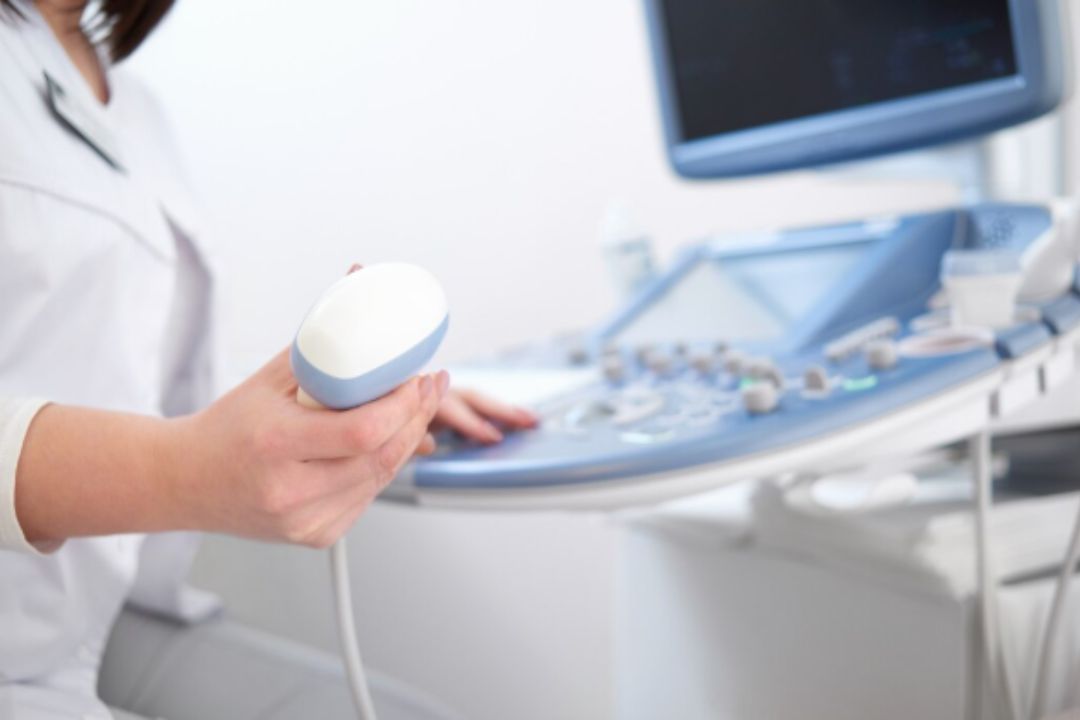
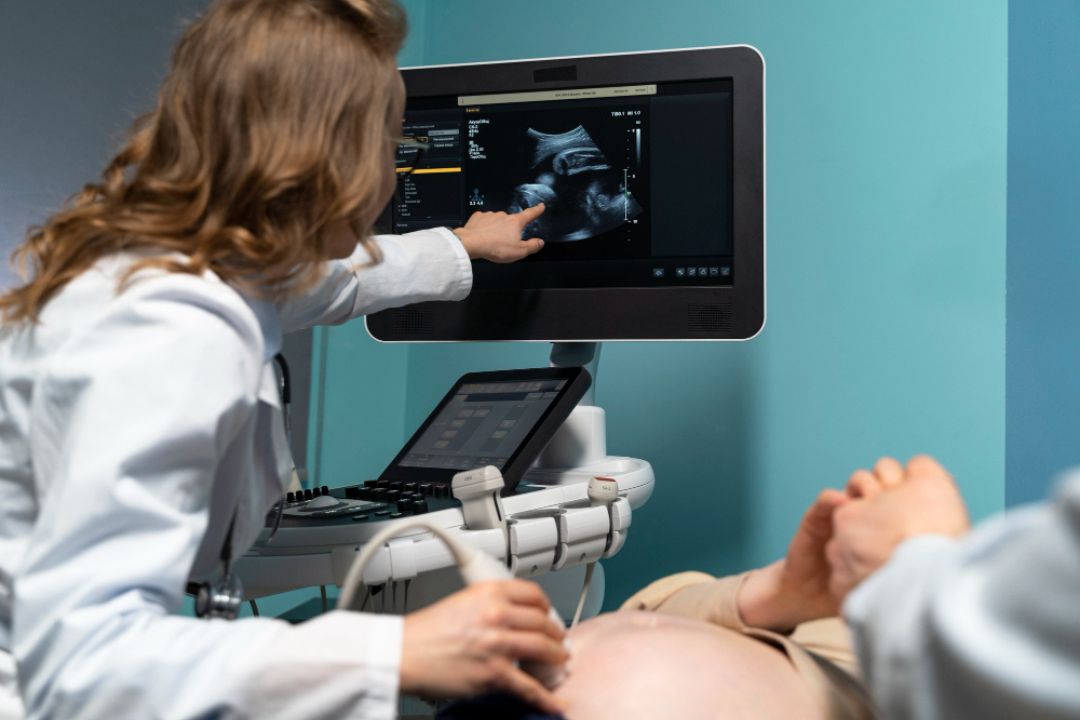
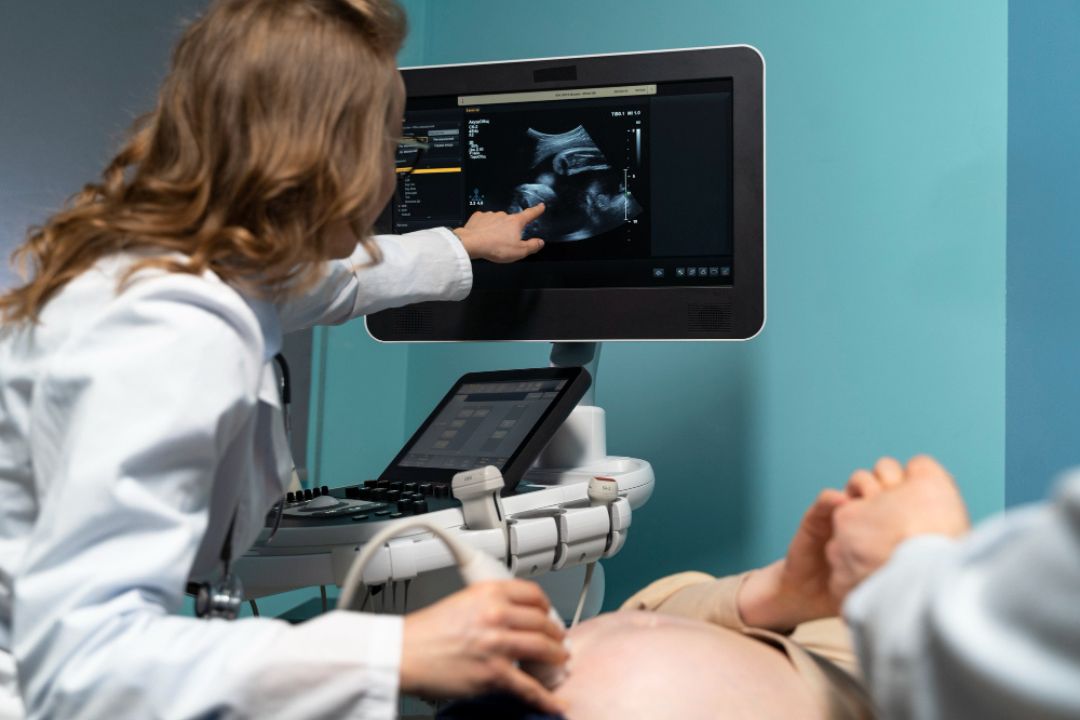
A handheld probe moves gently over the skin
For transvaginal scans:
A covered, lubricated probe is inserted gently
Mild pressure may be felt, but it should not be painful
You can resume normal activities immediately afterward.
Yes. Pelvic ultrasound:
Uses sound waves, not radiation
Is safe during pregnancy
Has no known long-term side effects
It is one of the safest imaging methods available.
While highly useful, ultrasound may not:
Definitively diagnose cancer (biopsy may be required)
Detect very small abnormalities
Fully evaluate deep endometriosis
In some cases, additional tests like MRI or CT scan may be recommended.
Consult your doctor if you experience:
Severe or persistent pelvic pain
Sudden sharp abdominal pain
Unusual vaginal bleeding
Difficulty conceiving
Postmenopausal bleeding
Early diagnosis helps prevent complications and ensures appropriate treatment.
Pelvic ultrasound is a powerful, safe, and reliable tool for diagnosing a wide range of women’s health conditions. Whether you are experiencing symptoms or undergoing routine evaluation, this scan provides valuable insights into reproductive health.
If your doctor recommends a pelvic ultrasound, it is an important step toward accurate diagnosis and effective treatment planning.













.jpg "usg portal venous doppler purpose procedure and normal values")
































.jpg "usg artery doppler test")
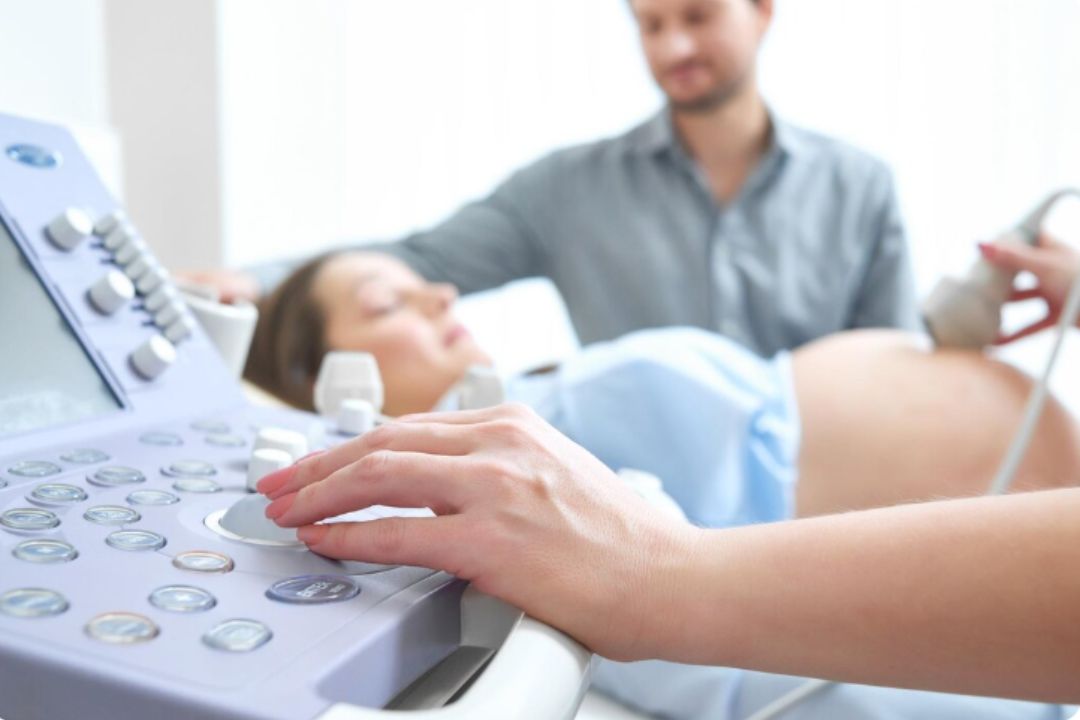


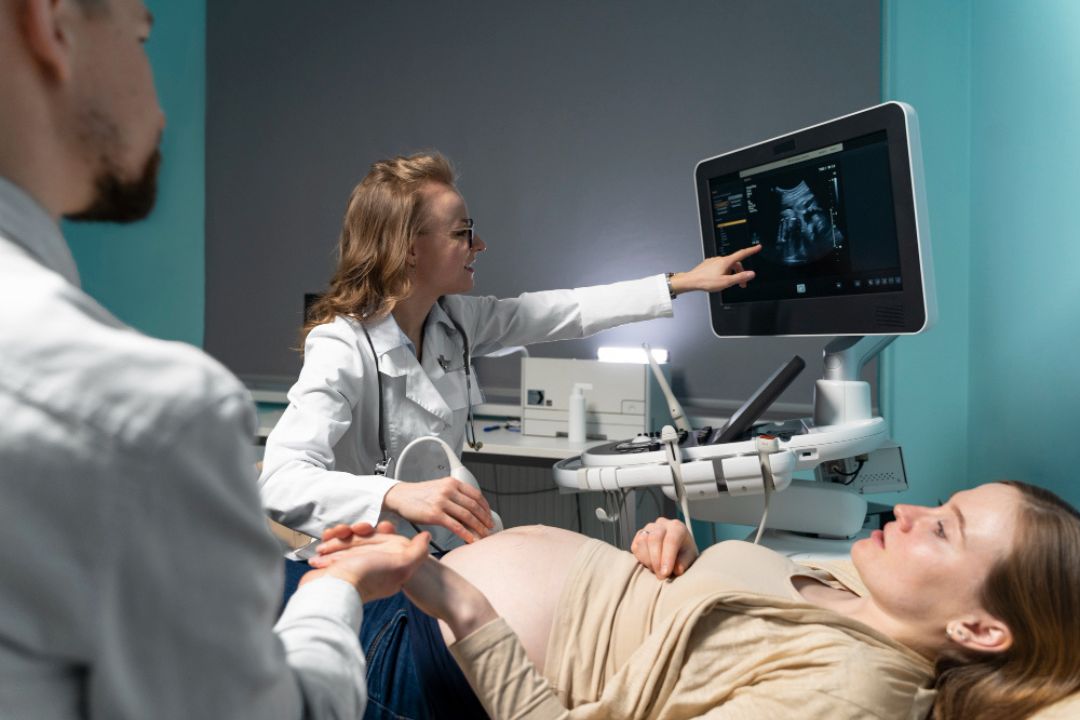

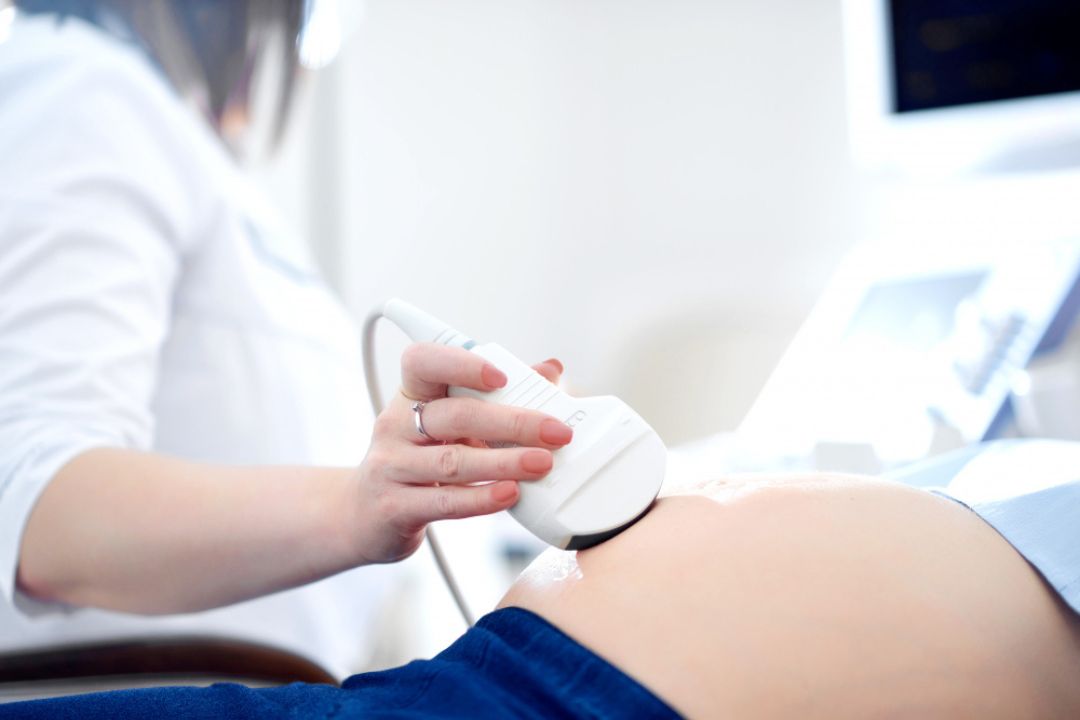
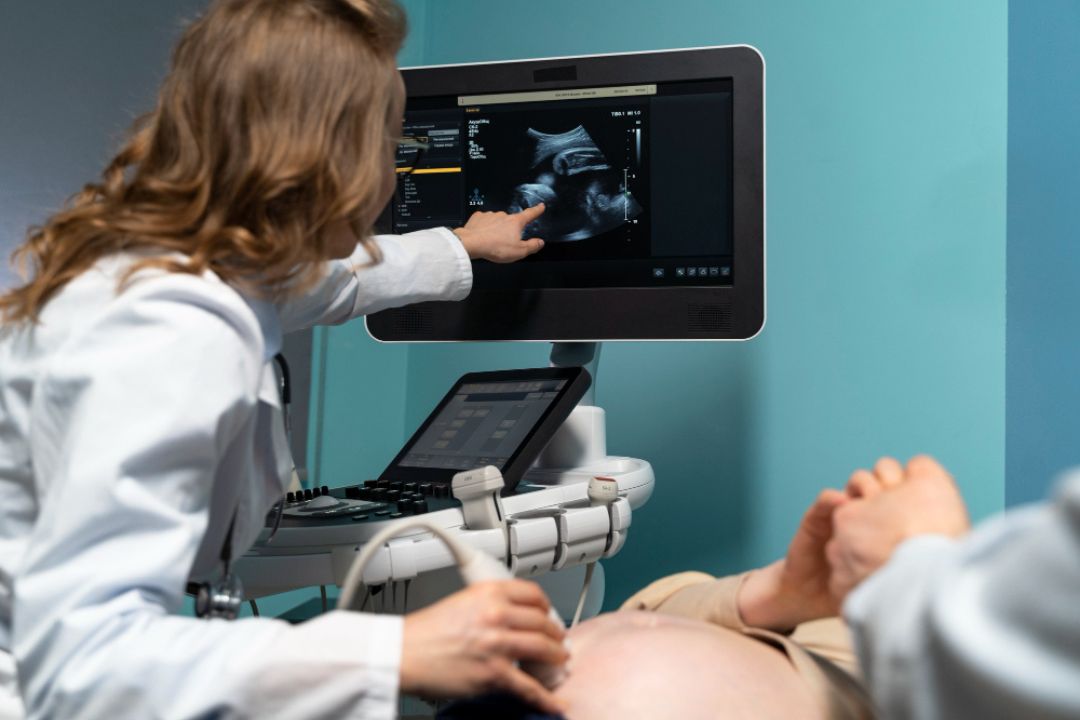
.jpg "ultrasound")



.jpg "ct scan")



.jpg "ultrasound digital sonography")


.jpg "Bilateral Foot Ultrasound")

 How It Supports In-Patient Kidney Care.jpg "USG RENAL DOPPLER(IPD)")
 (1).jpg "Healthy Tips every woman should know")
 (2).jpg "Anomaly Scan & Twin Study")