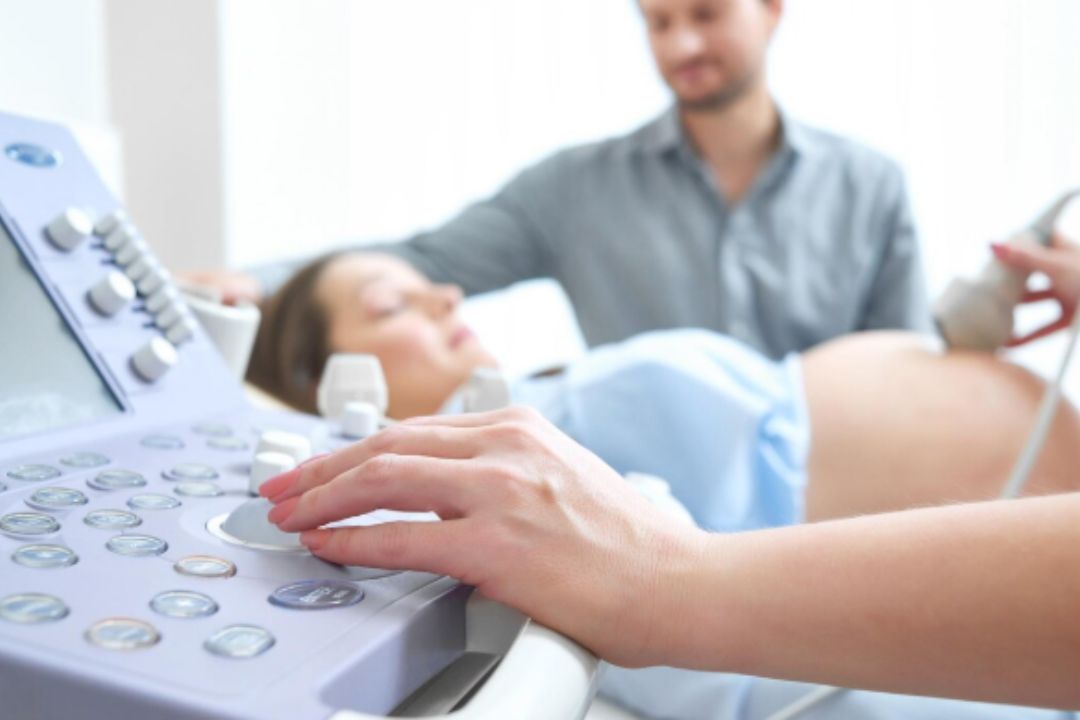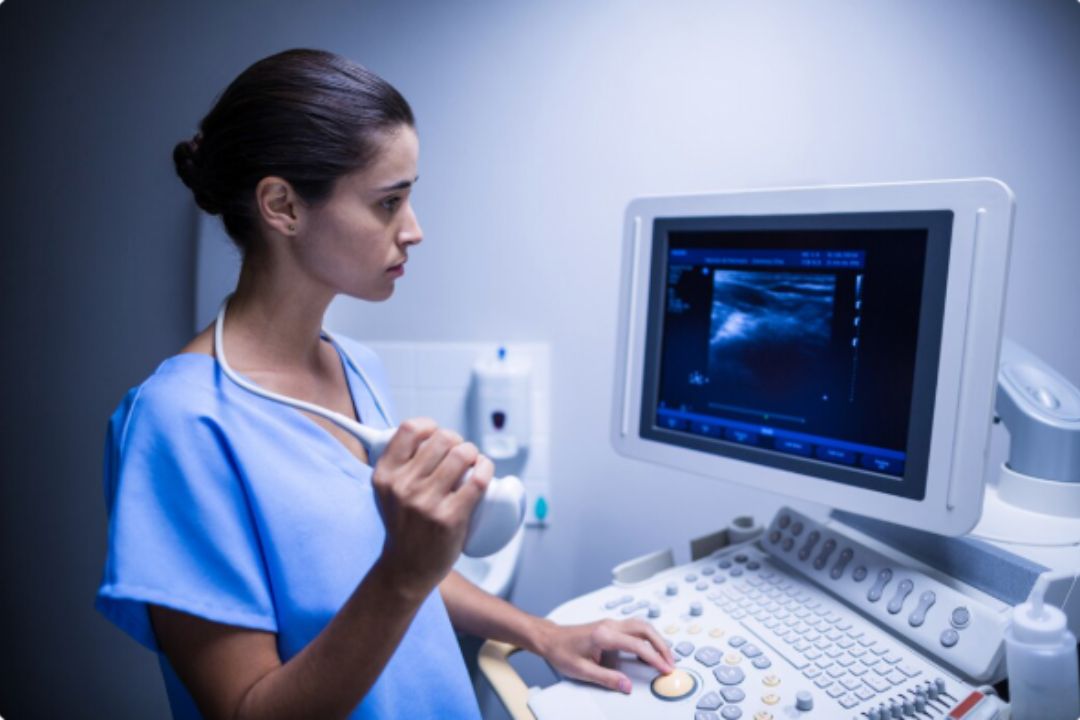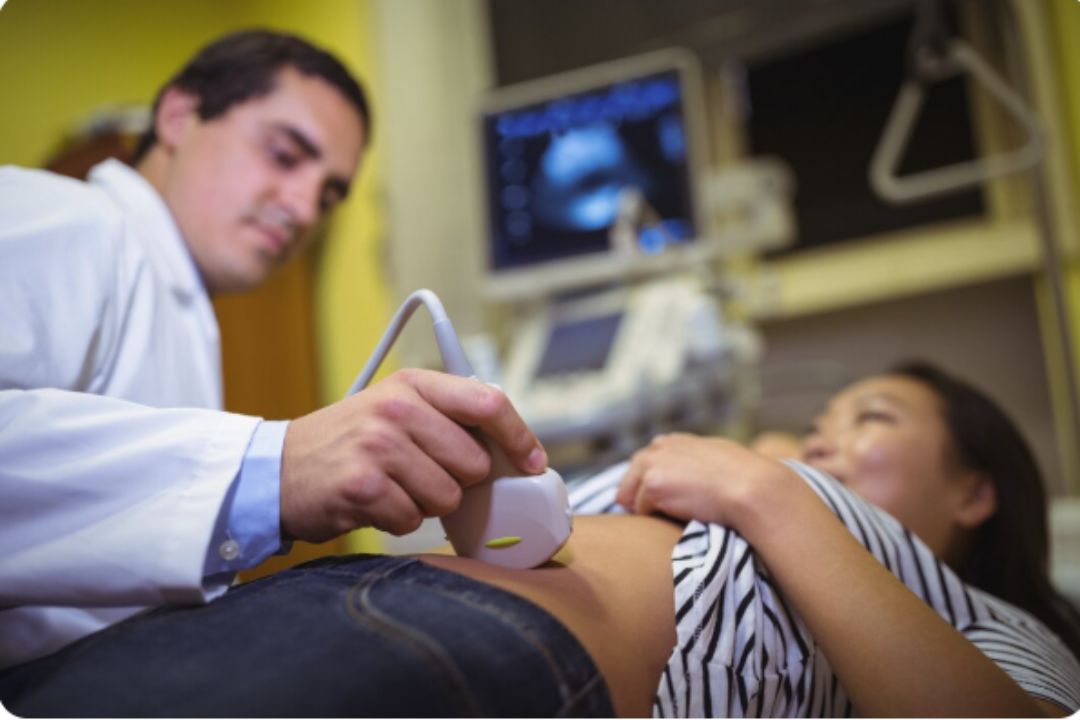
abdominal ultrasound after surgery  why it done

abdominal ultrasound after surgery why it done

Abdominal Ultrasound After Surgery: Why It Done? Benefits, Cost & Comfort at Diagnopein Pune

Post-surgical recovery is a critical phase, and monitoring internal healing is just as important as the surgery itself. One of the safest, most effective, and non-invasive tools for this is abdominal ultrasound. If you or a loved one has recently undergone abdominal surgery and your doctor has recommended an ultrasound, you may be wondering: abdominal ultrasound after surgery why it done?

In this blog, we break down the benefits, comparison with other scans, costing, comfort, and why Diagnopein Pune is your most trusted destination for abdominal sonography.

Abdominal Ultrasound After Surgery: Why It Done? (Medical Perspective)

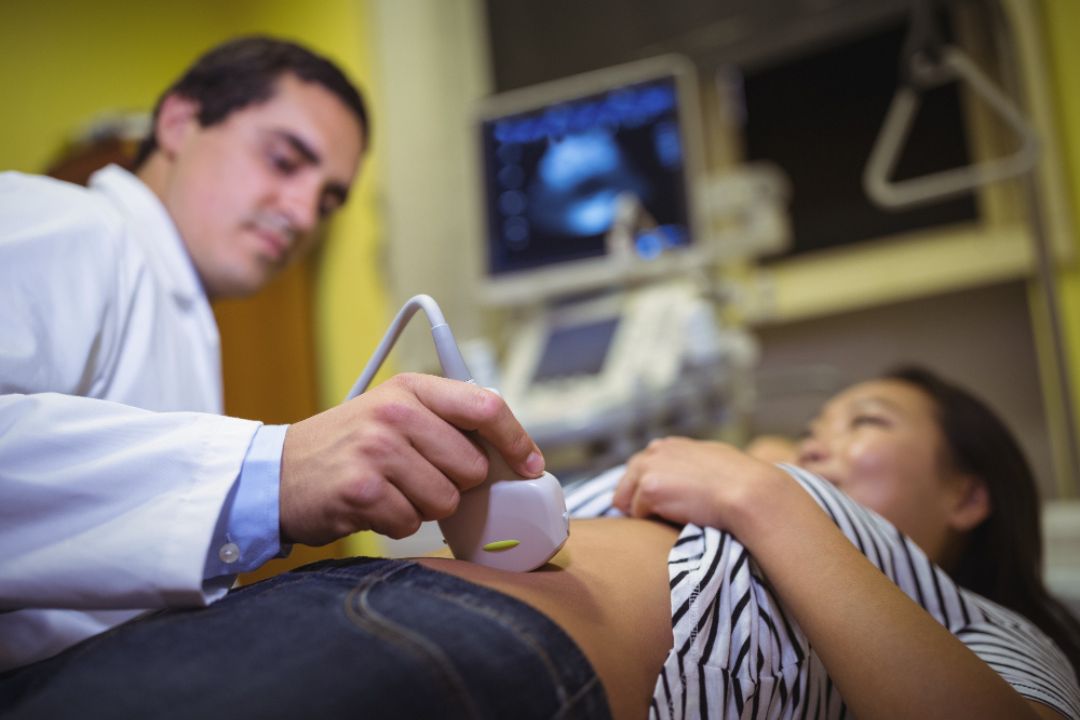
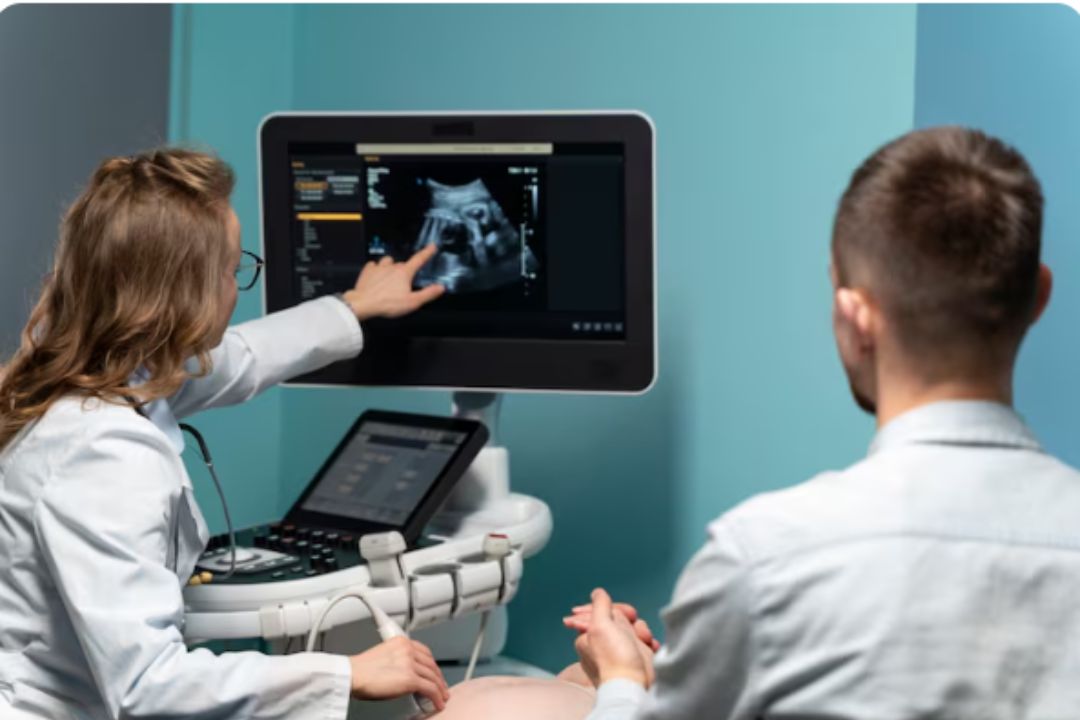
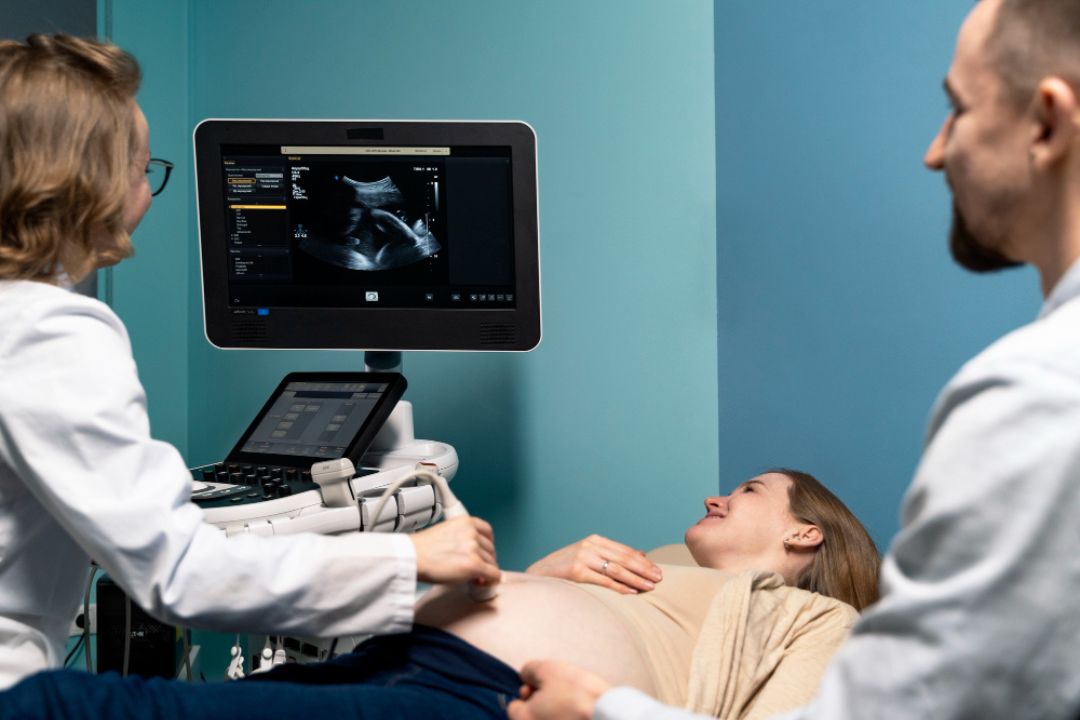
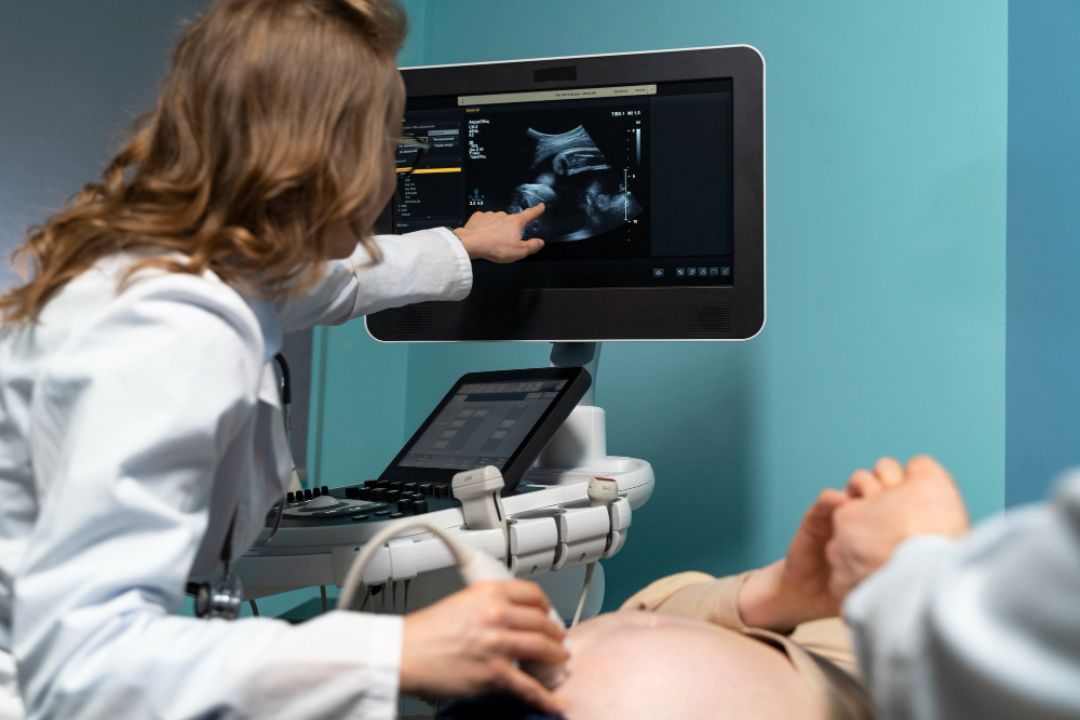
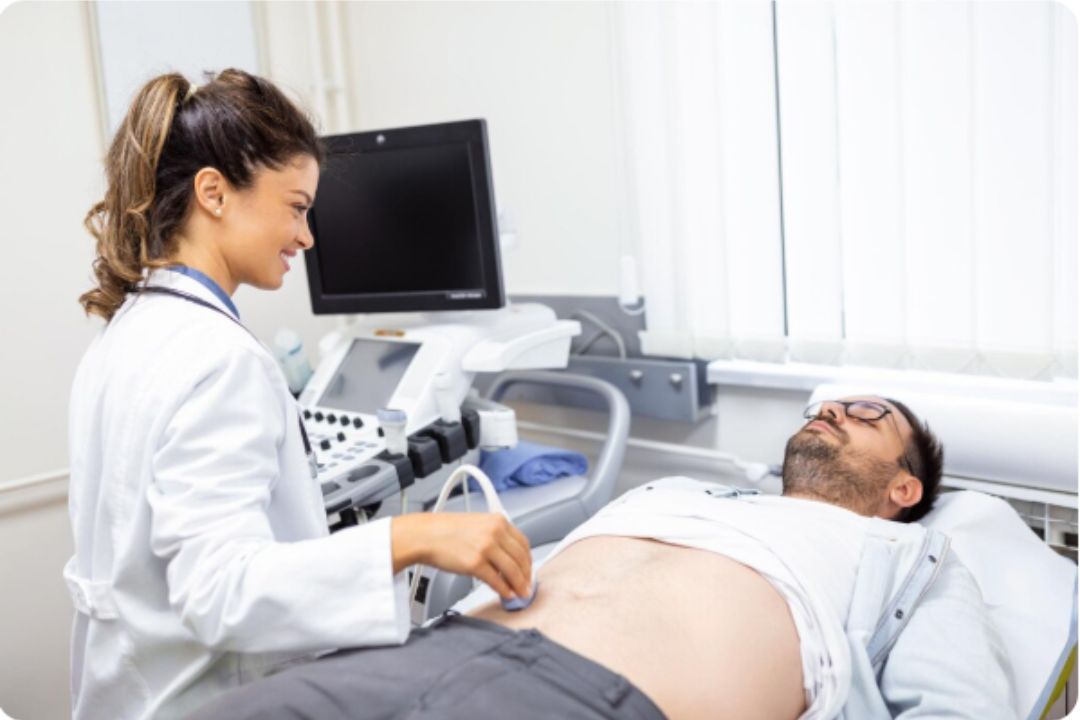
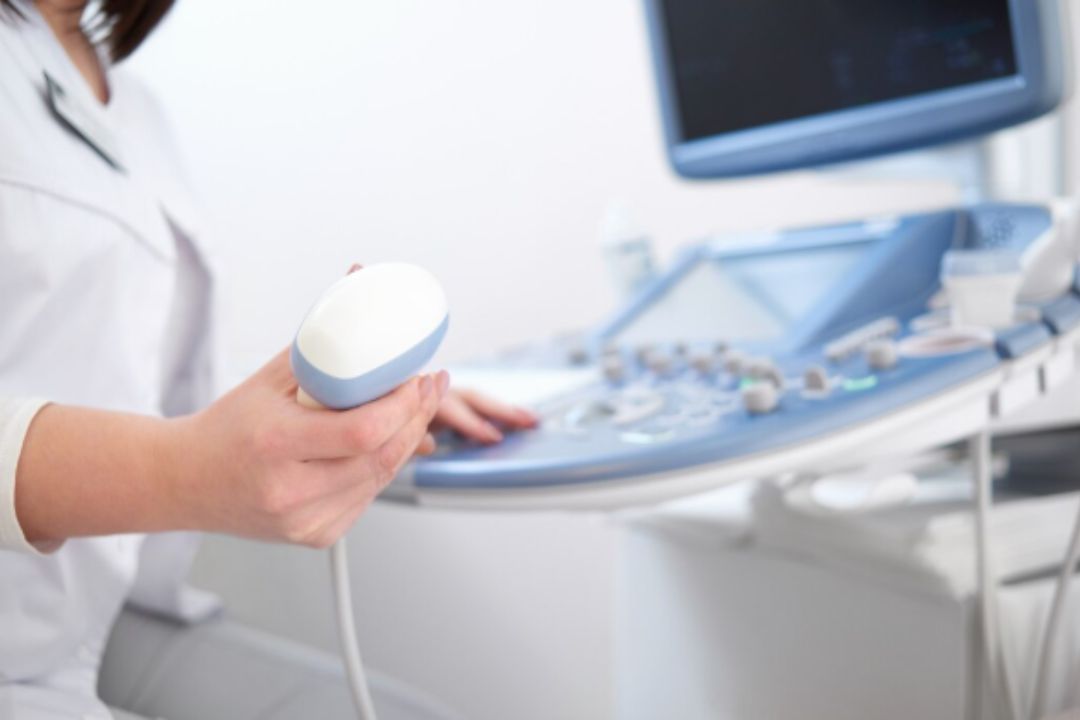
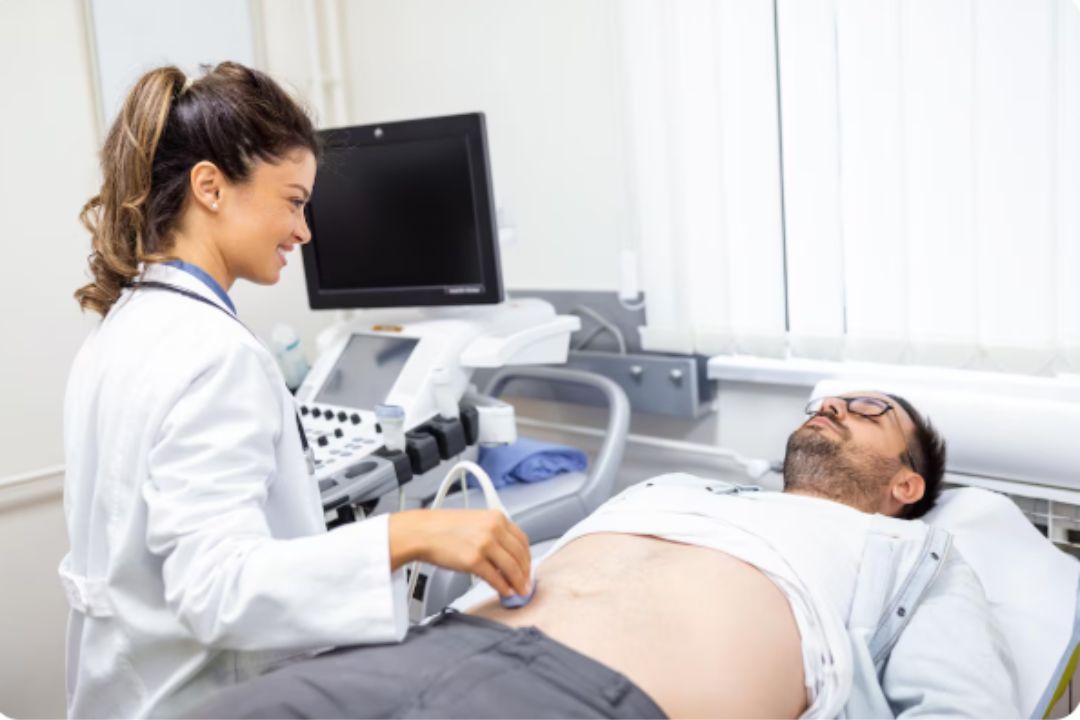
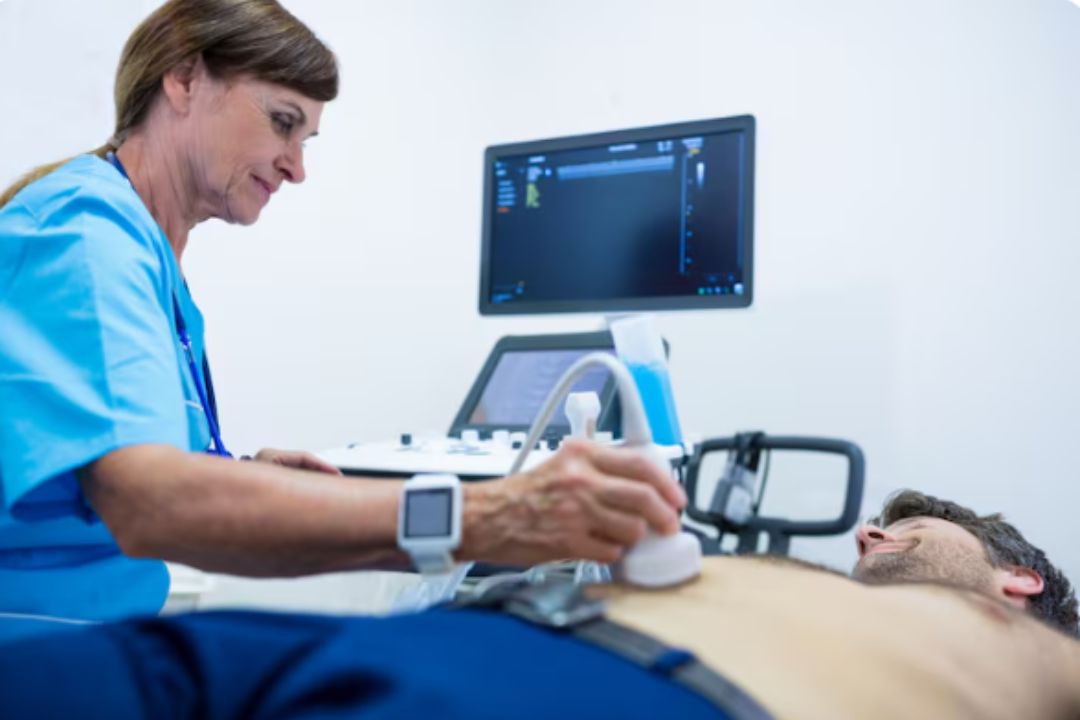
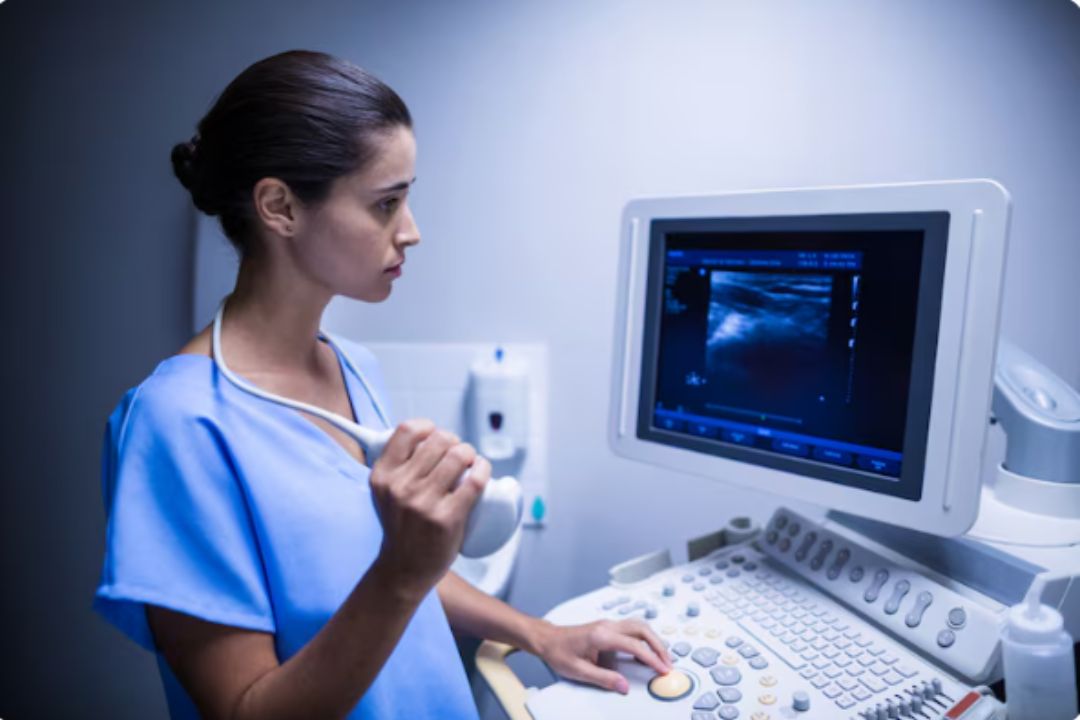
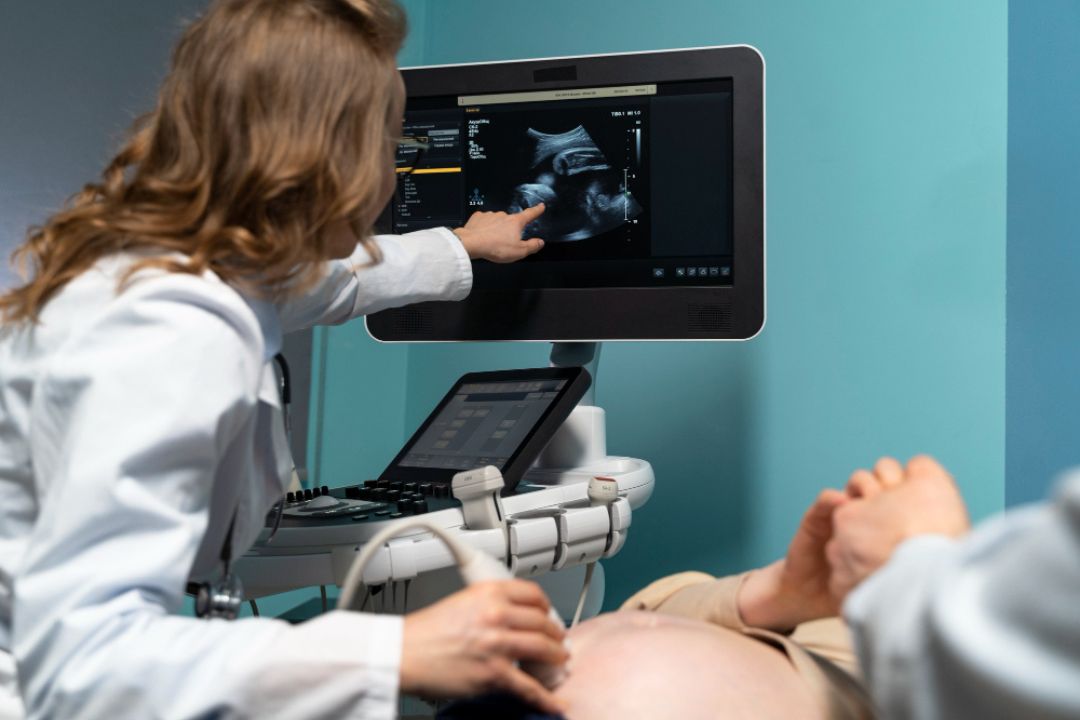
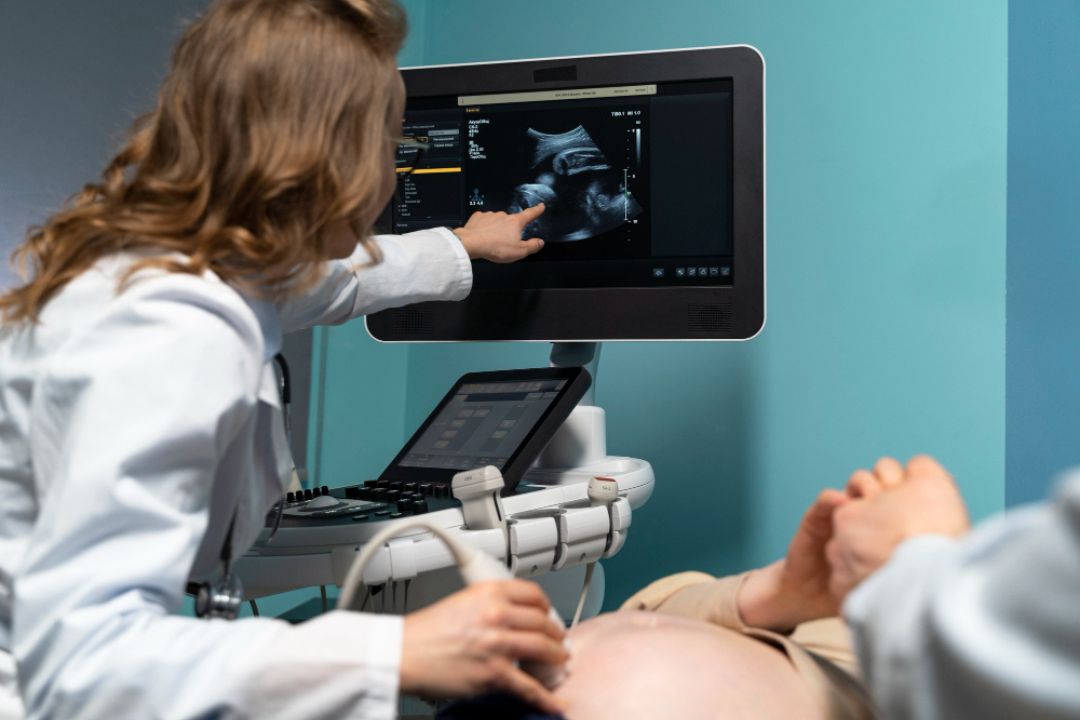
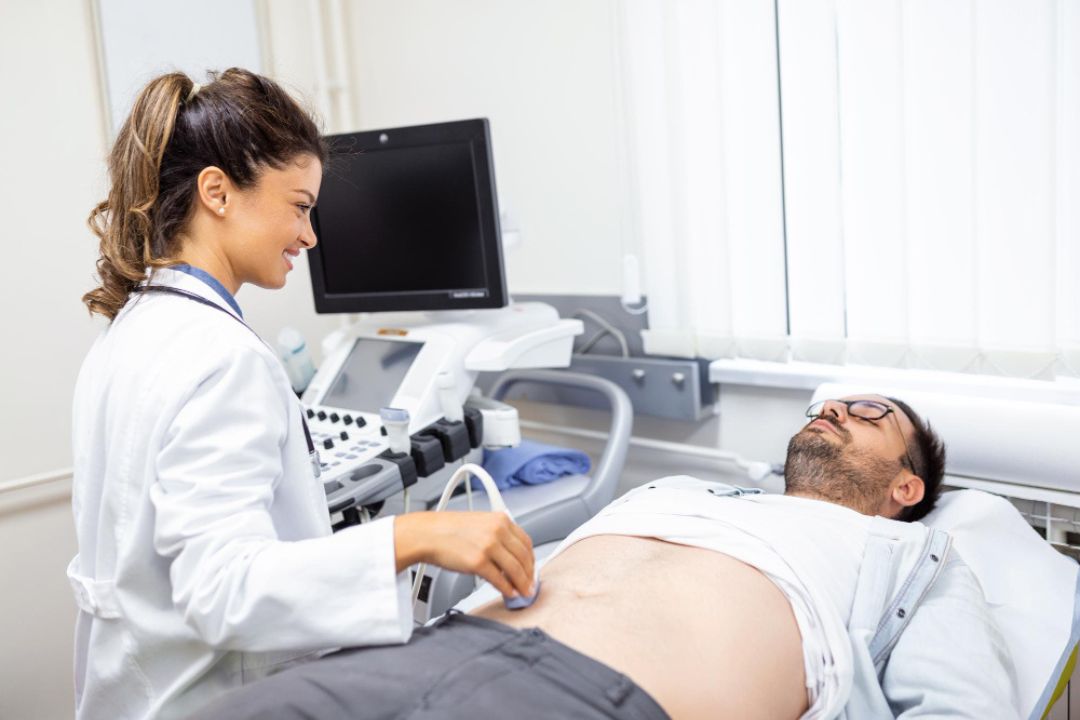
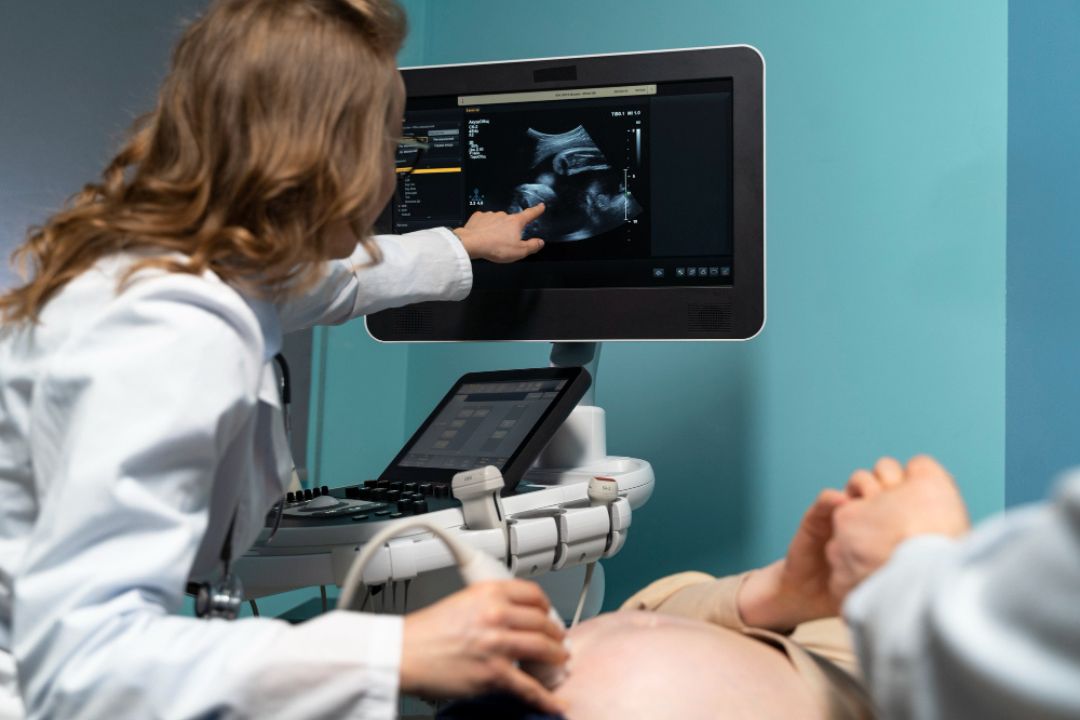
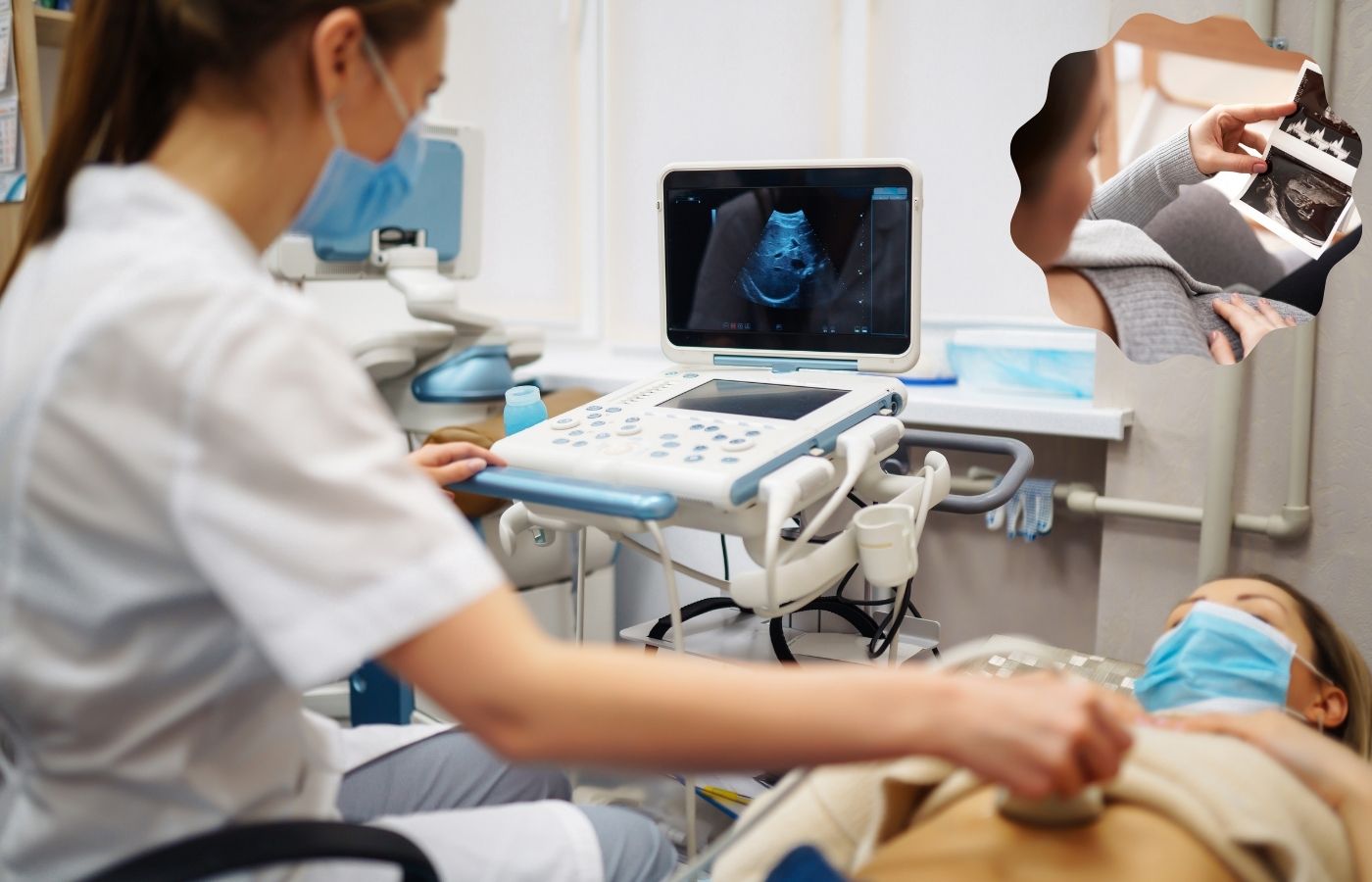
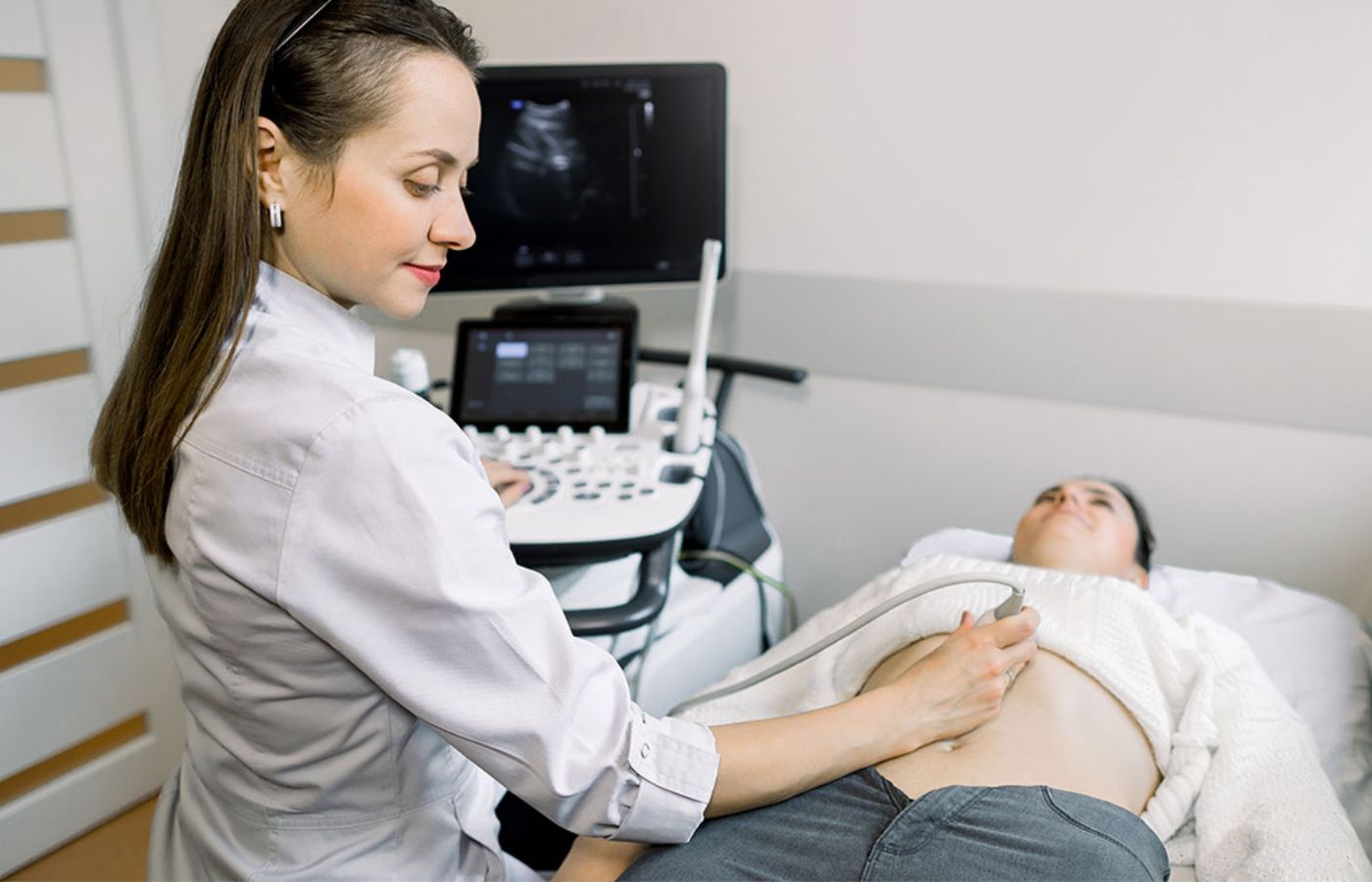
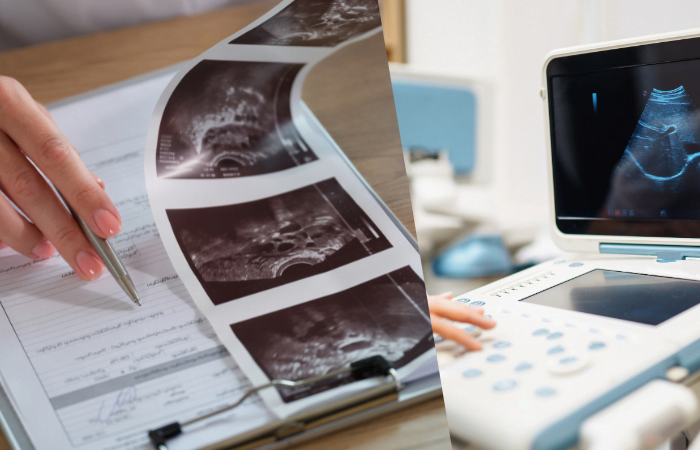
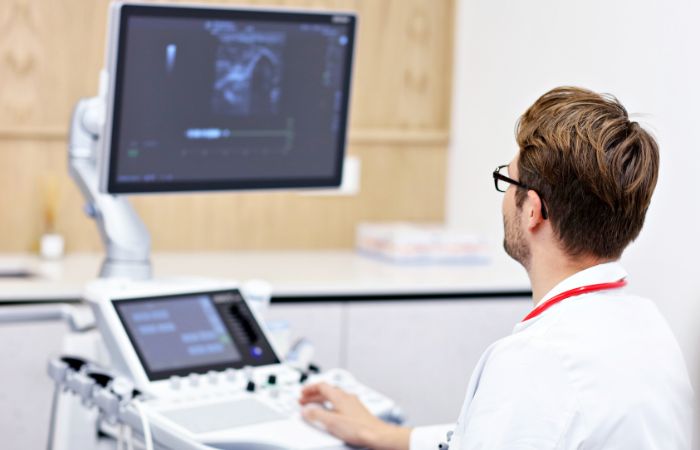
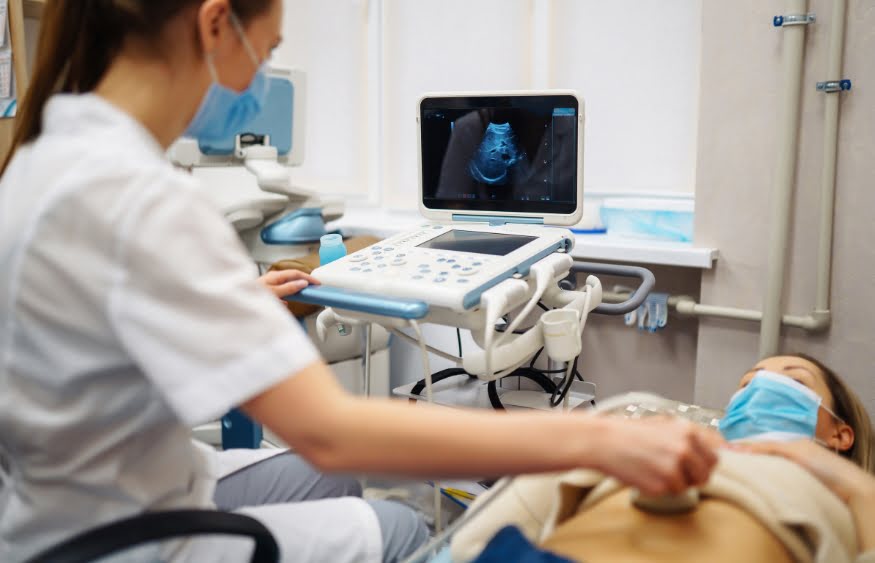
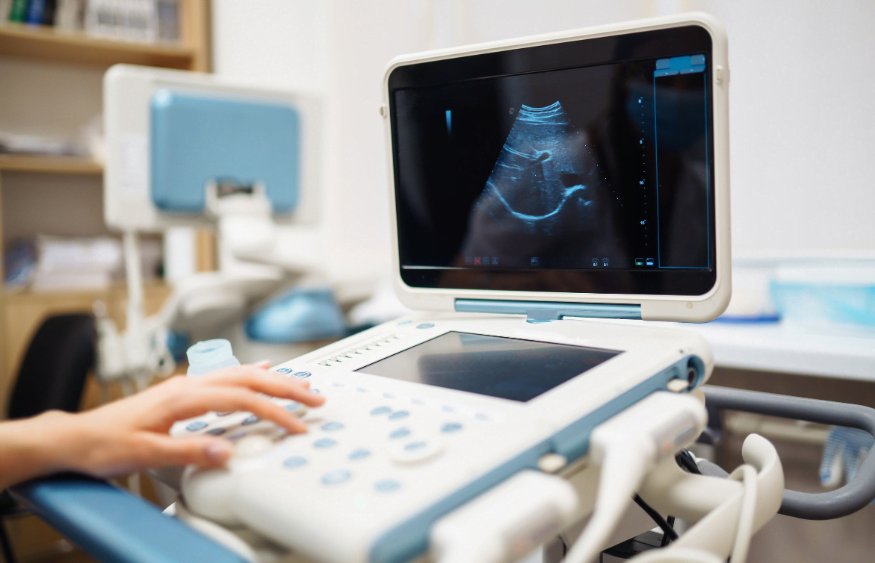
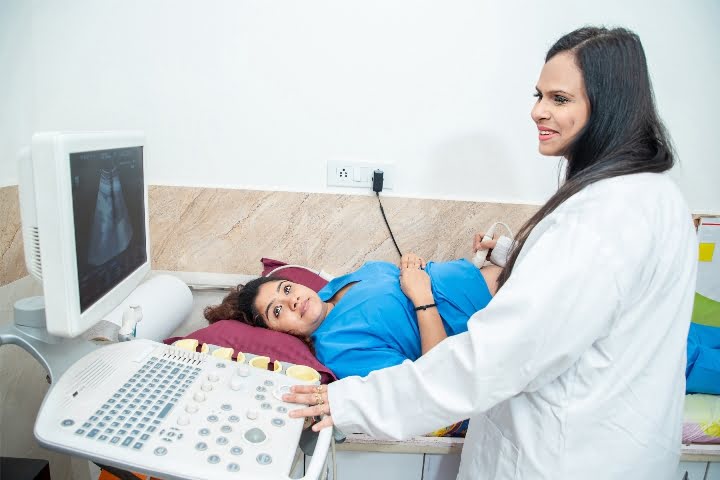
An abdominal ultrasound after surgery is a diagnostic imaging procedure that uses high-frequency sound waves to produce real-time images of the internal organs and the surgical site. It is non-invasive, radiation-free, and exceptionally effective in detecting post-operative complications before they become life-threatening.

Clinical Indications for Post-Surgical Ultrasound:

  1. Detection of Internal Bleeding or Fluid Collections
    After surgery, fluid may accumulate in the abdominal cavity. This includes blood (hematoma), serous fluid (seroma), or pus (abscess). Ultrasound can detect even small volumes of fluid, enabling early intervention.

  2. Assessment of Anastomotic Integrity
    In bowel or gastric surgeries, an anastomotic leak is a serious complication. Ultrasound helps assess for free fluid or air pockets that may indicate leakage.

  3. Evaluation of Organ Perfusion
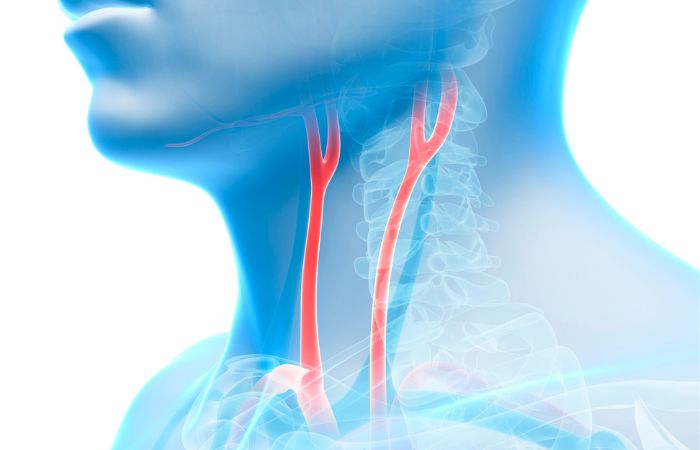
    Doppler ultrasound evaluates blood flow to organs such as the liver, spleen, or kidneys, ensuring they are receiving adequate oxygen and nutrients post-surgery.

  4. Gallbladder and Biliary Tree Assessment
    Post-cholecystectomy patients may require ultrasound to check for retained stones or bile leaks.

  5. Post-Transplant Monitoring
    In liver or kidney transplant recipients, frequent abdominal sonography is essential to assess graft health and vascular patency.

  6. Rule Out Deep Infections
    Fever or rising inflammatory markers post-surgery often prompt an ultrasound to locate intra-abdominal abscesses.

  7. Bowel Motility Assessment
    In cases of post-operative ileus or obstruction, ultrasound can visualize bowel loops and peristalsis.


Benefits of Abdominal Ultrasound After Surgery

1. Zero Radiation Exposure

Unlike CT scans, which expose patients to ionizing radiation, ultrasound is completely safe. This is particularly important for patients requiring multiple follow-up scans.

2. Painless and Non-Invasive

No needles, no incisions, no contrast agents. The procedure is gentle and well-tolerated, even by patients with tender surgical wounds.

3. Real-Time Dynamic Imaging

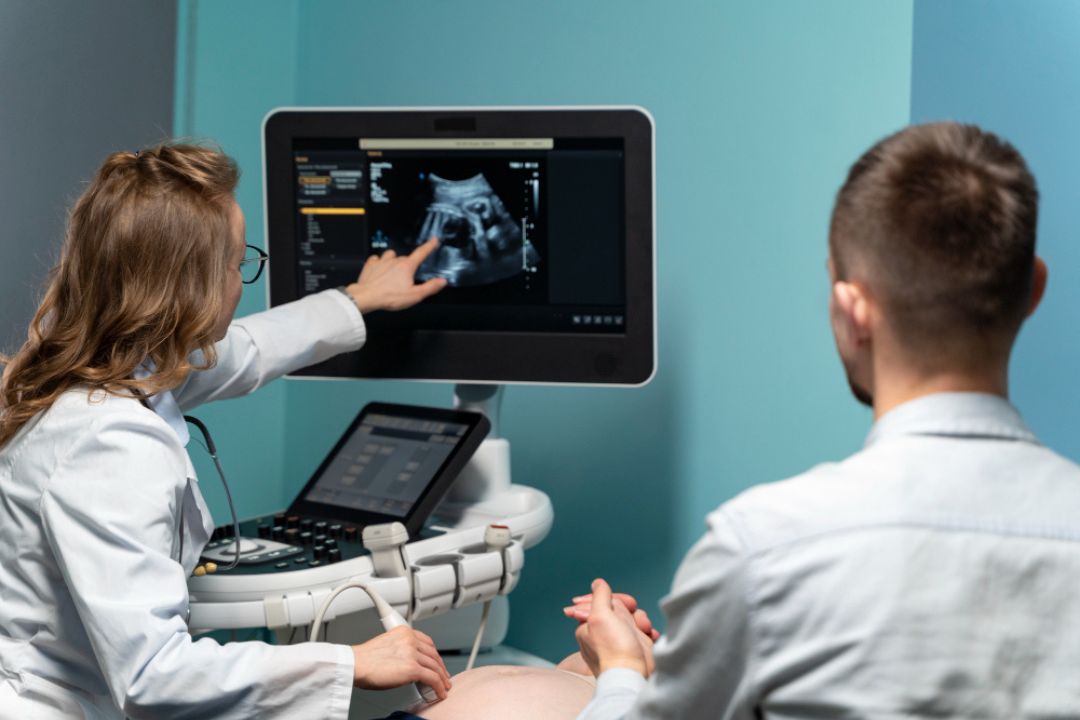
Ultrasound allows radiologists to observe organ movement, blood flow, and compressibility of structures—something static imaging cannot provide.

4. Portable and Bedside Capability

At Diagnopein Pune, we offer bedside ultrasound for patients who are too weak or immobile to be transported to the imaging department.

5. Cost-Effective Monitoring

Post-operative recovery often requires serial imaging. Abdominal sonography is significantly more affordable than MRI or CT, making it sustainable for long-term follow-up.

6. Safe for All Patient Profiles

Whether you have renal impairment, contrast allergy, or are pregnant, ultrasound remains a safe and reliable choice.


Comparison: Abdominal Ultrasound vs CT Scan vs MRI in Post-Surgical Setting

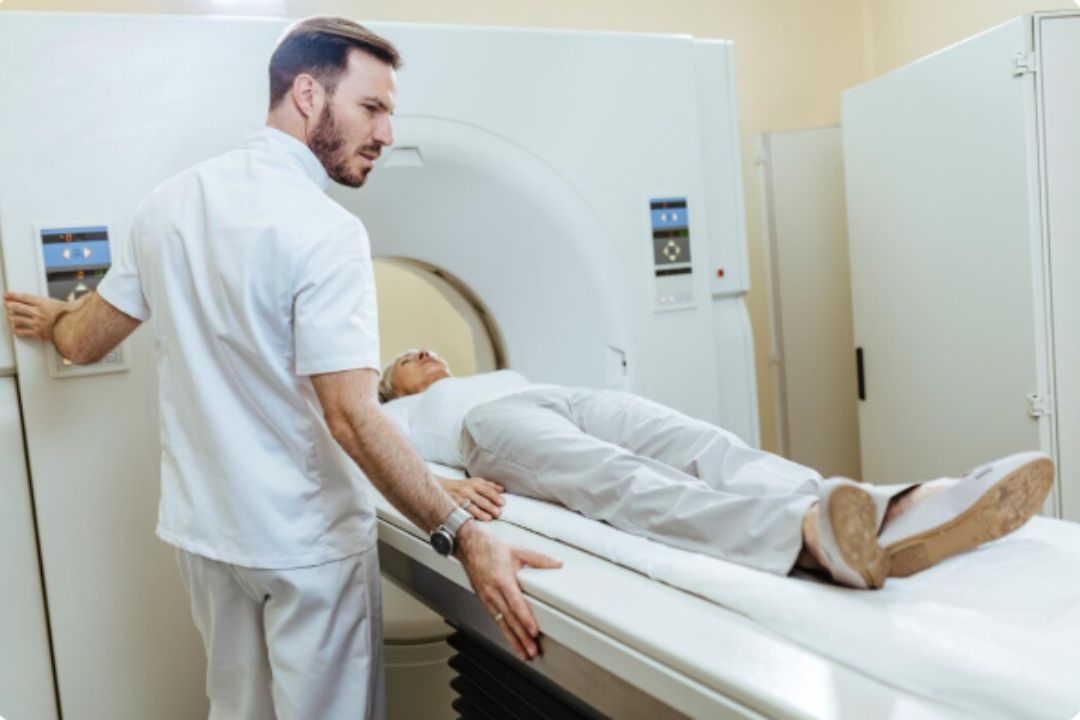
When it comes to post-operative abdominal imaging, choosing the right modality can significantly impact both diagnosis and recovery. Abdominal ultrasoundCT scan, and MRI each have distinct roles, advantages, and limitations. Abdominal ultrasound is often the first-line imaging tool after surgery because it is completely radiation-free, non-invasive, and highly effective in detecting fluid collections, abscesses, hematomas, and blood flow abnormalities using Doppler technology. It is portable, allowing bedside imaging for critically ill or immobile patients, and requires no contrast agents, making it safe for those with kidney dysfunction or contrast allergies. However, its accuracy can be limited by bowel gas, patient habitus, or deep-seated structures. In contrast, a CT scan offers superior anatomical detail and is unparalleled in evaluating solid organ injuries, retroperitoneal bleeding, and complex post-surgical collections. It is faster, often completed within minutes, and provides a comprehensive view of the entire abdomen and pelvis. However, it exposes patients to ionizing radiation, which is a concern for those requiring multiple follow-up scans, and often requires intravenous iodinated contrast, which may be contraindicated in patients with renal impairment or contrast hypersensitivityMRI, on the other hand, delivers exceptional soft tissue contrast and is the gold standard for evaluating biliary complications, pancreatic pathology, and deep pelvic infections without radiation. It is particularly useful in liver transplant recipients and patients with contraindications to CT contrast. However, MRI is time-consuming, typically taking 30 to 60 minutes, expensive, and often poorly tolerated by post-surgical patients who may experience pain, claustrophobia, or difficulty lying still. It is also contraindicated in patients with certain metallic implants or pacemakers. In summary, ultrasound is the ideal screening and surveillance tool for routine post-operative follow-up due to its safety, affordability, and repeatability; CT is reserved for emergencies, trauma, or when ultrasound is inconclusive; and MRI is utilized for complex soft tissue evaluation or when both ultrasound and CT are inadequate or contraindicated. At Diagnopein Pune, we tailor every imaging recommendation to the patient’s surgical history, clinical condition, and long-term recovery goals—ensuring you receive the right scan, at the right time, for the right reason.

For routine post-operative surveillance, abdominal sonography is the undisputed first-line imaging modality.


Abdominal Sonography Preparation: What You Need to Know

Proper abdominal sonography preparation is essential for accurate imaging. Here is a detailed checklist:

 For Upper Abdomen (Liver, Gallbladder, Pancreas, Spleen, Aorta):

  1. Fasting for 6–8 hours is mandatory to reduce gas and ensure the gallbladder is distended.

  2. Only plain water is allowed; no tea, coffee, or milk.

  3. Morning appointments are ideal.

 For Pelvic or Lower Abdomen (Bladder, Uterus, Ovaries):

  • A full bladder is required. You will be asked to drink 4–6 glasses of water 1 hour before the scan and not to urinate until after the procedure.

General Guidelines:

  1. Wear loose, two-piece clothing.

  2. Continue all prescribed medications unless advised otherwise.

  3. Bring previous surgical records and imaging reports for comparison.

At Diagnopein Pune, our staff provides clear, patient-friendly instructions at the time of booking.


Cost of Abdominal Ultrasound at Diagnopein Pune

We believe that quality healthcare should never be a financial burden. At Diagnopein Pune, we offer:

  1. Affordable, transparent pricing with no hidden charges

  2. Abdominal ultrasound cost starting at competitive rates

  3. Discounted packages for post-operative follow-up series

  4. Cashless insurance and digital payment options

  5. EMI facilities available on request

You receive premium imaging care without the premium price tag.


Comfort During the Scan: The Diagnopein Difference

We understand that post-surgery patients are often anxious, fatigued, or in pain. At Diagnopein Pune, we go the extra mile to ensure your comfort:

  1. Warm ultrasound gel is used to prevent chilling.

  2. Gentle probe technique with adjustable pressure, especially over suture lines.

  3. Calm, private scanning rooms with dim lighting and supportive staff.

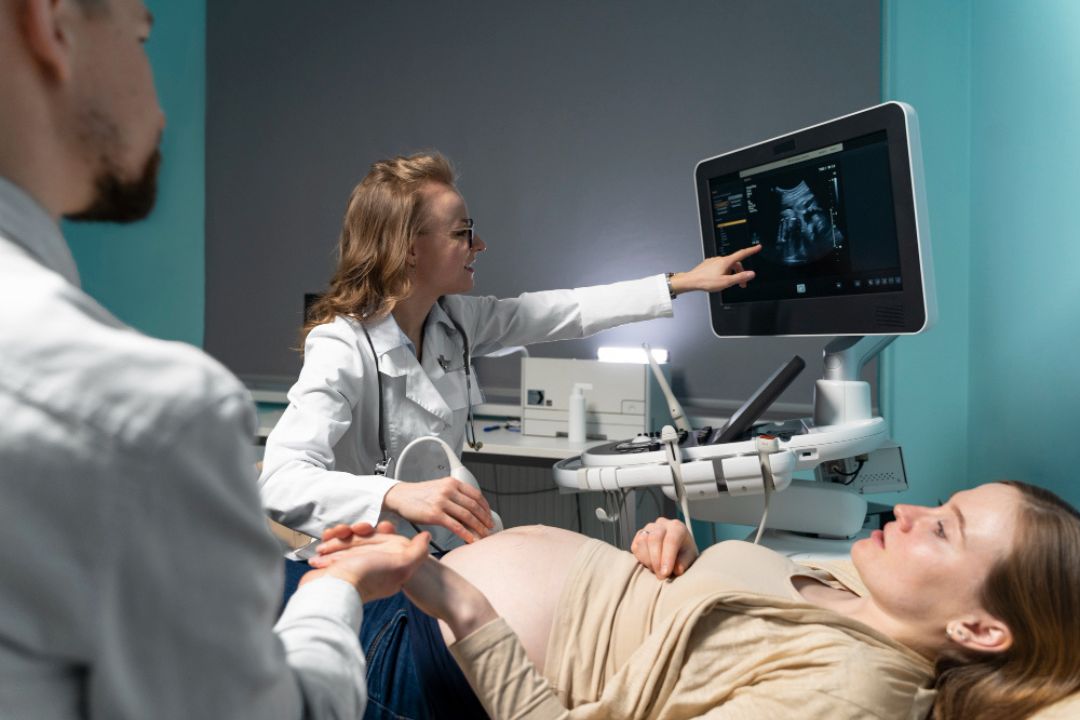
  4. Attendant allowed inside the room for emotional reassurance.

  5. Minimal wait times and wheelchair-friendly facilities.

Your physical and emotional well-being is our priority.


Why Diagnopein Pune is the Preferred Choice for Abdominal Sonography

  1. Cutting-edge ultrasound technology with 4D and Doppler capabilities

  2. Radiologists with specialized training in post-surgical imaging

  3. Stringent hygiene protocols between every patient

  4. Digital reports delivered via email and WhatsApp within hours

  5. Multiple centres across Pune for your convenience

  6. Emergency and walk-in scans available


Conclusion: Abdominal Ultrasound After Surgery – Why It Done and Why It Matters

So, abdominal ultrasound after surgery why it done?
It is done to protect your recovery. It is done to detect complications silently developing beneath the surface. It is done to give your surgeon the information needed to make timely, life-saving decisions. And ultimately, it is done to give you peace of mind.

With zero radiation, exceptional accuracy, and compassionate care, abdominal sonography remains the gold standard for post-operative monitoring.

If you are in Pune and have been advised an abdominal ultrasound, look no further than Diagnopein Pune. From seamless abdominal sonography preparation to gentle, patient-centric scanning and instant reporting—we are with you at every step of your healing journey.

Talk to an Expert
  I HereBy Consent to receive calls/messagess from Diagnopein sonography and its partners and override DND settings
LATEST POST
SIMILAR POST