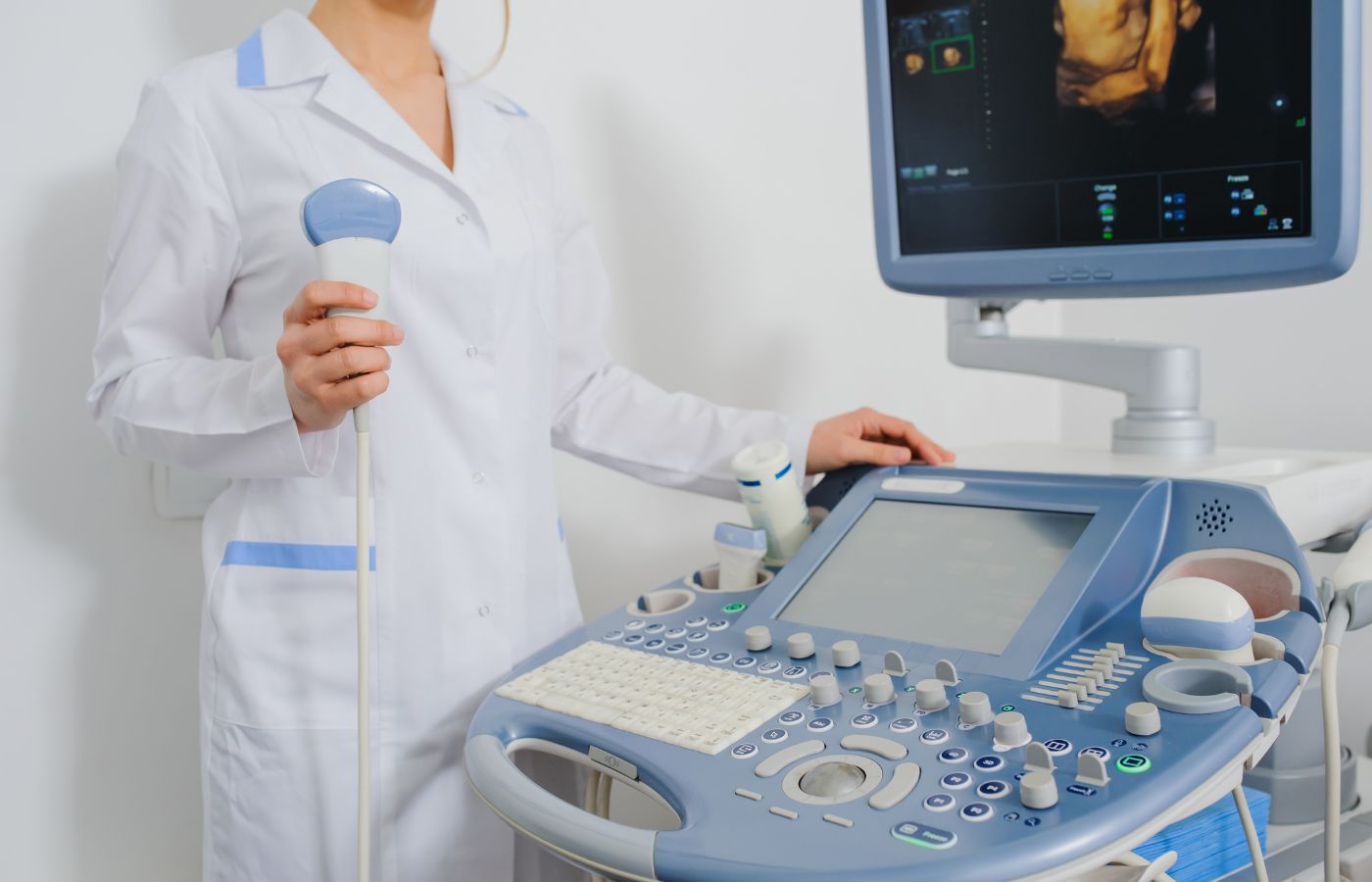
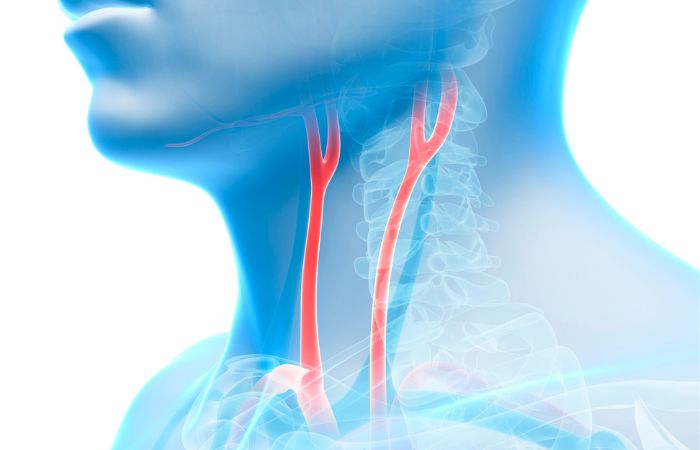
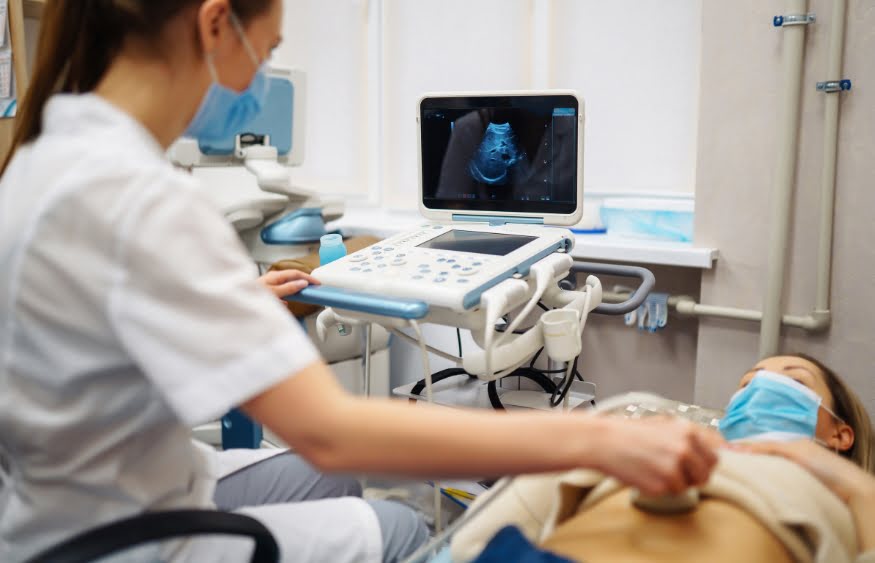
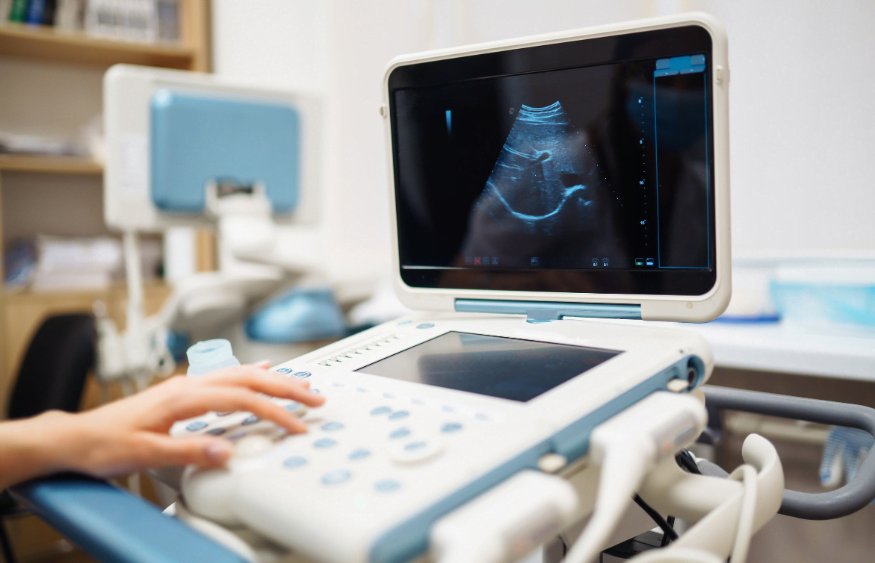
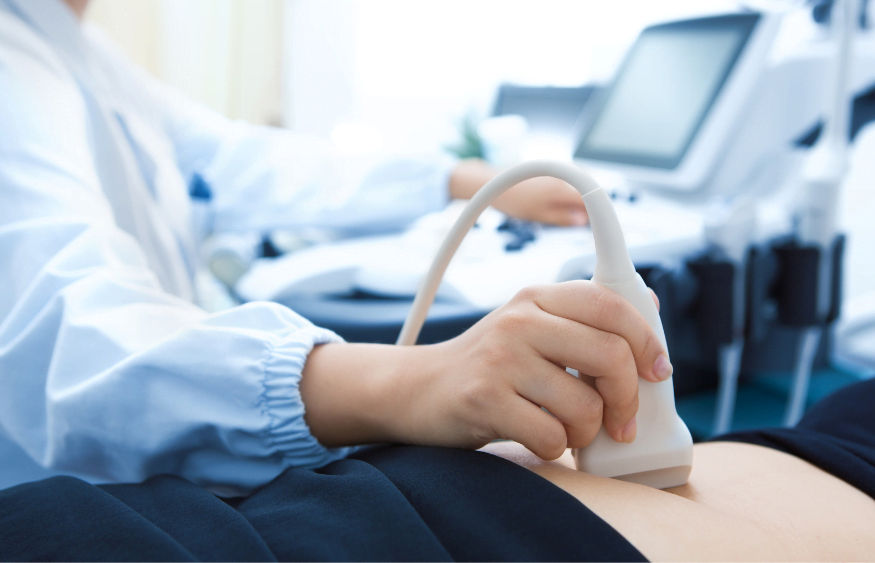
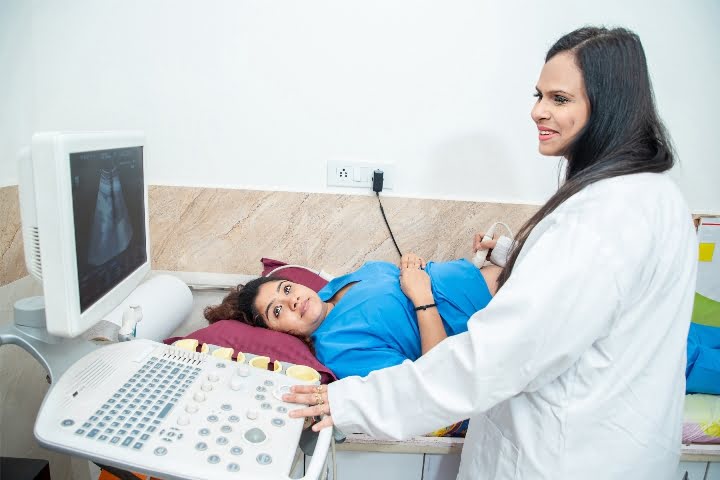
.jpg "usg artery doppler test")
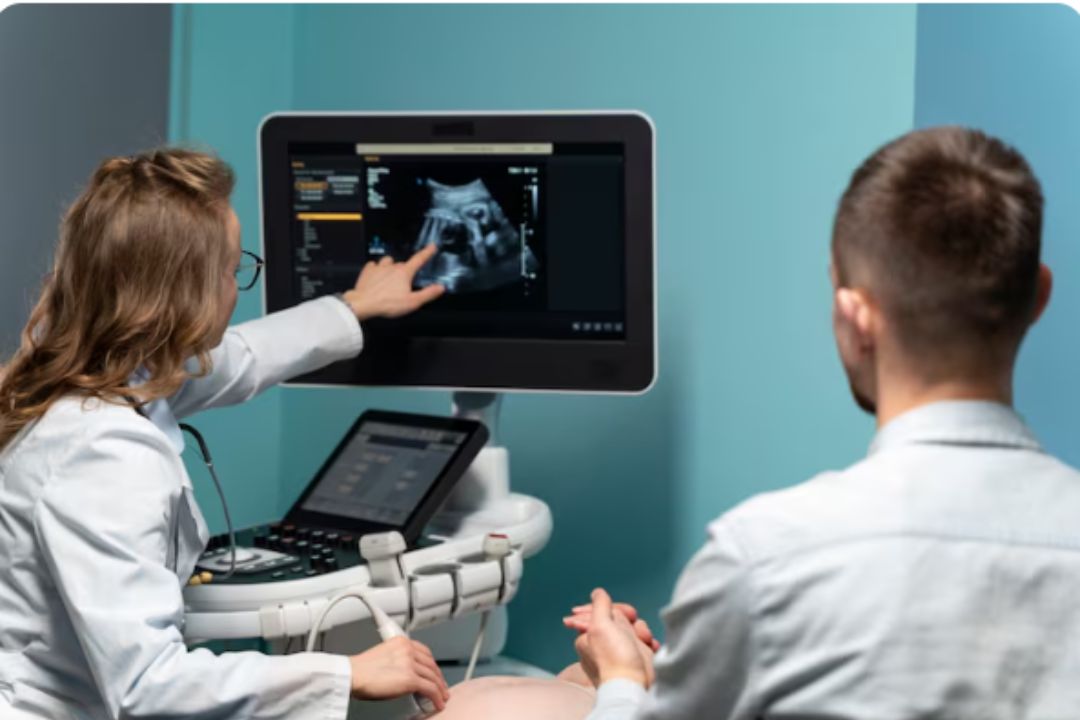
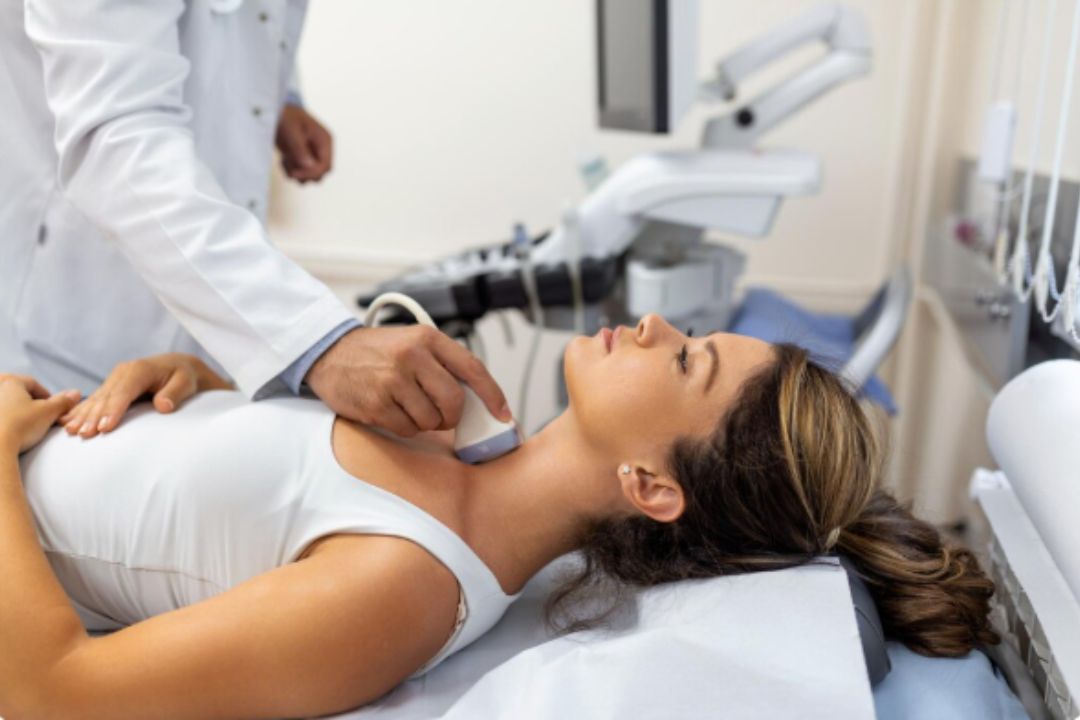
A USG Artery Doppler test (also called an Arterial Doppler Ultrasound) is a non-invasive imaging test used to evaluate blood flow through the arteries. It uses high-frequency sound waves to detect how blood moves within your vessels and helps identify blockages, narrowing, or reduced circulation.
Doctors recommend this test to detect or monitor
Visit Now: https://www.diagnopein.com/sonography/Pune
Peripheral Artery Disease (PAD)
Arterial blockages
Blood clots
Narrowed arteries (stenosis)
Carotid artery disease
Poor circulation in legs or arms
Post-surgical blood flow monitoring
Leg pain while walking (claudication)
Numbness or weakness in limbs
Swelling in legs
Cold feet or hands
Slow-healing wounds
Dizziness (in carotid artery cases)
Risk factors like diabetes, high blood pressure, or smoking
Early detection prevents serious complications like stroke or limb damage.
Depending on symptoms, your doctor may recommend:
Checks blood flow in leg arteries.
Evaluates circulation in arms.
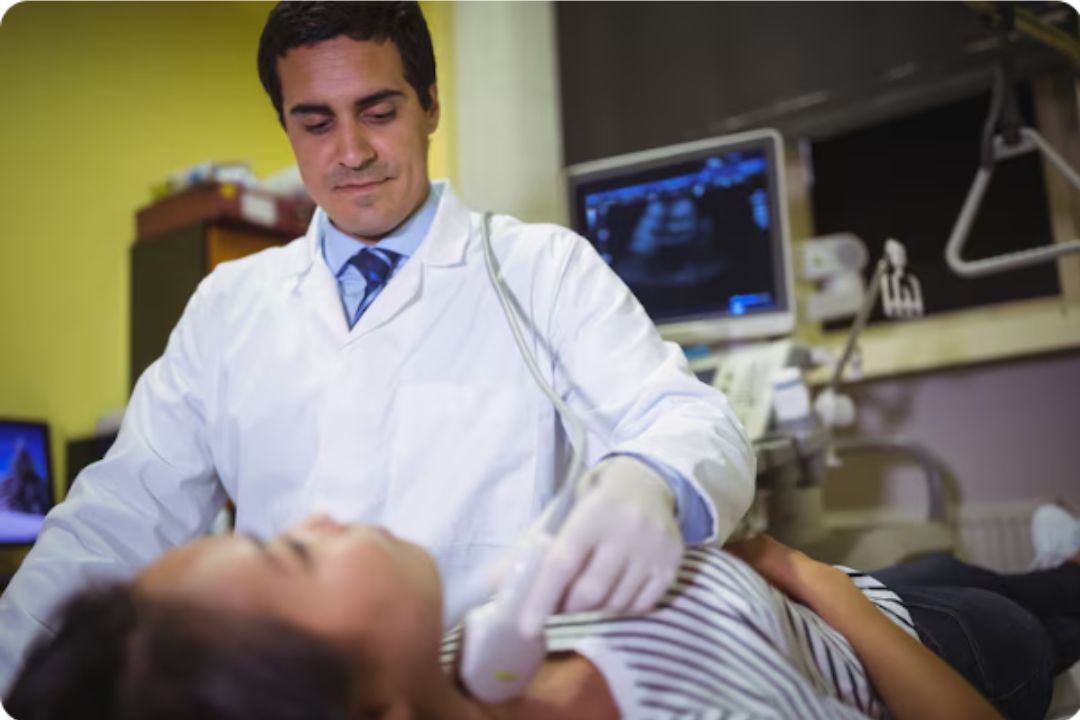
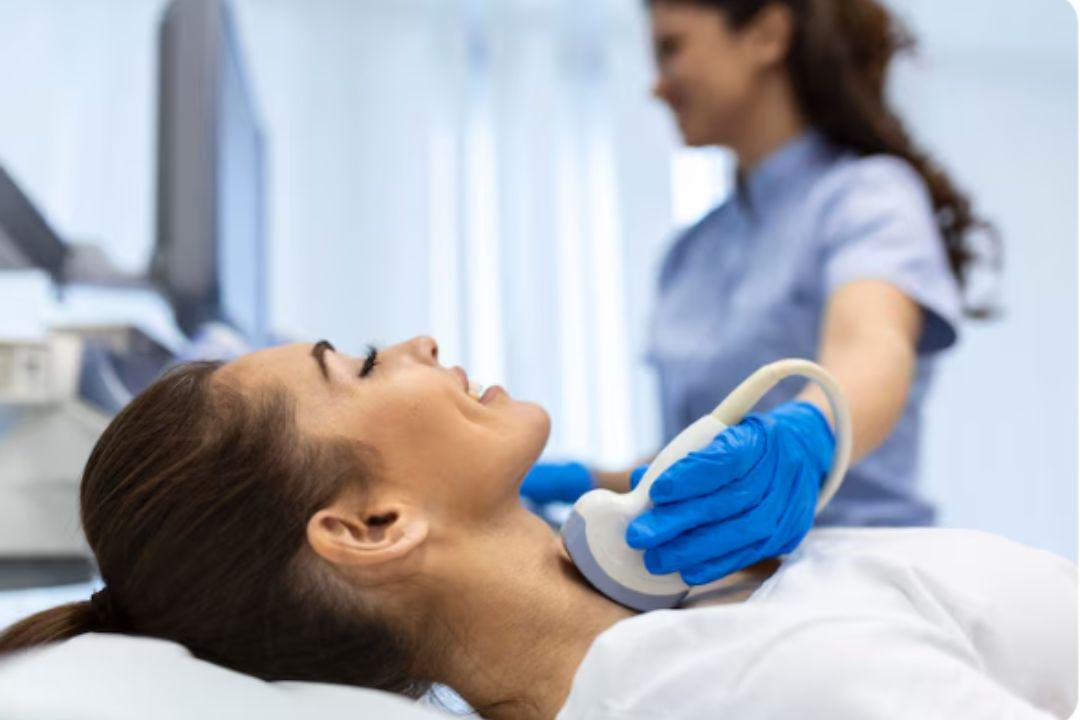
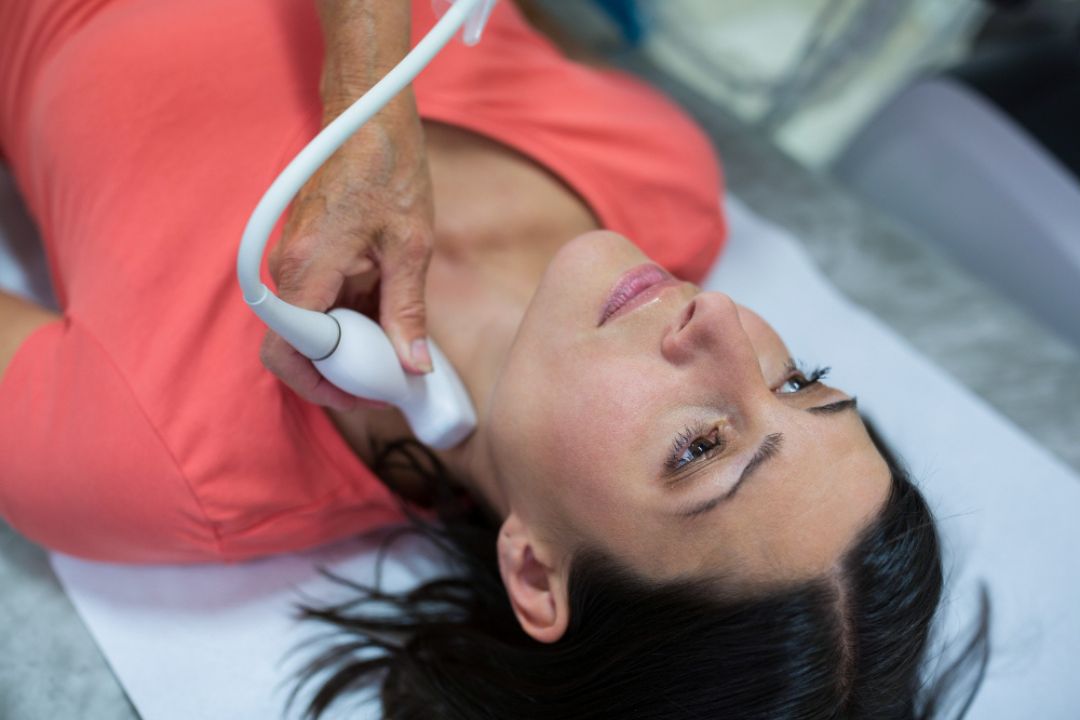
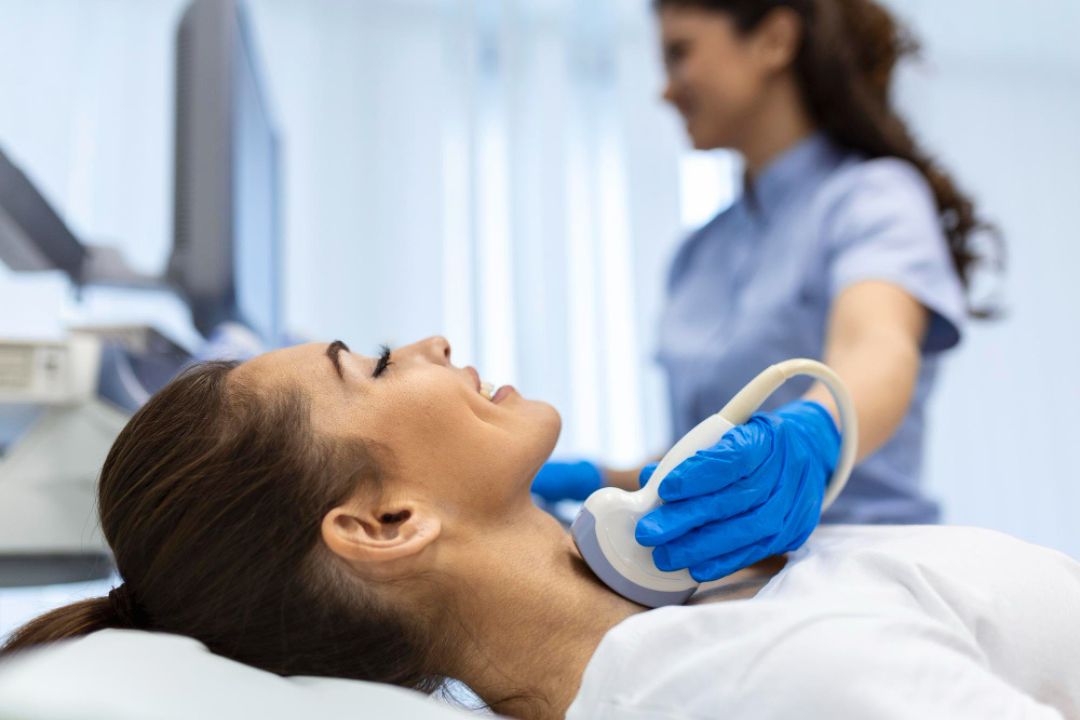
Assesses neck arteries supplying blood to the brain.
Examines arteries supplying blood to kidneys.
Each test focuses on a specific vascular region.
Wear loose, comfortable clothing
You may be asked to fast (for abdominal scans)
Avoid smoking or caffeine 2–4 hours before the test
Continue medications unless instructed otherwise
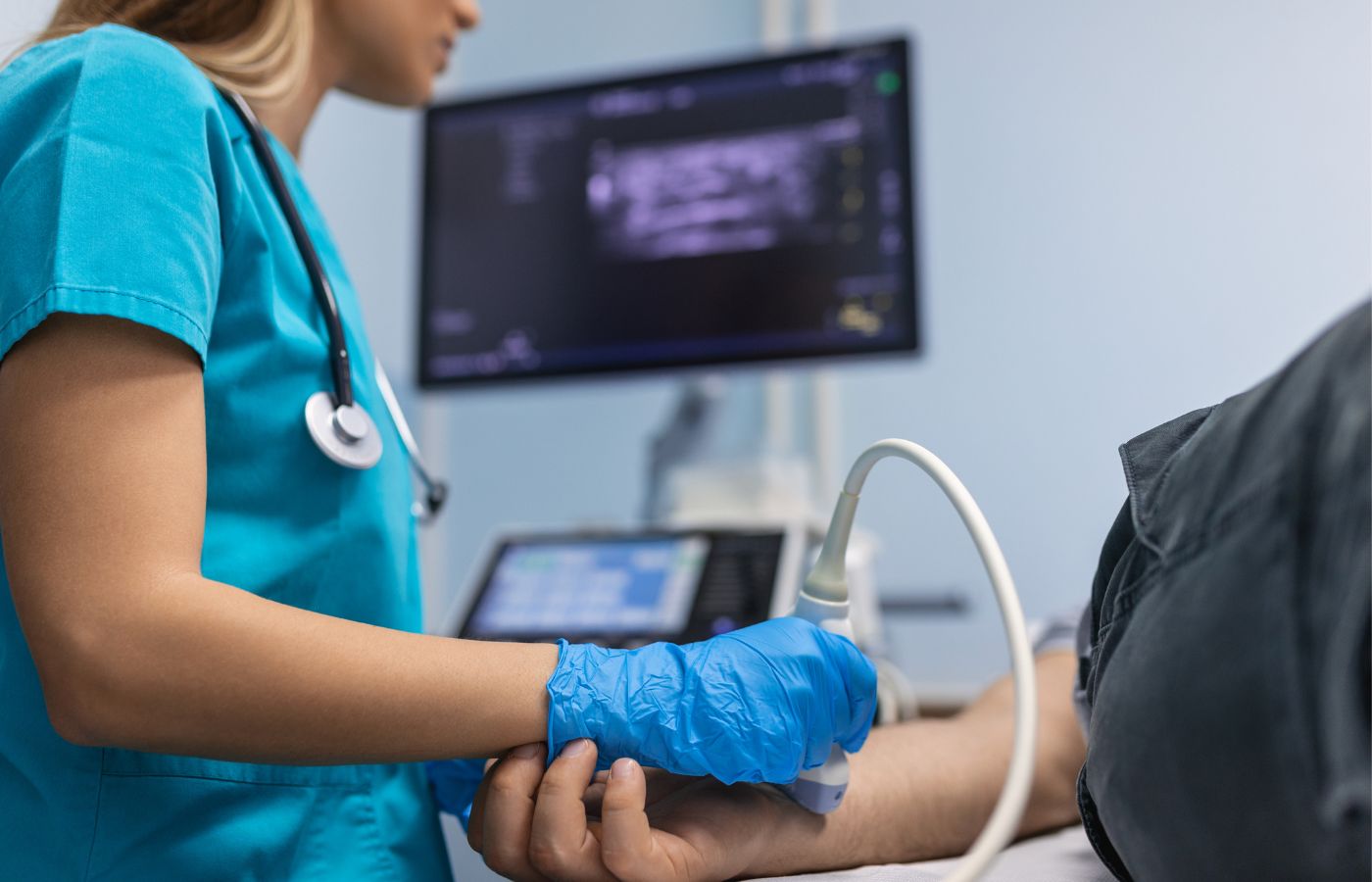
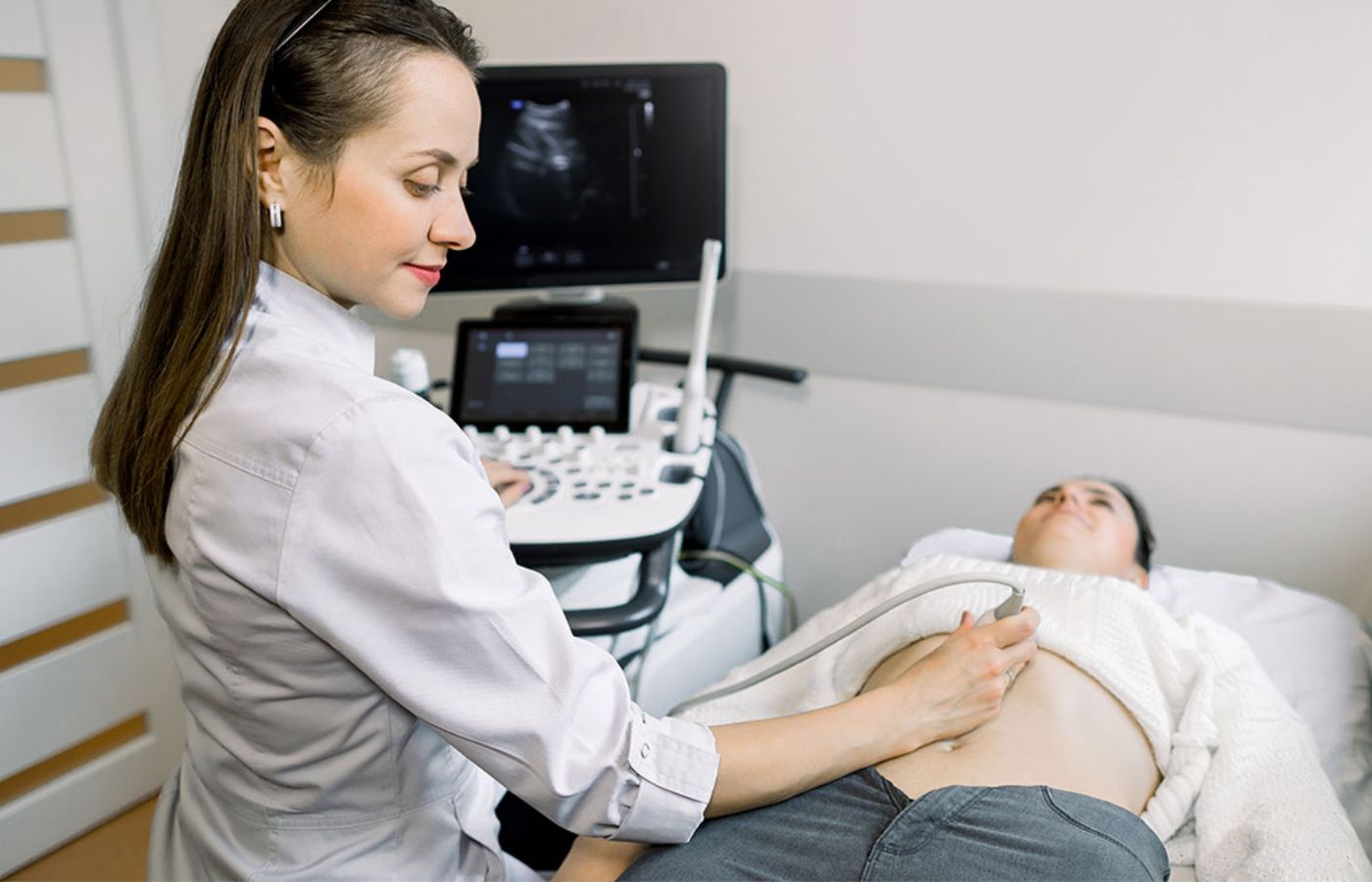
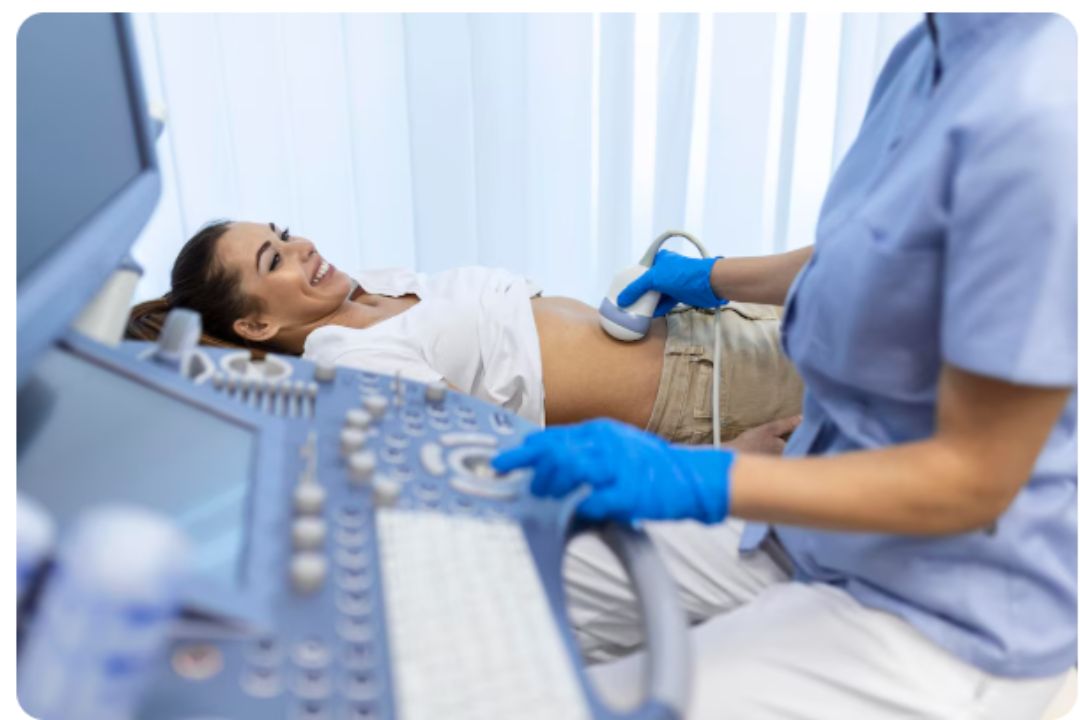
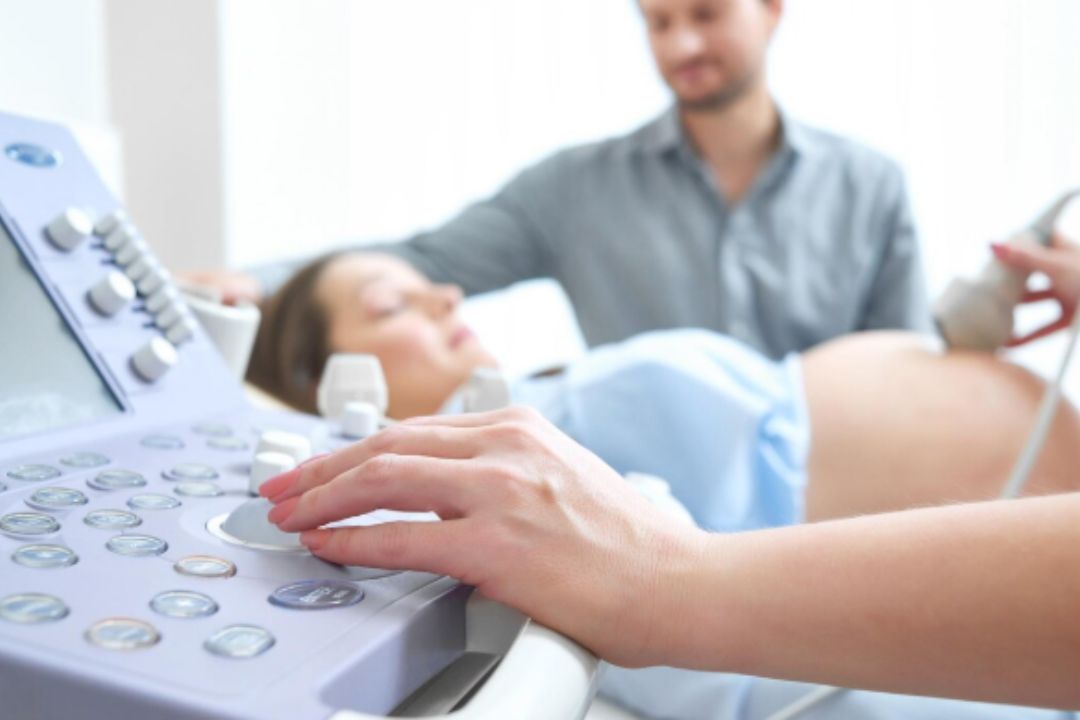
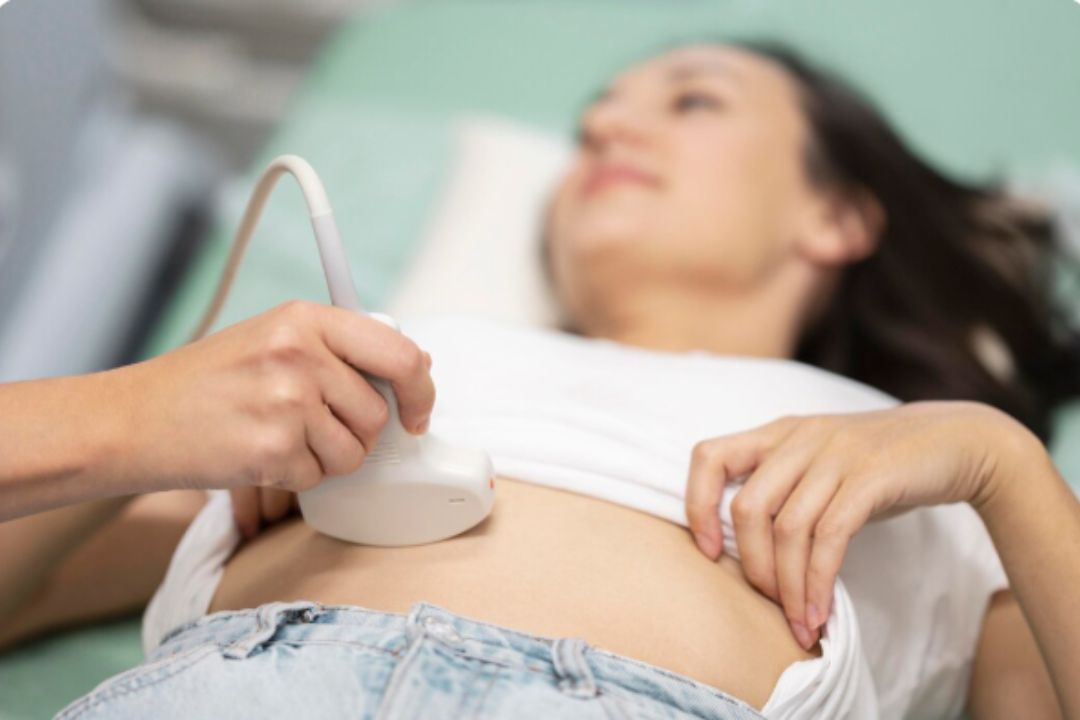
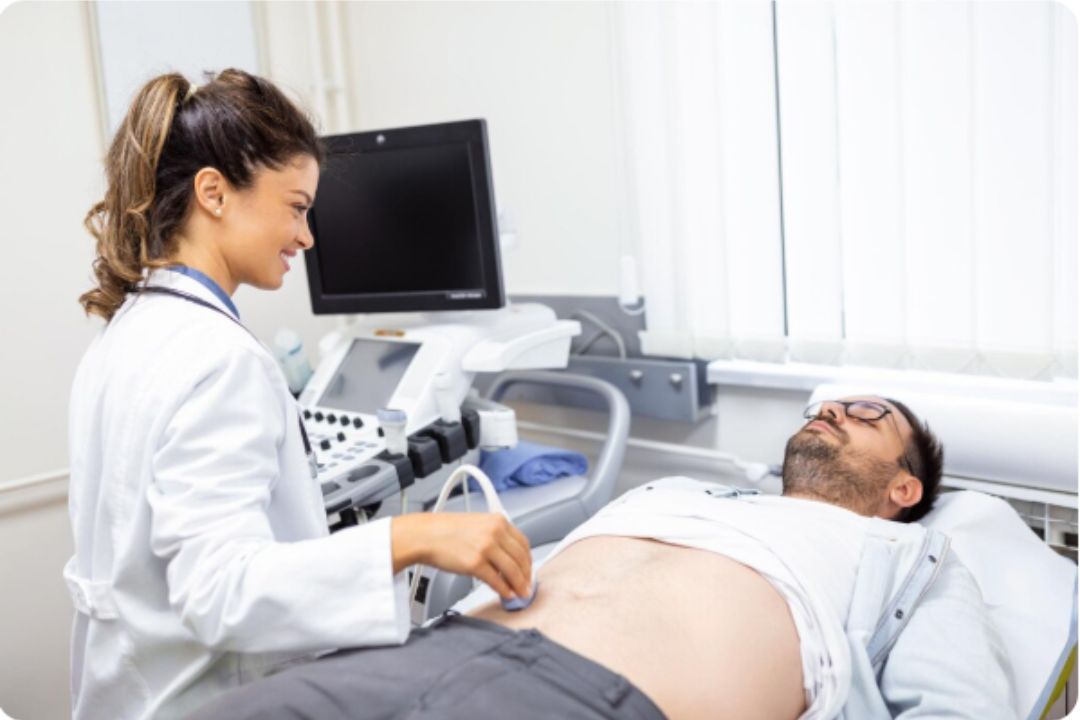
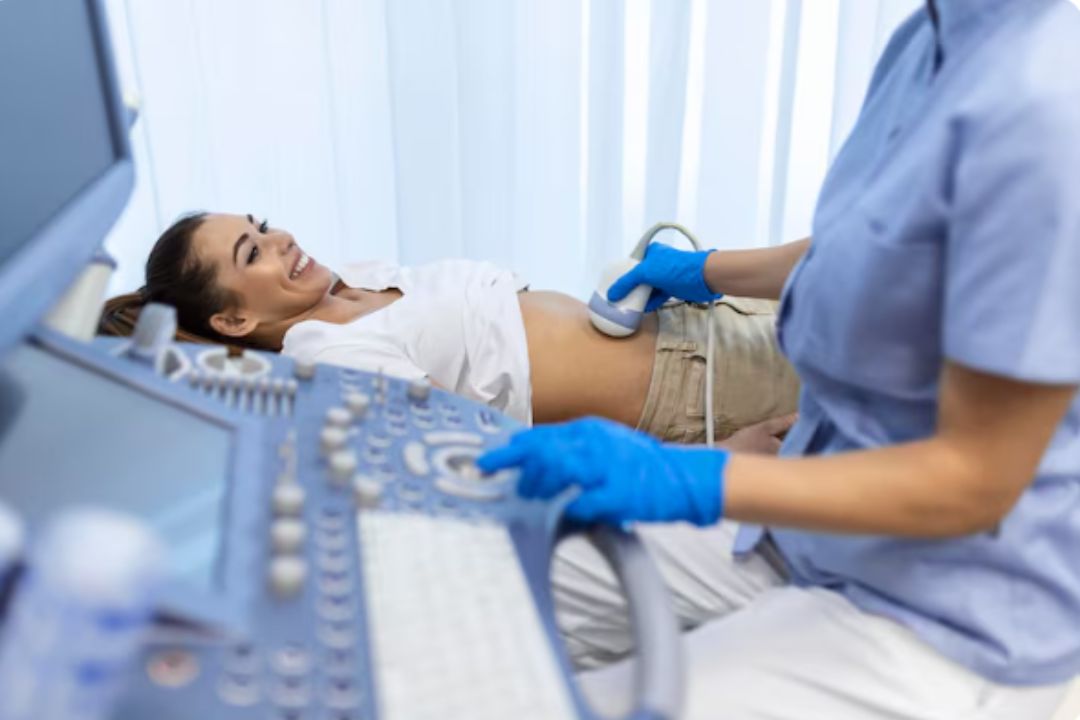
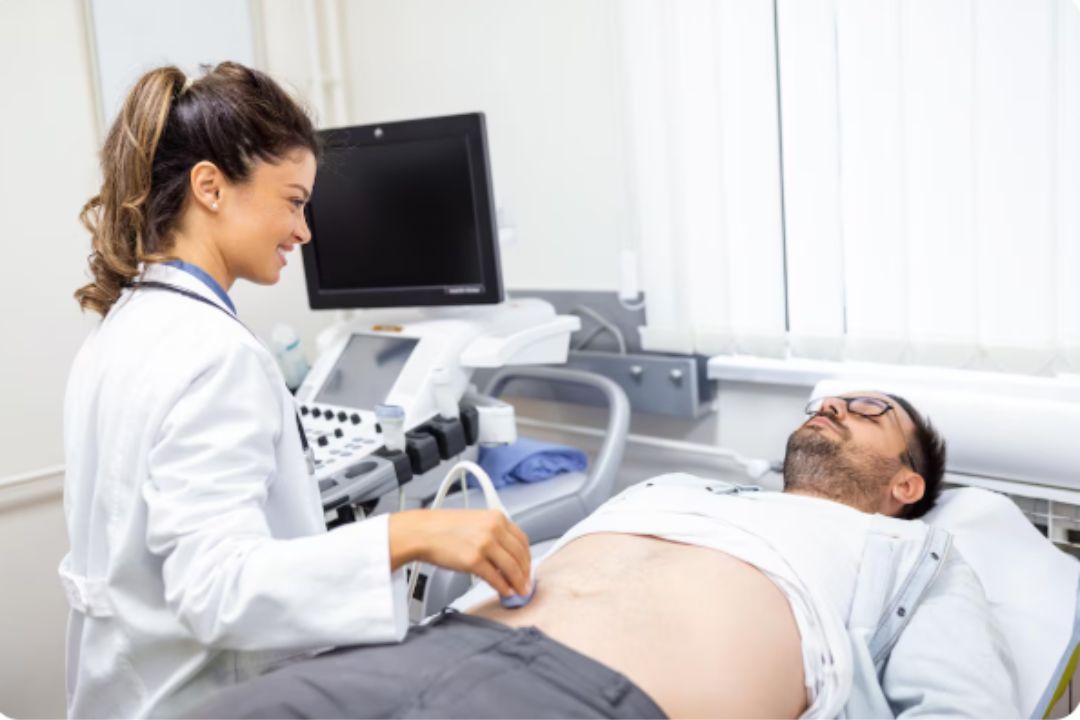
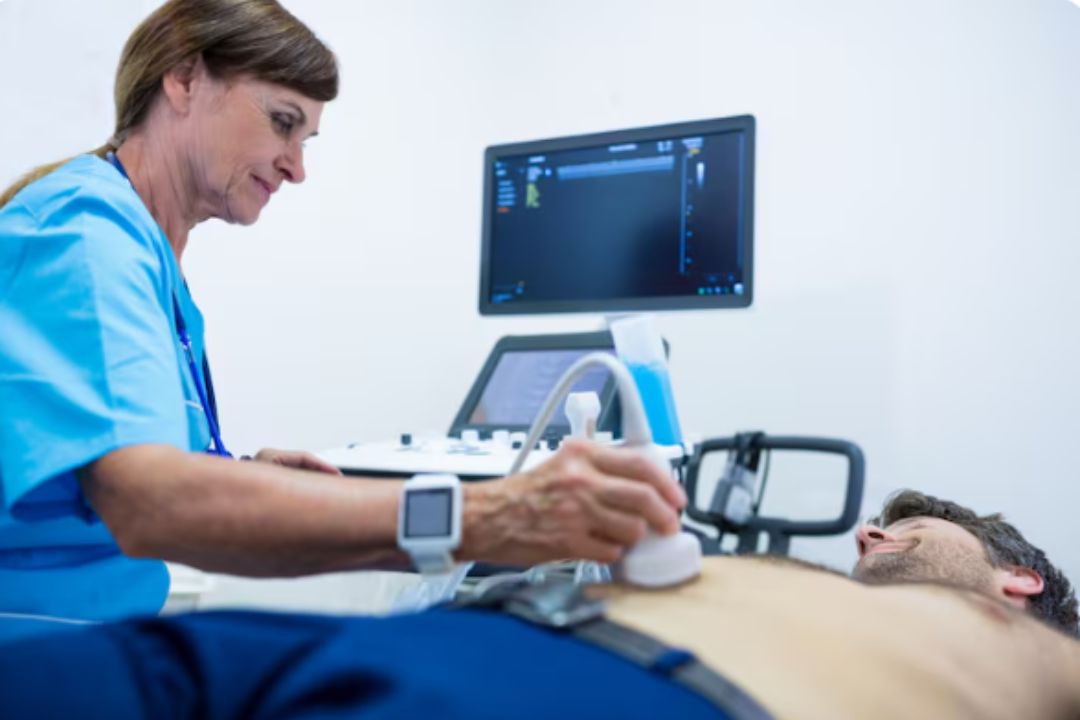
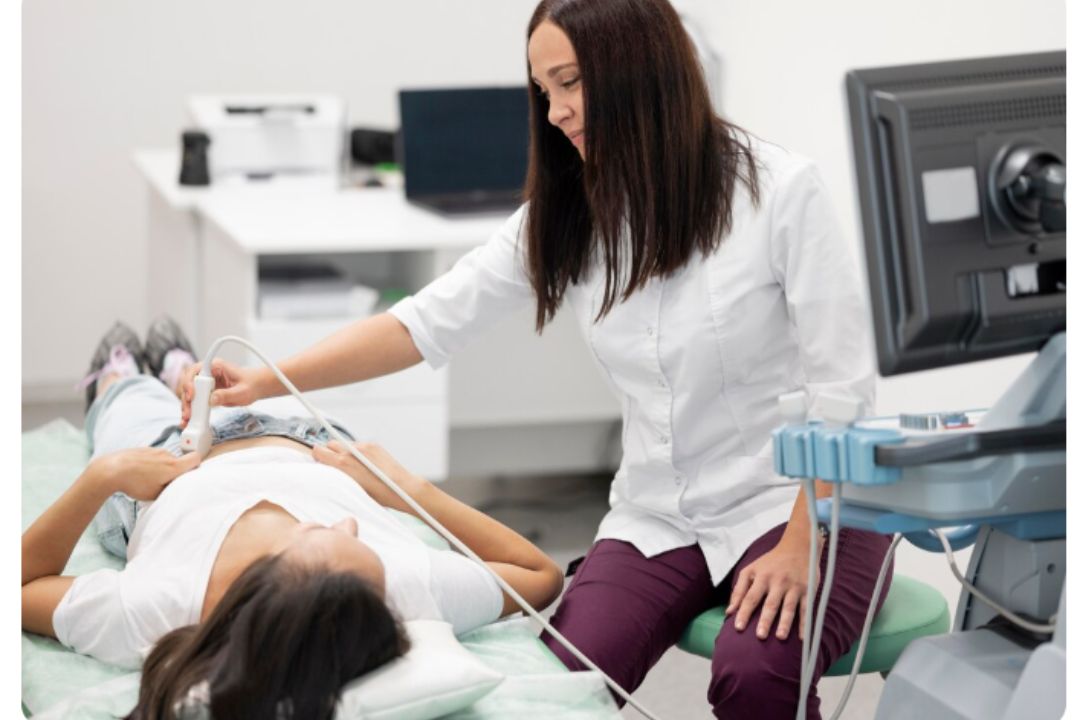
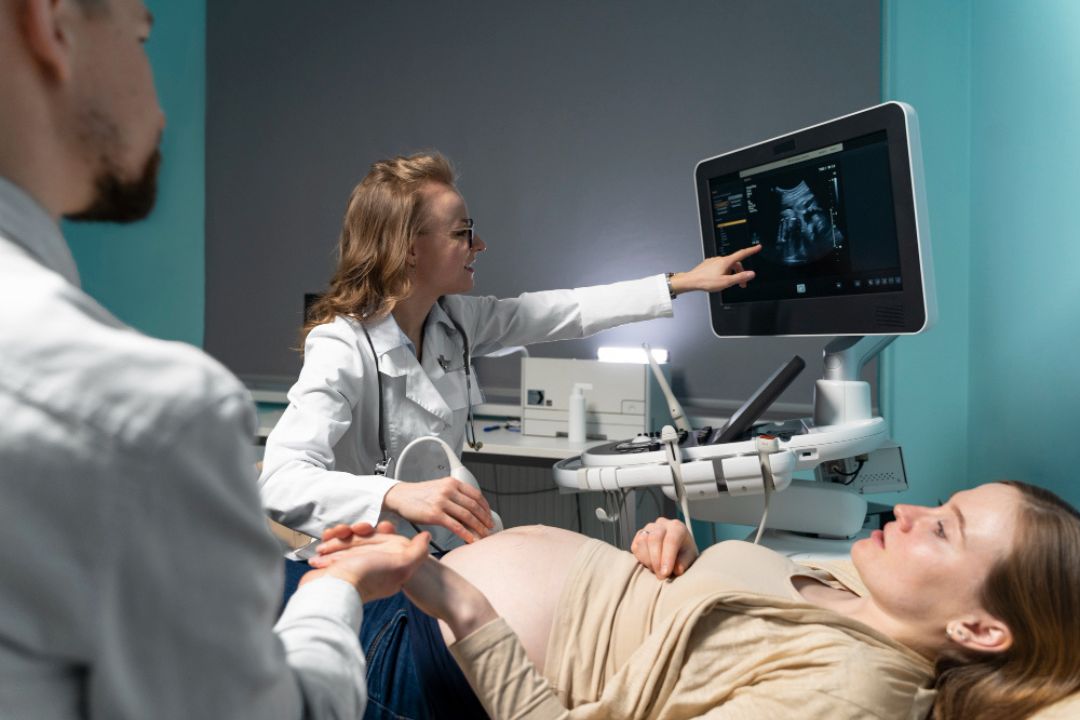
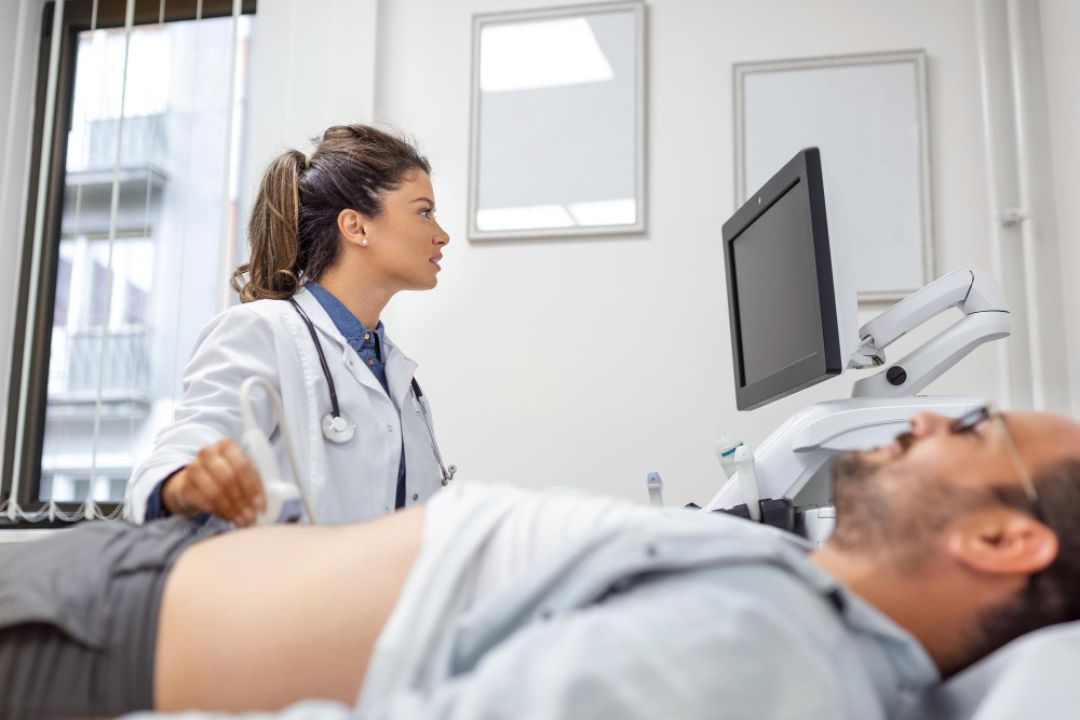
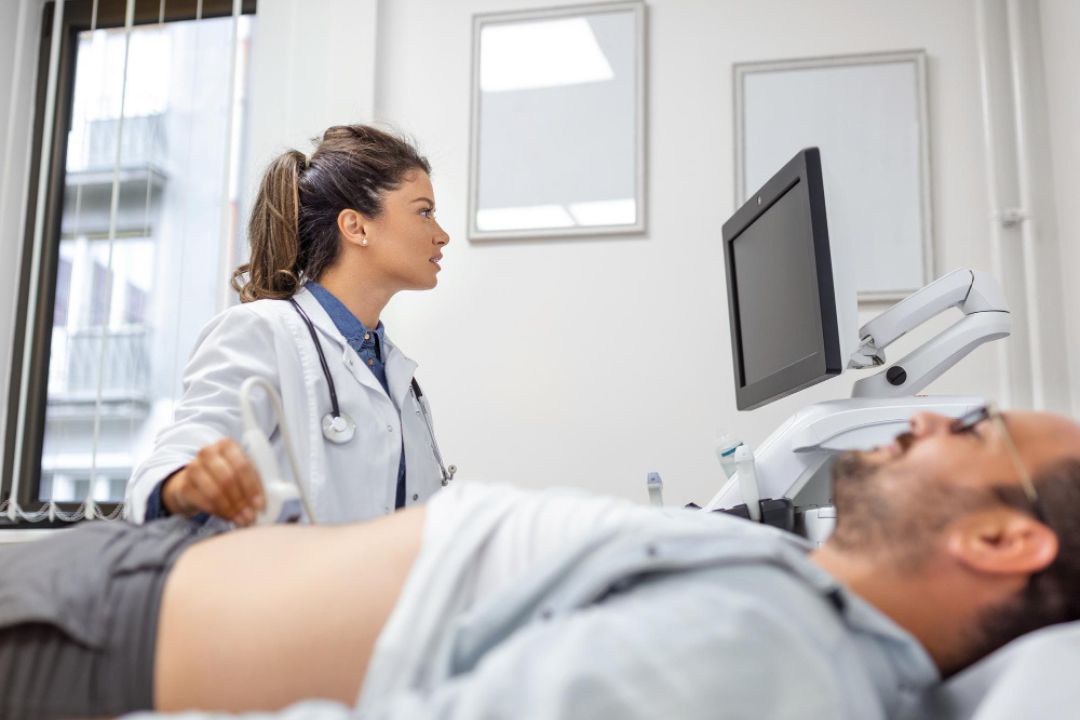
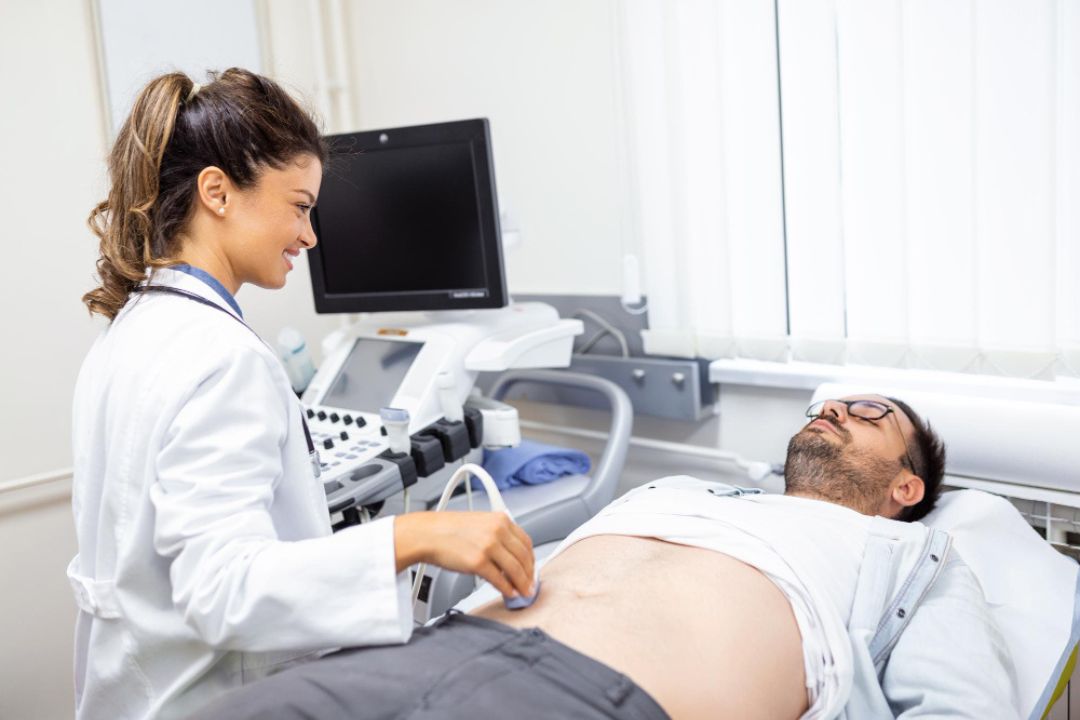
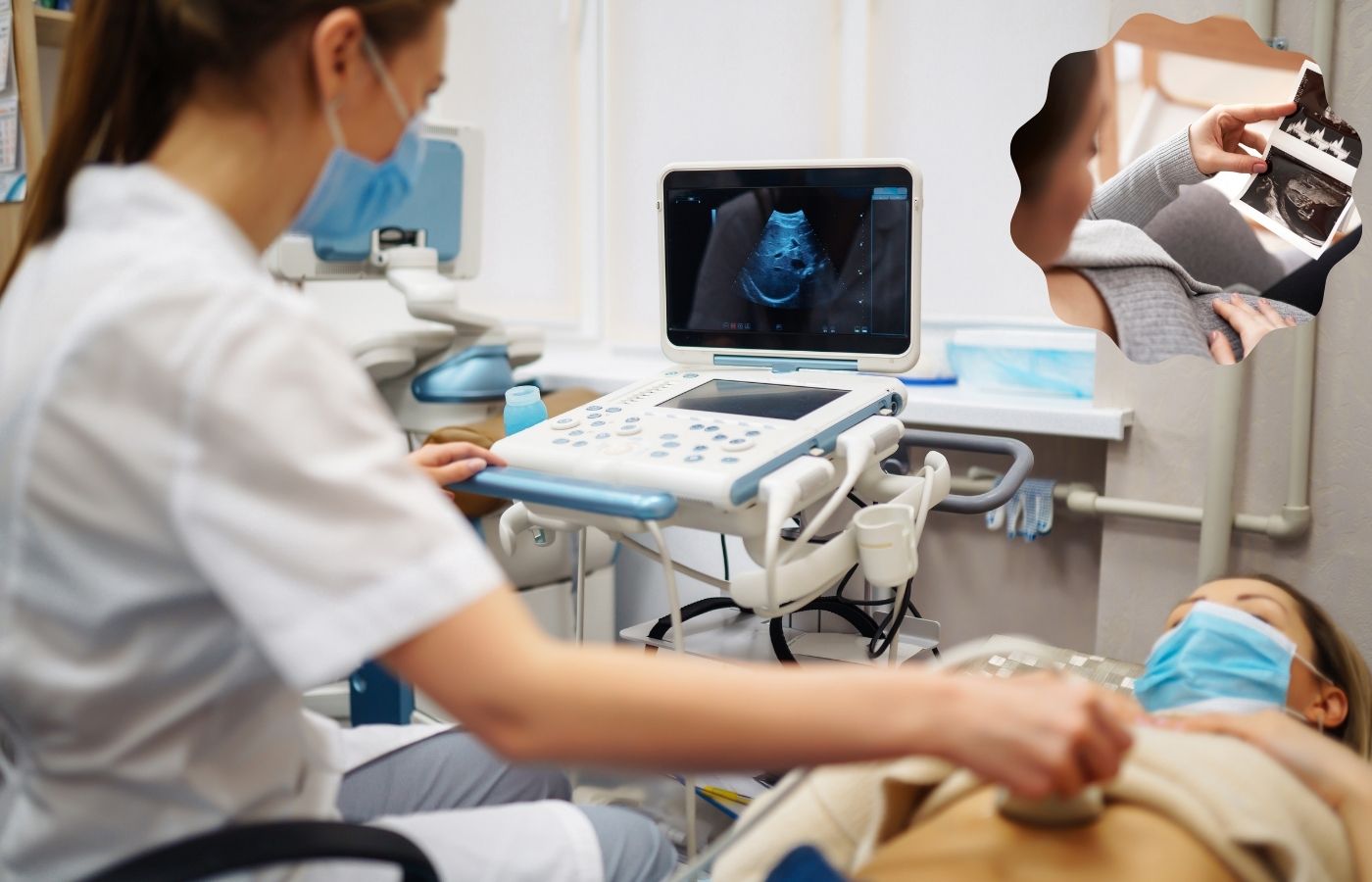
You lie comfortably on an examination table
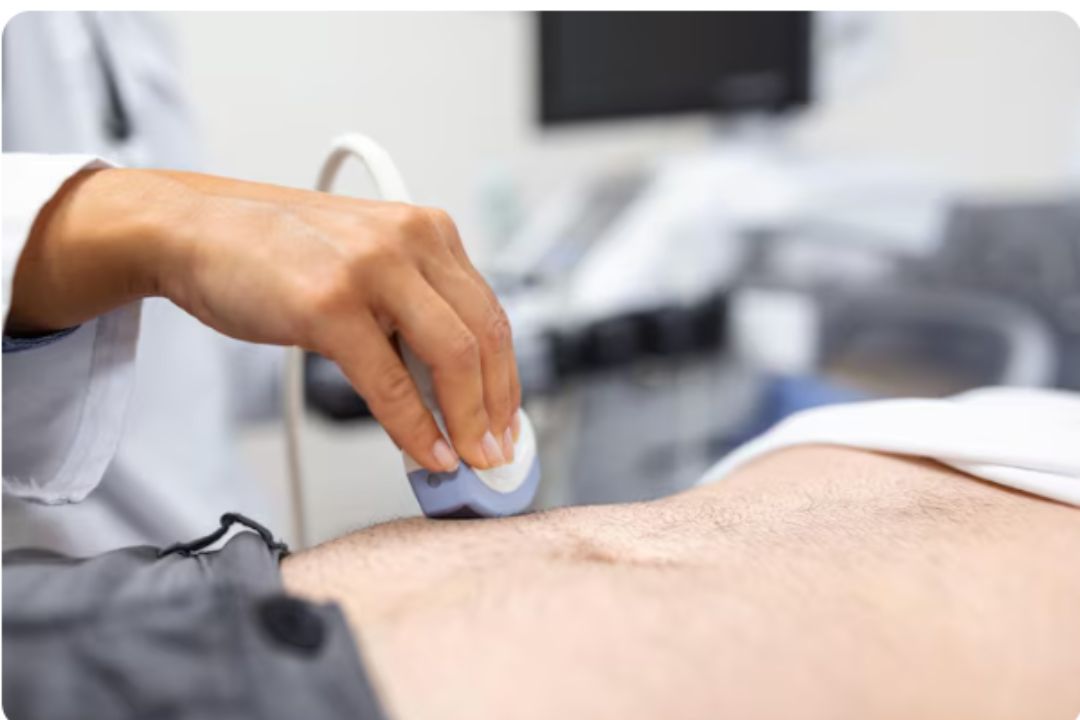
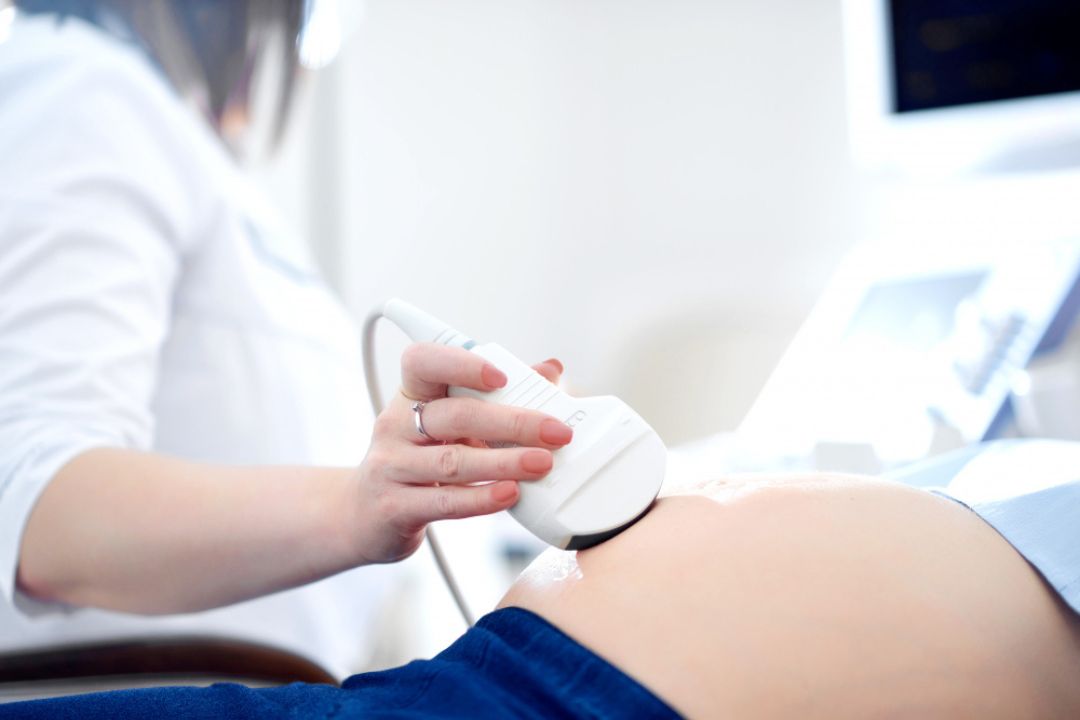
A clear gel is applied to the skin
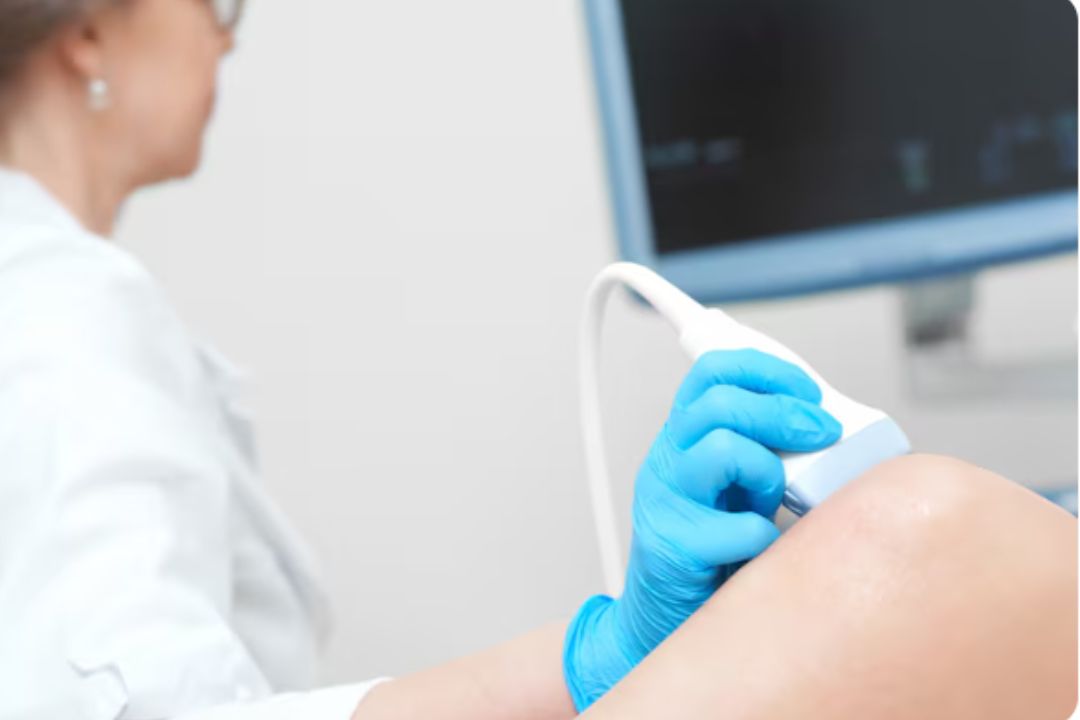
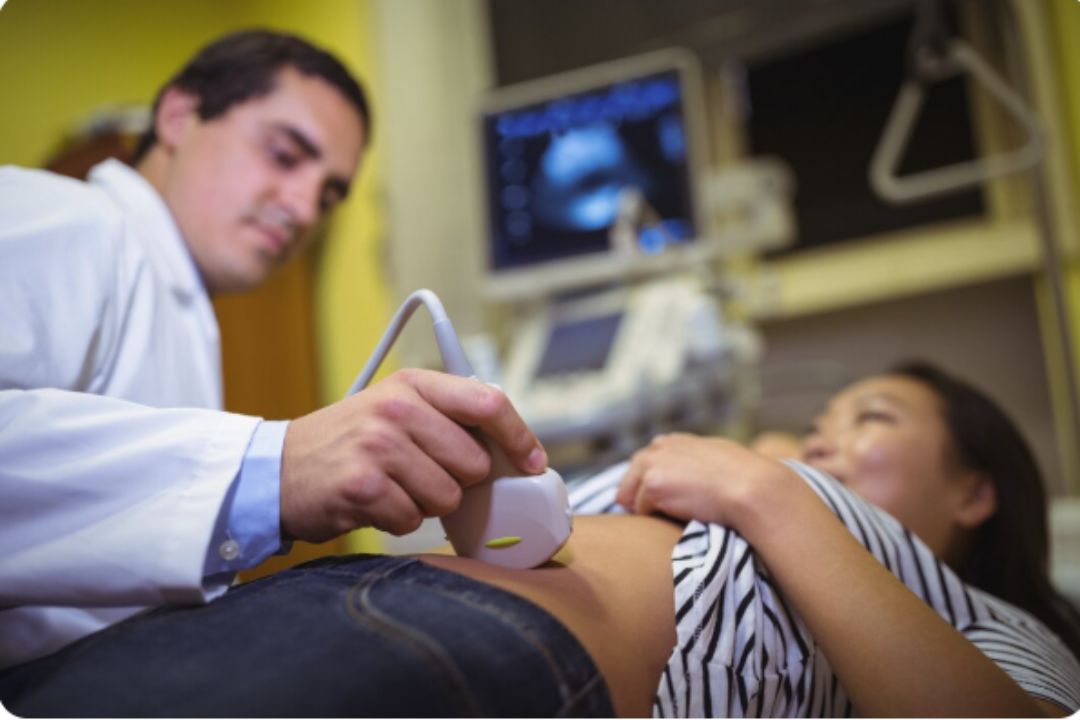
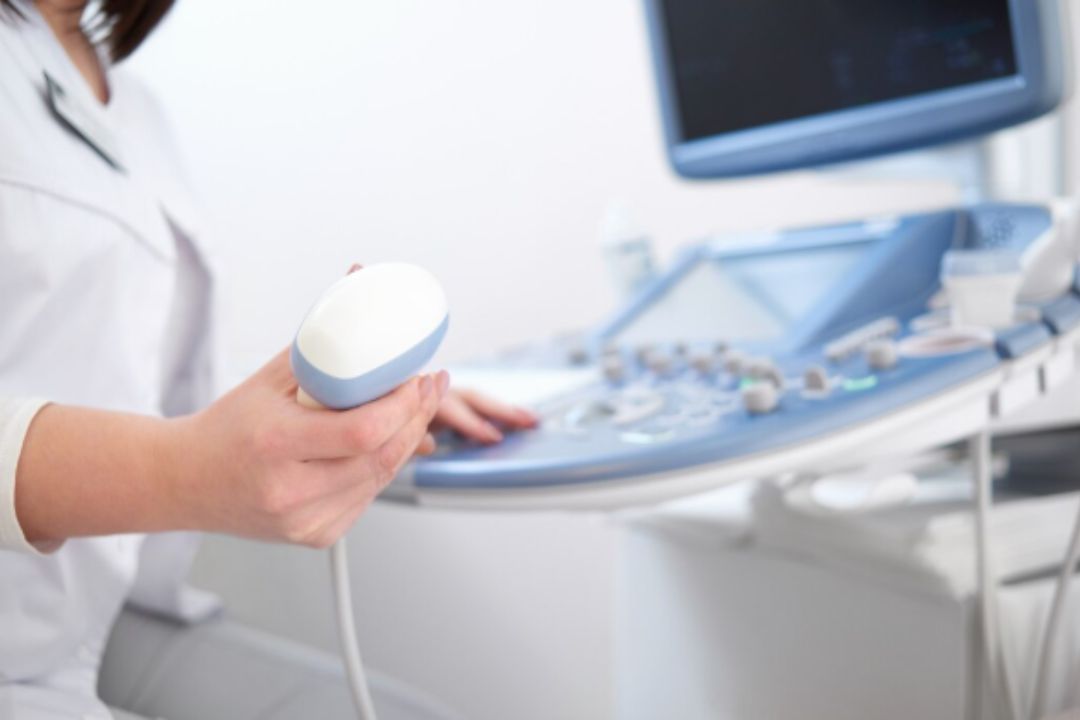
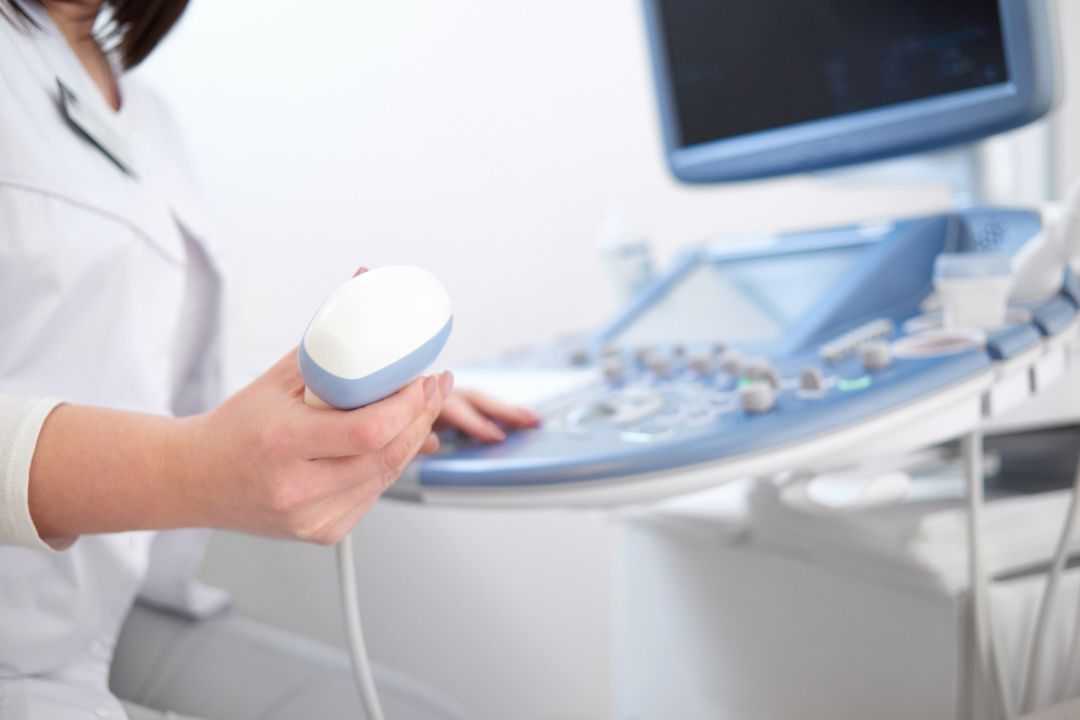
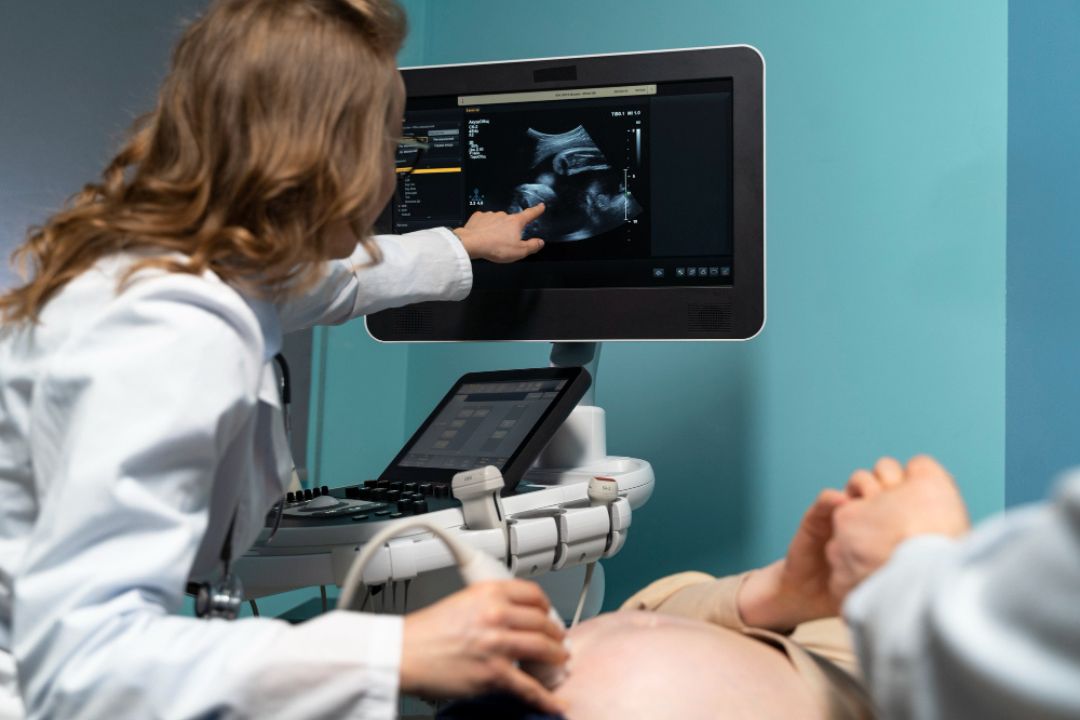
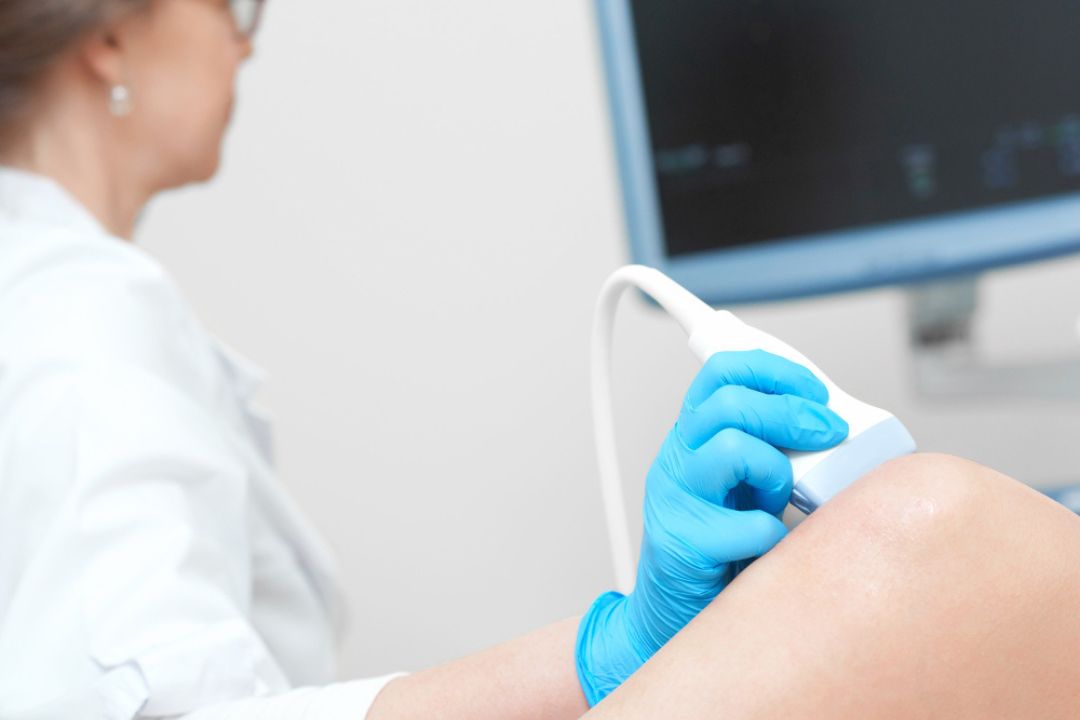
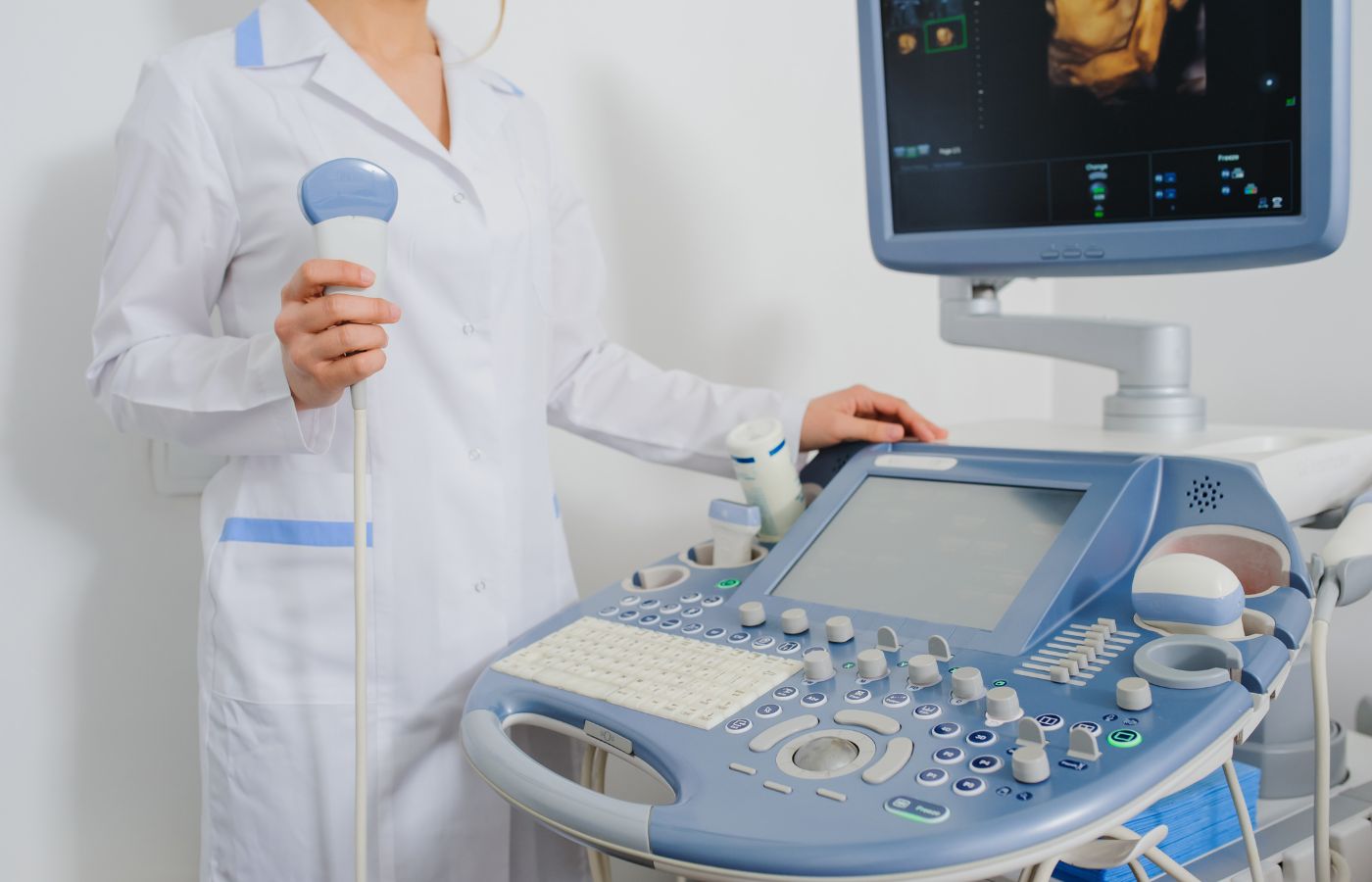
A handheld device called a transducer is moved over the area
You may hear a “whooshing” sound — this is normal and represents blood flow
The test usually takes 30–45 minutes
No recovery time needed
Resume normal activities immediately
Reports are typically available within a few hours or the same day
Yes. The USG Artery Doppler test is:
Completely safe
Non-invasive
Radiation-free
Suitable for elderly patients and high-risk individuals
There are no known side effects.
Detects blockages early
Helps prevent stroke or heart complications
Guides treatment planning
Monitors effectiveness of vascular treatments
Cost-effective compared to advanced imaging tests
Quick and comfortable procedure
The test measures:
Speed of blood flow
Direction of blood movement
Areas of narrowing or blockage
Clot formation
Vessel wall abnormalities
Your doctor will interpret the findings and decide if medication, lifestyle changes, or further procedures are needed.
The cost varies depending on:
City
Diagnostic center quality
Type of artery examined
Technology used
?1,500 – ?3,000 (general arterial Doppler)
?2,000 – ?5,000 (carotid or specialized Doppler studies)
Prices may vary based on complexity and location.
This test is available at:
Diagnostic imaging centers
Multispecialty hospitals
Vascular clinics
When choosing a center, look for:
Experienced radiologists
Advanced ultrasound machines
Transparent pricing
Quick reporting
Clean and comfortable environment
Selecting a reliable imaging center ensures accurate diagnosis and peace of mind.
You should consider early testing if you:
Have diabetes
Have high blood pressure
Smoke regularly
Have a family history of heart or vascular disease
Experience persistent leg pain
Are above 50 with circulation symptoms
Early diagnosis significantly reduces risk of serious complications.
A USG Artery Doppler test is a simple, safe, and highly effective way to evaluate arterial blood flow and detect vascular problems early. Timely diagnosis can prevent serious complications such as stroke, limb damage, or cardiovascular events.
If you are experiencing symptoms of poor circulation or have risk factors for vascular disease, consult your doctor and schedule a Doppler ultrasound at a trusted diagnostic center.




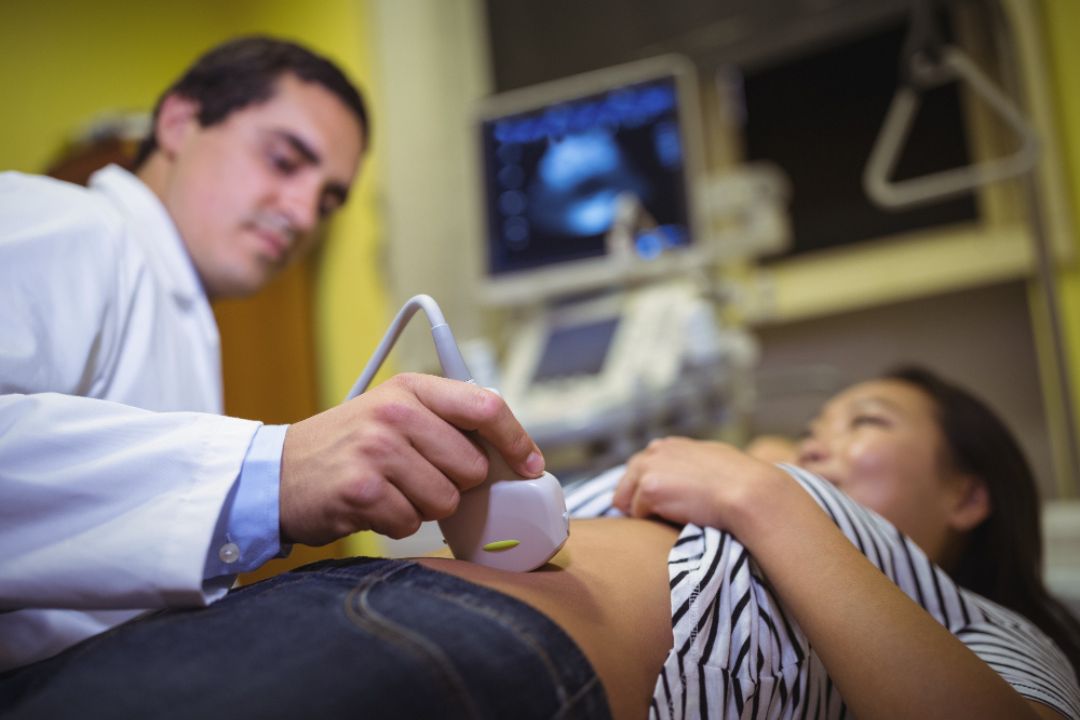
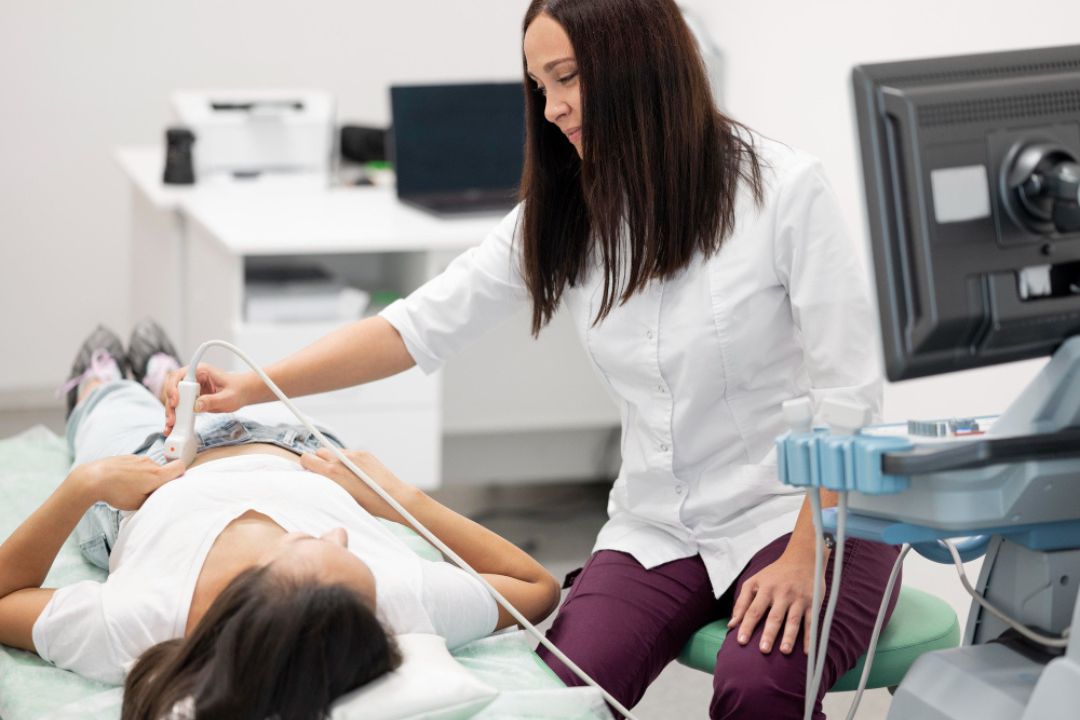



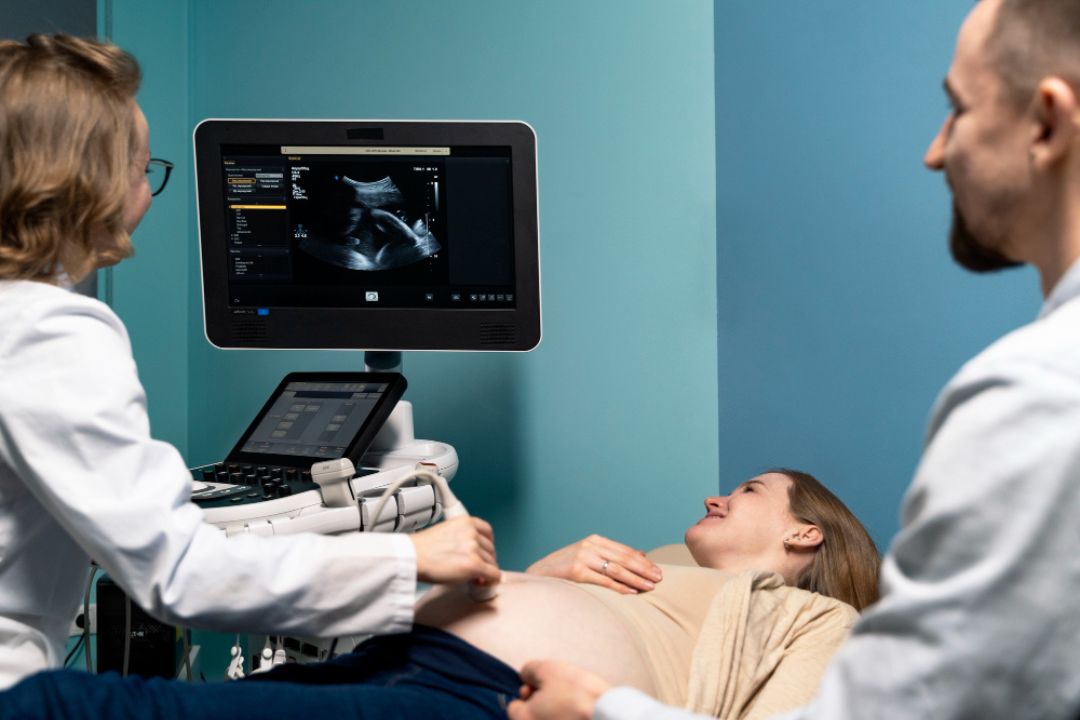

.jpg "usg portal venous doppler purpose procedure and normal values")
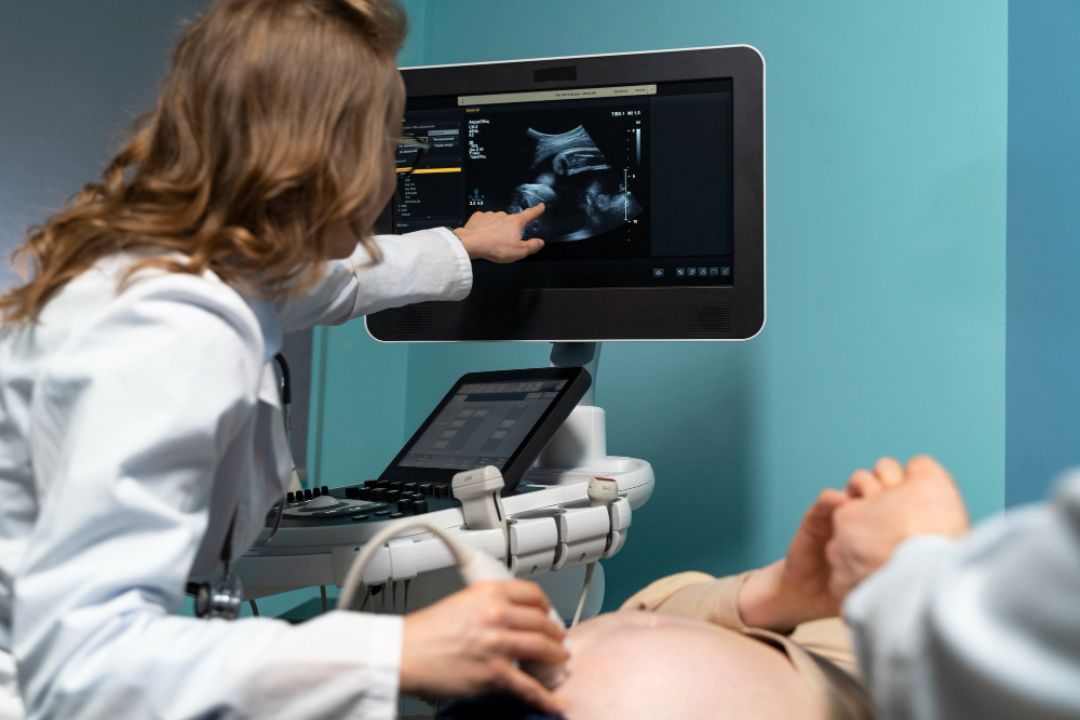


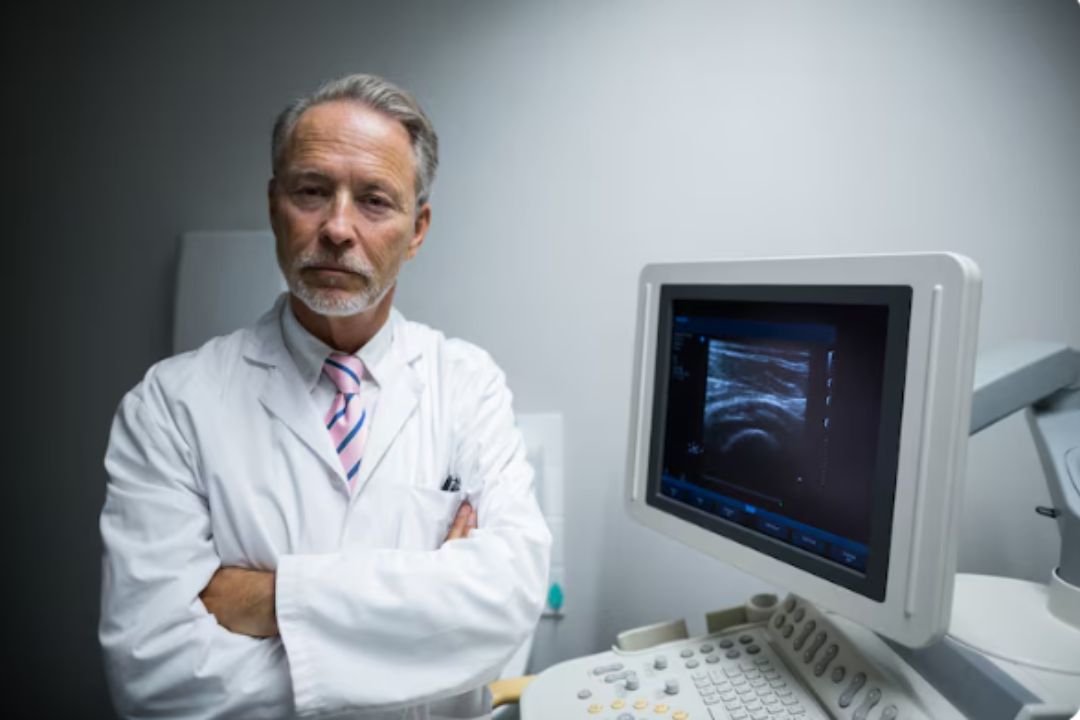














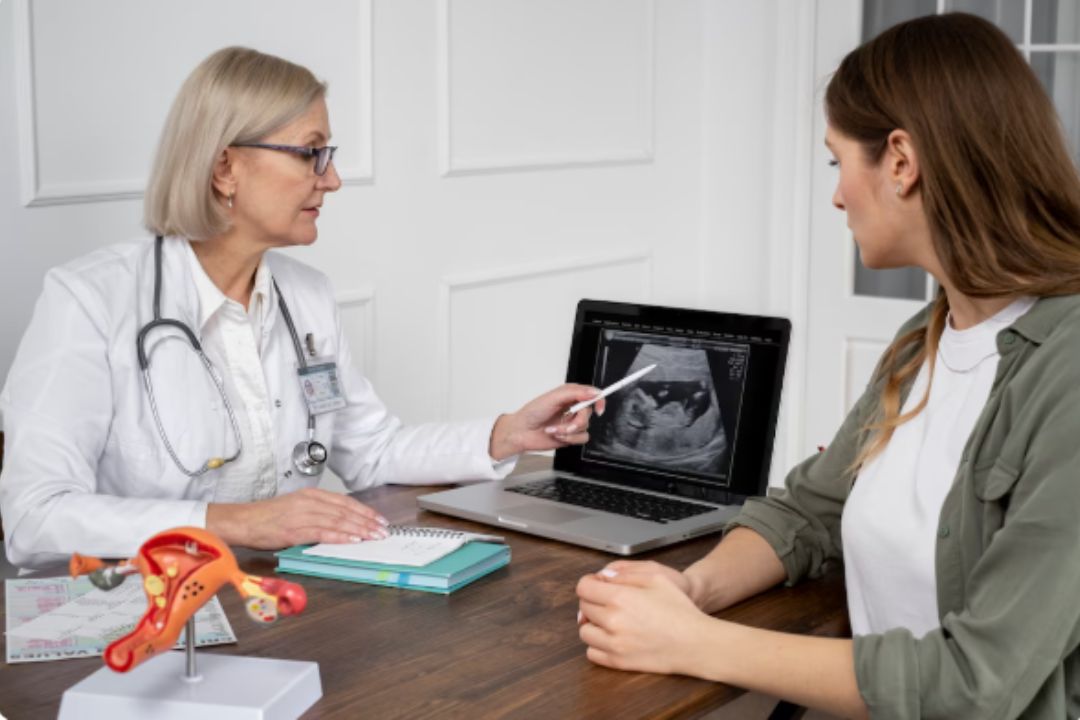

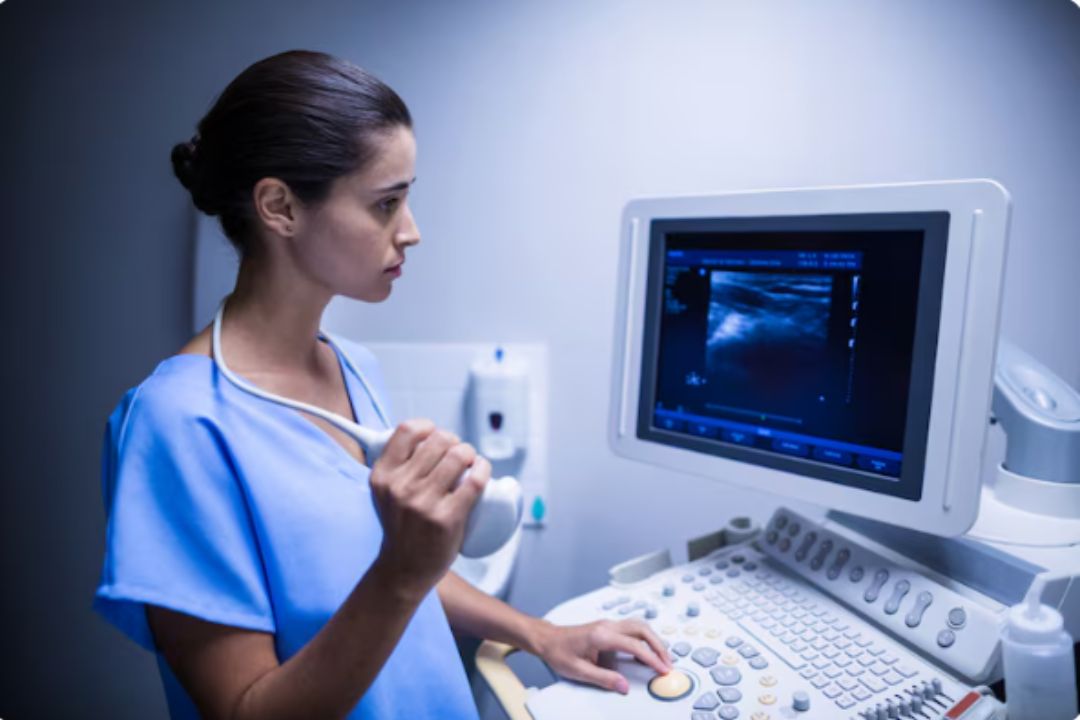
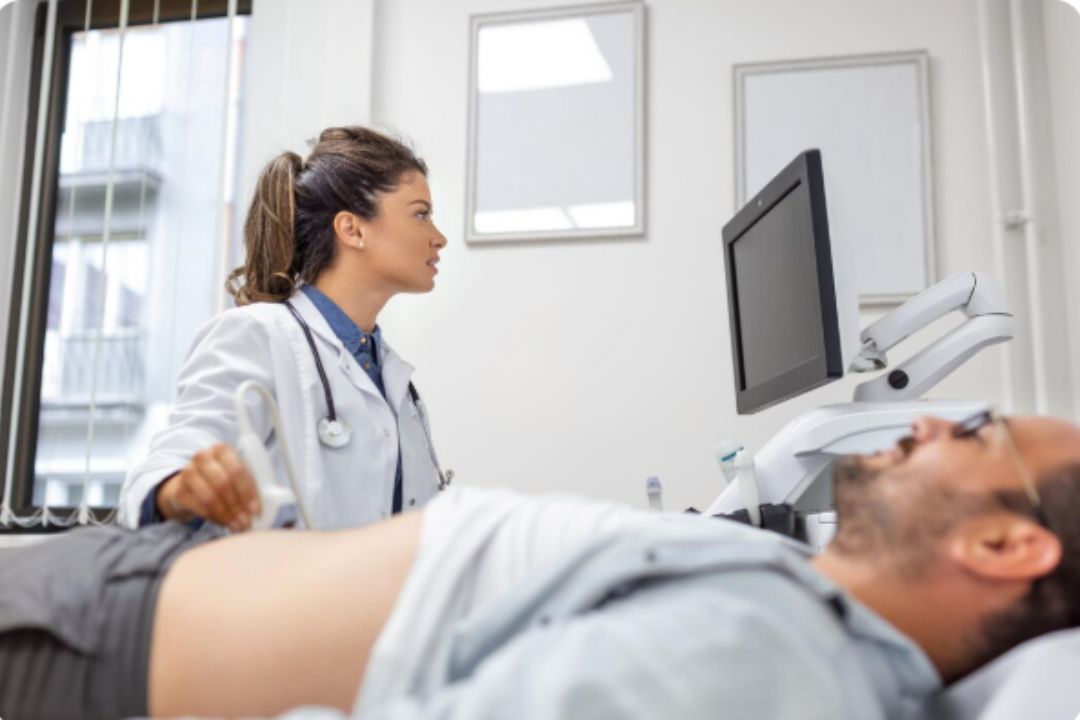

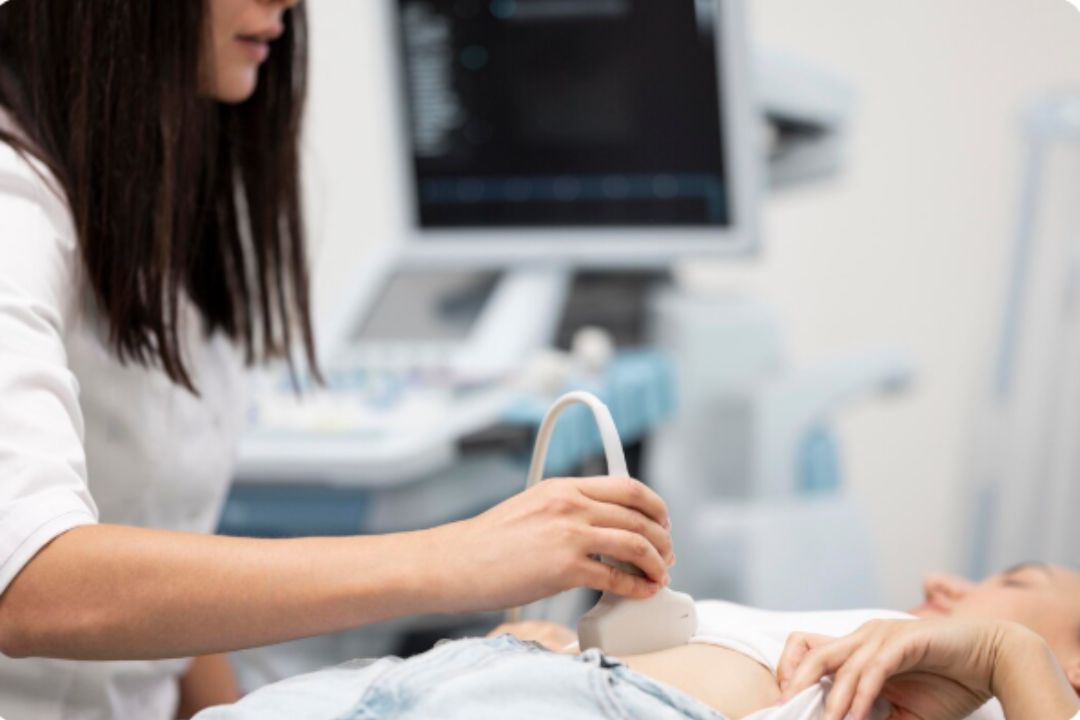

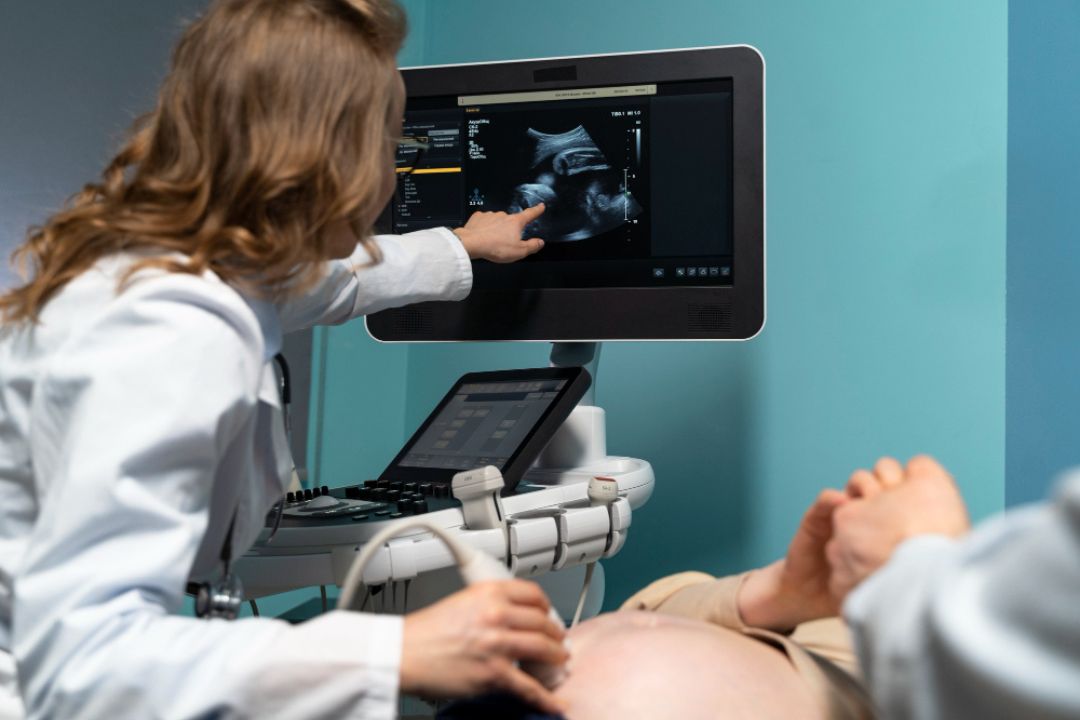
.jpg "ultrasound")

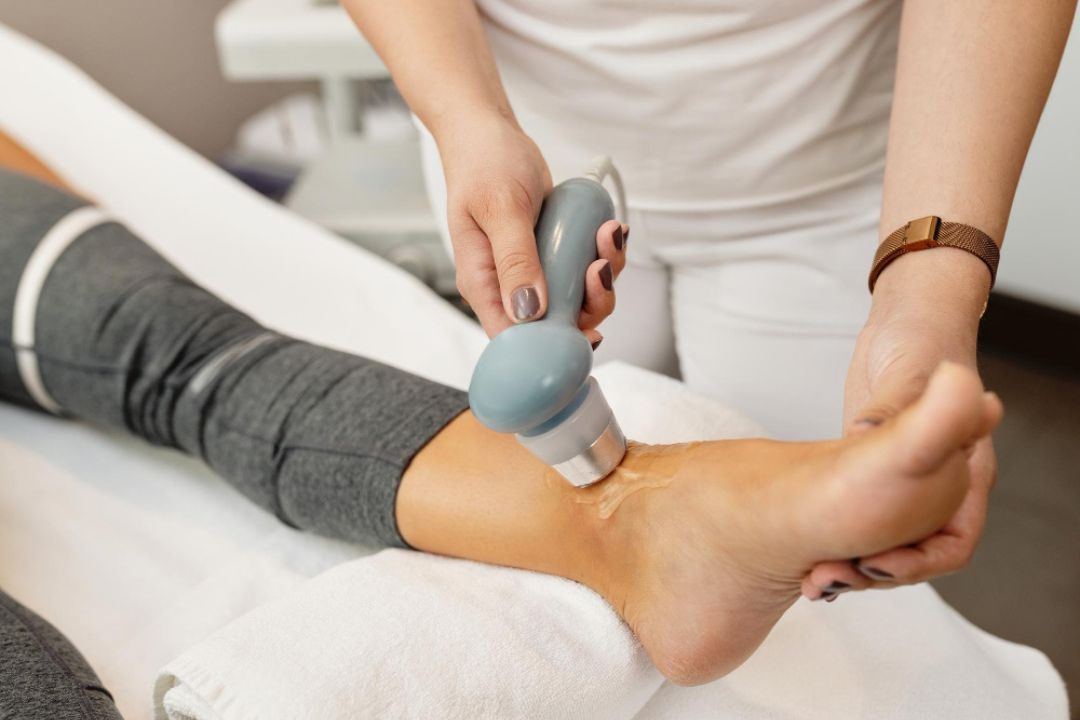
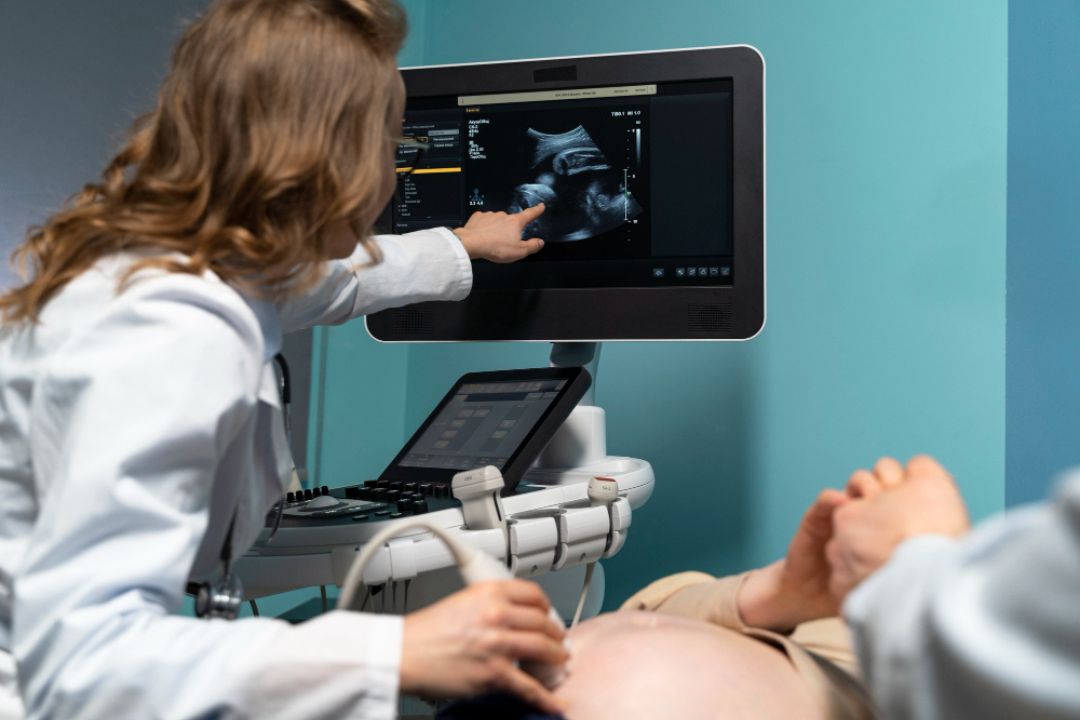

.jpg "ct scan")
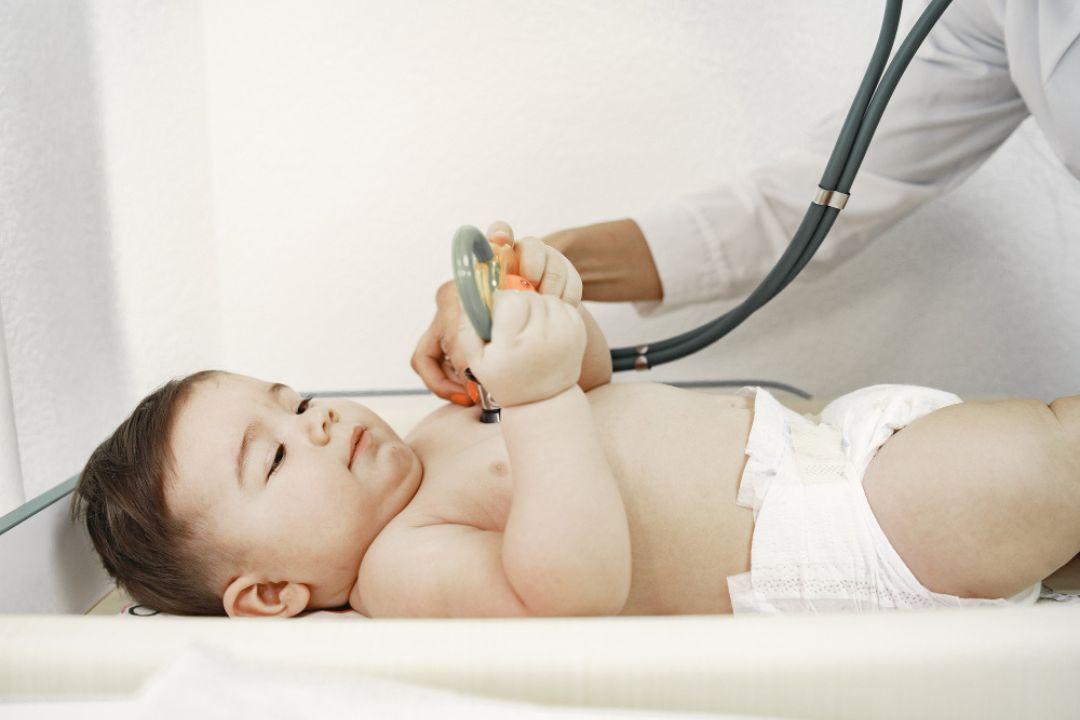
.jpg "ultrasound digital sonography")
.jpg "Bilateral Foot Ultrasound")
 How It Supports In-Patient Kidney Care.jpg "USG RENAL DOPPLER(IPD)")
 (1).jpg "Healthy Tips every woman should know")
 (2).jpg "Anomaly Scan & Twin Study")