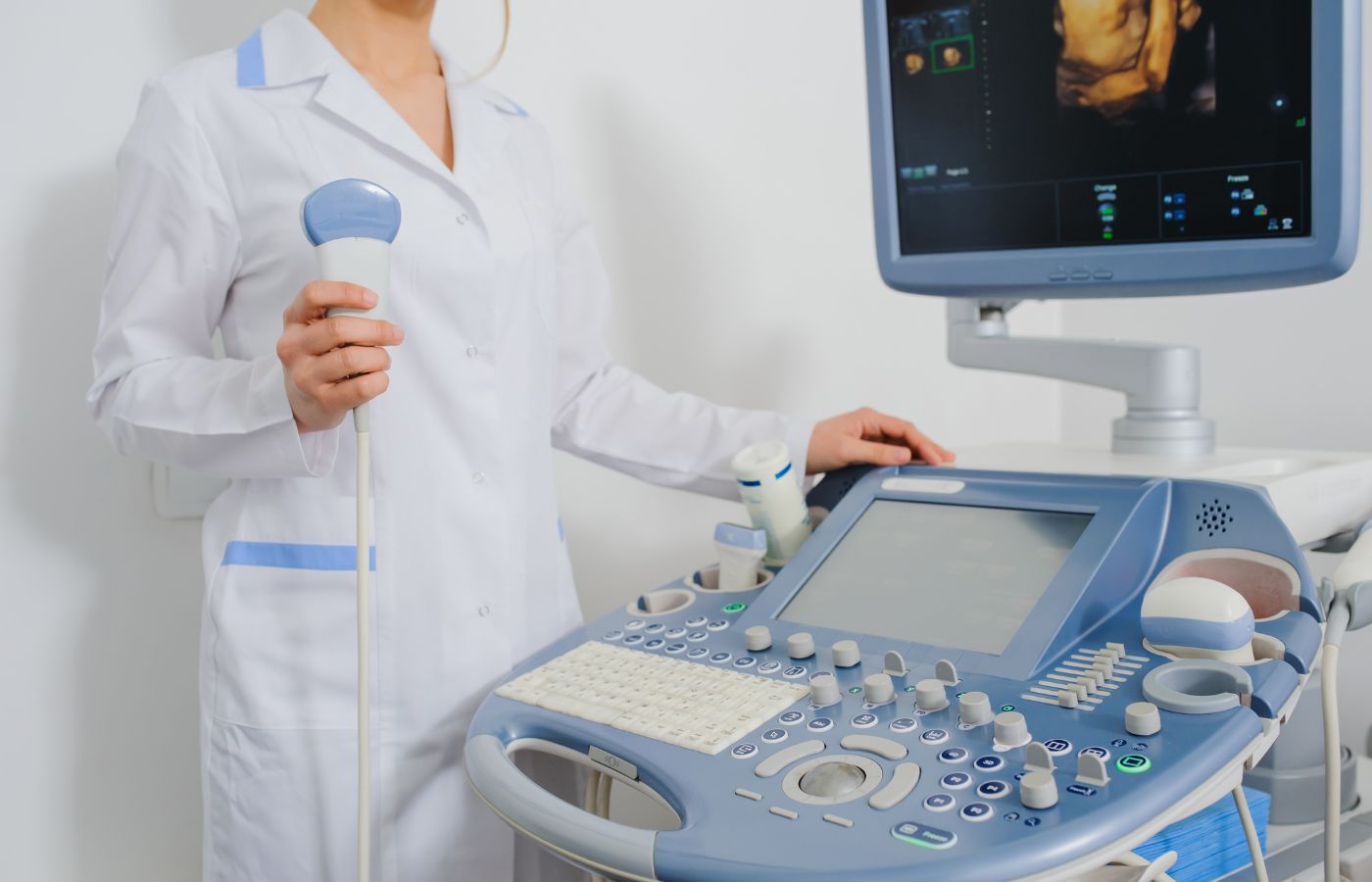
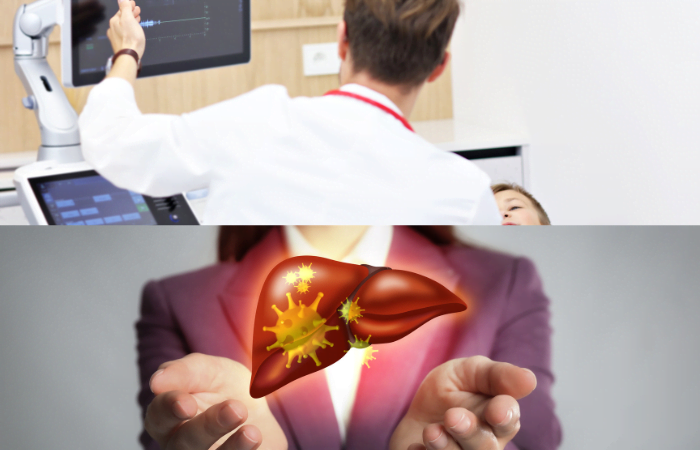
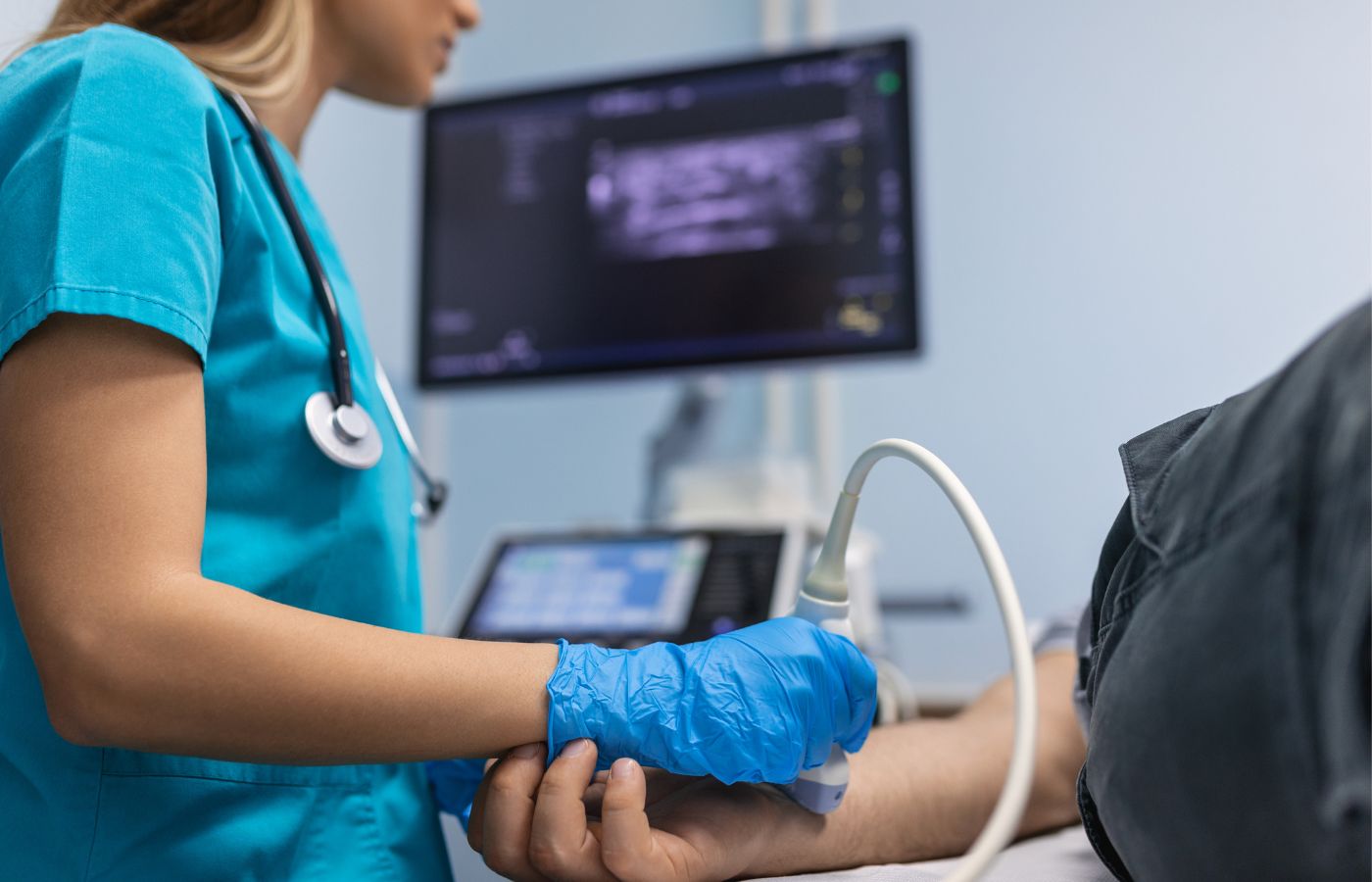
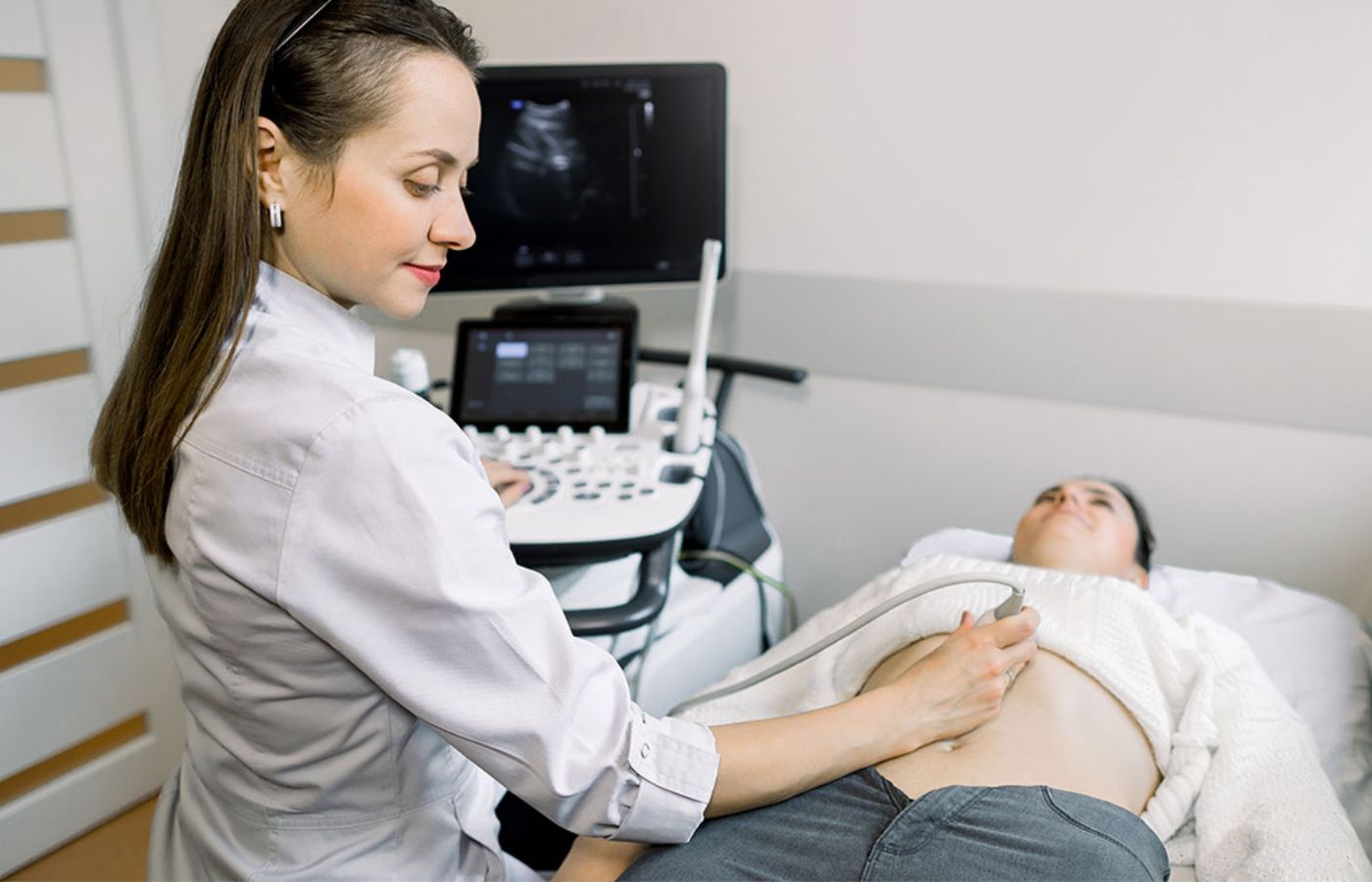
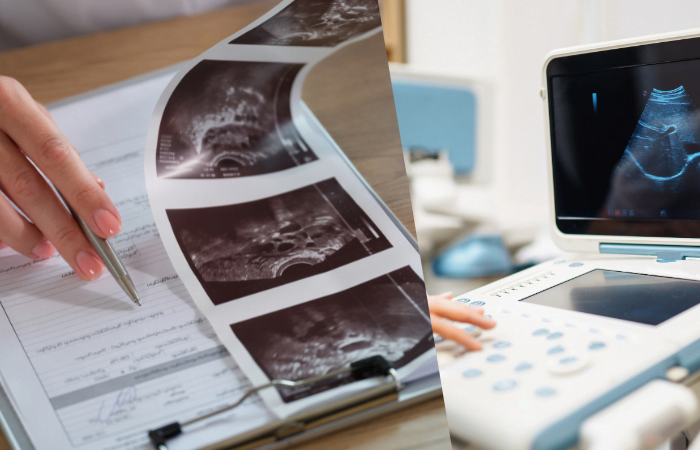
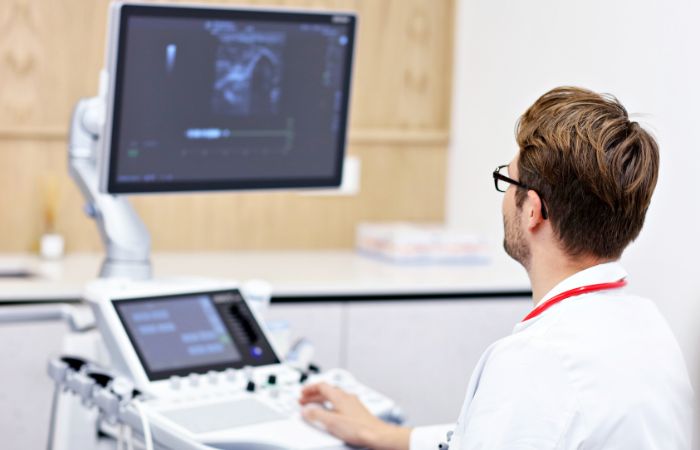
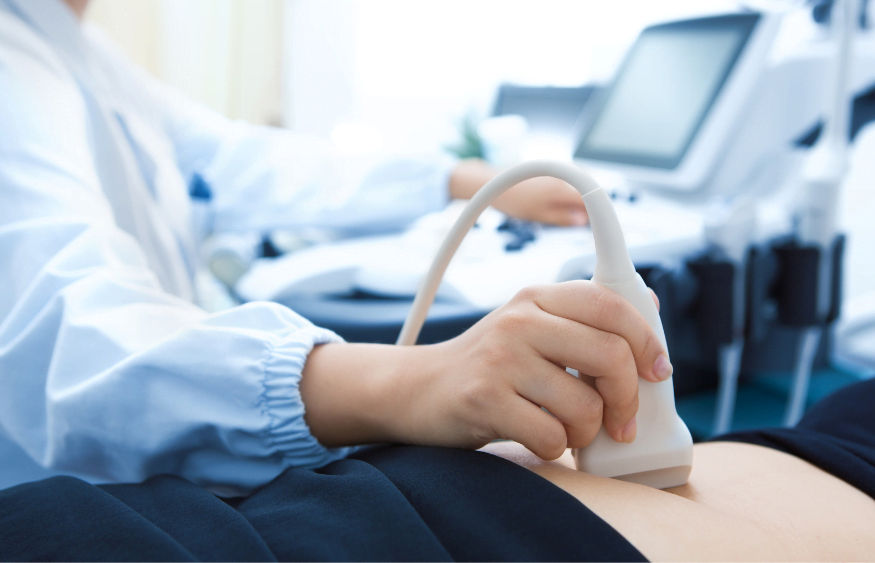
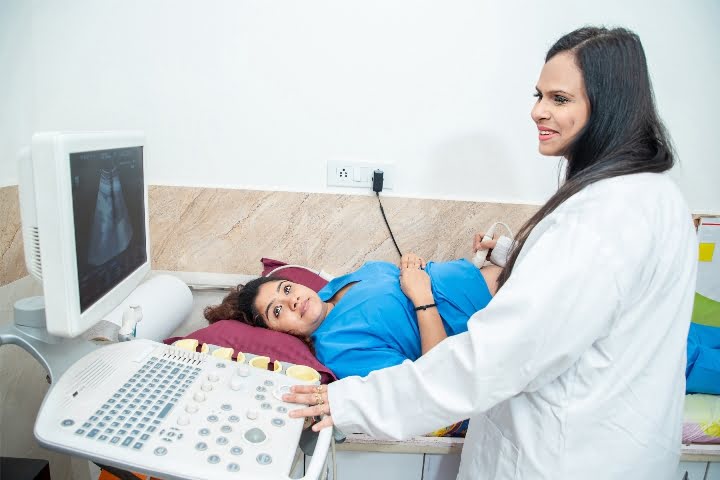
.jpg "usg portal venous doppler purpose procedure and normal values")
USG portal venous Doppler is a specialized form of doppler sonography used to evaluate blood flow in the portal vein — the major vessel carrying blood from the intestines to the liver. This non-invasive ultrasound technique helps diagnose liver diseases, portal hypertension, thrombosis, and other vascular abnormalities.
If you are searching for sonography near me or wondering about the doppler sonography price, this comprehensive guide explains everything about USG portal venous Doppler — including its purpose, procedure, normal values, benefits, comparison with other tests, costing, and comfort.
USG (Ultrasonography) Portal Venous Doppler is a diagnostic imaging test that combines traditional ultrasound with Doppler technology to measure:
Blood flow direction
Blood flow velocity
Vessel diameter
Presence of clots or blockages
The primary purpose of this doppler sonography is to evaluate the portal venous system and detect abnormalities. Doctors commonly recommend it for:
Increased pressure in the portal vein, often due to liver cirrhosis.
Identifying blood clots that obstruct blood flow.
Assessing disease progression and complications.
Checking vascular patency and blood flow adequacy.
Investigating unexplained ascites or enlarged spleen.
Determining vascular involvement in liver tumors.
This test provides crucial information without radiation exposure, making it safe and effective.
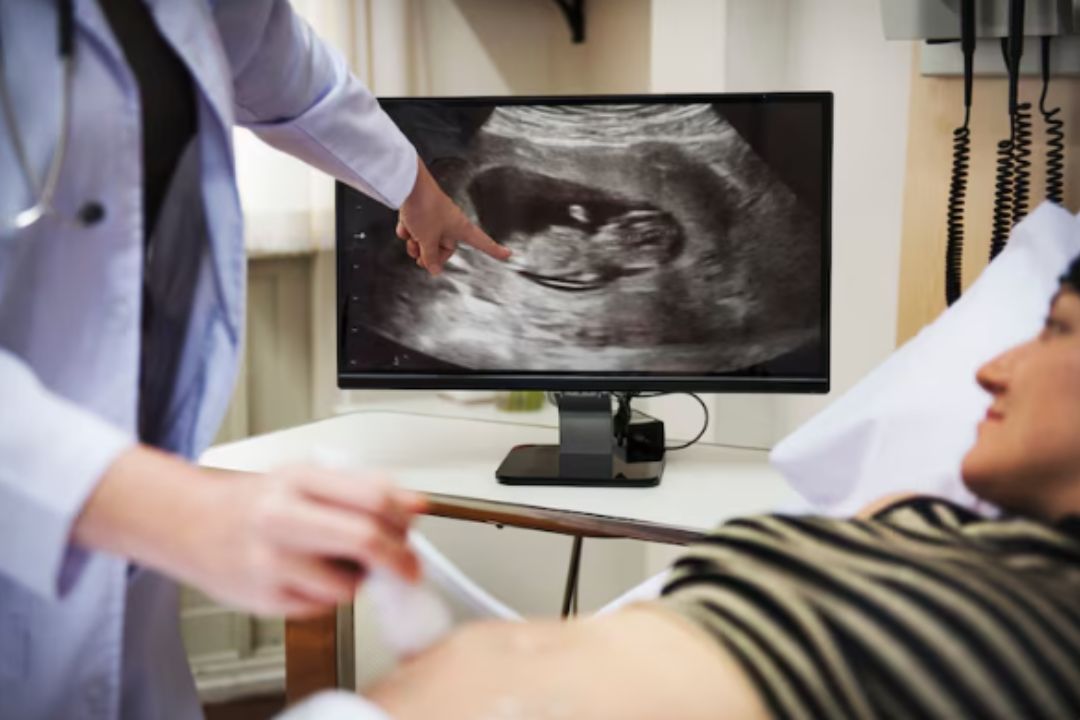
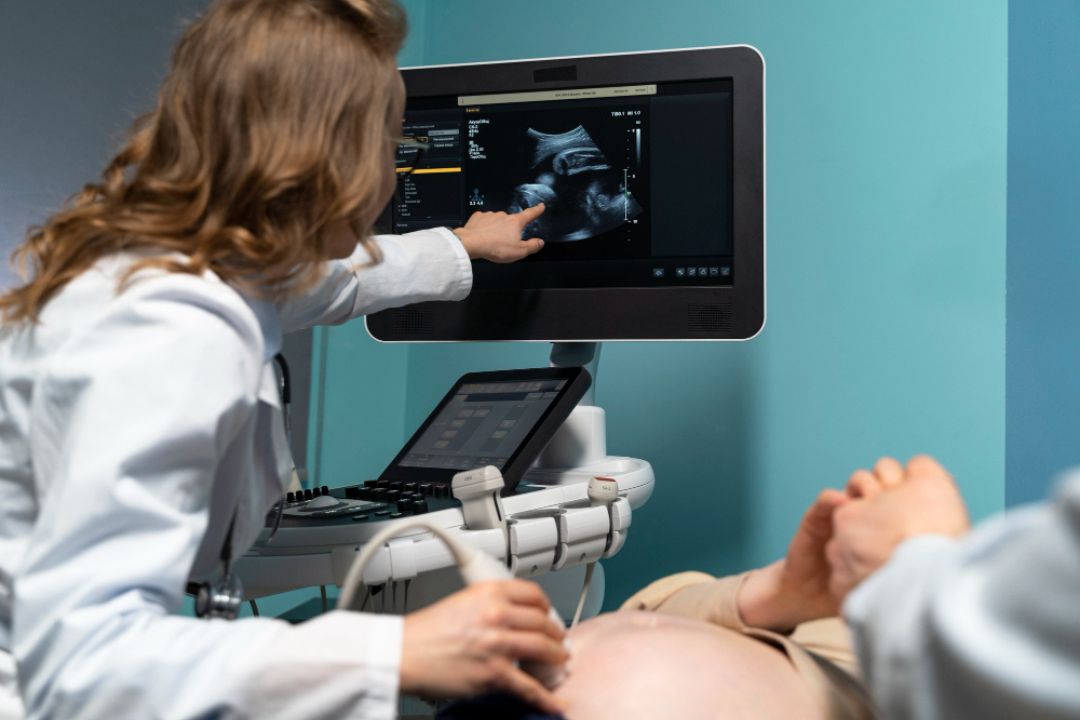
The procedure is simple, painless, and usually completed within 20–30 minutes.
Preparation
Fasting for 6–8 hours is usually advised.
Wear loose, comfortable clothing.
Positioning
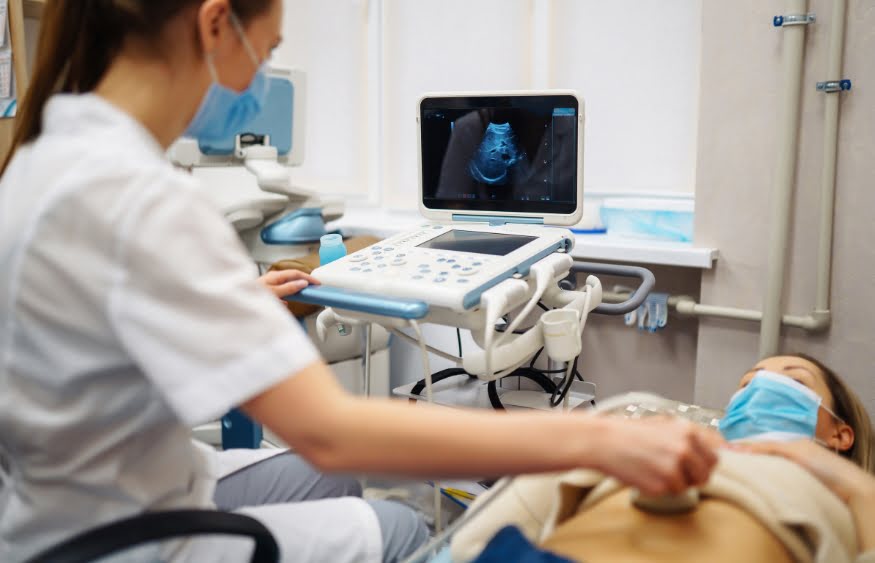
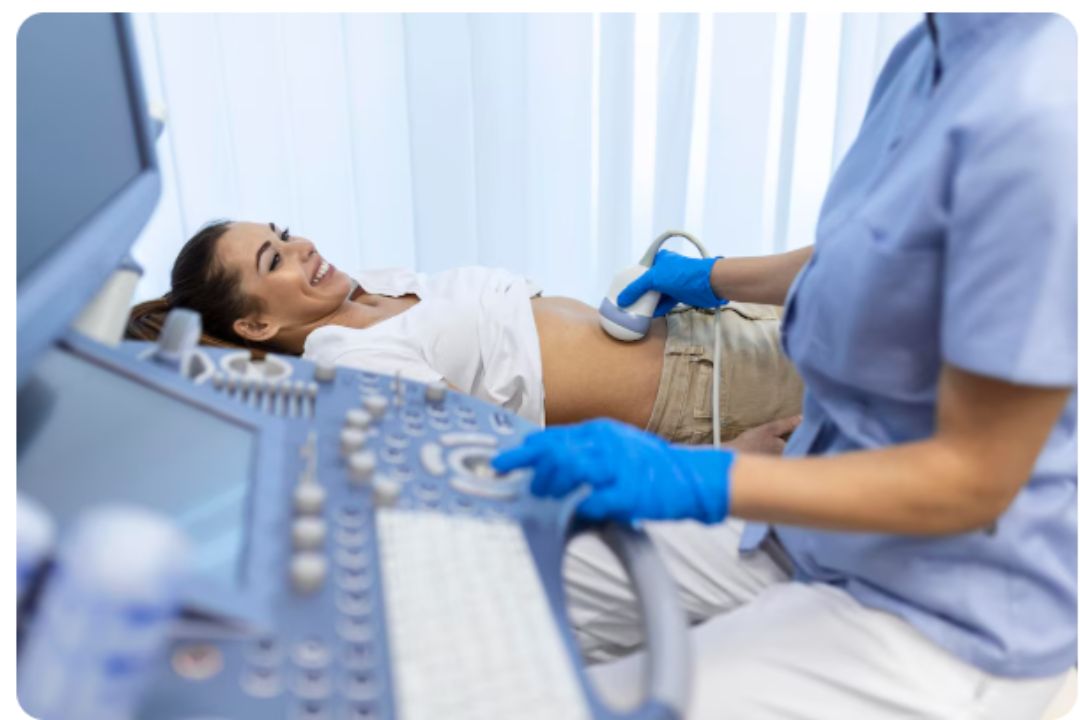
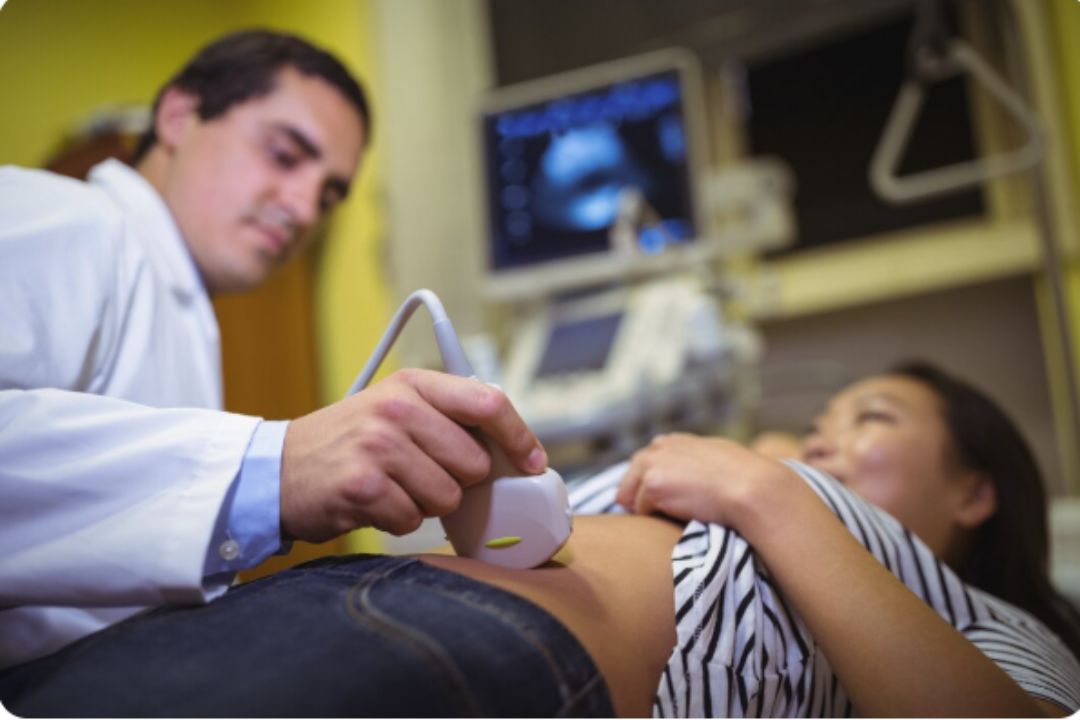
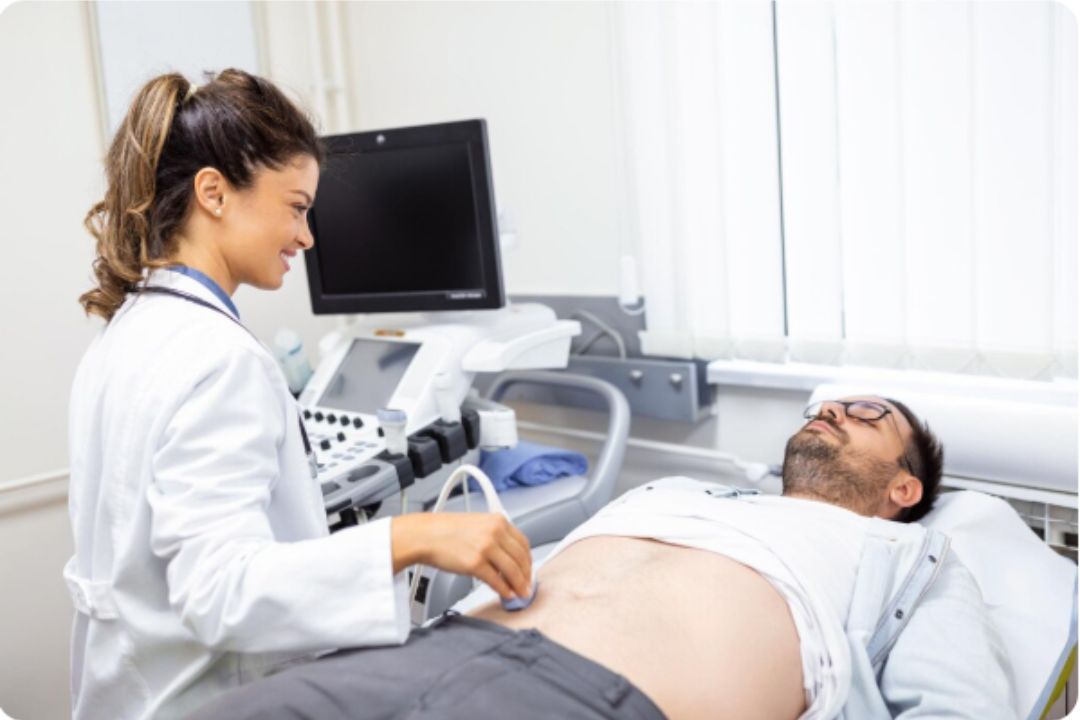
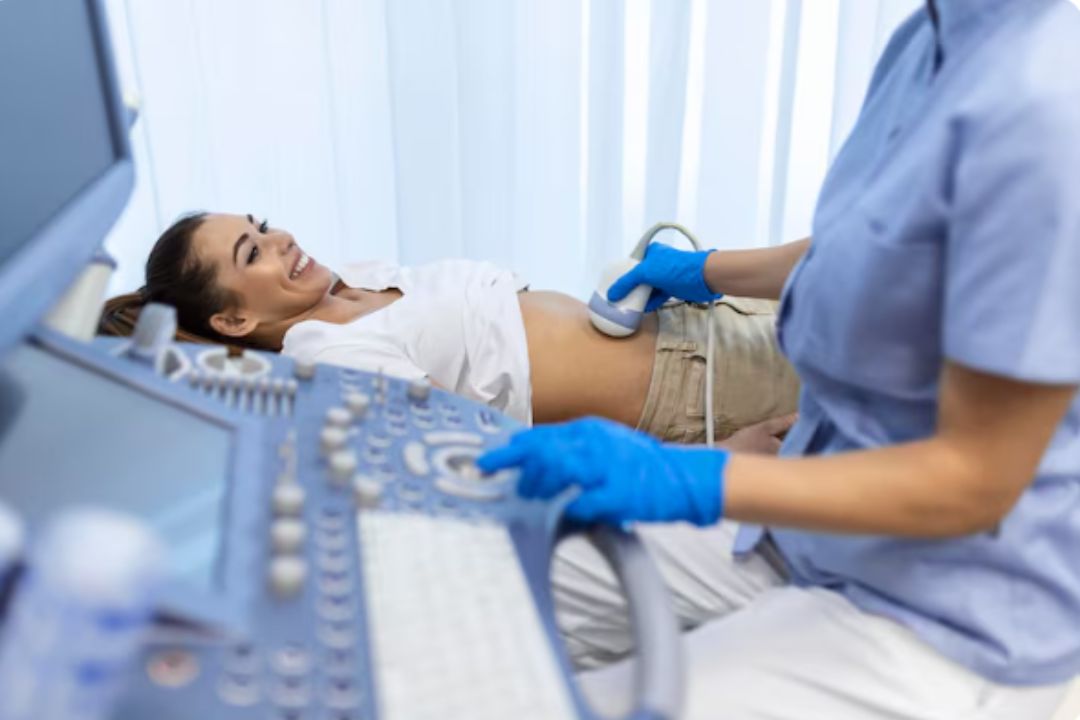
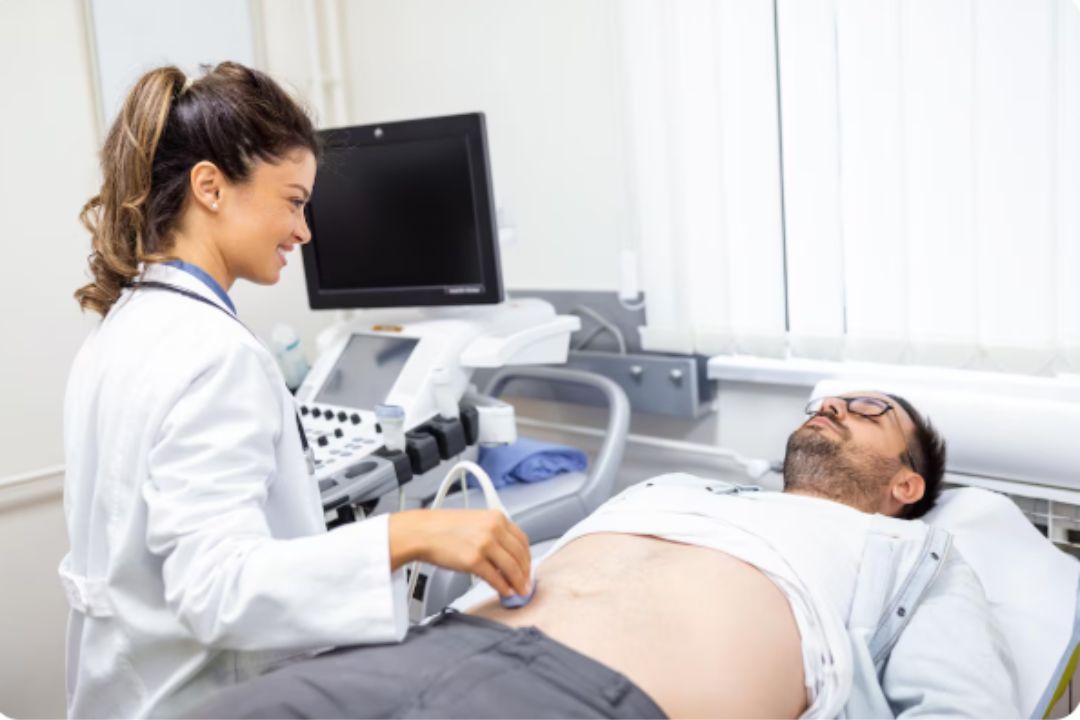
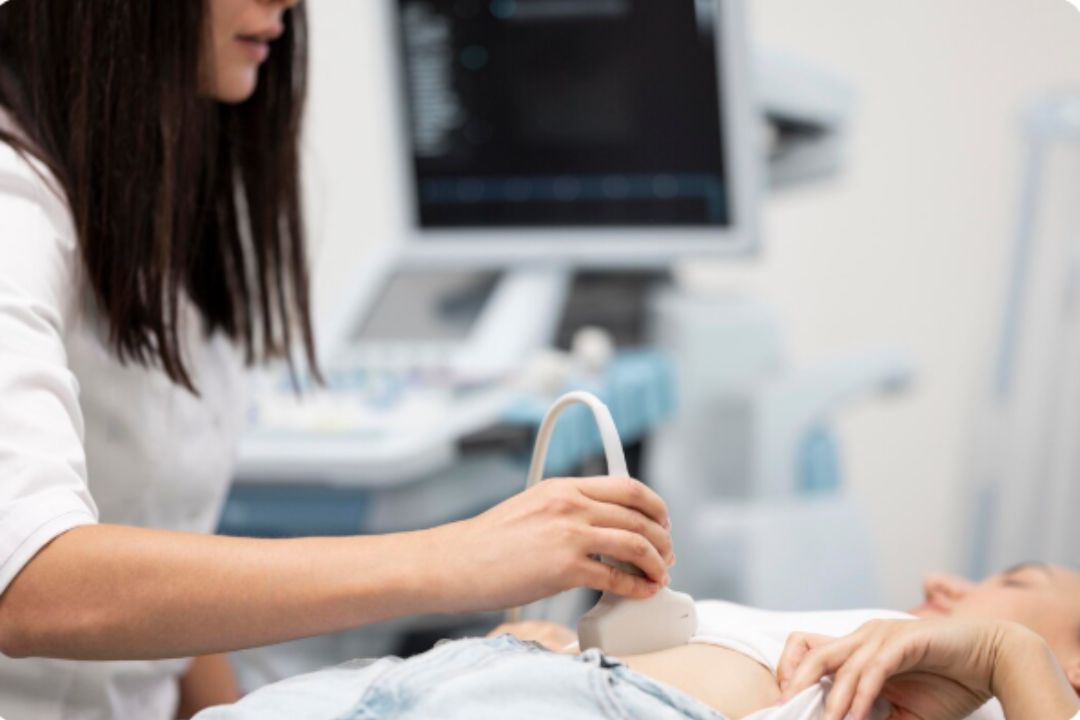
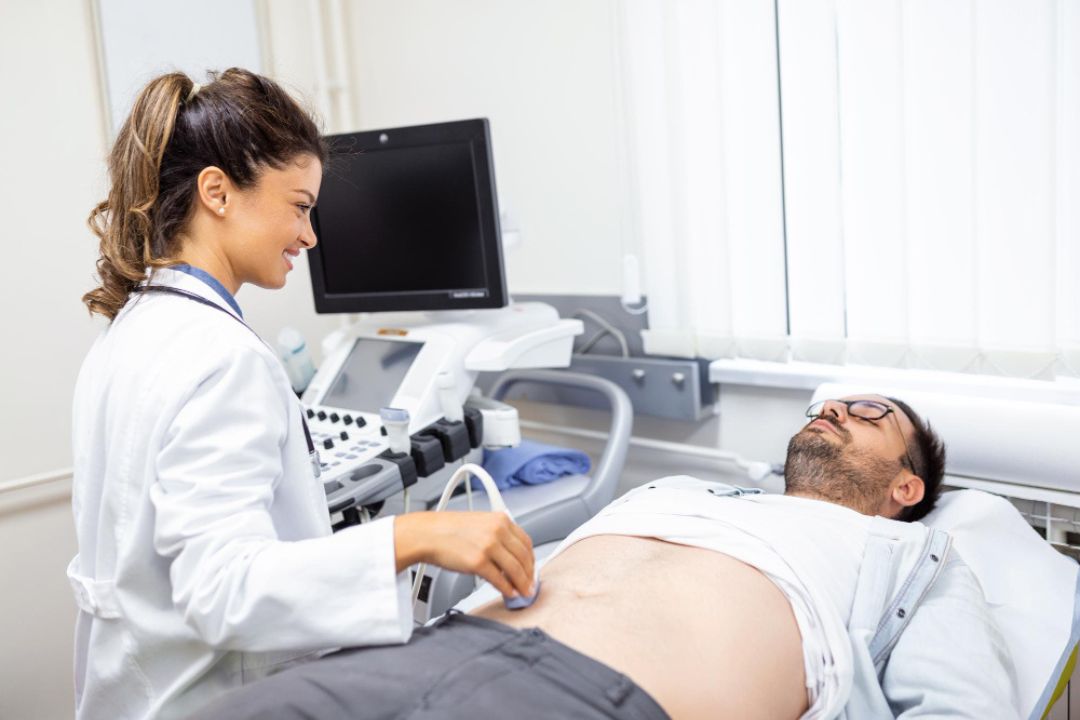
You will lie on your back on an examination table.
Application of Gel
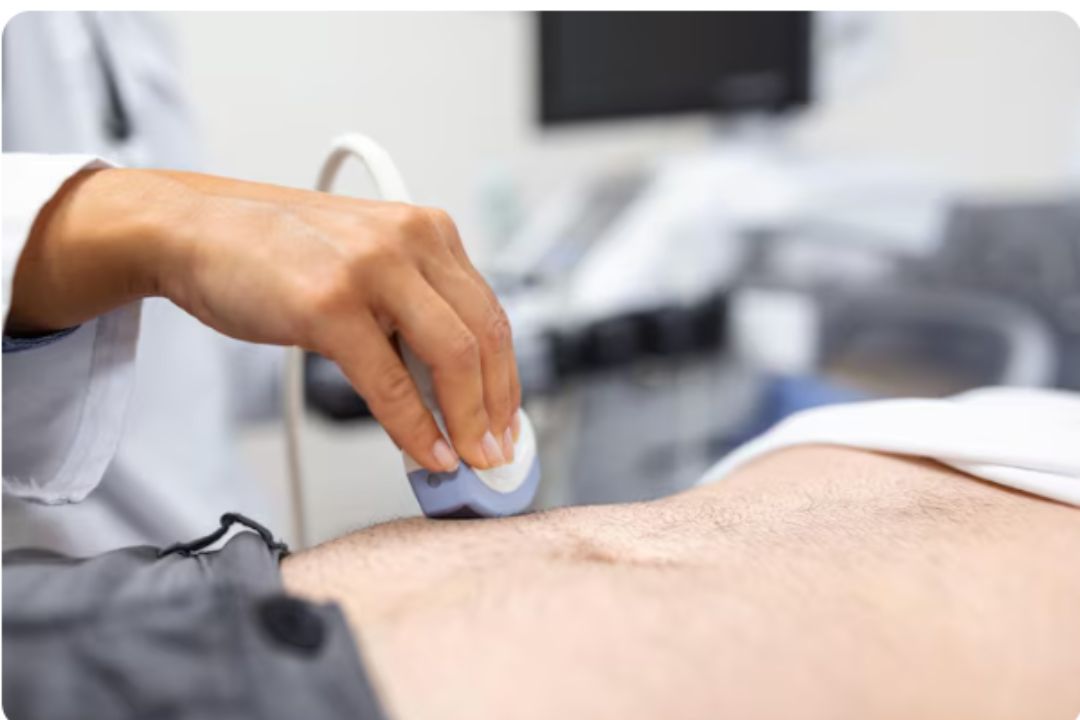
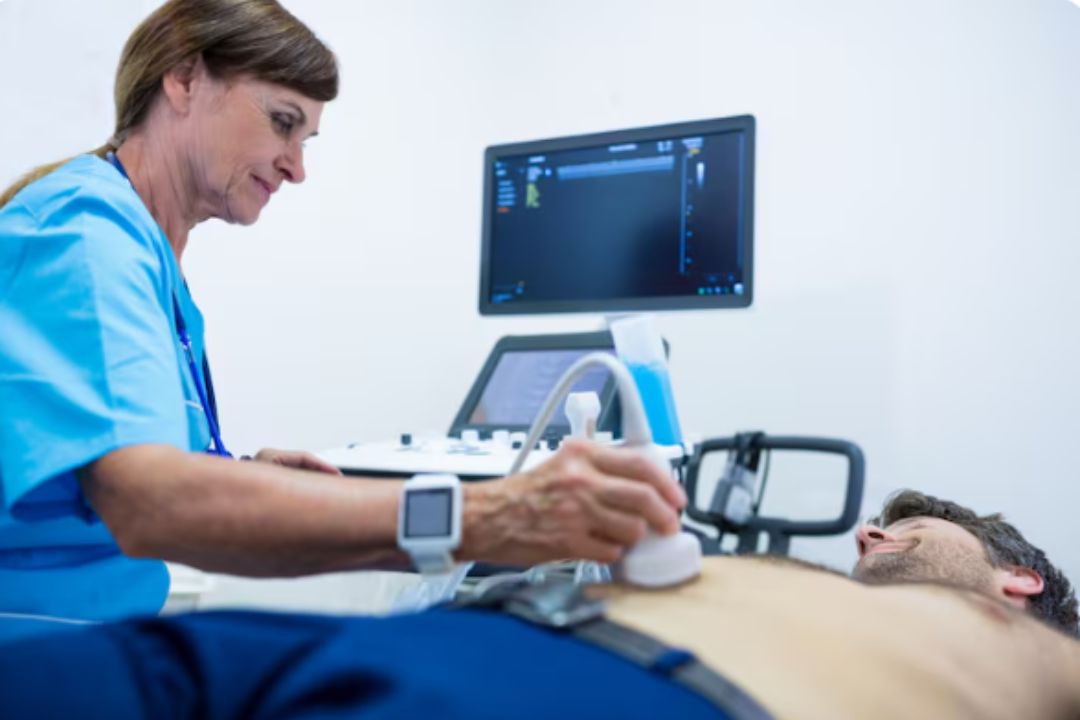
A water-based gel is applied to the abdomen to enhance sound wave transmission.
Scanning
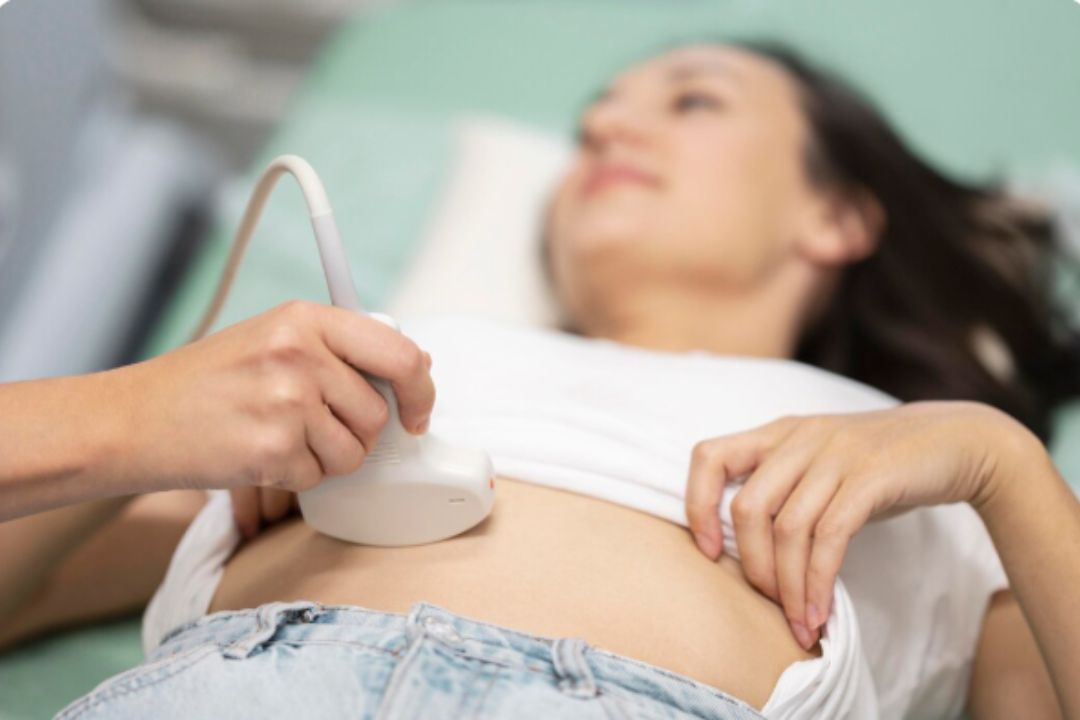
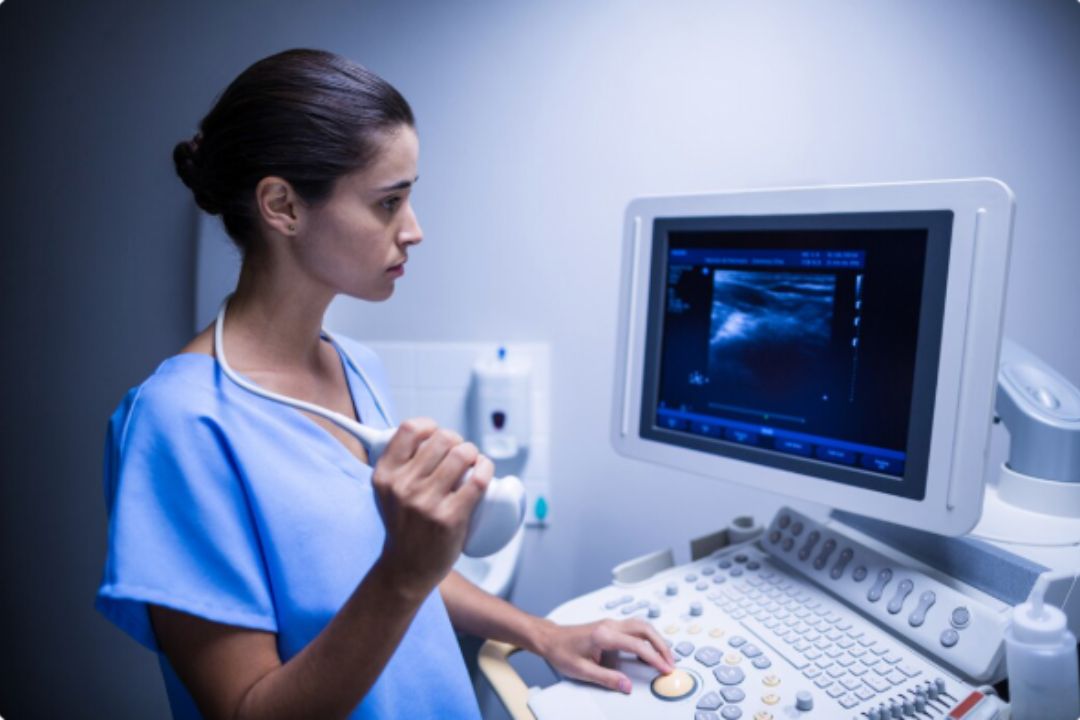
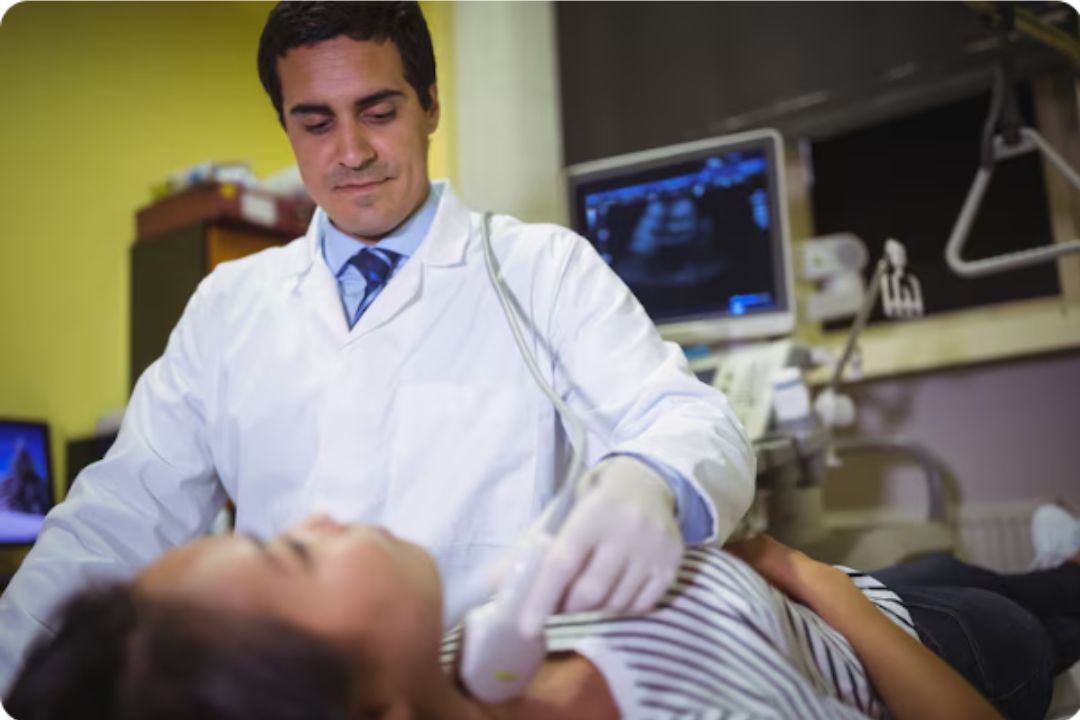
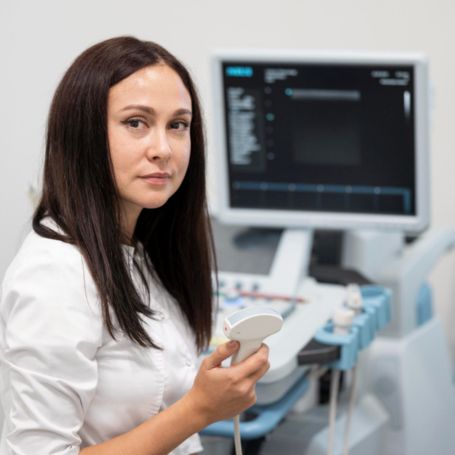
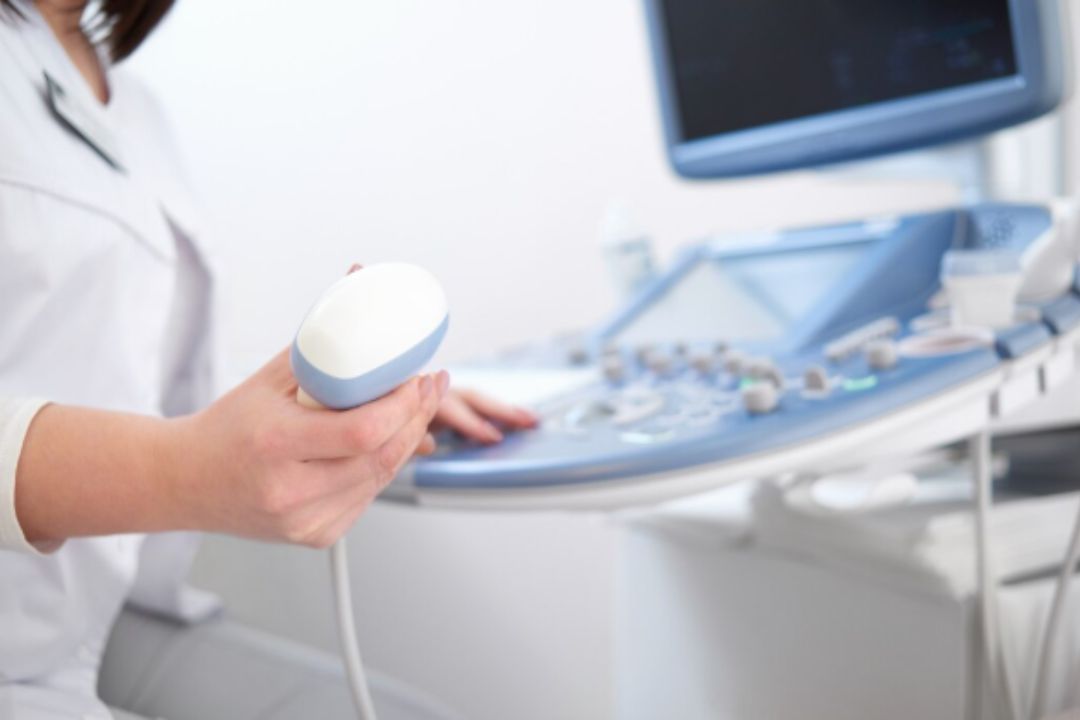
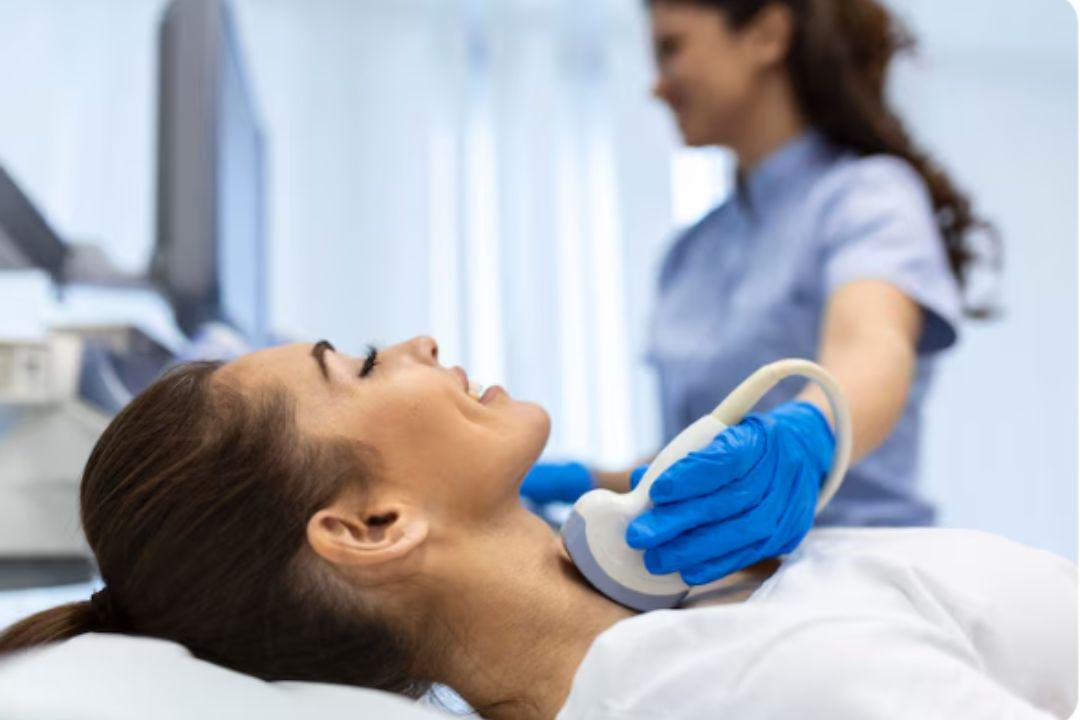
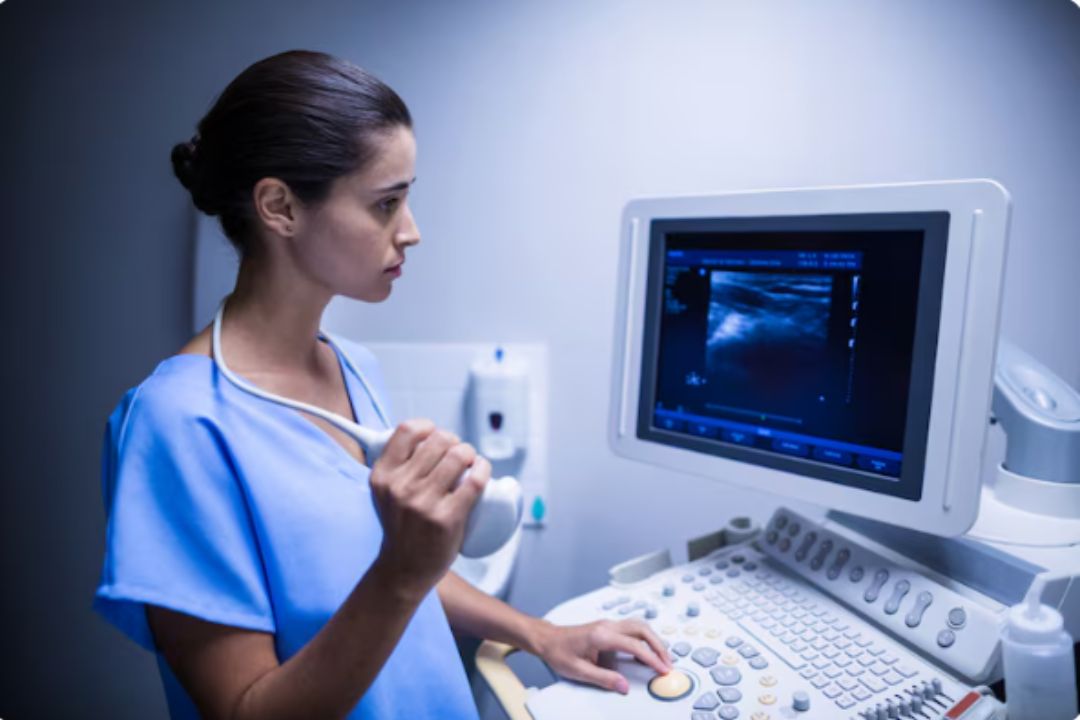
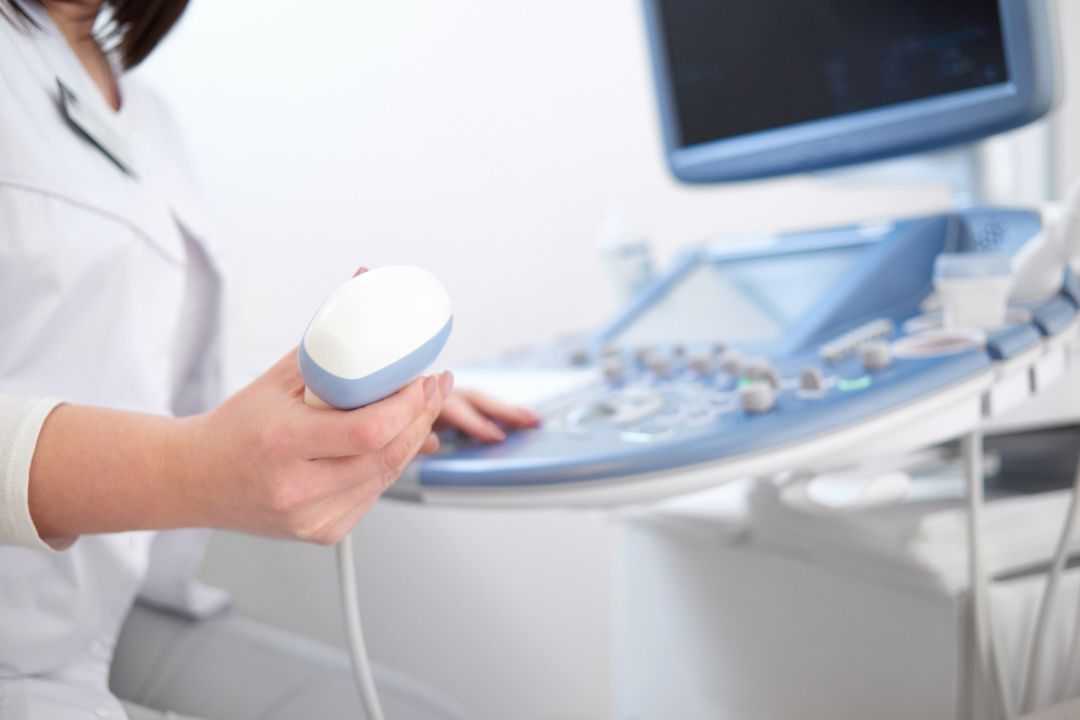
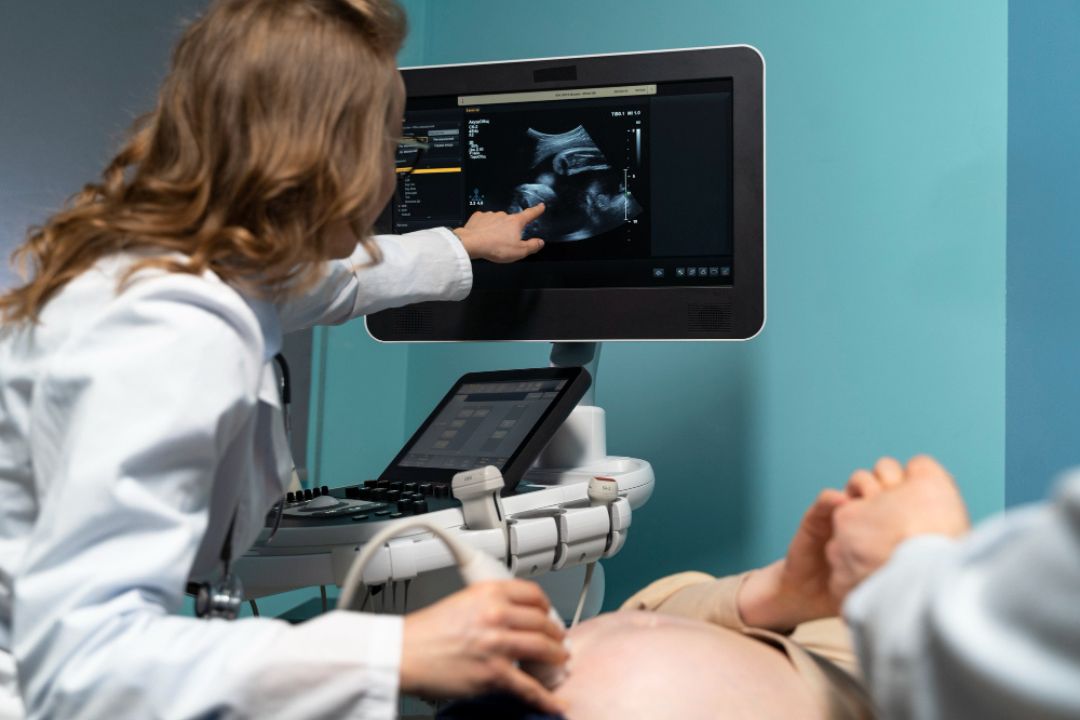
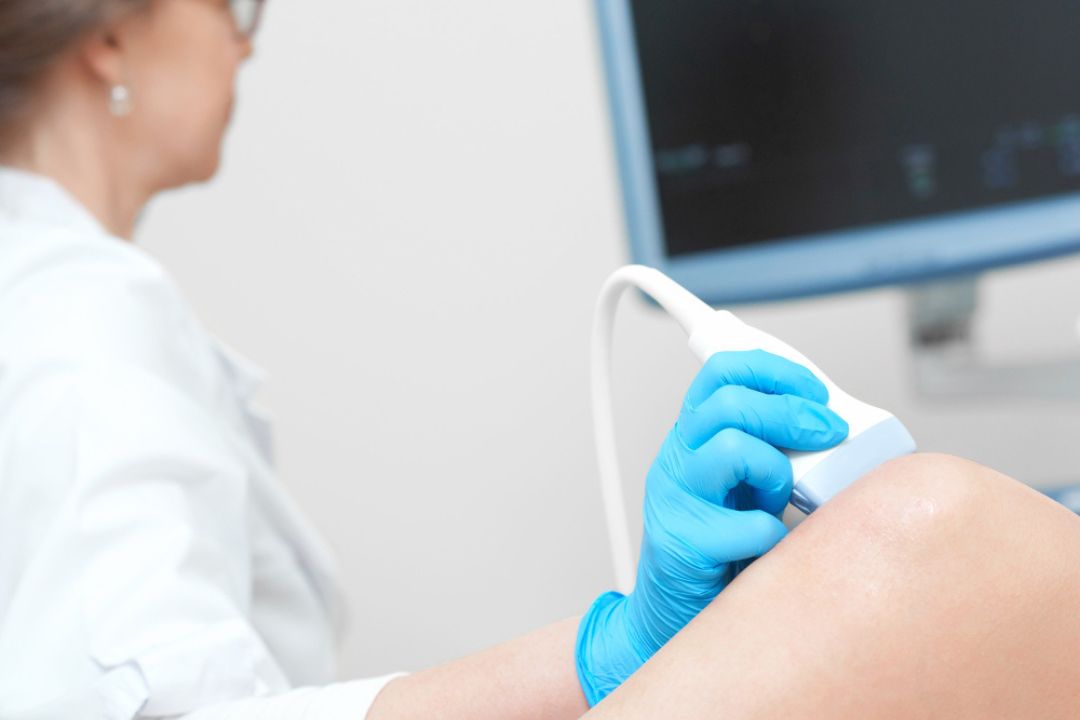
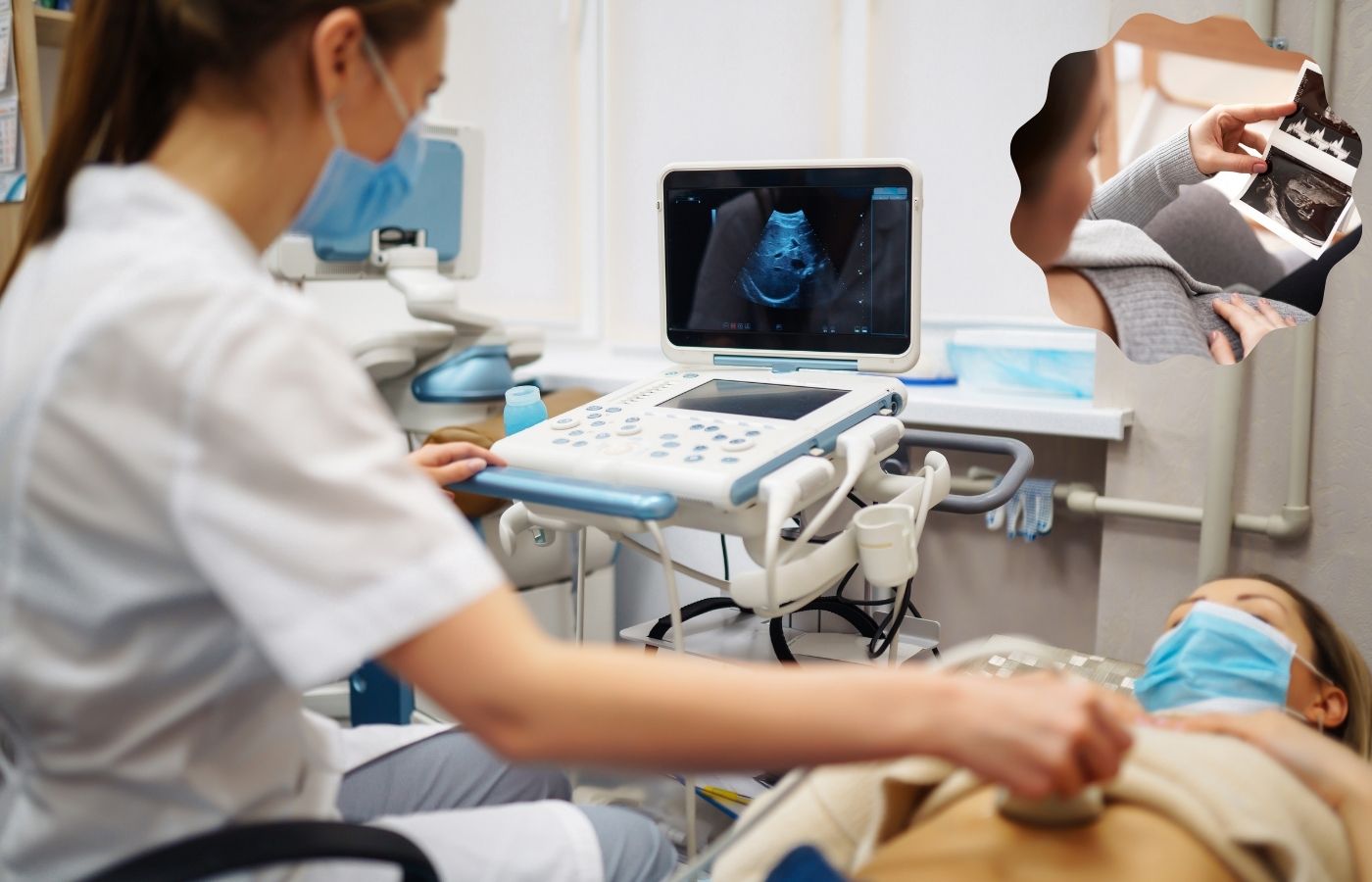
The sonographer moves a handheld probe over the upper abdomen.
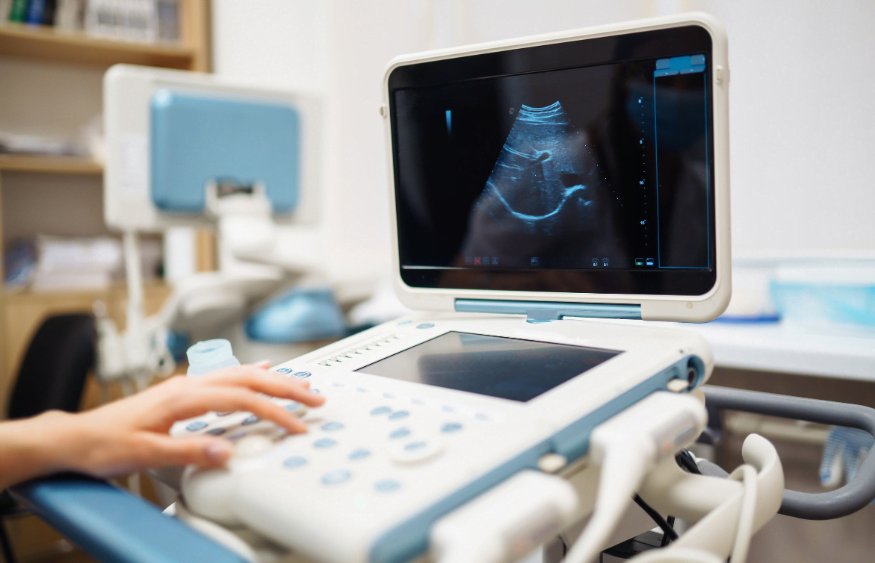
Doppler mode measures blood flow direction and velocity.
Completion
Gel is wiped off.
You can resume normal activities immediately.
Understanding normal values helps interpret results accurately.
Reduced velocity (seen in portal hypertension)
Reversed flow (hepatofugal flow)
Enlarged vein diameter
Presence of thrombus
USG portal venous Doppler offers multiple advantages:
One of the most common questions patients ask is about the doppler sonography price or sonography test price.
The cost varies depending on:
Location of the diagnostic center
Radiologist expertise
Technology used
City
In Mumbai, the average doppler sonography price typically ranges between
USG portal venous Doppler is considered one of the safest imaging tests.
No needles
No sedation
No pain
No recovery time
Safe during pregnancy
You may need USG portal venous Doppler if you have:
Chronic liver disease
Alcohol-related liver damage
Hepatitis B or C
Unexplained abdominal swelling
Suspected portal vein thrombosis
Pre or post liver transplant condition
At Diagnopein Mumbai, we offer:
Advanced Doppler ultrasound machines
Experienced radiologists
Affordable sonography test price
Quick appointment scheduling
Accurate and timely reports.
USG portal venous Doppler is an essential diagnostic tool for evaluating liver blood flow and detecting portal vein abnormalities. It is safe, non-invasive, affordable, and highly effective in diagnosing portal hypertension, thrombosis, and liver complications.
Understanding the USG portal venous Doppler purpose procedure and normal values helps patients make informed healthcare decisions. With minimal discomfort and reasonable doppler sonography price, it remains the preferred first-line imaging test for portal venous assessment.
For accurate results, affordable sonography test price, and expert care, trust Diagnopein Mumbai — your reliable partner in advanced doppler sonography services.
























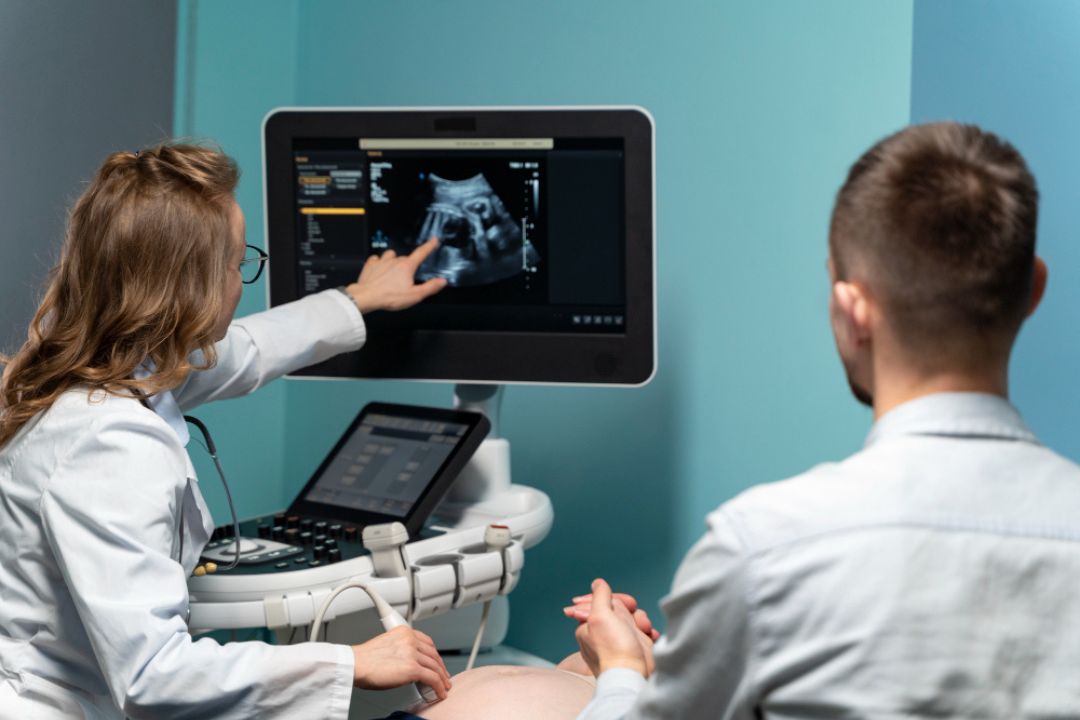
.jpg "usg artery doppler test")
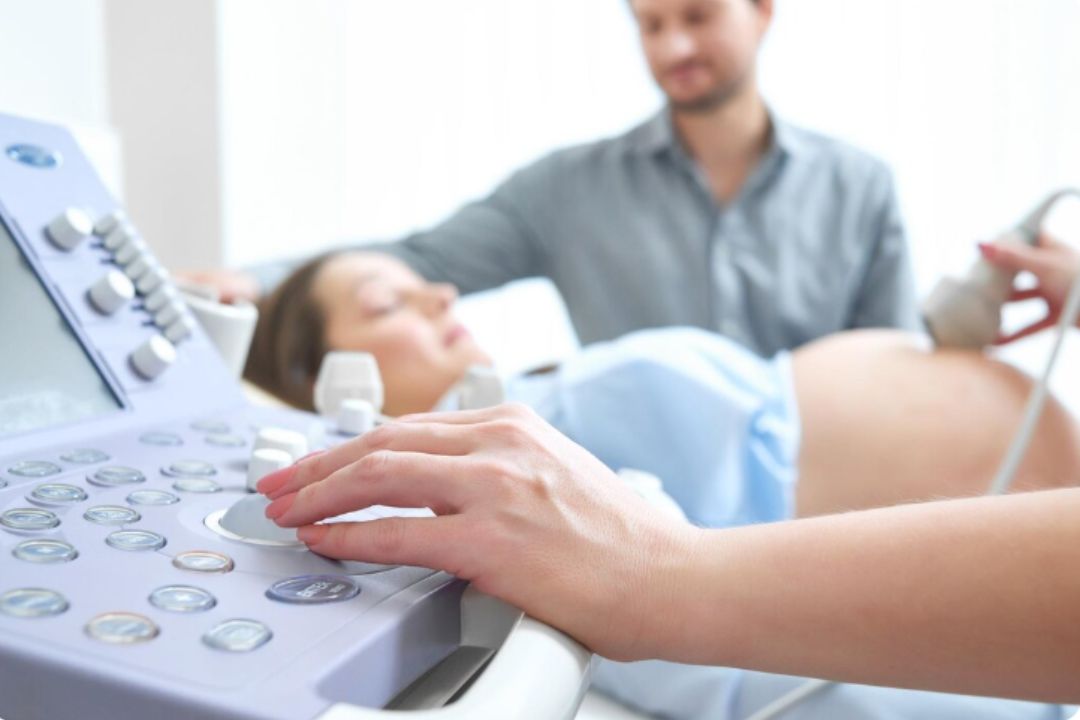

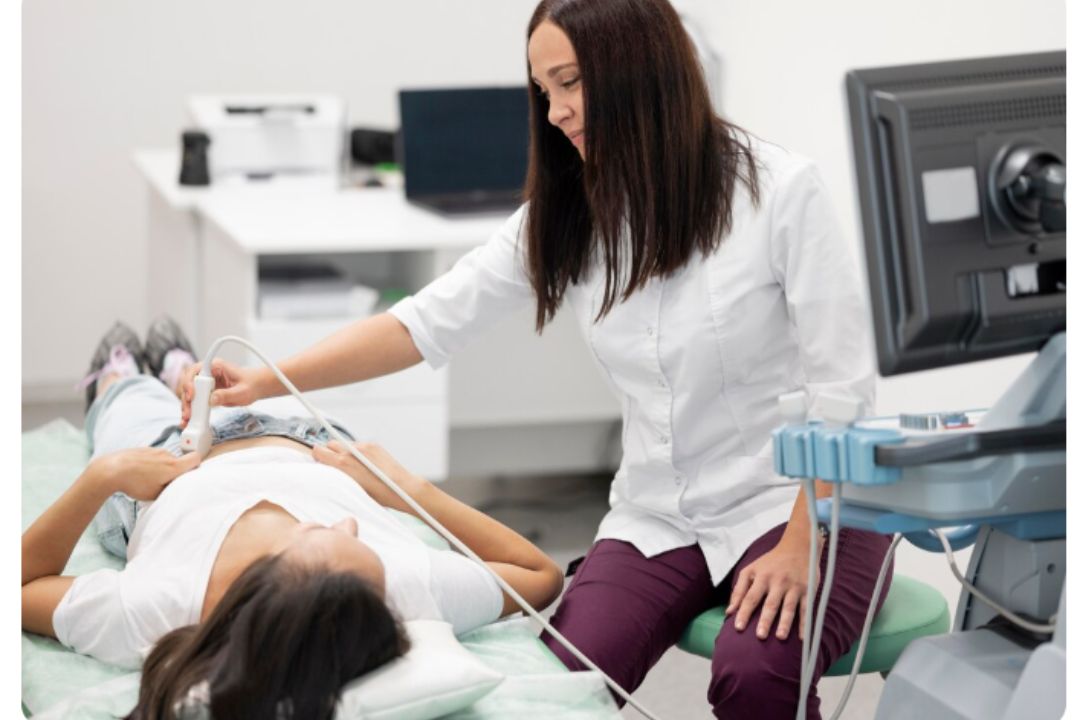

.jpg "ultrasound")


.jpg "ct scan")

.jpg "ultrasound digital sonography")

.jpg "Bilateral Foot Ultrasound")
 How It Supports In-Patient Kidney Care.jpg "USG RENAL DOPPLER(IPD)")
 (1).jpg "Healthy Tips every woman should know")
 (2).jpg "Anomaly Scan & Twin Study")