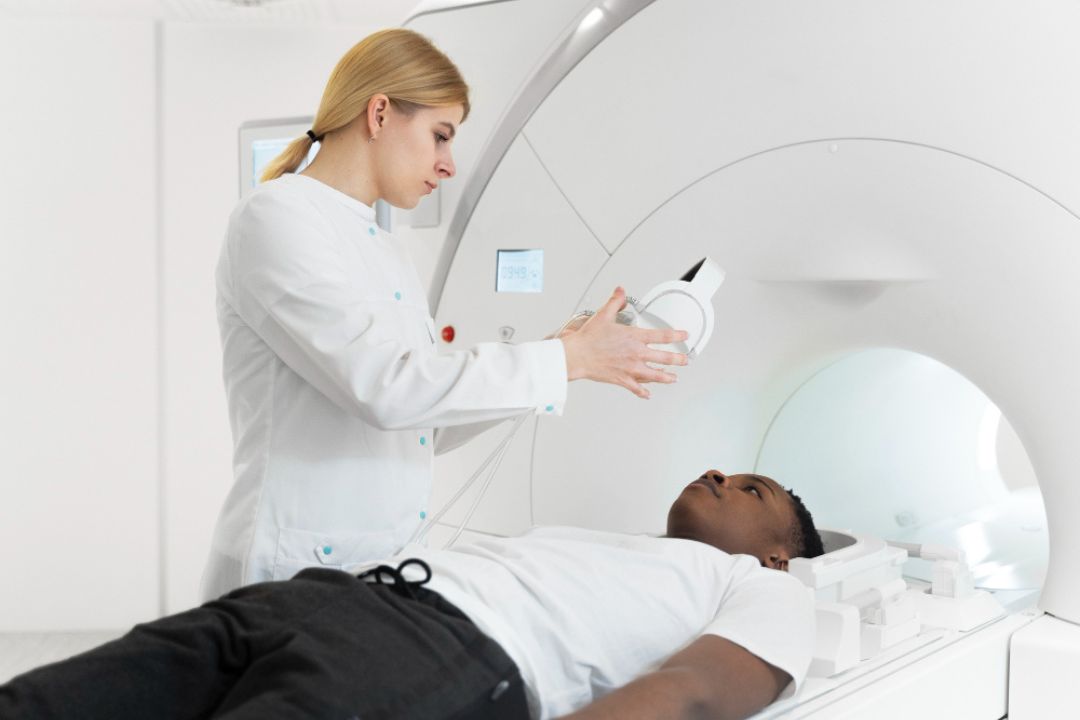
When your doctor recommends an MRI scan, it’s natural to feel a mix of curiosity and anxiety. Surrounded by a cloud of myths and technical jargon, MRI (Magnetic Resonance Imaging) often gets misunderstood. At Diagnopein, we believe informed patients make the best decisions for their health. This guide cuts through the noise, comparing MRI vs CT scan, highlighting benefits, and ensuring you know exactly what to expect for maximum comfort and safety.
Demystifying the MRI: What It Is and How It Works
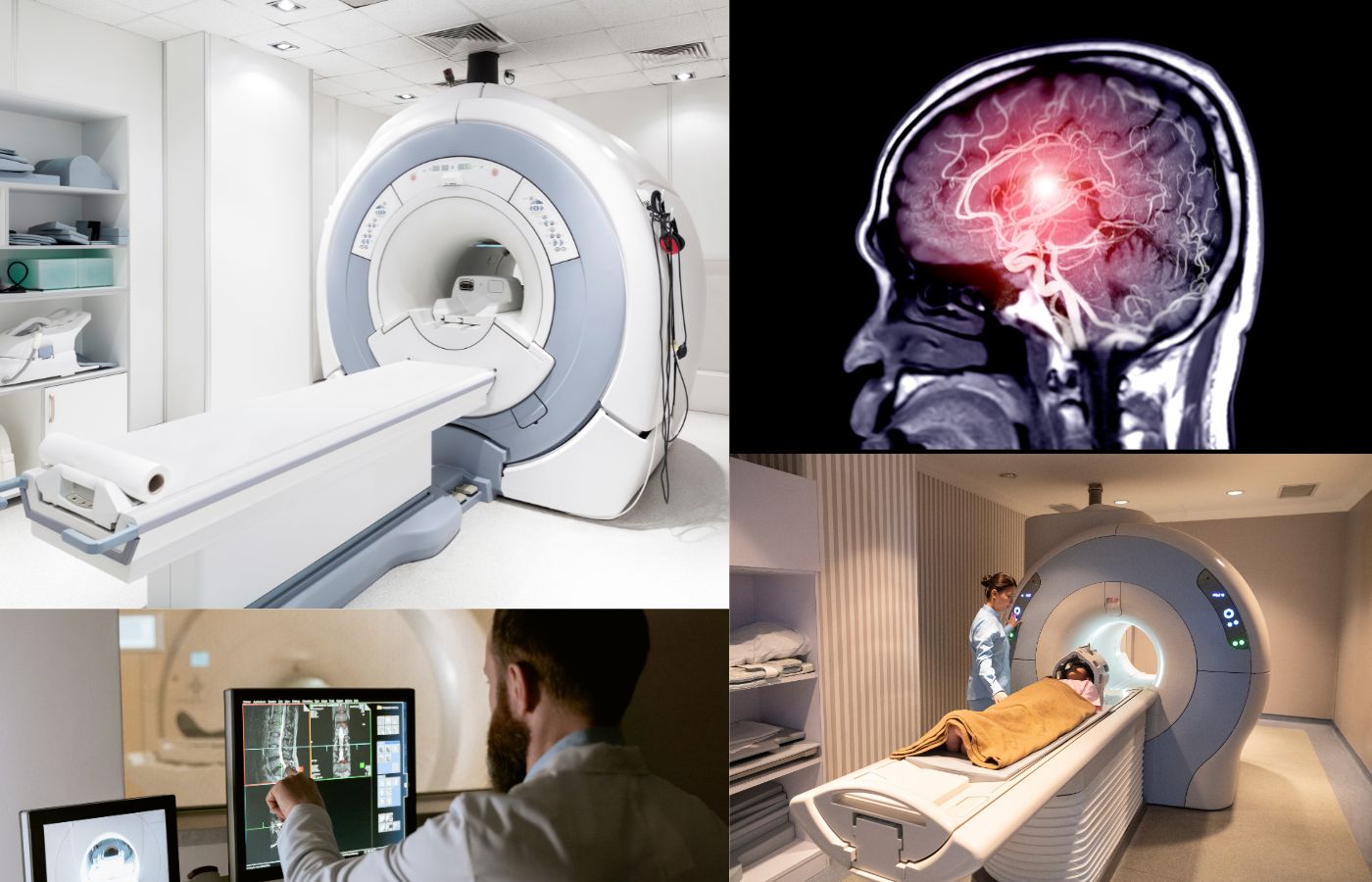
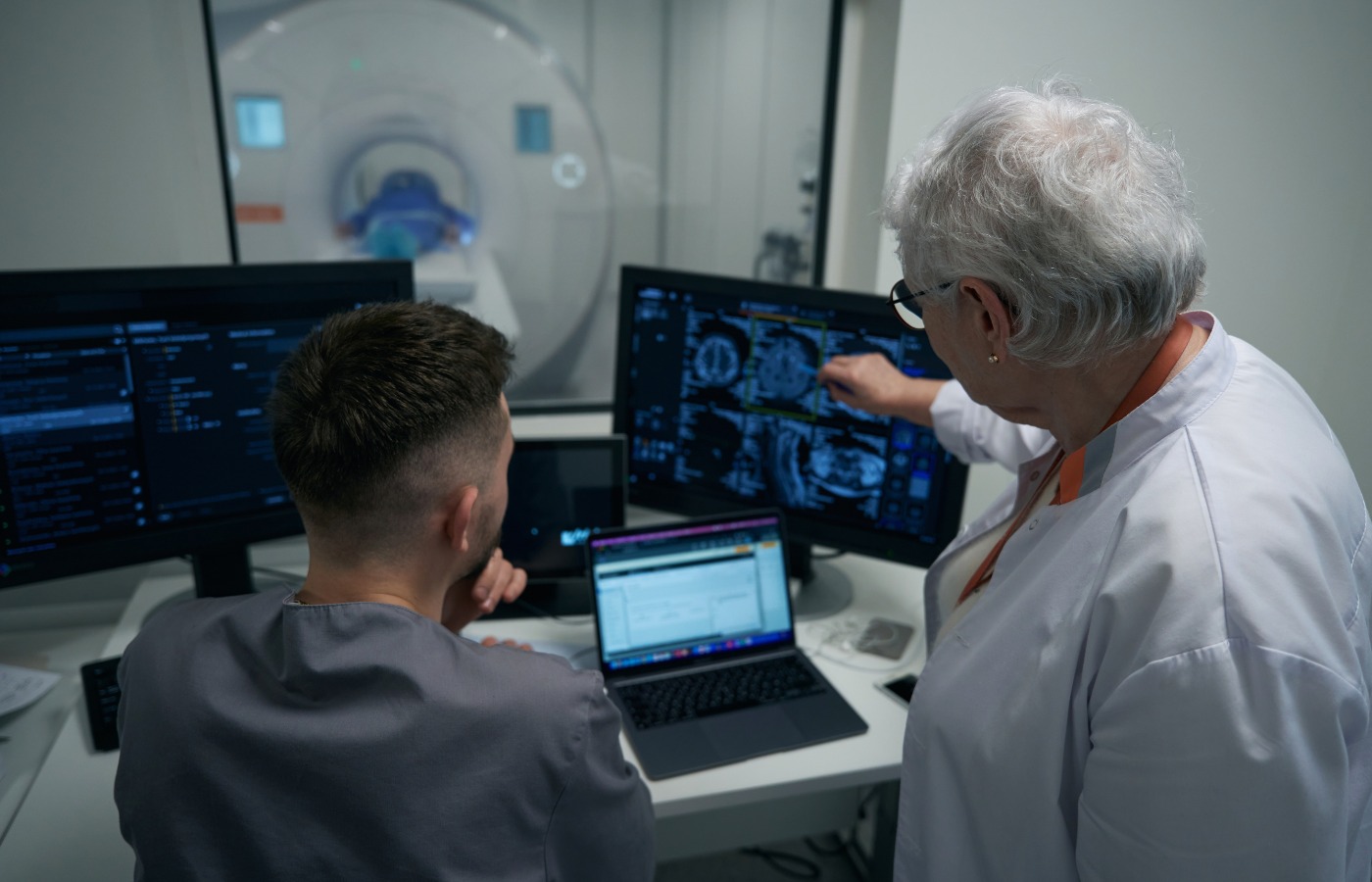
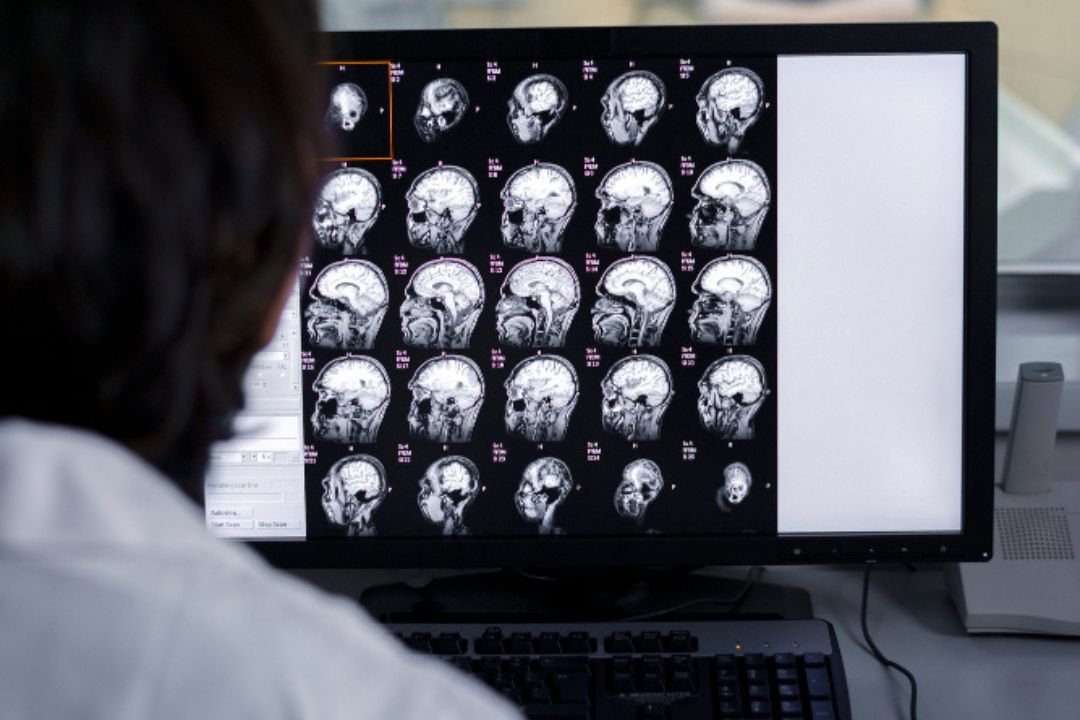
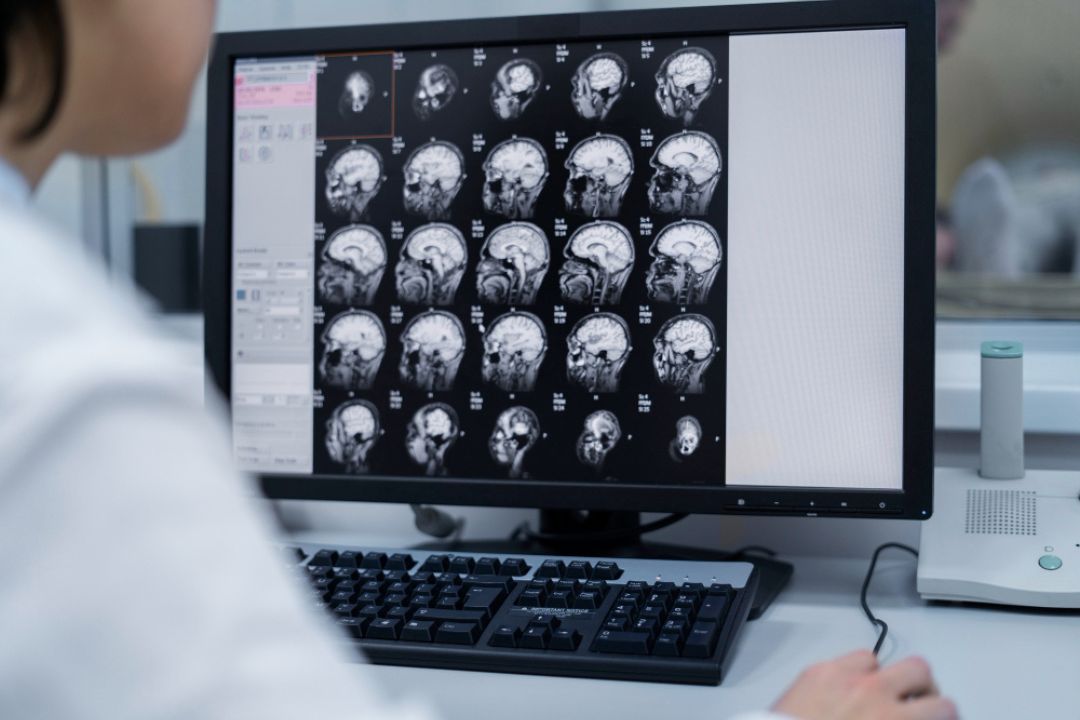
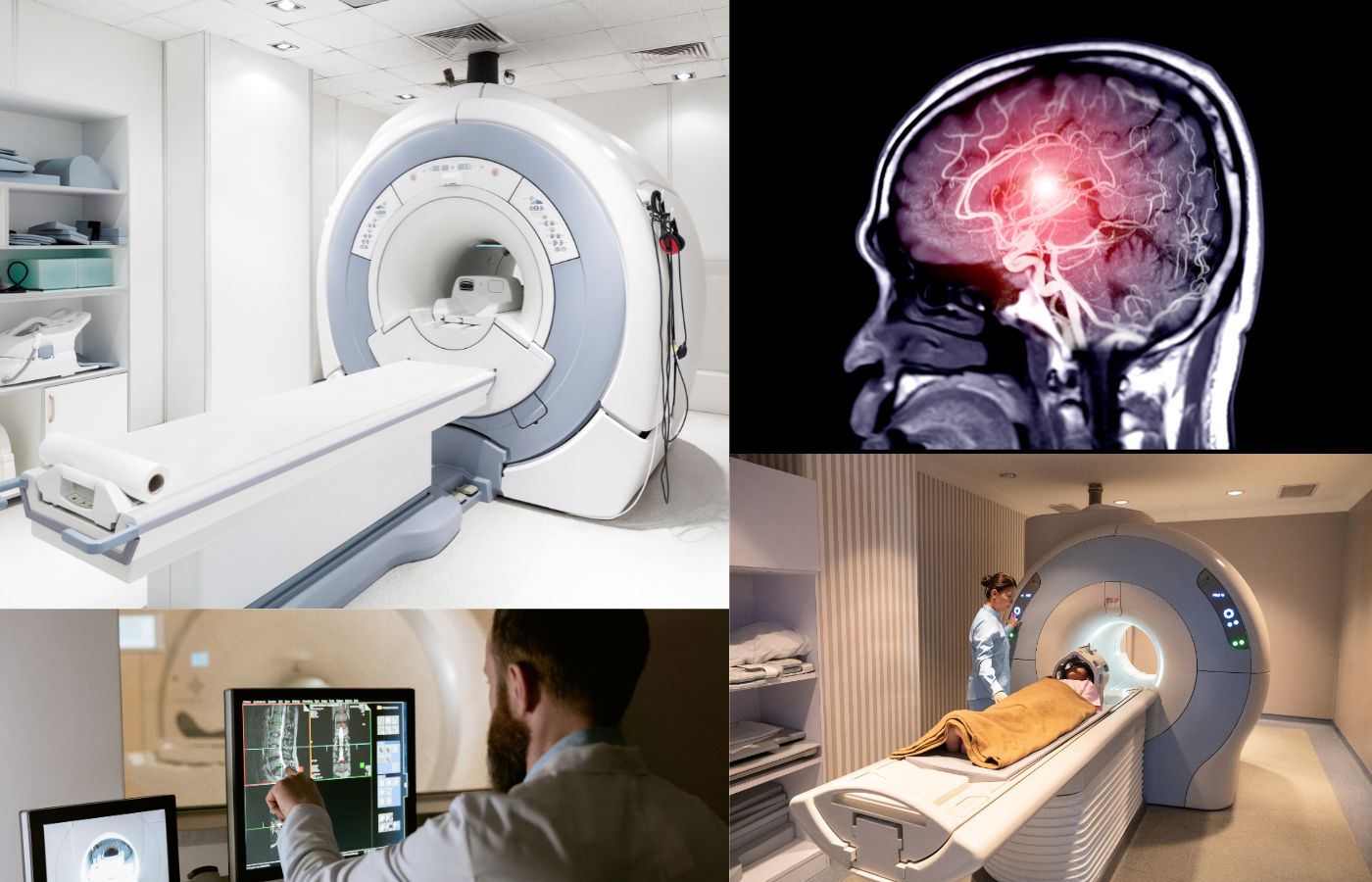
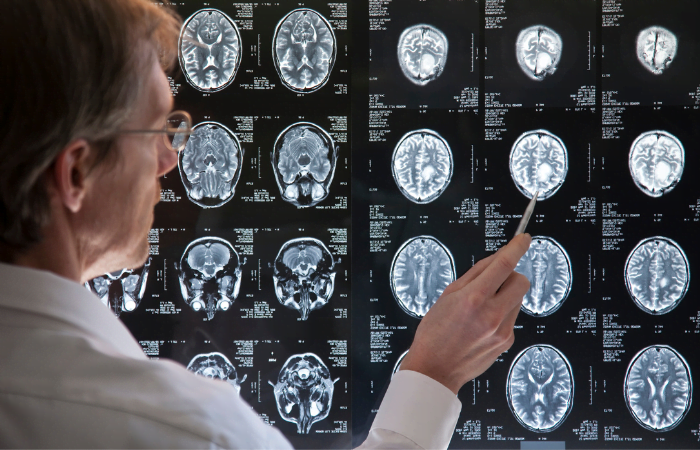
An MRI scan is a powerful, non-invasive diagnostic tool that uses strong magnetic fields and radio waves—not X-rays—to create incredibly detailed images of your organs, bones, and soft tissues. Think of it as a highly advanced camera that can photograph slices of your body in any direction, revealing what’s happening beneath the surface.
A common point of confusion is CT scan vs MRI. While both provide vital internal views, they work differently:
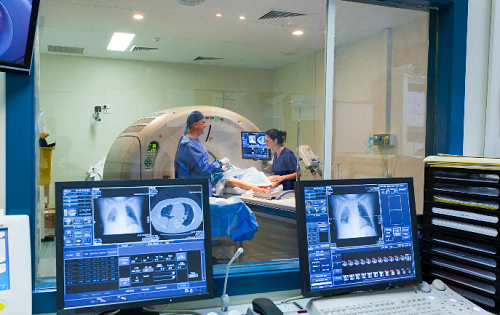
CT Scan (CAT Scan): Uses rotating X-rays to create cross-sectional images. It’s exceptionally fast and excellent for viewing bones, detecting bleeding, and diagnosing lung and chest issues.
MRI Scan: Uses magnetic fields. It excels at visualizing soft tissues like the brain, spinal cord, muscles, ligaments, and tendons with unparalleled detail.
Why Choose an MRI? The Unmatched Benefits
Understanding the benefits of an MRI scan can alleviate much of the apprehension surrounding the procedure.
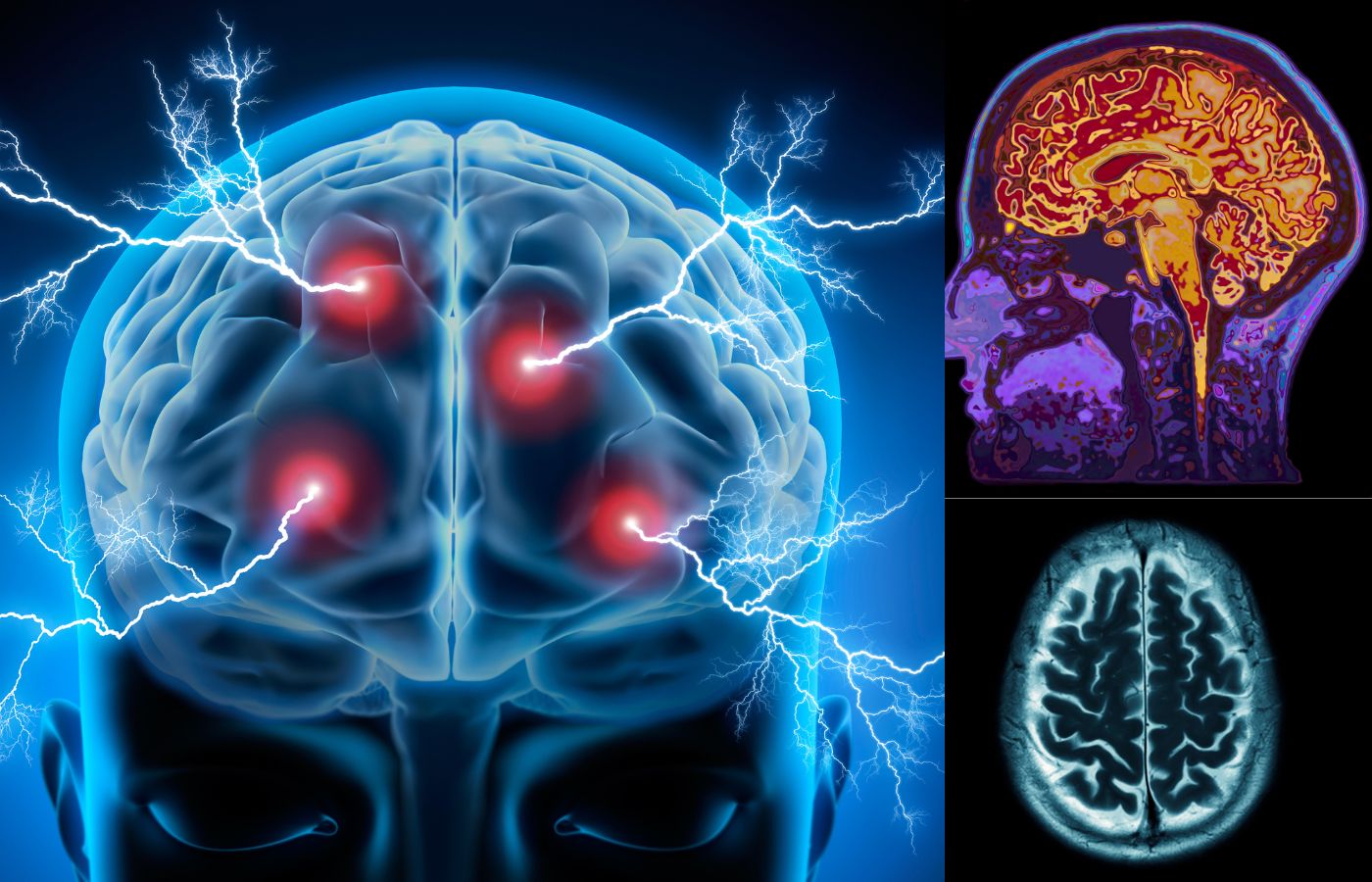
Exceptional Soft Tissue Detail: This is the superstar benefit. For diagnosing conditions like brain tumors, spinal cord injuries, ligament tears, joint disorders, and strokes, an MRI scan and its high-resolution images are often the gold standard.
No Ionizing Radiation: Unlike CT scans and X-rays, MRI does not use ionizing radiation. This makes it a safer option for repeated scans or for sensitive populations when medically justified.
Multi-Planar Imaging: An MRI can produce images from any angle without moving the patient, giving clinicians a comprehensive, 3D-like view of the area of concern.
CT Scan vs MRI: A Quick Comparison for Clarity
| Feature | MRI Scan | CT Scan |
|---|---|---|
| Technology | Magnetic Fields & Radio Waves | X-Ray Radiation |
| Best For | Soft Tissues (brain, discs, muscles, ligaments) | Bones, Lungs, Chest, Acute Bleeding |
| Speed | Slower (30-60 minutes) | Very Fast (5-10 minutes) |
| Radiation | None | Yes |
| Noise Level | Loud (tapping/buzzing sounds) | Quiet |
| Patient Comfort | Enclosed space; requires stillness | More open; quicker |
Your Comfort, Our Priority: What to Expect During the Scan
The prospect of an MRI can be daunting, but knowing what happens dispels fear.
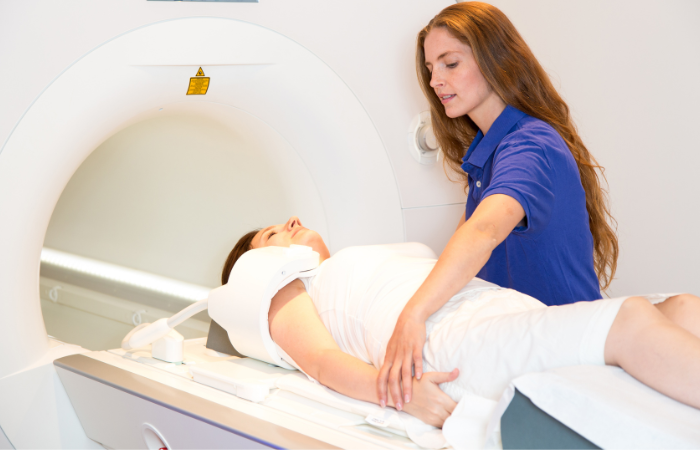
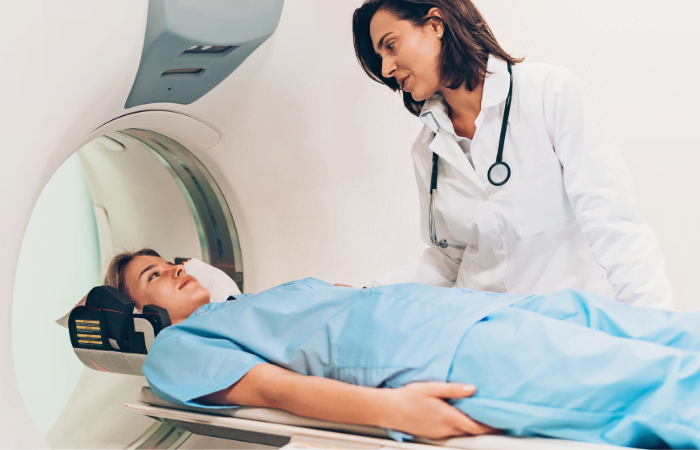
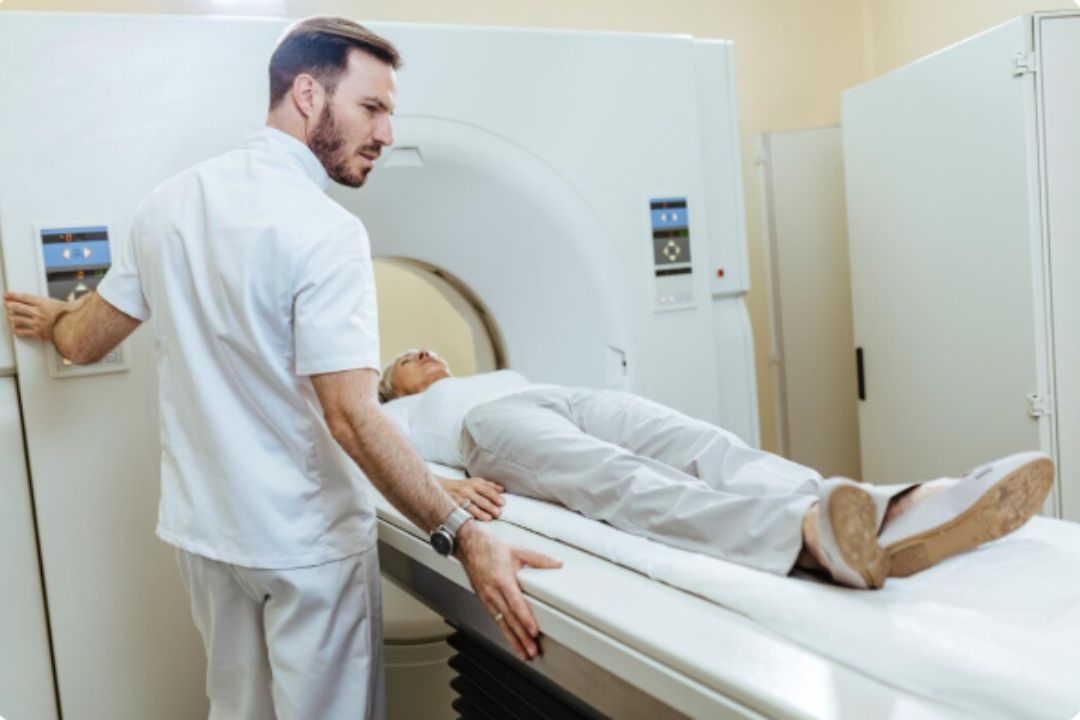
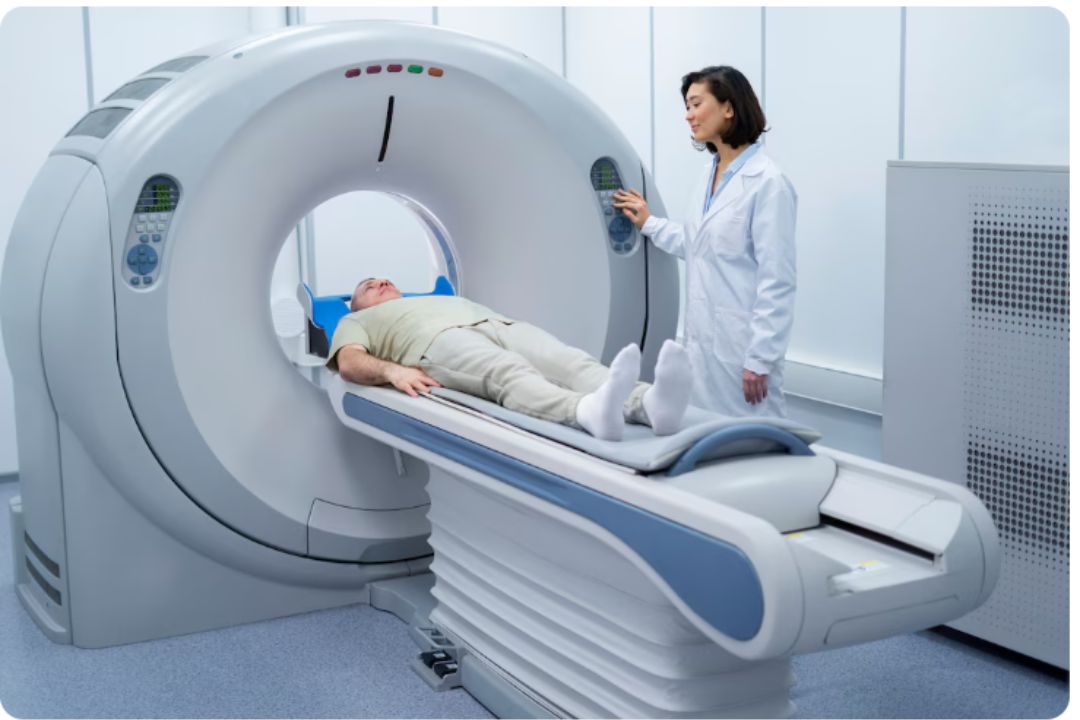
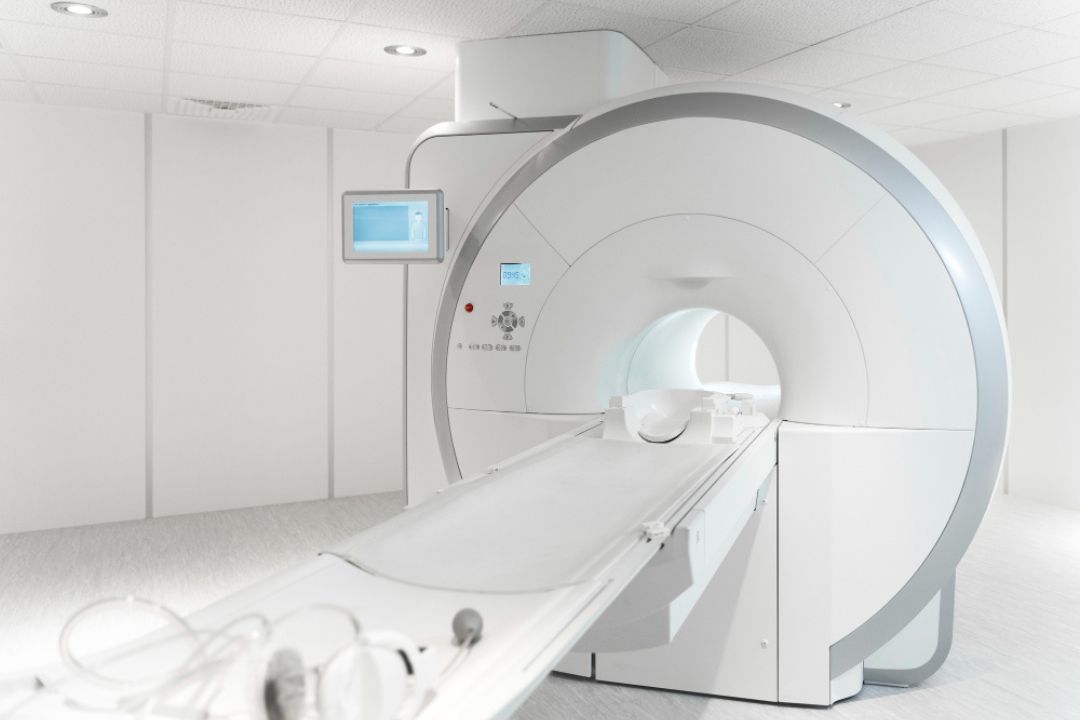
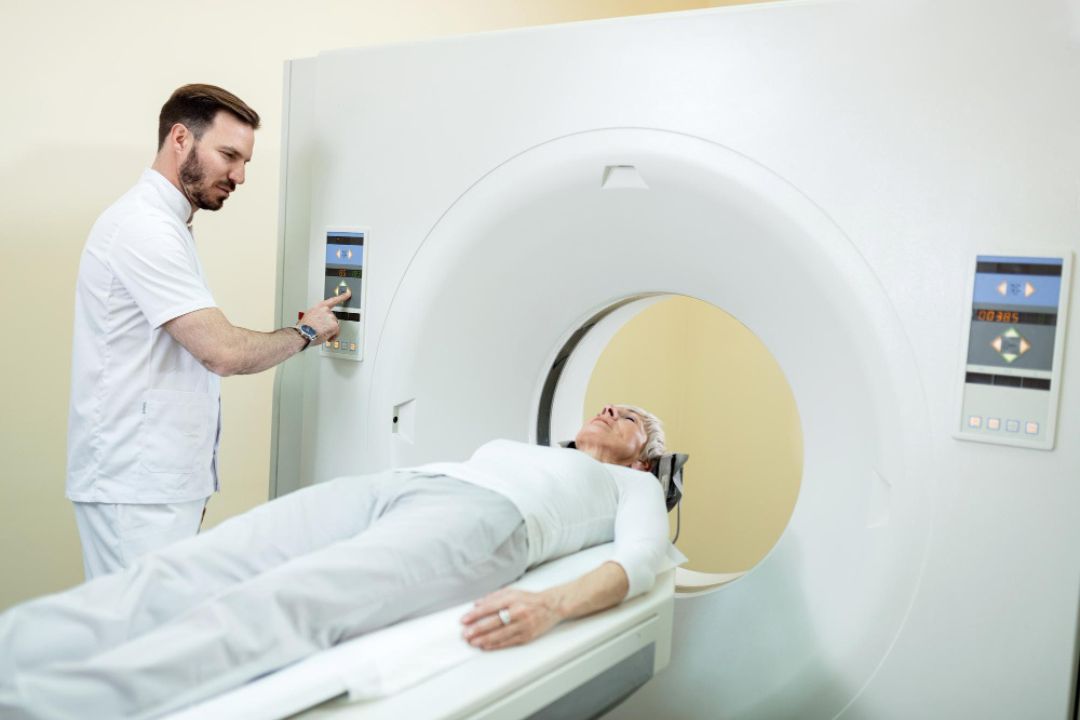
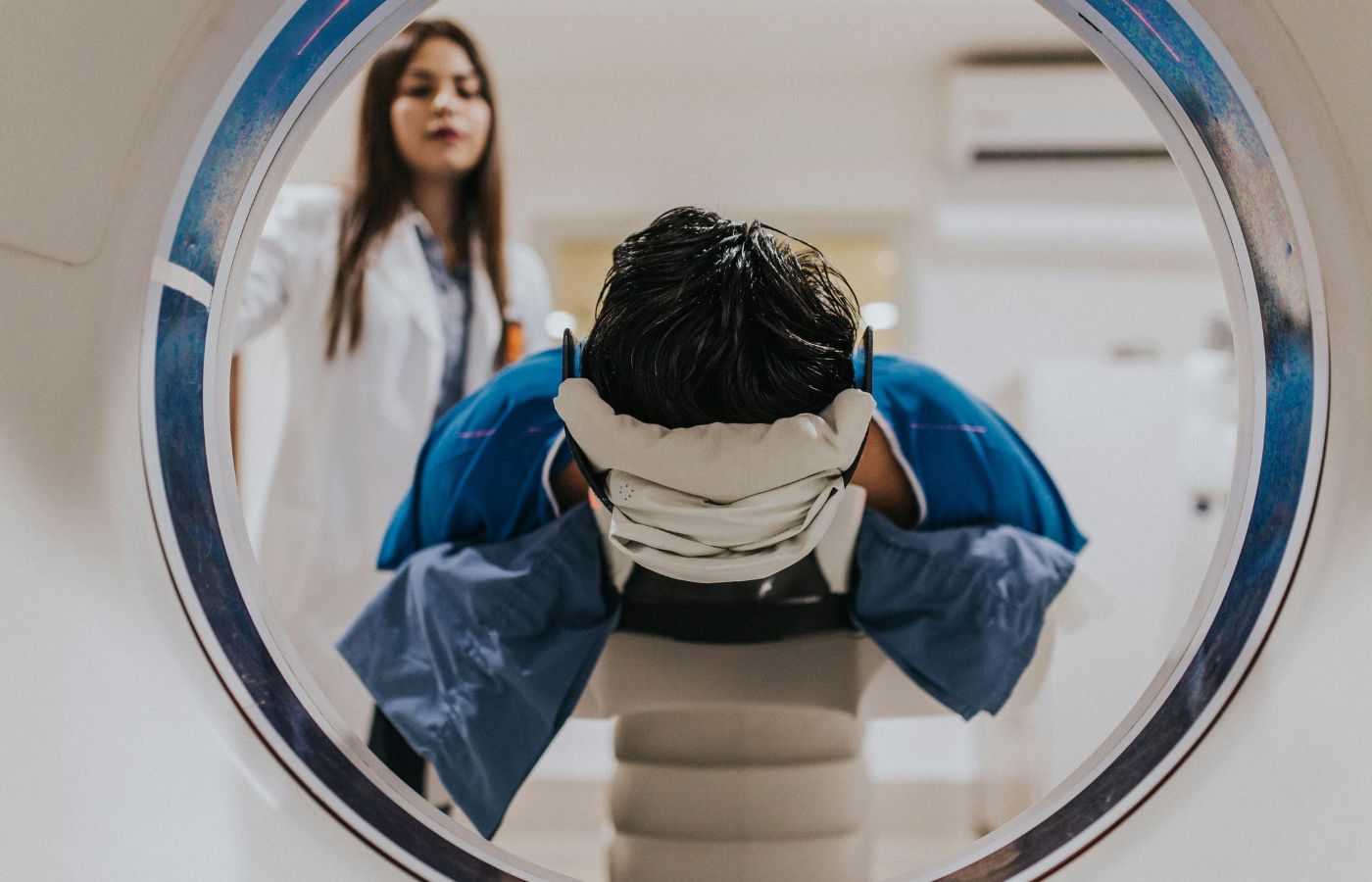
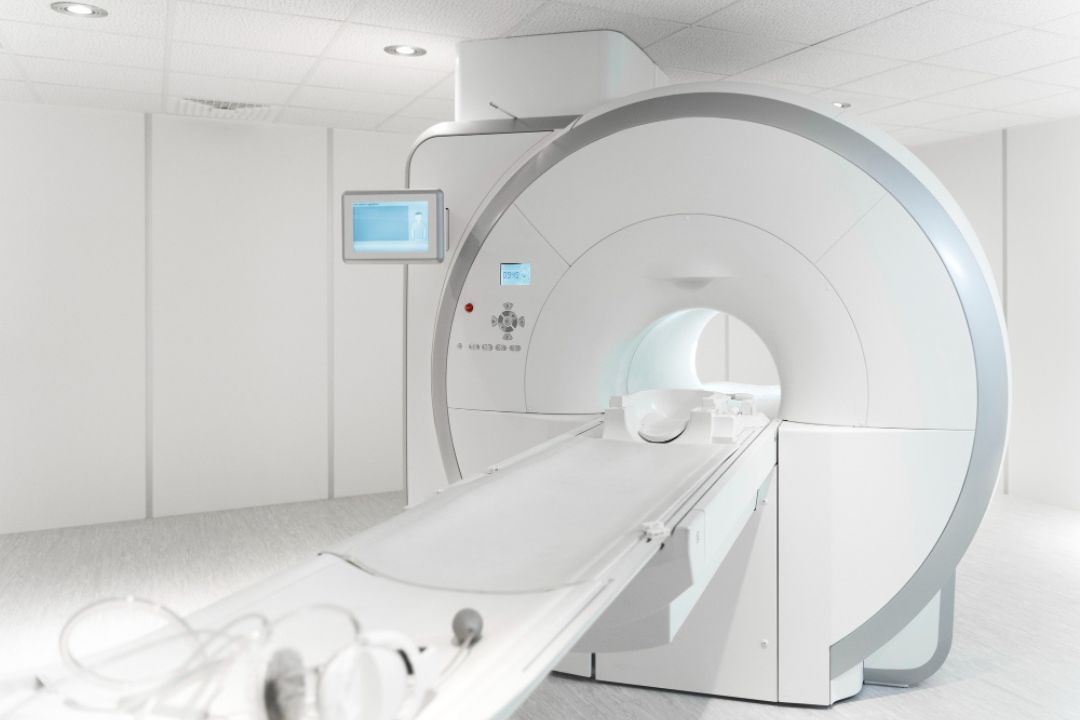
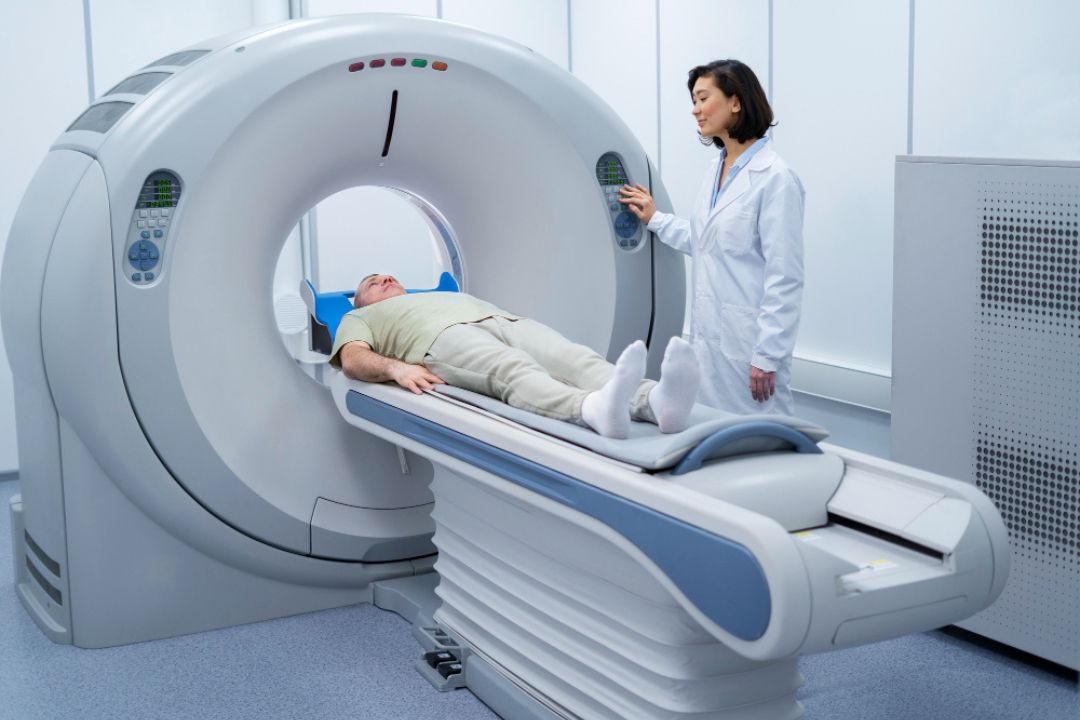
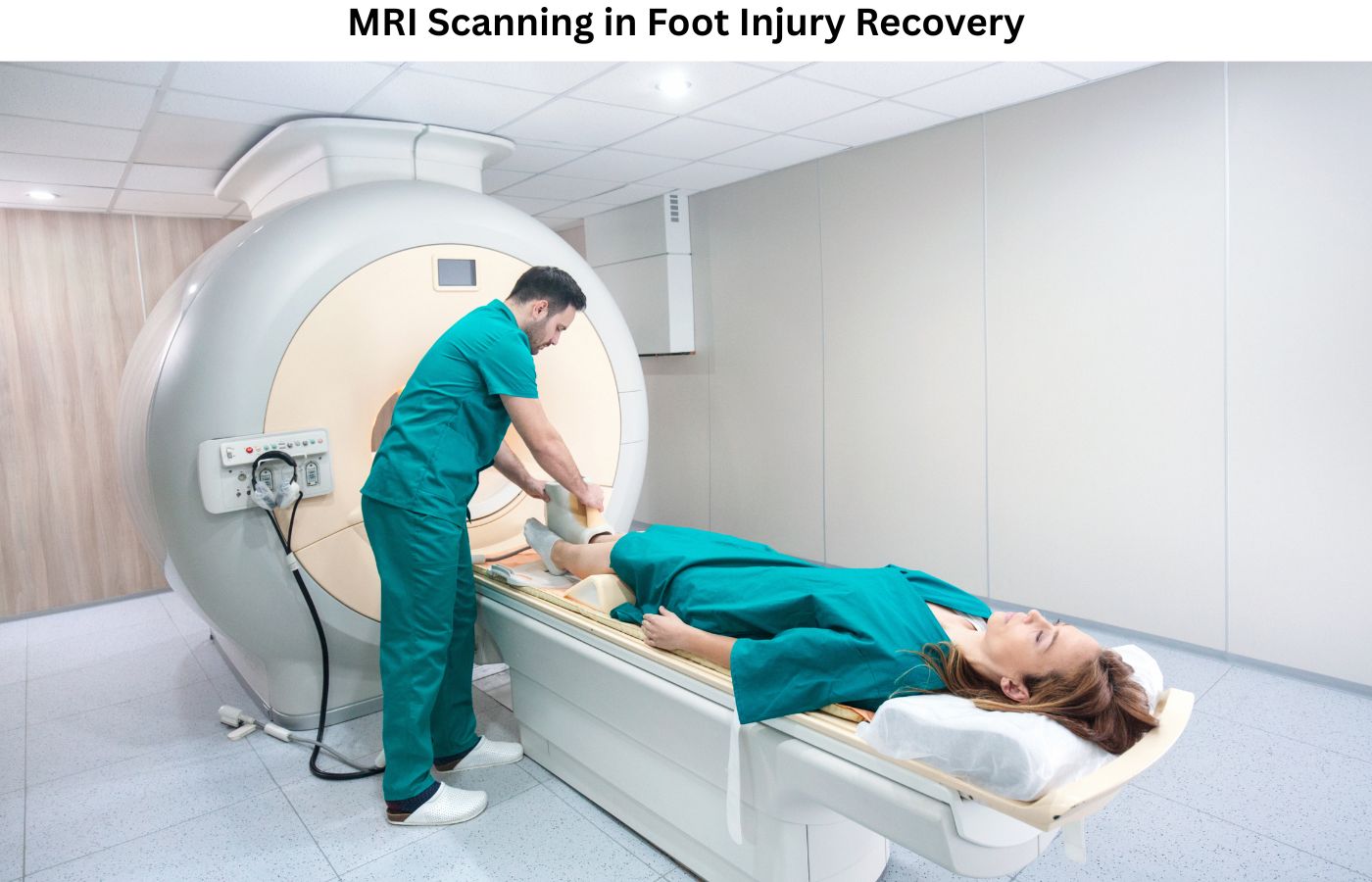
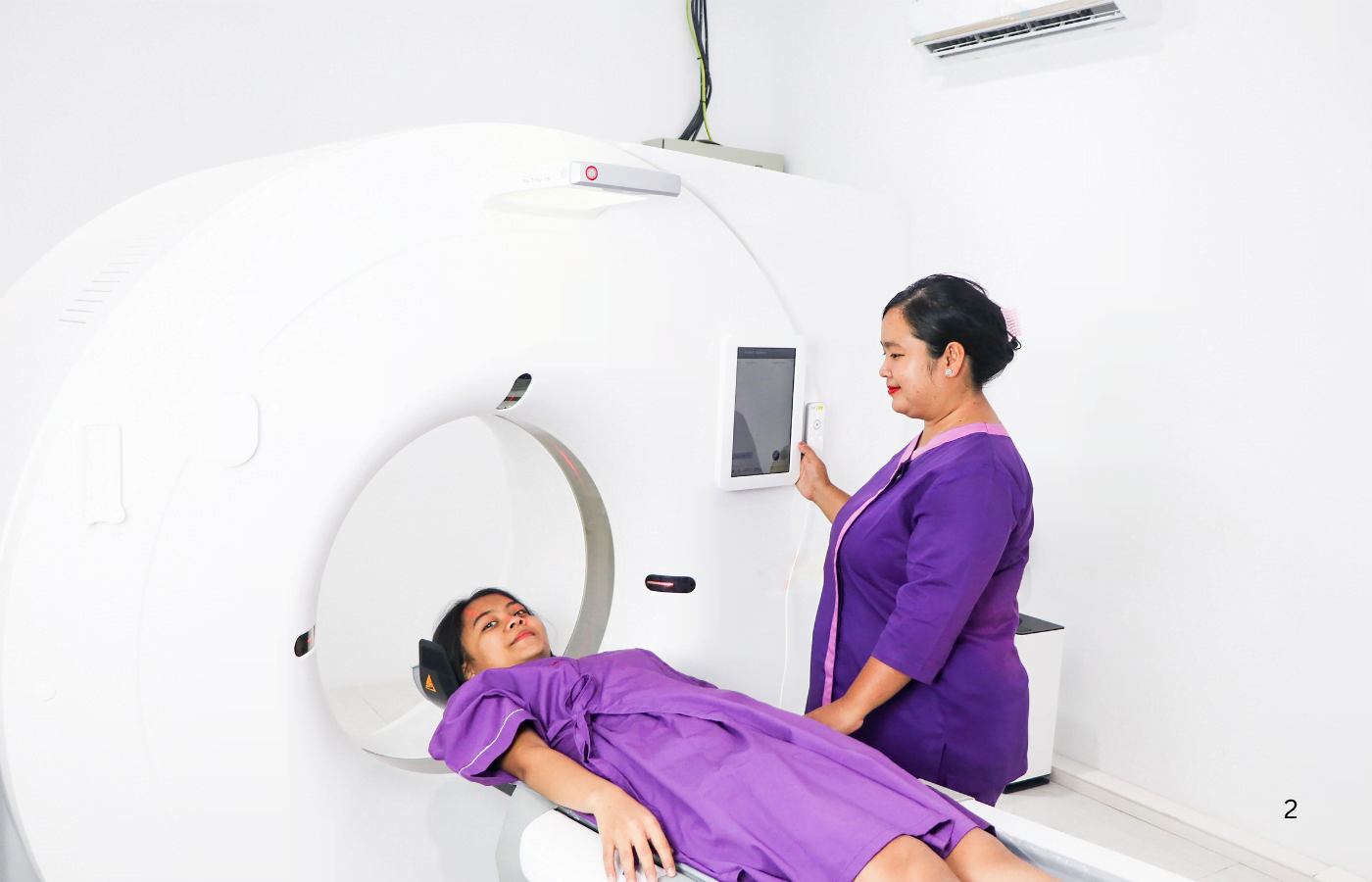
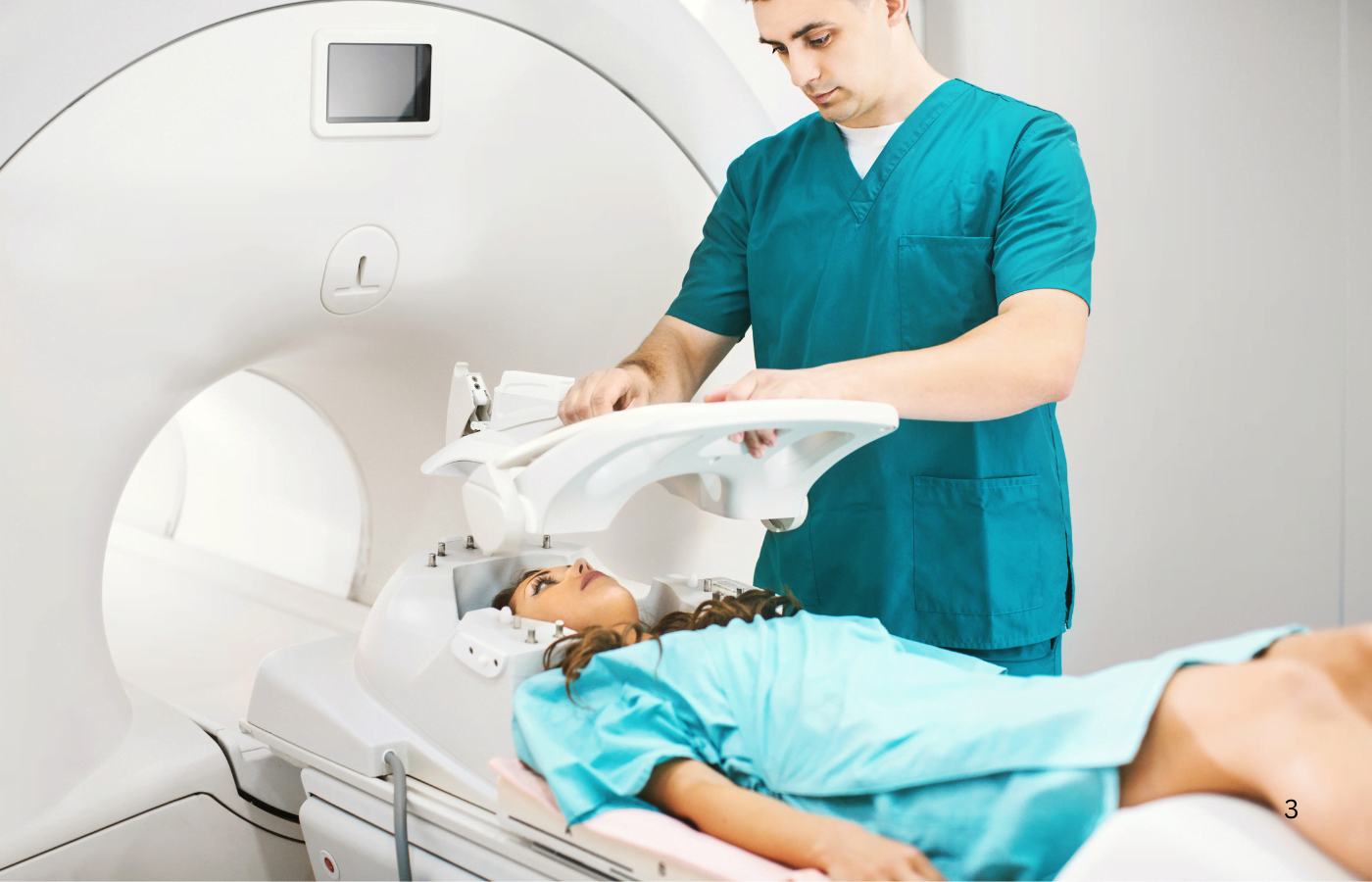
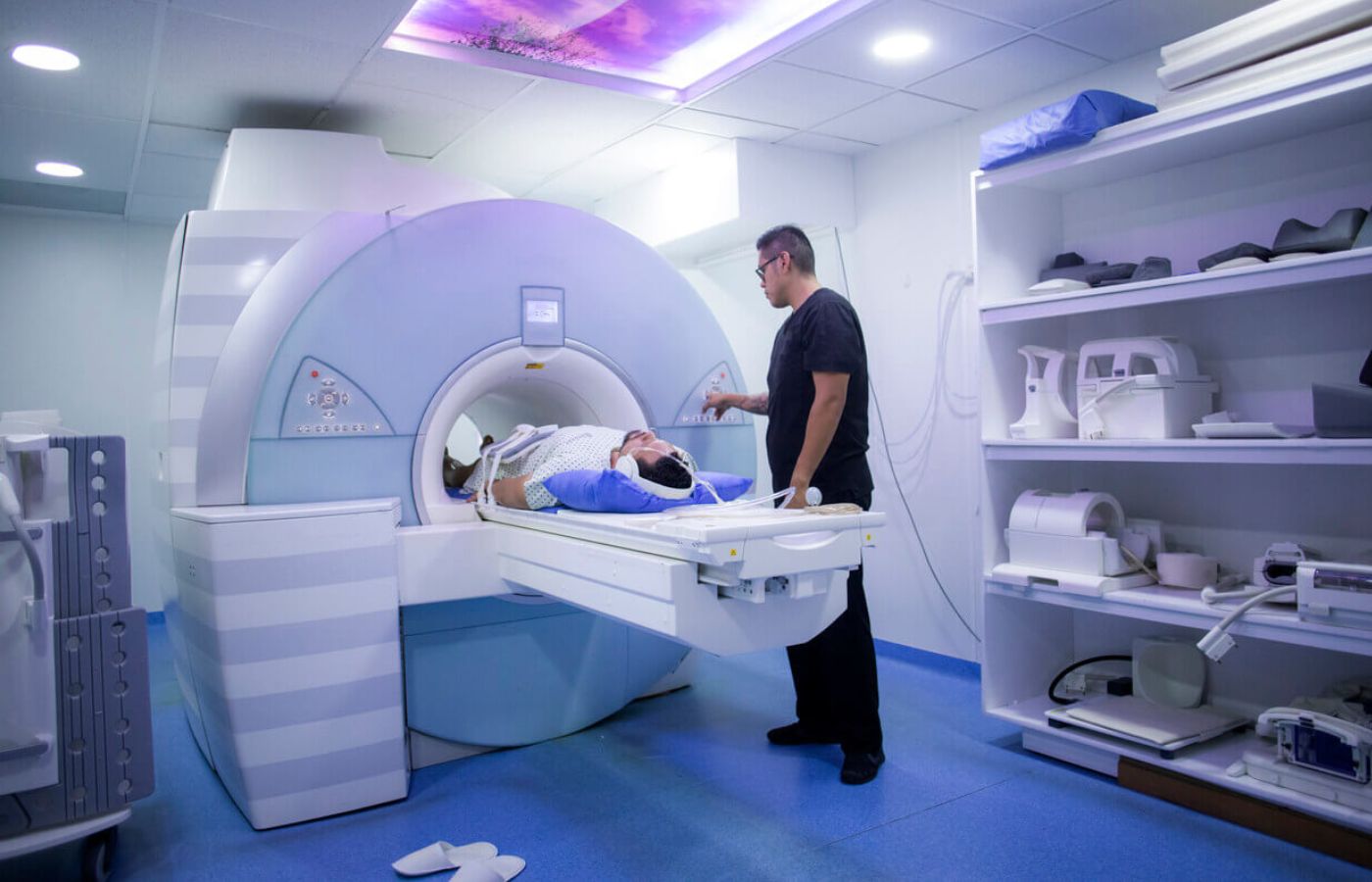
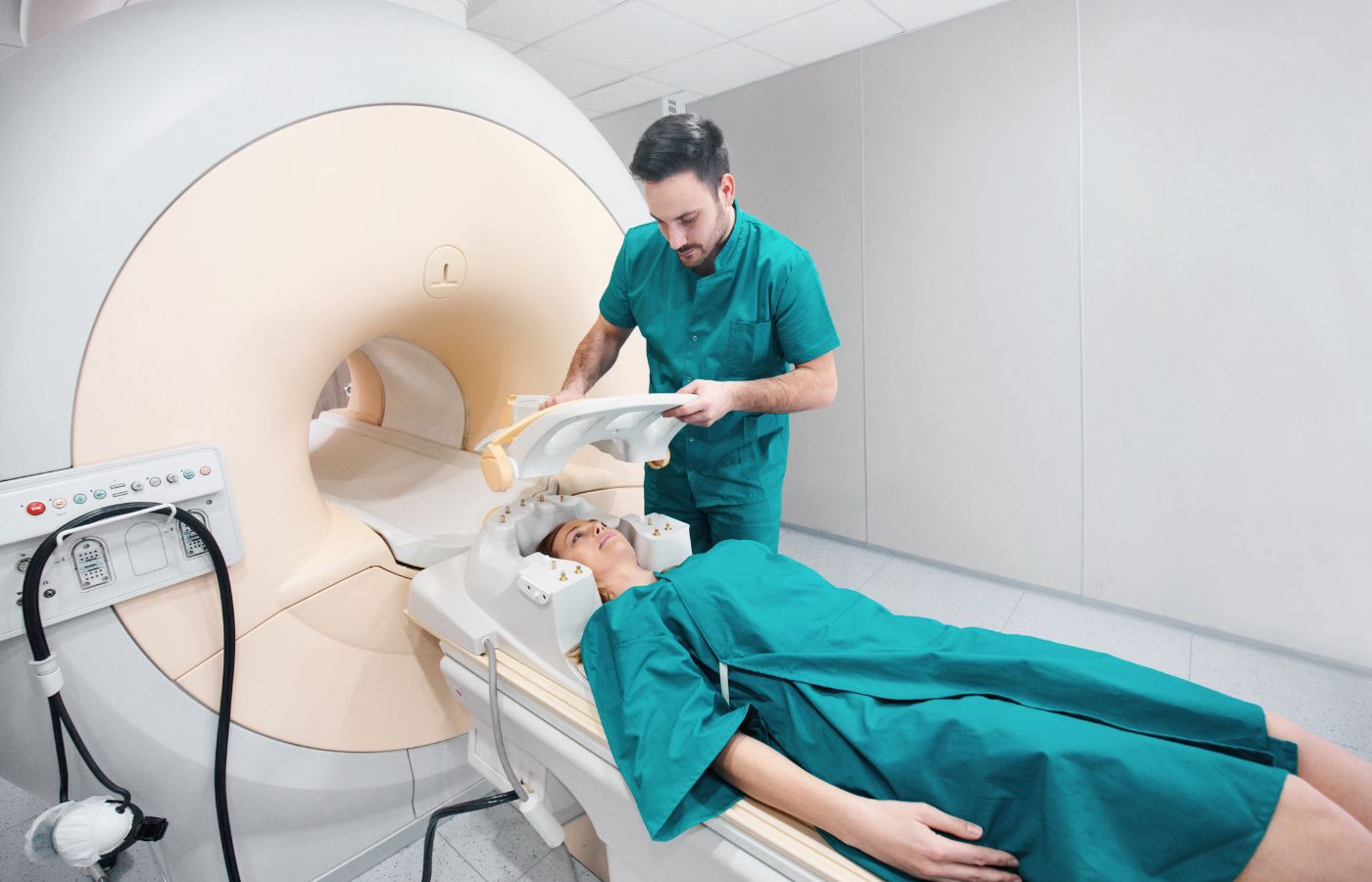
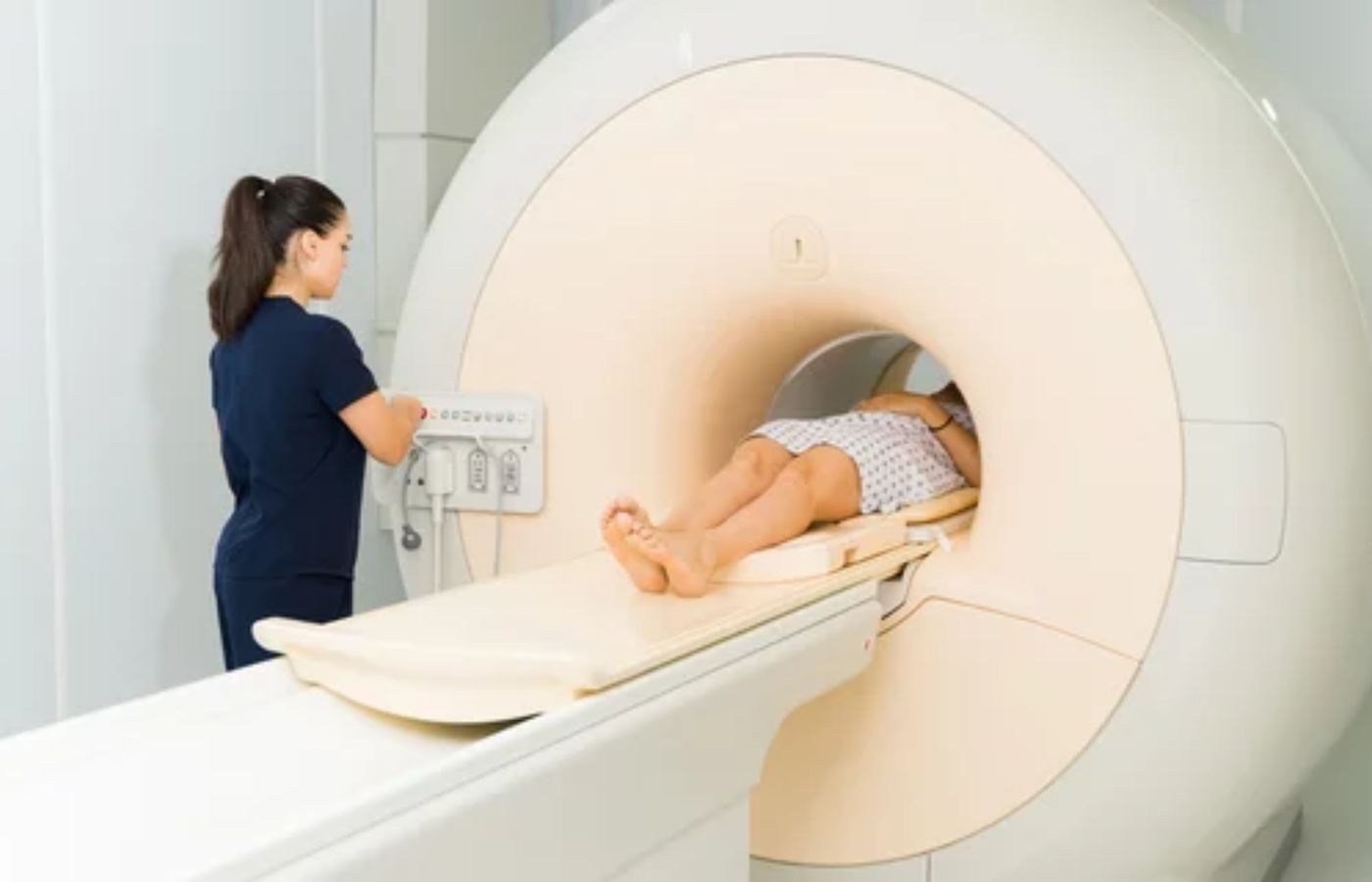
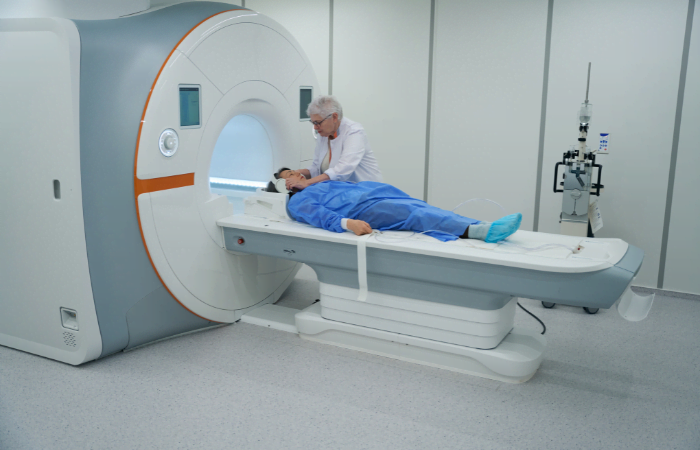
The Environment: You’ll lie on a padded table that slides into a tunnel-like scanner. Diagnopein and many modern centers now offer "open MRI" machines for patients with claustrophobia, featuring more open sides.
The Process: You must remain very still for image clarity. The machine makes loud knocking sounds—you’ll be given earplugs or headphones. You can often listen to music.
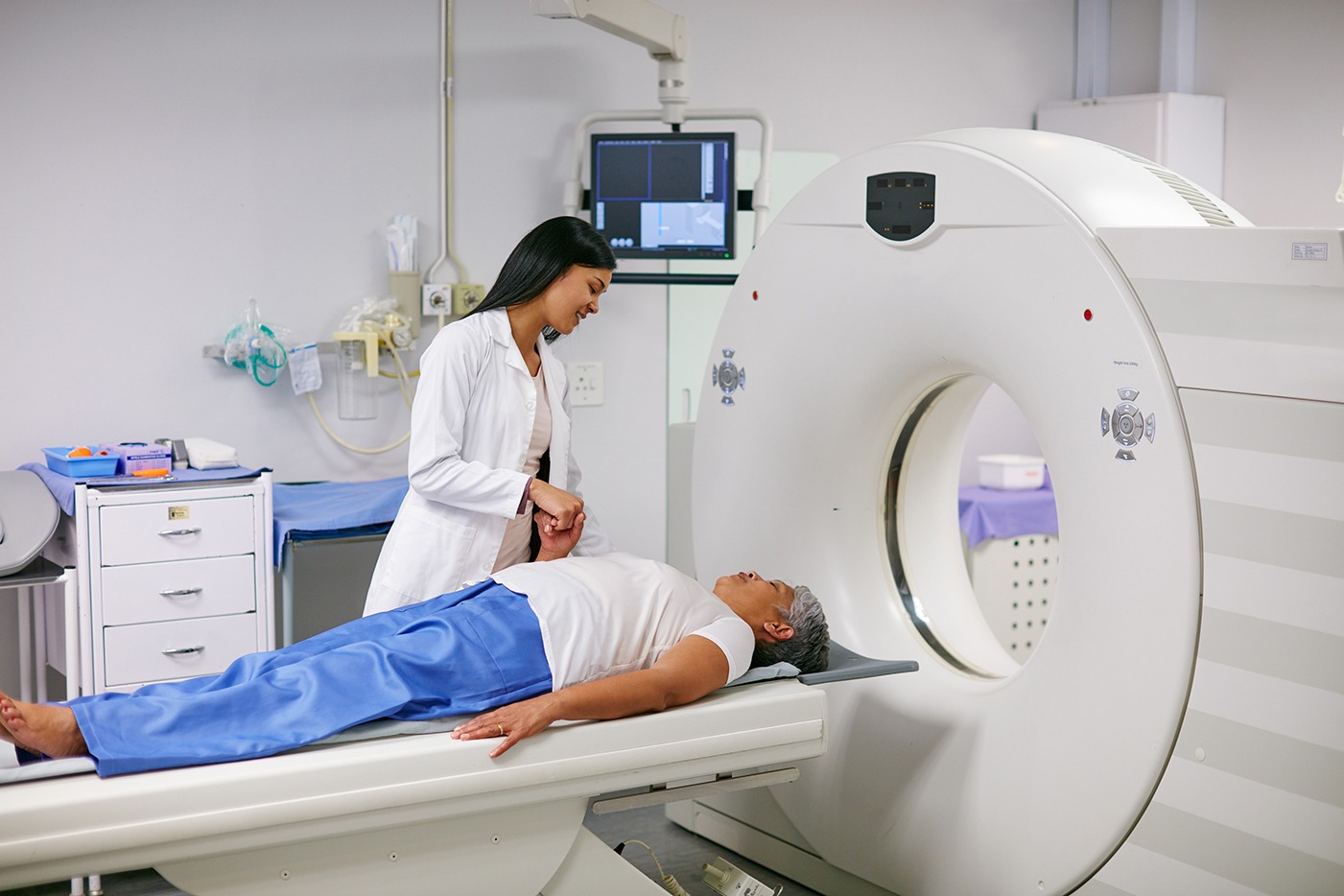
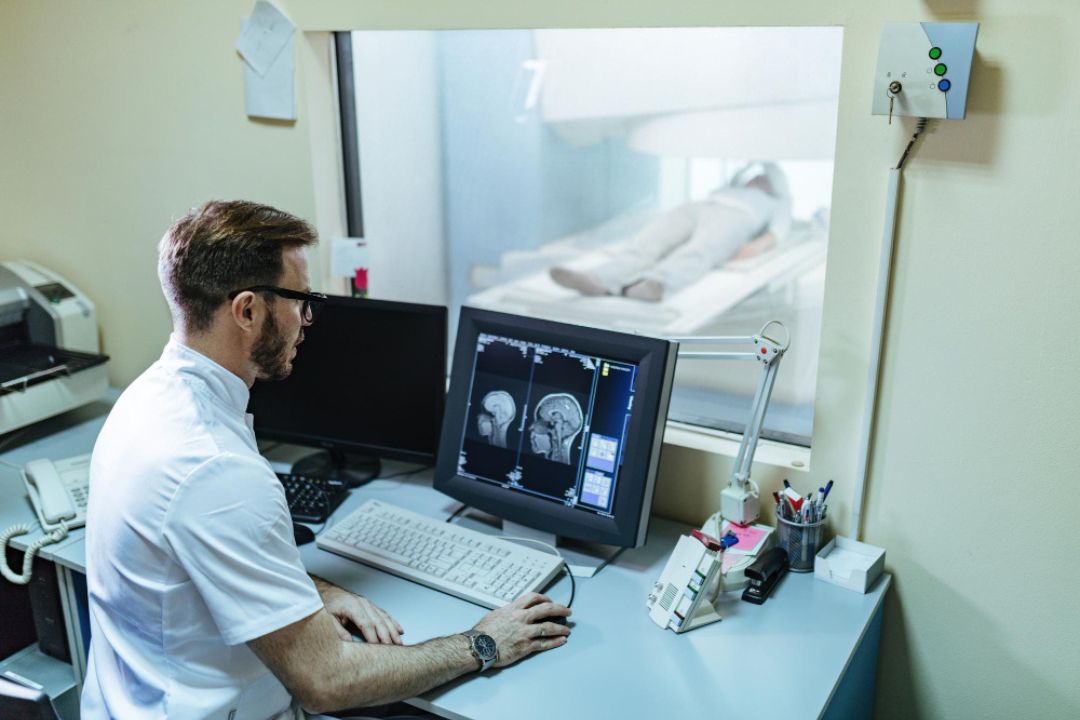
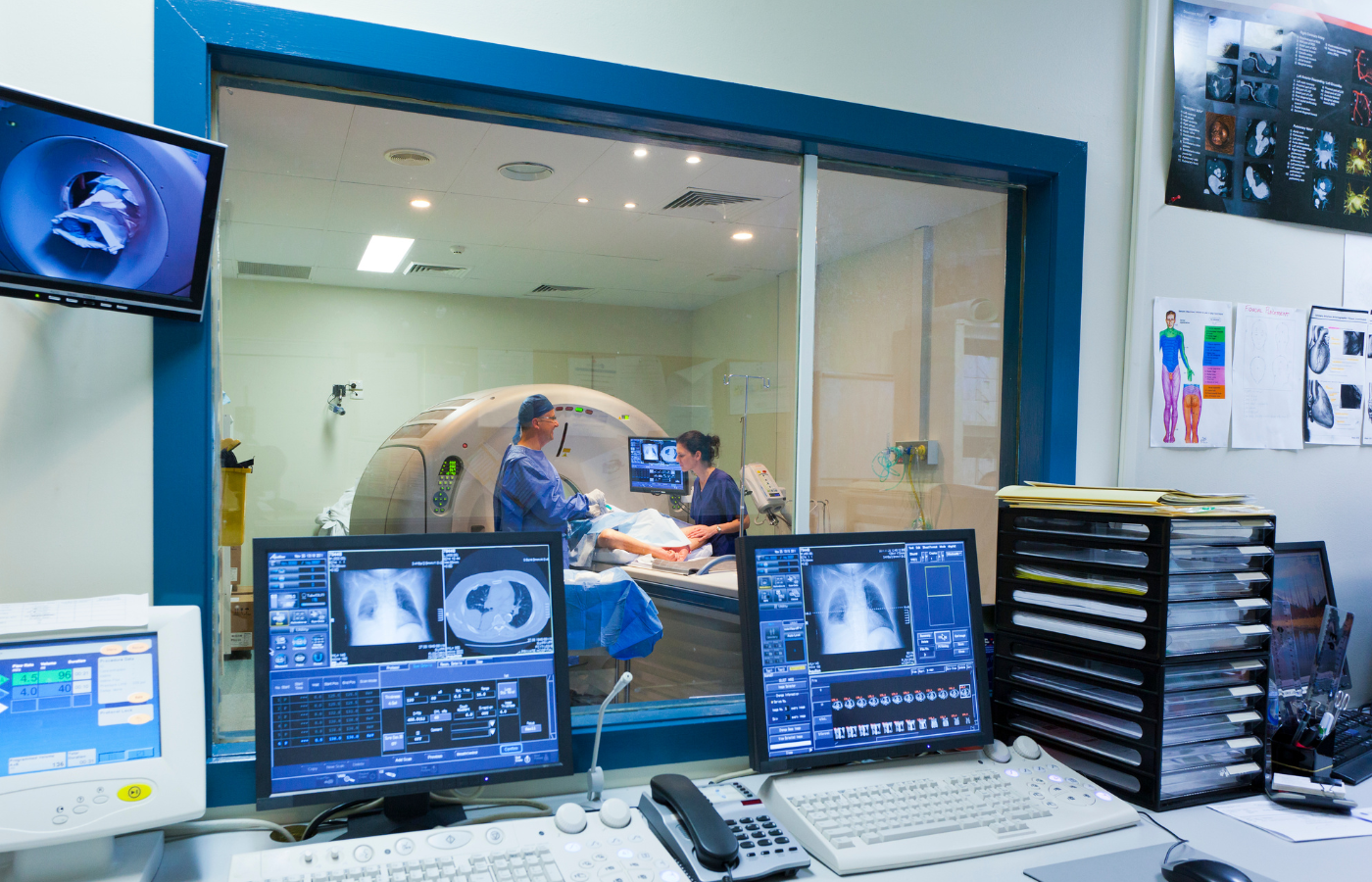
Safety First: The powerful magnet means you must remove all metal. Always inform your technician about any implants, pacemakers, or metal in your body. The technologist monitors you throughout, and you have a call button.
Conclusion: Empowered Decisions with Diagnopein
Navigating the world of diagnostic imaging doesn’t have to be intimidating. The MRI scan is a safe, painless, and profoundly insightful procedure that has revolutionized modern medicine. The key is understanding its role, especially when compared to a CT scan, and knowing that your comfort and safety are integral to the process.












.jpg "mri scan")

.jpg "mri angiography")
.jpg "MRI Cholecysto Pancreatography")
.jpg "MRI Angiography Done")


.jpg "Mri scan for thigh")

 (1).jpg "MRI Scan for Hip Pain")


.jpg "OBS (Obstetric) Colour Doppler")




.png "Why You Need MRI ORBIT")