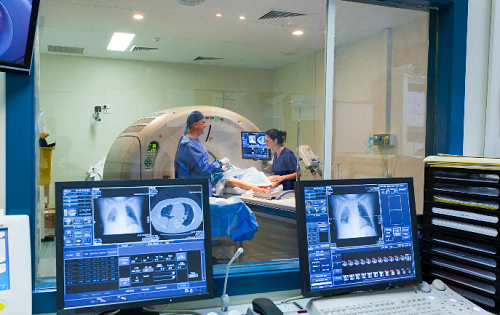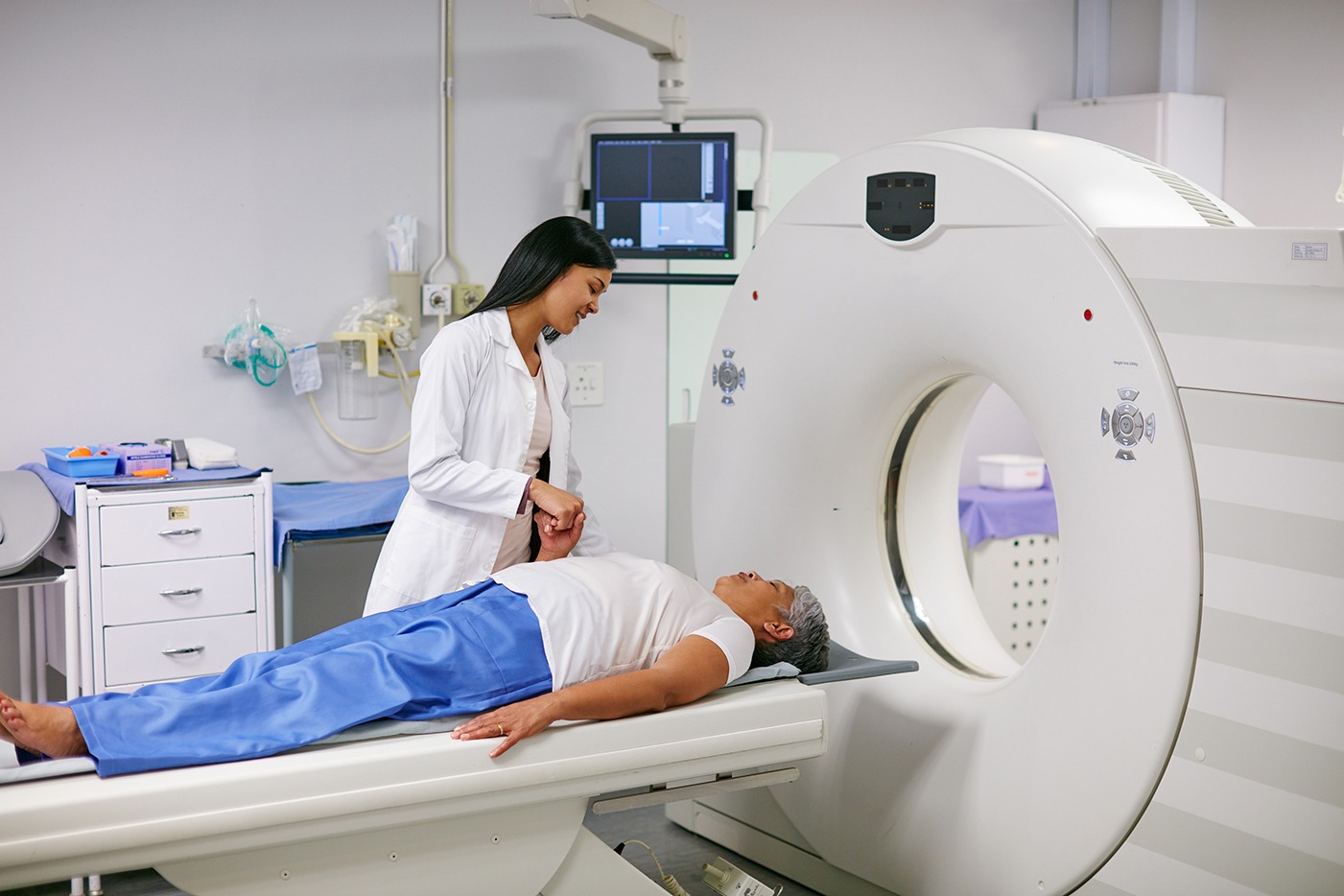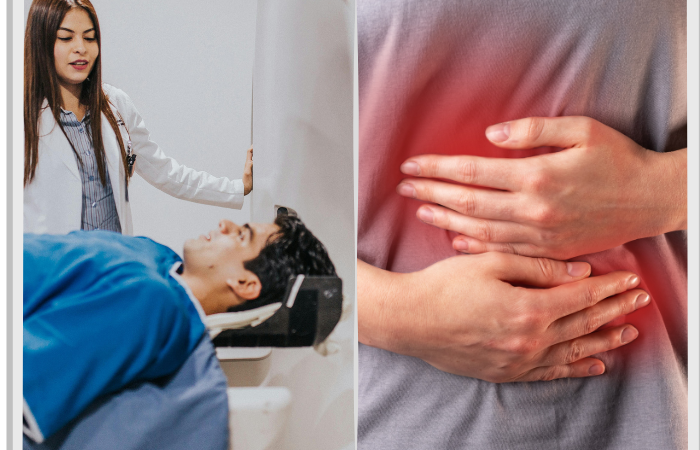
Gastrointestinal (GI) diseases can cause discomfort, pain, and severe health complications if not diagnosed early. One of the most advanced and non-invasive diagnostic tools available today is the MRI scan. It provides detailed images of the digestive system, helping doctors detect and diagnose stomach and intestinal disorders with high precision. If you are searching for an MRI scan near me, this blog will guide you through the benefits, process, and importance of MRI scans for gastrology-related conditions.
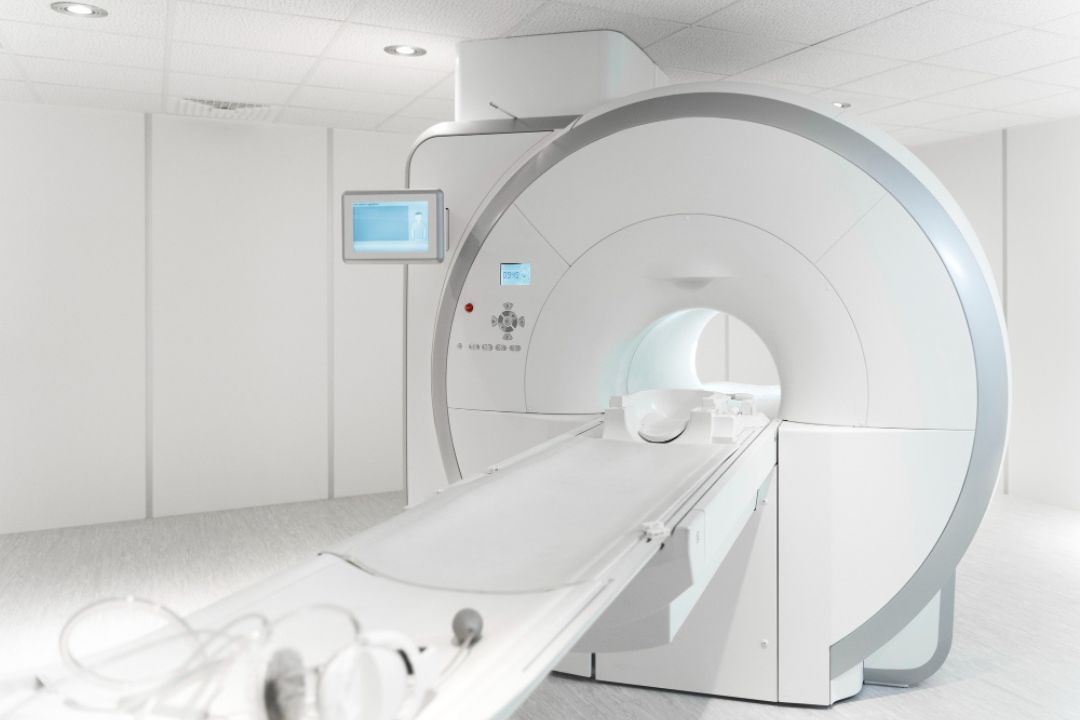
An MRI scan uses powerful magnets and radio waves to create detailed images of organs, tissues, and structures inside the body. Unlike CT scans that use X-rays, MRI scans provide excellent soft-tissue contrast, making them particularly useful for gastrointestinal imaging.
MRI is especially helpful for:
Visit Now: https://www.diagnopein.com/mri/Mumbai
Evaluating small bowel diseases
Detecting tumors in stomach, liver, or pancreas
Assessing inflammatory bowel disease (IBD)
Identifying abscesses, fistulas, or strictures
Examining liver and biliary tract
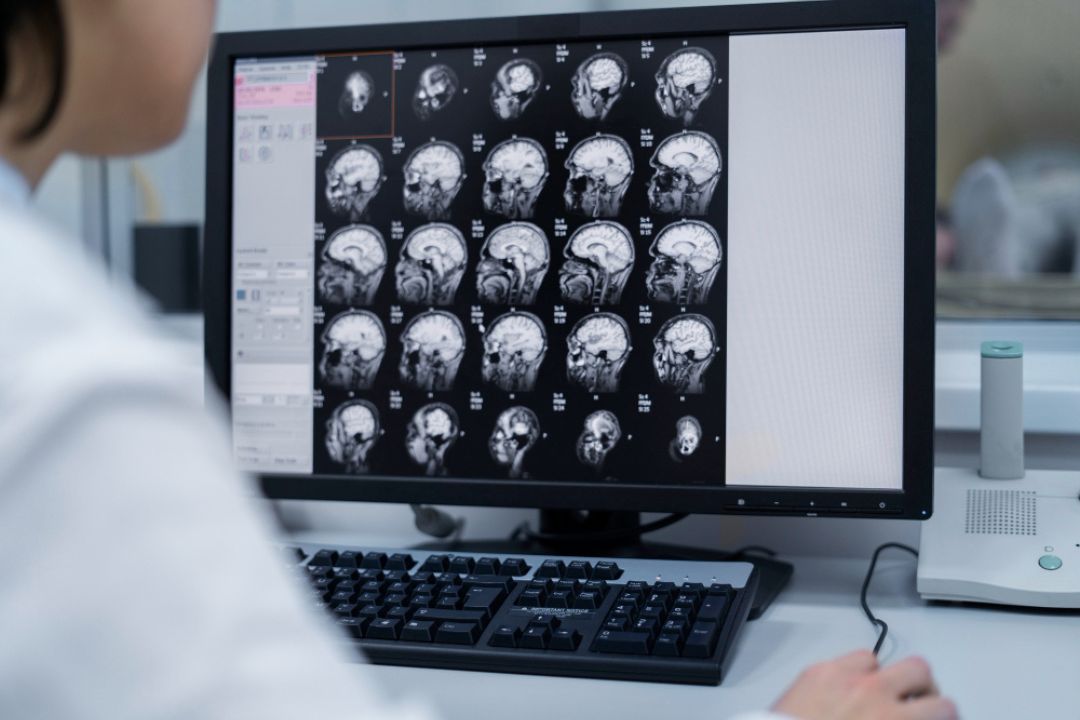
MRI reveals soft tissue details that other imaging methods may miss.
MRI can help identify:
MRI shows:
Inflammation
Thickened bowel walls
Fistulas
Abscesses
MRI enterography is commonly used for Crohn’s evaluation.
MRI detects:
Stomach tumors
Small intestine tumors
Pancreatic cancer
Liver masses
It helps in staging cancer and planning treatment.
MRI can show:
Fatty liver changes
Cirrhosis
Bile duct blockages
Gallbladder issues
MRCP (Magnetic Resonance Cholangiopancreatography) is an MRI dedicated to bile & pancreatic ducts.
MRI clearly visualizes:
Abscesses
Post-surgical collections
Inflammatory fluid
This helps guide drainage and treatment planning.
| Feature | MRI | CT | Ultrasound |
|---|---|---|---|
| Soft tissue detail | High | Medium | Medium |
| Radiation | ? None | ? Yes | ? None |
| Detects tumors | ? Yes | ? Yes | Sometimes |
| Bowel evaluation | ? Excellent | Good | Limited |
| Liver & biliary ducts | ? Great | Good | Good |
MRI’s lack of radiation and superior tissue resolution make it ideal for complex GI cases.
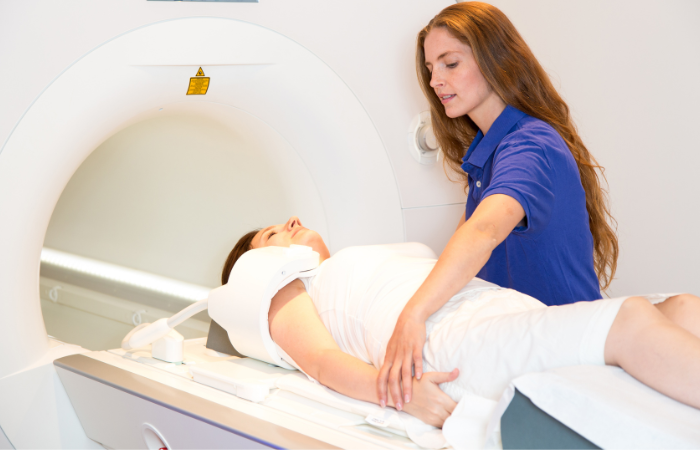
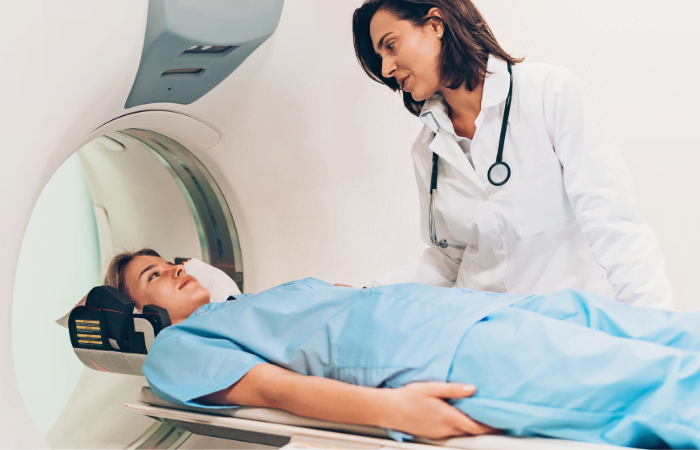
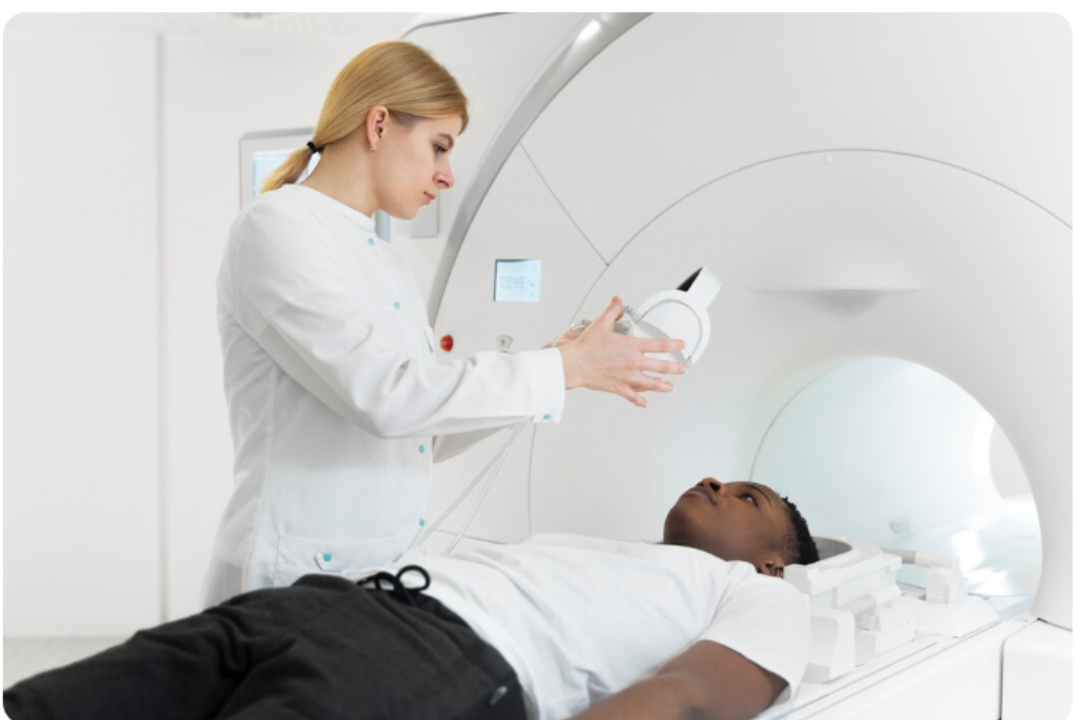
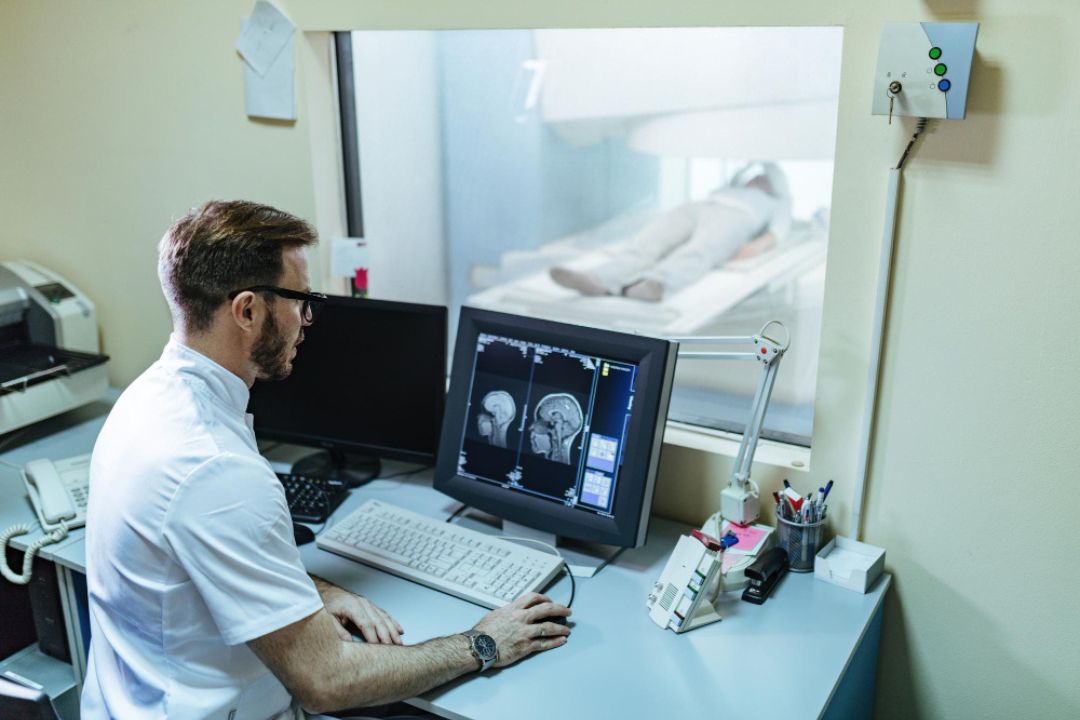
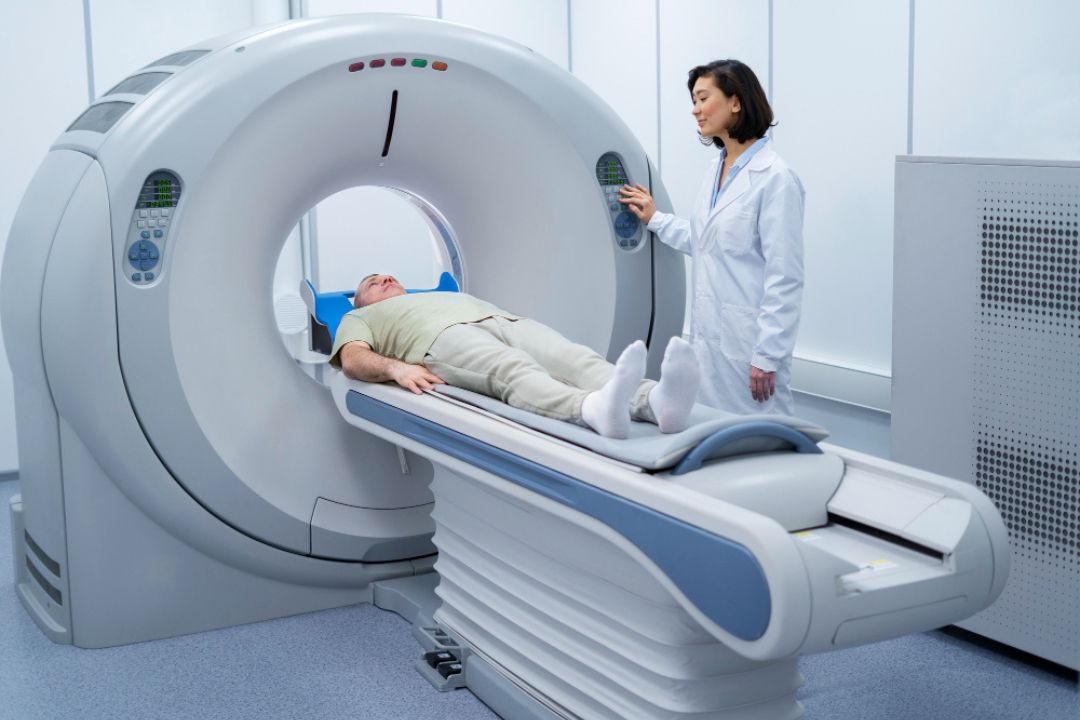
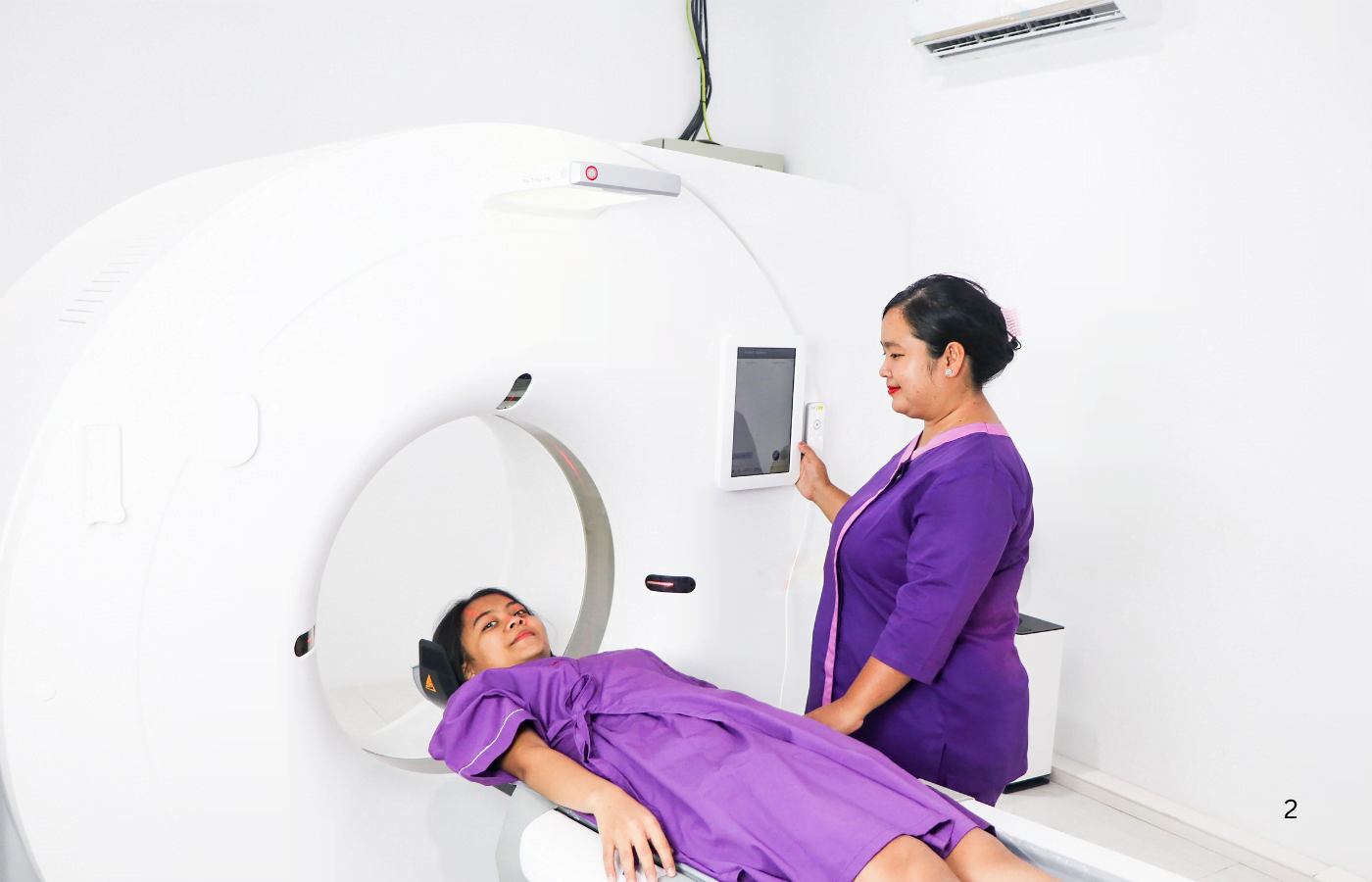
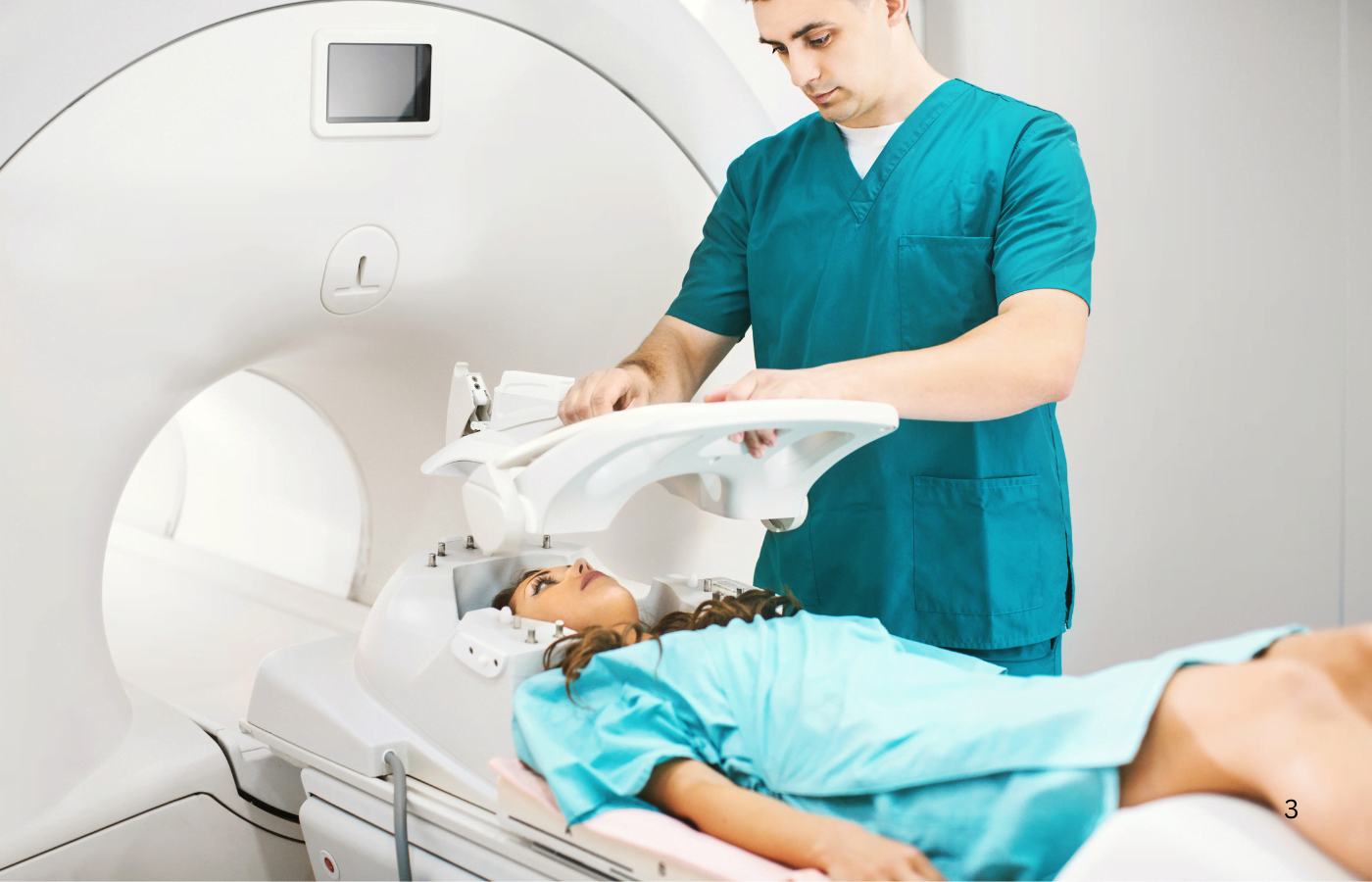
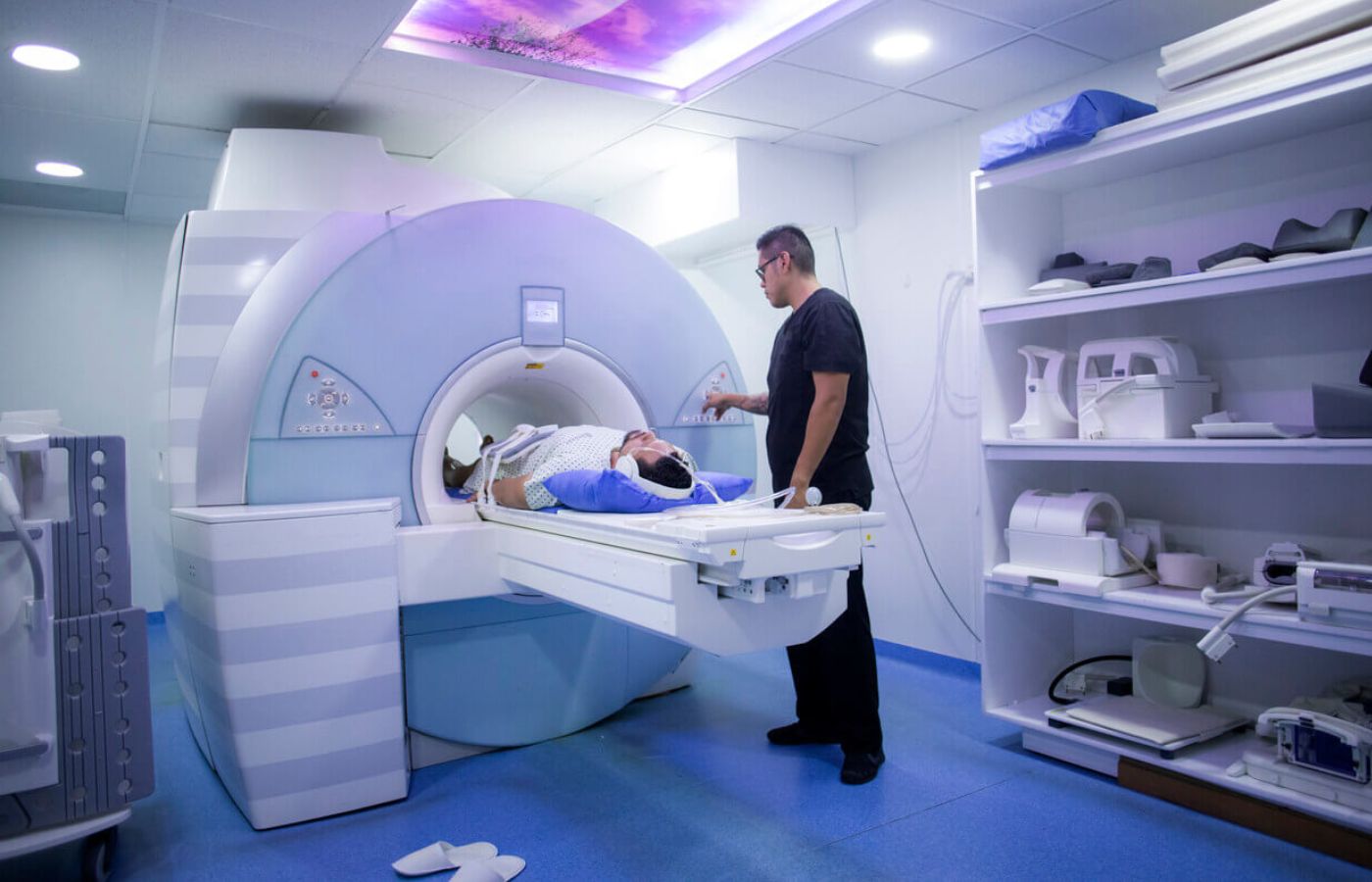
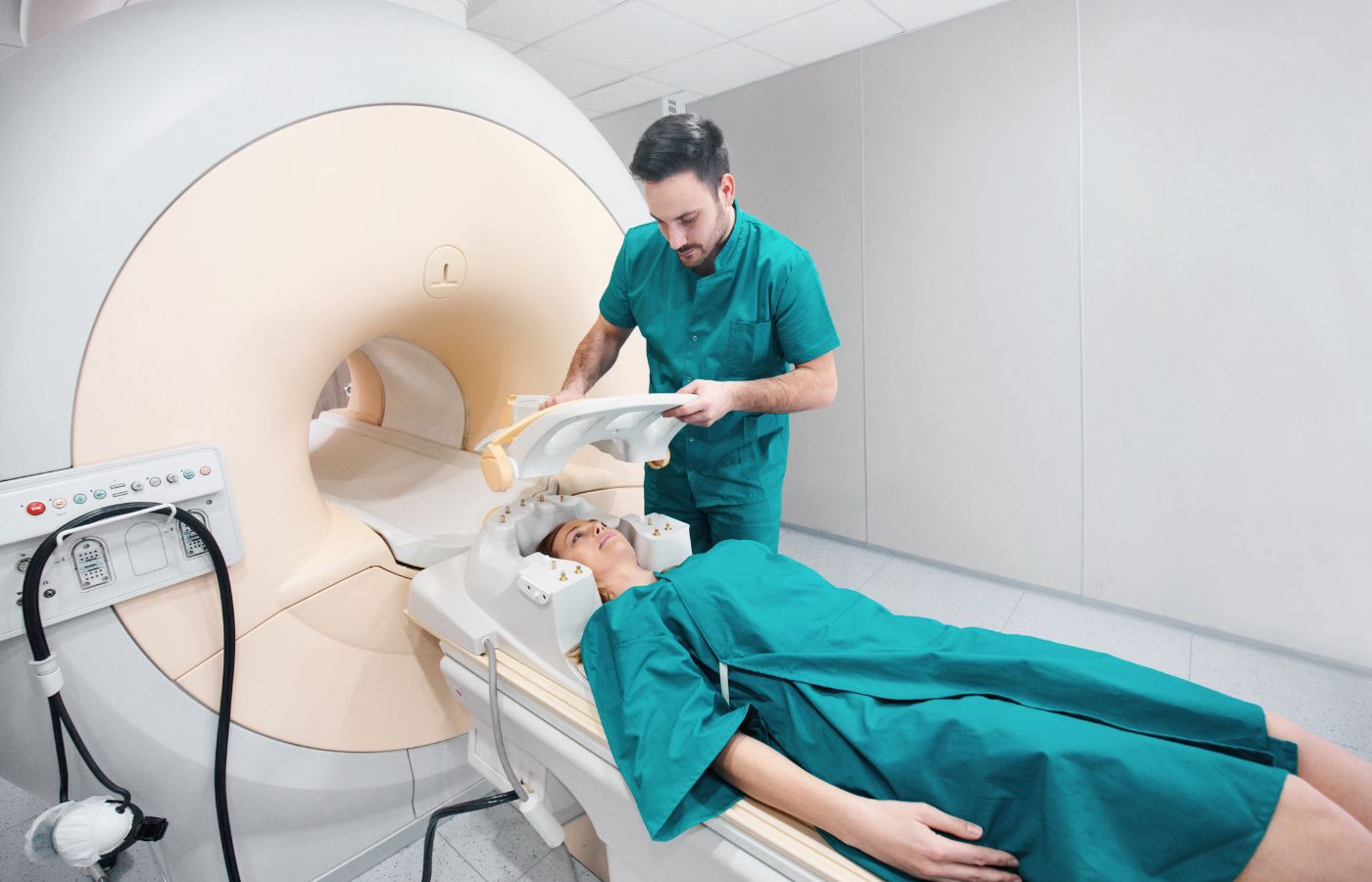
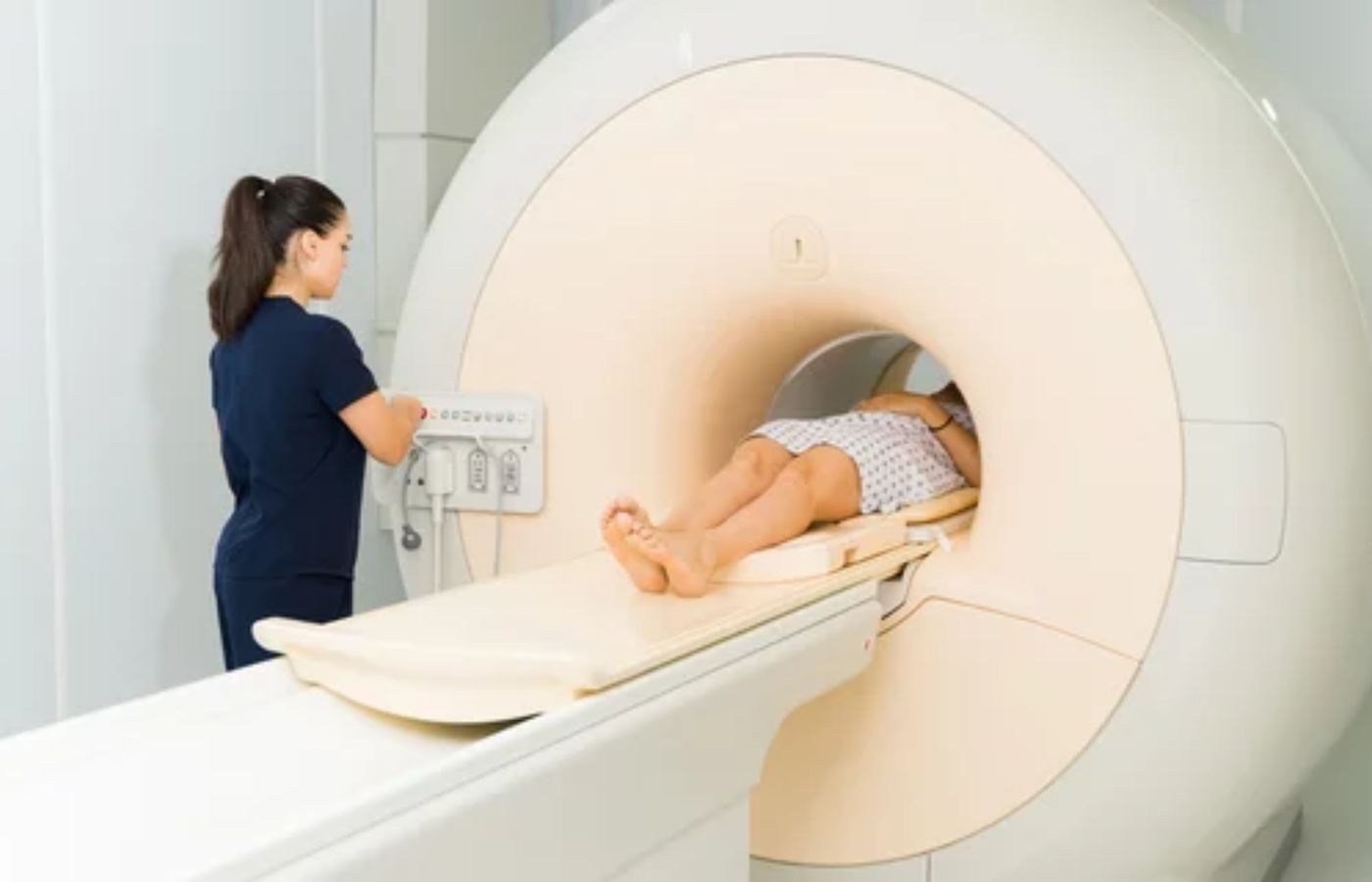
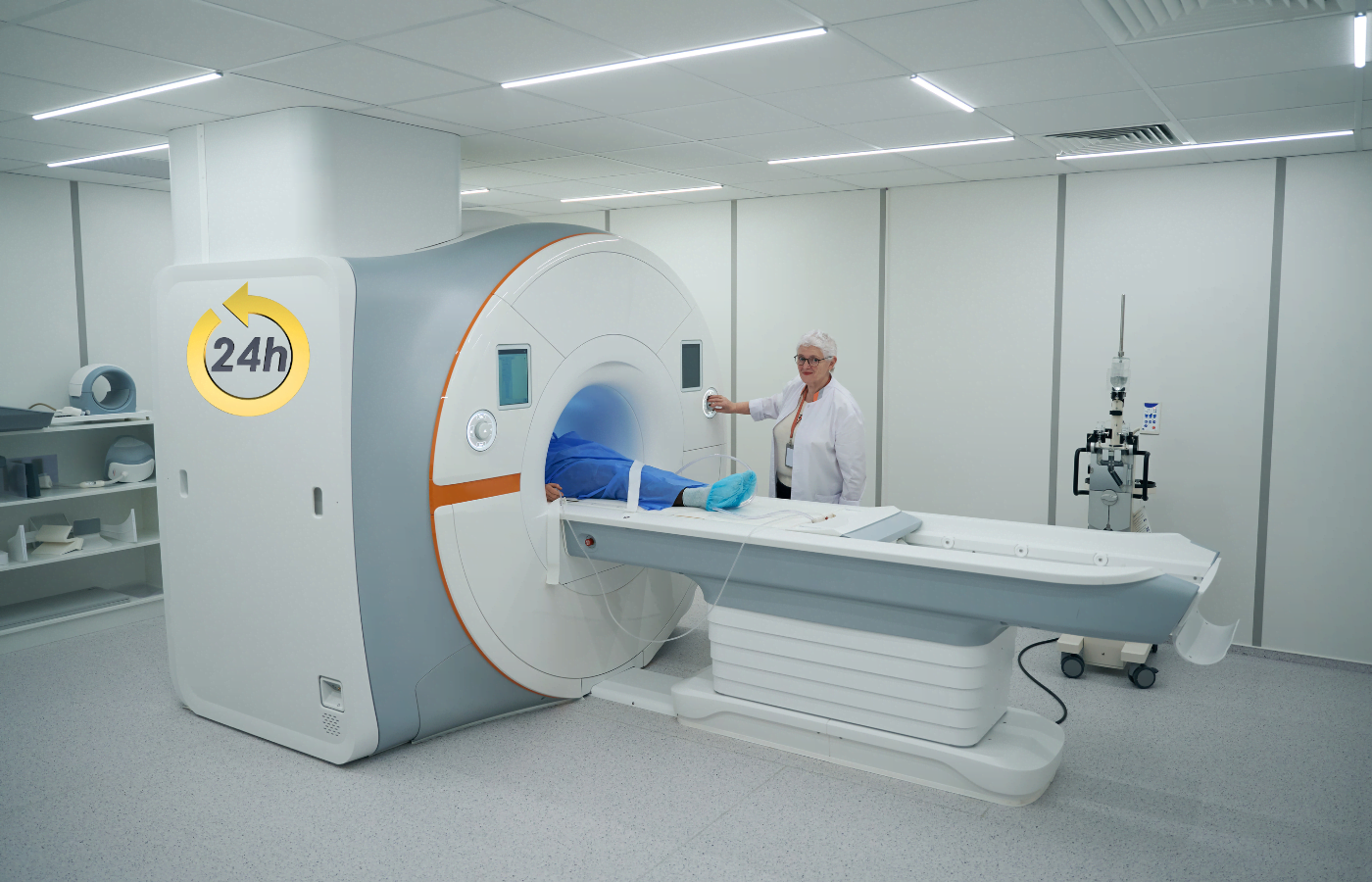
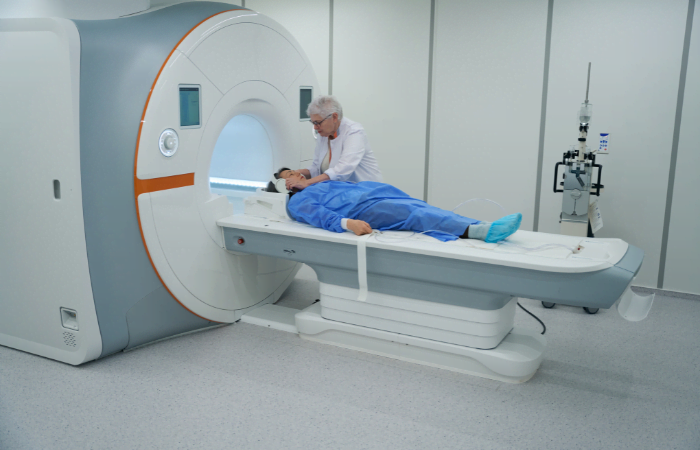
You lie on a moving table
The machine captures images with magnets
Contrast dye may be used for better detail
Typical duration: 20–60 minutes
MRI is painless and requires stillness for clear images.
Contrast agents help highlight:
Tumor borders
Areas of active inflammation
Blood vessel involvement
Often used when more detail is needed for diagnosis.
MRI is highly accurate for:
Detecting inflammation in bowel
Localizing tumors
Assessing liver and bile duct disease
However, ultrasound may be used first for initial screening due to cost and convenience.
Doctors may recommend MRI if you have:
Persistent abdominal pain
Blood in stool
Weight loss
Unexplained nausea or vomiting
Abnormal lab tests
MRI helps pinpoint the cause when symptoms are unclear.
Leading diagnostic centers in Mumbai provide advanced MRI scans with expert radiologists who specialize in gastrointestinal evaluation. They use the latest technology for accurate imaging and interpretation.





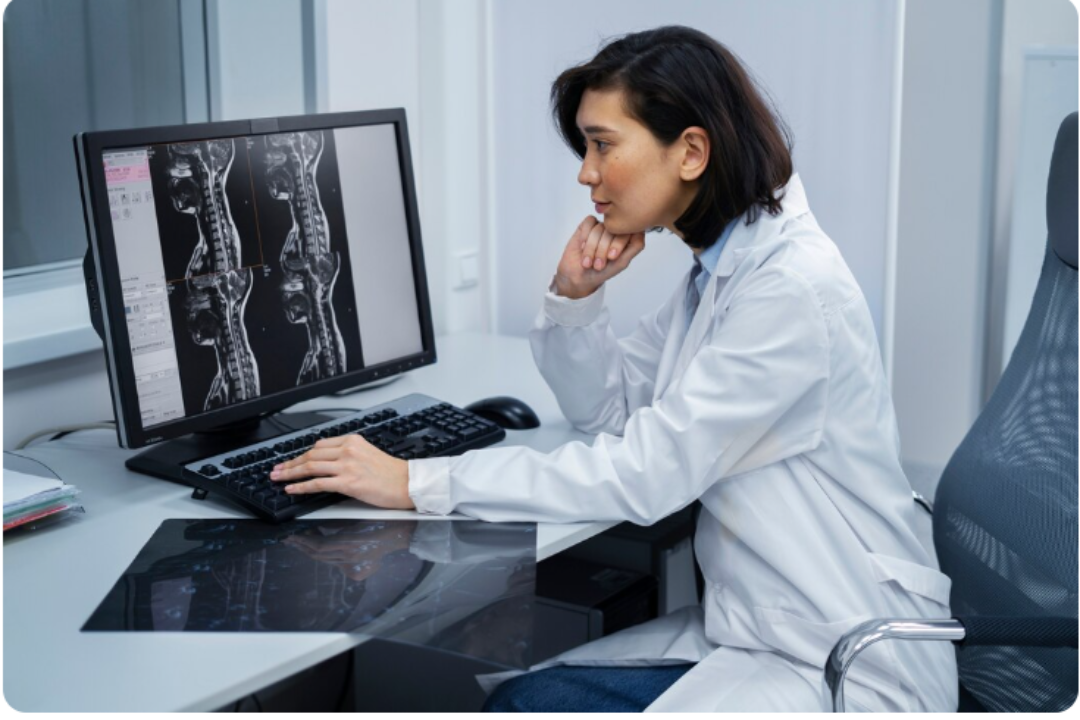
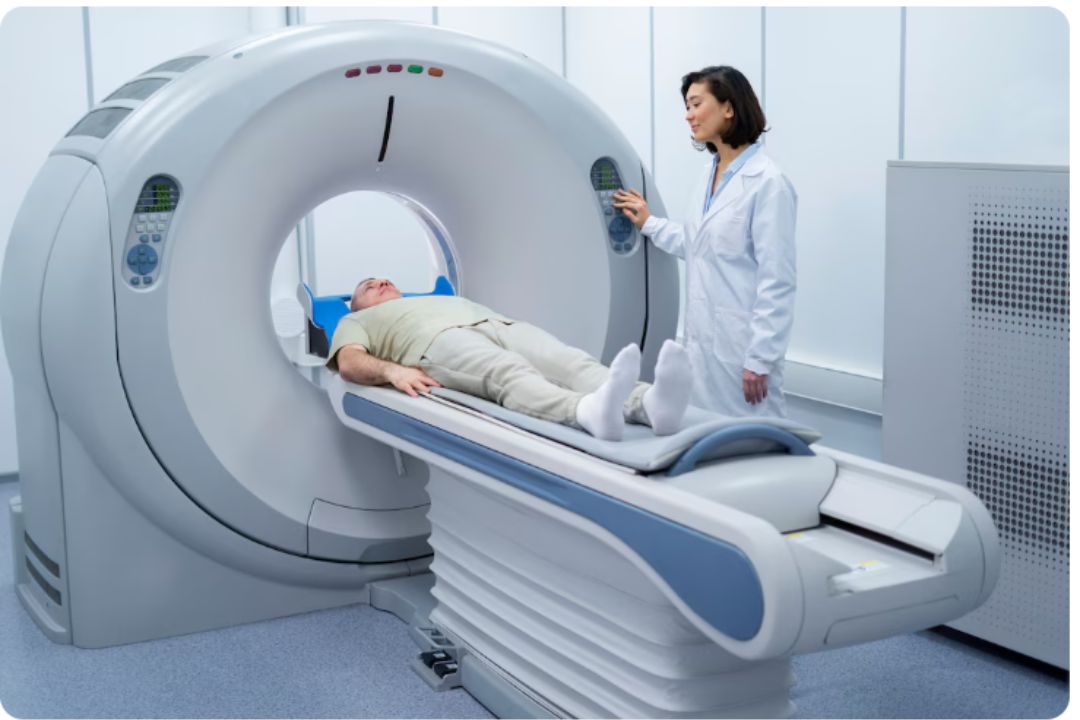


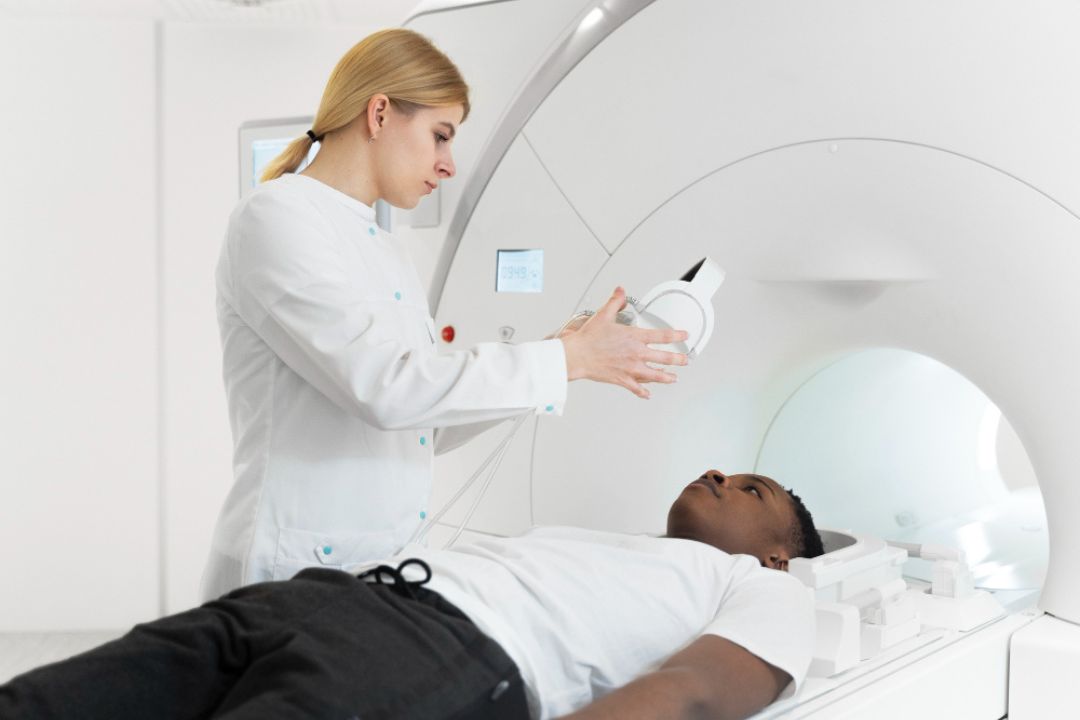
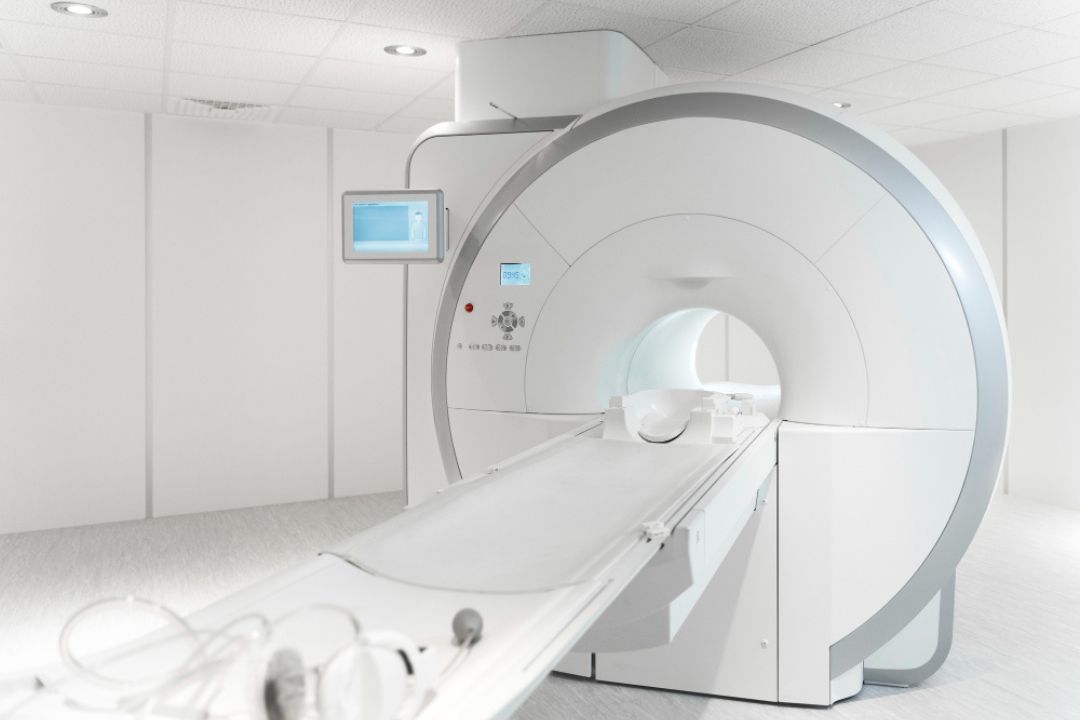

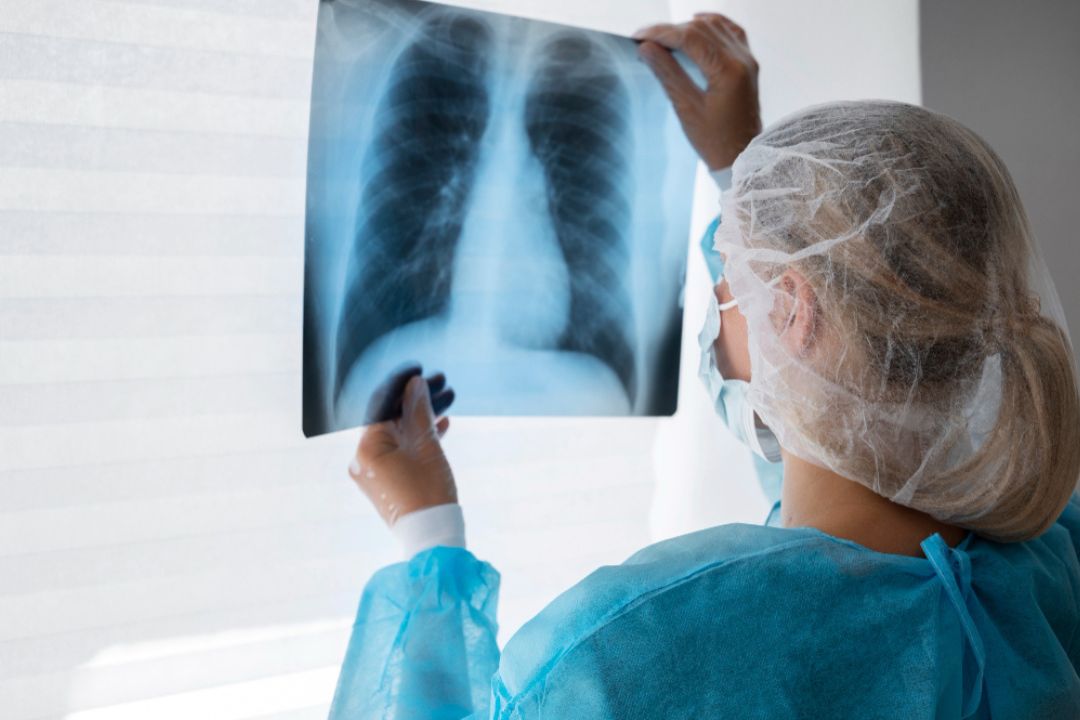
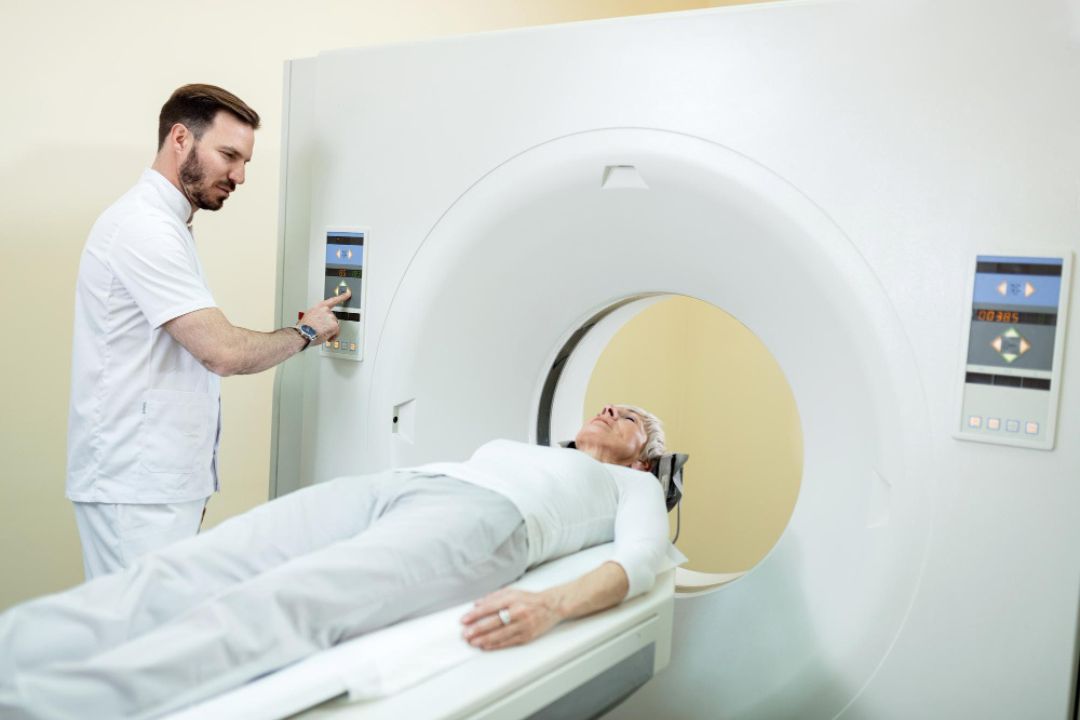
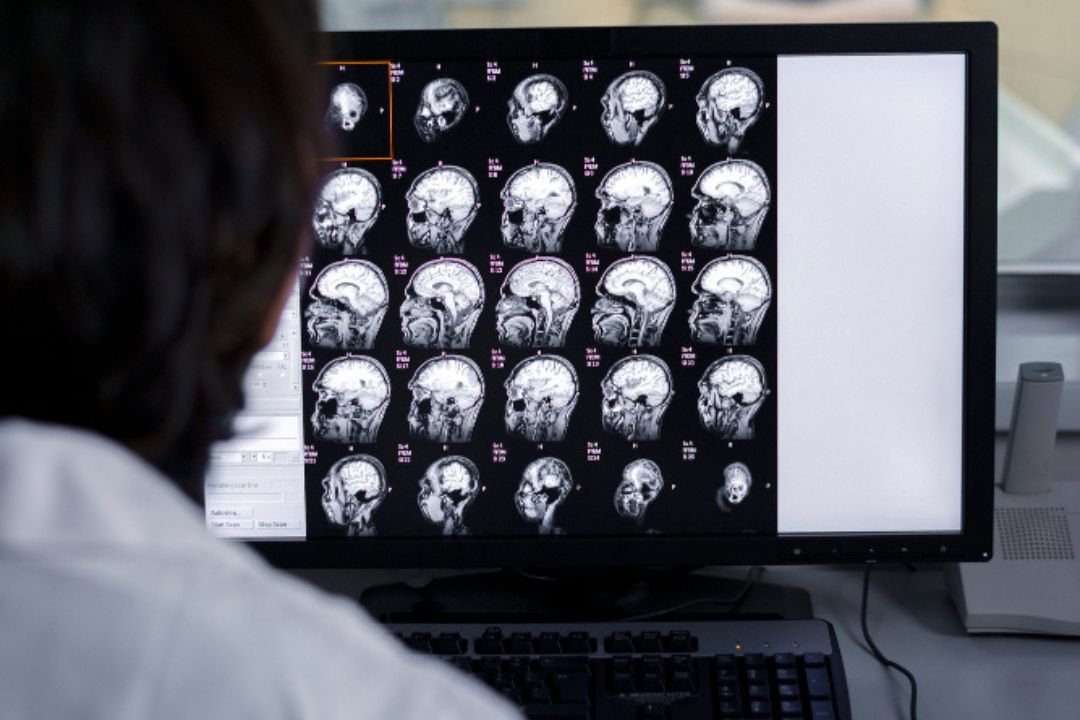
.jpg "mri scan")

.jpg "mri angiography")
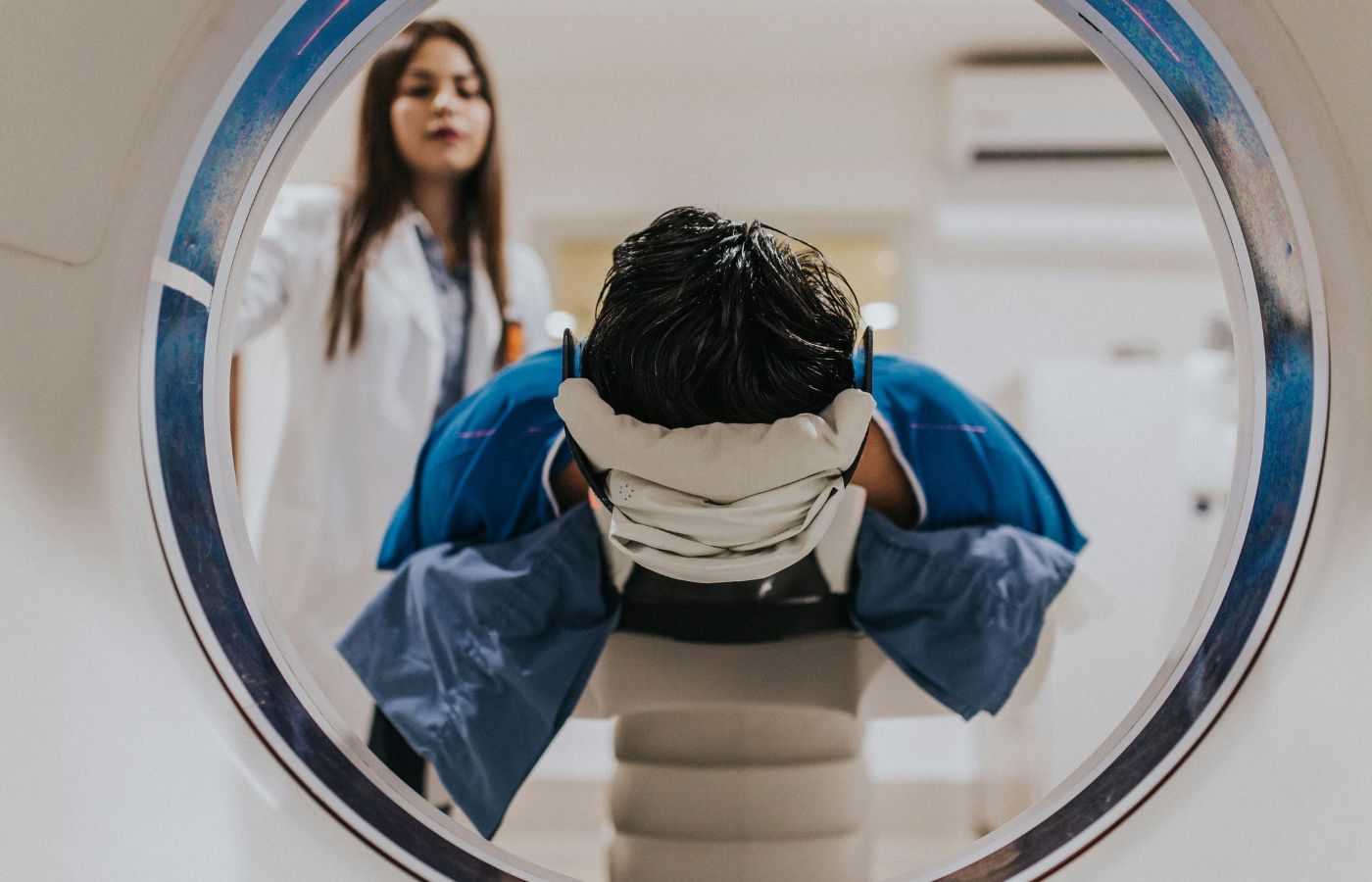
.jpg "MRI Cholecysto Pancreatography")
.jpg "MRI Angiography Done")
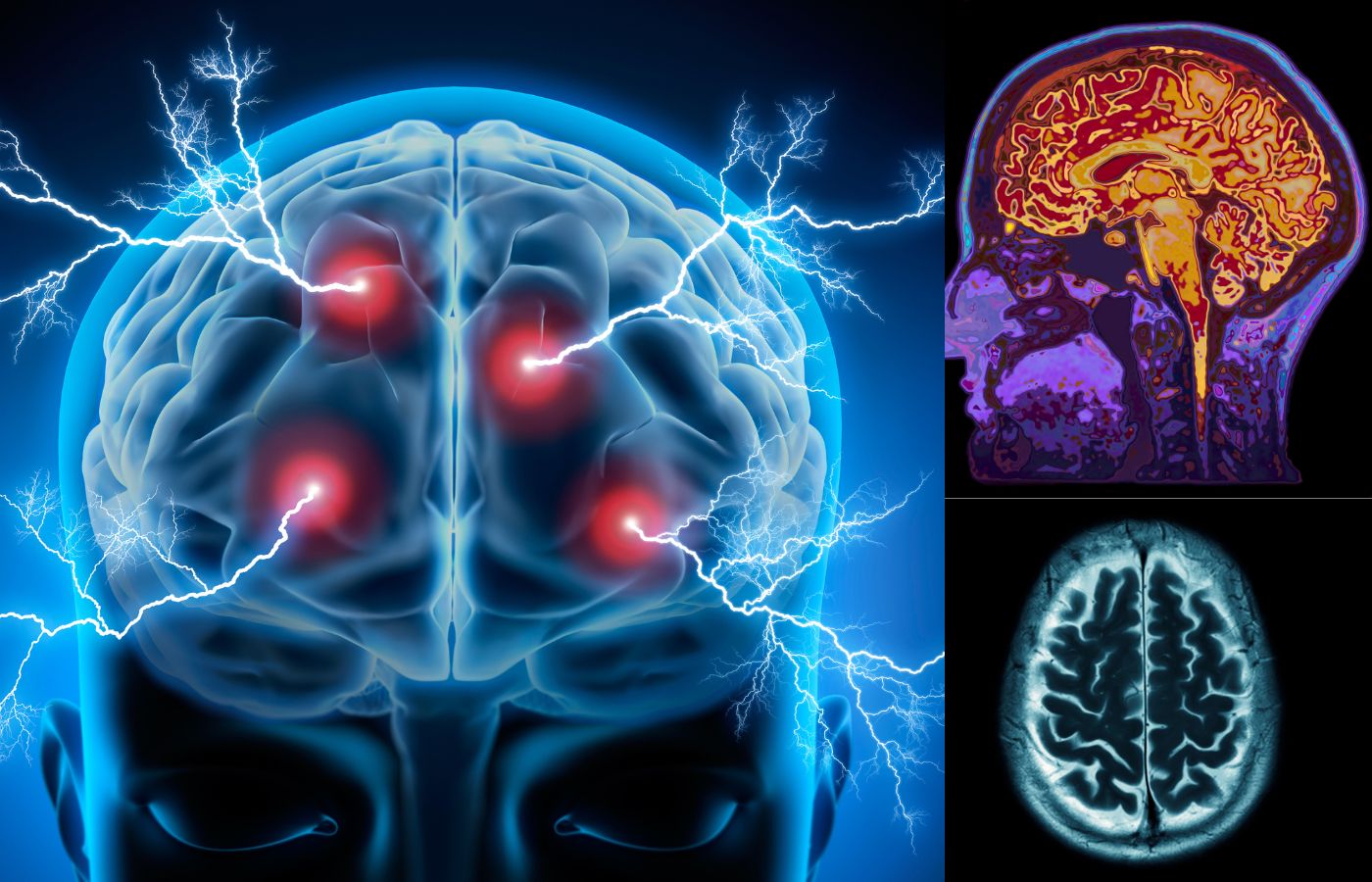
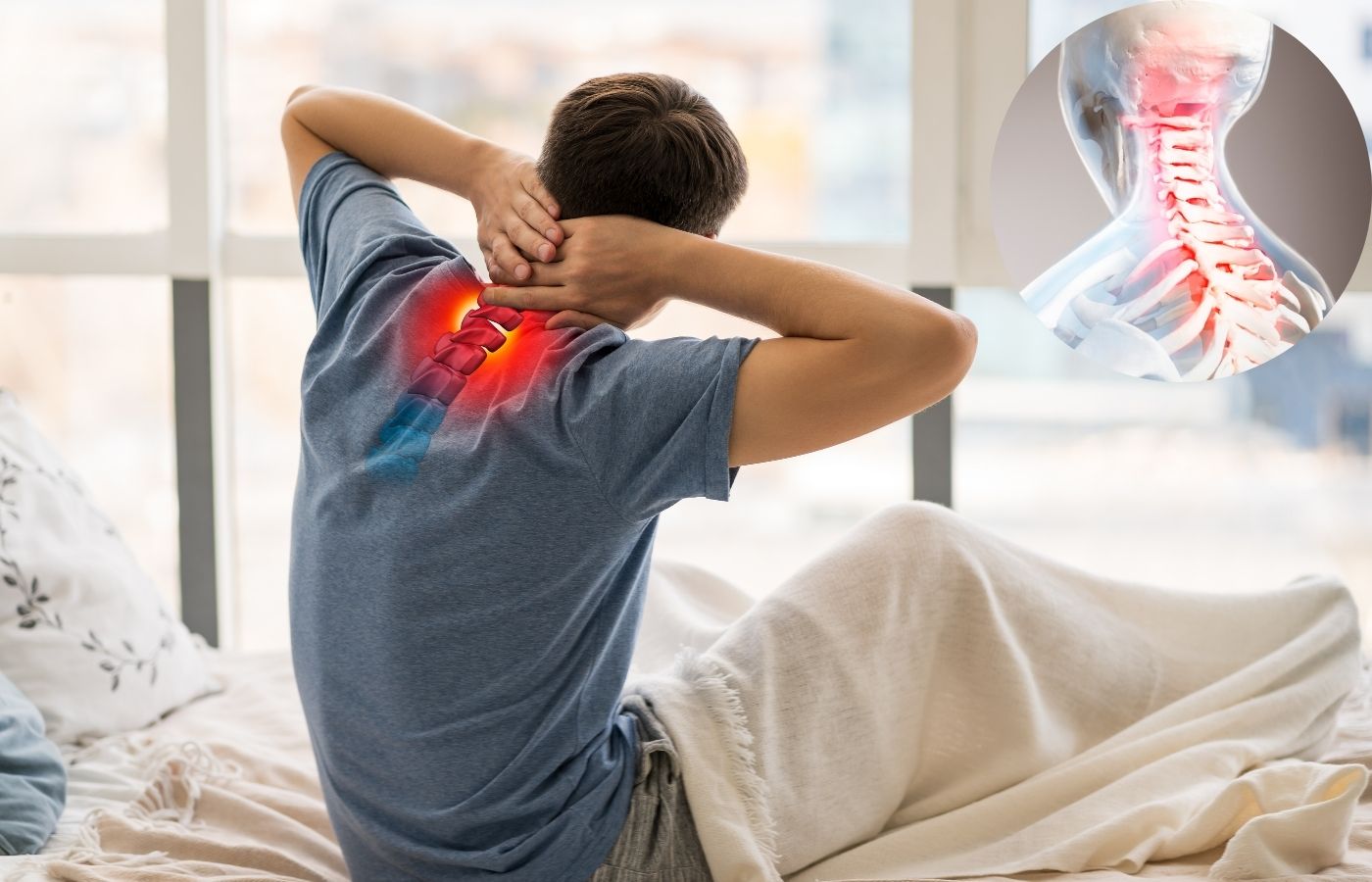

.jpg "Mri scan for thigh")
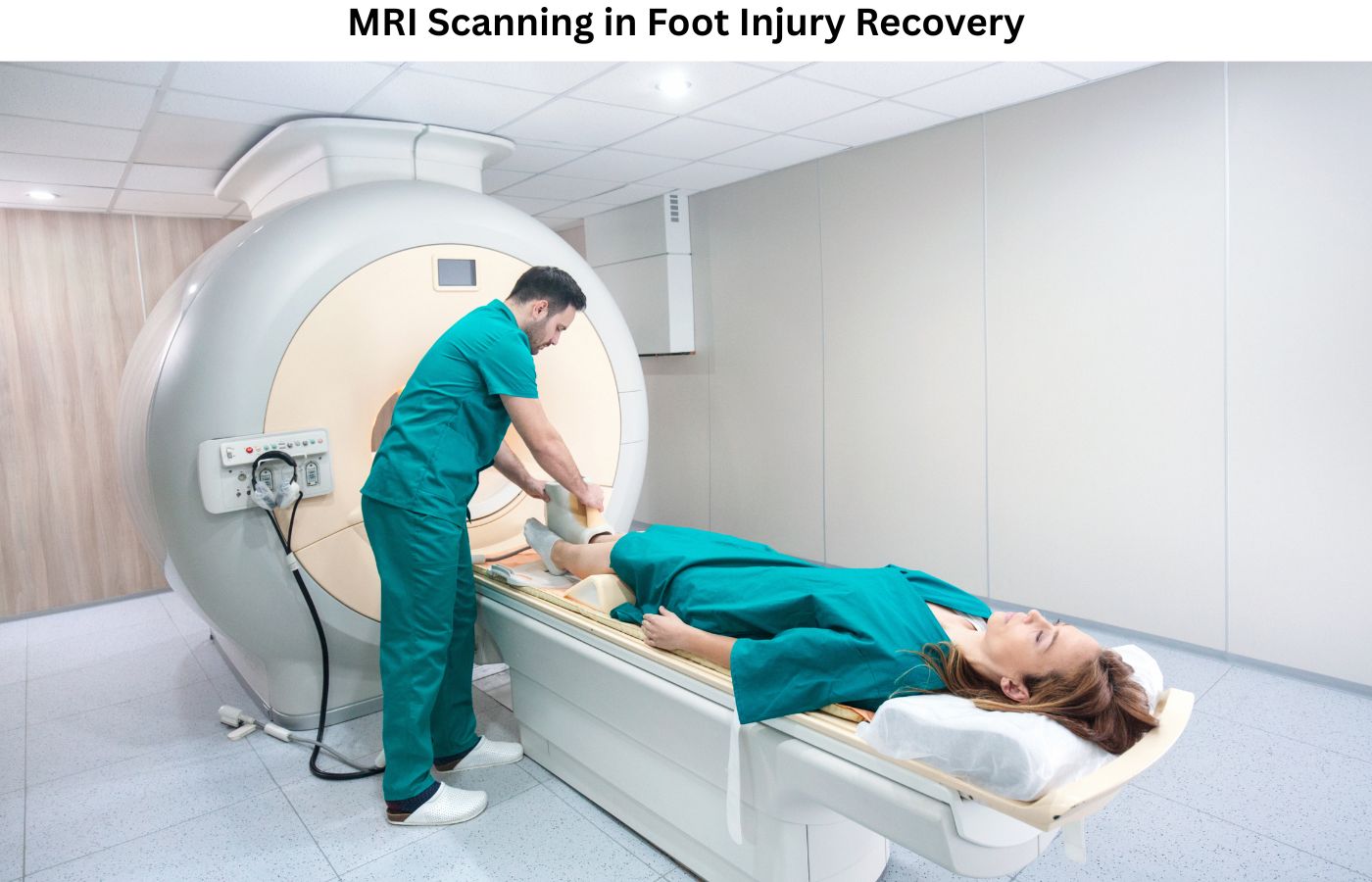
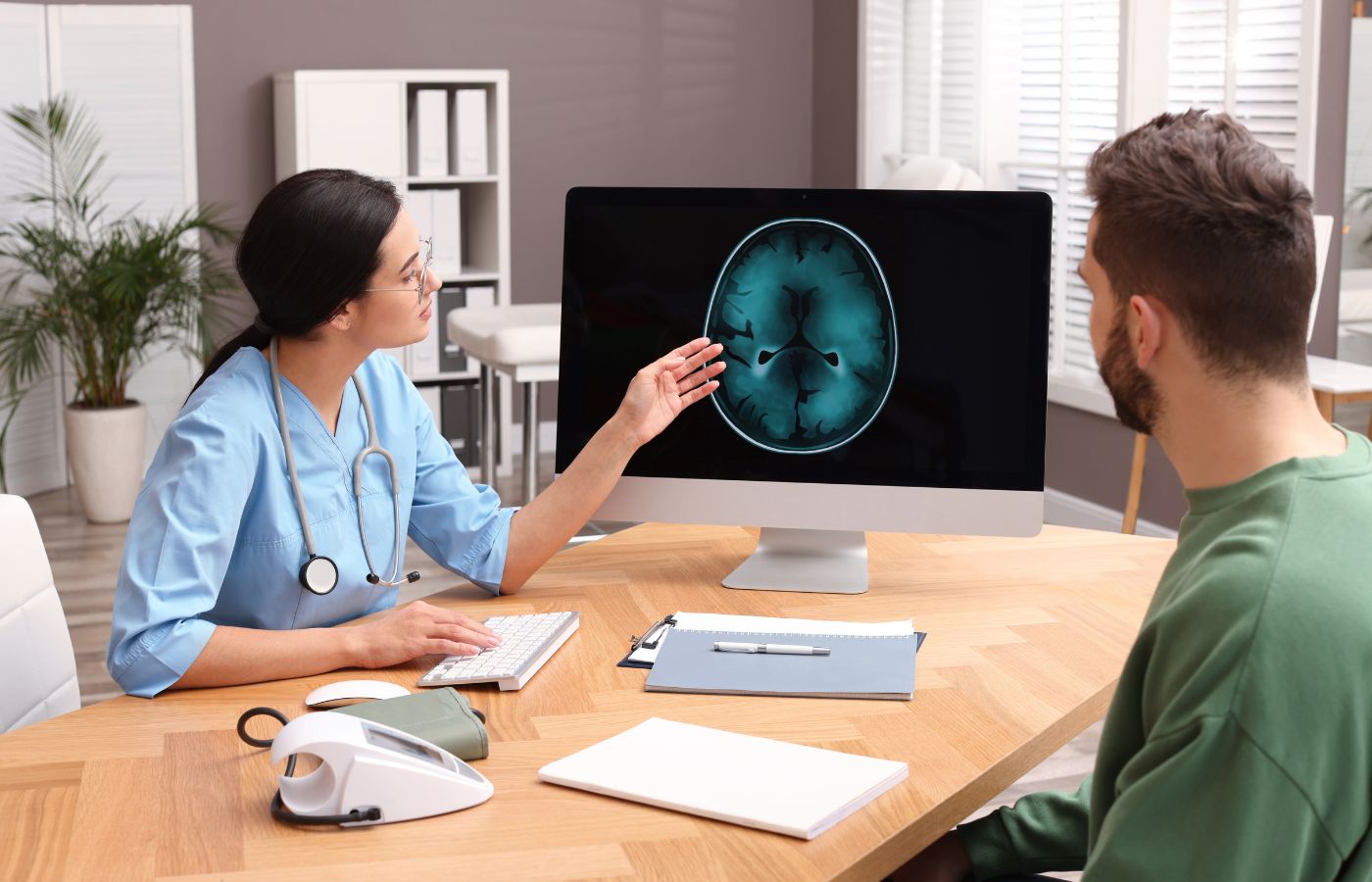
 (1).jpg "MRI Scan for Hip Pain")

.jpg "OBS (Obstetric) Colour Doppler")

.png "Why You Need MRI ORBIT")