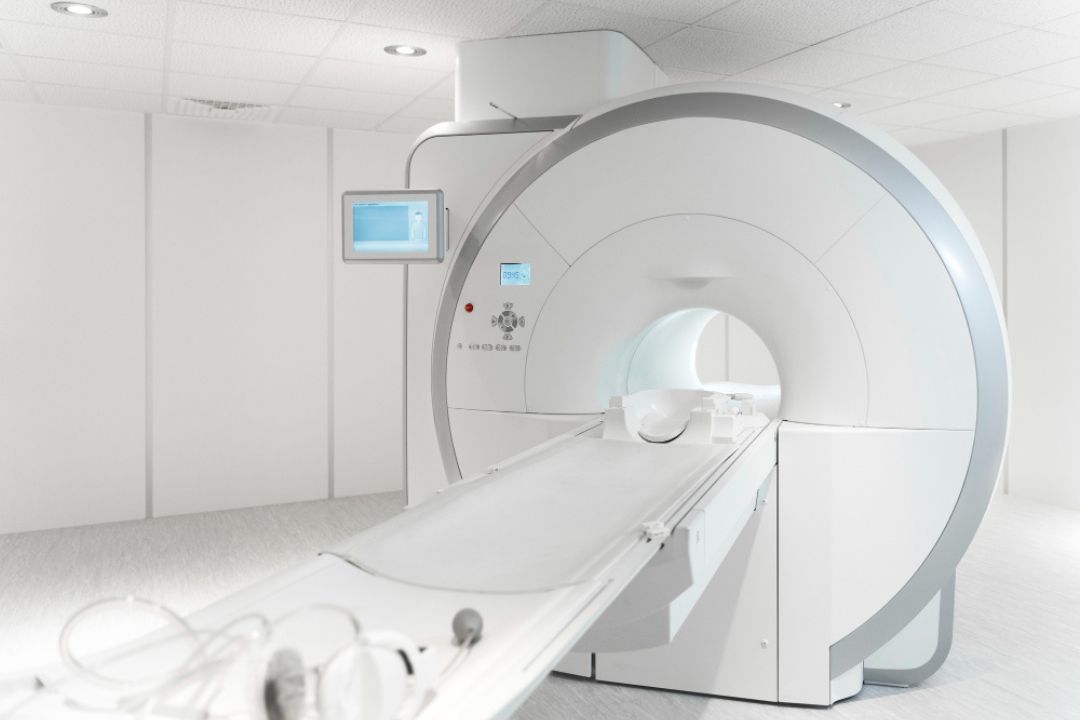
When your doctor needs to see beneath the surface to diagnose an issue, they often turn to advanced imaging technology. Two of the most common tools are the MRI scan and the CT scan. While both are powerful, they work in fundamentally different ways and are used for specific purposes. This guide will demystify MRI technology, highlight its key benefits, compare it to other scans, and explain why Diagnopein is the trusted choice for your diagnostic needs.
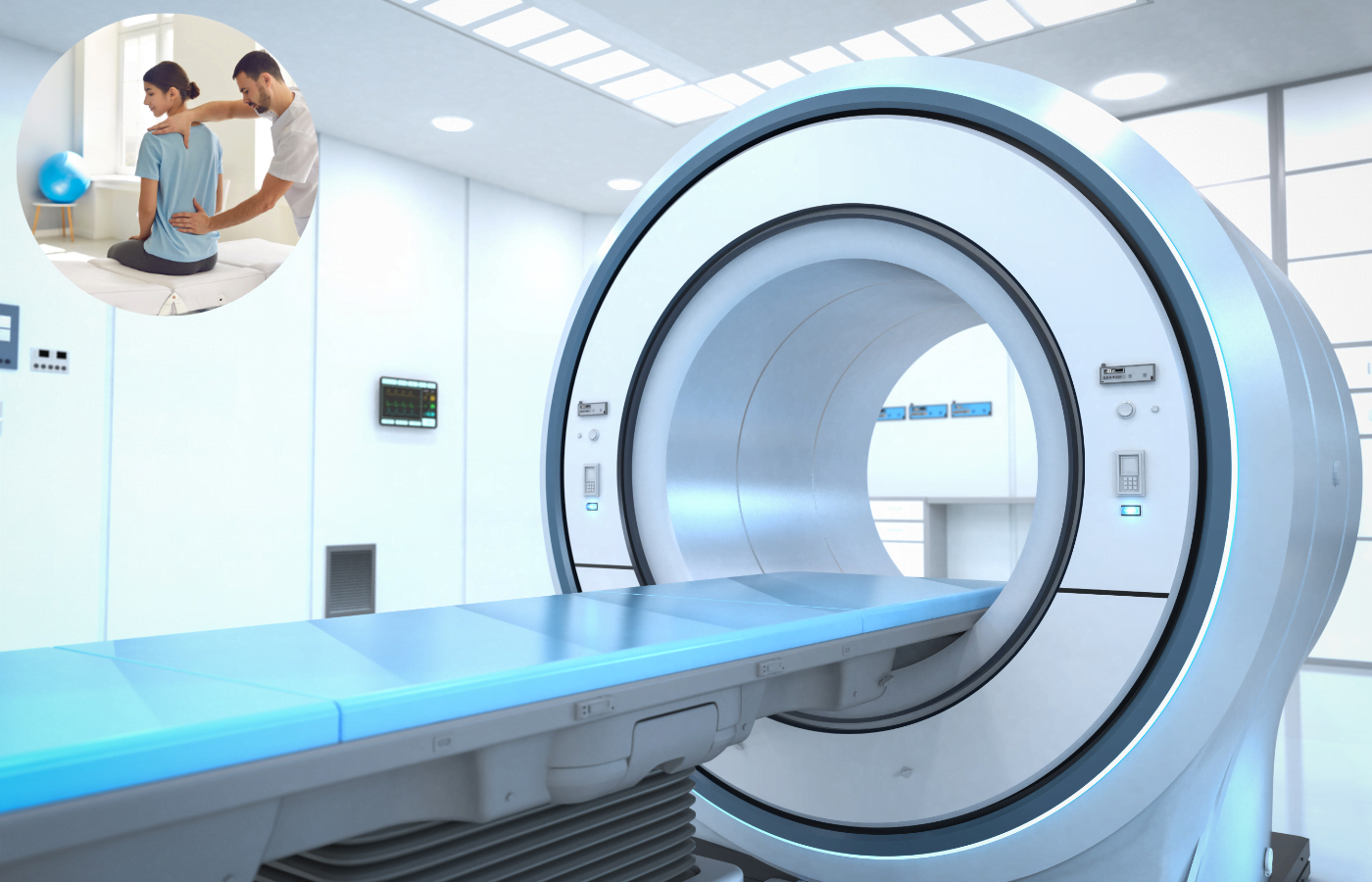
Magnetic Resonance Imaging (MRI) is one of the most powerful and widely used tools in modern medicine. It offers clear images of the body’s internal structures without surgery or radiation. This guide explains MRI in simple terms, how it works, when it is used, and what to expect during a scan.
Visit Now: https://www.diagnopein.com/mri/Pune
MRI helps doctors diagnose many conditions. It shows fine details of organs, tissues, and bones. MRI can spot injuries, diseases, and abnormalities that other scans may miss. It plays a key role in neurology, orthopedics, oncology, and more.
In this article, we explore the technology behind MRI. We describe its benefits, limitations, safety, and common uses. Our goal is to help patients and caregivers understand this essential imaging method.
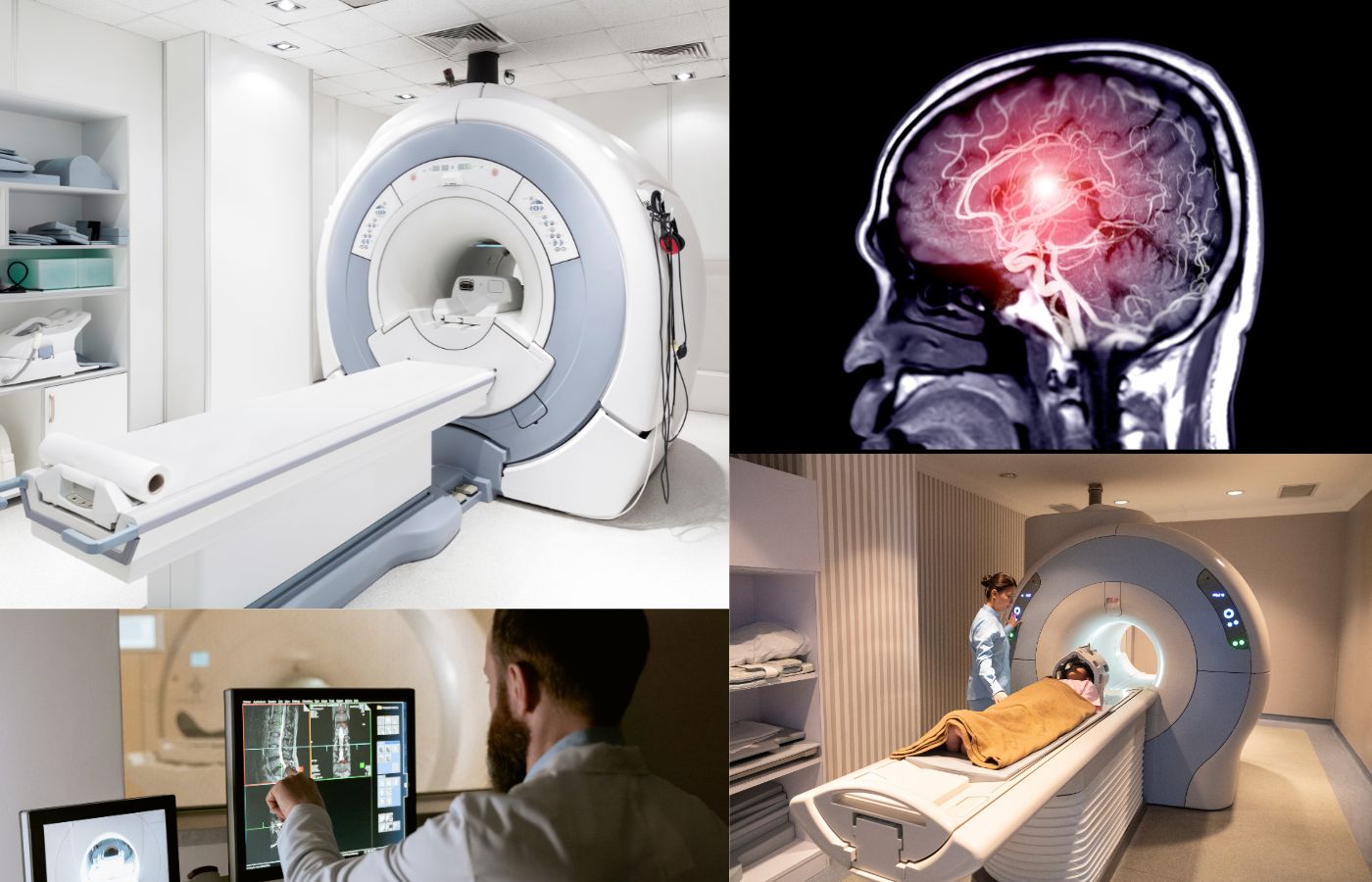
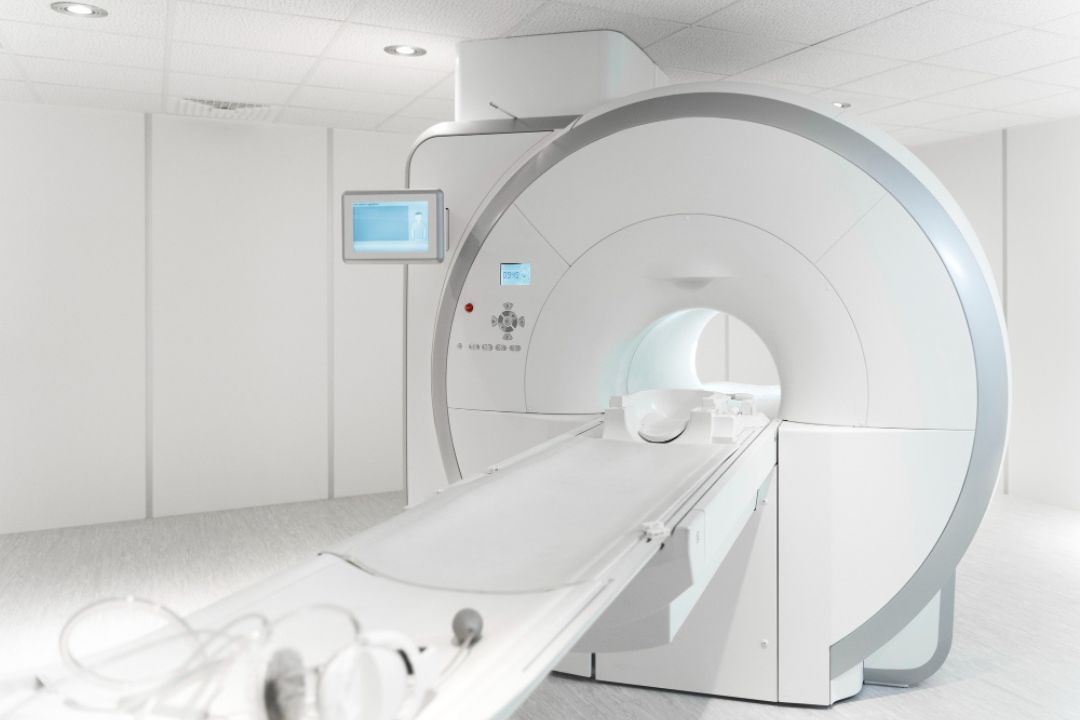
MRI stands for Magnetic Resonance Imaging. It is a type of medical scan that uses magnetic fields and radio waves to create detailed images of the inside of the body.
Unlike X-rays or CT scans, MRI does not use ionizing radiation. Instead, it relies on strong magnets and radio frequency signals to detect changes in the body’s tissues.
MRI is safe, painless, and non-invasive. It can show soft tissues such as the brain, spinal cord, muscles, ligaments, and organs with sharp contrast.
Understanding MRI begins with how atoms behave in magnetic fields.
The Magnetic Field
When you lie in an MRI machine, a strong magnetic field aligns the hydrogen atoms in your body. Hydrogen is abundant in water and fat, so it is a useful signal source.
Radio Waves Are Sent
The machine sends radio waves into the body. These waves knock the aligned atoms out of position.
Atoms Send Signals Back
When the radio waves stop, the atoms return to their original alignment. As they do, they emit tiny energy signals.
Computer Creates Images
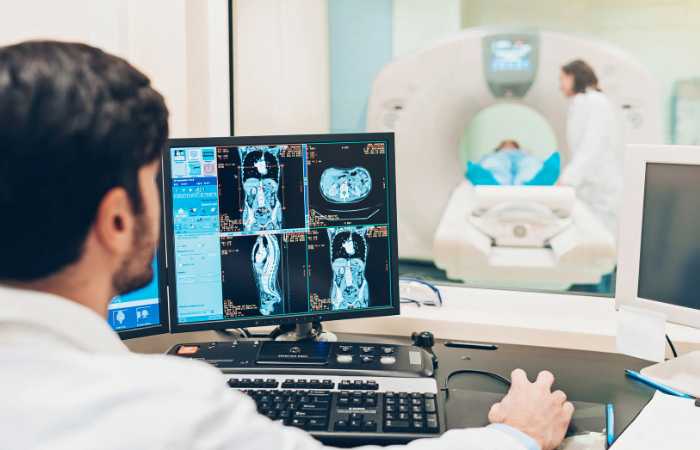
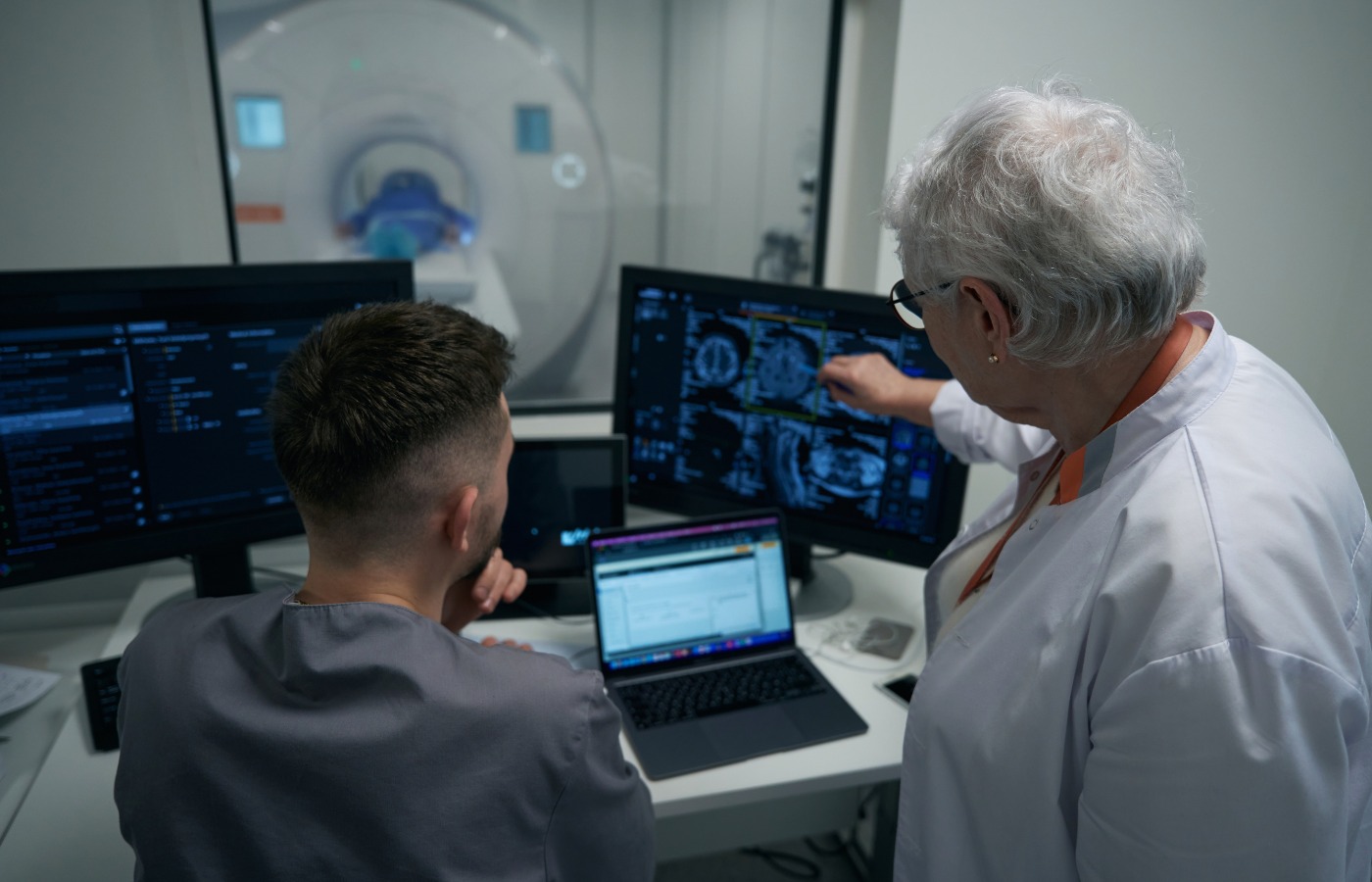
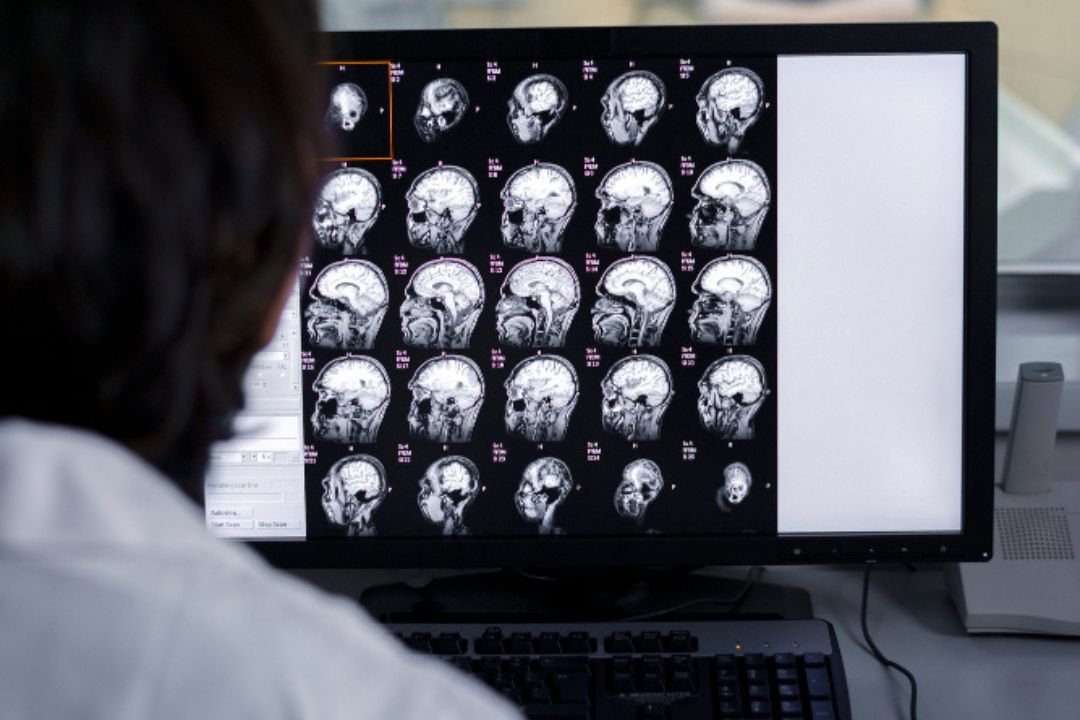
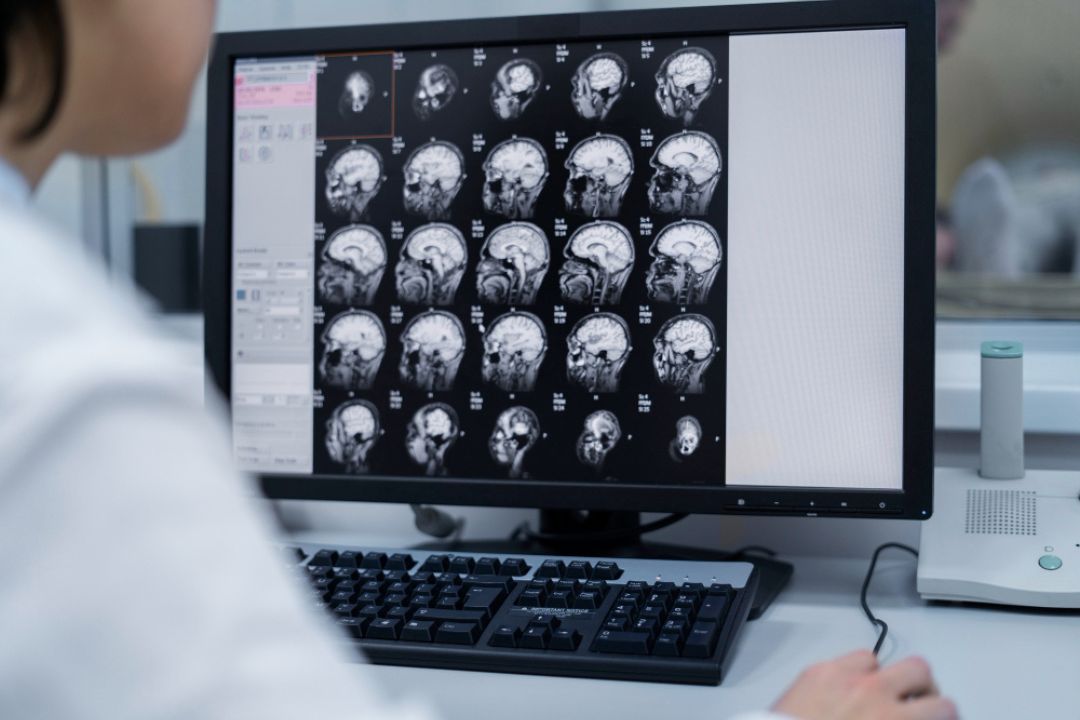
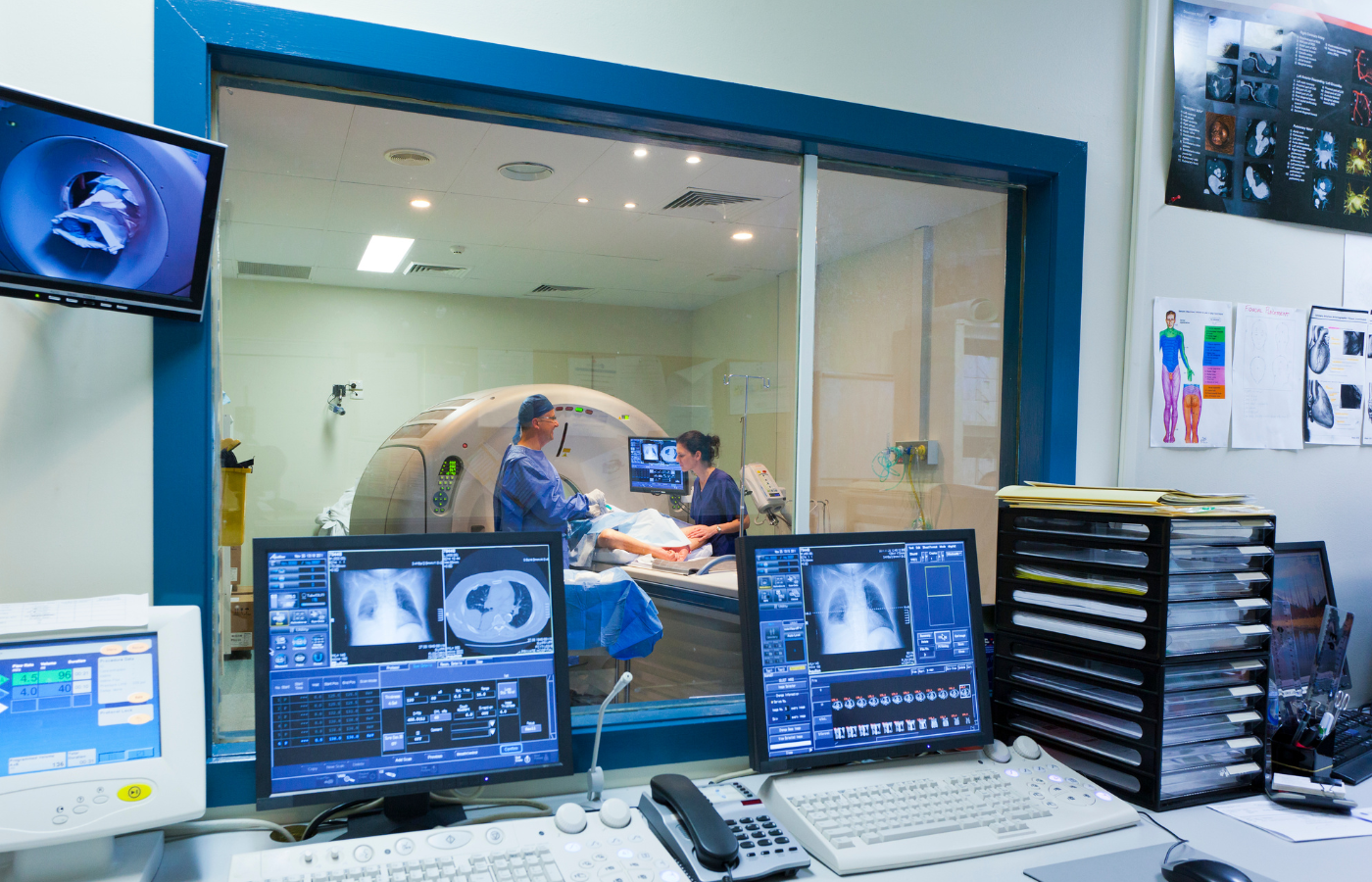
The MRI scanner detects these energy signals. A computer then converts them into images. Different tissues give different signal patterns. This produces clear contrast and detail.
MRI essentially maps how tissues respond to magnetic energy. Healthy and diseased tissues react differently, allowing doctors to see changes clearly.
MRI has many advantages over other imaging techniques. Here are some of the key benefits:
No Radiation Exposure:
MRI uses magnetic fields and radio waves, not ionizing radiation. This makes it safer for repeated use.
Detailed Soft Tissue Images:
It reveals fine differences in soft tissues that X-rays often cannot show.
Multiple Image Views:
MRI produces images in many planes. You can see cross-sectional, sagittal (side), and coronal (front) views.
Functional Imaging:
Some MRI techniques can assess blood flow and brain activity.
Doctors choose MRI for a range of reasons. Here are the most frequent applications:
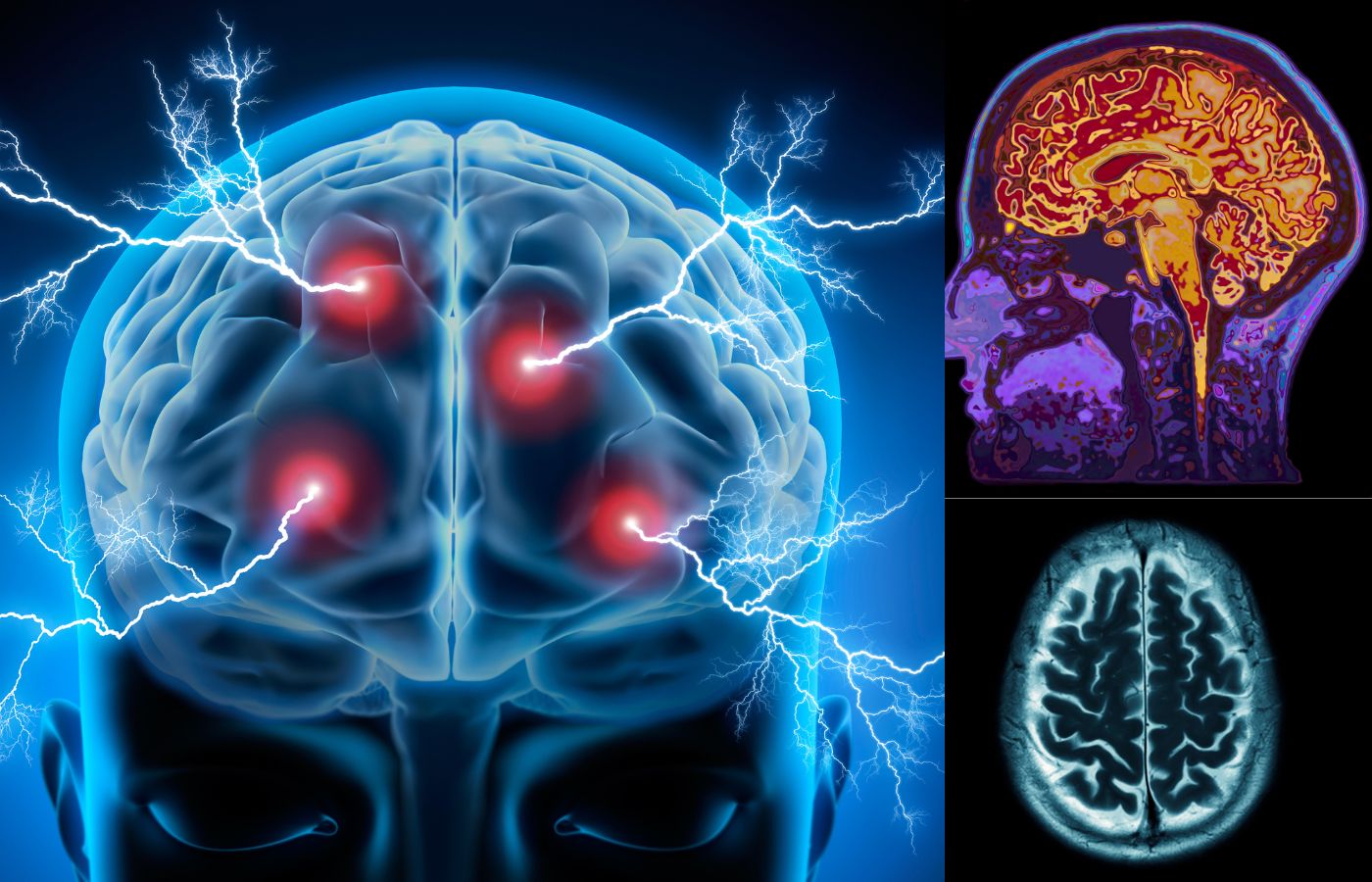
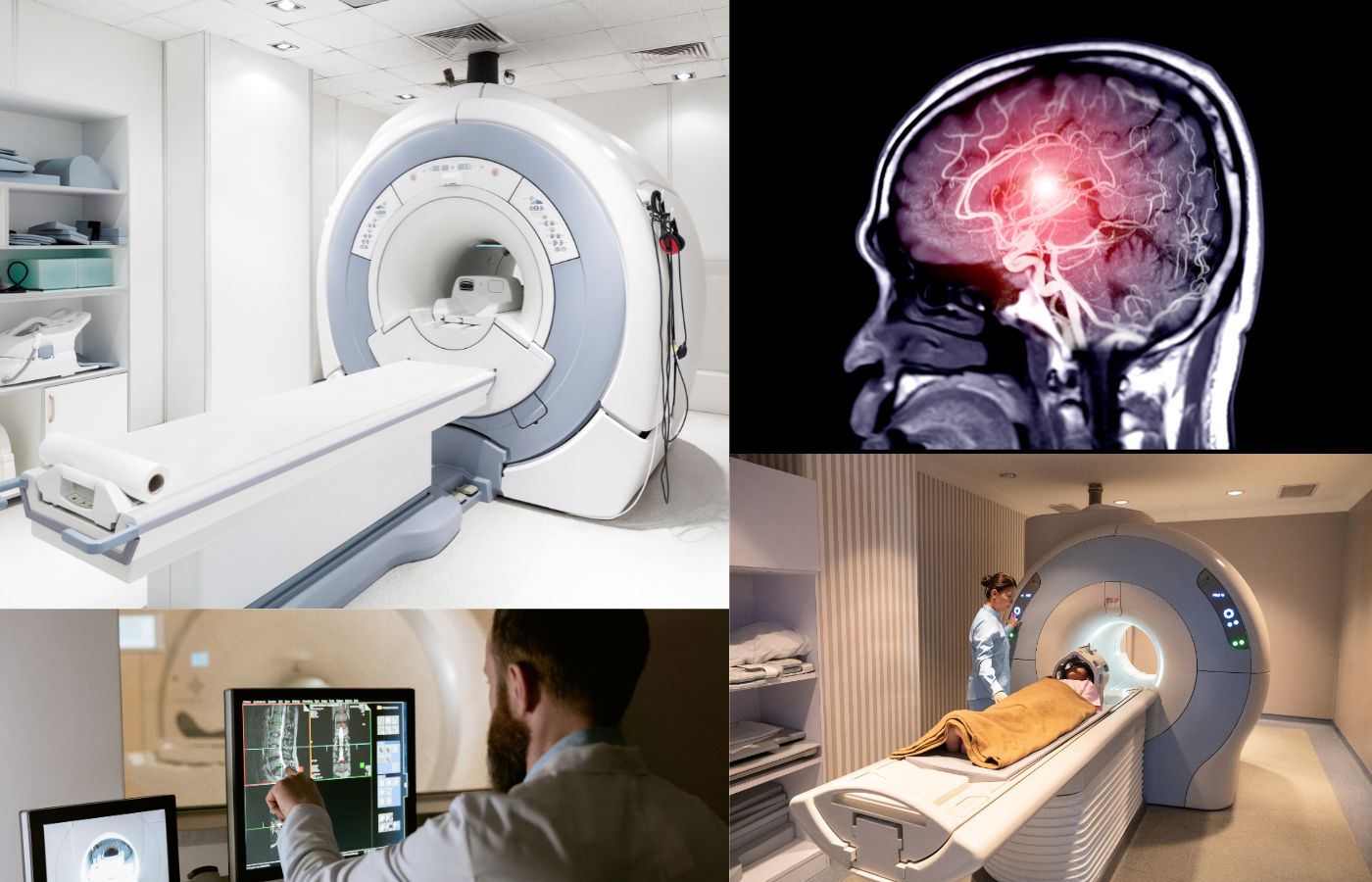
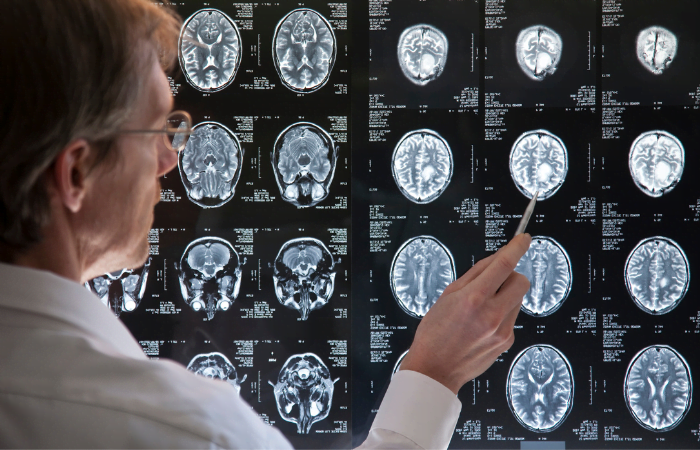
MRI is the best scan to examine the brain and spinal cord. It detects:
Tumors and masses
Stroke and blood vessel abnormalities
Multiple sclerosis
Brain inflammation and infections
Degenerative diseases
MRI can also assess nerve damage and guide neurosurgical planning.
MRI reveals injuries and conditions in:
Muscles
Ligaments
Tendons
Cartilage
Bones
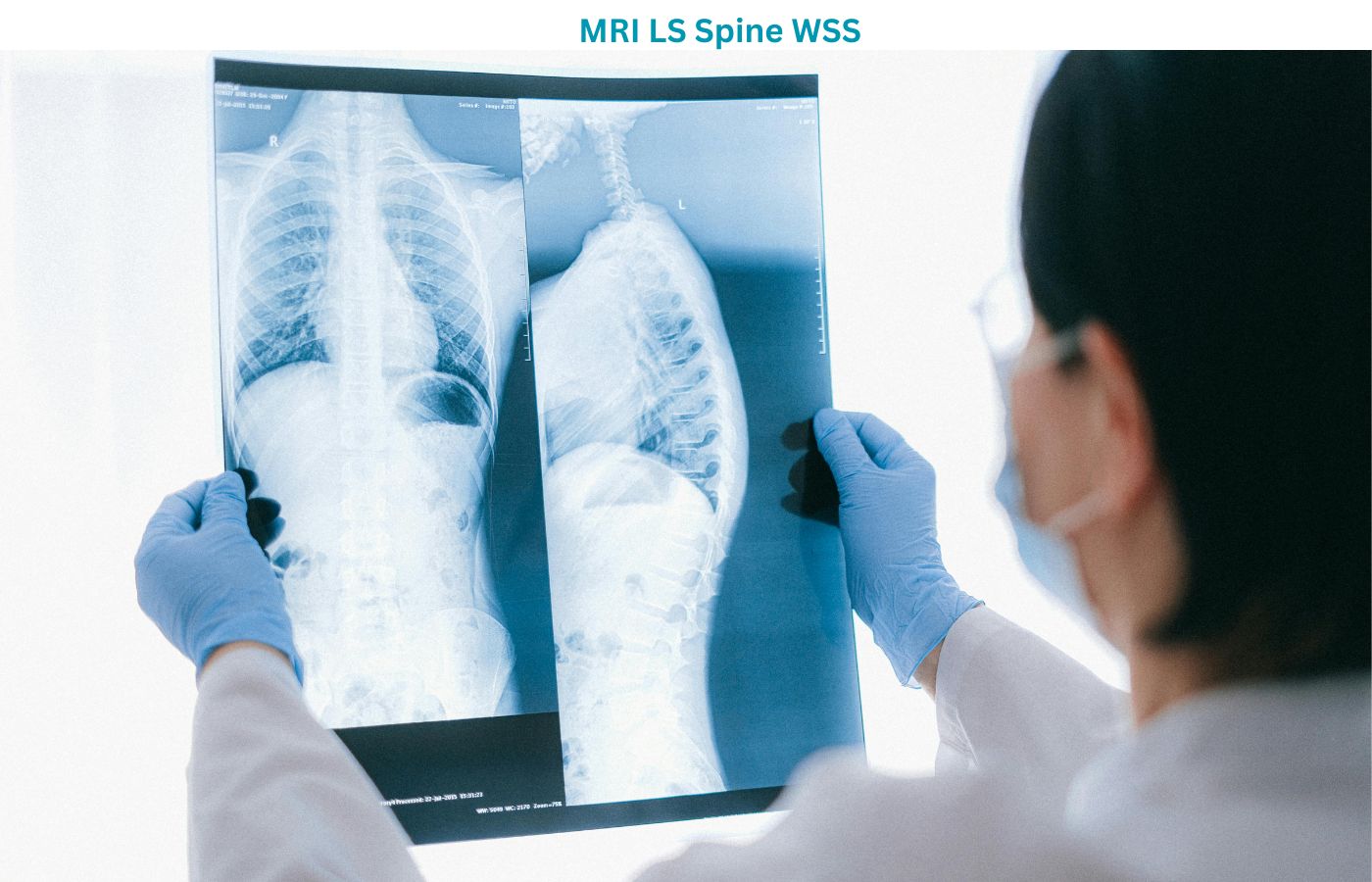
It is particularly useful for diagnosing sports injuries, torn ligaments, and back pain.
Cardiac MRI provides detailed images of the heart’s structure and function. It helps evaluate:
Heart muscle damage
Congenital heart defects
Blood vessel abnormalities
MRI can assess blood flow and detect blockages or aneurysms.
MRI evaluates organs such as:
Liver
Kidneys
Pancreas
Spleen
Reproductive organs
It helps detect tumors, cysts, infections, and organ diseases.
MRI can locate tumors, assess their size, and monitor treatment response. It is often used with other imaging tools to provide a complete picture. Daignopein
MRI scans vary in length depending on the area being examined. Most take between 15 and 60 minutes.
Here is what typically happens:
Preparation
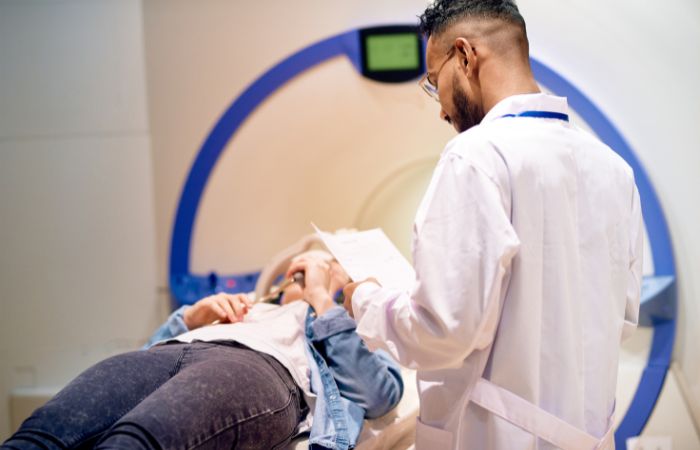
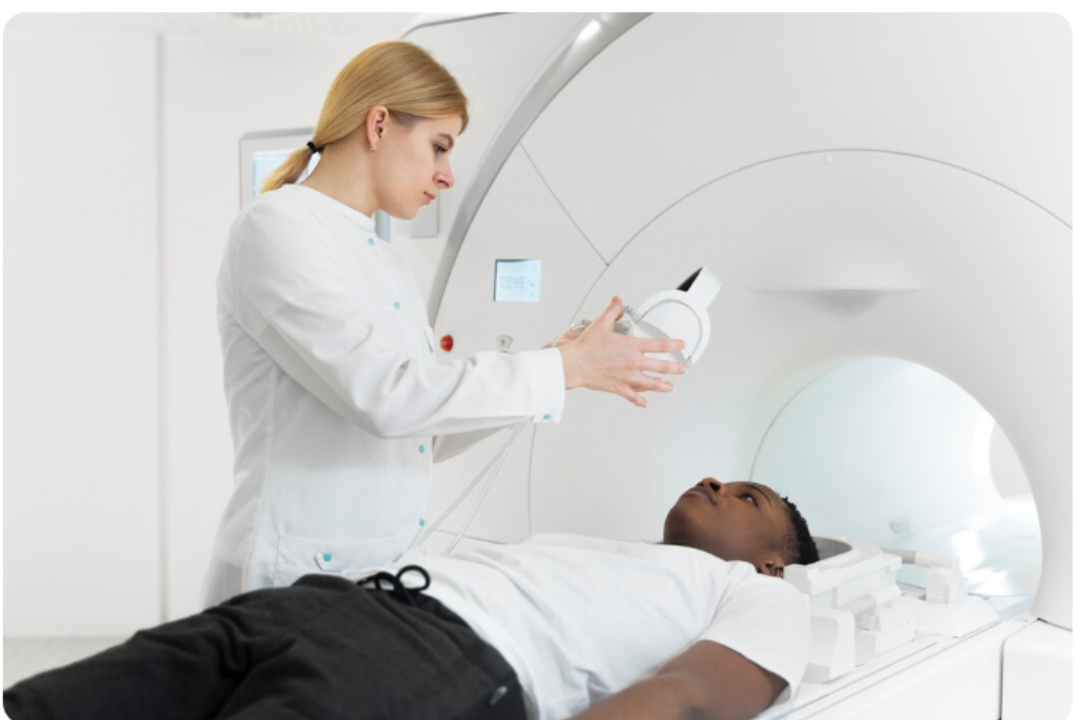
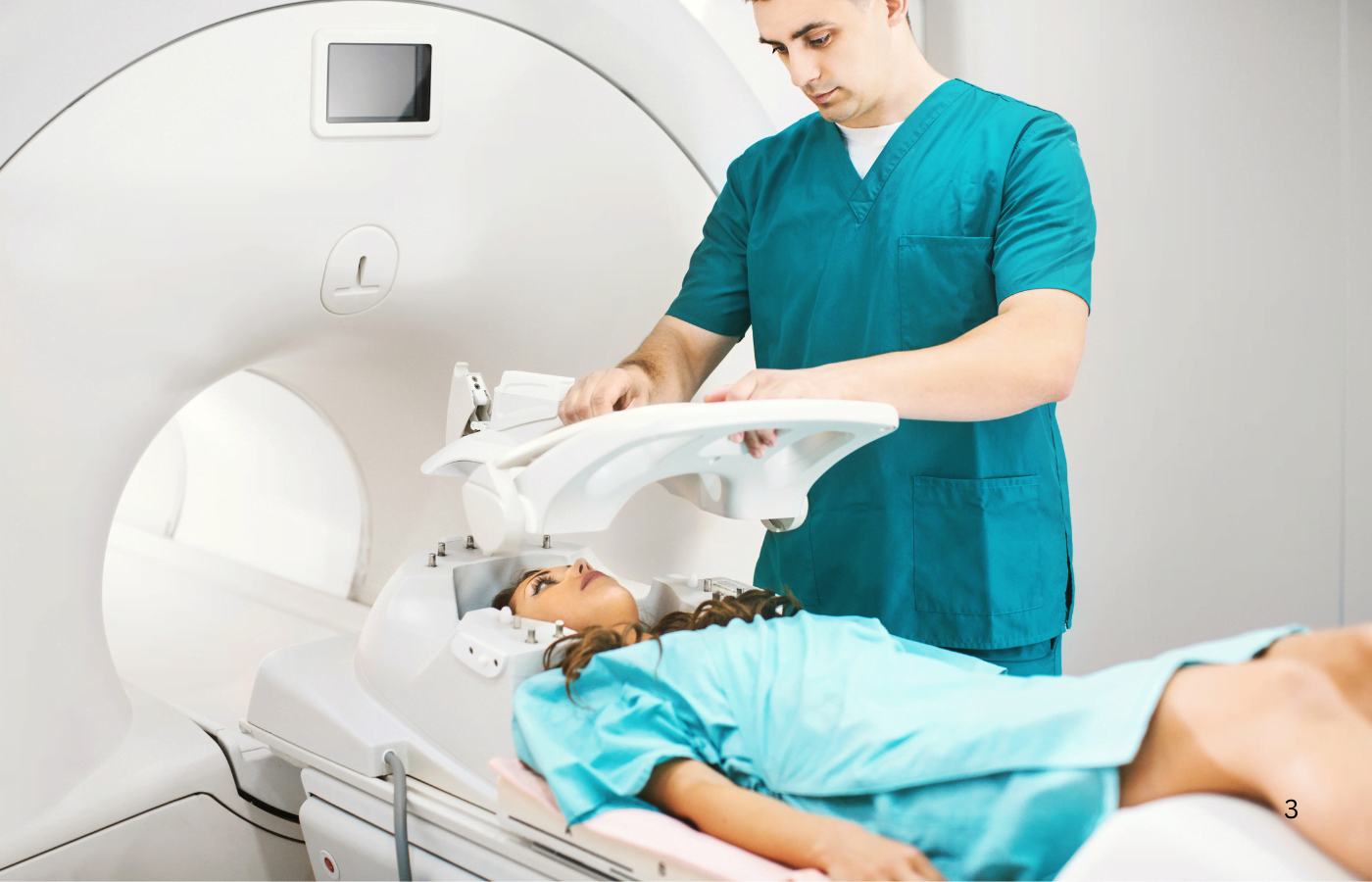
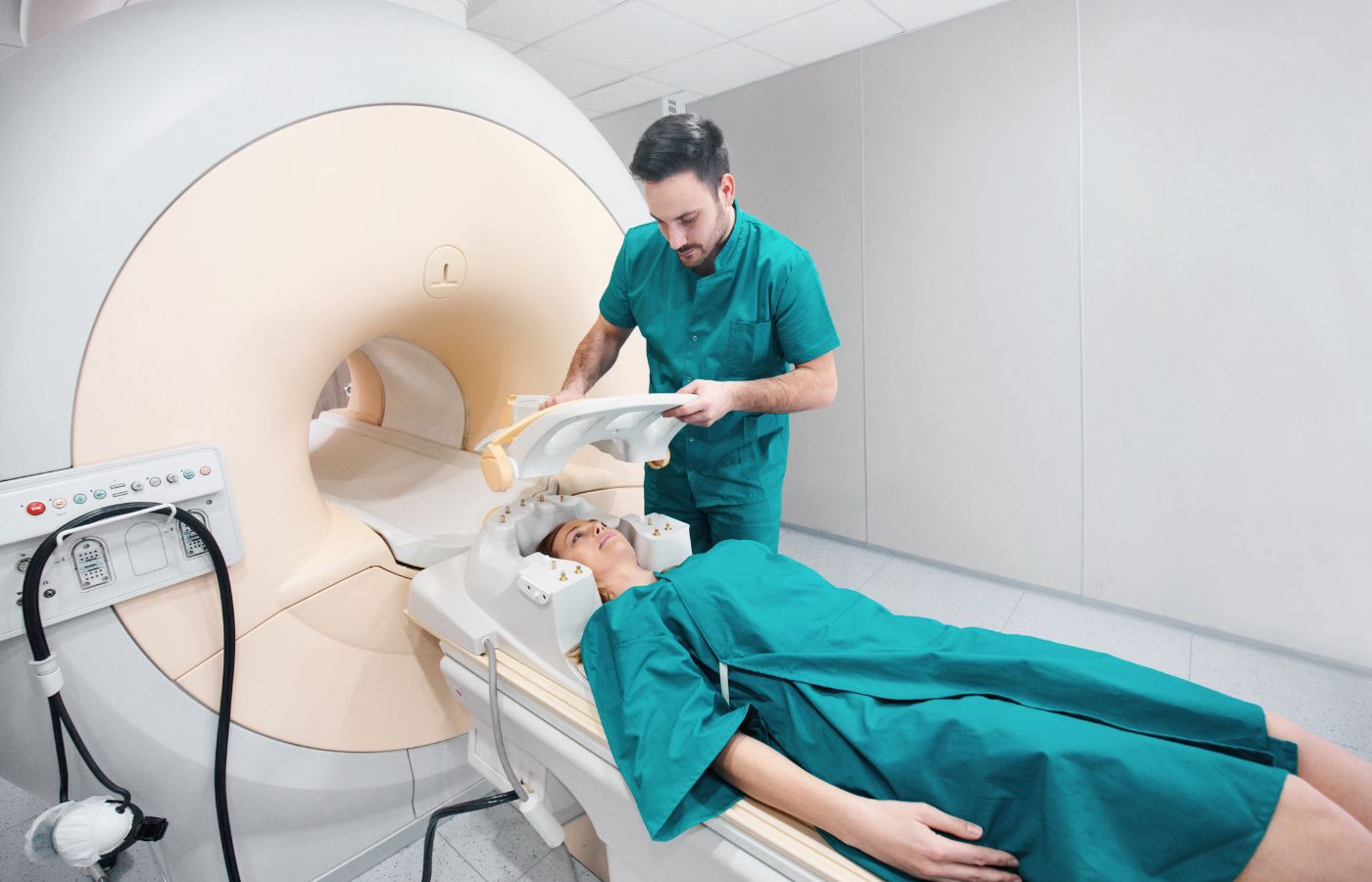
You will be asked to remove metal objects, jewelry, and electronics. The technologist will explain the procedure.
Positioning
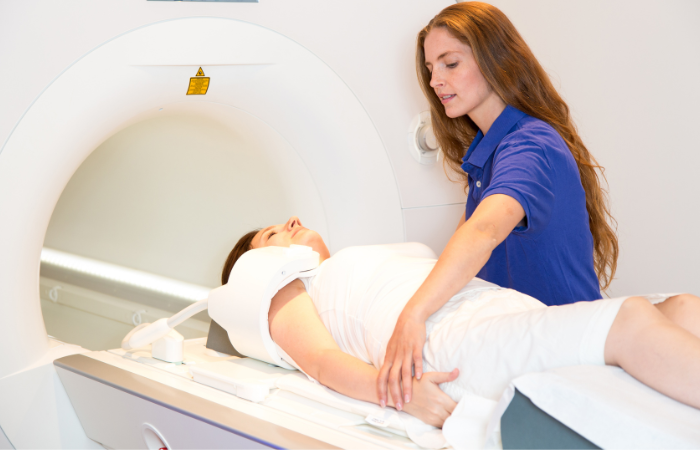
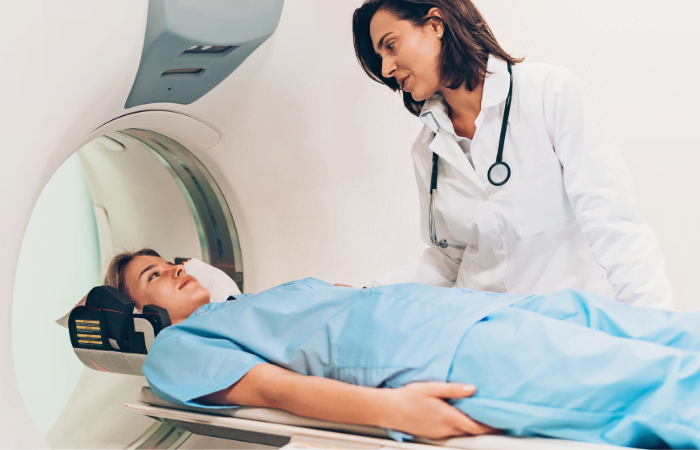
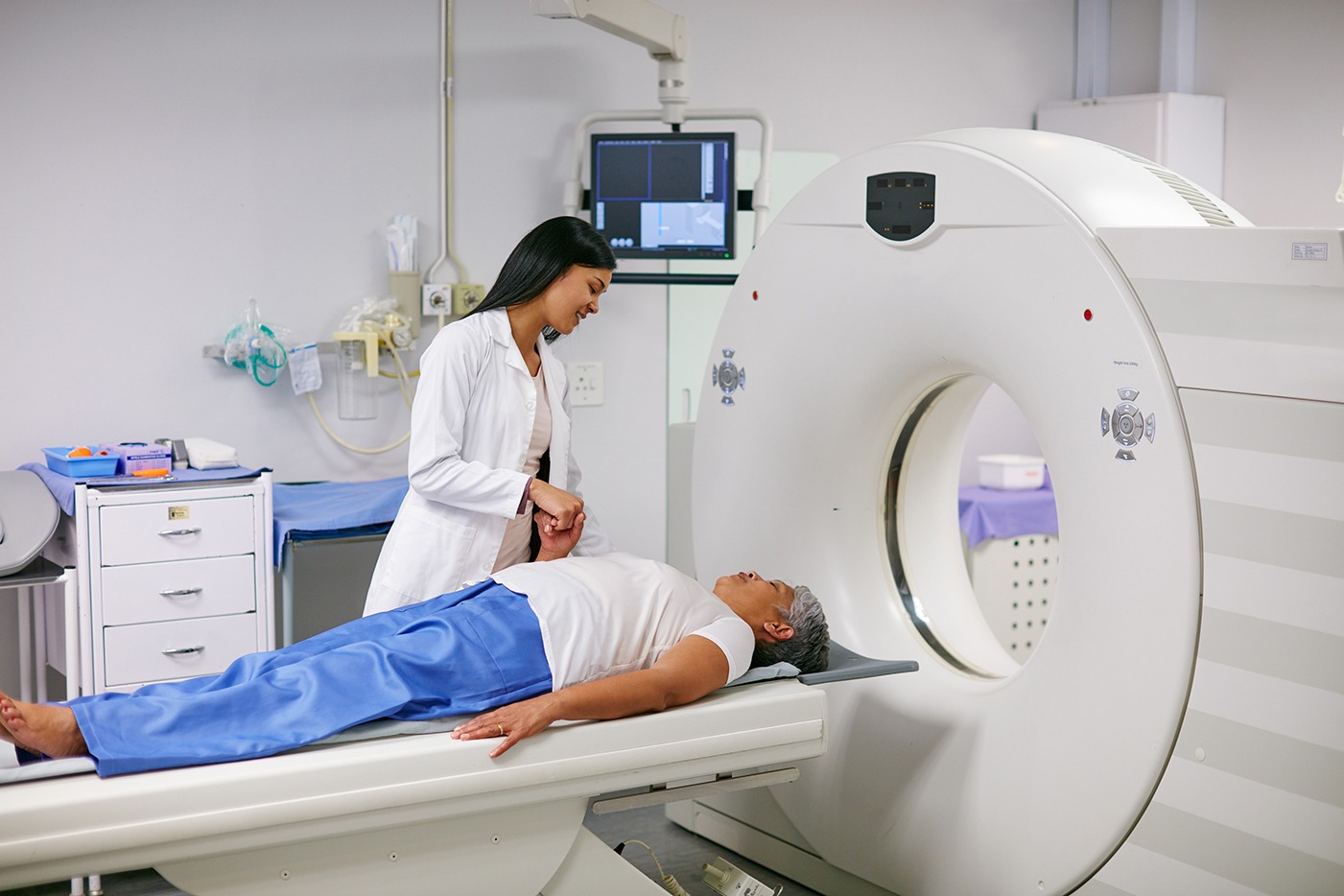
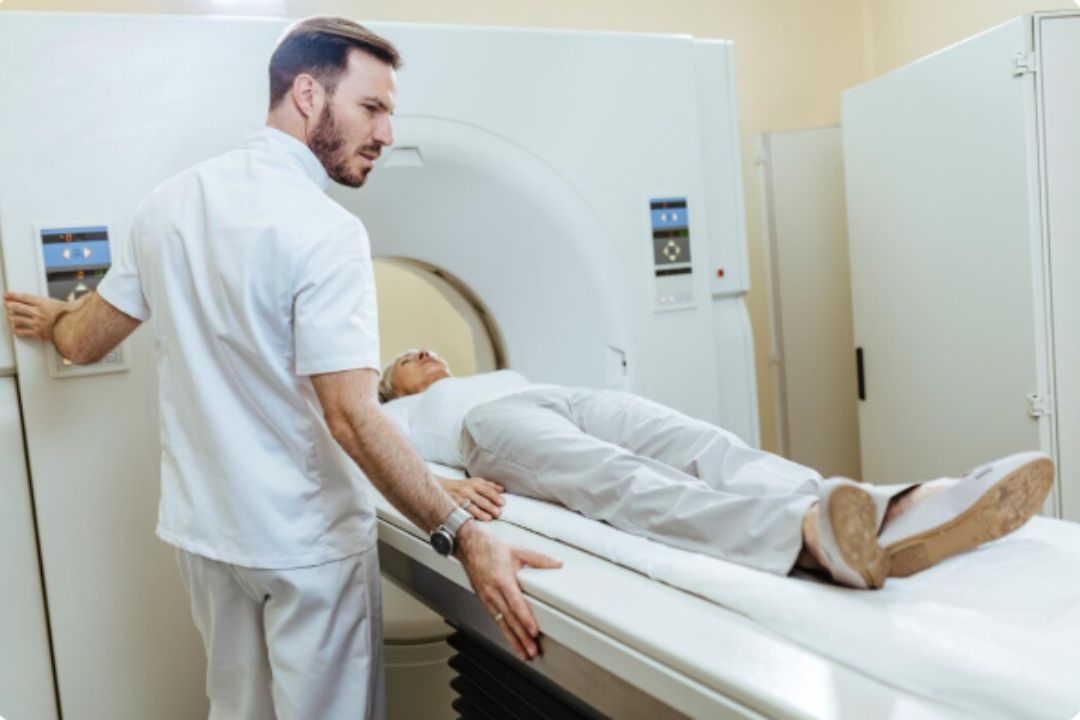
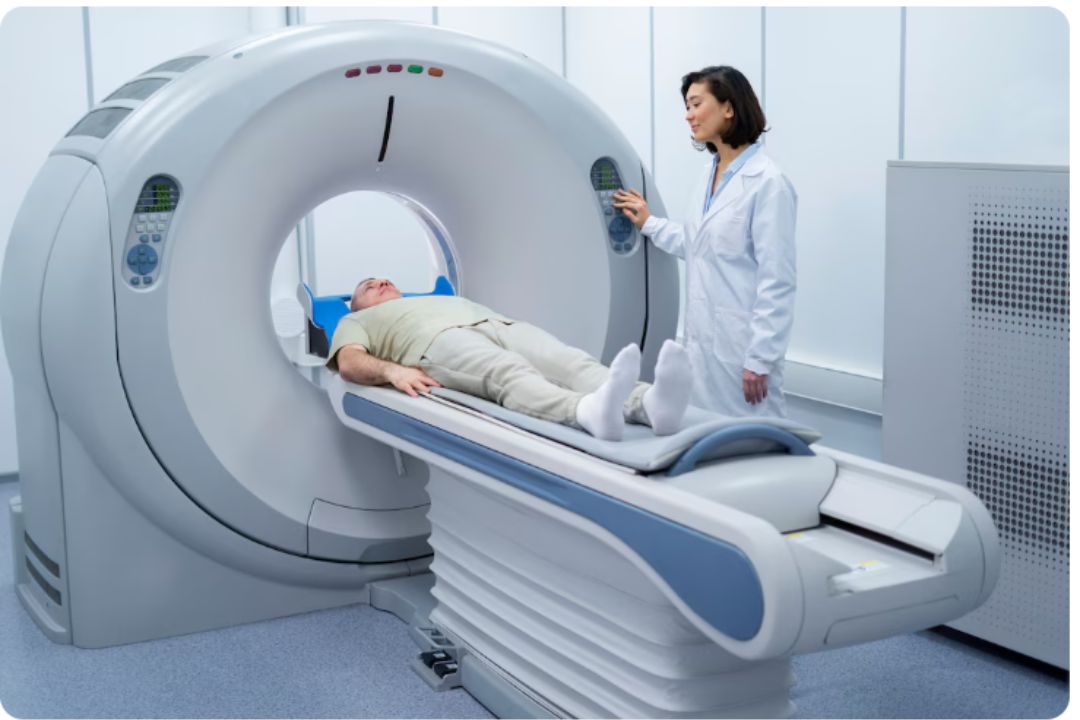
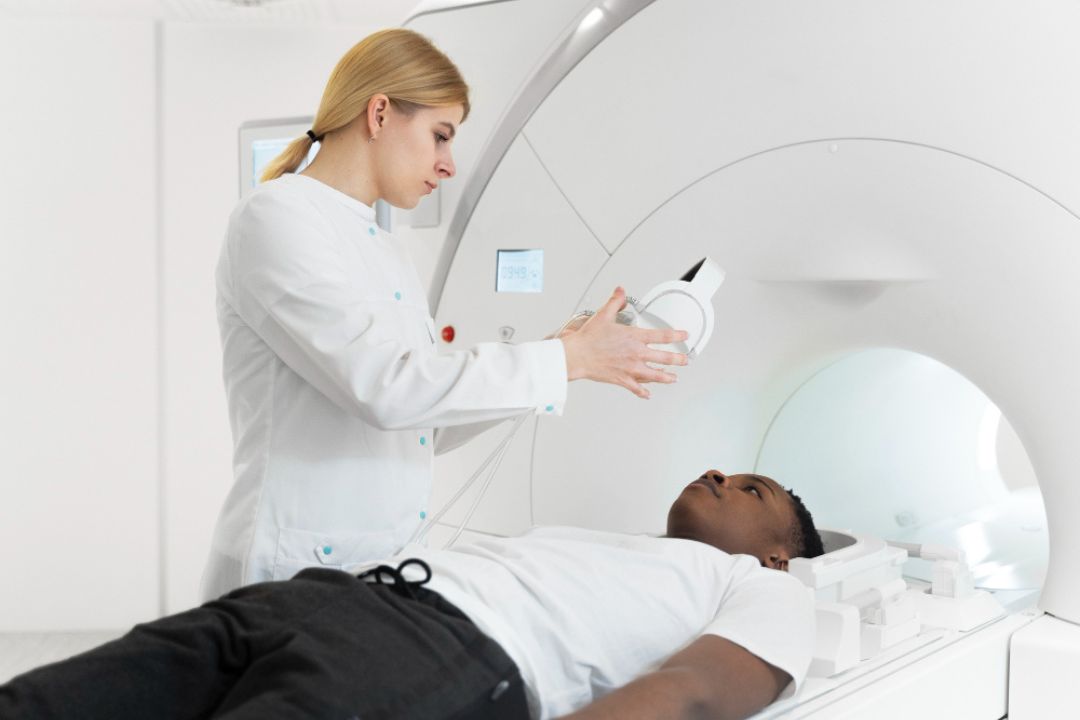
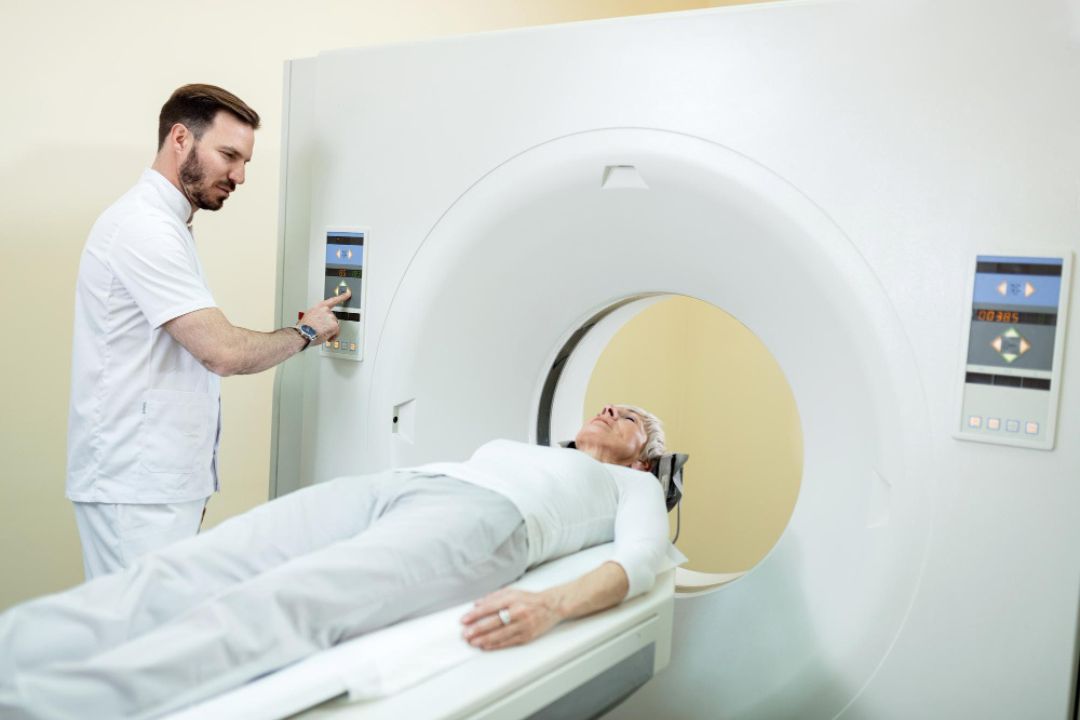
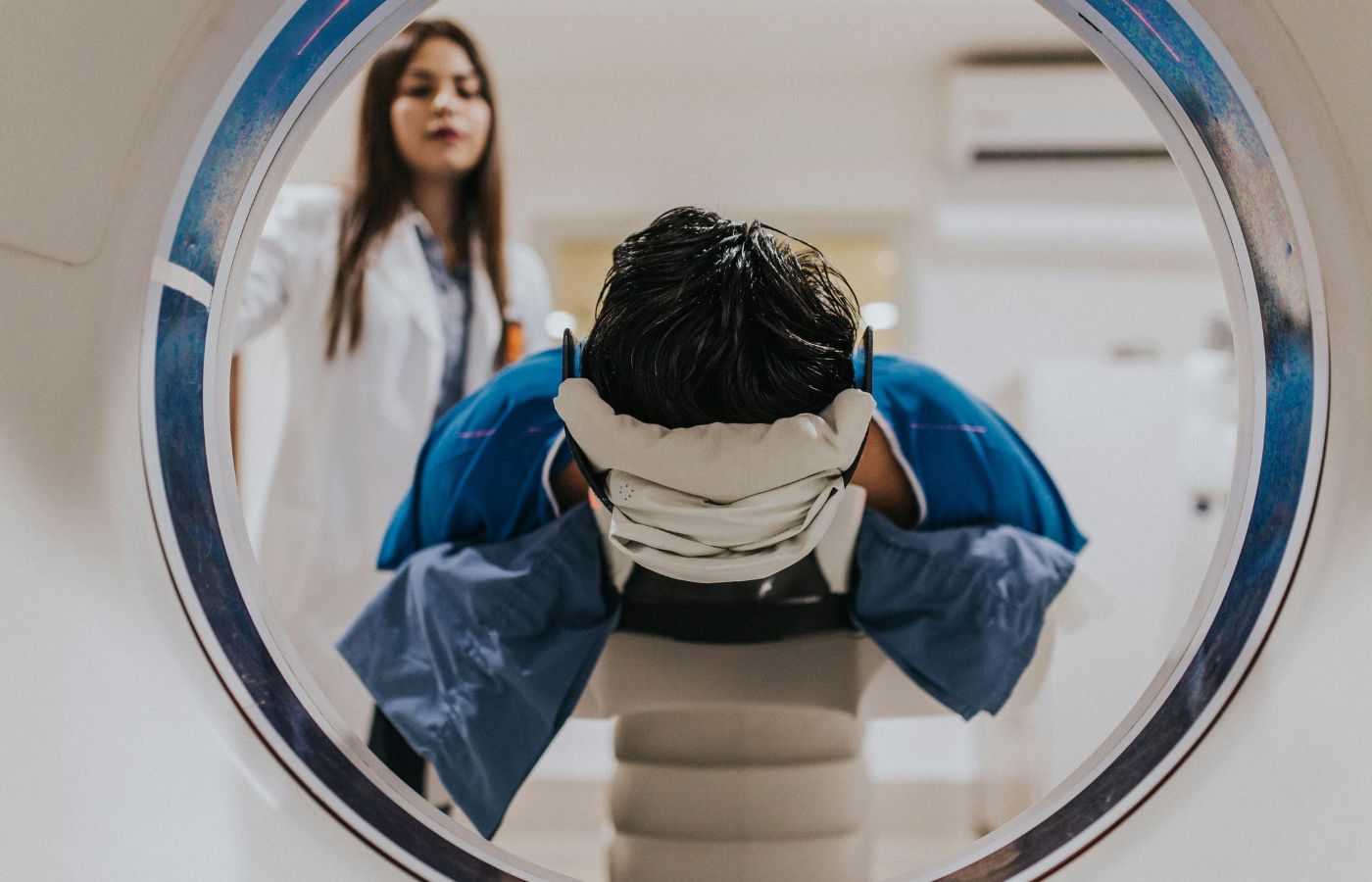
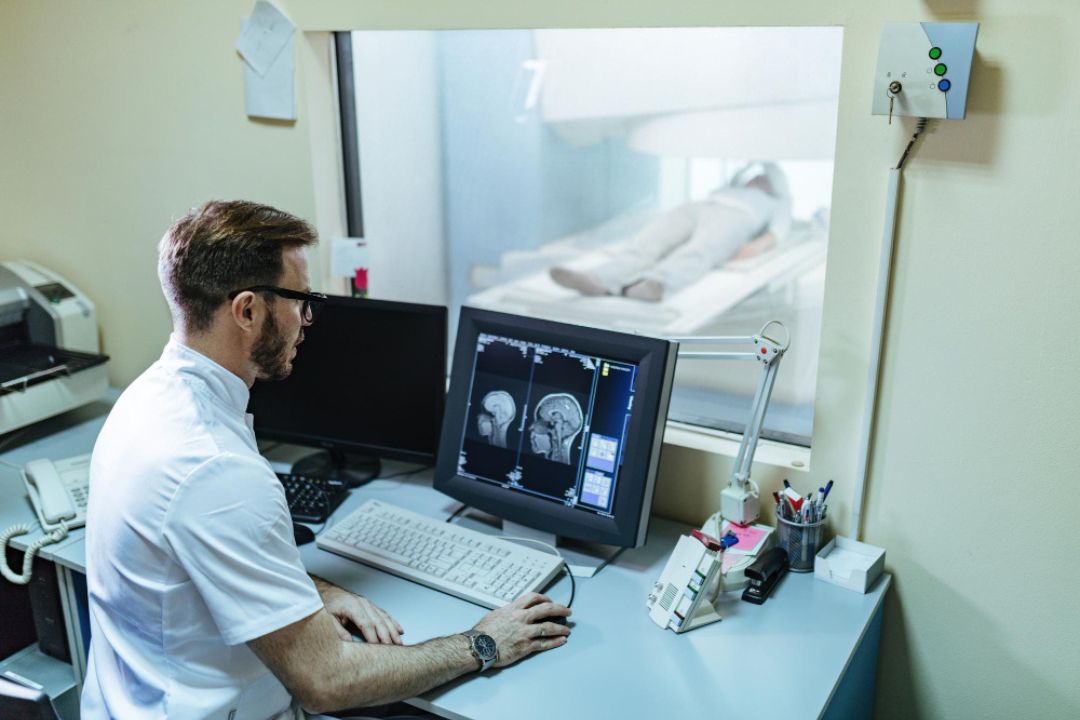
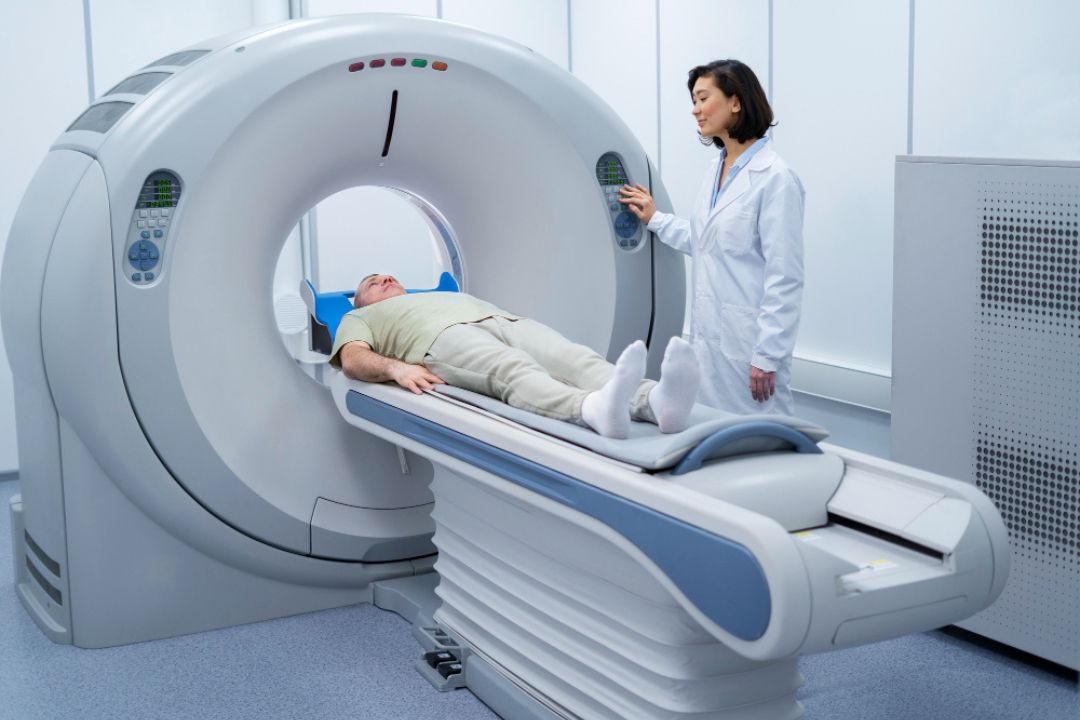
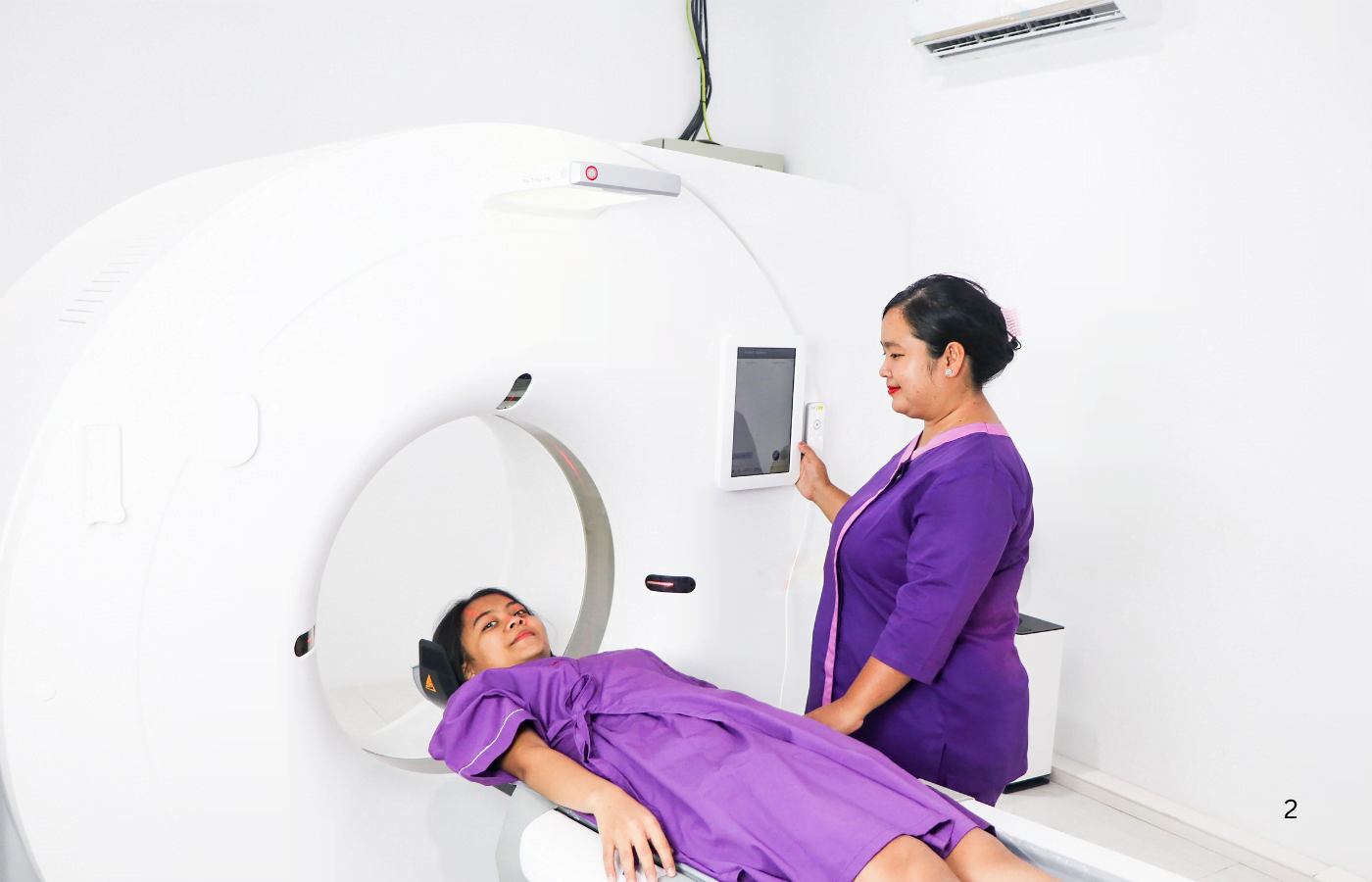
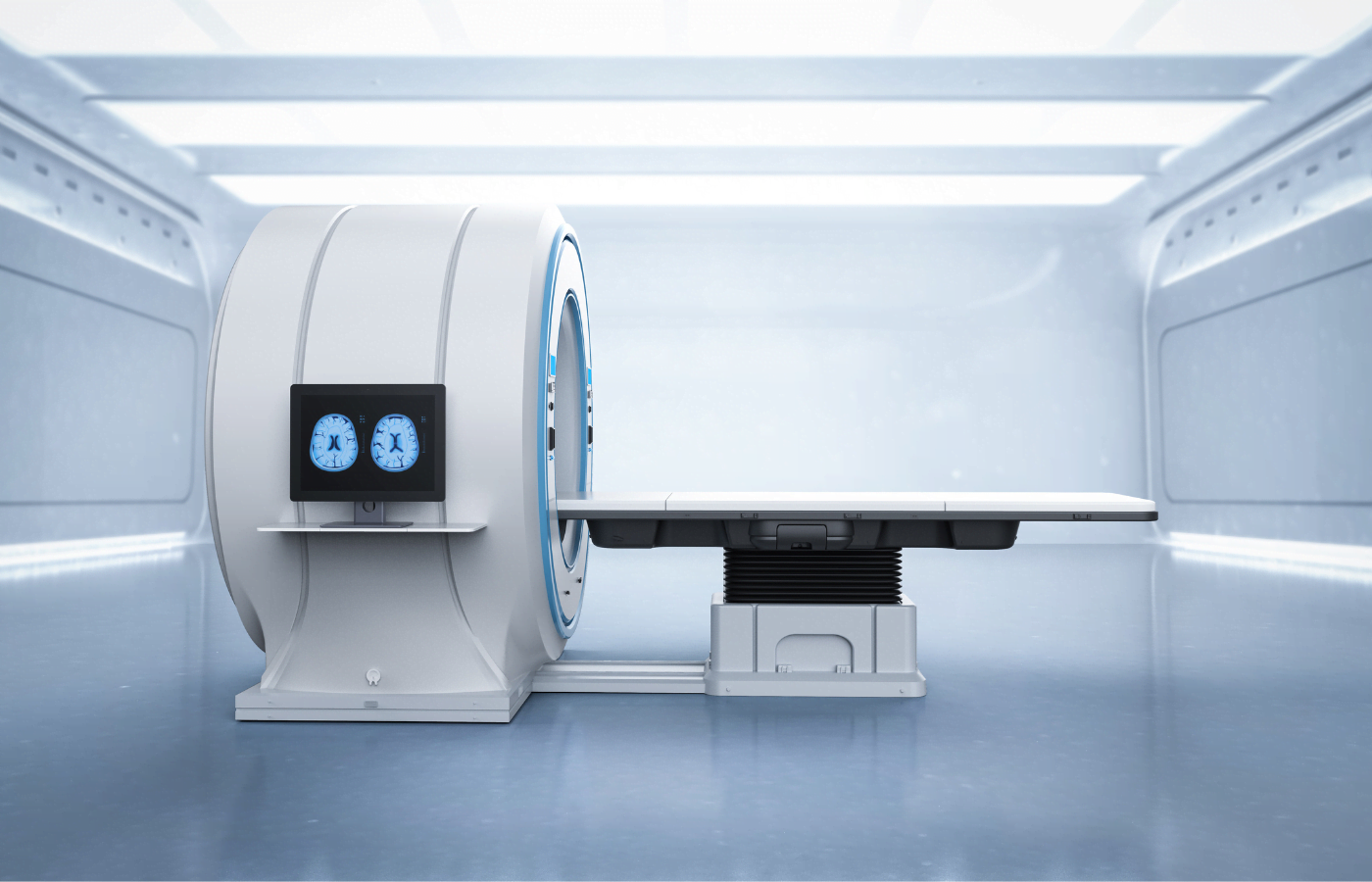
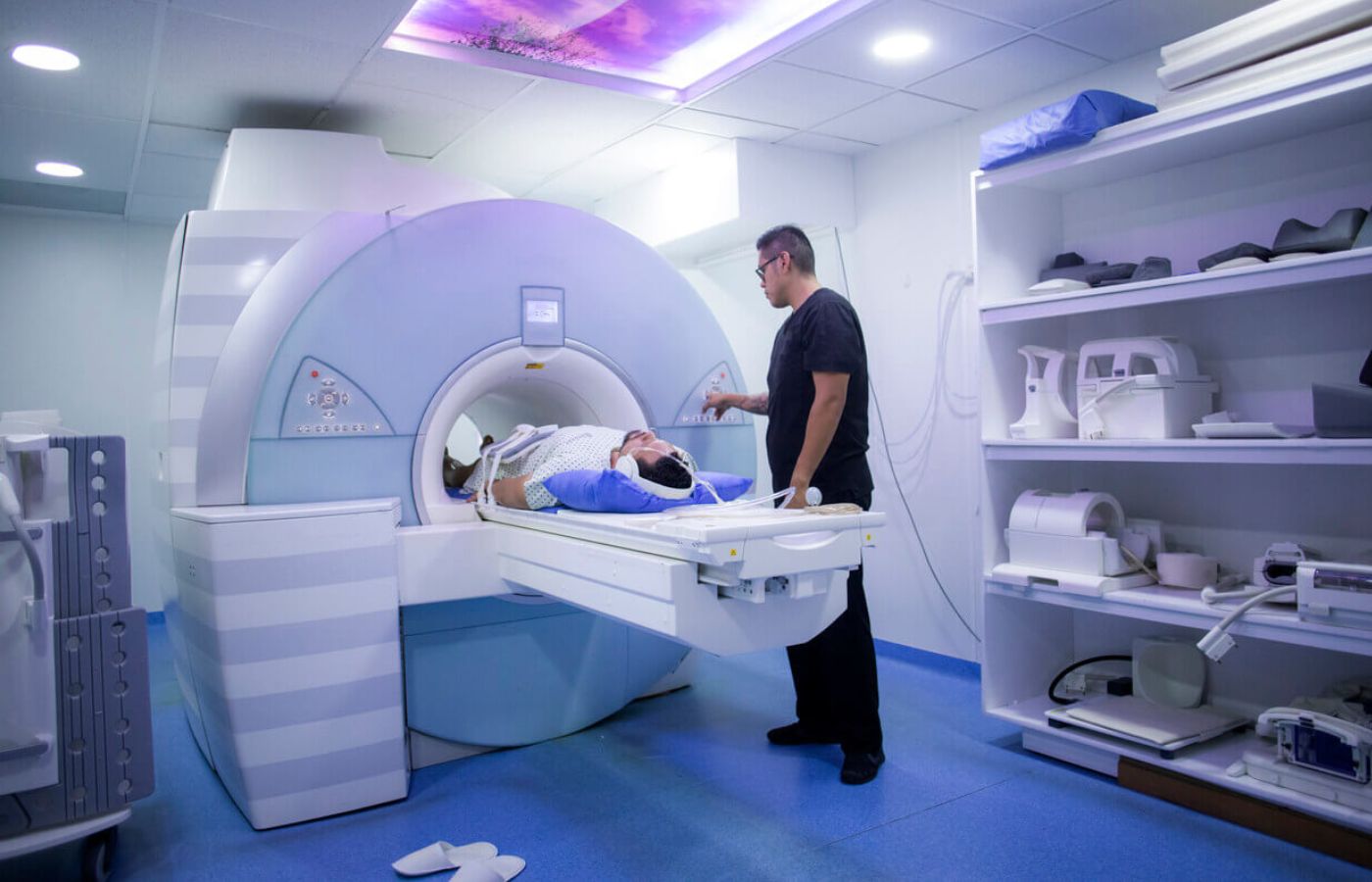
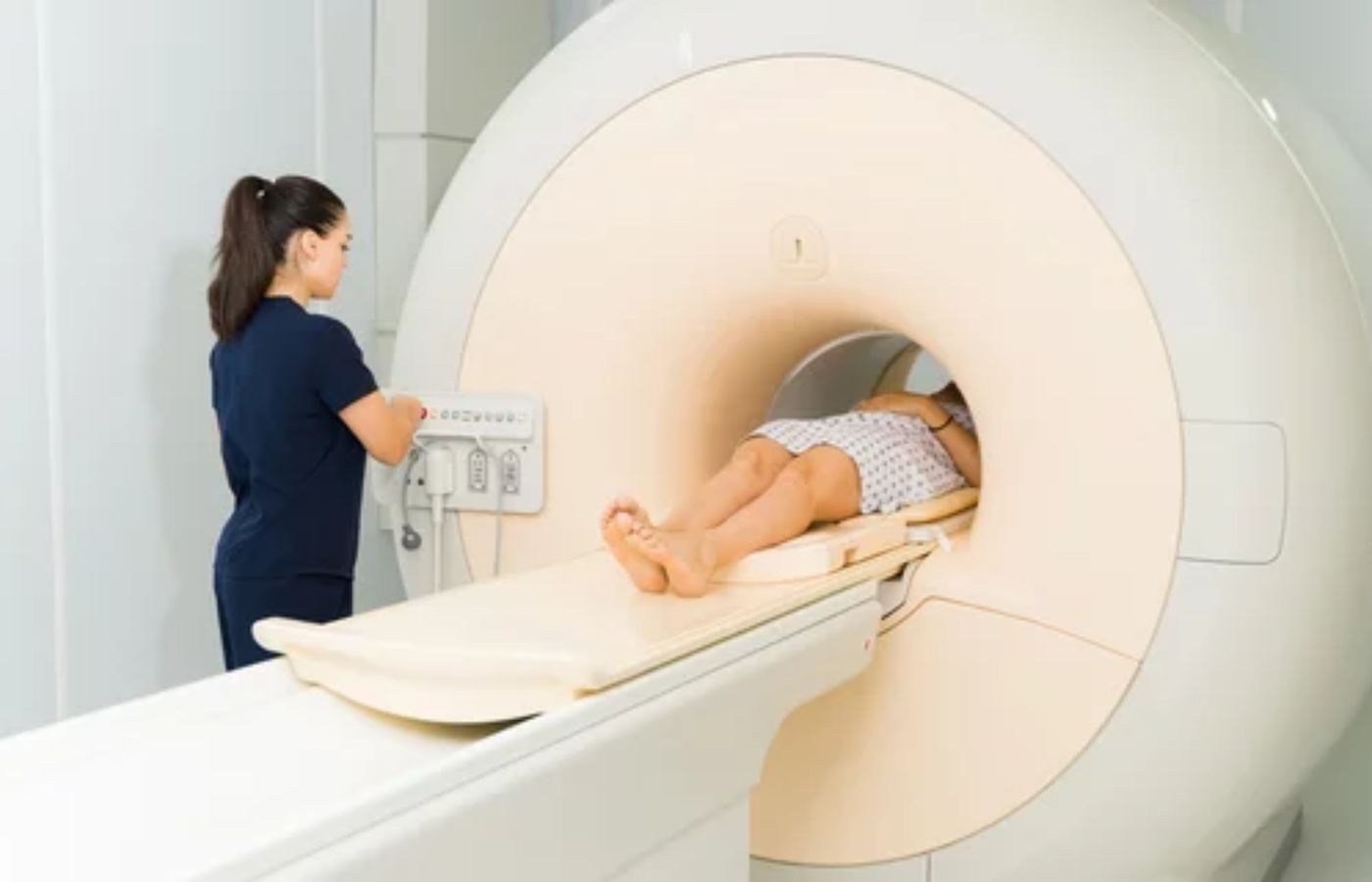
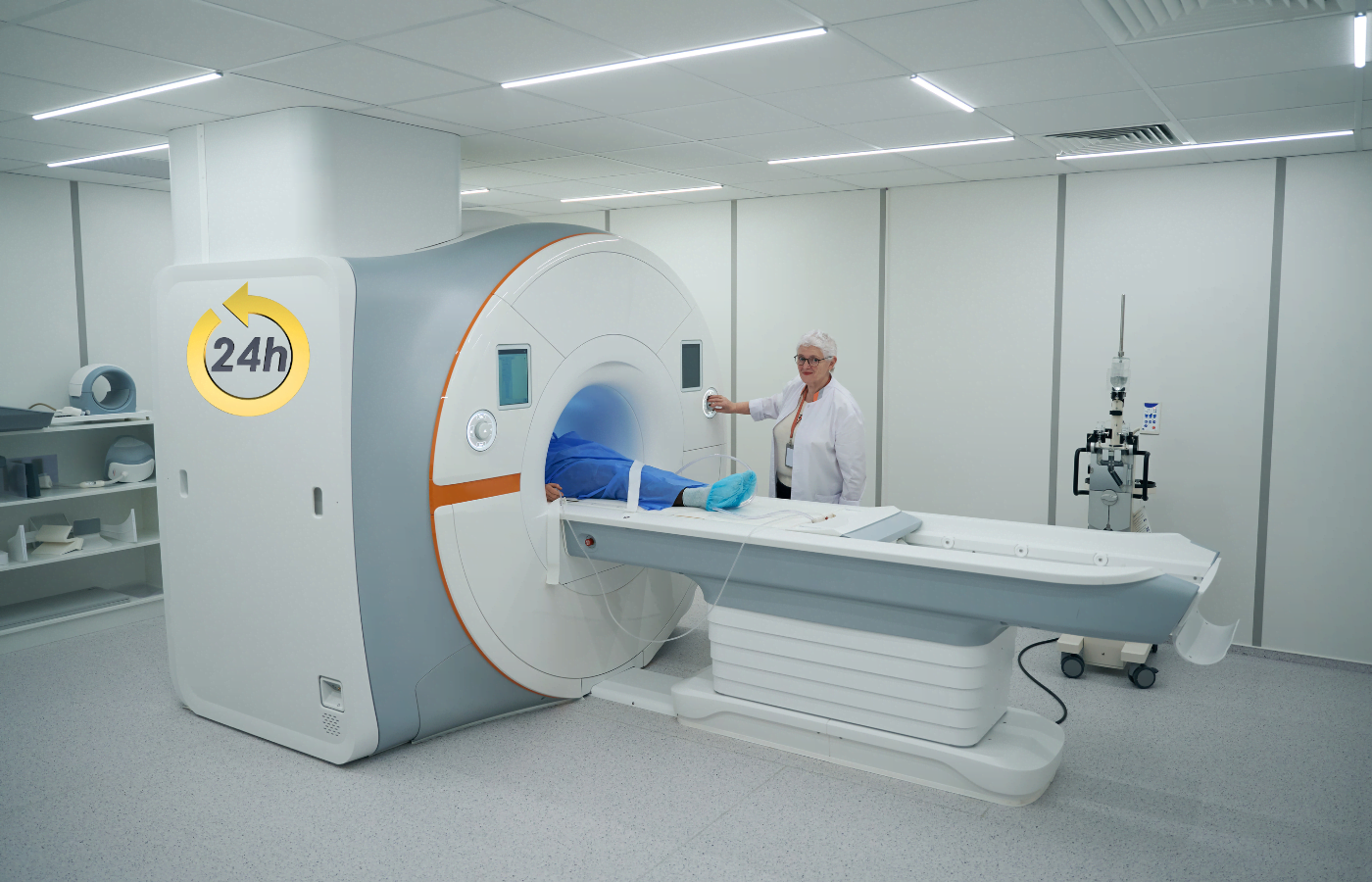
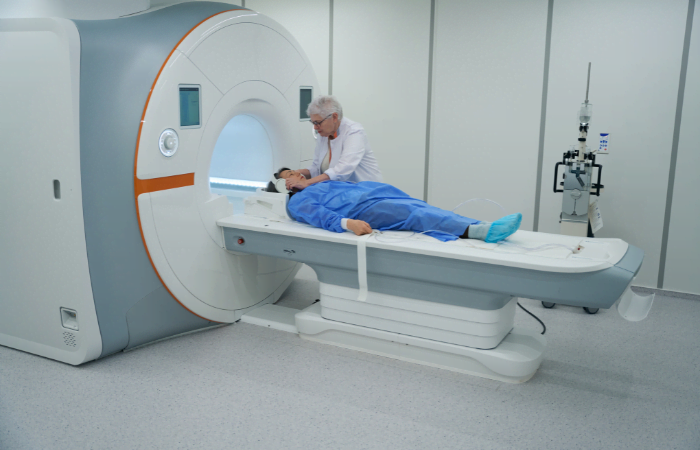
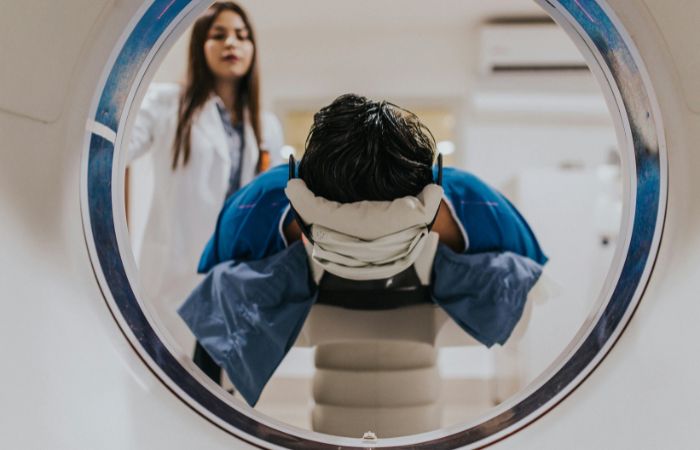
You lie on a sliding table that moves into the MRI scanner. Comfort and stillness are important for clear images.
During the Scan
The machine makes loud tapping or knocking sounds. Ear protection is provided. You must stay still during imaging.
Contrast Agents
In some cases, you may receive a contrast dye through an IV. This helps highlight certain tissues.
After the Scan
The technologist will guide you out of the machine. You can resume normal activities unless instructed otherwise.
MRI is very safe, but some precautions apply:
Metal Implants:
If you have a pacemaker, some aneurysm clips, or certain implants, MRI may not be recommended. Always inform your doctor.
Claustrophobia:
Some patients feel anxious inside the MRI tube. Open MRI options or sedation may be available.
Contrast Reactions:
Rarely, patients may react to contrast dye. Allergic reactions are uncommon, and staff are trained to manage them.
Before your scan:
Wear comfortable, metal-free clothing
Inform the technologist of implants or devices
Remove jewelry and piercings
Follow fasting instructions if contrast is used
Clear communication ensures a smoother experience.
Magnetic Resonance Imaging is a powerful diagnostic tool. It reveals structures beneath the surface with unmatched detail. MRI is safe, versatile, and essential in modern medicine.
From brain scans to joint evaluations, MRI helps doctors diagnose and plan treatment with confidence. Understanding how it works and what to expect can ease anxiety and improve patient experience.
To learn more or schedule an MRI, contact your healthcare provider or imaging center.













.jpg "mri scan")

.jpg "mri angiography")
.jpg "MRI Cholecysto Pancreatography")
.jpg "MRI Angiography Done")


.jpg "Mri scan for thigh")


 (1).jpg "MRI Scan for Hip Pain")



.jpg "OBS (Obstetric) Colour Doppler")



.png "Why You Need MRI ORBIT")