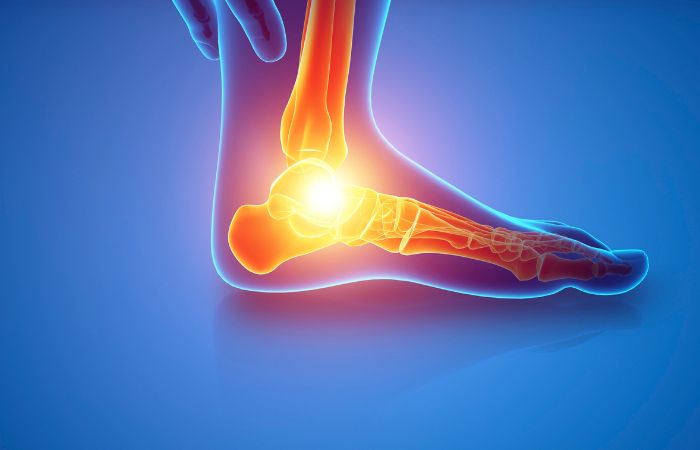
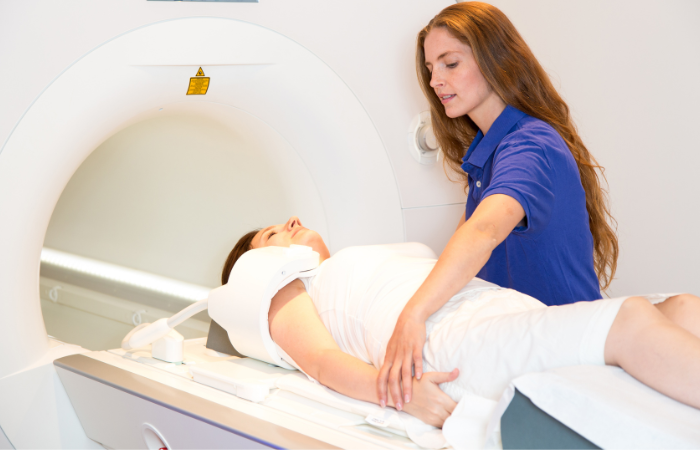
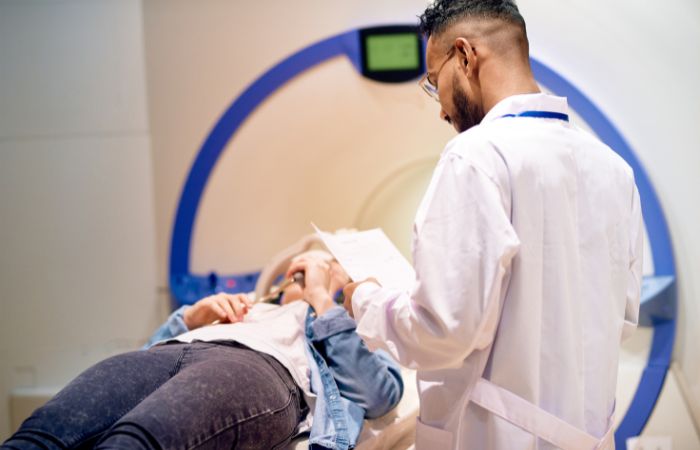
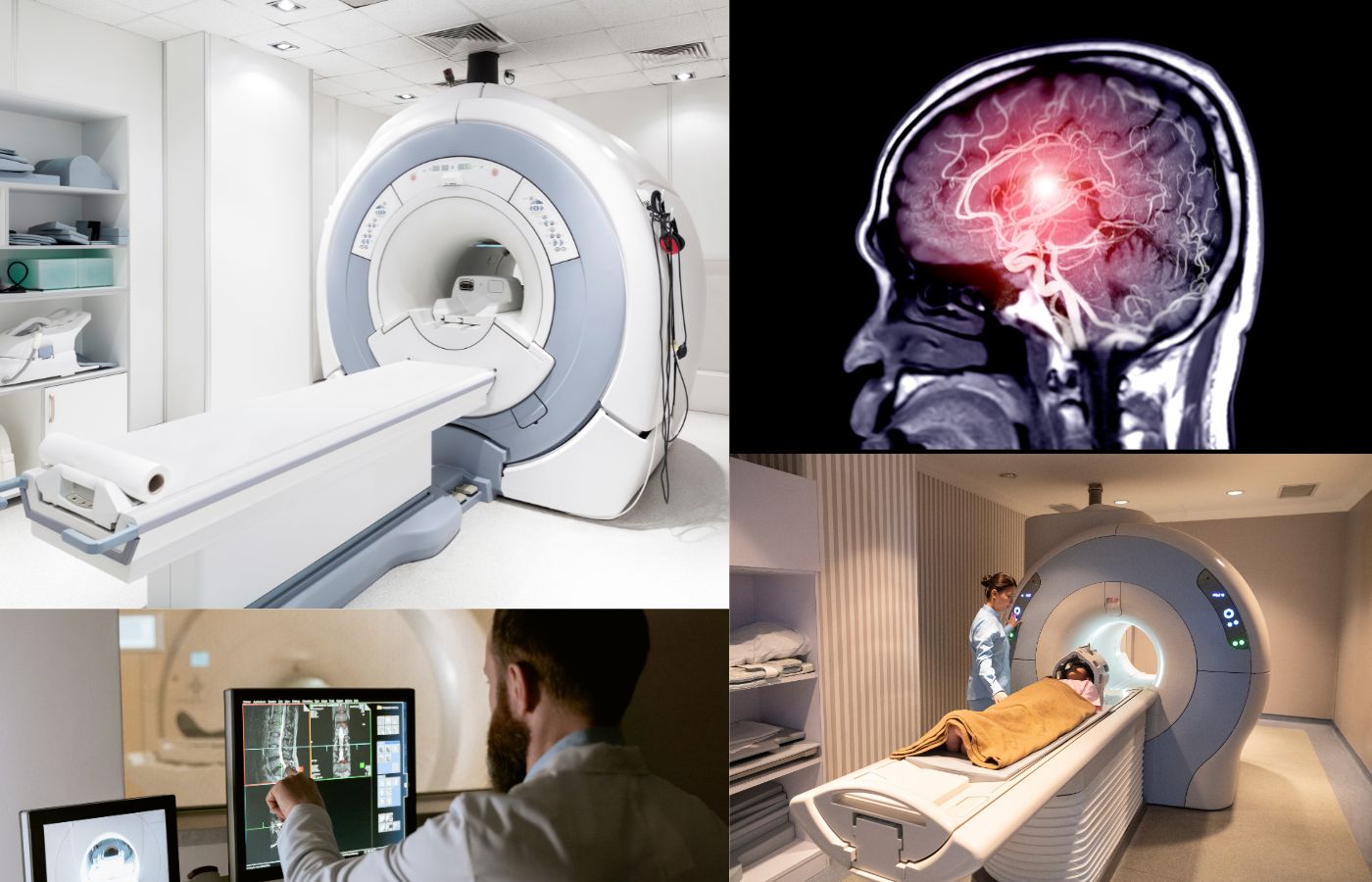
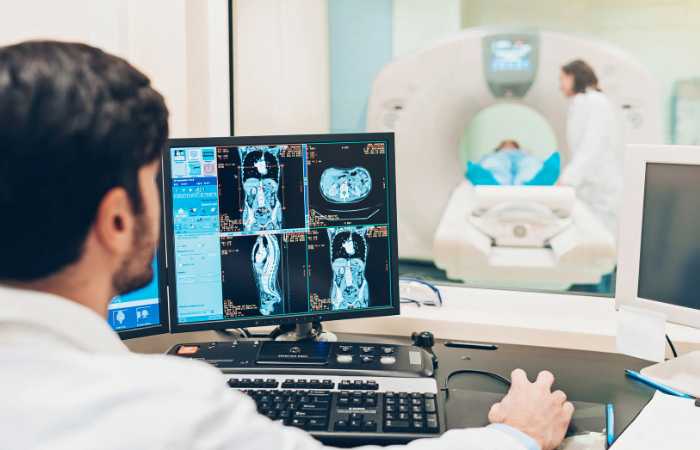
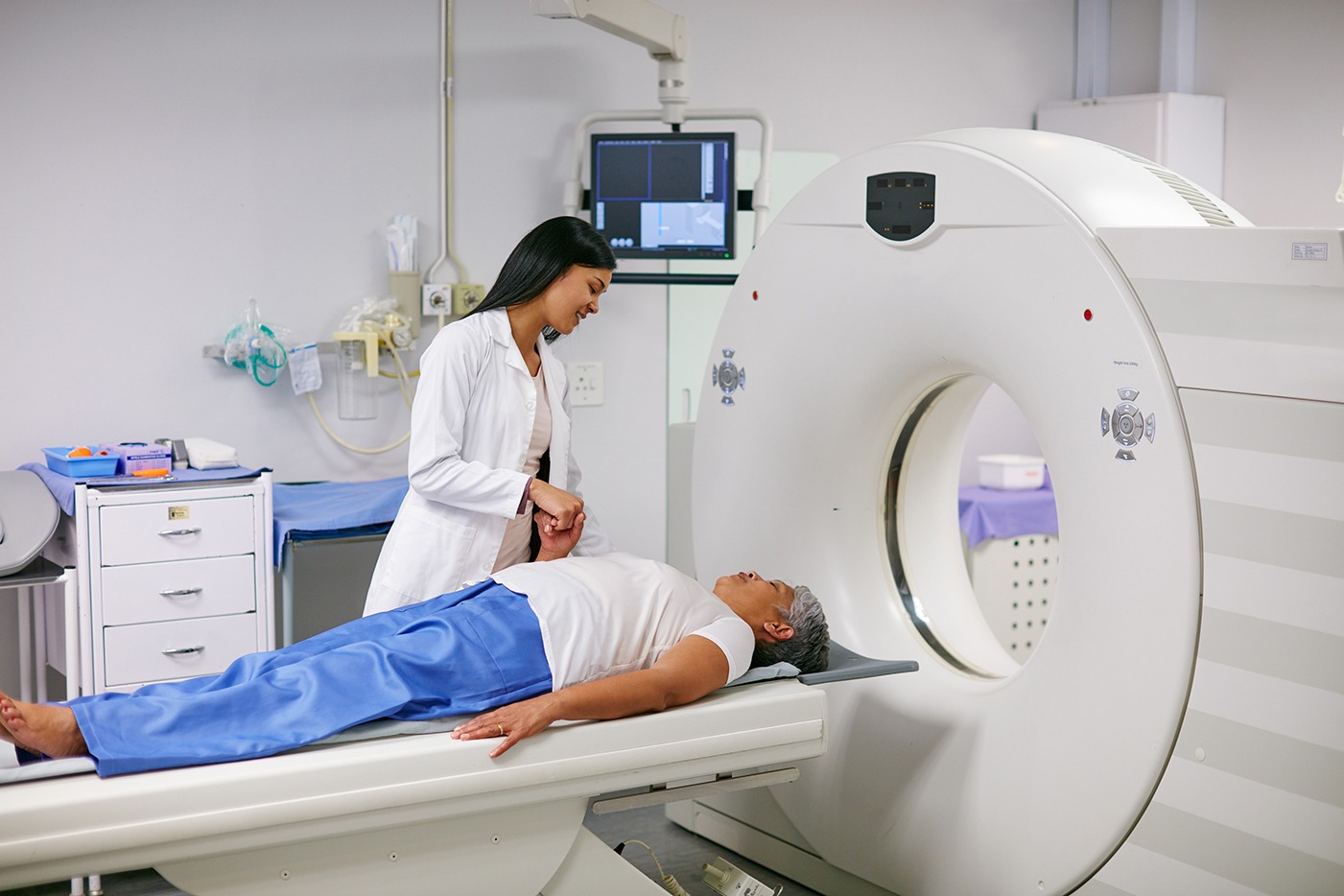
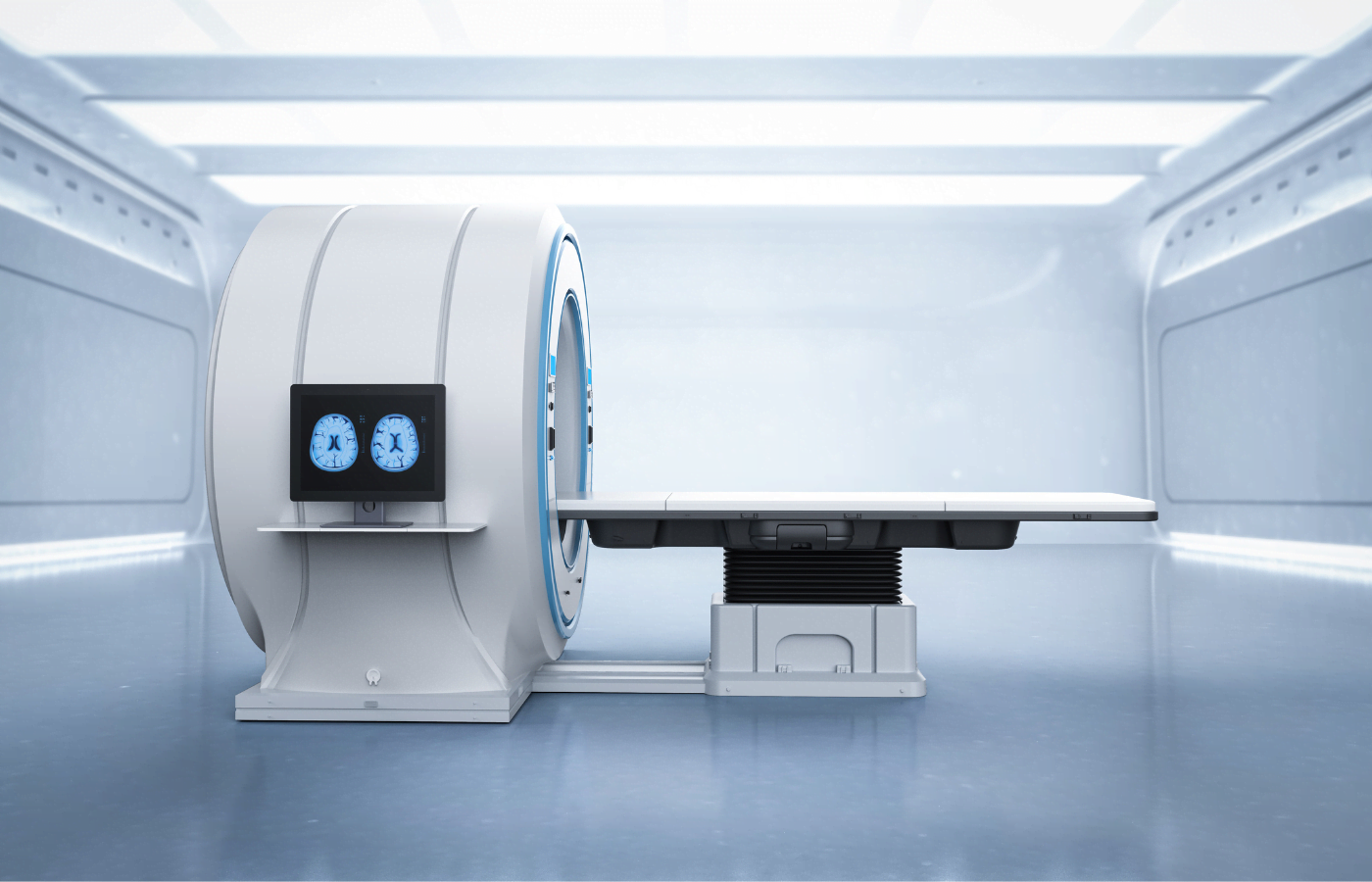
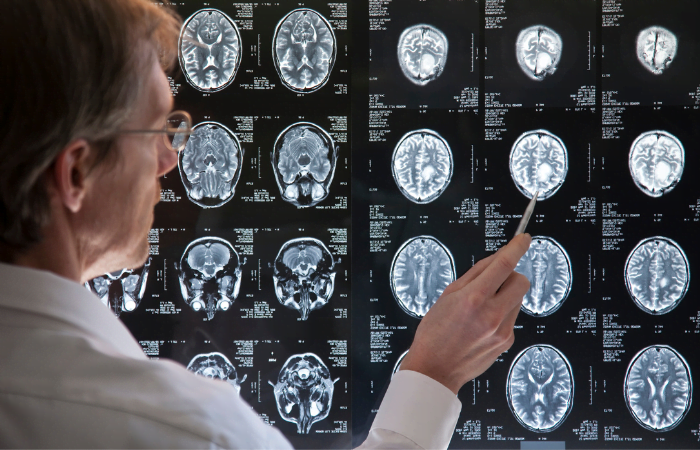
.jpg "Mri scan for thigh")
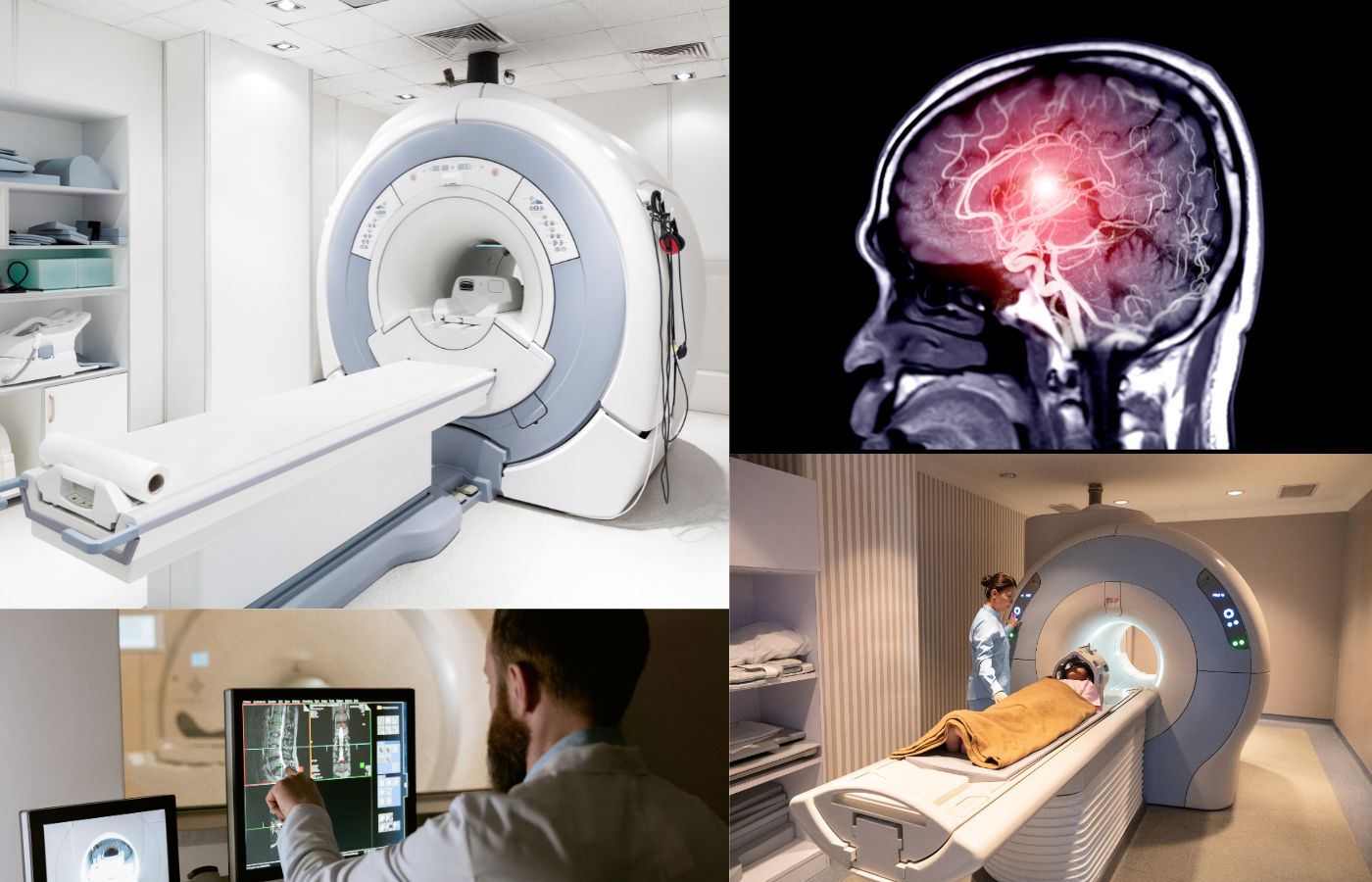
Thigh pain can result from sports injuries, muscle strain, trauma, or underlying medical conditions. When pain persists or the cause isn’t clear, doctors often recommend an MRI Scan to get a detailed view of the affected area.
An MRI (Magnetic Resonance Imaging) is one of the most advanced diagnostic tools for evaluating muscles, tendons, ligaments, and soft tissues of the thigh. Unlike X-rays, MRI does not use radiation and provides highly detailed images of soft tissue structures.
To understand why MRI is useful, it helps to know the basic anatomy of the thigh.
The thigh contains:
Quadriceps muscles (front of thigh)
Hamstring muscles (back of thigh)
Adductor muscles (inner thigh)
Major tendons and ligaments
Femur (thigh bone)
Blood vessels and nerves
Surrounding connective tissues
Because the thigh contains large muscle groups and deep soft tissues, injuries are not always visible externally. MRI helps evaluate these structures in detail.
A doctor may recommend an MRI if you have symptoms caused by:
Sports injuries
Sudden muscle strain or tear
Direct trauma or fall
Overuse injuries
Persistent swelling
Deep bruising
Unexplained thigh pain
Limited range of motion
If an X-ray does not show fractures but pain continues, MRI is often the next step.
Your healthcare provider may suggest an MRI if:
Pain lasts more than 1–2 weeks
Swelling does not improve
You feel weakness in the leg
There is suspicion of a muscle tear
There may be ligament or tendon damage
Surgery planning is required
There is concern about infection or abnormal growth
MRI is especially helpful for athletes and active individuals where precise diagnosis affects recovery time.
Many patients feel anxious about MRI Scans, but the procedure is safe and painless.
You may be asked to remove metal objects.
Inform the technician if you have implants, pacemakers, or metal inside your body.
Wear comfortable clothing or a hospital gown.
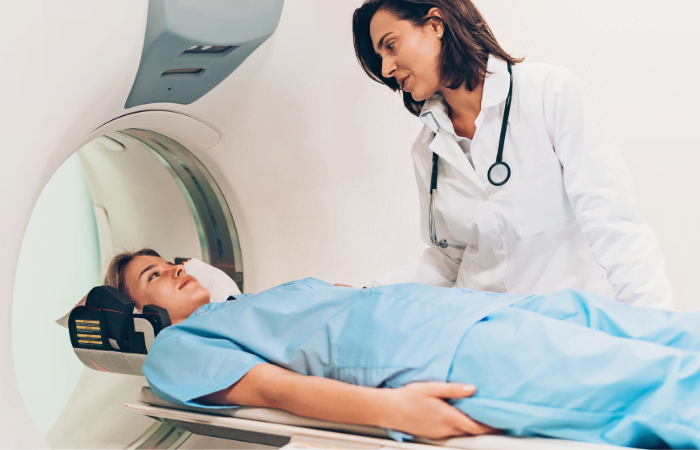
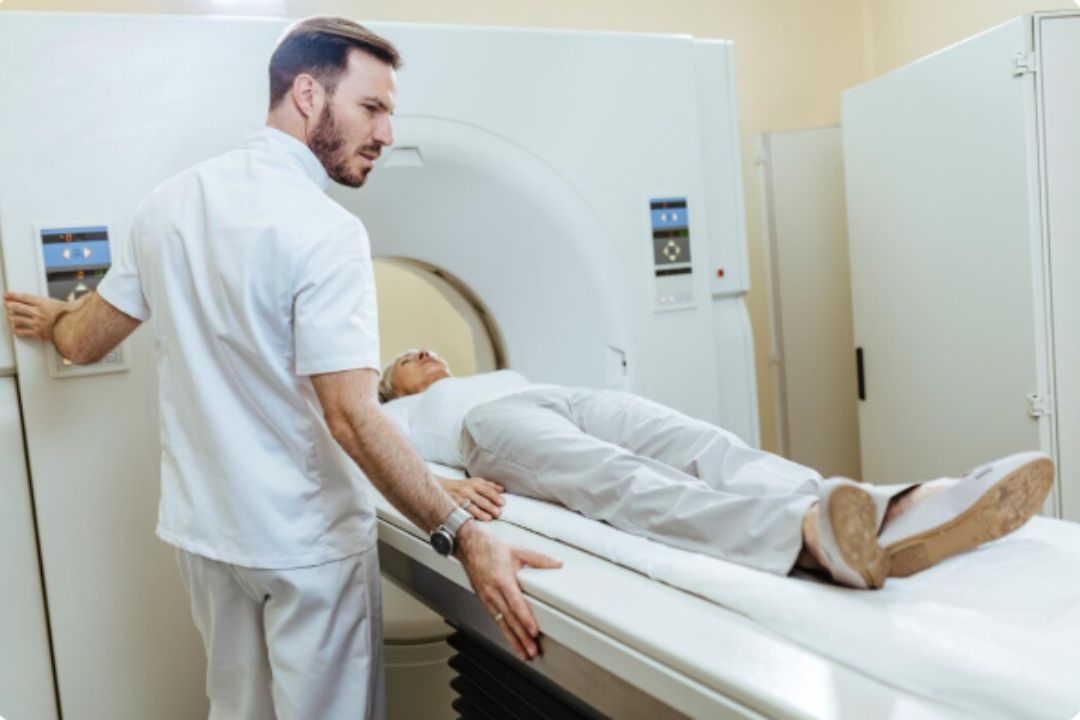
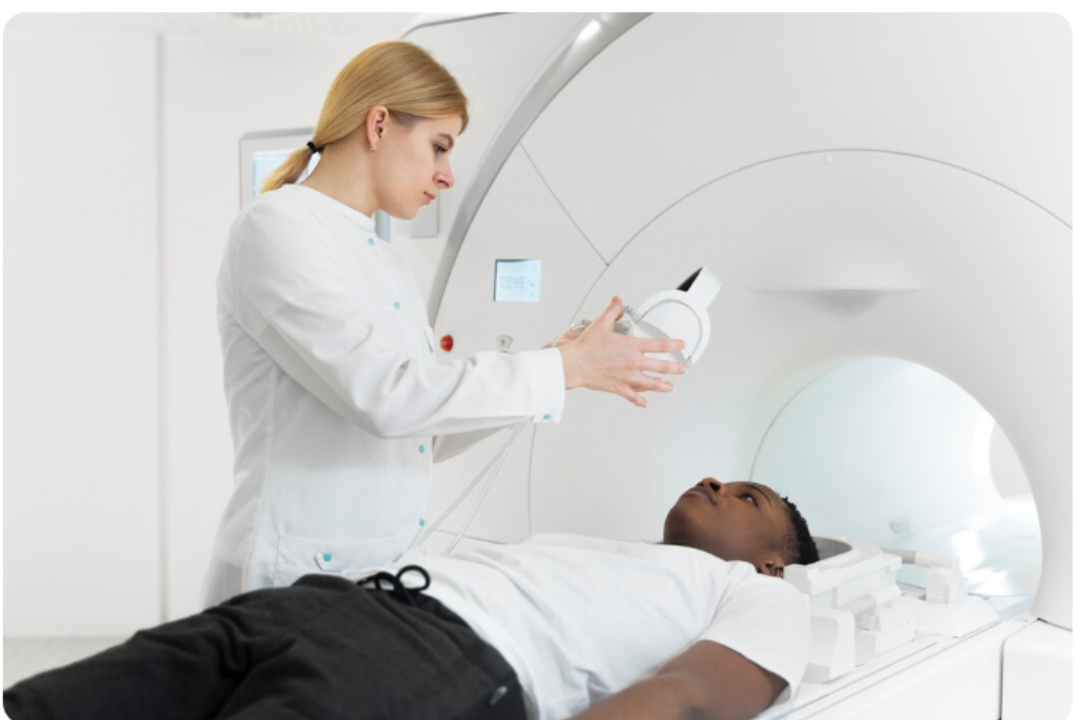
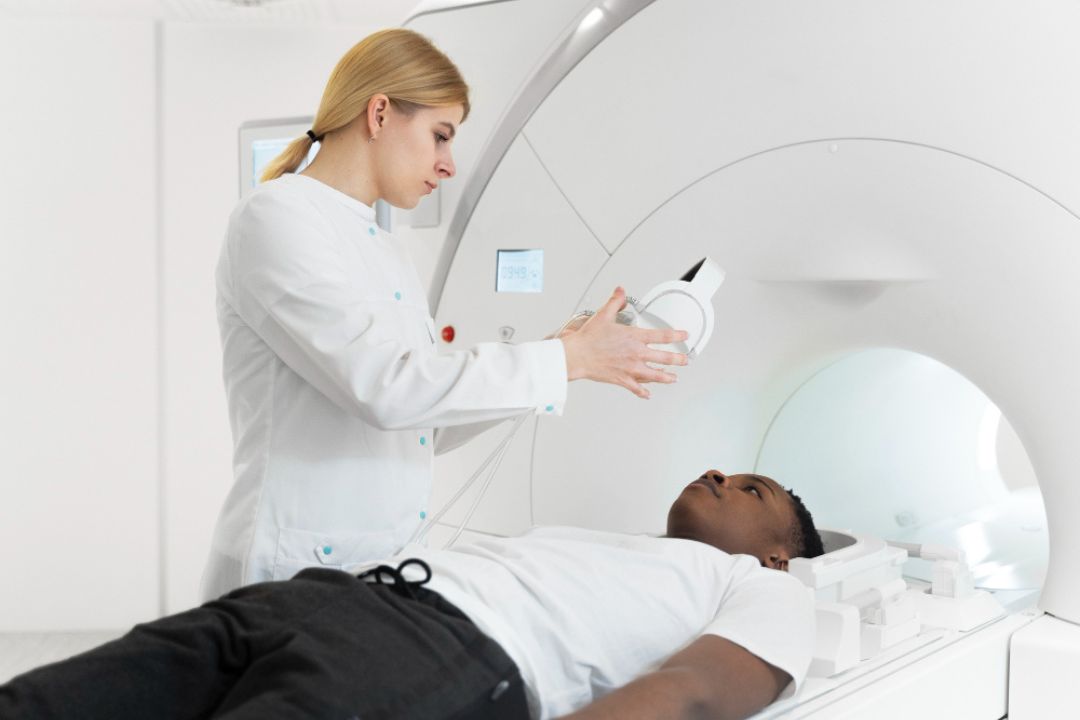
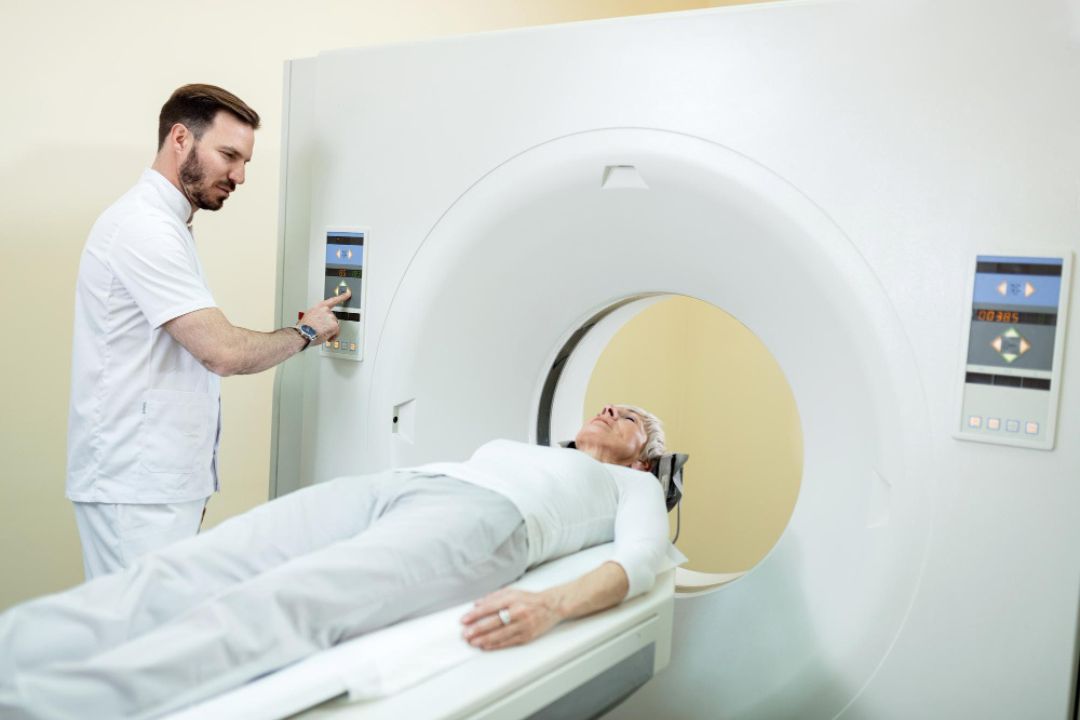
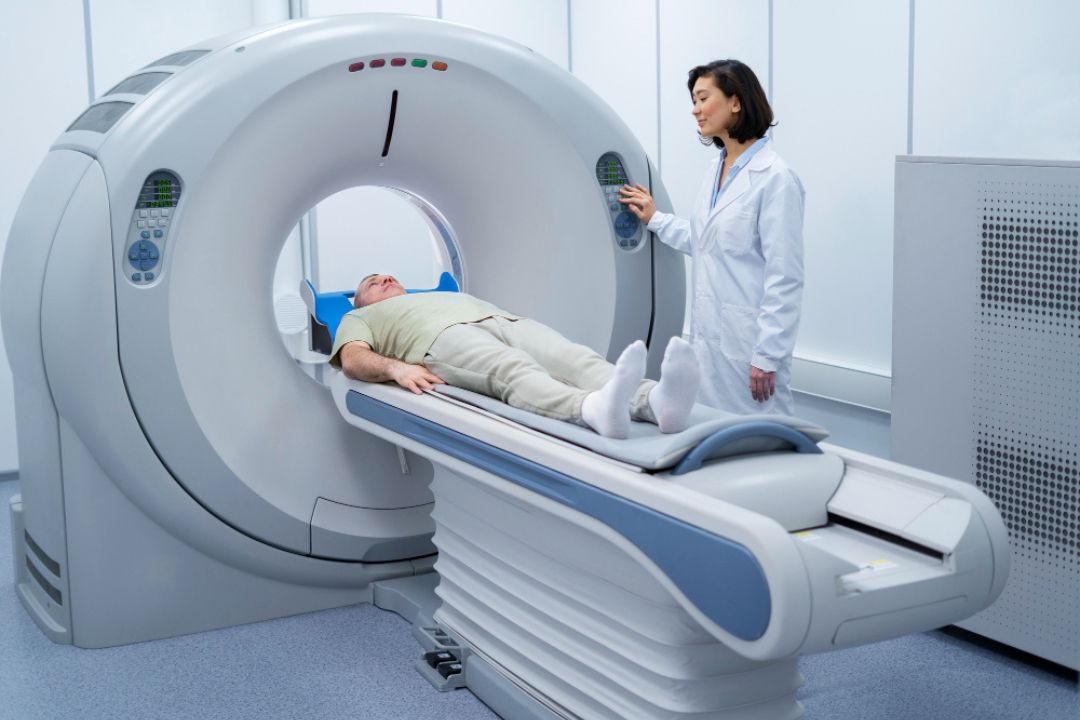
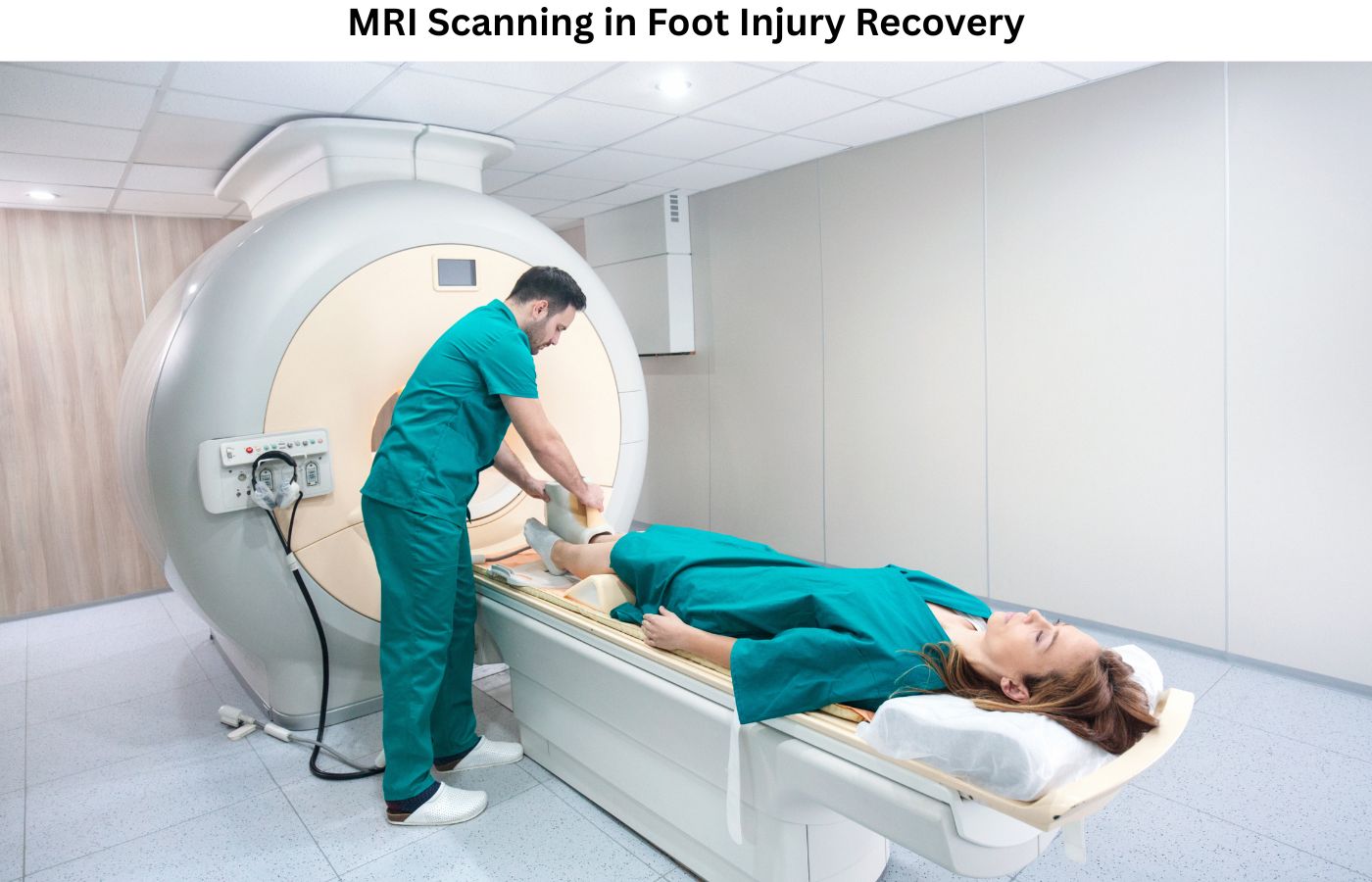
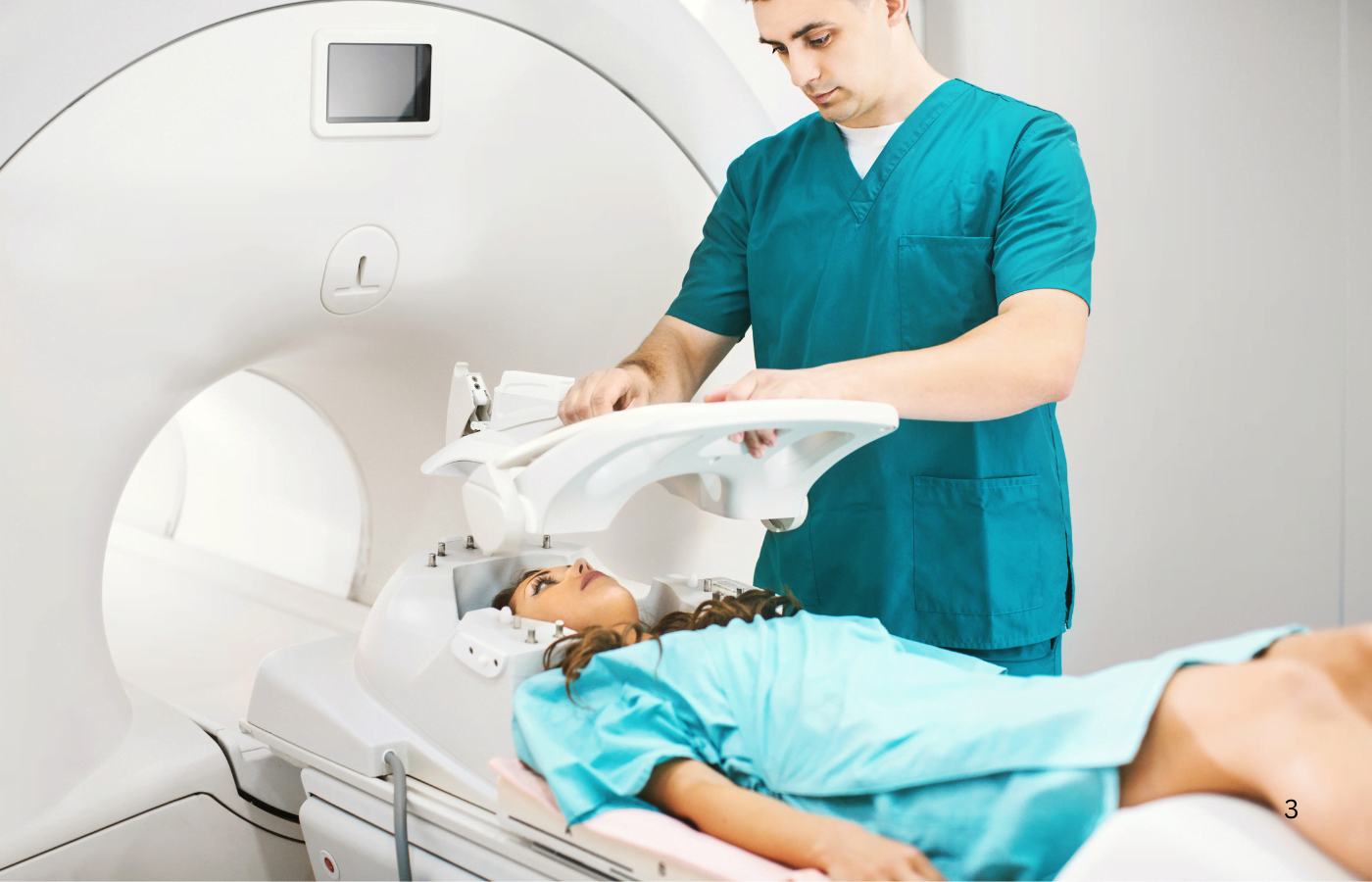
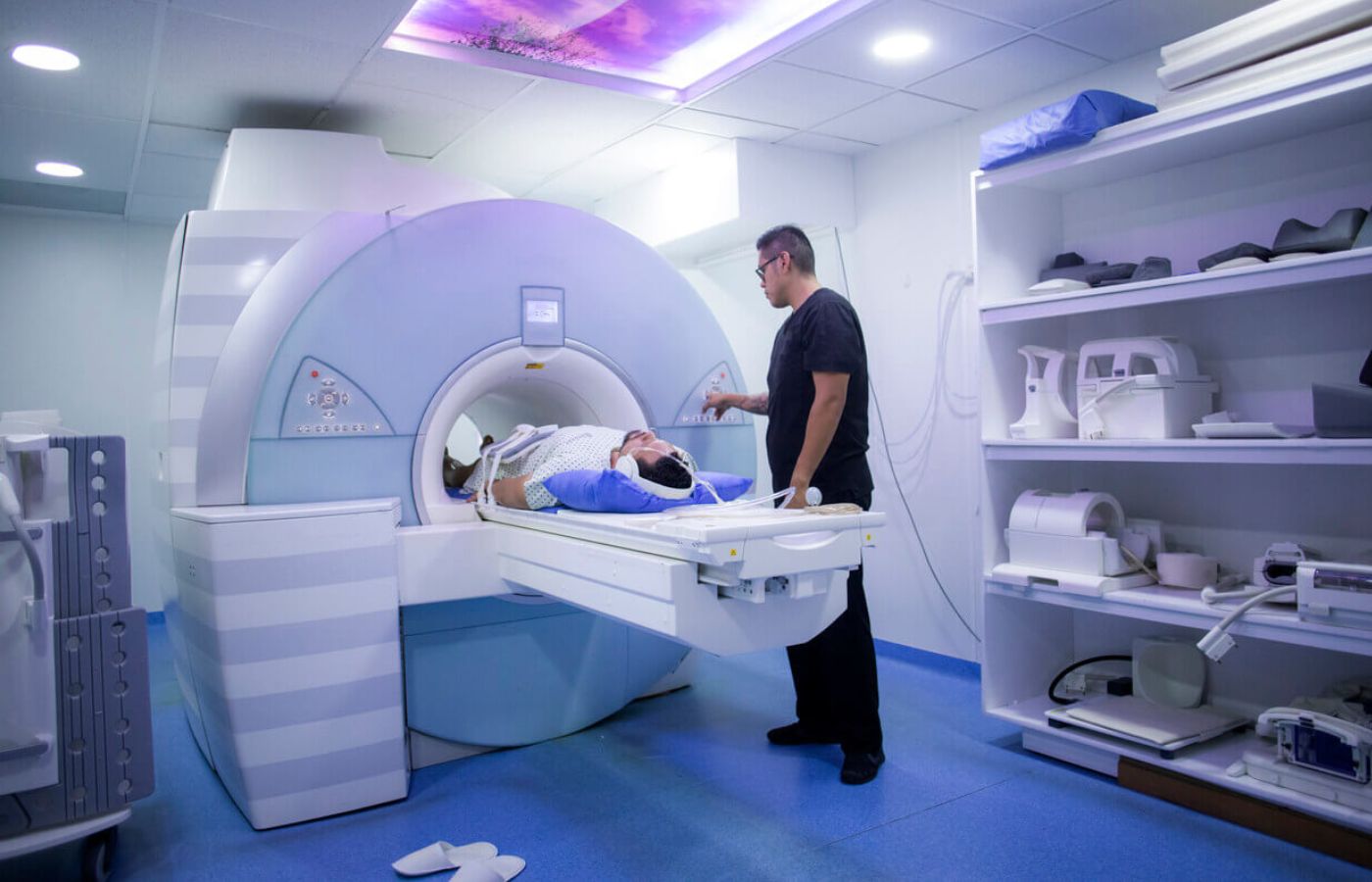
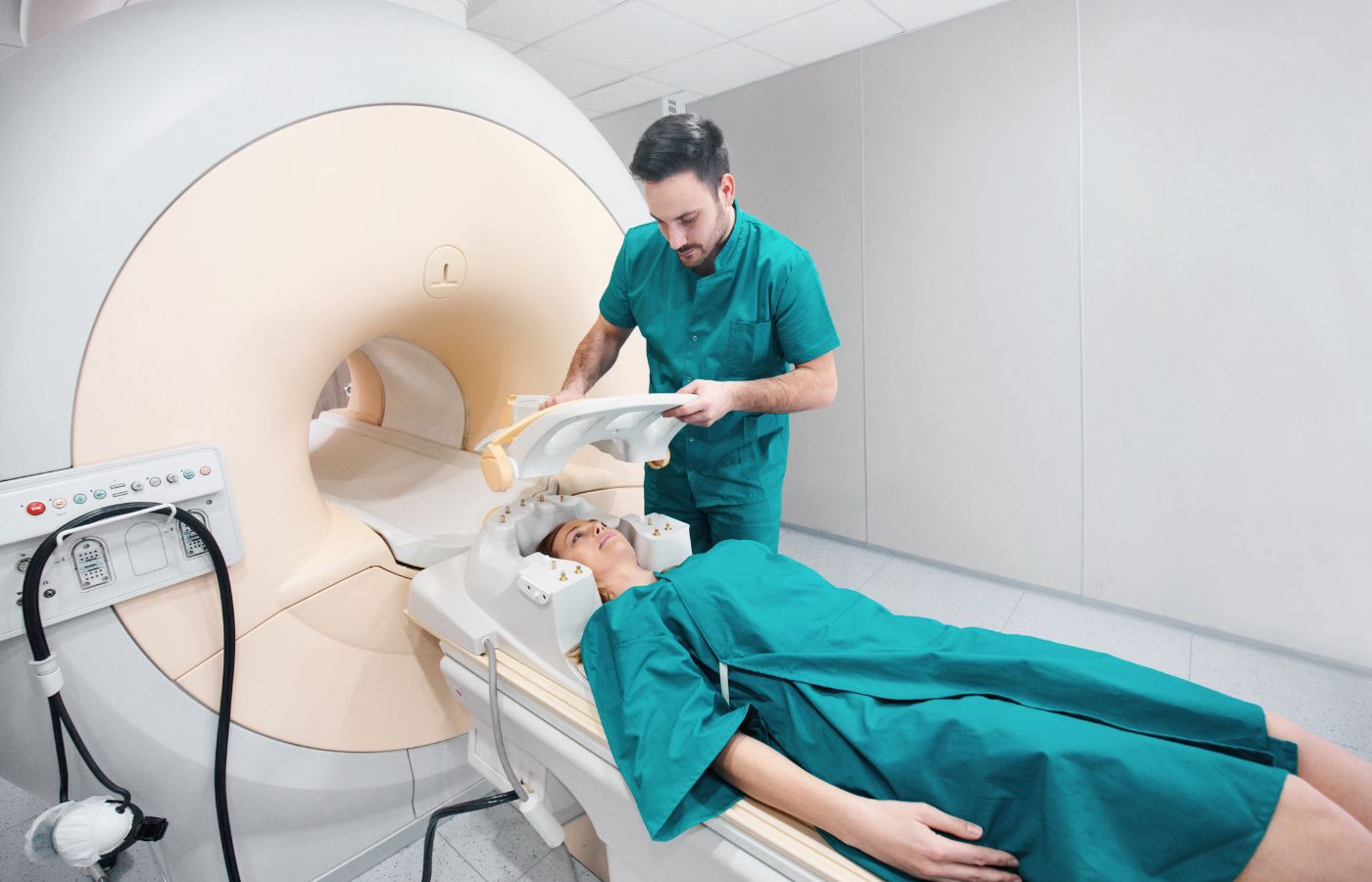
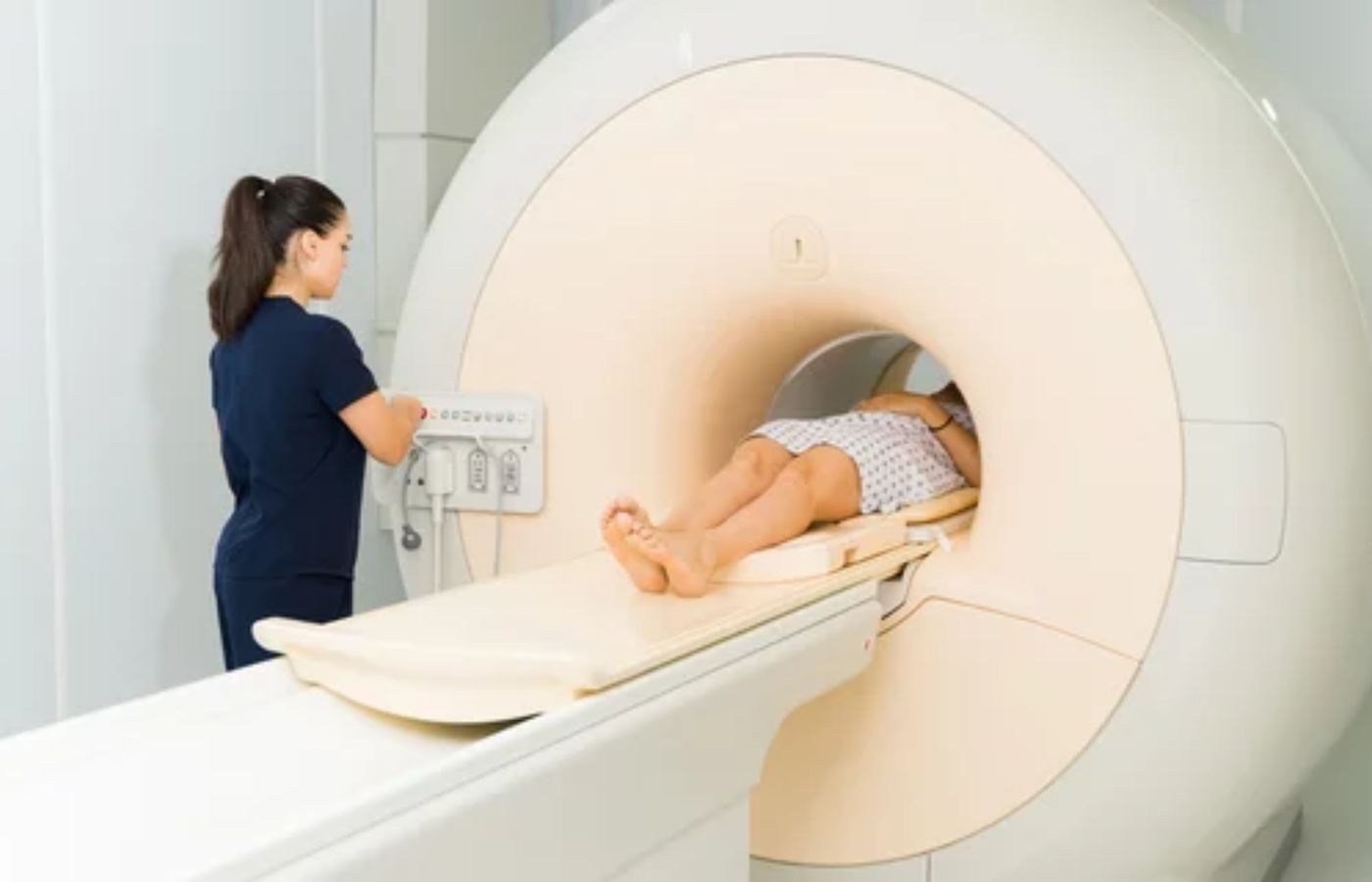
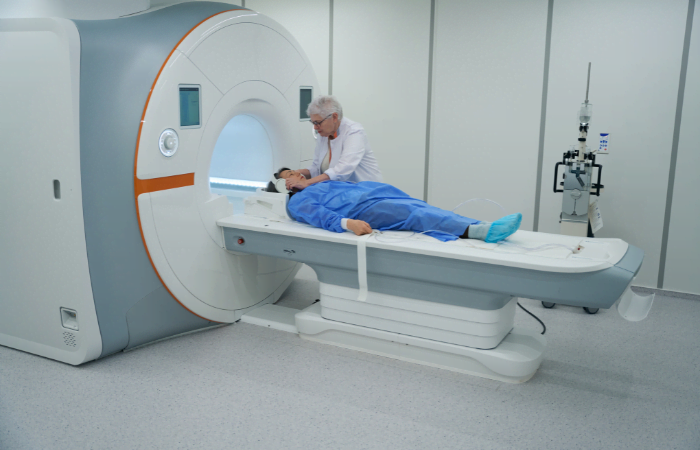
You will lie on a sliding table.
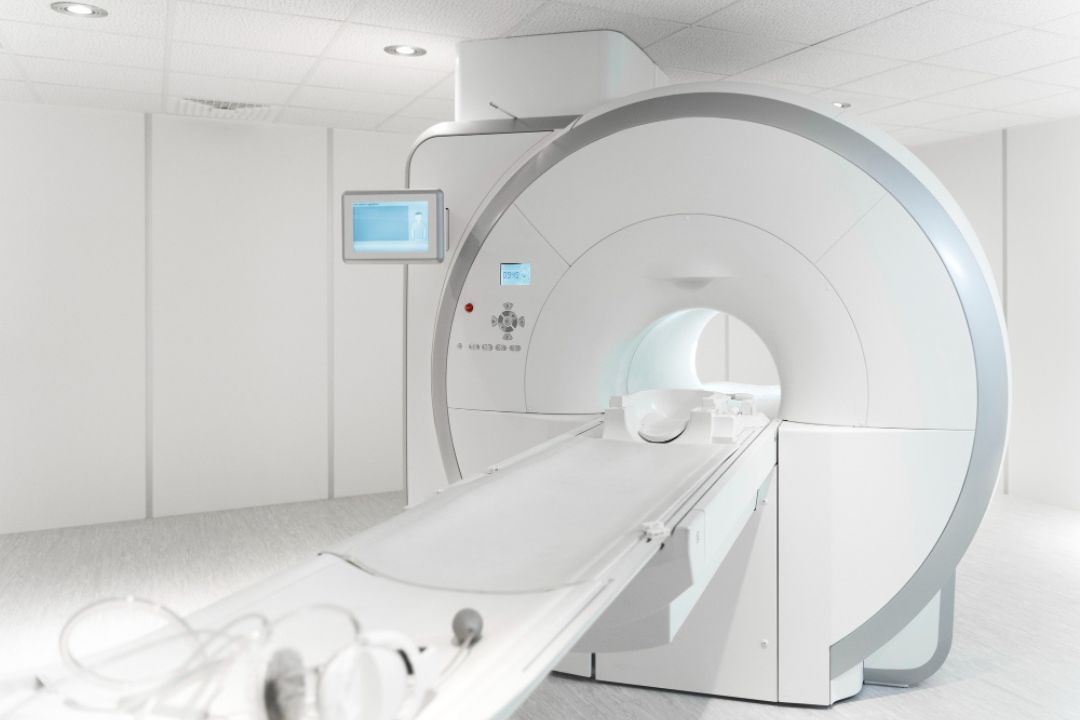
The table moves into the MRI scanner.
The scan typically takes 30–45 minutes.
You must remain still for clear images.
You may hear loud tapping or knocking sounds (ear protection is provided).
In some cases, contrast dye may be injected to enhance image clarity.
You can resume normal activities immediately.
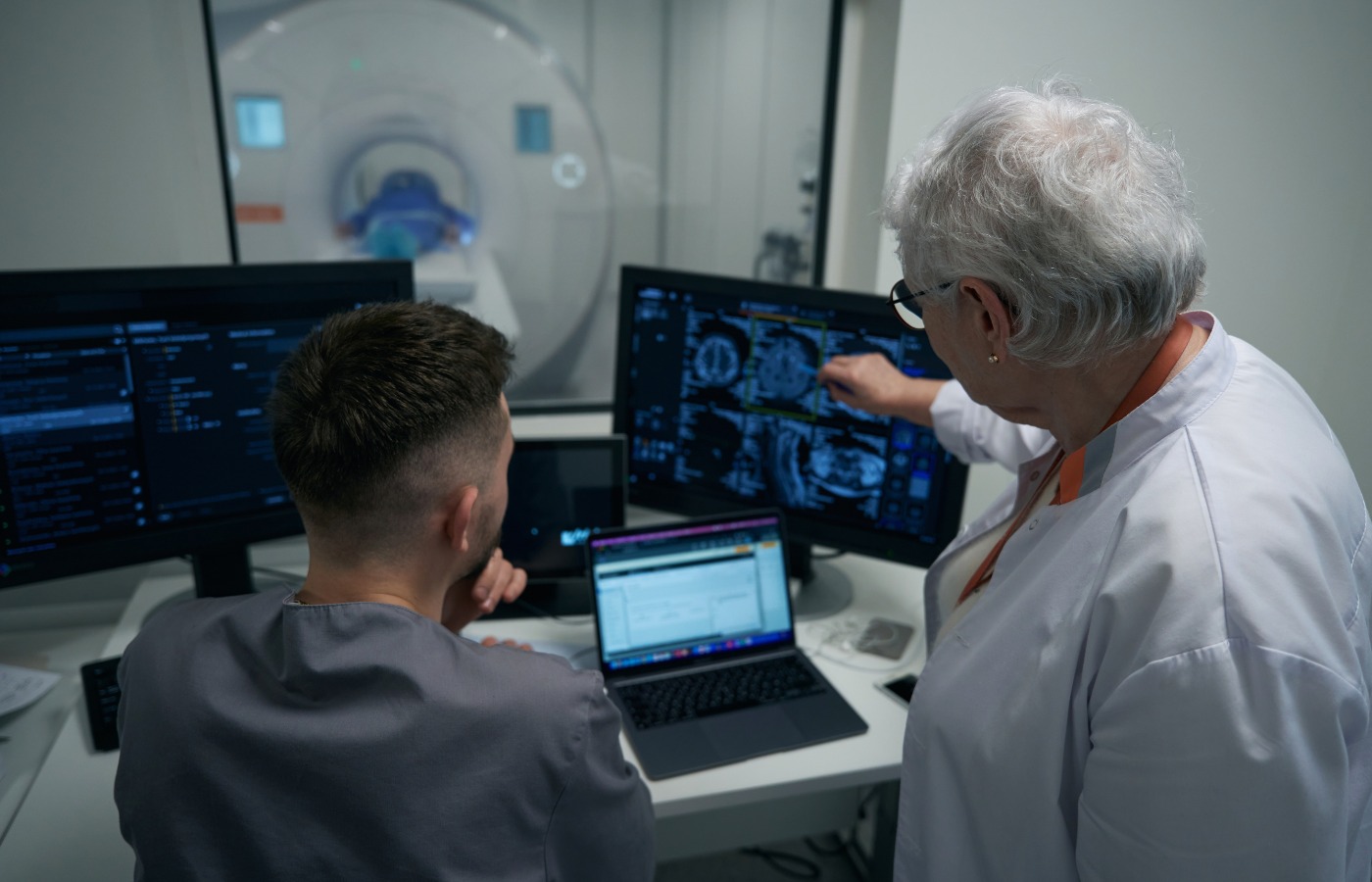
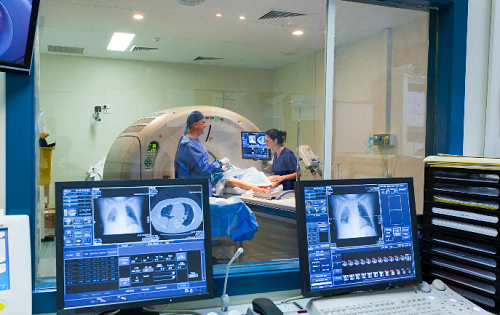
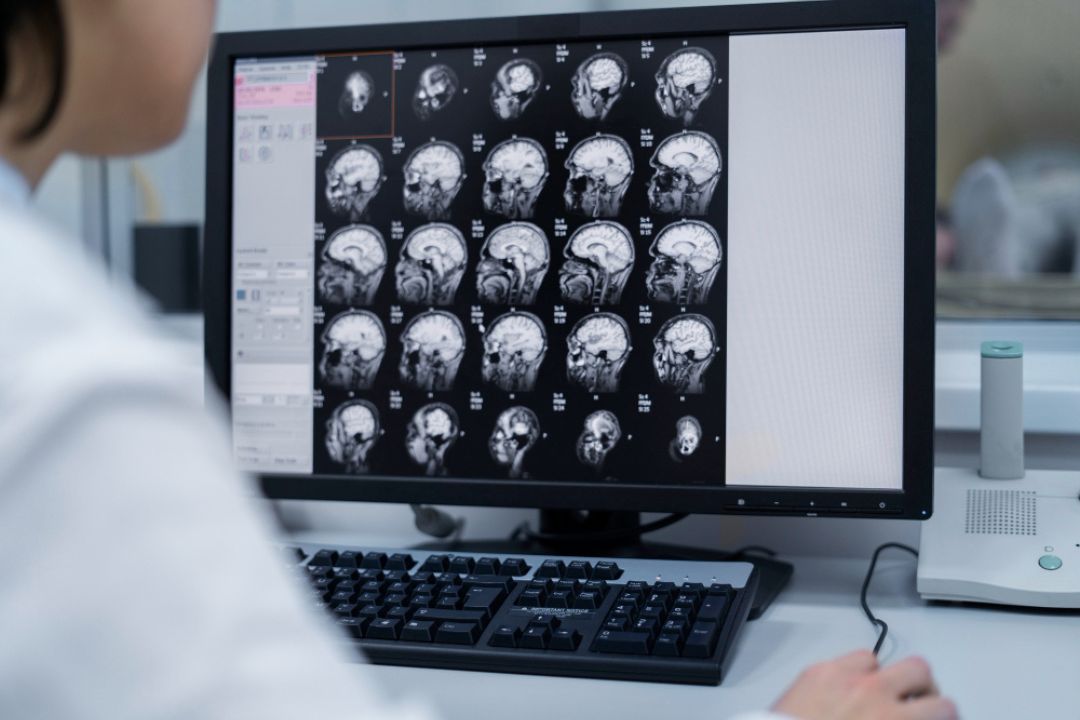
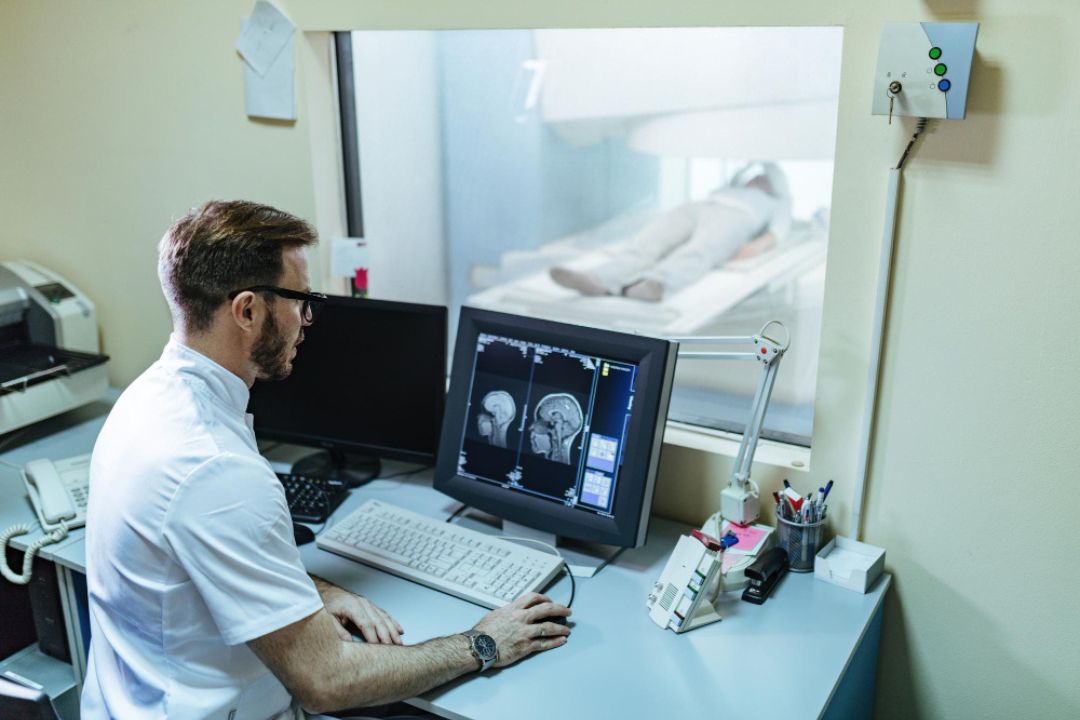
A radiologist reviews the images and prepares a report for your doctor.
MRI provides highly detailed images and can identify:
MRI can determine:
Mild muscle strain
Partial tear
Complete muscle rupture
Severity and exact location of injury
This helps guide physiotherapy or surgical decisions.
It can detect:
Tendinitis
Tendon tears
Degeneration from overuse
Although less common in the thigh than in the knee, ligament injuries can occur and are clearly visible on MRI.
MRI can reveal:
Stress fractures
Bone bruises
Bone marrow edema
Early fractures not visible on X-ray
MRI helps evaluate:
Cysts
Lipomas
Soft tissue tumors
Abnormal growths
After trauma, MRI can detect:
Hematomas
Fluid buildup
Deep tissue swelling
MRI can identify:
Muscle infections (myositis)
Bone infections (osteomyelitis)
Abscess formation
| Imaging Type | Best For | Limitations |
|---|---|---|
| X-ray | Bone fractures | Cannot show soft tissues clearly |
| Ultrasound | Superficial muscle/tendon issues | Limited depth view |
| MRI | Deep muscles, tendons, ligaments, bone marrow | More expensive, longer scan time |
For detailed soft tissue evaluation, MRI is the gold standard.
No. MRI is non-invasive and painless. The only discomfort may be from lying still for a period of time. If you are claustrophobic, inform the medical staff—open MRI options may be available.
Preparation is simple:
Avoid wearing jewelry
Inform the technician about medical implants
Follow fasting instructions if contrast is required
Arrive 15–20 minutes early
The scan itself takes about 30–45 minutes.
Results are usually available within 24–48 hours, depending on the facility.
No radiation exposure
Highly detailed soft tissue imaging
Accurate diagnosis
Helps avoid unnecessary surgery
Supports faster recovery planning
Seek medical evaluation if you experience:
Severe thigh pain after injury
Sudden weakness in the leg
Increasing swelling
Persistent pain for more than a week
Difficulty walking
Early imaging can prevent complications and speed up recovery.
An MRI for thigh injuries is a safe, advanced, and highly effective diagnostic tool. Whether you’re an athlete, recovering from trauma, or experiencing unexplained thigh pain, MRI provides detailed insights that guide accurate treatment.
If you have ongoing thigh discomfort, consult your healthcare provider to determine whether an MRI scan is appropriate for your condition.










.jpg "mri scan")

.jpg "mri angiography")
.jpg "MRI Cholecysto Pancreatography")
.jpg "MRI Angiography Done")



 (1).jpg "MRI Scan for Hip Pain")


.jpg "OBS (Obstetric) Colour Doppler")



.png "Why You Need MRI ORBIT")