Professional teeth cleaning is one of the most important preventive dental treatments. Yet, many people delay or skip it. Dental clinics strongly recommend regular professional cleaning because it protects oral health, prevents serious dental problems, and improves overall well-being. With advanced methods like diagnopein-assisted dental cleaning, clinics can now deliver safer, deeper, and more effective results.
This article explains why professional teeth cleaning matters, how diagnopein supports modern dental care, and why routine visits to a dental clinic are essential for long-term oral health.
Professional teeth cleaning is one of the most important preventive dental treatments. Yet, many people delay or skip it. Dental clinics strongly recommend regular professional cleaning because it protects oral health, prevents serious dental problems, and improves overall well-being. With advanced methods like diagnopein-assisted dental cleaning, clinics can now deliver safer, deeper, and more effective results.
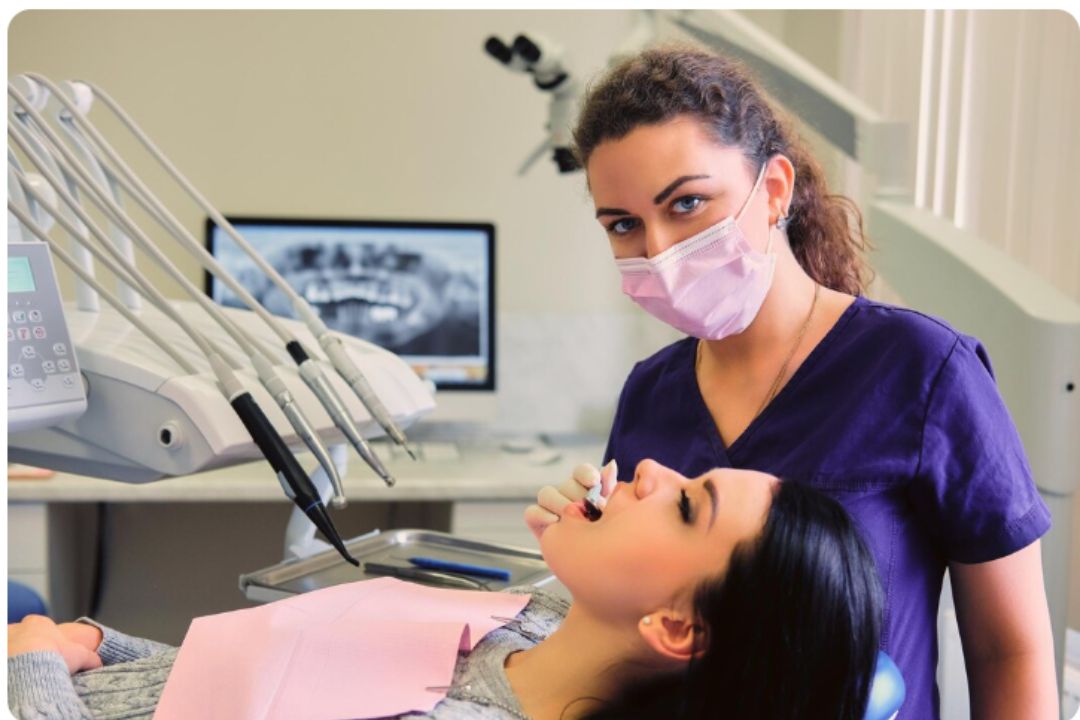
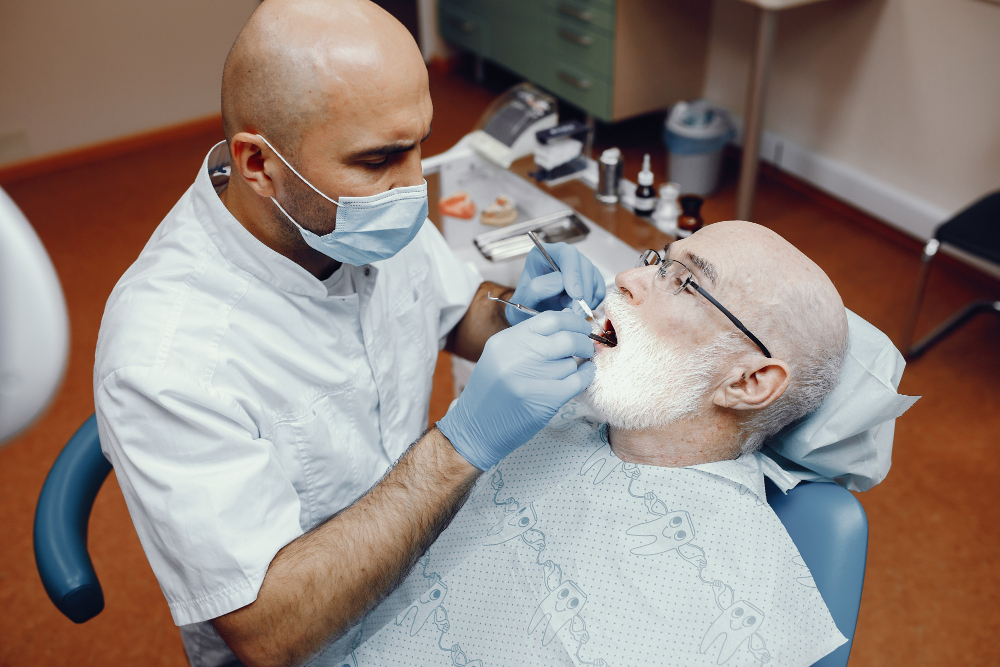
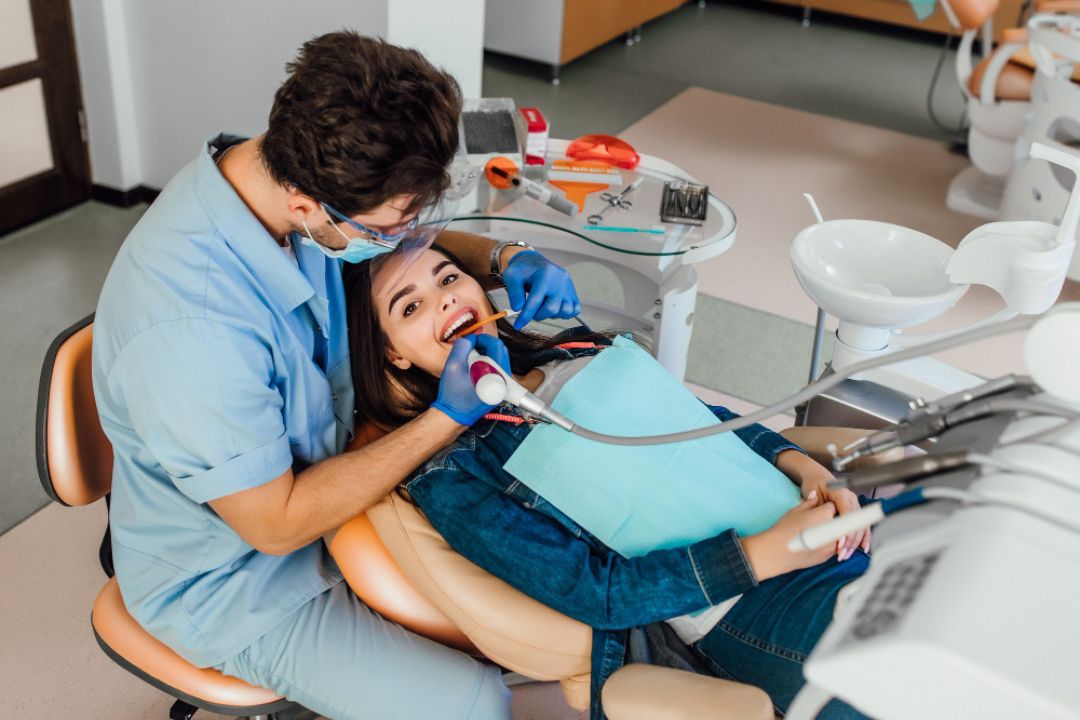
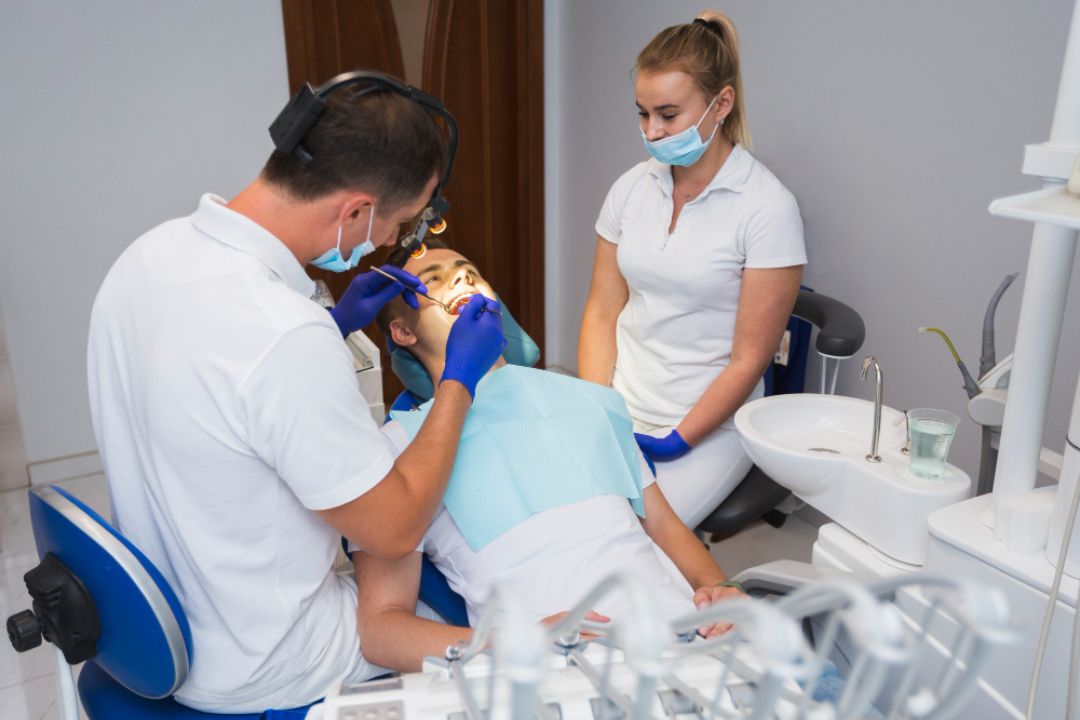
Professional teeth cleaning is a dental procedure performed by trained dental professionals. It removes plaque, tartar, and bacteria that brushing and flossing cannot eliminate.
Even with excellent oral hygiene, plaque builds up in hard-to-reach areas. Over time, plaque hardens into tartar. Tartar cannot be removed at home. Only a dental clinic has the tools and expertise to remove it safely.
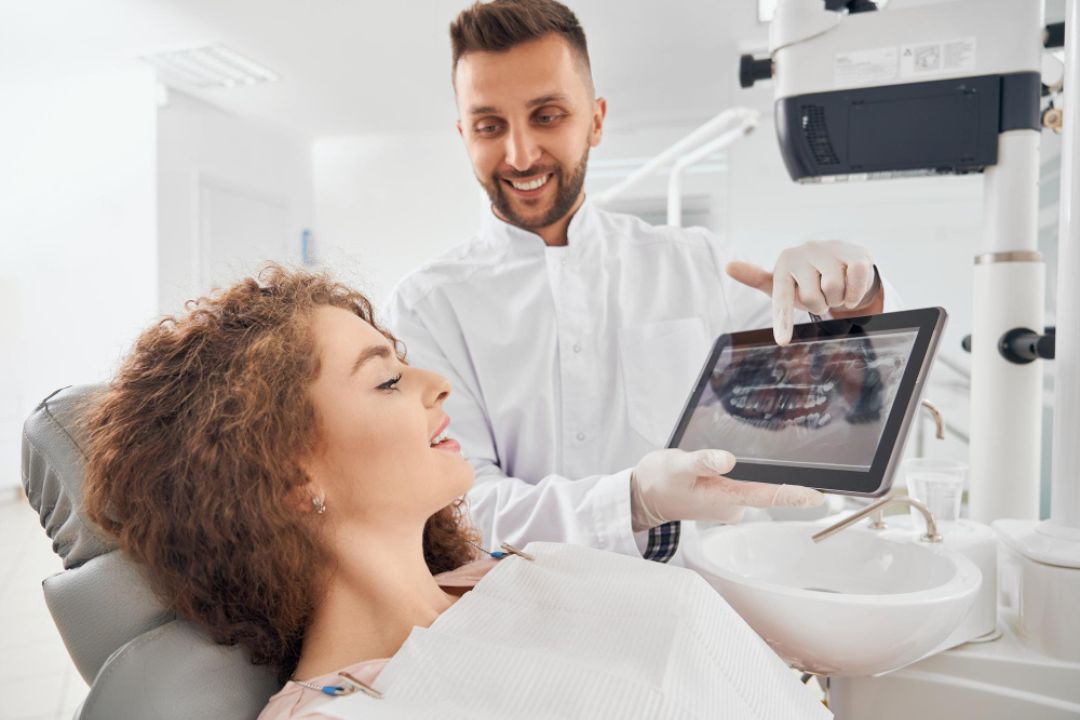
Diagnopein is an advanced diagnostic and cleaning support approach used in modern dental clinics. It enhances accuracy during cleaning and helps dentists identify hidden oral health risks early.
With diagnopein, dentists can:
Detect plaque and tartar buildup more precisely
Identify early gum disease
Monitor enamel health
Personalize cleaning techniques for each patient
Plaque forms within hours after eating. If not removed, it hardens into tartar within days. Tartar irritates the gums and leads to inflammation.
Professional cleaning removes both plaque and tartar completely.
Gum disease may not cause pain in the early stages. Bleeding gums, bad breath, and swelling are common warning signs.
Regular dental clinic visits help detect gum disease early using diagnopein-guided evaluation.
Plaque contains bacteria that produce acid. This acid damages tooth enamel. Over time, cavities develop.
Healthy gums are firm and pink. Cleaning removes bacteria below the gumline. This prevents gingivitis and periodontitis.
With diagnopein, dentists can clean sensitive areas gently and effectively.
Brushing works better on clean teeth. After professional cleaning, plaque builds up more slowly.
Patients notice improved freshness and cleanliness.
Advanced gum disease weakens the bone supporting teeth. This leads to tooth mobility and loss.
Routine cleaning protects the foundation of your teeth.
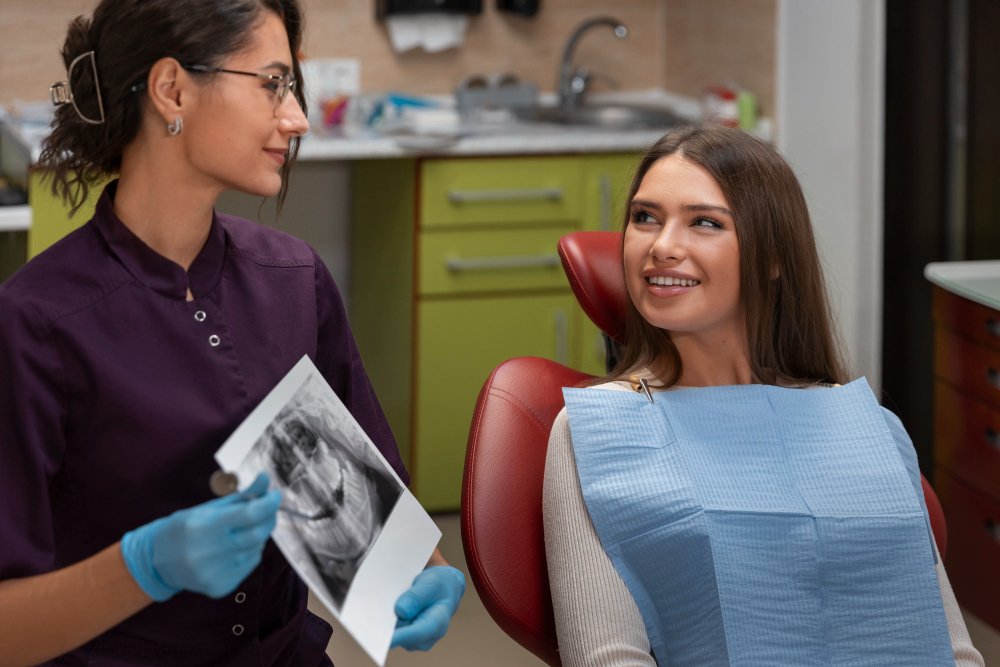
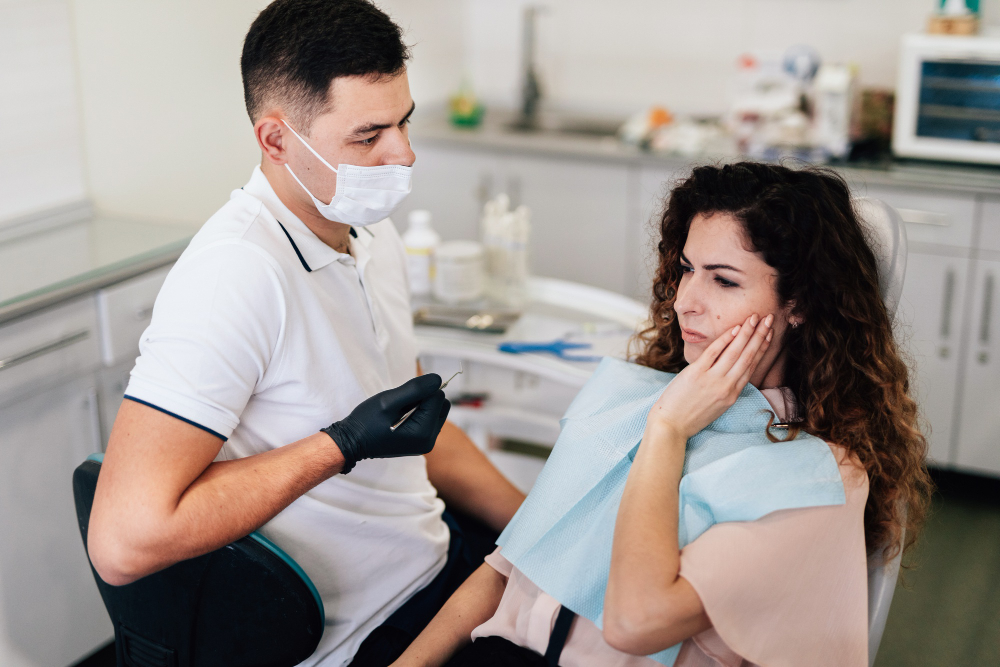
Dental clinics check for cavities, gum disease, and enamel damage during cleaning appointments.
Brushing twice daily is essential. Flossing is important. But home care has limitations.
Toothbrushes cannot remove hardened tartar
Back teeth and tight spaces are difficult to clean
Gumline bacteria often remain untouched
Diagnopein helps dentists identify plaque accumulation zones. This improves cleaning accuracy.
Each patient has different oral needs. Diagnopein allows customized cleaning plans based on gum condition, enamel sensitivity, and plaque buildup.
Advanced monitoring reduces the risk of over-cleaning or gum trauma.
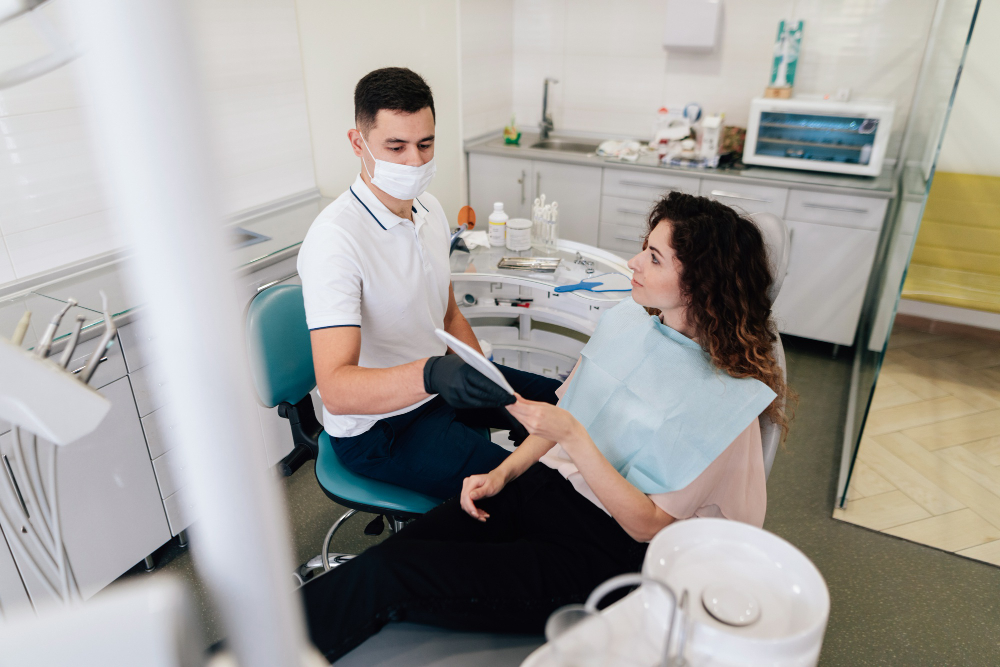
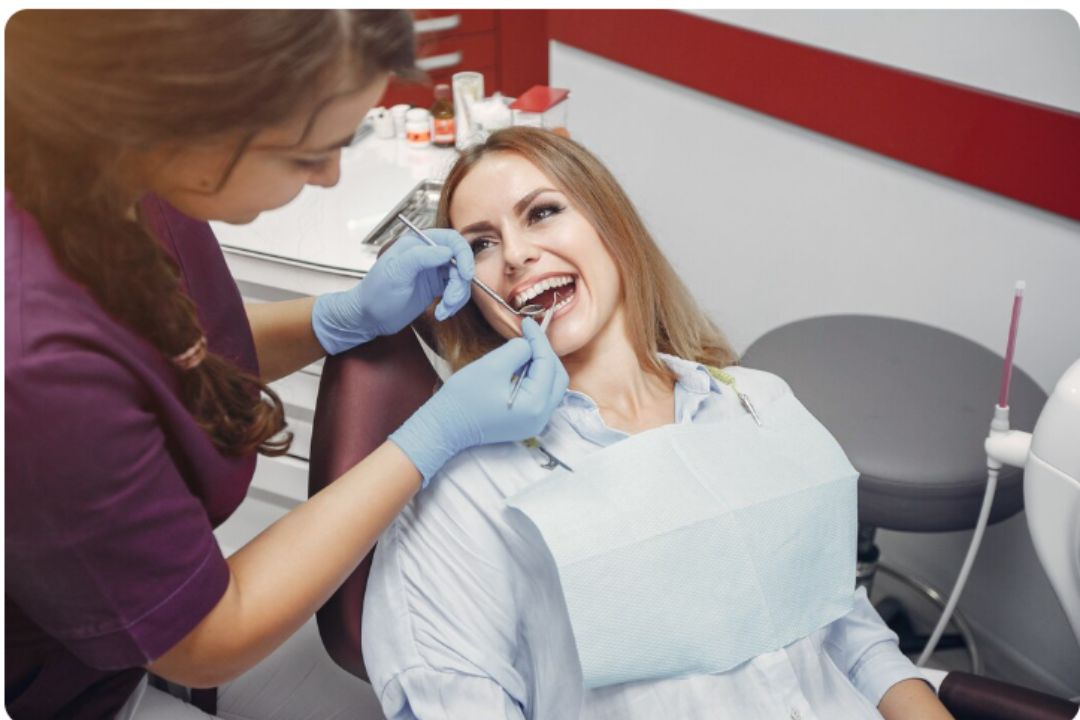
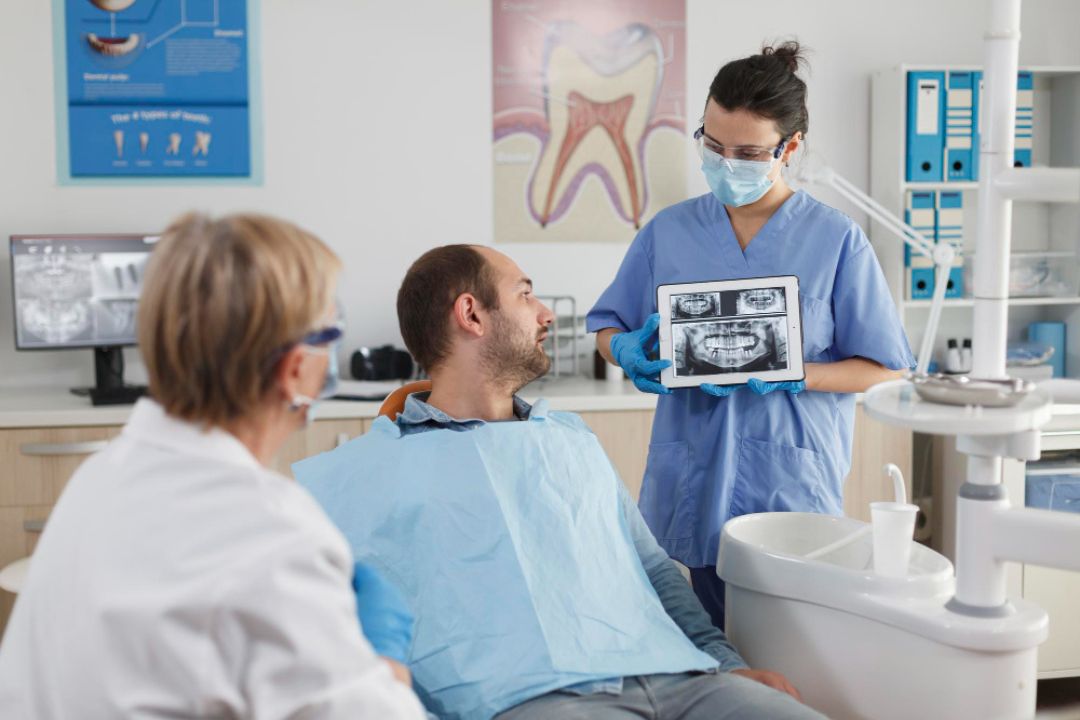
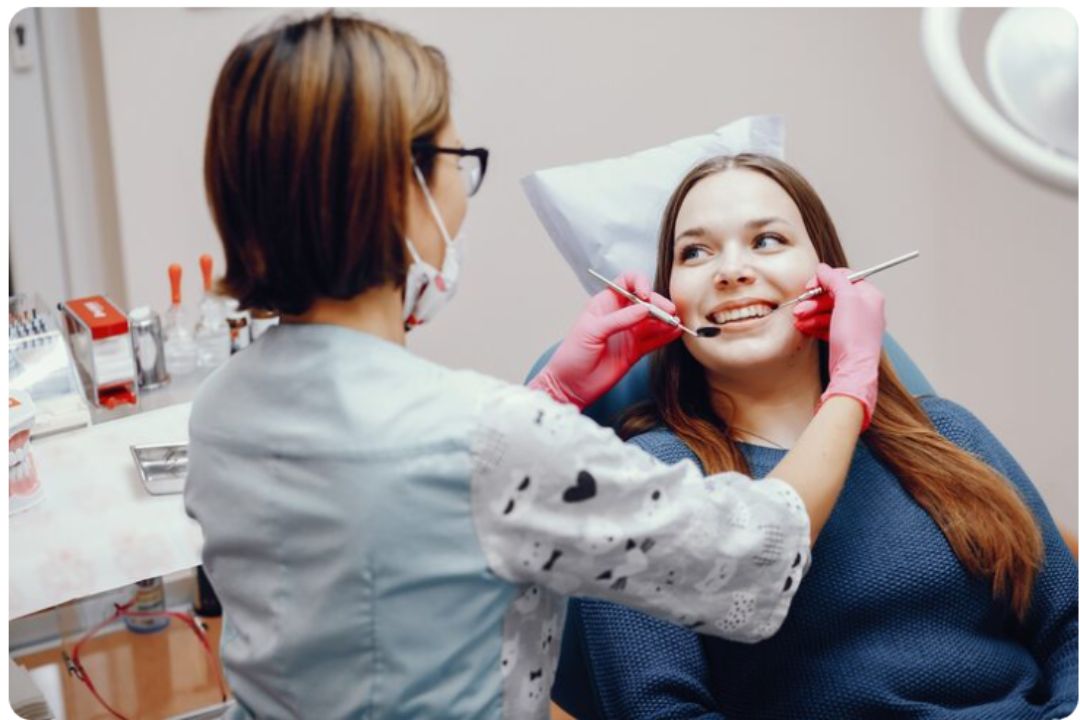
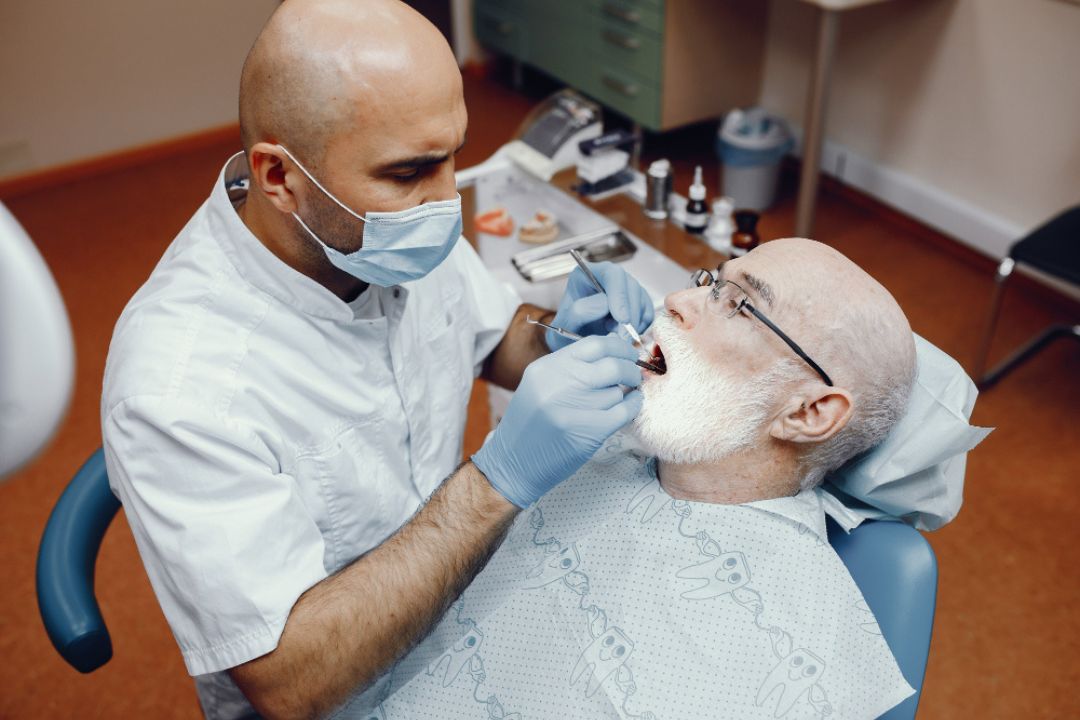
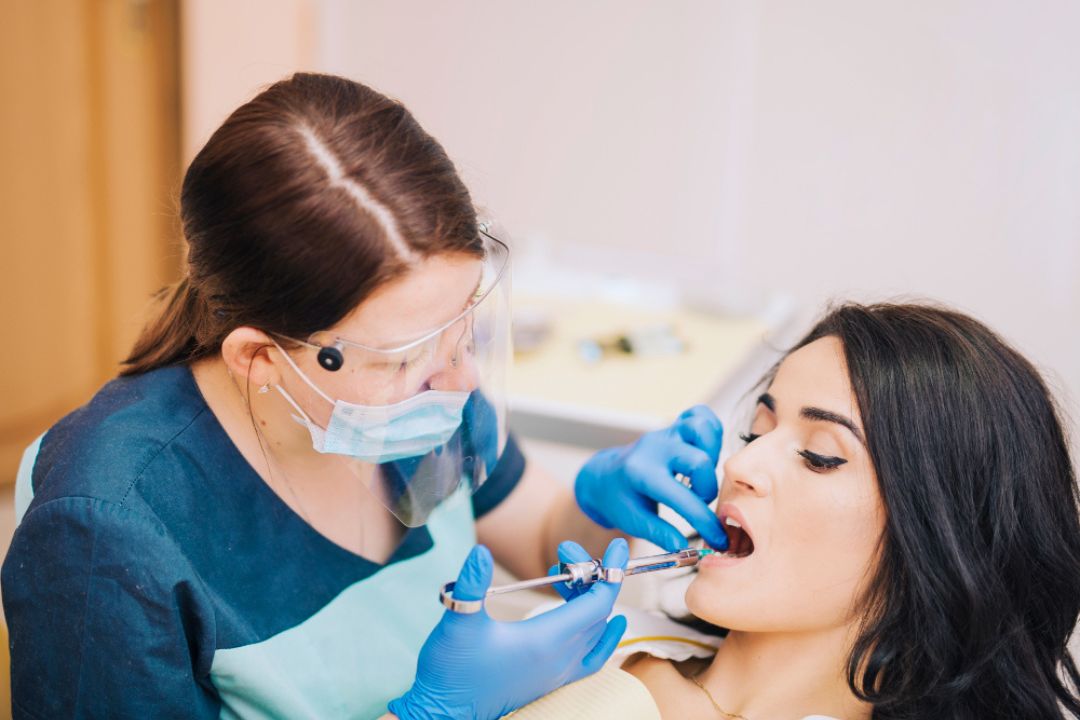
The dentist or hygienist examines your teeth and gums. Diagnopein may be used to assess hidden plaque and gum health.
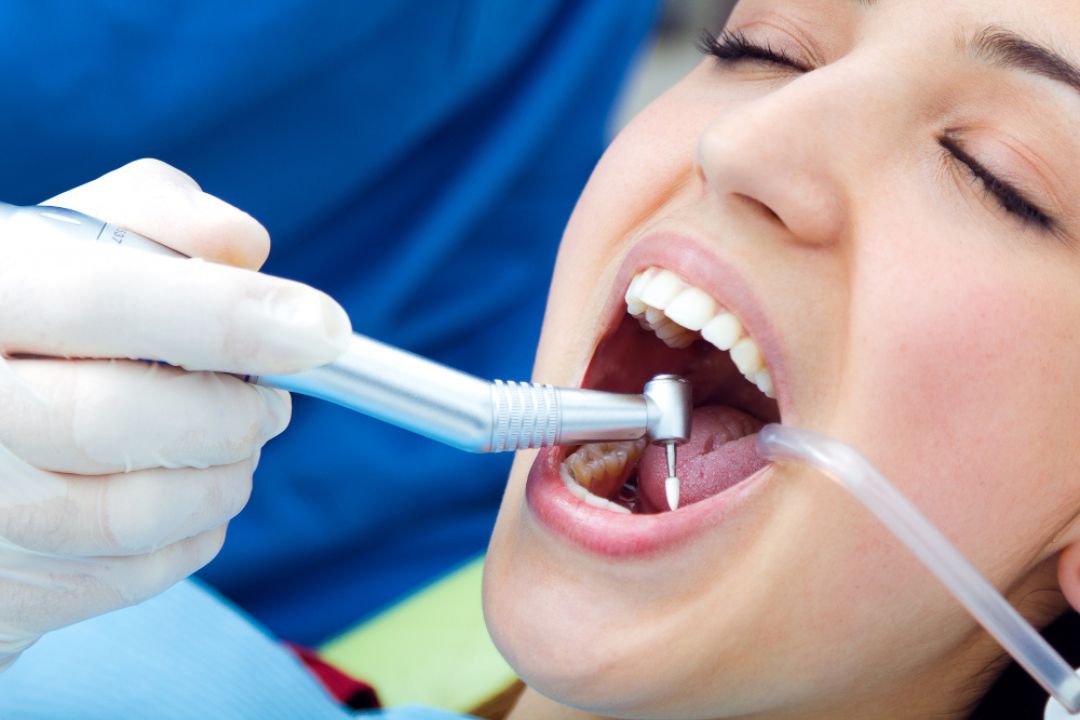
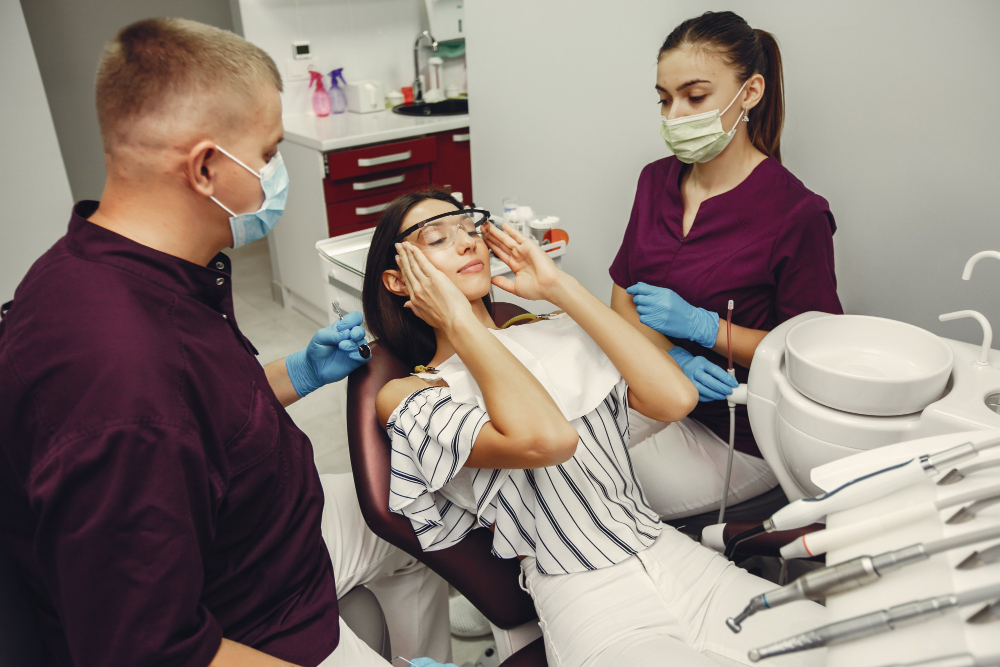
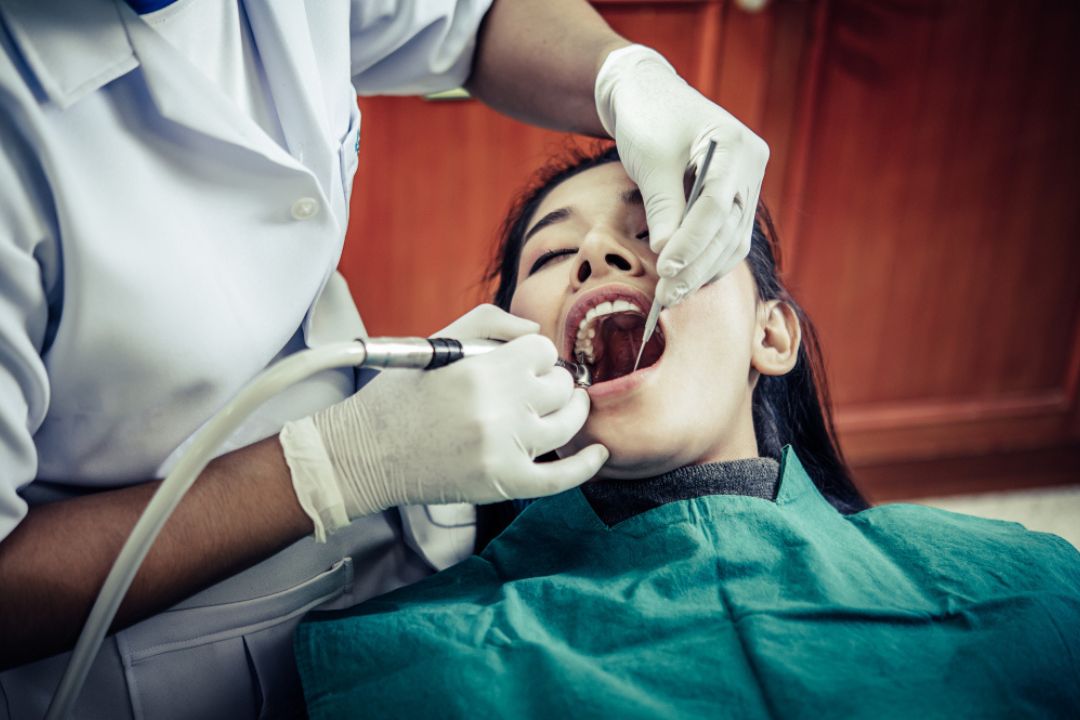
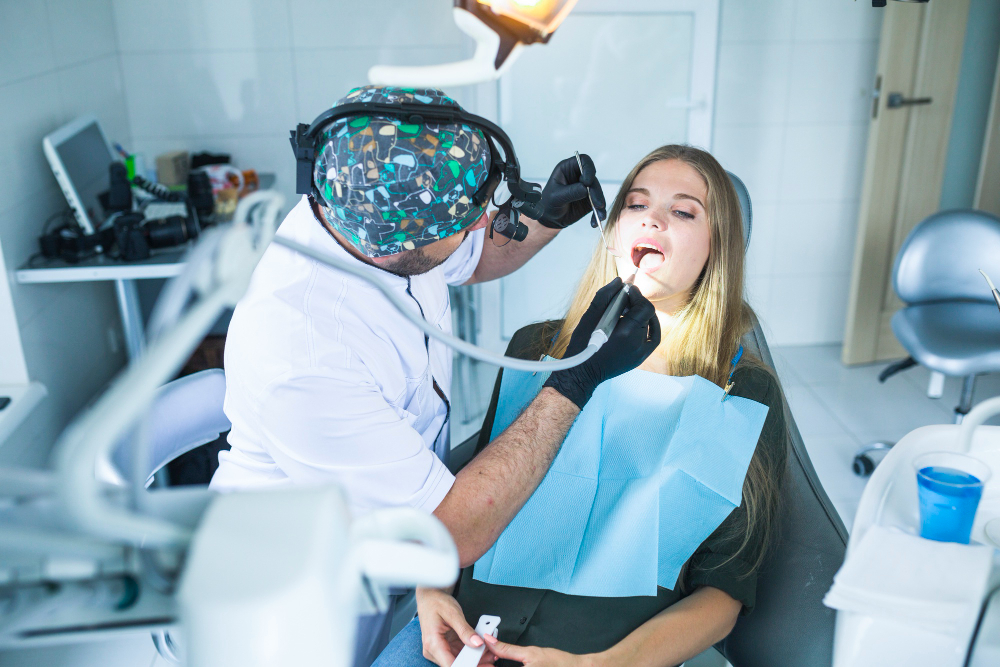
Ultrasonic tools break down tartar. Manual instruments remove remaining deposits.
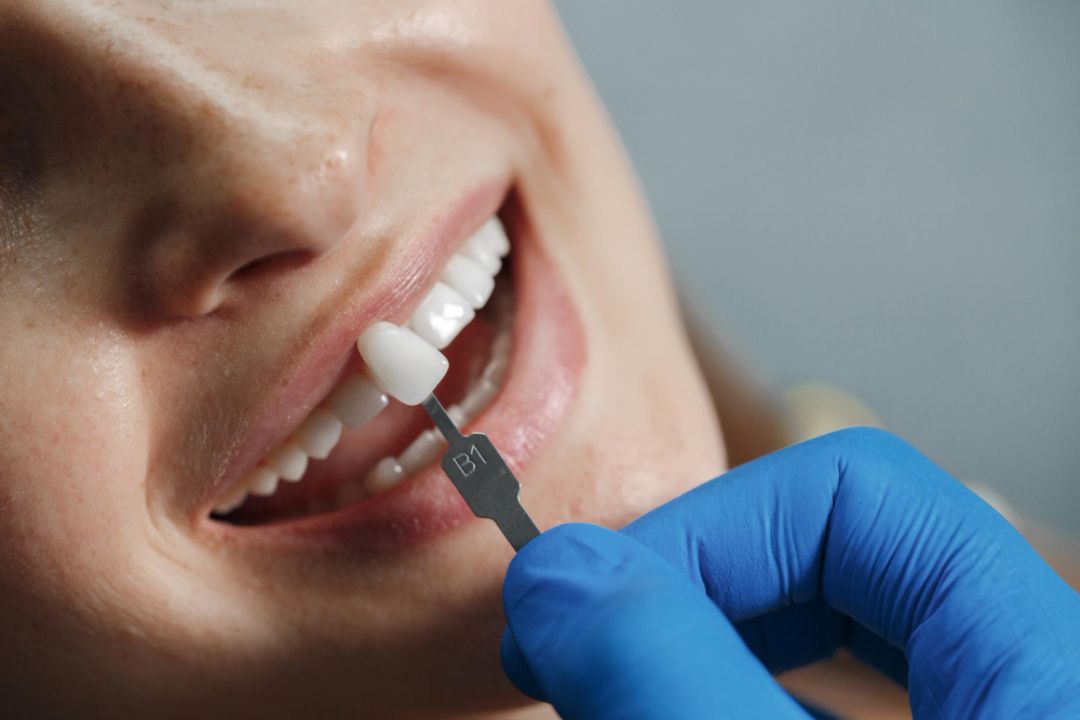
Teeth are polished to remove surface stains. This makes teeth smooth and bright.
Fluoride strengthens enamel and protects against decay.
Most dental clinics recommend cleaning every six months. Some patients may need more frequent visits.
You may require frequent cleaning if you have:
Gum disease
Diabetes
Smoking habits
Heavy tartar buildup
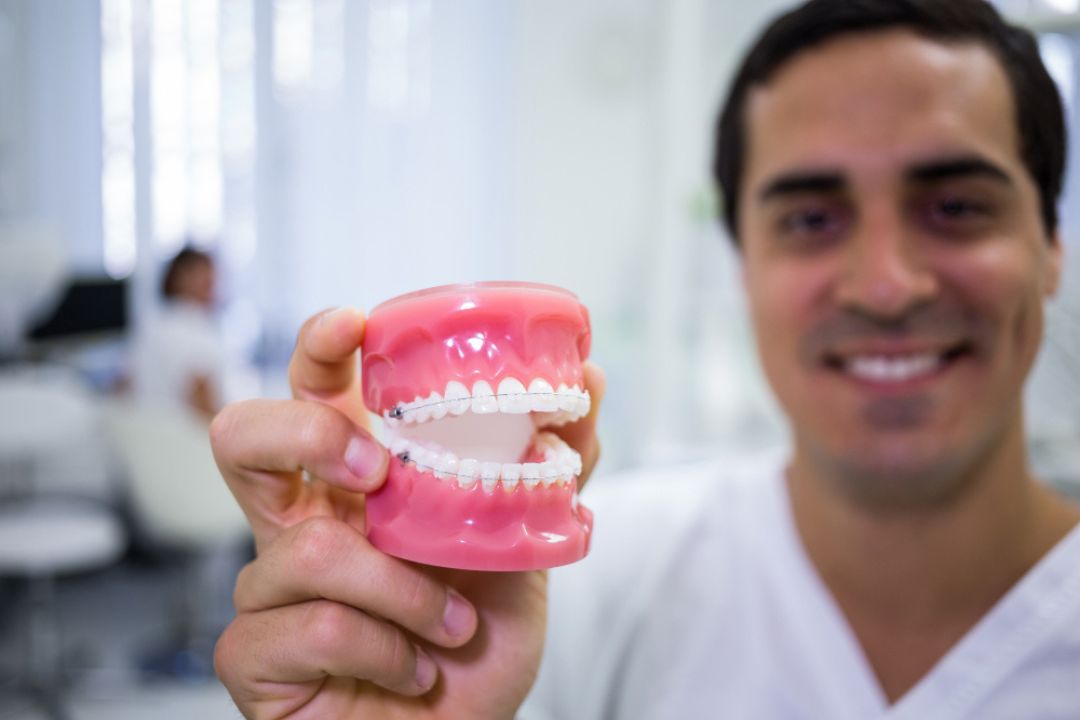
Orthodontic appliances
Early cleaning prevents cavities and builds lifelong habits. Dental clinics educate children on proper brushing.
Work stress and diet increase plaque buildup. Regular cleaning protects against decay and gum disease.
Aging gums require extra care. Cleaning prevents tooth loss and infections.
Oral health affects general health. Bacteria from the mouth can enter the bloodstream.
Poor oral hygiene is linked to:
Heart disease
Diabetes complications
Respiratory infections
Pregnancy risks
Professional cleaning does not damage enamel. It protects it.
Any mild sensitivity is temporary. Clean teeth are healthier and stronger.
Cleaning improves health, not just appearance.
Dental clinics offer:
Trained professionals
Sterile equipment
Advanced tools
Accurate diagnosis
Personalized care with diagnopein
Bleeding gums
Persistent bad breath
Yellow or brown deposits
Gum swelling
Tooth sensitivity
Clean teeth look brighter. Breath smells fresher. Gums appear healthier.
Patients feel more confident smiling and speaking.
Regular visits to a dental clinic support long-term confidence.
When selecting a dental clinic, look for:
Experienced dentists
Modern technology
Diagnopein-supported care
Positive patient reviews
Clear hygiene protocols
Preventive care is affordable. Treating advanced dental problems is expensive.
Regular cleaning reduces the need for:
Root canals
Gum surgery
Tooth extractions
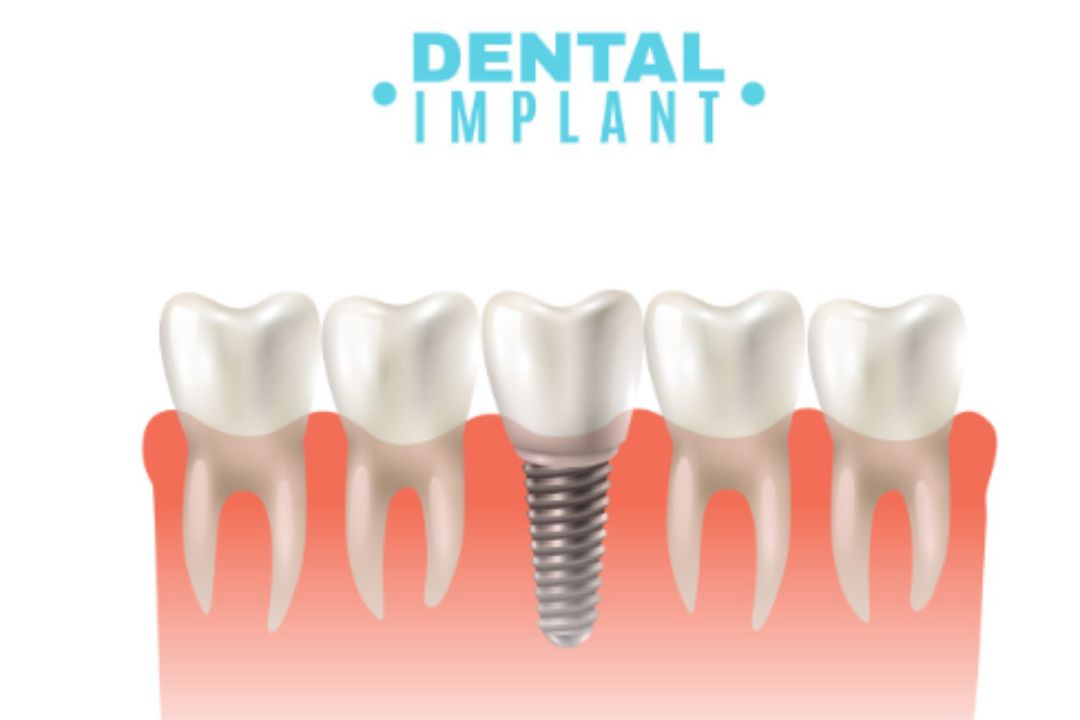
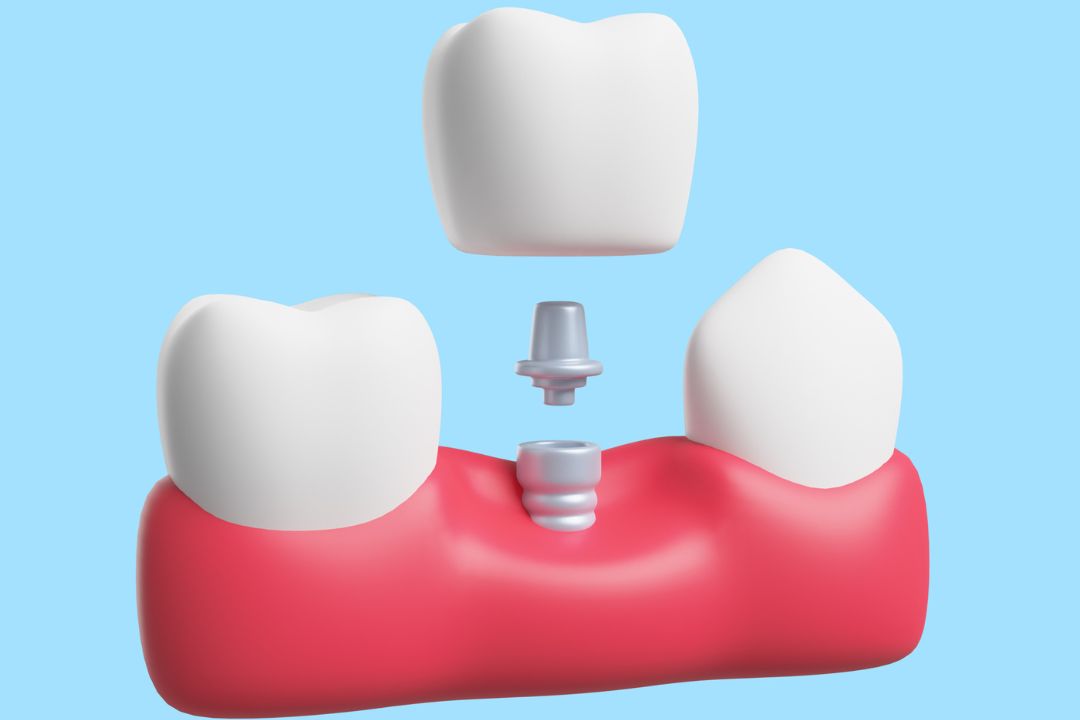
Dental implants
Professional teeth cleaning is not optional. It is essential for lifelong oral health. Dental clinics recommend it because it prevents disease, protects teeth, and improves quality of life.
With diagnopein-assisted dental care, cleaning becomes more precise, personalized, and effective. Regular visits ensure a healthy smile and prevent future complications.













.jpg "myths and facts about dental implants")










![affordable dental implant treatment in [pune] with emi options](/img/BlogImages/affordable dental implant treatment in [pune] with emi options.jpg "affordable dental implant treatment in [pune] with emi options")


.jpg "dental implant full mouth rehabilitation")





.jpg "foods for rapid recovery after dental implant surgery")




.jpg "dental implant")
.jpg "dental implant")
.jpg "dental implant")

.jpg "dental implants")
.jpg "dental implants")



.jpg "Dental Implants Help Repair Broken")
.jpg "Know About Dental Implants")
.jpg "Major Types of Dental Implants")
 (1).jpg "Affordable Dental Implants in India")
 (1).jpg "Dental Implants with Pre-existing Conditions")