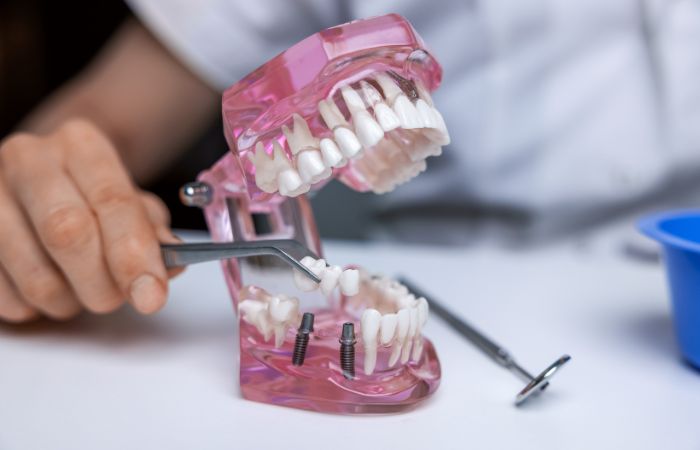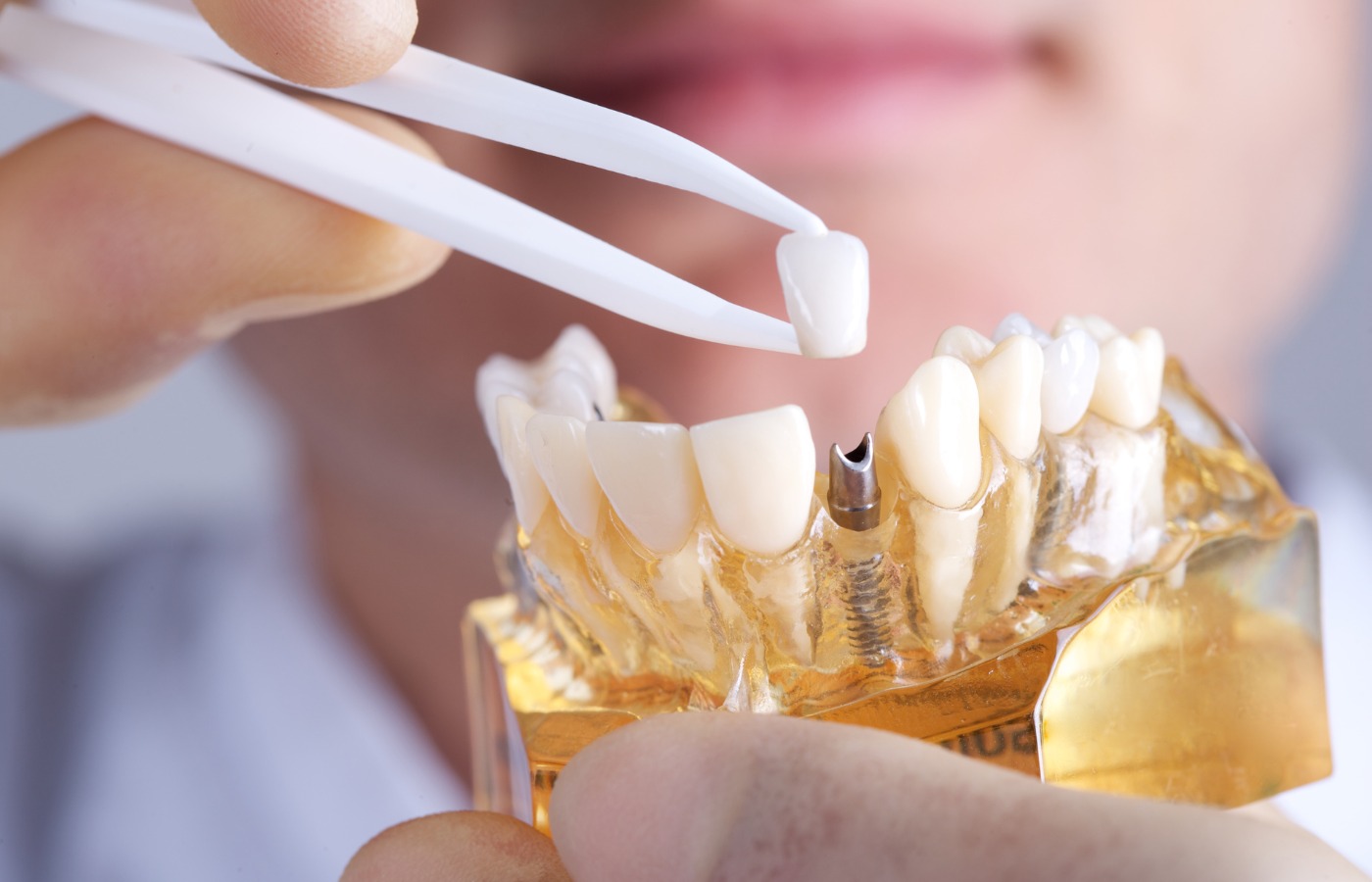
Gum disease, also known as periodontal disease, is an infection of the tissues that support your teeth. It starts with plaque buildup along the gumline. Plaque is a sticky film of bacteria. If not removed daily, it turns into hardened tartar. Tartar causes inflammation. This inflammation is the first stage of gum disease.
Expert Dental Care Tips from Pune Dental Clinic – Diagnopein
Gum disease is one of the most common oral health concerns. It affects people of all ages. Early stages often go unnoticed. When left untreated, it can lead to serious dental and health issues. This guide explains what gum disease is, why it happens, and how you can prevent it. We also share practical steps to keep your gums healthy.
Gum disease, also known as periodontal disease, is an infection of the tissues that support your teeth. It starts with plaque buildup along the gumline. Plaque is a sticky film of bacteria. If not removed daily, it turns into hardened tartar. Tartar causes inflammation. This inflammation is the first stage of gum disease.
Gingivitis
This is the mild form. Gums may appear red or swollen. They may bleed while brushing or flossing. At this stage, damage is reversible with proper care.
Periodontitis
This is advanced gum disease. Gums pull away from the teeth. Pockets form and fill with bacteria. Bone and connective tissues begin to break down. Without treatment, teeth may loosen or fall out.
Understanding the causes helps you prevent gum disease. Here are the most common factors:
Not brushing and flossing regularly allows plaque to build up. This is the leading cause.
Smoking and chewing tobacco damage gum tissues. They reduce blood flow and delay healing.
Hormone shifts during puberty, pregnancy, and menopause make gums more sensitive.
Lack of essential vitamins weakens your immune system. This makes it harder to fight infection.
Diseases like diabetes affect your body’s ability to fight infections. This includes gum infections.
Some drugs reduce saliva flow. Dry mouth increases bacteria buildup.
Stress weakens your immune response. It makes it harder to combat periodontal bacteria.
Some people are more prone to gum disease due to family history.
Early detection leads to better outcomes. Always pay attention to changes in your oral health.
Gums that bleed during brushing or flossing
Red, swollen, or tender gums
Receding gumline
Persistent bad breath
Loose or shifting teeth
Pus between teeth and gums
Changes in bite or fit of partial dentures
If you notice any of these symptoms, see your dentist promptly.
Good habits create strong defenses against gum disease. These are simple but require consistency.
Brush at least twice a day. Use a soft-bristled brush. Angle the brush toward the gumline. Brush gently in circular motions. Brushing too hard can harm gums.
Flossing removes plaque where your brush cannot reach. Slide the floss gently between teeth. Curve it around each tooth and go beneath the gumline.
An antimicrobial mouthwash reduces bacteria and plaque. Choose one recommended by dental professionals.
Bacteria also live on your tongue. Use a tongue scraper or your toothbrush to clean it.
Replace every 3 months or sooner if bristles fray. A worn brush cleans less effectively.
Toothpaste with fluoride and plaque control ingredients helps prevent gum disease. Your dentist can recommend the best options for you.
At Diagnopein Dental Clinic in Pune, we emphasize preventive care. Regular dental checkups help detect problems early.
Early detection of gum disease
Professional cleaning removes tartar
Personalized advice based on your oral health
Monitoring of risk factors
Most people should visit the dentist every 6 months. Some individuals may need more frequent visits.
Also called scaling and polishing, this procedure removes plaque and tartar above and below the gumline. It is painless and crucial for gum health.
Beyond daily brushing and flossing, consider these proven strategies:
Stopping smoking or chewing tobacco greatly lowers your risk of gum disease.
Include foods rich in vitamins C and D, calcium, and antioxidants. These nutrients support gum health.
People with diabetes are at higher risk. Good blood sugar control improves gum health.
Water washes away food particles and bacteria. It also supports saliva production.
Stress weakens your immune system. Find healthy ways to manage stress.
Gum disease can affect people at any age. Preventive measures vary slightly across age groups.
Teach children proper brushing and flossing early. Regular dental visits help identify early gum issues.
Adults should focus on daily care and routine professional cleanings. Smoking and stress management become especially important.
Gum recession and dry mouth are common with aging. Oral hygiene and professional care help prevent gum disease.
Research shows that gum disease is connected to other health conditions. Inflammation from periodontal disease may affect the body beyond the mouth.
Heart disease
Diabetes
Respiratory infections
Pregnancy complications
Rheumatoid arthritis
Caring for your gums is part of caring for your whole body.
If gum disease is left untreated, it can move beyond early stages. Advanced cases require specialized treatment.
Deep cleaning (scaling and root planing)
Antibiotic therapy
Flap surgery
Bone and tissue grafts
Your dentist will determine the best plan based on how advanced the disease is.
At Diagnopein, we provide complete periodontal care. We use modern tools and proven techniques. Our team treats gum disease and guides prevention. We tailor care plans to each patient.
Comprehensive gum health assessment
Personalized oral hygiene guidance
Regular follow-ups
Professional cleanings
Advanced periodontal treatment when necessary
We focus on comfort and lasting results.
Many patients have improved gum health with early care. Regular check-ups and consistent home care make a difference. Patients report less bleeding, fresher breath, and healthier gums.
Yes. If detected early (gingivitis), it can be reversed with proper care.
Mild cases can improve within weeks. Severe cases may require longer treatment and follow-up.
It can be painless at first. Pain may develop as the disease progresses.
Yes. Poor oral hygiene can cause gum issues at any age.
No. Too much pressure can damage gums. Gentle, correct brushing is more effective.
Preventing gum disease starts with daily habits. Good brushing, flossing, and routine dental visits protect your gums. Knowing risk factors helps you stay ahead of problems. Gum disease affects more than your mouth. It can impact your overall health. At Diagnopein Dental Clinic in Pune, we are committed to your oral wellness. Seek professional care and take action early. Healthy gums contribute to a healthier life.



















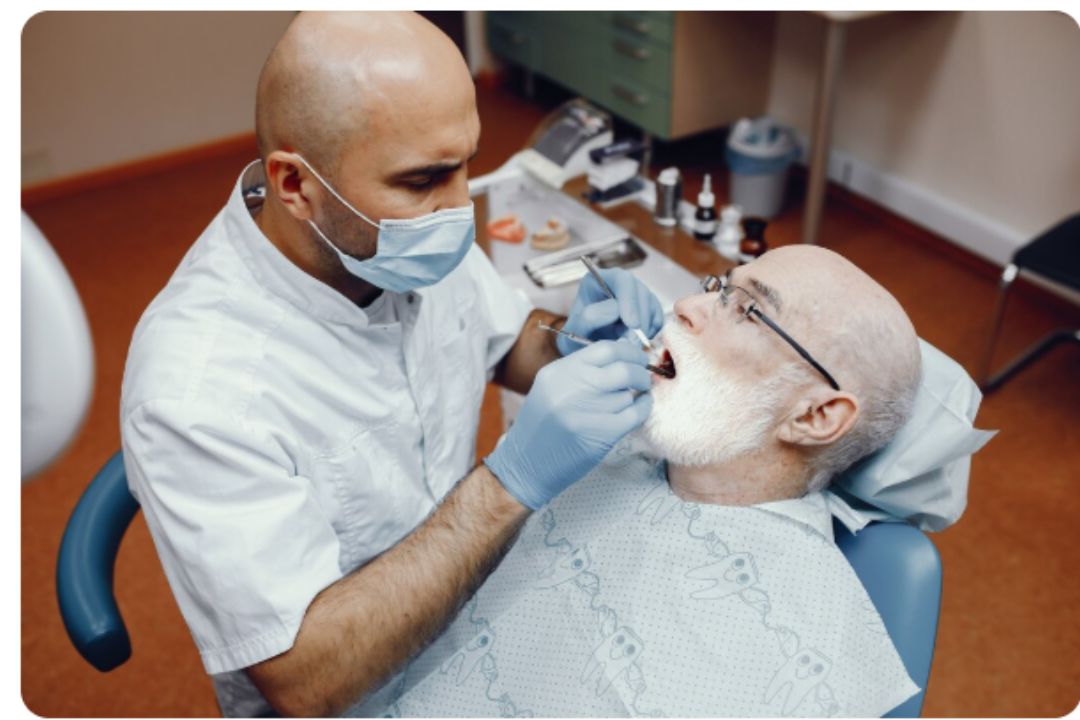
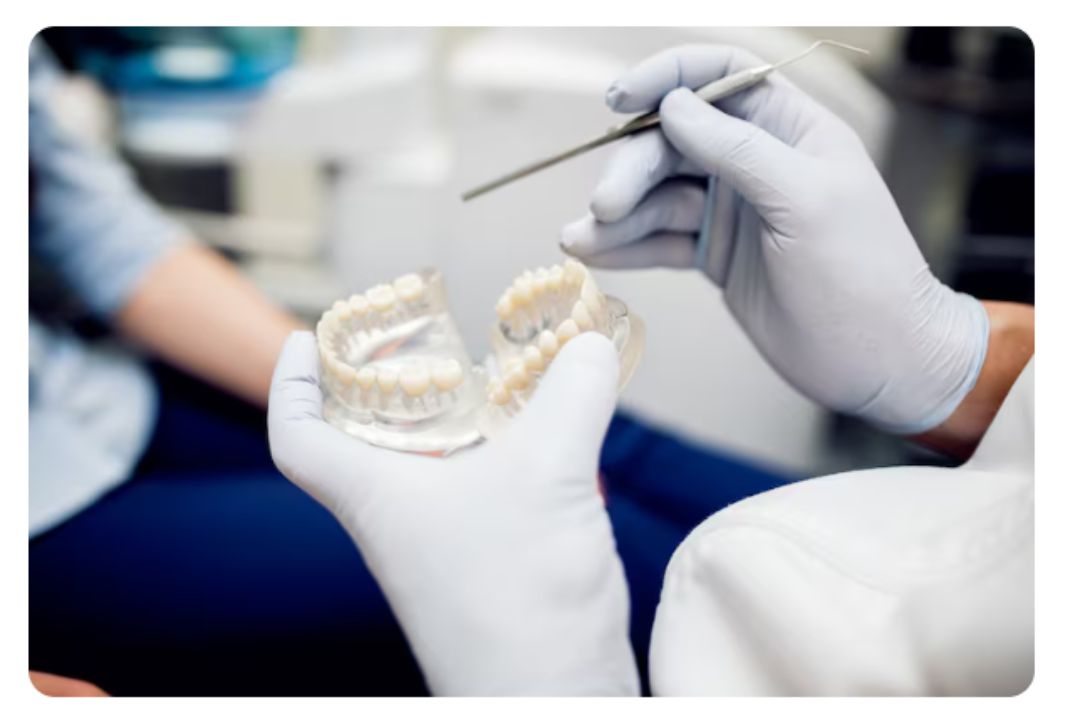
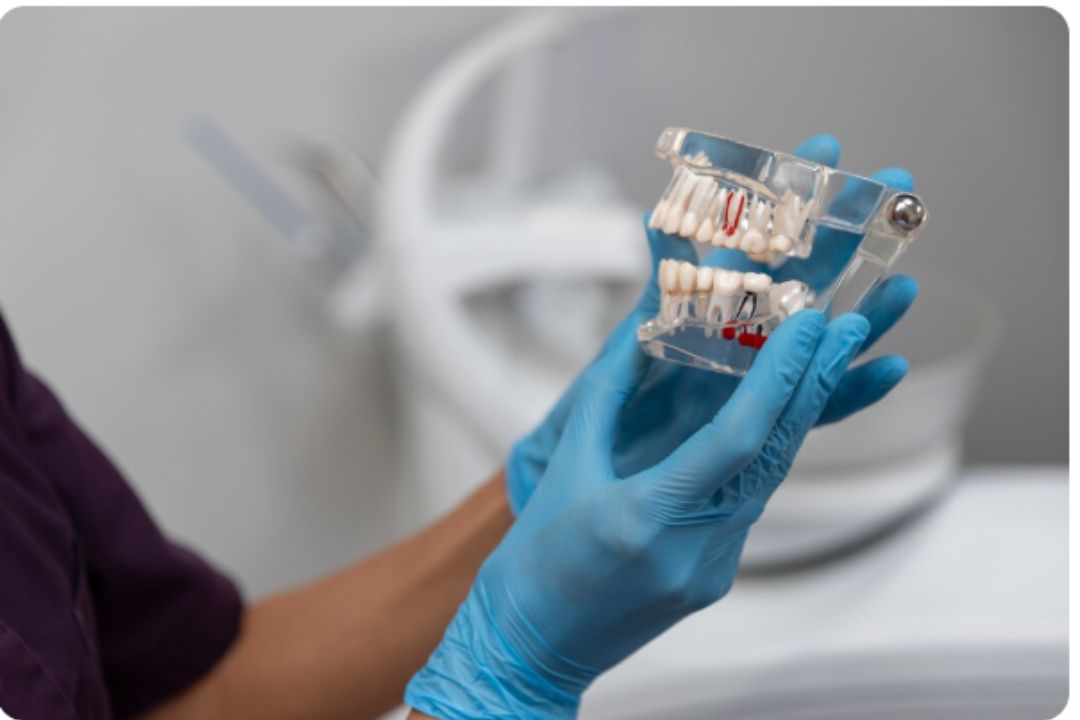

.jpg "myths and facts about dental implants")


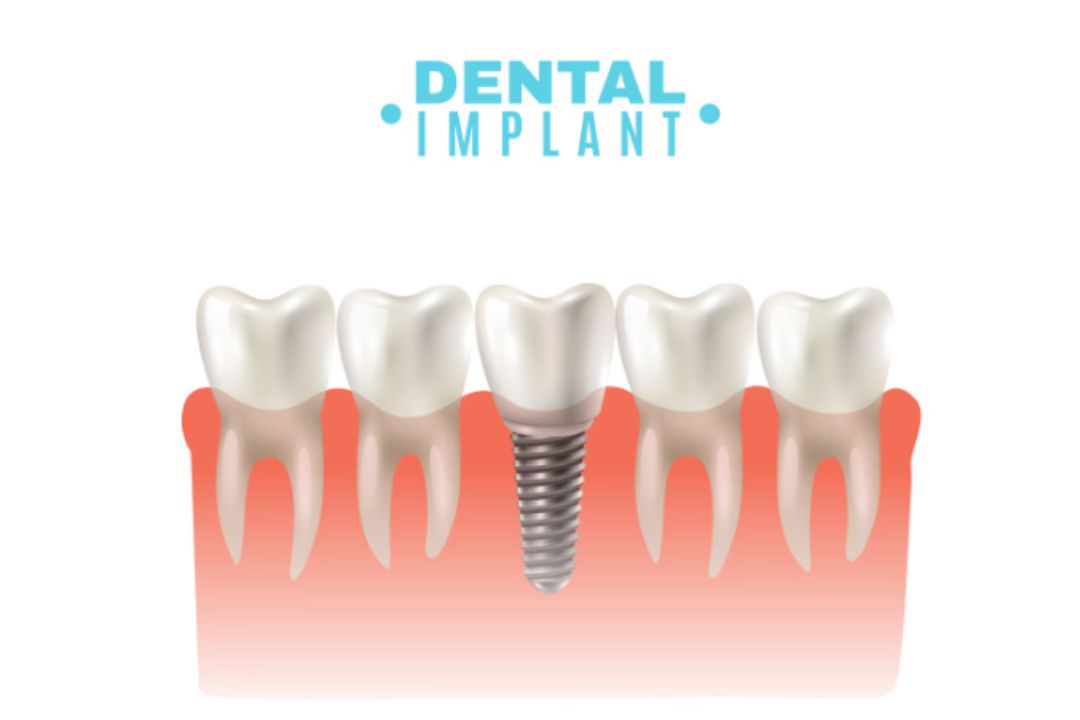





























































![affordable dental implant treatment in [pune] with emi options](/img/BlogImages/affordable dental implant treatment in [pune] with emi options.jpg "affordable dental implant treatment in [pune] with emi options")




.jpg "dental implant full mouth rehabilitation")













.jpg "foods for rapid recovery after dental implant surgery")








.jpg "dental implant")




.jpg "dental implant")
.jpg "dental implant")

.jpg "dental implants")
.jpg "dental implants")







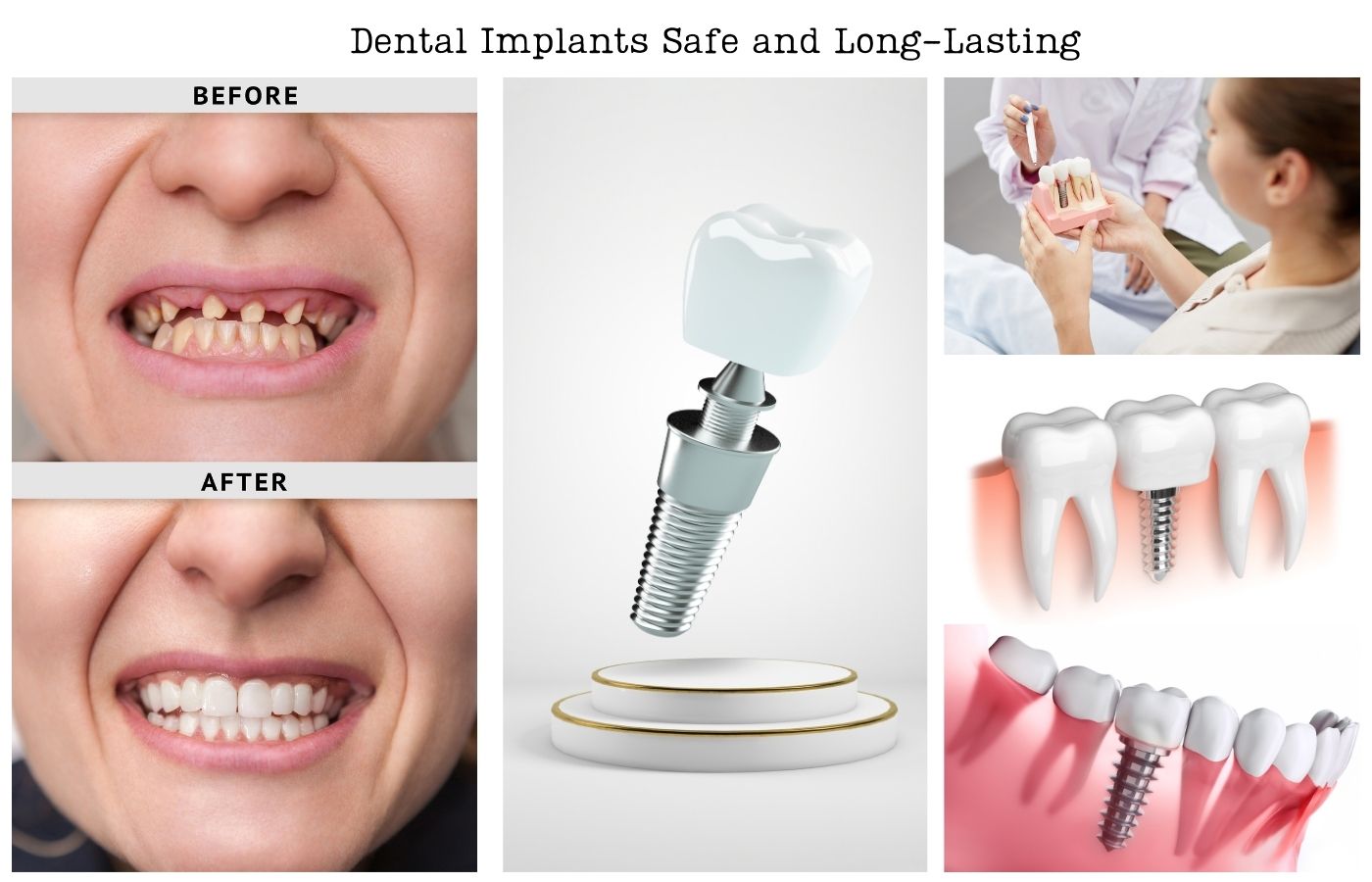
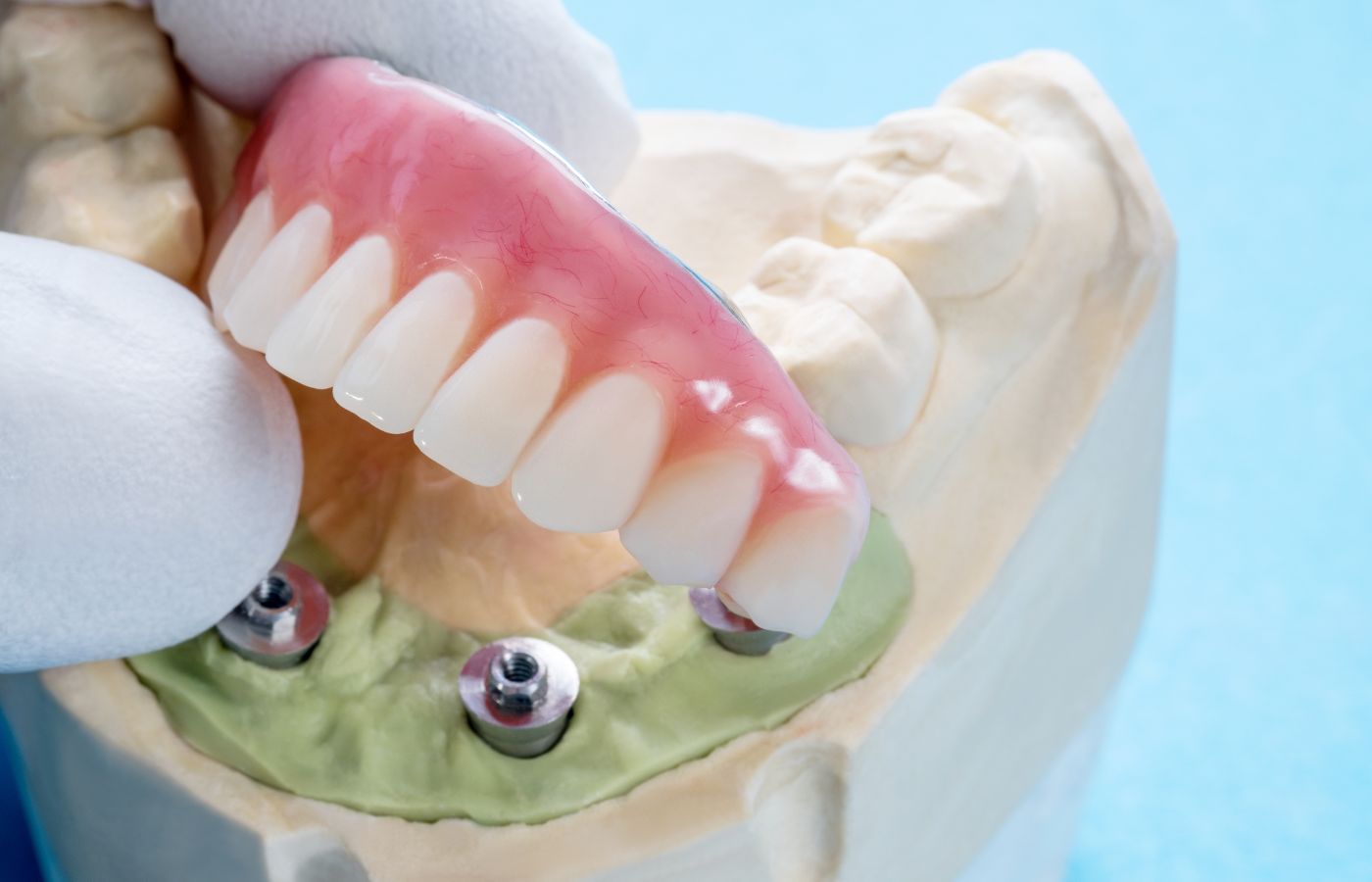
.jpg "Dental Implants Help Repair Broken")
.jpg "Know About Dental Implants")
.jpg "Major Types of Dental Implants")
 (1).jpg "Affordable Dental Implants in India")
 (1).jpg "Dental Implants with Pre-existing Conditions")