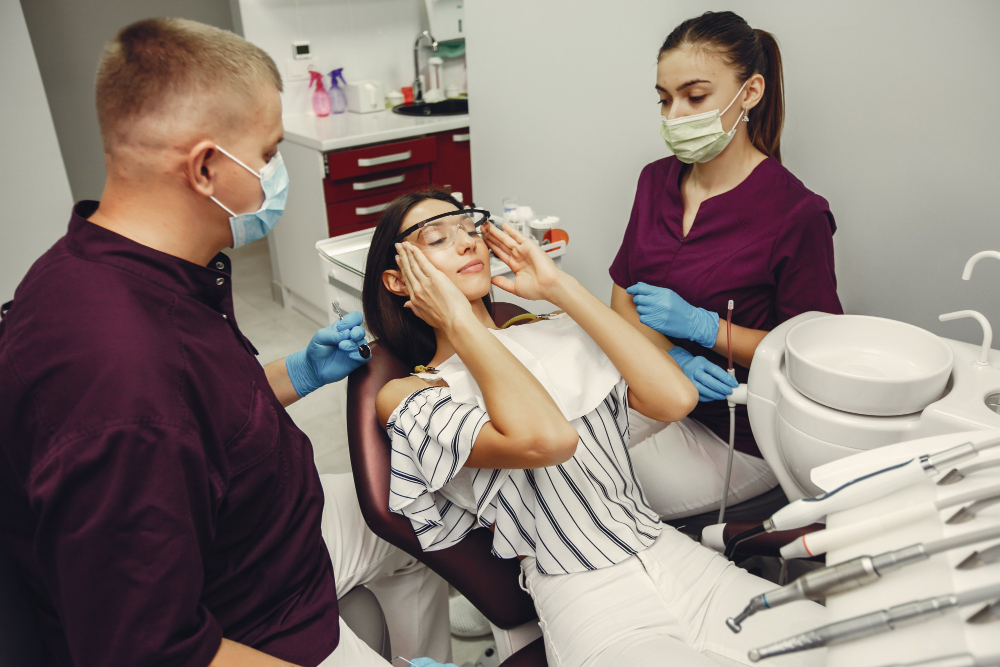
Visiting a dental clinic should be a comfortable and informed experience. Yet many people hold beliefs about dentistry that are outdated or simply untrue. These misconceptions can cause fear, anxiety, delayed treatment, and even poor oral health decisions. This comprehensive guide clears up common dental myths and replaces them with accurate, reliable facts. Whether you are seeking routine care or advanced treatment, knowing the truth helps you make the best decisions for your smile.
Visiting a dental clinic should be a comfortable and informed experience. Yet many people hold beliefs about dentistry that are outdated or simply untrue. These misconceptions can cause fear, anxiety, delayed treatment, and even poor oral health decisions.
This comprehensive guide clears up common dental myths and replaces them with accurate, reliable facts. Whether you are seeking routine care or ad vanced treatment, knowing the truth helps you make the best decisions for your smile.
Myths about dental care influence how people view treatment, prevention, and overall oral hygiene. Some myths cause people to avoid the dentist entirely. Others lead to poor choices like delaying treatment or trying DIY dental techniques at home.
Understanding the truth supports better oral health outcomes. It also strengthens the patient-dentist relationship. Let’s separate fact from fiction.
Fact:
Regular dental visits are essential even when your teeth feel fine. Pain is often a late symptom of dental problems. Many issues like cavities, gum disease, and early enamel erosion develop silently.
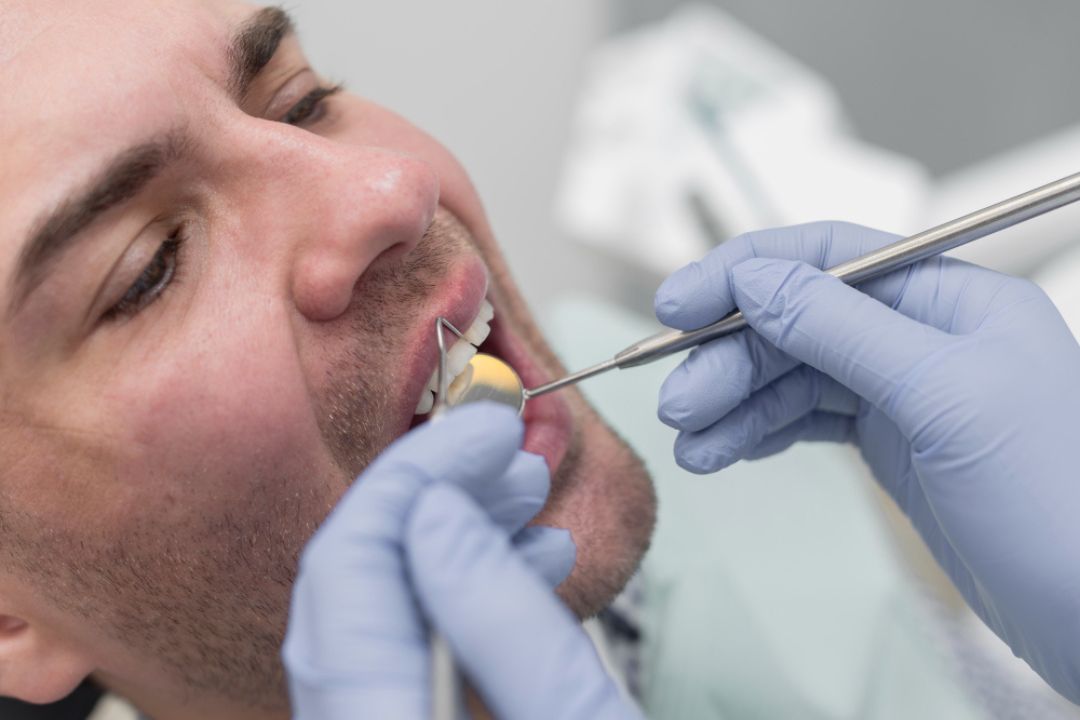
Routine check-ups allow dentists to detect problems early. Early detection often means simpler and less costly treatments. Regular cleanings also help prevent gum disease and bad breath.
Fact:
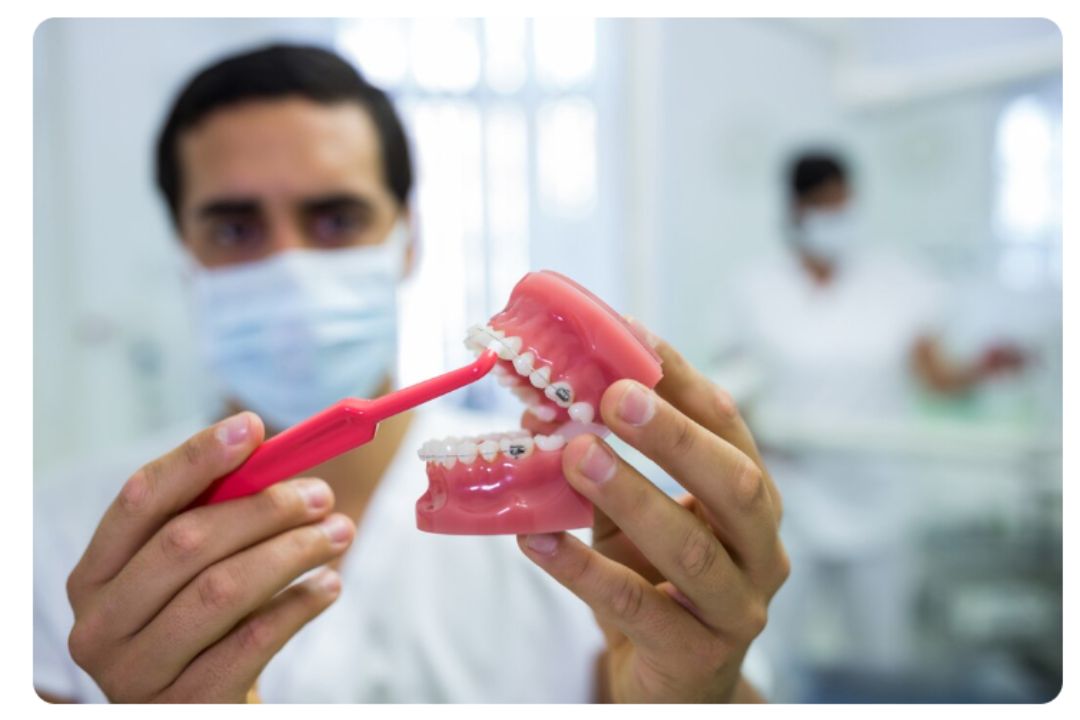
Brushing harder can damage your gums and tooth enamel. The goal is not pressure, but technique. Use a soft-bristled toothbrush and gentle circular motions.
Over-brushing can cause gum recession and increase tooth sensitivity. Proper brushing twice a day with fluoride toothpaste is more effective than brushing harder.
Fact:
Bleeding gums are a sign of gum inflammation, not a reason to avoid cleaning. Avoiding brushing only allows more plaque to build up. Instead, gentle, thorough brushing and flossing help reduce gum inflammation over time.
If bleeding continues for more than a few days, schedule a dental check-up to rule out gum disease.
Fact:
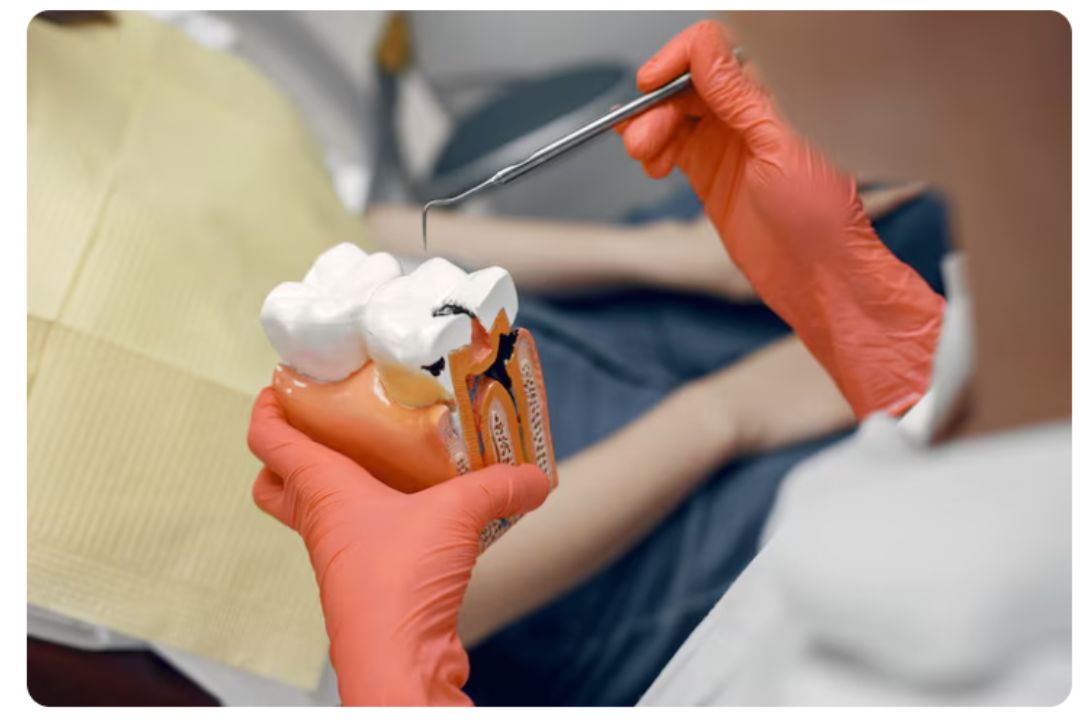
Sugar itself doesn’t cause cavities. Cavities occur when bacteria in your mouth digest sugars and produce acids. These acids erode tooth enamel. Frequent consumption of sugary foods and drinks increases the risk, but it is the bacterial process that causes decay.
Limiting sugar intake, rinsing after meals, and brushing regularly reduces the risk.
Fact:
Baby teeth play a crucial role in chewing, speech, and guiding permanent teeth into place. Decay in baby teeth can cause infection, pain, and problems with adult teeth alignment.
Treating cavities and caring for baby teeth early sets the foundation for lifelong oral health.
Fact:
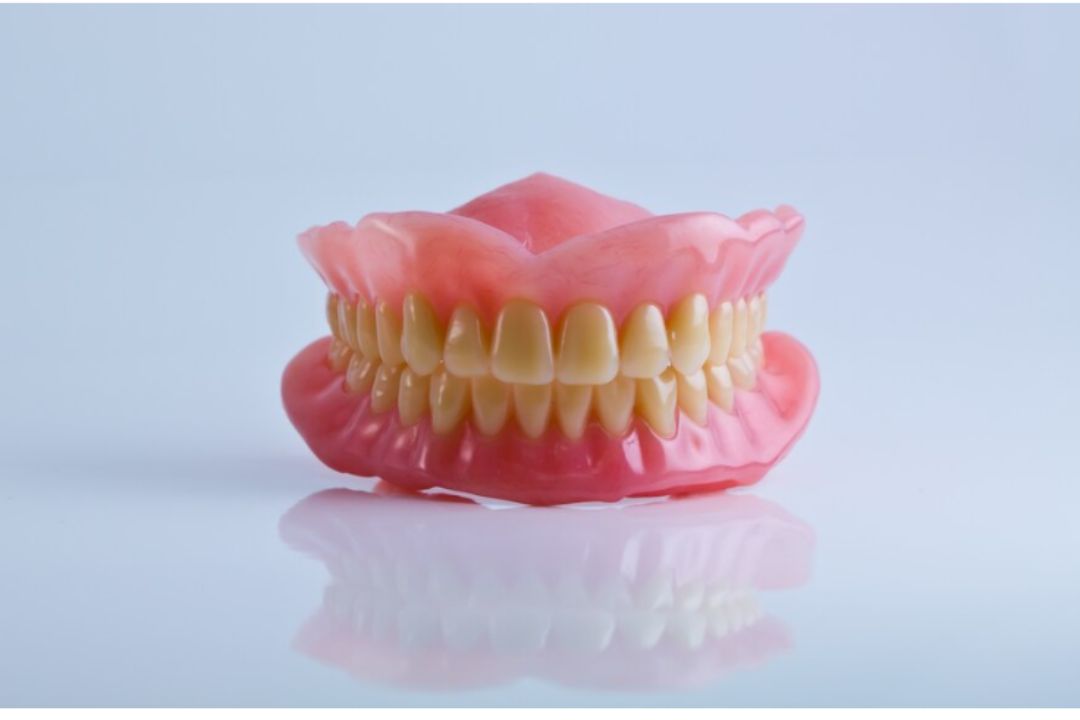
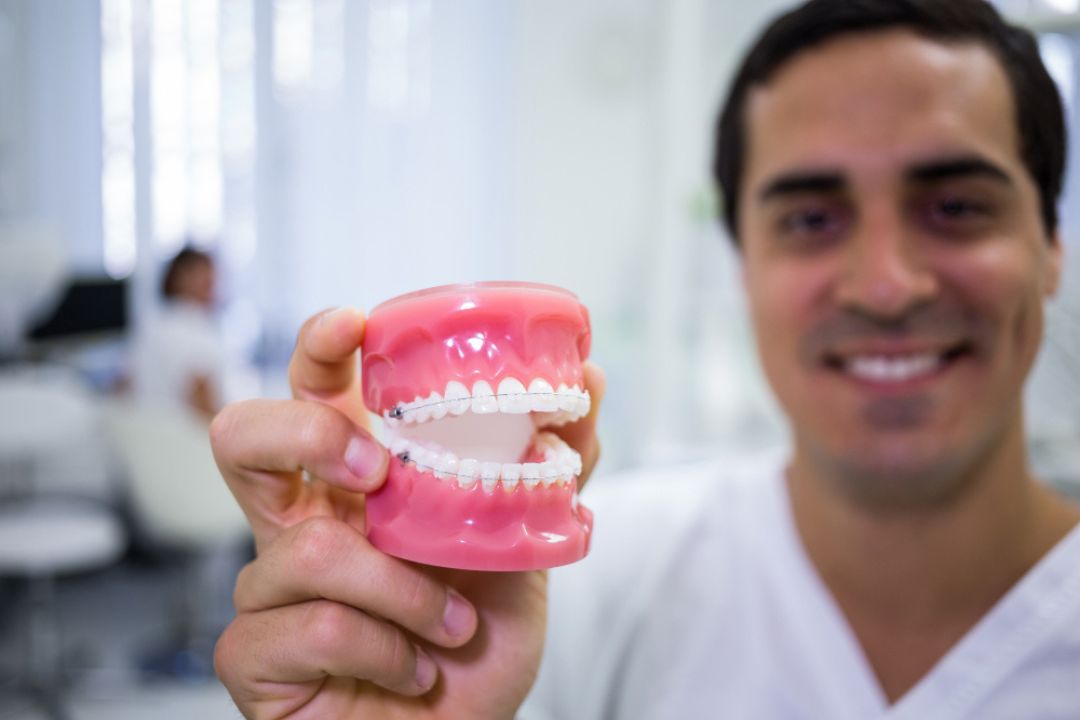
Dentures can lose their fit over time as your gums and jawbone change. Ill-fitting dentures cause sores, discomfort, and difficulty eating.
Regular dental visits ensure dentures are adjusted or replaced when needed. Proper fit improves comfort, function, and confidence.
Fact:
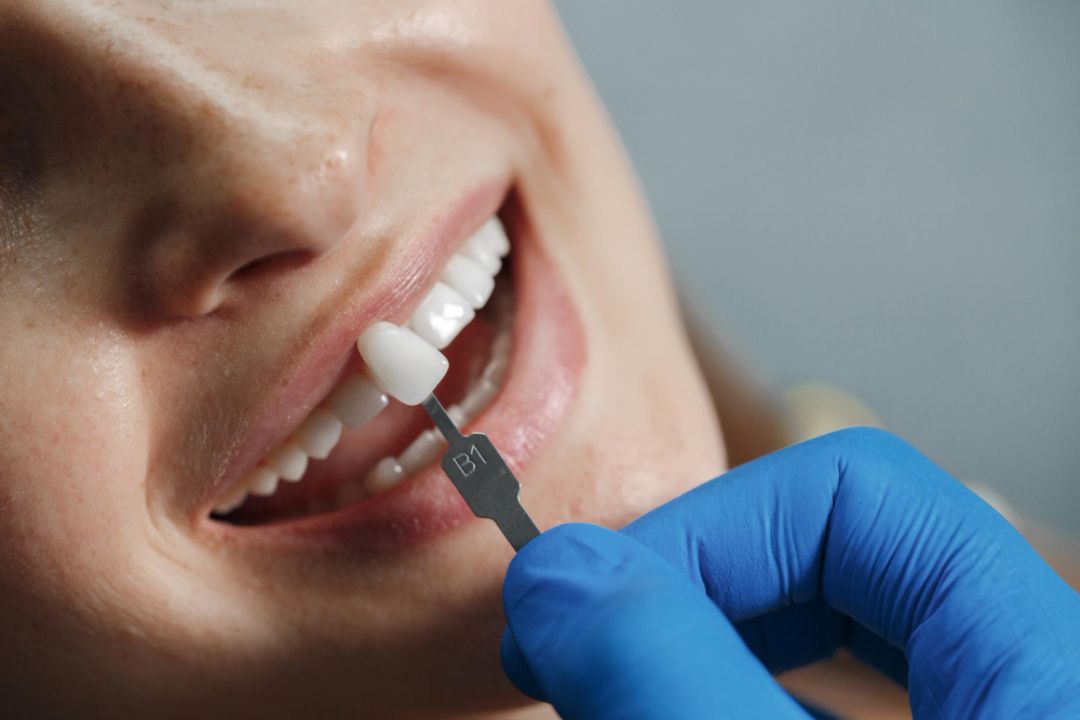
Professional teeth whitening is safe when administered by a qualified dentist. Whitening products approved by dental professionals are formulated to protect enamel.
However, overuse of unregulated products can cause sensitivity. Always consult your dentist before starting any whitening treatment.
Fact:
Adults are also at risk of cavities. Factors like dry mouth, gum recession, medication use, and poor oral hygiene increase cavity risk in adults. Older adults may develop root decay where the tooth surface is exposed near the gumline.
Regular check-ups and preventive care are crucial at every age.
Fact:
With proper dental care, most people can keep their natural teeth throughout their lifetime. Tooth loss is usually the result of untreated decay, gum disease, or trauma—not aging alone.
Preventive measures help preserve your smile and overall health well into old age.
Fact:
Persistent bad breath (halitosis) often indicates an underlying issue. Common causes include gum disease, bacteria on the tongue, dry mouth, and plaque buildup.
Using breath mints or mouthwash may mask odor temporarily, but only proper dental care eliminates the root cause.
Choosing the right dental clinic matters. Here are factors to consider:
Ensure the clinic has licensed dentists with proper training and experience.
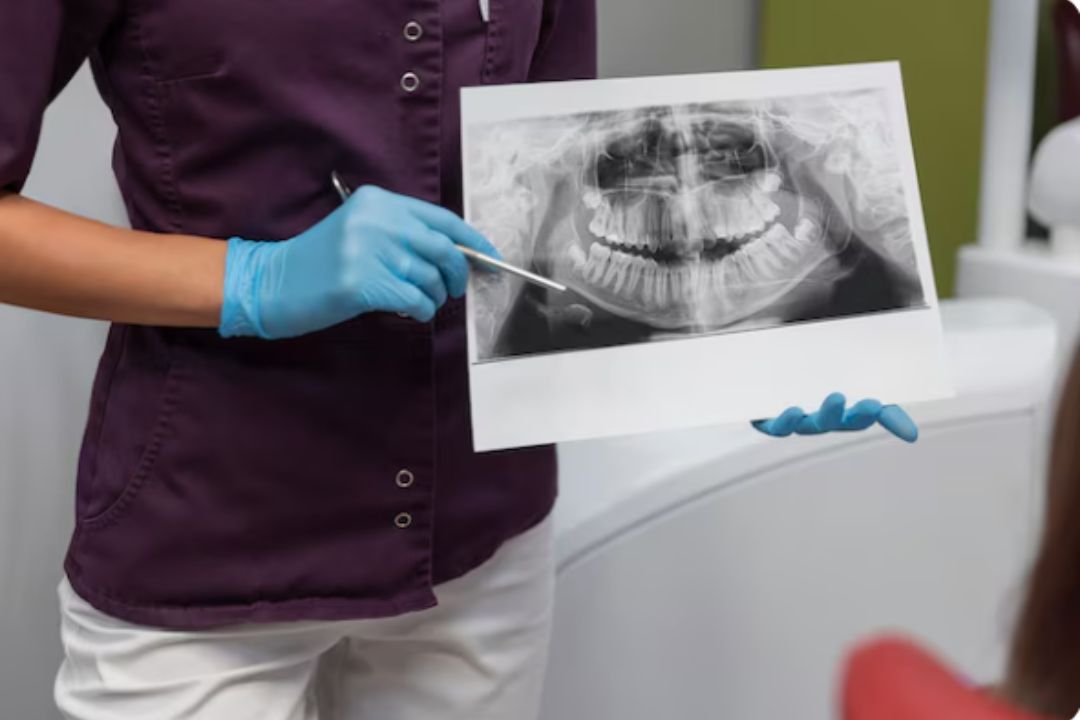
Advanced diagnostic tools like digital X-rays and intraoral cameras enhance accuracy.
A good clinic emphasizes prevention over reactive treatments.
Clear explanations of conditions and treatment options build trust.
A clean clinic with strict sterilization standards protects your health.
Use fluoride toothpaste and a soft-bristled brush.
Flossing removes plaque between teeth where brushes can’t reach.
Limit sugary snacks and acidic drinks.
Change every 3–4 months or sooner if bristles are frayed.
Aim for check-ups every six months, or as recommended.
Dental care should be based on facts, not myths. Misconceptions can lead to fear, delay, or improper treatment. Understanding the truth helps you take control of your oral health.
If you live in Mumbai and want reliable dental care, make an appointment with a trusted dental clinic. A professional evaluation ensures accurate diagnosis, personalised advice, and the best possible outcomes for your smile.
















.jpg "myths and facts about dental implants")



























![affordable dental implant treatment in [pune] with emi options](/img/BlogImages/affordable dental implant treatment in [pune] with emi options.jpg "affordable dental implant treatment in [pune] with emi options")


.jpg "dental implant full mouth rehabilitation")









.jpg "foods for rapid recovery after dental implant surgery")





.jpg "dental implant")

.jpg "dental implant")
.jpg "dental implant")

.jpg "dental implants")
.jpg "dental implants")




.jpg "Dental Implants Help Repair Broken")
.jpg "Know About Dental Implants")
.jpg "Major Types of Dental Implants")
 (1).jpg "Affordable Dental Implants in India")
 (1).jpg "Dental Implants with Pre-existing Conditions")